Author: Mei Ling Tan

  • Stephen Marks mulls French Connection sale

    Stephen Marks mulls French Connection sale

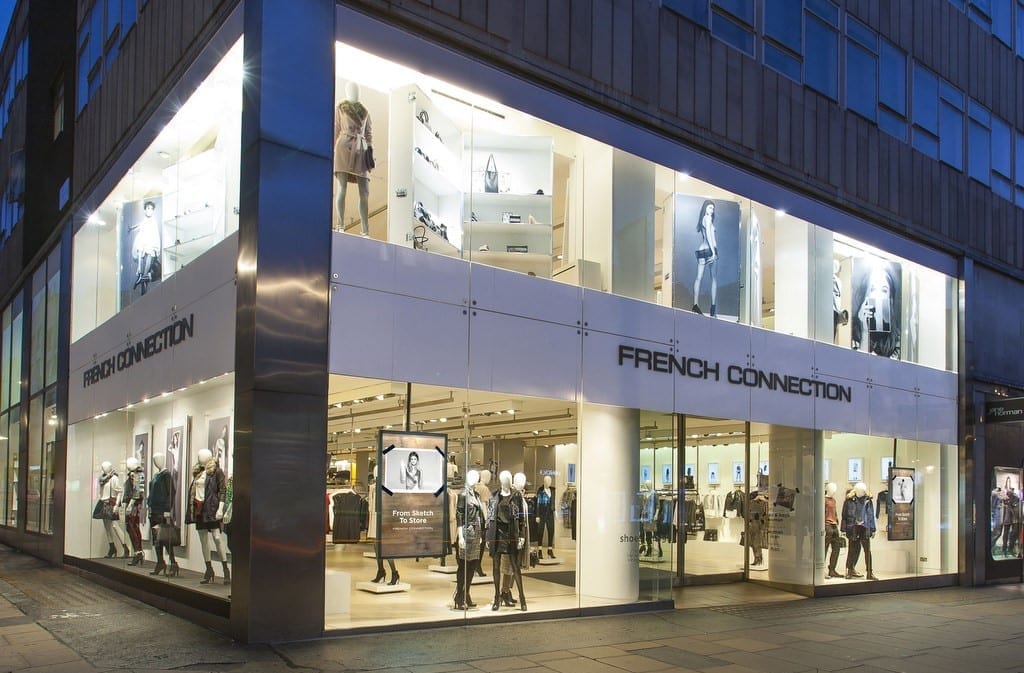
    French Connection founder and CEO Stephen Marks plans to sell his remaining cornerstone stake in the fashion label.

    Sky News UK has reported Marks has engaged Numis Securities to approach prospective buyers for the 42 per cent stake in French Connection which he still holds. He founded the brand back in 1969.

    UK media is reporting that should a buyer be found for the stake, it would almost certainly trigger a takeover bid for the entire company. A formal stock exchange announcement is pending.

    French Connection is emerging from a challenging period in its history after its hugely successful FCUK era brand positioning fell from favour in the late 2000s. In recent months, it has built strong sales online via Asos and it raised £23.3 million from the sale of 75 per cent of its Toast label in April to Danish retailer Bestseller United, parent of Selected, Vera Moda and Jack & Jones, among others.

    But the parent brand, now down to a store network of only about 30, recorded a like-for-like sales decline of 7 per cent in the half year to July 31 and a loss of £5.5 million. Marks, however, anticipates the business will be profitable by January with licensing income on the rise, reaching £2.6 million for the period, and wholesale revenues up 6.2 per cent.

    Any deal for Marks’ stake will be heavily influenced by the second largest shareholder in French Connection, Mike Ashley, who holds 27 per cent of the stock. Ashley recently bought out troubled House of Fraser and is CEO of Sports Direct.
  • IKEA India not to hike prices of low-end furniture products

    IKEA India not to hike prices of low-end furniture products

    Swedish furniture giant IKEA Sunday said it would not raise the prices of low-end furniture and furnishing products if the company costs increase due to Centre’s recent hike in customs duty on some furnishing items to curb imports of non-essential goods.

    “For now, we have not seen any repercussions, but if there is continuation of costs due to hike in customs duties on furniture and furnishing items, then at some point of time we would have to pass it (burden) on to customers, but we may do it on higher-end products, not lower-end,” Patrik Antoni, Deputy Country Manager said.

    “So, customers can still be hopeful,” he said.

    Patrik said IKEA is a global company and it would appreciate global trade, but would not be happy with trade barriers such as customs tariff or import duties.

    He also said trade barriers will only affect ‘ease of doing business,’ which will in the long run affect customers.

    The Central Government had on September 26 hiked customs duties on as many as 19 items, including jet fuel, air conditioners and refrigerators, with an aim to curb imports of non-essential goods.

    IKEA imports most of the products it sells, and many are covered by the latest customs duty hike which includes tableware, kitchenware and household items made of plastic and travel bags, among others.

    The total import bill on account of shipment of such items into the country last fiscal was Rs 86,000 crore.

    Curbing non-essential imports was part of the five-pronged steps announced by the government to check widening current account deficit and capital outflows.

    IKEA is planning to invest nearly Rs 3,000 crore in the next three years to open three fulfillment centres (packing warehouses) in Mumbai, Bengaluru and Delhi.

    The company would open the centres as an omni-channelling brand with large IKEA stores, city centre stores and online presence.

    IKEA is set to open its second store in Mumbai later this year and would hold a ground-breaking ceremony on October 11 in Bengaluru.

    By 2025, there would be over 25 stores across cities such as Ahmedabad, Surat, Pune, Chennai and Kolkata with both online and offline approaches.

  • Restructuring for Tencent as challenges rise

    Restructuring for Tencent as challenges rise

    Facing increased challenges from tighter government regulations, the Chinese internet giant, Tencent Holdings, announced last week its first restructuring in six years.

    The reshuffle comes as Tencent Holdings, which has seen a hefty fall in market value this year, is facing fresh criticism from analysts and investors unnerved by regulatory roadblocks, a fuzzy overseas strategy and growing debt.

    The gaming and social media firm is one of a number of Chinese internet companies whose prospects are in question after years of spectacular growth.

    The Shenzhen-based and Hong Kong-listed company said in Sunday’s statement that it will consolidate three content business groups to one unit and create a new group for cloud and smart industries.

    The move is seen at improving cloud-based data offering services for corporate clients, which rival Alibaba Group dominates in China, and boosting its content offering capabilities for a wide range of services such as WeChat, music, games and other entertainments.

    Tencent commented and said it will “further explore the integration of social, content and technology that is more suitable for future trends, and promote the upgrade from consumer internet to industrial internet.”

    The company said it will also set up a technology committee to help strengthen its research and development and promote collaboration and innovation.

    Founded in 1998, Tencent enjoyed uninterrupted growth from when it went public in 2004 until this year. Its shares surged more than 88 times after its IPO, and its market value hit a peak of US$578 billion in January this year.

    On Friday, Tencent shares in Hong Kong closed at HKUS$323.20, compared with HKUS$406 at the end of 2017.

    The company’s biggest money-maker is gaming. However, its most popular game this year is PlayerUnknown’s Battlegrounds Mobile (PUBG Mobile), and Chinese authorities have yet to approve the in-game purchases that allow Tencent to make money.

    Hit by China’s intensified crackdown on online gaming, Tencent has reported its first quarterly profit fall in nearly 13 years.

    The main business of Tencent is video games but the company also runs China’s dominant social network, WeChat, with more than 1 billion users.

  • Hanoi preparation plan for SEA Games 2021

    Hanoi preparation plan for SEA Games 2021

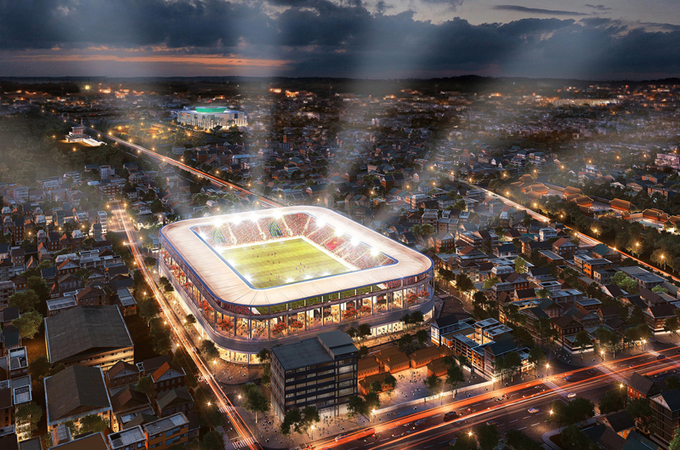
    Hanoi plans to upgrade the Hang Day stadium into an international sports complex for the SEA Games 2021.

    Capital city authorities have outlined this plan in a recent report to Prime Minister Nguyen Xuan Phuc, saying the upgrade is required because the condition of Hang Day stadium on Trinh Hoai Duc Street has severely deteriorated in recent years.

    The new complex would cost over VND6.3 trillion ($270.4 million), with funds raised from investors who operate the stadium for 50 years, the report said.

    The sports complex will be built on an area of 32,000 square meters, expanding the current area of 22,000 square meters.

    A deal for the upgrade was signed in March by domestic private firm T&T Group which manages the stadium, and French firm Bouygues Construction.

    The headquarters of the city’s Department of Planning and Investment nearby will be moved to another location to make space for the new complex.

    It will be the second international sports complex in Hanoi, after the My Dinh stadium in Nam Tu Liem District.The new stadium will have a capacity of 20,000 people, with several additional facilities including cinemas, event centers, parking basements and convenience stores.

    The Hang Day stadium is a multi-purpose facility which was first established for Hanoi’s École d’Education Physique (Hanoi’s School of Physical Education) in 1934. It was later expanded in 1958.

    In 2017, it was placed under the management of T&T Group, a corporation involved in finance, real estate and agriculture sectors.

    Hanoi will host the 31st edition of the Southeast Asian Games (SEA Games), which is scheduled to last 17 days, as well as the Para Games, for 11 days, from October to December in 2021.

    A total of 16,000 people are estimated to participate in the event, 11,000 of them athletes.

    This is the second time that Vietnam will be hosting the SEA Games after the first instance in 2003.

  • Li-Ning launches outlet in Lahore Pakistan

    Li-Ning launches outlet in Lahore Pakistan

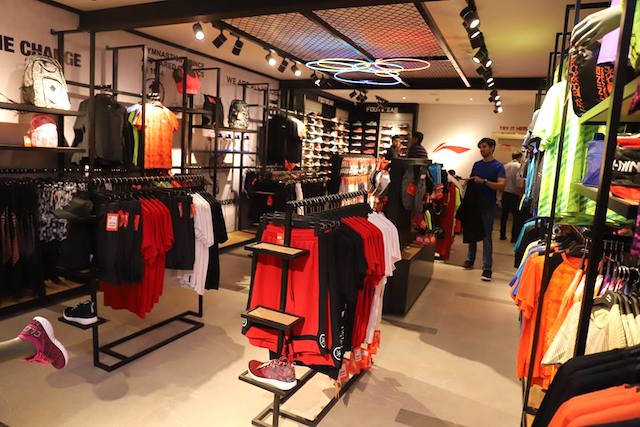
    Li-Ning Pakistan has made its debut with a flagship in the capital city of Lahore.

    The Chinese sportswear and accessories giant says the new Gulberg flagship, opened late last month, signals a nationwide expansion in the territory following the introduction of Li-Ning products in resellers earlier this year.

    Pakistan’s international badminton champion Mahoor Shehzad has been made the face of the brand in this market.

    Li-Ning was founded by its namesake, a prominent Chinese gold medallist athlete in 1990, before becoming one of the world’s largest sports apparel brands.

    Li-Ning operates more than 6400 stores and outlets worldwide.

  • Daniel Wellington put more focus to boosts travel retail sector

    Daniel Wellington put more focus to boosts travel retail sector

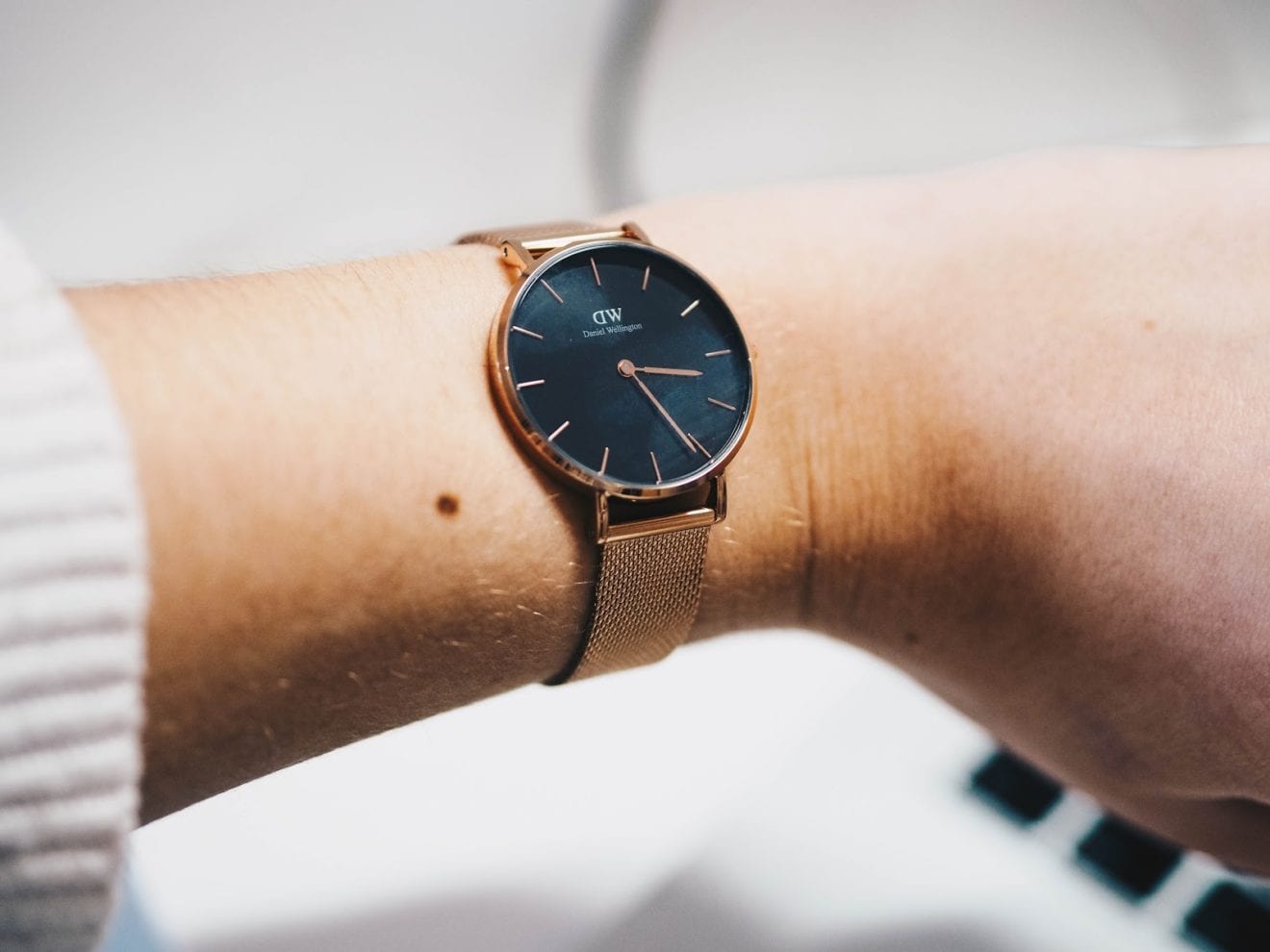
    Daniel Wellington is strengthening its expansion in global travel retail, opening more than 35 stores in key travel destinations during the past six months.

    Helen Wong, head of travel retail at Daniel Wellington said that the watch brand has consolidated its brand image in travel this year through stronger collaborations and exclusive concepts.

    “We are approaching the travel retail experience not only on a product level, through our new Daniel Wellington travel retail-exclusive products, but also through elevated brand concept environments,” she said.

    “Thanks to stronger collaborations with our partners and popular demand from our fans, we have been able to present the brand in creative and engaging pop ups and shops-in-shops this year, with more exciting spaces to come.”

    The company opened at Shenzhen Bao’an Airport last month, marking the first Daniel Wellington boutique in a travel retail location at a Chinese airport.

    In Malaysia, the brand has partnered with Dufry to open at the Genting Highlands integrated resort, northeast of Kuala Lumpur.

    And in Thailand, Daniel Wellington has signed the lease for its first store, to be opened at Chiang Mai in partnership with local duty-free retailer King Power.

    Travel is also on the agenda in South Korea, where the brand is consolidating its presence with renovation projects planned across 16 locations, including in Seoul, Incheon, Busan and Jeju. The brand is also targeting premium destinations and has designed a new furniture concept specially for travel retail locations.

    Other travel retail openings this year include a first store in Cam Ranh Airport, which serves the popular Vietnamese tourist destination of Nha Trang.

    Besides opening stores in travel-related locations, Daniel Wellington has developed products exclusive to these stores this year, including the Classic Cambridge 36mm style modelled on the 40mm size, one of the brand’s first styles launched.

    Wong said the company’s greatest focus during coming months will be to solidify the brand awareness through controlled distribution and a global social media strategy for travel retail.

  • Giant Muji Ginza flagship plan revealed

    Giant Muji Ginza flagship plan revealed

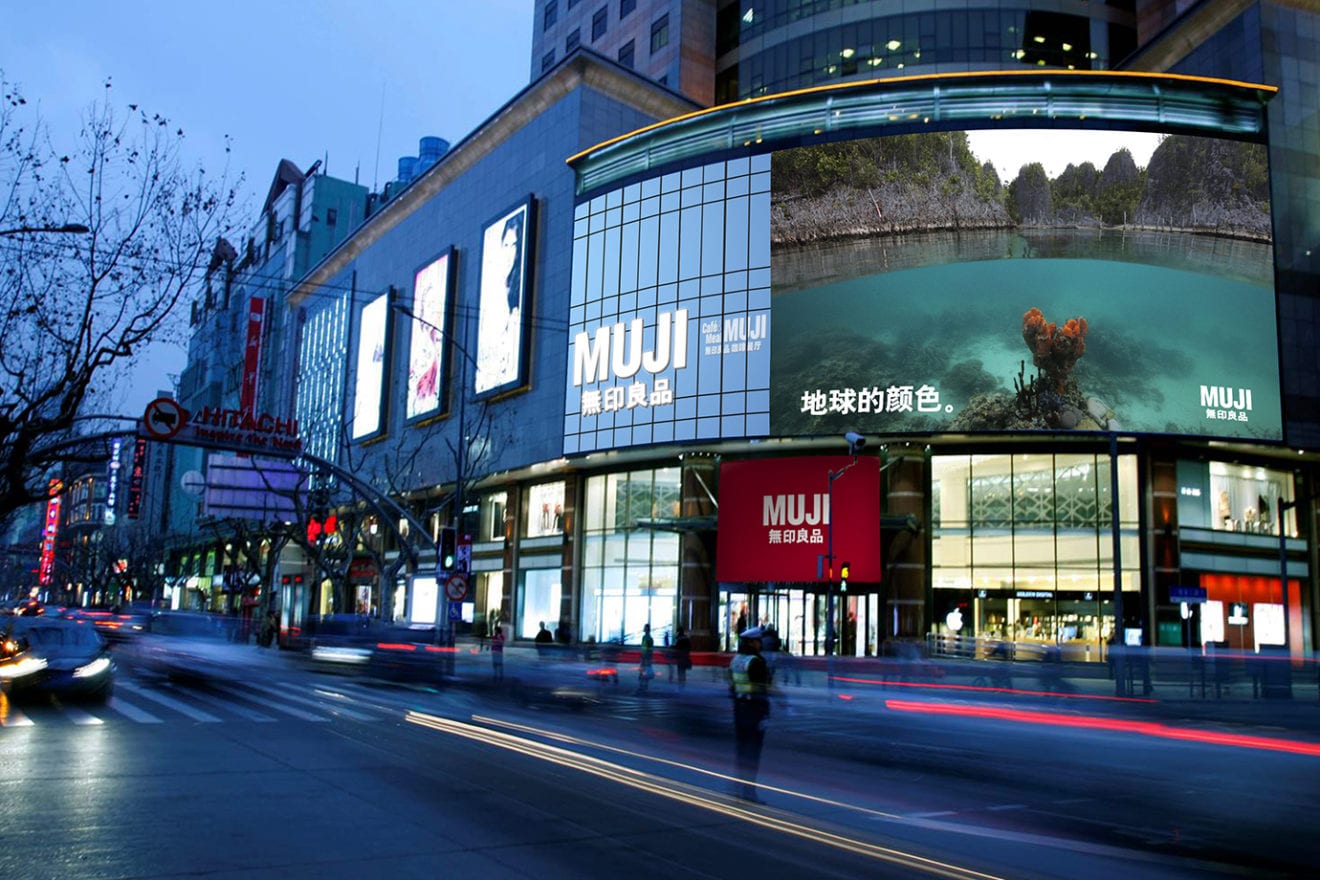
    Japanese anti-brand retailer Muji will open a new global concept store in Tokyo’s Ginza district next April.

    Besides a seven-storey Muji Ginza retail store, the company will open a Muji Hotel, a gallery and community space and a Muji-branded Diner on the site. It will close its existing standalone Tokyo flagship store at Yurakucho on December 2.

    Satoru Matsuzaki, president and representative director of Muji’s parent company Ryohin Keikaku, says the new Muji Ginza flagship will be a global statement for the brand with a focus on food.

    “Muji wants to connect the relationships between people and people, people and society, and people and nature through its goods and services,” Matsuzaki said in a statement.

    “Among the three most basic of human needs (clothing, food, and housing), food is perhaps the most critical, essential part of life. City dwellers, however, have become far removed from the farms, ranches and fisheries, where the food is actually produced, and have come to consume food as nothing more than mere merchandise. Many of them know neither the producers, the land nor the sea that grew the food.

    “The new global flagship store will dedicate more goods and services to food. We hope it helps customers think about the producers and production areas, taking another look at the relationship between food and people.”

    A dedicated food area on the store’s ground floor features vegetables and fruits delivered directly from the farms near Tokyo. The store will sell freshly squeezed juice or desserts made from in-store fruits. There will be a space to eat on site and the store will sell teas, spice and fruits by measure.

    A Muji Diner will open in the first basement level, focusing on simple food and featuring a salad bar. Dishes of fish, meat or wild game in season will be available for individual diners and groups.

    Muji Hotel Ginza and Atelier Muji Ginza

    Described as “anti-gorgeous, anti-cheap” the Muji Hotel Ginza promises “a great sleep at the right price”. It will be the third Muji Hotel after properties in Shenzhen and Beijing, featuring 79 guest rooms.

    The Atelier Muji Ginza will open on the building’s sixth floor, beneath the hotel, intended as a “multi-purpose facility of design and culture”.  It will comprise two galleries for exhibitions featuring craftwork and design, a salon where people can talk over coffee or drinks, a library of books related to design and arts and a lounge for events and workshops.

    To bridge the gap between the old flagship’s closure and the new Ginza concept’s opening, a mini pop-up store is planned for Marronnier Gate Ginza – half way between the two sites – trading for three months from December 12. It will stock items selected from Muji’s 7000 lifestyle basics range.

  • Flipkart arm to invest Rs 991 cr for logistics hub in Bengal

    Flipkart arm to invest Rs 991 cr for logistics hub in Bengal

    Instakart Services, a part of the online e-commerce major Flipkart, is set to invest Rs 991 crore for setting up a logistics hub in West Bengal, a Minister said on Wednesday.

    “The company proposes to invest Rs 991 crore for setting up a logistic park at our Haringhata Industrial park which has road network advantage and is near the airport. According to the detailed project report, it will provide 18,310 jobs,” Finance, Commerce and Industries Minister Amit Mitra said.

    West Bengal Industrial Development Corporation (WBIDC), in its board meet on Wednesday approved in principle the company’s proposal, which will now go to the Cabinet standing committee for its nod, he said.

    The state government has about 358 acres of land at an industrial park, of which the company will be provided around 100 acres at Rs 63.49 lakh per acre, Mitra said adding that it will act an as anchor investor in the park.

  • Hypebeast launches Hypefest

    Hypebeast launches Hypefest

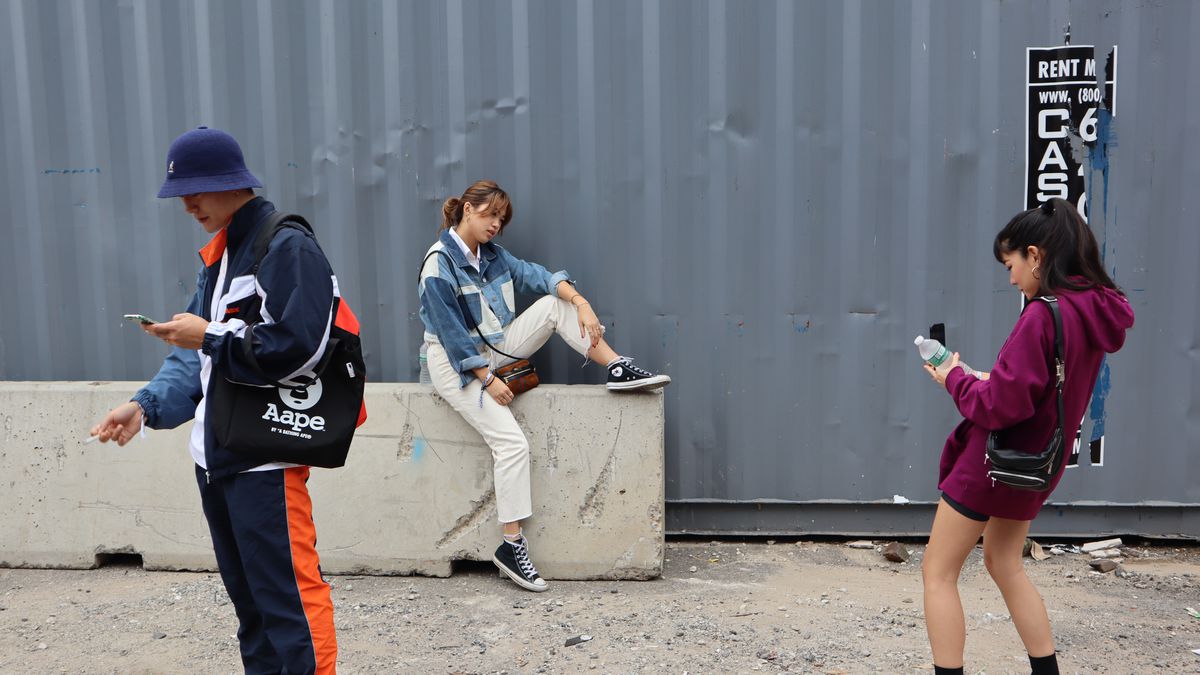
    Hypebeast is the prime destination for young male in their mid-2000s with a vague interest in Japanese denim or limited-colorway Nike Dunks or whatever it was that Pharrell was wearing that month.

    The fashion blog was among the first to enthusiastically document trends in sneakers and streetwear.

    Kevin Ma, who founded the blog in 2005 when he was a student in Vancouver, didn’t know much about fashion then. But 13 years later, the Hong Kong native sits quietly at the top of a publicly traded Hypebeast empire.

    His dominion includes the website, a quarterly print magazine, an online store, legions of influential fans and now a Hypebeast festival, which will take place the first weekend of October in an undisclosed location in Brooklyn with a “breathtaking view of the Manhattan skyline.”

    It will be called Hypefest.

    Mr. Ma, 36, and his team have been reluctant to share too much information in advance of the festival; it might kill the hype.

    Instead, taking cues from the brands that they’ve promoted for years, they are letting news about the festival trickle out slowly, and letting intrigue build.

    Upward of 10,000 tickets will be available online next week — for free.

    But promotional materials promise that Hypefest will be a “highly curated and educational experience.” There will be booths from global clothing companies like Adidas Originals, Diesel and Moncler, as well as streetwear brands like Needles and Girls Don’t Cry.

    There will also be music, food, art and talks with fashion designers, held in a “Hypetalks panel discussion area.”

    Perhaps most notably, Hypefest will not be a merch-fest.

    “We want people to really have an experience as opposed to shopping,” Mr. Ma said. “I feel that you can shop any time. You can shop at a shop. You can go to a pop-up to shop. You can go online to shop.”

    Hypefest merchandise will primarily be sold online, which could curtail the secondhand market that is endemic to hypebeast culture, in which “drops” of merchandise from vaunted brands are snatched up quickly in person and resold.

    Scarcity is part of the aesthetic, which has been adopted by celebrities like Jonah Hill (called “a budding darling of the hypebeast community” by Dazed) and Justin Theroux (a “low-key hypebeast,” according to The Cut). Their outfits have helped to incubate an entire media ecosystem, as tabloids analyze their casual style.

    The 2018 hypebeast bears only a loose resemblance to the one whose wardrobe Mr. Ma assembled in the early days of his site.

    During a recent interview at his apartment in SoHo, he was dressed down in a loose black long-sleeve shirt, jeans and black Vans. Even the most discerning eye might have missed that the jeans were from Mr. Completely, the Los Angeles store; that the shirt was from the Japanese brand N.Hoolywood; that his frames were from Gentle Monster, the Korean glasses retailer.

    Though Mr. Ma’s understated, globally sourced look spoke to the style ideology he has long tried to inculcate in his readers, Hypebeasts are now more easily identified by flashy, recognizable brands.

    But Mr. Ma understands, he said, that the term is now mostly out of his control.

    “It can be anything nowadays I feel,” he said. “Which is kind of cool.”

  • Grab, Fave form strategic partnership to boost growth

    Grab, Fave form strategic partnership to boost growth

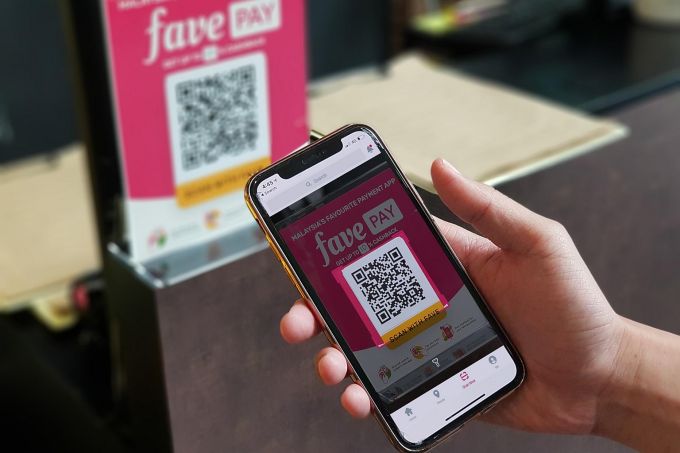
    Prominent O2O services Fave and Grab have announced a strategic partnership to accelerate growth for both platforms across the region.

    The partnership combines the strengths of Fave’s broad merchant network and FaveDeals platform with Grab’s large user base and growing ecosystem.

    Starting this week, Fave’s merchant sales team will onboard merchants for GrabFood and GrabPay in Singapore and Malaysia, aiming to further accelerate the growth of both firms’ respective food delivery and mobile wallet services in these countries. Later in October, Fave will expand its platform with GrabPay mobile wallet.

    Fave customers can already spend their GrabPay balance at restaurants and retailers in the Fave network and deals available on Fave. Users may spend their credits across multiple categories and receive discounts and cashback offers. As a result, Fave merchants will now be able to access Grab’s Asean-wide customer base of more than 110 million app downloads.

    The integration of the GrabPay wallet was done through GrabPlatform, a suite of APIs that enables partners to access components of Grab’s technology like logistics and payments. This is the first of its kind integration in a partner app for the Grab Platform.

    Grab Financial’s senior MD Reuben Lai said” “We’ve always believed that in order for the region to go cashless, we would need a collaborative approach and are happy we can now count Fave, one of the fastest growing O2O platform in Southeast Asia as a strategic partner. As the region’s leading fintech platform, we will increasingly offer integrations through GrabPlatform. This allows more local and global partners to tap into previously untapped consumers and grows the Grab ecosystem as an everyday app.”

    Founder of Fave Joel Neoh added: “This collaboration with Grab provides a valuable win-win situation for both merchants and consumers. By providing GrabPay wallet as a payment option on the Fave platform, our merchants will immediately benefit from additional customer traffic from the millions of people who use the Grab platform daily. For customers, we have just made life easier for paying at our Fave merchants by partnering with the leading mobile wallet in the region.”

    The two partners are exploring additional ways to collaborate and help small and medium-sized enterprises grow their business. Further collaborative efforts will be focused on integrating more services on both platforms.

  • E-commerce majors see strong growth in apparel, large appliances as festive sale kicks off

    E-commerce majors see strong growth in apparel, large appliances as festive sale kicks off

    E-commerce giants Flipkart and Amazon India have seen a strong start to their festive sale with categories like apparel and large appliances driving record transactions and new customers coming on board.

    According to a PTI report: These companies have put in months of preparation in ramping up selection, setting up warehouses and strengthening delivery network ahead of the festive sale to ensure a smooth shopping experience for customers, with demand being much higher than on non-festive days.

    Players like Flipkart, Amazon India and Paytm Mall kick-started their festive sale from October 10 that will continue for the next 5-6 days. More offers are expected to be rolled out over the next many days leading up to Diwali.

    “The scale of Big Billion Days (festive sale of Flipkart) has only grown with each passing year and this year too, we expect the trend to continue. While each category sees manifold growth, we expect smartphones, large appliances and apparel to be phenomenally big categories,” Kalyan Krishnamurthy, CEO, Flipkart said.

    He, however, declined to comment on the volume of business expected to be generated, saying “its early to speculate as the growth always end up surprising us”.

    Amit Agarwal, Senior Vice President and Country Head at Amazon India, said the first day of the Great Indian Festival 2018 has been the biggest day ever with record-breaking sales across categories.

    “We are off to a great start and have seen phenomenal numbers during early access and first day that is still on. Three out of four phones sold in the country were on our platform. We saw record sales in large appliances category like TVs, washing machines and refrigerators,” he said, adding that there has been 2.7X growth in number of new customers shopping on Amazon.in compared to previous year’s Diwali.

    Agarwal said Xiaomi, on its platform, sold more than a million devices in a day, while OnePlus has seen record bookings worth Rs 400 crore.

    “More customers bought fashion products than any other, as Amazon fashion saw its biggest day ever more than doubling its growth over last year,” he further said.

    About 20 million people are expected to shop on various e-commerce platforms during the festive sale, translating into sales of around US$ 3 billion for players like Amazon and Flipkart, according to a report by research firm RedSeer.

    The report states that the share of items like electronics and furniture during the sale could be higher this year due to various affordability initiatives being undertaken by the e-commerce players. Mobile phones currently account for a lion’s share of sales on the two leading e-commerce platforms.

  • Boneshaker burger to open more stores in China

    Boneshaker burger to open more stores in China

    Australian burger bar Boneshaker has opened three stores in Shenzhen and now plans 20 in greater China, given the strong response to date.

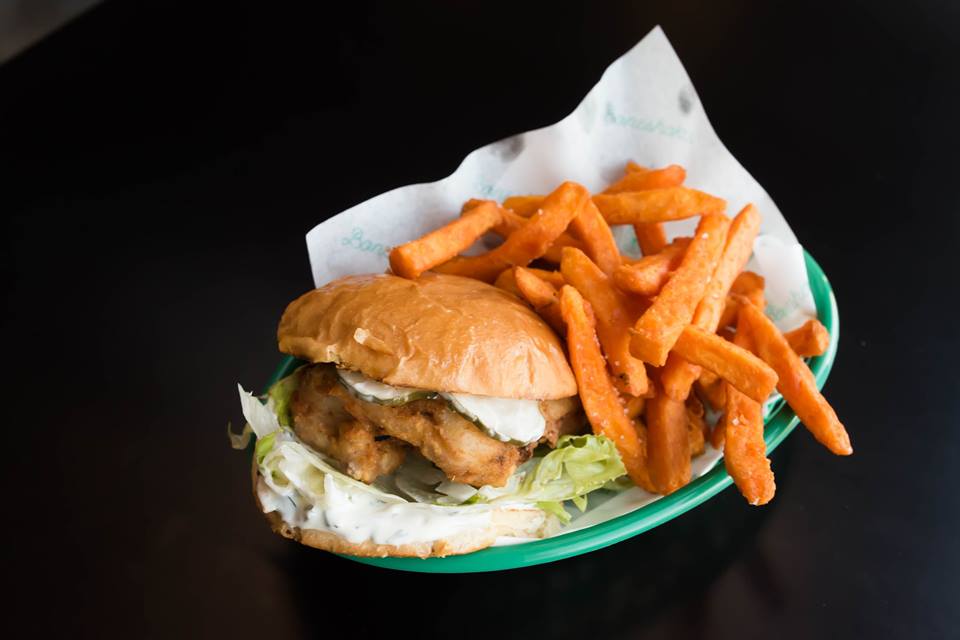
    Boneshaker describes its offer as “an Aussie burger with the lot” featuring beetroot, egg and pineapple, which is a new burger variation for China.

    Owner Billy Petropoulos opened the first Boneshaker in Shenzhen in March last year, refining the format to the local market, before two more stores followed. The remaining 17 planned will open progressively over the next five years.

    Petropolous said in an interview in his hometown of Adelaide that the market in China is young, and Shenzhen itself is just 40 years old.

    He said the burgers appeal particularly to the 20-40 age group. “They love it.”

    Boneshaker makes its burgers using fresh, healthy organic ingredients. It also offers local menu items such as the recently launched Peking duck fries and serves South Australian beers.

  • Nestle Malaysia to sell business to finance world’s largest Milo plant

    Nestle Malaysia to sell business to finance world’s largest Milo plant

    Nestle (Malaysia) Bhd is selling its chilled dairy business – which retails the Bliss brand of yogurt drinks, in Malaysia, Singapore and Brunei – and its Petaling Jaya factory, to Lactalis Manufacturing Malaysia Sdn Bhd for RM155.3 million, as part of plans to set up the largest Milo factory in the world in Chembong, Negri Sembilan.

    The group said it would be using RM100 million, or the bulk of the proceeds from the sale, by end of 2019, for the Milo manufacturing centre of excellence in Chembong.

    Nestle Malaysia plans to move all existing Milo manufacturing assets in the Petaling Jaya factory to the Chembong factory.

    The disposal is on a going-concern basis, with Lactalis offering continuous employment to a majority of the affected employees based on the purchasers’ evaluation of their business and operational requirements. For roles that will no longer be available, termination benefits will be accorded to those who qualify.

    The group expects a one-time gain of RM27 million from the disposal, split over 2018 and 2019.

    The deal comes with a “no compete” clause for five years, from Jan 1, 2019, forbidding Nestle Malaysia from going into the chilled dairy business.

  • Stéphane Bianchi to head LVMH watchmaking division

    Stéphane Bianchi to head LVMH watchmaking division

    LVMH has tapped Stéphane Bianchi, the former CEO of the cosmetics firm Yves Rocher, to succeed Jean-Claude Biver as head of LVMH’s watch division.

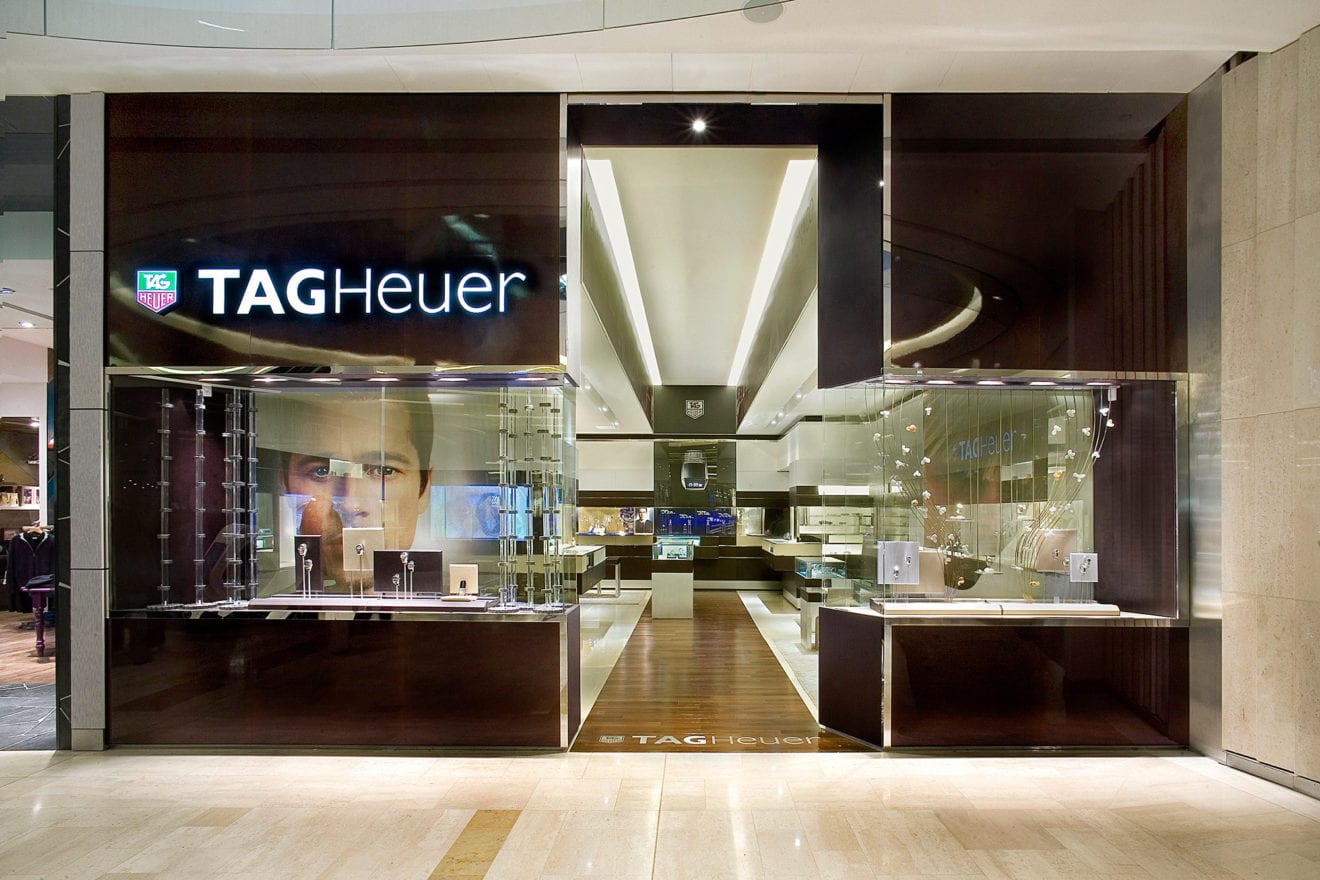
    Biver, who recently turned 69, stepped down from his operational duties as president of the LVMH watch division and CEO of TAG Heuer for health reasons but will nevertheless remain as non-executive chairman of the division.

    After spending over 45 years in the industry, Biver said he wishes to focus more specifically on “advising and sharing” his experience.

    Bianchi will become CEO of TAG Heuer and oversee the operations of Hublot and Zenith, the other two brands in the watch division, effective 1st of November.

    Recently on the board of the Maus Group, a family business, Stéphane spent most of his career with the Yves Rocher Group where he was CEO from 1998 to 2015.

    LVMH has also promoted Frédéric Arnault to the position of director of strategy and digital director at TAG Heuer. Arnault, 23, was named TAG’s head of connected technology last year. He is the son of LVMH Chairman and CEO Bernard Arnault.

    “I would like to applaud Jean-Claude Biver for the decisive leadership that he has shown in his role at the head of the watchmaking division,” Bernard Arnault said in a statement. “Since the integration of Hublot within LVMH, he has elevated our watchmaking division to a world class technical level of the highest order and has significantly accelerated its commercial growth. I am delighted that the Group will continue to benefit from Jean-Claude’s advice, and I am sure that his entrepreneurial spirit will bring many innovative new ideas to the world of watchmaking.”

  • Korea’s jobless rate rises in September

    Korea’s jobless rate rises in September

    South Korea’s jobless rate rose slightly in September due to a fall in employment in the retail and restaurant sectors, with poorer-than-expected job creation continuing, government data showed Friday.

    The unemployment rate stood at 3.6 percent last month, up 0.3 percentage point from a year earlier, marking the highest rate for September since September 2005, according to the report compiled by Statistics Korea.

    The number of employed people reached 27.05 million in September, up 45,000 from the same month in 2017, according to the data.

    The unemployment rate for young adults — those aged between 15 and 29 — was 8.8 percent, down 0.4 percentage point from the previous year.

    The employment rate stood at 66.8 percent in September, down 0.1 percentage point from a year earlier, with the corresponding figure for young people at 42.9 percent, up 0.7 percentage point over the cited period.

    The number of newly added jobs improved last month, after staying below 10,000 per month for the second straight month. The retail segment saw a reduction of 100,000 jobs in September compared with a year earlier, and the lodging and restaurant sector also shed 86,000 jobs last month.

    The manufacturing sector also saw the reduction of 42,000 jobs last month.

    In contrast, the healthcare and IT sectors added 133,000 and 73,000 jobs, respectively.

    “A slowdown in the reduction of jobs in the manufacturing sector helped boost job additions, but any sharp rise in job creation is unlikely for the time being,” an official at the statistics agency said.

    The number of unemployed reached 1.02 million in September, hovering over the 1-million mark for the ninth straight month.

    In June, the government cut its job creation target to 180,000 this year from 320,000.

    Since May, the government has been implementing a 3.9 trillion-won ($3.69 billion) extra budget largely to create jobs.

    The push comes as President Moon Jae-in has called for all-out efforts to create quality jobs.

    The supplementary budget is the second of its kind under the Moon administration. Last year, the government set aside an 11 trillion-won supplementary budget that focused on creating high quality jobs.