Author: Mei Ling Tan

  • DHL APAC Innovation Centre Incepts Vechain as a Partner as it Displays it on its Partner Wall

    DHL APAC Innovation Centre Incepts Vechain as a Partner as it Displays it on its Partner Wall

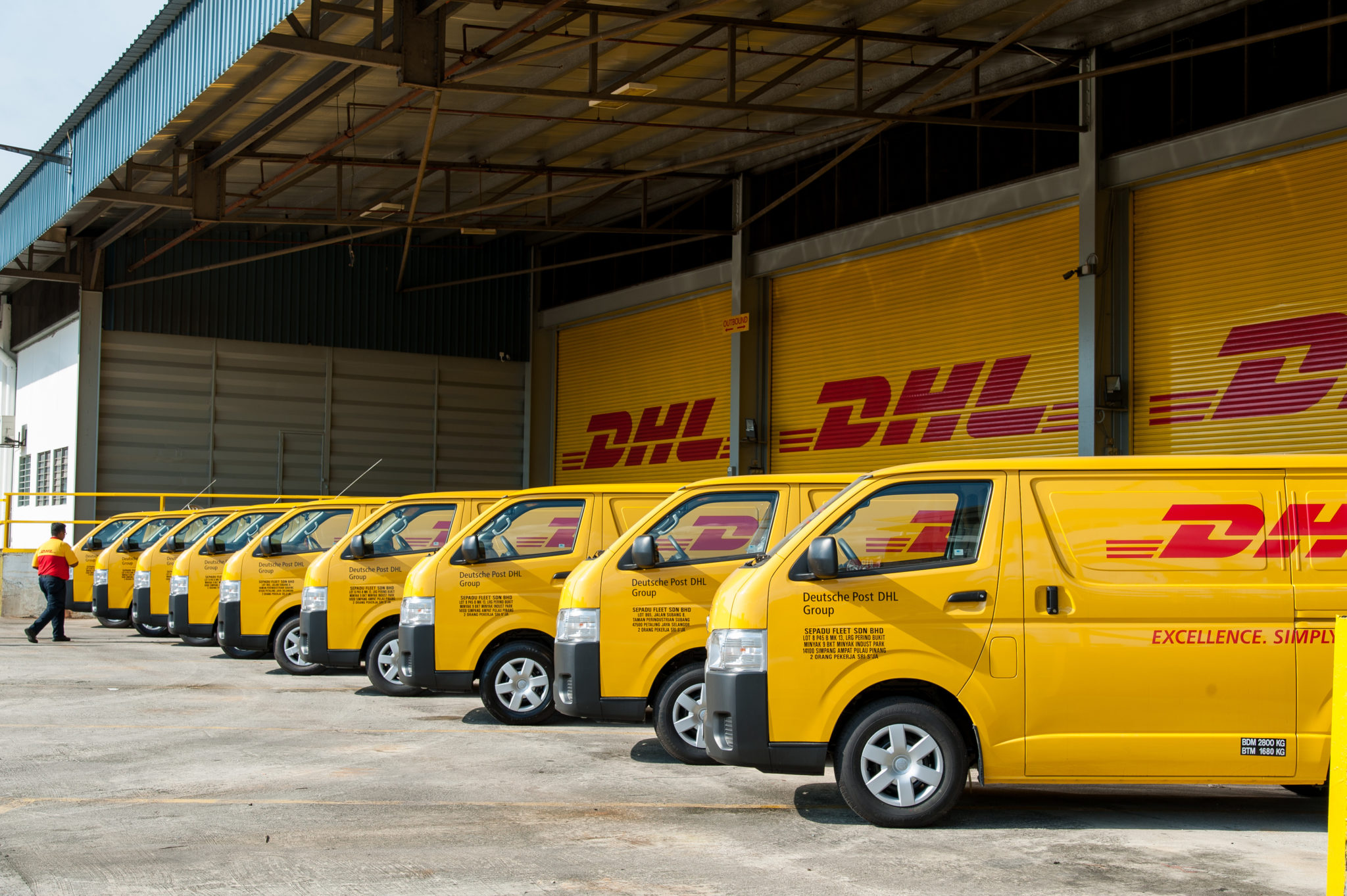
    While most coins are trying to find solutions for a variety of industries, Vechain has its focus set on the bringing blockchain and cryptos to the logistics sector. And its hard work and focus seem to have paid off as Vechain finds itself on the partner wall of DHL’s Asia-Pacific Innovation Centre (APIC) in Singapore.

    VechainThor’s DApp and DHL partnership could bring blockchain to logistics

    The news of the partnership with DHL shared by Sarah Nabba, Country Manager for Singapore at VeChain Tech where she said the DHL center provides an immersive experience to clients by introducing new solutions from both established co. & startups and the Vechain would look for collaborations with DHL.

    This could prove to a really good news for the project as DHL is one of the biggest names in logistics globally. It would also provide Vechain to grow under DHL’s guidance at the Innovation Centre and may get a chance to collaborate on a variety of projects in the logistics space.

    DHL Asia-Pacific Innovation Centre is first of its kind in Asia-Pacific. This SGD$10m facility is DHL’s first innovation center outside of Germany and the first dedicated center for innovative logistics services in the Asia-Pacific region. Launched with the support of the Economic Development Board (EDB) of Singapore, the APIC showcases futuristic technologies that will transform logistics operations.

    VeChain is continuously working on its business model of Blockchain-as-a-Service (BaaS) provider that targets enterprise-level businesses. Vechain had recently had announced that it has co-developed a blockchain-based supplier evaluation system with global logistics provider DB Schenker. This new decentralized application (DApp) will use the VeChainThor blockchain to score DB Schenker’s third-party logistics partners in China based on collected data –  the result being an evaluation for services such as packaging, transportation, and the quality of goods.

    The Vechain Foundation claims that the DApp is the first ever implementation of blockchain for supplier management purposes

    “In the future, the system and its related applications can potentially evolve into a platform [that is] widely shared and co-constructed by a broad range of logistics service providers.”

    Logistics sector has significant roadblocks which blockchain can provide a solution to. Blockchain has potential to rehaul the logistics and supply chain industry by providing the tamper-proof tracking of products is being recognized by an increasing number of global industry giants, among them Maersk, IBM, and FedEx, as well as South Korean electronics leader Samsung and Walmart. Understanding this space well, Vechain is making its move correctly towards mending this problem.

    Technology can actually make things better for the logistics sector and blockchain and Vechain is just here to do that. Blockchain does have a potential to fundamentally change the logistics industry and Vechain would look forward to cooperating with more industry players building a logistics ecosystem based on mutual construction, trust, collaboration, and benefit.

  • Experts blame high licensing fees for piracy in Vietnam

    Experts blame high licensing fees for piracy in Vietnam

    Speaking at a conference held in Hanoi on Wednesday, Lee Dogoo, head of business at South Korean firm SBS Contents Hub, said while infringements occur in all countries, they are rife in Vietnam because of high licensing fees.

    As these fees continue to go up, the pirate broadcast market also continues to grow, he said.

    Vu Thi Huong Lan, head of the Hanoi Law University’s international law faculty, voiced agreement saying high fees charged by copyright holders are deterring viewers from watching licit content.

    Referring to the recent Asian Games (Asiad), she said the owner of the event’s broadcasting rights had demanded such a huge price for broadcasting rights in Vietnam that no Vietnamese broadcaster was able to afford it.

    This in turn forced Vietnamese fans to seek out previously unknown pirate sites that illegally broadcast the event live, she said.

    “While I do not support this, I believe the copyright holders clearly should reconsider [the price].”

    Nguyen Quang Dong of the Institute for Policy Research and Communication Development said the rising trend of watching sports on the Internet in Vietnam contributes to the increase in copyright infringements.

    According to data released by Global Web Index, the percentage of people watching sports on the Internet globally was 15 percent in 2016 and 19 percent now. But in Vietnam it was 27 percent in 2016 and 32 percent now.

    Citing data about the five largest illegal sports broadcasting websites, Dong said they only had 11.1 million views last March but this number jumped to 25.4 million in June during the 2018 FIFA World Cup.

    This trend also explains why Facebook recently acquired the rights to broadcast the English Premier League in several Asian countries including Vietnam, he pointed out.

    Nguyen Thanh Van, head of Vietnam Television’s (VTV) Intellectual Property Unit, said the national broadcaster is also suffering badly from copyright infringements.

    Many units have been found broadcasting VTV programs or making DVDs of them for sale without permission, including programs for which it had to pay large amounts of money to produce or obtain broadcasting rights.

    “For instance, in just the first month of us broadcasting the TV shows ‘Nguoi phan xu’ [The Arbitrator] and ‘Song chung voi me chong’ [Living with Mother-in-Law], over 400 Facebook pages and YouTube channels violated our copyrights. As for the 2018 World Cup, in just the first two days there were 700 [pirate] accounts.”

    A representative of pay TV firm K+, lamenting that copyright infringements are occurring every hour in the digital environment, said there is still no effective tool to combat them on all platforms.

    K+ has tried requesting violators to remove pirated content many times, but this has not worked, and his company was bleeding financially, he said.

    K+, which has the Vietnam broadcasting rights to many major sports events such as the English Premier League, the UEFA Champions League and Europa League and tennis’ ATP World Tour, has also been investing in upgrading its systems and training employees to monitor, detect, prevent, and handle copyright violations.

    But these efforts would not be enough to combat piracy without cooperation from consumers and assistance from the authorities, the representative said.

    However, the most important reason for pirates dominating Vietnam’s broad market is a lack of effective law enforcement. According to local authorities, websites found violating copyright laws would be punished and banned. However, many illegal websites have opened and operated without interference from the authorities.

    National broadcaster VTV said it had found more than 700 sites and Facebook pages that broadcast World Cup matches without permission within just three days after the event started and dealt with nearly half of them.

    According to experts, many of the sites are registered overseas, so it is difficult for Vietnamese authorities to find and penalize the culprits. It can be seen from the case of xoilac.tv, a site registered in the U.S., which had been illegally broadcasting live matches from the Asiad with Vietnamese commentary last month.

    The Institute for Policy Research and Communication Development proposed that Vietnam should allow Internet Service Providers (ISPs) to block pirate websites, remove content that violate copyright and prevent violators from receiving money from advertisers.

    It also suggested that broadcasters associations could publicize the list of pirate websites and circulate it among advertisers.

  • Vietnam to hike power prices in 2019

    Vietnam to hike power prices in 2019

    Deputy Minister of Industry and Trade Do Thang Hai said Friday that national utility Vietnam Electricity (EVN) might need to cover an incurred cost of VND20.73 trillion ($892.18 million) between 2018 and 2019.

    This include incurred costs of VND5.48 trillion ($235.92 million) this year and projected costs of VND15.25 trillion ($668 million) next year, Hai said.

    Incurred cost this year includes exchange rate differences in 2017 of VND3.07 trillion ($132.13 million), payment for water resources exploitation, VND502 billion ($21.6 million) and higher gas prices VND1.91 billion ($82.18 million).

    Projected incurred costs next year are based on exchange rate differences this year of VND3.51 trillion ($151.28 million), exchange rate differences 2015 scheduled to be paid next year, VND734 billion ($31.58 million), payment for water resources exploitation, VND502 billion ($21.6 million), and increase in gas costs, VND10.5 trillion ($451.79 million).

    Hai said EVN would review its electricity production costs last year in collaboration with government bodies to see if it was lower than current prices and would report to authorities for directions on adjusting next year’s prices.

    In July, Prime Minister Nguyen Xuan Phuc had banned any increase in electricity prices and medical fees for the rest of the year, aiming to keep the inflation rate below 4 percent and achieve a GDP growth of 6.7 percent in 2018.

    Inflation was at 3.57 percent in the first nine months of this year.

    The most recent power price increase in Vietnam was last December, when it rose 6.08 percent to VND1,720.65 (currently 7.4 cents) per kWh.

    EVN had a revenue of VND293.18 trillion ($12.61 billion) last year, with VND289.25 ($12.44 billion) from electricity sales, an increase of 8.94 percent from the previous year.

  • Vietjet signs $1.24 bln financing deal for new Airbus planes

    Vietjet signs $1.24 bln financing deal for new Airbus planes

    Vietjet signed a financing agreement with Mitsubishi UFJ Lease & Finance Company Ltd and France-based BNP Paribas Bank to finance the carrier’s acquisition of up to five new aircraft worth $614 million at list price, it said in a statement.

    Vietjet also signed a memorandum of understanding valued at $625 million for financing and future ownership of five other aircraft at list prices with France-based banking group Natixis and some Japanese equity underwriters, it said.

    The acquisition of the aircraft is part of a contract signed earlier with Airbus and includes A321neo aircraft, Vietjet said, adding all aircraft financed on Wednesday will be delivered in the last quarter of 2018 or early next year.

    “These deals will greatly contribute to Vietjet’s plan for fleet expansion and network growth in the coming time,” said Vietjet Vice President Dinh Viet Phuong.

    In July, Vietjet placed provisional order to buy 50 A321neo Airbus aircraft worth $6.5 billion at list prices while it also struck a deal for 100 Boeing passenger jets worth almost $13 billion at list prices.

    Vietjet, Vietnam’s biggest private airline, currently operates 60 Airbus aircraft with more than 385 flights daily within Vietnam and to countries such as Japan, Hong Kong, South Korea, Taiwan, Singapore, China, Thailand, Myanmar and Malaysia.

  • With a new CEO, AirAsia India hopes to have turned a new page

    With a new CEO, AirAsia India hopes to have turned a new page

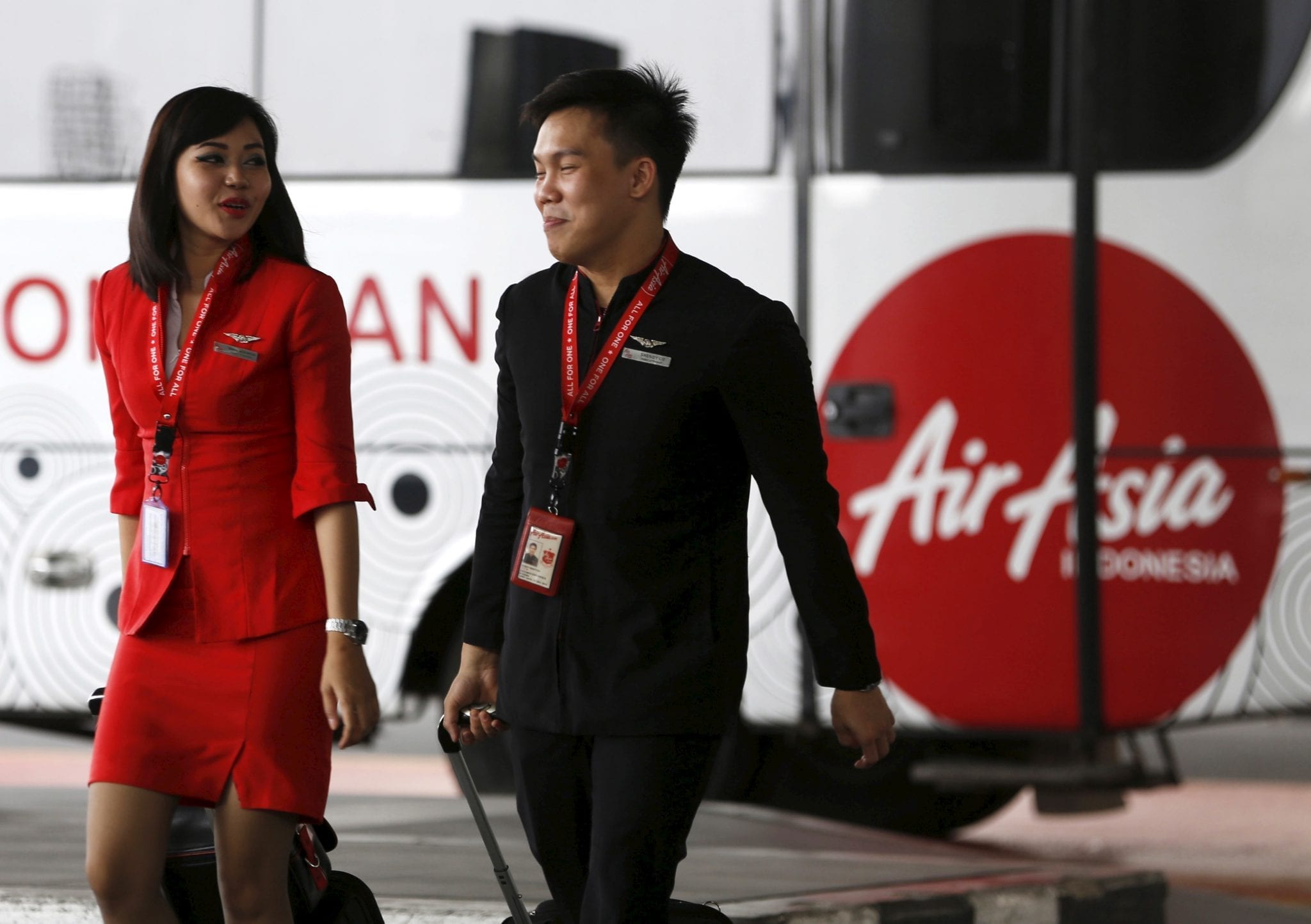
    A steel industry veteran at the helm of an airline may come across as strange, but the appointment of Sunil Bhaskaran as the AirAsia India chief is more than just that. It signals a change in control at the company, from Tony Fernandes and his AirAsia, to the Tatas.

    And with that change, shareholders would hope that AirAsia’s so-far-controversial stint in India, since it started operating here in 2014, will be a thing of the past.

    While the airline may now have a slightly higher market share than rival Vistara – the joint venture between the Tata Group and Singapore Airlines that was launched in 2015 – its losses have increased in the first half of 2018.

    By appointing Bhaskaran, the airline has followed its tradition of appointing a non-aviation professional to run its operations. Mittu Chandilya, AirAsia India’s first CEO, previously headed the services practices for Asia Pacific at advisory firm Egon Zehnder International.

    It didn’t turn out to be a memorable stint for Chandilya, who was embroiled in a controversy over the appointment of a lobbyist to get an aviation rule modified, which would enable AirAsia India to begin international operations. The controversy boiled over when Tata Trusts trustee Venkatramanan got drawn into it.

    Earlier this year, CBI registered a case against Fernandes, and AirAsia’s offices in India were raided.

    While Venkatramanan holds 1.5 percent stake in AirAsia India, the airline’s chairman S Ramadorai owns 0.5 percent stake. Tata Sons and AirAsia hold 49 percent each. Since early this year, there have been talks of Tata Sons buying out the stakes of Venkataramanan and Ramadorai. “The process will now quicken after the appointment of the new CEO,” said sources.

    Chandilya gave way to Amar Abrol, who was heading a start-up before taking up the CEO role in 2016. Abrol stepped down in May this year to go back to the parent company in Malaysia.

    Now in Bhaskaran, the airline has found its third consecutive CEO from outside the industry. While it is not an unusual occurrence, not everyone is amused. “Some never learn!” exclaimed a senior official at an airline.

    What would differentiate Bhaskaran though is that he is the first Tata Sons appointee as the airline’s CEO, and therefore, may have a longer stint at the airline than his predecessors. A Tata Group lifer, Bhaskaran joined Tata Steel in 1987 as a management trainee. He has been with the steelmaker ever since, except for a four year-stint at Tata International.

    Bhaskaran is currently the  Vice President of Corporate Services at Tata Steel.

    “He is an old timer, and has dealt with government and can handle change,” said an executive from the industry.

    Those will be important attributes for AirAsia India, which will be keen to have stability at the top and focus on building its India business, which hasn’t taken off as spectacularly as was hoped.

    Mixed results

    Air Asia India’s revenue has been on the rise. Its June quarter revenue jumped 86 percent from a year ago, helped by an 82 percent increase in the number of passengers flying on its aircraft.

    The airline’s fleet has expanded to 19 now, and there are talks of taking the number to 70 aircraft in five years.

    The fourth quarter of 2017 brought happy news for the airline, as it reported a net profit of Rs 13 crore. But in the ensuing two quarters, losses have mounted.

    Despite an 86 percent jump in its revenue, the airline reported losses of Rs 61 crore for the June quarter, as against a loss of Rs 24 crore a year earlier.

    Its market share has risen gradually, which is reflective of the intense competition in the Indian aviation market. AirAsia India had a share of 4.8 percent at the end of August 2018, up from 3.4 percent a year ago.

    “We are not going to be a 4-5 percent market share airline… We plan to become India’s second-largest low-cost carrier (LCC) within four to five years’ time,” Bhaskaran’s predecessor Abrol had told Financial Express earlier this year.

    While he moved back to Malaysia within two months of making that statement, the onus may be now on Bhaskaran to meet the target.

  • Hyundai Motor considers eco-friendly engine for its N brand

    Hyundai Motor considers eco-friendly engine for its N brand

    Hyundai Motor is planning to build a driving center in Korea as early as next year in its ambition to have its high-performance division compete with BMW’s M and Mercedes-Benz’s AMG models.

    “I am considering building a driving academy where customers are invited to experience high-performance cars,” Thomas Schemera, head of Hyundai Motor’s high-performance division said at the Paris Motor Show on Thursday. “I believe interacting with customers and listening to their feedback are important.”

    Schemera also added that the first center is most likely to be built in Korea before the automaker expands to other parts of the world like the United States or Europe.

    Schemera, formerly in charge of BMW’s M series, was appointed executive vice president of Hyundai Motor to head its high-performance vehicle and motorsport division in March.

    Hyundai Motor’s N series is a latecomer in the industry, as its initiative of launching a high-performance lineup only became official in 2015. BMW’s M series, one of Hyundai’s strongest competitors in high-performance motoring, began in the 1970s.

    Yet, Hyundai’s N series sales figures are quite impressive so far. Since its launch in Europe in the second half of 2017, the first model – the i30 N – sold 3,771 units this year through August. This is already 35 percent above the initial sales target for this year, which was 2,957 units.

    The second in the series – the Veloster N – is doing well, too. Since its launch in July in Korea, it sold 525 units in its first two months. Globally, it sold 4,122 units this year as of August, again surpassing its initial goal of 3,300 units.

    The Veloster N team is planning for a U.S. launch before the end of this year. The third in the series – the i30 Fastback N – premiered at the Paris Motor Show, now underway.

    Hyundai Motor’s ambitions in high-performance cars is helping elevate Hyundai’s brand image in general, according to Schemera.

    “The i30 sales had been on a downturn, but they started to rebound after the launch of the i30 N,” he said. “Not only other N models but also other Hyundai cars in Europe will likely see improved sales.”

    Ahead for the N series, Schemera hinted there would be an eco-friendly engine for its lineup, perhaps an HEV, PHEV or even a hydrogen engine.

  • Remo Ruffini invests in a brand founded by influencers

    Remo Ruffini invests in a brand founded by influencers

    A new generation of Italian fashion talents has earned a stamp of approval from a titan of the industry.

    Archive, an investment vehicle controlled by Moncler chairman and chief executive Remo Ruffini’s Ruffini Partecipazioni Holding, announced on Monday that it has taken a 49 percent stake in Attico, a fashion brand founded by Milan’s Gilda Ambrosio and Giorgia Tordini less than three years ago.

    The founders were already internationally known among fashion insiders for their street style and social media presence when they launched the opulent, vintage-inspired dresses in robes in February 2016, and that exposure helped catapult Attico into more than 140 stockists by the following year. Both former freelance designers and consultants, Ambrosio and Tordini together now count more than 630,000 followers on Instagram in addition to another 217,000 followers on Attico’s account.

    Attico is sold at Bergdorf Goodman, Net-a-Porter, Moda Operandi and Matches Fashion, among other global retailers, and has expanded into footwear, handbags and jewellery. Celebrities including Margot Robbie, Michelle Williams and Naomi Campbell have all worn their designs and prices range from $250 for a drawstring pouch to over $4,000 for a python printed leather coat.

    “The deal — to be considered a mere financial investment — is in line with Archive diversification strategy whose mission is to invest in the ready-to-wear as well as in the food and beverage and hospitality business,” said a representative for Archive in a statement.

    Ambrosio and Tordini said in 2017 that they had major ambitions for their growing label. “What we would love is to create a world that we started narrating with clothing and accessories and adding furniture, books and eventually make a platform that’s going to contain all these objects and you can navigate around the world of Attico,” said Tordini.

    With a new influx of cash from Archive, the founders have a chance to realise those ambitions.

  • Jumbo China sets plan for more store

    Jumbo China sets plan for more store

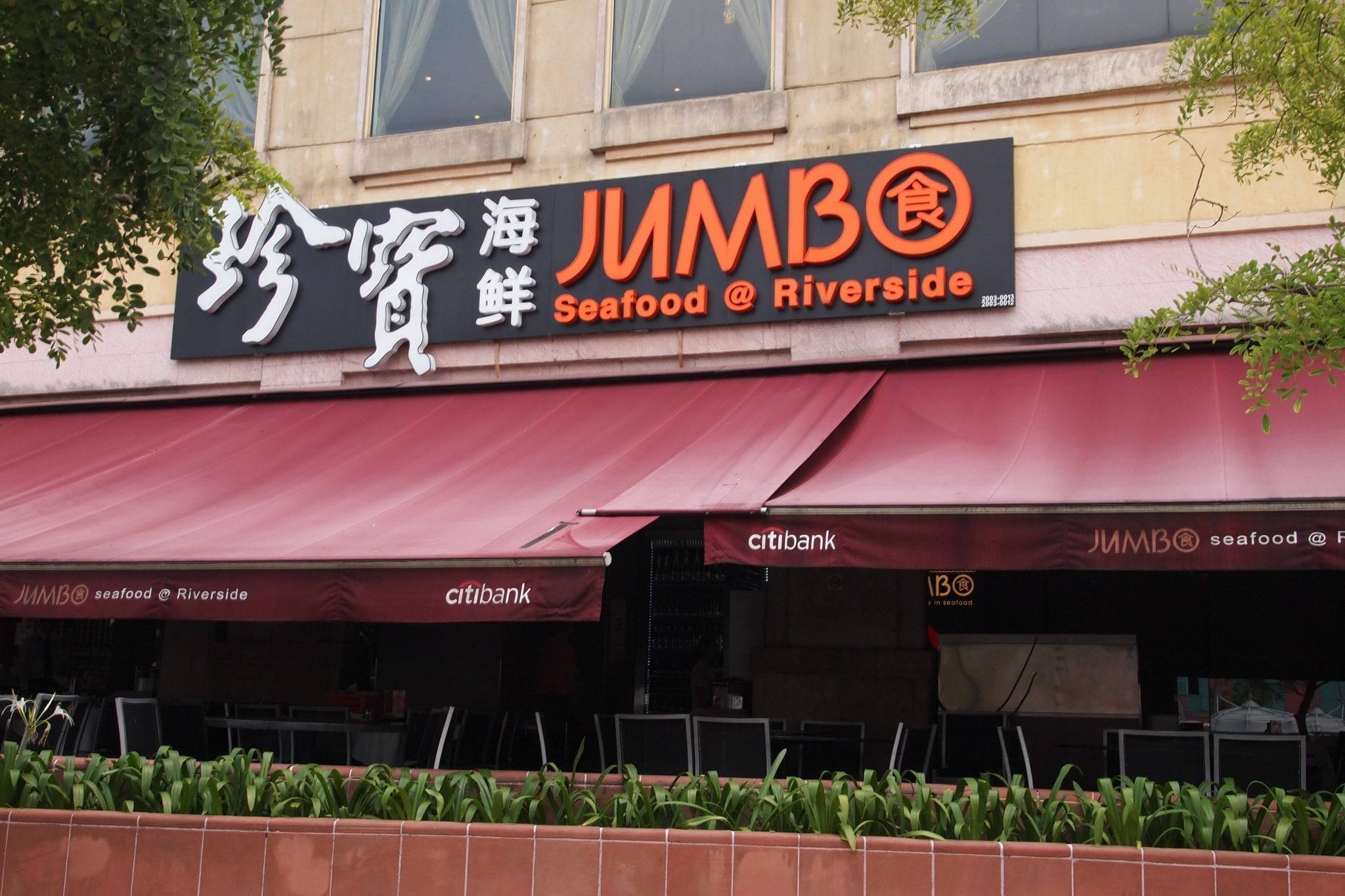
    Restaurant operator Jumbo Seafood has opened its first franchise in Mainland China, in the city of Fuzhou.

    The move signals the onset of a period of Asian expansion for the brand, which has announced plans to open five to six new franchise outlets each year, targeting Shenzhen, other mainland cities, South Korea, Hong Kong, Macau and Indonesia.

    The new 13,000sqft venue at the Dongbai Centre is Jumbo’s fourth franchised Jumbo Seafood restaurant since last year, and follows the recent opening of Jumbo Seafood in Taichung City.

    Other targets for immediate expansion include Thailand and Singapore. A spokesperson for the brand noted:

    “We project that Jumbo would add two new Jumbo Seafood outlets in Singapore – one Jumbo Premium Seafood outlet in Ion Orchard shopping mall and another potentially in the upcoming Jewel Changi – and one new Chui Huay Lim Teochew Cuisine outlet over the next 12 months.”

    Jumbo operates 15 Jumbo Seafood restaurants across Asia.

  • StanChart and Huawei Team Up

    StanChart and Huawei Team Up

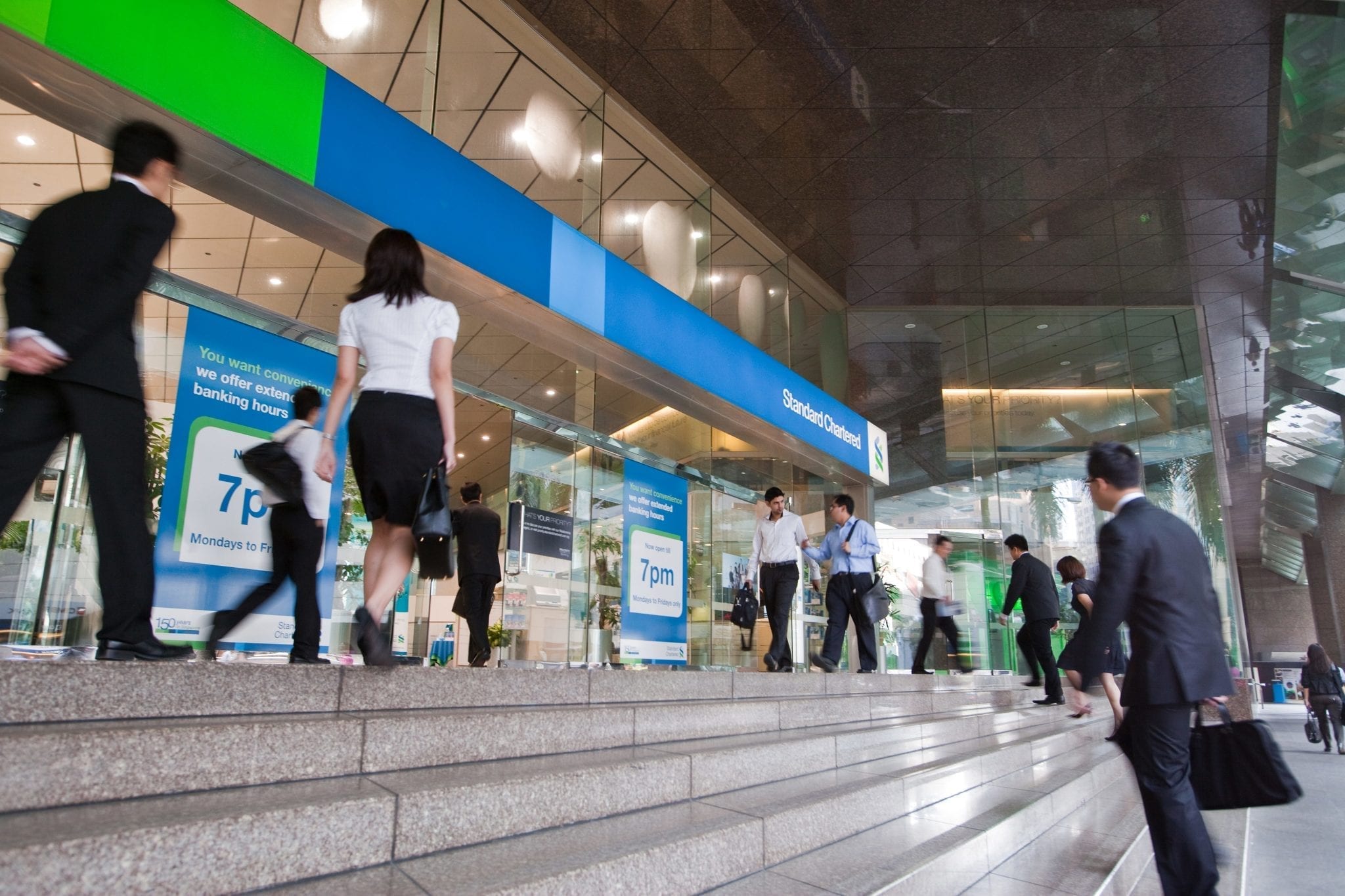
    The solution combines Internet of Things (IoT) and cloud capabilities so the bank will be able to track the movement of goods on a real-time basis, reducing operational risks and providing reliable data that can be used in financing decisions, Standard Chartered and Huawei said on Wednesday.

    Rather than corporates having to manually initiate these transactions through paper-based or emailed instructions, corporates’ and banks systems will be able to «speak» to each other in real-time, triggering financing or payment instructions through Application Programming Interfaces, or APIs.

    Fundamental Change

    «Technology can change the fundamental way we do banking. We look forward to piloting the solution with clients and working with Huawei and other technology partners to explore new use cases, Michael Gorriz, information chief at Standard Chartered, said.

    The IoT solution uses Huawei’s OceanConnect, an open platform built on IoT, cloud computing, and big data technologies. With a cloud-based unified IoT device management capability as its core, it links up with connected devices and collects real-time data through a series of agents while providing user-friendly open APIs to application developers to design and orchestrate the business process.

  • Seed Money for Healthcare Startups in Southeast Asia

    Seed Money for Healthcare Startups in Southeast Asia

    HealthXCapital launched Emerging Asia’s first healthcare-focused early stage VC fund, according to a media release sent on Thursday.

    Backed by Apollo Hospitals, Jungle Ventures, Eight Roads Ventures (the proprietary investment arm of Fidelity International), and other private investors, early stage venture firm HealthXCapital aims to fuel healthcare innovation in Asia’s emerging economies.

    Healthcare Has Not Kept Pace

    The region has experienced one of the world’s fastest growths stories but healthcare has not kept pace. We believe that HealthXCapital can foster healthcare innovation in Asia in order to improve patient outcomes, access and affordability in our core demographies, said Suneeta Reddy, Managing Director of the Apollo Hospitals Group.

    HealthXCapital has launched a $25 million fund to provide smart, connected capital to healthcare startups focused on emerging markets in South Asia and Southeast Asia.

    Perennial Challenges

    The firm invests and works intensively with healthcare startups to augment their commercialisation and bring accessible socio-economic benefits to Asia’s healthcare ecosystem.

    Asia faces perennial challenges such as underdeveloped infrastructure, affordability of treatments, lack of proactive healthcare and opaque data management. While healthcare expenditure is growing fast, it still continues to lag. Large gaps remain in the Asian healthcare systems, Reddy added.

    Ripe For Disruption

    These gaps are also driving strong demand for technology in the $517 billion opportunity in 2018 as projected in a recent report published by Frost & Sullivan.

    Our aim at HealthXCapital is to help modernise a sector which has long been ripe for disruption. We want to grow the best domestic and global healthcare technologies by helping them rapidly scale across emerging Asian markets, said Seemant Jauhari, Partner at HealthXCapital.

  • 5 countries driving 50% of mobile internet subscribers growth

    5 countries driving 50% of mobile internet subscribers growth

    Just five countries – including China, India, Indonesia and Pakistan – are expected to drive 50% of all new mobile internet subscriber growth between now and 2025, according to GSMA Intelligence.

    The research body’s latest Mobile Trends Report, [PDF] published yesterday, forecasts that the four Asian countries and Nigeria will together account for around 700 million of the 1.6 billion new internet users over the period.

    China and India will be by far the biggest growth markets, adding 321 million and 308 million new mobile internet users respectively by 2025. Indonesia is expected to add 75 million new users, while Pakistan and Nigeria will add 53 million each.

    The next generation will not just be mobile first in terms of mobile internet use, but mobile only, with GSMA Intelligence forecasting that there will be a total of 3.7 billion mobile only internet users by 2025.

    Meanwhile the report forecasts that the revenue growth outlook for mobile operators will be conservative until proven revenue streams emerge for the IoT and 5G. The GSMA expects there to be around 400 million connections by 2022, and over 1.3 billion 5G connections by 2025, representing a global average penetration of 15%.

    But growth will be driven by a small number of countries, with China being the single largest market. But South Korea is expected to see the greatest take-up in terms of the percentage of the market’s mobile subscriber base by 2025 at 60%, followed by Japan and the US at nearly 50% each.

    Globally, LTE will continue to drive the majority of revenue for the next 10 years, with GSMA Intelligence forecasting that the technology will grow to account for 57% of total connections in 2025. Even if 5G’s total share exceeds 15% it is expected to complement rather than replace LTE.

  • H&M invests $20M in payments firm Klarna

    H&M invests $20M in payments firm Klarna

    Fast-fashion retailer H&M has taken an investment stake of less than 1% in Swedish fintech company Klarna for $20 million, reported the Financial Times reported. Beginning next year, Klarna will provide both in-store and online payment services for H&M, beginning with 14 European countries, including the U.K. and Sweden, according to a press release. The partnership could expand into the U.S. and Asia.

    By integrating payments across H&M’s channels, the goal is to provide customers “a seamless, personalized and engaging shopping experience,” the press release said. The new capabilities will involve frictionless mobile, in-store and online payments and will simplify deliveries and returns. It will also allow shoppers to determine when and how they pay, including try-before-you-buy services.

    The next generation of the H&M app and H&M Club loyalty and payment program will include these new features, the companies said.

    Facing a declining stock price and following a 10-quarter same-store sales slump, H&M has been moving aggressively throughout 2018 to bolster technology and merchandising. In March the company reported declining profits because of “weak sales development as well as higher markdowns,” but CEO Karl-Johan Persson predicted 25% sales growth for the rest of the year. The company has refocused on e-commerce and refined its merchandising mix and store count, even closing stores so as to expand on Alibaba’s Tmall.

    The company is using big data and artificial intelligence to customize the assortments in individual stores. H&M wants to reduce markdowns by using algorithms to analyze store receipts, returns and loyalty-card data, and is testing the technology in a Stockholm store. In August, it announced the roll-out of a new e-commerce site and mobile app, equipped with visual search capabilities specifically for the U.S. market. H&M is testing voice interactive mirrors at its New York City flagship store, which offer selfies, style advice and discounts via QR codes.

    The retailer is also investing in its supply chain by making it faster, more flexible and efficient through the use of proximity sourcing and automated warehouses. H&M plans to bring RFID to 1,800 stores in 2019. Earlier this year, it announced the launch of a new brand called Nyden aimed at Millennials and their increasing rejection of fast fashion. This follows the introduction last year of stores with a broader range of apparel for men, women and children branded as Arket. These stores also include home goods and some have cafes.

    H&M is investing in advanced technology that spans its online and offline channels, products and support services such as payments. Now it has invested in Klarna, which is known for a technology that allows customers to arrange for financing at the point of sale. For H&M, the retailer hopes the partnership will smooth out and streamline its payments options, delivery and return processes.

    “We want to make it possible for customers to move freely between the various channels and choose how they want to shop and experience our offering online and in-store,” H&M Head of Business Development Daniel Claesson said in the release. “This partnership will bring tailor-made payment solutions to our customers and accommodate evolving shopping patterns and needs.”

  • Indonesia Central Bank says Alipay, WeChat non-compliant with e-transaction rules

    Indonesia Central Bank says Alipay, WeChat non-compliant with e-transaction rules

    Bank Indonesia has said that foreign consumer payment applications, like China’s Alipay and WeChat that Chinese tourists reportedly used in Bali, are not approved for local use.

    The central bank said the applications did not comply with regulations, in particular because they did not have a cooperation with local payment systems.

    BI payment system policy executive director Onny Widjanarko said in Jakarta on Thursday that all foreign payment applications, including Alipay and WeChat, were required to comply with Indonesian regulations. “Any payment system should be adjusted to existing regulations,” he said.

    Under the National Payment Gateway (GPN) system, any foreign principles involved in retail transactions are required to cooperate with local switching companies.

    Onny said foreign payment applications must meet two requirements to be approved for conducting transactions in Indonesia: establish cooperation with a local switching company and be connected to major Indonesian banks.

    “So far we have found two cases. The foreign payment apps have cooperated with local switching companies, but they are neither connected to nor are cooperating with Book 4 major banks,” Onny said. He also stressed that all transactions in the country were required to use the rupiah.

    He said BI had halted any transactions made through foreign payment apps that did not have a cooperation with local companies.

    Onny said the central bank would monitor the situation to ensure that all transactions were made through local switching companies in compliance with regulations.

  • Apple has redesigned new iPhones in China

    Apple has redesigned new iPhones in China

    Apple has made a rare special concession to Greater China with the design of its newest line of smartphones, revealing that new iPhone XS and iPhone XS Max produced for the market will not support the new eSIM feature.

    The eSIM feature, which supports two simultaneous carriers and is designed to allow more convenient switching between them, will not be available in Hong Kong, mainland China and Macau.

    Instead, the devices in these markets will offer slots for two physical SIM cards. This represents a rare case of Apple tailoring iPhones to a specific market.

    The report notes that it is unclear whether the special arrangement is to comply with any Chinese regulations, or merely as a result of pressure from the market’s operators reluctant to enable such easy switching between carriers, and Apple has not commented on the matter.

    But whatever the reason, the concession demonstrates that Apple is willing to take extraordinary steps to maintain its foothold in the world’s largest smartphone market. Greater China was responsible for around 20% of Apple’s total revenues during its 2017 financial year – around $45 billion.

    The company is under increasing competitive pressure from local vendors including Huawei and Xiaomi, which can differentiate by offering more locally oriented services.

  • Avison Young opens its first office in Asia

    Avison Young opens its first office in Asia

    Mark E. Rose, Chair and CEO of Avison Young, the world’s fastest-growing, private and Principal-led, global commercial real estate services firm, announced today that the company has opened a new office in Seoul, South Korea.

    The new Seoul office represents Avison Young’s first office in Asia, 85th office globally, and an additional step in the firm’s ongoing aggressive global growth and expansion strategy. Full operations in Seoul will begin on November 1, 2018.

    Over the past 10 years, Avison Young has grown from 11 to, now, 85 offices in 76 markets and from 300 to more than 2,700 real estate professionals in Canada, the U.S., MexicoEurope and Asia.

    Effective immediately, 63 new members, including brokerage and other service specialists, join Avison Young from Seoul, South Korea-based commercial real estate firm Mate Plus Advisors Co. Ltd. Byoung Gon Choi becomes a Principal of Avison Young’s Seoul Operations and Managing Director of the new office. He will focus on expanding Avison Young’s business-line coverage across South Korea, servicing new and existing clients, and managing the day-to-day operations of the office.

    Choi brings 34 years of commercial real estate experience in South Korea to Avison Young, most recently as CEO of Mate Plus Co. Ltd., a leading real estate property management company in Korea; CEO of its affiliate Mate Plus Advisors, which specializes in investment sales, retail, project management, asset management, leasing, research and advisory services; and CEO of Genstar, of which Mate Plus is a key affiliate.

    “The opening in Seoul represents another milestone in our global expansion strategy,” comments Rose. “We’re thrilled to be launching our first office in Asia in Seoul as we begin to fulfill our long-sought goal of entering the highly dynamic Asian marketplace and expanding our footprint across another continent. Furthermore, we’re delighted to have Byoung Gon Choi, who is a highly regarded commercial real estate professional, guiding our expansion program in Seoul and the rest of South KoreaByoung Gon’s ability to foster deep relationships is evident in his previous companies’ geographic and project-type diversity. He understands current market trends and uses that knowledge to provide creative solutions that meet each client’s unique business needs. He and his team, which include leading capital markets and corporate services professionals, have comprehensive knowledge of Seoul’s commercial real estate sectors and can also give clients highly strategic advice on asset management and property management. The new team’s experience and expertise will benefit our clients and company alike. We couldn’t be more pleased to have Byoung Gon and our other new colleagues on board.”

    Rose adds: “We believe that Seoul is an underserved market that offers great potential for increased local, national and international investment sales and leasing activity. Seoul, which has a young, highly educated and tech-savvy workforce, is a gateway to China and the rest of Asia. The new Seoul office will also enhance our ability to facilitate multi-market transactions – and sets us up for further expansion within the Pacific Rim.”

    Choi will work closely with Hiren Thakar, a Principal of Avison Young and the firm’s Chief Operations Officer, International Operations.

    “We were impressed by Byoung Gon’s professional manner in meeting client needs and his proactive approach to commercial real estate brokerage company management and service,” states Thakar. “A well-established industry leader, he and the entire Seoul team will fit well in our client-centric culture. We are already working on developing potential new partnerships and generating client assignments together. Furthermore, South Korea is a stable, rapidly growing Pacific Rim country that has become a destination for investors, landlords and occupiers as they seek to establish a foothold in the region. Each real estate sector is expanding rapidly and has a large, diverse client base. Byoung Gon and his team are experienced in working with international clients and have been successful at completing assignments throughout South Korea.”

    Today’s announcement follows Avison Young’s announcement on July 16, 2018 that Caisse de dépôt et placement du Québec (CDPQ), one of Canada’s leading institutional fund managers, has made a $250-million preferred equity investment to accelerate Avison Young’s strategic growth plan.

    Thakar adds: “The opening of our new Seoul office will allow us to capitalize further on CDPQ’s investment in Avison Young’s strategic initiatives. Our global team will continue to eye additional markets for expansion through the deployment of capital obtained via CDPQ’s recent investment.”

    Avison Young made its first investment under its strategic partnership with CDPQ by acquiring leading U.K. firm Wilkinson Williams LLP and opening a new office in London’s West End on August 1, 2018.

    “We are delighted to join the Avison Young family and be the faces of the company’s first office in Asia,” says Choi. “Avison Young’s entrepreneurial and collaborative culture resonates well with the way we conduct business in South Korea. Our team strongly expects that, by sharing in the benefits of Avison Young’s Principal-led and collaborative business philosophy, we can take our consulting services in South Korea to the next level. Moreover, in co-operation with Avison Young colleagues, we can complete the value chain, providing all types of commercial real estate services to clients.”

    Choi adds: “We believe that our clients will be better served by tapping into Avison Young’s global brand and resources. We look forward to working with our new colleagues throughout the company and developing many trans-Pacific partnerships on behalf of our clients. We also look forward to recruiting new top professionals as we expand the firm’s presence throughout South Korea.”

    Effective November 1, 2018Avison Young’s new Seoul office will be located at 9F Samhwa Tower, Eulji-ro-5-gil 16, Jung gu, Seoul, Korea 04539.

    Seoul, the capital of South Korea, is located on the Han River and serves as the main gateway and logistics hub for Northeast Asia. With a population of approximately 10 million, Seoul ranks among the world’s most dynamic marketplaces. The region is home to many manufacturing sectors, including steel, electronics, automobiles and auto parts, textiles and footwear, chemicals and pharmaceuticals. Other sectors with a strong presence include information and communications technology, financial technology, fashion and construction. International trade also plays a key role in the city’s economy, thanks to South Korea’s status as one of the world’s top exporters. The city’s workforce benefits from low local (5%) and national (4%) unemployment rates (as of August 2018). The World Bank’s latest rankings list South Korea fourth globally for ease of doing business. Seoul’s commercial real estate market features vibrant office, retail, industrial, multi-family and investment real estate sectors. However, the city is also known for its high levels of alternative assets, including data centres, self-storage facilities, student accommodation, education-related buildings and healthcare and seniors-care properties.