Author: Mei Ling Tan

  • Thailand is top destination for Holidays

    Thailand is top destination for Holidays

    Just more than a year ago, I ate at Nahm, in Bangkok and walked out after paying barely US$60 for a tasting menu that currently ranks 49th on the World’s 50 Best Restaurants list.

    My grand, five-star hotel, the Anantara Siam, with its gilded murals and landscaped courtyards, cost US$150 a night, including a breakfast buffet that was truly fit for royalty. Even the most expensive souvenir I bought in town, an elephant figurine with inlaid mother of pearl, cost less than a typical outing to McDonald’s back home in New York.

    Yet, according to a visualisation of recent UN World Tourism Organ-isation (WTO) data by HowMuch, a financial literacy and infographics agency, Thailand outranks every other nation in Asia when it comes to tourism spend.

    Globally, the only countries that out-earn Thailand in terms of tourism dollars are France (US$61bil), Spain (US$68bil), and the United States-which handily takes the gold medal, at US$211bil.

    It all comes down to volume. Foreign arrivals could hit 40 million next year, which is more than half the country’s population.

    “In Thailand, you’ve got something for everybody,” says Rebecca Mazzaro, a specialist for bespoke outfitter ATJ.

    “From the private island with the private villa to amazing street food meals that only cost a couple bucks, it has a diversity and variety that exists in few other markets. It’s no surprise lots of people are going-and spending,” she says.

    Though gaps in the WTO’s data make it difficult to ascertain the per-visitor spend in each of these countries, given recent and forthcoming developments, that number is likely to be rising.

    “There’s no question that historically Bangkok – and Thailand in general – has always been perceived as a value destination,” says John Blanco, general manager of the forthcoming five-star Capella Bangkok, opening next spring with 101 suites facing the Chao Phraya River.

    “But there has been a real effort to shift that perception.”

    Mastercard’s annual Global Destination Cities Index recently ranked Bangkok as the most-visited city in 2017 for the third year in a row. The study, based on undisclosed public data sources, rather than cardholder transactions, indicates that travellers shell out US$173 for a day in the Thai capital, compared to US$537 in Dubai or US$286 in Singapore. This year, it forecasts travellers will spend an additional 14% more.

    By next year, the city will have gained even more opportunities to spend, such as superlative new resorts from Four Seasons, Rosewood, Mandarin Oriental, and Waldorf Astoria, plus a US$1.6bil Bal Harbour-esque mixed-use retail development called Icon Siam. When it opens in November, the latter will claim restaurants from top-tier chefs, including Alain Ducasse and an outpost of Tokyo department store Takashimaya. The Capella hotel will house Mauro Colagreco restaurant, whose Mirazur in Menton, France, has two Michelin stars.

    “There’s a lot more meat on the bone now,” Blanco says of luxury offerings in the capital.

    Dino Michael, global head of Waldorf Astoria Hotels and Resorts, agrees. “We’ve been noticing the upscaling of Bangkok for a few years,” he tells Bloomberg. “The consumer has become more sophisticated; the dining scene has become more sophisticated.”

    And yet the timeless appeal is what led him to open the brand’s first South-East Asia property in Bangkok in August – a glassy tower with dramatic skyline views from nearly every angle. Among Bangkok’s selling points, he says, are strong infrastructure and airlift, a “depth and breadth of tourists”, and an ingrained culture of hospitality. For tourists and brands thinking about charting the region, Michael adds, “It’s world renown and an obvious starting point.”

    There may be a price to pay for popularity, particularly on Thailand’s beaches and islands. Already, throngs of partygoers on commercial yachts have done so much damage to the pristine marine ecosystem of Maya Bay-the picturesque backdrop to Leonardo DiCaprio’s 2000 film The Beach –that the area closed for four months earlier this year to recover. Unable to bounce back fast enough, it’s now being closed indefinitely. That follows similar measures in nearby Koh Khai and Koh Tachai islands, where coral was being destroyed at devastating rates.

    In Phuket, Mastercard’s 12th-most-visited destination in the world, there’s been a sharp decline in the local turtle population, correlated with the rise in beachside pollution. It’s led 70 hoteliers to band together to promote sustainability and encourage better etiquette among travellers. — Bloomberg

    And in Thailand’s north, the dramatic growth of tourism has led to a sobering spike in unethical wildlife tourism, often centering around elephants and tigers.

    The capital, meanwhile, has stayed largely out of the way of these visitor-related troubles-perhaps because it’s hard(er) to justify bad behaviour in a city with 40,000 Buddhist temples. “Of course, red light tourism is alive and well-like it or not,” says Catherine Heald, founder and chief executive of Asia outfitter Remote Lands. “But ultimately, tourism has really lifted the local economy.” At $57 billion a year, there’s no denying that.

    Read more at https://www.thestar.com.my/business/business-news/2018/10/11/thailand-is-top-destination/#zi8mAJb1KF44VojD.99

  • Burger King eyes expansion in Africa

    Burger King eyes expansion in Africa

    Burger King, the world’s second-biggest burger chain, is set to launch a string of restaurants in sub-Saharan Africa, including Nigeria, according to a senior executive.

    Daniel Schwartz, chief executive of Burger King’s parent company, Restaurant Brands International, told that the region was seen as a “huge opportunity”.

    Africa has mouth-watering demographics for any fast-food chain, with the United Nations forecasting that it will have ten of the world’s fastest-growing cities between now and 2035.

    And the continent’s population is young, with a median age of just 19. The population is expected to top two billion by 2050, doubling again by the end of the century.

    Burger King is currently undergoing rapid expansion internationally, adding two or three restaurants each day to its global network. But with 17,000 outlets worldwide, it remains far behind rival McDonald’s which claims more than 37,000.

    Asia and Europe are the main focus for Burger King, but, said Schwartz, the brand is “significantly under-penetrated” in Africa.

    “We are so under-penetrated around the world relative to our peers – and ourselves in the US,” he added. “We’re just scratching the surface.”

    José Cil, president of Burger King, told the FT that fast-food restaurants “aren’t really well penetrated yet” in sub-Saharan Africa. “We think Nigeria is an amazing opportunity, we think East Africa as well.”

    Besides Nigeria, Africa’s largest economy, Burger King is reported to be eyeing Kenya and Ivory Coast among other countries in the region.

    But, said Cil, Burger King had “a lot of work to do” in Nigeria “in terms of infrastructure and supply chain”.

    “We want to do it right — and we want to do it in a big way,” he said. “We want to scale quickly. So, we’re excited about the potential.”

    News of Burger King’s latest expansion comes as Nigeria inches its way out of a recession caused by the dramatic fall in oil prices. With a population of 194 million, the country is the continent’s most populous.

  • Men more into beauty products online than women in Vietnam

    Men more into beauty products online than women in Vietnam

    The survey, conducted by Ho Chi Minh City-based market research firm DecisionLab, found that in the preceding three months, 58 percent of the male respondents said they had purchased beauty products online, compared to 49 percent of women.

    The survey polled more than 1,900 people.

    More men also bought clothing, footwear, cooking ingredients, mobile phones, home appliances and long distance travel packages online last year.

    The research also found variation across categories depending on where the pre-shopping research was conducted.

    Online research was mostly done for big ticket items like mobile phones, home appliances, hotel stays, cinema tickets, travel, insurance and beauty products.

    For non-durables like food and beverages, people chose to shop offline.

    In the use of mobile devices to shop online, Facebook was the most popular gateway in Vietnam, especially for clothes and beauty products, the survey found.

    The World Bank has forecast that Vietnam’s $200-billion economy is likely to grow to a trillion dollars by 2035.

    More than half of its population, compared to only 11 percent today, is expected to join the ranks of the global middle class with consumption of $15 a day or more.

    Across the country, the ratio of people using smartphones among mobile phone subscribers reached 84 percent in 2017, up from 78 percent the previous year, according to the 2017 Nielsen Vietnam Smartphone Insights Report.

    Online sales in Vietnam have expanded rapidly in recent years, currently accounting for 3.39 percent of the country’s retail market. The total retail market grew 10.9 percent last year to $173.27 billion, local media reports said.

  • Airbnb looms as major threat to HCMC hotels

    Airbnb looms as major threat to HCMC hotels

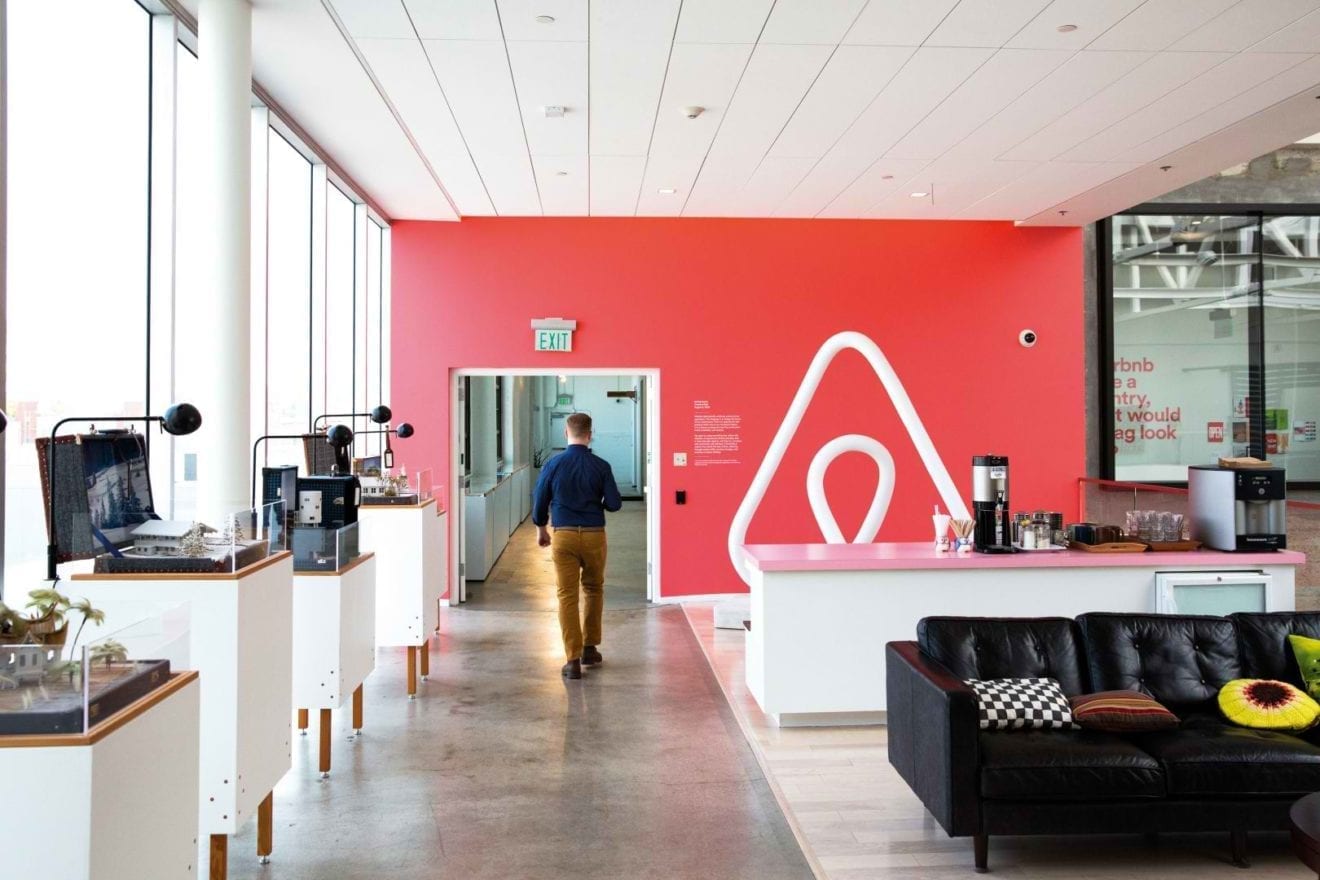
    Hotel and serviced apartment tariffs outside the city center are leveling off and on the brink of declining as a result of competition from apartments leased on Airbnb and others.

    CBRE’s senior director, Duong Thuy Dung, said since 2016 a total of nearly 100,000 apartments have been built and sold in Saigon, and a large proportion of them are on Airbnb.

    So far this year only 43 new properties have hit the HCMC serviced apartment market. This low number was because investors had to consider reducing supply to avoid the competition from short-term lease apartments, Dung explained.

    Nevertheless, grade A serviced apartments in the downtown area saw high occupancy rates thanks to their superior location and inherent differences in brand and utility, she said.

    But grade B and C serviced apartments are under pressure, as are hotels.

    CBRE study, released in September, showed demand for three-star hotels have been gradually falling because of growth of Airbnb in both HCMC and Hanoi.

    Airbnb, launched in 2008, has over five million registered rental properties in 191 countries, while the 10 largest hotel chains in the world only have 6.1 million rooms.

    As of August this year Hanoi and HCMC had 21,994 properties on Airbnb. The average rental is around $36 per room per night in Hanoi and $44 in HCMC, making them very competitive.

    CBRE concluded that with their rapid expansion in the Vietnamese market, short-term room rental services are now a direct competitor to three-star hotels due to the similarity in their prices.

  • Google to send Pixel 3 smartphone into Asia

    Google to send Pixel 3 smartphone into Asia

    Google is taking a more global approach to the Pixel 3 and Pixel 3 XL launch, announcing that it will now offer its new phones in 13 countries, including Japan, Ireland, Taiwan, and France. This builds on the rather small list of countries where Google’s Pixel 2 saw official release, which comprised of US, UK, Australia, Canada, Germany, Italy, Spain, India, and Singapore.

    Now in its third generation, Google has been quite slow to bring its flagship smartphones to a wider audience, especially considering how easy it is to find a competing devices practically anywhere you live. For example, the iPhone XS and iPhone XS Max launched in more than 25 countries. Still, Google’s spread to more countries will give Android users more choice than before.

  • BMW plans to take control of China joint ventures

    BMW plans to take control of China joint ventures

    German luxury carmaker BMW announced a plan to take control of its China joint-venture, the first foreign automaker to take advantage of Beijing’s new ownership rules for the sector. BMW will acquire a further 25 per cent stake in the venture with Brilliance China Automotive for €3.6 billion (US$4.2 billion), the company said, bringing its stake to 75 per cent by 2022.

    Foreign automakers have long been restricted to holding no more than a 50 per cent stake in their China operations, but Beijing decided to relax the ownership caps this year.

    The reforms are part of Beijing’s plan to further open its economy to foreign business, after years of facing pressure from the United States and Europe.

    But US and European business groups say the reforms have still not gone far enough, and have pushed for further opening.

    To force the issue, and to hit back at China for alleged theft of American intellectual property, US President Donald Trump has slapped tariffs on roughly half of the imports from China.

    The joint-venture “is the cornerstone of the BMW brand’s sustained success in its largest single market,” said Harald Kruger, BMW’s chairman.

    “BMW Group and Brilliance continue to set a good example of successful cooperation in China,” he said.

    TRADE WAR EFFECT

    The changes in ownership rules are a boon for foreign automakers which will gain a greater share of control and profits from their China operations, but hurt prospects for their Chinese partners.

    Brilliance China’s shares in Hong Kong have plummeted this year, and were suspended from trading on Thursday.

    The two companies had extended their joint venture contract until 2040 and announced a plan to pump €3 billion (US$3.5 billion) into expanding their auto plants in northeast Liaoning province – ramping up production capacity to 650,000 cars early next decade while creating 5,000 new jobs.

    BMW has been hit particularly hard by the US-China trade war with many of its SUVs imported from the US facing new 25 per cent taxes, while cars imported from other countries have benefited from China’s tariff cut for vehicles from 25 per cent to 15 percent.

    With the new production capacity, the China joint-venture will start to produce BMW vehicles like fully-electric BMW iX3 for export globally from 2020, BMW said.

    China’s auto market, the world’s largest, has faced headwinds this year as the economy slows.

    In August, China’s new vehicle sales continued to fall, following a drop in July.

  • Walmart may soon track heart rates through shopping carts

    Walmart may soon track heart rates through shopping carts

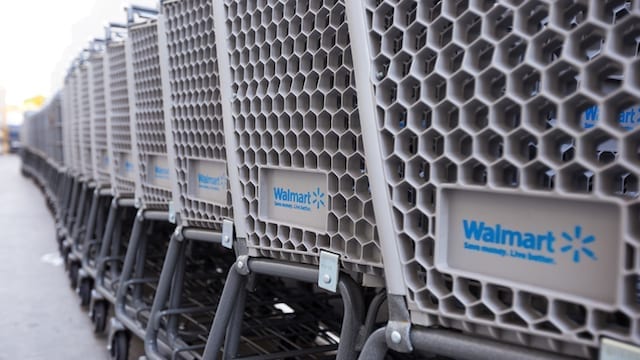
    But its not about burning calories, Walmart wants to capture shopper reactions based on what they see or feel in terms of products and prices. The patent, titled “System and Method for Biometric Feedback Cart Handle,” will have grocery carts fitted with sensors on the cart’s handle, that will transmit the data to Walmart’s servers.

    “If biometric indicators show signs of an emergency, the program may also issue a broadcast throughout the store to call associates’ attention to the situation and could potentially initiate a call for emergency medical help as well,” said technology blog CBInsights.

    However, not all shoppers are happy with this new development with many taking to social media to express their concerns. Susan La Duke tweeted that is was on “the list of reasons” why she would never shop at Walmart.

    The retail giant has also bolstered its e-commerce and grocery teams witha reshuffle of senior executives in the US.

    Kieran Shanahan was promoted as the new senior vice president of e-commerce retail for everyday living while Tom Ward was named the new senior vice president of digital operations.

    It also announced that Andrea Albright will take up the position of senior vice president of snacks, beverage and impulse, replacing Al Dominguez who is leaving the company after 12 years.

    Bloomberg reported that Shanahan and Ward had helped expand the online grocery business prior. Walmart’s grocery segment makes up more than half its US sales.

    Deutsche Bank had upgraded the shares of Walmart on Tuesday based on strength in the online grocery industry. Deutsche Bank analyst Paul Trussell said that the retail giant is “reaping returns on the many years of investment in e-commerce and customer service”, which puts the retailing giant in the best position to move forward.

    Trussell also lifted his stock target from $US89 to $US113. Nuveen managing director Stephanie Link agrees that Walmart’s digital investments and acquisitions with Jet and Flipkart are a good move although she said to CNBC that Deutsche Bank’s call is a little early as Walmart still has to do some more to deliver growth.

    “They [Walmart] have just started to make these investments, and you’re just starting to see some results, but I think it’s going to take a long time … I think the environment is competitive and I think what Walmart is doing is right, but I don’t necessarily want to own the stock,” she said on CNBC‘s “Halftime Report.”

  • Vietnam’s U18 liquor sales ban impractical

    Vietnam’s U18 liquor sales ban impractical

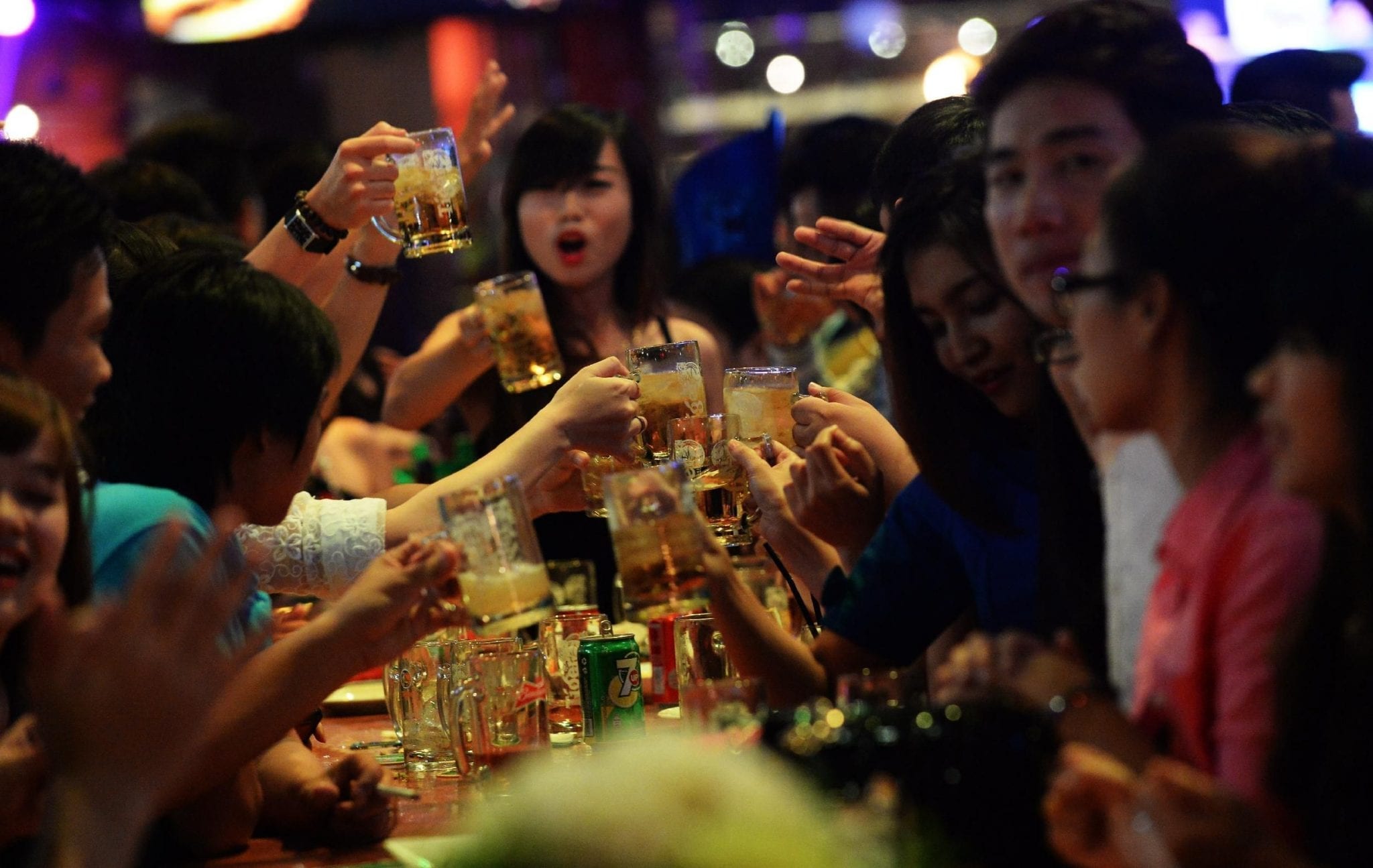
    They are also saying that an emphasis on education and raising awareness will have greater impact in dealing with the problem of liquor abuse.

    A draft bill on the prevention of dangers of alcohol being compiled by the Ministry of Health proposes a number of prohibitions, including: promotion in any manner of liquor with alcohol content of 15 degrees or above; usage of positive phrases like “medicinal alcohol”, “nutritious alcohol” on product labels; advertising of alcohol during television prime time (6-9 p.m.); sale of alcohol to persons under 18; and sale of alcohol on the internet.

    Kieu Anh Vu of law firm KAV Lawyers said it was very necessary to bring legal measures against the dangers of alcohol, because the harm it was causing was indisputable.

    Vu said he supported the draft bill’s ban on alcohol consumption by government officials, civil servants, and employees during working hours or between shifts during the working day; by operators of motorized vehicles; and by people under 18.

    “These regulations are appropriate to ensure social order, safety and health of the community,” he said.

    However, Vu was concerned about how age checks would be carried out. “Will vendors have the right to check people’s age by looking at their identity cards, or just by asking questions?”

    Psychologist Nguyen An Chat, on the same page as Vu, also questioned how alcohol sellers could correctly verify the age of each individual.

    “Some 15 year olds look very mature while some 20 year olds can look underage. Would everyone wishing to purchase alcohol have to produce identity documents?” he wondered.

    An online right?

    Lawyer Vu Tien Vinh, director of Bao An Law Firm, said: “Buying alcohol over the Internet is more convenient than going to shops or supermarkets. If online sale is prohibited, people can and will continue to buy alcohol through traditional channels.

    Vinh said that in reality, it was too easy for buyers to obtain alcohol via traditional channels such as supermarkets and other dealers. When consumers can buy alcohol anytime, anywhere, the ban on online sales will not have much of an impact on its consumption, he said.

    “Detecting online transactions on the sale of alcohol to punish with fines is very difficult. It will not be hard for consumers to get around this regulation,” Vinh added.

    Sociologist Trinh Hoa Binh concurred, saying identification of illegal alcohol sales online was very hard to do.

    “Internet sales are the current trend. Will the prohibition of selling alcohol online go against this?” asked psychologist researcher Nguyen An Chat.

    Given the implementation difficulties, Binh proposed that instead of prohibitive regulations, authorities should instead start with education, build a set of cultural values for the modern Vietnamese society that discourages alcohol abuse.

    Chat supported this. He said education should begin at home and continue in schools so that each person was aware of the danger of drinking, so that people would exercise restraint and control their consumption.

    Psychologist Khuat Thu Hong said many countries have faced difficulties in implementing regulations prohibiting or restricting the sale/use of alcohol, but over time, strict compliance has become the norm.

    “In Vietnam, for these regulations to be implemented well, close monitoring and regular communication on the harms of alcohol will be essential for the people to understand and co-operate,” said Hong.

    In Vietnam, about 800 deaths per year are related to the use of alcohol, including beer. Almost 30 percent of social order disruption cases are also related to alcohol consumption.

    In 2017, Vietnamese people spent close to $4 billion on alcohol. The cost of dealing with alcohol-related traffic accidents was  estimated at about one percent of the GDP the same year.

    The alcohol industry contributes about VND50 trillion ($2.17 billion) to the state budget a year and provides about 220,000 jobs directly or indirectly.

  • AirAsia announces direct flights between KL and Tianjin

    AirAsia announces direct flights between KL and Tianjin

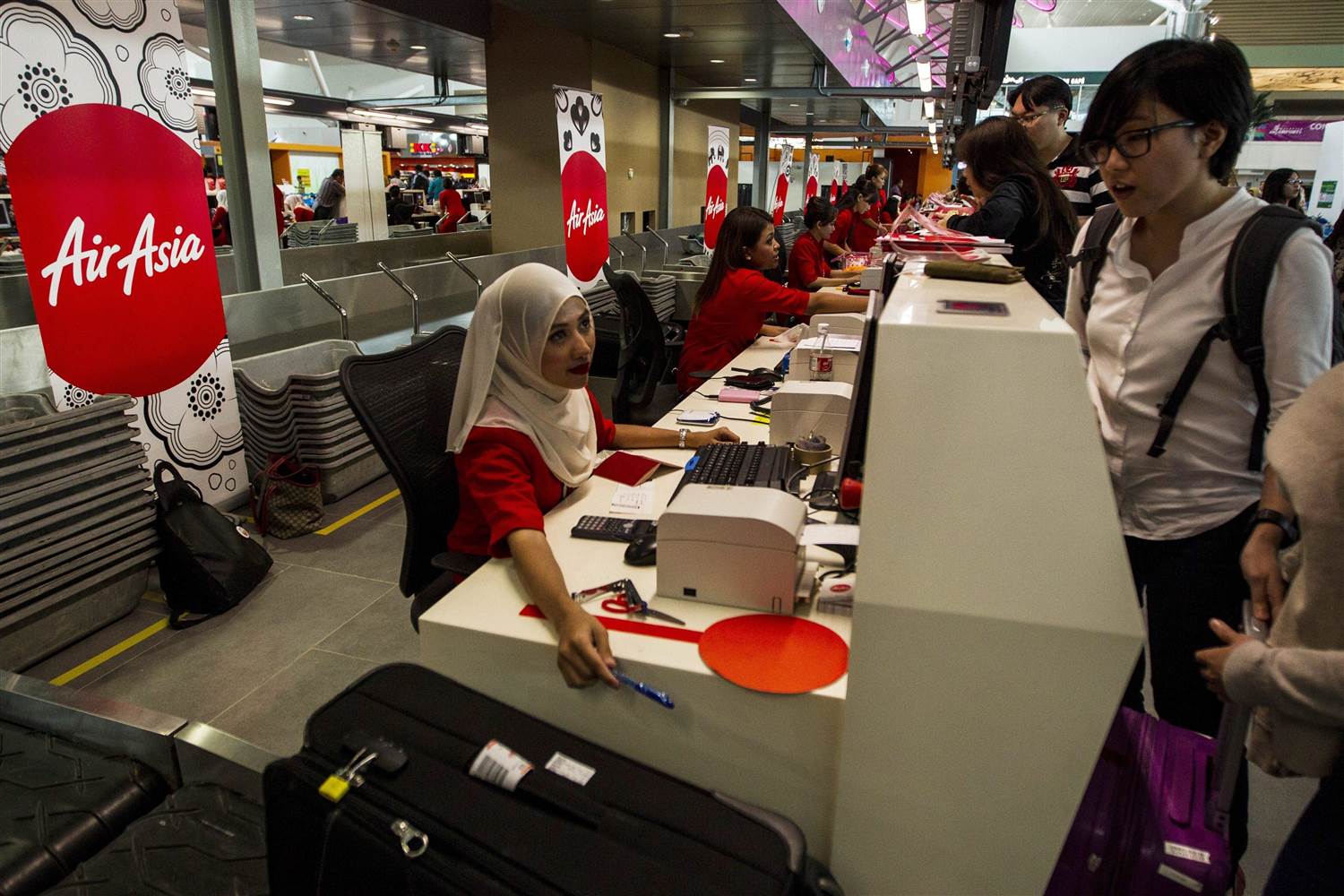
    AirAsia is expanding its footprint in China with an exclusive direct service between Kuala Lumpur and Tianjin, a coastal city in China.

    Beginning Dec 2, the new route will connect more than 15 million people in Tianjin with South-East Asia and beyond.

    AirAsia’s long haul affiliate, AirAsia X, will not only provide direct services between the two cities, but also stimulate regional demand through great value airfares, enabling more people to travel.

    AirAsia will also beef up its direct route between Kuala Lumpur and Changsha, doubling the current number of seats on the popular route in response to demand, by operating its fleet of larger wide-body Airbus A330 aircraft commencing Oct 29.

    He said this will significantly boost tourism, trade and economic growth while paving the way towards China’s Year of Tourism and Culture 2020, envisioned by the leaders of both Malaysia and China.

    “Together with our existing routes into China, today’s announcement means we are further strengthening our foothold in Northern China and increasing our overall capacity to China – one of our  fastest growing markets.

    “We will continue to look for expansion opportunities that not only maintain AirAsia Group’s dominance as the largest foreign carrier to China by capacity, but also enable us to remain committed in our quest to making air travel affordable for everyone,” said Benyamin.

    With the launch of Tianjin as its latest destination, AirAsia will fly to 20 cities in China with 550 weekly direct flights from hubs in Malaysia, Thailand and the Philippines.

  • DHL Express recognized as Asia Pacific Best Employer in 2018

    DHL Express recognized as Asia Pacific Best Employer in 2018

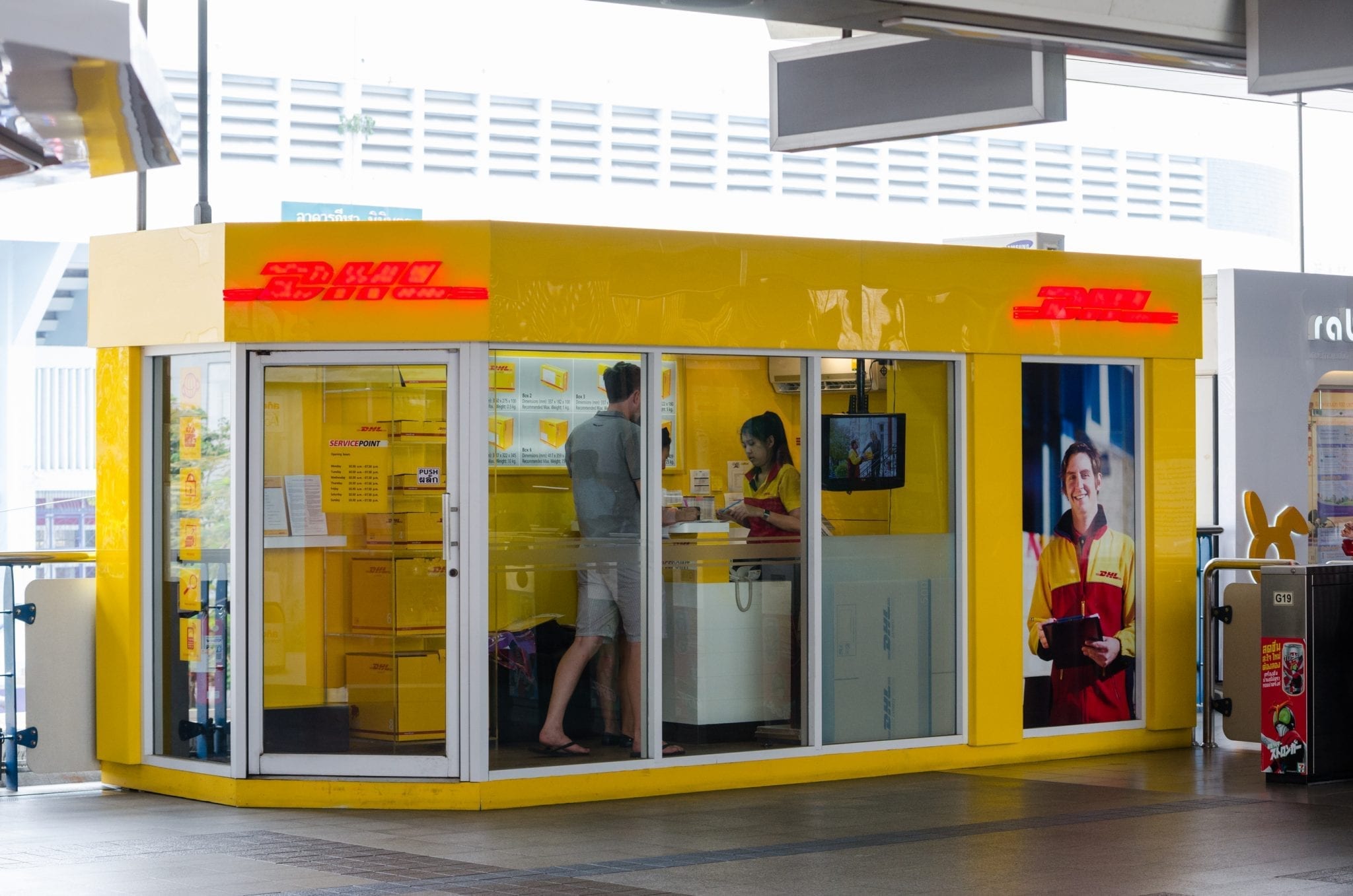
    DHL Express, the world’s leading international express services provider, has been named Asia Pacific Best Employer 2018 by Aon Hewitt, the global talent, retirement and health solutions business of Aon plc. This is the fifth time DHL Express has won this award in the region, since 2013.

    This accolade is conferred to companies which have won Aon Hewitt awards in at least three countries across the region, and DHL has exceeded this expectation by winning Best Employer in India, Malaysia, Philippines, Singapore and Thailand.

    Ken Lee, CEO, DHL Express Asia Pacific said, “It is an honor to be recognized as a leading employer and an excellent workplace in Asia Pacific again. This award is a huge win for the region because it is strong proof that we have been successful in building positive relationships with our employees, who are such vital assets to the success of our organization. As we aim to remain Employer of Choice, employee engagement continues to be our top priority and we are committed to sustained investment in our employees to help them realize their full potential.”

    Based on a comprehensive study, nominated companies were thoroughly assessed by an independent external committee based on three types of sources: employee opinion survey, human resources practices, and CEO questionnaire and interview. According to Aon Hewitt, DHL Express has demonstrated and achieved consistently high performance in key areas of Employee Engagement, Compelling Employer Brand, Effective Leadership and High Performance Culture across the region. Additionally, employee perception indicates that DHL Express excels in critical execution enablers including infrastructure and technology that drive productivity and encourage collaboration, and openness to diversity in the environment.

    DHL Express’ continuous investment in talent growth, including its Certified International Specialist (CIS) and Certified International Manager (CIM) programs has trained over 60,000 employees in Asia Pacific as of 2017. Employees are trained on the company strategy, and fundamentals of international and management skills such as ensuring respect and results while interacting with colleagues.

    In addition to the CIS and CIM programs, DHL Express regularly organizes activities that celebrate and recognize employees’ dedication and cultivate employee engagements at all levels. These include initiatives such as ‘Staff Appreciation Week’ and ‘Employee of the Year’. Most recently in August 2018, DHL Express held its DHL AsiaCup in Singapore — the annual employee football and cheerleading event involving more than 1,000 employees, to rally teams across the region to build an even stronger employee network and celebrate their successes.

    First conducted in Asia in 2001, Aon Hewitt’s Best Employers study aims to recognize companies that have a real competitive advantage by investing in its people, and to explore the winning attributes of a workplace of choice.

  • Julius Baer Expands in India

    Julius Baer Expands in India

    The Swiss-based bank is recruiting a total of 11 advisors. The new hires will be spread across Julius Baer’s Indian branches in Chennai, New Delhi, Calcutta, and Mumbai.

    Asia head Jimmy Lee said this summer that India is a core growth market, along with China and Indonesia, and of course major hubs Singapore and Hong Kong. Julius Baer has massively built its imprint in Asia with the 2012 acquisition of Merrill Lynch’s private bank outside the U.S. – a method the bank is keen to continue, as Lee recently said.

    Growth by M&A

    Since then, the bank has built out its business on the Indian subcontinent, including taking an entire team from now-defunct Banca Svizzera della Italiana, or BSI.

    The 11 bankers will report to Ashish Gumashta, CEO of Julius Baer Wealth Advisers in India, who took over last year following the exit of Rahul Singh last July. Gumashta was a veteran of Merrill Lynch in India, and instrumental in the integration into the Swiss private bank following the deal.

  • Most IT security teams believe their IoT devices are not secure

    Most IT security teams believe their IoT devices are not secure

    The majority of IT security teams believe that a key gap in their company’s overall security strategy is their inability to identify attacks that use IoT devices as the point of entry, according to a global study conducted by the Ponemon Institute on behalf of HPE’s Aruba.

    In fact, more than three-quarters of respondents believe their IoT devices are not secure, with 75% stating that even simple IoT devices pose a threat. Two-thirds of respondents admitted they have little or no ability to protect their “things” from attacks.

    The Ponemon Institute study, entitled “Closing the IT Security Gap with Automation & AI in the Era of IoT,” surveyed 4,000 security and IT professionals across the Americas, Europe and Asia to understand what makes security deficiencies so hard to fix, and what types of technologies and processes are needed to stay a step ahead of bad actors within the new threat landscape.

    “Despite massive investments in cybersecurity programs, our research found most businesses are still unable to stop advanced, targeted attacks — with 59% believing they are not realizing the full value of their defense arsenal, which ranges from 10 to 75 security solutions,” Ponemon Institute chairman Larry Ponemon said.

    “The situation has become a ‘perfect storm,’ with nearly half of respondents saying it’s very difficult to protect complex and dynamically changing attack surfaces, especially given the current lack of security staff with the necessary skills and expertise to battle today’s persistent, sophisticated, highly trained, and well-financed attackers”

    The research revealed that in the quest to protect data and other high-value assets, security systems incorporating machine learning and other AI-based technologies are essential for detecting and stopping attacks that target users and IoT devices.

    The majority of APAC respondents polled for the report agree that security products with AI functionality will help to reduce false alerts (66%), increase their team’s effectiveness (62%), provide greater investigation efficiencies (57%) and advance their ability to more quickly discover and respond to stealthy attacks (53%).

  • Singtel launches Liquid Infrastructure platform

    Singtel launches Liquid Infrastructure platform

    Singtel has launched a new globally available platform designed to allow enterprises to easily configure their networks to better support their business requirements.

    The Liquid Infrastructure platform integrates physical and virtual network services into a single platform embedded with network visibility and intelligence capabilities. This allows enterprises to deploy network resources as and when needed.

    The platform is supported by Singtel’s data network infrastructure and virtual network services. It is designed for use in cloud, VPN and IoT deployments.

    The operator has also upgraded its global IP network with new flexibility and software capabilities to support the service.

    “We have integrated software-based network services to this platform to provide a versatile, robust and scalable solution that delivers critical network services where and when they are needed,”Singtel Group Enterprise VP of global products Goh Boon Huat said.

    “By having the control of connectivity in the hands of our customers, we facilitate their transformation to the digital era through a superior and more agile network deployment and management experience.”

    Liquid Infrastructure is integrated with Singtel’s global network, which consists of subsea cables, an IP VPN network with 428 points of presence and a global internet service spanning more than 200 countries.

  • MobiCom introduces fingerprint authentication

    MobiCom introduces fingerprint authentication

    Mongolia’s MobiCom, a subsidiary of Japan’s KDDI, has introduced fingerprint authentication based on the national KHUR digital information exchange system.

    With the move, MobiCom has become the first operator to arrange compatibility with the KHUR system.

    Mongolian customers will be able to use fingerprint authentication to take advantage of more than 100 service offerings without the need to present an ID card.

    KHUR was developed as an integrated national population database used by government authorities to offer registration, taxation, social insurance, and other services to citizens.

    It adds biometric capabilities to the Mongolian national ID card, which is required for completing public procedures such as voting. MobiCom has linked its sales management system to the database to enable personal identification authentication based on fingerprint verification.

    As well as existing capabilities, MobiCom plans to use the link to KHUR to develop new telecoms and finance services for the Mongolian market.

    MobiCom is Mongolia’s largest mobile operator by subscribers. The company was founded in 1995 and today provides mobile, fixed line and satellite services as well as a range of ICT services. KDDI has been an investor in the operator since it was founded, and became the majority owner in March 2016.

  • Global cellular IoT connections to cross 5b mark by 2025

    Global cellular IoT connections to cross 5b mark by 2025

    Global IoT cellular connections are expected to hit the 5 billion mark by 2025 and China will continue to lead by contributing nearly two-thirds of such connections, says Counterpoint Research.

    According to the latest research from Counterpoint’s IoT (Internet of Things) service, global IoT cellular connection grew 72% in the first half of 2018, which the research firm described as “a considerable increase” as compared to the same period last year.

    China at present is the world’s largest cellular IoT market, with the country’s three telcos – China Mobile, China Unicom and China Telecom – accounting for a combined 70% of the global IoT connections. In 2025, an estimated 66% of global IoT connections are expected coming from the trio’s IoT networks.

    “Emerging markets like India, Brazil and Africa can offer tremendous scale but will likely be late followers compared to China in this path to connected everything,” Counterpoint research analyst Satyajit Sinha said.

    “However, the massive growth opportunity remains in terms of cellular-IoT connections in emerging markets which will be possibly catalyzed by operators such as Reliance Jio in India but more specifically from multi-market players such as Telefonica or MTN or Vodafone,” Sinha noted.

    According to Sinha, smart manufacturing, smart utilities and smart mobility applications – such as automotive and asset tracking – will be the key growth drivers for IoT adoption over the next five to seven years.

    NB-IoT to be the dominant connectivity technology

    On the technology side, the report predicts that narrowband IoT (NB-IoT) will dominate the market with 45% of global IoT cellular connections by 2025, due to the wide variety of application opportunities and faster adoption rates in the overall ecosystem.

    2G IoT connections will occupy less than 1% of global IoT cellular connections by this time, as they are increasingly replaced by NB-IoT.

    3G IoT connections face the same fate as 2G. However, 3G will go extinct much faster than 2G.

    4G LTE IoT connections (high bandwidth & low latency) will grow at a much faster rate till 2022, due to global adoption of LTE Advanced and Advanced Pro.

    At the same time, the increased popularity of NB-IoT and unlicensed LPWA will also take away the opportunity and share of LTE-M, which will have a presence until 2022 and contribute around 6% of global IoT cellular connections in 2025.

    “Most of the IoT connections are still on 2G/2.5G networks,” Counterpoint research director Peter Richardson said. “However, the shift to 4G LTE and cellular-LPWAN is already in motion and we expect an ongoing shift to these newer technologies in 2H 2018 and 2019.”

    While cellular-LPWAN brings a number of advantages over unlicensed LPWA solutions, Richardson added that there are a number of use cases where unlicensed technologies offer a superior mix of cost and functionality.

    “Over the short to medium term, we expect co-existence and even the combined use of both licensed and unlicensed LPWA technologies,” he said.

    As the industry is expected to smoothly transition from 4G LTE to 5G from 2020 onwards, 4G LTE IoT connections will hold slightly more than a third of global IoT cellular connections in 2025, Counterpoint said.

    “5G will be crucial for some sectors, for example automotive, especially for V2V and V2X. The adoption of 5G cellular will depend on the availability, cost of modems from companies like Qualcomm and Huawei as well as coverage area. We expect 5G to account for around 10% of global IoT cellular connections in 2025,” Richardson concluded.