Author: Mei Ling Tan

  • Soft Start Predicted For Thai Stock Market

    Soft Start Predicted For Thai Stock Market

    The Thai stock market has moved lower in back-to-back trading days, sliding almost 10 points or 0.6 percent along the way. The Stock Exchange of Thailand remains just beneath the 1,750-point plateau and it’s tipped to open in the red again on Wednesday.

    The global forecast for the Asian markets is murky, with little movement expected ahead of the FOMC interest rate decision later today. The European markets were up and the U.S. bourses were mostly lower – and the Asian markets figure to split the difference.

    The SET finished slightly lower on Tuesday following mixed performances from the financial shares and the energy producers.

    For the day, the index dipped 1.43 points or 0.08 percent to finish at 1,747.99 after trading between 1,745.73 and 1,756.85. Volume was 12.141 billion shares worth 42.321 billion baht. There were 906 decliners and 441 gainers, with 531 stocks finishing unchanged.

    Among the actives, Advanced Info shed 0.25 percent, while Thailand Airport added 0.76 percent, Beauty Community lost 0.85 percent, Bangkok Expressway skidded 1.71 percent, Krung Thai Bank collected 0.50 percent, PTT Exploration and Production fell 0.65 percent, PTT Global Chemical jumped 1.57 percent, Siam Commercial Bank picked up 0.34 percent, Siam Concrete advanced 0.44 percent and PTT, Kasikornbank, Charoen Pokphand Foods, Banpu, Bangkok Bank and Bangkok Medical all were unchanged.

    The lead from Wall Street offers little guidance as stocks opened slightly higher on Tuesday before fading in afternoon trade – although the tech-heavy NASDAQ remained in the green.

    The Dow shed 69.84 points or 0.26 percent to finish at 26,492.21, while the NASDAQ added 14.22 points or 0.18 percent to 8,007.47 and the S&) fell 3.81 points or 0.13 percent to 2,915.56.

    The uncertainty on Wall Street comes as traders look ahead to the Fed’s monetary policy announcement. The Fed is widely expected to raise interest rates by a 25 basis points, although traders will pay attention to the accompanying statement for clues about the outlook for rates.

    Fed Chairman Jerome Powell’s subsequent press conference is also likely to attract attention, with the central bank expected to raise rates by at least once more this year.

    In economic news, the Conference Board noted an unexpected improvement in consumer confidence in September as its index hit an 18-year high.

    Crude oil prices climbed on Tuesday after OPEC declined to increase production after upcoming U.S. sanctions against Iran take hold. U.S. West Texas Intermediate futures for November delivery gained $0.20 or 0.3 percent to $72.28.
  • KBank joins rush to tap postal network in Thailand

    KBank joins rush to tap postal network in Thailand

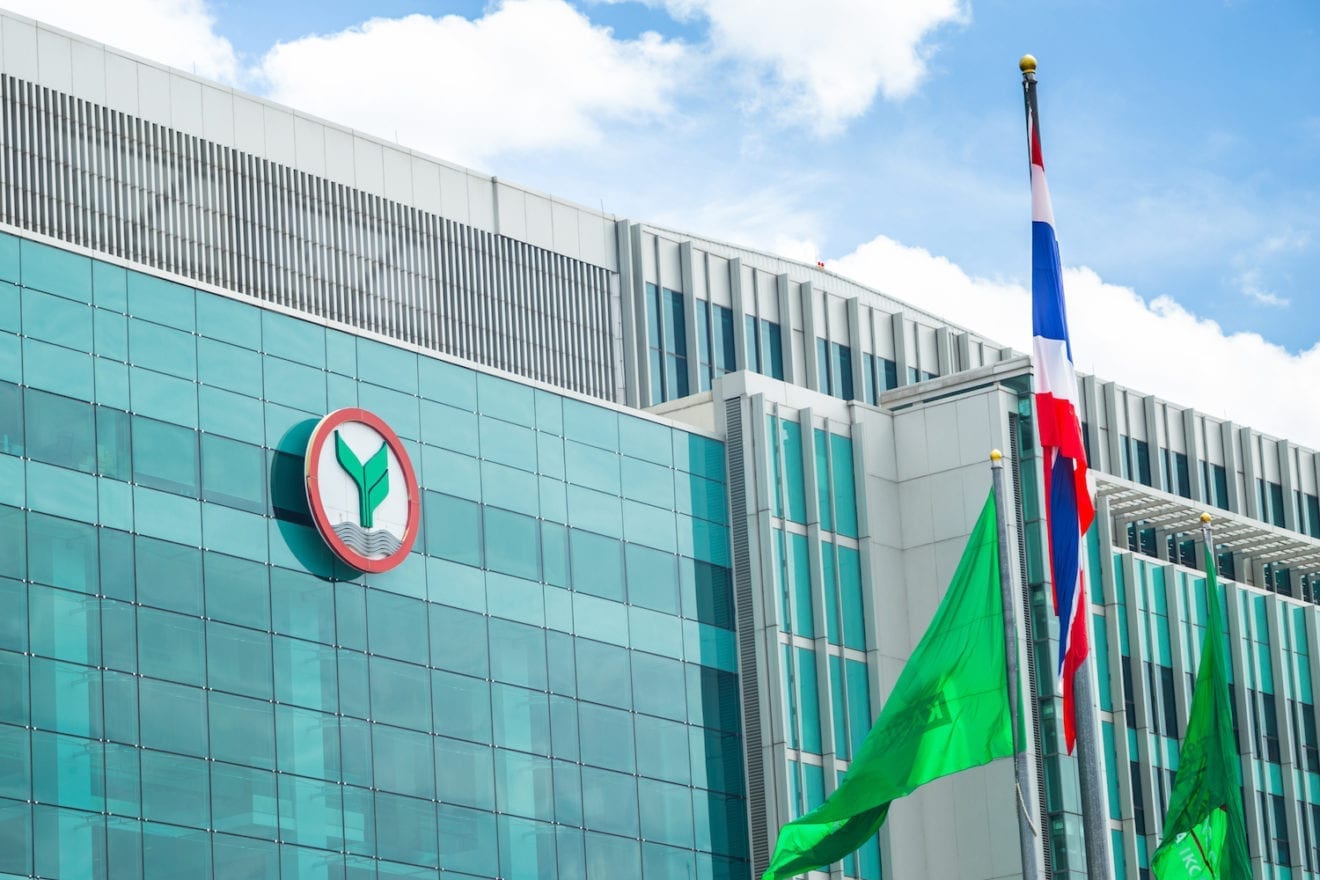
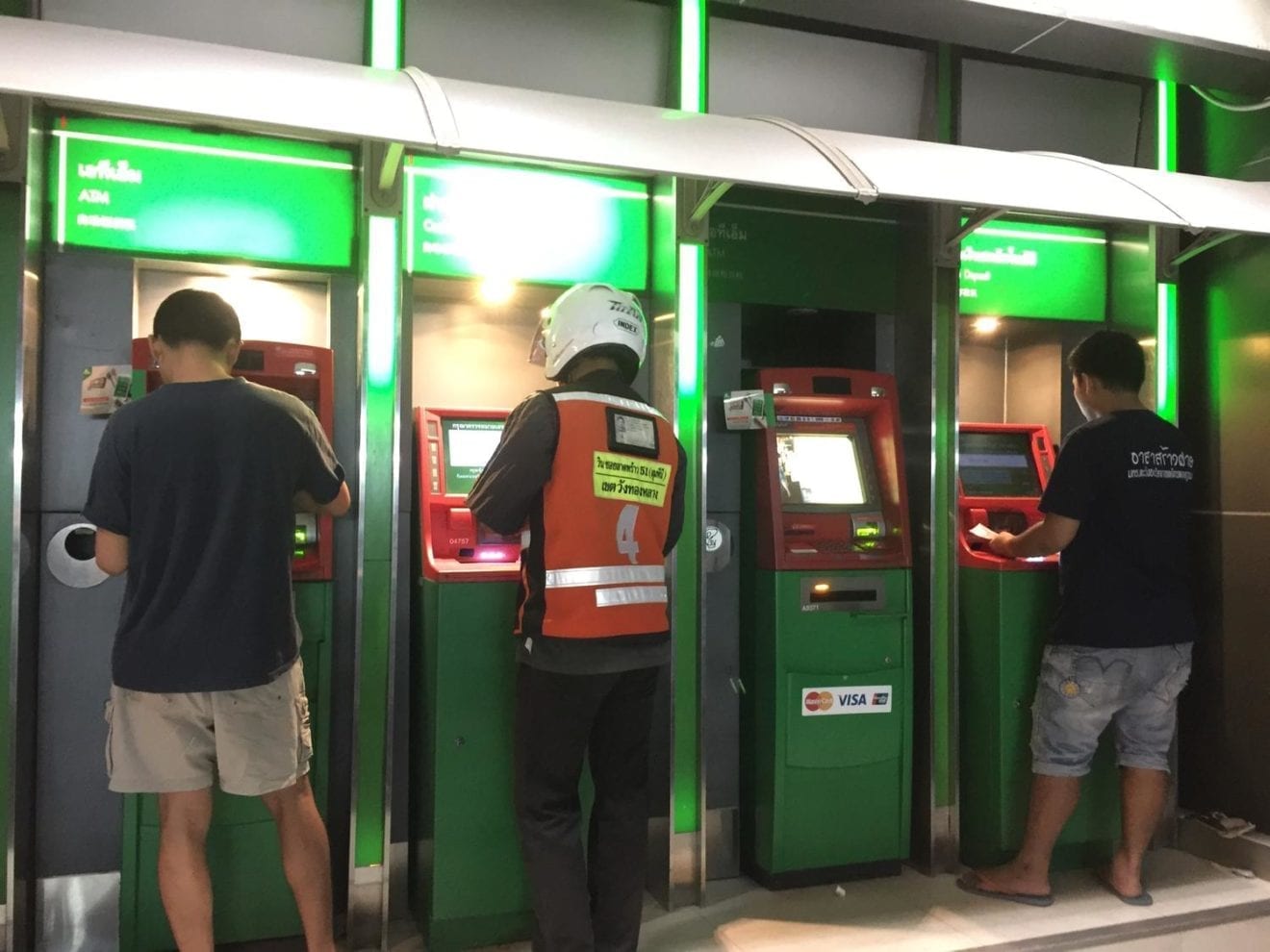
    Kasikornbank (KBank) and Thailand Post, a state-owned enterprise, yesterday sealed a business deal that saw one of the country’s biggest banks appoint the postal operator as a banking agent.

    KBank became the first of the large banks to enter such an arrangement with Thailand Post.

    “We aim to service 250,000 online vendors across the country under this deal, which will allow them to send out their parcels and deposit money with Thailand Post’s branches across the country,” said Patchara Samalapa, KBank’s president.

    Patchara indicated that Kasikornbank was looking at broader gains from the initiative, saying that with the bank’s large deposit base it did not need to attract more deposits.

    In the first stage of service, the bank’s customers can deposit up to Bt20,000 per transaction – or up to Bt40,000 a day – via 964 Thailand Post branches. The service costs Bt10 until the end of the year, before rising to Bt20.

    The bank targets 150,000 transactions derived from the banking agent channel by the end of 2018. The volume of transactions is expected to reach 600,000 in the first three years of operation.

    Cash withdrawal and money transfer services would be offered next year should the central bank give the green light, Patchara said.

    “The use of banking agents is cheaper for us than setting up full bank branches nationwide, but that does not mean than we plan to shut down some bank branches,” he said.

    Smorn Terdthampiboon, president of Thailand Post, said that doing business with Kasikornbank would improve its logistics business in the face of more competitors entering in the market.

    “We did not set out to make more revenue from it since it is not our core business, but we aim to provide a better service for our customers,” she said.

    Some seven small commercial banks have appointed Thailand Post as a banking agent since 2011, and its Bank@Post service has grown about 13 per cent annually.

    Smorn said the logistics business in Thailand is growing due to the increased popularity of shopping online.

    Traditionally, Thailand Post provided a basic service of sending letter from senders to receivers. Now, the dispatch of goods accounts for the biggest share of the agency’s business, at more than 40 per cent. Mail delivery makes up about 30 per cent, with the rest of the revenue from money services and sales of parcel packaging items and stamps, she said.

    Thailand Post has 1,300 branches nationwide and 3,000 more come under its postal network operated by private entities.

    Parcel delivery has grown about 20 to 30 per cent annually, as people were shopping online more, Smorn said.

    Some other large banks had also sought business partnerships with Thailand Post, she added. Thailand Post targets revenue of Bt30 billion this year, up from Bt25 billion last year. Last year it made a profit of Bt4.2 billion and this is expected to rise to Bt4.5 billion this year, Smorn said.

  • Thai Bankers Association explains mobile banking outage

    Thai Bankers Association explains mobile banking outage

    The Thai Bankers Association (TBA) has explained that an Internet banking outage between August 31 and September 1 was due to human error, and has made known that six guidelines have been set to ensure the stability of the digital system.

    President of Information Technology for the TBA, Somkid Jiranantrat indicated the outage on August 31 was the result of a command error by an agent of Kasikorn Bank. The flawed action was severe enough to eject Kasikorn Bank from the central system shared by the nation’s commercial banks while also impeding the system as a whole. On September 1, over 40,000 erroneous bank transfers were logged at an average rate of 1,000 requests per every nine minutes, again causing the system to shut down.

    In eliminate the possibility of such errors, TBA and ITMX, the central network handler, have come out with six guidelines. The first is to increase mobile accommodations two fold to reduce bottle necks during peak hours. The second is more stringent control over changes by individual banks. The third is to double ITMX’s capacity. The fourth is to establish a committee between banks and ITMX, which will set conditions for the temporary ejection of a bank from the system. The fifth is to create a more general interface in monitoring the system and the sixth is to reconsider the nation’s mobile banking structure.

    Kasikorn Bank’s mobile banking system can accommodate a maximum 6,000 requests per second with peaks at present hitting only 4,000 requests per second.

  • Singapore Airlines bans lion bones in cargo

    Singapore Airlines bans lion bones in cargo

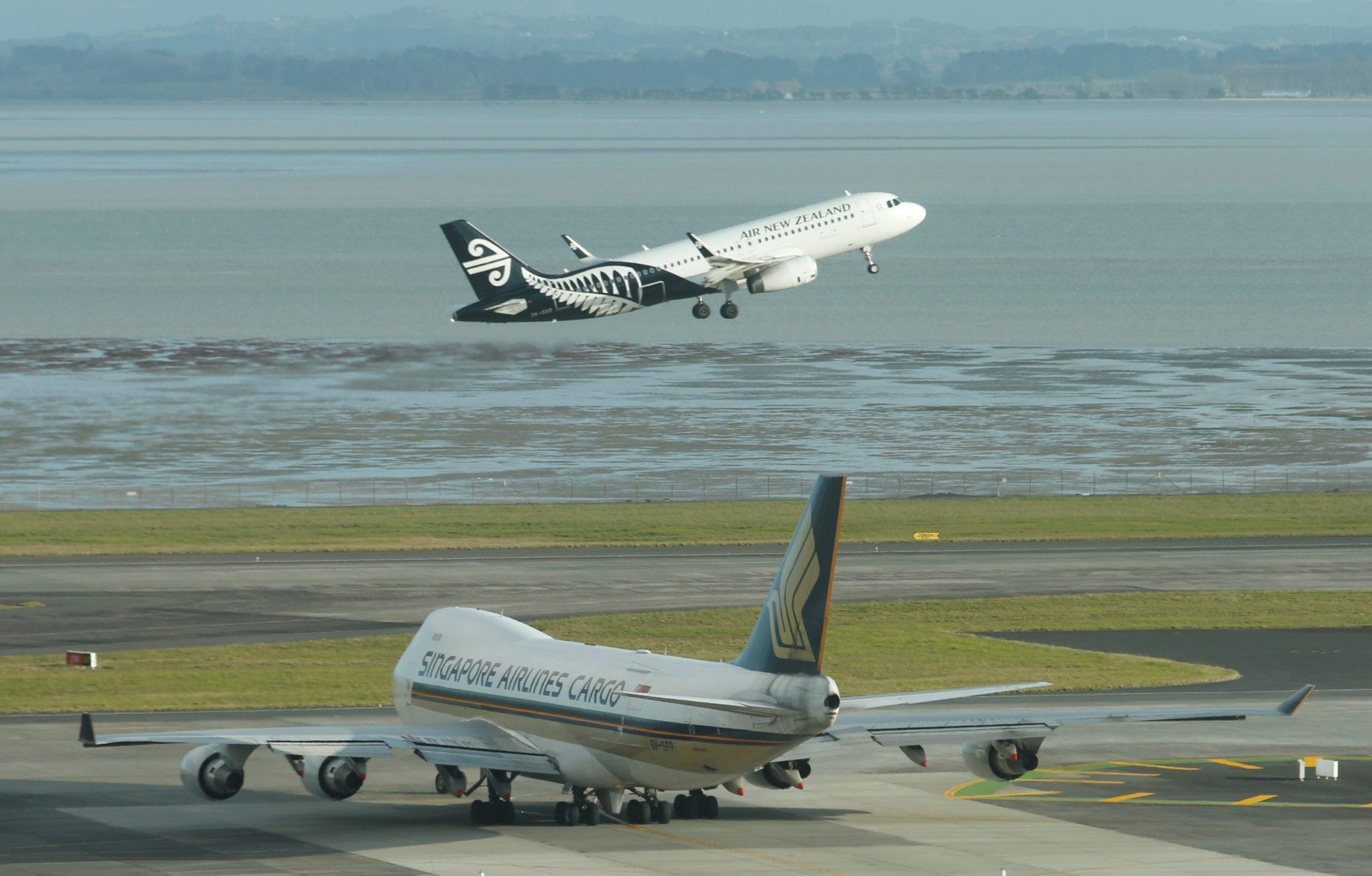
    Singapore Airlines said Friday (Sep 21) it has stopped accepting lion bones for cargo after the carrier was singled out in a report for transporting the animal parts from South Africa.

    Campaigners have long called for a ban on the controversial trade in big cat bones, which are sought after for medicine and jewellery in Southeast Asia.

    Singapore Airlines was the sole carrier importing lion bones from South Africa to Southeast Asia last year, according to a report released in July by the non-profit EMS Foundation and animal rights group Ban Animal Trading.

    At least 800 lion skeletons had been exported with the blessing of the South African government in 2017, the report said, making it the world’s largest exporter of lion bones.

    The airline told it had stopped accepting lion bones as cargo, but did not say when the policy had come into effect.

    “Singapore Airlines does not accept the carriage of lion bones as cargo following a review which took into account increasing concerns around the world,” the company said in an email.

    EMS Foundation director Michele Pickover said her organisation had sent the report to the airline and “appealed to them to immediately stop its involvement in this terrible trade”.

    “I believe that once they were informed about what this trade entails they took the correct and logical decision not to support it,” she told.

    South Africa has been sending lion bones to Southeast Asia since at least 2008 and it was likely that Singapore Airlines had been transporting them since that year, Pickover added.

    Lion bones and other body parts are highly sought after in parts of Southeast Asia – particularly Laos, Thailand and Vietnam – for use in jewellery and for their supposed medicinal properties.

    In Vietnam, lion bone is cooked and turned into balm while claws and teeth were used as body ornaments, the report said.

    While trade of body parts from wild lions is banned, international treaties allow the sale of parts taken from lions bred in captivity.

  • U-Tapao Rayong-Pattaya International Airport joins with AIS to develop Smart Terminal Pioneering

    U-Tapao Rayong-Pattaya International Airport joins with AIS to develop Smart Terminal Pioneering

    U-Tapao Rayong-Pattaya International Airport has entered into a partnership with AIS to support and develop its air transport system through the introduction of new innovations. AIS will take part in the pre-construction period and the opening of the Passenger Terminal 3, upgrading the airport to become the Bangkok’s third major commercial airport in the future. It will serve passengers connecting to Don Muang International Airport and Suvarnabhumi Airport in line with the Eastern Economic Corridor (EEC) Plan, which is one of key strategies of the Thailand 4.0 initiative.
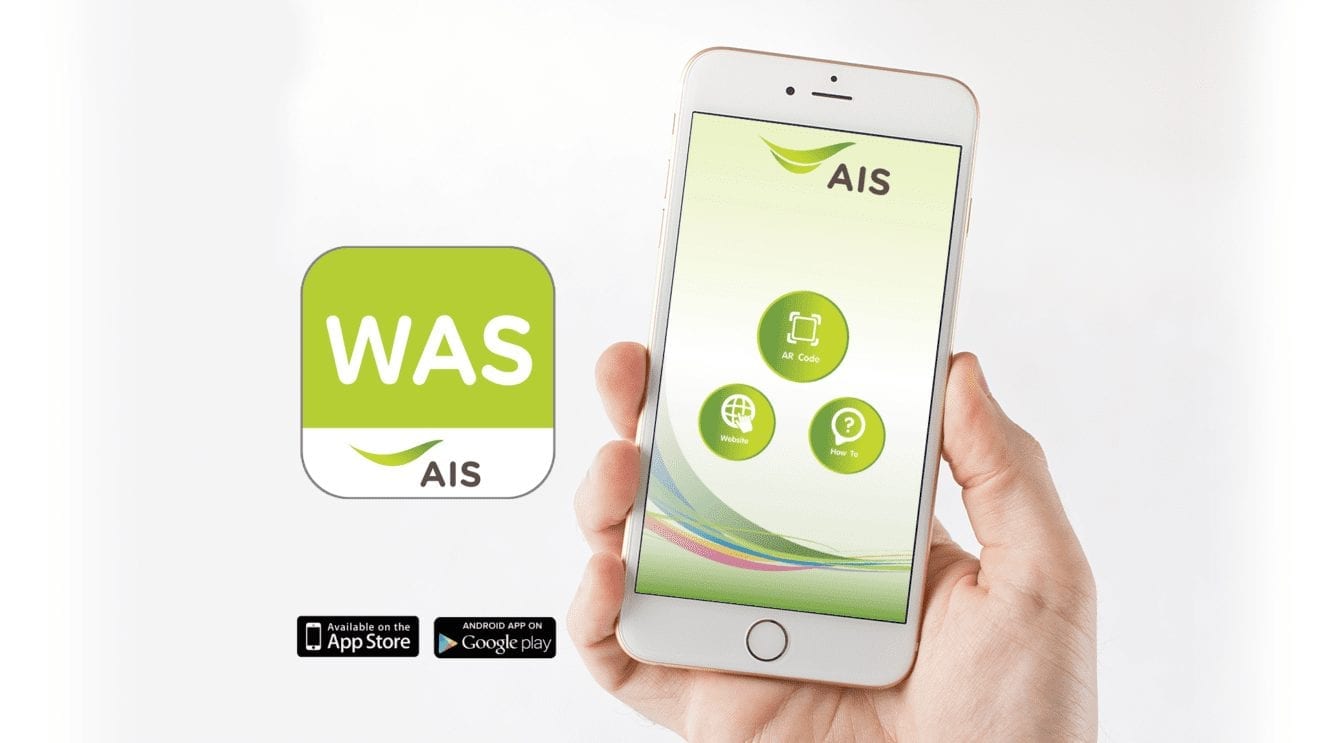
    U-Tapao Rayong-Pattaya International Airport has entrusted AIS to provide integrated digital solutions for the development of the second passenger terminal into a Smart Terminal. The initial phase is centered on 2 key goals: 1) improve passenger services through the U-Tapao Application that provides all aviation information including flight status, airport transfers from/to the airport, and car parking. In addition, the app will provide a map notifying service spots that complementthe navigation systems within the airport via Augmented Reality (AR) technology. This new service is designed to allow passengers to enjoy maximum convenience for the first time in Thailand; 2) enhance the terminal management system with Video Analytics technology, which is comprised ofa digital closed-circuit camera network and complemented by an AI-based image processing program and Big Data for application in the development of a Face Recognition system to verify persons in the airport. The Face Recognition system will raise the standard of security and allow for the identification of both suspicious persons and objects, as well as VIPs. Moreover, Heat Map Analytics will be adopted to identify the volume of passengers in the airport areas in order to enhance the efficiency of the security system and the airport’s management and services.Rear Admiral Luechai Sri-eamgool, U-Tapao AirportAuthority Director, says: “We are delighted with the public-private partnership to deploy digital technology in upgrading services and management of Passenger Terminal 2 into a Smart Terminal. This is in accordance with the government’s Digital Economy policy to develop U-Tapao Airport as Bangkok’s third commercial airport. In addition, the development project is a part of the EEC framework that serves passengers connecting with Don Muang International Airport and Suvarnabhumi Airport. Finally, U-Tapao Airport aims to be the major aviation hub of the region.”

    U-Tapao Rayong-Pattaya International Airport is thus partnering with Advanced Wireless Network Company Limited (AWN), a subsidiary of AIS – Thailand’s No. 1 mobile network and digital technology provider- to develop a Mobile Application and Video Analytics as well as computerized and IT systems for airport communication services in the second passenger terminal. The goal is to increase the service capability of the airport through the effective deployment of digital technologies. The airport needs to provide convenience and deliver the ideal experiences for users with its integrated services. Moreover, the airport will increase its efficiency in safety and security as well as building management systems.

    Mr. Yongsit Rojsrikul, Chief Enterprise Business Officer, adds: “As a leading digital life service provider, AIS is providing thevery best communications service to Thais. Another key goal of the company is to apply digital technology in its utmost capacity to strengthen all aspects of the country. Through the partnership with U-Tapao Airport, AIS has invested in the development of 2 systems which will be ready for service in the last quarter of this year. AIS expects it will be a model for the development of airport passenger terminals into full-range Smart Terminals in the future. We believe that the EEC is crucial to revolutionizing the country’s economy, and that a partnership between the public and private sectors is required to make concrete developments and drive Thailand’s sustainable economy.

    “Today, AIS is very glad and proud of being entrusted by U-Tapao International Airportand be its partner in adopting digital technology for upgrading the services and management system of the Passenger Terminal 2,” concludes Mr. Yongsit.

  • China might avoid Trump tariffs by exporting via Vietnam

    China might avoid Trump tariffs by exporting via Vietnam

    Vietnam could suffer collateral damage if Chinese businesses use made-in-Vietnam labels to avoid U.S. tariffs, experts warn.

    Economist Vu Dinh Anh said it is “highly possible” that Chinese businesses would seek to export their goods through Vietnam to the U.S. amid the trade war between the world’s two largest economies.

    One way they can do this is exporting their products to Vietnam and asking a Vietnamese business to label them as “made in Vietnam,” he said.

    They can also set up factories in Vietnam and manufacture products with materials imported from China, he added.

    “This will result in bad consequences for Vietnam as the U.S. might impose the same tariffs on Vietnam as it did on China.”

    Vietnam’s textile and footwear industry insiders expressed the same concern.

    Pham Xuan Hong, chairman of the HCMC Association of Garment, Textile, Embroidery and Knitting, said it is possible Chinese garment products would be labeled as made in Vietnam and exported to the U.S.

    “We propose that the government control this situation by tracing products’ origin and severely penalizing violations. Otherwise the whole industry will have to suffer consequences,” he said.

    Diep Thanh Kiet, vice chairman of the Vietnam Leather, Footwear and Handbag Association (LEFASO), said there is a “very high” possibility that Chinese bags would be exported to the U.S. through Vietnam.

    If Chinese bag makers want to export to the U.S., they can set up a factory in Vietnam to facilitate the exports, and this can be easily done with a budget of just $200,000, he said.

    If this cannot be controlled, there could be grave consequences for Vietnamese textile firms since “the U.S. might apply the same tariffs as they have done on China,” he warned.

    This has happened before with steel. In May this year the U.S. slapped anti-dumping duties of 199.76 percent and countervailing duties of 256.44 percent on imports of cold-rolled steel produced in Vietnam using Chinese-origin substrate.

    Anh said Vietnam should not repeat this mistake twice since there is a possibility that the U.S. would conduct investigations if it has any suspicion about product origin.

    A chance to thrive

    But there are opportunities for Vietnamese consumer goods exports amid the trade war.

    About 27 percent of Chinese goods set to be affected by the new tariffs are consumer goods, and Vietnam exports many similar items to the U.S., said Can Van Luc, chief economist with the Bank of Investment and Development of Vietnam (BIDV).

    “The escalating trade war will create opportunities for Vietnamese exporters of consumer goods to expand their market share in the U.S.,” Luc said.

    A recent report by Bao Viet Securities (BVSC) said footwear and textile products have a “great opportunity” to grab U.S. market share from China.

    Since the Chinese yuan has weakened against the U.S. dollar and dong, Vietnamese businesses would be able to import garment, leather and other materials cheaper, and this would result in more competitive prices in the U.S., the report said.

    Other products to benefit from the trade war are wooden furniture, electronics, sports equipment, and toys, BVSC said.

    Viet Capital Securities (VCSC) pointed out in a report, “Vietnam will benefit from the trade war if U.S. businesses look for an alternative supply chain and Americans start buying Vietnamese goods.”

    It added that foreign direct investment might shift to Vietnam from China to avoid U.S. tariffs.

    The U.S. administration said it would begin to levy new tariffs of 10 percent on about $200 billion worth of Chinese products on September 24, with the tariffs to go up to 25 percent by the end of this year.

    China retaliated immediately with 5 and 10 percent tariffs on $60 billion worth of U.S. products.

    The U.S. has been Vietnam’s largest trading partner this year, with $30.2 billion in turnover in the first eight months, according to the Ministry of Planning and Investment.

  • Country Heights plans to issue own crypto called “Horse Currency”

    Country Heights plans to issue own crypto called “Horse Currency”

    Country Heights Holdings Bhd (CHHB) is looking to issue its own asset-backed cryptocurrency (ABC) known as “Horse Currency” through an initial coin offering (ICO).

    The group told Bursa Malaysia that it will seek the support and endorsement from the shareholders at its EGM scheduled to be held on November 8.

    Citing blockchain technology as the way forward, CHHB highlighted that the main and defining difference of the “Horse Currency” and other cryptocurrencies available in the Malaysian market is that it is backed by the group’s existing assets worth of RM2 billion.

    “When launched, the ‘Horse Currency’ will mainly be used as a utility token, a reward token and royalty program with the businesses, products and services under the company’s new business strategies such as stays at the Palace of the Golden Horses, restaurants, golf memberships, private jet trips, Car City Centre, medical treatments and checks at the Golden Horses Health Sanctuary and many others.”

    CHHB said the group is also looking at allowing the “Horse Currency” to be used as legal tender in purchasing and leasing its unique properties scheme, especially the resort properties.

    Founder and chairman Tan Sri Lee Kim Yew proposes to issue 1 billion units, of which an intial 300 million units will be made available to the public.

    CHHB said its assets will be placed in a trust held by a reputable legal firm and a prominent technology partner and other external consultants (if necessary) will be appointed to give back-end support to this exercise.

    “We seek the shareholders to approve the appointment of these external consultants. In the fast moving digital age, the company intends to ride this wave of popularity of blockchain technology and assetbacked cryptocurrencies, in finding new and creative means to raise capital for the expansion of the company.”

    “We seek the shareholders’ support especially on this ABC, which the company will match minimum RM2 worth of assets eventually for 1 ‘Horse Currency’, across all ICO phases.”

    CHHB’s share price fell 1 sen or 0.8% to close at RM1.28 on 5,000 shares done.

  • Innisfree ready to open Philippines store

    Innisfree ready to open Philippines store

    Innisfree Philippines is opening its first doors, at SM Mall of Asia in Manila.

    The store is currently being fitted out, but the corner site on the ground floor of the mall already carries signage of the South Korean beauty brand.

    While the opening day has not yet been revealed, Filipino fans can look forward to the company’s cosmetic products, including Green Tea Seed Serum, Jeju Volcanic Pore Clay Mask, Orchid Enriched Cream, and No Sebum Mineral Powder, as well as its makeup lines.

  • Daiso to limit its stationery sales

    Daiso to limit its stationery sales

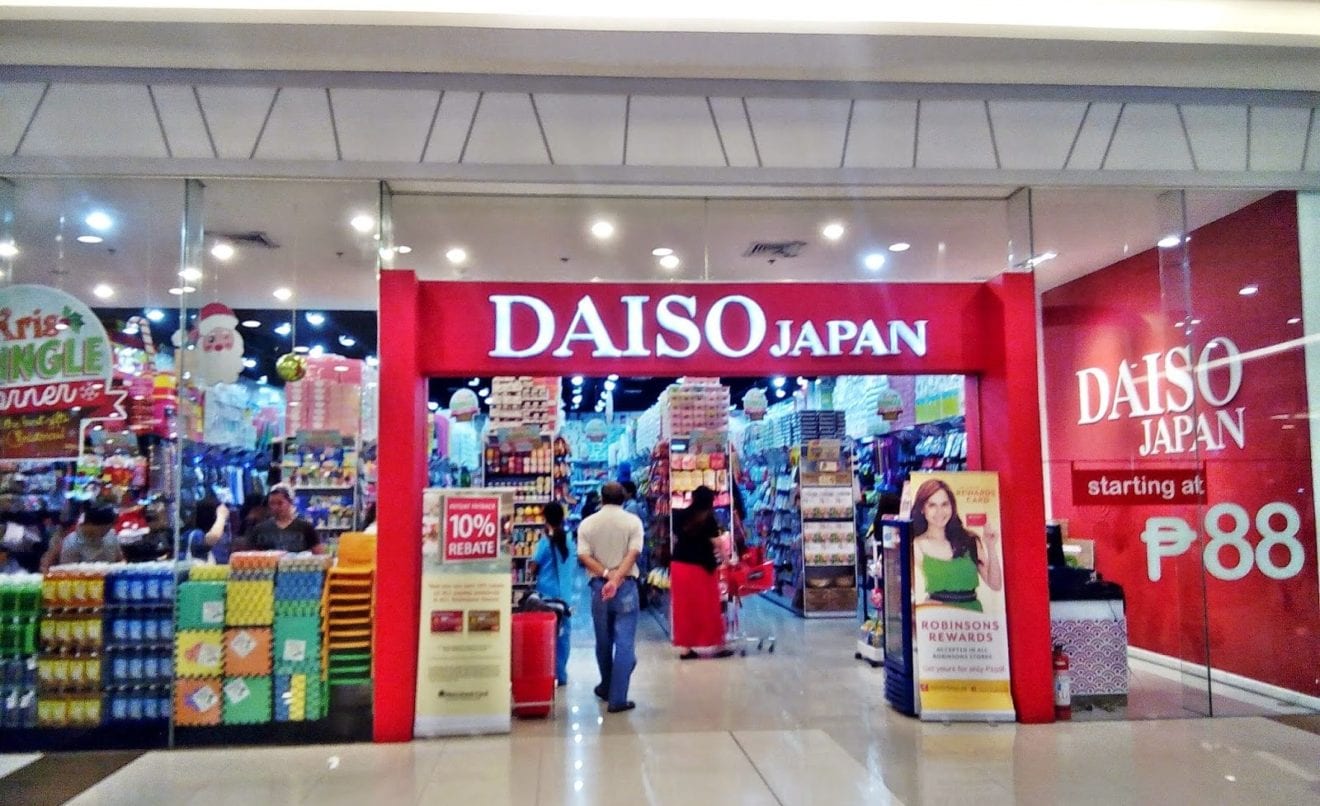
    Daiso stores will be forced to stop selling individual items of stationery in a bid to try and help struggling small and medium enterprises, Korea Commission for Corporate Partnership (KCCP) said Thursday.

    The KCCP is set to hold a final vote on Oct. 10 on adding the franchise to the list of major companies that are restricted in conducting businesses closely linked to the fortunes of small companies.

    A KCCP spokesman said Thursday that the process is an administrative one and that the agenda is likely to be passed as Daiso and the organization have already reached an agreement.

    Daiso, which now has over 1,200 stores in Korea, has faced criticism in recent years from local stationery store owners, who complain that the store is threatening their business. Last month, the franchise decided to voluntarily join the ranks of major companies that have restrictions on stationery sales.

    Starting from mid-October, Daiso stores will sell 18 types of stationery in bundles, including pencils, erasers, sketch books and crayons. As the franchise’s products are priced at 5,000 won ($4.46) or under, the stationery bundles will also stay within that range. During the early days, both bundles and individual products will be placed on the shelves until the latter sells out, a company spokesman said.

    The rule, however, will not apply to every Daiso store in the country. Only branches directly run by the company’s headquarters will have to follow such restrictions, which account for 60 percent of Daiso’s entire 1,200 or so stores nationwide. The 450 stores operated by franchisees will be recognized as small businesses, allowing them to continue selling individual items of stationery.

    A private commission that mediates conflicts between large and small-sized businesses, the KCCP designates industries and product categories, from food to daily necessities, that should be reserved for small enterprises and local merchants. It also lists major companies that should be restricted from conducting business in such fields in order to prevent them from threatening the revenue of smaller enterprises.

    Stationery stores were designated as a protected sector in 2015. That year, Emart, Lotte Mart and Homeplus stopped selling 18 types of stationery as individual items.

    At the time, Daiso wasn’t big enough to be a threat. But the company grew rapidly over the last few years, leading to an increase in complaints from local stationery store owners.

  • American Vintage brings French Pétanque to Causeway Bay

    American Vintage brings French Pétanque to Causeway Bay

    For the launch of its autumn/winter 2018 campaign, American Vintage has created a vibrant hotspot in Causeway Bay from 15 to 21 October.

    True to its roots, the French brand is bringing one of its local sport, “La Pétanque”, to introduce it to the world of Causeway Bay for the week along with unique wardrobes to be presented on Paterson Street.

    Not only bringing a truly French experience to its customers, the brand has also brought the big theme of the design inspiration of its latest collection called “Les Bois”.

    From mid-day to 10pm until the 21st of October, American Vintage invites everyone to discover and play Pétanque.

    Announcing the debut of its new retail concept in Causeway Bay, the French brand is always committed to the use of brushed cotton, roll-up and raw-cut hemlines, creating a characteristic loose fit.

    Surrounding by the French-style fence and romantic lavender, the Pétanque sand pool is set for 7-day long.

    Sitting on a wooden chair and enjoying the leisure time, feel like being in the garden of
    southern France, the origin of the brand. The soul and the spirit of the collection are exemplified through exuberant takes on timeless American Vintage styles.

    To start the game, one of the players throws “Le Cochonnet” (the little ball to aim with the Pétanque Ball). The player tries to get closer to the Cochonnet by shooting or pointing the ball of the previous player.

    Walking along the Paterson Street, two unique wardrobes are tailor-made to showcase the latest collection and the main color “Parma” of this season.

    The new collection returns to the basic earth tone and green colours. The use of natural materials, quality feel of fabrics and vintage treatment give depth and life to the pieces and the meticulous craftsmanship produces a truly sensory experience.

  • Watsons Elite Membership Programme Launched

    Watsons Elite Membership Programme Launched

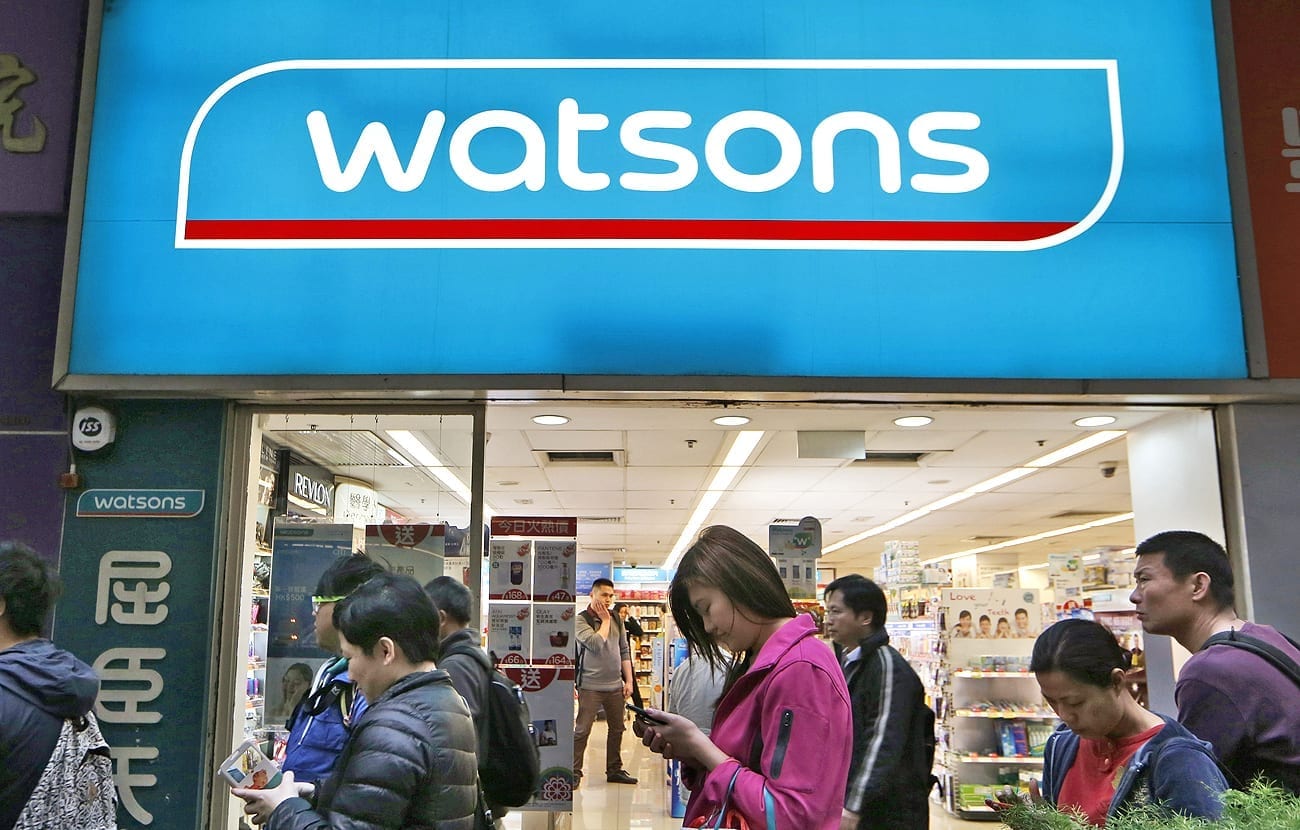
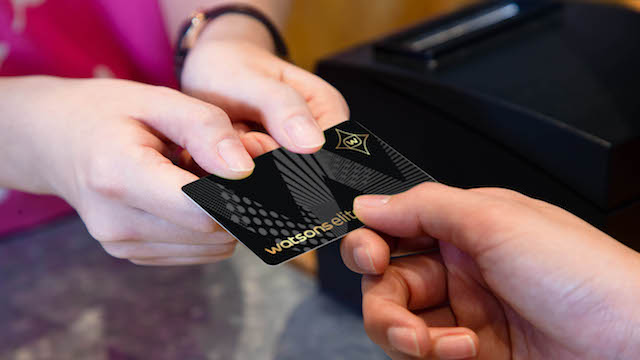
    International health and beauty retailer AS Watson has initiated a global VIP loyalty program.

    The group has announced the program to enhance its connectivity with customers, planning to extend it to all of its 130 million loyalty members in 24 markets by early next year. It is an additional and invitation-only tier of membership which aims to reward and retain top customers.

    Malina Ngai, group COO of AS Watson Group, said: “We appreciate our customers, no matter how much they spend in our stores, and we know they love to feel valued. Our existing loyalty programs reward everyone with great offers, but our VIP programs thank our most loyal customers for shopping with us with amazing benefits and even more tailored rewards.”

    AS Watson first invested in CRM programmes back in 2010. Data insights and analysis of the programs have since revealed that around two thirds of the brand’s customers who qualify as “VIP members” continue their membership in the following year. These VIP members spend up to eight times more than average members annually. This year, the newly-qualified VIP members’ spending saw a year-on-year double-digit increase.

    Many of the new advantages are personalised to the individual or otherwise considered valuable to the lifestyle of the local customer – for example, free health and wellbeing classes in Watsons China, and cooking classes for Watsons Malaysia VIP members.

    This year, AS Watson has also launched its DataLab initiative to examine its average of 4300 terabytes of customer data every three years, extracting customer insights to provide more personalised, exclusive offers.

    Ngai added: “With cutting-edge data technology, we are turning transactions to interaction and that is how we are staying connected with our customers.”

  • Viettel Global to list 2.24 billion plus shares

    Viettel Global to list 2.24 billion plus shares

    More than 2.24 billion Viettel Global shares will make their debut on Hanoi’s unlisted public company market, UPCoM, on Tuesday.

    The shares of Viettel Global Investment Joint Stock Company, with the sticker VGI, will be traded on the UPCoM at a floor price of VND15,000 ($0.65) per unit.

    Viettel Global will become the largest firm on the UPCoM with market capitalization of VND33.6 trillion ($1.44 billion).

    Established in late 2007 with chartered capital of VND960 billion ($41.18 million) as a unit of Viettel Group, Viettel Global covers the military group’s overseas investments.

    Viettel Group holds 98.68 percent of the stake in Viettel Global.

    At a general meeting in June, shareholders of Viettel Global approved a plan to increase its chartered capital to VND30.4 trillion ($1.3 billion).

    In 2017, Viettel Global served nearly 40 million international customers, a growth of 13 percent from the previous year.

    To date, Viettel Global makes profits in eight of the ten markets that it operates in. The eight markets are Cambodia, Laos, Timor Leste, Mozambique, Burundi, Haiti, Peru, and Cameroon. It entered Tanzania two years ago and Myanmar just this month.

    Viettel Global plans to enter several new markets, mainly in ASEAN.

    For this year, the company targets increasing its subscriber numbers by 10-15 per cent, bringing the cumulative population of its markets to 400 – 500 million and rank among the top 10 global telecom companies.

    Viettel Global announced consolidated revenues of over VND19 trillion ($810 million) for 2017, an increase of 24 per cent year-on-year, and a net profit of VND27 billion ($1.16 million).

  • Harvey Nichols bucks high street trend with profit rise

    Harvey Nichols bucks high street trend with profit rise

    Upscale UK department store Harvey Nichols doubled its pre-tax earnings this year to £14.7 million – a stark contrast to rival chains.

    Group sales rose 9 per cent to £210 million during the year to March 31, the retailer’s high-end positioning seemingly shielding it from the challenges facing companies like House of Fraser, John Lewis and Debenhams, all struggling to achieve growth or profitability.

    Harvey Nichols says its Kensington flagship store delivered a “strong performance” following refurbishment, but that trading generally remained tough.

    “We are extremely pleased to see a strong financial performance last year, and our ambitious Knightsbridge store refurbishment plans have had a positive impact,” said joint COOs Manju Malhotra and Daniela Rinaldi.

    “However, the retail environment remains challenging and competitive. With this uncertain outlook, we are focused for the remainder of this year on continuing to drive sales and delivering an omnichannel experience for our customers.”

    The revamp of the flagship commenced two years ago with the menswear department and the company has just completed the womenswear international section.

  • CIMB in Top 100 of Thomson Reuters’ Global Diversity & Inclusion Index

    CIMB in Top 100 of Thomson Reuters’ Global Diversity & Inclusion Index

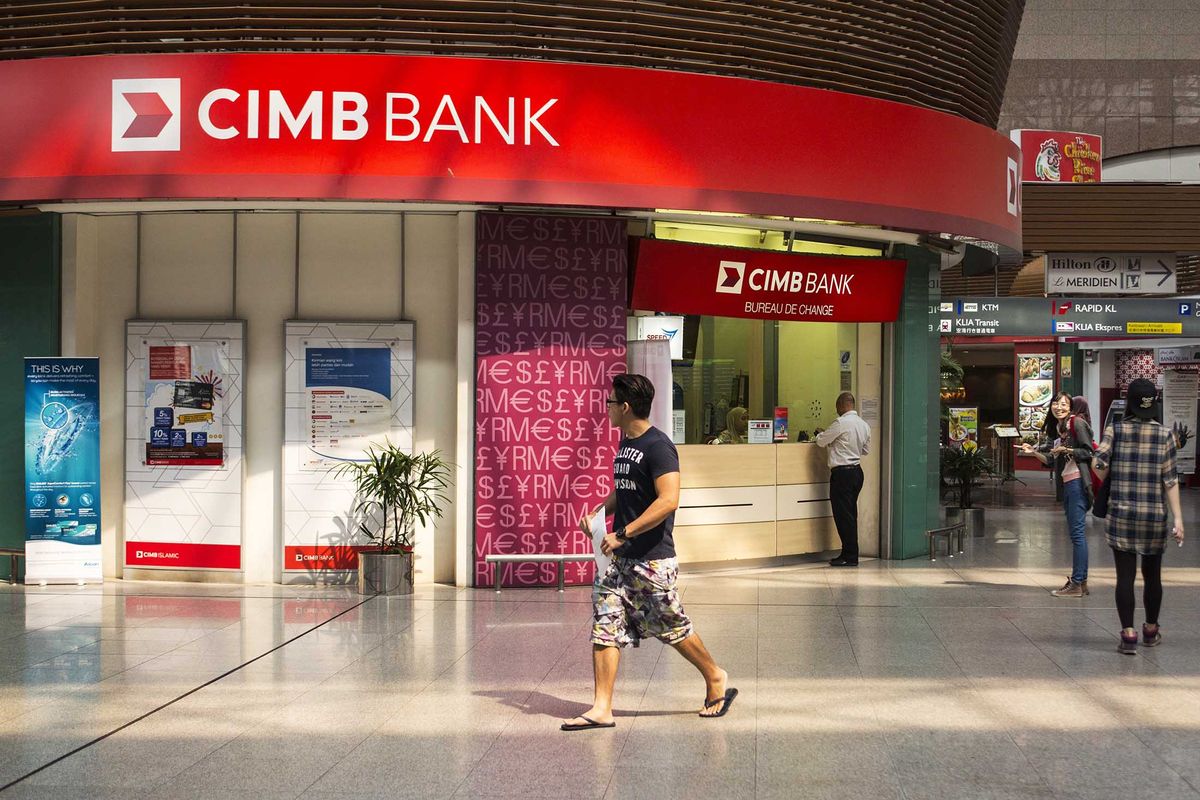
    CIMB Group Holdings Bhd has been ranked top 100 most diverse and inclusive organizations globally by Thomson Reuters’ Diversity & Inclusion (D&I) Index 2018, which measures more than 7,000 companies globally on their environmental, social, and governance (ESG) strategy.

    Thomson Reuters D&I Index provides an additional lens to investment professionals and investors alike to evaluate companies for their ESG strategies, which have a bearing on long-term opportunities and investment risks, as more and more investors value the societal and business benefits of investing in diverse and inclusive organisations.

    “The recognition in Thomson Reuters D&I Index affirms our efforts to create a positive impact not only
    economically, but also socially and environmentally. CIMB takes its commitment to all our stakeholders seriously. In terms of our people, we have consciously transformed CIMB into a workplace that attracts and retains a team of talents, currently comprising 34 nationalities spread across 15 countries. As for ESG-related efforts, our corporate social responsibility arm, CIMB Foundation, has expended over RM120 million to benefit about 700,000 lives since its inception in 2007. All these factors have contributed to the group’s journey in becoming a leading ASEAN bank, and I’m pleased that these efforts are being recognised by the Thomson Reuters D&I Index,” CIMB Group CEO Tengku Datuk Seri Zafrul Aziz said in a statement today.

    Over the years, CIMB has demonstrated great leadership in the banking industry and corporate world by transforming its people policies, as well as strengthening its ESG aspirations. This includes extended maternity leave; flexible work arrangements for parents to young children; 30-day paid paternity leave; and even up to six months’ staff rejuvenation leave, with the staff’s job and seniority assured. Currently, CIMB has a 56% ratio of women in its workforce, with close to 42% representation at senior management level.

  • Changi Airport :+7.9% passenger traffic increase in August

    Changi Airport :+7.9% passenger traffic increase in August

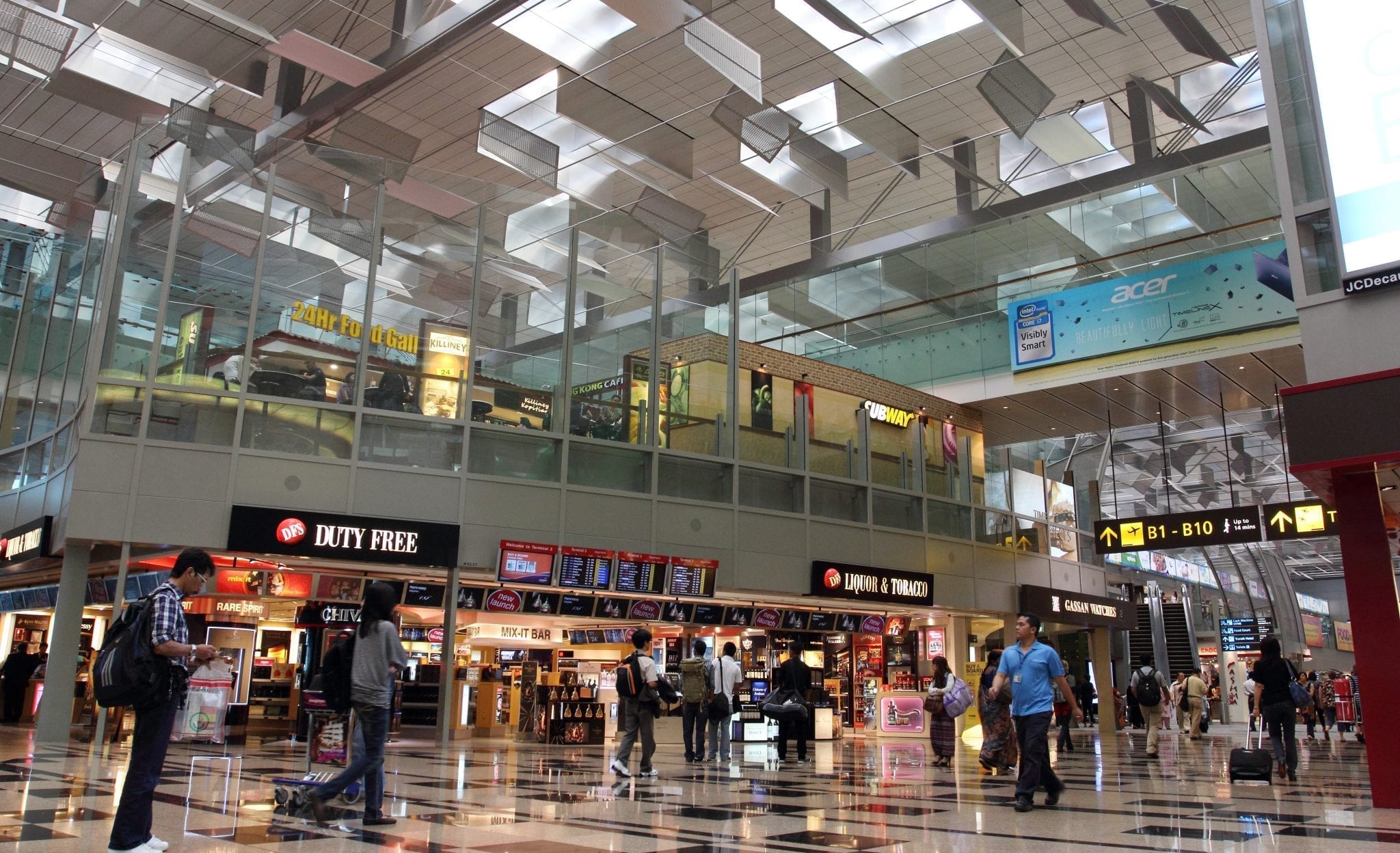
    Singapore Changi Airport recorded a +7.9% year-on-year increase in passenger traffic in August, to 5.68 million.

    Operator Changi Airport Group said there was growth across all regions. Traffic to and from Oceania was up+10%, the first double-digit increase of the year. Europe (+22%) and South Asia (+13%) also posted robust growth.

    Among Changi’s top ten markets, nine recorded higher traffic. Melbourne (+16%), Sydney (+13%) and Manila (+12%) were among the cities to register double-digit growth.

    Changi Airport Group also announced the opening of an E-Gadget Mini by Sprint-Cass electronics retail unit in the Terminal 2 departures hall. Seafood restaurant Fish & Co has also opened in T2.

    T3 saw two recent openings. Restaurant A-One Signature serves claypot-cooked cuisine while Seven Stop is a 24-hour vending machine concept store offering gifts, lifestyle products and has claw machines for play.