Author: Mei Ling Tan

  • Shopee For Men launched in Thailand

    Shopee For Men launched in Thailand

    Shopee Thailand has launched a new in-app shop, Shopee For Men.

    The shop is a one-stop portal for male shoppers to access more than 20,000 products from more than 300 retailers, including top brands such as Asus, Bosch and Converse.

    Shopee will run Super Men’s Day on the 23rd of every month, featuring special deals and flash sales on popular men’s products.

    According to a Nielsen study, Thai men are shopping online more often than women and spending about 15 per cent more on average, per purchase. Shopee says that trend is mirrored on its platform, with categories such as motor, sports & outdoor and men’s apparel the most popular.

    Agatha Soh, head of marketing at Shopee Thailand said the Shopee For Men has teamed up with leading brands such as Unilever, Nivea for Men, Warrix, Gatsby, G-Shock, Electrolux, American Tourister, and Asus.

    “With a huge variety of products across various categories, Shopee For Men provides a comprehensive assortment designed to meet all male users’ needs.”

    Shopee For Men will also provide zero-interest instalments on selected electronics, sports and lifestyle items.

    “Through Shopee For Men, we aim to increase our community of male users and take another stride to become the number one online shopping destination in Thailand,” Soh said.

  • Facebook just lost two top executives

    Facebook just lost two top executives

    Facebook just lost two of its top executives, with Instagram co-founders Kevin Systrom and Mike Krieger announcing their departures.

    They join at least seven senior Facebook executives who have announced their departures this year.

    “Kevin and Mike are extraordinary product leaders and Instagram reflects their combined creative talents,” Facebook CEO Mark Zuckerberg said in a statement. “I’ve learned a lot working with them for the past six years and have really enjoyed it. I wish them all the best and I’m looking forward to seeing what they build next.”

    The departures come at a tumultuous time for Facebook, as it continues to lose senior executives. The company — which calls its top ranks a family and prides itself on keeping executives around — has been battling privacy scandals and declining community support.

    Instagram had become something of Facebook’s shining star, so the simultaneous exits of its two founders leave some big shoes to fill.

    Here are some other Facebook executives who have said they’re leaving so far in 2018:
    Jan Koum, co-founder of Facebook-owned WhatsApp, announced his exit in April in a Facebook post saying it was time to “move on.”

    “I’ve been blessed to work with such an incredibly small team,” Koum said in a statement at the time. “The team is stronger than ever and it’ll continue to do amazing things. I’m taking some time off to do things I enjoy outside of technology, such as collecting rare air-cooled Porsches, working on my cars and playing ultimate frisbee.”

    Koum led WhatsApp for nearly a decade and joined Facebook’s leadership team in 2014 when the social media giant bought WhatsApp for $19 billion.

    Elliot Schrage, head of communications and public policy, said in June he was leaving Facebook after more than 10 years.

    “I’ve decided it’s time to start a new chapter in my life,” Schrage said in a post to his Facebook page. “Leading policy and communications for hyper growth technology companies is a joy — but it’s also intense and leaves little room for much else.”

    Schrage didn’t address his next steps, but did include lengthy praise and words of gratitude for Facebook, Zuckerbergand COO Sheryl Sandberg.

    In July, Colin Stretch, Facebook’s top lawyer, announced he’d be leaving the company after more than eight years.

    “When my wife Alyse and I made the decision a few years ago to move back to DC from California, we knew it would be difficult for me to remain in this role indefinitely,” he said in a Facebook post. “As Facebook embraces the broader responsibility Mark has discussed in recent months, I’ve concluded that the company and the Legal team need sustained leadership in Menlo Park.”

    As general counsel, Stretch represented Facebook before Congress to address Russian interference in the 2016 presidential election.

    “I often stop myself and ask how I got so lucky to be a part of this,” Stretch said in the post announcing his exit.

  • Myntra launches loyalty program, ‘Myntra Insider’

    Myntra launches loyalty program, ‘Myntra Insider’

    Myntra has announced the launch of its loyalty program, Myntra Insider. A first of its kind in the country, the program is a comprehensive package, designed to strengthen engagement with its users to drive stickiness on the platform.

    This open-to-all program allows Myntra to democratise fashion for every registered user through unique rewards and experiences.

    The Myntra Insider program hinges on three pillars – it rewards members for purchases as well as engagement such as browsing new categories, sharing feedback, wish listing etc. It offers a host of exciting perks across fashion and lifestyle, with offers from sellers on Myntra and lifestyle partners such as Zomato, TataSky, BigBasket, PhonePe, BookMyShow, EROS NOW, Zoom Car, Gaana to name a few.

    Myntra Insiders will be able to avail special privileges such as early access to sales, priority customer support, special birthday offers and more, depending on their Insider level.

    Based on their level of fandom, users are categorized to be either, Insider, Select, Elite or Icon, with each level offering greater benefits and privileges over the previous. The program will also offer unique experiences to its users such as a session by a stylist, modelling on Myntra content/platform and co-creating designs and styles for Myntra.

    Speaking about the program, Ananth Narayanan, CEO, Myntra-Jabong, said, “Myntra Insider is our endeavour to engage deeply with our users and celebrate our fans. We aim to encourage casually involved users to interact and indulge with Myntra and grow in their journeys to become our icons. The uniqueness of our program is two fold – our uniquely crafted experiences for our biggest fans and gamification of engagement through personalisation and inter-activity. We aspire to have 10 million Myntra Insiders signed up over the next 12 months. We want to make visiting Myntra a habit for our users and aim to get our fans to visit us over 100 days a year and make a purchase every month.”

  • NTUC Enterprise acquires Kopitiam

    NTUC Enterprise acquires Kopitiam

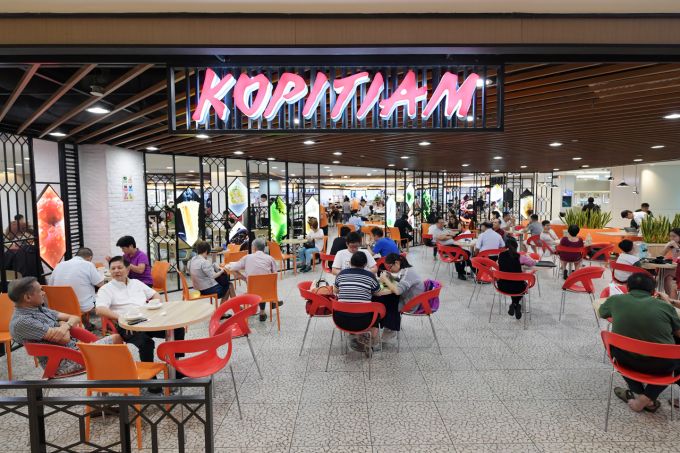
    Singapore’s renowned Kopitiam food centres have been bought by NTUC Enterprise Co-operative to protect the chain from commercial investors.

    In a press release announcing the deal, NTUC Enterprise said by investing an undisclosed sum in acquiring the business it could satisfy its social mission of ensuring cooked food remained affordable and accessible to Singaporeans.

    After the deal is settled, expected to be later this year, the Kopitiam outlets would complement NTUC Enterprises’ existing Foodfare food centres, operated independently by their own management teams.

    However the two businesses would look to sharing technology knowhow and resources and other behind-the-scenes processes.

    Kopitiam was founded 30 years ago and has now grown to 56 foodcourts, 21 coffee shops and three hawker centres across the island, serving some 350,000 meals each day and employing more than 1000 people.

    “Kopitiam and NTUC Foodfare share the common objective of making quality cooked food affordable and accessible to all,” Kee Teck Koon, executive director at NTUC Enterprise, said in a statement.

    “We will leverage our combined strengths to contribute to improving the vibrancy and resiliency of this daily essential sector in Singapore, with the ultimate goal of creating better experiences for our customers, and opportunities for our employees and other stakeholders.”

  • Malaysia’s Berjaya Land Q1 earnings up 44%

    Malaysia’s Berjaya Land Q1 earnings up 44%

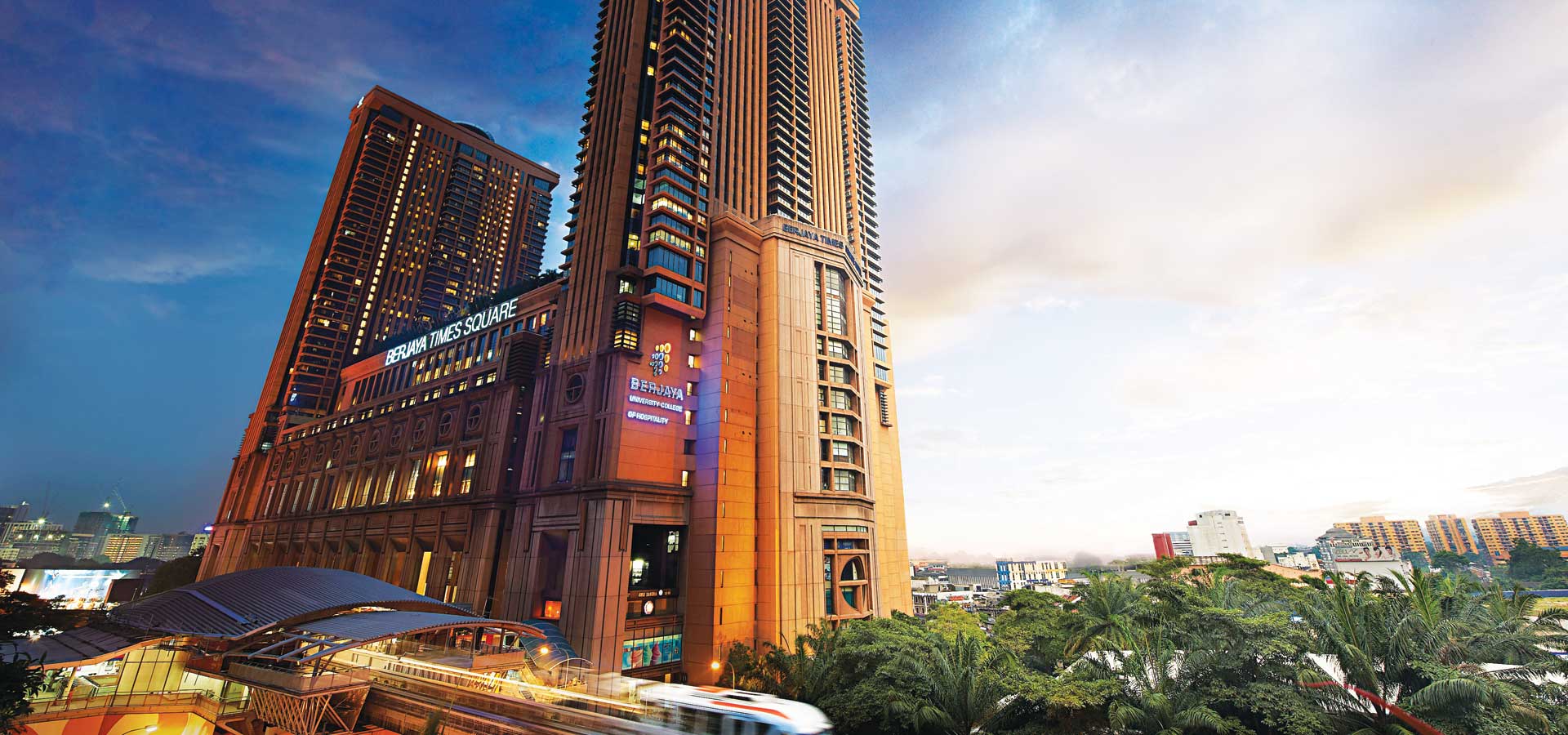
    Berjaya Land Bhd’s (BLand) net profit for the first quarter ended July 31 rose 43.8% to RM16.58 million from RM11.53 million a year ago mainly due to Sports Toto Malaysia Sdn Bhd (STMSB) reported higher profit contribution from lower prize payout and operating expenses; and lower finance costs.

    Its revenue also jumped 1.2% to RM1.62 billion compared with RM1.60 billion in the previous year’s corresponding quarter, mainly due to higher new vehicle sales volume reported by HR Owen Plc; and higher revenue from the gaming business segment operated by STMSB.

    The directors expect the number forecast operation (NFO) business to be satisfactory and will continue to maintain its market share for the remaining quarters of the financial year ending April 30, 2019. The performance of the hotels and resorts business is also expected to remain satisfactory whilst the property market outlook is expected to remain lukewarm.

    “The group also expects to record a significant gain upon the successful disposal of the proposed Berjaya Vietnam International University Town One Member Ltd Liability Co (disposal) and proposed Vietnam subsidiary disposal accordingly in due course, going forward,” BLand said.

  • Longchamp to invest in China

    Longchamp to invest in China

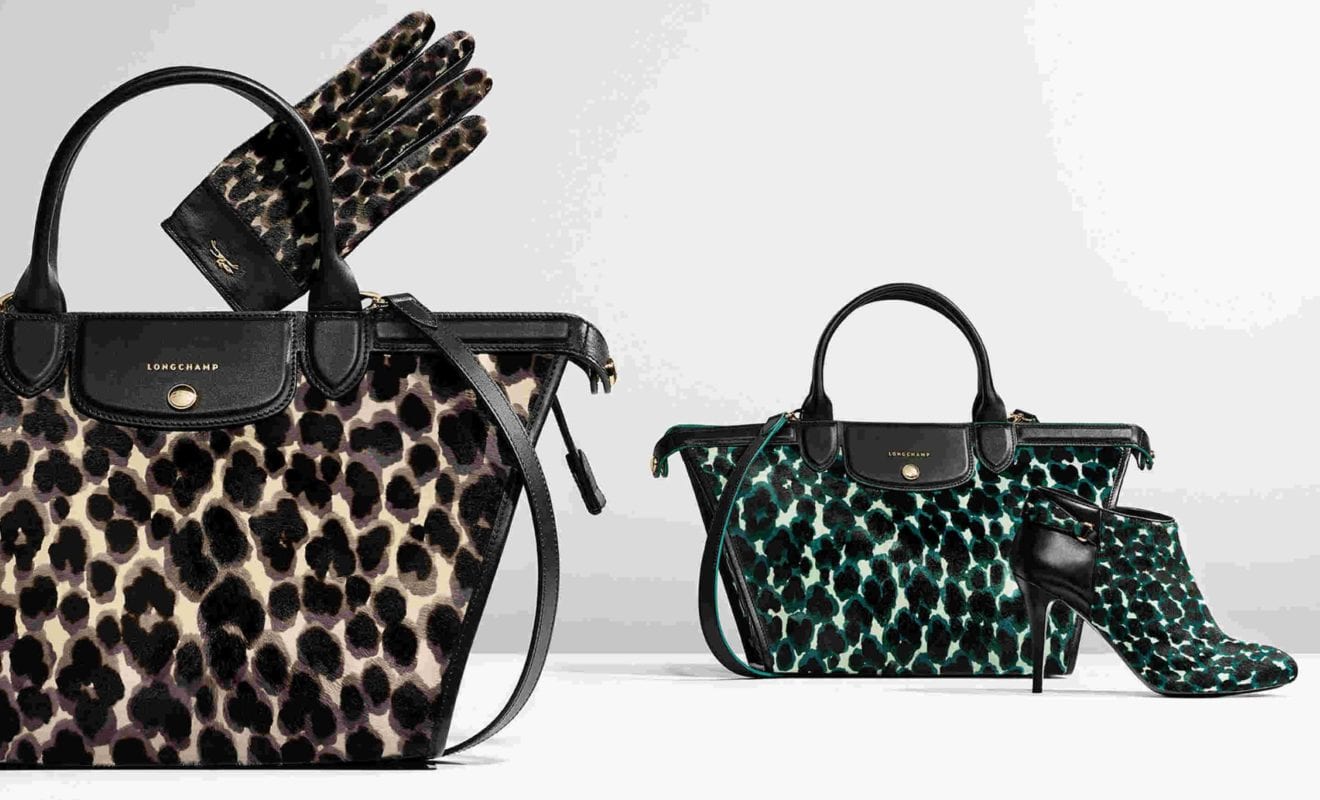
    French handbag label Longchamp sees the China and US markets as key in boosting its global sales.

    Facing sluggish traditional European markets, the company is looking to celebrity endorsements and online opportunities to drive growth, according to CEO Jean Cassegrain.

    “We’re entering a different phase of growth, it’s no longer about store openings but about improving the performance of our current network,” Cassegrain said in an interview.

    China is already Longchamp’s second biggest market, behind France, where turnover took a hit as tourist numbers dived in the wake of terror attacks on Paris in 2015.

    However Cassegrain said in the interview he expected the privately owned company would outperform the wider luxury industry by next year.

    While the firm does not traditionally reveal sales or profit data, it did report sales of US$658.11 million in 2015 and independent analysts estimate turnover remains close to that.

    Longchamp China currently sells products through Tencent’s WeChat social media platform with the brand planning its own direct e-commerce platform soon.

    In the US it plans to open several more stores within the next 12 months, but beyond that believes its global retail footprint is relatively mature.

  • Michael Kors-Versace deal confirmed

    Michael Kors-Versace deal confirmed

    Michael Kors Holdings LTD confirmed earlier reports that it would buy all outstanding shares from Versace for around $2.1 billion.

    It also announced the group will officially be called Capri Holdings Limited, named after the island of Capri, which the company referred to as an iconic, glamorous destination.

    The renaming of the group was expected, given that keeping its name would perhaps confuse many customers who wouldn’t be able to separate the brand from the holding company, much like Coach Inc. did when the group renamed itself as Tapestry. Donatella Versace will stay on as creative director of the house, and will also be a shareholder in the new group, along with her brother Santo and daughter Allegra. “This demonstrates our belief in the long-term success of Versace and commitment to this new global fashion luxury group,” Donatella said in a statement. Versace CEO Jonathan Akeroyd will also remain with the company.

    John D. Idol, chairman and CEO of Capri Holdings Limited, also put out a statement acknowledging the Italian brand’s history and future prospects. “We are excited to have Versace as part of our family of luxury brands, and we are committed to investing in its growth. With the full resources of our group, we believe that Versace will grow to over US$2.0 billion in revenues,” he said.

    In a move that would give Michael Kors Holdings LTD a stronger foothold in the luxury fashion space, the company, which already owns Jimmy Choo, is reportedly inking a deal to buy Gianni Versace SpA that values the Italian company at $2.35 billion. Both parties are set to announce the deal as early as this week, according to sources.

    For Kors, best known for his affordable luxury handbags and his appearance as a judge on the hit design competition show Project Runway, this buyout is a significant step towards building a larger, more efficient holding business that would rival that of French heavyweight conglomerates LVMH (who owns Louis Vuitton, Fendi and Givenchy) and Kering (Gucci, Balenciaga and Saint Laurent). While there hasn’t been a similar American conglomerate that compares in terms of scale and resources, this could perhaps be the start of a new power-playing entity stateside.

    There have even been guessing games as to what Michael Kors would rename his holding company, should he choose to do so. While Coach owner Tapestry has made moves to adopt a similar model (it has acquired Kate Spade and Stuart Weitzman in recent years), owning a European luxury fashion brand like Versace would give considerable clout and star power to an American fashion portfolio.

  • Zalora Group appoints new CMO

    Online fashion retailer Zalora Group has appointed a new chief marketing officer to help boost its Asia-wide profile.

    Elias Pour joins Zalora Group from Red Bull, where he was head of digital managing the brand’s digital marketing, content production and e-commerce sales in Asia-Pacific. At Zalora, he will lead a team of more than 150 people, overseeing the online fashion retailer’s entire marketing operations.

    Prior to his time with red Bull, Pour worked in both Sweden and Denmark, holding key management positions for Volvo, Danske Bank and Telenor. He has been based in Sydney, Australia, for the last eight years, working for Adobe and Commonwealth Bank of Australia before joining Red Bull.

    Patrick Schmidt, Co-CEO of Zalora Group’s parent Global Fashion Group, said Pour would help the company as it enters a new period of growth.

    “I am confident that under his leadership, Zalora will continue to provide fashion consumers in Asia, the best online and mobile shopping experience possible and achieve its full potential as the region’s fashion retail powerhouse.”

  • Mobile World reports surging sales, expands fresh-food business

    Mobile World reports surging sales, expands fresh-food business

    Mobile World says sales grew by 39 percent in the first eight months of the year to VND58.7 trillion ($2.5 billion).

    Profit after tax was up 36 per cent to VND1.97 trillion ($84.34 million) year-on-year.

    HCMC-based Mobile World Investment Corporation (MWG), established in 2004 as a seller of mobile phones, has since diversified into a host of other areas including foods, beverages, meat and seafood, and vegetables.

    Dien May Xanh, its electronics retail arm, accounts for 55 percent of sales followed by mobile phone stores The Gioi Di Dong and then department store chain Bach Hoa Xanh.

    Bach Hoa Xanh, incorporated in 2015, sells vegetables, seafood, meat and fast-moving consumer goods (FMCG). While with VND2.37 trillion ($102 million) it only accounts for 4 percent of the company’s sales, the business is growing at 251 percent.

    It has 405 outlets, with the two largest being in HCMC’s Thu Duc and Binh Tan districts.

    Bach Hoa Xanh plans to focus on the eastern and southern parts of HCMC and the neighboring provinces of Binh Duong, Long An, Dong Nai, and Ben Tre in future.

    By the end of this year it plans to have another 95 stores. A Mobile Word spokesperson said that stores that do not do well would be shut down.

    Based on the firm’s proclaimed plan of having 550 stores with average monthly revenues of VND790 million ($33,850) each by the end of this year, Ho Chi Minh City Securities Corporation (HSC) estimated Bach Hoa Xanh sales to reach VND4 trillion ($171 million) this year.

    But MWG found the department store business less attractive than the two other segments, saying at 14 percent the profit margin of Bach Hoa Xanh is lower than the 17 percent for the cellphone business and 16.7 percent for the electronics business.

    A major reason is fresh food is more difficult to manage than the others due to the short shelf life.

    Doan Van Tieu Em recently took over as CEO of MobileWorld Joint Stock Company, the subsidiary that manages the cellphone and electronics businesses.

    His predecessor, Tran Kinh Doanh, is now CEO of the department store business.

  • House of Garrard debuts in Beijing

    House of Garrard debuts in Beijing

    British jeweller House of Garrard is set to launch in Beijing.

    The new 100sqm outlet opens this month in a prestigious location in centrally positioned landmark Emperor Group Centre skyscraper on Chang’An Street. It is the brand’s second boutique in China, featuring three private VIP rooms where prospective buyers can examine items away from prying eyes.

    Garrard’s creative director Sara Prentice said: “It’s been a pleasure creating jewels for customers in China since we opened our Shanghai flagship last year. Now with a presence in Beijing, we’re in an even better position to explore how our heritage and craftsmanship can come to life for the sophisticated women who want to wear our designs.”

    The heritage brand has been manufacturing bespoke jewellery since 1735. It was famously commissioned to design Princess Diana’s sapphire cluster engagement ring.

    A rare 118.88 carat sapphire will be on show at the store’s launch event.

  • Camus Cognac appoints new Asia Key Account Director

    Camus Cognac appoints new Asia Key Account Director

    From tobacco to cognac, Rex Zhu Hao has recently been appointed Key Account Duty Free Sales Director of the family-owned Cognac house Camus.

    Backed by 12 years of experience in the tobacco business and travel retail in the Greater China market, managing Asia duty free for Dannemann Cigars, Rex will be in charge of further expanding Camus’ well-established business in Asia travel retail from the Asia Pacific regional office of Camus La Grande Marque in Hong Kong.

    Anne Blois, Global Sales and Marketing Director, Camus commented: “As sales in duty free continue growing for all our key brands Camus, Moutai and Loudenne we are convinced that Rex Zhu Hao’s solid background in travel retail and deep knowledge of our markets will be a great asset to our group and we wish him every success in his new challenge.”

  • Spring REIT Buys Guangdong Mall from Huamao Property

    Spring REIT Buys Guangdong Mall from Huamao Property

    Hong Kong-listed Spring REIT has agreed to buy the Huamao Place shopping centre, located in Huizhou, Guangdong Province.

    Spring will pay RMB1.65 billion (US$241 million) for the mall, a seven-storey property, part of the larger integrated development by Beijing Guohua Real Estate, known as Huizhou Central Place (pictured), which also includes three Grade-A office towers, three residential buildings and a serviced apartment complex.

    Located in the Huizhou CBD, the mall is surrounded by major roads, the Huizhou People’s Government complex and other public facilities and attractions, such as the Huizhou Convention & Exhibition Centre, the Huizhou Stadium, the Huizhou Museum and the Huizhou Science & Technology Museum. It is accessible by expressways and intercity railway to the rest of the Greater Bay Area.

    Current tenants include international and local fashion retailers, jewellers, chain restaurants, personal care and cosmetic shops, a supermarket and a cinema.

  • Ideas CEO calls for review of policies as Malaysia slips in economic freedom ranking

    Ideas CEO calls for review of policies as Malaysia slips in economic freedom ranking

    Malaysia’s fall to 79th spot from 67th in the 2018 Economic Freedom of the World Annual Report shows that space for the private sector in the country has been squeezed, businesses have been obstructed and the size of the government has increased.

    Institute for Democracy and Economic Affairs (Ideas) CEO Ali Salman said the findings based on data from 2016, the most recent year of available comparable data, measure economic freedom, that is, levels of personal choice, ability to enter markets, security of privately owned property, rule of law, etc, by analysing the policies and institutions of 162 countries and territories.

    “This calls for a comprehensive review of economic policies under the Pakatan Harapan (PH) administration, spanning critical areas like GLC reforms, size of the civil service and business regulations – areas on which Ideas has researched and advocated vigorously,” Ali said.

    According to research in top peer-reviewed academic journals, people living in countries with high levels of economic freedom enjoy greater prosperity, more political and civil liberties, and longer lives.

    For example, countries in the top quartile (25%) of economic freedom (such as the UK, Japan and Ireland) had an average per-capita income of US$40,376 in 2016 compared with US$5,649 for the bottom quartile countries (such as Venezuela, Iran and Zimbabwe).

    And life expectancy is 79.5 years in the top quartile of countries compared to 64.4 years in the bottom quartile.

    “Where people are free to pursue their own opportunities and make their own choices, they lead more prosperous, happier and healthier lives,” said Fred McMahon, Dr Michael A. Walker Research Chair in Economic Freedom with the Fraser Institute.

    The report was released by Ideas and produced by Canada’s Fraser Institute.

    The Fraser Institute produces the annual Economic Freedom of the World report in cooperation with the Economic Freedom Network, a group of independent research and educational institutes in nearly 100 countries and territories.

    It is the world’s premier measurement of economic freedom, measuring and ranking countries in five areas: size of government, legal structure and security of property rights, access to sound money, freedom to trade internationally and regulation of credit, labour and business.

    Hong Kong and Singapore again topped the index, continuing their streak in first and second place respectively, while New Zealand, Switzerland, Ireland, the US, Georgia, Mauritius, the UK, Australia and Canada (tied for 10th spot) round out the top 10.

    The 10 lowest-ranked countries are Sudan, Guinea-Bissau, Angola, Central African Republic, Republic of Congo, Syria, Algeria, Argentina, Libya and Venezuela.

    Countries such as North Korea and Cuba could not be ranked due to lack of data.

    Other notable country rankings include Germany (20th), Japan (41st), France (57th), Russia (87th) and China (108th).


  • Dunkin’ Donuts reveals new brand identity

    Dunkin’ Donuts reveals new brand identity

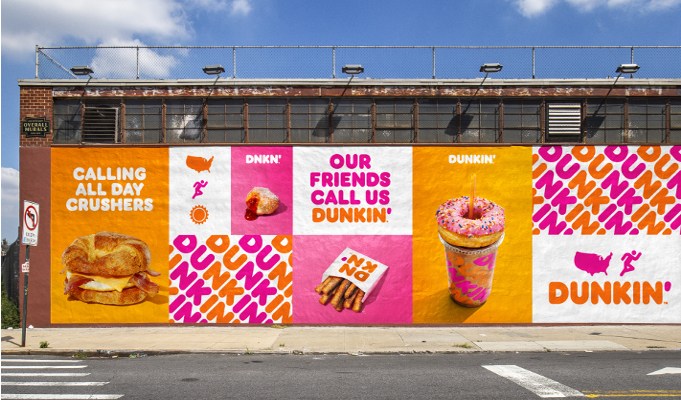
    Dunkin’ Donuts has been on a first-name basis with its fans long before the introduction of its iconic tagline, America Runs on Dunkin’, with customers around the world naturally and affectionately referring to the brand as Dunkin’. In recognition of this relationship, and as one of many steps to transform itself into the premier beverage-led, on-the-go brand, the company has unveiled its new branding at its Global Franchisee Convention that officially recognizes its name as simply Dunkin’. The change will officially take place in January 2019.

    The new branding conveys the company’s focus on serving great coffee fast, while embracing Dunkin’s heritage by retaining its familiar pink and orange colors and iconic font, introduced in 1973. Beginning the first of the year, the new branding will appear on packaging, as well as the company’s advertising, website and social channels. Going forward, the new Dunkin’ logo will also be featured on exterior and interior signage on all new and remodeled stores in the U.S. and, eventually, internationally. The brand tested the new logo extensively, including on exterior signage at Dunkin’ locations featuring its next generation design concept over the past year.

    According to Dunkin’ Brands’ CEO and Dunkin’ U.S. President David Hoffmann, “Our new branding is one of many things we are doing as part of our blueprint for growth to modernize the Dunkin’ experience for our customers. From our next generation restaurants, to our menu innovation, on-the-go ordering and value offerings, all delivered at the speed of Dunkin’, we are working to provide our guests with great beverages, delicious food and unparalleled convenience. We believe our efforts to transform Dunkin’, while still embracing our incredible heritage, will keep our brand relevant for generations to come.”

    “By simplifying and modernizing our name, while still paying homage to our heritage, we have an opportunity to create an incredible new energy for Dunkin’, both in and outside our stores,” said Tony Weisman, Chief Marketing Officer, Dunkin’ U.S. “We are bringing the iconic name Dunkin’ to the forefront in a bold way that brings to life how we refill optimism with each cup and bring fun, joy and delight to our customers each and every day.”

    Brand Refresh part of the Dunkin’ Blueprint for Growth

    The new branding, developed in partnership with new creative and branding agencies Jones Knowles Ritchie (JKR), BBDO New York and Arc Worldwide, is one part of Dunkin’s multi-faceted blueprint for growth, a plan designed to transform the company into the premier beverage-led, on-the-go brand. Recent initiatives have included a simplified menu, a greater emphasis on beverages like Cold Brew Coffee, Nitro Coffee and Iced Teas, the introduction of unique products like Donut Fries, an increasing emphasis on On-the-Go Mobile Ordering, and most importantly, the introduction of Dunkin’s next generation design concept.

    Specifically designed to meet the needs and demands of today’s on-the-go consumer, the next generation store design offers new and innovative elements to make running on Dunkin’ faster and more convenient than ever before. The key in-store elements include an eight-headed tap system for cold beverages encouraging crew members to serve guests like bartenders, a glass bakery case putting donuts in the forefront within arm’s reach of guests, and more prominent and engaging mobile-order pick up areas, as well as the first-ever mobile order drive-thru lane to allow mobile users to speed past the line.

    Dunkin’ to Remain Sweet on Donuts

    Although the word ‘donuts’ will no longer appear in the logo or branding, donuts will remain a significant focus for the brand. As the #1 retailer of donuts in America, selling more than 2.9 billion donuts and MUNCHKINS® donut hole treats annually worldwide, each Dunkin’ restaurant is required to make the most popular donuts available every day, along with local favorites, so that guests know they will be able to find the top-selling donuts and fun seasonal varieties no matter which Dunkin’ location they visit.

    Earlier this season Dunkin’ brought back its popular Pumpkin Donut and MUNCHKINS® donut hole treats for a sweet taste of fall. The brand will be revealing this year’s lineup of Halloween-themed donut varieties early next month.

    From Open Kettle to Dunkin’

    The story of Dunkin’ began in 1948 with a donut and coffee restaurant in Quincy, Massachusetts called ‘Open Kettle’. Founder William Rosenberg served donuts for five cents and premium cups of coffee for ten cents. After a brainstorming session with his executives, Rosenberg renamed his restaurant “Dunkin’ Donuts” in 1950. His goal was to “make and serve the freshest, most delicious coffee and donuts quickly and courteously in modern, well-merchandised stores,” a philosophy which still holds true today. In 1955, the first Dunkin’ Donuts franchise opened, and, in just 10 years, the number of restaurants had grown to over 100 shops. Since 1950, the number of Dunkin’ restaurants has increased to more than 12,600 restaurants worldwide in 46 countries.

  • Japanese department stores Takashimaya and Mitsukoshi upgrading

    Japanese department stores Takashimaya and Mitsukoshi upgrading

    Major Japanese department stores Takashimaya and Isetan are opening new developments in Tokyo.

    Both newly-refurbished stores will launch in Tokyo’s Nihonbashi district to attract a wider customer base. The move occurs against a backdrop of declining department store sales in Japan.

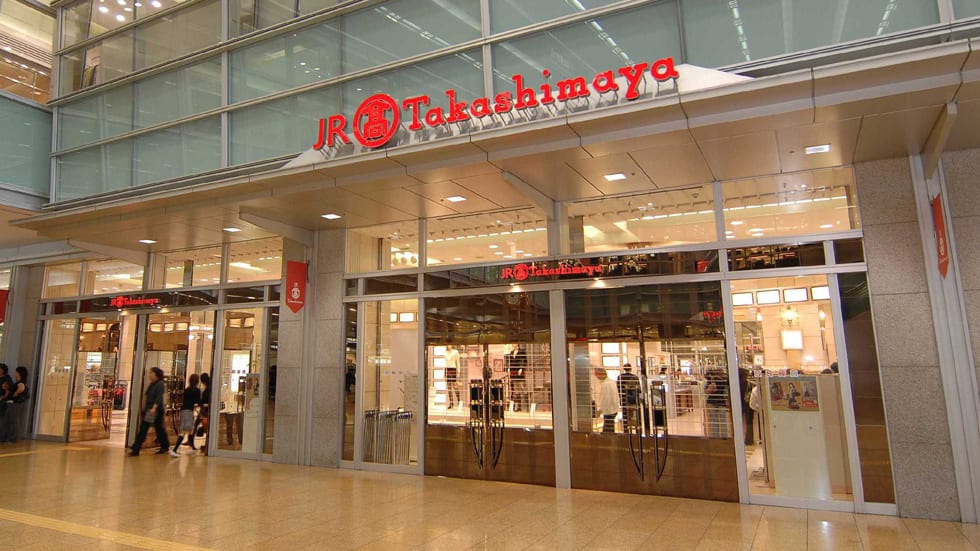
    Today’s Takashimaya launch opens a seven-storey annex with one underground level next to its existing store, accommodating a high proportion of F&B tenants as well as clothing and variety stores, amongst others. The development targets nearby company employees in their 30s and 40s and families, many of whom visit the store to eat.

    Takashimaya President Shigeru Kimoto said: “We integrated a department store with specialty stores. It’s the culmination of meeting the needs of today’s customer.”

    The Isetan renovation to its Mitsukoshi main store in Nihonbashi will open in late October. Among its new features will be a new concierge service.

    The store will share data on the tastes and purchasing histories of key customers with concierge staff and other employees, leading them to use suggestion selling techniques so as to meet customer preferences. Customers will be able to designate a specific concierge before visiting the store via smartphone app.