Author: Mei Ling Tan

  • Vietnam’s top banks struggle to increase capital to meet global norms

    Vietnam’s top banks struggle to increase capital to meet global norms

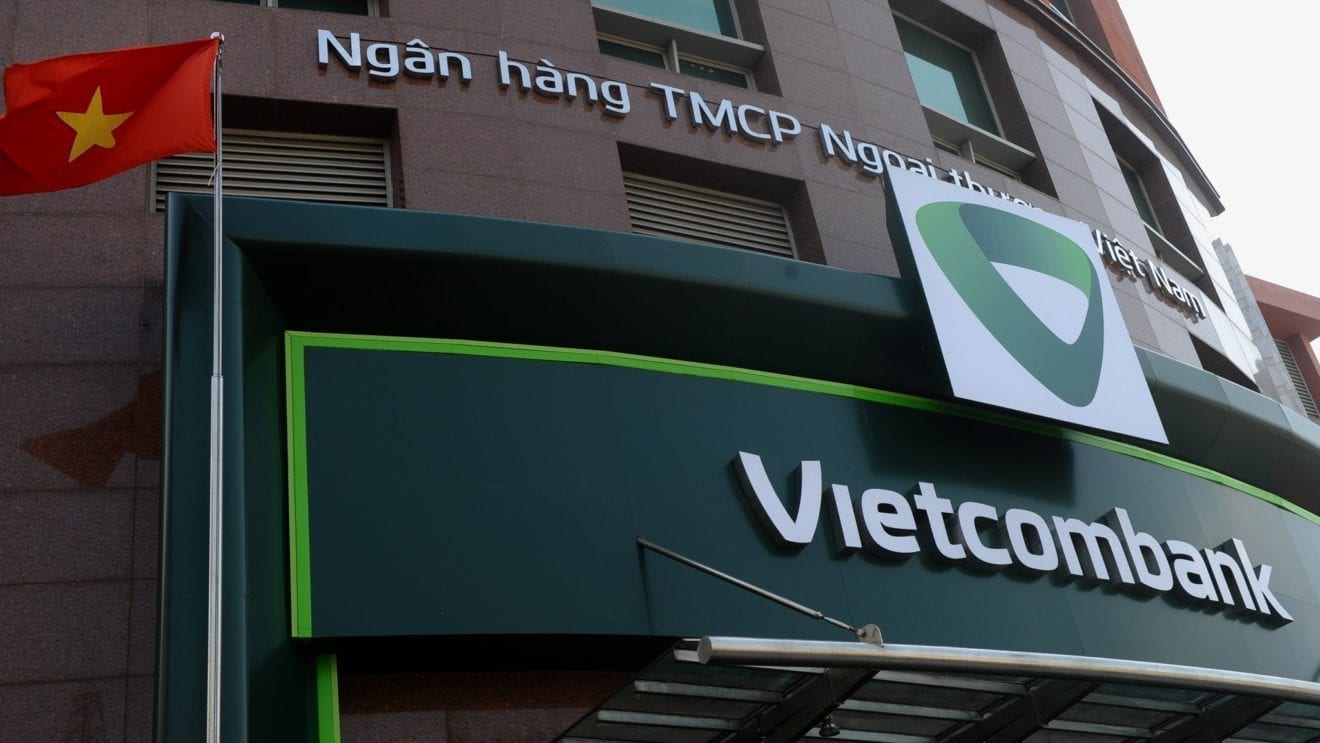
    Three top Vietnamese banks have been struggling to increase their capital to meet international adequacy norms.

    The second Basel Accords, or Basel II, prescribe capital of 8 percent of risk-weighted assets for all financial institutions, including in Vietnam, to cover operational risks.

    The National Financial Supervisory Commission found that Vietnamese banks need to increase their charter capital by 1.8-2 times to meet the Basel capital adequacy ratio (CAR).

    They include three of the four biggest lenders, BIDV, Vietcombank and Vietinbank.

    BIDV, Vietnam’s biggest bank by assets, currently has total assets of VND1,270 trillion ($54.3 billion) but capital of nearly VND34.19 trillion ($1.46 billion), which has remained unchanged since 2015.

    BIDV’s CAR is now only 9 percent according to leading broker VietCapital Securities, which is “close to dangerous” if compared to Basel II standard, the bank’s CEO, Phan Duc Tu, said.

    In the last three years the bank has been making three or four plans each year to increase charter capital, but none of them have been successful.

    In 2016 BIDV and Vietinbank had offered to pay its largest shareholder, the State Bank of Vietnam (SBV), the previous year’s dividends in stocks and not cash to increase its capital.

    But the central bank rejected it saying it needed the cash.

    Last year BIDV had made several plans like initiating an employee stock ownership plan (ESOP), selling shares to existing shareholders, paying dividends in stocks, and private placement of shares to strategic shareholders.

    Again all of them fell through.

    The public bank with the highest state ownership – of over 95 percent – has been looking for strategic investors it can sell stakes to but in vain.

    In 2016 Vietcombank, the third largest bank by assets, signed a deal with Singapore sovereign wealth fund GIC Private Limited to sell a 7.73 percent stake. The deal has yet to be consummated, with the bank’s chairman, Nghiem Xuan Thanh, saying they have been unable to agree on a price.

    Vietcombank’s charter capital has remained since 2016 at VND35.98 trillion ($1.54 billion).

    The SBV recently gave the lender approval to increase its charter capital by 10 percent to VND39.58 trillion ($1.69 billion).

    Vietcombank plans to make a private placement of 10 percent of its stake and has received approval from its shareholders for this.

    Should its plan succeed, Vietcombank will surpass Vietinbank as the bank with the largest charter capital.

    Vietinbank, the country’s second largest lender by assets, has seen state ownership fall to the minimum permitted level of 65 percent, and so can no longer issue more shares.

    Its charter capital has remained at VND37.23 trillion ($1.59 billion) since 2014.

    A masterplan, approved by the Prime Minister early last month, targets to have 3-5 banks listed on foreign stock exchanges.

    The plan, which covers the banking sector’s development until 2025 with a vision to 2030, also set targets to reduce the state capital ownership in three major banks: Vietcombank, BIDV and Vietinbank.

    In 2018-2020, the state will reduce its shares in those banks to at least 65 percent and in 2021-2025, the figure will be 51 percent.

    Vietnam has nine wholly-owned foreign banks, four state-owned banks and 31 joint-stock banks.
  • Ogilvy picks up creative work for Pizza Hut Hong Kong as brand targets millennials

    Ogilvy picks up creative work for Pizza Hut Hong Kong as brand targets millennials

    Ogilvy will be tasked with raising the profile of Pizza Hut among millennials after being appointed creative agency of record for the brand in Hong Kong.

    The agency was selected following a competitive pitch. Havas was the incumbent.

    Ogilvy & Mather also won the creative work for Pizza Hut in Singapore at the start of the year, releasing its first work in May. The agency also works with Pizza Hut parent Yum! across several markets in Asia.

    Ogilvy will deliver Pizza Hut’s integrated marketing strategy including creative, brand building and campaign execution with the agency tasked with raising the profile of the brand among millennials while “maintaining its strong heritage in the family segment”.

    In a statement, Pizza Hut Hong Kong marketing director Wendy Leung said: “Our decision to partner with Ogilvy was based on their proven track record of delivering innovative work that resonates with the local market.

    “As we look to elevate the Pizza Hut brand amongst millennials in Hong Kong, it was critical that we chose an agency whose work is grounded in strong, local consumer insights”.

    Ogilvy Hong Kong executive creative John Koay added: “Everyone in Hong Kong grew up with Pizza Hut. We are thrilled Ogilvy can partner with this iconic brand to create effective and famous work that will drive their business forward and connect with Hong Kong people”.

  • Indomaret tops retailer list with US$4.89b in sales

    Indomaret tops retailer list with US$4.89b in sales

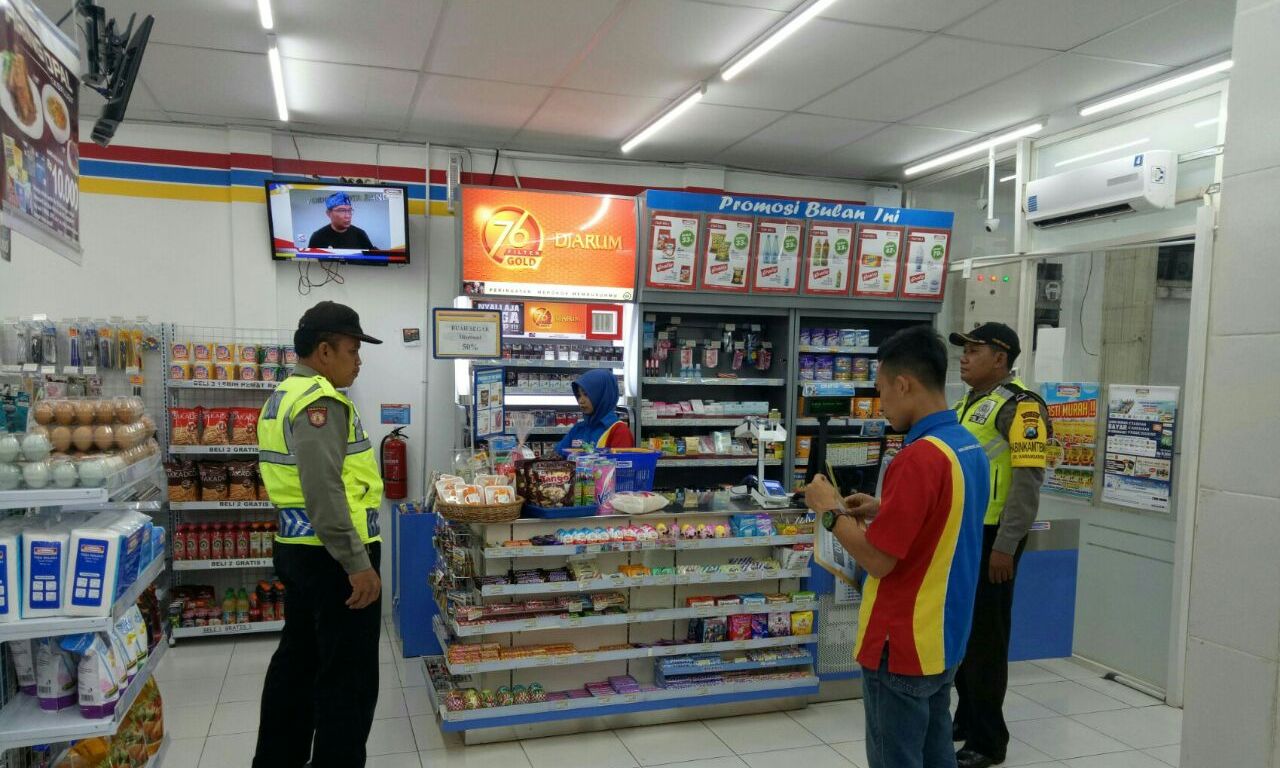
    Convenient store chain Indomaret and Indomaret Point, owned by retail group Indomarco Prismatama, were the top-selling retailers of 2017, racking up a combined US$4.89 billion in sales, according to London-based strategic market research company Euromonitor International

    With the total sales, Indomaret beats its closest competitor Alfamart, owned by Sumber Alfaria Trijaya, which booked US$3.97 billion in sales last year to come in second.

    Euromonitor consultant Dhea Sutanto said Indomaret’s success was likely attributable to the greater number of physical stores it had compared to its competitors. Another factor could be the company’s promotion strategy, she added.

    “If they are able to reach more consumers and more outlets, automatically they will generate more revenue, especially if they provide more accessibility to consumers that are harder to reach,” she said at the sidelines of the Euromonitor International Conference on Tuesday.

    Indomaret currently operates 15,633 outlets across Indonesia while Alfamart has 13,991.

    Number three on the list of Indonesia’s top retailers in 2017 was Matahari Department Store with $1.36 billion in sales, followed by Carrefour and Transmart Carrefour by Trans Retail Indonesia, which earned $1.22 billion. Hero Supermarket Group with Guardian, Star Mart and Giant, among others, was at fifth place with $903 million in sales.

    A retailer group of high-end fashion goods, Mitra Adi Perkasa (MAP), which includes Kidz Station, Marks and Spencer and Sports Station, came in sixth with $866 million. MAP is followed by Matahari Putra Prima group (Hypermart, Boston Health), gadget retailer Erajaya Swasembada (Erafone) and middle-to-low-income fashion retailer Ramayana with $781 million, $688 million and $643 million, respectively.

    Meanwhile, books and stationery stores Gramedia, Grazera and Trimedia from Gramedia Asri Media ranked 10th by garnering $430 million in sales.

  • Spotify to Offer Carrier Billing to Telkomsel, AIS and DTAC Subscribers via Fortumo’s Payments API

    Spotify to Offer Carrier Billing to Telkomsel, AIS and DTAC Subscribers via Fortumo’s Payments API

    Fortumo has expanded its partnership with Spotify in South-East Asia to offer an expanded carrier billing program specifically for Spotify users in Indonesia (Telkomsel) and Thailand (AIS and DTAC).

    In both Thailand and Indonesia, credit card ownership remains below 10% while more than 65% of the population already has smartphones. This means most consumers can access online entertainment but do not have a way to pay for premium content. Carrier billing solves this issue for digital service providers by giving any mobile phone owner the option to make online purchases and deduct the charges from their mobile account balance.

    Spotify launched direct carrier billing with the new telcos through Fortumo’s Payments API. Using Payments API gives Spotify full control of the checkout flow and access to advanced features of carrier billing such as token-based authentication, dynamic pricing and an automated refunding process.

    At the other end of the Payments API are Fortumo’s pre-integrated connections with telcos, which gives Spotify and other digital service providers a scalable way of rolling out carrier billing.

  • Flights from Da Nang to Osaka for Vietnam Airlines

    Flights from Da Nang to Osaka for Vietnam Airlines

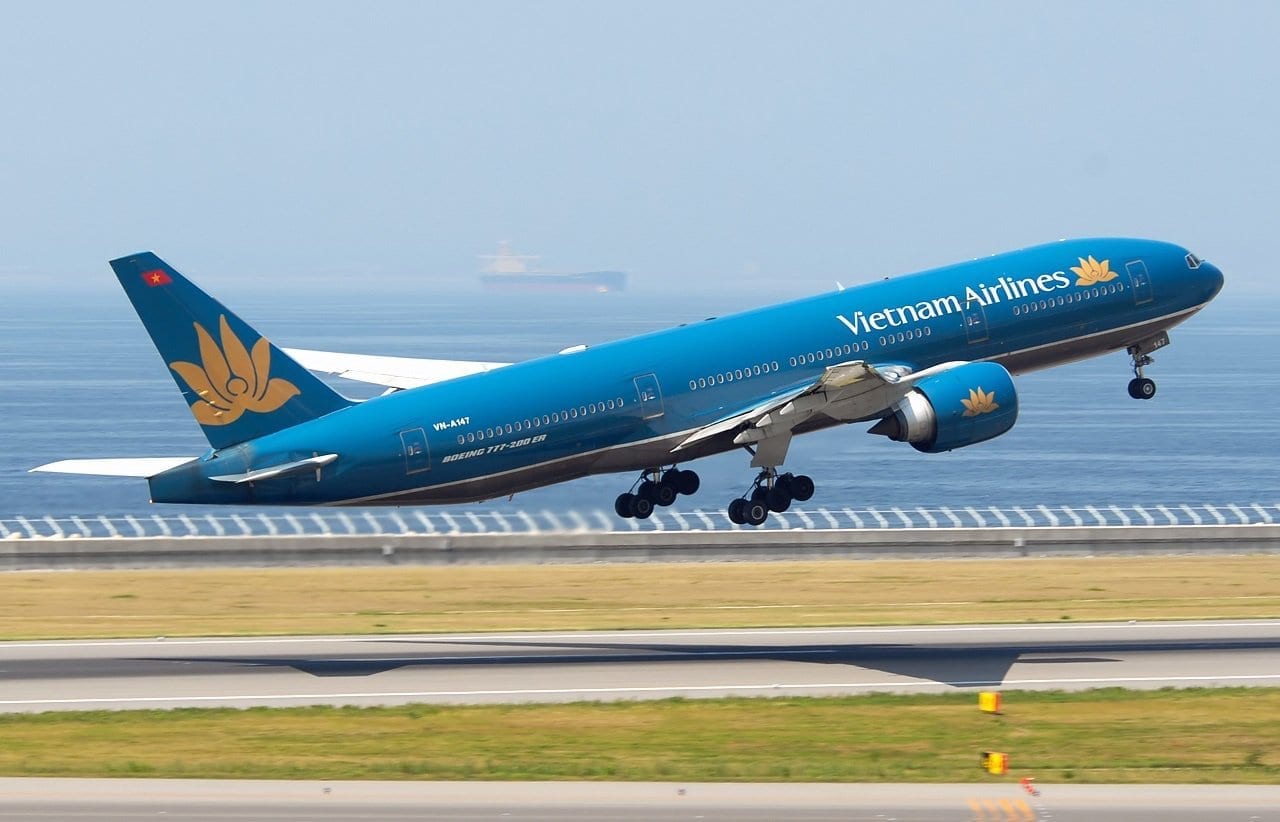
    The first non-stop flights from Da Nang to Japan will begin on 28 October, the national flag carrier Vietnam Airlines has confirmed. The airline will use an Airbus A321 with services meeting 4-star standards to cover the 2,114 miles (3,403 kilometers) from Da Nang to Japan’s Osaka City, with flights taking around four and a half-hour.

    The airline will operate 7 return flights each week. The non-stop flights will depart from Da Nang at 00:20 am, and from Osaka at 09:30 am local time. This will be the 11th air route to Japan operated by the Vietnam Airlines after those from Ha Noi, Ho Chi Minh City, and Da Nang to Japanese cities of Tokyo, Osaka, Nagoya, and Fukuoka.

    Mr. Nguyen Duc Quynh – Executive Vice Chairman of Danang Hotel Association, Deputy General Director of Furama Resort Danang, opined: “The Japan market recently makes up 10% of Danang tourism industry and continue to increase strongly. Thanks to this new direct air-route that we will have more opportunity to attract this potential market, as well as introduces the “fantastic-city” of Danang to Japan. We need to take advantage of this chance by providing more Japan-friendly services, promoting our venue as not only Leisure but also an ideal MICE destination. Danang tourism colleges and Hotels in Danang should provide more Japanese language training to their tour guides and staff to welcome more and more tourists from Japan to the City.”

    As reported, from 2011 – 2017, the number of visitors from Japan had increased 18 times, especially, 2016 – 2017 period eyes a rise of 23,000 tourists. Not only Japan market, overview the snapshot of Danang tourism, air travelers to Da Nang increased 40% over the same period last year. The number of international visitors to Da Nang is concentrated mainly in North East Asia (Korea, China, Japan) through direct flights to Da Nang. The number of international flights this year at Da Nang International Airport is 183, an increase of 76 flights over the same period of 2017.

  • BRI, BCA unveil new digital banking products for Indonesia

    BRI, BCA unveil new digital banking products for Indonesia

    In a bid to expand their customer base, state-owned lender Bank Rakyat Indonesia (BRI) and private lender Bank Central Asia (BCA) have invested in new digital banking products.

    BRI director Indra Utoyo said the new product was slated to launch before the end of the year. “Our new digital banking product will offer micro, retail and consumer loans,” Indra said last Thursday.

    He added that the product was expected to expand the lender’s customer base and beef up its micro, retail and consumer loan business.

    BRI’s new digital banking product would include the latest omni channel feature and biometric technologies, said Indra, adding that the bank had invested Rp 500 billion (US$ 34.83 million) to develop the new product.

    Meanwhile, BCA has unveiled its plans for a new digital banking product that promises simpler transactions on e-commerce platforms. The product is expected to launch in October.

    “The [digital banking] service will support transactions made through credit cards, debit cards and bank transfers,” said BCA financial director Vera Eve Lim on Monday, adding that the product would also offer support for financial settlements.

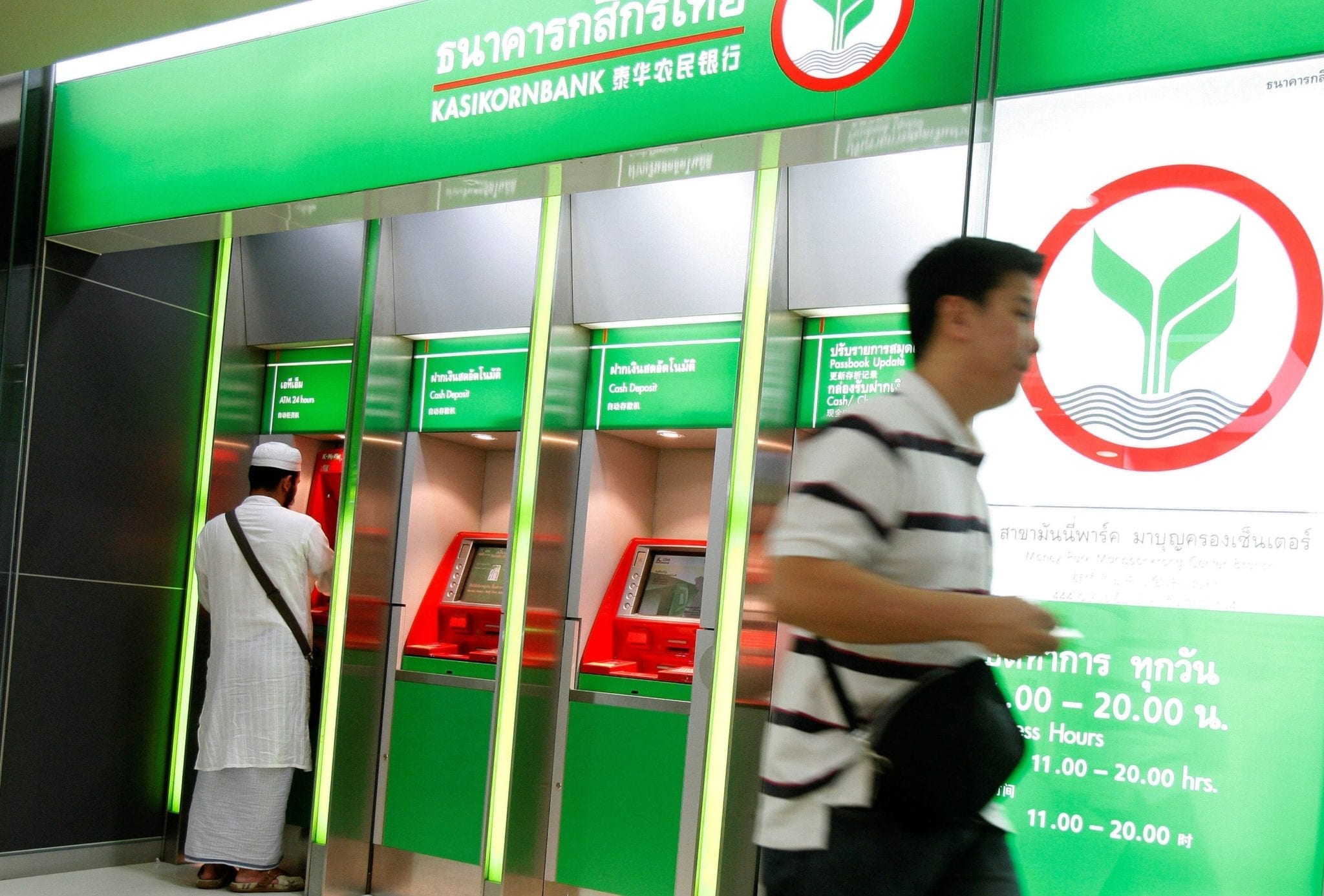
  • Kasikornbank Joins Visa’s B2B Connect Project in Thailand

    Kasikornbank Joins Visa’s B2B Connect Project in Thailand

    Visa’s blockchain-based B2B Connect project is gaining steam, with Thailand’s fourth-largest bank, Kasikornbank, joining the fold.  The bank will be the first Thailand bank to use the technology, joining other well-respected financial institutions such as the U.S. Commerce Bank, Shinhan Bank in South Korea, the Union Bank of Philippines, and the United Overseas Bank in Singapore.

    Kasikornbank may not be the largest financial institution in Thailand, but it still has substantial $96 billion in assets.  The bank was established in 1945 with a registered capital of only five million baht.

    The move shouldn’t come as too surprising, considering the fact that Thailand as a nation is much more pro-cryptocurrency, especially in the context of Asia.  For example, China, the largest economy in the region, has banned ICOs completely, even while its state-owned banks have implemented blockchain technology to optimize its operations.

    In contrast, the Bank of Thailand has revealed just last month that it actually plans on issuing its own state-issued cryptocurrency.  The Bank of Thailand has also even allowed local banks much more leeway in terms of cryptocurrency – such as allowing them to issue tokens, invest in cryptocurrency markets through subsidiaries, and even provide crypto brokerage services.

    While Japan and South Korea have expressed positive sentiments about cryptocurrency before – such as Japan declaring that bitcoin is a legal form of payment, and the mayor of Seoul expressing interest in developing his own cryptocurrency – the amount of regulation involved has allowed Thailand to become an international hub when it comes to cryptocurrency.

    While Thailand’s economy might not be as powerful as its neighbors, it still has been drawing in cryptocurrency enthusiasts and companies internationally.

    Suripong Tantiyanon, Visa’s Thailand country manager, praised the decision, pointing out that Visa B2B will help guide the country when it comes to “security, governance, and distributed ledger technology”. He believes that Visa will be an industry leader in this space.

    Visa’s B2B program was already launched last year but is obviously making great progress in Asia already.  The platform is built on Chain, which was actually acquired by Stellar recently.  The platform is meant to enter the corporate cross-border payment sector, which many analysts believe will grow tremendously over the years and is one of the main ways that many cryptocurrency enthusiasts believe the cryptocurrency sector will grow, with institutional money helping lead the charge to mass adoption.

    The idea is that blockchain technology will allow for faster and cheaper transactions, which will save banks massive amounts of money.  Visa also believes that blockchain technology allows for the cross-border payment sector to be more transparent than ever, as well. Kasikornbank is the first Thailand bank to join the platform.

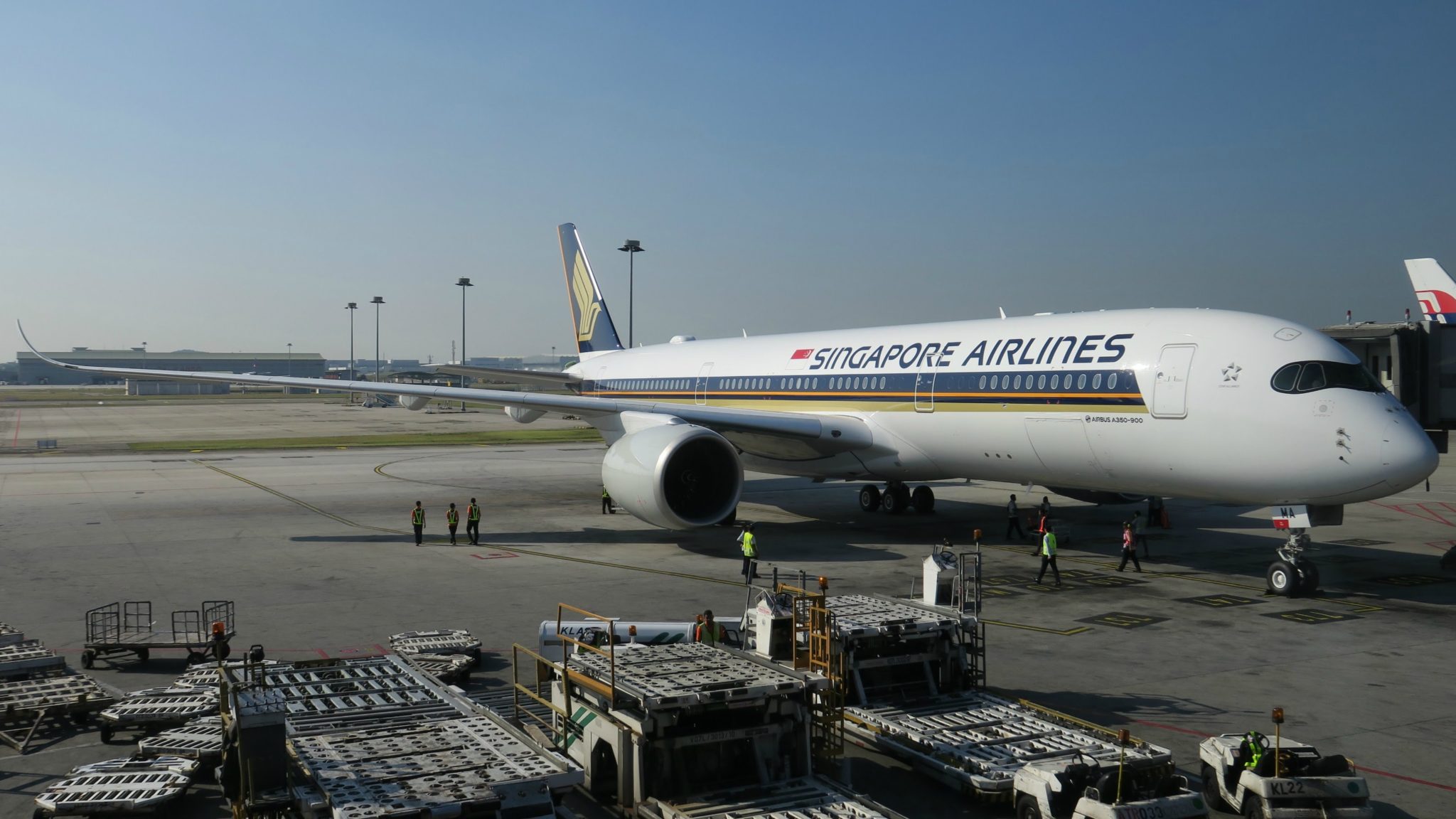
  • Suite sounds for Singapore Airlines first class with Bang & Olufsen

    Suite sounds for Singapore Airlines first class with Bang & Olufsen

    Passengers in Singapore Airlines’ Airbus A380 first class suites will soon enjoy sweeter sounds through a partnership with Bang & Olufsen.

    From October, travellers on Singapore Airlines’ newest A380s – the ones with the spacious room-like first class suites – will find a pair of Bang & Olufsen’s Beoplay H9i noise-cancelling headphones tucked away and ready to use with the suites’ massive 32 inch screen and KrisFlyer inflight entertainment system.

    Designed by Jakob Wagner, the Beoplay H9i headphones have a simple touch interface on the aluminium surface of the right ear cup to change the volume, pause the music and skip tracks, and are made from premium materials including genuine leather and adaptive memory foam.

    These will be progressively rolled out to the rest of Singapore Airlines’ A380 suites and Boeing 777 first class cabins from November.

    And, sometime later, selected A380 routes will see the suites upgraded to wireless version of the H9i.

    “Singapore Airlines is excited to embark on this partnership with Bang & Olufsen, an established and highly respected name in audio,” enthused Singapore Airlines’s Acting Senior Vice President for Customer Experience, Mr Yeoh Phee Teik.

    “With Bang & Olufsen’s assurance of high quality, precision sound as well as ergonomic comfort of its headphones, we are confident our customers will benefit greatly from this collaboration.”

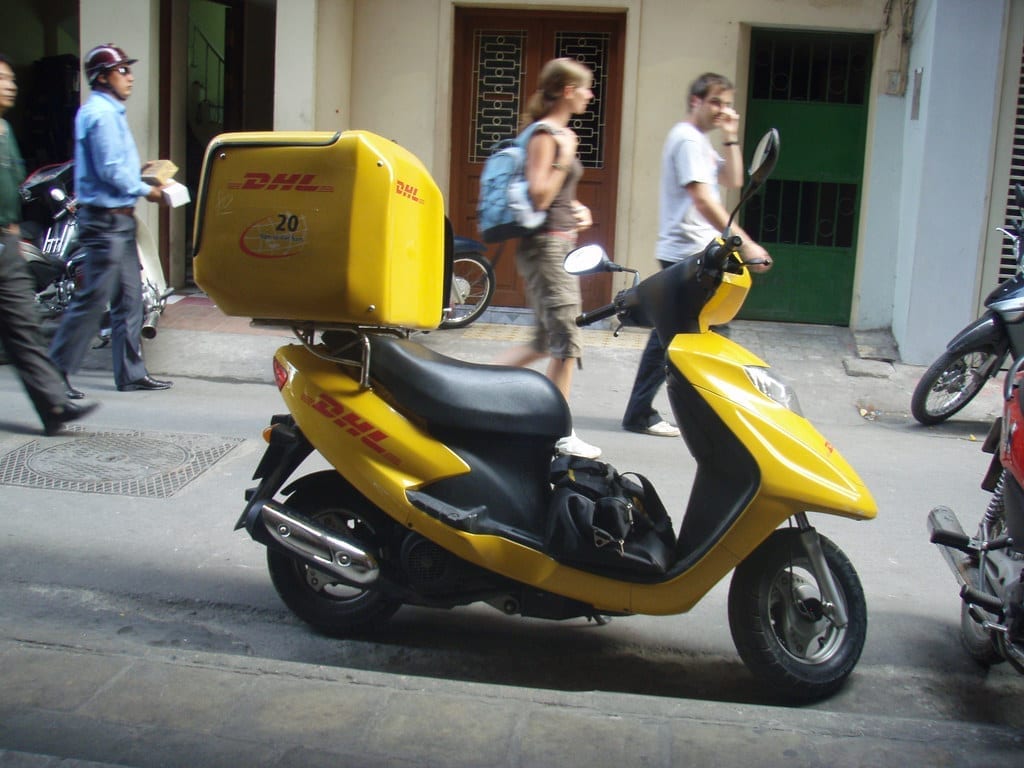
  • DHL Enables Unbanked Consumers in SEA to buy online

    DHL Enables Unbanked Consumers in SEA to buy online

    DHL eCommerce, a division of Deutsche Post DHL Group, has launched its Cross Border Cash-on-Delivery (COD) service to allow consumers to pay for their international purchases in cash and only upon delivery.

    In Southeast Asia over 73% of the population are still unbanked and inaccessible to e-commerce retailers since they do not have access to credit cards or internet banking services.

    COD is available as a value-added service of the DHL Parcel International Direct product, specifically for sellers based in China and Australia delivering to consumers in Malaysia, Thailand and Vietnam. Collected cash will be remitted to a local bank account at destination (Malaysia, Thailand or Vietnam) or in the billing country (China or Australia) based on the local destination currency. Remittance will be made to sellers every fortnight and tracking visibility of the status of COD is available on the DHL portal.

    “Despite growing credit card adoption in Southeast Asia, the low level of credit card penetration has forced e-commerce retailers to offer alternative modes of payment methods such as cash on delivery, digital payments and in some cases paying in-store. This opens up a huge potential by reaching out to a new group of unbanked consumers and also meeting the needs of consumers who prefer to pay in cash.” said Charles Brewer, CEO, DHL eCommerce.

    “China and Australia are huge e-commerce export markets and our DHL Parcel International Direct product provides a direct entry into high demand markets with excellent transit times of 3-5 business days with economical shipping prices. With our fully-owned domestic delivery network in Malaysia, Thailand and Vietnam, we are able to deliver on-time with secure features like cash-on-delivery.” added Brewer.

    To enable sellers in China and Australia to tap on the cross-border e-commerce opportunity, DHL eCommerce enables economical international shipping with a range of e-commerce features. This includes parcel pick-up service; easy IT integration of the seller’s inventory into the DHL shipping process, end-to-end tracking, dynamic routing and distribution, returns management, etc.

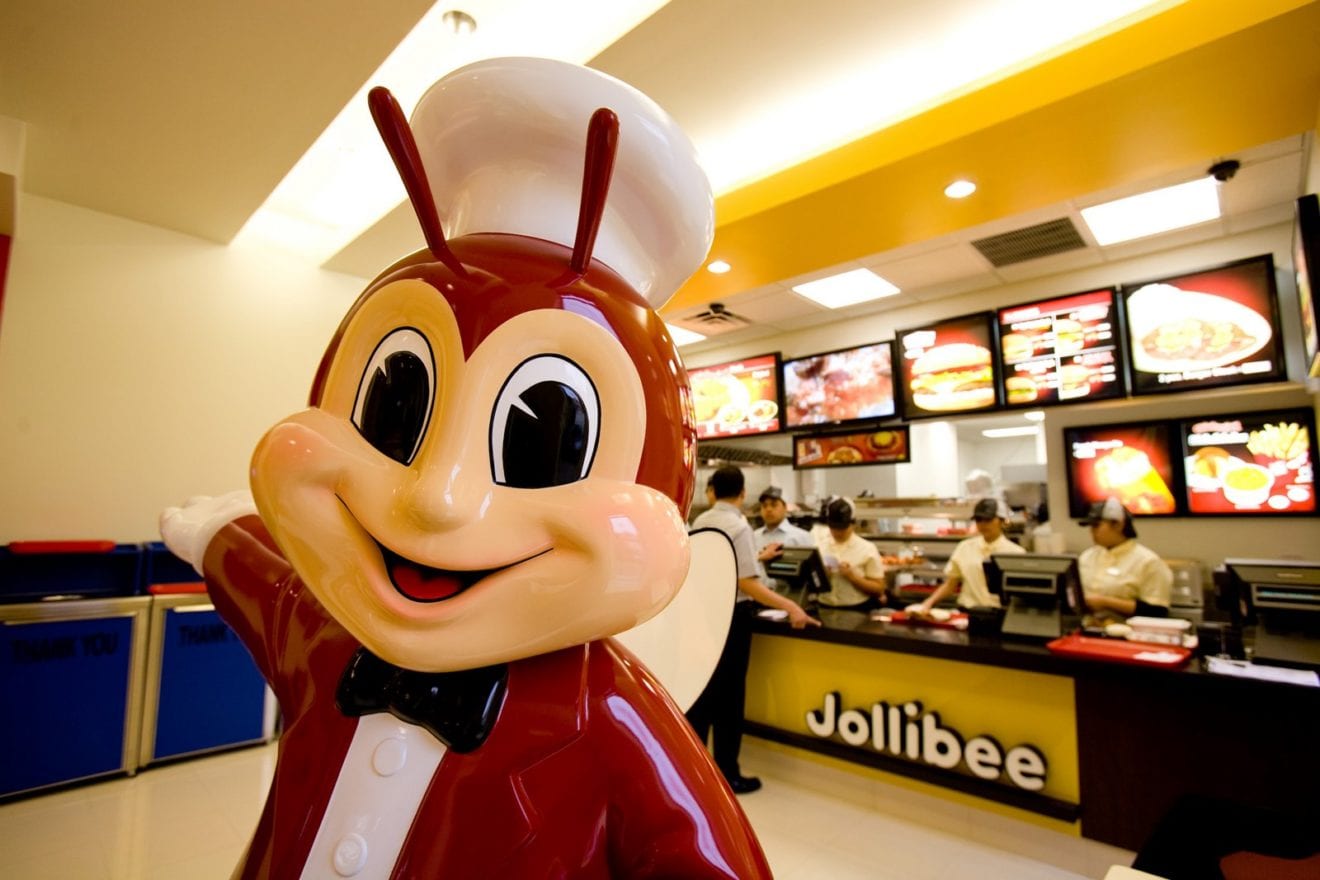
  • Jollibee UK launches soon

    Jollibee UK launches soon

    Philippine fast-food chain Jollibee has hinted at opening its first store in the United Kingdom.

    The potential of a Jollibee UK debut was revealed in a tweet featuring a photo of its mascot bee with British Ambassador to the Philippines Daniel Pruce, hashtagged #JollibeeLondon and #1stJollibeeInUK.

    The ambassador had previously said Jollibee would open in Britain this year in a TV interview, during which he professed his love for the brand’s fried chicken.

    The opening will expand Jollibee’s footprint in Europe, which was initiated in March this year with the opening of a store in Milan. It has previously targeted mainly Filipino communities in the US, the Middle East and Southeast Asia.

  • Penhaligon’s upgrade stores for better customer experience

    Penhaligon’s upgrade stores for better customer experience

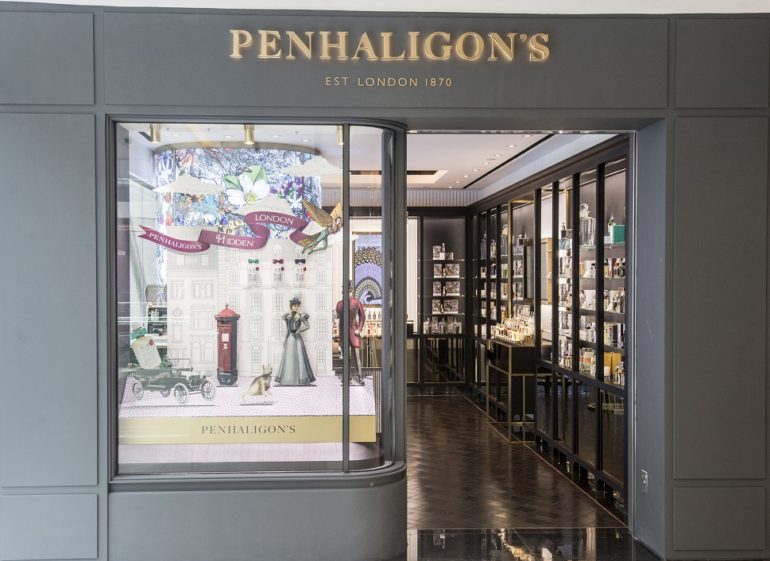
    Luxury British perfumery brand Penhaligon’s relaunches two of its most prestigious stores in Asia.

    After extensive renovations, Penhaligon’s at the IFC Mall in Hong Kong, and Penhaligon’s at Marina Bay Sands in Singapore, have once again flung open their doors to the public – unveiling a new design concept and enriched amenities which are sure to intrigue and delight.

    Established in 1870, Penhaligon’s is an iconic British perfume house still adored today for its illustrious scents; born of the finest quality ingredients and whimsically imaginative formulations.

    The distinguished legacy of Penhaligon’s has earned the brand a loyal following around the world, including in Asia where the brand has maintained a presence at the IFC Mall in Hong Kong for five years and The Shoppes at Marina Bay Sands in Singapore for seven years.

    Penhaligon’s quintessentially British history and heritage are reflected in the stores’ refreshed design. The eye-catching exterior detailing draws inspiration from the classical façade of the Penhaligon’s shop at Burlington Arcade, London – architecture dating back to the 1820s. Inside, heritage fluted plaster wall details echo the Penhaligon’s London Flagship store, located on Regent Street.

    Exclusive amongst perfumers, the newly designed Penhaligon’s stores will feature an updated fragrance profiling table inspired by the London Olympic Cauldron, and providing an interactive digital screen for immersive fragrance match-making. Like nothing else of its kind, the digital profiling gives customers a captivating opportunity to define their perfect fragrance, with assistance from Penhaligon’s masterful fragrance consultants.

    In its IFC store, the digital touchpoints in the store facilitate the encounter between customer and brand, narrowing down the selection of fragrances based on personality tests.

    The immersive experience in the new store design takes customers to Britain and tells the story of each fragrance by explaining the relationship with the brand’s country of origin. Each scent is created to remind places, and recall memories. They are designed to appeal to all, but in a different way for each individual. Isn’t it customisation?

  • Hyundai Motor hydrogen trucks are going to Europe

    Hyundai Motor hydrogen trucks are going to Europe

    Hyundai Motor’s hydrogen-powered truck will take to the streets of Europe, where the hydrogen infrastructure is better than in Korea and subsidies for hydrogen cars more generous.

    The nation’s No.1 carmaker announced Thursday that it signed a memorandum of understanding with Swiss hydrogen energy company H2 Energy to supply 1,000 large hydrogen trucks from 2019 to 2023.

    They will include both refrigerated and unrefrigerated cargo trucks. H2 Energy will lease the trucks to local gas station companies and grocery franchises.

    Under the partnership, Hyundai Motor and H2 Energy will try to expand the use of hydrogen-powered trucks not only in Switzerland but all over Europe.

    “The MOU with H2 Energy allowed Hyundai Motor’s hydrogen trucks to advance into the European eco-friendly commercial vehicle market,” said Lee In-cheol, executive vice president of Hyundai Motor’s commercial car team.

    The hydrogen-powered trucks being sent to Europe from next year are based on Hyundai Motor’s flagship large-sized Xcient truck. The development is near completion, Hyundai Motor says, to meet local transportation regulations.

    The trucks will have 190 kW fuel-cell batteries.

    They are expected to have a range of 400 kilometers (259 miles) per charge, which will take about 7 minutes.

    In terms of safety features, they will have forward collision avoidance and lane departure warning systems.

    Hyundai Motor explained that it is initiating its hydrogen truck business in Europe rather than Korea due to better infrastructure and state support as well as rising demand.

    State support comes in various ways in European countries. Germany, for example, offers subsidies, while the Netherlands and Norway give tax incentives to people who purchase eco-friendly vehicles.

    Switzerland, the first market for Hyundai Motor’s hydrogen-powered Xcients, has eliminated tolls on 3.5-ton or heavier trucks that run on eco-friendly engines. Trucks powered by diesel engines, in contrast, have to pay heavy tolls.

    The carmaker plans to launch a midsized truck fueled by hydrogen in the near future that could be used for road cleaning or collecting garbage.

  • JD to expand 7Fresh grocery chain across China mainland

    JD to expand 7Fresh grocery chain across China mainland

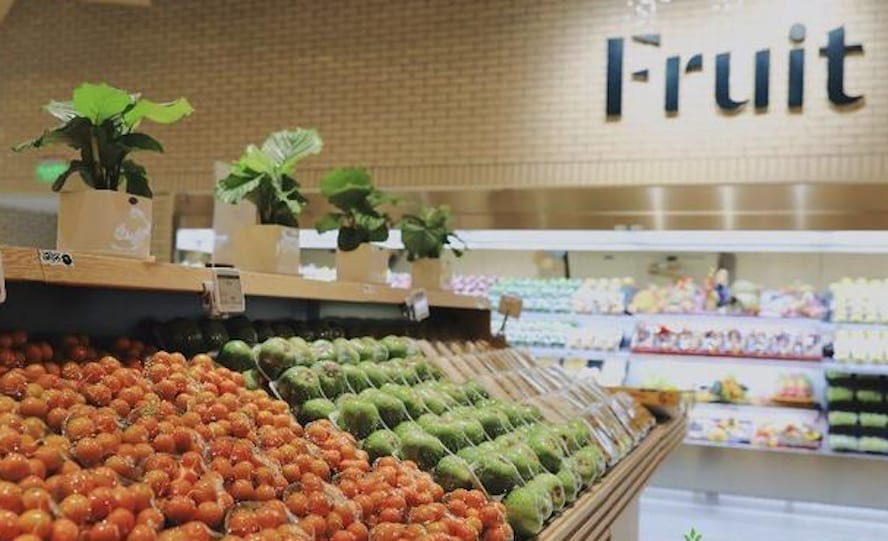
    JD is expanding its 7Fresh grocery store chain across Mainland China.

    The e-commerce and tech company has signed agreements with 16 real estate companies including China Poly Group, Joy City, Vanke, Yuexiu Property and Greenland Holdings to expand the supermarket chain, which was launched earlier this year.

    Consumers in Shanghai, Guangzhou, Shenzhen and Chengdu will be next in line to experience the e-commerce platform’s premium offline stores focused on fresh food. Fresh produce makes up more than 70 per cent of the brand’s offerings.

    Twenty per cent of 7Fresh products are directly sourced from vetted overseas suppliers in response to Chinese shoppers’ increasing focus on food safety and sourcing. All leafy green produce is restocked within 24 hours, and selected produce can be cooked on site.

    CEO of 7Fresh Xiaosong Wang said 7Fresh redefines the offline retail experience by combining the best parts of fresh grocery markets and top-quality restaurants with cutting edge e-commerce technology.

    “With the expansion of 7Fresh into more cities across China, we are bringing ‘Boundaryless Retail’ to even more shoppers for an incredibly convenient and enjoyable way to buy fresher, safer and more reliable products.”

    JD’s own advanced technologies are central to the rollout of the 7Fresh brand. Through the building of customer profiles, JD can determine optimum store locations and layouts. Data analysis also helps improve inventory management by selecting the most appropriate amounts and types of SKUs from JD’s vast selection of goods, according to each store’s unique needs. Meanwhile, ‘Magic Mirrors’ automatically provide product information on a screen when they sense that customers have picked up fresh produce.

    JD’s logistics capabilities enable 30-minute delivery from the stores for online shoppers.

    Korean office

    Meanwhile JD is expanding its international footprint with a new office in the centre of Seoul’s CBD. The office will help JD with outreach to South Korean brands that are highly sought-after in China. It will significantly increase the company’s procurement power in the region, reducing the threshold for Korean brands to enter the Chinese market and tapping JD’s more than 300 million customers.

  • DHL eCommerce has rolled out a fleet of electric motorbike in Vietnam and Malaysia

    DHL eCommerce has rolled out a fleet of electric motorbike in Vietnam and Malaysia

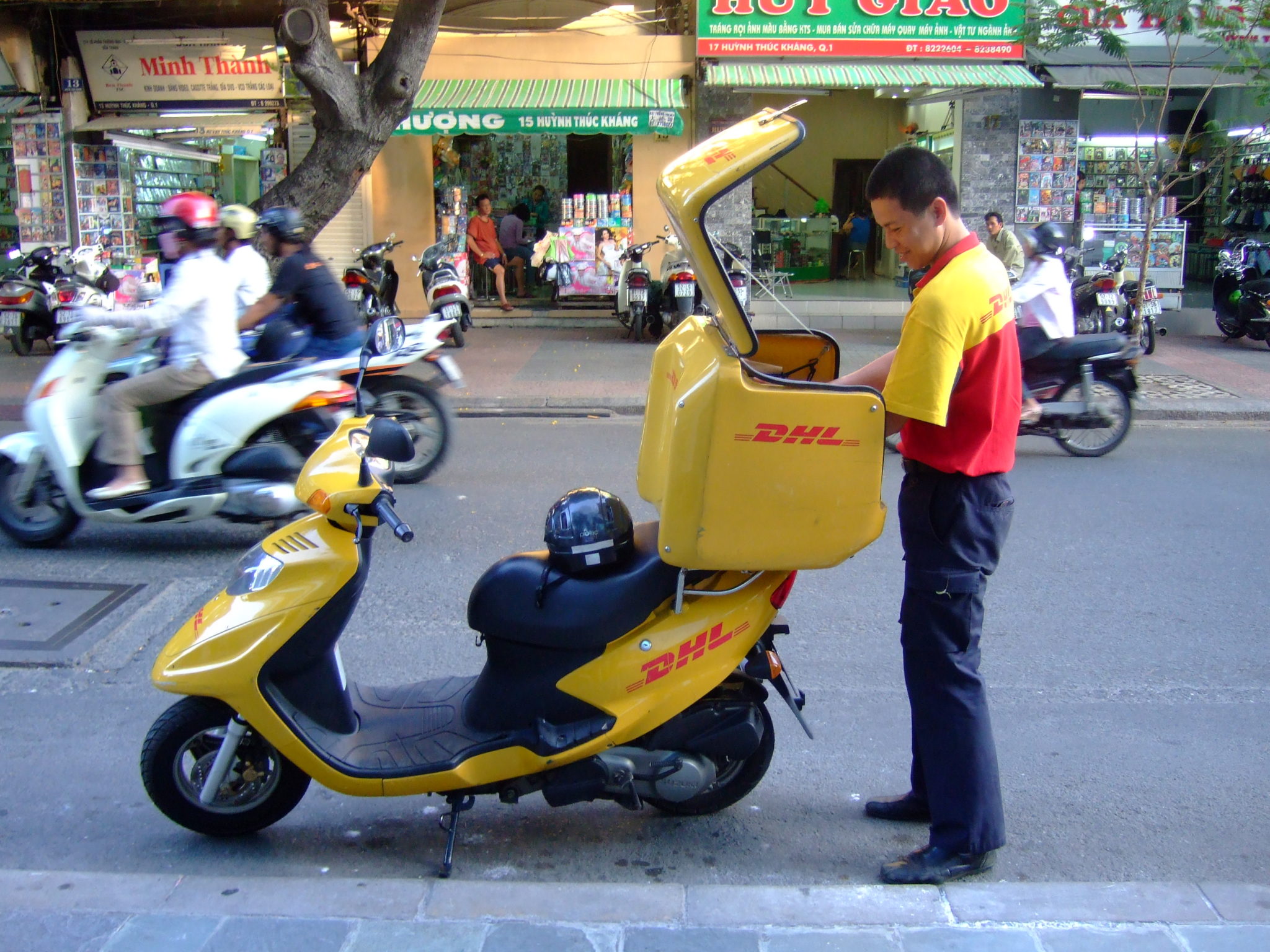
    DHL eCommerce has rolled out a fleet of electric motorbikes as part of Deutsche Post DHL Group’s commitment to Zero Emissions by 2050.

    DPDHL announced that it will operate 70% of its own first and last mile services with clean pick-up and delivery solutions.

    “In parallel with the continued growth in e-commerce, we expect a strong demand for deliveries and we recognize the need for sustainable delivery solutions. As part of DPDHL’s commitment to Zero Emissions by 2050, our fleet of electric vehicles will provide greener deliveries and we are committed to steadily and consciously increasing our fleet of electric vehicles in our domestic delivery network.” said Kiattichai Pitpreecha, Managing Director, Southeast Asia, DHL eCommerce.

    The first fleet of electric vehicles are already in use and the plan is to increase the fleet gradually by sunsetting older vehicles and prioritizing ‘green and clean’ approaches. Delivery hubs in Puchong and Cheras in Malaysia and Ho Chi Minh and Hanoi in Vietnam will be retrofitted with electric charging points with fast charging capabilities.

    DHL eCommerce provides nationwide domestic delivery with fully-owned operations in Malaysia and Vietnam to enable e-commerce businesses to deliver to their consumers. The domestic delivery network also includes DHL ServicePoints for drop-off and pick-up with convenient locations to provide greater convenience for sellers and consumers while optimizing delivery for greater efficiency.

    “Consumers are becoming more environmentally conscious and are placing greater value on sustainable options when they shop. We are super pleased to be rolling out our electric fleet in Malaysia and Vietnam to support our customers — it is great for us, great for our customers and great for the country.” added Kiattichai Pitpreecha, Managing Director, Southeast Asia, DHL eCommerce

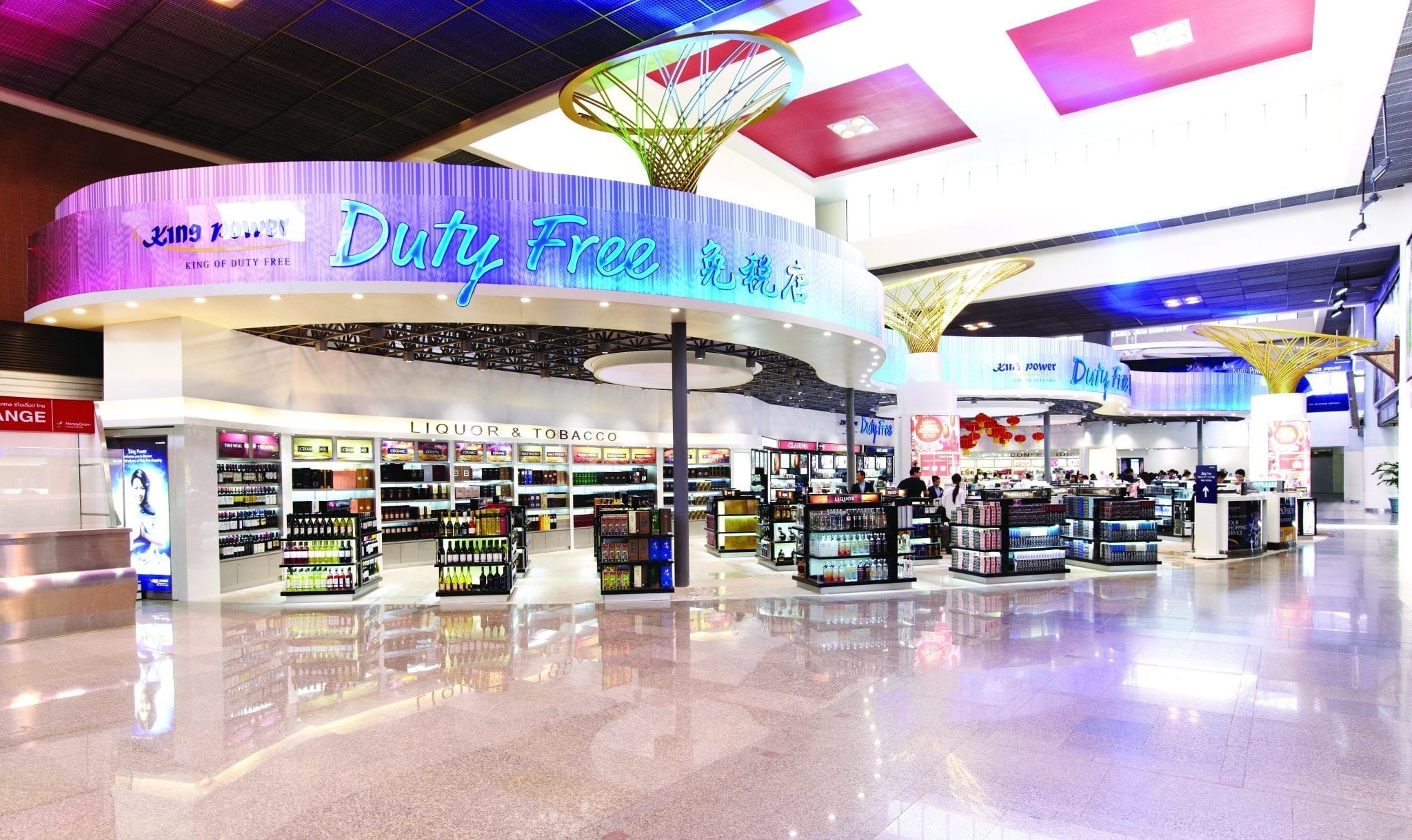
  • King Power Traveler to launch inflight duty free with Vietnam Airlines

    King Power Traveler to launch inflight duty free with Vietnam Airlines

    National carrier Vietnam Airlines is set to officially establish an inflight duty free service from October in cooperation with inflight specialist King Power Traveler, the Rakhita Jayawardena-run subsidiary of Hong Kong-based travel retailer King Power Group.

    Over the next five years, the SkyTeam alliance member will cooperate with King Power Traveler to expand and upgrade its Lotushop services to meet Skytrax four-star service standards.

    Skytrax – the well-known airline and airport rating organisation – has ranked Vietnam Airlines as a four-star airline for three consecutive years.

    Vietnam Airlines Executive Vice President Le Hong Ha, said: “The partnership with King Power Traveler demonstrates our efforts to provide passengers with an enhanced duty free retail service, thereby consistently upgrading our four-star service quality through every aspect of the business. We are taking great strides to reach five-star status.”

    The enhanced duty free offer covers categories such as perfume, cosmetics, watches, suitcases and bags. Passengers will be able to shop from their seats on 30 of Vietnam Airlines’ international routes including to the UK, China, France, Germany, Japan, South Korea and Russia. The airline said that passengers would benefit from average discounts of -5% to -15% compared to domestic retail prices.

    King Power Traveler will also provide extensive training to flight attendants to enhance their sales skills and application of technology.

    Vietnam Airlines operates 90 routes to 20 domestic and 29 international destinations with an average of 400 flights per day.