Author: Mei Ling Tan

  • Indonesia Needs to Raise Rate to Stay Ahead of the Curve

    Indonesia Needs to Raise Rate to Stay Ahead of the Curve

    Bank Indonesia, the country central bank, needs to raise its benchmark interest rate on Thursday (25/09) or risks to be left behind the curve and sees a further weakening of the rupiah, economists said.

    “Bank Indonesia must be ahead of the curve amid the trend of rising global interest rates,” said Cyrillus Harinowo, a former central banker and now a commissioner at Bank Central Asia, Indonesia’s third-largest lender by market capitalization.

    Bank Indonesia has increased its benchmark 7-day reverse repo rate by 125 basis points so far this year, while the Federal Reserve has raised its interest rates by 175 basis points. That narrowed the interest rate differential between Indonesia’s interest-bearing assets and similar assets in the US, making the former more risky to hold for foreign investors.

    Cyrillus said Bank Indonesia has 12 times a year to raise the benchmark rate, compared to 4 times in the US, which should give it more leeway for adjusting its monetary policy.

    A Reuters poll showed that 20 out of 25 economists predict Bank Indonesia will increase its 7-day reverse repurchase rate by 25 basis points (bps) to 5.75 percent.

    Three other analysts see BI making a bolder move of hiking by 50 bps, while the last two predict the central bank will stand pat.

    The rupiah has lost about 9 percent against the dollar this year amid a sell-off of Indonesian assets due to rising US interest rates, contagion fear from other emerging market crises and the US-China trade war.

    Since BI’s last hike on Aug. 15, the currency has hit its lowest level since the 1998 Asian financial crisis and continued to trade near that level.

    Indonesia’s economy fundamental today, however, is far different from two decades ago, Tony Prasetiantono, the head of the Center for Economic and Public Policy Studies at Gajah Mada University (UGM).

    That time the rupiah nosedived by almost 600 percent from 2,300 a US dollar to 15,000. Indonesia’s economy contracted in 1998. Today it is still growing albeit at a slower pace of 5.17 percent compared to the government target of 5.4 percent.

    “Another indicator is inflation. Currently, it is around 3.5 percent while in the 1998 crisis it was 78 percent,” Tony said.

    “And the main thing is that the banking fundamentals are very healthy at the moment, much different from 1998,” he said.

    August Trade Deficit

    Fed officials have signaled a likely quarter-point rate increase at their meeting which ends early Thursday Asia time.

    Fakhrul Fulvian, Trimegah Securities economist, said he changed his view on Thursday’s decision from a hold to a 25 bps hike after “not as good as we had estimated” August trade data. The month’s deficit was $1.02 billion, much wider than the $680 million the market expected.

    The government has taken steps to curb imports, including imposing higher tariffs on over 1,000 imported goods, widening biodiesel use and delaying big infrastructure projects.

    “A relatively high level of foreign currency debt explains why the Indonesian authorities are worried when the currency falls sharply,” said Capital Economics, one of the large majority seeing a 25 bps hike on Thursday.

    Foreign investors own about 37 percent of Indonesian government bonds.

    BI officials have repeatedly pledged to be “ahead of the curve” in setting monetary policy.

    On Friday, Governor Perry Warjiyo said that investors had begun to resume buying emerging-market assets, and this plus exporters converting their earnings had increased the domestic supply of dollars.

    He also said inflation should stay benign until the end of the year despite the rupiah’s fall. The annual rate in August was 3.20 percent, within BI’s 2.5-4.5 percent target range.

    Satria Sambijantoro, Bahana Sekuritas economist and one of the two in the poll predicting a hold on Thursday, said Indonesian bonds, at current rates, are attractive.

    “The central bank is already ahead of the curve,” he said.
  • Malaysia’s MAS’ 787 deal lapses, considering future widebody purchases

    Malaysia’s MAS’ 787 deal lapses, considering future widebody purchases

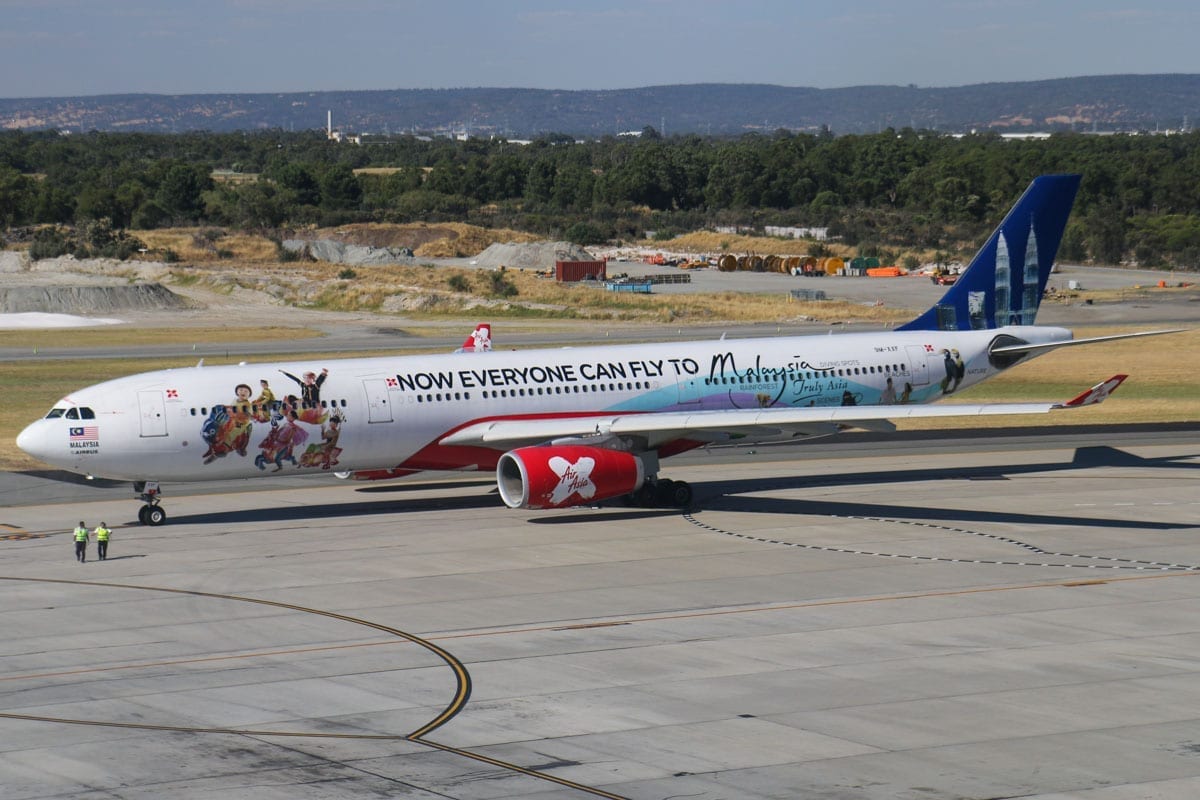
    Malaysia Airlines Bhd said a provisional deal to purchase eight Boeing Co 787 jets had lapsed and the airline was in talks with planemakers about the future of its widebody fleet.

    The national carrier last year signed a memorandum of understanding (MoU) with Boeing to purchase the 787 jets valued at US$2.25 billion (RM9.3 billion) at list prices during a visit to Washington by former prime minister Datuk Seri Najib Abdul Razak.

    In April, It is reported the carrier had expressed interest in buying 20 to 30 widebody jets from either Boeing or its rival Airbus SE that could expand or replace the Boeing MoU.

    The lapse of the MoU was confirmed by a Malaysia Airlines (MAS) spokesman today. A Boeing spokesman declined to comment on ongoing discussions with customers.

    Malaysia Airlines CEO Captain Izham Ismail said that the airline had issued a request for information from aircraft makers for new generation widebody jets, without specifying how many it intended to buy.

    It was open to the advice of the manufacturers on the fleet size the airline would need for further network development, he said, adding any order decision would be made in the fourth quarter at the earliest.

    The airline currently has an all-Airbus widebody fleet including A330s, A350s and A380s.

    Sources said in July that the airline was tapping banks to fund about nine Boeing 737 MAX planes in what would be the airline’s first jet financing with lenders since it was restructured more than three years ago.

    The airline last month said in a quarterly update that it was facing pressure from higher fuel prices, foreign exchange volatility and overcapacity in the domestic market, as well as a shortage of pilots, but it was putting in place strategies to return to a profit next year.

  • Samsung expected to post record operating profit

    Samsung expected to post record operating profit

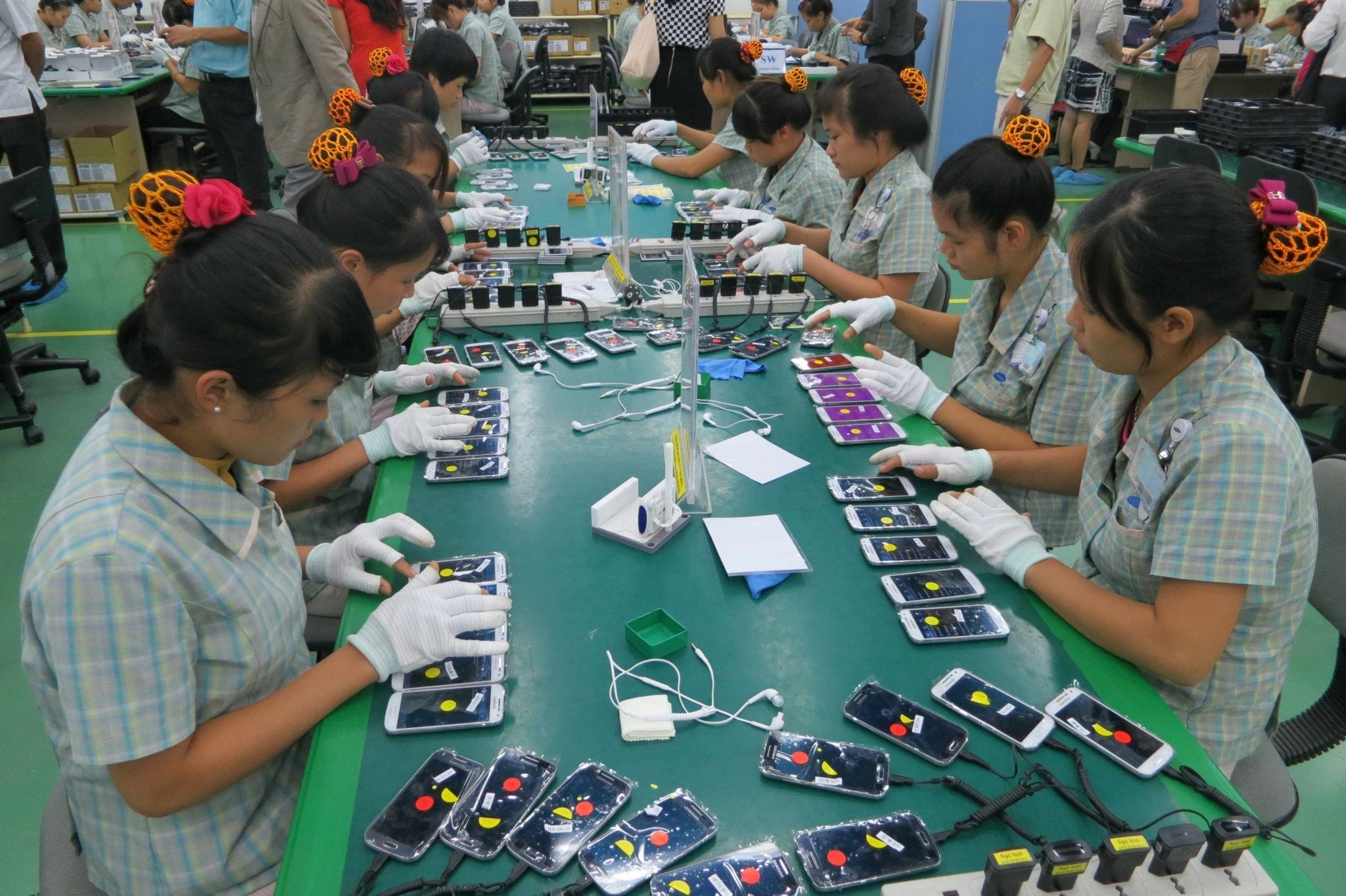
    Samsung Electronics is expected to post a record operating profit of 17.2 trillion won ($15.4 billion) in the third quarter, backed by firm demand for memory chips, market sources said Tuesday.

    The consensus by major brokerage firms marks an 18.5 percent on-year increase in the tech behemoth’s profit for the July-September period.

    The revenue is forecast at 65.2 trillion won, up 5.1 percent from a year ago.

    The company is expected to release its third-quarter earnings preview next Friday.

    The world’s top smartphone maker logged a record high 65.9 trillion won in sales in the fourth quarter of last year and a record high of 15.6 trillion won in operating profit in the first quarter of this year.

  • Leica Thailand opens second global cafe

    Leica Thailand opens second global cafe

    Leica Thailand distributor A-List Private has opened a lifestyle cafe for the Leica community – Cafe Leitz by Pacamara.

    The cafe, opened in partnership with Thai coffee brand Pacamara, is located in a 214sqm space on EmQuartier’s mezzanine level. Modelled on a similar cafe in London it is just the camera brand’s second such cafe in the world.

    The central Bangkok venue is a meeting place for Leica Thailand enthusiasts to share knowledge, techniques and experiences. Leica specialists are on hand to discuss and reveal on how to use some of the cameras’ more advanced functions professionally and options that the Leica cameras possess.

    The cafe was designed in a modern style featuring relaxed colours like black, white, gray and brown, sure to be familiar with any Leica user.

    A-List MD Danai Sorakraikitikul said there will be experiential activities for customers, such as the opportunity to try out Leica cameras. It will also host workshops and serve as a gallery for photography exhibitions by upcoming photographers from the Leica Akademie.

    “Visitors will see, smell, taste, hear and feel the Leica experience,” he said.

    View the gallery below (6 images) :


  • Experts fear foreign rivals too strong for Vietnam ride-hailing firms

    Experts fear foreign rivals too strong for Vietnam ride-hailing firms

    Vietnamese ride-hailing services are struggling to compete with foreign firms Grab and Go-Viet due to a lack of resources.

    FastGo last month claimed to have 15,000 taxi and motorbike partner drivers in Hanoi and Ho Chi Minh City, but they are not a common sight on the streets unlike the ubiquitous red and green uniforms of Go-Viet and Grab drivers.

    VATO, which received funding of $100 million from local transportation firm Phuong Trang, is also having trouble expanding after launching in May, its CEO Tran Thanh Nam admitted to the media.

    Another competitor, Aber, run by a group of young Vietnamese based in Europe, had said August 10 it would “temporarily cease app operations for an upgrade.” It has not made a return so far.

    Bui Danh Lien, former chairman of the Hanoi Transport Association, said operators need to give drivers a steady income to keep them and at the same time offer customers plenty of discounts and cheap fares, and “this is a tough challenge.”

    Economist Do Hoa told local media that the ride-hailing market is “a race to spend money”, and those without deep pockets won’t be able to compete.

    Grab and Go-Viet are willing to charge their customers as low as VND1,000 (4.3 cents) for a ride, he pointed out.

    “Vietnamese ride services are not financially capable of sustaining such losses like the foreign companies.”

    Even major players like Grab and Uber report big losses in Vietnam. According to the General Department of Taxation, Grab, with a total registered capital of only VND20 billion ($881,000), has incurred losses of nearly VND1 trillion ($43.48 million) during its three years in Vietnam.

    But this cash burn strategy is how Grab and Uber are eating up traditional taxi firms’ market share. In 2014-15 they launched promotion after promotion, including free rides and discounts, to attract customers. They expanded their driver networks by offering subsidies and big rewards based on performance.

    Other options

    Though the lack of funding is a weakness of local ride-hailing firms, there are other ways for them to grow, Dr Nguyen Duc Thanh, head of the Vietnam Institute for Economic and Policy Research said.

    “Since the lack of resources is a disadvantage for Vietnamese ride-hailing apps, they should not enter the cash burn race.”

    Going head-to-head with bigger rivals is not the right strategy to follow, he said.

    “They can enter niche markets like delivery, car rentals and long-distance ride services. Instead of trying to divide market share in the beginning, newcomers should think of a long-term strategy to build a solid foundation.”

    Nguyen Manh Hung, former chairman of the Vietnam Automobile Transport Association, was quoted by Tuoi Tre newspaper as saying local firms are unable to compete with Grab and Go-Viet because they are divided.

    If they join hands they could compete, he said.

    Go-Viet, the Vietnamese operation of Indonesia’s Go-Jek, came early last month seeking a share of the market that Grab has been dominating after the departure of Uber.

    Go-Jek founder and chief executive Nadiem Makarim said Go-Viet has grabbed a 35 percent share of the motorbike ride-hailing market in HCMC within six weeks of its launch on August 1.

  • Pan Malaysia to form JVCO with Singapore’s Baker & Cook

    Pan Malaysia to form JVCO with Singapore’s Baker & Cook

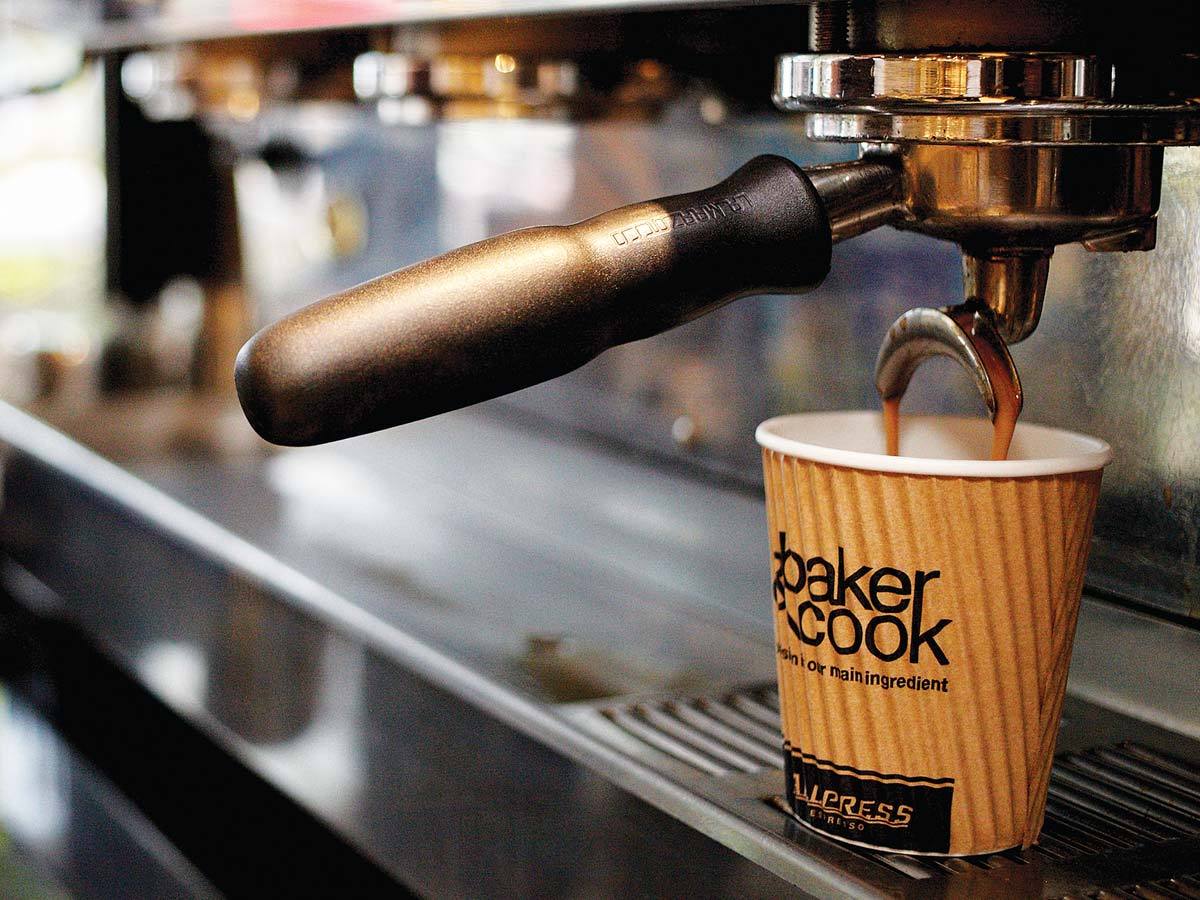
    Investment holding company Pan Malaysia has entered into a partnership with Singaporean artisan baker and food store Baker & Cook.

    The 50-50 joint venture will serve to diversify Pan Malaysia’s business to include F&B retail outlets, trading as Baker & Cook and Plank Sourdough Pizza. Pan Malaysia’s investment is being made through its wholly owned unit Megafort.

    Under the agreement, Baker & Cook will manage day-to-day operations while Megafort handles concession and sub-franchisee agreements.

    The stock exchange filing announcing the joint venture read: “The group (Pan Malaysia) intends to diversify its business profile and income stream, and it believes that the JV is expected to contribute positively to the earnings of the group in the future.”

  • Chocolate maker Mars sees India as a key accelerate market

    Chocolate maker Mars sees India as a key accelerate market

    US-based chocolate maker Mars sees India as a key ‘accelerate’ market and is ramping up its distribution network in the country to tap the high growth potential, a senior company official said.

    According to a report: The company, which has brands such as Snickers, Mars, Bounty, M&M, Double Mint, Boomer, Orbit, Galaxy and Twix in India, also plans to introduce one more brand in the next six to eight weeks to enhance its presence here.

    “India is a key ‘accelerate’ market in Mars Wrigley Confectionery Asia, Australia, Middle East and Africa (AMEA),” Andrew Leakey, Mars Wrigley Confectionery General Manager – India said.

    The company is investing to strengthen its distribution network and is building a sustainable supply chain here to expand its reach beyond metros and some key cities. The company has stronger growth ambitions and is taking a long-term view on the Indian market, he said.

    Presently, Mars Wrigley products are distributed through around 3,00,000 outlets and it is eyeing to take the number to over 5,00,000.

    “With our continued focus on growth in the India market through our expanding distribution network, flexibility to scale as per demand, ongoing efforts to build sustainable supply chain and strong market potential, we anticipate one-fourth of our growth contribution for AMEA region, coming from India, over the next few years,” he further said.

    However, he declined to share revenue or other financial details.

    Last year, Mars Inc integrated its Mars Chocolate and Wrigley segments in India, creating Mars Wrigley Confectionery (MWC) to tap high growth potential here.

    “We are taking a long term view over the business in India and the company is less concerned about the immediate paybacks,” he was quoted as saying.

    Leakey said that the company looks to introduce “products which are more relevant to the Indian market”.

    The company has an innovation centre in Bengaluru which is helping it to localise some of the flavours here.

    Asked about growth, he said, “Confectionary market is growing with CAGR of 9 percent in last 5 years and we are growing double than that and we would continue to grow at that rate.”

    To expand its reach in the mass market, Mars has introduced a small Rs 10 pack of Snickers as in India around 80 percent chocolates are sold in the Rs 10 price segment, he added.

    “Since we have launched it, we have doubled our distribution of Snickers,” he was further quoted by PTI as saying.

    Mars has manufacturing plants in Pune, Baddi (Himachal Pradesh), Hyderabad and Bengaluru and has plans to expand capacity when the demand increases.

  • Thailand Magento ecosystem in the making: Presenting Meet Magento Asia 2018

    Thailand Magento ecosystem in the making: Presenting Meet Magento Asia 2018

    E-commerce in Southeast Asia is making great strides to innovate with more technologies available and better infrastructure being put into place. Merchants, e-commerce technologists, marketing and technology agencies, and logistics companies are all part of the e-commerce ecosystem, but until recently there was no central platform or event designed to bring them together to exchange insights and value across industries. Fortunately, there’s an event to assemble the e-commerce community to collaborate and innovate. Meet Magento, with over 40 events a year and previously been held in over 24 countries, is the premier global conference for e-commerce professionals around the world.

    The first regional e-commerce event will be held in Bangkok on November 8th, 2018. This will be the event’s first opening in Asia, organised by SmartOSC, A Leading Ecommerce Solution Provider in Asia. According to research firm Statistica’s report, Thailand is one of the most important contributor to the growth of e-commerce in the region, with total revenue amounts to US$3,648m in 2018. The market is expected to show an annual growth rate of 13.3%, resulting in a market volume of over 6 billion US dollar by 2022. This is a huge opportunity for Thai business to grow their online presence. However, at the same time it is a threat as the market will be highly competitive with interest from international online retailers and marketplaces.

    This year’s Meet Magento Asia will cover a wide range of topics from omnichannel strategy, B2B online commerce, optimization strategy, payment, and many more. Online shopping has permeated modern culture. With e-commerce becoming an integral part of everyone’s daily lives, much of this year’s event will focus oncustomer experience, highlighting new technologies and marketing methods, best practices, optimizing customer engagement and lifetime value.

    The conference introduced business and technical tracks focused on the needs of the different attendees. Attendees will benefit from Meet Magento’s networking opportunity as well, which connects e-commerce professionals across industries and helps them promote their businesses and expand network. We are expected to welcome speakers from Oglivy, Asus and leading Indonesian retailer Kanmo Group along with top experts from Magento and Adobe. From cutting-edge technology talks, industry leader presentations, and networking, Meet Magento Asia has it all.

    This year, Meet Magento Asia goes further than ever before with its strategic partnerships to build high value for attendees and customers alike, including Magento technology partners Emarsys, InSync and Rackspace. The conference will bring the best and the latest to the field, making it a flagship event for online and offline retailers in both B2C and B2B commerce. Attendees can expect to find hundreds of prospective clients, industry experts and solution vendors.

    With the spirit of a community event, Meet Magento Asia organizer is opening the opportunity for everyone to share their expertise and experience. By engaging developers and merchants, the event will be able to gather a unique community which few ecosystems can parallel in terms of value. If you are interested in learning more Meet Magento Asia, please visit asia.meet-magento.com.

  • Delpozo to arrive in South Korea with KLH International

    Delpozo to arrive in South Korea with KLH International

    Spanish luxury designer brand Delpozo has entered into a partnership with South Korean firm KLH International to open six locations in South Korea.

    Two of the Delpozo South Korea stores have already begun trading, with the third opening shortly. The remaining three are planned to launch within two years.

    The first Delpozo South Korea store in Seoul, at 63sqm, launched September 14 at the Lotte World Tower. The second location in Lotte Busan measures 57sqm and opened five days after Seoul. The third – and largest at 100sqm – opens early next month in Hyundai Mainwill.

    Grupo Perfumes y Diseno has owned the Delpozo brand since 2013. The company’s president and owner Pedro Trolez said the partnership marks further expansion in the Asian market.

    “We are very excited about opening the first three locations, with more expected for the next two years,” he said.

    KLH International CEO Thomas Hahn said the launch will “give a new impulse into the stagnant women’s clothing market”.

  • SK-II opens ‘shop of the future’ in Shanghai

    SK-II opens ‘shop of the future’ in Shanghai

    An SK-II smart store has opened in Shanghai, an enhanced version of the global beauty brand’s technology-packed showcase which opened in Tokyo in May.

    The SK-II Future X Smart Store features facial recognition, computer vision, and AI technology augmented by the brand’s proprietary skin science and diagnostics. The store employs an algorithm that supports self-service shopping to provide consumers with a personalised and immersive experience.

    The experience begins with a large-scale digital wall that reads visitor’s facial expressions as well as head, eye and mouth movements. Each expression correlates to a different colour scheme, while eye blinks trigger energy lines to pass across the screen.

    Visitors can also explore the “Miracle Water” Lab, which offers an immersive experience of how SK-II Facial Treatment Essence works on the skin. They can also use a proprietary skin scan that performs its analysis while customers sit in a booth. An interactive skincare wall will then display a comprehensive analysis of each user’s skin condition, together with a set of tailored recommendations based on the results.

    Using a special bracelet designed in cooperation with e-commerce channel One Jingdong, consumers can purchase the products they need by just waving their wrists on a scanner, without the need for a mobile application on-site.

    The Shanghai store will also see the debut of the Facial Treatment Essence Smart Bottle, a new packaging feature that interacts with a companion app to enhance consumers’ skincare regimen at home.

    CEO Sandeep Seth said the role of retail in driving how consumers experience products in today’s post-digital world is vastly different than when the company started, especially in the rapidly evolving Chinese beauty market.

    “In shifting our focus to bring innovation to consumers around the shopping experience versus product technology, SK-II is leading the way to create a new model for how we build and evolve our relationship with our consumers in China and globally.”

  • Singapore fines Grab, Uber combined S$13m, moves to open up ride-hailing market

    Singapore fines Grab, Uber combined S$13m, moves to open up ride-hailing market

    Singapore slapped ride-hailing firms Grab and Uber with fines and finalised restrictions to open up the market to competitors after concluding that their merger in March has driven up prices.

    Uber Technologies Inc sold its Southeast Asian business to bigger regional rival Grab in March in exchange for a 27.5% stake in the Singapore-based firm.

    While the combined S$13 million (RM39.4 million) fine was small compared with the firms’ multi-billion dollar valuations, that and the other measures imposed by the Competition and Consumer Commission of Singapore today represent the strongest censure by a regulator since the deal was unveiled.

    The anti-trust watchdog said it would require that Grab drivers not be tied to Grab exclusively and that Grab’s exclusivity arrangements with any taxi fleets be removed.

    Uber will also be required to sell its car rental business to any rival that makes a reasonable offer and will not be allowed to sell those vehicles to Grab without the watchdog’s permission. The car rental business, Lion City, had a fleet of some 14,000 vehicles as of December.

    Fining Uber S$6.6 million and Grab S$6.4 million, the regulator said effective fares on Grab rose 10-15% after the deal, and that the firm now holds a Singapore market share of around 80%.

    Uber said it believed the decision was based on an “inappropriately narrow definition of the market” and would consider appealing.

    Grab said it completed the deal within its legal rights, and did not intentionally or negligently breach competition laws. It would abide by remedies set out by the regulator, it added.

    Indonesia’s Go-Jek, which plans to launch services in Singapore, said it welcomed the regulator’s steps. “We’re encouraged to see the measures being taken to level the playing field. “It will have a significant effect on our strategy and timeline.”

    Other new entrants to the market include Singapore-based Ryde.

    Grab said it had not raised fares since the deal and argued that all transport firms, including taxi operators, should be subjected to non-exclusivity curbs.

    Grab has also been told to maintain its premerger pricing algorithm and driver commission rates, which the regulator said would protects riders against excessive price surges, and drivers against increases in commissions that they pay to Grab.

    The watchdog said it would suspend the measures on an interim basis if a Grab rival was able to garner over 30% of total rides in the ride-hailing services market in a month. It would remove the measures if a rival attained 30% or more of total rides matched in the market for six consecutive months.

    Rival services include third-party apps for calling cabs and private vehicles as well as taxi-booking services such as those provided by taxi operator ComfortDelGro Corp Ltd.

    Uber and Grab have a month to appeal the Singapore regulator’s decision.

    The deal remains under anti-trust review in Vietnam, which has warned that it could be blocked if the firms’ combined market share in Vietnam exceeds 50%.

    Jerry Lim, Grab’s country head in Vietnam, said he believed the local regulator will consider the market’s unique competitive dynamics and regulatory landscape in its investigation.

    In the Philippines, where the deal has been approved, the competition watchdog has said it is monitoring Grab’s compliance with conditions intended to improve the quality of service, with any breaches possibly resulting in fines.

  • Flipkart acquires Israeli startup Upstream to strenghten pricing capability

    Flipkart acquires Israeli startup Upstream to strenghten pricing capability

    India’s leading e-tailer Flipkart on Tuesday said it has acquired Israel-based Upstream Commerce startup for an unspecified amount to strengthen its selection and pricing capability.

    “The acquisition enables us to help sellers boost sales and serve customers better with Upstream’s advanced and data science-based intelligent solutions,” said the city-based retail giant Walmart-owned company in a statement here.

    A leader in real-time pricing and product assortment optimisation solutions, the eight-year-old Tel Aviv-headquartered startup builds cloud-based, automated competitive pricing and product analysis tools.

    “The acquisition will also help us to have an overseas centre to support our business in India with its 20-member team based in Israel,” a company spokesperson told IANS.

    Post-acquisition, the startup will continue to work in Tel Aviv and become one of Flipkart’s global centers for data science work.

    “Upstream’s solutions will enable us to give insights to our sellers, help them optimise product assortment, pricing strategy and find gaps in the market,” noted the statement.

    The buyout is in line with Flipkart’s vision to solve e-commerce challenges through innovations and will help provide wider selection and better pricing for its customers.

    “We have spurred e-commerce growth across the country and solved local problems through innovations. With Upstream, we will have tech and talent presence across Asia, Israel, the US and some global hubs for innovation,” said company’s Chief Executive Kalyan Krishnamurthy on the occasion.

    Backed by YL Ventures as a leading investor since its inception in 2010, the startup will be one of Flipkart’s excellence centres to do cutting-edge data science work.

    Upstream Chief Executive Amos Peleg said Flipkart’s choice to have presence in Israel through the acquisition was a vote of confidence in his team, technology and domain expertise.

    “We share the same passion for technology and vision for the contribution of data science in future and success of online retail as Flipkart,” said Peleg.

    Though Flipkart has been developing machine learning algorithms to improve the selection and pricing parametres for sellers and helped thousands of small and medium businesses get online, it is betting on Upstream providing it with automated pricing and planning better selection.

    “Upstream’s expertise will be a huge addition for us and our in-house AI capabilities, which will share actionable insights with sellers to help them make informed decisions on products and their pricing,” added Flipkart’s Marketplace Head Anil Goteti.

    The 11-year-old e-shopping portal claims to have over a lakh sellers and offers a whopping 80 million products across 80 categories, including smartphones, books, media, consumer electronics, furniture, fashion and lifestyle.

  • Korea’s Goobne Chicken enters Malaysian market

    Korea’s Goobne Chicken enters Malaysian market

    South Korean fast-food chain Goobne Chicken has expanded into Malaysia, opening its first outlet in My Town Shopping Center.

    The brand plans to test the market under a franchise agreement with a local partner and has chosen its first location at one of the city’s largest shopping malls, housing more than 400 retail and dining options.

    Located on the fourth floor, the 115sqm store can seat 64.

    “Our employees in overseas management, product development and marketing departments have performed a thorough market study for the Malaysian entry,” said a Goobne Chicken spokesperson.

    “We plan to win over Malaysian consumers with our locally-tailored menu and marketing campaign.”

    Goobne operates 12 outlets overseas, including in Hong Kong, Macao, Japan and Indonesia.

    The company says it will open its first Vietnam restaurant in Ho Chi Minh City in November.

  • Alibaba invests in China’s YCloset

    Alibaba invests in China’s YCloset

    Chinese e-commerce giant Alibaba Group has invested for a second time in fashion rental platform YCloset, injecting an undisclosed sum.

    The Beijing-based YCloset is set to use to funds plans to expand its current team, upgrade the recommended algorithm system and continue to build its warehouse and cleaning operation centre.

    The start-up will also cooperate with Alibaba’s used goods platform and social media outlet Xian Yu.

    This is the second time Alibaba has closed on an investment round in YCloset. The first, back in September 2017, saw Alibaba join fellow investors SB China Capital and Sequoia Capital to complete a $50 million series C round in the start-up.

    Founded in 2015, YCloset charges users a monthly subscription fees (RMB499 or US$72.3) to rent clothes and accessories, and stocks hundreds of fashion and luxury brands such as Kenzo, Acne Studios and Self-Portrait.

    It claims to have more than 15 million registered users across 40 cities in China including Beijing, Shanghai, Guangzhou and Shenzhen.

    The news follows Alibaba’s ceding control of its Russian business to form a new venture with a state fund and two technology firms, and news that chairman Jack Ma plans retire in September 2019.

    Alibaba’s revenue rose 61% to 80.9 billion yuan ($11.77 billion) in the April-June period.

  • PE Funds are interested in a jewelry company

    PE Funds are interested in a jewelry company

    The stock added as much as 11 percent, the most since May 2016, after Italian daily Il Sole 24 Ore said KKR and Bain Capital are among private-equity funds that could be studying a dossier on Pandora.

    Sole, which did not cite anyone for its reporting, said the jewelry maker is a “perfect target” for buyout funds.

    Before Tuesday, Pandora shares were down more than 60 percent from a May 2016 peak as the bracelet maker has battled weak retail sales in the U.S., competition from cheap imports in China and a phalanx of hedge funds betting against it.

    The market value of Pandora is now roughly $7 billion compared with a 2016 peak of $18 billion. The stock is currently trading at a price-to-earnings ratio of 8.2. That’s the lowest among a peer group of nine international jewelry companies, which have an average PE ratio of 15 (including Pandora’s), according to data compiled by Bloomberg.

    Johan Melchior, a Pandora spokesman, said he didn’t immediately have any comment, when contacted by phone.