Author: Mei Ling Tan

  • Vietnam Steel Association hopes to circumvent ban on scrap imports

    Vietnam Steel Association hopes to circumvent ban on scrap imports

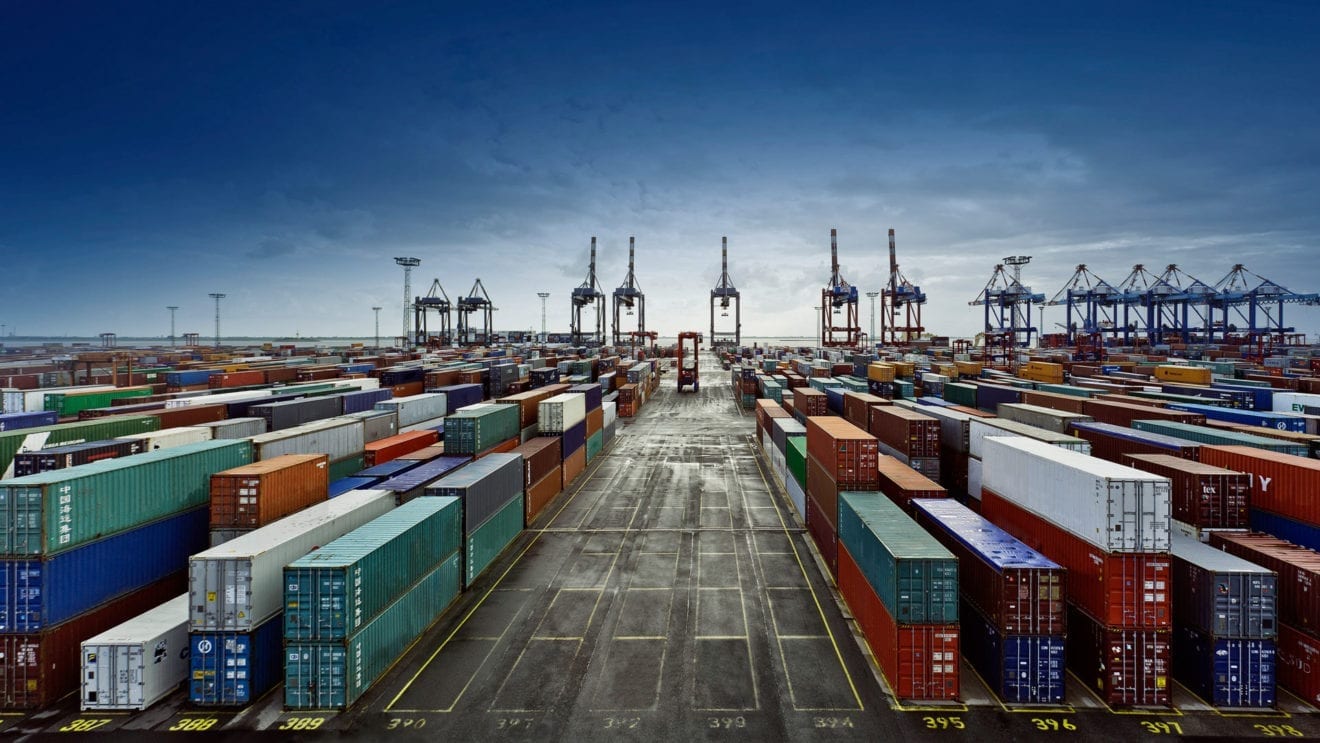
    The Vietnam Steel Association wants the ban on metal scrap waived so that its members can continue importing it as feedstock.

    Making steel from steel and iron scrap is an environment-friendly process, which produces only a fifth of the emissions as using iron ore, the VSA said in a letter to the Ministry of Natural Resources and Environment.

    China has been restructuring its steel industry in recent years to prioritize using metal scrap, and a similar trend can be seen in the U.S. and EU, it said.

    Since the supply of metal scrap in Vietnam can only meet 40 percent of their needs, steelmakers have to depend on imports for the rest, it said.

    The VSA petition follows a recent government order to stop import of scrap, which warned that Vietnam is on the verge of becoming the world’s dumping ground after China stopped scrap imports on January 1.

    The letter also proposed severe penalties for steelmakers violating import regulations and causing harm to the environment.

    Seventy two Vietnamese steelmakers imported over 2.6 million tons of metal scrap in the first half this year, mostly from Japan, the U.S. and Hong Kong.

    The figure is estimated to reach 19 million tons in the period from 2018 to 2020, according to the VSA.

  • Baemin robot gets job at Pizza Hut

    Baemin robot gets job at Pizza Hut

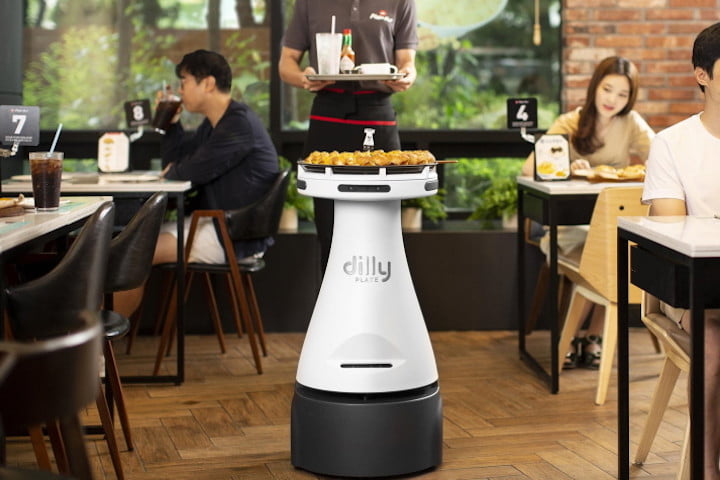
    Another day, another Dilly – or so the saying probably goes in Baedal Minjok’s head office.

    The food-delivery app’s Dilly Plate robot has started serving up slices at a Pizza Hut restaurant in Mok-dong, western Seoul, according to both companies on Wednesday. Dilly Plate, the new serving robot, is not to be confused with plain old Dilly, the delivery robot that the company has been working on since last year.

    Dilly Plate is a self-driving robot specifically designed for restaurants. Having first started working at the Pizza Hut restaurant on Monday, it will assist human employees in serving pizza for two weeks until Aug. 19.

    Dilly Plate can safely carry up to 22 kilograms (48.5 pounds) at once – a limit that is unlikely to be tested in Pizza Hut – and lasts eight hours on a single charge. The robot uses a 3-D camera and sensors to control its movement. It automatically stops and avoids obstacles and people.

    A spokesman for Baedal Minjok, or Baemin, explained that Dilly Plate can move quickly, but in Pizza Hut, the speed has been limited to a human walking speed for the safety of both customers and pizzas.

    “The store will have people walking around, and there may be emergency situations like collisions if Dilly moves too fast,” he said.

    Dilly Plate was developed by Bear Robotics, a U.S. start-up co-founded last year by John Ha, a former Google engineer originally from Korea. In April, Baemin invested $2 million in the venture in exchange for convertible bonds.

    Dilly Plate is modeled after Penny, a robot that found employment at Ha’s restaurant in California.

    Dilly Plate will be the first server robot introduced in Korea. Before it could begin work in Pizza Hut’s Mok-dong restaurant, Baemin had to map out the store and install it in the robot’s software.

    “We’re looking forward to Dilly’s performance [and hoping it will] unburden human staff from having to carry pizzas,” said Cho Yoon-sang, a senior marketing executive at Pizza Hut Korea. “This way, human servers will be able to focus on providing quality service to our customers. We decided [to hire] Dilly with hopes of enhancing work efficiency and improving customer service.”

    Baemin is hoping that the two-week trial will give more actual data regarding Dilly Plate’s operation, with the goal of introducing the server robot at more restaurants in the future.

    “In terms of the technology, Dilly Plate is already available for mass production,” said a Baemin spokesman. “But mass production is expensive, and we need to know whether Dilly is truly marketable. So the trial is to see whether Dilly Plate offers a real-life benefit to restaurants and their staff.”

    Baemin has been investing in robots since last year, aiming to develop robots that deliver food to consumers’ doors. The original Dilly had its first successful test run at a food court in Cheonan, South Chungcheong, in May. The plan is to gradually expand original Dilly’s boundaries from indoors to outdoors until it is able to fully run on its own on the streets.

  • Robots replace waiters in Alibaba diners

    Robots replace waiters in Alibaba diners

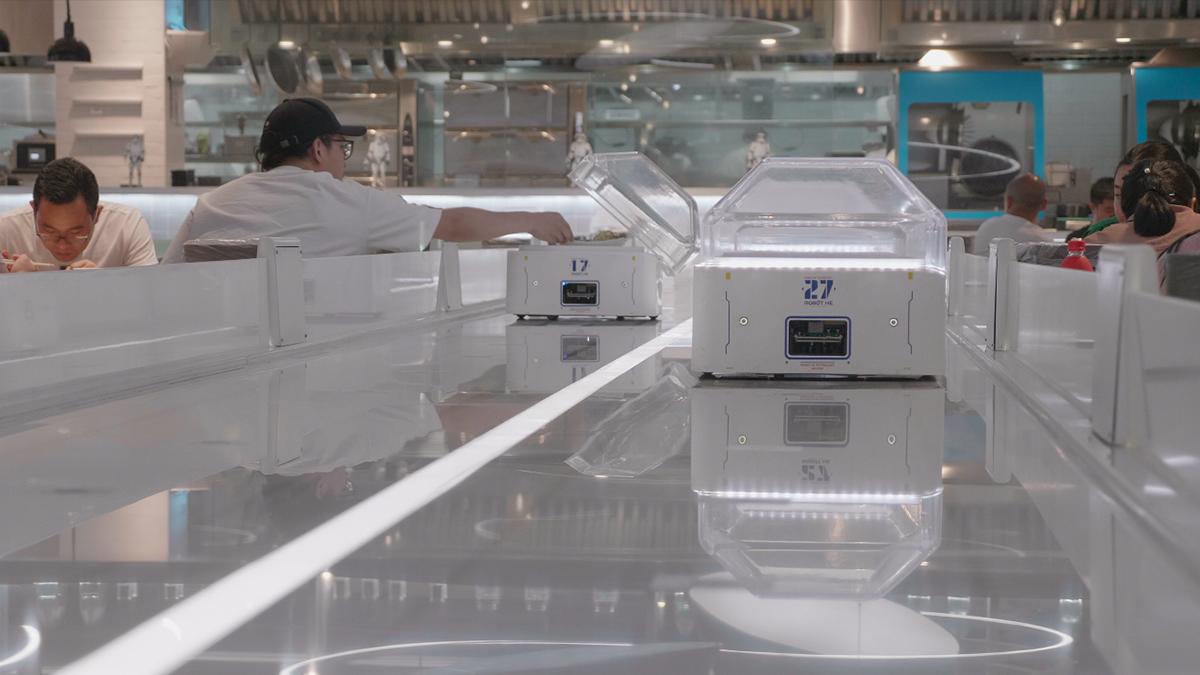
    Alibaba has launched a series of diners staffed by robotic waiters.

    The initiative is designed to offer a restaurant service with higher efficiency and lower overheads on staff.

    Alibaba product manager Cao Haitao, who brought the concept to fruition, said, “In Shanghai, a waiter costs up to 10,000 yuan (US$1465) per month. That’s hundreds of thousands in cost every year. And two shifts of people are needed. But we don’t need two shifts for robots and they are on duty every day.”

    The diners are linked to another Alibaba-backed semi-automated business concept, Hema supermarkets, in which goods are brought to customers on a conveyor track when ordered in-store via a mobile app. There are currently 57 Hema supermarkets throughout China, and all of these will eventually launch diners with robotic waiters.

    The serving robots are comparable in size to a microwave oven and navigate the restaurants on purpose-built tracks at table height.

  • Harvey Norman open door in Johor Malaysia

    Harvey Norman open door in Johor Malaysia

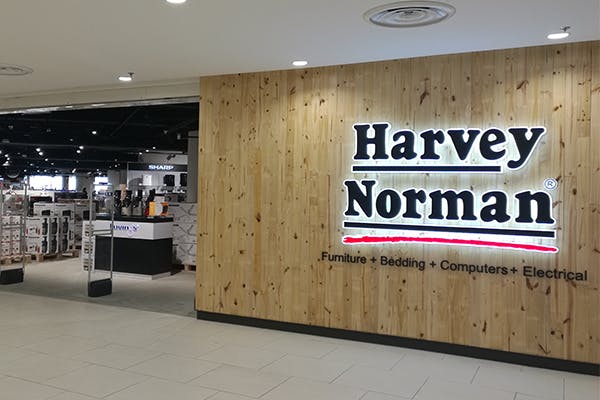
    Australian furniture retailer Harvey Norman Malaysia has opened its first store in Johor, at Paradigm Mall.

    Harvey Norman Asia MD Kenneth Aruldoss said the opening was timely as Johor has an impressive market thanks to rapid economic growth.

    The store also offers the retailer’s “Shop with Confidence” campaign which offers price guarantee.

    “This means that when customers buy a product from Harvey Norman and later find the same item at a lower price at another store, we will match the lower price and top up 10 per cent of the price difference within 10 days,” Aruldoss said.

    Another Johor store will be opened in SouthKey Mid Valley Megamall within the next three months while the third store is expected to open its doors in Tebrau, site of the Ikea-anchored Toppen shopping centre, early next year.

    Harvey Norman Malaysia has opened 17 stores so far, and plans to increase the network to 43 within 10 years.

  • Indonesia Gov’t to Offer Microloans to Tourism Sector SMEs

    Indonesia Gov’t to Offer Microloans to Tourism Sector SMEs

    The government will start disbursing subsidized loans to micro, small and medium enterprises by end of this month to increase revenue from the sector and boost the country’s foreign exchange reserves.

    The government previously only allocated such loans towards migrant workers and SMEs in the trade, agricultural, service, manufacturing and fisheries sectors. It has earmarked Rp 120 trillion ($8.3 billion) for SMEs this year, or 12 percent more than last year.

    “We expect SMEs in tourism to encourage optimization of the development of the sector, especially in the 10 priority tourist destinations and 88 national tourism strategic areas,” Iskandar Simorangkir, deputy for macro-economic coordination and finance at the Coordinating Ministry for Economic Affairs, said at a press conference in Jakarta on Wednesday (08/08).

    Tourism contributed around $16.8 billion to Indonesia’s foreign exchange last year, second only to the palm oil sector. The government seeks to increase this by 20 percent to around $20 billion this year.

    President Joko “Jokowi” Widodo’s administration has been promoting new tourist destinations in Indonesia, known as the “Ten New Balis.” These include Borobudur Temple in Central Java; Jakarta’s Thousand Islands; Lake Toba in North Sumatra; Tanjung Kelayang in Bangka Belitung; Tanjung Lesung in Banten; Mandalika in West Nusa Tenggara; Bromo-Tengger-Semeru National Park in East Java; Labuan Bajo in East Nusa Tenggara; Wakatobi in Southeast Sulawesi; and Morotai in North Maluku.

    The loans will be disbursed by 41 banks and nonbanking institutions and carry an interest rate of 7 percent. In comparison, state-controlled lender Bank Rakyat Indonesia charges 17.5 percent interest on unsubsidized microloans, while its peer, Bank Mandiri, charges 18.75 percent.

    Businesses such as travel agencies, art studios, souvenir centers, tour guides, tourism transportation services, food and beverage providers, accommodation establishments and handicraft industries can apply for loans of up to Rp 500 million under the program.

    The Ministry of Tourism is optimistic that it will meet its target of attracting 17 million foreign visitors to Indonesia this year, especially with international events such as the 2018 Asian Games and the annual meetings of the World Bank and International Monetary Fund.

    Jokowi asked ministers last month to seek ways to develop the tourism sector across the archipelago as part of efforts to narrow the country’s current-account deficit and bolster the rupiah.

    The currency has lost 6.21 percent of its value against the greenback since the beginning of the year as investors leave emerging markets due to higher US interest rates and a looming trade war between the United States and China.

    Bank Indonesia has spent approximately $13.6 billion of its foreign exchange reserves between February and June to defend the currency. Its foreign exchange reserves stood at $118.3 billion in July.

  • Asiana Airlines mired in the red for first half of 2018

    Asiana Airlines mired in the red for first half of 2018

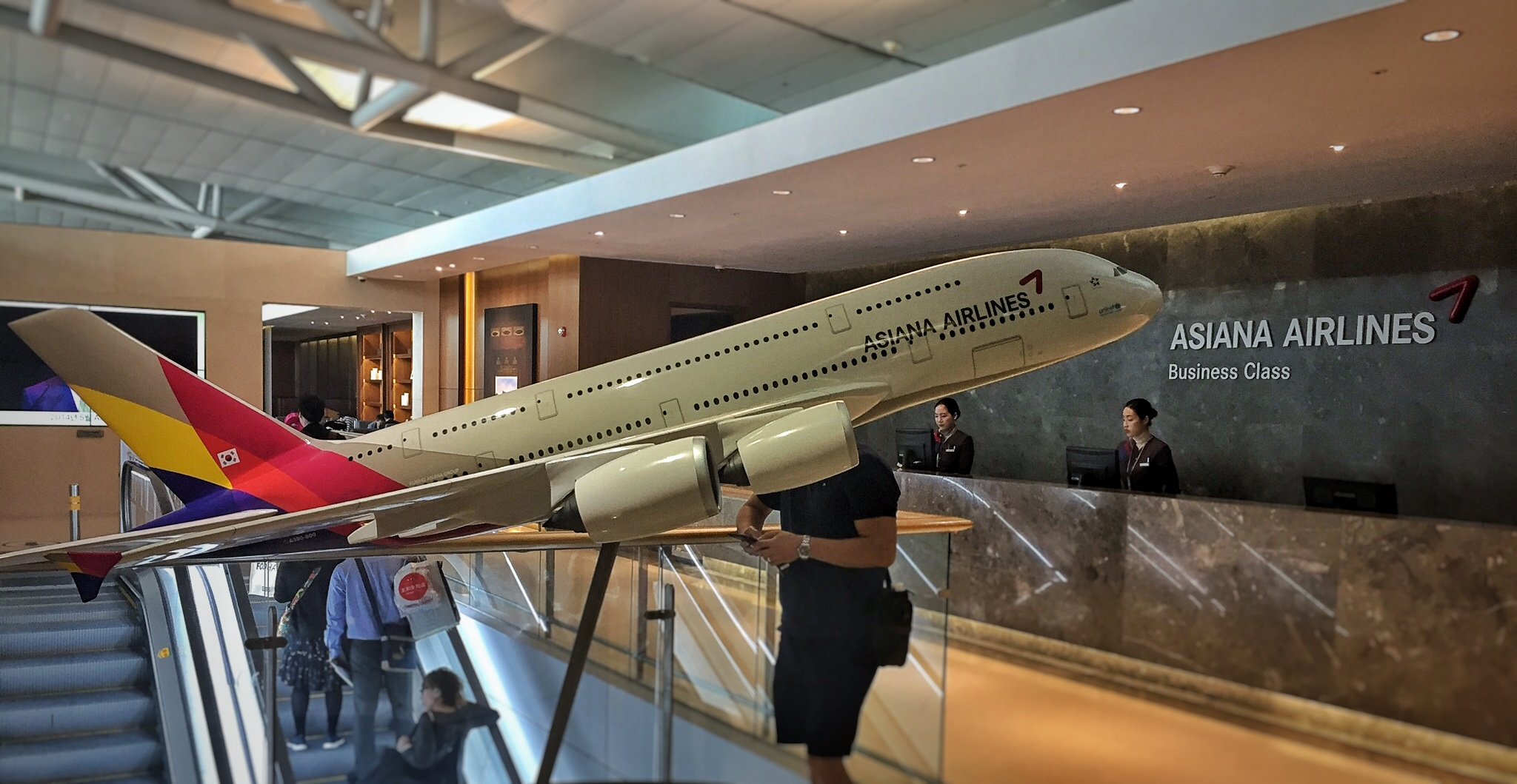
    Asiana Airlines, Korea’s second-biggest airline by sales, said Wednesday it swung to a net loss in the first half as a strong won drove up currency losses and fuel costs.

    Asiana Airlines reported it was in the red by 54.8 billion won for the January-June period, shifting from a net profit of 21.3 billion won a year earlier, the company said in a statement.

    “The airline suffered 72.6 billion won in foreign exchange losses during the first six months due to the won’s strength against the dollar, swinging from foreign exchange gains worth 63.7 billion won a year ago,” an Asiana spokesman said.

    Higher jet fuel prices also weighed on first-half results, he said.

  • Sanrio x Megology launches new capsule collection

    Sanrio x Megology launches new capsule collection

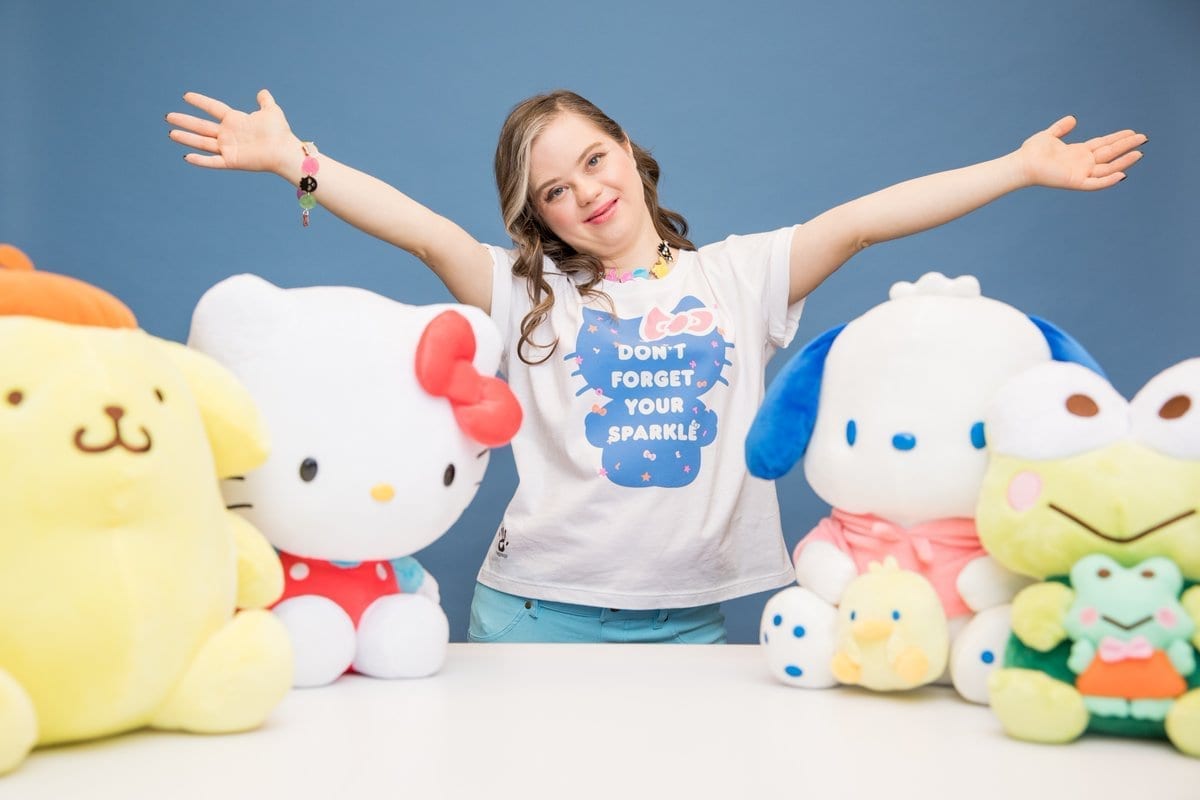
    Global lifestyle brand Sanrio has teamed up with artist, entrepreneur and Megology brand founder Megan Bomgaars to create Sanrio x Megology, a new capsule collection of fashion graphic t-shirts.

    Megan Bomgaars is a self-advocate with Down syndrome who shares her life experiences to inspire and encourage others. The Sanrio x Megology collection (officially marketed with a heart symbol in place of the x) comprises fashion t-shirts and sweatshirts, produced in partnership with apparel manufacturer Jerry Leigh.

    The range combines Megan’s creative designs and motivating mottos including ‘Don’t Limit Me’…’I Can, I Will’…’Don’t Forget Your Sparkle’ with bold graphics of her favorite Sanrio characters including Hello Kitty and Badtz-Maru.

    “My partnership with Sanrio x Megology is my biggest dream come true,” says Bomgaars. “I’ve always loved Hello Kitty and now she’s my best friend! We have a lot to say with her heart and my voice!  Don’t limit us!”

    Bomgaars is one of the stars of the Emmy Award-winning A&E docu-series Born This Way, which follows a group of young adults born with Down syndrome who pursue their passions and lifelong dreams, while defying society’s expectations. The fourth season of the show premieres August 15 at 8pm on A&E in the US. Recently, she composed a popular video called, “Don’t Limit Me” about her experiences and beliefs about being fully included in her community while overcoming limitations.

    As an artist, Megan has taken a lifetime of creative experiences and turned them into a full-time passion with her Megology brand. As a surface design artist, she creates original, one-of-a-kind textiles and fabrics by incorporating unusual techniques such as dyeing with ice, manipulating fiber reactive dyes and the use of colorants. Megan’s signature techniques are fused into the Sanrio x Megology collection.

    “Megan is an inspiration to so many and her positive messages align perfectly with Sanrio’s ‘small gift, big smile’ philosophy,” says Craig Takiguchi, COO of Sanrio, Inc. “It has been a pleasure working with Megan to bring her dream collection to life. Through her creative designs and favorite Sanrio characters, we are able to continue spreading Megan’s messages of encouragement and motivation to fans of all ages.”

    The Sanrio x Megology collaboration will be available in adult, girls and boys sizes. The collection is available at sanrio.com; megology.com and in selected Sanrio stores, including the Sanrio flagship store located at Japanese Village Plaza in downtown Los Angeles.

  • Mitsubishi Motors bolsters crossovers sales

    Mitsubishi Motors bolsters crossovers sales

    Mitsubishi Motors Vietnam managed to boost its sales via crossovers while eyeing the expansion of manufacturing and assembly in the country.

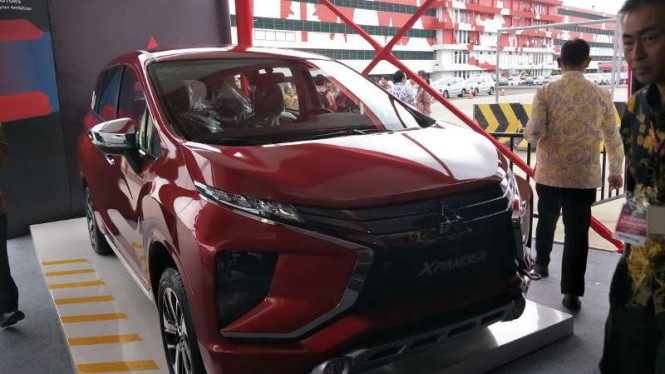
    The firm (MMV) yesterday debuted the all-new Xpander, a next-generation crossover MPV, in Vietnam.

    Manual and automatic models of the seven-seat car will be imported from Indonesia, with orders starting in September, and cost VND550 million ($23,650) to VND650 million ($27,950).

    They will take on the Kia Rondo, Suzuki Ertiga and Toyota Rush.

    The auto maker has to yet reveal the import scheme for Xpander, which won Indonesia’s Car of the Year award this year from leading tabloid Otomotif.

    Early this year, even as many other automakers were struggling to import cars following the introduction of stringent technical regulations by the government’s Decree No. 116, Mitsubishi launched the domestic-assembled crossover Outlander and gained positive cues.

    More than 1,000 Outlander units were sold in the first half of this year, or one third of the total sales.

    Meanwhile, the extensive operations of MMV is under consideration.

    The company has reportedly discussed locations for its second plant in the country with the central province of Nghe An and the southern province of Long An. The first is in Binh Duong province near Ho Chi Minh City.

    The proposed plant, would cost around $250 million and have an annual capacity of 30,000 – 50,000 units, vice chairman of Mitsubishi Motors Corporation, Kozo Shiraji, told Deputy Prime Minister Vuong Dinh Hue during a meeting in January.

    The factory is likely to begin production in 2020.

  • Tommy Hilfiger launches a smart clothing collection

    Tommy Hilfiger launches a smart clothing collection

    Luxury-apparel retailer Tommy Hilfiger has released a “smart clothing” collection equipped with Bluetooth.

    The new Tommy Jeans Xplore smart-clothing range has Bluetooth chips embedded in the fabric, allowing the garment’s movements to be tracked by an app and wearers to be rewarded for having them on while physically visiting locations marked by branded icons on a map. Points earned in the game can be exchanged for gift cards, signed merchandise, runway shows and concert tickets, product discounts, and charity donations.

    A statement released by the brand read: “We’ve always been at the forefront of digital innovation, using technology to deliver what our customers are looking for – unique experiences and instant gratification… Tommy Jeans Xplore is the next evolution of our vision, reaching consumers where they are and inviting them to be a part of the brand experience.”

    Liron Slonimsky, CEO of technology at Awear Solutions (which developed the Bluetooth technology in the items) added: “Never before has a brand been able to understand how the consumer truly uses the product after it leaves the store. Tommy Hilfiger’s innovative history has shown that they understand what consumer engagement truly is and we knew they would be the perfect partner to launch Awear Solutions to the market.”

    Not all reviews of the new clothing concept are positive, with various articles dubbing the product line “creepy” and “ridiculous”. A Techradar.com review observed “The Tommy Hilfiger brand is usually quick to embrace new technology, but this isn’t exactly a big innovation. It’s essentially just a tracker to keep an eye on how often you wear the clothes, making it a glorified loyalty scheme.

    “Perhaps the even bigger question is how much data Tommy Hilfiger will be recording from those who are wearing the clothes and how will that be used?”

  • Philippine economy slows down to 6% in Q2 2018

    Philippine economy slows down to 6% in Q2 2018

    The Philippine economy slowed down to 6% during the 2nd quarter of the year, the Philippine Statistics Authority (PSA) said on Thursday, August 9.

    The gross domestic product (GDP) from April to June 2018 is lower than the revised 1st quarter figure of 6.6%. The growth is also slower than the 6.7% recorded during the same period last year.

    It also fell short of market expectations. Estimates had ranged from 6.6% to as high as 7%.

    Socioeconomic Secretary Ernesto Pernia attributed the slowdown to policy decisions which would “promote sustainable and resilient development.”

    Pernia said the closure of Boracay “partly made a dent on the economy with growth in exports of services slowing to 9.6% in the 2nd quarter from 16.4% in [the] 1st quarter.”

    “We are also referring to regulations in the mining sector – the closure of several mining pits and the excise tax on non-metallic and metallic minerals – so that mining and quarrying sector showed a lackluster performance. It is down by 10.9%,” Pernia said.

    “Moreover, the stricter enforcement of regulations on aquaculture producers at Laguna Lake resulted in the drop of freshwater fish catch,” he added.

    Pernia said the measures will ensure sustainable and long-term growth for the economy. The policy decisions were also “prudent and judicious.”

    The GDP is used by various agencies and experts to track the country’s growth. The figure accounts for all the finished goods and services produced within the country in a specific period.

    Build, Build, Build push

    According to the PSA, the growth in the 2nd quarter of the year was mainly driven by manufacturing, trade, and construction.

    Pernia called for the “timely implementation of the Build, Build, Build program” as it “bodes well [for] the construction industry and is seen to boost not only public construction but private builders as well.”

    He is also pushing for the immediate entry of the 3rd telecommunications player to enhance efficiency of communications and in turn support the growth of small businesses, particularly retail trade.

    The socioeconomic planning chief also sought the “immediate approval of the 11th Regular Foreign Investment Negative List, or FINL… to reduce foreign investment restrictions.”

    “Together with the proper implementation of the Ease of Doing Business Act, this will surely encourage more investments from both foreign and domestic sources,” Pernia added.

    Economic managers are gunning for GDP under President Rodrigo Duterte’s term to hit an average of 7% or above.

    First Metro Investment Corporation is among the most bullish on the economy and expects the Philippines to hit the target this year.

    “[The growth is] not a product of any speculation, but of brisk economic activities related to manufacturing, construction, and retail trade with strong job creation and corporate earning impact,” First Metro vice president and head of research Cristina Ulang said.

    Pernia previously said the GDP would have been better if not for “spoiler” inflation.

    Moody’s Analytics forecast the slowdown of the GDP due to inflation hitting a 5-year high and breaching the target range of 2% to 4%.


  • NBA to close its PH stores this August

    NBA to close its PH stores this August

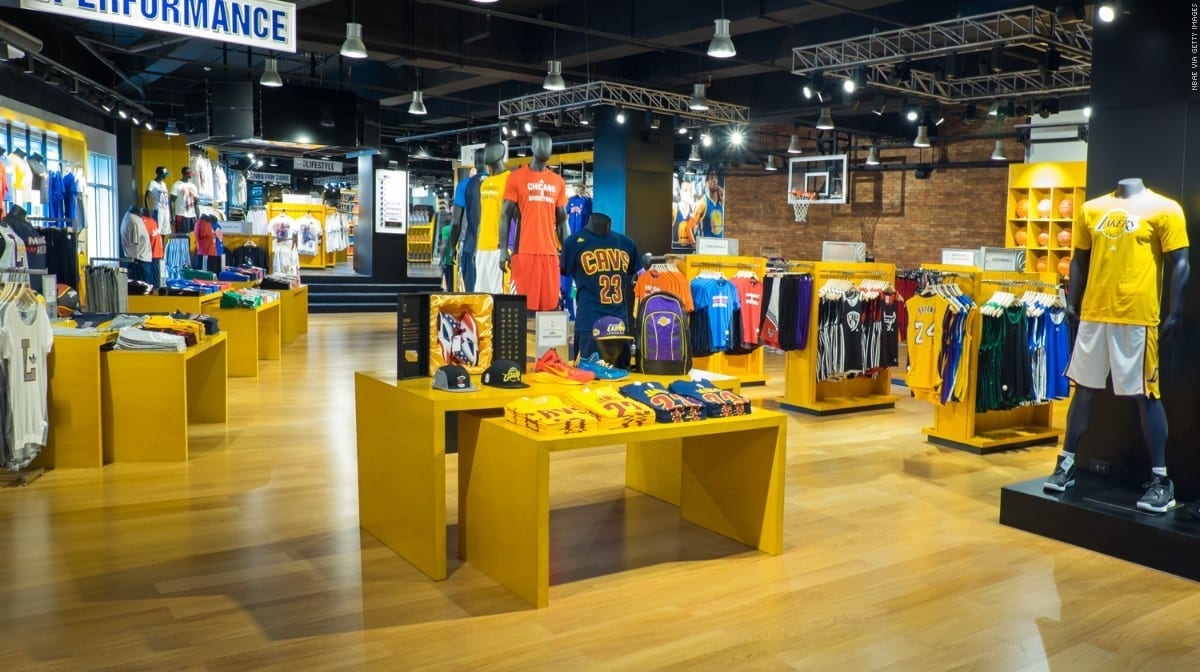
    NBA Philippines said on Thursday it will shut down stores this month after ending its agreement with its retail operator.

    It will begin closing down its branch in SM Megamall on August 12, followed by Ayala Cebu on August 15.

    On August 30, NBA Philippines will close down its branch in TriNoma and e-commerce website, NBAStore.com.ph.

    “Fans can visit Select Nike, Titan, and Toby’s Sports Stores for NBA merchandise,” it announced on social media.

  • How Ikea makes local shoppers feel at home in its stores across the world

    How Ikea makes local shoppers feel at home in its stores across the world

    Ikea’s blue-and-yellow stores are instantly recognizable: iconic, monolithic and now, as India’s first store throws open its doors to the masses, operating in more than 400 stores in some 50 countries.

    But while every branch of the world’s largest furniture retailer has that most unmistakable whiff of flat-pack conformity, regional differences do exist — not least where their famed Swedish meatballs are concerned. In many countries, the Ikea business model has been subtly tweaked to fit local preferences and customs. Opening hours are altered, menu options are adjusted and very occasionally, women are airbrushed out of catalogues.

    Here’s how a multinational company built on the principles of mass production caters to national tastes.

    The Restaurant

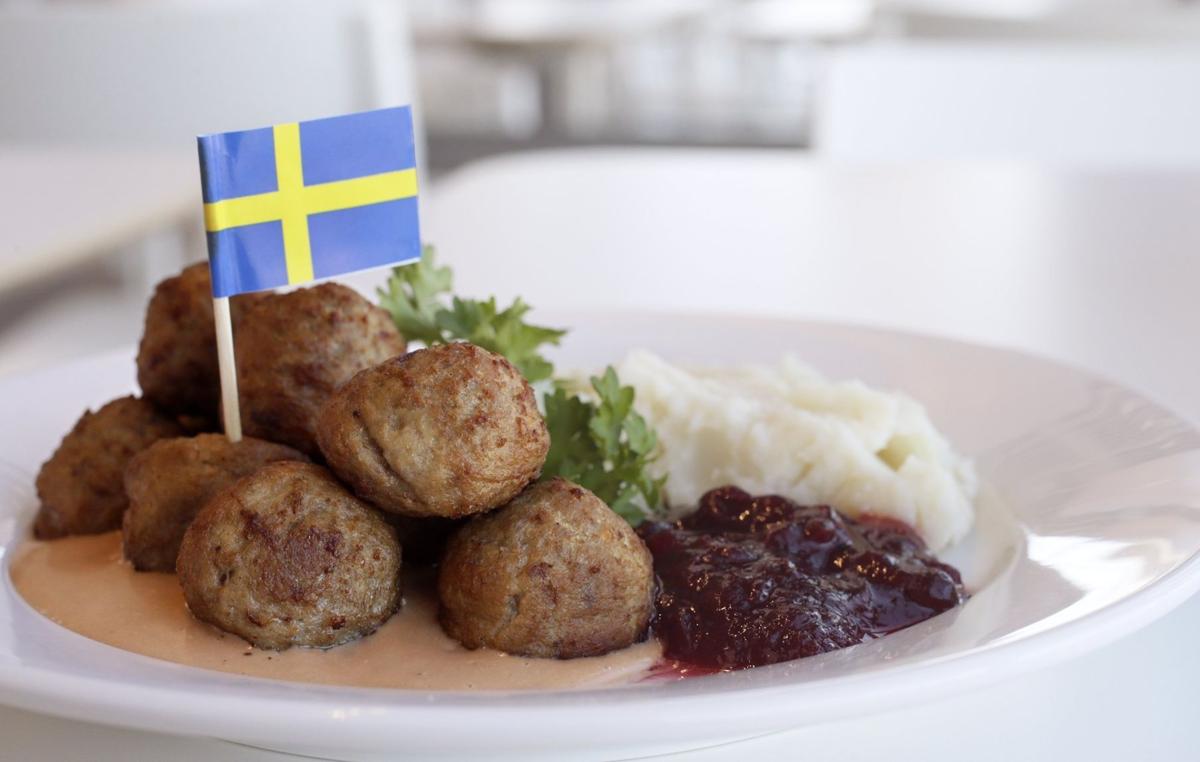
    The cafeteria in Ikea’s new Hyderabad store will have 1,000 seats; what it won’t have is Swedish meatballs. Out of respect for Hindu beliefs, the pork-and-beef dish will be dropped from the menu in favour of chicken meatballs, biryani, samosas and vegetarian hotdogs.

    It’s not the first time the retail giant’s best-known meal has got mixed up in religion. In 2013, traces of horsemeat were discovered in batches from a Swedish supplier, forcing Ikea to release statements in Malaysia and the United Arab Emirates reassuring customers that the pork-free “Swedish” meatballs in those countries were halal certified (and not, in fact, produced in Sweden).

    Most often, menus are tweaked simply to appeal to regional tastes: Crayfish in Japan, fish and chips in the UK, shawarma in Dubai. In a daring move that would pit popularity against convenience, Ikea’s menu may yet become available without a diner having to go anywhere near a stick of furniture: the company is reportedly considering opening standalone restaurants in the US, although “no decisions have been made,” according to a spokesperson.

    The Catalog

    Unsurprisingly, the product lines in the catalog vary somewhat from country to country: the kitchenware section in India will feature spice boxes and idli (rice cake) makers, according to the AFP, while its Chinese cousin goes heavy on woks, cleavers and steamers.

    The catalog itself has been more controversial. A woman-free catalog was produced last year for Israel’s ultra-Orthodox community by the company’s local franchisee, featuring photographs of men and boys only. Ikea later apologized, but the furore can’t have come as a surprise: in 2012 a Saudi catalog appeared with some photos of women airbrushed out, sparking a similar response.

    The Floor Space

    In densely-populated Hong Kong, where flats are typically small and the streets are crowded, Ikea is a place to relax as well as shop. The soft-furnishing section is often crowded with locals taking an air-conditioned break from the city, lounging around on the sofas. Meanwhile, in mainland China, shoppers make themselves even more comfortable: it’s common to find people sleeping in the display beds and armchairs, a habit that isn’t tolerated so readily in other parts of the world.

    Limited space is an issue for the company itself in crowded European capitals like London, Stockholm and Madrid, where it’s opened small-scale stores of less than 1,000 square meters. That’s good news for the maze haters who can’t stand following the arrows around a typical big-box Ikea, which typically sprawls across 25,000 square meters.

    Home Sweet Home

    The local touches aren’t just in-store — they follow you home. Hong Kong deliveries are priced depending on the number of steps up to your apartment (perhaps not unreasonable in such a high-rise city). In the US and UK, you can have your self-assembly furniture built for you using TaskRabbit, an online service that matches freelance labour to one-off jobs, which was acquired by Ikea in 2017. In London, having your kitchen assembled could set you back anywhere between about £13 and £52 ($17 to $67) an hour. Meanwhile, in Dubai, the local assembly service will charge you about 300 dirhams ($82) for the entire job.

    Does the thought of all this global mega-retail have you itching for a long evening browsing the modular storage systems? Head to Hyderabad. In a part of the world where many people’s day starts and ends late, Ikea’s newest branch will be open to 11 pm — a full three hours later than branches in the chain’s home country.

    If, however, you’ve suddenly gone right off the idea of leaving your tastefully furnished house, don’t worry, you can now shop online for your stainless steel shelving, your printed cotton pillowcases — and sometimes even your meatballs — in all but a handful of Ikea’s markets.
  • Canada Goose shares jump on smaller-than-expected loss

    Canada Goose shares jump on smaller-than-expected loss

    Luxury parka maker Canada Goose reported a smaller-than-expected first-quarter loss on Thursday, amid growing revenue from its direct-to-consumer business.

    The Toronto-based company reported a net loss of $18.7-million, or 17 cents, in the quarter ended June 30, narrower than analyst expectations for a loss of $22.3-million, or 21 cents. It posted a loss of $12.1-million, or 11 cents, a year earlier.

    Canada Goose shares surged as much as 6.5 per cent in Toronto in early trading and were up 4.6 per cent at $76.07 at 9:34 a.m. ET (1334 GMT).

    The maker of $900-parkas has been focused on expanding margins by taking more control of its manufacturing and retail sales. Largely cushioned from the retail industry’s struggles by its luxury pedigree, it is opening more of its own stores, pushing into China and Hong Kong, and has expanded into new product lines including knitwear.

    The company’s gross margin jumped to 64 per cent in the quarter from 47 per cent a year earlier.

    Canada Goose maintained forecasts for its 2019 fiscal year of annual revenue growth of at least 20 per cent and adjusted net income per share expansion of at least 25 percent.

    Investors have rewarded the company, with its shares up 83 per cent this year, versus a minuscule gain of 0.6 percent in the Toronto Stock Exchange’s S&P/TSX composite index.

    The company operates seven stores around the world, with another three set to open in North America by year-end.

    It said in May it will open a store each in Beijing and Hong Kong with partner ImagineX Group this fall, and will start e-commerce sales in China through Alibaba Group’s Tmall. It has said it plans to open up to 20 stores by the end of 2020.

    “Productivity across our retail store network in this off-peak period was exceptional, reducing the loss impact of our strategic growth investments and giving us a favorable tailwind for the rest of the year,” Chief Executive Officer Dani Reiss said in a regulatory filing.

    Revenue grew 58.5 per cent to $44.7-million in the first quarter, driven by the direct-to-consumer division — its own stores and online sales — which rose to $23.2-million from $8.3-million a year earlier. Wholesale revenue increased to $21.5-million from $19.9-million.

  • Net1 Indonesia Quick Response on the Lombok Earthquake

    Net1 Indonesia Quick Response on the Lombok Earthquake

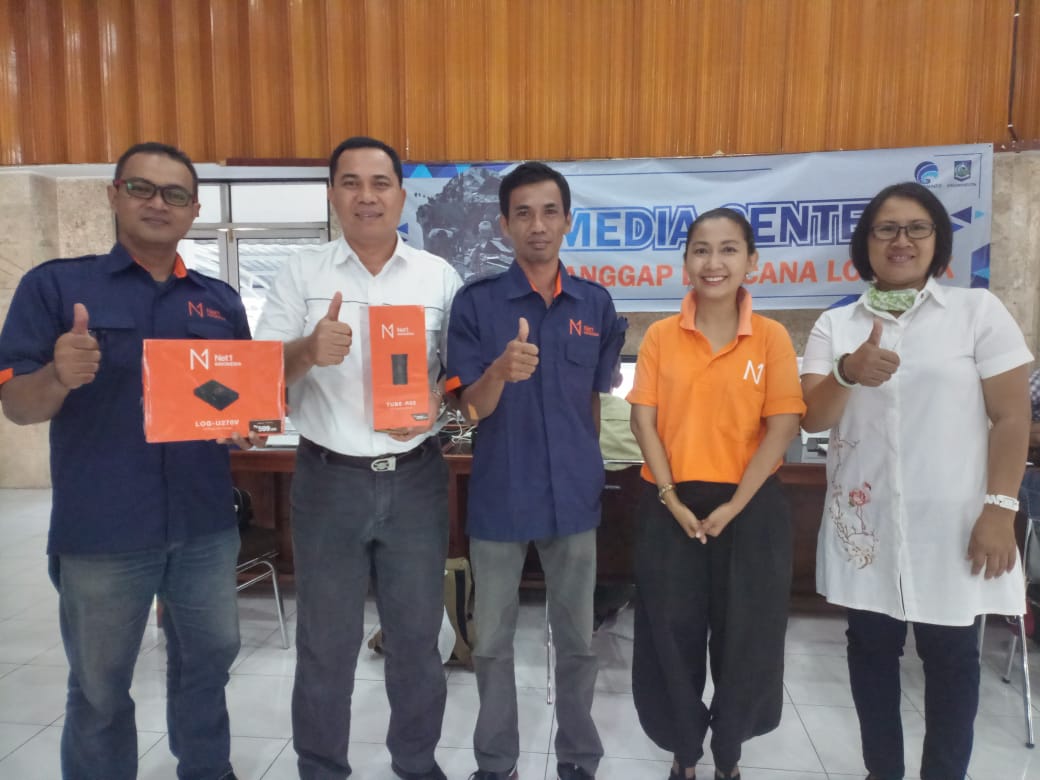
    Net1 Indonesia is quick responding towards the earthquake in Lombok Island, West Nusa Tenggara (NTB) by providing Free WiFi access for refugees in evacuation area. To implement the social action, Net1 Indonesia collaborates with Communications and Informatics Office (Kominfo) of Province West Nusa Tenggara. Net1 has donated 100 WiFi devices to the office to be distributed and installed in several evacuation areas.

    This caring action is part of Net1 Indonesia’s Corporate Social Responsibility (CSR) to relieve the burden of victims affected by the Lombok earthquake, which killed 113 people, injured 236 people and thousands others homeless caused of severe damage. Until Tuesday (8/8), aftershocks still occurred after the earthquake with a magnitude of 7 hit Lombok Island, West Nusa Tenggara, on Sunday (5/8).

    “We received information from our area team in West Nusa Tenggara that telecommunication access was down, while many people were still looking for their family members. Telecommunications access will facilitate people and their families to communicate and update each other on their conditions,” said Larry Ridwan, CEO of Net1 Indonesia.

    With the support of telecommunication access and internet from Net1, shelters around the disaster area can be an information hub to update informations related to the disaster, including the possibility to find people who separated from their family. The WiFi devices installation in the shelters is possible to be extended based on situation and condition in the natural disaster area.

    “We will distribute the one hundred devices to 48 sub-districts in Mataram City, and in the districts including North Lombok, Central Lombok, West Lombok and East Lombok. So far, the worst damage occurs in North Lombok with 78 death toll. We are excited since Net1 is very quick responding to fulfill the need of telecommunication and internet access. Telecommunication access in Lombok and its surrounding was down when people urgently need to contact and update their conditions to family and relatives,” revealed Tri Budiprayitno, Head of Kominfo Office in West Nusa Tenggara Province.

    “We hope this disaster will pass soon, so people can recover and resume to their activities,” Larry added.

    Because of the magnitude of the earthquake, a number of telecommunication infrastructure in Lombok damaged, but the damage did not affect the network and range of Net1 Indonesia 4G LTE. Net1 Indonesia’s networks and signals are normally operating at 450MHz frequency to provide adequate telecommunications access for its customers and victims.

    Net1 Indonesia also encourages Sentra Net1 which spreaded across Bali and Lombok Island to play an active role in providing technical repair if there are customers’ devices damaged because of earthquake. Please visit net1.co.id for more information.

  • Pink Parlour opens new Malaysia store

    Pink Parlour opens new Malaysia store

    A second Pink Parlour location is popping up in Malaysia.

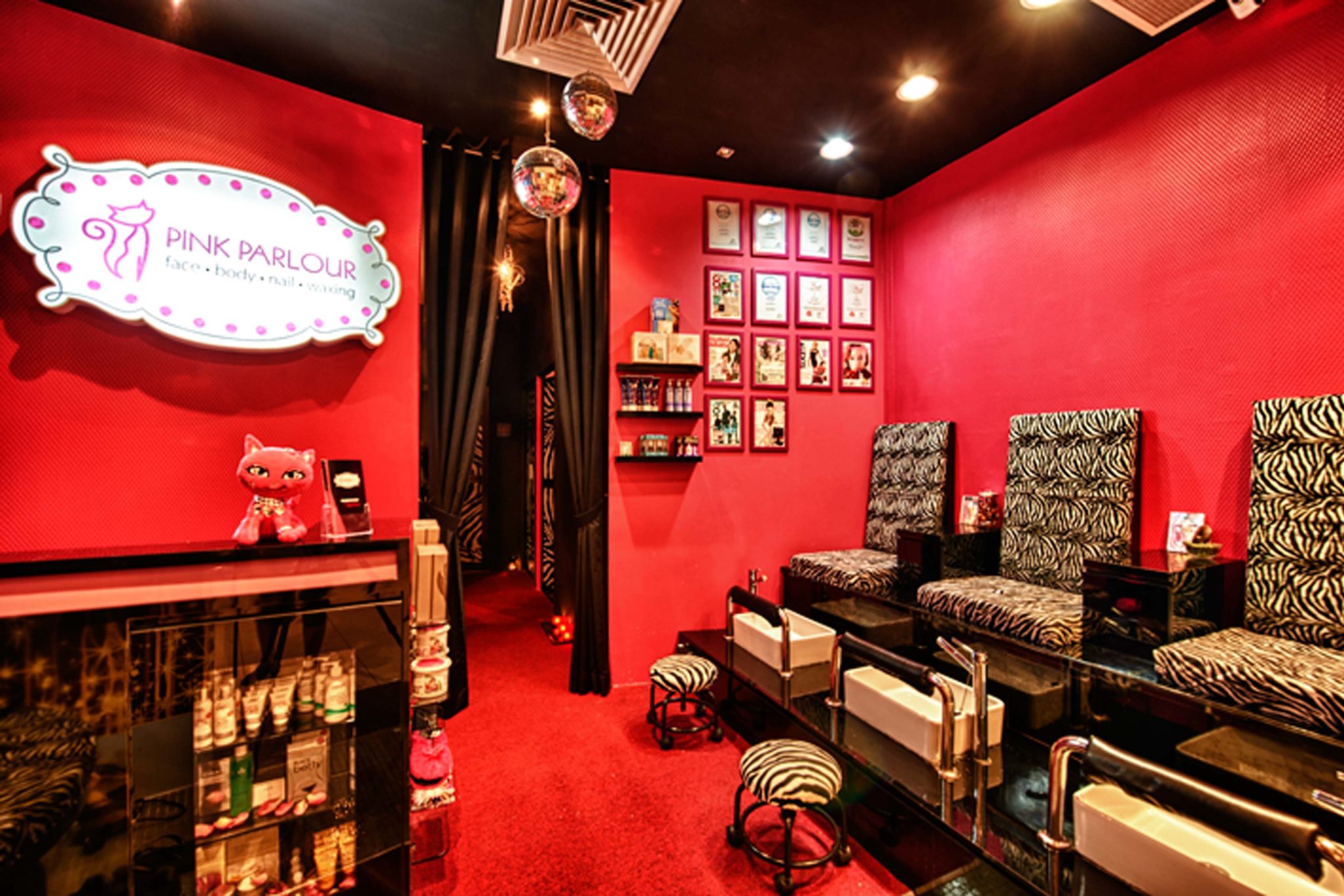
    Opening in the city of Johor Bahru inside the KSL Mall, the lifestyle concept store will offer Pink Parlour beauty treatments, as well as serving as a café and retail space, according to a press release from Singaporean owner and operator, Parlour Group.

    Inside, the store’s front area will feature a café teashop and a retail spot, selling various pink-coloured products, matching the pink aesthetic of the Singapore salon.

    Out back, Pink Parlour’s waxing salon will be located, alongside a Senses area, the company’s second foot reflexology massage outlet.

    The new hybrid store – decked out in the brand’s signature fuchsia pink – is focused on innovation, and allows consumers to enjoy a holistic shopping and beauty experience.

    The new branch will be second store to bow in Malaysia after its first store opening in Kuala Lumpur’s Sunway Putra Mall just two years ago.

    Following the success of Parlour Group’s first location, the decision to create this brand new concept store signals positive receptivity in the Malaysian market.

    Fairoz Karim, one of the company’s established franchise partners in Malaysia, will operate the location.

    “Having seen [Pink Parlour’s] encouraging growth and support in Kuala Lumpur, I am truly excited to expand the business and open its second outlet in the hustling city of Johor Bahru,” said Karim.

    “Johor Bahru Malaysia KSL Mall has proven to be a prosperous commercial space, attracting hundreds of customers looking for upscale, professional beauty services, on a daily basis.

    “I look forward to seeing what the future holds for this new location in KSL mall and continuing our mutually beneficial business relationship with Parlour Group from Singapore.”

    Founded in 2005 by Singapore beauty veteran Wendi Chan and sales maven Derrick Seeto, Pink Parlour started out from a lack of modern beauty salons in Singapore.

    Today, the group operates 15 Pink Parlour outlets across Southeast Asian metropolitan cities such as Singapore, Kuala Lumpur, Manila and Jakarta.