Author: Mei Ling Tan

  • Crocs Philippines Launches Brand Ecommerce Website

    Crocs Philippines Launches Brand Ecommerce Website

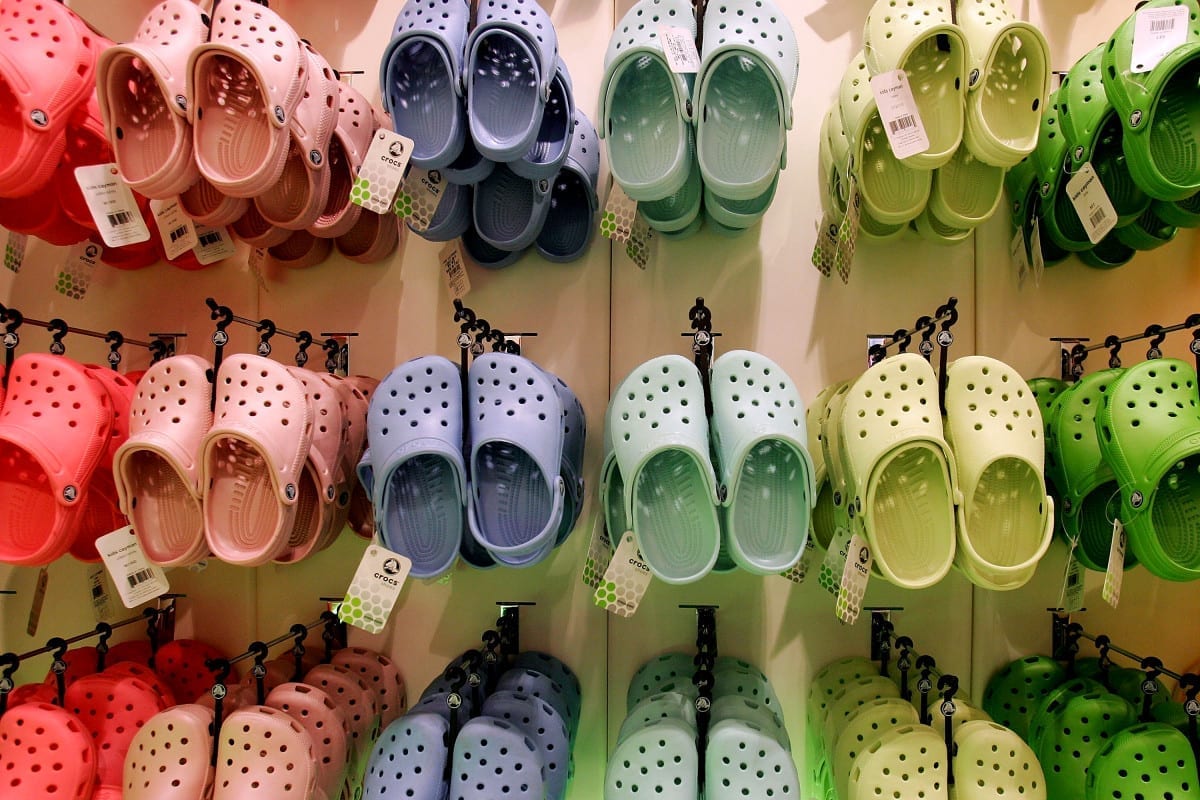
    Catering to the growing demand of online shoppers in the Philippines, Crocs Philippines, the world leader of innovative footwear, officially announces the launch of its ecommerce website. Crocs Philippines has been working with aCommerce, the region’s leading brand ecommerce enabler to provide a frictionless online shopping experience for fashion-loving Filipinos.

    The team at aCommerce helped align the website to Crocs’ unique, stylish and playful market, with the new online shop including features such as:

    Find the Perfect Shoes

    Unlike your usual drop-down filter for colors and style, Crocs’ Find the Perfect Shoes incorporates visual and graphics to provide a fun and efficient way for shoppers to find their perfect pair of Crocs.

    Store Finder

    Online shoppers will also be able to locate Crocs’ stores nationwide with a Store Finder, a step towards offering a true omni-channel shopping experience in the near future.

    Crocs’ local ecommerce website also includes a section of ‘#ComeAsYouAre’, which is the company’s global campaign launched last year to celebrate the uniqueness of individuals and help more people get comfortable in their own shoes. This section of the website allows Filipinos to join Crocs’ global ambassadors like Drew Barrymore, YOONA and Henry Lau in sharing selfies, shoefie or favorite Crocs photos via @CrocsPH with hashtags: #CrocsPH #ComeAsYouAre.

    “Having worked with aCommerce to launch and operate our flagship store on Lazada Philippines, it was easy to extend our collaboration with aCommerce to launch our brand webstore. Since our Lazada launch, more shoppers are enjoying the comfort of Crocs especially in places where our concept stores are not yet present. We are excited to see further growth working with aCommerce.” Mark Christian Chan, President of Crocs Philippines.

    “With the success of their Lazada shop-in-shop, the team at Crocs came to us for help with their brand.com website. Having their own direct-to-consumer brand website offers opportunities to collect customer data, provide a customized online experience, and execute CRM strategies beyond what e-marketplaces are able to offer,” said Mandy, Group Director of Direct-to-Consumer Ecommerce at aCommerce.

    In the near future, Crocs will also partner with aCommerce on digital marketing services, such as performance marketing and influencer marketing to boost online sales. Currently, Crocs has a total of 57 stores in the Philippines. Its first ecommerce presence was established in April 2018, with aCommerce helping to launch the Crocs Lazada shop-in-shop.
  • Amazon India opens its largest fulfilment centre in Haryana

    Amazon India opens its largest fulfilment centre in Haryana

    Expanding its infrastructure footprint in India, online retail major Amazon India on Tuesday opened its largest fulfilment centre (FC) in Haryana with a view to enhance customer experience ahead of the festive season.

    Spread over close to 300,000 square feet with over 1.5 million cubic feet of storage space, the centre situated in Panchgaon will enable faster delivery to customers in the region, the company said in a statement.

    “With the launch of our largest fulfilment centre in Haryana, we now have a storage capacity of more than five million cubic feet in the state. The FC will enable sellers to use the local infrastructure, save capital and help them grow,” said Akhil Saxena, Vice President, Customer Fulfilment, Amazon India.

    The centre is expected to provide support to the local economy by enabling the growth of ancillary businesses such as packaging, transportation, logistics and hospitality across the state.

    It will cater to customer demand for products in categories such as smartphones, consumer electronics, appliances, fashion and consumables, Amazon India said.

  • Fung Retailing likely to sell Toys R Us stake

    Fung Retailing likely to sell Toys R Us stake

    Lenders owed funds from the collapsed Toys R Us North American business are trying to have a US court force Hong Kong’s Fung Group to sell its stake in the profitable Asian subsidiary.

    According to a report by Bloomberg, for which Fung Retailing did not respond to a request for comment, senior lenders have made an opening bid of US$760 million for Toys R Us Asia, of which Fung Retailing holds 15 per cent. That’s well below the $1 billion the company said in April it was likely to receive for the business several months ago, citing “multiple bids”. But now the company says it has been unable to get any of those bidders to commit, alleging “interference” by Fung.

    The lenders, which include York Capital Management Global Advisors, Barclays Bank and Cerberus Capital Management, plan to essentially swap debt for equity in the Toys R Us Asia business in what is termed a “credit bid”.

    The business goes to auction in a US bankruptcy court next month.

    However, according to Bloomberg, Toys R Us has asked a federal judge to invalidate Fung Retailing’s option giving it first right of refusal to purchase additional shares – and to force the Hong Kong company to sell its stake.

    Toys R Us Asia has repeatedly stressed its business was robust and profitable during the collapse of the US and then UK operations.

    The US toy retailer was unable to restructure its debt after filing for bankruptcy last year and has since progressively closed its operations in North America, the UK and Australia.

    Bloomberg says the liquidation sales may not bring in enough money to cover the cost of the bankruptcy, with suppliers, lawyers and former employees all seeking payment for services they provided after Toys R Us entered Chapter 11 last September.

  • Starbucks to open Reserve store in Malaysia

    Starbucks to open Reserve store in Malaysia

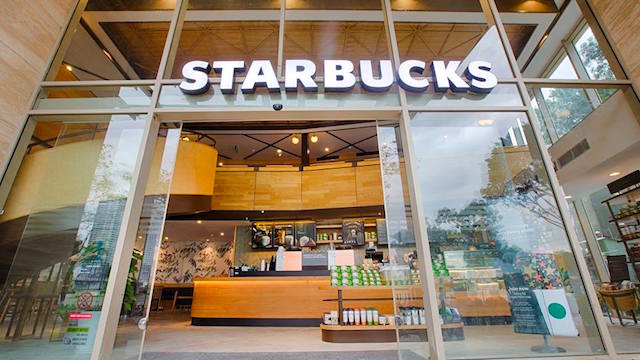
    Starbucks Malaysia is about to open its first Reserve store.

    Local franchise holder Berjaya Food plans to expand its existing Berjaya Times Square Starbucks outlet into the new up-market format.

    The brand has entered into a sale and purchase agreement to secure an 829sqft space adjacent to the existing café for a reported RM12.43 million (US$3.05 million). The space was purchased by investment firm Deru Klasik for RM3.83 million in 2005. The purchase is expected to be completed by the end of this year.

    Berjaya Food said the Starbucks Malaysia Reserve store will provide customers with a personalised, hand-crafted coffee experience, adding that the property acquisition should enable the group to benefit from any future capital appreciation.

  • Indonesia’s Pertamina to Invest $237m in Sanga Sanga Oil Block

    Indonesia’s Pertamina to Invest $237m in Sanga Sanga Oil Block

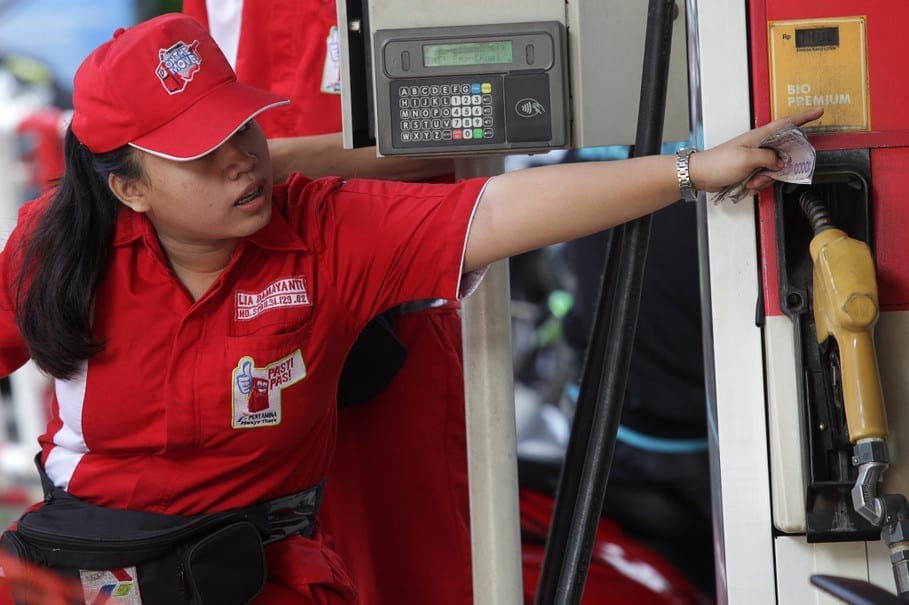
    State-owned energy company Pertamina plans to invest $237 million over the course of three years to develop the Sanga Sanga oil block in East Kalimantan, it announced on Wednesday (08/08).

    Pertamina has just acquired the block from US-based Virginia Indonesia Company (VICO), which was operating it for four decades.

    According to upstream oil and gas regulator SKK Migas, the Sanga Sanga oil block currently produces 10,753 barrels oil equivalent per day (boepd). The block, located in Kutai Kertanegara district, also produces 80.7 million metric standard cubic feet per day (mmscfd) of gas. It has an estimated cumulative production of 258 million barrels of oil equivalent (mmboe).

    A senior Pertamina executive said the company will use this investment to increase production in the block by drilling 29 new wells next year.

    Meidawati, upstream strategic planning, portfolio and evaluation senior vice president at Pertamina, said the block offers a great potential as Pertamina will maintain its production and also will search for new reserves.

    “The Sanga Sanga block will be later integrated with the company’s other blocks such as Pertamina EP and Mahakam, so in the end it would become cost effective for the company,” Meidawati  said in a statement on Wednesday (08/08).

    Sanga Sanga will be operated by Pertamina’s subsidiary, Pertamina Hulu Sanga Sanga.

    “As representatives of the government, we appreciate VICO Indonesia’s contribution and hard work as Sanga Sanga oil block’s operator. Pertamina is now preparing for the transfer and will continue its operations,”  SKK Migas head Amien Sunaryadi said.

  • 4 leases available at Singapore Changi Airport

    4 leases available at Singapore Changi Airport

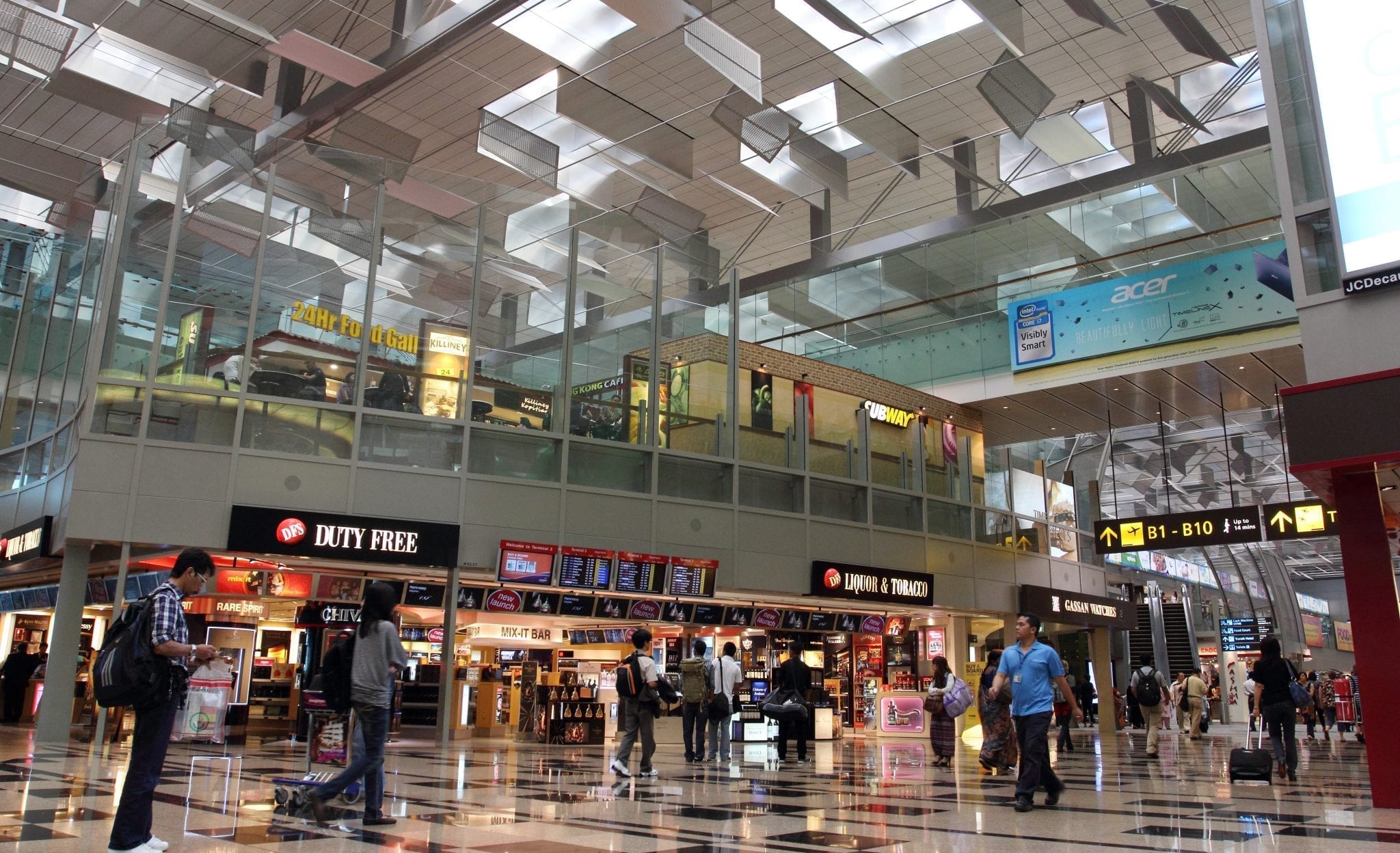
    Continuously ranked as one of the best in the world, Singapore Changi Airport is an experience rather than a simple stop towards your destination.

    The award-winning airport offers its visitors a wide range of attractions, from shopping to dining and entertainment experiences, spread across its four terminals.

    Changi Airport Group is currently looking for established retailers as it is seeking to lease four three years concessions with no renewal options in Terminal 1 at Departure/Transit Lounge West on Level 2. To offer diversity and complete their customers’ experience, they are seeking mid-price fashion brands to add to their portfolio.

    A CAG representative shared their desire for “exciting and unique mid-price fashion brands and concepts that will inject buzz to and differentiate the retail offering”.

    Effective from April 2019 to 2022, the lots range from 70 square meters to 110 square meters.

  • Pandora Thailand to axe staffs

    Pandora Thailand to axe staffs

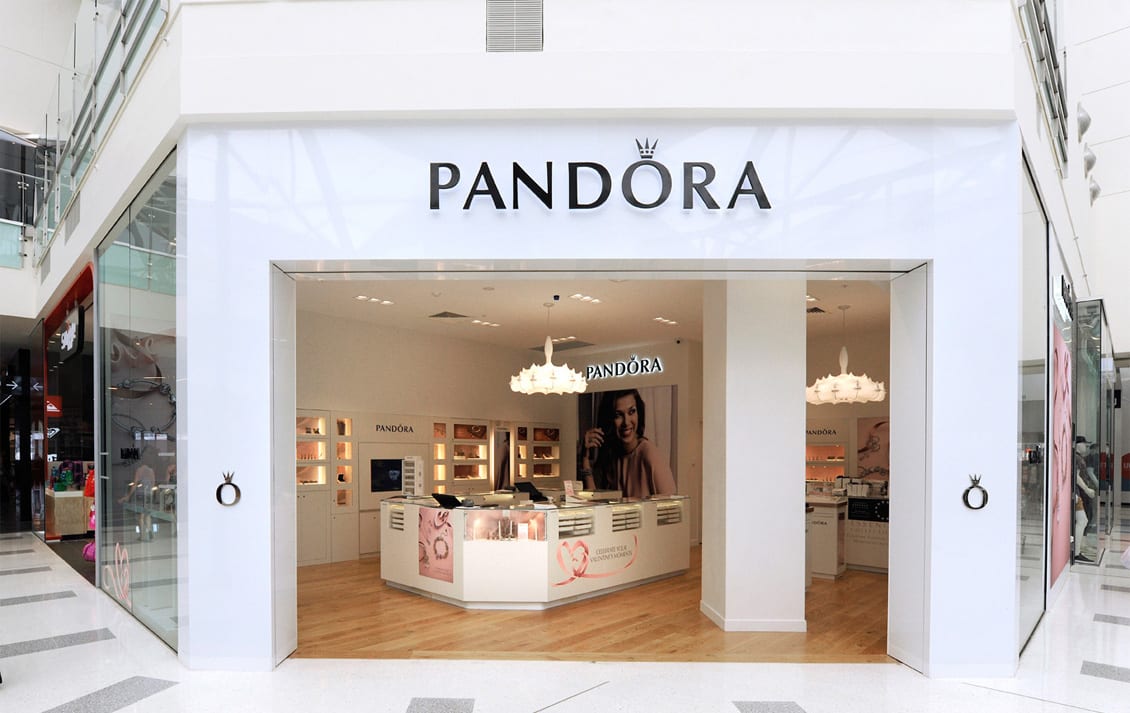
    Danish jewellery manufacturer Pandora has announced it will cut 397 employees in organisational adjustments to align functions across the company and protect profitability.

    The proposed organisational changes are expected to reduce annual costs by around US$23.34 million from 2019, and will affect 218 employees based in Thailand.

    “We have made important progress on our 2022 strategy since we launched it last year, and are on the right long-term direction for Pandora,” said CEO Anders Colding Friis.

    “The adjustments we announce today will reduce complexity and free up resources that we can add to our strategic priorities. The adjustments are also – together with our procurement program – necessary to protect our profitability.

    “Sadly, the changes mean that good employees will lose their jobs, and we are supporting them in the best possible way.”

    The jewellery manufacturer also announced changes to “strengthen cooperation” between sales, marketing and merchandising; implement a centralised operations and supply chain structure to streamline manufacturing; and shift more resources to strategic priorities such as digital and e-commerce.

    Grey market

    The changes come less than a month after the company committed to reducing its retail prices in China in order to combat an emerging ‘grey market’, potentially losing revenue in a large area of growth for the company – having grown by double or triple digits each year since entering the Chinese market in 2010.

    The reduction amounted to an average of 15 per cent off retail prices, both on the online store and the Tmall flagship store.

    “This price reduction across our jewellery assortment is one element in our strategic programme to limit grey market trading of our products in China,” said Kenneth Madsen, president of Pandora Asia-Pacific.

  • Potato Corner opens in Singapore

    Potato Corner opens in Singapore

    Filipino fast food chain Potato Corner has launched at Somerset Mall in Singapore.

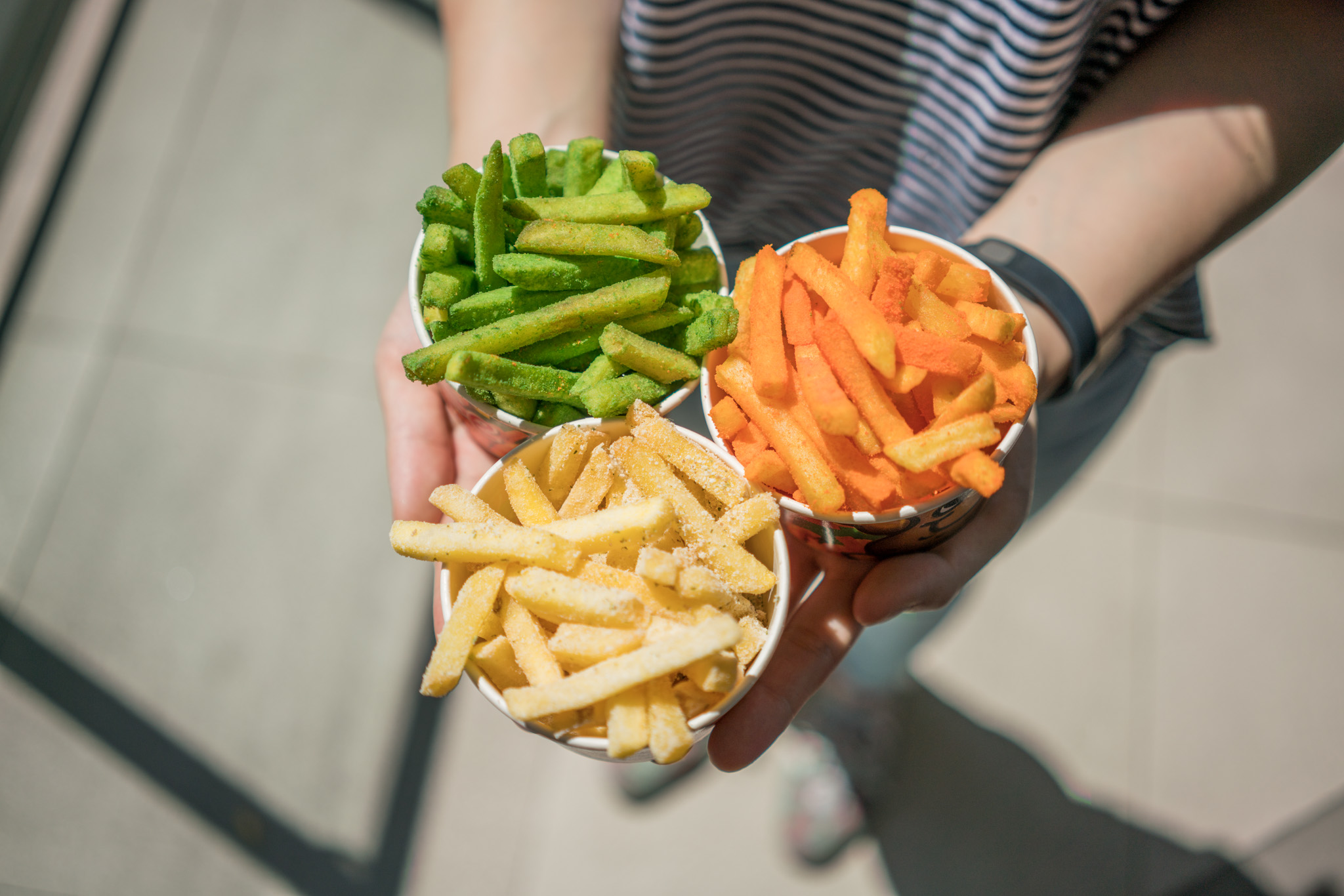
    Popularly known for its flavoured fries, the new takeaway stall on Orchard Road is the latest notch on the global belt of a franchise that has more than 1000 stores worldwide, with locations in large western cities including New York and Sydney, as well as Asian strongholds like Thailand, Cambodia and Indonesia.

    The chain has been operating since 1992, and this is its first foray into Singapore. Philippine Ambassador to Singapore Joseph Del Mar Yap, together with other embassy officials, were on hand to cut the ribbon at the launch event.

    The company has announced plans to open next in Vietnam.

  • IKEA India opens one more store with a ‘low price’ strategy

    IKEA India opens one more store with a ‘low price’ strategy

    IKEA, the world’s leading Swedish home furnishing retailer will open the doors of its Hyderabad store, its first in India to customers at 10:00 a.m. today.

    This is a landmark moment for IKEA after it got FDI approval in 2013 that allowed 100 percent FDI for single brand retailers in India. IKEA has been sourcing from India for its global stores for more than 30 years. Its plan to open retail stores in 40+ cities across the country, reinforces its long-term commitment and deep connection with India. IKEA has set out to become a truly unique, meaningful and trusted brand in India, making everyday brighter and better for the many people and this dream seems closer to reality today as we wait to see what the Hyderabad store will offer.

    On the occasion, Jesper Brodin, CEO, IKEA Group said, “Today is a proud moment as it marks a major milestone in a journey that started more than 30 years ago when IKEA partnered up with local manufactures in India. We have a long-term commitment to India, which is an important market for us. We bring an inspiring, affordable and convenient home furnishing offer and awe are more than ready to meet and understand the needs, frustrations and drams in the everyday lives of our customers in India.”

    The store is 4,00,000 sq. ft. large and is spread over 13 acres in the heart of Hyderabad’s tech hub HITEC City and promises to be a ‘fun day out’ for the family. It will offer 7,500 affordable, good quality, value for money home furnishing products, all under one roof. The store will remain open 365 days from between 10.00 a.m. – 11:00 p.m.

    The IKEA store in Hyderabad will offer ideas, inspiration and solutions. It will exhibit two full homes that reflect ‘Life at Home’ in Hyderabad, besides different room sets based on different parts of the home like bedroom, kitchen, children’s room and living room. It will also have a market hall where you will find home kitchen utensils and accessories, textiles, rugs, lighting, decoration, stationary and even live plants.

    The store will house a 1,000-seater restaurant, IKEA’s largest and possibly India’s largest restaurant, a cafe which will offer coffee, bakes, frozen yogurt and many more for purchase, a kids’ paly area named Smaland where customers can leave their children safely.

    The IKEA restaurant will offer 50 percent Swedish specialities like salmon and chicken and vegetarian meatballs and 50 percent local delicacies like biryani, samosas, dal makhni in the case of Hyderabad. The food will be very affordable, for example a plate of samosas will cost Rs 10.

    IKEA’S business idea is based on ambition of reaching the many people with thin wallets. As it sets a goal to reach 200 million people in the next three years , the foundation for a strong and relevant offer is affordability and accessibility. IKEA will attract the many different segments in society and not just the few. Everyone is welcome to shop at IKEA. 1,000 products will be priced below Rs 200.

    Peter Betzel, CEO, IKEA India said, “At IKEA the people, the community and our contribution to safeguarding the health of the planet is the biggest priority. Over the last five years Juvencio Maeztu and the team here have laid a very strong foundation and a solid base for IKEA to be successful. I thank all our friends in India including the government and officials for all the support and partnership to make this dream a reality.”

    In terms of the products, the company will be bringing its classic IKEA range along with a small percentage of locally relevant products for the Indian market like masala boxes, pressure cookers, tawas, idli makers, colourful sheets and mattresses made with coconut fibre centre. Customers will also be able to buy global classics like the BILLY bookcase, KLIPPAN sofa, LACK table and POaNG armchair among others.

    Welcoming the people of Hyderabad, Johan Achillea, IKEA Hyderabad Store Manager said, “I am excited to thrwo open the doors of the first IKEA India store to the many people of Hyderabad and its neighbouring community. Telangana has given us a lot of love over the last few years and now we hope to witness the people of Hyderabad truly enjoying our store that has been built with love. I thank the local officials who have made this day possible. The biggest value we bring its to the many people who have big aspirations for their homes and thin wallets. Our promise is one of value, of quality and of making the everyday life better at home for all of the many people in the state and beyond.”

    The IKEA store employs 950 co-workers in Hyderabad directly and 1500 indirectly in services and expects to host close to 7 million visitors each year.

    IKEA has a non-negotiable commitment to hire 50% women co-workers at all levels in India including forklift drives and assembling co-workers. It will also come with a strong and affordable service offer including delivery and assembly to help customers who are not familiar with the DIY (Do it yourself) concept just yet.

  • Brookstone files for bankruptcy for the second time

    Brookstone files for bankruptcy for the second time

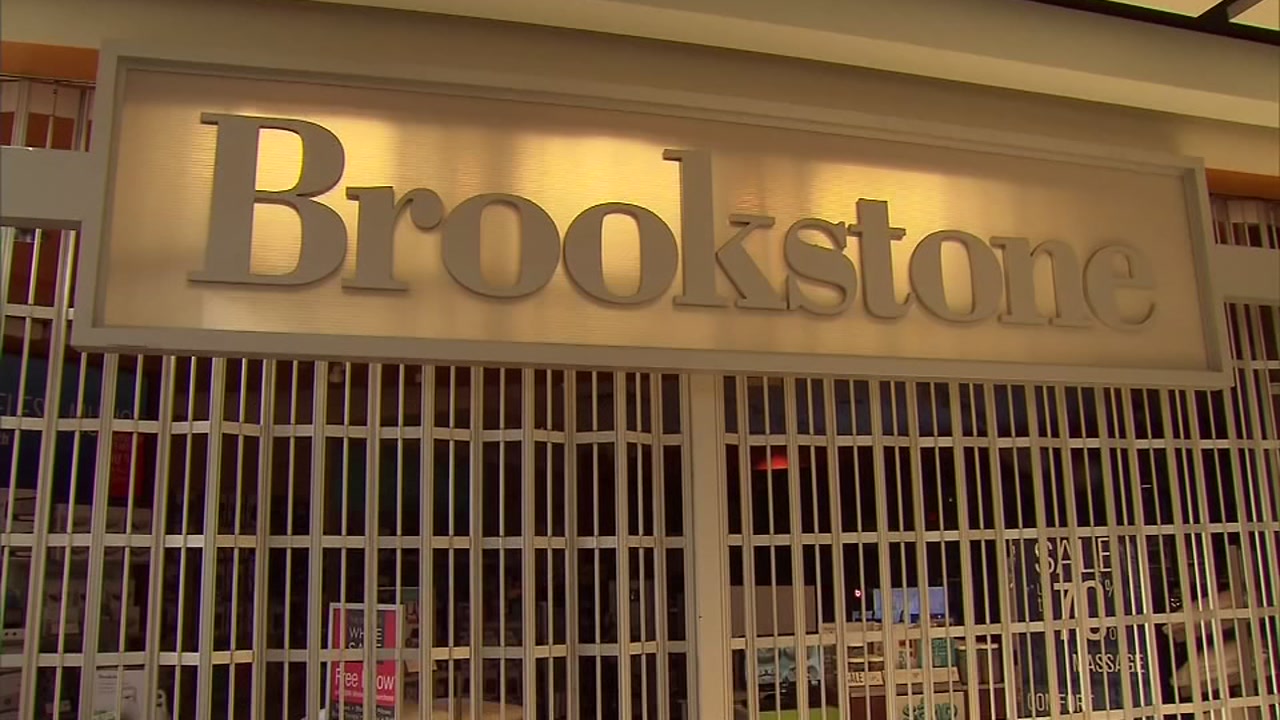
    Quirky gadget retailer Brookstone has filed for Chapter 11 bankruptcy protection – again.

    But the company has a clear strategy for its survival: closing its 101 remaining mall-based stores in favour of focusing on expanding its airport retail concept – which now numbers 35 stores – selling goods online and wholesaling.

    Brookstone has secured US$30 million in bankruptcy financing from Wells Fargo and Gordon Brothers. It said the mall-based store business was no longer viable “following continued deterioration of traditional retail mall traffic”.

    But its airport, online and wholesale operations are “operating successfully and should prove attractive to a buyer with the financial resources and vision to carry our company into the future,” said CEO Piau Phang Foo in a statement.

    Brookstone was founded in 1965, selling “hard-to-find tools” through Popular Mechanics magazine as a direct-marketing business. It opened its first brick-and-mortar store in 1973.

    In 2014 it was placed in Chapter 11 before being rescued by China’s Sailing Capital and Sanpower Group for $174 million.

  • Prince’s building welcomes Chanel’s COCO Neige Pop-Up Store

    Prince’s building welcomes Chanel’s COCO Neige Pop-Up Store

    It’s freezing at Prince’s Building with Chanel’s COCO Neige Pop-up store.

    Chanel has just launched its very first collection of sportswear dedicated to winter sports featured in its new pop-up store at Prince’s building.

    Australian actress Margot Robbie, new ambassador of the French fashion house, embodies Chanel’s first ever ski and après-ski collection, COCO Neige.

    Designed and shot by Karl Lagerfeld, the line combines high-tech clothing and winter-ready-to-wear for the sporty fashion conscious.

    COCO Neige incarnates both the worlds of skiing and the codes of the House.

    From multicolor tweeds and classic handbag quilting to Norwegian-inspired sweaters and mountain accessories sporting the double C, Chanel’s most iconic symbols and elements have been brightly incorporated into the sportswear wardrobe.

    This collection comes a few year after the launch of Chanel’s own line of skis and snowboards a few years ago.

  • Hong Kong’s Fung Group injects US$35M into India’s B2B e-commerce ShopX

    Hong Kong’s Fung Group injects US$35M into India’s B2B e-commerce ShopX

    The Fung family has invested US$35 million in Indian technology platform ShopX.

    The funds came from Fung Strategic Holdings a member of Fung Investments, the private investment vehicle of the families of Dr Victor Fung and Dr William Fung.

    ShopX is described as India’s leading B2B e-commerce company, connecting India’s consumers and small merchants with brands and suppliers directly to purchase products and services.

    India’s retail market is estimated to reach US$1.1 trillion by 2020, and small-to-medium sized businesses play an important role in the Indian economy, making up about 90 per cent of the retail sector. Until now, they largely remain ‘offline’ in small villages and towns serving the local surrounding population.

    ShopX, founded by Amit Sharma and Apoorva Jois in May 2015, aims to be the preeminent e-commerce platform serving more than 12 million small merchants across India, enabling everything from ordering to delivery, payments and localised customer support. ShopX already covers 50,000 retailers in more than 300 locations across India.

    Nandan Nilekani, a leading entrepreneur, has been an early investor in ShopX, supporting the company from inception with more than $18 million in personal investment and active mentorship.

    “The ShopX model provides small retailers access to the same cutting-edge technology and supply chain solutions as any established e-commerce or organised retailer,” he said.

    “This access provides an onboarding ramp into the formal economy for millions of India’s small retailers and the next 400 million consumers. ShopX has been built on scalable and sound business principles like platform thinking, capital efficiency and a sustainable growth model. We are very excited to welcome the Fung Group into ShopX, and look forward to expanding the platform with their investment and strategic synergies.”

    Victor Fung added: “This is one of a series of investments the Fung Group and its companies are making to advance new, disruptive technologies shaping the future of retail and supply chain. ShopX is combining technology and an innovative business model to transform the traditional retail model in India. Given the country’s sheer population size and rising consumer spending power, not only do we see tremendous opportunity in India, but also the successful application of this model to other parts of the region.”

    Tech focus

    The ShopX investment follows recent Fung Group initiatives and investments in new technologies including:

    • A partnership with Tencent-backed WeDoctor to create an e-commerce platform connecting China’s myriad of hospitals with medical device manufacturers and service providers to centrally procure medical devices, consumables and services.
    • A partnership with JD.com to develop AI-driven retail solutions.
    • A new innovation lab with Shima Seiki, the Japanese company behind the world’s most advanced computerised flat knitting machines, to conduct specialised materials R&D.
  • Indonesia to Seek Clarity From WTO on US Trade Dispute

    Indonesia to Seek Clarity From WTO on US Trade Dispute

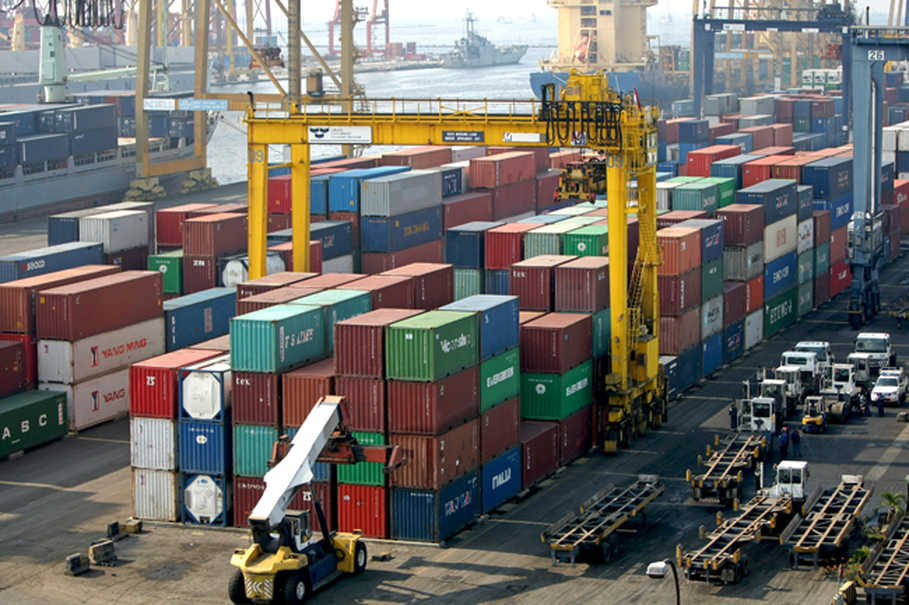
    Indonesia will clarify its position with the World Trade Organization after the United States asked the multilateral body to allow it to impose sanctions on Southeast Asia’s biggest economy after winning a trade dispute that it claims had cost US business up to $350 million in 2017.

    Indonesia lost its appeal against a WTO ruling in favor of the United States and New Zealand last year over its trade policies that limit imports of food, plants and animal products, including apples, grapes, potatoes, onions, flowers, juice, dried fruit, cattle, chicken and beef.

    The United States claims that Indonesia has yet to abide by the ruling.

    “In accordance with the agreement between Indonesia, the United States and New Zealand, we agreed that a reasonable period to revise our import regulations and policies was eight months from the date of approval of the appellate body, which was on Nov. 22, 2017,” Hasan Kleib, Indonesia’s ambassador to Geneva and the country’s permanent representative to the United Nations, WTO and other international organizations, said in a statement on Wednesday (08/08).

    “Indonesia will certainly explain the changes that have been made since the final ruling of the WTO panel and the appellate body,” he said.

    According to the ruling, Indonesia was required to make the first phase of adjustments by July 22 this year at the latest, and the second phase before June 2 next year. Although Indonesia has taken steps to adjust its import regulations after consulting with the relevant parties in Geneva on July 27, the United States said this had not done enough.

    This assessment is based on information the US representative to the WTO received, showing that US producers still face obstacles when exporting horticultural products to Indonesia.

    “In the letter released yesterday, they [the United States] said they were not satisfied [with the rule changes]. But in Washington, their ambassador was already quite satisfied,” Coordinating Economic Affairs Minister Darmin Nasution said on Wednesday.

    Trade Ministry officials visited Washington last week as part of an Indonesian delegation consisting of business lobby groups and representatives of fiscal and banking authorities to seek alternatives that would avoid a full-blown trade war between the two countries.

    Indonesia fell out of President Donald Trump’s favor over a surplus it has been enjoying in bilateral trade between the two countries since 2013. The United States also threatened to revoke its trade incentive, known as the Generalized System of Preferences, which has benefited Indonesia for more than three decades.

    The latest rift with the United States stems from Indonesia’s old policies on agricultural imports. One of the policies only allows US producers to export apples to Indonesia outside the apple harvesting season in the archipelago.

    “We have already changed the rules at the Ministry of Agriculture and the Ministry of Trade, which they objected to … but they say the changes are not in accordance with their wishes,” Darmin said.

    He said the delegation that visited Washington has asked for time until the end of next year or 2020 to change the applicable laws and government regulations, to which they agreed, as “they know it will take time.”

    Darmin added that the government will send a team to the United States to discuss these objections.

  • Malaysia PM : ‘Third national car will not be like Proton’

    Malaysia PM : ‘Third national car will not be like Proton’

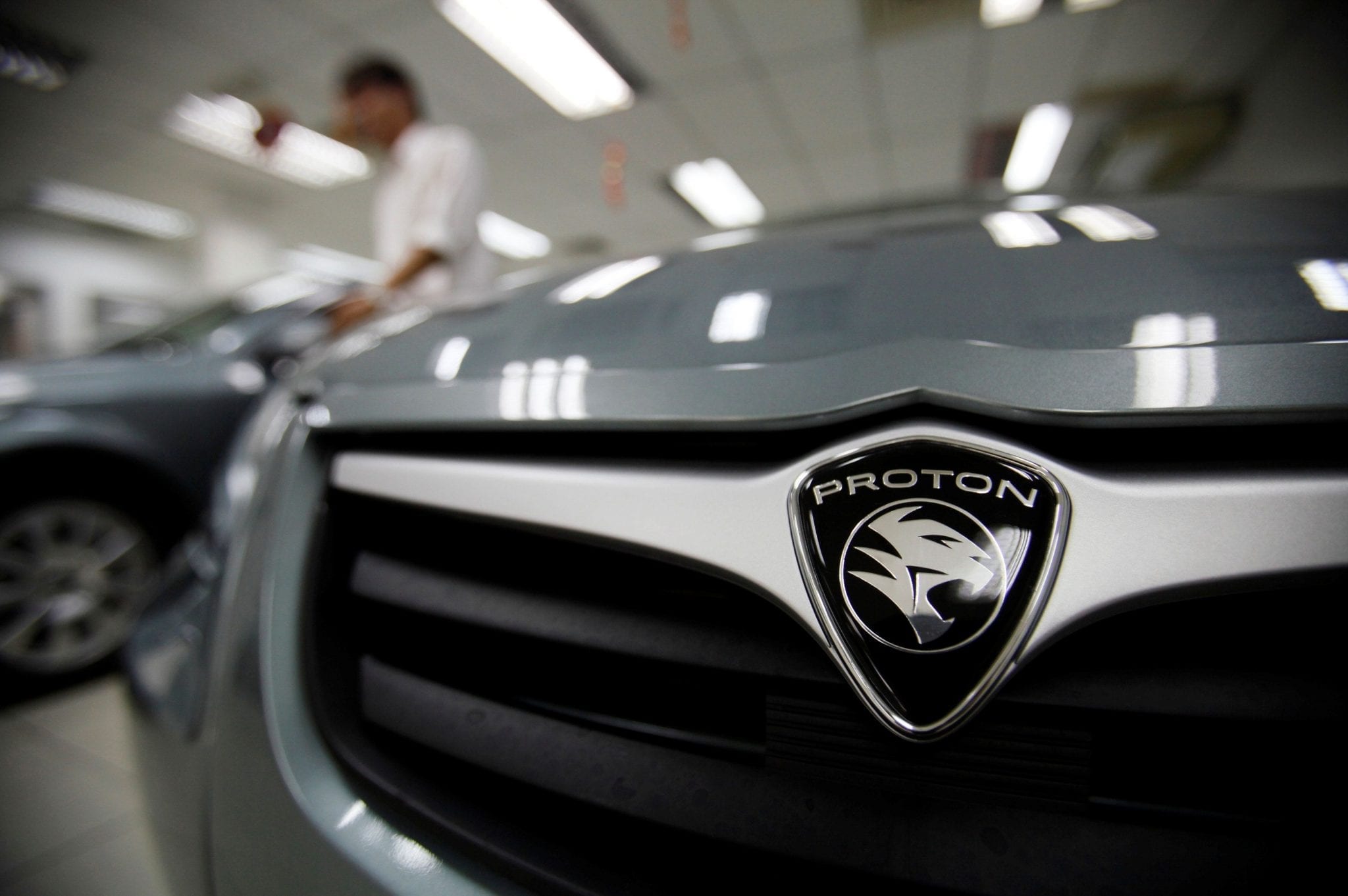
    The International Trade and Industry Ministry (Miti), which is confident of completing its review of the National Automotive Policy (NAP) by year-end, assured that the third national car mooted by Prime Minister Tun Dr Mahathir Mohamad, will not be like Proton, according to Miti Deputy Minister Dr Ong Kian Ming.

    He said Mahathir’s concept of the national car project is not about going back to Proton, but for energy efficient vehicles (EEV).

    Ong said the NAP needs to look at new mobility pathways, trends in driving patterns, and be adjusted with the improvement in public transportation and vendor development in the ecosystem.

    “There are many things that can be updated in terms of how we want to make the aspiration of Dr Mahathir to propel the automotive industry into something more sustainable and green.

    Inputs from the industry and stakeholders are important to help Miti shape this NAP. We hope the public do not think that Dr Mahathir’s intention is to revive Proton as Proton 2.0. There are many more ideas that he has,” Ong said at the British Malaysian Chamber of Commerce-Shell Premier Luncheon: Sustainability in Business, today.

    He said the third national car project will be open to all inputs and ideas of cooperation.

    “Dr Mahathir has spoken on the possibility of having an Asean car with cooperation with Indonesia, so there is opportunity to explore with other players, but looking at the angle of how the NAP is going at an international level, moving towards electric cars and EEV, and the value chain that comes along it, which includes electronics, artificial intelligence, internet of things – that would be part and parcel of the ecosystem.”

    On the matter of free trade deals, Ong said the government needs to decide on the ratification of the Comprehensive and Progressive Agreement for Trans-Pacific Partnership (CPTPP) first before it can discuss on free trade agreements (FTA) with other countries, but remains committed to the existing FTAs.

    “We’re already negotiating RCEP (Regional Comprehensive Economic Partnership) and is part of the countries negotiating it. Whatever happens to CPTPP will not affect our direct participation in RCEP at this point in time,” said Ong.

    Earlier at the event, Ong spoke about the government’s short term priorities in reforming for sustainability, which are to reduce and restructure national debt, put in place institutional and policy reform and design new narratives and strategies for investment and growth.

    He said ministers will need three to six months to get a complete grasp of their respective ministries.

    Its long term priorities are to realign the country’s fiscal structure and priorities, reform institutions for sound leadership, policy and justice, as well as to change the underlying structure of the Malaysian economy. This will take two to five years, before the 15th General Election.

  • Esprit shares shrinks after earning decrease

    Esprit shares shrinks after earning decrease

    After another profit warning, the Esprit share price tanked to just US 25 cents yesterday.

    The ever-shrinking, one-time fashion giant has delivered more bad news to beleaguered shareholders with an “update on profit warning” foretelling even greater losses this year.

    In June, Esprit said it expected a loss of HK$2.2 billion (US$280 million) based on write-downs, market exit costs – and a continuation of falling sales as customers turned their back on its overpriced product and off-point designs.

    Now the company says a preliminary review of accounts shows a loss before interest and tax of about HK$2.25 billion – loosely in line with its June projection – and a further HK$328 million write-down relating to taxation in Germany as a result of continually declining sales. That takes the projected loss out to $2.55 billion, (US$324.9 million).

    The news further battered the ailing retailer’s share price in Hong Kong trading this morning. It fell to just $1.99, a far cry from 52-week peak of $4.93, let alone the $15.86  of five years ago. The company’s market capitalisation now is just $3.9 billion (US$496.9 million).

    Final audited results for this year will be released next month.

    In June, Esprit said just over half of its projected loss results from non-cash items and one-off costs due to store closures, including the axing of its Australia-New Zealand business. It expected to post an operating loss as high as $950 million due to plummeting sales, commenting that a “decline of customer traffic” to its brick-and-mortar stores was higher than it expected.