Author: Mei Ling Tan

  • Adidas likely to lose over trademark dispute

    Adidas likely to lose over trademark dispute

    Sportswear retailer Adidas has failed in its bid to prevent a Taiwanese business from registering a visually similar trademark in Singapore.

    The Intellectual Property Office of Singapore (IPOS) rejected an Adidas lawsuit against Lutong Enterprise Corp, dismissing the claim that the similarities could potentially cause confusion in the market and allowing Lutong to carry on with registration.

    Both logos feature three sloping lines, although the Lutong logo includes a circle and has lines sloping in the opposite direction to the Adidas logo.

    The principal assistant registrar wrote: “A triangle whose right angle points upwards may give the visual impression of a mountain, or at least of something grounded. A triangle whose right angle points downwards gives a significantly different visual impression, that of something en pointe, perched or being balanced.”

    The brand marks were thus judged to be more different than similar.

    Lutong’s logo was designed around eight years earlier than the Adidas logo.

    Germany, South Korea and Hong Kong have blocked Lutong from using the logo.

  • Line Friends opens pop-up character store in Hollywood

    Line Friends opens pop-up character store in Hollywood

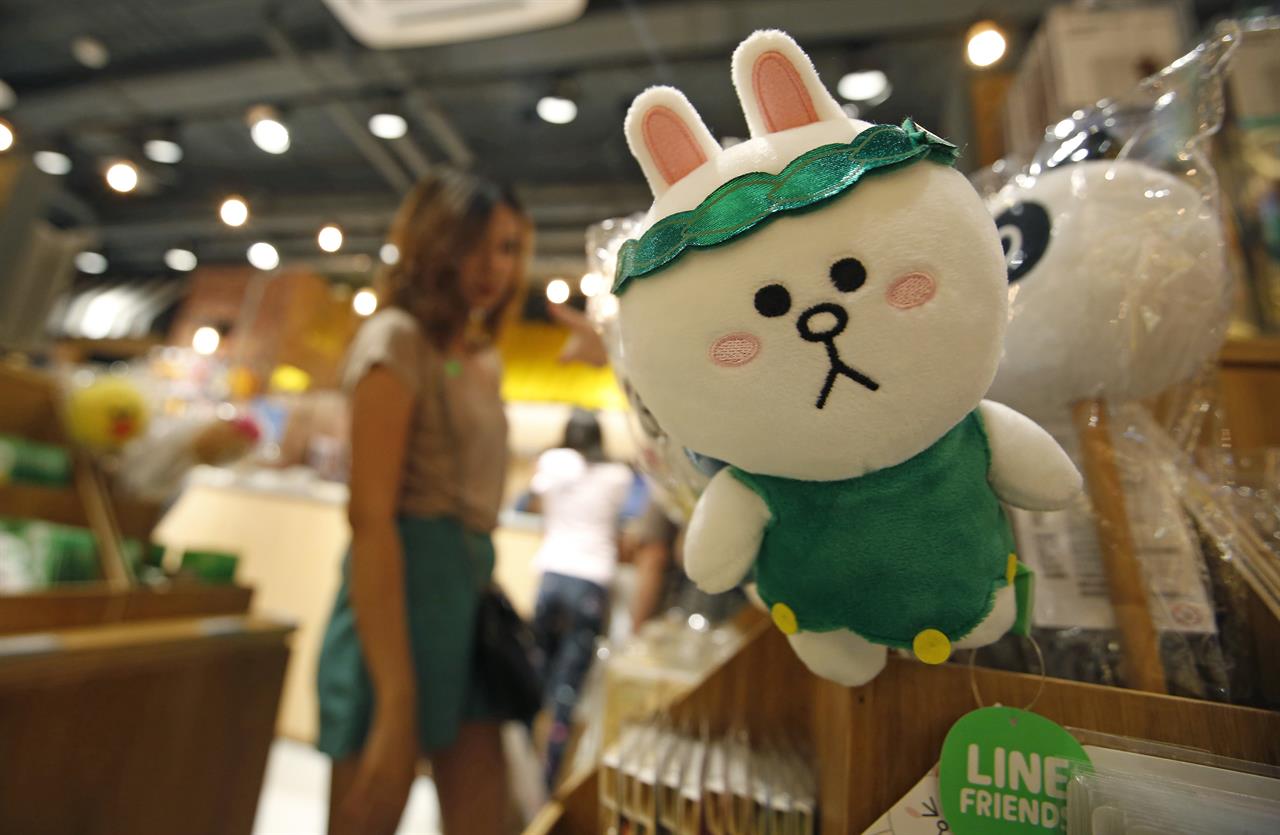
    Line Friends, the character merchandising unit of Japan-based mobile messenger Line, announced that it has opened its first pop-up store in Hollywood, Los Angeles.

    Over 1,500 people lined up outside the new Line Friends’ pop-up store in Hollywood, Los Angeles, on the morning of 27 July, waiting for the doors to open for the first time.

    The pop-up store, which will be open until late October, saw over 15,000 visitors within the first two days of its launch.

    Line Friends, a range of characters based on Naver’s messaging app, Line, has gained popularity in global markets as part of a growing trend for “K-characters.” Armed with cute animal characters with names like “Brown” and “Sally,” the brand reached the United States after its explosive success in Southeast Asia.

    Line Friends has been expanding its customer base, starting with its release of the character line “BT21” in collaboration with boy band BTS last year in an effort to draw in BTS fans from around the world.

    The brand has been more popular in foreign countries than in Korea. A Line Friends pop-up store opened in New York last August, but became a permanent location after its huge popularity.

    “Judging by the success of the Hollywood pop-up store and the popularity of the New York location, we expect that we’ll be able to expand to a full-scale intellectual property business with Line Friends in North America,” the company said.

    Line Friends operates 112 stores in Japan, the United States, China and Taiwan. Korean character and animation industries are the main pillars of the K-content industry along with mobile and PC games. The industry’s growth potential is practically unlimited as the language and cultural barriers are low and it is easy for brands to collaborate with other businesses for things like household items, games and film.

    According to this year’s content industry outlook report released by the Korea Creative Content Agency in March, the character industry accounted for 9.5 percent of content exports, the second highest following the game industry. Kakao Friends is also planning to expand to Japan, the United States and Europe, starting with its recent name change to Kakao IX.

  • ‘Deadpool’ boosts Fox earnings

    ‘Deadpool’ boosts Fox earnings

    group 21st Century Fox, most of which is being sold to Walt Disney Co., on Wednesday topped earnings expectations with help from the latest film devoted to anti-hero Deadpool.

    The company reported a profit of US$4.48 billion (RM18 billion) in the fiscal year that ended June 30, compared with net income of US$3 billion (RM12 billion) the previous year.

    It credited tax reform in the United States with giving it an accounting gain of US$1.5 billion (RM6 billion) at the end of 2017.

    The company’s film studio, 20th Century Fox, boasted of winning Academy Awards for six movies – including a best picture Oscar for The Shape of Water – and said it ended the year with “the strong theatrical success” of Deadpool 2.

    The sequel, starring an unkillable, potty-mouthed super hero from Marvel Comics, grossed more than US$730 million (RM3 billion) at theater box offices worldwide, according to the earnings report.

    Revenue for the recently-ended fiscal year increased seven-percent to $30.4 billion (RM124 billion), the company said.

    Adjusted earnings for the company were in line with analyst expectations. Fox shares were down a fraction of a percent to US$45.42 (RM185) in after-market trades.

    The company said its profit in the final fiscal quarter was US$925 million (RM3.8 billion) on revenue that was up 18% from the same period a year earlier.

    “As we move closer to combining our businesses with Disney and establishing new Fox, we are convinced that the paths we are creating for our iconic businesses will drive enduring and growing value for our shareholders,” executive chairmen Rupert and Lachlan Murdoch said in the earnings release.

    A media-entertainment megadeal enabling Disney to take over a large part of the Murdoch family’s 21st Century Fox empire moved a step closer to fruition last month when shareholders of both firms approved the tie-up.

    The US$71.3 billion (RM291 billion) deal – which must still get past regulators – will give Disney prized assets being sold by Rupert Murdoch’s group, including the Fox studios in Hollywood and important film and television production operations.

    US cable and entertainment group Comcast has been in a bidding war with Fox for British-based pay TV group Sky, of which Fox already owns 39%.

    The big media-entertainment firms are pursuing deals as they seek to slow the rise of streaming media platforms like Netflix and Amazon, and prepare for the entry into the sector of Silicon Valley giants like Google and Facebook.

  • Wutopia Lab has transformed Building 25 of the Sinan Mansions in Shanghai into Bookstore

    Wutopia Lab has transformed Building 25 of the Sinan Mansions in Shanghai into Bookstore

    Chinese design house Wutopia Lab has converted a multi-story house in Shanghai into a bookstore which provides “a space for learning and thinking” for city-dwelling public.

    The project – Sinan Books: Shanghai Sanctum – was commissioned by Shanghai Century Publishing Group and Yongye Group in Building 25 of the Sinan Mansion.

    The design team envisioned the store “as a person with a system of acquiring knowledge while discovering oneself and the surrounding”.

    The entrance level of Building 25 is set on the second floor which features a cafe, an area for literature and the public and an “intimate Sinan living room”. On the floor above, there is an area focused on art, a peaceful Sinan music room and flexible spaces that can host exhibitions, book club events, and small concerts.

    “It’s a perfect place to experience the charm of art,” explained the Wutopia Lab design team.

    On the fourth floor, a writer’s study “symbolises the bookstore’s thoughts”.

    “Small cultural saloons will be held here; it’s a place for conversations and debates.”

    A basement was conceived as the bookstore’s ‘sub-consciousness’, hosting a collection of history and philosophy books. Here, a labyrinth made of bookshelves offers visitors their own space. On the west side of the labyrinth is a special selection from the London Review Books, a sister bookstore of Sinan books, while on the east side, a large study room features a central table displaying creative product design.

    Spaces underneath the building’s two staircases are used to create two reading rooms for individuals and pairs. The underused south patio was redesigned into a flower porch, using planters to create a vivid backdrop for the bookstore.

    The Wutopia Lab team says it believes a monochromatic colour scheme cannot sufficiently depict the diversity of the period.

    “Colour has always been closely related to people’s feelings and emotions. Relating Sinan Books to a human body, its color should be a perceived colour, experienced in relation to the light of the day as well as one’s mental state at a given moment.”

    The store’s entrance features a red arcade, indicating Sinan books’ attitude of openness. Different hues of green offset the exhibition spaces, while the gold of the reading room offers “a hidden surprise”.

    To view the full pictures, check the gallery below (5 images) :

    • Images copyright Wutopia Lab.
  • Lalamove launched in Malaysia

    Lalamove launched in Malaysia

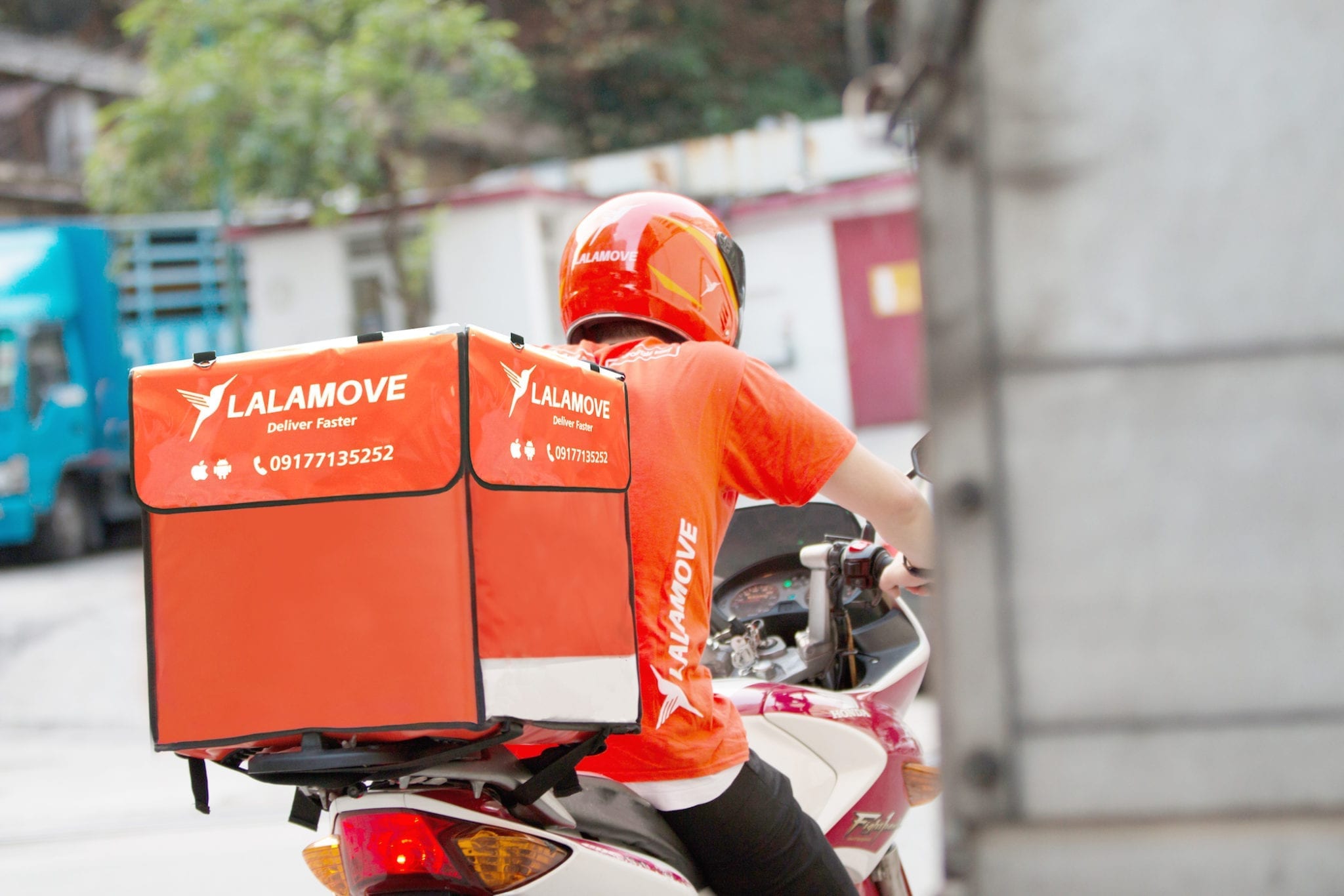
    Global on-demand logistics service provider Lalamove was launched in Malaysia this morning after its announcement to enter the market two months ago.

    Connecting businesses with the drivers or riders, the mobile app allows request for delivery services using motorbike and car.

    Country director Yong Sik Hoe said as the growth of e-commerce continues, the demand for delivery of the goods purchased is growing.

    He said local deliveries can be achieved within an hour, which allows business to scale rapidly without being constrained by logistics as well as huge operating expenses.

    Lalamove has presence in Hong Kong, Singapore, Thailand, Taiwan, Philippines, Vietnam, Indonesia and over 100 cities in China, serving 15 million customers and supporting over 2 million drivers.

  • McDonald’s China opens its 300th store

    McDonald’s China opens its 300th store

    McDonald’s China has opened 300 new stores during the last year, pressing ahead with an expansion strategy tied to deals with property developers.

    The company has signed contracts with Country Garden and Evergrande Group, giving it access to more locations in new retail centres.

    And the company has also invested in digital technology with more than 75 per cent of its stores now offering kiosk ordering and payment facilities for customers. Using touchscreens, customers can select their purchases and pay by electronic means before collecting their food from a counter.

    McDonald’s China is also eyeing further expansion into tier 3 and 4 cities. By 2020, about 45 per cent of its anticipated 4500 outlets will be lower-tier locations.

  • Jeju Air net profit rises 10 percent in second quarter

    Jeju Air net profit rises 10 percent in second quarter

    Jeju Air, Korea’s biggest low-cost carrier by sales, said Tuesday its second-quarter net profit rose 10 percent from a year earlier, helped by oil and currency hedging plans.

    Net profit for the three-month period that ended in June climbed to 16.83 billion won ($15 million) from 15.27 billion won a year earlier, the company said in a regulatory filing.

    “The company has hedged on oil prices and major settlement currencies due to its heavy exposure to volatility. The move helped it secure a certain level of profitability in the past quarter,” the airline said in a statement.

    But operating profits fell 28 percent to 11.63 billion won in the April through June period from 16.18 billion won a year ago. Sales were up 24 percent to 283.26 billion won from 228 billion won during the same period last year, it said.

    An increase in jet fuel prices and a decreased number of holidays had an impact on the quarterly operating income, the statement said.

    For the first half of 2018, net profit jumped 66 percent to 53.77 billion won vis-a-vis 32.31 billion won in the previous year. Operating income climbed 34 percent to 58.06 billion won in the first half from 43.41 billion won a year ago. Sales rose 26 percent to a record 591.84 billion won from 468.2 billion won.

    Looking ahead, Jeju Air said it is on track to achieve sales of over 1 trillion won this year on the back of a strengthened fleet and profitable routes.

    The budget carrier plans to expand its fleet to 39 B737-800NG planes by the end of this year from the current 34.

  • Mickey Mouse pop up marks its 90th birthday

    Mickey Mouse pop up marks its 90th birthday

    Raffles City is hosting a Mickey Mouse pop-up store celebrating the cartoon character’s 90th birthday.

    Dubbed ‘Mickey Go Local’, the store is a partnership with the Walt Disney Company Southeast Asia and features more than 80 souvenir products ranging from apparel to household items. The Mickey Mouse pop-up will also exhibit 90 figurines of the popular rodent, designed by Singaporeans, including President Halimah Yacob.

    Raffles City will host the pop up as part of its Arts in the City program until August 29.

    Amit Malhotra, country manager at The Walt Disney Company Singapore and Malaysia, says the exhibition-cum-store will engage fans of all ages in a locally relevant and fun manner, providing more ways for people to celebrate with their favourite Disney character.

    “Mickey Mouse is an endearing global icon, which has crossed boundaries to touch lives around the world through his optimism and happiness,” adds Margaret Khoo, GM at Raffles City.

    “The same can be said for the universal language of art and its power to bring joy to communities. Raffles City Singapore is delighted to showcase unique expressions of our Singaporean way of life through this familiar icon for this year’s Arts in the City program. Collaborating with individuals from different walks of life on this exhibition makes this uniquely Singapore showcase even more meaningful as we mark the nation’s 53rd birthday in August.”

  • Indonesia Bets Big on Biodiesel to Limit Costs of Oil Imports

    Indonesia Bets Big on Biodiesel to Limit Costs of Oil Imports

    Indonesia plans to require that all diesel fuel used in the country contain biodiesel from next month to boost palm oil consumption, slash fuel imports and narrow a yawning current-account gap.

    While the proposal has been welcomed by the palm oil industry and government, it has raised concerns among the automobile industry that the fuel could impact engine performance.

    Environmentalists fear the boost to local palm oil consumption will hasten Indonesia’s already fast spreading deforestation.

    The following explains some of the issues surrounding the drive to increase biodiesel usage.

    Current Account

    Indonesia currently imports around 400,000 barrels per day of crude oil and a roughly similar number of refined products, which makes Southeast Asia’s largest economy vulnerable to the sort of increases in global crude prices seen over the past year.

    With the current-account deficit estimated to grow by $8 billion in 2018, the plan is to cut diesel imports by mandating that all diesel consumers, including power plants and railways, use biodiesel that contains 20 percent bio-content (B20), typically palm oil. Officials estimate this will save Indonesia around $6 billion per year.

    The program will increase domestic consumption of palm oil in the world’s largest producer of the edible oil, providing a market for output that has climbed by 35 percent over the past five years.

    FAME

    In Indonesia, the bio component in biodiesel consists of fatty acid methyl esters (FAME) made from palm oil.

    Indonesia has 26 FAME producers, including units of palm oil giants such as Sinar Mas Group, Wilmar and Musim Mas, according to the Indonesian Biofuels Producers Association (Aprobi).

    FAME is supplied to fuel distributors, including state energy company Pertamina, blended with petroleum-based diesel and sold to end-users.

    Only around one-quarter of Indonesia’s FAME production capacity is currently utilized and the new program could raise this to up to 50 percent, said Togar Sitanggang, a senior official at the Indonesia Palm Oil Association (Gapki).

    The government has said it will provide incentives to biodiesel producers, but has not provided details.

    Compatibility

    Efforts to increase FAME concentrations in biodiesel have faced resistance from regulators and the automotive and oil industries in the past.

    Indonesia is supporting a program to make 100-percent palm oil-based biodiesel without FAME.

    Rules introduced in 2015 make B20 mandatory in subsidized biodiesel up to January 2020, after which B30 is scheduled to become mandatory.

    While B20 use is generally accepted for new vehicles, higher FAME blends may pose problems. FAME has a solvent effect that can corrode engine seals and gaskets, potentially increasing maintenance costs, and requiring special handling and equipment.

    “High-level biodiesel blends can also impact engine warranties, gel in cold temperatures and may present unique storage issues,” the US Department of Energy’s Alternative Fuels Data Center (AFDC) said on its website.

    According to the AFDC, the more FAME there is above 20 percent in biodiesel, the lower its energy content. FAME use could also increase nitrogen oxide emissions, although it greatly reduces other toxic emissions, it said.

    In a 2016 assessment, the Japan Automobile Manufacturers Association (JAMA) concluded that biodiesel with no more than 20 percent FAME content was acceptable for vehicles that comply with the Euro IV emissions standard, among other conditions.

    Extensive Tests

    In a 2015 study by Indonesia’s Technology Assessment and Application Agency (BPPT), six passenger vehicles from three manufacturers were driven over 40,000 kilometers using B20 biodiesel and regular diesel.

    The test found that B20 improved vehicle performance and acceleration, and reduced emissions, but the vehicles consumed roughly 4 percent more fuel than vehicles using regular diesel.

    Tatang Soerawidjaja, chairman of the Indonesian Association of Bioenergy Scientists and Technologists, said extensive tests have shown that B20 poses “no problems” for diesel engines, even in older models.

    Filters would only need replacement or more frequent cleaning in the early phase of adopting biodiesel use, he said, referring to FAME’s solvent effect when mixed with regular diesel.

    “The bio-content cleans dirt off of the tank’s walls and pipes and this ends up in the filter,” he said.

  • Cafe24 to partner with Shibuya109 in O2O concept

    Cafe24 to partner with Shibuya109 in O2O concept

    Cafe24 and Shibuya109 have joined together to promote Korean fashion products in Japan and Japanese products on the global online marketplace.

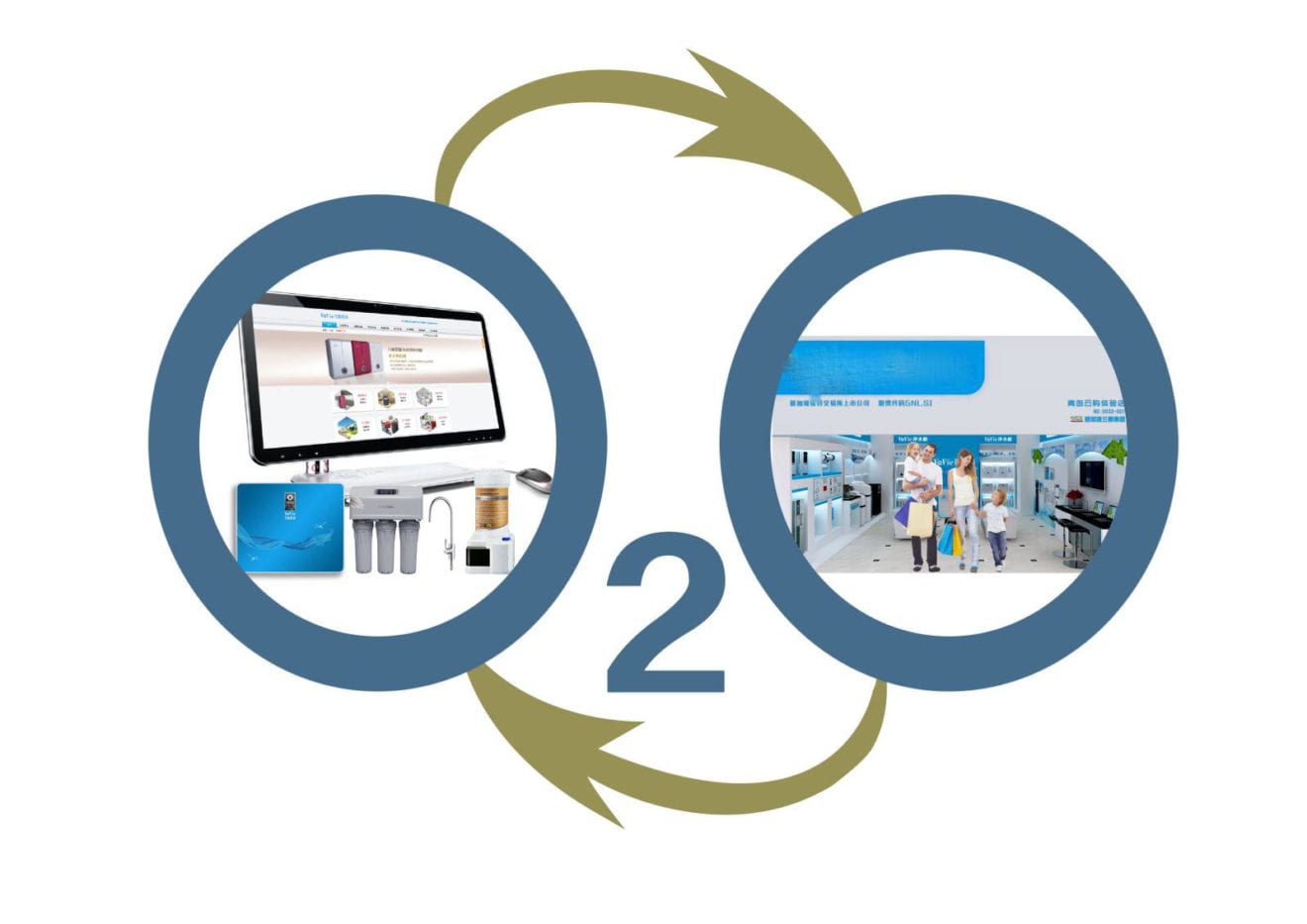
    The South Korean online retail platform Cafe24 has found an ideal partner in iconic Japanese fashion mall Shibuya109 to promote international sales of products from both countries in an O2O initiative which involves an exchange of business infrastructure and expertise.

    The two firms will jointly open a pop-up shop in the Shibuya109 online to offline integrated store Imada Market later this year.

    Cafe24 expects that the partnership will make localised offline store selection, product sales and integrated marketing services available for Korean brands seeking to rapidly enter the Japanese market.

    Shibuya109 President Tomoo Kimura said, “It is exciting to be able to introduce Cafe24’s K-fashion brands through Shibuya109’s Imada Market. Shibuya109 will work to build a lasting relationship with Cafe24 to help Japanese brands go global.”

    Shibuya109 fashion mall was founded in 1979, and sells to a young target market. The brand opened in Hong Kong’s Harbour City in 2016.

  • BrewDog to open brewpub in Itaewon Korea on Friday

    BrewDog to open brewpub in Itaewon Korea on Friday

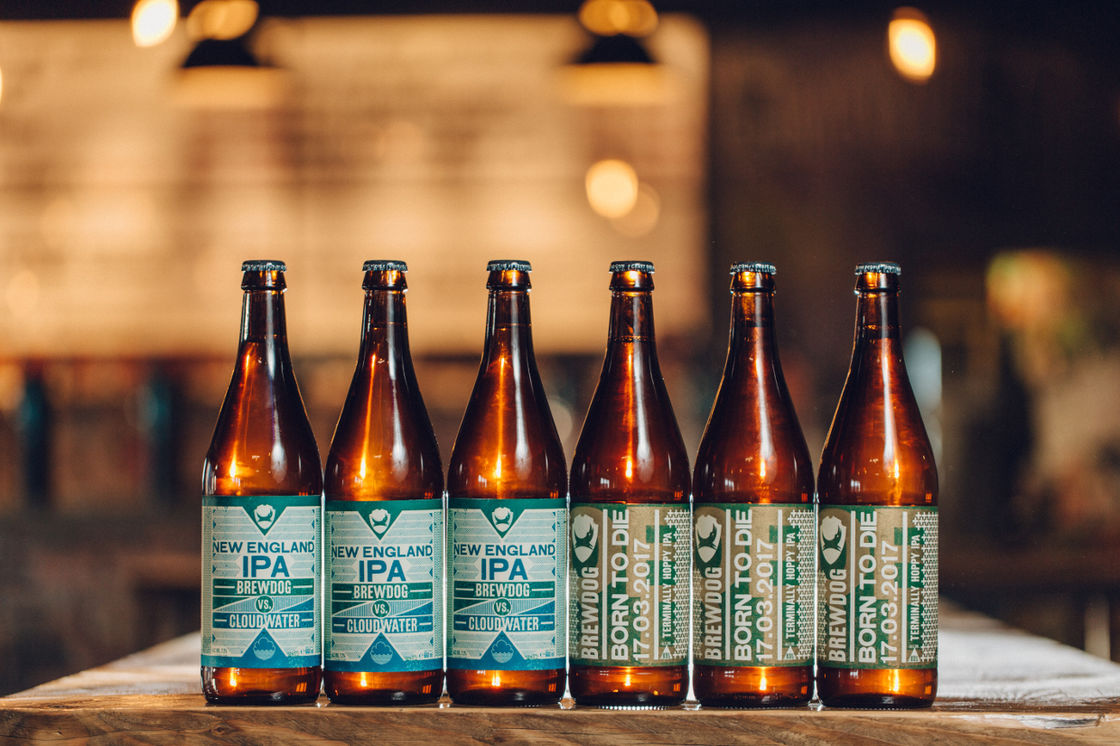
    Scottish beer brand BrewDog will launch its first brewpub in Asia in Itaewon, central Seoul, this week.

    The 500-square-meter (5,381-square-foot) bar near Itaewon Station will be the brand’s second brewhouse in the world and first outside of the United Kingdom. The company runs pubs in more than 50 countries, but only two are brewpubs, which means they have brewing facilities and can produce fresh beer on the spot.

    “Global craft beer has been growing faster than ever in the last few years, and among other Asian countries, the expansion speed of Korea was very impressive,” said James Watt, BrewDog’s co-founder. “We have high expectations for the Itaewon branch to act as the center of our strategy to stretch out in Asia.”

    Alex Hwang, who will manage the Itaewon brewery, added that Korea was selected for its image as a trendsetter among Asian countries.

    The foreigner-friendly Itaewon district in central Seoul is a haven for other tap houses and craft beer pubs. The equipment at BrewDog’s bar will come from Rolec, a German company that specializes in brewing machinery.

    “Itaewon is Korea’s craft beer mecca, but because most of the stores were small, it was hard to find pubs with full-fledged brewing facilities,” said BrewDog’s Korea head Kim Tae-kyung.

  • Baidu sales, profit lift on increased online ads

    Baidu sales, profit lift on increased online ads

    China’s Baidu reported strong sales and profit in the recently closed second quarter, on the back of surging online advertising revenues.

    The Internet search engine said total revenues rose by nearly 25 percent to 26 billion yuan, marking the sixth straight quarter of revenue growth at the company.

    For the three months ended June 30, online advertising sales gained 25 percent to 21.1 billion yuan, said the Beijing-based Baidu, showing the video platform and newsfeed provider remained unhinged by the internet censorship spike to hit China in recent months.

    The US-listed media company said net income rose 45 percent to 6.4 billion yuan, or 18.14 yuan per American depositary share/

    “We are able to maintain a high standard and a close dialogue with [Internet] regulators,” Robin Li, Baidu’s chief executive, told investors in a conference call when discussing the earnings and the firm’s ability to dodge censorship restrictions.

    Baidu’s streaming service iQiyi Inc. also reported better-than-projected sales with its subscriber base increasing by 75 percent to 67.1 million users.

    The company continued to invest in Artificial Intelligence with research and development costs into AI doubling to 4 billion yuan in the latest quarter from 2 billion yuan in the first quarter of 2016.

    The driver of the costs involved staff, particularly as the company lost it chief operating officer in May, Lu Qi. Qi was the spearhead behind the AI investment.

    Looking ahead, the company said it expects third-quarter revenue of 27.37 billion-28.77 billion yuan, representing an increase of 23-30 percent year-over-year.

  • Japan’s pancake Chibo to plan Asian expansion

    Japan’s pancake Chibo to plan Asian expansion

    Japanese pancake-restaurant chain Chibo is expanding to new locations in Asia to attract previous visitors to Japan who may be familiar with their brand.

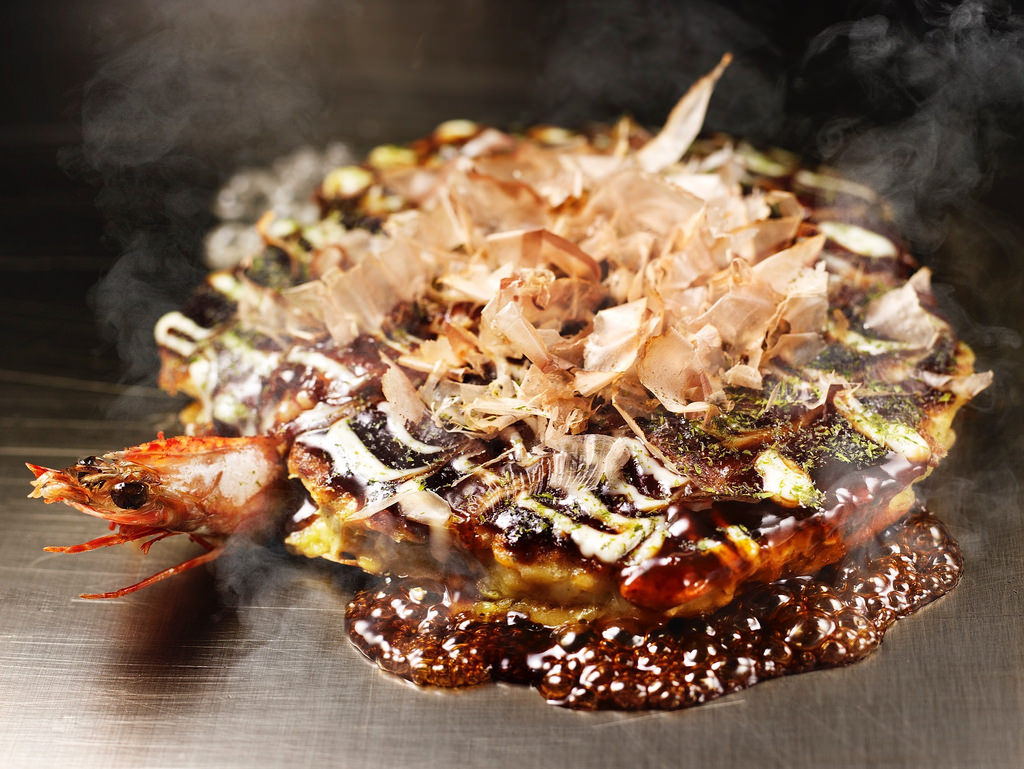
    Chibo serves an Osakan specialty pancake called okonomiyaki, a seasoned dish that contains vegetables, meat and seafood. Increasing numbers of tourists from neighbouring Asian countries have been visiting Osaka, according to data from the local prefectural government.

    The chain’s expansion began in May with a new location in Chinese Fuzhou. It plans to open in Taiwan and Vietnam in the coming months, hoping to reach 20 overseas venues opened by 2020.

    The company is also targeting Muslim tourists by adding halal dining options to their domestic outlets, making the restaurant among the few that serve food that complies with Islamic practice.

  • Grab Raises $1b to Expand in Indonesia, Eyes More Funds

    Grab Raises $1b to Expand in Indonesia, Eyes More Funds

    Singapore-based Grab said on Thursday (02/08) that it has secured $1 billion in fresh funding and will consider raising further cash, as the ride-hailing firm aggressively expands in Indonesia, Southeast Asia’s biggest economy.

    The latest fundraising comes less than two months after it secured $1 billion from Toyota Motor Corp and values the six-year-old startup at around $11 billion, a source close to the company said.

    The firm was valued at around $6 billion earlier this year when it bought Uber Technologies’ regional operations.

    “We will continue opening the financing for certain investors that we think will add value,” Grab president Ming Maa said on Thursday, declining to give any funding target.

    He added that Grab was seeing significant demand from investors globally, both financial and strategic.

    The latest funding in Grab came from global asset manager OppenheimerFunds, China’s Ping An Capital, Microsoft Corp co-founder Paul Allen’s Vulcan Capital, Macquarie Capital and Lightspeed Venture Partners, among others.

    Grab already counts deep-pocketed investors such as Chinese ride-hailing firm Didi Chuxing and Japan’s SoftBank Group Corp among its backers.

    It plans to use the new funds to expand its online-to-offline services, and invest a major portion of the proceeds in Indonesia, as competition heats up with Indonesian rival Go-Jek that is plotting an expansion to Singapore, Vietnam and Thailand.

    Grab said it had earmarked Indonesia, an emerging battleground for technology firms looking to serve a population of over 250 million people, as a priority market.

    The ride-hailing firm is also seeking to transform itself into a consumer technology group, offering services such as digital payments and food delivery.

    Maa said parts of Grab’s business, including transportation, were already profitable in some markets, and an initial public offering was not a focus for the company in the short term.

    Ride hailing services in Southeast Asia are expected to surge to $20.1 billion in gross merchandise value by 2025 from $5.1 billion in 2017, according to a Google-Temasek report.

  • Vietnam’s renewable energy sector in a state of flux

    Vietnam’s renewable energy sector in a state of flux

    Vietnam’s renewable energy sector is experiencing an unprecedented surge in project activities and policy changes, making end results unpredictable.

    The surge in activity includes project approvals as well as project transfers to technically experienced and financially capable developers, which is a positive trend, but whether it can fulfill the nation’s renewable energy potential remains to be seen.

    Among the significant policy developments that have taken place of late is the temporary suspension of approval for additional solar power projects (SPPs).

    The Office of the Government has issued Notice No. 174 requesting the Ministry of Industry and Trade (MOIT) to suspend approval of additional SPPs pending, in turn, the approval of a national master plan for the development of solar power (Solar PDP).

    The MOIT has been tasked with formulating and presenting a new Solar PDP to the Prime Minister.

    Notice 174 states that over 70 solar power projects with a total registered capacity of 3GW approx have been approved within relevant master plans (noting a planned capacity of 850MW for up to 2020 under the Power development plan 7).

    Pending passage of the new master plan for solar power development, only projects that have been appraised by the MOIT (50MW or less) and those that have already been presented to the PM (above 50MW) will be considered for approval.

    Other solar projects, including those being appraised by the MOIT, regardless of their registered capacity, shall be deferred and considered for inclusion in the national solar master plan.

    The impact of this suspension has been seen in the market, where the selling side has tended to mandate higher prices for their project development efforts. It has also reminded market players to be prepared to accommodate potential policy uncertainties, twists and turns in their dealings.

    FIT developments

    Another area of primary interest in the sector has been in the Feed in Tariff (FIT) deadline for SPPs.

    To further promote socio-economic development, Deputy PM Vuong Dinh Hue has instructed the Ministry of Planning and Investment (MPI) to draft a Government resolution proposing a special regime and policy, including a potential extension of application of Decision No.11/2017 (Decision 11) on FIT for SPPs in Ninh Thuan Province.

    The draft document (No. 4545 dated July 4, 2018) submitted by the MPI to the Government Office has been reviewed.

    The Government Office has since issued a notification (No. 7108 dated 26/07/2018) saying Decision 11, which provides for a FIT of US cents 9.35/kWh, will not be extended.

    However, a PM Decision on extension of commercial operation date (COD) till 2020 for Ninh Thuan province up to a capacity of 2000 MW (AC) is expected.

    In order to support the next policy consideration, the MOIT has issued a document (Official Letter 5735) requesting relevant Government bodies and their units to assign a cadre to participate in the working group to draft a decision amending Decision 11 and another draft decision to develop bidding mechanisms for the solar power sector. These are to be submitted to the PM for his consideration.

    It is to be noted that post June 2019 solar power projects may expect a lower FIT rate of approx 7.6 US cents/kWh. The authorities are further considering formulating a special provincial plan to support investments in the two key provinces of Ninh Thuan and Binh Thuan, which are attracting huge investor interest for solar power projects.

    This guideline on the application of Decision 11’s FIT, together with the potential for system overload if the transmission system is not updated in time, will present a significant technical challenge for Vietnam Electricity (EVN) and MOIT in accommodating the policy.

    This will also be true of piloting direct Power Purchase Agreements (PPAs) and upcoming policy changes.

    Rooftop projects

    In relation to rooftop solar power projects, national utility EVN, the sole power distributor in the country, issued a document (EVN Official Letter 1337) on March 21, 2018 guiding the temporary implementation scheme for rooftop SPPs with capacities equal to or less than 1MW, pending the issuance of an official guidance document by the MOIT and the Ministry of Finance (MOF) on payment and invoicing structure.

    The prevailing regulations provide for a net-metering scheme for rooftop SPPs. Under this, credit for surplus electricity (over direct consumption) generated can be transferred to subsequent payment cycles, and the excess electricity generated can be sold to EVN at the rate mentioned in the PPA signed by the seller and EVN either at the end of the relevant year or upon termination of the agreement.

    The MOIT Circular 16, issued last year, requires a solar power generator, as the seller, to enter into an appendix to the Model PPA in place with EVN or its authorized subsidiary. The model appendix is provided under Annexure 3.2 of Circular 16.

    However, according to EVN OL 1337, the appendix will not be applied until the MOIT and the MOF issue further guidance on the finalization, payment scheme and invoicing mechanism for such net-metering purposes.

    Offtake limitations

    Under current regulations, EVN is required to offtake the entire power output of solar and wind power projects.

    However, EVN already anticipates significant challenges to honoring this requirement, especially in areas with high concentration of solar and wind power projects with limited transmission capacity, even with the proposed system update expected by the end of 2019.

    EVN has reported such challenges to the MOIT, and the latter has issued a document (OL 3943 dated May 21, 2018) that requires the following:

    – EVN to instruct its affiliates to formulate grid connection agreements (GCA) for projects that may be able to dispatch power to the national transmission system without causing system overload;

    – EVN to review and consider (i) dispatch capacity of the system, and (ii) potential conditional GCA for projects that may cause system overload. Developers and operators may be required to reduce power output and suspend operation of their plants as requested by EVN’s operators to avoid system overload and comply with technical requirements under MOIT’s Circular 30/2015 and Circular 25/2016.

    – EVN to prepare and present to MOIT in the third quarter of 2018 a plan for investment in a transmission system able to take dispatch of renewable power projects after 2020.

    These MOIT instructions may result in potential deviations from the model power purchase agreements. EVN’s offtake obligation and such deviation would certainly add another significant item to the list of bankability issues for projects without executed PPAs and GCAs.

    It is expected that such issues would be further considered in the process of amending Decision 11 and related regulations.

    Stakeholders in projects with executed PPAs and GCA would be well advised to ensure closer monitoring and coordination with EVN to minimize impacts and disruptions.

    Increasing wind power FIT

    The MOIT has proposed to the PM an amendment (Draft decision) to Decision 37/2011 to increase FIT for wind power projects from the current 7.8 US cents/kWh (onshore).

    The amended draft decision will increase the FIT equivalent to 8.77 US cents/kWh (onshore) and 9.97 US cents/kWh (offshore), based on the SBV’s exchange rate of $1 equivalent to VND21,896 (announced on January 4, 2016) and subject to fluctuation.

    This potential increase is an effort to fix one of the most notable issues with wind power development regulations in Vietnam. The FIT under the draft decision shall apply to projects achieving COD before January 1, 2021.

    To sum up, although Vietnam has an advantage in terms of abundant resources, whether or not it will be able to tap its full potential remains to be seen.