Author: Mei Ling Tan

  • DJI x LINE launches character-branded drone

    DJI x LINE launches character-branded drone

    Shenzhen-headquartered tech firm DJI has released of a Line Friends drone, its first character-branded device.

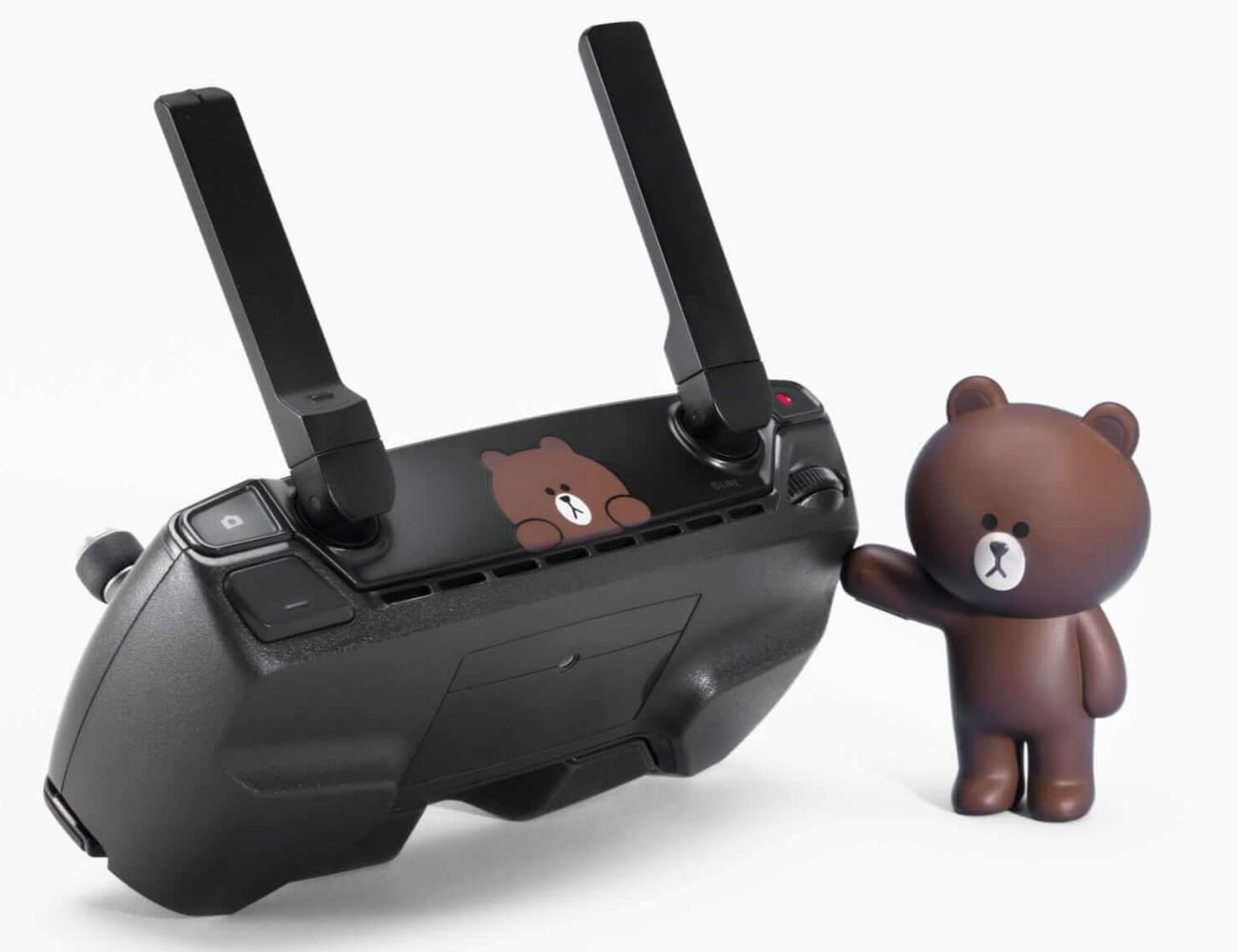
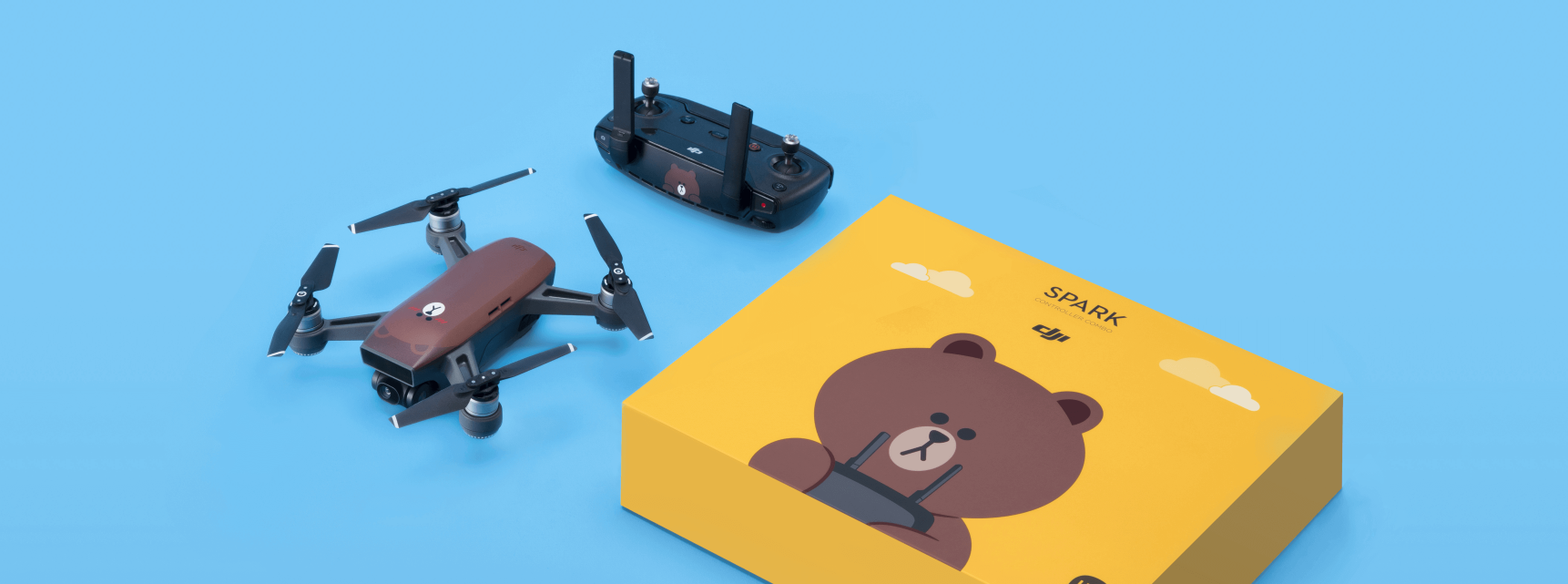
    The move is expected to be a step towards making the technology more accessible to a wider audience. The miniature camera drone depicts the popular character Brown, and is small enough to lift off from the palm, with a photo-taking capacity of 12 megapixels and 1080p stabilised video capture. The Line Friends drone has the distinctive feature of being able to be controlled with hand gestures.

    DJI’s senior communication manager Monica Suk said, “The DJI Spark earned its reputation as the smallest, yet powerful flying camera. It made flying a drone extremely easy, fun and more personalised. Similar to other things we carry in our bags, a drone is becoming a lifestyle accessory.

    “This special edition Line Friends drone will take this concept even further and make storytelling and sharing exciting, and a part of our everyday life.”

    The Line Friends drone (Brown) Spark RC Combo is selling at US$399 in North America, China, Hong Kong and Korea.

  • Korean Air launches new route to Boston with Delta

    Korean Air launches new route to Boston with Delta

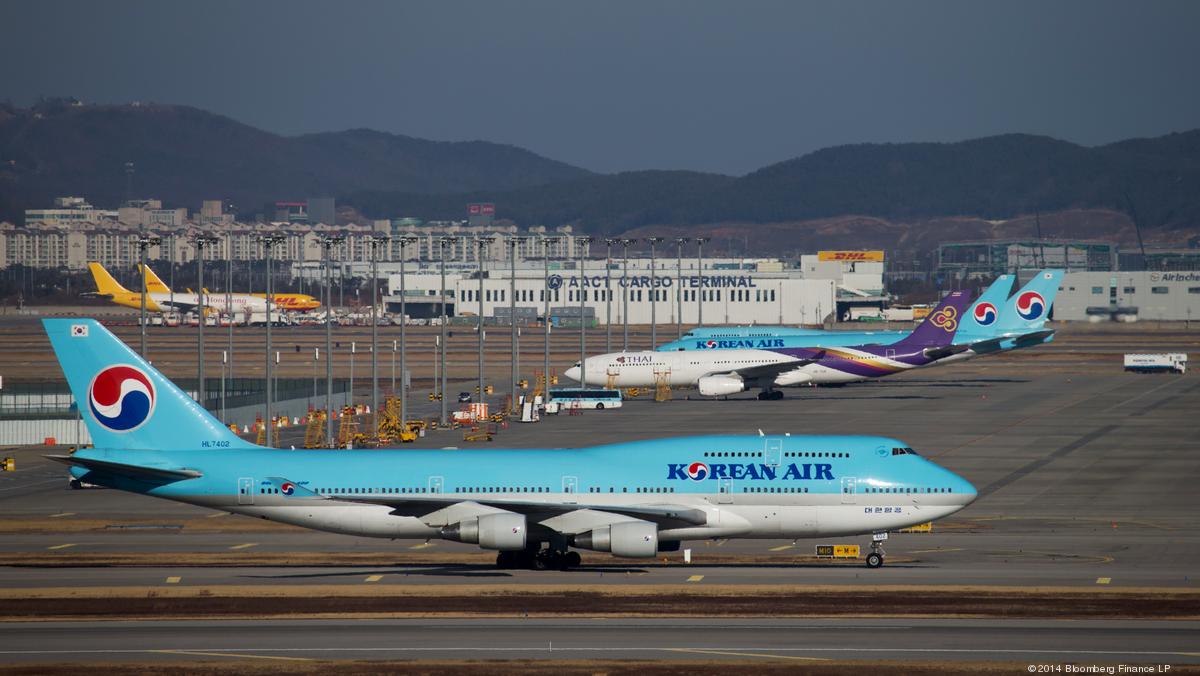
    Korean Air Lines, the country’s flag carrier, said Monday it will open a new route to Boston in April next year as part of a joint venture with Delta Air Lines.

    Korean Air plans to use Boeing 787s to provide five flights per week on the Incheon-Boston route, beginning April 12, the company said in a statement.

    Delta Air will allocate its Boeing 777-200ER to serve on the Incheon-Minneapolis route on a daily basis from April 2.

    On May 1, the two airlines launched a joint business that permits Korean passengers to use multiple routes when traveling to the United States by taking flights from either Korean Air or Delta Air.

    The partnership has allowed local travelers to fly on 370 routes to 192 cities in the U.S. since May. Until April, Korean Air customers leaving the country could only enter the United States for travel or business trips at a handfuls of airports.

  • Lancome launches event at Shinsegae Duty Free

    Lancome launches event at Shinsegae Duty Free

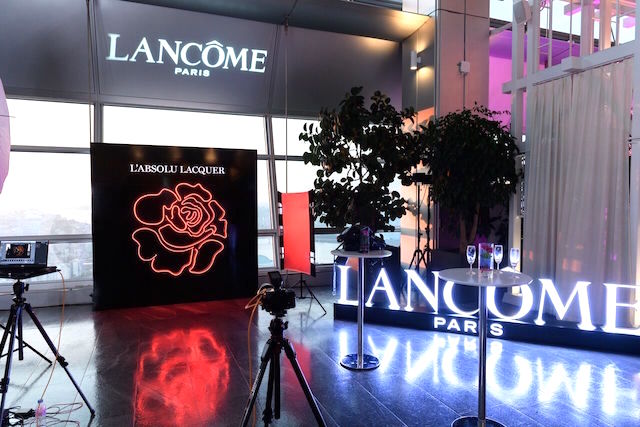
    Cosmetics brand Lancome has taken over a high-profile retail space in Seoul’s Shinsegae Duty Free store.

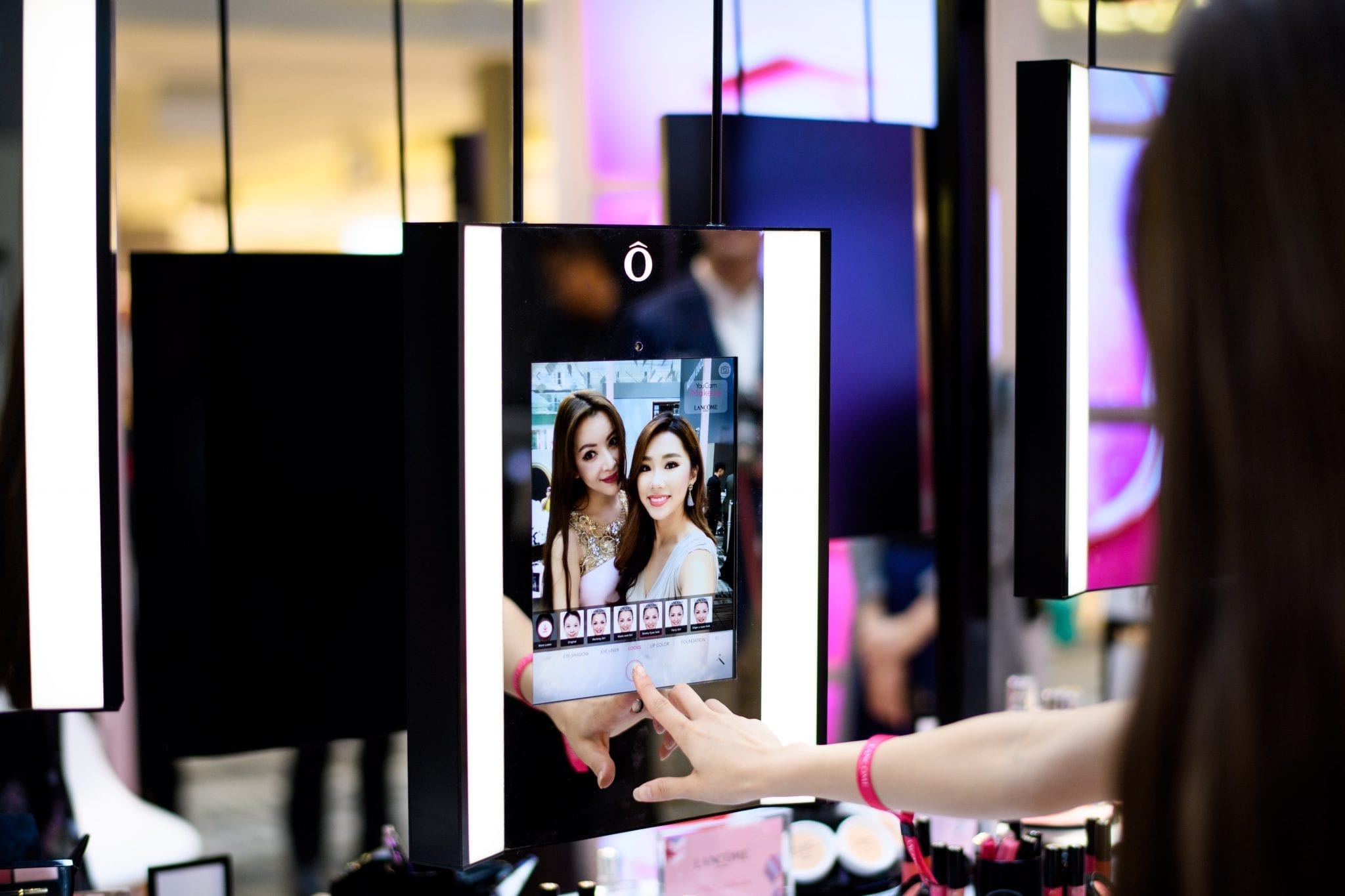
    The 360-degree panoramic LED screen above the signature Shinsegae carousel, facade and surrounding features were fully branded to showcase new products, creating a multi-sensorial concept space intended to immerse guests and consumers in the brand’s “Makeup Is My Power” experience.

    Lancome Travel Retail Asia Pacific is using the area to promote its Teint Idole Ultra Wear Foundation in a move designed to promote the power of makeup as well as to create a dedicated beauty space for consumers to fully experience its products.


    “As part of our goal to create new tourism demands through our duty-free store, we are on a constant lookout for partners and ideas to strengthen and elevate our retail offerings. We are proud to partner Lancôme Travel Retail Asia Pacific for this impressive regional launch,” said Seokho Hong, senior VP of Shinsegae Duty Free.

    The official launch event included a celebrity appearance by popular Korean celebrity and Lancome local ambassador for South Korea, Suzy Bae, a group of Lancome’s national make-up artists from around the world, and 20 prominent Chinese KOLs and customers.

  • Is Google going to make it into China?

    Is Google going to make it into China?

    Google wants to get back into China, and is laying the groundwork for a key part of the initiative: bringing its cloud business to the world’s second-largest economy.

    The internet giant is in talks with Tencent Holdings Ltd., Inspur Group and other Chinese companies to offer Google cloud services in the mainland, according to people familiar with the discussions. They asked not to be identified discussing private matters.

    The talks began in early 2018 and Google narrowed partnership candidates to three firms in late March, according to one of the people. Trade tensions between China and the US now loom over the effort. It’s unclear if the plans will proceed, this person said.

    The goal is to run Google internet-based services – such as Drive and Docs – via the domestic data centers and servers of Chinese providers, similar to the way other US cloud companies access that market. In most of the rest of the world, Google Cloud rents computing power and storage over the internet, and sells a collection of workplace productivity apps called G Suite that are run on its own data centers. China requires digital information to be stored in the country and Google has no data centers in the mainland, so it needs partnerships with local players.

    Google Cloud chief Diane Greene said last week that she wants the business to “be a global cloud,” but declined to comment specifically about China. Still, the company is seeking a Shanghai-based business development manager for its cloud business. The job posting lists “experience in, and knowledge of, the Chinese market” as a preferred qualification.

    A Google Cloud spokesman declined to comment. Inspur and Jane Yip, a Tencent spokeswoman, didn’t immediately respond to requests for comment on Friday.

    A tie-up with large Chinese tech firms, like Tencent and Inspur, a major cloud and server provider, would also give Google powerful allies as it attempts a broader return to mainland China, where it pulled its search engine in 2010 over censorship concerns.

    After years of slowly rebuilding a presence in China, Google has pressed the accelerator recently. It’s building a cloud data centre region in Hong Kong this year and opened an artificial intelligence research centre in Beijing in January. Along with other Alphabet Inc. units, it has begun investing more in Chinese companies. Plans for a censored search app in China surfaced earlier this week, sparking a furious debate about whether Google is putting profit over its mission to “organize the world’s information and make it universally available.”

    A cloud partnership for Google in China would help the company compete more with larger rivals Amazon.com Inc. and Microsoft Corp. In late 2017, Amazon agreed to sell its Chinese servers and some other cloud assets to local partner Beijing Sinnet Technology Co. The move complied with laws introduced that year mandating the storage of data within the country and bolstering government control over the movement of information. The move mirrored a similar set-up between Microsoft and its local partner 21Vianet Group Inc.

    With Tencent, Google would have an even more high-profile ally – but would also go up against local competitors including Alibaba Group Holding Ltd., which operates a major cloud business in China.

    China is the second-largest cloud market, but local companies dominate, making it difficult for outsiders like Google, according to Synergy Research Group. “You can never say never, but that is an incredibly tough proposition,” Synergy analyst John Dinsdale said. A June report from Synergy ranked Google fourth in the Asian cloud market, behind Amazon, Alibaba and Microsoft.

    In January, Google struck a patent-sharing deal with Tencent. The agreement came with an understanding that the two companies would team up on developing future technologies.

    Tencent operates its own cloud service and is building an ecosystem of partners that includes Cisco Systems Inc., Nvidia Corp. and Deloitte, according to Tencent’s website. It already offers a cloud service called the Tencent Kubernetes Engine that’s based on a popular Google technology by the same name. Google could host services, such as Gmail, Drive and Docs, on Tencent’s data centers, and the Chinese company may suggest existing cloud customers try Google offerings.

    Tencent founder Pony Ma is a representative of China’s National People’s Congress, and Inspur, formerly the state-owned Shandong Electronics Devices Plant, could provide political cover for Google as it seeks to gain approval from authorities to operate more of its largest businesses in country.

    Google has touted the security and AI strengths of its cloud division. Tensorflow, a coding library for AI applications created by Google, is growing in popularity with researchers and software developers in China. While the feature is compatible with other cloud services, it’s designed to work most efficiently with Google’s cloud.
  • Elon Musk’s SpaceX Helps Keep Costs Down on Launch of Telkom’s Merah Putih Satellite

    Elon Musk’s SpaceX Helps Keep Costs Down on Launch of Telkom’s Merah Putih Satellite

    Telkom Indonesia, the country’s largest telecommunications company, will save up to a quarter of the cost involved in the launch of its latest satellite through reusable rocket technology.

    The Merah Putih satellite cost $165 million to develop, launch and insure against launch failure, Zulhelfi Abidin, Telkom’s network and information technology solutions director, said on Sunday (05/08). In comparison, Telkom-3S satellite, launched on Feb. 15, 2016, cost Telkom $215 million.

    Bank Rakyat Indonesia’s 2016 BRIsat project – the world’s first satellite owned and operated by a bank – cost the state-owned lender $250 million to develop and launch, by Europe’s Arianespace.

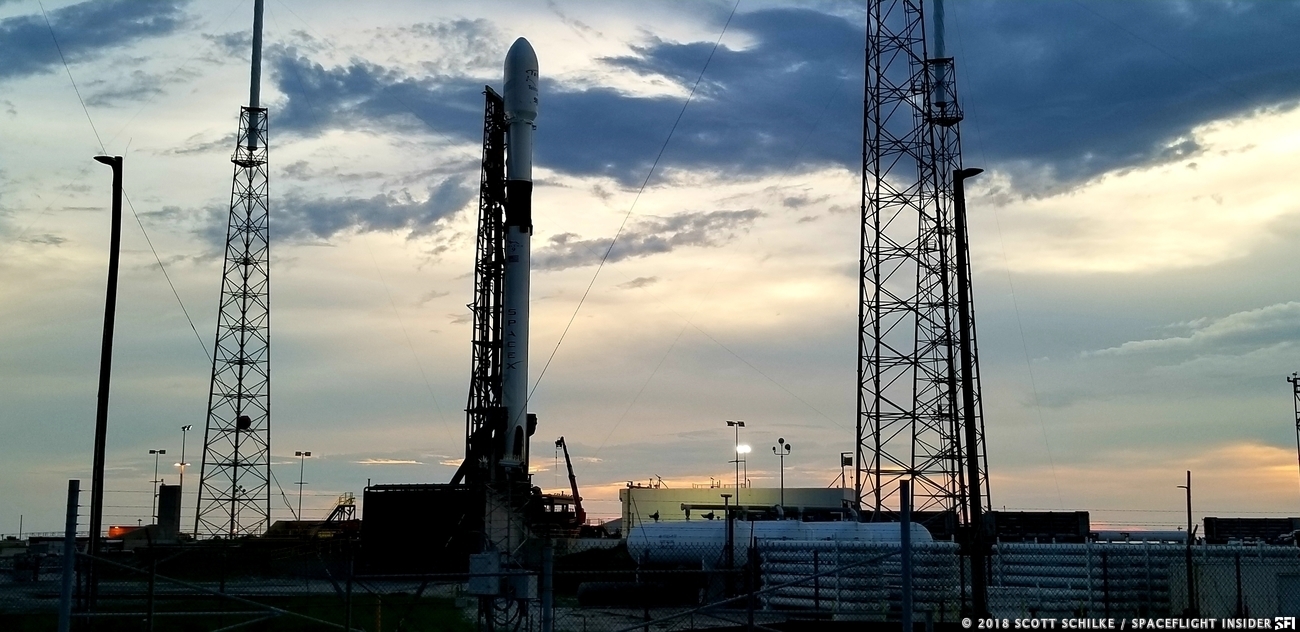
    Telkom contracted billionaire Elon Musk’s Space Exploration Technologies Corporation, better known as SpaceX, for the Merah Putih launch. The satellite will hitch a ride on SpaceX’s Falcon 9 rocket, which can be reused up to 10 times.

    “The process of combining the rocket with the satellite is already completed, so all that’s left is to wait for the launch,” Zulhelfi said.

    The satellite will be launched from Cape Canaveral Air Force Station in Orlando, Florida, on Tuesday.

    Telkom hopes Merah Putih will help it provide extended communication services across Indonesia, particularly in the country’s remote and outermost regions. The company also hopes to use the satellite to increase its business opportunities in South Asia.

  • Lotte donates $100,000 to Laos disaster relief effort

    Lotte donates $100,000 to Laos disaster relief effort

    Lotte said on Tuesday it has donated $100,000 to relief and reconstruction efforts following the Laos dam disaster in Attapeu.

    Oh Sung-yup, head of communications at Lotte Corporation, delivered the fund to Community Chest of Korea, a non-profit charity organization based in central Seoul, on Tuesday. The fund will be used to supply necessities to victims who lost their homes and to help rebuild villages.

  • China boosts L’Oreal high growth rate

    China boosts L’Oreal high growth rate

    Chinese consumers are powering massive sales growth for beauty products giant L’Oreal in Asia Pacific.

    During the first half of this year, like-for-like sales in the region soared 22 per cent and it is now on the brink of surpassing North America as L’Oreal’s second largest geographic region in sales, behind Europe.

    “This strong growth is being boosted by Chinese consumers, as reflected in the growth in China and Hong Kong across all divisions, especially for premium brands,” said L’Oreal in a statement. “E-commerce and travel retail accelerated in the first half. Southern Asia is extremely dynamic, with market share gains particularly in India and Malaysia.”

    Globally, L’Oreal achieved sales of €13.39 billion, with €3.54 coming from Asia, €3.56 billion from North America and €4.13 billion from Western Europe. Across all markets, like-for-like sales rose by 6.6 per cent. But in Western Europe, sales slipped 2 per cent in the second quarter and 0.8 per cent over the first half.

    Chairman and CEO Jean-Paul Agon said the beauty market is becoming more premium.

    “The good sales growth and the quality of the first-half results reinforce our confidence in our ability to once again outperform the cosmetics market in 2018, and to achieve significant like-for-like sales growth and an increase in our profitability.”

  • JD Sports launches entertainment platform

    JD Sports launches entertainment platform

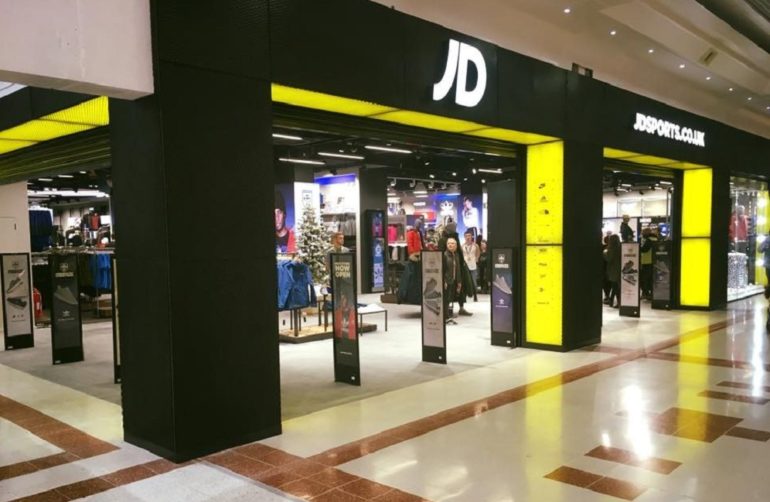
    The company is working with multichannel in-store and digital production company Immedia on the 24-hour service which is clearly seen as a key development for the retailer.

    It was officially launched at with a VIP party, with an exclusive live performance by Anne-Marie.

    It’s part of “a larger programme of added benefits designed to enhance the experience of JD consumers.” These include unlimited next day delivery, priority access to exclusive events, early product launch access and other “money-can’t-buy experiences.”

    JD-X is being rolled out now to all JD UK stores and with Immedia providing language-specific channels on a global basis, there are plans for the platform to be available in other European countries too. Ireland, France, Belgium, Spain, Portugal, Germany, Italy, Netherlands, Sweden, Denmark and Finland are all on the hitlist.

    So what do consumers actually get with JD-X? A main Live channel featuring DJs, guest artists and other “exclusive and relevant content”, plus “20 other bespoke streams with specific playlists to cover genres and trends.”

    The JD-X Live channel focuses on “the biggest tracks popular with the JD audience.” Core artists include Drake, Ramz, Mabel, Stormzy, Anne-Marie, Calvin Harris, J Hus, Dua Lipa, Post Malone and Kendrick Lamar.

    The genres and activities on the 21 channels include UK Reppin’, featuring tracks from the stars of the UK Grime and RnB scenes. And there are other playlists to listen to when in the gym or out running.

    JD-X also provides content relevant to consumer interests including sport, clubs, gaming, gigs, relaxation, and TV. There are videos too, such as the latest content from JD, including celebrity exclusives and features on new products, all available to view inside the app.

    Immedia CEO Bruno Brookes said: “Live entertainment channels offer an incredible way for brands, facing the dual threat of declining advertising response rates and the increase in ad blocking technologies, to establish unique connections with consumers that deliver excellent experience and business results.”

  • Jamba Juice tempted to expand after good sales

    Jamba Juice tempted to expand after good sales

    US chain Jamba Juice has been bought for US$200 million by Focus Brands.

    Already, there is speculation that the Jamba Juice sale may lead to the brand being expanded overseas. The reason: Focus is owned by private equity firm Roark Capital and the parent of some high-profile food retail concepts.

    Focus already operates more than 5000 eateries in the US, Puerto Rico and 50 other countries under brands including Carvel, Cinnabon, Schlotzsky’s, Moe’s Southwest Grill, Auntie Anne’s, McAlister’s Deli and Seattle’s Best Coffee. So it has established partnerships in many international markets, including in Asia.

    “We are delighted to have reached this agreement with Focus Brands and are confident that it will result in a positive outcome for our guests, our franchisees and our employees,” Jamba Juice CEO Dave Pace said in a statement. “Over the last few years, we have worked hard to strengthen our foundation and reposition this iconic brand for the future. Partnering with Focus Brands will allow us to build on this work and further accelerate the company’s growth.”

    The deal is expected to close in the third quarter of 2018.

    Once Jamba Juice is acquired, it will operate as a privately held subsidiary of Focus and an independent brand.

    Jamba Juice was founded in California in 1990 and has expanded to more than 800 retail stores but only a small number outside the US.

  • SK Broadband adds home screens to TV

    SK Broadband adds home screens to TV

    SK Broadband will launch customizable home screens for all of its 4.6 million TV subscribers on Aug. 16.

    SK Broadband unveiled a series of upgraded TV media services on Tuesday and vowed to increase its offerings of customized content.

    “Paid broadcasting services are supposed to analyze the data of customers’ media consumption trends to come up with the services and content that suit them,” said Yoon Suk-am, head of the media business division at SK Broadband at a press conference at SK Telecom’s headquarters in central Seoul. “It will be the first step in raising customer value further.”

    Users may choose among three options to set their home screen, which appears right after the TV is turned on – video on demand, a real-time TV channel or a kids’ channel that consists only of content for children. Baseball aficionados, for example, can set a baseball channel as their home screen.

    The screen can also recommend content according to age group and based on the past user’s viewing habits, including their favorite TV programs from the past five years. The screen will also show which monthly plan users are subscribed to, valid membership points, coupons and discounts.

    SK Broadband said its mobile video streaming app, Oksusu, will offer real-time baseball broadcasts that are up to 20 seconds faster than competing apps.

    For children, SK Broadband will offer a custom fairy tale maker to TV subscribers. Kids can add their own voice, face and drawings to a TV screen to make their own TV fairy tale content, using 3D facial recognition technology and real-time facial expression generation technology. Some 250 fairy tales will be available for customization.

    When viewers take a photo of their face with a smartphone app and send it to the TV, the photo’s facial expression will take on up to 20 different emotions depending on the flow of the story. Viewers may even turn into the antagonist of one of the fairy tales. Children may also draw paintings that are added to the story and affect its outcome.

  • US’s MGM plans its return to Vietnam

    US’s MGM plans its return to Vietnam

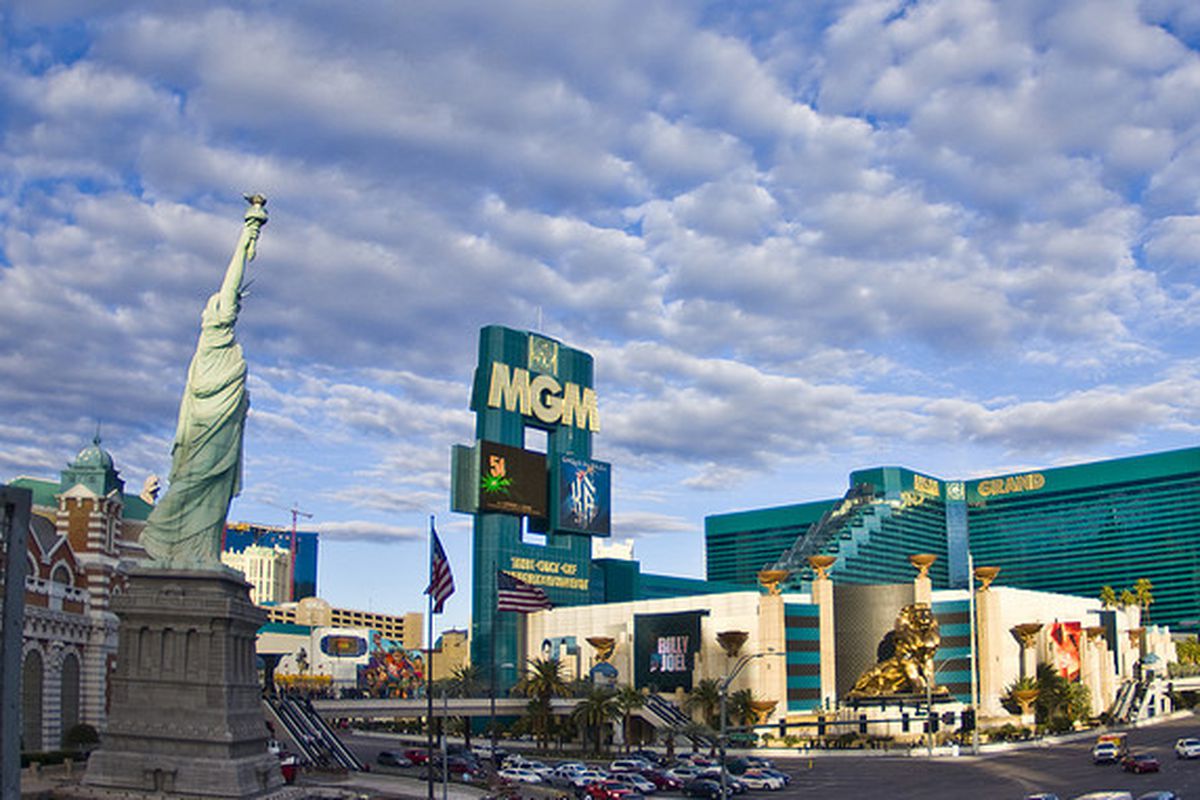
    It left with no explanation, and there is no explanation about an unexpected return by MGM Resorts International to Vietnam.

    MGM had withdrawn from a $4.2 billion project in March 2013 without saying why, but seems to have encountered no difficulty in returning with a new investment project.

    The global hospitality and entertainment company will now be a part of a new resort project near travel hot spot Hoi An in central Vietnam.

    MGM will partner with Vietnamese real estate firm Bamboo Capital in managing the VND2 trillion ($86 million) Malibu Resort Hoi An on Ha My beach.

    MGM would have managed the first resort on the Ho Tram Strip project in the southern Ba Ria – Vung Tau province, had it not broken a deal with the Canada-based Asian Coast Development Ltd (ACDL) which was the project’s main investor.

    It didn’t give a reason for withdrawing from the mega project, which would consist of 9,000 5-star hotel rooms, a golf course and a casino with 2,000 slot machines by 2020.

    But MGM has returned with a new vision and will only focus on managing resorts, said a representative of Bamboo Capital at the Malibu Resort Hoi An signing ceremony.

    The company will not manage both casinos and hotels as it used to years go, the representative said, adding that the current partnership is based on sound legal foundations.

    MGM reported a net income of $2.0 billion last year.

  • Dufry blossoms in Asia market

    Dufry blossoms in Asia market

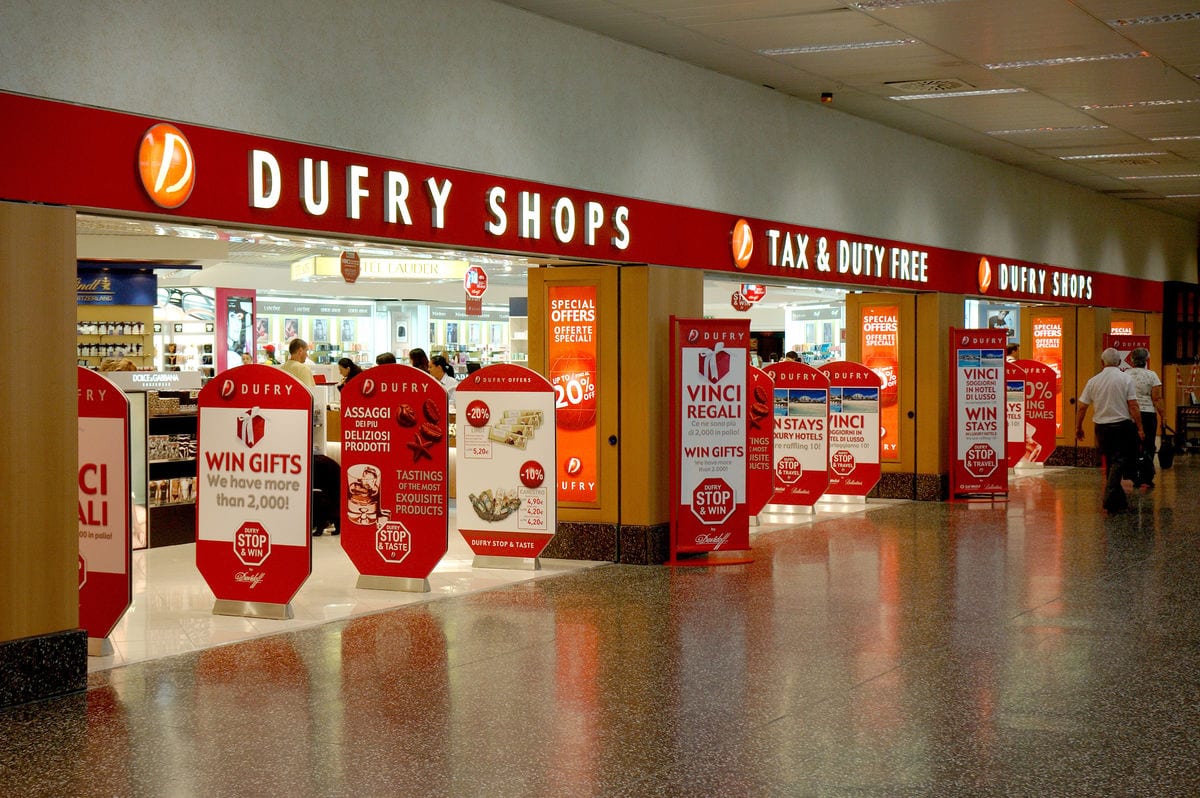
    Asia “continued to boom” for travel retailer Dufry in the first half of this year.

    Bali, Cambodia, Indonesia, Macau and South Korea all achieved double-digit sales growth during the half year, with Chinese tourists credited for much of that growth. Australia also achieved “strong double-digit performance” after the full renovation of Dufry’s stores there.

    “Eastern Europe, Middle East, Asia and Australia continued to outperform, driven by a growing number of Chinese passengers,” the company said in an earnings statement. Organic growth across Eastern Europe, Middle East, Asia and Australia rose 22.1 per cent.

    Globally, the Swiss company’s turnover grew by 7.2 per cent to CHF 4.097 billion (US$4.112 billion). Earnings before interest and tax grew 38.4 per cent to CHF 124.6 million.

    Dufry says its organic sales growth rose by 5.5 per cent thanks to an expansion and refurbishment program across the group.

    In the first half of this year, it expanded and opened 13,200sqm of gross retail space, which included new operations aboard 12 cruise ships, totalling 3500sqm across 38 stores. A further 22,400sqm of refurbishments are planned during the second half year, including the implementation of its new generation store concept at Heathrow Airport’s T3.

  • The RealReal store showcases newest O2O innovation

    The RealReal store showcases newest O2O innovation

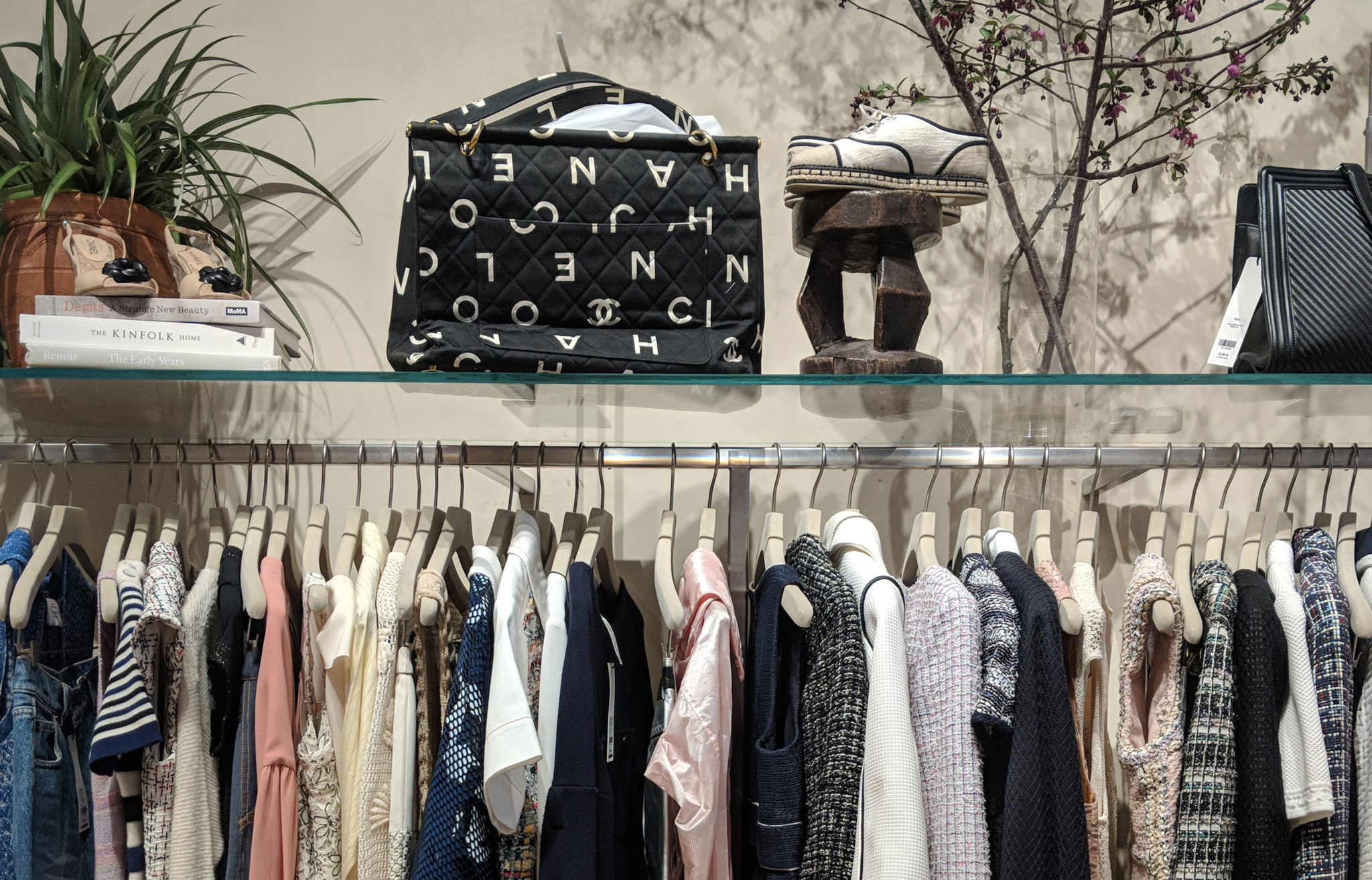
    Luxury consignment retailer The RealReal has opened a brick-and-mortar concept store on the US West Coast.

    The 12,000sqft Los Angeles store encompasses The RealReal’s entire brand offering, from one-of-a-kind luxury goods through to accepting consignment through to face-to-face consultations with its luxury experts. It includes a separate 5500sqft men’s department featuring a “sneakerdome”, watch bar and tailoring area, as well as a 1500sqft “handbag vault”.

    The concept store has installed a proprietary technology solution called RealReal 360, which provides a unified view of all inventory and customer behaviour across channels – brick-and-mortar, desktop, mobile, e-commerce centers, and luxury consignment offices.

    RealReal CEO and Founder Julie Wainwright said, “With the continued success of our SoHo flagship and pop-up shops, we’re excited to expand our brick-and-mortar footprint and give The RealReal another permanent home – on the West Coast. We’re excited to give shoppers and consignors in LA and surrounding areas access to our omnichannel business, unique brick-and-mortar experience and services, and team of experts.”

    The store offers free valuations, seamless consignment drop-offs, personal styling services, expert workshops, item repairs, alterations, and authentication of all luxury goods.

    View the gallery below (4 images) :

  • Tse Sui Luen makes big mainland expansion plan

    Tse Sui Luen makes big mainland expansion plan

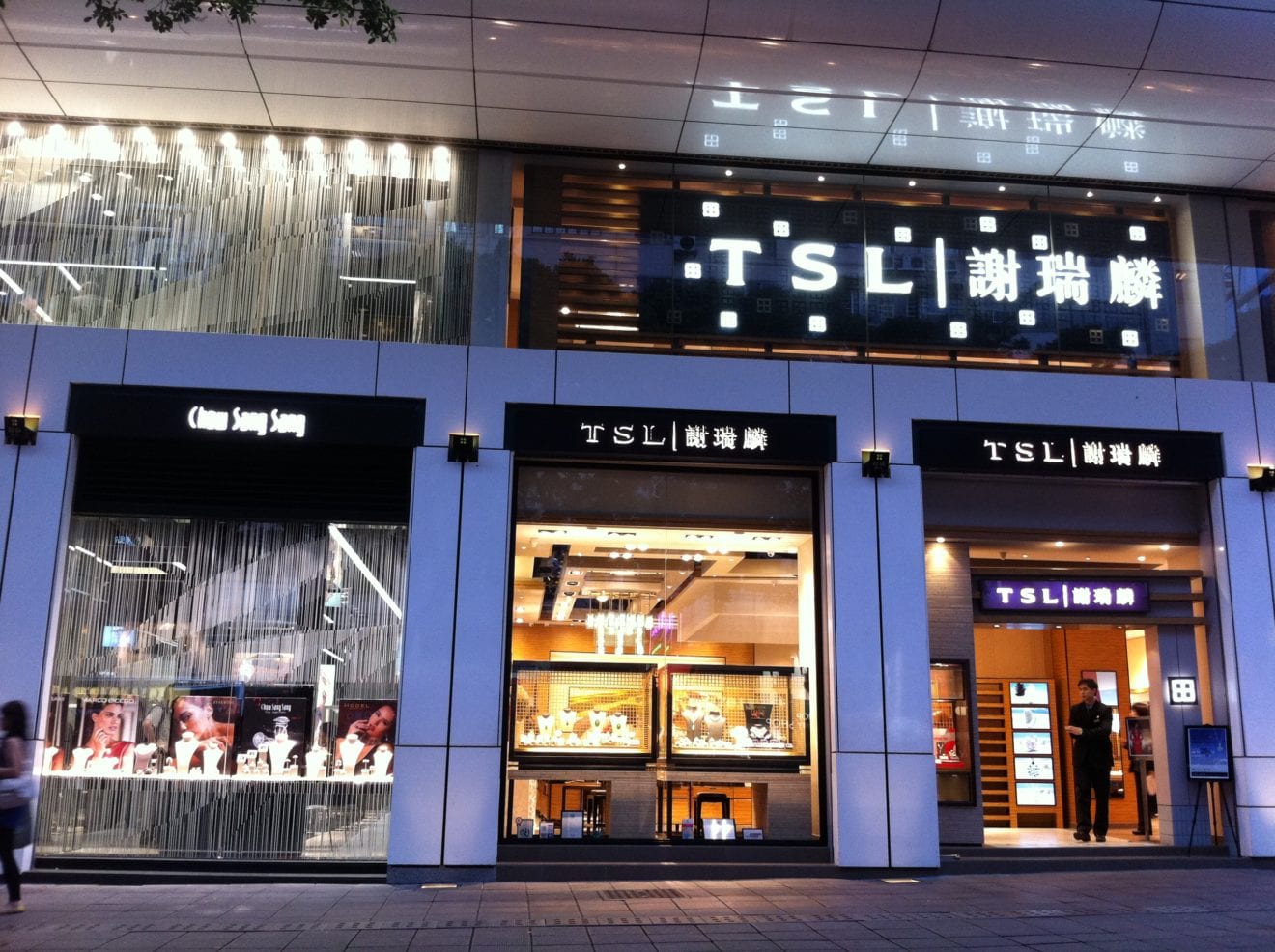
    Hong Kong Jeweller Tse Sui Luen (TSL) has moved to target the Chinese middle class, according to a report.

    TSL has announced plans to open 100 outlets in the Chinese mainland within two years, taking its total number of stores to 487.

    The firm’s deputy chairman and chief strategy officer Estella Ng Yi-kum commented that “Even though the yuan is on a downward trend, we have strategies to adjust pricing and use product designs to fit the appetite of our customers to boost sales.”

    She said that China will be “the growth engine for TSL for the coming 20 years,” attributing this to the rise of the Chinese middle class, which is expected to flourish under changes planned for China’s tax code.

    Ng did admit to concerns about the weakening of the RMB making TSL products more expensive for Chinese shoppers in Hong Kong and devaluing TSL’s assets in China comparative to the US Dollar-pegged HKD. The firm will address these issues strategically by potentially raising prices in China and focusing on smaller, more profitable diamonds.

    “We use design to make a 0.3 carat diamond look like half a carat,” Ng said. “So we can have a good margin and attract customers.”

  • PepsiCo India’s Indra Nooyi to step down as CEO in October

    PepsiCo India’s Indra Nooyi to step down as CEO in October

    Indian American business executive Indra K. Nooyi will step down as the Chief Executive of food and beverage major PepsiCo Inc in October, the company said on Monday.

    According to the US-based multinational, Nooyi, 62, will step down on October 3 after 24 years with the company, the last 12 as the CEO. However, Nooyi will remain the Chairman of the company until early 2019, Pepsico said.

    She will be succeeded by Ramon Laguarta, 54, as the Chief Executive Officer.

    “Growing up in India, I never imagined I’d have the opportunity to lead such an extraordinary company,” Nooyi was quoted as saying in a company statement.

    “Guided by our philosophy of ‘Performance with Purpose’ – delivering sustained performance while making more nutritious products, limiting our environmental footprint and lifting up all the communities we serve, we’ve made a more meaningful impact in people’s lives than I ever dreamed possible.

    “PepsiCo today is in a strong position for continued growth with its brightest days still ahead.”

    While Nooyi departs, the rest of PepsiCo’s senior leadership team will remain unchanged.

    Speaking on behalf of PepsiCo’s Board of Directors, presiding Director Ian Cook said: “As Chairman and CEO, Indra has provided outstanding leadership over the past 12 years, serving as a model both within our industry and beyond for responsible corporate stewardship in the 21st century.

    “As CEO, she grew revenue more than 80 percent, outperforming our peers and adding a new billion-dollar brand almost every other year. And shareholders have benefited: US $1,000 invested in PepsiCo in 2006 is worth more than two-and-a-half times that amount today.”

    Cook pointed out that under her leadership the company invested “for the future, leading the way on corporate sustainability and responsibility, and embedding a sense of purpose in everything the company does.

    “As one of the first Fortune 100 CEOs to embed sustainability targets into business operations, Indra was a pioneer, paving the way for a new generation of business leaders who seek to ‘do well by doing good’.

    “Under her leadership, PepsiCo grew its portfolio of ‘Good for You and Better for You’ options from about 38 percent of revenue in 2006 to roughly 50 percent in 2017, almost tripled its investments in research and development to expand its more nutritious offerings and minimize its environmental impact, and achieved global recognition for the company’s work in communities around the world.”