Author: Mei Ling Tan

  • Older consumers do their shopping online

    Older consumers do their shopping online

    Consumers in their 50s and 60s are an emerging force in e-commerce as older customers with plenty of money to spend. Data confirm they are increasingly shopping online and via mobile apps.

    Data from e-commerce website Auction released showed that online purchases by consumers in their 50s and 60s have more than doubled compared to five years ago.

    Comparing the sales record from the year’s first half, consumers in their 50s spent 130 percent more than they did in 2014. Shoppers in their 60s increased their online spending by 171 percent.

    Combined, shoppers in their 50s and 60s accounted for 27 percent of all Auction customers in the first half of this year. In 2014 their share was just 17 percent.

    “We see more proactive PC and smartphone users among people in their 50s and 60s and their increase is wielding influence over the e-commerce market, which in the past was mainly about consumers in the 20s and 30s,” said Seo Eun-hee, who is in charge of Auction’s marketing team.

    Seo added that the growing purchasing power of older customers is a sign that e-commerce is no longer a channel confined to specific generations.

    Auction’s report also analyzed which products were popular with older consumers.

    Although it is generally thought that younger shoppers are more willing to spend money on themselves – the “you-only-live-once (YOLO)” lifestyle – Auction’s data suggested that is no longer the case.

    Belying the traditional Korean image of the prudent, family-centered older generation, shoppers in their 50s and 60s are apparently splashing out on clothes, luxury goods and travel. Sales of tickets for flights, cruises, golf vacations and tour packages rose more than 114 times. Fashion items sold almost eight times more this year compared to 2014 while sales for luxury-branded goods nearly tripled.

    More seniors were also looking for simpler alternatives to home-cooked meals as purchases of instant food and home-meal replacements also tripled during the same period.

    Smartphones are one factor that has boosted the number of older consumers shopping online. Mobile versions of e-commerce sites are generally simpler and intuitively easier to understand than those of PCs.

    In late June, e-commerce website WeMakePrice announced that “senior” is one of the four keywords that define the e-commerce trend in this year’s first half.

    Purchases by consumers above 50 rose 36 percent year-on-year during this period. The number of members of the website in this age group also increased 2.6 percent year-on-year.

    Like Auction, the list of products most purchased by senior consumers had high price tags: bars of gold, laundry machines and refrigerators. In fact, seven among last year’s 10 bestselling products of consumers aged above 50 were home electronics, whereas in 2016 there were two and in 2015, zero.

    This increase is notable in that it signals senior consumers now have more trust in the products they buy online.
  • Jumbo Group to expand in Bangkok

    Jumbo Group to expand in Bangkok

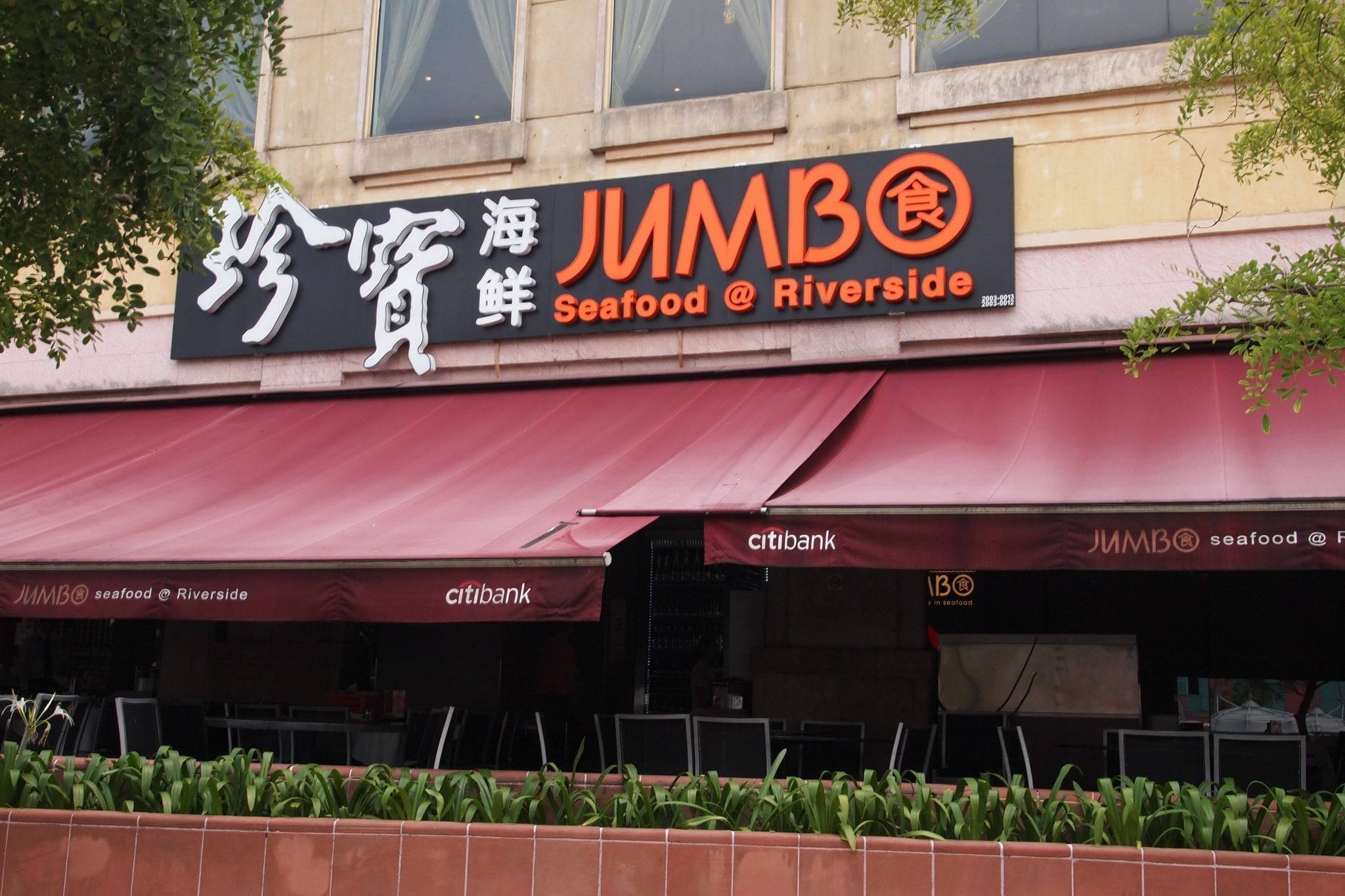
    Singapore restaurant chain Jumbo Group has entered into a 10-year franchise agreement with Thailand’s C J Seafood.

    The agreement authorises C J Seafood to establish and operate a Jumbo Seafood restaurant in Bangkok, which is expected to open by the end of this year.

    A company announcement stated that this new agreement forms part of the group’s plans to expand and strengthen its presence in Asia. It has already established franchises in Vietnam and Taiwan, making Thailand the group’s third franchise outpost in the region.

  • There is no sugar monopoly in Malaysia, say refiners

    There is no sugar monopoly in Malaysia, say refiners

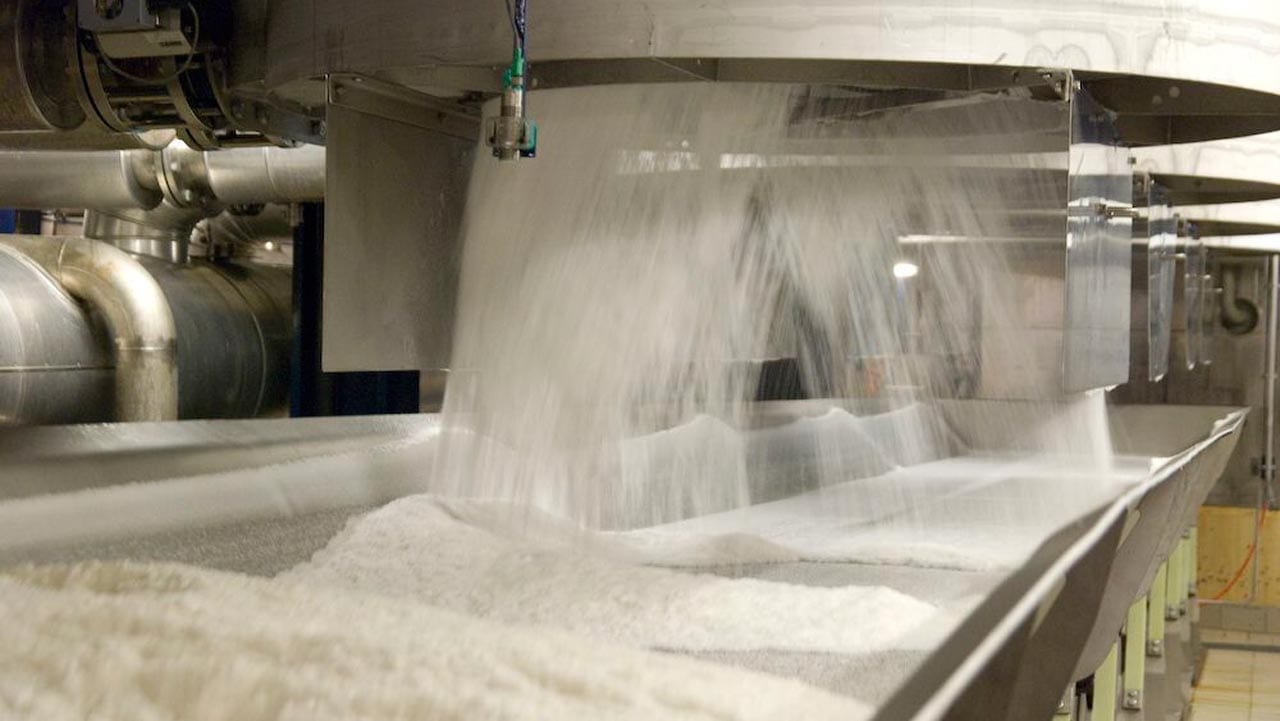
    MSM Malaysia Holdings Bhd and Central Sugars Refinery Sdn Bhd (CSR) have clarified that there is no sugar monopoly in Malaysia and that the price of the commodity is controlled by the government and is among the lowest in the world.

    The two refiners said the local players operate within a challenging business environment to ensure a steady supply of sugar to Malaysian consumers while maintaining a decent sugar stockpile for the nation.

    “The facts to date, while the costs of doing business have increased, such as minimum wage, gas and electricity tariffs, the ceiling price of refined sugar has remained at RM2.95/kg,” they said in a joint statement.

    As sugar is gazetted under the Price Control and Anti-Profiteering Act 2011, sugar in Malaysia is among the cheapest in the world. Currently, the ceiling price for coarse grain sugar is set at RM2.95/kg and fine granulated sugar at RM3.05/kg.

    Despite that, the industry is adversely affected with illegal activities such as sugar smuggling and infiltration of illicit sugar, which are threats to matters concerning halal, quality control and other mandatory certification requirements.

    “Nevertheless, the local refiners are committed to provide a stable environment for the consumer whilst maintaining highest standards of sugar quality even at the current controlled price.”

    In Malaysia, there are two sugar refiners – MSM under FGV Holdings Bhd and CSR under Tradewinds (M) Bhd – operating five sugar refineries, including a new one in Tanjung Langsat, Pasir Gudang, Johor, which is scheduled for commissioning this month.

    The current total capacity of the existing four refineries is 2.0 million tonnes a year. Domestic demand in Malaysia is 1.5 million tonnes a year, leaving Malaysia with an excess capacity of 500,000 tonnes annually. With the new refinery in Johor, total capacity will be 3.0 million tonnes a year.

    Apart from local brands, they said, there are importers that bring in and market a variety of sugar brands in Malaysia including SIS, Taikoo, Waitrose, Billington, Tate & Lyle, which provides for a competitive landscape.

    Food and beverage manufacturers buy sugar through the NY#11, the global commodity trading platform for raw sugar. Local refiners will then execute the buying on behalf of these companies, import the sugar that has been procured and refine it for them for a fee.

    As part of the local refiners’ duties, a certain amount of sugar is stockpiled to ensure adequate supply in the country during times of high global prices, the refiners said.

    “Due to the relatively lower world raw sugar prices today, many opportunistic parties that operate without the overheads and responsibilities that local refiners have, are trying to import sugar and profit from the low prices. These companies may not have the necessary certifications such as the halal certification and will cease operations once world raw sugar prices go higher than the ceiling price. It will then be left to local sugar refiners to address the instability by the void left behind by these opportunistic players.”

  • Rise of robots fuels slavery threat for Asian factory workers

    Rise of robots fuels slavery threat for Asian factory workers

    Drastic job losses due to the growth of automation in the region – a hub for many manufacturing sectors from garments to vehicles – could produce a spike in labour abuses and slavery in global supply chains, said risk consultancy Verisk Maplecroft on Thursday.

    More than half of workers in Cambodia, Indonesia, Thailand, Vietnam and the Philippines – at least 137 million people – risk losing their jobs to automation in the next two decades, the United Nations’ International Labour Organization (ILO) says.

    The risk of slavery tainting supply chains will spiral as workers who lose their jobs due to increased robot manufacturing will be more vulnerable to workplace abuses as they jostle for fewer jobs at lower wages, said Alexandra Channer of Maplecroft.

    “Displaced workers without the skills to adapt or the cushion of social security will have to compete for a diminishing supply of low-paid, low-skilled work in what will likely be an increasingly exploitative environment,” she said.

    “Without concrete measures from governments to adapt and educate future generations to function alongside machines, it could be a race to the bottom for many workers,” the head of human rights at Britain-based Maplecroft said in a statement.

    Farming, forestry and fishing, manufacturing, construction, retail and hospitality are the sectors in Southeast Asia where workers are most likely to be replaced by robots, Maplecroft said in an annual report, with Vietnam the country at most risk.

    Workers in the garment, textile and footwear industry – mostly women in countries such as Cambodia and Vietnam – face the biggest threat from automation in the region, Maplecroft said.

    The five countries the report lists are already considered high-risk for modern slavery as labour abuses are rife, wages low and the workforce dependent on low-skilled jobs, the firm said, with automation set to make things worse.

    “Automation has always posed a risk to low-skilled jobs, but governments and business can determine how it impacts on workers,” said Cindy Berman of the Ethical Trading Initiative, a group of unions, firms and charities promoting workers’ rights.

    “Technology can be disrupting, but it can also be part of the solution by creating opportunities for better jobs,” its head of slavery strategy.

  • Jollibee Malaysia opens new store

    Jollibee Malaysia opens new store

    Filipino fast-food chain Jollibee is returning to Malaysia, opening a store in Sabah.

    According to CEO Ernesto Tanmantiong, the Jollibee Malaysia move is part of the company’s aspirations to open 500 stores under a PHP12 billion (US$224 million) spending plan, including new destination markets such as the UK, Malaysia and Indonesia.

    Sabah is geographically closest to the Philippines and has a large Filipino community.

    Jollibee founder and chairman Tony Tan Caktiong said: “We expect revenues and profit to continue to at least sustain [Jollibee’s] historical growth rates this year and in the years ahead.”

    The original Jollibee Malaysia business closed down following the 1997 Asian financial crisis.

  • When robots strolling around at Incheon Airport

    When robots strolling around at Incheon Airport

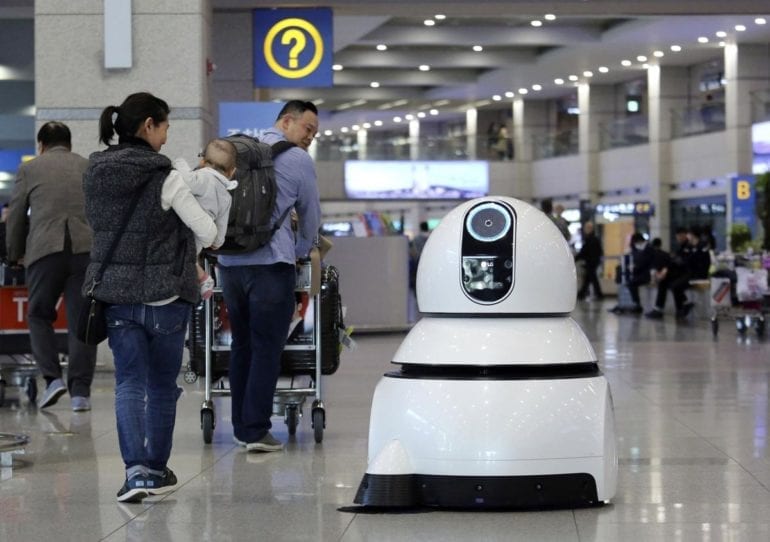
    Incheon International Airport will deploy robot guides that can escort travelers to immigration and baggage claim areas from 21 July, in time for the summer peak season.

    The airport said it is first in the world to put robots into service, as opposed to testing them.

    The second-generation robot, dubbed Airstar, is an upgraded version of guide robots that were tested in the airport last year.

    Airstar robots have improved driving and voice recognition features compared to the test versions and are also capable of expressing 14 different emotions.

    The self-driving feature was upgraded by using more sensors including three-dimensional camera sensors that help avoid obstacles and ultrasonic sensors that recognize very close objects, the airport said.

    As for voice recognition, the new robot is designed to distinguish voice commands from other noises in the airport. The robot speaks four languages: Korean, English, Chinese and Japanese.

    The robots will escort travelers, tell them how busy immigration desks are, what products are restricted on board and the way to gates after scanning barcodes on boarding passes.

    The robots can also take photos of travelers in the airport and send it to them by email or text message.

    The second-generation robot hardware was designed by Puloon Technology and LG’s IT service unit LG CNS developed the software starting last September.

    Eight robots will be deployed in Terminal One and six in Terminal Two, which opened at the beginning of this year.

    “We plan to make Incheon a cutting-edge smart airport by adopting drones, Internet of Things technology and autonomous shuttle buses,” said Chung Il-young, CEO of Korea’s largest airport.

  • Foreign inflows into Malaysia in second half if dollar weakens

    Foreign inflows into Malaysia in second half if dollar weakens

    Standard Chartered (StanChart), whose investment strategy is to stay bullish and diversified, said foreign inflows into Malaysia should be coming through in the second half of the year assuming the US dollar weakens.

    Its head investment strategist Manpreet Gill said outflows in the first half of the year had more to do with the US dollar strengthening, adding that the outflows are not unique to Malaysia.

    “We’ve seen it happening across Asia and emerging markets outside Malaysia and not because of the election in Malaysia. It’s a global picture where equity and bond flows have gone out of emerging markets to developed markets. That’s why we’re emphasising the US dollar so much because we think that’s what turning investment flows.

    “If we’re right about the US dollar weakening, foreign investments should come back to Malaysia in the second half of the year,” he said.

    Manpreet, who is based in Singapore, said a big part of this global context is particularly important for the Malaysian market, more so than in the past.

    StanChart has a bullish view on equities, given that global equities typically outperform in the late stages of an economic cycle, and this also translates to the Malaysian equity market. This period of late stage of the economic cycle is usually characterised by a gradual heating up of inflationary pressures, increase in policy rates and strong equity performance.

    “In the stage of economic cycle we’re in, it can be very expensive not to be invested in global equities. It will also be unusual for Malaysian equities not to do well when most regional equity and global markets are doing well,” said Manpreet.

    Within equities, the US remains its most preferred region, supported by strong earnings growth, though it expects most markets to perform well.

    Manpreet said late-cycle investing is one of the hardest points of the cycle to invest, hence a diverse approach makes the most sense, which is to have a counterbalance in one’s investment allocation. He said bonds remain a core holding, preferring emerging market US dollar bonds because of attractive yields.

    As it expects the dollar to weaken on US trade deficits and narrowing real interest rate differentials, Manpreet said, the ringgit can be a support, estimating it to come in at RM3.90 against the dollar over a 12-month period.

    On the implications of a US-China trade war, StanChart’s Global Market Brief said both bonds (at least initially) and equities would likely be hit. Given the heavy weight of equities and bonds in most portfolios, investors can allocate to areas that will do well in this scenario (such as gold), and ensuring sufficient “dry powder” to take advantage of market weakness. However, it believes a full-blown trade war is unlikely.

  • AirAsia celebrates Avalon Airport launch with $99 flights to Asia

    AirAsia celebrates Avalon Airport launch with $99 flights to Asia

    Earlier in the year, Avalon Airport and AirAsia announced they would be teaming up to offer the first ever international flights out of Melbourne’s second airport, Avalon.

    Now, tickets for first flights are finally out and to celebrate they are on sale for as little as $99 each way.

    These are to AirAsia’s home city Kuala Lumpur and, to be perfectly frank, are actually on sale for $12 each waywith airport taxes coming in at $87. Put the two together and you get your flight fare.

    Whichever way you look at it, it is super cheap and is definitely not one to be missed.

    The Melbourne to Kuala Lumpur route will operate twice daily on AirAsia’s long haul carrier AirAsia X on an A330-300 aircraft. While it’s the focus flight of this launch, it isn’t the only one from Avalon Airport on sale. Direct flights from Melbourne (Avalon) to Bangkok are also available from $154 each way while over 70 indirect flights via Kuala Lumpur are also available to snap up for cheap. This includes Melbourne to Singapore from $140, Melbourne to Phuket from $147, Melbourne to Male (Maldives) from $201 and Melbourne to Tokyo from $249, to name a few.

    Again all these fares are one-way with returns costing double.

    Travel is open across a more-than-generous period, ranging from 4 December 2018 to 13 August 2019. This includes peak season dates such as Christmas, though these are limited so you may need to be flexible with your dates around high-season to keep to your intended budget.

  • JD changing model to tech company

    JD changing model to tech company

    For the first 12 years of its existence, JD’s business model has largely been based on retailing.

    But now the company is morphing into something quite different, explains Winston Cheng, president international, at JD.

    “For the next 12 years where we want to be is a technology company or technology focused. So the first 12 years as a retailer we were Gross Merchandise Volume-focused. The second 12 years is going to be about helping brands and retailers and others build their online presence, build their brands and have more efficient marketing,” Cheng said.

    “Then we will help them on the supply chain, because there’s increasing pressure on their business – not only are same-store sales under pressure, but also pricing. So they need to make sure they’re producing the right things.”

    Data is driving the new JD approach. Already, JD serves more than 300 million customers per year (82 per cent of them via mobile). For each of those customers, the company has more than 10,000 tags representing online shopping behaviour, browsing habits and history of when, where and how they shop. Now the company’s challenge is expanding that knowledge into consumers’ offline shopping behaviour.

    Shop with JD and the company knows things like how much you are spending in the store. What you are putting into the basket, what you’re taking out. They can see your decision making as you proceed to shop, even if you’re saving an item for the future when it may be on special or a sale is coming.

    “So we want to be able to match that with offline data,” explains Cheng. “We want to help offline retailers collect that data.” And then, seamlessly merge it with online data for a full picture of a customer.

    “So with so much data, how do we integrate the social data, the transaction data and the offline data? And how do we get the offline data? [A retailer’s] offline data is sometimes limited: they may or may not know only when a customer makes a transaction. But we want to help the customer as they enter the store, as they’re browsing and as they are making decisions, spending how much time in front of a certain SKU and touching and feeling. We want to be able to get all of that data for offline stores as well.”

    Mix all that data together and you can build an invaluable picture of demand and transaction history that can be used by supply chain managers.

    JD wants to tell participants along the supply chain what products they should make, where they need to be – and when.

    “Then we can help them connect with the customer and we help them deliver to the customer. We share that data to help them with their total supply chain solution.”

    Local knowhow

    Cheng, who is responsible for global business initiatives as well as international investments and mergers and acquisitions for JD said that one of the company’s strengths, despite its size, is understanding local culture and “local knowhow” when it enters new markets, both in Asia and abroad (where it has recently entered Spain).

    “That’s why we tend to partner with local [companies]. You need to be local – your traffic is local, the language is local, so everything becomes localised.”

    And the range must be tailored market by market. The range of SKUs offered in Indonesia, for example, has to be different to Mainland China and other Asian markets.

    “Retail is local, whether it’s online or offline. So you could do cross border to go into a market [but] will that reach a certain scale? Also, today people have higher and higher expectations. They want anything, anytime, anywhere, right away.” Thus cross-border solutions won’t work in many markets because customers don’t want to wait long enough for delivery.

    Asean is home to 600 million people, which makes it the third or fourth largest market in the world. “But so many countries make up Asean – they have different cultures, different tastes, different languages. Even Indonesia with 280 million people – there are so many islands in Indonesia to satisfy. So from a logistics standpoint, it’s very difficult.”

    Hong Kong misunderstood

    Meanwhile, JD is planning to ramp up its focus on Hong Kong’s online retail market, hinting the scale of e-commerce there is more significant than people believe.

    The Mainland China-headquartered online retailer plans more emphasis on cross-border e-commerce in Hong Kong.

    “We believe it’s a very natural extension in terms of consumer tastes,” he said.

    Given JD’s expertise in logistics, the company stands to deliver products and services in the territory “very easily”.

    Furthermore, while there has been widespread discussion about why e-commerce accounts for less than 5 per cent of the city’s total domestic retail spending, Cheng argues people are missing the point.

    “First of all, the absolute number is actually quite imperative. The absolute dollar number is actually not a small market, it’s quite big. The [market] penetration is low, but that’s an opportunity. I think it’s just that people have been so used to the old way of doing things, they continue to do it that way.”

    Cheng believes younger Hongkongers are ready to embrace e-commerce, especially when it comes to shopping for items that are really “a chore” to buy like dry groceries.

    “They … want to finish these chores easier, right. It’s not exciting to have to go and buy your toilet paper or your bottled water, for example. You should be able to just tap those things and order them.

    “But I think certain things like, you know, making sure that this fruit looks exactly like the picture, is very hard to satisfy.”

    So Cheng believes while consumers want to continue to ‘touch and feel’ goods like fresh produce, when it comes to ordering cups or a mobile phone, that is no longer so important.

    “You know the specs and features.”

  • Walmart looks to exit Japan

    Walmart looks to exit Japan

    U.S. retailer Walmart Inc (WMT.N) has decided to sell Japanese supermarket chain Seiyu and has already approached major retailers and private equity funds.

    If realized, the sale could amount to around 300 billion to 500 billion yen ($2.7 billion to $4.5 billion), the Nikkei said, without citing its sources.

    Walmart said it does not comment on market speculation.

    A sale would be the latest exit by Walmart from a lower-growth market as it looks to shake up its overseas business and invest in places like China and India.

    The world’s biggest retailer said last month it had sold an 80 percent stake in its Brazilian operations to private equity firm Advent International, exiting an underperforming business in its third major international deal since April.

    In addition to competition from online retailers such as Amazon.com (AMZN.O), Japan’s supermarkets are being squeezed by chains such as convenience stores and discount drugstores in a sluggish consumption environment.

    In January Walmart said it was launching an online grocery service with Rakuten Inc (4755.T), in what Rakuten CEO Hiroshi Mikitani said he hoped may be a precursor to greater global cooperation.

    Walmart has struggled to replicate the success of its low-price model with Seiyu despite the introduction of an “everyday low price” pledge and frequent discounting.

    Japanese supermarkets, with lots of workers preparing fresh food and high levels of customer service, are famous for their low margins and are proving a drag for many retailers.

    Recent industry consolidation saw the creation of FamilyMart Uny Holdings Co Ltd (8028.T) in 2016, a deal that focused on expanding the number of FamilyMart convenience stores. Such stores have increasingly become a priority for retailers as a growth driver.

    Discounter Don Quijote Holdings Co Ltd (7532.T) has taken a 40 percent stake in Uny as it looks for room to expand. Earlier this year Seven & i Holdings Co Ltd (3382.T) announced a tie-up with regional general merchandise store chain Izumi Co Ltd (8273.T).

    Japan’s supermarket industry has proved difficult for foreign retail giants, with exits by Tesco (TSCO.L) in 2011 and Carrefour (CARR.PA) in 2005.

  • Chinese tourists help boost Burberry sales

    Chinese tourists help boost Burberry sales

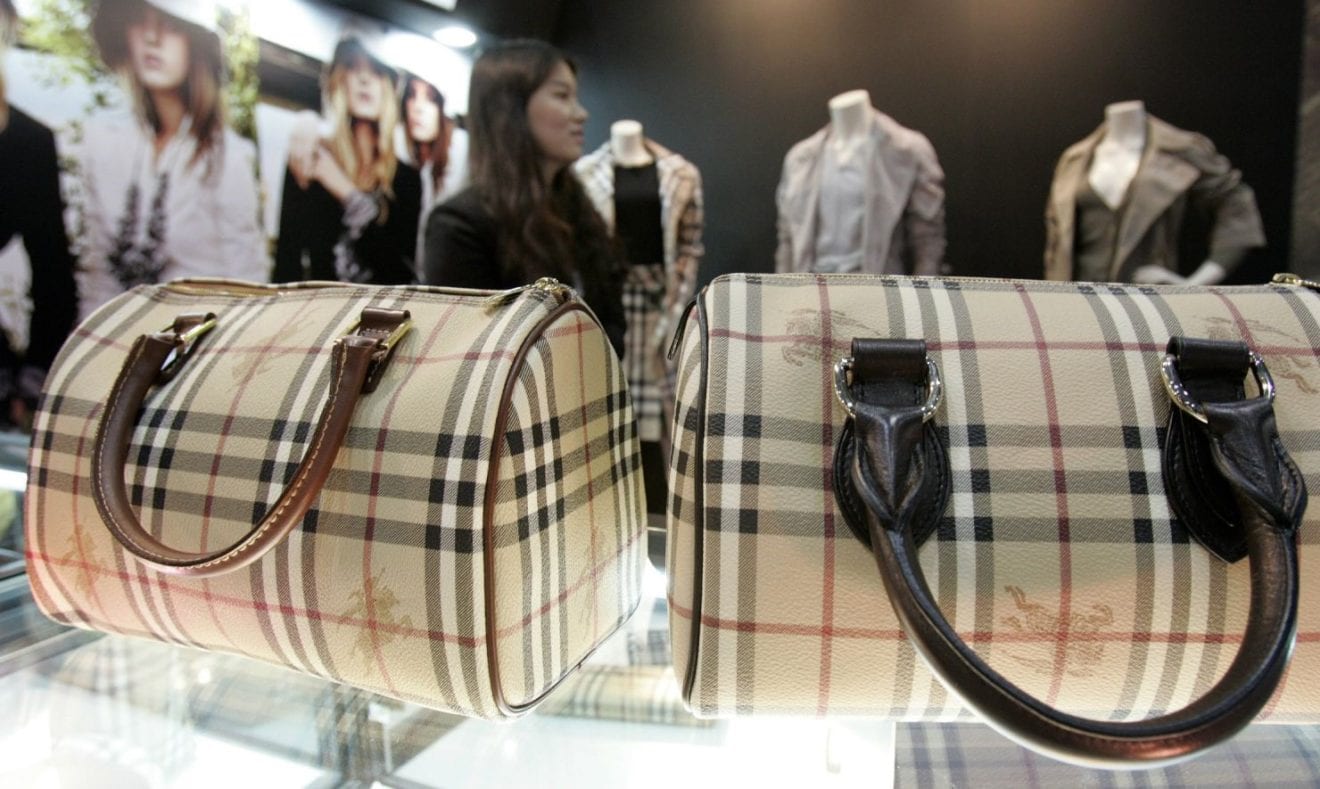
    Rising ranks of Chinese tourists helped luxury brand Burberry achieve modest first-quarter sales growth despite soft demand in other regions.

    Burberry sales in Mainland China grew “and Hong Kong, Korea and Japan all benefited from Chinese spend shifting more to Asian tourist destinations within the region”. Precise sales data was not released by region, but globally, Burberry sales rose 3 per cent on a comparable basis. The company said only that Asian sales rose “in the mid-single digits”.

    While Asia and the US performed strongly, Burberry said sales in Europe, Middle East and Africa declined by a low single-digit percentage due to softer tourist demand in the UK, Continental Europe and Middle East. Total retail revenue was flat at £479 million.

    “We are pleased with our progress in the quarter,” said CEO Marco Gobbetti. “The team has embraced (incoming creative head) Riccardo Tisci’s vision and is working well together as we prepare for his debut collection in September, the next step in our journey.  While we know it will take time to achieve our ambitions, our progress to-date and the energy in and around the company give me confidence for the future.”

    Highlights for the quarter included opening pop-up stores showcasing new handbags in Beijing, Seoul, Dubai and New York, and a collaboration with Farfetch which is outperforming expectations.

  • Vietnam’s ‘Coffee Queen’ to launch 1,000 King Coffee cafés

    Vietnam’s ‘Coffee Queen’ to launch 1,000 King Coffee cafés

    Le Hoang Diep Thao says they plan to open a thousand such establishments nationwide.

    The 1,200 square meter cafe in Gia Lai Province is divided into two areas, one for appreciating the art of coffee and another to enjoy the beverage.

    King Coffee is a brand launched by Thao’s Trung Nguyen International, the overseas branch of coffee giant Trung Nguyen.

    Thao said the cafés, which would cater to different tastes, would be the stepping stones for Trung Nguyen International to conquer the domestic market and reach foreign markets like the U.S., China and Singapore through franchising.

    Last month, the Trung Nguyen Group, co-founded by Thao and her husband Dang Le Nguyen Vu and currently headed by Vu, also launched a project to enhance its brand recognition, particularly its coffee houses.

    The Trung Nguyen Legend Cafe on Alexandre de Rhodes Street in Ho Chi Minh City has became the project’s pilot venture. Its area has been expanded two or threefold and it has 50 employees now. A library with over 16,000 books and a reading space has been added and its furniture designed in the style of the Nguyen Dynasty (1802-1945).

    If successful, the new model will be applied to all 80 Trung Nguyen cafés, and by the end of this year, the company plans to have 100 coffee houses across the country.

    Shortly after Vu and his wife’s marriage broke and divorce proceedings were launched, the husband disappeared from public view for several years.

    He resurfaced earlier this year in an unexpected appearance at a company event and said that he’d spent a lot of time meditating in the mountains, and had found answers to everything.

  • Suning, SAP partner over smart retail

    Suning, SAP partner over smart retail

    Chinese e-commerce giant Suning has signed a memorandum of strategic cooperation with German software company SAP to conduct technology cooperation in retail, logistics and sports sectors.

    The two parties will conduct joint research in artificial intelligence, Internet of Things, big data, cloud computing and other frontier technologies to promote the development of the digital economy, according to a statement released by Suning.

    They plan to build a smart retail service platform to empower China’s retail sector as well as a logistics platform to improve operational efficiency and user experience.

    The two companies also aim to establish a digitalized platform for Chinese football clubs and youth training systems to support the development of the sport in China.

    The Chinese e-commerce platform saw sales of German brands reach 1.5 billion euros last year. It now has about 1,000 types of German products on its overseas shopping platform.

  • A startup challenging Starbucks in China is now worth $1 billion

    A startup challenging Starbucks in China is now worth $1 billion

    Starbucks’ second-largest market after the US is China, where it has over 3,300 stores and operates with virtually no serious competition.

    A Beijing-based startup could change that. Luckin Coffee has opened 525 outlets across China’s major cities less than nine months after its launch (link in Chinese). Today the fast-growing company confirmed it’s closed a $200 million funding round giving it a $1 billion valuation. Investors include Centurium Capital, a private equity fund founded by the former China head of Warburg Pincus, and GIC, Singapore’s sovereign wealth fund.

    In domestic Chinese media, Luckin has aggressively courted comparisons to the world’s best-known coffee chain. In May, it even wrote an open letter accusing Starbucks of “monopolistic behavior” (Starbucks called the move a “publicity stunt”). But Luckin isn’t a Starbucks copycat—rather, it meshes trends in China’s tech industry with the coffee-shop model mastered by its rival.

    First, Luckin Coffee revolves around the smartphone. When customers walk into one of its blue-and-white shops, they’re immediately asked to download the Luckin app to order coffee (assuming they haven’t done so already). They can pay using WeChat payments or Luckin’s own “coffee wallet”—but not cash. This fits into China’s so-called “new retail” trend, in which tech giants like Alibaba and Tencent partner with supermarkets and convenience stores on mobile payments, analytics, and inventory management.

    Luckin has also aggressively promoted its delivery services—of its 525 outlets, 231 are kitchens dedicated exclusively to filling orders placed in offices, homes, or elsewhere. This mimics China’s boom in e-commerce and food delivery, which has thrived on the back of low-wage couriers.

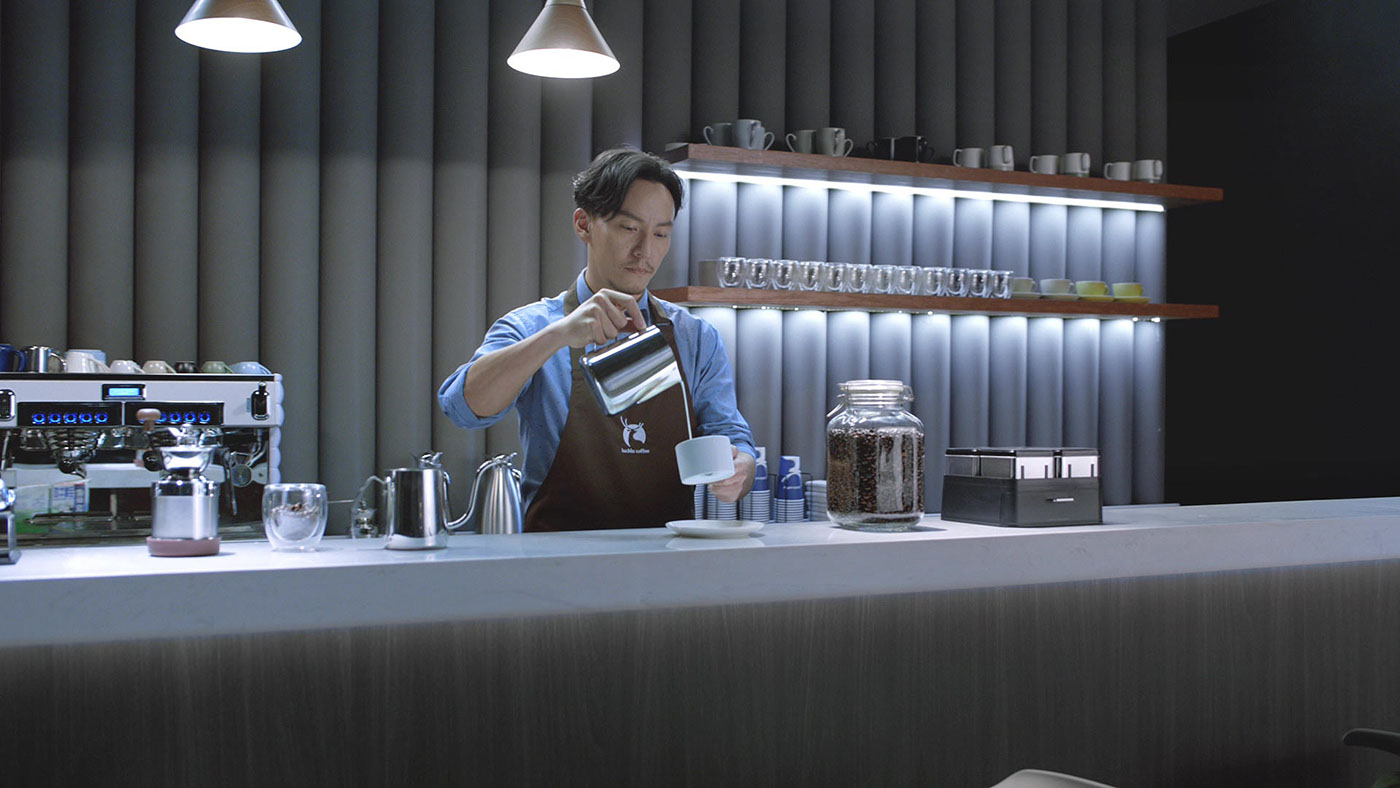
    When it comes to marketing, Luckin has more in common with a Chinese gadget company than with its Seattle-based coffee rival. Whereas Starbucks typically shuns traditional advertisements, Luckin has plastered China’s cities with billboards featuring popular actors Chang Chen and Tang Wei holding blue-and-white coffee cups. Chinese smartphone makers Oppo, Vivo, and Xiaomi employ similar tactics, using celebrities to pose with products.

    Finally, Luckin’s beverages are relatively cheap. In Beijing, a large Americano costs 21 yuan ($3.15), a matcha latte 21 yuan, and a Hawaiian pineapple wrap 9 yuan. That’s roughly 20%-30% lower than comparable items from Starbucks in China (which is more expensivethan Starbucks in the US).

    Despite the company’s early emphasis on delivery, it insists that bricks-and-mortar retail is the future—a spokesperson said that the company expects delivery kitchens will make up just 15% of its locations in the future.

    But with such low prices and rising expansion costs, can the company justify its valuation and take on the world’s coffee retail giant?

    Jeff Towson, who teaches investment at Peking University in Beijing, says that Luckin Coffee is “easily worth $1 billion if it can execute on the business—but that’s a big if.” A large part of Starbucks’ success globally has to do with real estate—many of its stores are placed in expensive, high-traffic locations that rivals can’t afford. Most Luckin outlets are not in such spots, Towson notes. The company uses the app to draw people to less-bustling locations that are cheaper to rent. “It may be that that real estate power can be overcome if you’ve got a really sticky hold on people’s smartphones,” he adds.

  • Tim Hortons plans 1500-store China expansion

    Tim Hortons plans 1500-store China expansion

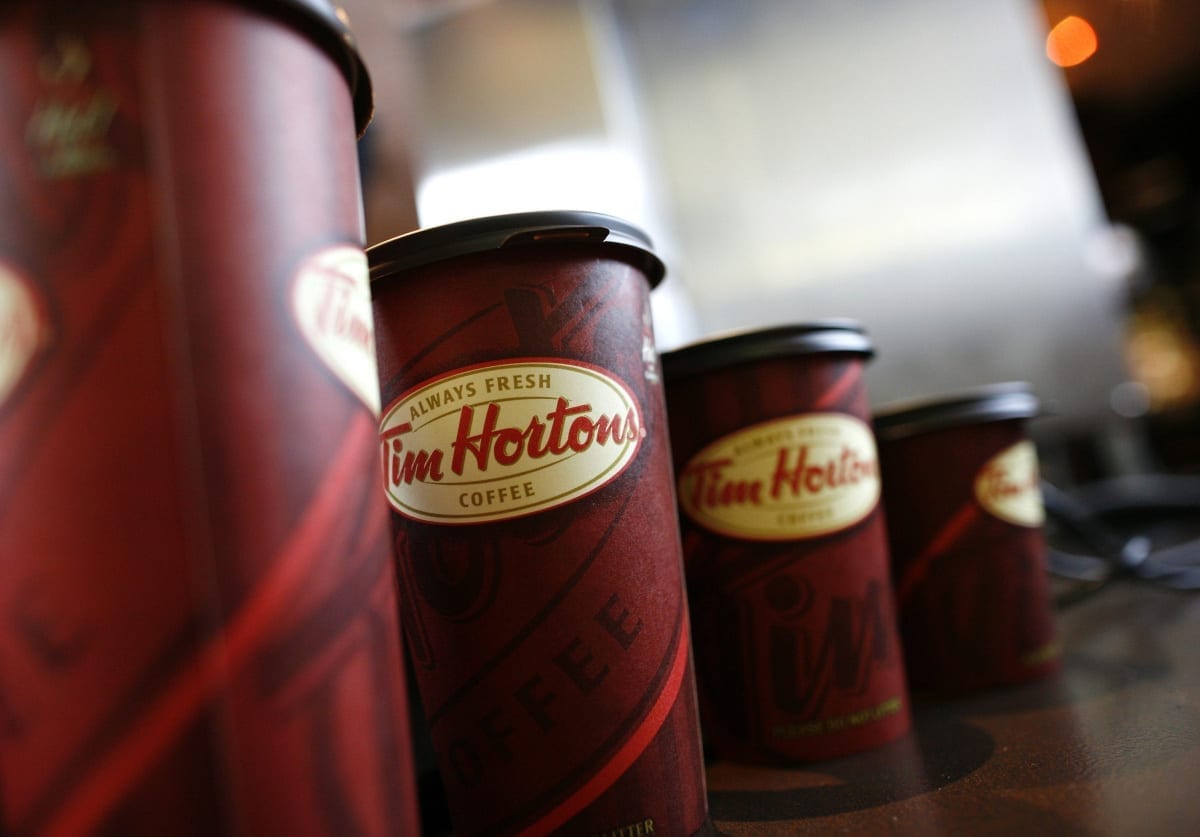
    Tim Hortons plans to open more than 1,500 of its coffee-and-doughnut shops in China over the next decade.

    The expansion seeks to capitalize on the country’s burgeoning coffee culture and is the latest international location for the coffee chain aiming to become a global brand.

    “China’s population and vibrant economy represent an excellent growth opportunity for Tim Hortons in the coming years,” the brand’s president, Alex Macedo, said in a statement.

    The chain signed a master franchise joint venture agreement with private equity firm Cartesian Capital Group for it to develop and open the restaurants. Financial terms were not immediately available.

    In 2012, Cartesian Capital partnered with Tim Hortons parent company Restaurant Brands International, which also owns Burger King and the Popeyes brand, and the Kurdoglu family to develop the burger chain in China. There are now more an 900 Burger King restaurants in China.

    City dwellers, especially young people and white-collar employees, in China increasingly drink coffee and have helped the café industry see strong growth, according to market-research firms.

    The turn to caffeine partly comes from lifestyle changes, people earning more money and more people living in cities, according to the firms.

    Consumers choosing coffee have helped fuel coffee chains’ expansion into China.

    Starbucks had 3,300 stores in 141 cities in China as of May and plans to total 5,000 by 2021.

    China is its fastest growing market and it opens a new store in the country every 15 hours.

    Whitbread, which operates Costa Coffee, has 449 of the coffee chain’s shops in China and plans to have 1,200 by 2022, according to its most recent annual report.

    While Tim Hortons is confident it can appeal to the Chinese, it’s latest international expansion plans haven’t convinced everyone.

    BMO Capital Markets analyst Peter Sklar said the expansion presents a growth opportunity for the company.

    “However, we believe there is significant uncertainty about whether the international rollout of the Tim Horton’s brand will ultimately be successful,” he wrote in a report.

    Tim Hortons has previously announced plans to expand to Spain, Mexico, Britain and the Philippines.

    “We remain concerned about its potential for success given RBI’s challenged expansion into the U.S. in the past,” Sklar wrote.

    The coffee chain is not as well known outside Canada than RBI’s fast-food brand Burger King, he said, adding to the uncertainty.

    Tim Hortons has more than 4,700 restaurants in Canada, the United States and around the world.