Author: Mei Ling Tan

  • Indonesia Plans Economic Policy Moves to Cope With Global Uncertainties

    Indonesia Plans Economic Policy Moves to Cope With Global Uncertainties

    Indonesia will announce economic policy changes in coming months to help its industries cope with rising global uncertainty and the indirect impact of trade tensions between China and the United States, officials said.

    Details about the moves, to be taken at a time Indonesia is trying to stabilize the fragile rupiah and reduce its current account deficit, have not been released.

    Industry Minister Airlangga Hartarto said the government is preparing measures to improve the investment climate.

    According to an official statement late on Monday (09/07), Airlangga said the government will “optimize the use of fiscal tools in the form of import and export taxes, as well as harmonizing import taxes, so that industries would have their competitive edge and are able to export.”

    He said the government would also give more incentives to exports, including by subsidizing timber legality verification for small and medium furniture makers, providing them certificates for foreign buyers that ensure timber products are not sourced from illegal logging.

    Companies would also be expected to reduce the use of imported materials in their production, the industry minister said.

    Bank Indonesia governor Perry Warjiyo said authorities are preparing policies aimed at reducing the current account deficit.

    Earlier on Monday, Perry warned that rising US-China tensions could hurt other economies not only through trade, but also financial channels as these could heighten investors’ risk aversion.

  • Parfois to expand in Asia and other country

    Parfois to expand in Asia and other country

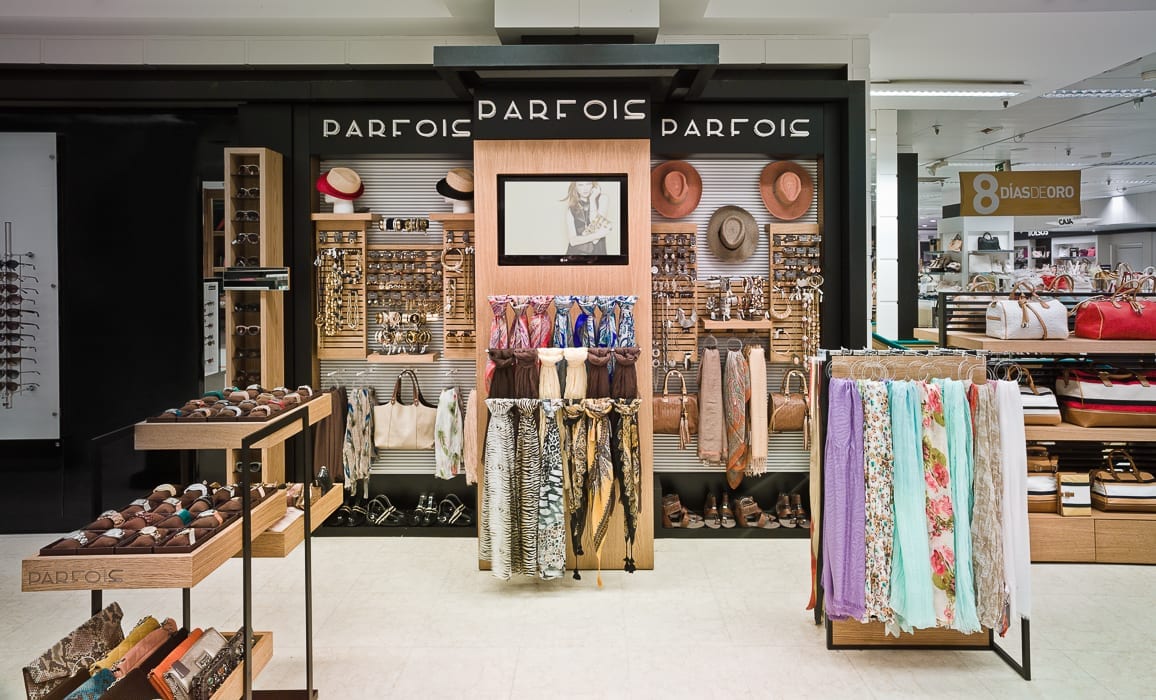
    Portuguese accessories brand Parfois is planning an expansion into Asia and Eastern Europe.

    Parfois, founded in 1994, currently operates 900 stores in 65 countries and is seeking to reach its 1000th by the end of this year. The brand opened in around 10 new markets this year – including joining Alibaba’s Tmall Global platform – and while immediate plans are focusing on building its presence in Latin America, it has already begun to explore options in Asian and Eastern European countries.

    Parfois’ director of marketing and communications Susana Coerver said sales in Portugal and Spain represent more than half of the firm’s revenue, with Spain by far the biggest market, prompting expansion into smaller municipalities within the country. The company also aims to expand its product range with a venture into apparel.

    The brand closed the 2017 financial year with €306 million in sales, with growth expectations for the current year aiming at 20 per cent.

  • Ermenegildo Zegna invests in India’s Raghavendra Rathore

    Ermenegildo Zegna invests in India’s Raghavendra Rathore

    Italy’s Ermenegildo Zegna has purchased a minority stake in Raghavendra Rathore, as the Italian suit maker looks to expand the luxury men’s brand and mature India’s luxury fashion market.

    In partnering with Reliance Brands for a collective stake, Zegna’s equity investment is set to elevate Raghavendra Rathore as a business and brand, putting it on an international playing field.

    While information was not disclosed of the partnership, there is huge potential for the Indian label to grow its custom menswear and accessories, its ability to enhance customer engagement, as well as to get more sourcing and back-end support. That’s in addition to opening more stores.

    “Like Reliance, we are strategic and not merely financial investors,” Ermenegildo Zegna, CEO, Gildo Zegna told the Press Trust of India.

    “As regards the investment in Raghavendra Rathore, it is significant as it is a first for a global fashion house making a strategic investment in the business of an Indian designer. In some sense, it heralds the coming of age and maturing of India’s luxury fashion business.”

    Rathore, the Indian menswear designer famous for his Jodhpur Bandhgalas, currently has seven standalone stores in India.

    Ermenegildo Zegna, which has its own menswear brand, retails through three stores in India, all run by Reliance Brands.

    Reliance Brands has a portfolio of over 40 international brands that span across the luxury, bridge-to-luxury, high-premium and upscale-street lifestyle segments. Brands include Gas, Diesel, Marks & Spencer and Steve Madden.

    Last year, Reliance Brands acquired a 46.6% stake in Genesis Luxury Fashion, which operates brands such as Armani, Canali and Michael Kors.

  • Fabletics by Kate Hudson make debut in Philippines

    Fabletics by Kate Hudson make debut in Philippines

    Fabletics, the activewear brand co-founded by Kate Hudson, has chosen the Philippines for its first foray into Asia.

    This fall, the brand will launch with local retailers through free-standing stores, shop-in-shop concepts and an online shopping platform.

    After the Philippines, Fabletics will continue its international partnerships as well as company-owned expansion into new territories throughout this year and next.

    Co-founded in 2013 by Hudson, an American actress, TechStyle Fashion-owned Fabletics currently has 24 stores across the US and a presence in 10 European countries.

    The brand continues to see more than 20 per cent increase in same-store sales year-on-year.

    “Fabletics has succeeded beyond our expectations under Kate’s vision and our new team members, and I’m confident Fabletics will continue on its incredible growth trajectory,” said Adam Goldenberg, TechStyle Fashion Group Co-CEO and co-founder.

  • Grab Aims to Dominate Indonesian Market With Open Platform Strategy

    Grab Aims to Dominate Indonesian Market With Open Platform Strategy

    Ride-hailing company Grab has launched GrabPlatform and GrabFresh to tap further into the Indonesian market, its representatives said on Tuesday (10/07).

    Grab is going to upgrade its app to focus on people’s daily needs and make it become an everyday superapp.

    For this purpose it just launched GrabPlatform, a new interface which provides transportation, news, e-commerce and food delivery services. The food feature, GrabFresh, is operated by HappyFresh, Southeast Asia’s leading online grocery shopping company.

    Now the company is testing the news feed feature, which is intended to engage users more while they are using the company’s ride-hailing services.

    “Partnering strategy, or we call it open platform strategy, has been favored by us to offer more to customers. It has been proved very effective in boosting our business” said Grab co-founder and chief executive Anthony Tan said on Tuesday.

    In 2017, Grab acquired Kudo, Indonesia’s leading online-to-offline payment service, which according to Tan has been very helpful for the company’s expansion.

    “After partnering with Kudo, we’ve grown tremendously across cities in Indonesia. And then with OVO, who is the country’s leading e-wallet. We recognize that we can’t be the best in everything, so we find the best partners. Kudo was the best agent network, OVO is the best e-wallet and TPI [ride-hailing service Teknologi Pengangkutan Indonesia] is one of the best rental partners,” he said.

    “If it wasn’t for Kudo, we could not have grown in Indonesia that fast. We went operational from 20 cities to over 100 cities in Indonesia, because of Kudo.”

    The region’s leading ride-hailing app is facing rivalry from local competitor Go-Jek, which in May announced expansion to Singapore, the Philippines, Thailand and Vietnam.

    According to App Annie, Go-Jek was leading in Indonesia, recording 15 million active users every week last year, much better than Grab with 2.5 million users.

    In March, Grab merged with ride-hailing giant Uber for the latter’s Southeast Asian operations.

  • H&M’s Nyden founder leaves

    H&M’s Nyden founder leaves

    Oscar Olsson, managing director of Nyden, H&M‘s latest brand start-up, is leaving the organisation to pursue other projects, according to the Business of Fashion.

    As confirmed by Olsson’s LinkedIn profile, the entrepreneur has moved on from the Millennial-targeted venture, putting the strategy and future of the Swedish project in serious doubt.

    Despite Olsson being the central person of Nyden, it is understood that the existing leadership team will assume his duties until a replacement is found.

    Olsson started his journey with H&M in 2013, serving as Global Controller. Soon after, he became Head of Expansion in Switzerland for the Swedish group, before taking charge of the group’s expansion for the region comprising France, the Netherlands, Austria, Belgium and Switzerland.

    In January 2017, he created and directed H&M’s innovation lab, which grew in the summer of 2017 to become Nyden. In April 2018, Nyden released its first capsule line. The collection was made up of a series of five t-shirts for women and four for men.

    Self-described as “not a traditional fashion brand,” Nyden avoids dropping seasonal collections but instead enlists the creative talents of ‘co-creators’ to develop capsule collections for its customers.

    Four celeb collaborators already tapped by Nyden include Justine Skye, Dua Lupa, Dr Woo and Jerome Boateng. According Nyden’s website, there remain three more big-name collaborators “to be announced.”

    Nyden’s collections are all designed from its Los Angeles studio.

    For the six months ending May 31, H&M group, which also operates Monki, Cheap Monday and & Other Stories, said sales including VAT were SEK 114.017 billion (US$13.11 billion), up from SEK113.907 billion a year earlier.

    The group did not disclose sales figures for its individual brands.

  • Michael Kors Launches Graffiti Capsule

    Michael Kors Launches Graffiti Capsule

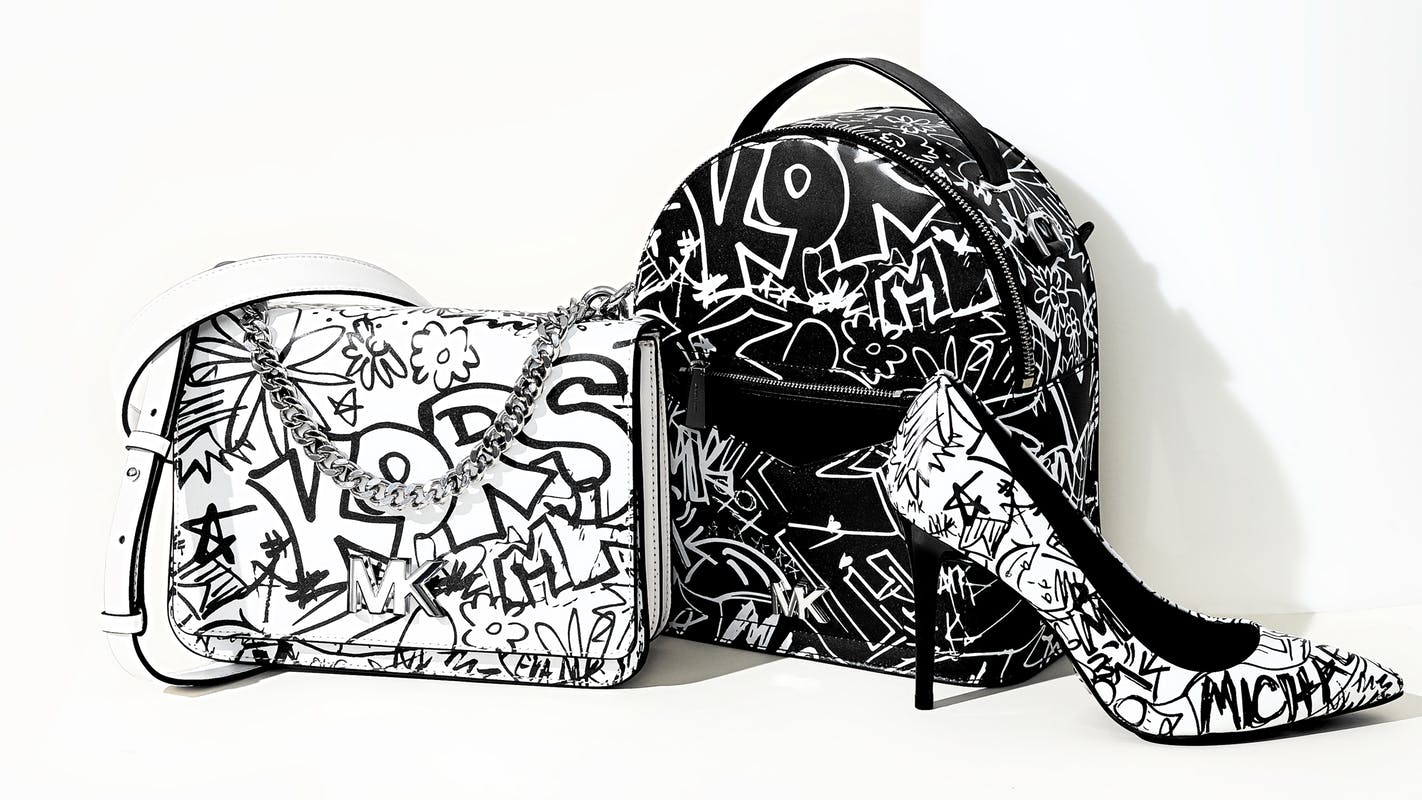
    Accessories and apparel designer Michael Kors has released a new limited-edition graffiti capsule of jackets, shoes and bags, taking inspiration from the street art of Eighties-era New York City.

    The Michael Kors graffiti collection launch has been marked by an elaborate window display installation created by two fashion professionals who lived in New York during the period. The displays will appear in the Michael Kors stores at Mandarin Gallery in Singapore, the Jing’An Kerry Centre in Shanghai, and in Ginza, Japan following exhibitions in New York, London and Milan.

    The displays are the result of a collaboration between Candy Pratts Price and hair stylist Christiaan, both iconic figures of their generation. They feature a floor-to-ceiling screen print of Kors in his aviators, as well as rotating mannequins in selfie-snapping poses wearing the graffiti merchandise and sculptural wigs.

  • Malaysia 2011 furniture exports may rise to USD2.8b

    Malaysia 2011 furniture exports may rise to USD2.8b

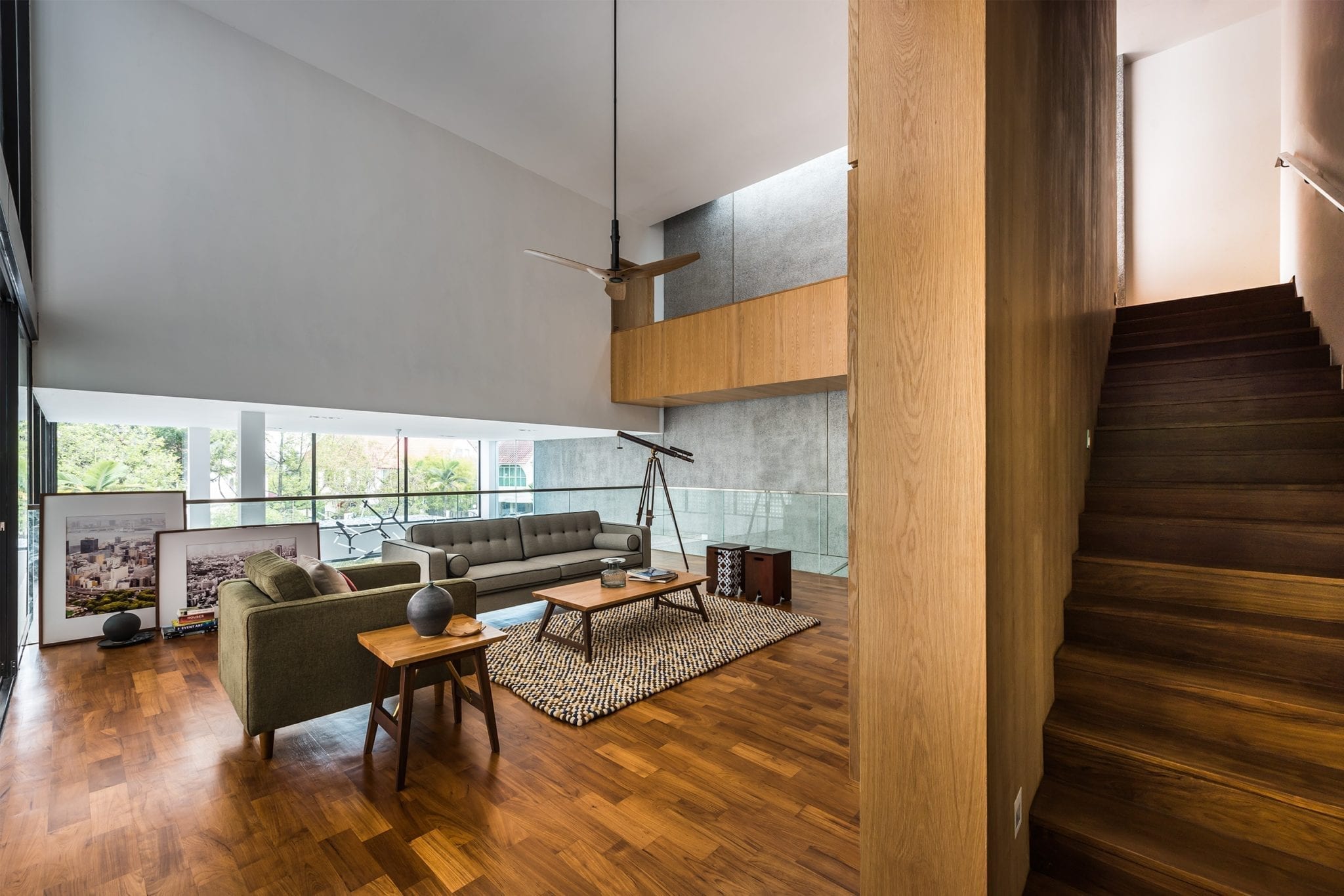
    Malaysia’s 2011 furniture exports are likely to improve by 9 percent to MYR8.7 billion (USD2.84 billion), provided the US dollar stabilises at the current level and manufacturers are able to secure enough foreign workers at their factories.

    Malaysian Furniture Industry Council president Richard Lee said there was growing demand for Malaysian-made furniture from the US and Australia, especially now as American consumer spending is showing signs of recovery and Australians need to refurbish their homes after the big flood.

    Traditional markets like the US and Europe tend to favour Malaysia over low-cost producers like China and Vietnam due to better quality control and reliable after-sales services.

  • LEGO sheds premium tag to become a mass player in India

    LEGO sheds premium tag to become a mass player in India

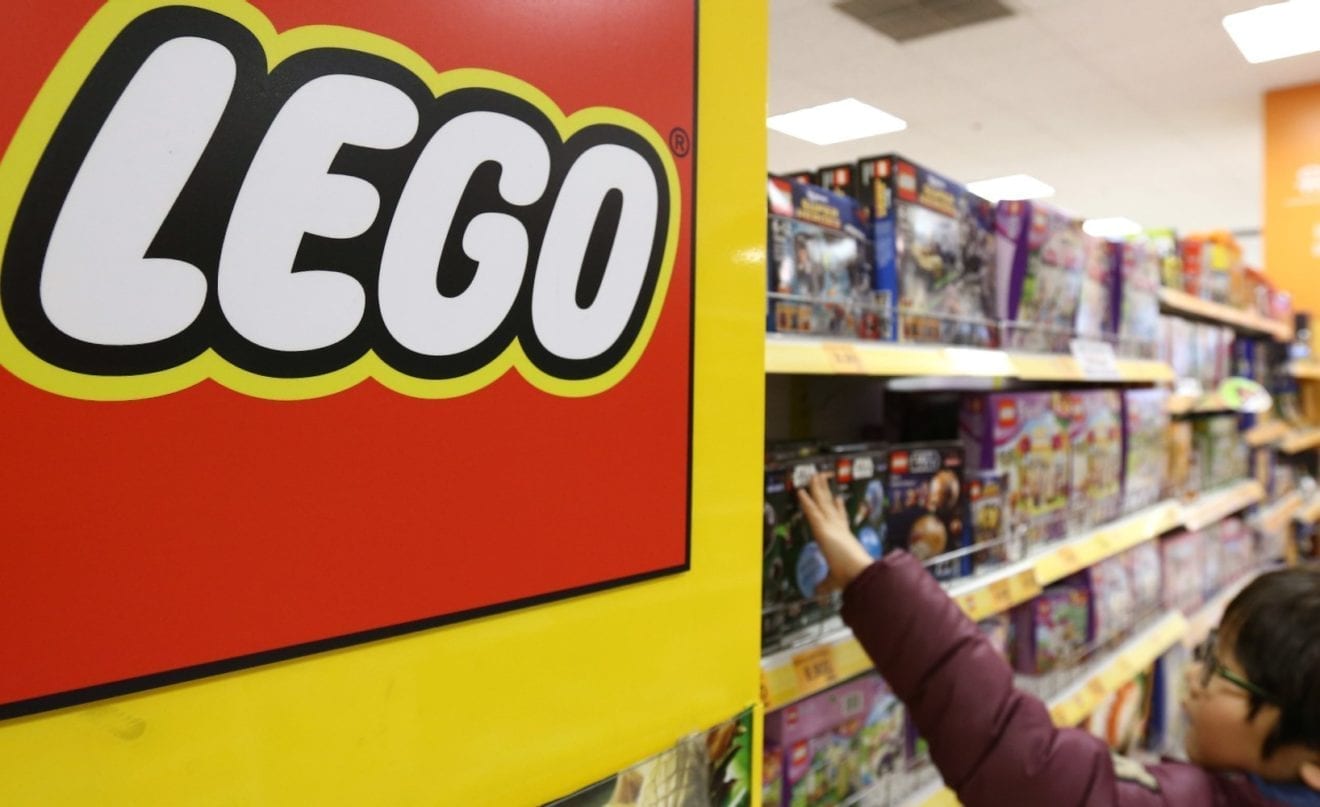
    Danish toy brand Lego is shedding its premium strategy to position itself as a mass-market brand in India.

    Following an increased focus on Asia during the past two years, Lego is seeking to expand its consumer base in India by bringing products in the price band of INR500 to 5000 (US$7.30 to $73) to the emerging market. It could also bring the Lego Certified Store format into the country by 2022.

    Lego’s senior regional sales manager for South Asia Amit Kararia said: “In India, Lego was perceived to be a premium brand. But since the past two years, we have been working on going mass and expanding our consumer base.

    “E-commerce has also emerged as an important sales channel for us with nearly 25 per cent of our sales coming from this channel. It also helps us reach out to consumers where we are not present through physical stores,” Kararia added.

    With the expansion of toy-specialist stores and department stores in India, the company is hoping to expand its presence in major and second tier cities, expanding from 40 to 60 cities in the foreseeable future. It is also hoping to see double-digit growth in the market, which has the largest number of children aged under 13 years.

  • US-China Trade War Will Affect Indonesia Regional Economies

    US-China Trade War Will Affect Indonesia Regional Economies

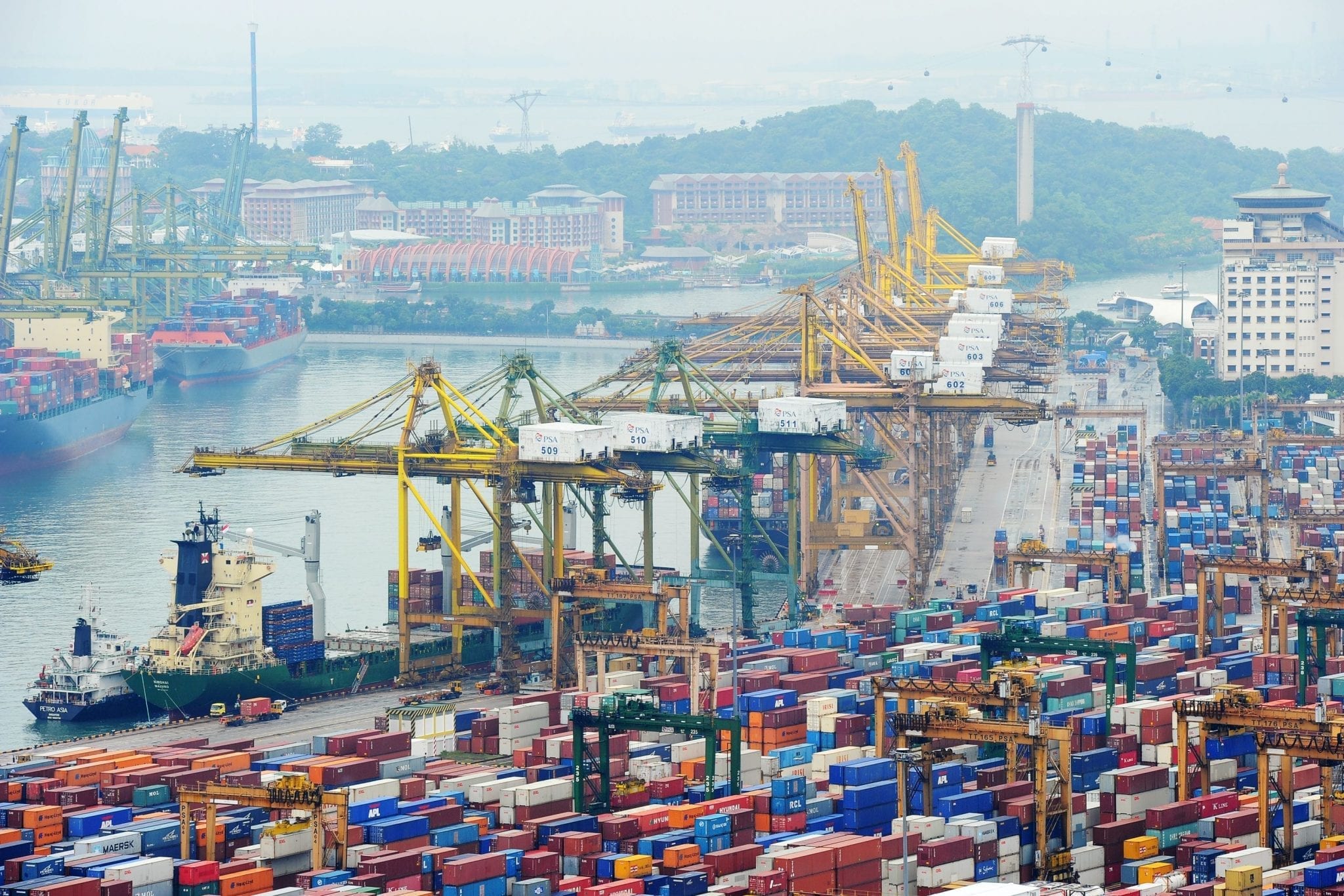
    Regional economies in Indonesia will be affected if the United States suspends its special tariffs for some of the country’s exports, a minister said on Tuesday (10/07).

    The US is currently reviewing Indonesian products on its Generalized System of Preferences (GSP) list — a trade incentive that gives duty-free entry to 129 poor and developing countries and territories.

    Last year, Indonesia ran a $9.7 billion trade surplus out of its total $17 billion exports to the US.

    It is the fourth biggest GSP beneficiary, after India, Thailand and Brazil.

    “If the exports of [the listed] products or commodities are disrupted, we are worried that our regional economies, where the goods come from, will also be affected,” National Development Planning Minister Bambang Brodjonegoro said on Tuesday.

    Indonesia’s exports, not only to the US, come mostly from the manufacturing sector, especially in Java.

    Last year, they made up 76 percent of the country’s total exports and were worth $125 billion, nearly $15 billion more than in the previous year.

    West Java and East Java together were the main contributors ($44 billion) to the country’s total experts, followed by East Kalimantan, Riau, Riau Islands and North Sumatra.

    “We can divert our exports to other countries and this should not be a problem. But we need to prepare ourselves,” Bambang said.

    Indonesia has been trying to enter markets in Africa and South America to lessen dependence on its traditional importers such as China, the US and Japan.

    However, exports to Africa (mainly South Africa and Egypt) amounted to only $264.7 million last year, Ministry of Trade data show.

    A team consisting of Ministry of Trade, Ministry of Foreign Affairs and Ministry of Agriculture officials is set to visit the US at the end of July, with a lobby mission to keep the special tariffs for Indonesia unchanged.

  • Zozo unveils body measurement suit for perfect-fit clothes online

    Zozo unveils body measurement suit for perfect-fit clothes online

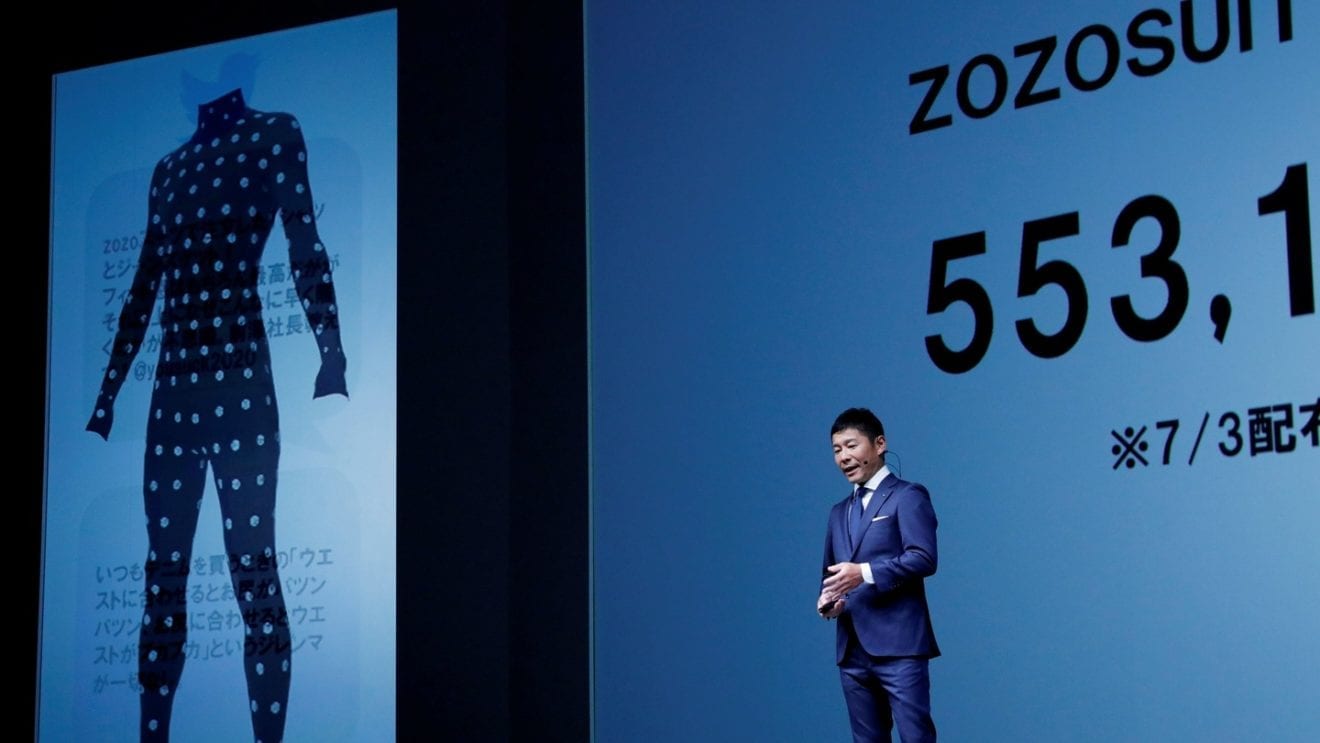
    Japanese online fashion retailer Zozo is expanding its offer of tailor-fitted clothing with skin-tight bodysuits that help users upload their measurements online.

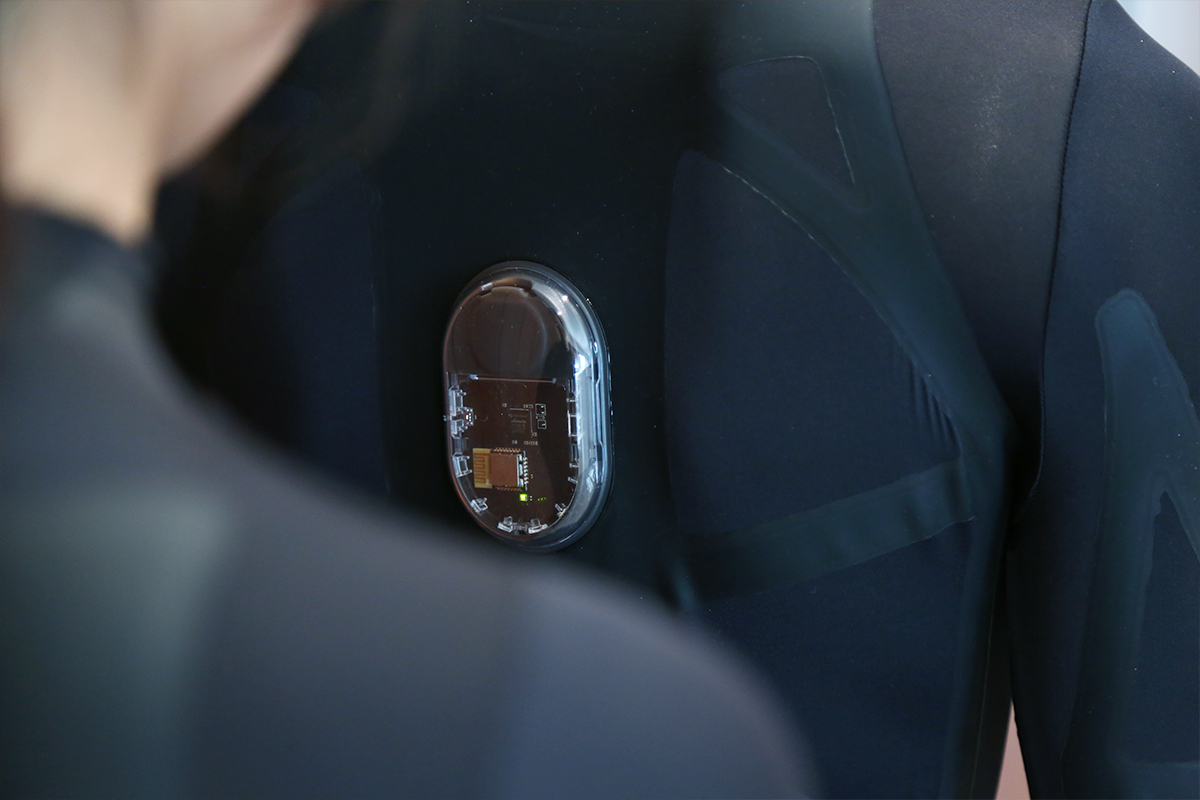
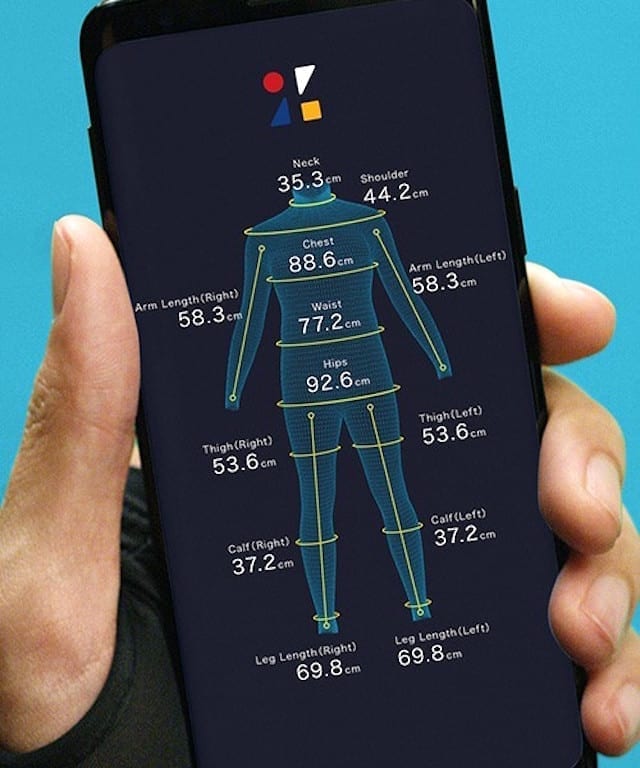
    Called the Zozosuit, the garment is covered in polka dots reminiscent of motion-capture leotards. Shoppers don the suit and photograph themselves wearing it, uploading the picture via a smartphone app for Zozo’s software to calculate their exact body shape.

    Zozo, which sells clothes from other brands, envisages bespoke items as being the way forward for online fashions. The platform has already added business suits and formal shirts to its range, which can be tailored to fit customers based on Zozosuit data.

    Zozo CEO Yusaku Maezawa said: “The time where people adapt to clothing is over. This is a new era where clothes adapt to people.”

    The move coincides with Zozo’s potential partnership with clothing manufacturer Shima Seiki, whose whole-garment knit-on-demand technologies can produce seamless items of clothing to order. The firm is also making efforts to expand its business in other countries.

    The company will ship 1 million Zozosuits to customers within the next fortnight.

  • Pomelo Fashion to open first-ever physical store

    Pomelo Fashion to open first-ever physical store

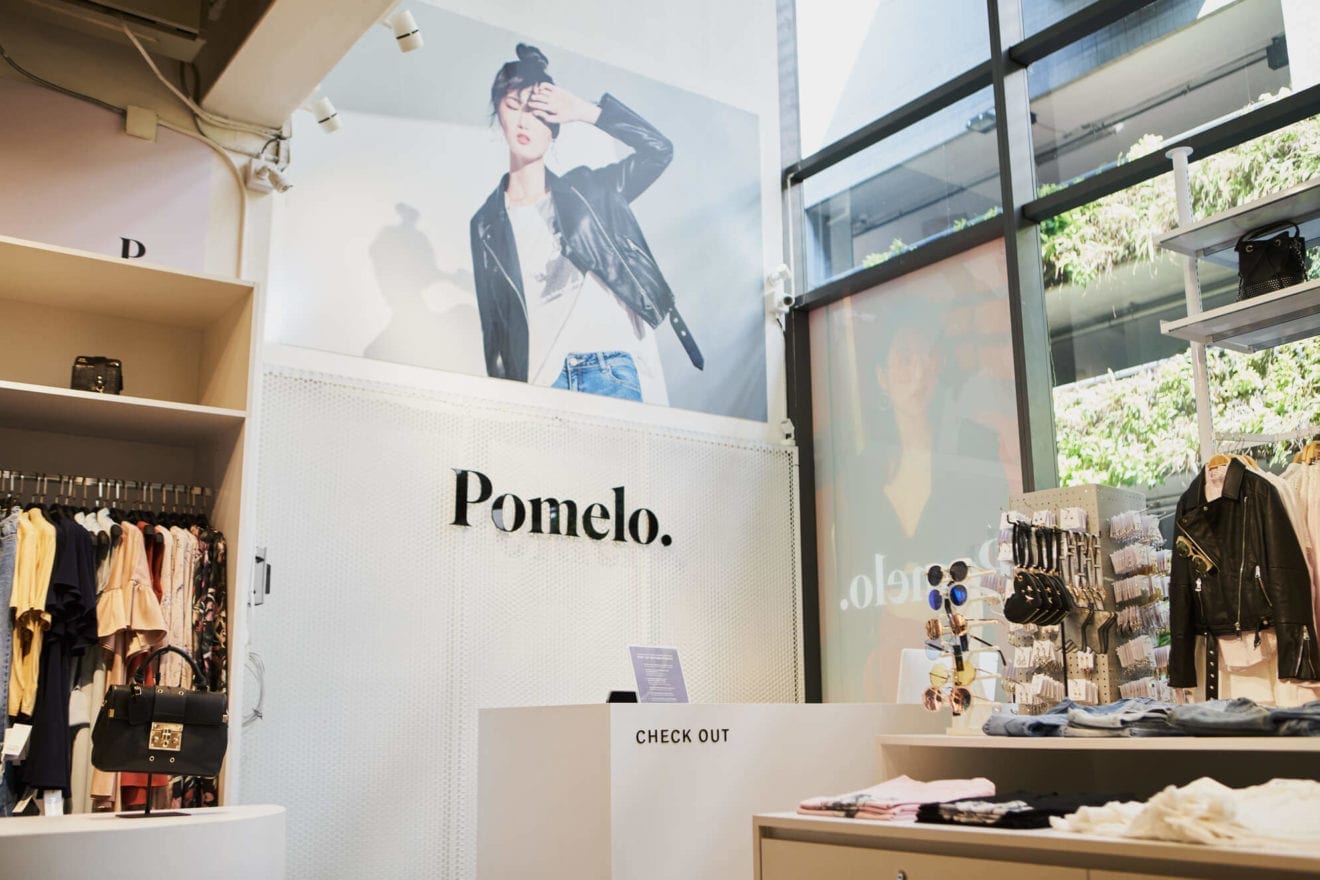
    Thai online fashion retailer Pomelo Fashion will open its first physical store location outside of Bangkok, as it seeks to expand its online-to-offline business model in Southeast Asia.

    Marking the JD.com-backed company’s online-to-offline commerce international debut, Pomelo will open a micro-retail store in Singapore. The company has previously operated a pop-up store in the city and is now looking for a space to open its first permanent site there. Exact details have not been given.

    The move means Pomelo shoppers will be able continue to browse online and send their top choices to the physical store to try on, before purchasing, significantly cutting down on the number of returns.

    In addition, the smaller retail space means the cost of rent in high-profile shopping districts is reduced. And without stocking all the products known to Pomelo online, the retailer avoids cannibalising its online sales with offline stores.

    “Discovery for fashion is going online, where you’re not constrained by having to display the entire catalogue,” David Jou, Pomelo co-founder and CEO, said last month.

    “But e-commerce for fashion is plagued by the problem of returns because the clothes don’t fit or they don’t look good. Having the online-to-offline model cuts down returns because the consumer only buys what they have tried on.”

    The micro-site is the firs international one for Pomelo, after opening its first two in Bangkok, one at Interchange 21 at Asok and the other at All Seasons Place in the central business district. The company said it has identified 800 locations for potential micro-retail sites in Thailand.

    Chinese e-commerce operator JD.com led a US$19 million investment round last year into Pomelo, which also counts investors like 500 Startups, Hong Leong Group and Jungle Ventures.

    Founded in 2013 by David Jou – the former managing director of Lazada Thailand – Pomelo Fashion delivers to over 50 countries globally from its studios in Bangkok.

  • DIP clothing by US’s Kroger launched

    DIP clothing by US’s Kroger launched

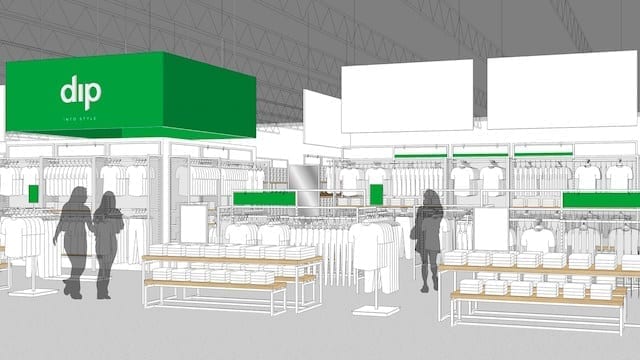
    US supermarket giant Kroger is to roll out a new apparel label, called Dip.

    The new brand will be sold through stores-in-stores in about 300 Fred Meyer and Kroger Marketplace stores across the US, a fraction of its 2779-strong network.

    The company released an artist’s impression of how the Dip space will look, (above). It will replace more than a dozen of the company’s private-label clothing brands.

    Kroger has tapped fashion designer Joe Mimran to create what it bills as “a new and exciting apparel brand” and which will launch with men’s, women’s, juniors, kids, and baby collections.

    Mimran previously launched Club Monaco, Joe Fresh and Pink Tartan during a 30-year career in fashion design. His brief was to develop a clothing line for Kroger which “makes effortless style easy and affordable to achieve”.

    “We’ve worked closely with Joe and his team to develop a line of clothing that works for today’s times – easy to buy, easy to wear, and easy to love,” said Robert Clark, Kroger’s senior VP of merchandising. “Effortless style, every day of the week.”

    “Style should be fun,” said Mimran. “We believe good design can be affordable. It should fit into your life, not the other way around.”

    Mimran says the name Dip was chosen after looking at Kroger’s heritage in food. “We thought about the fun, easy energy of the clothes. We thought about what makes every gathering better. And it just kind of clicked – Dip.”

  • Indonesia Tests Rice Farming ‘Digitalization’ Program to Boost Output

    Indonesia Tests Rice Farming ‘Digitalization’ Program to Boost Output

    The Indonesian government has launched a farming “digitization” project in West Java province, which may increase rice output by at least 20 percent, officials said on Monday (09/07).

    The project is currently being tested with thousands of farmers in nine rice-producing regencies as President Joko “Jokowi” Widodo’s administration seeks to boost domestic food production. A regency is a governmental administration region below a province.

    “The goal is to transform farming, which is still quite traditional, to be more modern and to teach farmers to be agro-entrepreneurs,” Wahyu Kuncoro, a deputy minister at the Ministry of State Enterprises said.

    Indonesia’s rice output growth has been slowing in recent years and yields have declined to 5.15 tons of unmilled rice per hectare in 2017, from 5.34 tons per hectare in 2015.

    This year, the government issued import permits for 1 million tons of rice to help control rice prices, the country’s main food staple.

    State-controlled telecommunications firm Telekomunikasi Indonesia, or Telkom, has developed a digital platform which collects farmer and farm land data which will be used to speed up the process of distribution of subsidized loans for farmers and for applications for farm insurance. Digitalization refers to using digital technologies to change the way a business functions.

    The platform will be further developed to include a marketplace application where farmers can order fertilizer and pesticides online, as well as sell their products, said David Bangun, a director at Telkom.

    The Ministry of State Enterprises has also set up offices in the nine regencies to train farmers in modern farming methods, as well as to facilitate the direct distribution of farming supplies and sales to state food procurement agency, Bulog.

    When enough data has been collected, the digital platform can also help to predict future output, David added.

    “If this model is proven beneficial for the farmers, we will apply this to other rice production centers across the country,” Kuncoro said, adding that the project may also be applicable to the cultivation of other commodities.

  • Lotte Mart’s ‘Be Goods by Busan’ in Vietnam

    Lotte Mart’s ‘Be Goods by Busan’ in Vietnam

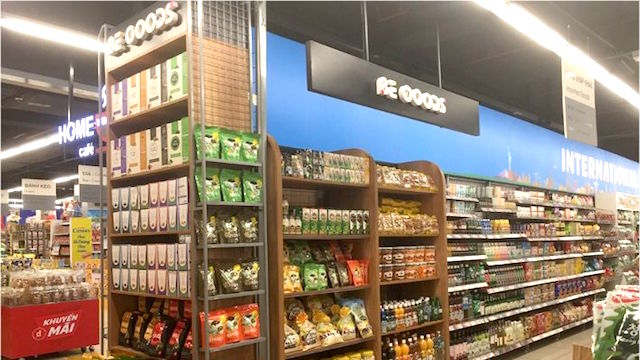
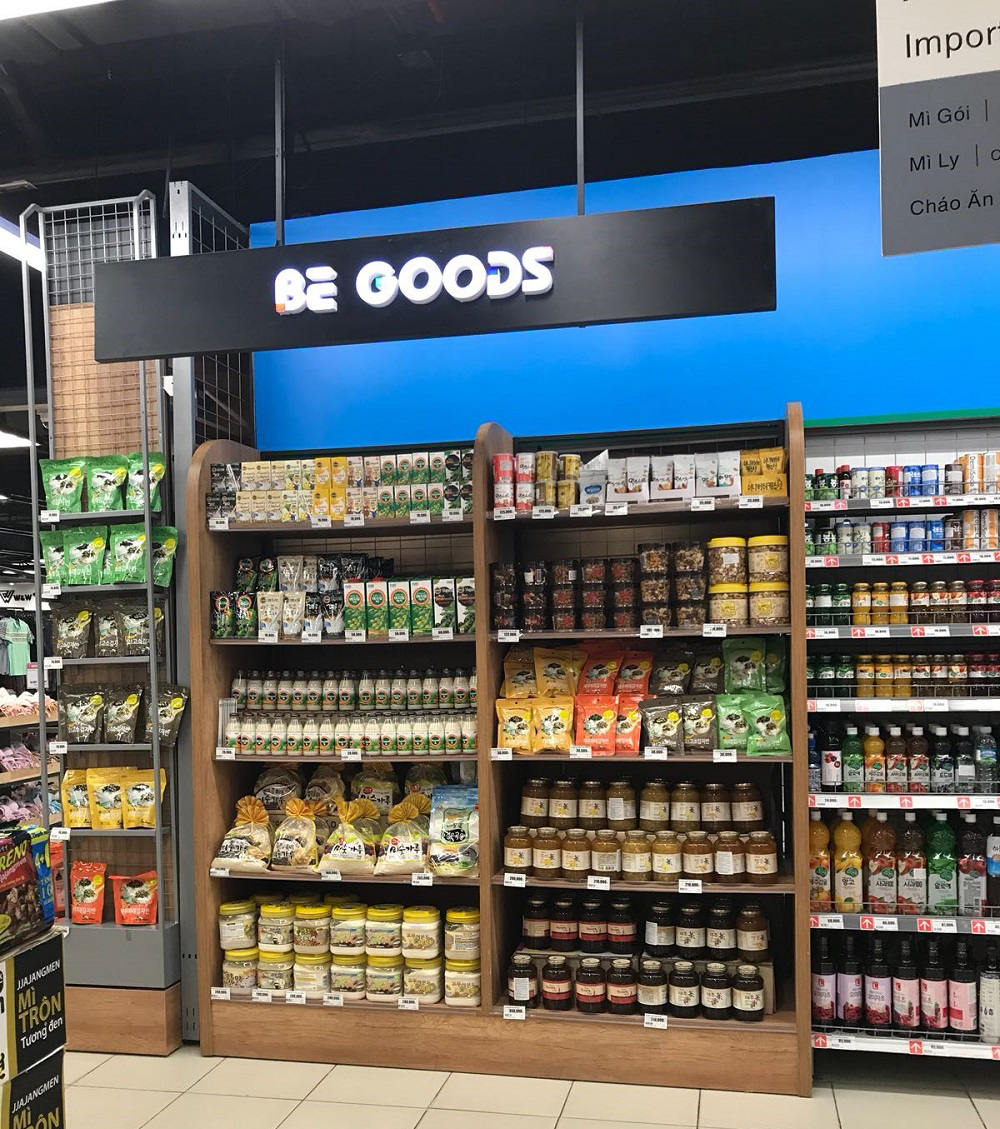
    Lotte Mart Vietnam will promote products from South Korean SMEs in its Go Vap outlet in Ho Chi Minh City.

    The retailer will add a special sales zone called Be Goods by Busan, to sell 70 products from 13 companies based in Busan.

    Lotte has selected products including fruit and vegetable drinks, frying pans and shampoos, items it believes will appeal to local Vietnamese consumers. More items are to follow.

    The retailer is also planning to provide online and offline marketing support for the products.

    This is the second time Lotte Mart has opened a Be Goods store.

    Last October, Lotte Mart Nguyen Van Linh hosted 196 products of 23 Korean SMEs, and earned 240 million won (US$215,827) in sales over seven months.

    Vietnam is Korea’s third largest export market and Lotte Mart believes it is the best place for Korean SMEs to test and export their products.

    Last month, another Korean retailer E-Mart also promoted Korean SME’s products in Singapore.