Author: Mei Ling Tan

  • Tiki.vn attracts investors despite $26 million in accumulated losses

    Tiki.vn attracts investors despite $26 million in accumulated losses

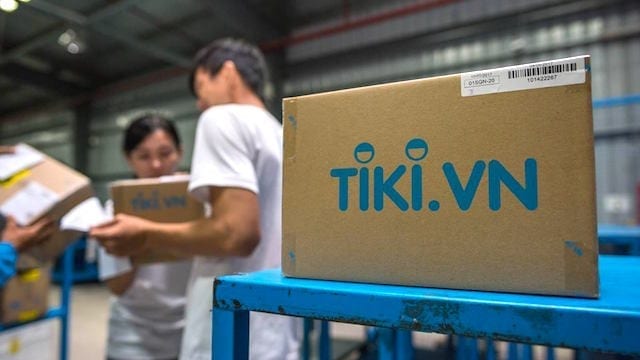
    A prominent case in instance is that of Tiki.vn, a popular e-commerce platform in the country.

    Tiki Jsc. (Tiki) started off as an online book store in 2010 before venturing into e-commerce. Just six years later, the firm was valued at $45 million, following domestic tech firm VNG injecting some $17 million in a 38 percent stake acquisition deal.

    However, at the end of that year, 2016, Tiki’s financial statement showed accumulated losses of nearly VND308 billion ($13.39 million). Tiki had posted revenues of nearly VND62.4 billion ($2.71 million) in 2016, a six-fold increase over 2015. However, this was accompanied by a loss of around VND179 billion ($7.78 million) because of high operational costs.

    In its annual report for 2017, VNG showed Tiki making a loss of VND282 billion ($12.26 million) for the year, raising its aggregate losses to VND590 billion ($25.65 million).

    Despite its losses, Tiki has remained attractive to investors as a leading brand in the market. In mid-January this year, JD.com Inc., a giant retailer in China, injected an unspecified sum into Tiki. The Chinese firm had announced last November that it would pump $44 million into the Vietnamese e-commerce platform, making it Tiki’s largest shareholder.

    Unlike other types of firms, startups like Tiki are not valued on the profit it makes, but on other key elements like market growth, market share, sales, average purchase value, and customer retention rates.

    Tiki, which ships goods across the length and breadth of Vietnam, has annual sales of about $240 million, according to the Financial Times. And it is not the only e-commerce firm recording continual losses in Vietnam.

    Ralf Matthes, managing director of market research company Infocus Mekong said that e-commerce platforms are in the red largely because of their fragmented logistics chains.

    He said that with up to 80 percent of consumers paying cash on delivery, the logistics required in just collecting payment leads to losses.

    E-commerce firms in the country were also drawn into a cash-burning battle as they spent on massive sales and marketing campaigns to promote their platforms, he said.

    The Vietnam E-commerce Association (VECOM) said that the local e-commerce market grew 25 percent last year and that this growth is expected to continue through 2020.
  • Hai Di Lao will open first London store

    Hai Di Lao will open first London store

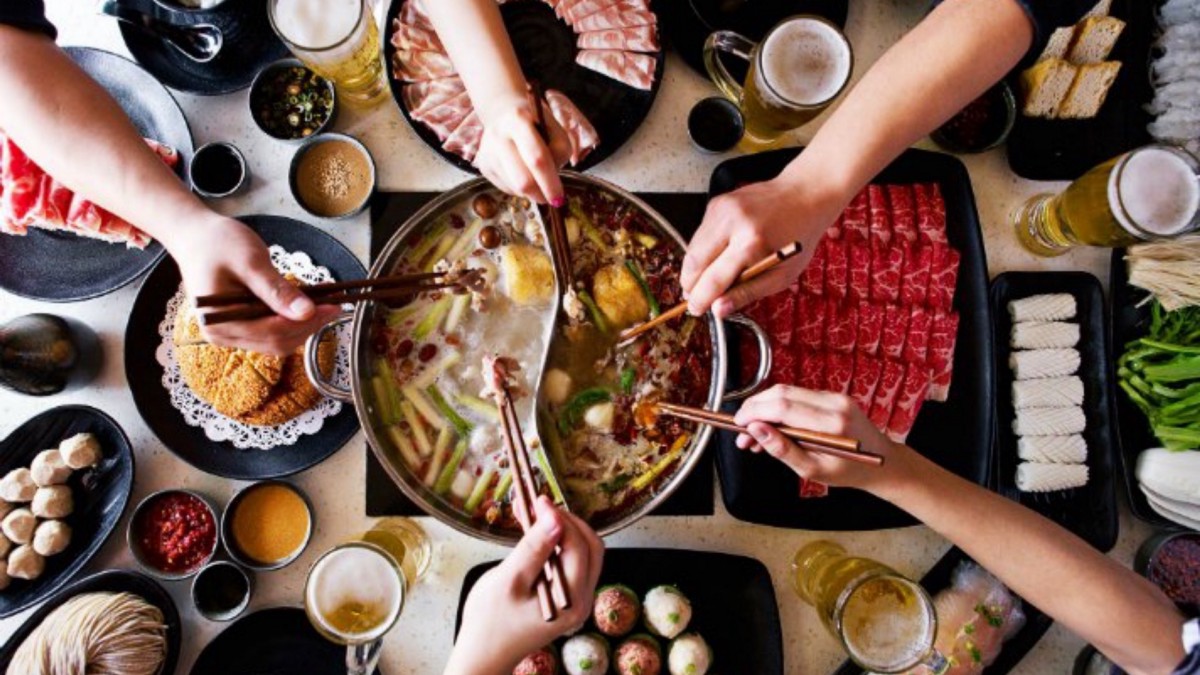
    Chinese hot pot chain Hai Di Lao will open its first UK restaurant at the Trocadero in Piccadilly Circus, London.

    In a deal facilitated by real estate firm Savills, the brand has signed a 15-year lease of an almost 10,000sqft site. It is the chain’s first venue in Europe and follows the opening of its New York restaurant in Times Square.

    Savills’ leisure team associate director Richard Thomas said “Hai Di Lao is a globally recognised brand with fans of the concept worldwide… the chain already has its sights set on expansion both in the UK and across Europe and we are very pleased to have secured this prime spot for its flagship restaurant.”

    To date, Hai Di Lao has opened 310 locations around the world.

  • Bank Negara Malaysia seen holding policy rate

    Bank Negara Malaysia seen holding policy rate

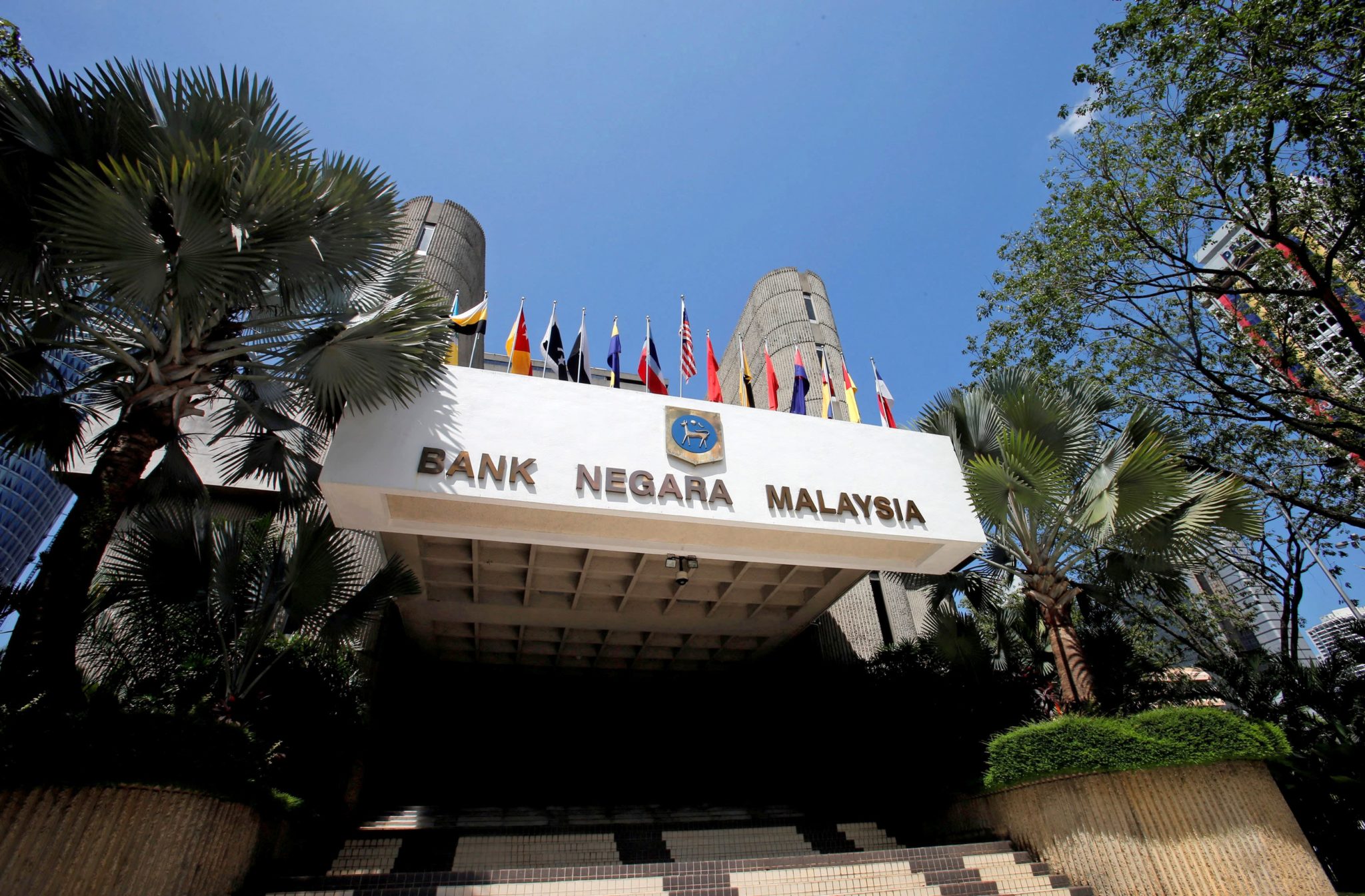
    Malaysia’s central bank is expected to leave its benchmark interest rate unchanged at a meeting on Wednesday, as growth remains firm and a short-term dip in inflation is expected after the new government removed a much-maligned consumption tax.

    All 10 economists polled by Reuters forecast that Bank Negara Malaysia (BNM) will hold its overnight policy rate at 3.25%.

    Unlike Indonesia and the Philippines, Malaysia has hiked its policy rate just once this year, by 25 basis points in January.

    That increase was the only hike since July 2014.

    Wednesday’s meeting will be the second since May 9 elections brought a stunning change of government and the return of Tun Dr Mahathir Mohamad, premier from 1981 to 2003, as prime minister.

    It will be the first BNM policy meeting with Datuk Nor Shamsiah Mohd Yunus as governor. She assumed the post on July 1.

    Soon after taking office, Mahathir scrapped the 6% Goods and Services Tax (GST) imposed in 2015, which Malaysians said was a major contributor to rising living costs and a key reason to reject Datuk Seri Najib Abdul Razak and his long-ruling coalition.

    Scrapping GST will likely bring a significant fall in inflation rate, expected to average around 1% in 2018’s second half, Capital Economics said in a note.

    As a result, it said, “another rate hike is probably off the table”.

    In May, BNM said scrapping GST would impact inflation, but it was too early to say by how much. It projected 2018 full-year headline inflation at 2-3%.

    May’s annual inflation rate was 1.8%.

    Standard Chartered, in a note on Friday, said external pressure may push the central bank to hike its key rate, should it become a drag on the ringgit currency, though it did not say when this could happen.

    The ringgit traded at 4.033 to the dollar at midday today. It has weakened about 4.5% since April 2, a peak for the year.

    StanChart has maintained its 2018 full-year economic growth projection at 5.3%, saying the pace would “moderate from strong levels in 2017, but remain firm”.

    Prior to the election, BNM forecast 2018 growth at 5.5-6%, and has not made a fresh projection since the voting.

    The government reported 2017 growth at 5.9%.

  • 7-Eleven boosts parents profit growth

    7-Eleven boosts parents profit growth

    Overseas growth in the 7-Eleven convenience store business drove a modest increase in profit for Japanese retail group Seven & I Holdings in the first quarter.

    While the challenges of a shrinking population, falling household spending and corresponding lacklustre economy in its home market subdued local performance, offshore growth continues to underpin the company’s results.

    Operating profit of 86.4 billion yen (US$781.2 million) was 2.7 per cent higher year-on-year in the three months to May.

    While 7-Eleven Japan is the nation’s largest convenience store chain, with more than 20,000 stores, the c-store sector is struggling to make headway amid growing competition from drugstores, and Seven & I Holdings’ Ito-Yokado supermarket chain, and its department stores are essentially standing still.

    That makes overseas growth critical for Seven & I Holdings. While 7-Eleven Japan operating profit fell 6.9 per cent to 55.4 billion yen, overseas 7-Eleven profits surged 33 per cent. In Thailand, the chain has about 11,000 stores operated by local partner CP All. It has another 9500 stores in the US and more still under franchise agreements in markets including Malaysia, Australia and, more recently, Vietnam.

  • Vietnam’s Bamboo Airways moves a step closer to starting operations

    Vietnam’s Bamboo Airways moves a step closer to starting operations

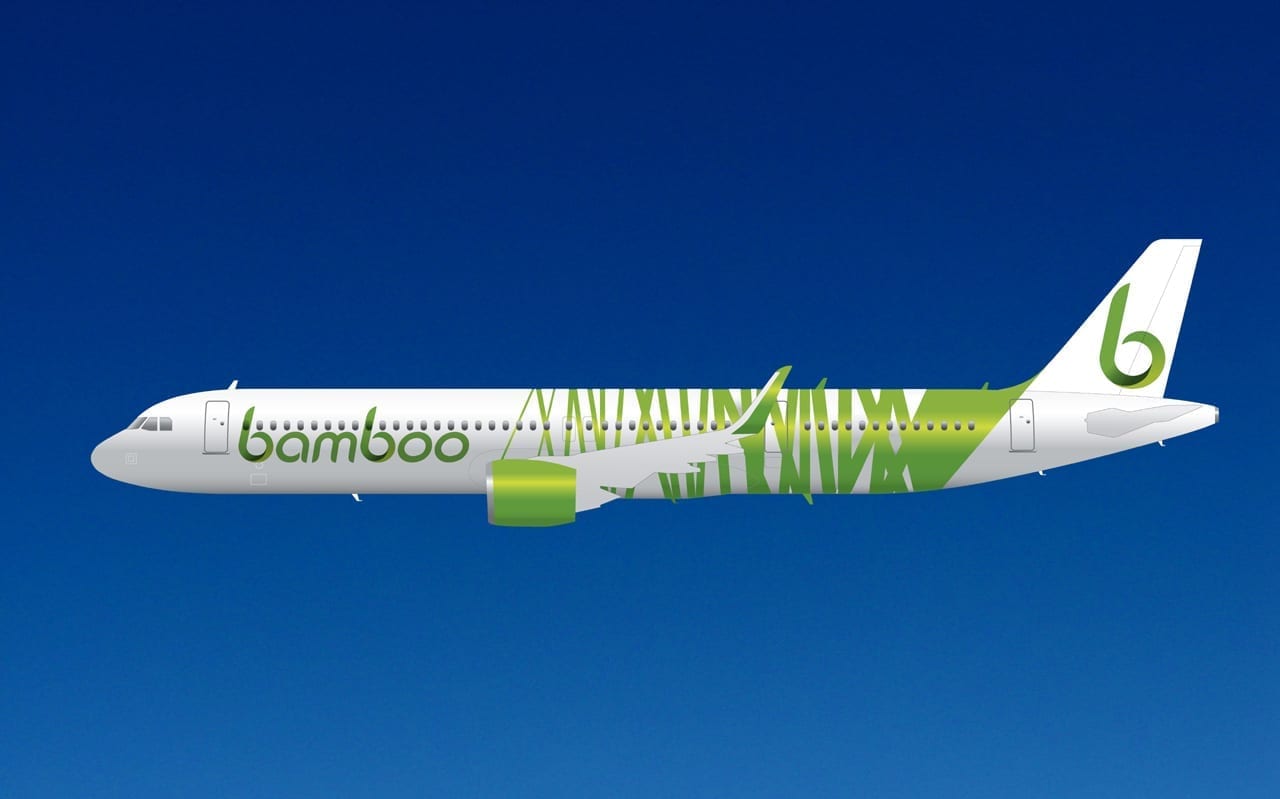
    Privately owned FLC Group last month agreed a $5.6 billion deal to buy 20 Boeing Co planes at current list prices and in March signed a memorandum of understanding with Airbus for up to 24 planes.

    The government said on Tuesday that Bamboo Airways will invest 700 billion dong ($30 million) during 2019-2023 on 10 Airbus or Boeing planes, but it was unclear whether it would rent or buy planes initially.

    It will become Vietnam’s fifth airline. It has yet to receive an aviation licence but the government said in a statement on Tuesday that it had authorised “The Ministry of Transportation to evaluate and issue an air transport business license in accordance with the law.”

    FLC has said it expects the airline to begin operations in 2019 and launch direct flights to the United States and Europe and position itself as a hybrid airline, combining traditional and low–cost models, the company said in a statement on Tuesday.

    Vietnam’s four airlines are flag carrier Vietnam Airlines; budget operator Jetstar Pacific Airlines which is partly owned by Vietnam Airlines; budget carrier Vietjet Aviation and Vietnam Air Services Co.

    The country’s airport capacity has been reaching its limits as fast economic growth means more people in the nation of 90 million are taking flights.

    Hanoi-based FLC, whose main businesses are housing, resorts and golfing, had said it planned to operate international flights through Bamboo Airways to tourist spots in Vietnam including where FLC has properties and also plans domestic flights.

  • Jollibee makes debut in Macau

    Jollibee makes debut in Macau

    The popular Filipino fast food franchise Jollibee has opened its first restaurant in Macau.

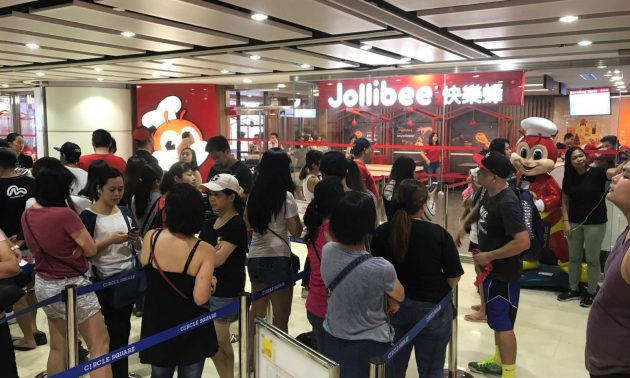
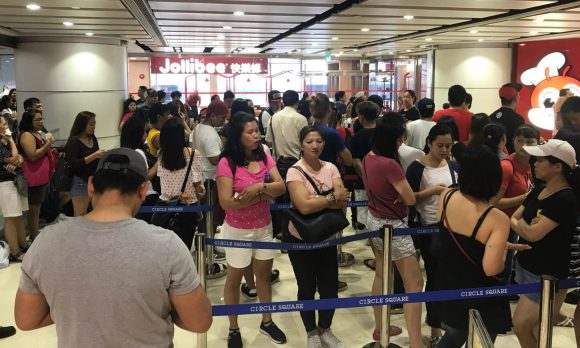
    Long queues are seen from as early as 7am outside the Jollibee Macau store, with many of those in line being Filipino nationals. A large Jollibee mascot entertained diners as they waited to be served.

    Macau has a strong population of Filipinos working in the casino and f&b sectors.

    The company opened its first restaurant in Milan earlier this year, and also added a venue in Canada where the brand has plans to open 100 stores within five years. Further expansions into the UK, Malaysia, and Indonesia are also in the works.

    Jollibee currently operates in several countries in Southeast Asia and the Middle East, as well as Hong Kong and the US.

  • AirAsia partners with Vice to woo travellers with culinary adventurism

    AirAsia partners with Vice to woo travellers with culinary adventurism

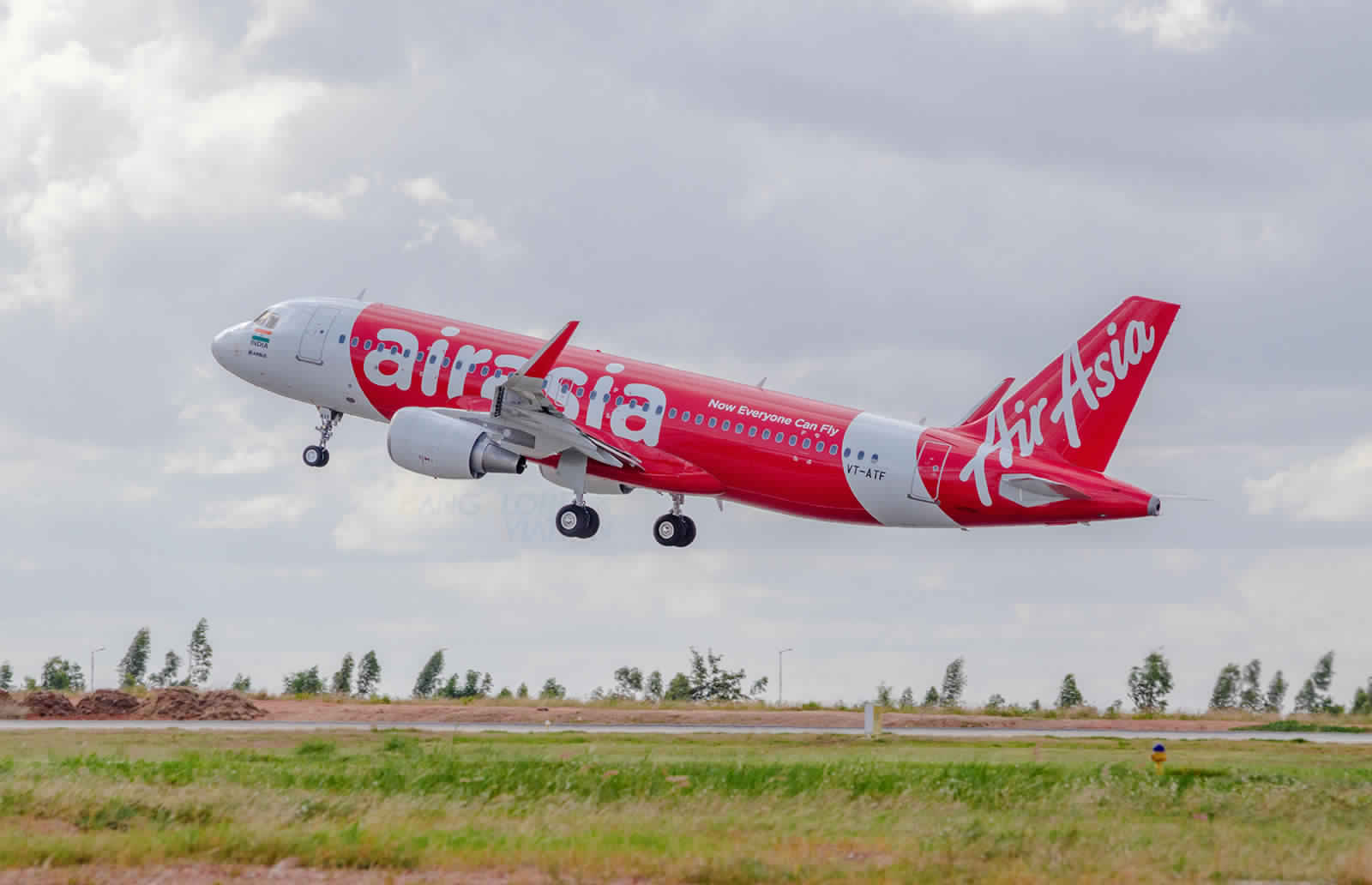
    AirAsia has announced a content partnership with Vice to encourage travellers to explore some of the world’s spiciest regions and cuisines.

    The content partnership consists of a four-part travel series Hot Heads which will be hosted by Karina Utomo, of Australian hardcore band High Tension, who will travel to India to discover the spiciest dishes available.

    Hot Heads will tour diverse locations within AirAsia’s India network which includes Chennai, Bangalore, Hyderabad and Jaipur.

    AirAsia Group head of branding, Rudy Khaw said: “Vice are the perfect partner for us to showcase India as an exciting destination for millennials. Using food as the driver, the unique series challenges the host Karina to step outside her comfort zone and explore the diverse sights and sounds of India.”

    Business development director of brand partnerships Vice Australia, Cain Collins said: “We’re incredibly excited to be working with the team at AirAsia, and inspiring the search for unique and exciting experiences.

    “Hot Heads is a travel series informed by quantifiable insights drawn from Vice owned data around what’s currently driving young people’s destination consideration set: culinary adventurism and local experiences, combined with a little bit of Schadenfreude.”

    AirAsia recently re-created its Weekdays campaign from 2015 to encourage more people to travel within Thailand.

  • The evolving Indian luxury market

    The evolving Indian luxury market

    India – every year is a growth story, despite complaints and gripes, the market grows! In the past 5 years, India has seen the beginning of a new cultural emergence from the prospective of retailers, manufacturers and the customer and consumer. The span 2017-2020 appears to be the decade quarter of evolution. There are number of small yet critical factors which clearly demonstrate the decade quarter of evolution that has continued in India and more importantly the way the luxury fashion market is developing on a fiscal and cultural prospective.

    There was a time when purchases in fashion were either need based or one off aspirational purchases. As we have seen, especially since 2015, fashion purchases have evolved to a more desire and aspiration based activity. Across the luxury pyramid 4 categories are seen as more than a basic need. The items worn reflect the consumer’s personality, and is perceived by them as a status symbols. With the growth of international influence and more correctly put, the emergence of a pan-global target audience, each brand, regardless of its Tier, price and country of manufacturing, represents an aspirational value.

    Its not just international brands we are referring to, the growing demand and redefined allocation of flexible income towards fashion, along with the newly restored pride in ‘Made in India’, has opened the doors for domestic brands today. With three of the largest department stores launching their own private labels, while not all are a luxury to the better travelled among us, nearly 28 percent of retail clothing sales from structured retail today comes from the department store segment including Shoppers Stop, Pantaloons and Westside among others. These department stores have effectively offered home grown alternatives to international high street fashion brands such as Zara and H&M. With Westside planning to expand beyond Indian borders, the coming years could very well give a much needed impetus to manufacturing in India.

    The currency advantages, higher quality of manufacturing and lower manufacturing costs in India, provide a key advantage to all brands that are manufacturing in India and selling globally today.

    KK Shirts launched in 2014, is a small outfit selling a limited run of 1,000 shirts globally every year, proudly ‘Made in India’, matching the quality of ready-to-wear shirts provided by far more established European brands. The shirts are priced modestly between Rs 6,000 to Rs 18,000 (45 GBP to 200 GBP) whereas a big boxed store would sell a similar quality and care for at least 2.5x, using sustainable textiles and environmentally friendly dyes and prints. The brand, in 2017, was sold out of all its shirts in a record 8 months period. It’s surprisingly good for a brand which neither banks on social media nor advertises, but just relies on the word-of-mouth from its customers and targets consumers who want a shirt from a brand which is different and cares as much about the process and the end creation as much as the consumer does about the taste of the food they eat.

    International brand launches are not to be left behind, while we have H&M open up across the country in the premium affordable market, we have also seen brands such as Ted Baker, which back in London, is a common department store and non-luxurious brand, in India’s newest luxury mall, The Chanakaya. Ironically ultra luxury or haute luxury niche shoe brand, EL Chaussure decided that malls in India are not yet luxurious enough to match their other stockists such as Harrods in London and chose to continue to offer their designed-to-desire shoe service online and through a partnership with Excedo Luxuria in India. They allow customers to design and order their own shoes online and then have them hand made by craftsman in Great Britain, Italy and Spain.

    The latest launches clearly show the consumer and customer of today is ever willing to look at newer brands and they are open to new brands, both international and domestic, which can provide value for money (that’s different from being cheap), support in defining a social status, is globally appealing and most importantly, is fashionable and in season.

    With the increase of foreign investment as well as local investment, local businesses infrastructure continues to develop driving down the mid-term cost of operations, logistics and even top level manufacturing costs.

    Given the glocal opportunity, e-commerce shopping continues to grow specifically when looking at the Omnichannel strategy. Investments in retail will continue largely focused on providing the customer an unbeatable personalised customer service. It was estimated that Rs 2,00,000 crore was invested in retail in 2016 and by 2020 its expected to double. With core and inter-market consolidation such as Reliance Brands’ acquisition of 40 percent of Genesis Luxury, it is making way for the original founders to pursue wider opportunities and growth, and giving Reliance the ‘influence’ to align benefits and market strategies.

    With investments being made in retail, we can expect the contribution of Tier -II and -III cities’ towards total luxury fashion spending increase, though in our experience, many key buyers are driven by the psychology of buying the best and buying better than those in the metropolitan cities, a higher status symbol and far better value for money. This mind set gives way to a list of haute luxury brands such as Swiss Luxury, Laurent Ferrier, along with higher end industrial luxury brands such as Kiton, a luxury made-to-measure clothing from Italy. These niche labels entice new customers and educate them in their own brands’ prospectives; without them being over exposed to Massitige and mass luxury fashion brands advertising such as Louis Vuitton or Christian Dior.

    The least obvious but one of the most critical evolutionary points, is the definition of luxury fashion. Fashion, till recently, was limited largely to clothes and immediate clothing accessories. As time progressed, categories such as shoes, jewellery, watches and accessories have been included, in the truest term. Today, the luxury fashion market includesa full wardrobe from innerwear to watches like Versace or the more niche Lytt Labs. With a variety of options and each design bearing in mind the modern day buyers’ wardrobe, lifestyle and functionality; the interchangeable straps on a Lytt Labs represents this exact mindset, with over 300 different straps available, from black leather to green, red and blue tartan, all changeable within a minute at home.

    Overall, the immense growth charted for the luxury fashion segment in India is nothing short of exciting; but with all enticing opportunities come challenges. There are not in surmountable challenges though. Consolidation is a wise move and I would expect to see further mergers and some inter-market investments reducing the competition domestically and increasing competition for international brands, providing the end customer and consumer with better service.

  • Korea’s M Corset listing for IPO to boost awareness

    Korea’s M Corset listing for IPO to boost awareness

    South Korean underwear retailer M Corset is going public on the Kosdaq secondary bourse.

    The IPO has been announced as a move to improve the firm’s brand awareness in Asia. Its initial share price is being set at KRW10,100 to KRW11,500 (US$9–$10.35) per share, or up to 29 billion won (US$26 million) based on the top-end price.

    A spokesperson for the company at the press conference for the IPO said “We will use our IPO momentum to make inroads into Asian markets, including China.”

    The brand, which has an almost 20-year history, made the leap from TV home-shopping channels to brick-and-mortar stores through the success of its 19 underwear brands for men and women under 19 – the most popular of which is Wonderbra, which made up 43 per cent of its total sales of KRW124.3 billion (US$112 million) last year.

  • AirAsia celebrates Avalon Airport launch with $99 flights to Asia

    AirAsia celebrates Avalon Airport launch with $99 flights to Asia

    Earlier in the year, Avalon Airport and AirAsia announced they would be teaming up to offer the first ever international flights out of Melbourne’s second airport, Avalon.

    Now, tickets for first flights are finally out and to celebrate they are on sale for as little as $99 each way.

    These are to AirAsia’s home city Kuala Lumpur and, to be perfectly frank, are actually on sale for $12 each waywith airport taxes coming in at $87. Put the two together and you get your flight fare.

    Whichever way you look at it, it is super cheap and is definitely not one to be missed.

    The Melbourne to Kuala Lumpur route will operate twice daily on AirAsia’s long haul carrier AirAsia X on an A330-300 aircraft. While it’s the focus flight of this launch, it isn’t the only one from Avalon Airport on sale. Direct flights from Melbourne (Avalon) to Bangkok are also available from $154 each way while over 70 indirect flights via Kuala Lumpur are also available to snap up for cheap. This includes Melbourne to Singapore from $140, Melbourne to Phuket from $147, Melbourne to Male (Maldives) from $201 and Melbourne to Tokyo from $249, to name a few.

    Again all these fares are one-way with returns costing double.

    Travel is open across a more-than-generous period, ranging from 4 December 2018 to 13 August 2019. This includes peak season dates such as Christmas, though these are limited so you may need to be flexible with your dates around high-season to keep to your intended budget.

  • Xiaomi shares fall in Hong Kong trading debut as US-China trade war deter equity investors

    Xiaomi shares fall in Hong Kong trading debut as US-China trade war deter equity investors

    Xiaomi, the first company to raise capital under Hong Kong’s overhauled listing rules for pre-revenue start-ups or companies with multiple classes of stock, sputtered during its trading debut on the city’s exchange when investors spooked by the US-China trade war refrained from buying its shares.

    Shares of the Beijing-based company, offered a week ago at HK$17 each in what was once billed as the world’s biggest initial public offer, fell by as much as 5.9 per cent in an advancing market to HK$16, before recovering to end their first trading day at HK$16.80.

    “Investors are no longer that crazy about so-called new economy IPOs, as many of them have quickly fallen below their offer prices,” said Edmond Hui, chief executive for Bright Smart Securities.

    “It’s no longer a guarantee of making money.”

    The lacklustre debut was a blow for the world’s fourth-largest smartphone maker, which had taken a mere seven years to grow from a start-up to surpass 100 billion yuan (US$15 billion) in sales. Founded by serial entrepreneur Lei Jun in 2010, Xiaomi was the first blockbuster IPO under the new listing rules that Hong Kong’s securities regulator and stock market operator pushed through last year.

    “Xiaomi’s listing signals the Hong Kong market has entered a new phase,” said the city’s Financial Secretary Paul Chan Mo-po, speaking in Cantonese during a ceremony marking Xiaomi’s trading debut. “I believe [Hong Kong’s listing reform] will prompt more innovative technology companies to raise funds in Hong Kong, so our market can better serve the real economy.”

    The size of Xiaomi’s fundraising – originally aimed at US$10 billion – was trimmed by bad timing, coming after the US and Chinese governments fired the first salvoes of their trade war.

    Net proceeds from the IPO were HK$23.98 billion (US$3.1 billion), after deducting underwriting fees and other relevant expenses, Xiaomi said. The company priced its stock at the low end of a price range of between HK$17 and HK$22 each.

    That values the company, whose name is the Chinese phrase for millet, at US$54.3 billion, about half of the US$100 billion it had originally sought, which would’ve made Xiaomi the world’s largest IPO this year. Instead, that honour has gone to Siemens Healthineers, which raised US$5.17 billion in Frankfurt in March.

    “Although the macroeconomic conditions are far from ideal, we believe a great company can still rise to the challenge and distinguish itself,” Xiaomi’s founder and chief executive Lei Jun said in a brief speech at the start of trading. “From day one, innovation has been an integral part of Xiaomi’s DNA,” he said, adding that the listing would be “a brand new start for Xiaomi.”

    It plans to use 30 per cent of the proceeds for research and development, 30 per cent to expand and strengthen its capability into the internet of things business, 30 per cent for global expansion, and the remainder for working capital and other corporate purposes.

    Four of the five biggest tech IPOs in Hong Kong since September are now trading below their offer prices.

    Lei, who founded Xiaomi in 2010 and currently holds nearly one third of the company’s stock, has been presenting Xiaomi as an internet company rather than a hardware maker, saying it should be valued as hybrid of Apple and Tencent because it is “driven by innovation”.

    Companies billed as manufacturers, like tech giant Apple, tend to achieve much lower valuations than those categorised as internet firms, for example China’s Tencent.

    Investors were not the first to question Lei’s categorisation. In mid June, the company shelved a plan to issue Chinese depositary receipts (CDRs) in Shanghai after the market regulator demanded answers to 84 questions, including why Xiaomi positioned itself as an internet firm.

    The smartphone maker has tapped several Hong Kong and Chinese tycoons as investors, including Li Ka-shing of CK Hutchison, Pony Ma Huateng of Tencent and Jack Ma Yun, founder of Alibaba Group Holdings and owner of this newspaper.

    Xiaomi’s seven cornerstone investors have agreed to acquire US$548 million worth of shares with a six-month lock-up period, according to the prospectus.

    US chip maker Qualcomm has committed US$100 million, the only foreign company among the cornerstone investors. China Mobile, the country’s biggest telecom operator, will also invest US$100 million, while CICFH Entertainment, a state-backed industrial fund, will be the biggest cornerstone investor with a US$192 million stake.

  • Allianz Real Estate aims to raise China investment in new economy, logistics

    Allianz Real Estate aims to raise China investment in new economy, logistics

    The property investment arm of German financial services giant Allianz expects China to soon account for up to half of its Asia-Pacific fund allocation, up from the current 40 per cent, with a focus on the new economy and logistics sectors.

    Rushabh Desai, its Asia-Pacific chief executive, revealed on Monday the insurer and asset manager has just bought an office tower in a Beijing software park, already fully leased out to Chinese tech firms.

    It expects to complete another purchase in a Shanghai business park “within a couple of weeks”, he added.

    “We want to be aligned to the new economy and contribute toward China’s growth in the sector; we’re investing based on that thesis,” Desai said. By new economy he refers to non-traditional industries such as biopharmaceuticals and online retail.

    Allianz Real Estate is just one of a number of foreign investment firms betting on growth in the commercial property markets of China’s top-tier cities, driven by high demand from small start-ups to large companies.

    The firm has effectively bought the Beijing office tower – dubbed ZLink and valued at US$185-195 million – outright (98 per cent) in an all-cash deal from private equity firm KaiLong Group and Goldman Sachs, Desai said.

    The ability to pay for such deals without financing and close them in just eight weeks was vital in helping Allianz secure the purchase, Desai said, even though it might not have been the highest bidder as sellers prefer to avoid China’s lengthy financing periods.

    He said the firm is on the hunt for opportunities in Beijing and Shanghai office space, as well as in warehousing. Its portfolio already includes co-investing in two Shanghai office towers.

    Allianz Real Estate has a global portfolio growth target of over 1 billion (US$1.17 billion) by the end of 2018, from around 800 million to 900 million euros at present and is well on track to meeting that, he said.

    The property investment business also manages 56 billion worth of assets around the world, a tenth of which is in Asia-Pacific. Desai said the trade spat between the United States and China has had little impact on his firm’s investment decisions, and that post-deal asset management is more important.

    “We monitor political risk but we keep it out of our investment decisions and try to focus on asset level,” he said.

    “As an asset investor, we look at the quality of asset, their location and management. We look to outperform the market, so even if there’s a trade war or impact, we hope our investments will do better than our competition. That is all we try to do.”

  • Tesla Buyers in China Are Early Casualties in Trade Wrestle

    Tesla Buyers in China Are Early Casualties in Trade Wrestle

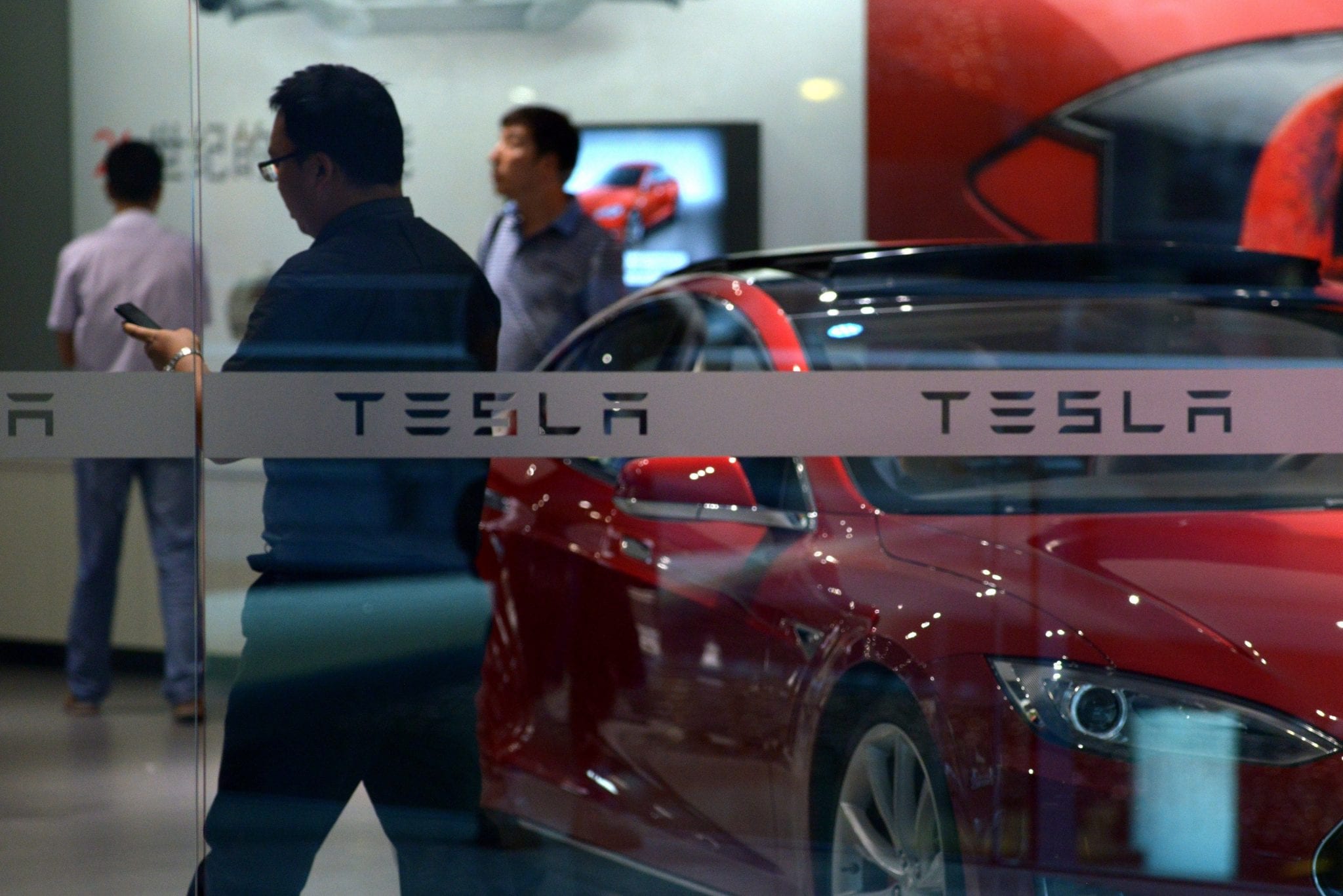
    Tesla buyers in China will be among the first consumers to feel the pinch from the U.S.-China trade dispute.

    Price listings on Tesla’s Chinese website increased by nearly 20% this weekend. It came after the U.S. and China on Friday imposed tit-for-tat tariffs on $34 billion of each other’s goods, which affected U.S.-built cars exported to China including Teslas.

    The Silicon Valley electric-car maker had briefly cut prices by about 6% after the Chinese government reduced its tariffs on imported cars to 15% from 25% on July 1.

    But that cut proved short lived. The measures imposed Friday raised the tariff on Tesla to 40%.

    A basic Model S sedan now costs roughly $128,400, up from $107,300 last week, while a Model X sport-utility vehicle costs $140,100, compared with $117,100.

    A Tesla dealer in Beijing said there were still some cars in stock with lower price tags that were delivered before the new tariffs were imposed, but that inventory was very low.

    Tesla plans to build a plant in Shanghai to serve the local market, but for now it only produces vehicles in the U.S. Last year, it sold about 17,000 cars in China, its second-biggest market globally, generating more than $2 billion in revenue.

    Unlike most auto makers, Tesla sells its cars through company-owned stores instead of franchised dealerships, allowing it to set prices. It has 30 stores in China, according to its website.

    The tariffs the U.S. and China imposed on each other present companies with a dilemma: Risk a loss by absorbing the cost or risk market share by passing it on to consumers. Beijing has been looking for ways to shield its companies and consumers, for example by trying to direct purchases of soybeans to Brazil and other suppliers.

    China’s Commerce Ministry said Monday it would use the added revenue from the increased tariffs to provide relief for affected companies and workers. Also Monday, the executive office of the State Council, China’s cabinet, issued a notice Monday calling for an increase in imports while stabilizing exports to promote more balanced trade.

    Tesla isn’t the only auto maker that builds in the U.S. and ships to China: BMW AG , DaimlerAG and Ford Motor Co. all sell U.S. imports in significant volume here.

    Last week, Ford said it has no current plans to raise retail prices on its China imports in response to the tariff hike. Ford sold roughly 65,000 imported Lincoln vehicles in China last year, as well as nearly 19,000 Fords. Locally produced cars comprised more than 90% of its sales.

    Daimler said it didn’t plan to pass the entire cost of the tariff rise onto its customers.

    Sales of high-end imports such as Tesla’s are unlikely to be hit severely by the price increase, according to analysts, since buyers of luxury cars tend not to be price-conscious.

    But the pain will spread if the trade war continues, a saleswoman at an import-export company based in Shandong province predicted.

    The company imports U.S. auto parts that are subject to the new tariffs, which means higher prices for its Chinese buyers. They are negotiating with American suppliers on how to divide the higher costs, she said, but they will most likely be absorbed by her company, the saleswoman said.

    “In the short term, our vendors are still talking and discussing prices,” she said. “But in the long term, I think it will definitely have an impact on our business.”

  • Volvo Car Malaysia launches new Batu Pahat 3S centre

    Volvo Car Malaysia launches new Batu Pahat 3S centre

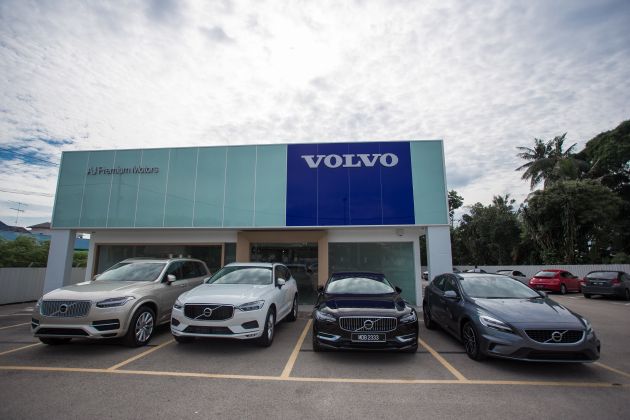
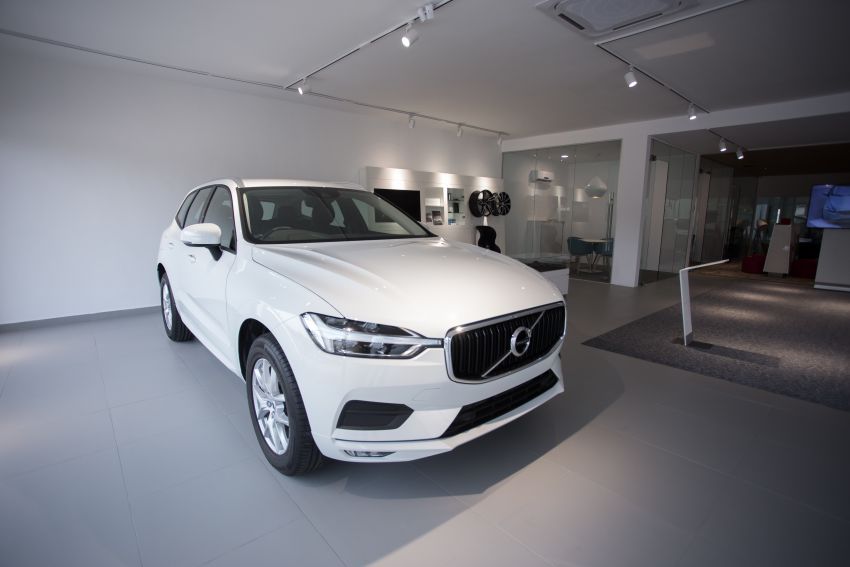
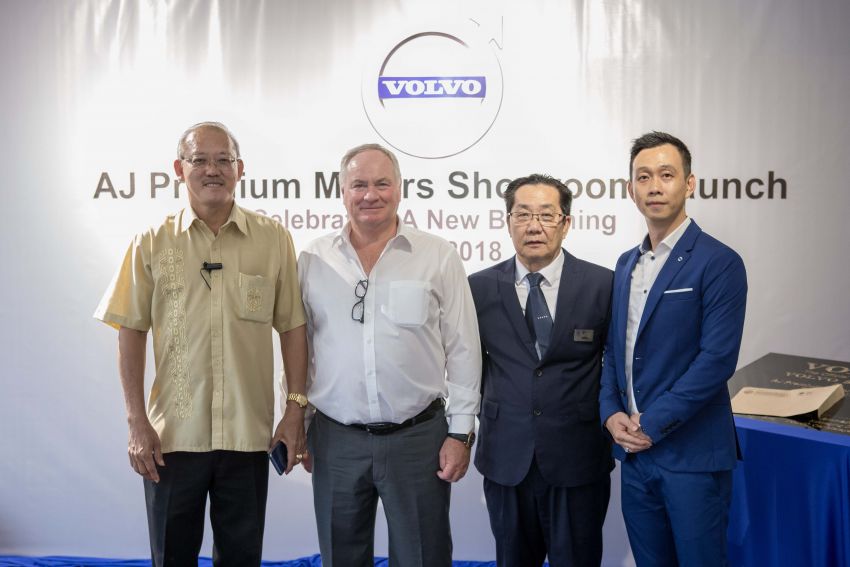
    Volvo Car Malaysia, together with its newest dealer AJ Premium Motors, have launched a new Volvo 3S centre in Batu Pahat to serve customers in the Southern region. The new dealership is part of the company’s sales and aftersales transformation programme, with more locations set to be introduced later in the year.

    “There is growing interest for our models in Malaysia and we are actively setting-up dealerships in strategic areas around Malaysia to better service this need,” said Lennart Stegland, managing director of Volvo Car Malaysia.

    “It is an absolute requirement for all new dealerships to adhere to the Volvo Retail Experience (VRE) standards, consistent with our dealership standards in Europe – it is not just an aesthetical guideline but also dictates the level of service rendered in our dealerships,” added Stegland.

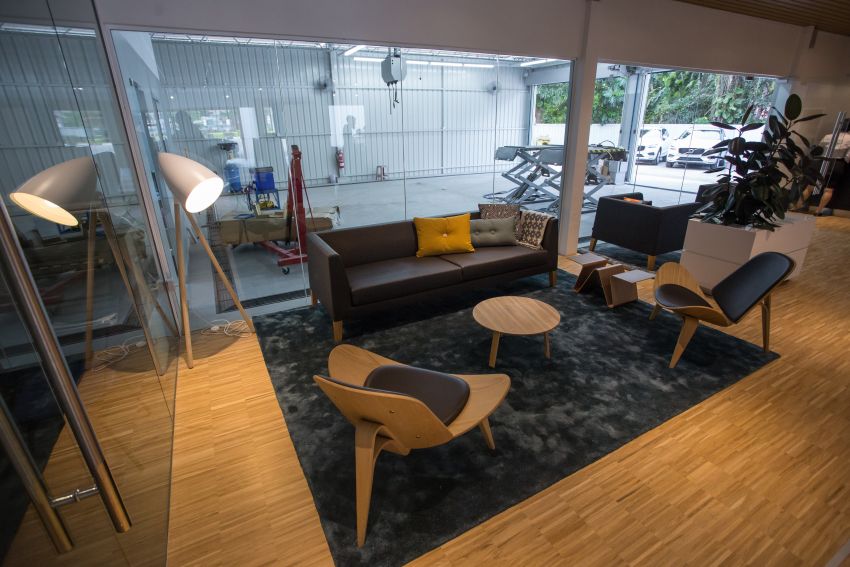
    Volvo Batu Pahat features a Scandinavian-inspired ‘living room’ where customers can relax while being attended to by a sales representative or while waiting for the vehicles to be serviced in one of the two service bays in the facility.

    “Our presence in Batu Pahat makes it more convenient for owners from the surrounding areas of Muar, Kluang and Segamat to service their cars or for prospective customers to view new Volvo models,” said Jacky Ong, managing director of AJ Premium Motors.

    The 3S centre is located at Lot. 1005, Jalan Kluang, 83000 Batu Pahat, Johor, Malaysia and it is open from 9am till 6pm on Monday to Saturday, and from 11am to 5pm on Sunday and public holidays.


  • Vietnam can import beef from Brazil again, says Deputy PM

    Vietnam can import beef from Brazil again, says Deputy PM

    Vietnam will consider importing beef from Brazil again if food safety conditions are ensured, Deputy Prime Minister Vuong Dinh Hue has said.

    At the recent Vietnam-Brazil Trade and Investment Forum attended by around 100 enterprises in Sao Paulo, Brazil, he also said Vietnam could become the top importer of corn and soybeans.

    A quality control scandal in Brazil early last year led to 20 countries, including Vietnam, suspending the import of Brazilian meat. Many countries have since resumed imports after receiving explanations and commitments from the Brazilian government.

    It was said the forum that Brazil will also increase import of coffee, catfish and shrimp from Vietnam.

    Hue noted that in 10 years of trading and investment relations, import-export turnover of Vietnam and Brazil has reached $4 billion, most of it from agricultural products.

    Vietnam’s imports from Brazil in 2017 reached $1.8 billion, according to the General Statistics Office of Vietnam.