Author: Mei Ling Tan

  • Apple and Samsung duke it out in South Korea

    Apple and Samsung duke it out in South Korea

    South Korea’s capital Seoul is one of the world’s most technologically advanced, known for its rapid Internet speeds and advanced infrastructure.

    It was one of the first to introduce city-wide free Wi-Fi, and 5G will be introduced commercially in 2019. It is the home of global tech titans Samsung and LG. But in one way Seoul lagged behind other cities.

    Apple announced the opening of their first retail stores in May 15, 2001. Four days later, on a Saturday, the first ever Apple stores opened in Maclean, Virginia, and Glendale, California. “The Apple stores offer an amazing new way to buy a computer,” said the late Steve Jobs, Apple’s CEO at the time.

    Over the years more stores opened, going on to stock the iPod, the Macbook Air, and the iPhone. Tokyo got its first Apple store in 2003. London a year later. Beijing in 2008. And the Middle East in 2015 with Dubai’s Apple store.

    But South Korea, the 11th largest economy in the world and one of the most technologically advanced, saw its first Apple store open on January 26, 2018.

    In the Apple outlet is located in Garosu-gil,we see a fashionable street in trendy Gangnam-gu, popular with tourists and chic locals. Inside the pristine and meticulous store, lined with four potted trees at its entrance, were a busy amount of people.

    Ju-Won Shin, 38, an accountant, was sitting down at a table looking to buy an iPhone SE, while already owning an iPhone 6S and iPad Pro. What does he think of Apple? “Their products are easy to use, refined, and have a good vibe,” he said. Shin preferred Apple to Samsung because “they’re constantly trying hard to make good quality products.”

    Another store wanderer was So-ri Lee, 22, a waitress at a cafe, who was browsing phone cases. So-ri had an iPhone 8 and had been using it for two years. Before that she owned a Samsung Galaxy Mega. She said she preferred iPhone because she loved the design– “it’s pretty and easy to use, and now I’m used to iOS,” she said.

  • RM Williams coming to China

    RM Williams coming to China

    Boot retailer RM Williams will open stores in China later this year, according to a report by the Australian Financial Review.

    The decision to expand into the fast growing consumer market was made by brand-owner L Catterton Asia, with chairman Ravi Thakran telling the AFR he expected at least a 50 per cent lift in earnings and a 40 per cent increase in sales supported by the expansion.

    The Chinese market has been rapidly proving its worth to retailers, with Starbucks China vowing to double its store-countover the next five years and Prada sales slipping in every market barring China, where it saw a modest 4.6 per cent growth.

    A recent report by Azoya Consulting and Frost & Sullivan found that 87 per cent of local brands view the market as a lucrative opportunity – with over 500 million online shoppers in China.

    The study found that Australian retailers are moving to invest in their owns paths to the Chinese market, hoping to sell directly to the consumers rather than through e-commerce platforms.

  • Rentals rise in downtown Saigon as supply stagnates

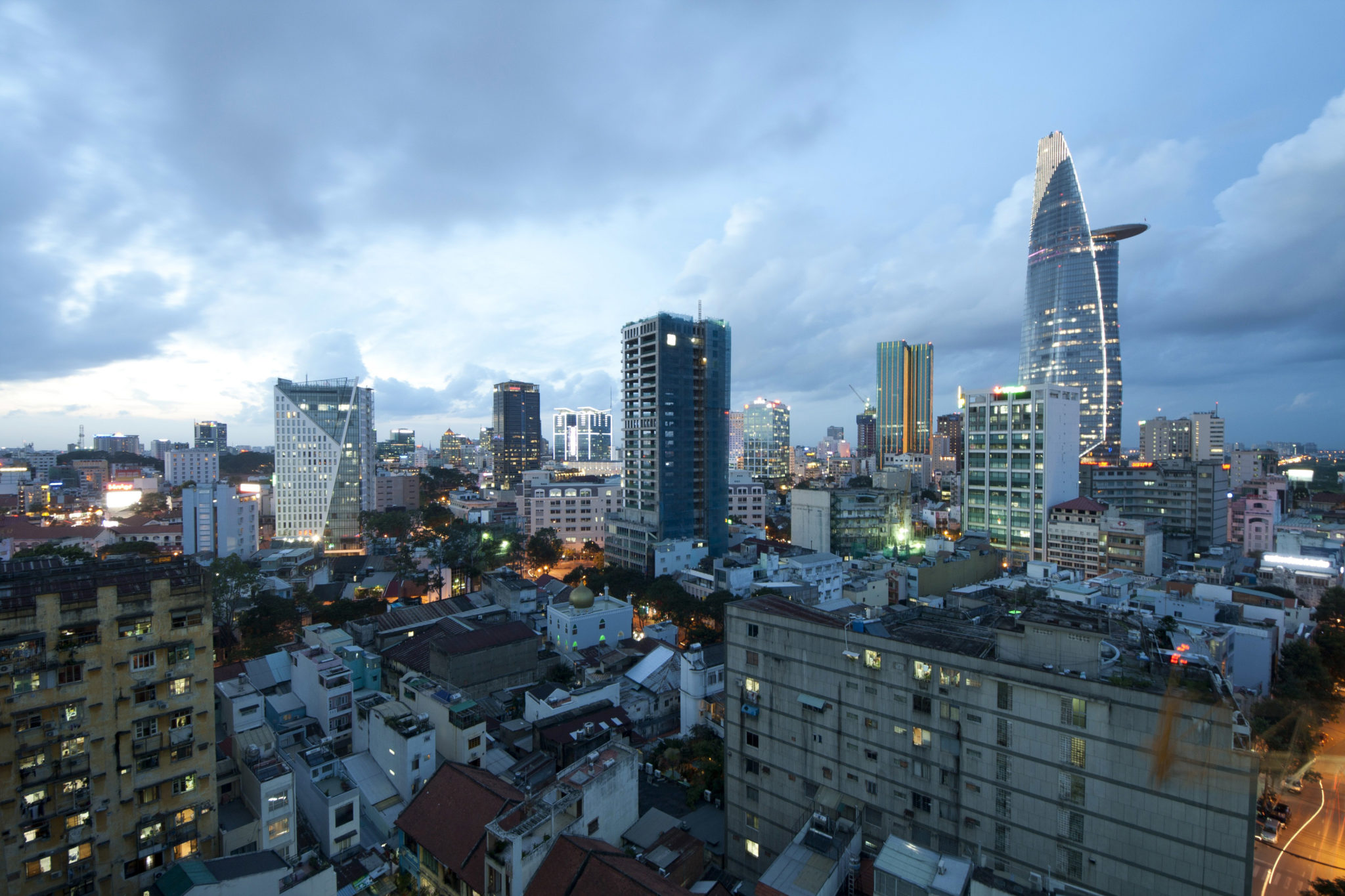
    Rentals rise in downtown Saigon as supply stagnates

    Office rentals in downtown Ho Chi Minh City have been rising steadily over the last three months, a new report says.

    Grade A office rent has seen a 7 percent increase in the second quarter over the first quarter and 17 percent increase over the same period last year, the report said.

    A similar increase, of 7.3 percent over last year, has also been seen in Grade B office rentals.

    The report attributes the rice in prices to high demand and limited supply.

    In the last one year, office vacancies in new buildings have been rapidly filled, with vacancy rates for both Grade A and B offices at below 5 percent, the report says.

    In the second quarter of 2018, the HCMC market has not received new office space supply. Total Grade A office supply remained unchanged at 382,763 square meters, while Grade B office space rose slightly by 968 square meters to 814,330 square meters.

    Dang Phuong Hang, managing director of CBRE Vietnam, predicted that Grade A office rents would continue to increase through 2019 or early 2020, with supply remaining limited. Office vacancies will become increasingly scarce, she said.

  • United Nude Philippines debuts in Manila

    United Nude Philippines debuts in Manila

    Dutch shoe retailer United Nude Philippines has announced its first store will be at Resorts World.

    The brand was established in 2003 by architect Rem D Koolhaas and Galahad Clark. Without any fashion experience, Koolhaas applied his existing design experience to creating new, avant-garde shoes.

    According to Koolhaas, “We ended up breaking the rules of shoe design, not for the sake of breaking them, but simply by not knowing them.”

    The brand’s most successful product is the Mobius shoe, with a single contiguous strip for the sole and heel. Similar architecture-inspired design features are now the brand’s trademark style.

    “From the beginning, something that’s very important for us is that we design for a much larger group of people who have great interest for design, and not so much for trends or following trends but for people who have their own style,” says Koolhaas.

    “As designers, we do our best to (at the same time) innovate and experiment. But on the other hand just to create something that’s good enough to last for longer.”

    United Nude Philippines will open at Newport Mall, Resorts World, in Manila in September.

  • Samsung’s streak of record profits comes to an end

    Samsung’s streak of record profits comes to an end

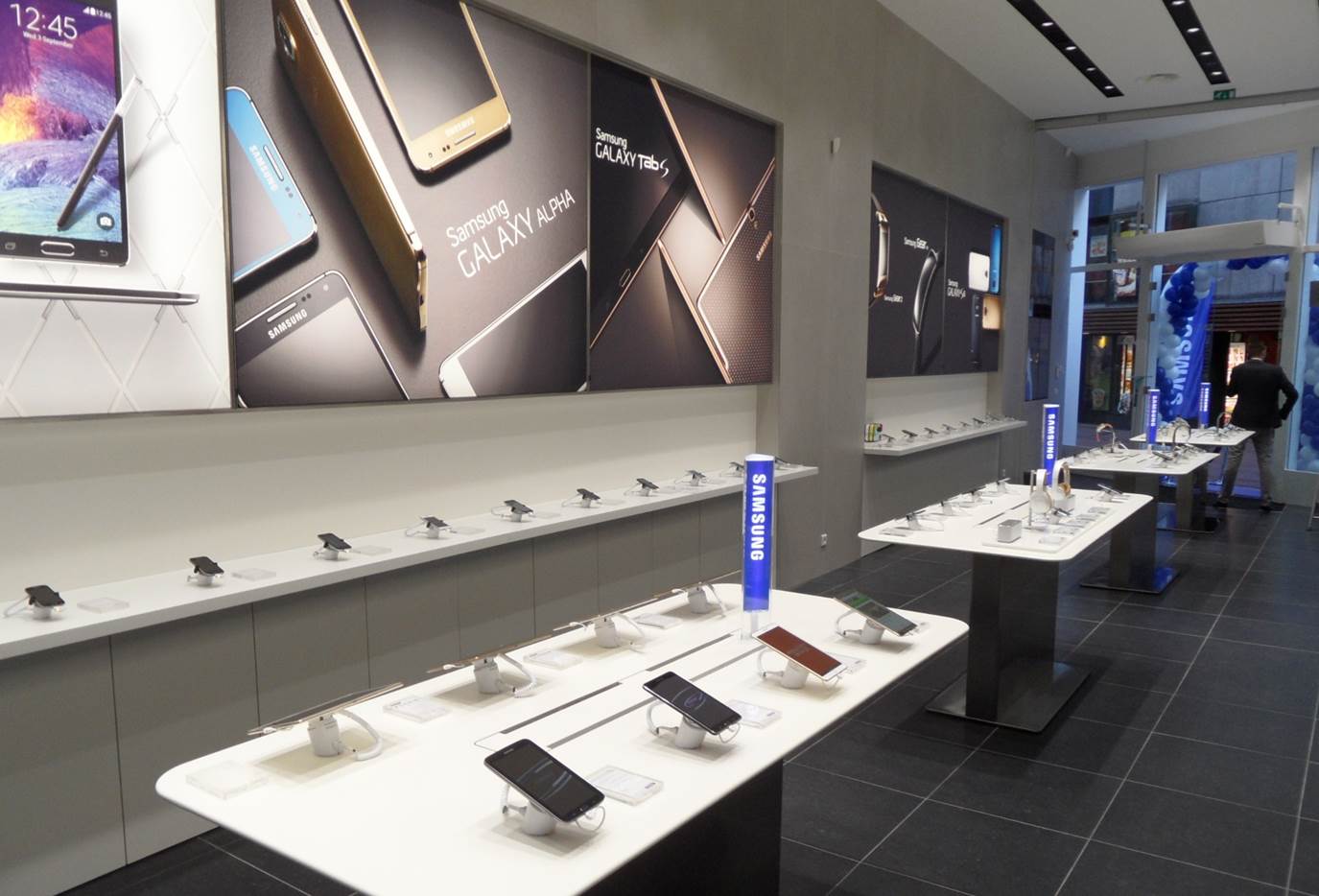
    Samsung Electronics set records with its last seven quarterly operating profits, but its hot streak has come to an end.

    The tech giant said in its second-quarterly earnings guidance Friday that its operating profit fell by 5.37 percent from the previous quarter of 2018 to an estimated 14.8 trillion won ($13.3 billion).

    Its revenue also dwindled by 4.23 percent from last quarter to 58 trillion won. Analysts believe disappointing sales of Galaxy S9 smartphones and reduced profits from its display business were the main factors behind the sluggish results.

    The operating profit for the April-June period was lower than analyst’s earlier consensus of 15.27 trillion won, which was compiled by market information provider FnGuide.

    The guidance provides averages for the range of operating profit and revenue for the quarter, Samsung will release confirmed figures by business sectors three weeks from now.

    When compared to the second quarter of 2017, operating profit was up by 5.19 percent, but revenue fell by 4.92 percent.

    “Operating profits at all of the business sectors at Samsung for the second quarter are forecast to fall, except for semiconductors and consumer electronics,” said Lee Soon-hak, an analyst at Hanwha Investment and Securities. The ongoing supercycle in the chip industry is still boosting Samsung’s earnings, he added.

    In the first quarter, Samsung’s semiconductor division posted 11.55 trillion won in operating profit, the best result in the company history. Analysts project the profit from the division amounts to more than half of Samsung’s entire second-quarter operating profit.

    The IT and mobile division, which is in charge of smartphones, is projected to have made only around 2.5 trillion won in operating profit, down more than 2 trillion won from the 4.6 trillion won it made in the second quarter of last year.

    Samsung’s flagship Galaxy S9 smartphone, launched in March, has underperformed relative to market expectations. The phone is expected to be Samsung’s least popular Galaxy S model since 2012’s Galaxy S3.

    Eugene Investment and Securities lowered its shipment estimate for the Galaxy S9 in the second-quarter from 15 million to 9.5 million units. It also decreased its expected total 2018 shipments for the S9 to 31 million units, down 19.5 percent from 2017’s S8, which shipped 38.5 million units.

    Some other brokerage houses are also revising their yearly sales estimates for the S9 to below 30 million. Consumers and experts say the phone lacks unique features compared to its predecessor.

    Samsung shares ended 2.29 percent lower at 44,900 won on Thursday, an all-time low closing price since the company’s shares were split 50 to 1 at the end of April. Ever since the split, Samsung stocks have fallen by 15.3 percent. But according to analysts, Samsung shares may have hit rock bottom, given that concerns over second-quarter earnings have been sufficiently reflected.

  • Airwallex rings up US$80 million from Tencent and Sequoia

    Airwallex rings up US$80 million from Tencent and Sequoia

    The Melbourne-based startup announced today a US$80 million series B led by Tencent and Sequoia China and joined by Asia-Pacific investors Hillhouse Capital, Horizons Ventures, Central Capital Ventura, and Square Peg Capital.

    The deal is believed to be the second largest in the country, and is the largest raised by a startup in Australia this year.

    Airwallex provides cross-border transactions and money transfers.

    It will use the funding to expand in Southeast Asia, starting out with Singapore and Hong Kong.

    Airwallex co-founder and chief operating officer Lucy Liu said that some banks had technology that constrained their ability to deal with new payments possibilities, and that it therefore needed to have funds to build its own solutions in some cases.

    “The user interface and user experience will only get us far, so with this round we’ll be looking for more licences in key banking areas, either via acquisition or applying for our own,” Ms Liu said.

    “The regulatory deposits required for this are one of the reasons we’ve raised so much.”

    For instance, Ms Liu said Airwallex would consider a virtual banking licence in Hong Kong, with “financial inclusion” of small-to-medium enterprises throughout the region an aim.

    “So many SMEs, including in Australia, are trying to grow internationally but are hit by barriers around payments and foreign exchange,” she said.

  • Microsoft opens up a flagship store in Taiwan, the 9th in Asia

    Microsoft opens up a flagship store in Taiwan, the 9th in Asia

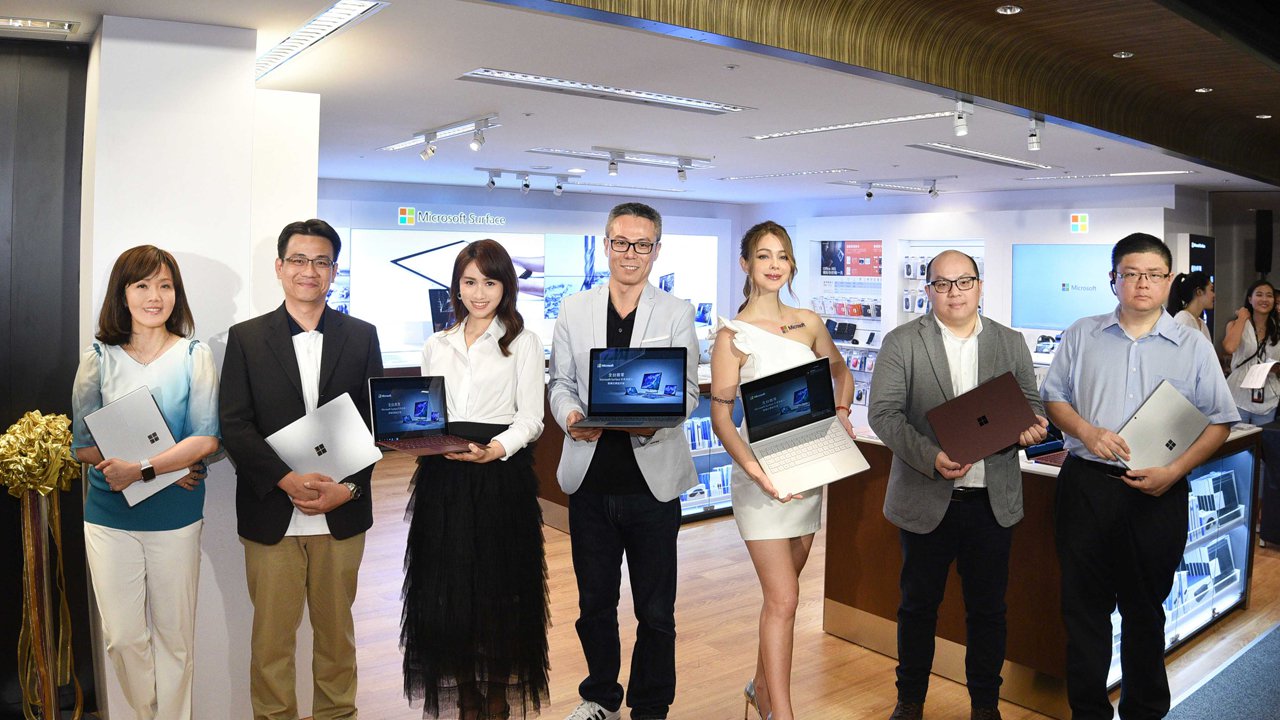
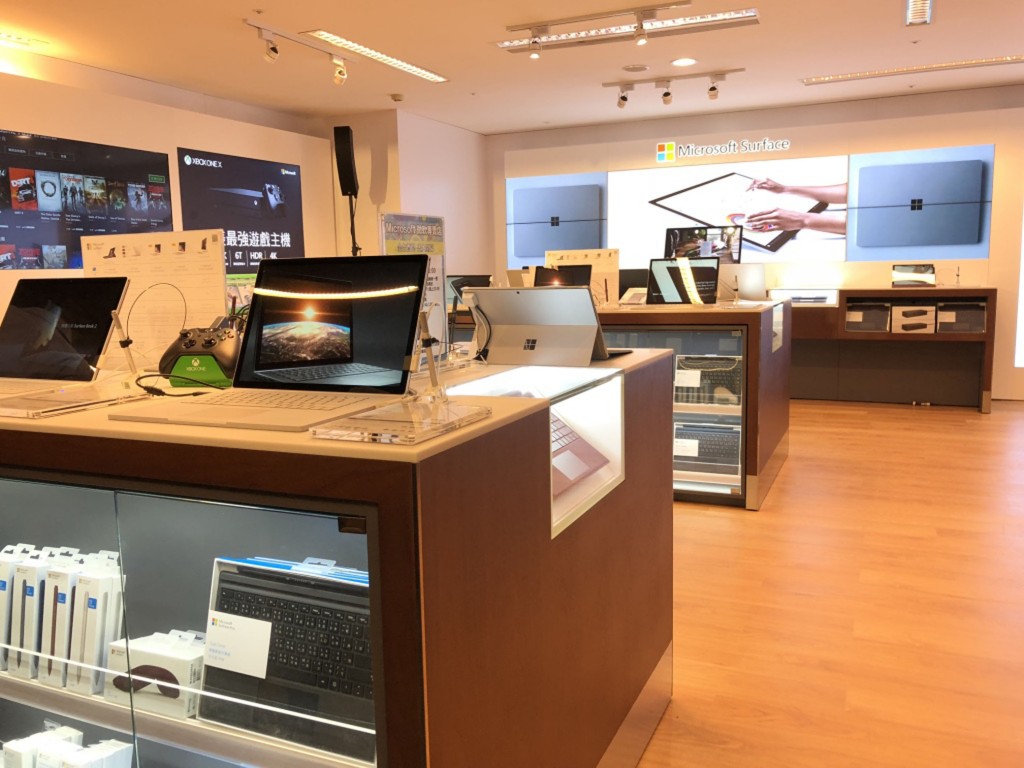
    Microsoft has opened its ninth Surface store in Asia, its first in Taiwan.

    The new outlet is located in the Xinyi District of Taipei, and like the others in the slowly growing international Surface store network, it ranges Microsoft’s touchscreen Surface PC series and peripherals along with Xbox gaming console and related software and peripherals.

    The 70sqm store is the 14th worldwide. In Asia-Pacific it follows five outlets in Japan and one each in Singapore, China and Australia.

    Microsoft says sales of its Surface range have been growing by between 10 and 20 per cent annually since it launched there five years ago and the opening of a dedicated Surface store underlines the value of the market to the US tech giant.

  • Soft drink firms make big money, pay small taxes in Vietnam

    Soft drink firms make big money, pay small taxes in Vietnam

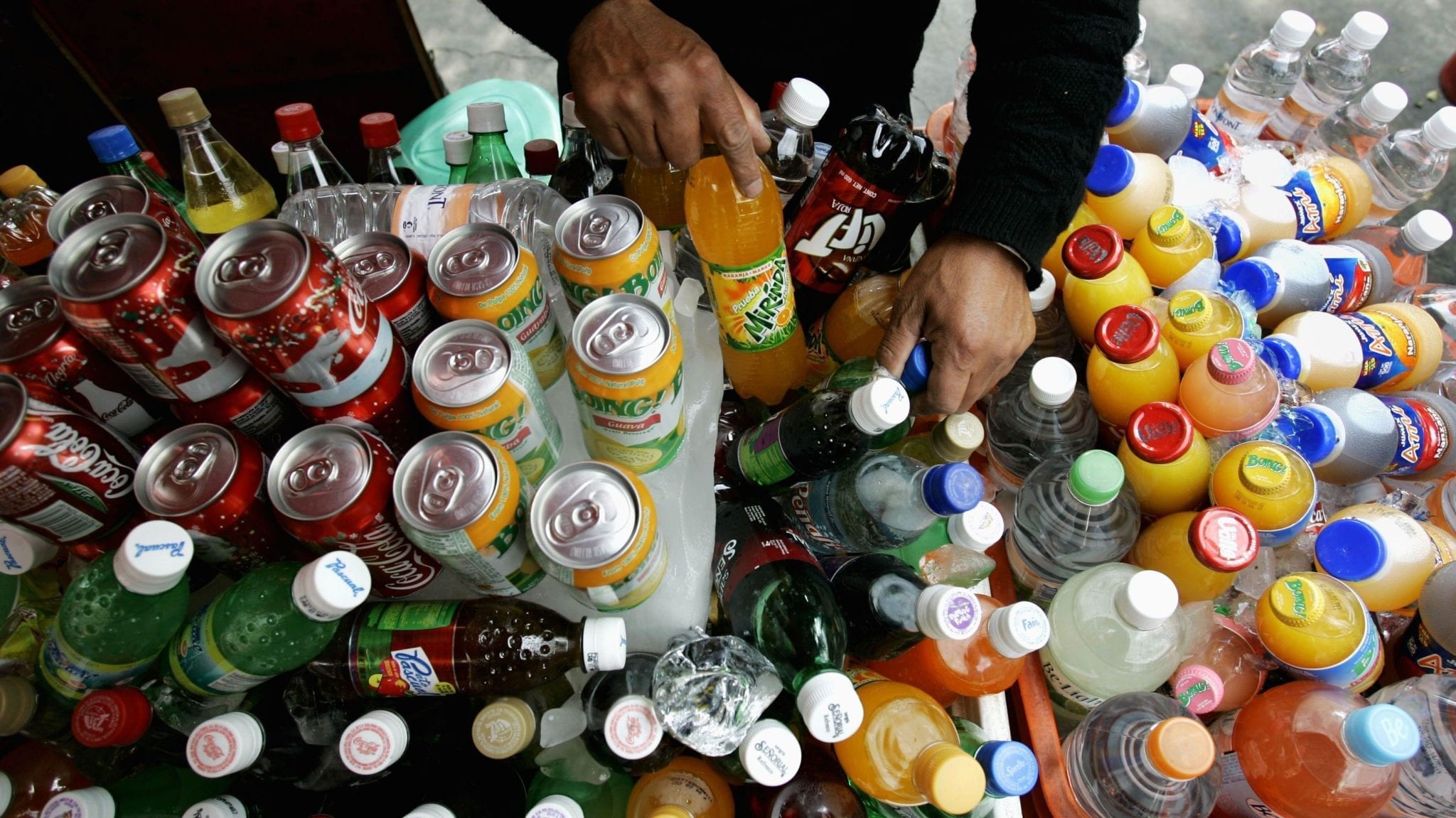
    Business has been sweet for the four major companies that dominate Vietnam’s soft drinks market, but they pay a relative pittance in taxes.

    The big 4 in Vietnam’s sweetened beverage market are: Coca-cola Vietnam, an arm of American Coca-cola, Suntory Pepsico, a fully foreign owned joint venture between U.S. PepsiCo Inc. and Japan’s Suntory Holdings Limited, URC Vietnam based in the Philippines, and Vietnamese firm Tan Hiep Phat.

    High consumption in Vietnam has boosted revenues for these firms, Suntory Pepsico leading the way.

    Truong Tuyet Mai, deputy director of the National Institute of Nutrition, said in June that Vietnamese people are forecast to consume over 5 billion liters of sweetened drinks in 2018, nine times more than in 2000, and the figure is estimated to reach 11 billion by 2025.

    According to Vietnam Association of Liquor, Beer and Beverages, a Vietnamese person currently consume more than 23 liters of soft drinks per year and the figure will keep rising in the future.

    To date, Vietnam has not imposed a special consumption tax on sweetened drinks, collecting just corporate income tax. The tax paid by firms making the sweetened drinks has, therefore, been quite modest, compared to their revenues.

    Economist Vu Dinh Anh said on Friday that “there might be two reasons for the low income of these companies: one is transfer pricing and the other is the high expenditure on advertisement.”

    As for advertisement, it is easy to understand that those companies have to spend a big sum each year on all media channels for their products, Anh said.

    Vietnam used to put a cap on the spending for advertisement but that policy is no longer applied, said Anh.

    Those two reasons might result in the low income and lead to the low corporate income tax payment, he added.

    The Ministry of Finance has proposed a 10 percent special consumption tax on different type of beverages, including sweetened drinks.

    If passed, the proposal will go into effect in 2019.

  • US hits Chinese firm Sinovel with US$1.5m fine for stealing technology

    US hits Chinese firm Sinovel with US$1.5m fine for stealing technology

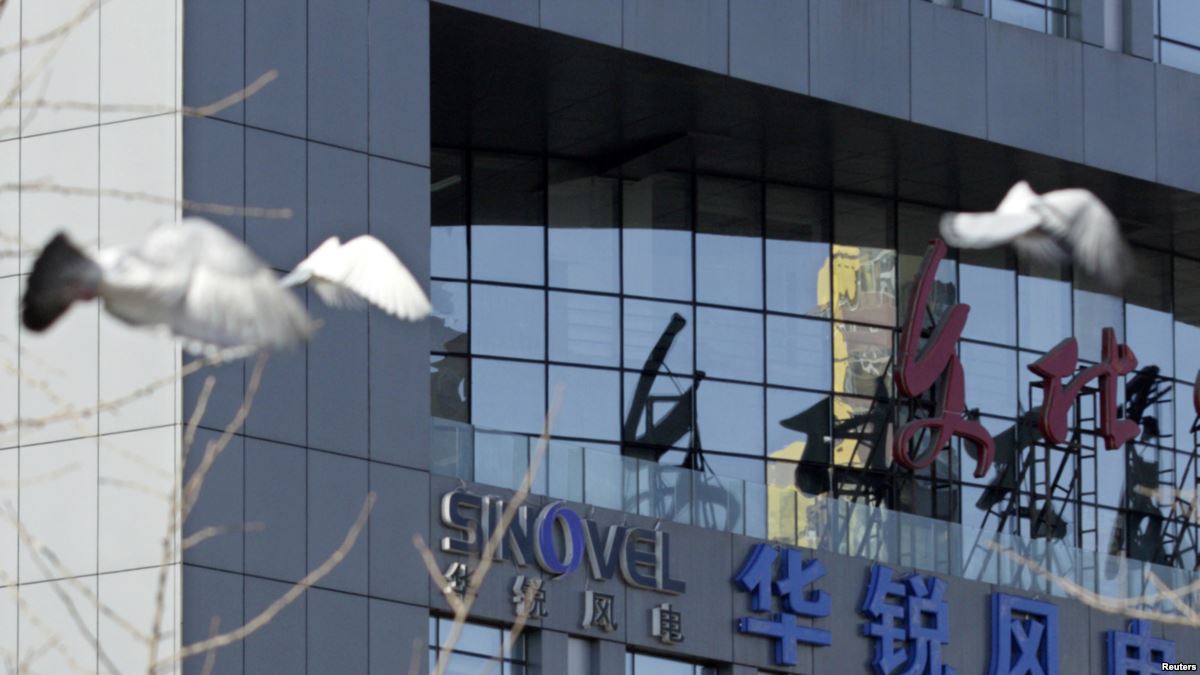
    A US court on Friday imposed the maximum fine of US$1.5 million (RM6.06 million) of Chinese firm Sinovel for stealing trade secrets from an American company producing wind turbines, the Justice Department said.

    The decision comes on the day Washington unleashed 25% import tariffs on US$34 billion (RM137.36 billion) in Chinese products to punish the country for what President Donald Trump has said is the rampant theft of American technology.

    After being charged in 2013, Sinovel was convicted in January by a US court of stealing the trade secrets of AMSC, a US-based company formerly known as American Superconductor, which lost US$550 million and 700 jobs — more than half its global workforce — as a result, the Justice Department said in a statement.

    The two companies this week reached a settlement and Sinovel has one year to pay US$25 million to AMSC, after paying US$32.5 million this week. The Chinese firm also will repay US$850,000 to other victims.

    “Rather than pay AMSC for more than US$800 million in products and services it had agreed to purchase, Sinovel instead hatched a scheme to brazenly steal AMSC’s proprietary wind turbine technology, causing the loss of almost 700 jobs and more than US$1 billion in shareholder equity at AMSC,” acting Assistant Attorney General John Cronan said in statement.

    “As demonstrated by this prosecution, intellectual property theft poses a serious threat to American companies.”

    Sinovel used the stolen technology, including software, to regulate the flow of power from turbines to electrical grids, to produce its own wind turbines and retrofit existing turbines, prosecutors said.

    The company also hired away an AMSC engineer to help steal source code for the key software in 2011, the statement said.

  • Weaker Q2 earnings expected for major carriers

    Weaker Q2 earnings expected for major carriers

    Two of Korea’s three major telecom carriers are presumed to have posted weaker earnings for the April-June period from a year earlier, industry watchers said Sunday, apparently on increased mobile user discounts and changed financial reporting standards.

    According to the data compiled by market tracker FnGuide, SK Telecom, the country’s largest telecom network operator, is expected to report 366.2 billion won ($328 million) in operating profit in the second quarter, down 13.5 percent on-year. Its sales are forecast to decrease 1.6 percent to 4.278 trillion won.

    KT likely posted an operating profit of 387.8 billion won, down 13.3 percent, with sales largely unchanged at 5.87 trillion won.

    The operating profit of the third carrier and the smallest, LG U+ is forecast to grow 3.7 percent to 215.7 billion won on 3.04 trillion won in sales, up 1 percent.

    Analysts said the cut in SK Telecom’s and KT’s revenues is attributable to the increased number of users who signed up for monthly discounts of 25 percent.

    Smartphone users here are allowed to choose between a one-off discount and the sharp monthly cut in rates. The government policy aims to provide more affordable telecom services for local households and ban mobile network operators from rolling out excessive discounts on devices to lure each other’s clients.

  • Mothercare plan after CVA approved

    Mothercare plan after CVA approved

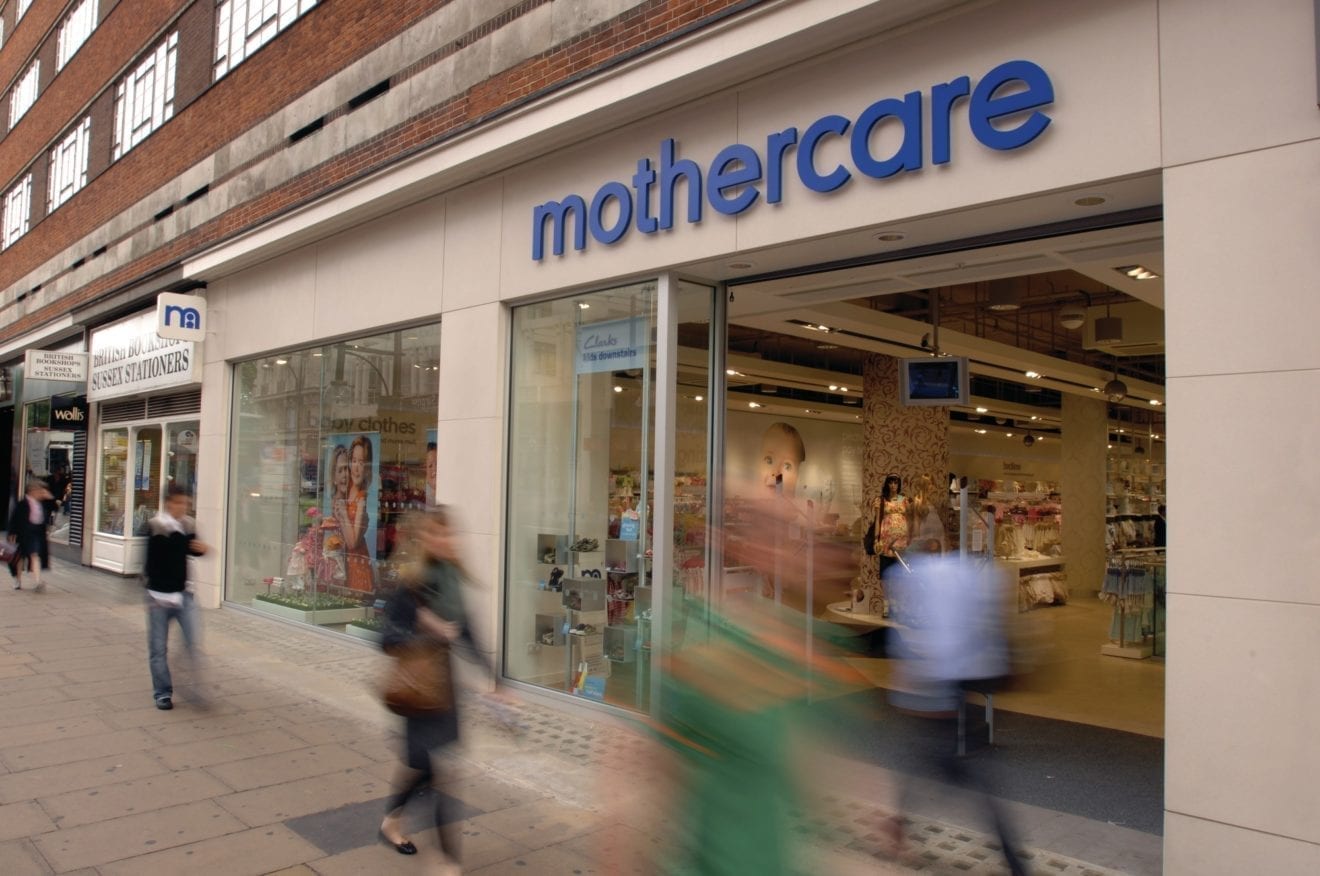
    Mothercare is set to raise £32.5 million from its existing shareholders as part of a restructuring plan to secure its long-term future.

    The embattled retailer of baby and childrens goods has set July 27 as a deadline for raising the additional capital. Conditional on the share issue being fully subscribed, the company’s existing lenders have agreed to a revised debt facility of £67.5 million.

    A Company Voluntary Agreement (CVA) for the restructure of the business was largely approved, the exception being a plan to save Childrens World. In a statement, the company said it received insufficient support from creditors for the CWL plan, and as a result that business has been placed into administration, with 13 of its 22 stores to be transferred to other Mothercare group companies to continue trading.

    Combining the exit of CWL and other aspects of the Mothercare CVA, the company will close 60 UK stores, leaving it with just 77 by June next year. Of those, 19 will be on reduced rent.

    Clive Whiley, interim executive chairman, said when he joined the business just three months ago, Mothercare faced “a bleak future with growing and pressing financial stresses”.

    “We have worked tirelessly as a team to get to where we are today and this fully underwritten equity issue marks the end of this initial phase, returning the group to financial stability. This could not have happened without the support of all of our stakeholders for which we are very grateful.”

    He said that while the lack of full approval for the Childrens World CVA was disappointing, the company has found a solution which allows it to go “further and faster” with the right-sizing of its store portfolio.

    “We have also identified significant areas for further efficiencies and cost savings, which will underpin our return to a sustainable future.”

    The company said current trading continues to follow the patterns seen in the second half of the last financial year, with challenging conditions in the UK balanced by “some stability” in its international operations

    The group has identified cost savings totalling £19 million together with £10 million cash realisation arising out of the CVA plan and other initiatives.

    CEO Mark Newton-Jones said the group has gone through an “unprecedented period for UK retail”.

    “We have not been alone in facing a number of strong headwinds. However, we are now in a position to re-focus on our customers and improve the Mothercare brand both in the UK and across the globe. We have exciting plans ahead to revitalise the brand through enhancing our product ranges, improving our design and value, developing our digital and multi-channel proposition and investing in our people.

    “Our goal remains clear, to be the leading global specialist for parents and young children,” he concluded.

  • Liang Sandwich Bar chain opens at VivoCity

    Liang Sandwich Bar chain opens at VivoCity

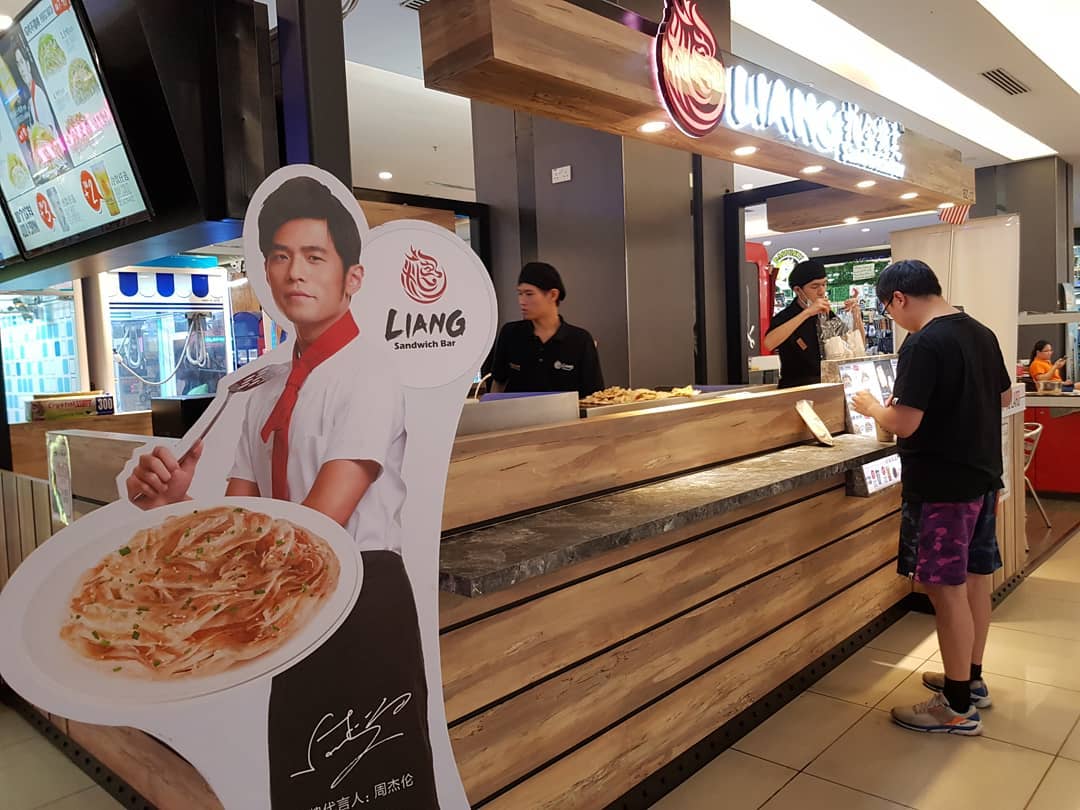
    New “Asian-style sandwich” chain Liang Sandwich Bar launched in Singapore on Saturday, with an outlet in VivoCity mall’s B2 level.

    A second store is scheduled to open in Raffles City next month.

    Besides the two Singapore stores, Liang Sandwich Bar expects to have built its network in Malaysia to 18 stores by the end of August as it plots an aggressive expansion strategy. It launched there last December.

    The Chinese fast-food brand uses various popular sandwich fillings with Taiwanese-style scallion pancakes in place of bread. One hundred free sandwiches were given out over the course of the weekend as a promotion for the new VivoCity store.

    The Taiwanese brand has more than 12,000 outlets worldwide throughout Asia and North America. It is endorsed by a highly prominent figure in Chinese entertainment, Mandopop rap artist Jay Chou.

  • Samsung Pay no longer on cheaper phones

    Samsung Pay no longer on cheaper phones

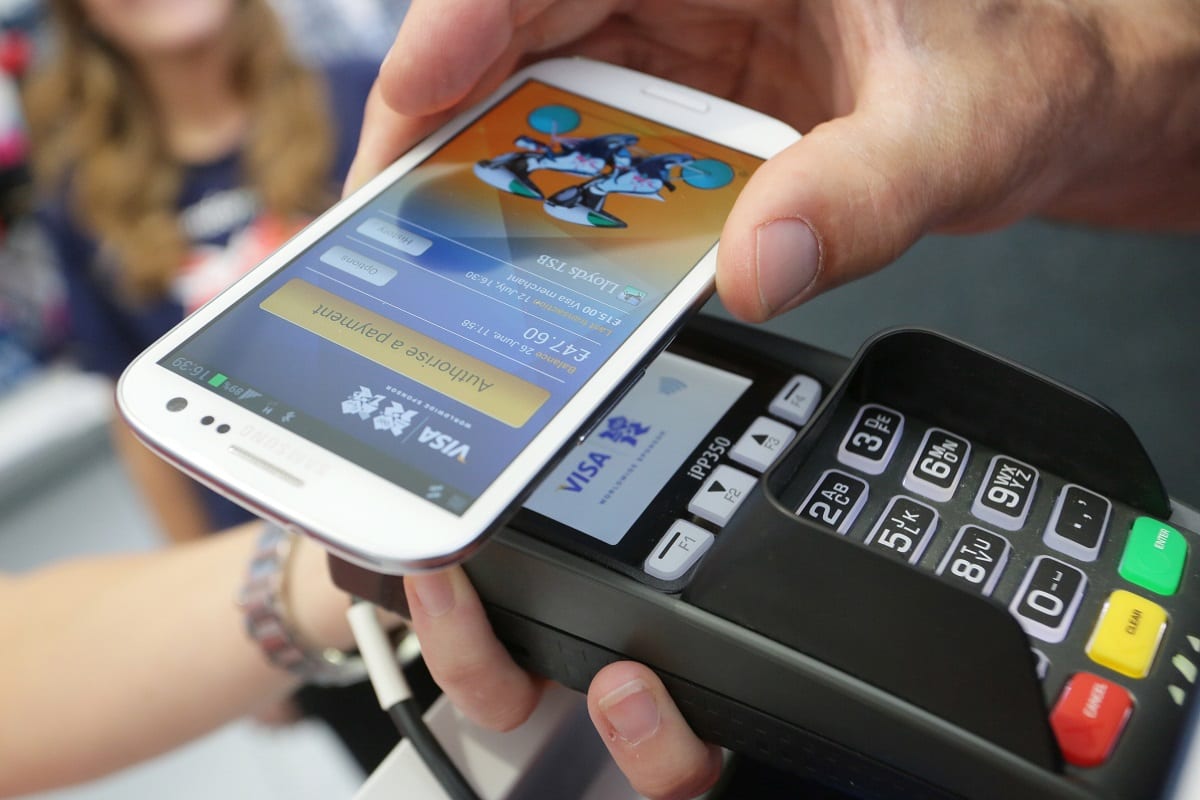
    Samsung Electronics recently stopped embedding its mobile payment system, Samsung Pay, in budget smartphones, industry watchers said Sunday, apparently to save costs by excluding the feature, which has been less popular among teens and senior users.

    Among 10 smartphones released by Samsung Electronics in Korea this year, only three – the Galaxy S9, Galaxy S9 Plus and Galaxy A8 – supported Samsung Pay. Other models with prices lower than 700,000 won ($628) did not come with the payment tool.

    In contrast, the Galaxy J5 and J7 smartphones, released last year with prices below 400,000 won, had the Samsung Pay program.

    Samsung Pay is a mobile payment tool that works on traditional credit card machines based on magnetic secure transmission (MST) technology and also supports the near field communication (NFC) technology.

    Industry watchers said Samsung apparently sought to cut production costs of budget smartphones, which mainly target teens and senior users who are less familiar with mobile-based credit card payment systems.

  • Vietnam government urged to limit petrol imports

    Vietnam government urged to limit petrol imports

    The Nghi Son Refinery, which is now in its trial phase, is burdened by unsold inventories, Chairman of Thanh Hoa Provincial People’s Committee Nguyen Dinh Xung said at a recent government meeting.

    The unsold inventories signal challenges in product sale when the oil refinery commercially operates this August/September. If the current situation continues, it will cause difficulties for enterprises and negatively affect the province’s budget, says Xung.

    Thanh Hoa’s authorities suggested that the Government and the Ministry of Industry and Trade set up a mechanism to consume all products from the refinery.

    “We suggest that the government issues policies to limit petrol imports and prioritize products from Nghi Son refinery,” Xung said.

    A month ago, the $9 billion refinery produced its first commercial gasoline product – more than 5,000 cubic meters of RON92 gasoline.

    According to Thanh Hoa authorities, during the trial period, Nghi Son oil refinery has produced 14 percent of the province’s total industrial production value. With a planned production of 4-4.3 million tons of gasoline when commercial operations officially begin in August or September 2018, the plant is expected to contribute more than 15 percent to the province’s growth.

    The Nghi Son Refinery, located in the Nghi Son Open Economic zone in Thanh Hoa province, will have a capacity of 200,000 barrels of crude oil per day in the first operational phase, equaling 10 million tons of crude oil per year. This is almost double that of the Dung Quat oil refinery in Quang Ngai Province.

    This project has been invested in by 4 domestic and international investors: Vietnam National Oil and Gas Group (PetroVietnam), Kuwait Petroleum International (Kuwait), Idemitsu Kosan and Mitsui Chemicals (Japan). Total investment for the project is $9 billion.

    It is expected that the Nghi Son and Dung Quat refineries will together meet 80 percent of Vietnam’s fuel demand.

  • Big players hit hard by unstable stock market in Vietnam

    Big players hit hard by unstable stock market in Vietnam

    In the first half of 2018, at least 13 major funds and investors on Vietnam’s stock market suffered negative growth rate in their net asset value (NAV), which is value per share of a fund on a specific date or time.

    Leading this was Hanoi-based Hestia Joint Stock Company registered on the Unlisted Public Company Market (UPCoM) on the Hanoi Stock Exchange (HNX), which saw its NAV falling by 19.4 percent.

    Thien Viet Securities Joint Stock Company came second with its Thien Viet Growth Fund 2 (TVAM TVGF2) on the Ho Chi Minh stock exchange (VN-Index) dropping 11.6 percent.

    Other funds and investors in the negative growth list include U.S.-based VanEck Vectors Vietnam ETF (VNM ETF), Passion Investment, Pyn Elite Fund, the TCEF fund of Techcom Capital Co. Ltd, SSI Sustainable Competitive Advantage Fund (SSI SCA), VCBF Leading Investment Fund (VCBF-BCF), Vietfund Management Company (VMFVF4) and Vietnam Enterprise Investment Limited (VEIL), managed by Dragon Capital Group.

    Why this happened to these major investors is not so difficult to understand, market observers say.

    It is common that big investors tend to pour investments into blue chip stocks, and from the second half of 2017 to the first few months of 2018, it was those blue chips that pushed the Vietnam stock market up high, and the investors profited, duly.

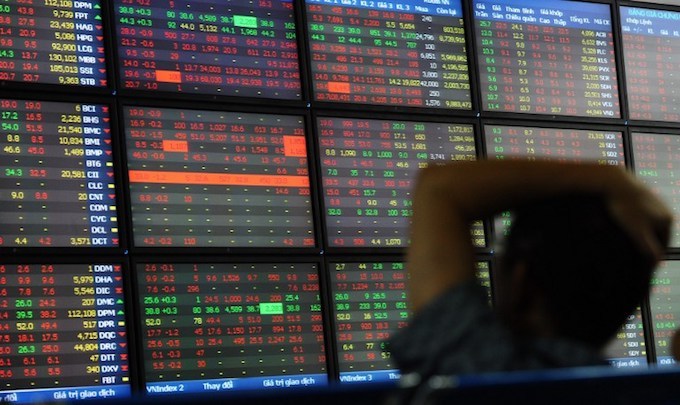
    The country’s stock market hit a 10-year high and reached 984.24 points in the last trading session of 2017. It had not broken the 800-point barrier since 2008.

    Continuing its good run, the VN-Index, the benchmark stock index of Vietnam, grew 19.33 percent in the first three months of this year, becoming the best-performing market in the world.

    It passed the 1,200-point level on April 9 and has stayed at 900 something before things started to turn bad in the second quarter when the market plunged 18.19 percent, making it the worst-performing market in the world.

    In such a reversal, it was the blue chips investors that suffered the most, and now, have to face the consequences.

    A typical example is Passion Investment.

    This fund spent almost 95 percent of its total VND220 billion ($9.5 million) acquiring 3.24 million shares of the Vietnam Prosperity Joint Stock Commercial Bank (VPBank), as shown it its Q1 report.

    The price of VPBank’s shares kept rising from the year’s beginning to early April when it reached the peak of nearly VND70,000 ($3) per share.

    Then it dropped to VND50,000 and fell nonstop to around VND25,000 recently.

    “When all investors are pinning their hopes too high and the stock market is pushed for a long time, a small impact can worry investors and make them scatter,” an expert said as he explained the plunge.

    Nguyen The Minh, director of analysis at Yaunta Securities Vietnam Company, said that many investors had started selling their stocks back in the first quarter.

    Other experts said the global situation, from the tensions in Syria when the U.S.-led air strikes targeted Syrian military sites to the U.S.-China trade war and worries about global capital movements as the U.S.’s Federal Reserve System raised interest rates, might have affected the stock exchange in the second quarter.