Author: Mei Ling Tan

  • Razer Pay launched in Malaysia

    Razer Pay launched in Malaysia

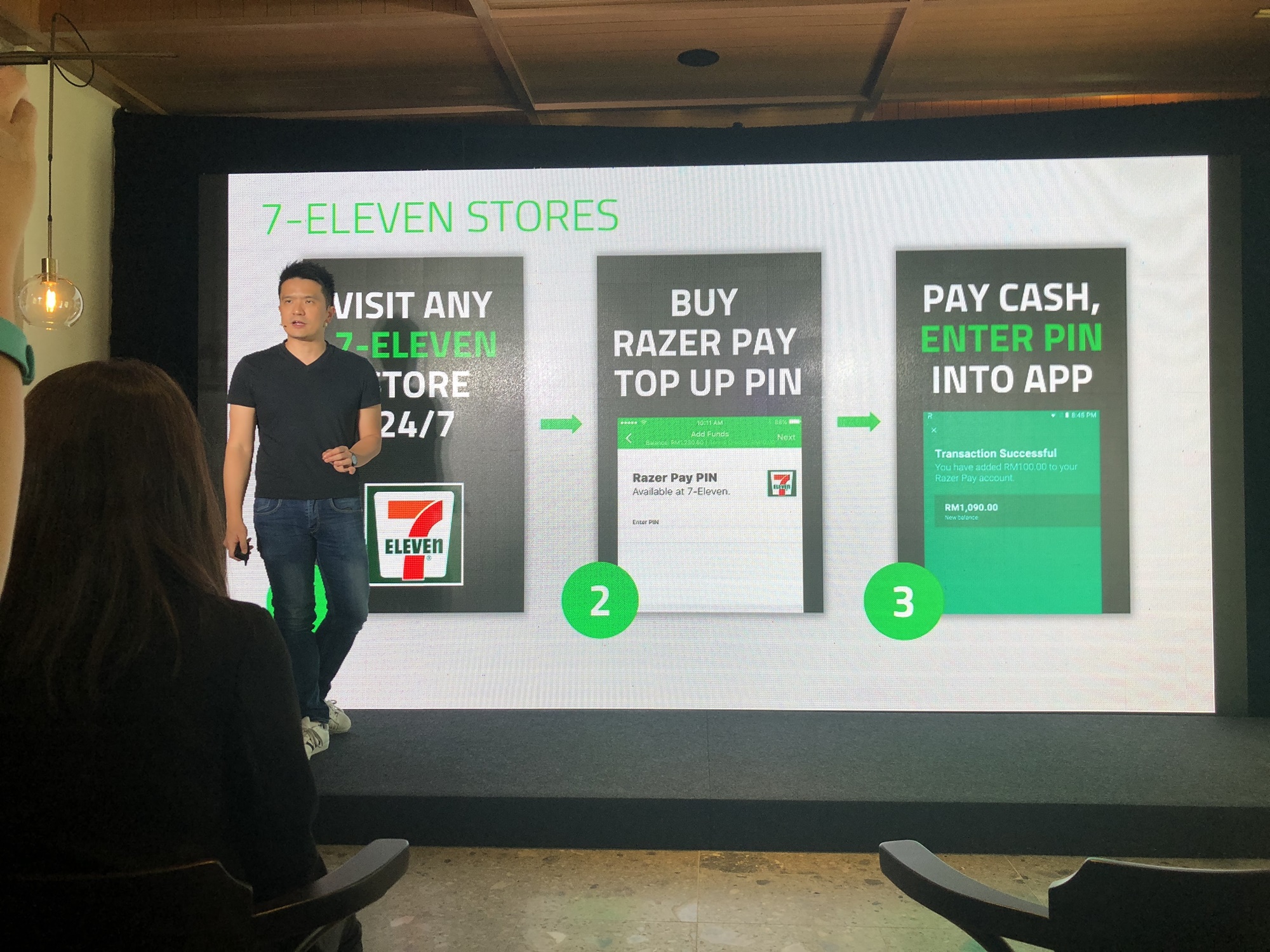
    Leading lifestyle brand for gamers, Razer and Berjaya Corp Bhd (BCorp) today launched the Razer Pay e-wallet in Malaysia.

    Razer Pay is the e-wallet designed for youth and millennials, allowing users to top up easily, transfer money quickly and pay everywhere.

    As a partner to Razer Pay, BCorp has pledged to donate up to RM5 million to the Tabung Harapan Malaysia fund.

    From today until Aug 30, 2018, BCorp has committed to donating RM10 with each first time use of the Razer Pay wallet at participating Berjaya outlets.

  • Luk Fook Malaysia expands into opening of third store

    Luk Fook Malaysia expands into opening of third store

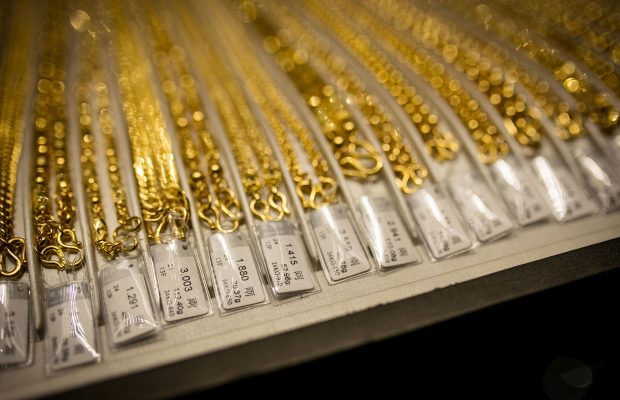
    Luk Fook Malaysia has opened its third shop, at the Genting Highlands Resort.

    The Hong Kong-based jewellery retailer expanded into Southeast Asia in 2010 and now operates 1660 locations through nine countries and regions, including greater China. The Genting Highlands shop will give the brand access to a well-established tourist market that frequents the high-altitude attraction that features casinos and theme parks.

    Luk Fook Holdings’ chairman and CEO Wong Wai Sheung said the group is dedicated to providing global customers with high-quality jewellery products, unparalleled shopping experiences, as well as caring and professional services.

    “With the drive for the Belt and Road Initiative, together with booming tourism in Southeast Asia, the group is optimistic about the prospects for the region. Following the opening of two retail shops at Pavilion Elite and Suria KLCC in Kuala Lumpur in 2016, the group has established a new retail shop at the 6000-foot highland famous casino and tourist spot – Genting Highlands of Malaysia – to further expand our retail footprint, which fulfils the corporate vision of ‘Brand of Hong Kong, Sparkling around the World’”.

    The opening ceremony was attended by multiple dignitaries and celebrities, while Rilakkuma-branded gold coins were distributed among guests.

  • India aim to open 50 Bath & Body Works stores in 5 years

    India aim to open 50 Bath & Body Works stores in 5 years

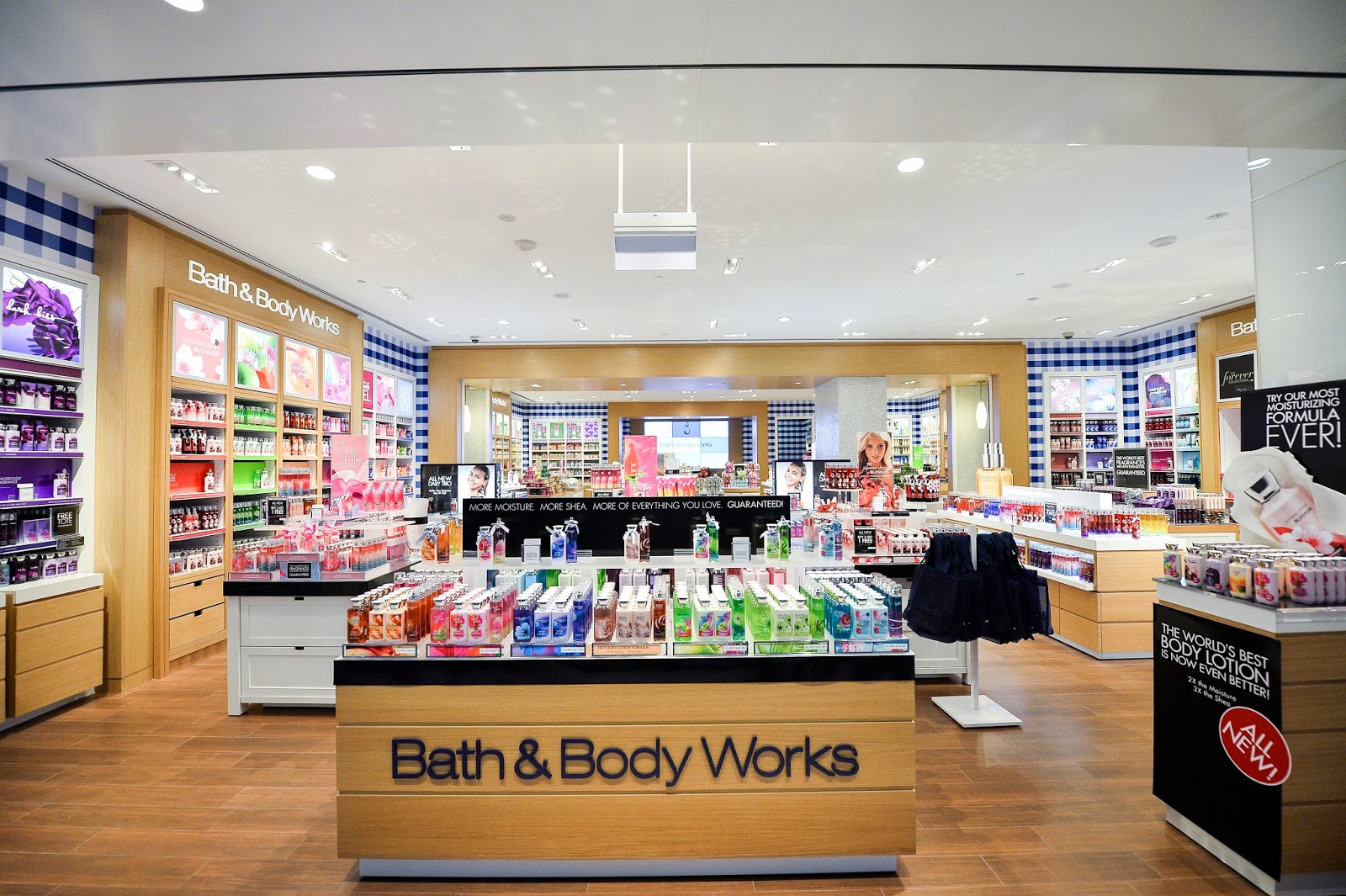
    Major Brands India, a leading retailer for premier international fashion apparel, accessories and beauty brands, has added yet another exciting brand to its portfolio: Bath & Body Works – one of the world’s leading specialty retailers of fragrant products for the body, hands, and home.

    The first Bath & Body Works store opened in June in India in New Delhi at Select CityWalk, followed closely by its second store in DLF Mall of India, Noida.

    At the launch, Tony Garrison, Senior Vice President, Bath & Body Works International said, “Bath & Body Works is a 25-year-old brand. We opened our first store in the Boston and have grown up to 1,600 stores in the US. About seven years ago, we decided to go international, so we opened first store of Bath & Body Works in Canada and since then there has been no looking back. Today, we are present in 34 countries. Now, India is a next big step for us.”

    “Rising awareness of premium personal care products, growing disposable incomes, changes in consumption patterns and lifestyles, promise exciting times for Bath and Body Works in India,” added Renu Karumsi, Associate Vice President, Bath & Body Works International.

    The Bath & Body Works Select CityWalk store is spread across approx. 1,300 square feet while the Mall Of India store covers approx. 1,500 square feet area. Both locations present an exciting and new experiential environment that will allow customers to explore an extensive array of fashion fragrances for the bath, body and home.

    From fun and flirty scents to sophisticated and exotic fragrances, Bath & Body Works offers a wide range of world-class fragrances to suit every personality and occasion.

    Hallmark collections of the brand including the Signature Collection Body Care, Bath and Body Works and White Barn Home Fragrance, Bath and Body Works Hand Soap, Sanitizers and Aromatherapy, will be available at the store.

    According to Karumsi, “The Indian stores are 100 percent replica of our stores in global markets. What we do is that we launch with the consistent assortment and then as we learn more about the customer we fill the store accordingly. About 80 percent of our range stays the same globally and rest 20 percent keeps on changing based on preferences.”

    “We are very price competitive and we have 1,500 SKUs at Bath & Body Works,” added Tushar Ved, President Major Brands India.

    Launched in 1990, the brand’s portfolio today comprises over 200 different private label scents, including the iconic Sweet Pea and Japanese Cherry Blossom, award-winning A Thousand Wishes and soothing Eucalyptus Spearmint as well as seasonal new releases. At Bath & Body Works, customers are invited to sample luxurious lotions, hand soaps, fragrances and more to discover their favourites.

    “All our products are made in US and we have something for everybody,” said Garrison.

    Karumsi added, “We are eyeing mist and candles to be fastest moving categories.”

    Bath & Body Works, which has come to India with expansion plans of Rs 80 crore in the next two years, is looking forward to harness the reach of social media and influencer marketing in order to resonate with today’s millennials who consume news largely via digital platforms and are excited to share new discoveries.

    The brand’s immense portfolio and product categories will be presented in dynamic, new age digital formats, with engaging content to not only reach out to users familiar with the brand, but to also engage with and induce experimentation with newer audiences across demographics.

    “We have no immediate plans to go online in India. First we want to make connections with the consumers and once the customers experiences and understand the product then it will be easy to go online,” said Karumsi.

    Bath & Body Works will be opening its next two stores in Delhi – Ambience Mall Gurugram and Vasant Kunj and then will be heading to Mumbai.

    “Our strategy has been to own a market, understand how the model works and then enter the other regions,” revealed Garrison.

    After Mumbai, we also plan to open Bath & Body Works stores in the best malls of Bengaluru and Chennai. We are looking to open 50 Bath & Body Works stores in 5 years but we will follow a cluster strategy,” added Ved.

    Over the past few years, Major Brands has been instrumental in introducing blockbuster brands to the Indian market like Aldo, Aldo Accessories, Charles & Keith, Inglot, La Senza, Promod, Beverly Hills Polo Club, Call it Spring and New Balance.

    “Since 2001, Major Brands has continually introduced a selection of premium brands from across the world, giving Indian shoppers the best of high street in the country. With the launch of Bath & Body Works, the most awaited brand in India, we are sure our customers will love the experience of the line of bath and body products including home fragrances. We are excited to add yet another international category leader to our portfolio. The market size of India’s beauty, cosmetic and grooming market is expected to reach US $20 billion by 2025 from the current US $6.5 billion. A rising aspiration among Indians to look better, groomed to feel good has led to this market’s rapid growth of more than 42 percent in the last five years,” said Ved.

    In keeping with international formats, the Bath & Body Works stores in India will showcase latest trends as well as the newest, freshest fragrances for body, hand, and home, giving consumers exciting, luxurious, and indulgent new experiences.

  • Mr DIY plans exapansion after e-commerce blast

    Mr DIY plans exapansion after e-commerce blast

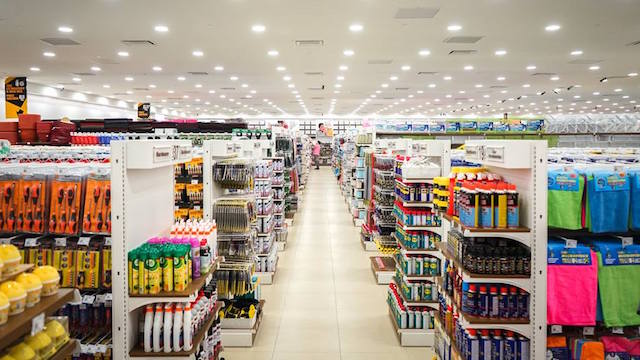
    Home improvement retailer Mr DIY is planning to open 135 new stores in Malaysia this year.

    The move, which will take the total number of Mr DIY trading locations to 500, comes on the heels of the launch of the brand’s new e-commerce platform. The site targets technically competent users who are too busy to visit the store in person or those seeking to buy bulk quantities.

    The brand says it is nonetheless committed to heavy expansion of its brick-and-mortar store network, planning to roll out 300 new stores across Asia Pacific this year, including those in Malaysia, and expanding into Singapore and the Philippines. The firm already has outlets in Thailand, Indonesia, and Brunei.

    Mr DIY recorded more than RM1 billion (US$247.1 million) in sales last year and is forecasting a 40 per cent increase in revenue this year.

  • Osram to embark on high-end LED technology in Malaysia

    Osram to embark on high-end LED technology in Malaysia

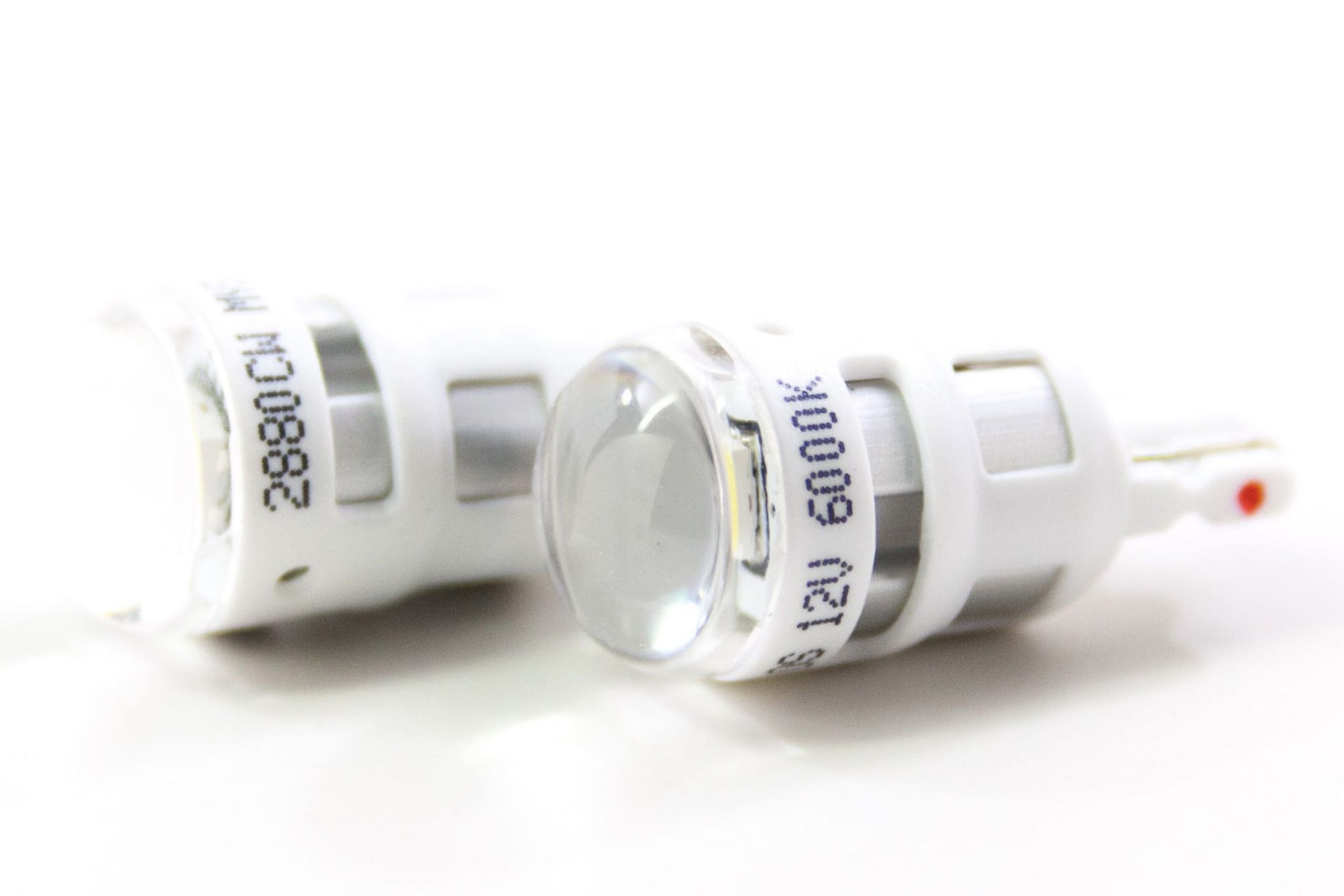
    Light-emitting diode (LED) chip company Osram Opto Semiconductors (M) Sdn Bhd is looking to embark on advanced lighting technology in Malaysia, particularly for automotive applications as it sees huge growth potential in the market.

    “There is more and more of real high-end (lighting) applications needed (in Malaysia) such as pixel headlights in cars for instance and we see that as a huge opportunity for us,” its CEO Dr Ronald Mueller said at the handover ceremony of equipment worth RM2.4 million by Osram to four public universities today.

    Additionally, Mueller said the German-based company is also bullish in the application of micro-pixelated LED for display devices, which he believes will revolutionise the quality of visualisation and improve the illumination quality.

    “We are very confident in micro-pixelized displays, where in five years you might have a 10 sq m of a highly dense pixelized LED displays that is totally different compared with what we have today.

    “These are the areas that we think as hugely interesting and will grow. It’s just a question of when it will takes off. It maybe will take a couple of years but we will go into that direction ,” he added.

    Primarily focused on semiconductor-based technologies, Osram’s products are used in highly diverse applications ranging from virtual reality to autonomous driving and from smartphones to smart and connected lighting solutions in buildings and cities.

    Meanwhile, Malaysian Investment Development Authority (Mida) deputy CEO Arham Abdul Rahman, who officiated the handover ceremony, said as of May this year, Osram’s accumulated investment in the country amounted to RM4.6 billion, with a local spending of RM500 million, supporting close to 600 local vendors.

    “Today’s event is an example of a foreign investment that has contributed much to Malaysia. Mida would like to encourage other global companies to emulate these practices and bring the electrical and electronic industry to the next level of technology sophistication and competitiveness,” Arham said.

    Osram’s donation of the latest semiconductor and photonic equipment involved Universiti Malaya, Universiti Sains Malaysia, Universiti Malaysia Perlis and National University of Malaysia.

    The equipment will be used to provide hands-on educational experience for high-tech industry’s students.

    “By donating our manufacturing equipment for use in universities, we are helping to train the next generation of engineers,” Mueller added.

  • Alibaba Says Its AI Copywriting Tool Passed the Turing Test

    Alibaba Says Its AI Copywriting Tool Passed the Turing Test

    Alibaba’s digital marketing arm Alimama has unveiled an artificial intelligence-powered copywriting tool.

    Tapping the huge pool of content on Alibaba’s e-commerce sites Tmall and Taobao, the AI copywriter uses deep learning and natural language-processing technologies learn from millions of top-quality existing samples to generate copy for products. Brands and advertisers can insert a link to any product page, and click the “Produce Smart Copy” button to see multiple copy ideas.

    Currently, the AI copywriter technology has passed the ‘Turing test’ and is capable of producing 20,000 lines of copy in a second, said Alimama. Brands using the new tool, such as Hong Kong-listed fashion chain Esprit and Texas-born clothing brand Dickies, can adjust the length and tone of their copy, such as dictating whether they want the tone to be “promotional, functional, fun, poetic or heartwarming.”

    The tool is used on average nearly a million times per day, by merchants and marketers on Alibaba-owned sites such as Taobao, Tmall, Mei.com (a fashion flash sale website) and 1688.com (Alibaba’s Chinese-language wholesale buying site).

    “For merchants, from today onwards, AI can take care of a portion of their copywriting needs. And it significantly changes the way [copywriters] work: They will shift from thinking up copy – one line at a time – to choosing the best out of many machine-generated options, largely improving efficiency,” Alimama said in a statement.

    As with design, copywriting involves a certain degree of repetitive, low-value work that can be made made more efficient, Alimama added. A single product might require up to 10 versions of copy for different ad formats, like posters, web banners, product pages and other special event pages.

    “All the content produced by the AI Copywriter is the result of applying deep learning models, trained with large volumes of quality content created by humans. Human creativity is the cornerstone for the machine, which isn’t able to replace the creativity of people,” said Christina Lu, GM of Alimama marketing. “AI for marketing… allows people to devote more energy to richly creative work.”

    “The AI copywriter is a really amazing tool,” said Shaozhang Ding, head of e-commerce for the Asia Pacific market at Esprit. “Based on a massive database of existing copy and advanced AI technologies, the tool can reduce the repetitive and tedious copywriting workload for our teams.

    The AI Copywriter is the latest in a suite of technologies Alimama has developed to assist small to mid-sized businesses on Alibaba’s e-commerce platforms, including a “smart banner designer” released in April that can resize and reformat promotional website banners with the slide of a mouse (drag a corner of the banner to change the shape of the box, and the system automatically reproportions the images and copy to fit the new format). In the same vein, Alibaba released an AI-powered video-editing tool for brands to generate – in less than a minute – 20-second videos to use for promotion on Taobao.

  • Amazon India launches 3rd fulfilment centre in Bengal

    Amazon India launches 3rd fulfilment centre in Bengal

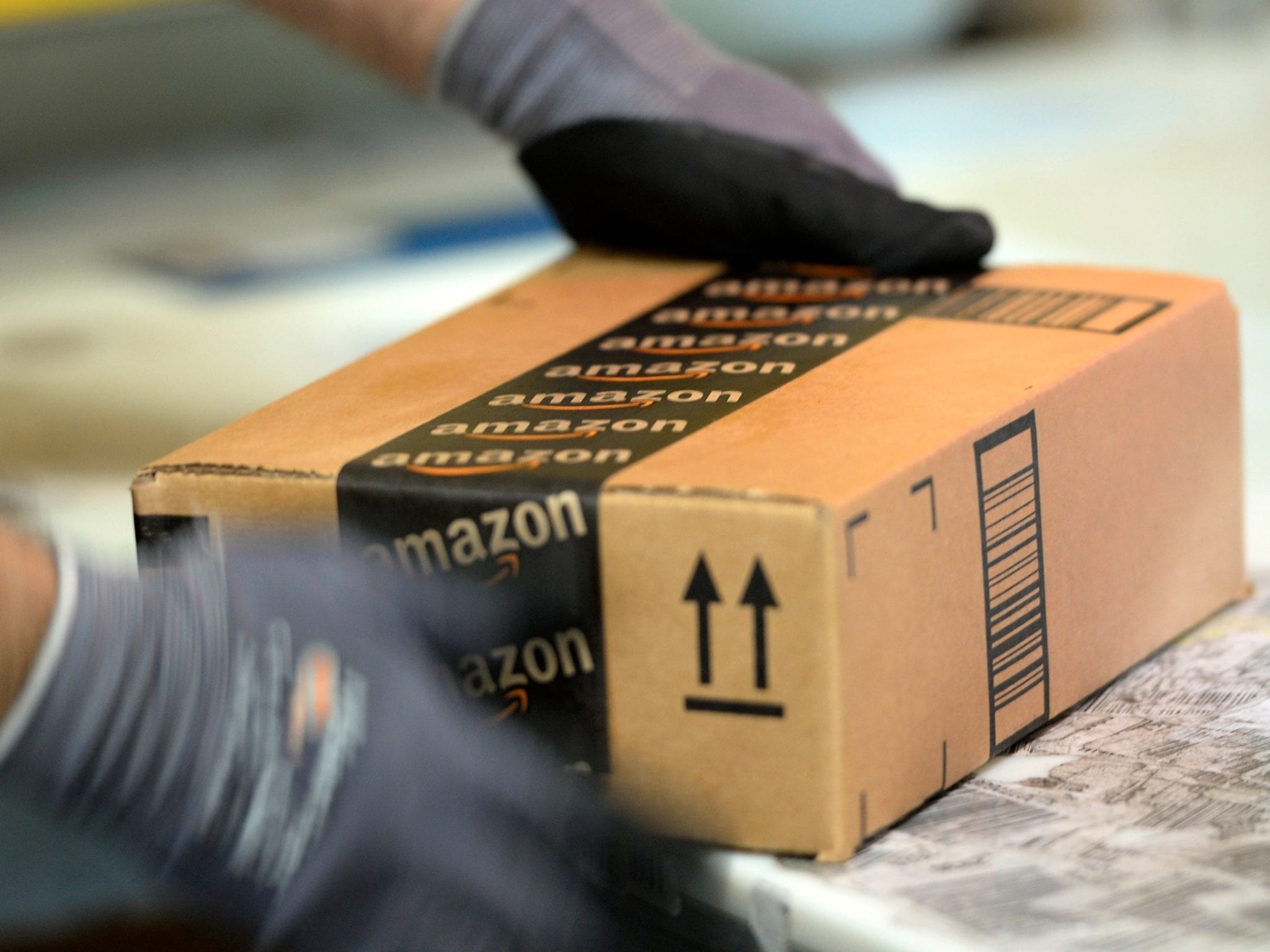
    Spread over 140,000 square feet with over 600,000 cubic feet of storage space, this centre is one of the five announced for 2018.

    “We have been consistently investing in our infrastructure and delivery network, so that we can increase our speed of delivery.

    “With the launch of our third fulfilment centre in the state, we strongly believe that we will be able to better serve our customers with one-day and two-day delivery,” its Vice President (Customer Fulfilment) Akhil Saxena said, adding Prime membership in the state has been on the rise.

  • Tod’s debuts a product on ‘Baoshop’

    Tod’s debuts a product on ‘Baoshop’

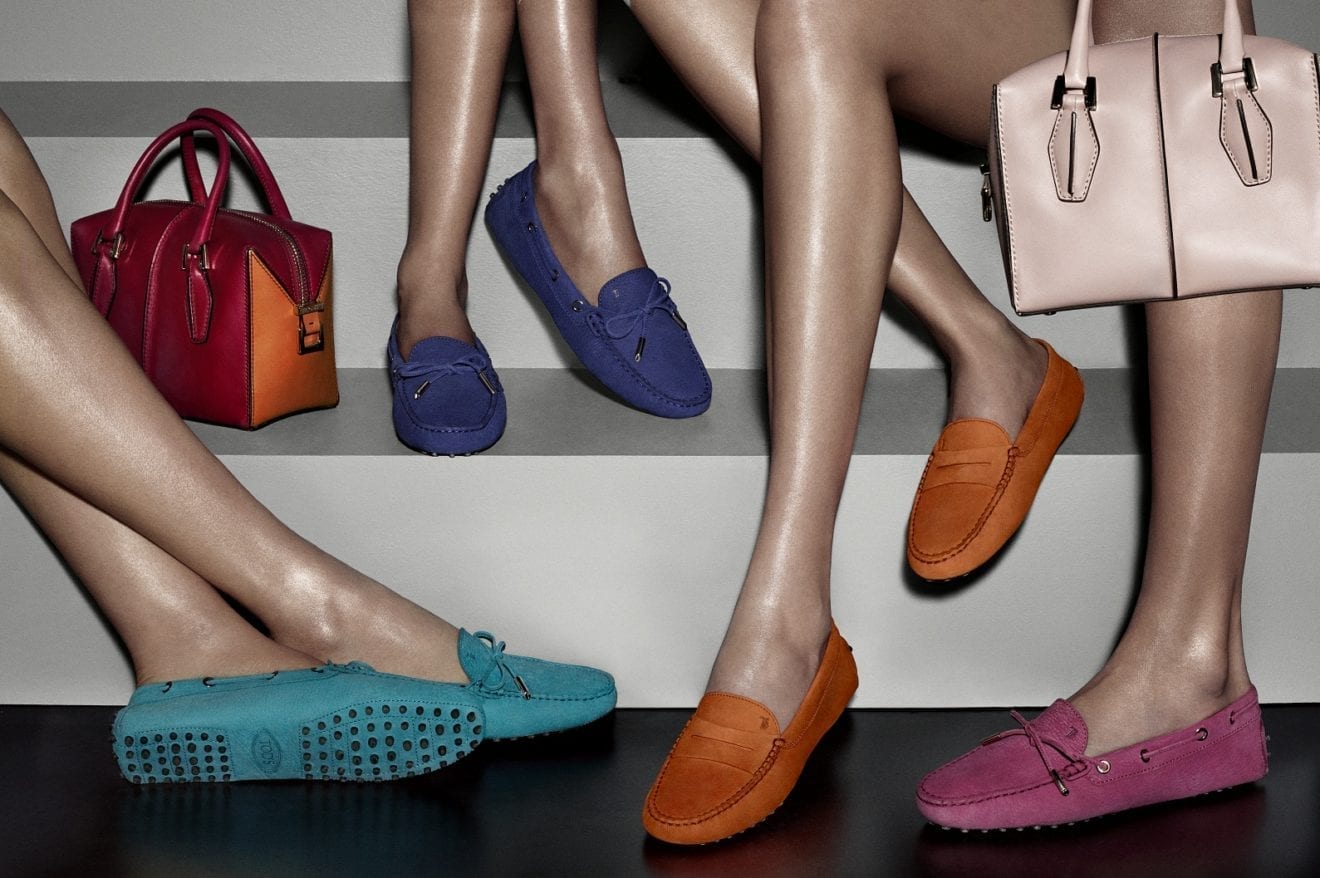
    Tod’s debuts a product on WeChat’s mini programme, called ‘Baoshop’. It is a limited-edition handbag co-designed by Chinese fashion blogger Tao Liang, better known as Mr. Bags.

    The dog-like handbag was available first from the ‘Baoshop’ within the WeChat ecosystem, before it is rolled out to selected Tod’s boutiques globally and the Tod’s own WeChat mini programme.

    The exclusive ‘Baoshop’ pop-up store, allows for a more personal touch and a seamless “reading-to-shopping” experience said Liang in a press release, while also allowing shoppers to learn more about the product as well as purchase directly via WeChat Pay.

    Liang is one of the most powerful influencers in China, boasting more than four million followers, and he states that the “convenience and asset-light weight of the mini programme perfectly fits with user expectations,” as it provides users with a more reliable, convenient and high-quality shopping channel.

    These mini programmes are becoming an important part of the Chinese e-commerce market in connecting luxury brands with shoppers, and they are seen as good conversion platform for the new economic model that is emerging in China, referred to as the fans economy.

    The limited-edition handbag features dog-like details in a reference to the year of the dog being celebrated in China this year. The collaboration has 500 handbags, 300 of which will be offered first on Liang’s ‘Baoshop’.

  • E-Mart to have electric car charging at all stores

    E-Mart to have electric car charging at all stores

    Korean hypermarket giant E-Mart plans to install electric car charging stations at all of its outlets nationwide by 2021.

    The company initiated formal service of nine electric car charging stations in four regions (Sokcho, Gangneung, Geomdan, and Gumi) this week.

    The stations can accommodate many cars at any given time. From October, E-Mart will be expanding the number of charging stations by 30 every year so that by 2021, the total number of stations within its overarching Shinsegae Group will reach 1100 including the 140-odd stations installed on the premises of its E-Mart stores.

    The multi-car charging stations will each accommodate 18 cars that can be fully charged within 40 minutes at 100kWh, making them the fastest chargers in the nation.

    A new payment system that automatically recognises the driver’s Hi Pass payment card number will make payment easy without requiring the driver to take out his or her credit card.

    E-Mart was the first retailer in the nation to build charging stations for electric cars. The company currently operates more than 110 charging stations with a total capacity of charging 200 electric cars.

  • Starbucks debuts nitro cold brew in India

    Starbucks debuts nitro cold brew in India

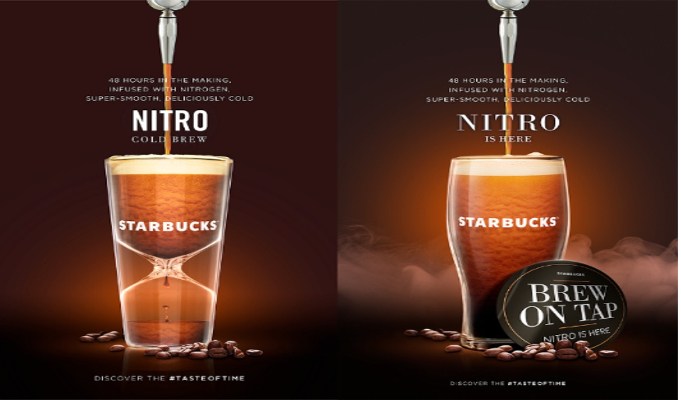
    Starbucks has introduced a new generation of coffee in India with Nitro Cold Brew on tap. Using the highest quality coffee beans, the Nitro Cold Brew unfolds an irresistible coffee experience where time meets texture. With each cup 48 hours in the making, the Nitro Cold Brew is a super-smooth, naturally sweet coffee that cascades from the tap with a velvety, creamy texture which customers can see and taste.

    Nitro Cold Brew marks Starbucks next chapter of coffee innovation offering customers an elevated coffee experience through its newest take on its signature Cold Brew. In today’s fast‐paced world where everything is instant and on‐demand, Starbucks Nitro Cold Brew allows customers to enjoy small-batch, slow-steeped coffee like they’ve never tasted it before. After handcrafting the Cold Brew recipe, baristas perfect the pour by pulling the tap and allowing the Cold Brew coffee to mix with nitrogen to deliver an entirely new cold coffee experience. Nitro Cold Brew is cold right out of the tap and served unsweetened without ice.

    Starbucks also offers the refreshing Vanilla Sweet Cream Cold Brew. Made with Starbucks® Cold Brew over ice and topped with a house-made vanilla sweet cream, the sweet cream floats on top of the beverage before slowly cascading down for an eye‐catching effect.

    “At Starbucks, innovation is always brewing. We take great pride in partnering with customers in their journey of coffee exploration. We are pleased to introduce Starbucks® Nitro Cold Brew in India, taking our Cold Brew craft to a whole new level,” said Veetika Deoras, Head – Marketing, Category and Digital at Tata Starbucks Pvt. Ltd. “It is a sensorial coffee drinking experience, and one that has the potential to redefine the language of coffee in India.”

    Starbucks Cold Brew is available across all Starbucks stores in India. Starbucks Nitro Cold Brew is currently exclusively available in 5 stores across India: Mumbai, Kamala Mills | Bangalore, Jaya Nagar | Delhi, Green Park | Noida, DLF Mall of India | Kolkata, Park Mansions.

  • Muji parent posts new profit record

    Muji parent posts new profit record

    Muji parent Ryohin Keikaku has revealed another record quarter in both sales and operating profit.

    In the three months to May, Muji achieved group-wide sales of 106.5 billion yen (US$963.5 million), up 9.7 per cent year on year. Its net profit reached 9.5 billion yen, its best quarterly result ever.

    Citing strong sales in its Japan home market, and the broader Asia-Pacific region, Muji’s president Satoru Matsuzaki said the company expects even better results to come from overseas markets in the future.

    With profit in Japan, where the population is declining, up a modest 1 per cent, its East Asian surplus soared 36 per cent during the quarter.

    Looking forward, Muji expects strong growth in China. Sales there accounted for 17 per cent of the group’s sales during the quarter, making it the second-largest market for the brand behind Japan, with 65 per cent.

    Muji will start designing products in China for Chinese, after some previous missteps with items created in Japan. Matsuzaki cited water bottles as an example, which Chinese consumers shunned because they were too small.

    “We want to sell appropriate products to match China,” he said.

    Muji this week revealed plans to open an office in Switzerland which will become the headquarters for its struggling European business. Despite a loss of 273 million yen in Europe and North America during the quarter, the company is confident it can turn the business around and is planning more stores in both regions.

  • Malaysian export growth to moderate to 5.5% in May

    Malaysian export growth to moderate to 5.5% in May

    RAM Ratings expects Malaysia’s export growth to moderate to 5.5% in May 2018 after a strong increase of 14% in April.

    The rating agency said in a statement today that this could be partially attributable to a high-base effect from May 2017, when export growth surged 32.4% – the highest level since March 2010.

    RAM said the continued decline in imports of intermediate goods also suggests an expectation of a corresponding moderation in external demand growth going ahead.

    Meanwhile, the import growth is projected to contract 2.5% in May in anticipation of the deceleration in exports.

    “Furthermore, some risk aversion in the lead-up to the 14th General Election may also have caused some hold-back in investments, thereby contributing to the slower pace.”

    For May, the trade surplus is estimated to come in lower at RM11.8 billion compared with RM13.1 billion in April.

    RAM pointed out that the direct impact arising from the US’s protectionist policies and tariffs on Malaysia’s exports has been limited to date, as exports of affected goods to the US (blanket tariffs on solar panels, washing machines, and steel and aluminium) constituted only 0.8% of Malaysia’s total exports in 2017.

    However, it cautioned that the second-round effects from the escalating trade tensions between the US and China, which bears the brunt of most of the American tariffs, will pose a bigger concern to the Malaysian economy.

    “This ripple effect will be more strongly felt through the global value chain (GVC) and also in global trade and economic growth.”

    “Notably, the US tariffs announced have a more far-reaching impact beyond China and have significant spillover effects to the GVC given the intermediate nature of the goods taxed. China’s set of retaliatory tariffs, on the other hand, seemingly target the US specifically,” said RAM head of research Kristina Fong.

    Having said that, the research house noted that large trade gains could be derived as US substitutes its demand for imports away from China to other established technology markets, in addition to inward investment gains from American and Chinese firms seeking to bypass these trade tariffs by relocating their operations.

    “However, the latter will take time to materialise as firms will require greater certainty in terms of how long and how significant this trade war will turn out to be.”

    In the near term, RAM said, significant downside risks may arise from the widespread uncertainty and heftier production costs, primarily for the US, which could in turn affect the current positive global economic momentum through higher unemployment and lower investments.

    “Moreover, greater-than-expected inflationary pressure may also spur faster-than-anticipated monetary tightening by the US Federal Reserve, which may further hurt investment and global restocking demand.

    “For Malaysia as a small open economy, weak external demand is a clear downside risk to growth momentum; this will require very close monitoring,” the rating agency said.

  • German retailer removes single-use products to combat plastic pollution

    German retailer removes single-use products to combat plastic pollution

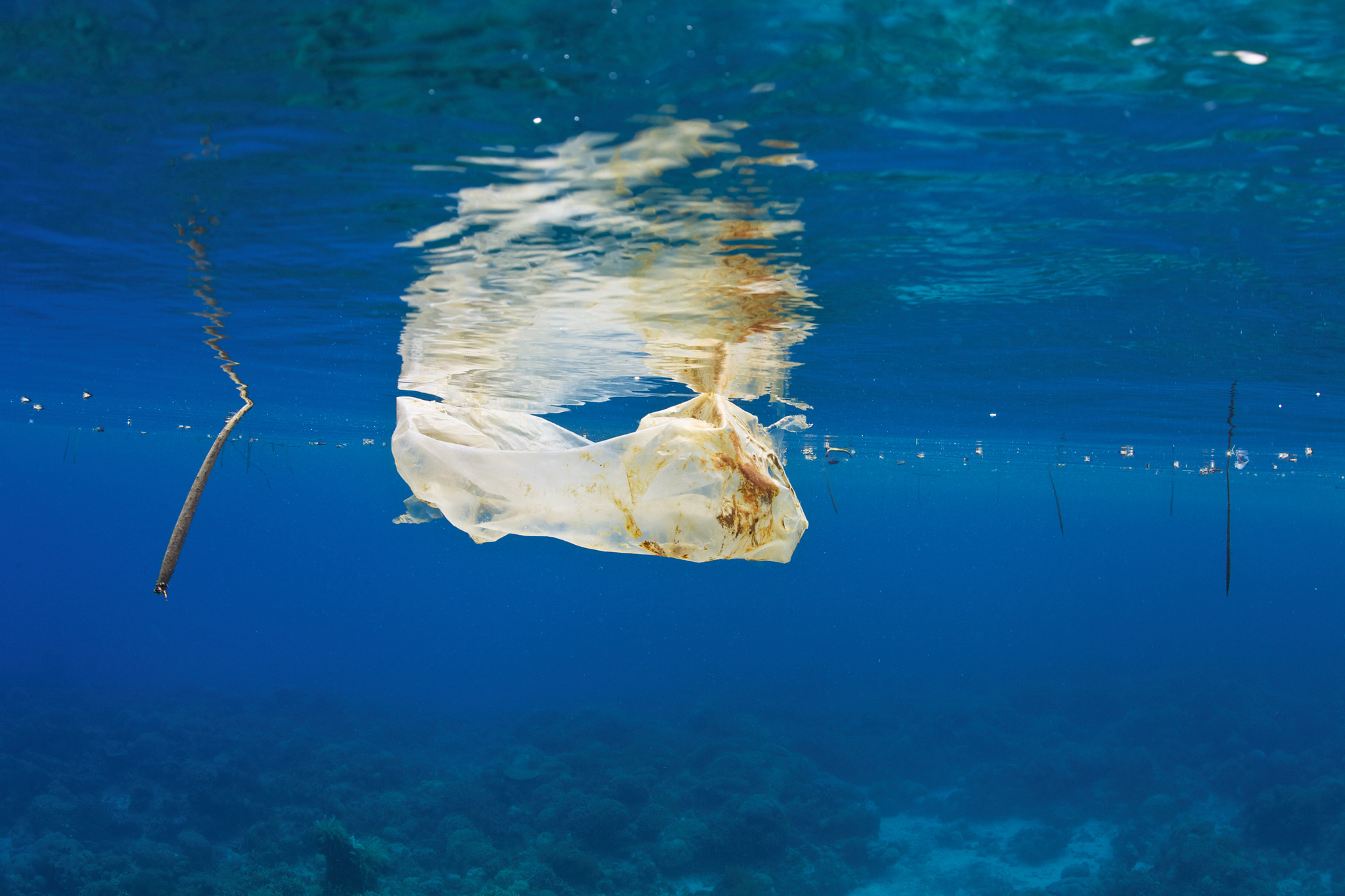
    Rewe will remove single-use plastic straws from the aisles of its supermarkets in order to help combat environmental pollution, the German retail chain announced on Wednesday.

    The Cologne-based company estimated that the move across its 6,000 stores would lead to an annual reduction of around 42 million single-use plastic straws going to landfill.

    The retail group includes the popular supermarket chains “Rewe” and “Penny”, as well as the “Toom” hardware stores in Germany.

    Rewe is only one of several German retailers which have recently taken steps to address growing concerns over the environmental consequences of excessive plastic consumption.

    Amongst others, the discounter Lidl will no longer stock single-use plastic products like cutlery and straws from 2020 onwards while rival Edeka is developing a returnable packaging system as an alternative to single-use.

    According to the “Seas at Risk” group of non-governmental organizations (NGO), around 100,000 tons of plastic from the European Union (EU) end up in the bloc’s seas every year with devastating implications for marine ecosystems. In total, 46 billion single-use bottles and 36 billion straws are consumed annually in the EU only to be thrown away shortly thereafter.

    The EU commission has set itself a goal to lower the amount of single-use waste in its seas by 30 percent until 2020 while the European Parliament is demanding for a more ambitious target of 50 percent until 2030.

    In a widely-discussed proposal, EU budgetary commissioner Guenther Oettinger recently called for the introduction of a plastic tax as a means to lower consumer use and simultaneously improve the bloc’s finances following the departure of the United Kingdom.

    Speaking to the German press agency on Wednesday, a spokesperson for the German ministry for the environment emphasized, however, that environmental pollution through single-use products was a problem that applied to plastic as well as other materials.

    “We need to overcome a powerful throw-away culture”, the spokesperson said.

  • Potboy pioneers online-to-offline groceries sale

    Potboy pioneers online-to-offline groceries sale

    Home grown online grocer, Potboy Grocery, is organising an online-to-offline (O20) groceries sale, the first of its kind in Malaysia, in bringing the online customer to offline retail.

    PB Grocery Group Sdn Bhd, Co-founder Eddie Chew said the event enables offline customers to purchase groceries online and without having to be physically present at the actual exhibition hall of the event.

    “We want to educate customers on cashless transactions and e-payment as an alternative shopping method, and at the same time, give them the convenience of shopping.

    “Customers can enjoy buying groceries at the event without having to worry about carrying the items because we can deliver them to their doorstep for free and at no minimum purchase,” he said.

    Chew said the free delivery and no-minimum order privileges also applied to online transaction-buyers.

    The O2O event will be held for three days starting July 6 at P2, Jaya One, Petaling Jaya from 10 am to 10 pm.

    A crowd of about 18,000 crowd online and offline are expected to attend and generate RM2 million in sales.

    Forty famous suppliers, among others, Coca-cola, Nestle, F&N, Hershey’s, Homesoy, Brand’s, Jasmine, MamyPoko, and other household brands will participate, offering a discount of up to 75 per cent.

    “We are offering goods at a very competitive price during this event, and way better, lower compared to the retail price,” he said, adding, 300 goodies bag would be given away daily for early birds.

    Founded in Malaysia in 2016, Potboy Groceries is owned and operated by PB Grocery Group and currently based in the Klang Valley.

    Potboy Grocery is also the trusted grocer for Suria KLCC, Astro, Getha, Sumbertech Ventures and others.

  • Under Armour reorganises international executive team

    Under Armour reorganises international executive team

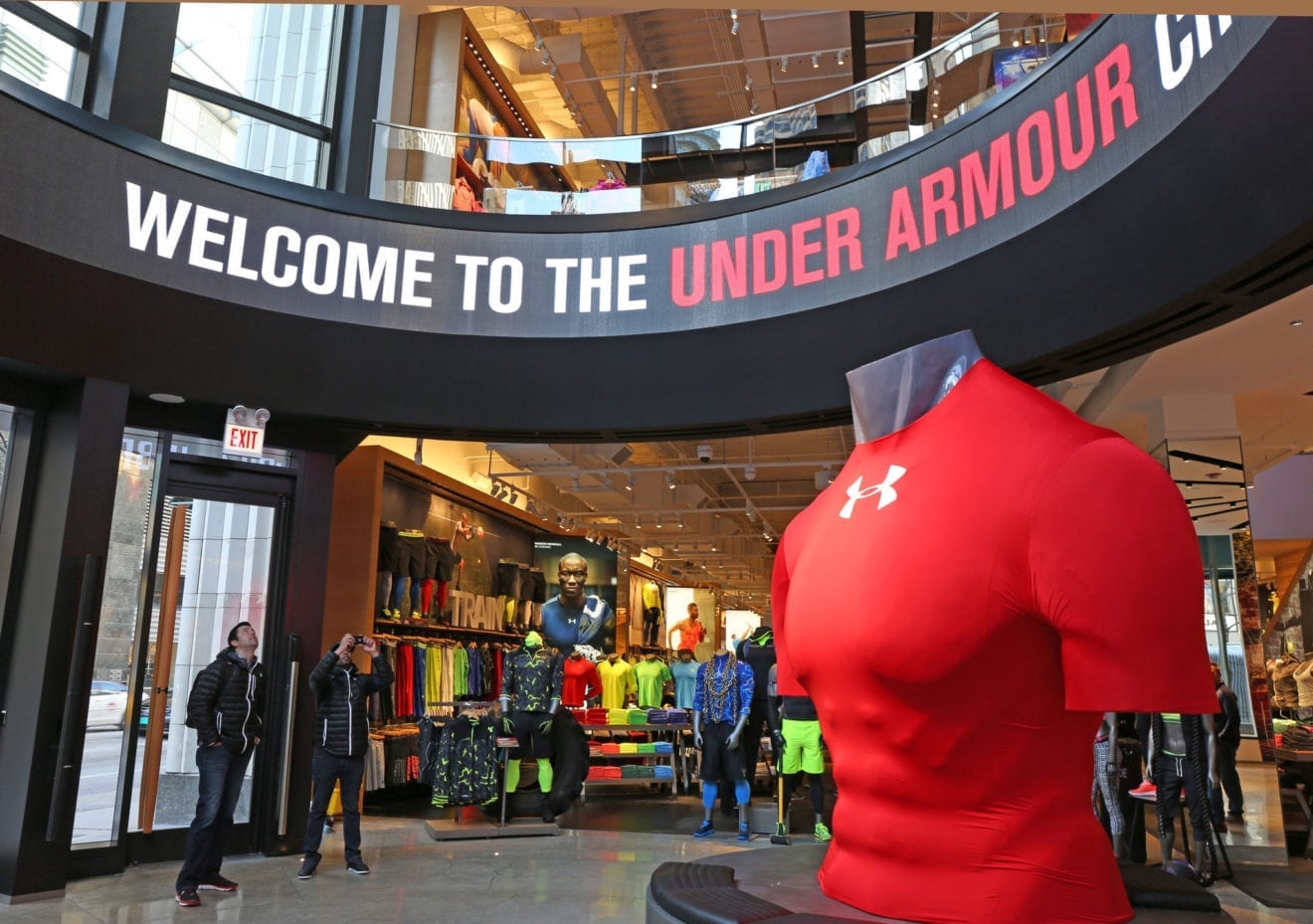
    Athletic apparel retailer Under Armour has announced new executive appointments for their international markets as it expresses plans to make its international sales grow even more.

    The company’s international sales have been growing fast and make up 24 per cent of its total revenue. In the first quarter, the sportswear retailer’s total sales were $1.19 billion.

    Under Armour has announced the appointments of Jason Archer as managing director for Asia Pacific; Manuel Ovalle as managing director for Latin America; and Massimo Baratto as managing director for Europe, Middle East & Africa.

    The company also announced that its Hong Kong office will be expanded to serve as its Asia Pacific headquarters.

    “As we work to scale our international business, we remain focused and measured in our evolution across our entire portfolio to ensure that we are driving toward long-term return for our shareholders,” said Patrik Frisk, Under Armour president and chief operating officer.

    Archer, who has been with Under Armour for six years, became vice president and managing director in 2016 with primary oversight of the company’s Latin American business. Before joining Under Armour he spent 11 years with adidas in Latin America and six years with PwC on assignments in Canada and Europe.

    Ovalle, who joined Under Armour in 2013, will now be based in Panama and be responsible for the company’s entire Latin America business from Mexico through the Southern Cone. Prior to Under Armour, Ovalle spent nearly 20 years with adidas with roles of increasing responsibility as the company grew its Latin American business.

    Baratto, who joined Under Armour in May, will now oversee the entire Europe, Middle East and Africa region. He brings nearly 30 years of international experience from a variety of industries, brands and regions – most recently as the CEO of the Oberalp Group.

    Erick Haskell, who joined Under Armour in 2015 as managing director for Greater China has announced plans to leave the company later this month to pursue a new opportunity.

    “We are grateful for Erick’s leadership and the strong foundation he set over the past few years, which has positioned us for strong, balanced growth as we enter our next chapter in this important region,” Frisk said.

    All regional leads report directly to Frisk.