Author: Mei Ling Tan

  • Items worth $273m seized from premises linked to Malaysia ex-PM

    Items worth $273m seized from premises linked to Malaysia ex-PM

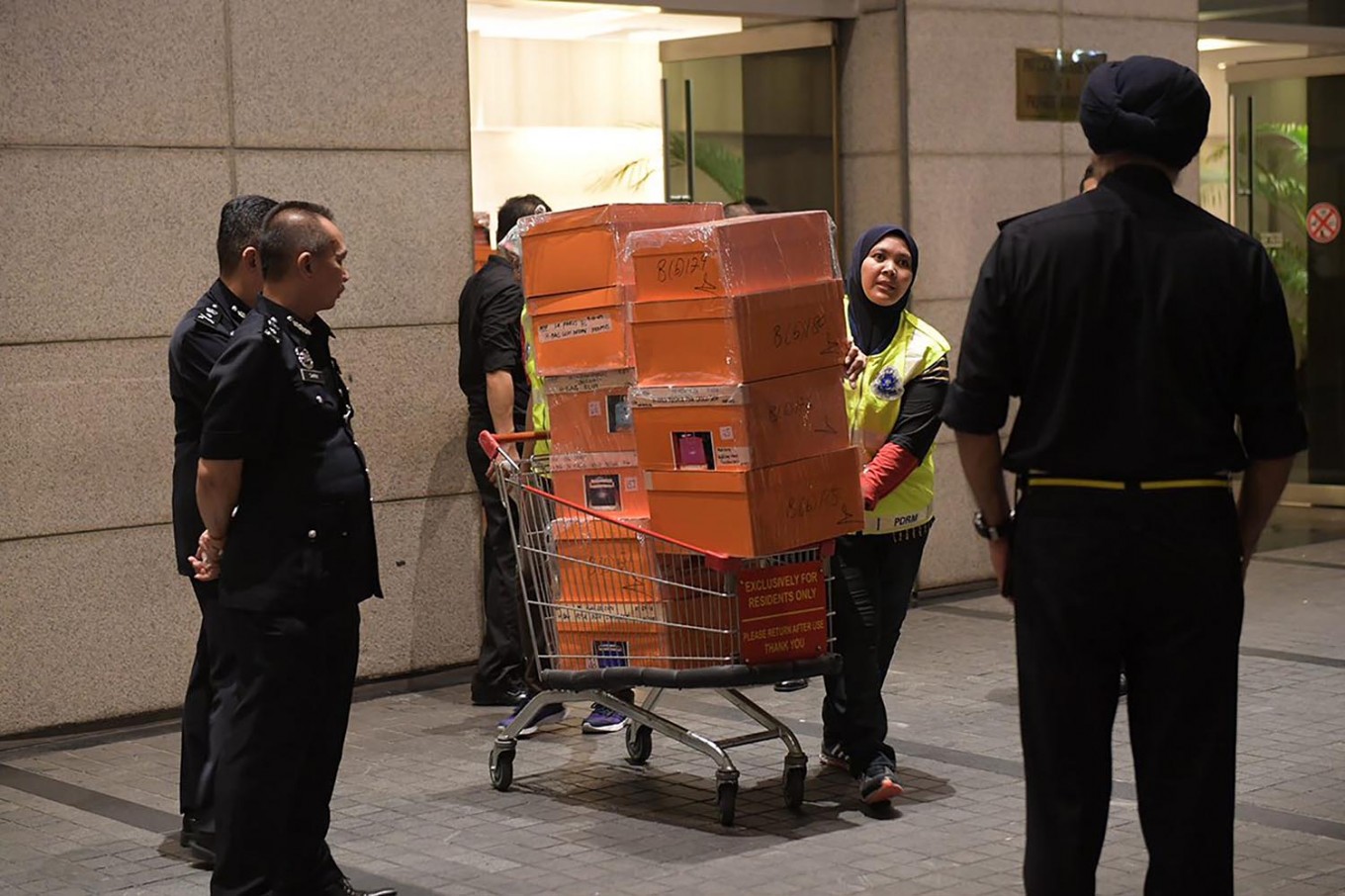
    Items seized from six premises linked to ousted Malaysian leader Najib Razak, including cash, a vast stash of jewelry and luxury handbags, are worth up to $273 million, police said Wednesday.

    “The total cost of all the items, the retail price, will be touching 910 (million) to 1.1 billion ringgit,” Amar Singh, the police’s head of commercial crime said. That is equivalent to $225 million to $273 million.

    The items included 116 million ringgit ($28.8 million) in cash in 26 different currencies, about 12,000 pieces of jewellery and hundreds of handbags as well as a large number of watches.

    Allegations of massive corruption were a major factor behind the shock election loss of ex-premier Najib’s long-ruling coalition in elections last month to a reformist alliance headed by Mahathir Mohamad.

    Najib and his cronies were accused of plundering billions of dollars from sovereign wealth fund 1MDB and using it to buy everything from US real estate to artworks. Najib and the fund deny any wrongdoing.

    His luxury-loving wife Rosmah Mansor became a lighting rod for public anger due to her vast collection of handbags and jewels, and her reported love of overseas shopping trips.

  • Tod’s And Mr. Bags Take Luxury Retail Omnichannel

    Tod’s And Mr. Bags Take Luxury Retail Omnichannel

    Luxury retail has run into a conundrum as digital channels and eCommerce continue to edge out brick-and-mortar shopping venues. Although eCommerce may not be replacing traditional retail just yet, it’s a channel that merchants can’t afford to ignore. Despite this widely accepted reality, many luxury brands have been doing just that: ignoring it.

    For many luxury brands, the in-store experience and presentation are part of the package. This has kept them from embracing omnichannel retail in the same way as some of their more affordable counterparts – which has been to their detriment, as shoppers are gravitating toward brands that meet them where they’re at, not the ones that require them to go find the brand in a retail setting.

    But all that may be starting to change as marketplace and eCommerce functions become more common across social channels such as WeChat, Instagram and Snapchat. Luxury is now beginning to find its way into the spheres where consumers are spending their time.

    Tod’s and Tao Liang Join Forces in Baoshop

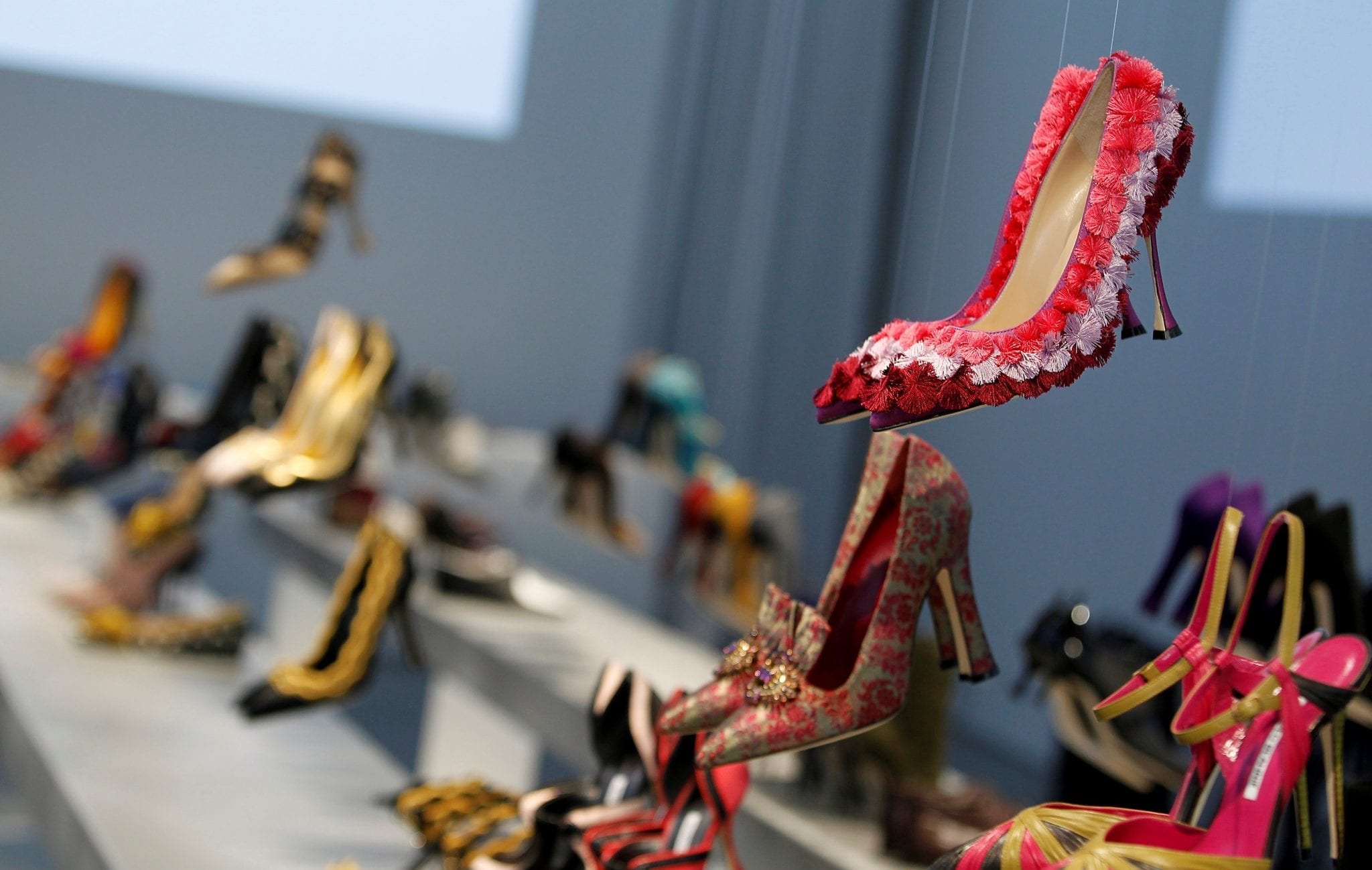
    Exhibit A? Luxury brand Tod’s has jointly designed a limited-edition bag with Tao Liang, a.k.a. Mr. Bags: one of China’s most popular fashion bloggers and a powerful style influencer with 4 million social media followers. The product made its world premiere through a WeChat mini program called “Baoshop” on Tuesday, June 26.

    Baoshop is a limited-time exclusive pop-up shop customized by Liang just for shoppers. It’s designed to give them information about the product and a funnel to completing the purchase via WeChat Pay. In a press release about the bag’s world premiere, Liang said the mini program offers convenience and efficiency for shoppers while preserving the high-quality luxury experience.

    That could provide a major assist for luxury as a category as it looks to move sales from the physical to the digital world. There are definitely takeaways from Liang and Tod’s Baoshop that could be applied to any other market – though of course, each market has its own unique advantages and challenges that will factor into the success of such an approach.

    What it Means for the Worldwide Luxury Market

    The omnichannel evolution is underway in China’s luxury sector. Mini programs like the Baoshop by Liang and Tod’s have already become key elements as brands step up their digital game to connect with shoppers – but they are by no means the only ingredient in Chinese luxury’s recipe for success.

    The market has given birth to a unique economic model called the fans economy. Essentially, what happens in the fans economy is that influencers like Tao Liang act as middlemen between consumers and luxury brands. This gives luxury brands a lens into what potential shoppers are looking for and what their buying habits are like, enabling them to refine their interactions with consumers.

    Whether that can translate outside of China remains to be seen, but it’s definitely not out of the question. Every country has its fashion influencers, and every influencer has fans who will follow their style idols not only with their likes and re-posts, but with their dollars. So in that sense, a fans economy could be possible anywhere.

    However, it’s also important to consider the role WeChat has played in creating this economy. The company says it’s continually working to provide more and better digital toolboxes for brands, merchants and influencers, empowering them to serve their buyers and fans ever more directly.

    The soil may be fertile for a fans economy in the U.S., Europe, or elsewhere, but it may take efforts by a company like WeChat to truly make it grow.

  • Suning.com Listed on China’s 500 Most Valuable Brands with a Brand Value of 23 Billion RMB

    Suning.com Listed on China’s 500 Most Valuable Brands with a Brand Value of 23 Billion RMB

    Suning.com, a Fortune Global 500 company owned by Suning Holdings Group (“Suning”) was listed on the 15th China’s 500 Most Valuable Brands, with a brand value of 23 Billion RMB, ranked No.13 on the list and No.1 among the retail industry.

    The list of China’s 500 Most Valuable Brands is released by World Brand Lab, the leading independent consultancy of brand valuation and marketing strategy in the world. It evaluates brand value based on three dimensionsfinance performance, customer impression and brand awareness. The total value generated by the 2018 listed brands is RMB 1.844 trillionDue to its strong growth in revenue and brand awareness, Suning.com has achieved a brand value of RMB 23 billion, up 19% year-on-year.

    Suning.com saw a strong financial growth in 2017, obtained an operating revenue of RMB 187 billion, with a year-on-year increase of 24.67%. In the first quarter of 2018, Suning.com has achieved Omni-channel sales of RMB 69.33 billion, up 46.33% year-on-year.

    “Innovative technologies such as AI, Big-data and block-chain bring new opportunities to the growth of brand value,” commented by the chairman of World Brand Laboratory and Nobel laureate and economist, Robert Mundell.

    Suning put forward its ‘Smart Retail’ strategy in 2017, which revolves around Smart Sourcing, Smart Selling, Smart Services, Smart Logistics and Smart Business Models. The strategy meets and beats consumers’ expectations by providing personalized goods and services in diversified consumption scenarios to improve shopping experience. During the past 6.18 Shopping Festival, Suning gained a 121% sales increase in total, reflecting the increasing brand reputation among customers and embodying the success of Smart Retail.

    Meanwhile, Suning has been actively working on corporate social responsibility programs. By the end of 2017, Suning has contributed over RMB 1.1 billion to public welfare regarding disaster relief, education, poverty alleviation, environmental protection and other fields.

    China has entered a new era of quality consumption, which provides a broad market for local brand’s development,” said Sun Weimin, vice chairman of Suning.com, “As a leading retail brand, Suning is proud to be listed among the China’s 500 Most Valuable Brands and will continuously undertake the responsibility to enhance Chinese brands competitiveness.”

  • Global stocks are bouncing after Trump made a conciliatory move in the trade war

    Global stocks are bouncing after Trump made a conciliatory move in the trade war

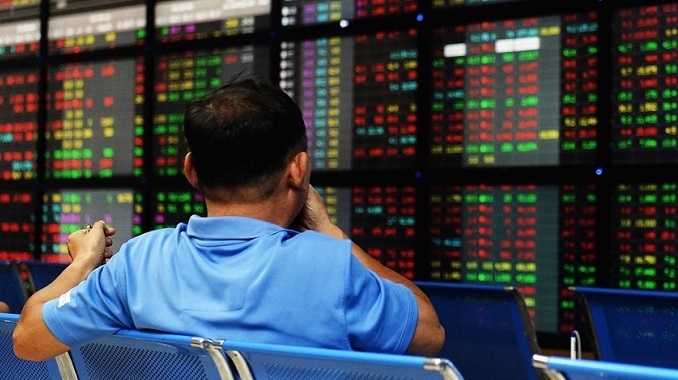
    Stocks in both Europe and the Americas are bouncing on Wednesday after President Donald Trump made a move that looks likely to deescalate the trade war developing between his adminstration and the rest of the world.

    Earlier, Trump announced the details of a plan to crack down on Chinese investment in US technology companies, and the final results were weaker than expected.

    The news buoyed investors, who have previously been nervous about the possibly devastating consequences a trade war could have on the global economy.

    Major share indexes in both Europe and North America are significantly higher on Wednesday as a result of the announcement, with the USA’s benchmark Dow Jones Industrial Average up by almost 250 points.

    While Trump’s climb down has soothed Western markets, things in Asia overnight were not pretty, with the earlier escalation of trade tensions having a significant negative impact on Chinese markets, with stocks in the world’s second largest economy suffering major losses.

    China’s benchmark share index, the Shanghai Composite, dropped 1.1% on Wednesday — leaving it nursing losses of 22% from its most recent high, extending the bear market it entered at the beginning of the week. Bear markets are characterised by a fall of 20% or more from a high.  

    Negative sentiment in Asia overnight also saw Hong Kong’s Hang Seng drop 1.7%, and the Shenzhen Composite fall 1.8%.

    For China, there is an ongoing double whammy of bad news. As well as Chinese stocks falling into a bear market, the country is also witnessing a major slide in the price of its currency, the yuan, which overnight fell to its lowest level in more than six months.

    The USD/CNH, or the US dollar versus the offshore traded yuan, hit a high of 6.6105 earlier, leaving it at the highest level since December 20 last year.

    An increase indicates the US dollar is strengthening against the yuan.

    Along with escalating trade tensions between the United States and China, the yuan has been under pressure in recent months from a softening in Chinese economic data as well as divergent monetary policy settings between the PBOC and US Federal Reserve.

  • Hugo Boss Men Vietnam introduces new concept

    Hugo Boss Men Vietnam introduces new concept

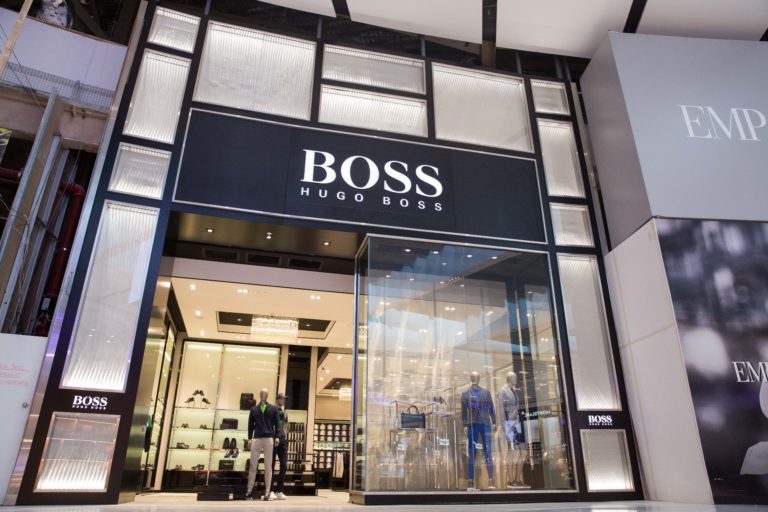
    Hugo Boss Vietnam has opened its first standalone store for men – Hugo – at Vincom Ba Trieu, Hanoi.

    Located at the front of the Vincom shopping centre, the 100sqm store displays basic items from the brand’s business and casual collections, along with Hugo’s Spring-Summer 2018 range.

    According to insider, Vietnam is the first market to get this new concept, with Singapore to follow in September.

  • Epicentre Singapore to close door

    Epicentre Singapore to close door

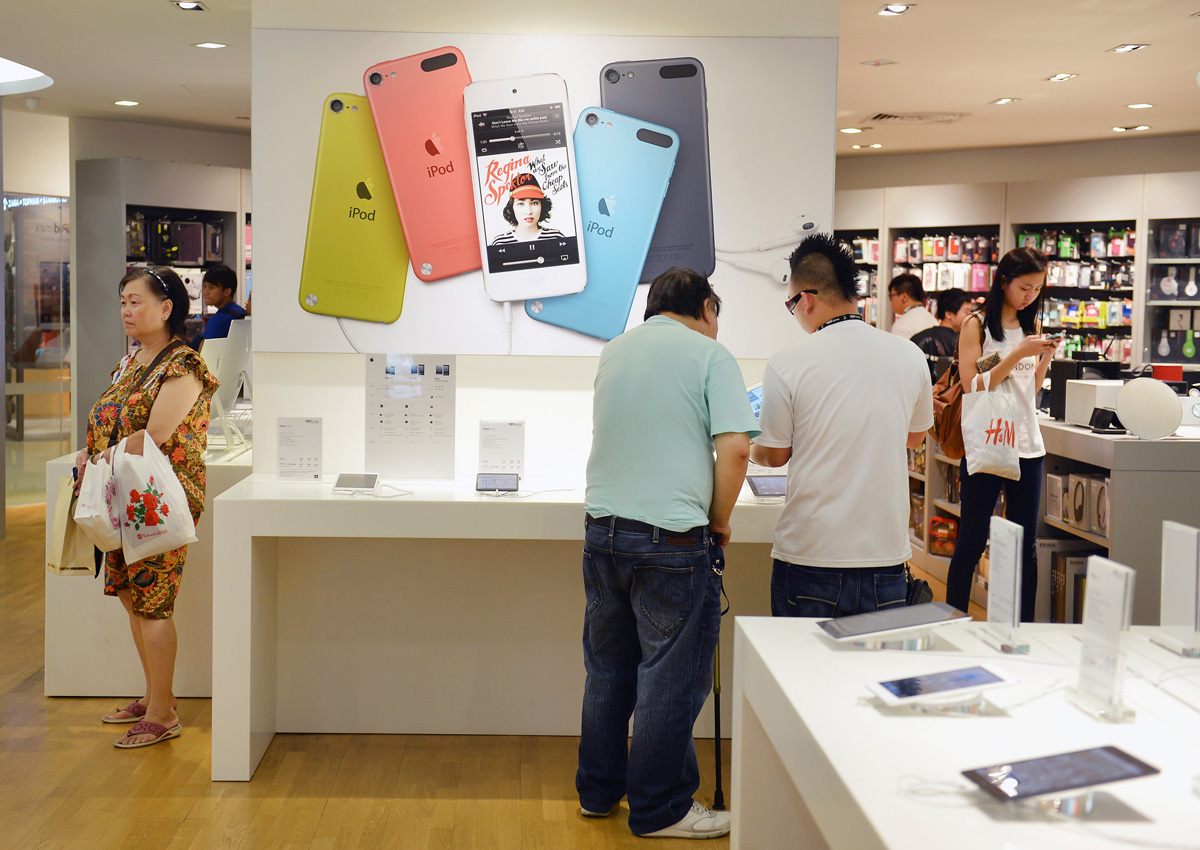
    Singapore Apple retailer Epicentre is exiting the business, selling its four stores and e-commerce site to a rival reseller.

    In a stock exchange announcement, parent Epicentre Holdings said it had entered into a conditional sale and purchase agreement with Elush (T3), which runs the iStudio chain.

    Epicentre will receive S$516,275 for the business. Elush will take over the store leases, including its prime Orchard Road sites at Ion Orchard and Wheelock Place, where trade was affected by the opening of the Apple Store. Its other stores were at Bugis Junction and Marina Bay Sands. The Epicentre brand name will live on through a licensing agreement with Elush (T3).

    While shareholders have yet to approve the deal, Epicentre will entirely exit the Apple Authorised Reseller and Apple Premium Reseller businesses in Singapore. It will continue to operate as an Apple Authorised Reseller in Malaysia.

    The company said it was difficult to compete with Apple’s plan of opening its own large-format stores.

    “With Apple’s upcoming plan, the company has decided to dispose of the business and focus on its beauty, wellness and lifestyle business, while looking at other possible related businesses.”

    Epicentre was founded in 2002 and at one point operated 10 outlets in Singapore, Malaysia and China. In the six months to December the company posted a pretax loss of $55,000 in its Singapore Apple operations.

  • Starbucks Korea to open the 30th upscale Reserve Bar

    Starbucks Korea to open the 30th upscale Reserve Bar

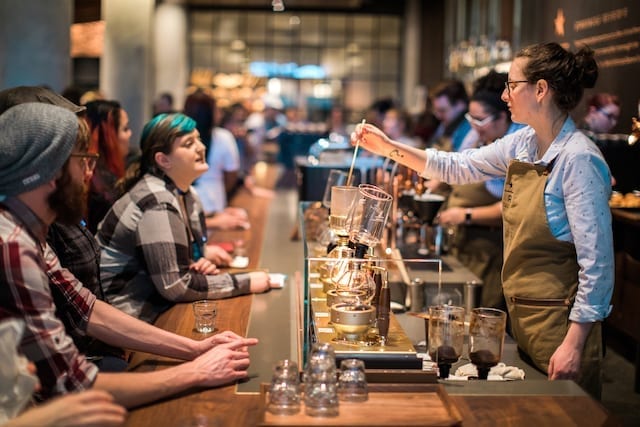
    Starbucks Korea says it will expand its premium Reserve store network to meet the growing demand for specialty coffee among local consumers.

    The company will open two Reserve stores in Seoul and a third in Pangyo, just south of the capital, this week. They will raise to 30 the number of upscale Reserve cafes in the country, which is already the third-largest total of any international market, behind China with 52 and the US with 35.

    Starbucks Korea is a joint venture between Starbucks Coffee International and South Korea’s Shinsegae Group.

    The number of Reserve bars in South Korea stood at 15 as of the end of last year, so has nearly doubled in the past six months.

    “We will continue to increase the number of Reserve bars in line with the growing demand for specialty coffee among local consumers,” a Starbucks Korea official said

    Starbucks remains the undisputed No 1 in Korea’s coffee industry and was the first such chain the country to surpass 1 trillion won (US$895 million) in sales. It has more than 1150 stores nationwide.

    The size of South Korea’s domestic coffee market reached 6.4 trillion won at the end of 2016, up 30.6 per cent from 2014, according to government data.

  • Grab now has more rivals than ever before

    Grab now has more rivals than ever before

    From an e-hailing app, Grab has made great steps forward, providing many different services. Most recently, it started the payment service GrabPay and lending service Grab Financial.

    The consumer lending market in South East Asia is very large. As estimated by the World Bank, about 2 billion people in the world cannot access bank services, and most of them are in Asia Pacific.

    The non-cash payment market, according to Grab, is worth $500 billion in South East Asia.

    An analyst commented that Grab is wise taking a ‘roundabout’ approach to consumer lending (it conquered the transport market first before aiming for the consumer credit market).

    Consumer lending is a fertile business field for Chinese e-commerce firms. The firms offer online payment apps to users to ‘learn’ about their financial capability.

    Grab, as an app, quickly attracted users, especially investors. Just within six years, Grab became an unicorn company, i.e. an unlisted technology firm with valuation of $1 billion and higher, in South East Asia. Analysts estimate that Grab is valued at $6 billion.

    The total number of Grab downloads has reached 95 million all over South East Asia. This could serve as the launch pad for it to conquer the consumer lending market.

    The challenges 

    “GrabPay e-wallet will be used for both transport and food delivery services, two of the most used services in South East Asia,” said Jerry Lim, director of Grab Vietnam.

    However, the analyst said, by expanding its business, Grab would have to compete with more rivals who are ‘powers’ in their fields. In online payment, for example, it will have to compete not only with AirPay (Sea) and Alipay (Alibaba Group), but also with local firms such as ZaloPay (VNG) and MoMo.

    In Indonesia, Grab bought an e-commerce platform, Kudo, in April 2017. Grab believes that this is the factor which can help expand GrabPay. However, in Vietnam, Grab’s two big rivals – Sea and Alibaba — both have strong support from two popular e-commerce floors – Shopee Vietnam and Lazada Vietnam.

    Similarly, GrabFood has rivals in the food delivery sector, where Sea’s Now, which inherited the large custom from Foody, is the leader.

  • Fully automated restaurant boom in China

    Fully automated restaurant boom in China

    A Japanese Twitter user has sparked an online debate over video footage of a fully-automated Chinese restaurant.

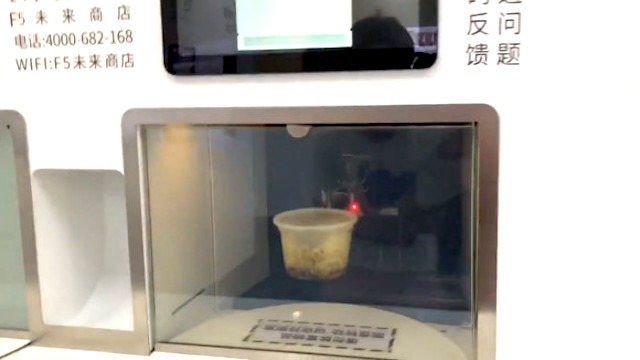
    The coverage of the unnamed (and apparently unstaffed) venue in Chinese Shenzhen showed a diner choosing a noodle dish from a touch-screen menu, paying for the meal electronically, receiving it from a robot arm, and dining on a table that automatically retracts to receive waste.

    Japanese netizens were quick to express concerns at the concept of dining over a hidden trash can – not only in terms of hygiene and smell, but also for the potential of losing keys or a mobile phone, and as to whether the trash would be properly separated for recycling.

    A report called the restaurant a sign of the impending robot apocalypse, and wondered if the restaurant bill was a contribution to an electronic uprising to usurp humanity.

  • Colourmix axes stores to stop losses

    Colourmix axes stores to stop losses

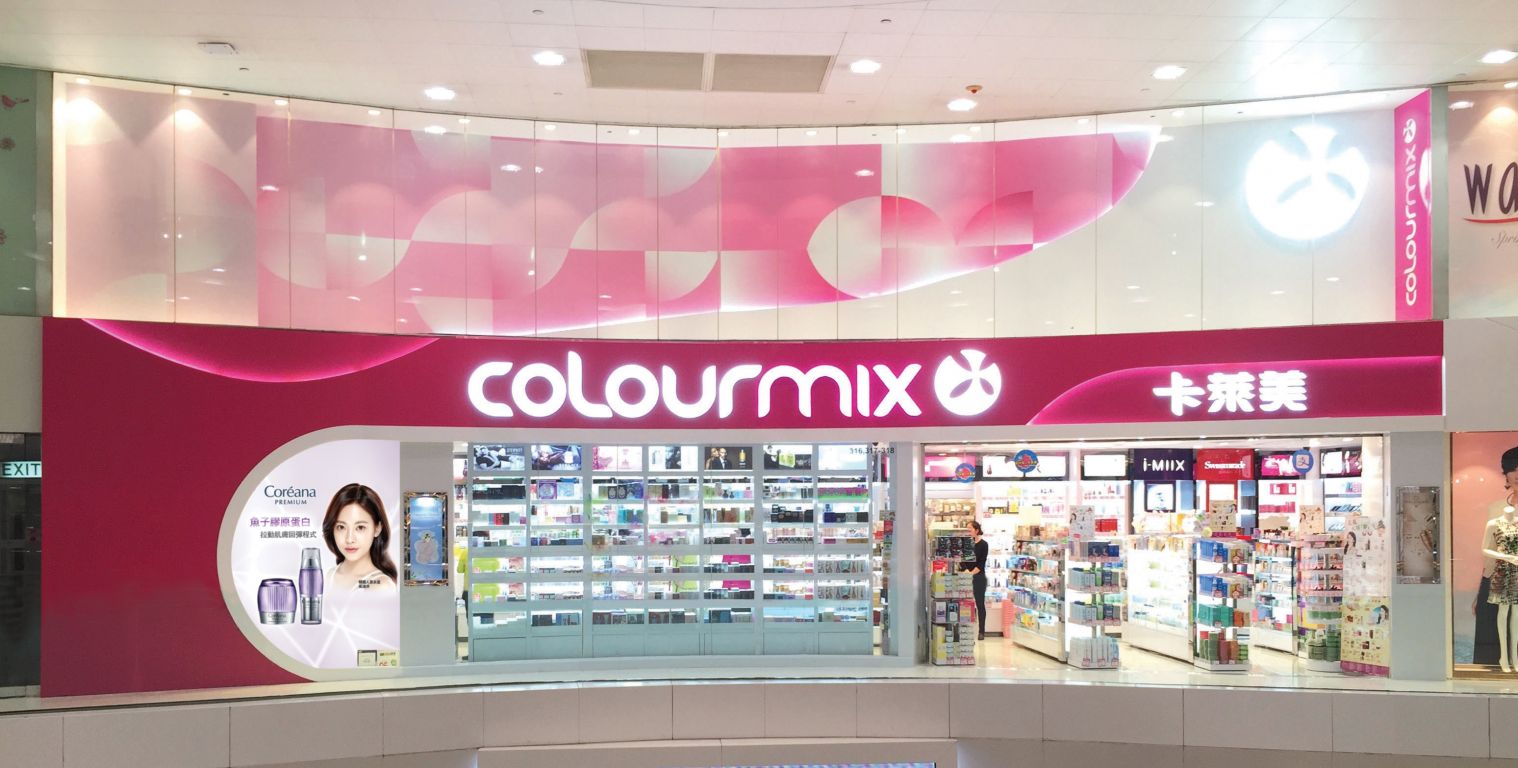
    Colourmix parent and fashion retailer Veeko has seen its sales fall 4.4 per cent in the last year, to HK$1.928 billion.

    But it posted a $5.26 million profit, a turnaround for the previous year’s $25.9 million loss – all due to an increase in the value of investment property.

    Veeko said its cosmetics division’s sales, which accounted for 82 per cent of group revenue, slipped 1.9 per cent, with gross profit margin easing 1.1 per cent to 31.7 per cent.

    Sales in its fashion division slumped 14.2 per cent to $354.45 million, but gross profit margin improved to 70.1 per cent.

    The cosmetics business lost $6 million for the year and the fashion business lost $8.2 million, but an increase in fair value of investment properties of $31.6 million pulled the overall business to a paper profit.

    At the end of March, Veeko operated 84 Colourmix stores, six fewer than a year earlier, and eight Morimor stores, (up one). The Colourmix stores are primarily in Hong Kong, with five in Macau and one in Mainland China. It opened the first Morimor store outside Hong Kong in November, at The Venetian Macao Resort.

    “It is expected that the market presence and popularity of Morimor stores will be further enhanced through its brand new image in quality and trendy cosmetics,” the company said in its results announcement.

    Fashion business

    As at the end of March, Veeko had 101 fashion stores trading under the Veeko and Wanko banners in Hong Kong, Macau and Mainland China, a reduction of 18. This was partly due to the company exiting Singapore, closing its five stores there.

    The group has 25 stores in Mainland China where it closed four underperforming outlets during the year. It also has a presence on Tmall.

    Looking ahead, Veeko says it expects the Hong Kong retail market to continue to improve gradually.

    “Under the challenging environment, the group is cautiously optimistic about its future development, and will continue to seek opportunities for growth and monitor closely the changes in market trends.”

    The company says it will continue to adjust its store portfolio and review rental levels.

    “Given the downward adjustments of rental rates for certain stores in the market, the rental pressure for stores with expiring lease terms will be reduced, and the group will achieve better results in controlling rental costs. Meanwhile, the group will close down underperforming cosmetics stores and identify prime locations with lower rents for new stores in order to improve overall operation efficiency.”

  • David Jones to open European luxury concessions on $200 million redevelopment

    David Jones to open European luxury concessions on $200 million redevelopment

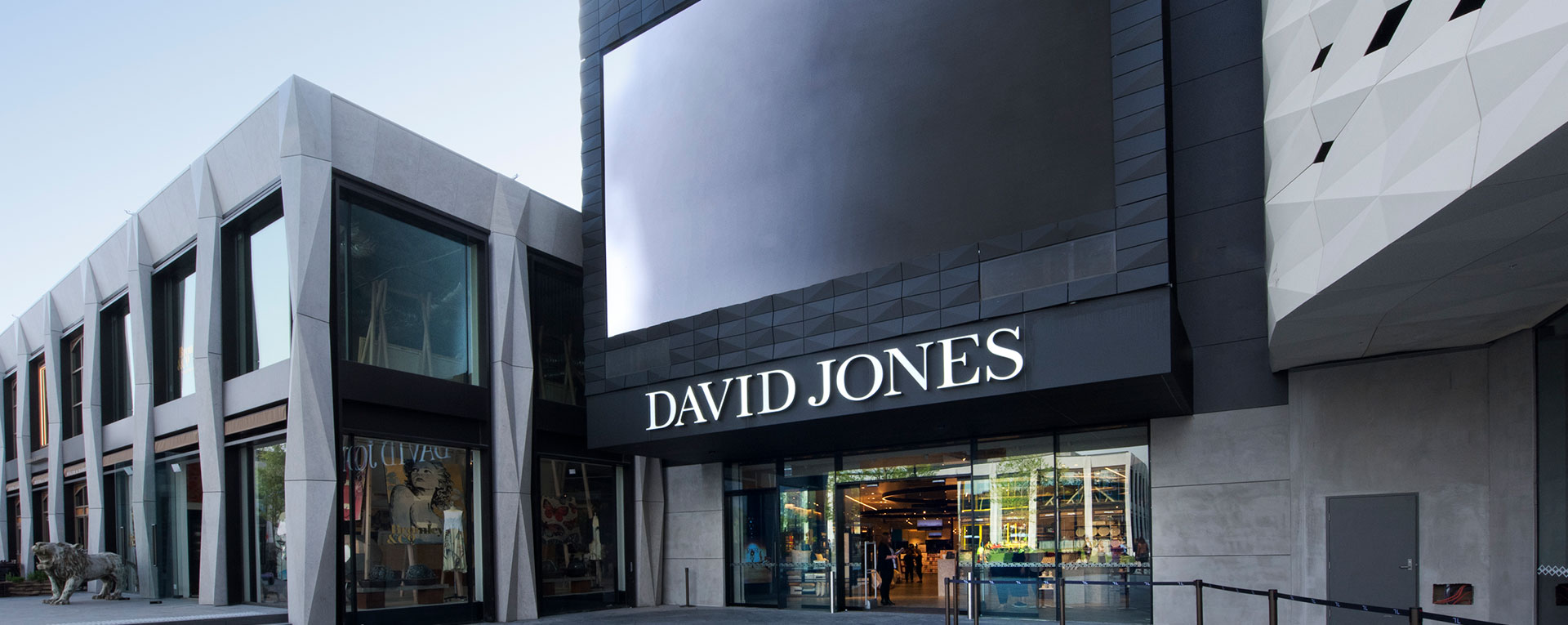
    Upscale Australian department store David Jones is set to become even more luxurious, with the addition of several major European fashion houses at its Sydney flagship store, as part of a $200 million redevelopment.

    The 180-year-old department store chain said that French labels Louis Vuitton and Chanel, as well as Italy’s Gucci, are set to open as in-store boutiques at David Jones’ flagship Elizabeth Street store in Sydney.

    Other major labels include Givenchy, Loewe, J.W. Anderson and Mansur Gavriel, coming in the form of store concessions and exclusive collections.

    After Sydney, the luxury upgrade will also be rolled out to David Jones’ Melbourne stores.

    Funded by the $360 million sale of the company’s Market Street store in 2016, the redevelopment of the Elizabeth Street store will see it grow to 12 floors from 8, with products categorised into six “worlds”.

    Floors 7 and 8 will feature an Australia-first champagne and dining room, while below, a luxury shoe department featuring Louis Vuitton, Chanel and Gucci, will bow.

    The move is likened to the retail model at London’s Harrods or Sak’s Fifth Avenue in the U.S., and looks to up the ante at DJs, who has suffered sluggish sales of late, along with rival Myer, as consumers flock to online shopping, as well as boutiques, instead of mass stores.

    David Jones chief executive David Thomas said that department stores could still be relevant to consumers, but had to play to their strength of being a “mall without the shopfronts” by offering a wide range of the best products, and customer service to match.

    “So you come in for a black boot, we should be able to show you the 10 best black boots on the market, as opposed to going into one brand in a mall, where you can only see their offering,” he said.

    It’s far less intimidating than walking into a specialty store and far more convenient. That’s how we fight back, that’s the role of the department store.”

    David Jones said comparable sales fell 3.3 percent in the last half, while profits fell by more than 30%. At the time of reporting, the company attributed poor consumer sentiment and its poor private label clothing designed in South Africa, for the demise.

    The Elizabeth Street store renovation, planned as a floor-by-floor revamp, should be completed around late 2019.

  • Casino teams with L’Oréal to launch Paris wellbeing stores

    Casino teams with L’Oréal to launch Paris wellbeing stores

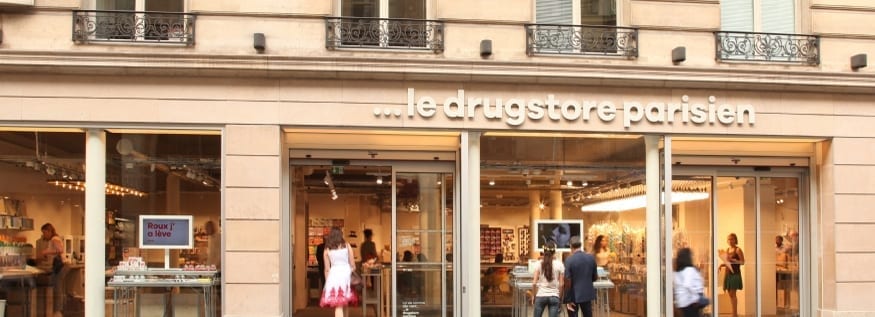
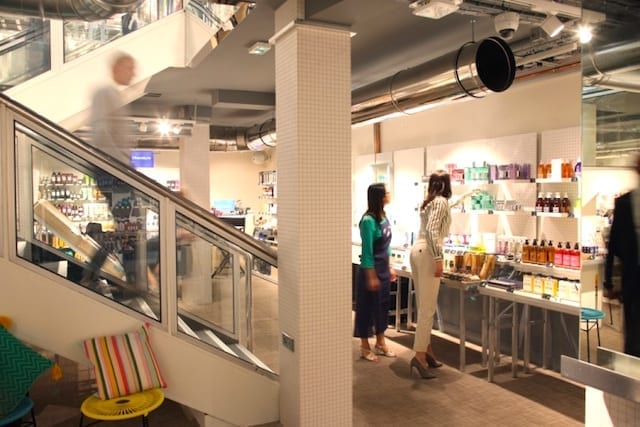
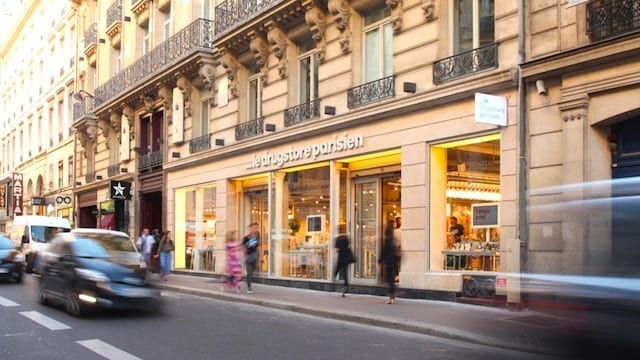
    French retailer Casino Group has teamed with cosmetics company L’Oreal France to launch Le drugstore Parisien, a new retail concept targeting city-dwellers in the heart of Paris.

    The two companies boldly claim the concept will “revolutionise the beauty and well-being shopping experience in the French capital”.

    Operated under Casino Group’s Franprix banner, Le Drugstore Parisien is positioned as “the urban store for beauty from within, practical treats and serendipity [the art of making unexpected discoveries].”

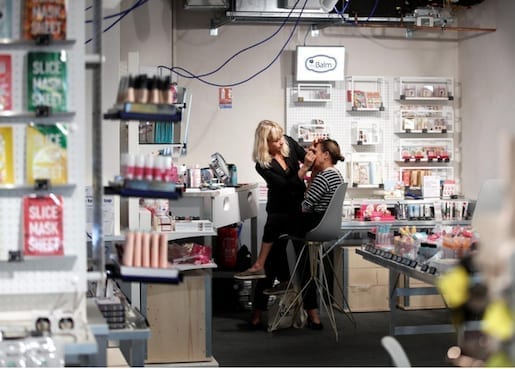
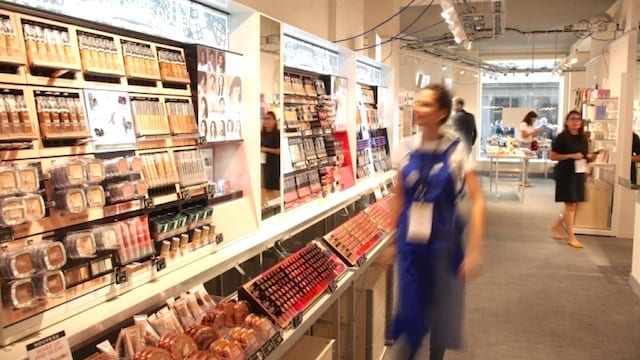
    The store will offer beauty and well-being products alongside over-the-counter pharmaceutical products, sewing kits, accessories and healthy snacks and treats.

    A number of L’Oreal brands will be available, including L’Oreal Paris, Maybelline, Garnier, NYX Professional Makeup, Essie and Sanoflore, as well as exclusive, expert brands so that shoppers can discover something new with every visit.

    Amenities designed specifically for urban consumers will also be on hand, such as free Wi-Fi, mobile-phone charging points, water fountains, shoe-shining machines, sinks and dressing tables, dry cleaning, parcel pick-up points, light therapy areas, key exchange, and one-hour delivery for certain products.

    Jean Paul Mochet, CEO of convenience banners at Casino Group, said the company has for several years been working to find ways of helping convenience stores connect better with customers.

    “In cities, we have been paying particular attention to the new ways space and time are used, which are radically changing consumer behaviour. The lines between work, culture and fun are being blurred, creating a new way of living. So city-dwellers need tailored products and services to make their lives easier. This goal was exactly what we had in mind when designing Le Drugstore Parisien – a unique, laid-back place that celebrates joy, pleasure and well-being amidst the hustle and bustle of Paris life.”

    The first two Le Drugstore Parisien sites opened last weekend at 66, Rue de la Chaussee d’Antin and 122, Rue du Bac in districts 9 and 6, respectively. They will be trade seven days a week, from 10am to midnight Monday to Saturday and from 11am to 8pm on Sundays. One day a month, they will open for 24 hours to offer Parisians exclusive events and well-being services.

  • Japan leads foreign investors in Vietnam in year’s first half

    Japan leads foreign investors in Vietnam in year’s first half

    Foreign investors invested a total of over 20 billion USD in 1,366 new projects and 507 existing ones as well as in contributing capital and buying shares in domestic company in the reviewed period.

    With 5.06 billion USD, the Republic of Korea was Vietnam’s second biggest investor, followed by Singapore with 2.39 billion USD.

    During January-June, foreign investors poured their capital into 55 provinces and cities, in which Hanoi ranked first with 5.87 billion USD. The capital city was followed by Ho Chi Minh City (3.68 billion USD), and Ba Ria-Vung Tau province (1.93 billion USD).

    Manufacturing-processing industry continued to attract the most foreign direct investment (FDI) in Vietnam in the first half of 2018, with 7.91 billion USD, accounting for 38.9 percent of the total registered capital.

    It was followed by real estate, with 5.54 billion USD, and the wholesale and retail sector with 1.5 billion USD, making up 27.3 percent and 7.4 percent of the total, respectively.

    To date, Vietnam has attracted nearly 26,000 projects with a registered capital of 326 billion USD. Disbursement is estimated at 180 billion USD.

    Foreign investment accounts for 25 percent of the country’s total investments and contributes 20 percent of GDP. Last year, the sector contributed nearly 8 billion USD to the State budget, 14.4 percent of total revenue.

    At present, 58 percent of foreign investments focus on processing and manufacturing, generating half of industrial production value.

  • Uniqlo Philippines global flagship launch is happening

    Uniqlo Philippines global flagship launch is happening

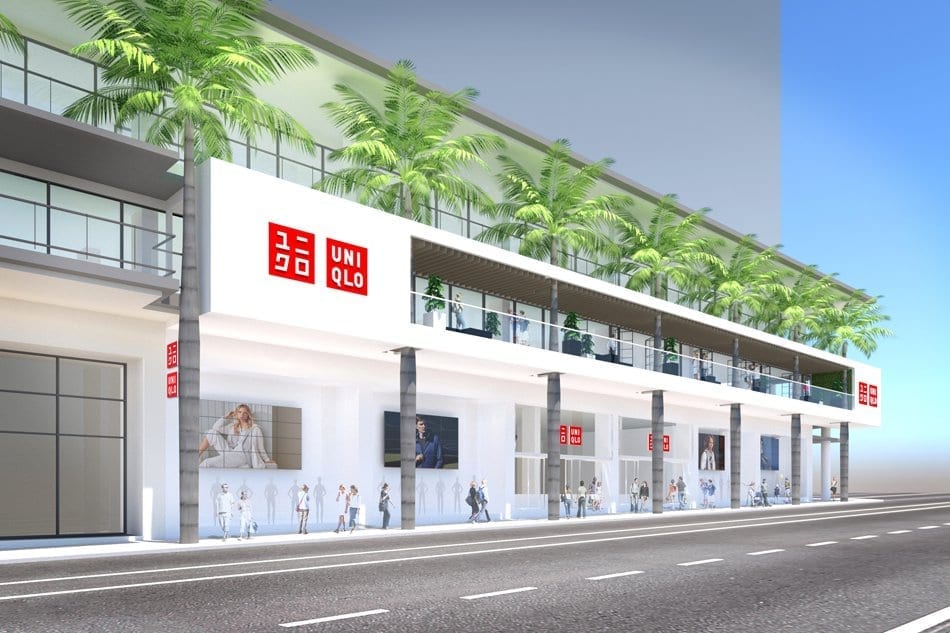
    Uniqlo Philippines has set the opening date for what will be the Japanese brand’s largest store in Southeast Asia.

    The new store will open on October 5 in Glorietta 5 at Makati City, in Metro Manila.

    Uniqlo says the store will have a sales area of 4000sqm and is designated a “global flagship”.

    “The new store will offer local and international customers a huge shopping area and a world-class immersive shopping experience featuring large visual displays and state-of-the-art design concepts,” Uniqlo said in a statement. “As with other global flagship stores, it will also showcase the full lineup of LifeWear for men, women, kids and babies.”

    Uniqlo has launched a nationwide campaign as a lead-up to the store’s launch, called ‘Our Future Is Here’. The fast-fashion retailer is inviting customers to nominate Filipinos who they believe are leaders in sports, film, music, culture, design, and other disciplines, influencing the nation’s future.

    “The great success of Uniqlo Philippines is thanks to our customers here. The Our Future Is Here campaign is an exciting opportunity to deepen our connection with the city of Manila through our global flagship store, to engage communities and celebrate the innovators who will shape its future,” said John Jay, president for global creative at Uniqlo’s parent, Fast Retailing.

    Denmark foray

    Meanwhile, Uniqlo has announced plans to launch in Denmark, opening its first store in Copenhagen in the second quarter of next year.

    The 1400sqm store will be located on the Stroget, one of Europe’s longest pedestrian streets, in Louises Hus, a historical building dating back to the mid-1700s.

  • Thai investors acquiring more retail market share in Vietnam

    Thai investors acquiring more retail market share in Vietnam

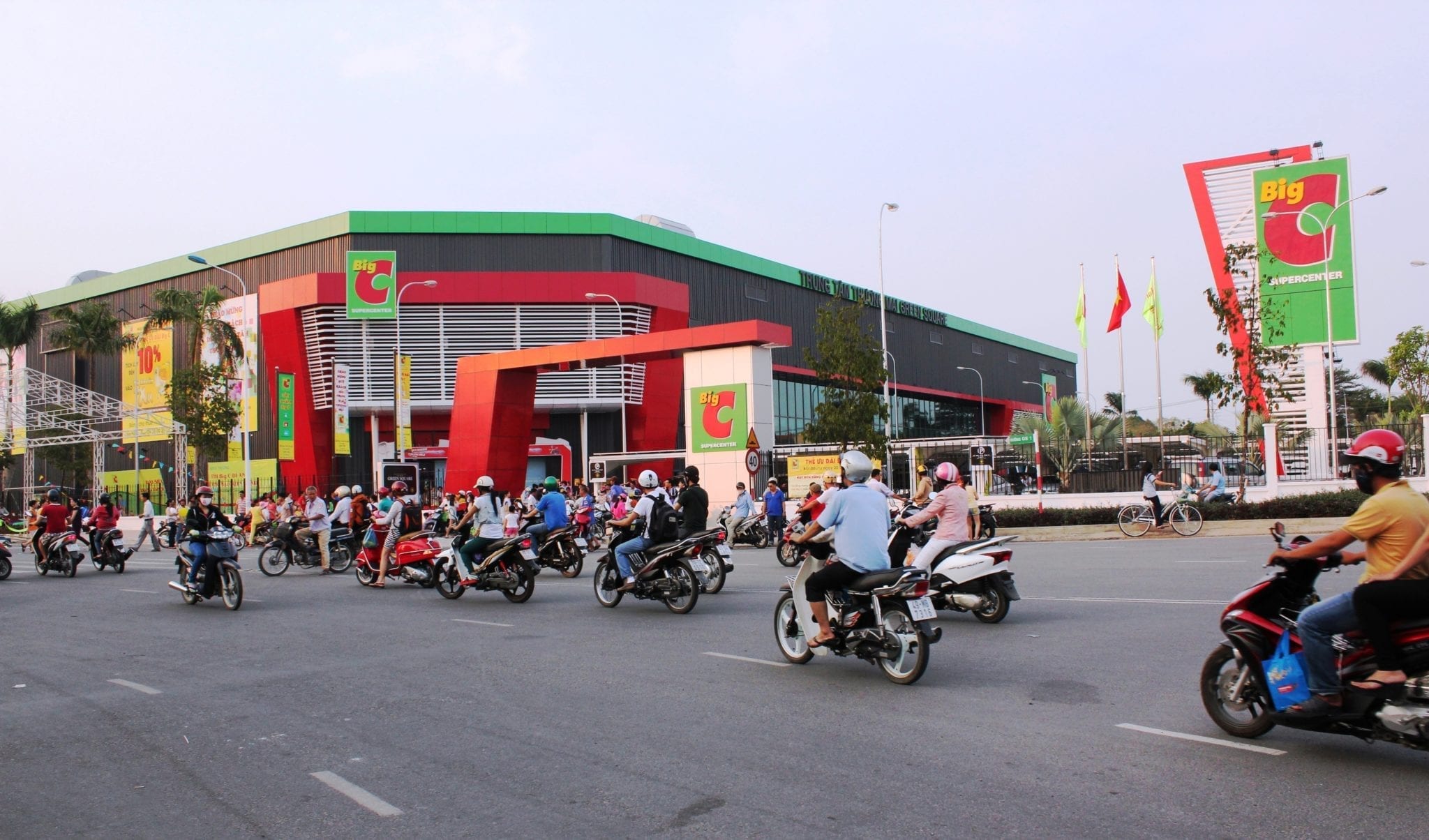
    In 2015, just after four years of establishment, Central Group Vietnam (CGV), acquired 49 percent of stake of Nguyen Kim. In 2016 alone, CGV acquired two big brands – Big C Vietnam and Lan Chi Mart. Through M&A deals, CGV has also brought other brands from Thailand and other countries to Vietnam.

    BJC, a subsidiary of TCC Holdings, has also been expanding in Vietnam. With MM Mega Market alone, BJC has 19 shopping centers, 3 entrepots in Da Lat (fresh vegetables and fruits), Dong Nai (fresh pork), Can Tho (seafood) and two general storehouses that provide fresh food. Besides, it also has B’s Mart with the network covering large cities.

    In 2016, after wrapping up the deal of taking over Metro Cash & Carry, BJC renamed the supermarket chain as MM Mega Market Vietnam, and since then, it has been following the business strategy with B2B (70 percent) and B2C (30 percent) Investment modes.

    Phidsanu Pongwatana, managing director of MM Mega Market, said the company is building the first pork entrepot in the north. It plans to open one to three distribution centers in the north next year, which will create 700 jobs.

    In 2017, CGV announced investment of $30 million to increase retail premises in Vietnam to 470,000 square meters.

    Meanwhile, the holding company in Thailand plans to invest $6.4 billion more in the next five years to expand the domestic and overseas markets, especially Vietnam, which is a key part in its plan to expand operation in the retail and hotel fields.

    Vietnam is considered a potential market, expected to bring to the group turnover four times higher in the next five years. It strives for revenue of $13 billion this year, an increase of 14 percent over 2017. Tos Chirathivat, CEO of Central Group, said the group would open 500 more shops in Vietnam by 2022.

    An analyst said Thai investors are now eyeing Vietnam because the market is witnessing development like Thailand did some decades ago with the rapid increase of the middle class and high economic growth rates.

    He also said the young population, increased consumption level, and the tariff cut to zero percent all have turned Vietnam into a vast market in ASEAN.

    According to the Foreign Investment Agency, the accumulative capital registered by Thai investors in Vietnam by March 2018 had reached $9.3 billion.

    With 490 projects, Thailand now ranks 10th among 126 countries and territories having FDI in Vietnam.