Author: Mei Ling Tan

  • Subway Hong Kong to open more stores

    Subway Hong Kong to open more stores

    Subway Hong Kong is embarking on an expansion strategy, scouting for new locations and new franchisees as it unveils a restaurant and menu makeover.

    Next month, a 900sqft Subway outlet which seats 40 will open at City University in Kowloon Tong. Not only will it be one of the chain’s largest restaurants in the territory, it will be a showcase of the brand’s future here.

    “Basically it’s Subway stepping into the 21st Century,” Subway Hong Kong & Macau Development Office GM Jamie LeBrun said.

    Subway Hong Kong currently has 25 outlets across the two territories. Three of those are in the process of being refurbished in the new look and style and more stores are under development or planning. Within the next 10 years, Subway Hong Kong plans 100 new outlets.

    “Our franchise family is growing with four new franchisees this year and we are looking for engaged and dedicated franchisees with a team player mentality to join us,” said LeBrun.

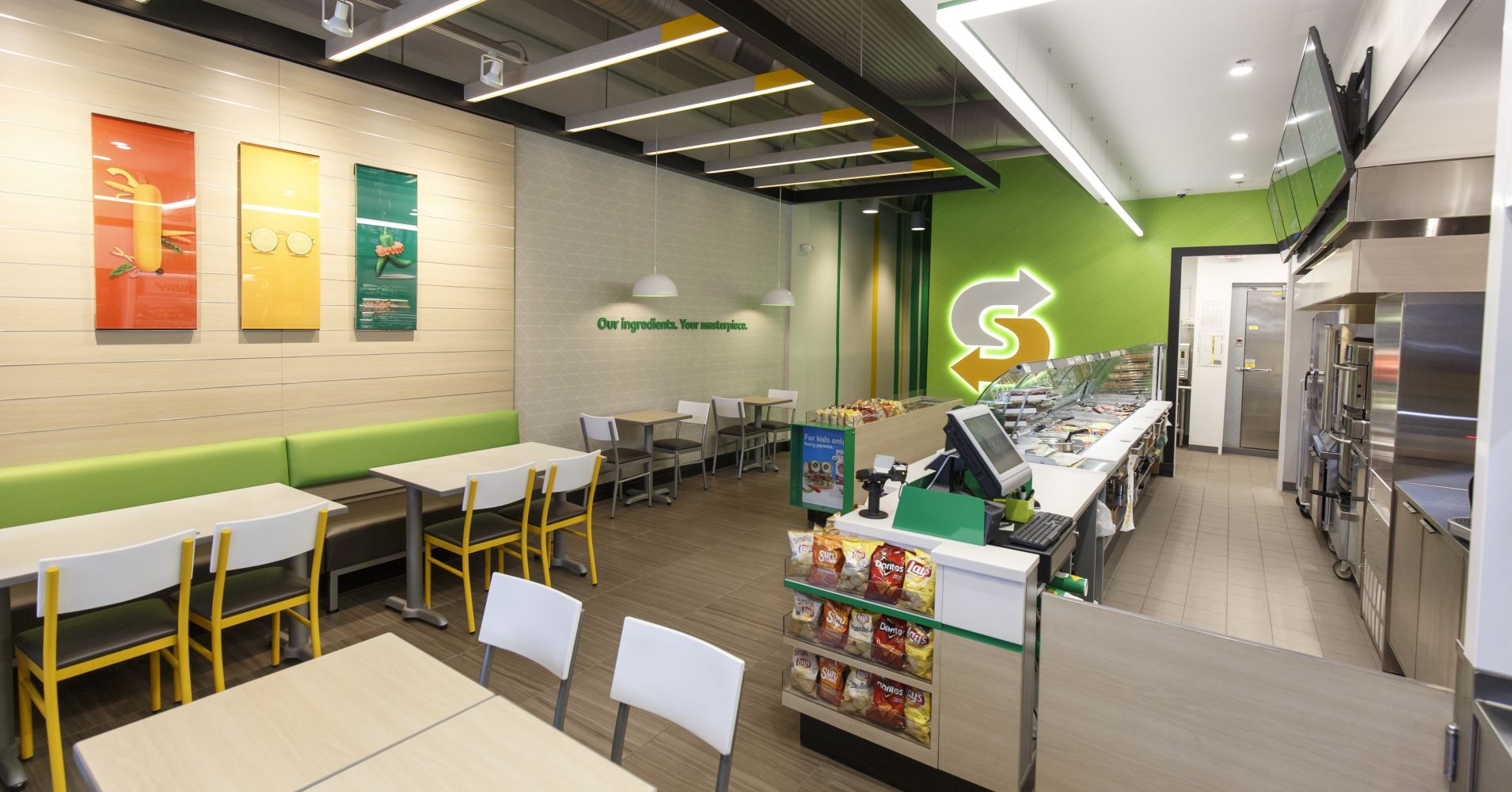
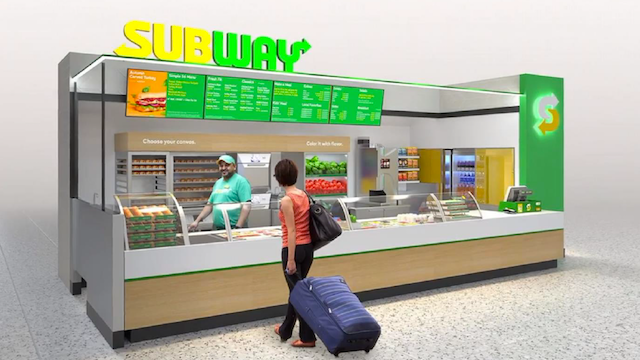
    Dubbed Fresh Forward, the new store design features light, bright colours, digital menu boards, the new generation Subway logo and graphics, and self-service beverage areas. Gone are the stained timbers and dark colour schemes, the result of a root-and-branch revamp of the brand’s positioning in the US, where Subway’s fortunes aren’t currently as buoyant as in Hong Kong. Some of the local stores may feature self-ordering kiosks in time.
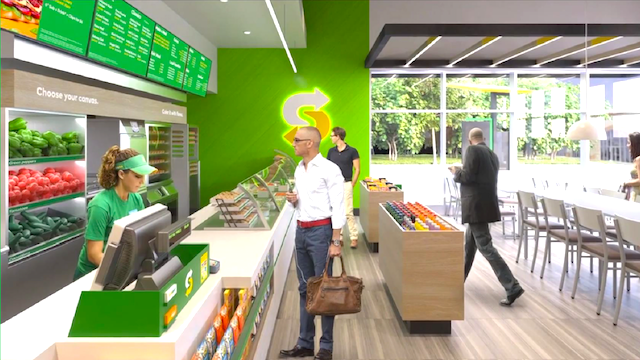
    Fresh produce will be on display, addressing the fact Hongkongers don’t realise vegetables like tomatoes, capsicums and cucumbers are delivered fresh and whole to be cut on site, says LeBrun.

    Besides the fresh style, new stores like the one at City University will be set up to cater better to online ordering.

    “With the move towards services like Deliveroo and Foodpanda, we have redesigned the back of house so where we have a prep bench, you can lift it up and you’ll have a salad bar so you can assemble orders at the back of the store for delivery. So when orders are coming in online during peak hours, someone will be out the back preparing orders and not interfering with the in-store trade.”

    LeBrun says some Hong Kong Subway stores can earn up to 25 per cent of their sales online.

    “That’s how big the online space is. When it’s raining, no one wants to go out and pick it up. People have got short lunchtimes too – no one wants to go stand in line.”

    Localised menu

    Adapting the menu to local customers is also a focus.

    “Product innovation is a cornerstone of future success. But we really were not doing a lot of that until now. So far this year we have already released six new products including a Prime Australian Beef Pastrami  and we are launching avocado products in July, with more localised options to follow.

    LeBrun and his team, who have more than 50 years experience with the brand between them, took over the Subway Hong Kong development office last October after several stores were closed across the city. They adopted a back-to-basics approach focusing first on engaging franchisees, establishing a team culture in stores, fine-tuning operations, and improving the customer experience. The results are already obvious: sales have been growing steadily this calendar year with stores averaging a 10 per cent year-on-year uptick. Some have achieved as much as 22 per cent growth.

    “Customers want good food and clean stores. And we’re giving them that,” said LeBrun.

    “If you walk into a Louis Vuitton or a Gucci you expect the same service, anywhere in the world. It has to be similar. Subway is the same.”

    Coffee and innovation

    LeBrun says the chain will continue to expand the menu with both short-term promotions and long-term offers.

    “Hongkongers love product innovation. Look at McDonald’s – every month they have new promotions. That’s where we need to be.”

    Coffee will soon be added to Subway Hong Kong menus so customers who want a hot or iced drink can buy it at the same place as their sandwich, salad or cookies.

    “Coffee is growing in Hong Kong. So we are looking for a way to feature high quality beans and fresh milk. We will offer high-grade coffee at affordable prices.”
    The final part in the Subway Hong Kong renaissance is marketing, and LeBrun says the company has that in hand as well.

    “There hasn’t been enough advertising until now and it hasn’t been in the right channels. We will be doing more targeted marketing via social media and digital channels which appeal to our core demographics.

    “We also want to better communicate the sustainability practices Subway adheres to regarding animal welfare and our environmental impact. There are many positive stories of Subway doing the right thing that we want to share.”

    “It’s good news,” LeBrun says of the transformation. “Because we’ve been talking about how it is going to happen. Now it is happening.”
  • EU set to lift ‘yellow card’ on Vietnam fisheries next year

    EU set to lift ‘yellow card’ on Vietnam fisheries next year

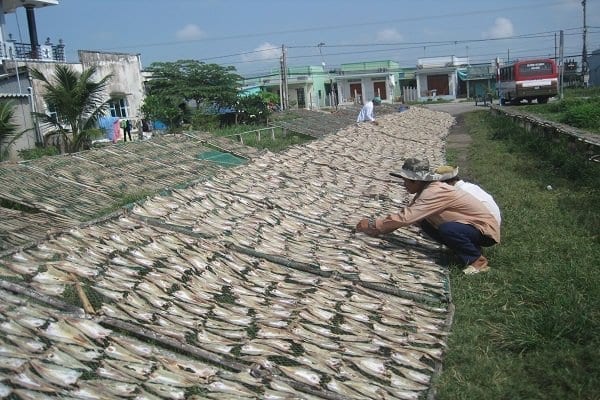
    Vietnam will have to wait another six months for the European Union to consider lifting a ‘yellow card’ restriction slapped last year because of illegal fishing.

    After an evaluation done May 15-24 this year, the EC decided that they would consider lifting the yellow card in January next year, as Vietnam has shown “improvement,” according to a statement issued by the Directorate of Fisheries under the Ministry of Agriculture and Rural Development.

    The European Commission (EC), executive body of the 28-nation bloc (including the U.K.), had issued an official warning on October 23 last year that it would ban seafood imports from Vietnam unless Hanoi did more to tackle illegal fishing carried out by Vietnamese vessels in other countries’ territories.

    The directorate, however, admitted that problems continued to dog the sector, especially in controls of fishing and tracing origins.

    Vietnam currently has around 33,000 offshore fishing vessels, but only 3,000 of them, or 9 percent, are equipped with satellite navigation devices, it said, adding that the high cost of installation was a constraining factor.

    Though Vietnam has acted on suggestions from EC last year to improve controls over offshore fishing in the 2017 Fishery Law, there was still room for improvement in the actual implementation process at local provinces, the directorate said.

    Vietnam ranks among the top ten seafood producers in the world, according to the FAO, the U.N. food and agriculture organisation.

    The E.U., the world’s biggest fish importer, adopted a regulation that took effect in 2010, aiming to avoid complicity in illegal fishing and promote sustainable use of the sea resources.

    The EC estimates that each year, between 11 and 26 million tons of fish, at least 15 percent of the global catch worth 8 and 19 billion euros, are caught illegally.

  • Tealive to apply for stay of execution after injunction threatens to close 161 outlets

    Tealive to apply for stay of execution after injunction threatens to close 161 outlets

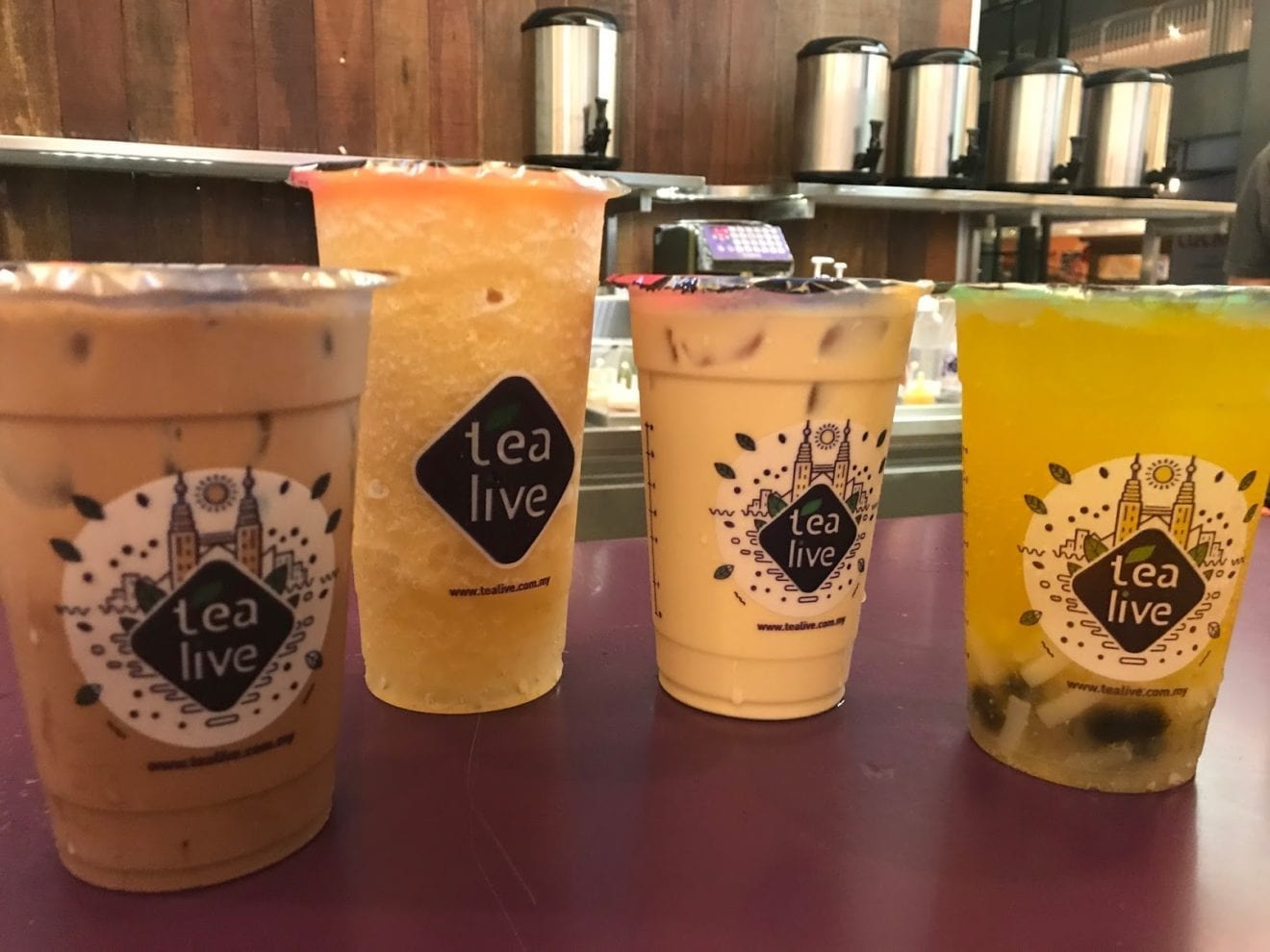
    Tealive owner Loob Holding Sdn Bhd will file an application for a stay and for leave to appeal to the Federal Court after the Court of Appeal granted an injunction by Chatime franchisor La Kaffa International Co Ltd against Tealive from continuing its operations.

    La Kaffa had filed the appeal after the High Court dismissed its injunction bid in May 2017 against former franchise holder Loob from carrying a similar business as Chatime.

    “This matter is being handled by our lawyers and we will let the due process of law take its course. We have instructed them to make the necessary application to the courts to allow us to maintain status quo until final settlement of the entire legal process,” Loob said in a statement today.

    Loob is now at risk of closing 161 of its Tealive outlets, which will affect 800 staff, if the injunction stays.

    Tealive was created following a dispute between Loob and La Kaffa last year that saw the Taiwanese franchisor terminate its Chatime master franchisee contract with Loob.

    Loob has since expanded Tealive overseas, including in China, Australia, India and Vietnam.

  • Jeweller Luk Fook time to shine after years of decline

    Jeweller Luk Fook time to shine after years of decline

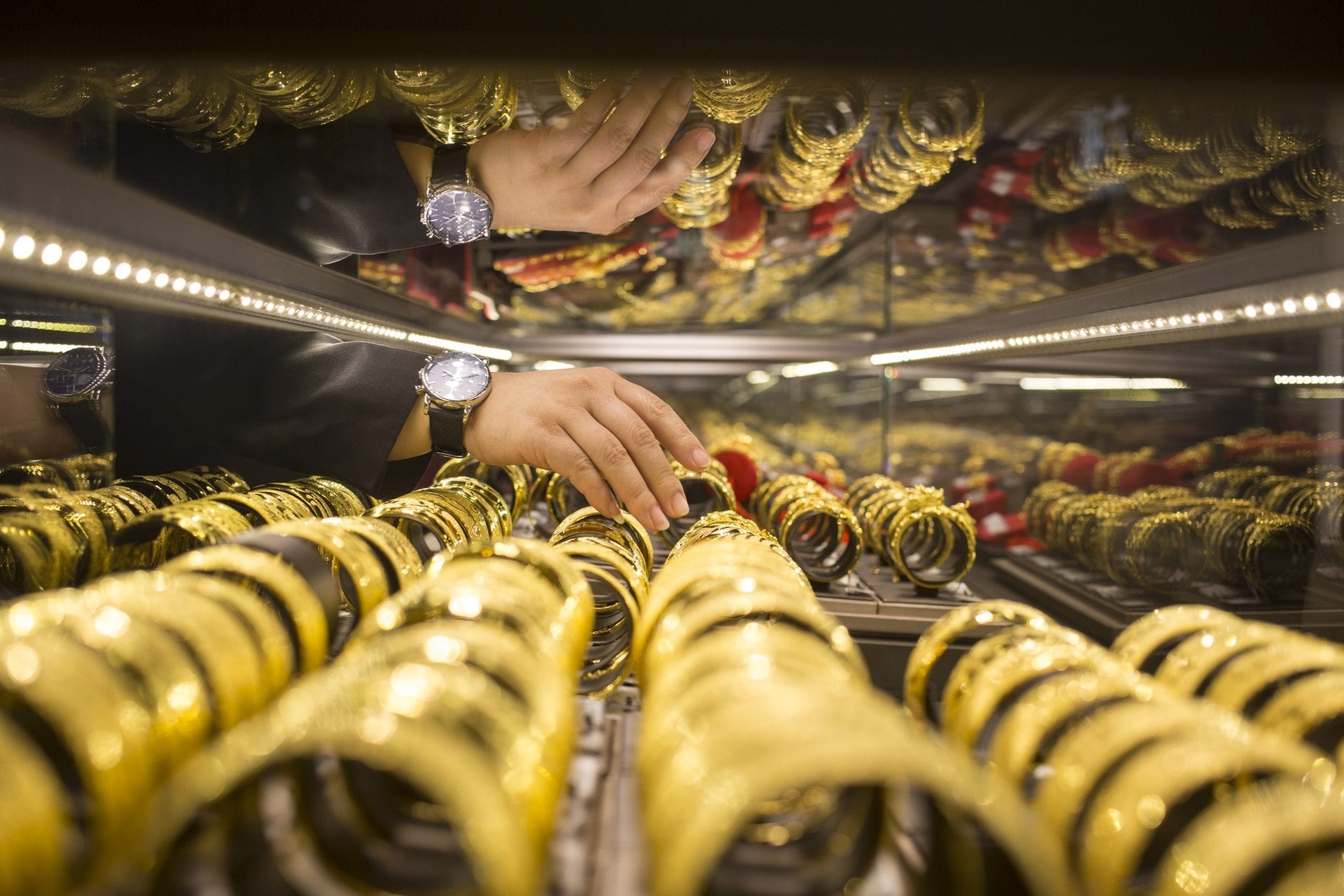
    Jeweller Luk Fook has reversed a three-year trend of declining revenue in its latest financial year, boosting sales by 13.8 per cent to HK$14.578 billion (US$1.857 billion).

    Releasing its results for the year to March 31, the company said the turnaround was the result of improved retail sentiment, especially in its largest market of Hong Kong-Macau. Profit attributable to shareholders grew 34.7 per cent to $1.4 billion.

    Luk Fook finished the year with 1642 stores globally, 137 more than the previous year with almost all of the new stores on the mainland.

    Wong Wai Sheung, group chairman and CEO,, said that despite the impact of the slowdown in economic growth in Mainland China and the changes to the Individual Visit Scheme, there was gradual improvement in spending per capita.

    The retail business, the group’s primary source of revenue, improved 14.3 per cent to $10.995 billion. Within that, sales of gem-set jewellery increased 24.2 per cent. Sales of gold and platinum products increased by 10.2 per cent.

    Luk Fook reported same-store growth in Hong Kong and Macau of 9.4 per cent last year, a huge contrast to the 19.5 per cent decline of the previous year. Mainland China same-store sales grew by a more modest 4.6 per cent, compared to a 4.8 per cent drop the prior year.

    Besides adding 132 new stores in Mainland China, Luk Fook opened its first licensed store in Cambodia and one store in each of Hong Kong and San Francisco.

    Rebound continues

    Wong Wai Sheung said the improved overall economic environment and increased visitor arrivals in Hong Kong and Macau is reflected in ongoing positive retail sentiment since April this year.

    Same-store sales growth continued to run in the double digits this year and sales of gem-set jewellery in the mainland market had returned to positive growth.

    “However, under the influence of US-China trade war and geopolitics, there are still many uncertainties around.”

    That aside, he said the continuing growth of the mainland’s middle-class population  fuelled optimism about Luk Fook’s mid- to long-term business prospects.

  • Mandatory addition of micronutrients hurting Vietnam’s food industry

    Mandatory addition of micronutrients hurting Vietnam’s food industry

    A decree requiring the addition of micronutrients to food products is making them unattractive and more difficult to sell, industry insiders say.

    The decree, which went into effect last year, requires businesses to include iodine in salt and iron and zinc in wheat flour.

    Asahira Keita, deputy marketing director of food firm Acecook Vietnam, said the mandatory inclusion of minerals like iron or zinc in flour has hurt his company.

    Keita said the resulting flour has a darker color than normal flour. Its texture also changes and makes the end product less appealing to customers, he added.

    “To make our food products more appealing, we would have to research new recipes, which would certainly cost us more,” he said.

    Keita had other concerns too. Several countries don’t allow the inclusion of micro-nutrients in food products, so Vietnamese food firms would need to go through lengthy procedures to export food products with micronutrients into such countries. Foreign customers are also not fond of food products with micro-nutrients, he said.

    “This is a tough challenge for businesses like ours. We might even have to stop exporting products into these long-time partner countries, just because they don’t have the same requirements as Vietnam does,” Keita said.

    He said one solution could be to create two types of flour separately; one for domestic use and another to be exported. But doing so would be too costly and expensive, as the firm, which is currently deploying an automation-focused production model, can only afford one automated system. Right now, it is being used to make flour infused with iron and zinc for domestic use.

    Therefore, flour without iron or zinc that is used for export products, must be manually packaged.

    “This is too costly, time-consuming and inefficient,” said Keita.

    Processing challenges

    Businesses are also finding it hard to follow the decree’s guidelines as the processing method could change the levels of micro-nutrients in the products.

    Lam Ba Nhi, quality control director of Vietnamese meat processing firm Vissan, said the application of heat during food processing could destroy the iodine included in food products.

    Therefore, when food products are tested, levels of iodine present could be lower than the decree’s mandates, Nhi said.

    Lam proposed that the inclusion of iodized salt should not be made compulsory in food processing.

    Last month, the government had said the Health Ministry should carry out further research so that appropriate changes can be made to the decree, in which the inclusion of micro-nutrients in food products should only be encouraged, and not made compulsory.

    The Ministry of Health has not responded since.

    “We want the Ministry of Health to take action and follow the government’s suggestion,” said Nguyen Hoai Nam, deputy general secretary of Vietnam Association of Seafood and Producers.

    The decree came in the wake of advice from the Iodine Global Network, which ranks Vietnam among the top 19 iodine-deficient countries.

    The network had advised that Vietnamese people use iodized salt directly in food seasoning, food processing, and livestock feeding.

    Prolonged iodine deficiency can cause nerve damage among infants and children; and make pregnant women suffer miscarriages or go into preterm labor. Adults can also suffer goiter, nerve damage and mental illness.

  • Homeplus Special to open first store in Daegu

    Homeplus Special to open first store in Daegu

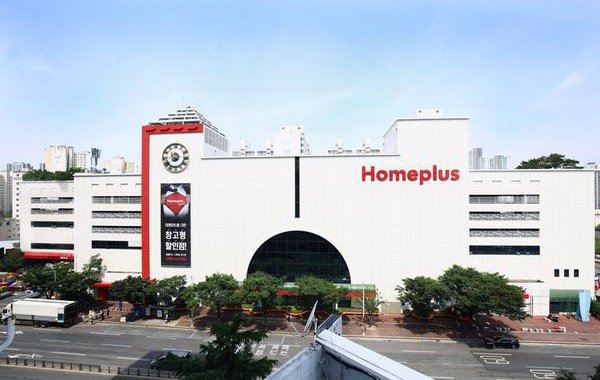
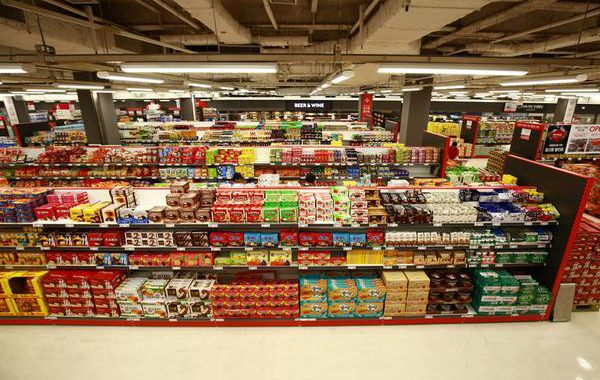
    Korean discount store chain Homeplus has opened a bulk products and grocery store hybrid called Homeplus Special in Daegu.

    The new concept store is housed in the original Homeplus outlet that opened 20 years ago, now converted to operate the new big-box-plus-retail model following underwhelming sales figures and strong rivalry from industry competitors.

    The new hybrid-store concept will allow the brand to target both individual shoppers and businesses that buy in bulk, and aims to eliminate seasonal price differences with blanket, year-round discounts.

    A Homeplus spokesperson said the business plans to convert 15 branches into Homeplus Special stores this year. Another outlet opened yesterday in Busan.

  • Lady M announces July soft opening in Macau

    Lady M announces July soft opening in Macau

    Lady M’s is gaining more popularity.

    The glamour and luxury of Macau has been chosen as the brand’s next stop with a soft opening planned for mid-July.

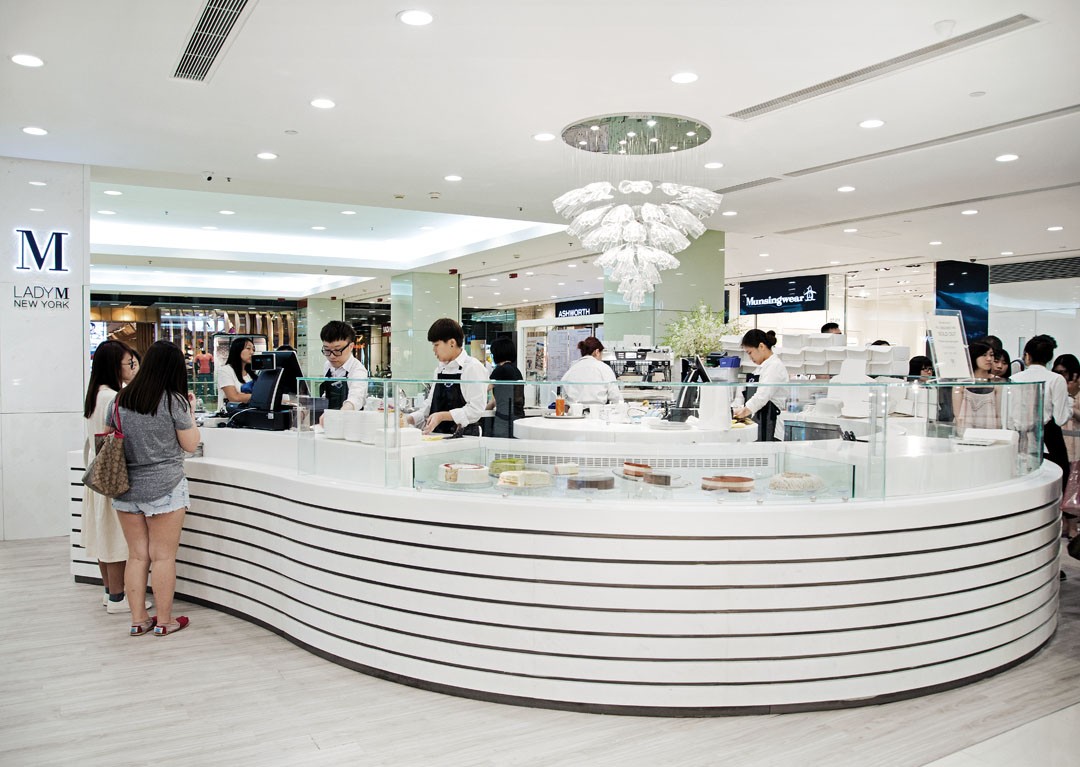
    Lady M’s first Macau boutique will launch in the retail haven of Shoppes’ new phase at Cotai Central. With a 10-seat VIP room and a spacious 4,000-square-foot area, this will be Lady M’s largest boutique in the region.

    Complete with custom designed awnings that pay homage to New York City’s boutiques and al fresco vibe, Lady M Macau is sure to be a hit with visitors from around the world.

    To usher in a new era in Cotai, Lady M presents an exclusive cake for Macau in the form of the Passion Fruit Mille Crêpes.

    Featuring no less than 20 layers of handmade crêpes, a zesty and fragrant passion fruit-infused cream binds each layer to provide a perfect harmony between sweet and sour notes, resulting in a cake that was made for a gorgeous summer.

  • Honor debuts in Vietnam with first offline store

    Honor debuts in Vietnam with first offline store

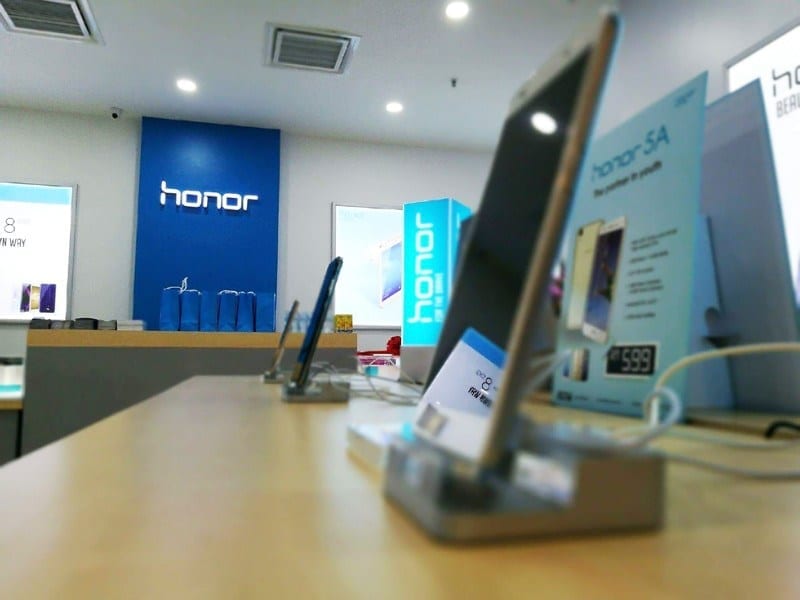
    Huawei sub-brand Honor Vietnam has opened its first physical store in the country after three years selling online and via distributors.

    Located on Nguyen Hue Street in downtown, the new store attracted hundreds of Honor’s fans from the early morning.

    Apart from products already on sale in the country, Honor introduced its newest lines, including the Honor MagicBook.

    Vietnam is a part of Honor’s overseas expansion in Asia Pacific, along with Europe and the Middle East.

    Zhao Ming, Honor president, said overseas sales have doubled during the past five months, and he expects them to rise further in the second half of the year.

    The brand entered the Philippines last month.

  • GrabTaxi reiterates Vietnam-wide operations completely legal

    GrabTaxi reiterates Vietnam-wide operations completely legal

    Ride-hailing firm Grab Vietnam insists that its GrabTaxi service is legally allowed to operate nationwide.

    Grab Vietnam countered that GrabTaxi is an app for an e-commerce platform, so its operations would be in accordance with the government’s e-commerce laws.

    Grab Vietnam made the statement after the Transport Ministry has recently shot down a GrabTaxi plan to extend its services to provinces like Ninh Thuan, Dong Thap and Gia Lai. The ride-hailing firm now is allowed to operate in the five cities and provinces of Hanoi, Ho Chi Minh, Da Nang, Khanh Hoa and Quang Ninh.

    However, the firm said its GrabTaxi service is quite different from the GrabCar, which operates in the five above-mentioned provinces and cities, as a part of the ministry’s pilot plan for tech-based transportation services.

    Both GrabTaxi and GrabCar operate under the same Grab application, but GrabTaxi offers a run-of-the mill taxi service, while GrabCar is a service which connects customers with private cars for ride-hailing purposes.

    Therefore, GrabTaxi should be allowed to operate nationwide, stressed the firm.

    This isn’t the first time the ride-hailing firm has clashed with the Transport Ministry. In January, when Grab Vietnam wanted to extend its GrabTaxi service to provinces like Thua Thien Hue, Ba Ria – Vung Tau and Lam Dong, the firm also released a similar statement.

    Grab is currently under an investigation by Vietnamese authorities who say that its acquisition of Uber’s Southeast Asia operations shows signs of breaching local antitrust laws.

    A Vietnam Competition Authority (VCA) investigation found that Grab’s market share in Vietnam had exceeded 50 percent after its ride-hailing rival Uber left the Southeast Asian market in April.

    Under Vietnamese law, mergers and acquitions that result in a company gaining over 50 percent of the market share are restricted in Vietnam.

    The investigation, which began on May 18, is estimated to take 180 days and can be extended for another 120 days.

  • Chanel opens Kuala Lumpur pop-up

    Chanel opens Kuala Lumpur pop-up

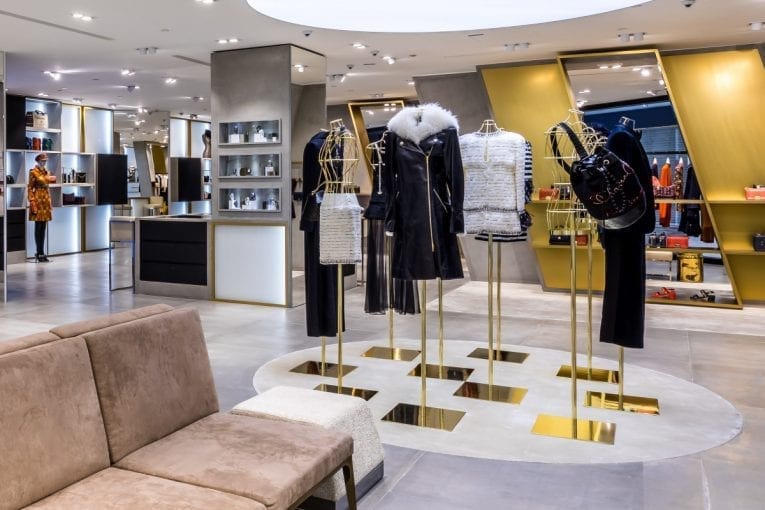
    French luxury label Chanel has opened a pop-up store in Kuala Lumpur this month, as its KL flagship location undergoes renovations for relaunch in late 2018.

    Located in Suria KLCC, the 400 square-metre temporary store stocks Chanel’s range of product, including its spring/summer 2018 collection featuring opulent fashion, accessories and shoes.

    The pop-up is also home to the recently launched Métiers d’art Paris-Hamburg 2017/18 collection that showcases the exquisite craftsmanship of the fashion house’s Maisons d’art.

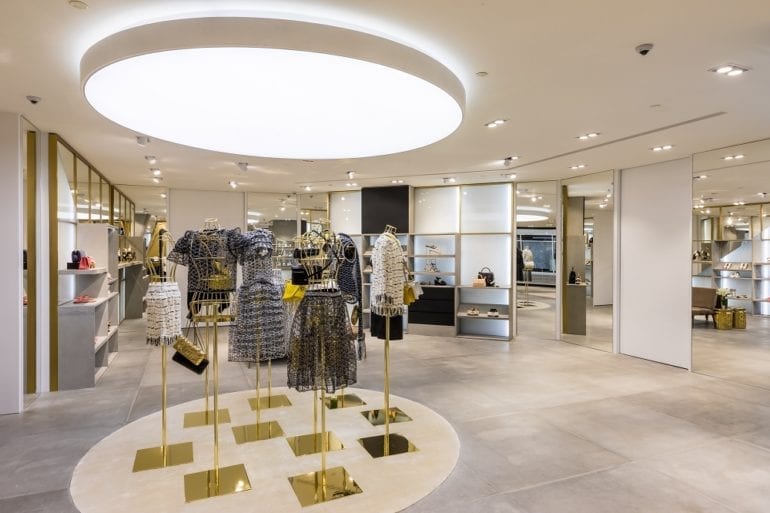
    The store has been designed in the je ne sais quoi elegance known to the Parisian house, found in the minimalist colour palette of beige, cream and tan, spotted with more graphic décor like dark gold fixtures and concrete modules.

    Key retail fixtures include a vast handbag wall, with the grid-ish shelves girded by neon tubes of light, and licked by champagne gold trim. A modular outlay showcases the latest shoes and then, in a separate area, there’s a place for customers to find the costume jewellery.

    Finally, concrete displays hoist Chanel’s ready-to-wear, including textural tailoring and more flowing pieces.

    A VIP dressing room and bespoke furniture are designed to make the customers shop in comfort and at their leisure.

    In April this year, Chanel successfully bowed an arcade-inspired beauty pop-up store in Kuala Lumpur. Dubbed “Coco Game Center”, the event encouraged shoppers to experiment with endless makeup and beauty products. Now closed, it ran from 8 April  to 13 May.

    More recently, Chanel released full year earnings for the first time. The label posted revenues of $9.62 billion for 2017, an 11 percent rise from a year earlier at constant currencies, helped like its peers by a strong performance in Asia Pacific especially, where sales grew 16.5 percent.

    Profit rose 18.5 percent from a year earlier to $1.79 billion.

  • SF Express Entering New Retail with Shop in Chongqing

    SF Express Entering New Retail with Shop in Chongqing

    Chinese courier firm SF Express has opened its first New Retail store in Chongqing.

    The 3000sqm four-level “Wow Global Specialty Products Shop” is now the largest site in the city using the cross-border New Retail model, a mode of selling that involves data analytics and omni-channel technologies to effect an online/offline crossover. Chongqing is among the first cities slated for testing cross-border e-commerce trade by the Chinese administration.

    The SF Express store showcases a range of imported products hand-picked by procurement teams, featuring many that have been endorsed by Chinese online Key Opinion Leaders. The store uses facial recognition and behavioral analytics, including other technologies, to interact with customers based on extensive data on the brand’s online shoppers that it has collected over the years in the courier business. Shoppers may buy in-store or elect to order their purchases to be shipped from abroad.

    Wang Wei, president of SF Express, said New Retail integrates online and offline channels; marketers’ understanding of their customers; and a timely response to customer needs…

    “SF is using its huge on-the-ground network, air-cargo handling capacities and its 2000-plus researchers to build a national brand of integrated services encompassing online e-tailing and an offline supply chain.”

  • Citaglobal Airports’ proposal for new LCCT was supported by AirAsia

    Citaglobal Airports’ proposal for new LCCT was supported by AirAsia

    A proposal for a new low-cost carrier terminal (LCCT) to be developed at Kuala Lumpur International Airport (KLIA) was made last year by a company called Citaglobal Airports Sdn Bhd, a move which looks to have had the backing of the AirAsia group, the largest user of klia2, the current LCCT.

    Documents revealed that the company’s director, Datuk Seri Mohamad Norza Zakaria, had proposed to then prime minister Datuk Seri Najib Abdul Razak, via a letter dated Nov 24, 2017, the building of a new LCCT that will be able to accommodate higher passenger numbers, especially with the establishment of the Digital Free Trade Zone.

    Citaglobal Airports said it will be able to generate the required funds for the project from the private sector which will benefit the government in terms of savings on infrastructure and operation costs.

    In addition to that, it said UK-based airport operator Manchester Airports Group Plc indicated interest to manage and operate the new LCCT.

    The project was said to require 450 acres, for which Citaglobal Airports suggested the government transfer land rights from the Director General of Land and Mines to the Transport Ministry, which will then be leased out for the project for a period of 99 years.

    “The necessity for a new LCCT in KLIA will make Malaysia a leading hub in Asia with a ‘dual hub’, whereby the main KLIA terminal will house the OneWorld Alliance, klia2 will house other premium airlines and the new LCCT will accommodate the low-cost carriers,” the proposal read.

    Companies Commission of Malaysia records show that Citaglobal Airports was incorporated on Nov 2, 2017 and is involved in wholesale of goods without particular specialisation and management and business consultancy activities.

    AirAsia Bhd issued a letter of support for the plan via a letter dated Nov 2, 2017 which coincides with Citaglobal Airport’s incorporation date. The letter carried AirAsia’s letterhead and bore the signature of its executive chairman Datuk Kamarudin Meranun and copies were sent to AirAsia group CEO Tan Sri Tony Fernandes and AirAsia Bhd CEO Aireen Omar.

    The low-cost airline expressed its interest in shifting its operations to the new LCCT.

    “We understand that Citaglobal Airports Sdn Bhd plans to develop a LCCT at KLIA. We are in full support of this proposal as the aviation sector is a major contributor to the country’s economic growth and accords significant contributions to other sectors of the economy,” it said, citing a study by Bain & Co.

    Kamarudin said it would support Citaglobal by making the new LCCT the base for AirAsia Bhd and AirAsia X Bhd operations, have all flights operated by AirAsia group operate at the new LCCT and participate with Citaglobal to generate non-aeronautical revenue.

    Citing the recent increase in Passenger Service Charge (PSC) introduced by the Malaysian Aviation Commission (Mavcom) and the proposed equalisation of PSC at both airports, on top of other cost increases proposed by the commission and the Department of Civil Aviation, the airline said an LCCT with a much reduced PSC and cost for travellers is required to accommodate the low-fare travel segment while KLIA and klia2 could be used to accommodate premium airlines.

    AirAsia declined to comment in response to the matter.

    According to Malaysia Airports Holdings Bhd, AirAsia accounts for 95% of traffic at klia2 and they are the largest occupant.

    “Any new airport terminal construction will be under the purview of the Ministry of Transport and will need to get the government’s approval. We are currently guided by the existing National Airport Master Plan,” its spokesperson said, who added that it has not received anything official on the matter.

    The Transport Ministry was yet to respond to request for comments as at press time.

  • GM to transfer Vietnam operation to Vingroup’s car arm, eyes sales boost

    GM to transfer Vietnam operation to Vingroup’s car arm, eyes sales boost

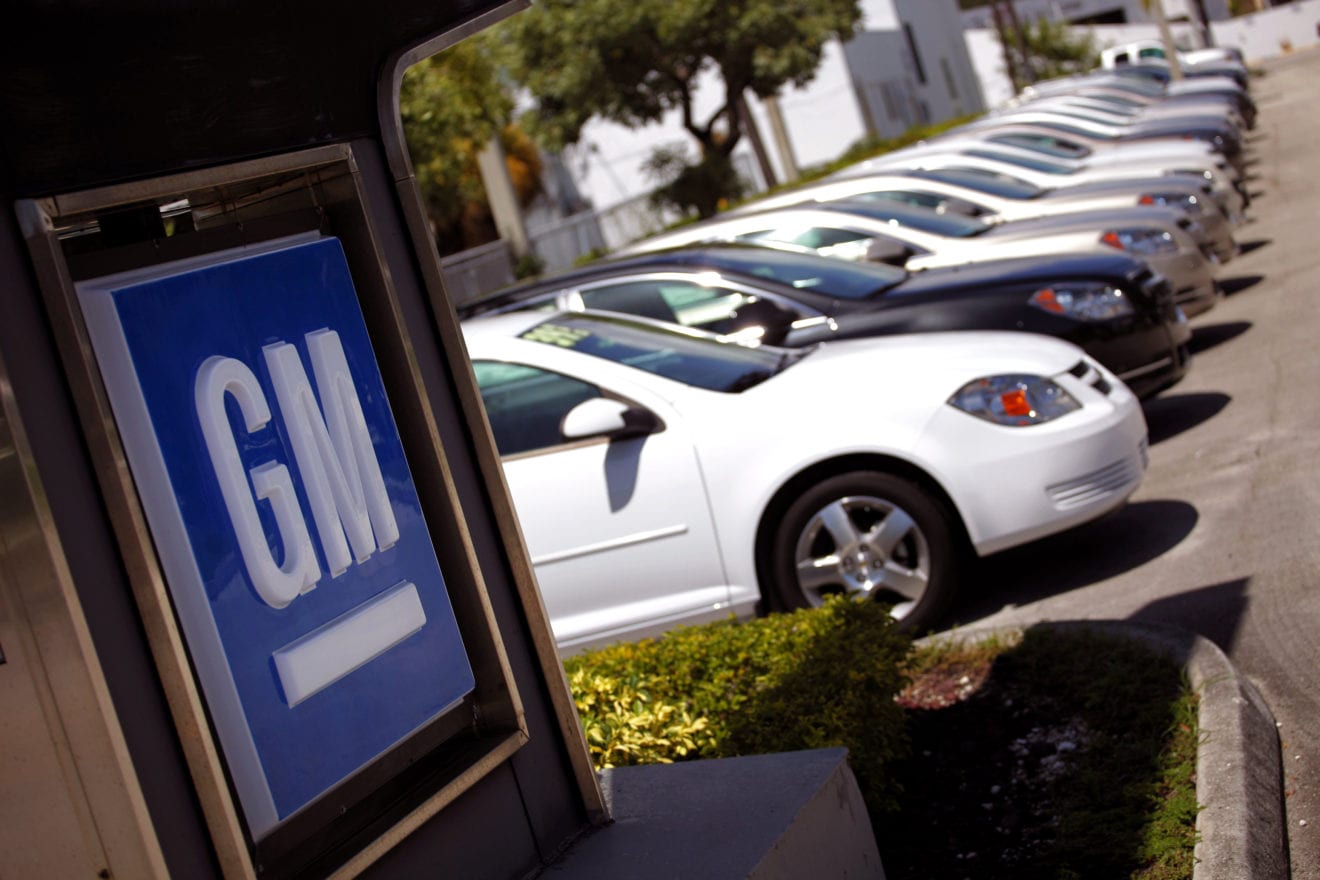
    General Motors (GM.N) has agreed to transfer its Vietnamese operation to VinFast Trading and Production LLC and distribute Chevrolet cars through the local carmaker, in a move that could help drive up its modest sales in the country.

    The U.S. automaker will transfer full ownership of its Hanoi factory to VinFast for the Vietnamese firm to produce small cars under a GM global license from 2019, the companies said in a statement on Thursday, without disclosing a value for the deal.

    As part of the deal, VinFast, a unit of Vietnam’s biggest private conglomerate – Vingroup JSC VIC.HM, will be the exclusive distributor of the Chevrolet in Vietnam.

    “The GM-VinFast strategic partnership will best position the Chevrolet brand and dealer network for long-term growth in Vietnam by leveraging GM’s global scale and expertise, married with VinFast’s domestic strength and insight,” said Barry Engle, executive vice president and president of GM International.

    The transfer, which includes GM’s Hanoi plant, dealer network and employee base, is expected to be conducted by the end of 2018, the companies said in the statement.

    GM used its Hanoi plant to assemble Chevrolets with parts imported from South Korea – a country where the U.S. automaker came close to bankruptcy as it struggled to turn around its debt-laden unit. GM Korea is GM’s biggest production base in Asia excluding China.

    The plant will be used solely to produce VinFast cars after the transfer, while Chevrolet cars will be imported.

    VinFast said this partnership with GM was “integral” to its plan to “launch a portfolio of five VinFast vehicles in 2019”.

    It is building a $1.5 billion factory in the northern province of Hai Phong and plans to launch a sedan and sport-utility vehicle in the third quarter of 2019, and a small car, electric car and electric bus by end-2019.

    “Our vision is to build an automobile manufacturing eco-system that will include assembly plants, local automotive suppliers and dealers, and a string of supporting industries,” said VinFast CEO Jim DeLuca.

    Vietnam’s automobile sales grew 24 percent in 2016 but fell 10 percent last year to 272,750 units, data from the Vietnam Automobile Manufacturers’ Association (VAMA) showed. Sales fell 6 percent in the first five months of 2018.

    While GM’s sales in Vietnam have been rising since 2014, its numbers last year were only an eighth of the country’s market leader, local Truong Hai Auto Corp, and a sixth of runner up Japanese rival Toyota Motor Corp (7203.T), VAMA data showed.

    Sales of the Chevrolet, the only vehicle GM offers in Vietnam, grew 8.5 percent to 10,576 units in 2017, lagging gains of 34.5 percent in Indonesia and 25.7 percent in Thailand.

  • Shinsegae unveils its first independent hotel in Seoul

    Shinsegae unveils its first independent hotel in Seoul

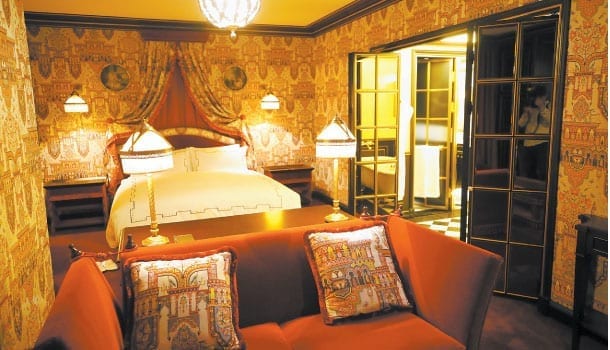
    L’Escape, Shinsegae’s new boutique hotel, aims to combine the ambience of 19th-century Paris with intriguing restaurants and bars from Korean and foreign trendsetters.

    Located in central Seoul, behind the main Shinsegae Department Store branch, L’Escape opened its doors to the press for the first time.

    “Our ultimate goal is to be a lifestyle platform that offers trendy cultural content and food experiences to enjoy inside the hotel,” said L’Escape’s General Manager Kim Bum-soo. “365 days a year, L’Escape will have something going on, whether it’s a party or [pop-up restaurant by] globally renowned chefs and sommeliers.”

    During the event, L’Escape unveiled a list of partners that collaborated to develop the hotel’s restaurants, bar and cafe. They include Seoul-based dessert cafe Maison M’O, bartender team Taxonomy and The Modern, a two-Michelin-star restaurant located in New York.

    The hotel’s exterior and interior was designed by French architect Jacques Garcia, famous for his luxurious boutique hotels, such as the Hotel Costes in Paris and the NoMad Hotel in New York City.

    Shinsegae also invested heavily in guest amenities for the new hotel. The company hired foreign experts and brands to develop exclusive products for L’Escape, from flower decorations to bedding. Perfumer Alienor Massnet, who has worked with Maison Martin Margiela and Memo Paris, developed a signature scent that will be made into candles and sprays applied to the guest rooms.

    L’Escape’s general manager himself was a major contributor to selecting and signing partnerships. Better known as Pat2Bach, Kim is a well-known power blogger in food and leisure circles.

    Kim was invited to join Shinsegae Group by its Vice President Chung Yong-jin in 2011, and has helped launch the company’s craft beer pub Devil’s Door and organized the eateries inside Starfield malls.

    His appointment as the hotel’s general director is a bit of a surprise, though, as he has no experience as a professional hotelier. “My ambition is to meld the food and cultural experiences I’ve had,” he said. “I think of myself more as a producer that shapes the hotel as a whole instead of a conventional general manager that greets guests.”

  • Global Brands to Sell US Licensing Businesses to Differential Brands

    Global Brands to Sell US Licensing Businesses to Differential Brands

    The move, announced at the release of its annual results yesterday, will allow it to cut debt, pay a modest special dividend to shareholders and free capital to grow “a more focused business”, the company said. It will also result in about half of its 7000 staff leaving the company.

    Global Brands Group is currently carrying about $1.1 billion of debt, much of it related to its 2014 spin-off from Li & Fung and subsequent listing.

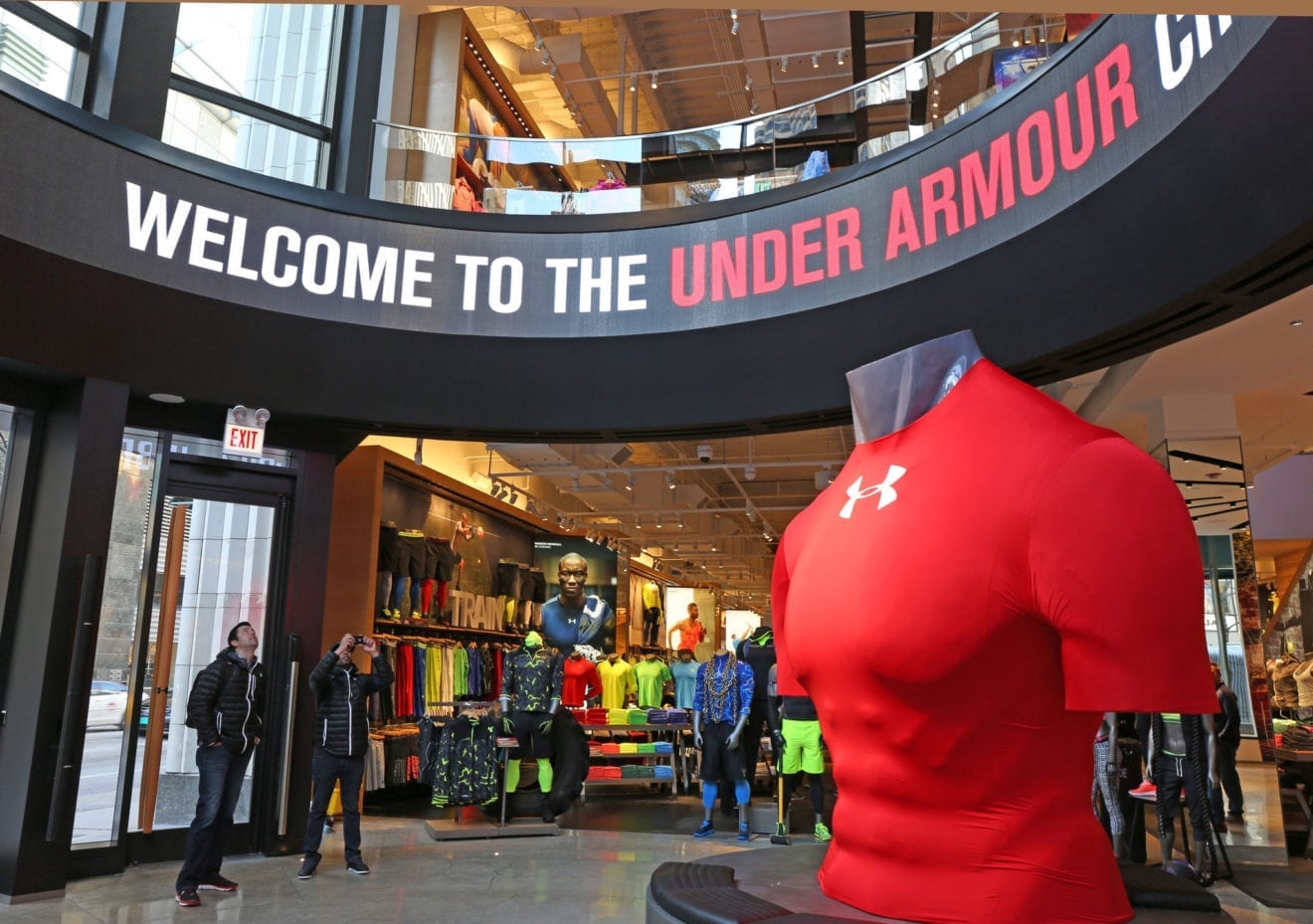
    The assets to be transferred include licences for Disney, Star Wars, Calvin Klein, Under Armour, Tommy Hilfiger, Bebe, Joe’s, Buffalo David Bitton, Frye, Michael Kors, Cole Haan, Kenneth Cole and the BCBG Max Azria label which it bought last year for $27.4 million after the company filed for bankruptcy.

    CEO Bruce Rockowitz said the sale was the outcome of a strategic review of the business.

    “We concluded that divesting the portion of our business that has a high present-day value, was the way to move forward. With this transaction, the group will be able to improve our balance sheet significantly and simplify our organisation, while focusing on the less established lines of business where we see high growth potential going forward.”

    Subject to shareholder approval, the deal will see Global Brands Group become “simpler, flatter and more nimble”.

    The company said that on the branded product side, the group’s European and Asian businesses will remain as before, while its US business will now focus on footwear and its remaining fashion business. Brand Management will continue to be managed on a global basis.

    “Looking ahead, we will continue to attract new licenses to our portfolio with a tighter and deeper focus on our businesses,” said Rockowitz. “At the same time, we will continue to improve the efficiency of our existing businesses, delivering synergies across our platforms. In addition, we have embarked on a significant cost reduction program across the organisation and we are committed to improving our cash flow via a combination of tighter working capital management, and even stronger cost discipline.”

    Revenue up but write-downs cost

    For the year to March 31, Global Brands Group increased its revenue by 3.4 per cent to $4.023 billion.

    However sales were impacted by Coach taking its footwear business in-house after their licence expired in June last year, and the cessation of the Quiksilver kids fashion licence when the company declared bankruptcy.

    Total margin increased from 28.5 per cent to 31.2 per cent, however operating costs increased by 37.3 per cent to $1.254 billion, driven largely by transition costs for new licenses in men’s and women’s fashion and additional operation expenses for running the new brands.

    The group also made one-off, non-cash adjustments in relation to impairments from the write-off of a receivable arising from a loan made by the company, and various intangible assets, which totalled $94 million.

    “In addition, taking into account this strategic divestment, the external market condition and business performance, the group performed an impairment test and recognised a non-cash goodwill impairment of $1.05 billion during the financial year,” the company said. That resulted in a net loss of $887 million for the year, however earnings before interest, taxes, depreciation and amortisation was steady at $379 million.