Author: Mei Ling Tan

  • Capillary Technologies Leads Bata’s Omnichannel CRM Journey to New Markets in Southeast Asia

    Capillary Technologies Leads Bata’s Omnichannel CRM Journey to New Markets in Southeast Asia

    Capillary Technologies, a Singapore-based company that provides consumer insights, personalised engagement, omnichannel commerce and loyalty solutions, has been appointed as a strategic partner of Bata, a leading shoe brand. The partnership will help Bata strengthen their omnichannel CRM strategies in Philippines and Vietnam.

    Beyond these two markets, for more than three years Capillary has been acting as Bata’s CRM partner in six Asian countries including Singapore, Malaysia, Indonesia, Thailand, India, Bangladesh and also three African countries – Kenya, Zambia, and Zimbabwe.

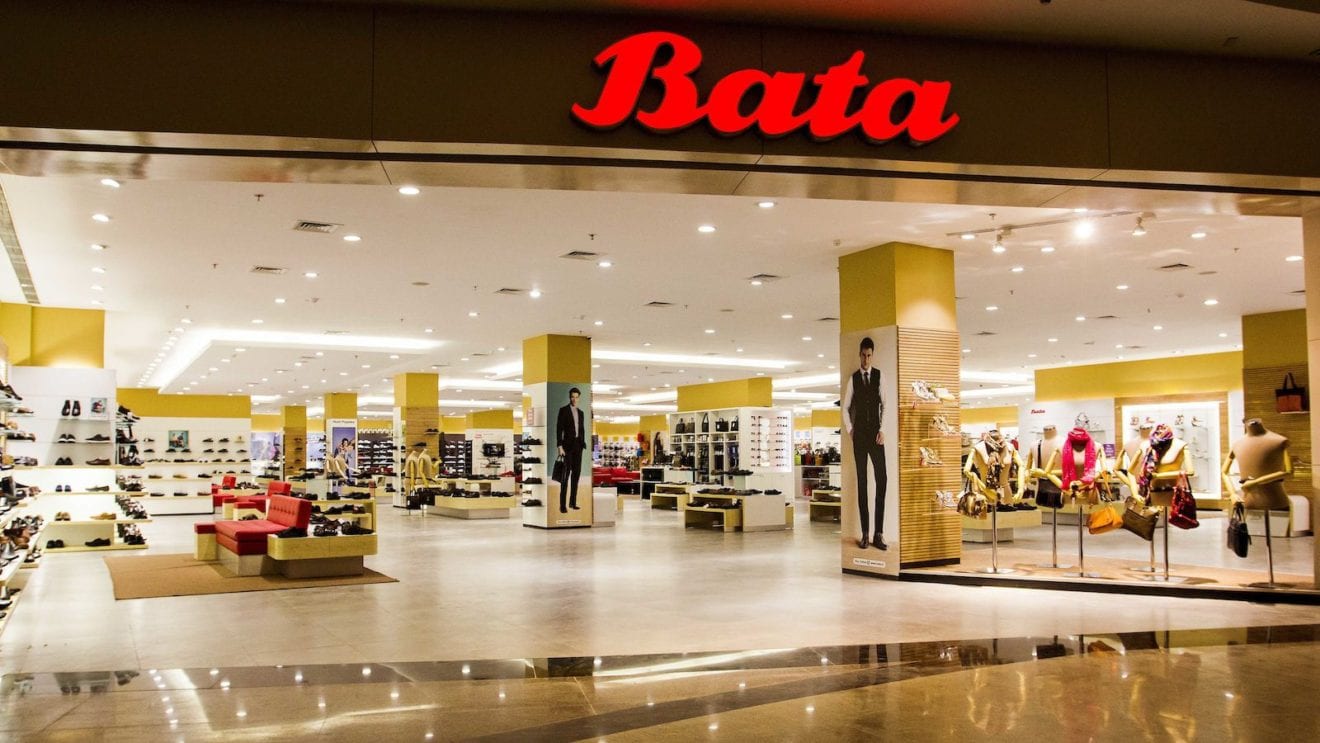
    Capillary powers Bata’s loyalty program, develops targeted & personalised, omnichannel campaigns, and performs in-depth consumer and business analytics for over 2,000 stores across these markets. With the goal to provide a unified CRM platform for all its markets, Bata will be kicking off its game plan for Philippines and Vietnam in the second half of 2018.

    “We want to bring together exceptional products, and best-in-class retail technology to realise our passion for customer delight and deliver an exceptional customer experience. To really improve our brand-customer relationships, we feel it is imperative for us to find ways to walk and talk with our consumers across the various channels and touch points they use in their buying journey. The engagement had to be consistent, connected and seamless.” said Roberto Longo, President, Asia Pacific, at Bata. “Capillary has helped us achieve this, having been our trusted partner across six countries in Asia. There was no doubt about banking on Capillary’s expertise and innovative technology to take us ahead in Philippines and Vietnam.”

    With Capillary, Bata has been able to achieve 2.2X higher returns from targeted campaigns in Singapore and as high as 57X ROI from Facebook campaigns in Malaysia. In other markets as well, the brand has seen 10X increase in ROI from its overall CRM investments. With Capillary’s assistance, the brand has won multiple awards, most recently for the best use of analytics and also for their CRM and Loyalty program in Singapore and Malaysia respectively, in 2018.

    “We didn’t want to be just another shoe brand to our consumers. A brand they might be buying from once in a while. Instead, we wanted to build a close relationship with them and become a part of their lives. Thanks to Capillary, through targeted campaigns, insight backed CRM decisions, and omnichannel engagement, we believe we have made some lifelong customers” added Longo.

    Abhijeet Vijayvergiya, President & Managing Director, Global Accounts and Asia Pacific, at Capillary Technologies, also expressed Capillary’s delight in propelling Bata’s expansion into new markets: “This year, we foresee that Capillary will continue to grow exponentially across the globe. Our association with leading brands like Bata, who have partnered with us in many markets, reinforces the fact that the trajectory we have chosen for the company is the right one. We are definitely thrilled to help Bata in expanding its footprint in the Asia region.”

    In Southeast Asia, Capillary is working with 14 million customers and has more than 14 hundred stores active on its platform, including Mitra10, Bata, Caring Pharmacy, TungLok Group and McDonald’s. Fresh off a US$20m funding round led by existing blue chip investors Warburg Pincus and Sequoia Capital, Capillary also plans to use some of the new funds in strengthening its presence in Southeast Asia, including Indonesia, after achieving a threefold growth in the region.

     

  • Consentium unveils plans for app launch for iOs and Android

    Consentium unveils plans for app launch for iOs and Android

    Consentium, a multi-digital-currency and group monetisation chat application, has today announced an updated roadmap which includes details on its app launch and latest addition to its leadership team. This follows its successful Token Generation Event (TGE) earlier in April this year.

    Consentium allows peer-to-peer (P2P), multi-digital-currency and C2C (consumer-to-consumer) transfers between users. It offers a transactional fee redistribution program as an incentive to create and cultivate strong in-app communities. Consentium uses a reward system based on creation of quality community groups – comprising both amount of users, as well as in-app reputation of users.

    In an effort to cultivate and engage users, the Consentium app – which will first be rolled out on Android platforms on 1 August, followed by iOS on 10 September – will also be made available in English, Chinese, Korean, Japanese and Arabic. This underscores its intention to engage key markets in Asia where user mobile engagement rates are high and the cryptocurrency space has matured rapidly in recent months. Consentium also expects to fully integrate its Chat Community Monetisation Model (CCM) across all platforms by October 2018.

    The Consentium app will include two salient features to leverage on the popularity of mobile chat applications and the transactions of cryptocurrencies; the chat community and the multiple digital (C2C) currency wallet, which allows peer-to-peer interactions at both individual and group levels. The chat feature allows individuals to create, share, communicate and produce unique content through 1-to-1 chats with other individuals, or create chat groups and channels via communities for brands and influencers. This allows for multiple monetisation opportunities across one integrated platform, applicable to different communities.

    Joining the team to help drive these developments is Ekaterina Skorobogatova. Her 15 years of experience in the social media networking application and platform field will greatly contribute to

    the app’s development. She most recently led growth efforts at WhatsApp Inc., and prior to that, spearheaded the launch of Facebook in Russia. Ekaterina has also taken on other roles within Facebook and Internet Org, working in teams which focused on mobile growth and product development respectively.

    These updates build on the existing momentum Consentium has achieved in the past two months. MegaXstore, a Singapore-owned multi-label store now accepts Consentium coins (CSM) as a payment currency for its products having announced a partnership in April. CSM is also now listed on HitBTC.com, the world’s most advanced cryptocurrency exchange, and will soon be listing on CMC Markets, followed by KuCoin. Listing on HitBTC will support the ongoing liquidity of CSM and enhance its utility by allowing consumers and potential users of the Consentium app gain easy access to the tokens.

  • AEON and Thai Airways brings you to experience  “Wonderful Autumn in Japan”

    AEON and Thai Airways brings you to experience “Wonderful Autumn in Japan”

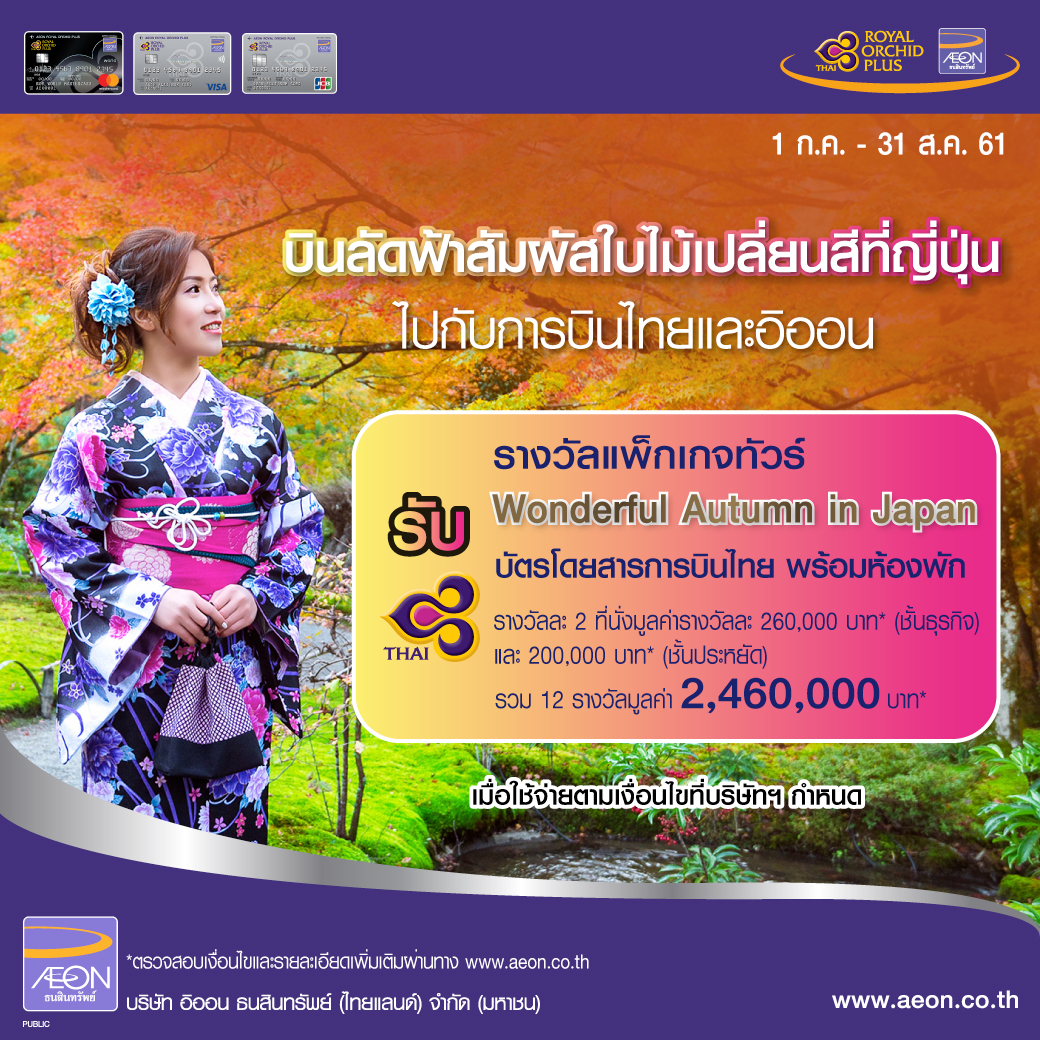
    AEON Thana Sinsap (Thailand) Public Company Limited together with Thai Airways International Public Company Limited launched the “Wonderful Autumn in Japan” campaign to offer privileges for AEON Royal Orchid Plus World Mastercard and AEON Royal Orchid Plus Platinum cardholders, 10 prizes of Japan tour package with 2 seats of Thai Airways tickets worth over 2 million Baht. Get a chance to experience a miracle nature of colorful Fall and Autumn in Japan when spending every 1,000 Baht with AEON credit card and receive 10 chances for every 1,000 points redeemed into mileage points, or by spending 1,000 Baht per sales slip at Thai Airways Sales Office

    Additional special promotion for AEON credit card top spenders at Thai Airways Sales Office or online will get a chance to win a premium Japan tour package, 2 business class tickets from Thai Airways. This promo will be active until 31 August 2018.

  • Moschino partners with Alibaba’s Tmall Luxury Pavilion for its China launch

    Moschino partners with Alibaba’s Tmall Luxury Pavilion for its China launch

    Moschino, the iconic Italian luxury fashion brand, announced today it has joined Alibaba’s Tmall Luxury Pavilion to open its namesake flagship store, offering China’s luxury shoppers the opportunity to discover Moschino’s world of innovative designs.

    To expand its reach among China’s rapidly growing and young luxury consumer base, Moschino is joining forces with Alibaba to leverage the company’s unparalleled technology, exclusive platform, and insights into China’s high-end shoppers. The Luxury Pavilion is an invitation-only platform on Tmall for consumers of premium brands, providing an exclusive, luxury experience from product selection, brand experience, and customer service. Moschino’s flagship store will showcase a selection of items from its latest collections as well as the “Moschino X Tmall” collection, available only to Luxury Pavilion consumers.

    The “Moschino X Tmall” collection was designed by Jeremy Scott, Moschino’s Creative Director, and includes 6 ready-to-wear pieces and accessories, including a T-Shirt, hoodie, sweater, dress and baseball cap, all inspired by its Moschino Couture! design. The collection will be available on Tmall’s Luxury Pavilion starting June 28, 2018.

    “We are thrilled to make our debut into the Chinese market with Tmall.” said Gabriele Maggio, General Manager of Moschino. “To win in the China luxury market, you need to win over Millennials. We already see quite a bit of brand love among this powerful consumer group which we plan to grow in partnership with Tmall. There is no better partner to engage Millennial luxury shoppers in China than Tmall’s Luxury Pavilion. We are building an exclusive, social and digital experience with Tmall, designed for Millennial shoppers, to build our brand and expand Moschino’s presence in the Chinese market.”

    “We are very pleased to partner with an iconic fashion house like Moschino to help them expand in China and engage with a new generation of China’s sophisticated luxury consumers,” said Jessica Liu, President of Tmall Fashion and Luxury, Alibaba Group. “Moschino is a unique brand and important addition to Tmall’s Luxury Pavilion which is the premier luxury shopping destination for Chinese consumers, providing an exclusive, personalized and data-rich experience for luxury brands to engage with their customers today and into the future.”

    Launched in 2017, Luxury Pavilion has become the go-to destination for Chinese consumers looking to buy luxury products from around the world. The online platform provides the same brand exclusivity, customer service, tailored shopping experience consumers expect from a brick-and-mortar store brand store. The Luxury Pavilion is now home to around 60 luxury international brands.

  • Barry Callebaut elevates China’s taste buds with new sensory Chocolate Tasting Ritual

    Barry Callebaut elevates China’s taste buds with new sensory Chocolate Tasting Ritual

    Barry Callebaut brings a whole new sensory experience to China with the introduction of the Chocolate Tasting Ritual. The Switzerland-based company, one of the world’s largest chocolate manufacturers to artisanal and professional users of chocolate, said the tasting ritual will allow chocolate professionals and consumers to uncover a brand new world of chocolate richness.

    Cocoa and chocolate sensory scientists from Barry Callebaut and the leading global flavor house Givaudan devoted years of extensive research to develop a cocoa and chocolate sensory language. In parallel, Barry Callebaut engineered a chocolate tasting ritual, a fresh new experience inspired by the age-old practice of tea tasting ceremonies in China.

    Pascale Meulemeester, Barry Callebaut’s Vice President for Global Gourmet, said, “We are excited to transfer this know-how to the growing pastry chef community in China. The tea tasting ritual is symbolic of Chinese tradition. As chocolate becomes more popular among consumers in China, we believe the chocolate tasting ritual will be an exciting experience for consumers in China as well. Chinese consumers can now even better appreciate high-quality chocolates such as Callebaut®, Cacao Barry®, and Carma®.”

    What is the chocolate tasting ritual?

    A Chocolate Tasting Ritual fully engages all five senses – sight, touch, hearing, smell and taste – and enables chocolate professionals and consumers alike to discover new dimensions of the chocolate experience and elevates the chocolate enjoyment to the next level.

    Perfectly pairing cocoa and chocolate sensory research with consumer understanding, Barry Callebaut also developed the Consumer Chocolate Sensory Wheel with 87 descriptors, extensively covering the different flavors, textures and aromas of chocolate. The comprehensive sensory language is rooted in science – it is the first time that chocolate flavors are described in such a precise manner. Through speaking a common language, this enables the chocolate industry to develop a higher awareness of the intricate tastes and flavors of chocolate.

    The chocolate tasting ritual was demonstrated to 46 international chefs as well as several invited pastry chefs at the Global Chef Seminar organized by Barry Callebaut in Shanghai.

    Renata Januszewska, Global R&D Sensory Methodologies Manager at Barry Callebaut, conducted the chocolate tasting ritual at the event. She said, “Having a shared language and the tasting ritual will enable brands to discuss their chocolate experiences with consumers and describe their uniqueness to them. It will also offer them the means to come up with even better tasting experiences, exploring new flavors and food pairing combinations.”

    During the demonstration of the ritual, the chefs participated in a full immersion into all four categories of chocolates – milk, dark, white, and ruby chocolate. The unique tasting experiences of these chocolates were truly linked to cocoa origin, cocoa varieties, product processing parameters, recipes and three Barry Callebaut brands: Callebaut, Cacao Barry and Carma.

    • The first sense to experience the chocolate products during the tasting session is, of course, the eyes (sight), as consumers observe the color, gloss and visual texture to form their first impression;
    • Then, the chefs were asked to hold the chocolate in their hands to feel (touch) the product and see how soft it is, how quickly it melts, and how resistant to breaking it is, according to the different recipes;
    • Afterwards, the chefs held the chocolate close to their ears, and break it to hear the snap, the sharp cracking sound made when chocolate is broken up in pieces;
    • Next, the chefs put the chocolate close to their nose to take in the aroma (smell), discovering the intensity, complexity, and type of aromatic notes;
    • Following this, they were advised to taste the chocolate in their mouth and let it slowly melt while holding their nose closed – shutting off all other senses to ensure a fine-tuned taste.

    This procedure allowed chocolate lovers to deeply appreciate the products they were tasting in a completely different way, experiencing the full complexity of chocolate flavors. This is the type of experience that will really improve people’s overall sensory enjoyment of chocolate, the company believes.

    Global Chef Seminar

    This is the first time the company has brought its international chefs together in a global meeting held in the Asia Pacific region. The international chefs included world-renowned and award-winning pastry chefs which represent the company’s three global chocolate brands, Callebaut®, Cacao Barry®, and Carma® attended the seminar.

    The seminar marks the 7th edition and prior to this, the annual chef seminar has been held in other major cities including Milan (Italy) and Toronto (Canada).

    “The Chocolate Tasting Ritual is just one of the resources, learnings and tools that we have today, that provides numerous opportunities for knowledge transfer to the chef community in China,” said Denis Convert, Barry Callebaut’s Vice President for Gourmet in Asia Pacific. “Our three global gourmet brands are supported by one of the largest numbers of pastry chefs and chocolate ambassadors with a worldwide network of more than 21 Chocolate AcademyTM centers. Pastry chefs from across the China region will find at one time and place all the tools and information they need to be competitive in today’s rapidly changing food landscape.”

    The seminar was jam-packed with power networking sessions, comprehensive thought leadership sharing with experts, peers and industry insights that aim to boost the chocolate community. During the seminar, the chefs were equipped with practical insights on the latest trends, topical challenges and best practices for them to navigate and excel in the competitive and evolving pastry landscape.

  • Breitling opens first flagship boutique in Asia in Beijing

    Breitling opens first flagship boutique in Asia in Beijing

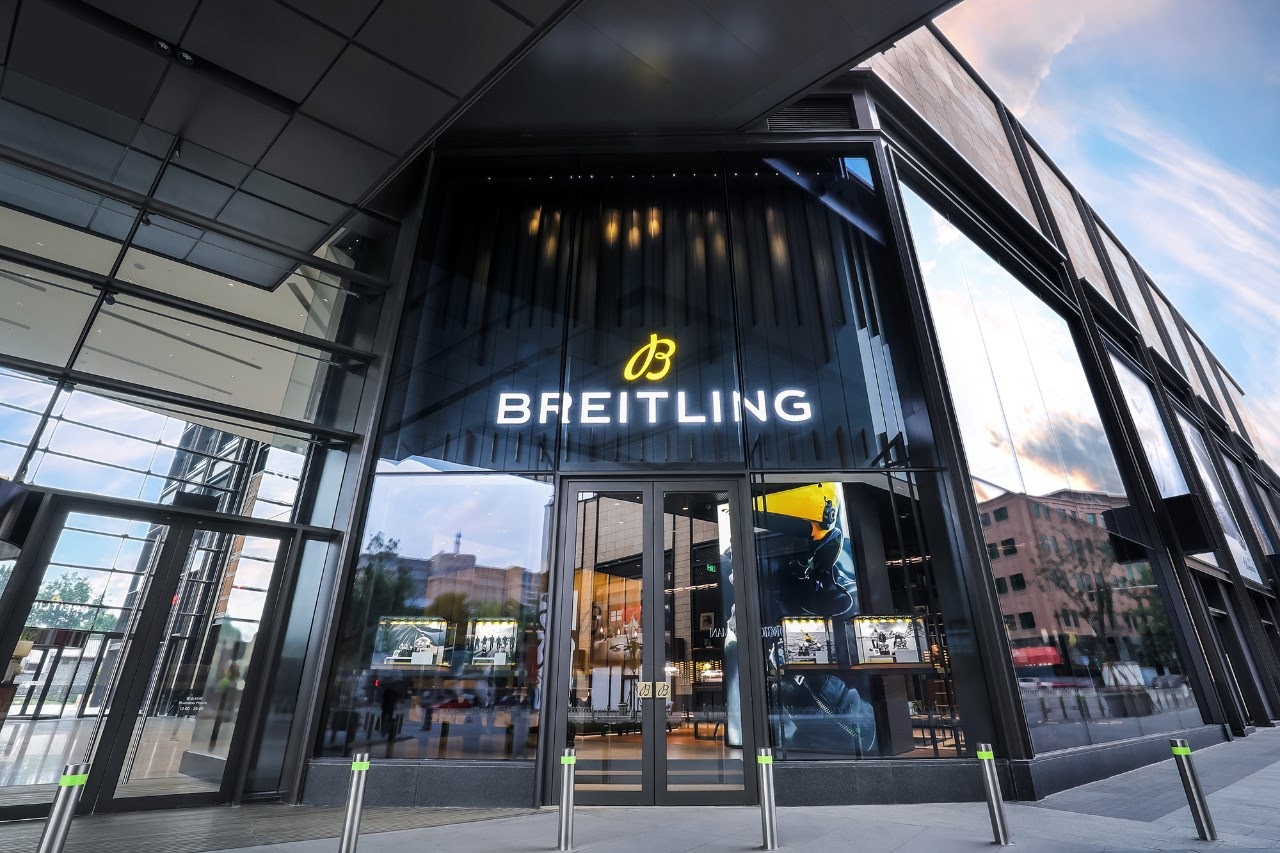
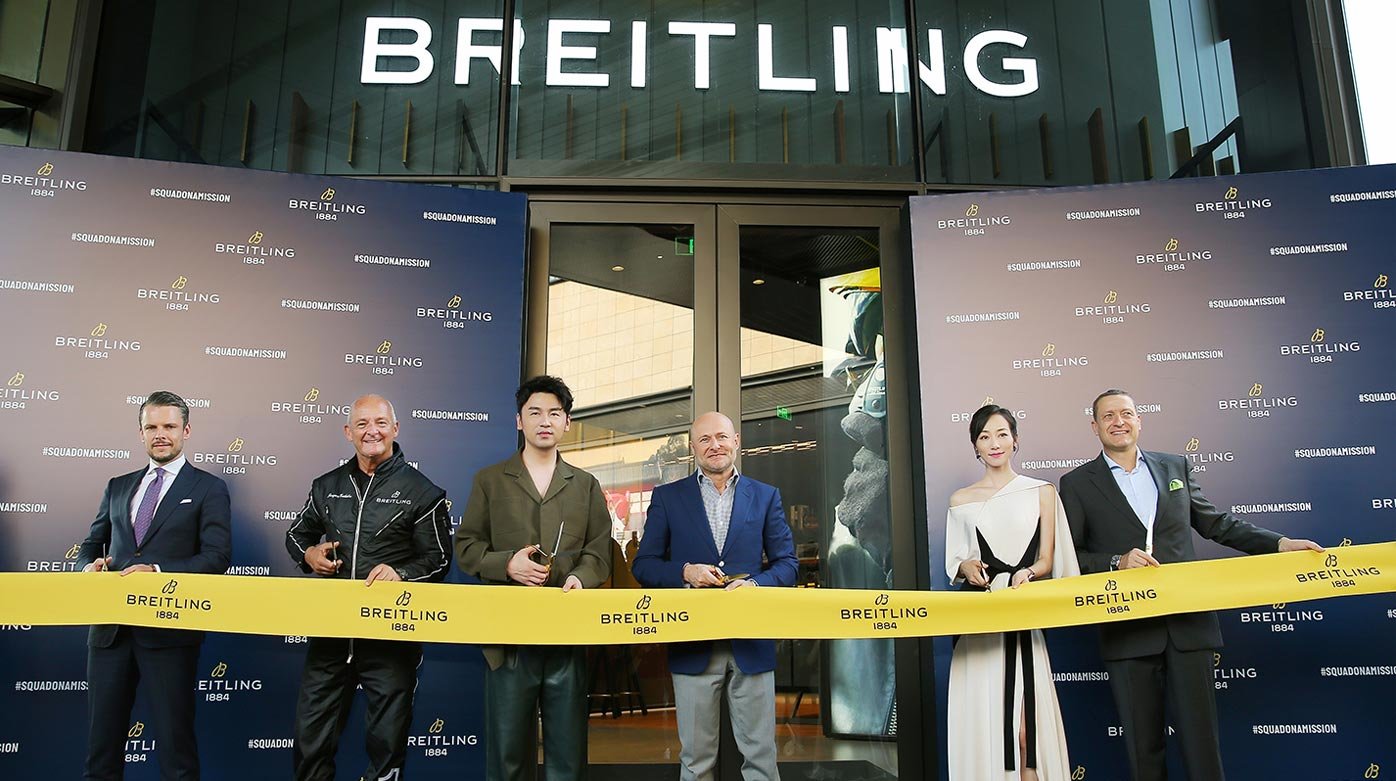
    Swiss luxury watchmaker Breitling has opened its first Asian flagship boutique in Beijing’s WF Central.

    The 152sqm Breitling Beijing boutique’s design features display space for more than 200 timepieces representative of the brand’s entire product range, including some exclusive limited editions. The interior is styled to present an artful, modern interpretation of mid-twentieth-century industrial loft interior design.

    More than 10,000 Japanese bricks were used in its construction to build a prominent wall display of the brand’s 1960s-era logo. It also features waxed concrete and American walnut flooring. An entrance bar doubles as a watch display area and includes a professional pool table for visitors to the store.

    Breitling’s design director Guy Bove said: “With our redesigned boutiques, we are respecting our long, impressive heritage, but are doing so by creating a relaxed, stylish environment. We are opening our doors to a new generation of Breitling enthusiasts”.

    CEO Georges Kern said launching the new Breitling Beijing flagship underscores the importance of Asian markets – particularly China – to the brand.

  • Korean cell phones mark 30th year

    Korean cell phones mark 30th year

    Sunday marked the 30th anniversary of the launch of the first mobile phone in Korea, which kick-started an industry that would redefine the country’s economy.

    Korea Mobile Telecommunications, which later changed its name to SK Telecom, launched the Motorola DynaTAC 8000S on July 1, 1988. It worked using a method called advanced mobile phone service, the first-generation mobile communications technology, which was initially introduced to car phones in 1984.

    The first weighed 771 grams (1.69 pounds), as heavy as about four of today’s 5.5-inch smartphones, and was nicknamed the “brick phone.” The device cost 4 million won ($3,593) on top of a service installation fee of 600,000 won. The Motorola cost as much as renting an apartment on a two-year contract in some areas of Seoul.

    Mobile phone usage quickly gained momentum ever since. The number of mobile phone plans in Korea was only 784 as of 1988, but it exceeded 100,000 in 1991 and reached 50 million by 2010, surpassing the Korean population for the first time. As of April, there were 64.6 million mobile phone subscriptions in Korea.

    Over the course of the past three decades, mobile service has evolved as well. Code-division multiple access (CDMA), a second-generation, or 2G, technology was launched in 1996. It was followed by 3G, or WCDMA, in 2003. In 2011, today’s most common mobile standard, 4G LTE, was commercialized. As early as March next year, mobile service operators in Korea are set to debut a 5G wireless standard with data transmission speeds as fast as 20 gigabits per second, up to 20 times faster than LTE.

    “The past 30 years that came alongside the progress of the nation’s mobile communication industry has been hugely meaningful to us,” said Yoon Yong-chul, head of communications at SK Telecom. “The future of mobile communication will create value beyond what we can imagine on the back of 5G.”

    With all major mobile operators worldwide scrambling to adopt 5G technology, market researcher IHS Markit projects that the new wireless standard will generate $12.3 trillion in global economic output by 2035.

    SK Telecom will host a special exhibit on the past 30 years of mobile service in Korea at the National Museum of Korean Contemporary History in central Seoul from July 9 to 31.

  • Papa John’s sells company-owned restaurants in Beijing

    Papa John’s sells company-owned restaurants in Beijing

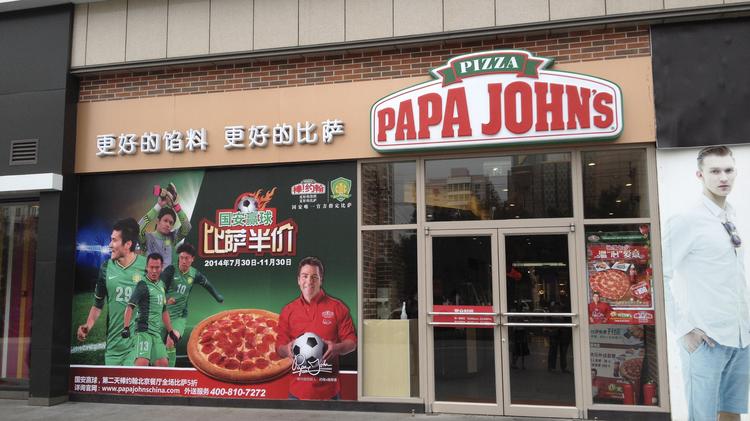
    Papa John’s International has sold its restaurants in Beijing and Tianjin in China.

    The 34 stores have been bought by Asia Gourmet Holdings (Shanghai), a portfolio company of Advantage Partners, a private equity firm in Asia.

    “Asia Gourmet Holdings (Shanghai) is an experienced and successful operator with significant interests in the restaurant industry in China,” said Tim O’Hern, president, international, Papa John’s.

    “The new franchisee shares our commitment to quality and will represent our ‘Better ingredients. Better pizza’ brand promise well moving forward in the region.”

    Nam Jeongil, chairman of Asia Gourmet Holdings, said the company was looking forward to building on the success Papa John’s had built in China to date.

    “There is a bounty of opportunities for Papa John’s in Beijing and Tianjin. We will apply Asia Gourmet Holding’s knowledge of the region and success with our existing restaurant concepts, such as Zheng Yi Wei, a leading chain of restaurants offering Korean cuisine, to the Papa John’s business.”

  • LG takes the wraps off of X2 budget phone

    LG takes the wraps off of X2 budget phone

    LG Electronics on Thursday unveiled its budget LG X2 smartphone, which comes with a 5-inch HD screen and will be distributed through local mobile carriers.

    The company said the LG X2 will come with a price tag of 198,000 won ($176) and have an Auto Shot feature that automatically recognizes faces when taking selfies.

    The smartphone will have an 8-megapixel camera on the back along with a 5-megapixel camera on the front. Its battery capacity will be 2,500mAh.

    LG Electronics, which has been suffering from losses in its mobile business, claimed that the release of the new budget model will help the company reach out to a wider range of consumers.

    The company released its flagship LG G7 ThinQ model earlier this year, along with the LG V30S ThinQ, which came with stronger artificial intelligence features.

    In 2018, LG also introduced the LG X4 and LG X4 Plus with more affordable price tags, along with the LG X5, which has a large battery capacity of 4,500mAh. The company released the LG Q7 and Q7 Plus, too.

    The company said it aims to continue rolling out various smartphones with strong durability and improved features.

    LG’s mobile operations have effectively posted operating losses for 12 consecutive quarters as of the January-March period this year. It did manage to report an operating profit in the first quarter of 2017 through an adjustment by reflecting returns from its accessories business. LG originally said it posted a loss for the period.

  • John Lewis announces business focus renewal

    John Lewis announces business focus renewal

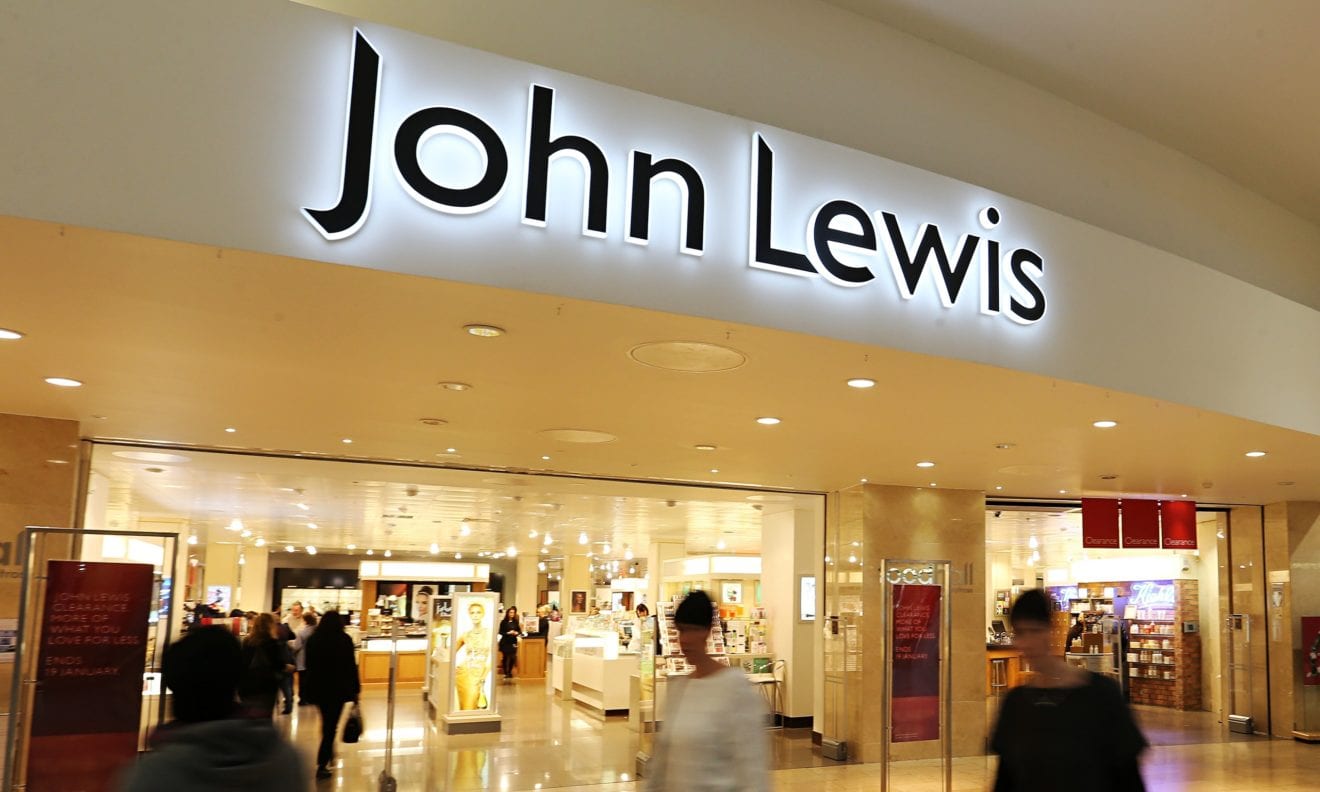
    UK-based company The John Lewis Partnership has announced a renewed business focus on differentiation and innovation.

    The company operates both the fashion, home and technology retailer John Lewis as well as the convenience-chain Waitrose.

    Chairman of the John Lewis Partnership, Sir Charlie Mayfield, said “as retail changes we need to tread a path that enables us to thrive as a business while building on the qualities that make us different.”

    “For us, the relentless pursuit of greater scale is not the right course.”

    The announcement release notes “clear plans to build on our strengths and to sharpen our points of difference in both Waitrose and John Lewis.

    “These plans include further investment in and development of unique products and service, together with a greater emphasis on own brand and innovation.”

    Waitrose will renew its focus on core customers, and plans to extend further the range of “exclusive products while continuing to raise the quality”, including a greater focus on health and well-being.

    The chain is also committing to a higher level of customer service with “an increase in the number of specialists to advise customers” in store.

    John Lewis will focus on three key areas; unique products, personal service and expansion into new services.

    “At the heart of the strategy is developing a curated and targeted assortment, which is increasingly unique to John Lewis,” reads the announcement.

    “Key to this is supercharging women’s fashion, acquiring new niche brands, securing exclusives with international brands and significantly growing design capability”.

  • China’s First-Half Coal Imports Surge, Indonesia the Winner

    China’s First-Half Coal Imports Surge, Indonesia the Winner

    China’s seaborne coal imports are on track to have surged by around 14 percent in the first half of the year, with Indonesia emerging as the big winner among exporters.

    Imports are likely to be around 126.6 million metric tons in the first six months of this year, up from 111.3 million tons for the same period in 2017, according to vessel-tracking and port data compiled by Thomson Reuters Supply Chain and Commodity Forecasts.

    It also appears that June may be the strongest month so far this year, with 22.1 million tons discharged, or in the process of discharging, as of Tuesday (26/06).

    The final figure may be slightly higher, at around 25.9 million tons: The data is filtered only to show ships that have already discharged, are discharging or awaiting unloading, and more cargoes may be handled in the final days of June.

    The strongest month so far this year for China’s coal imports from the seaborne market was March’s 23.2 million tons, according to the data.

    A look at the breakdown of where China is sourcing its coal reveals a surprise packet – Indonesia.

    China has imported about 15.3 million tons more coal from the seaborne market in the first half of 2018 compared with last year. On a net basis, it’s all from the Southeast Asian country.

    Imports from Indonesia were around 61.8 million tons in the first half, up from 46.3 million for the same period in 2017.

    Low Sulphur

    The strength of shipments from Indonesia may raise some eyebrows among those who believe China is trying to lower air pollution from burning coal, partly by using less and partly by switching to higher-quality coal.

    Indonesia’s exports are predominantly lower-grade coal, typically with an energy value of 4,200 kilocalories per kilogram (kcal/kg) or less.

    However, Indonesia’s coal is also typically low in sulphur. That makes it useful for Chinese coastal power plants to blend with higher-sulphur domestic supplies or imports.

    This allows them to lower emissions of sulphur dioxide and nitrogen oxide, albeit at a small penalty to the efficiency of the boiler.

    It’s also worth noting that Indonesian coal trades at a substantial discount to higher-quality thermal coal from main regional rival Australia.

    Indonesian 4,200 kcal/kg coal, as assessed by Argus Media, was at $48.71 a ton in the week ended June 22. The weekly index for 6,000 kcal/kg coal at Australia’s Newcastle Port was $116.27.

    The discount of the Indonesian grade to Newcastle has widened substantially over the past year, going from 50 percent at the end of June 2017 to the current 58 percent.

    While this is encouraging additional cargoes from Indonesia, it also means that Australian exporters are enjoying higher prices, even if their volumes are more or less the same.

    China imported 42.84 million tons from Australia in the first six months of the year, fractionally higher than the 42.62 million tons in the same period in 2017, according to the vessel-tracking data.

    Russia Up, United States Down 

    While Indonesia and Australia dominate supply to China, it’s worth noting that Russia also managed to lift deliveries, with imports rising 27 percent to 10.3 million tons in the first half.

    China’s imports from the United States, which are predominantly coking coal used in steel-making, dropped in the first half to 2.09 million tons, a decline of 38 percent.

    This occurred well before any potential impact of proposed Chinese tariffs on coal from the United States, which may be imposed as part of the escalating trade dispute between the world’s two largest economies.

    The decline so far this year in imports from the United States is more likely related to Australian coking coal being more competitive – and available, given the absence this year of major weather-related outages.

    Overall, China’s increased appetite for imported coal appears to be contributing to higher prices, with the Newcastle index up 12 percent so far, hitting a six-year high of $118.09 a ton in the week ended June 17.

  • Lotte Japan votes to keep imprisoned Shin on board

    Lotte Japan votes to keep imprisoned Shin on board

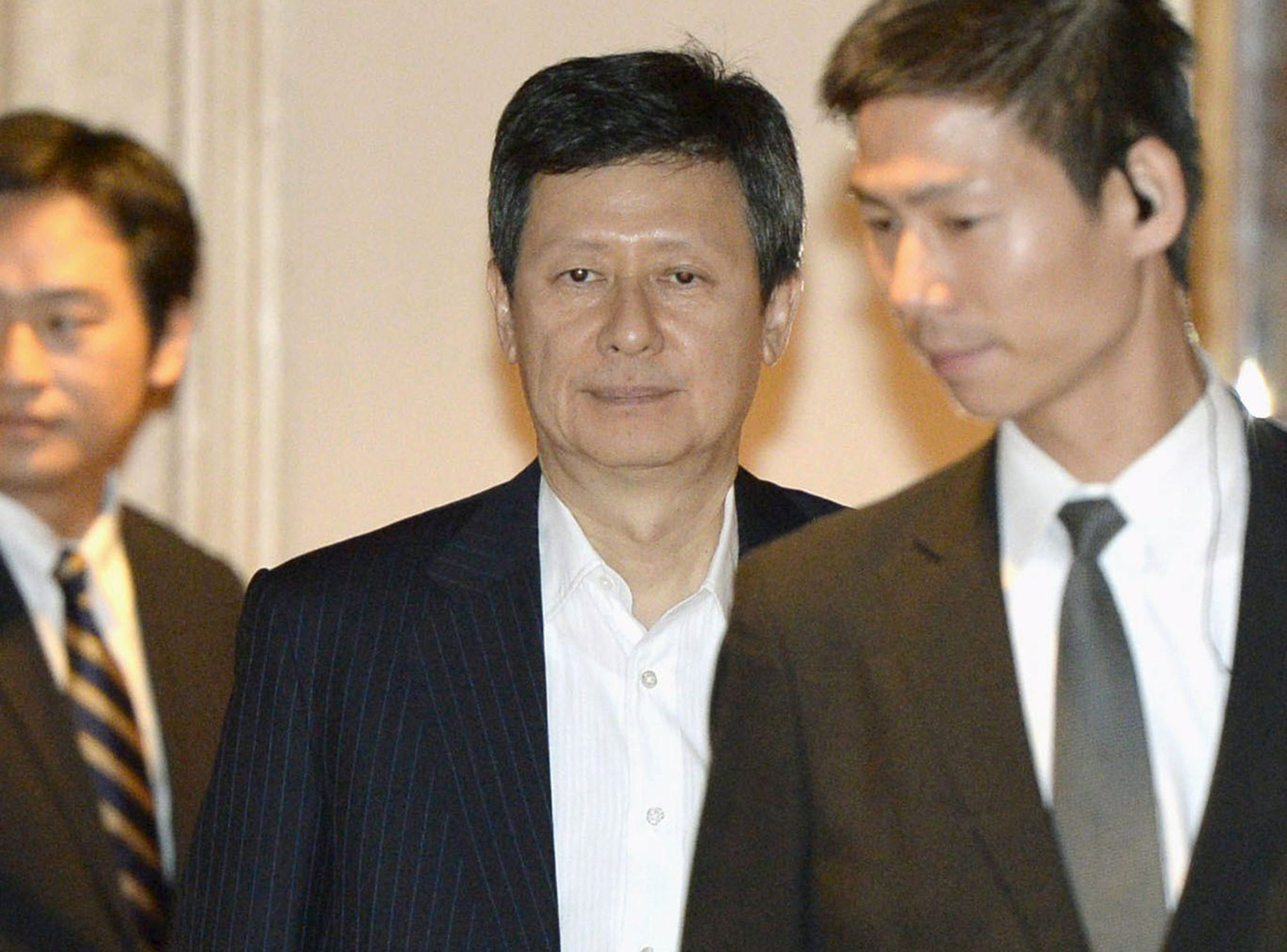
    Shareholders of Lotte’s Japanese holding company voted to retain imprisoned Lotte Group Chairman Shin Dong-bin as director, dashing his estranged older brother Shin Dong-joo’s hopes to take over the position.

    At the meeting held at Lotte Holdings’ headquarters in Tokyo, shareholders voted against ousting Shin Dong-bin from the board and replacing him with his older brother. Shin Dong-joo has been trying to overthrow his brother since all of his titles, including vice chairman of Lotte Japan, were stripped from him in 2015. This was his fifth unsuccessful attempt to win over Lotte Holdings’ shareholders.

    His younger brother Shin Dong-bin, who has been in jail since February on charges of bribery related to President Park Geun-hye’s abuse of power scandal, requested bail earlier this month in order to make his case to the shareholders in the latest meeting. However, his request went unanswered until late Thursday. A team of Lotte Group executives in Korea, including Vice Chairman Hwang Gak-gyu, had to deliver Shin’s letter to Lotte Holdings’ top management.

    “We’re relieved that the shareholders of Lotte’s Japanese unit expressed their support for Chairman Shin despite his vacancy,” said Lotte Corporation, Lotte’s Korean holding company, in a statement issued immediately after the results came out.

    The statement also condemned Shin Dong-joo. It requested that he “stop evoking needless controversies that create an uneasy sentiment among [Lotte] employees and degrade the company’s value.”

    Shin Dong-joo issued a statement through his SDJ Corporation that the older Shin will “continue pushing efforts to normalize Lotte Group,” implying that he may continue to campaign to take over his younger brother’s position at the retail conglomerate.

    A few days after his imprisonment, Shin resigned as co-CEO of Lotte Holdings. The chairman’s detainment raised concerns at the group’s Korean unit, as Shin Dong-joo reignited his efforts to regain control over Lotte.

    Friday’s vote, however, indicates that Lotte’s Japanese unit still has faith in Shin Dong-bin’s leadership, despite a tendency for Japanese shareholders to be harsher on top brass accused of bribery charges.

    Lotte Holdings and its other Japanese affiliates currently own a large stake in the group’s core Korean businesses, like Hotel Lotte and Lotte Property & Development. Their approval is crucial for Lotte Group’s Korean affiliates’ plan to reduce the stakes that Japanese affiliates hold in them.

    “The restructuring is not a one-shot deal – we’re doing what we can, like acquiring shares little by little,” said a Lotte Group spokesman.

  • Korean Brands Increasing Popularity Among Hong Kong Consumers Over Japanese Brands

    Korean Brands Increasing Popularity Among Hong Kong Consumers Over Japanese Brands

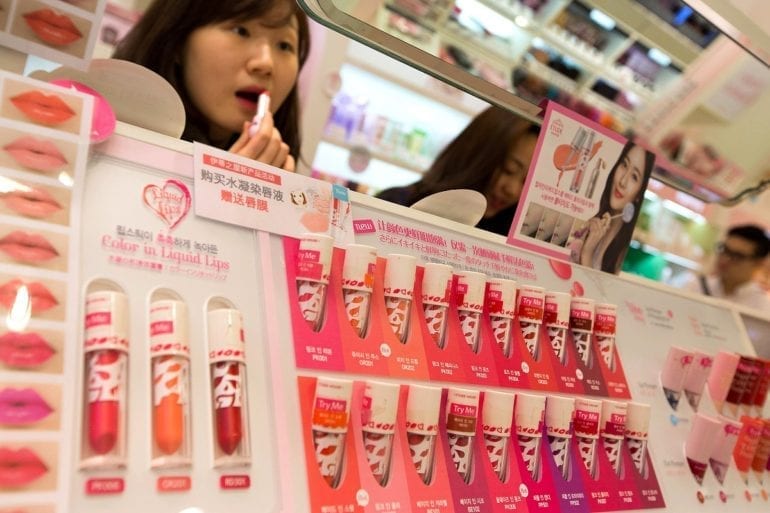
    A Nielsen report shows Korean products have usurped the popularity of Japanese products among young Hong Kong consumers.

    The report traces the local market’s perception of Japanese and Korean trends to assess which is perceived as being more popular. It shows that for the first time, more than half of respondents aged 18 to 54 are confident in the longevity of Korean pop-culture influences in the near future.

    Some 80 per cent of millennials, in a response pattern that skewed towards women, preferred Korean trends. And 88 per cent of higher-income respondents were shown to have strong brand recognition for Korean products and to have visited Korea twice within the last year.

    Key drivers behind Korean trends are shown to be entertainment, fashion, and personal care targeted at millennial buyers. Korean food products are also increasingly popular in Hong Kong.

    A third of all respondents indicated an intention to increase spending on Korean products in future.

    Nielsen Hong Kong & Macau’s MD Michael Lee said: “With the Korean market slowly emerging in Hong Kong, Korean brands can succeed and win Hong Kong customers’ buy in by being more customer focused, showing emphasis on product quality and charging a premium with innovation. This will certainly open up a new market for opportunities to come”.

    The Nielsen report’s release coincides with an announcement by Chinese online marketing platform iClick Interactive Asia Group that it will form a strategic partnership with MezzoMedia, a Korean digital marketing solutions firm. The move is intended to further open the large Chinese consumer base up to Korean brands.

    MezzoMedia senior VP Kim Jin-Kyu said: “As one of Korea’s largest agencies, we work with brands that have significant appeal to the Chinese consumer… [iClick] will allow targeting into the largest internet audience in the world. In addition, their strategic relations with Tencent, Baidu and Ctrip give access to premium inventory.”

  • Struggling Hyundai Heavy lays off quite a few execs

    Struggling Hyundai Heavy lays off quite a few execs

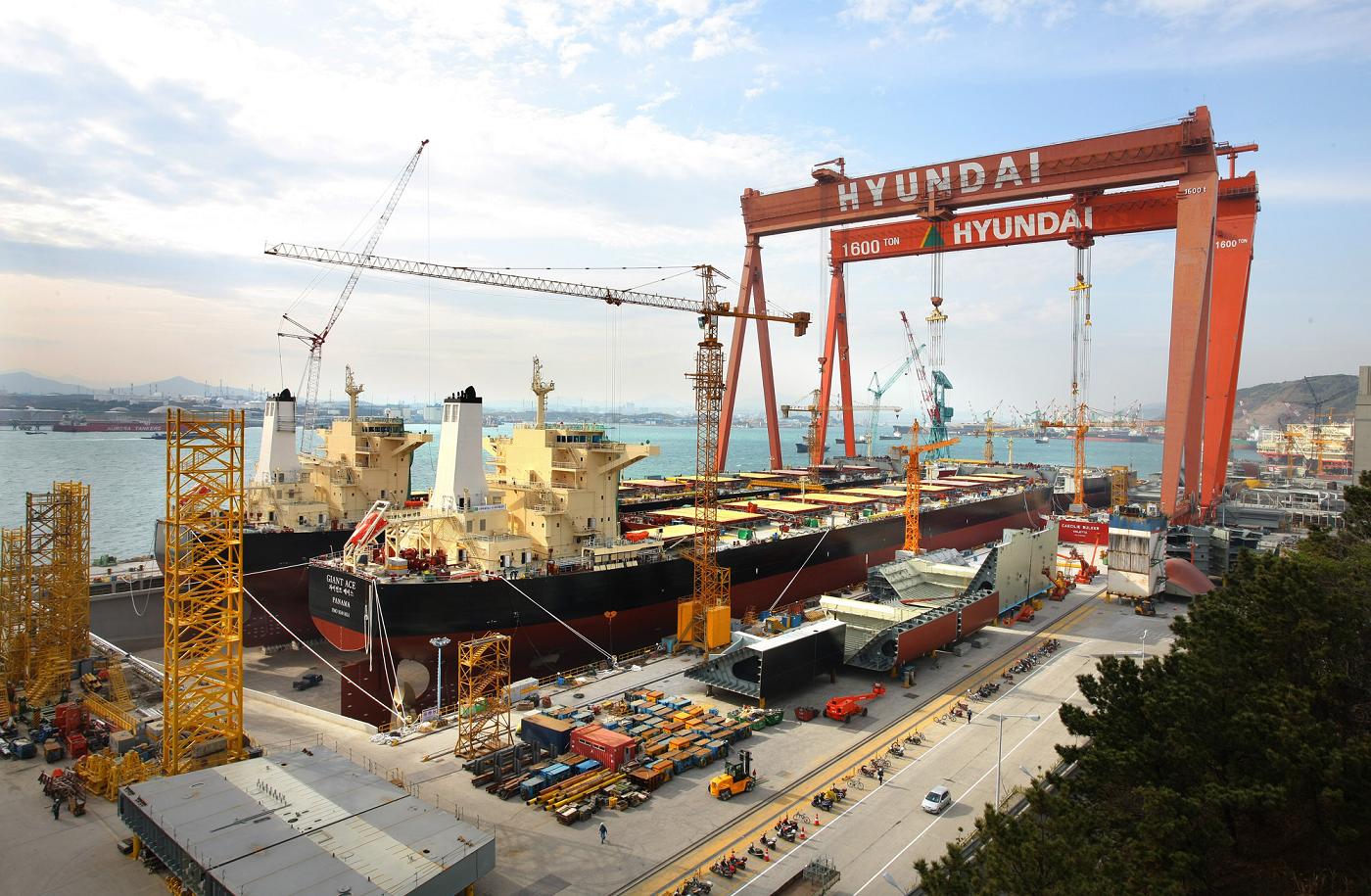
    Hyundai Heavy Industries, the world’s largest shipbuilder by sales, said Sunday it has cut a third of its executives in its offshore and engineering division as new orders have dried up.

    The move came a month before the shipbuilder is due to suspend work at its offshore facilities shipyard. The suspension scheduled for August is the first in 35 years.

    Hyundai Heavy has lost out to Chinese and Singaporean rivals in offshore projects in recent years due to its higher costs. The labor costs of Chinese and Singaporean shipbuilders are roughly a third of Hyundai Heavy’s.

  • Purecare Announces International Partnership With Index Living Mall

    Purecare Announces International Partnership With Index Living Mall

    North American bedding retailer PureCare has announced a partnership with home furnishings retail chain store Index Living Mall.

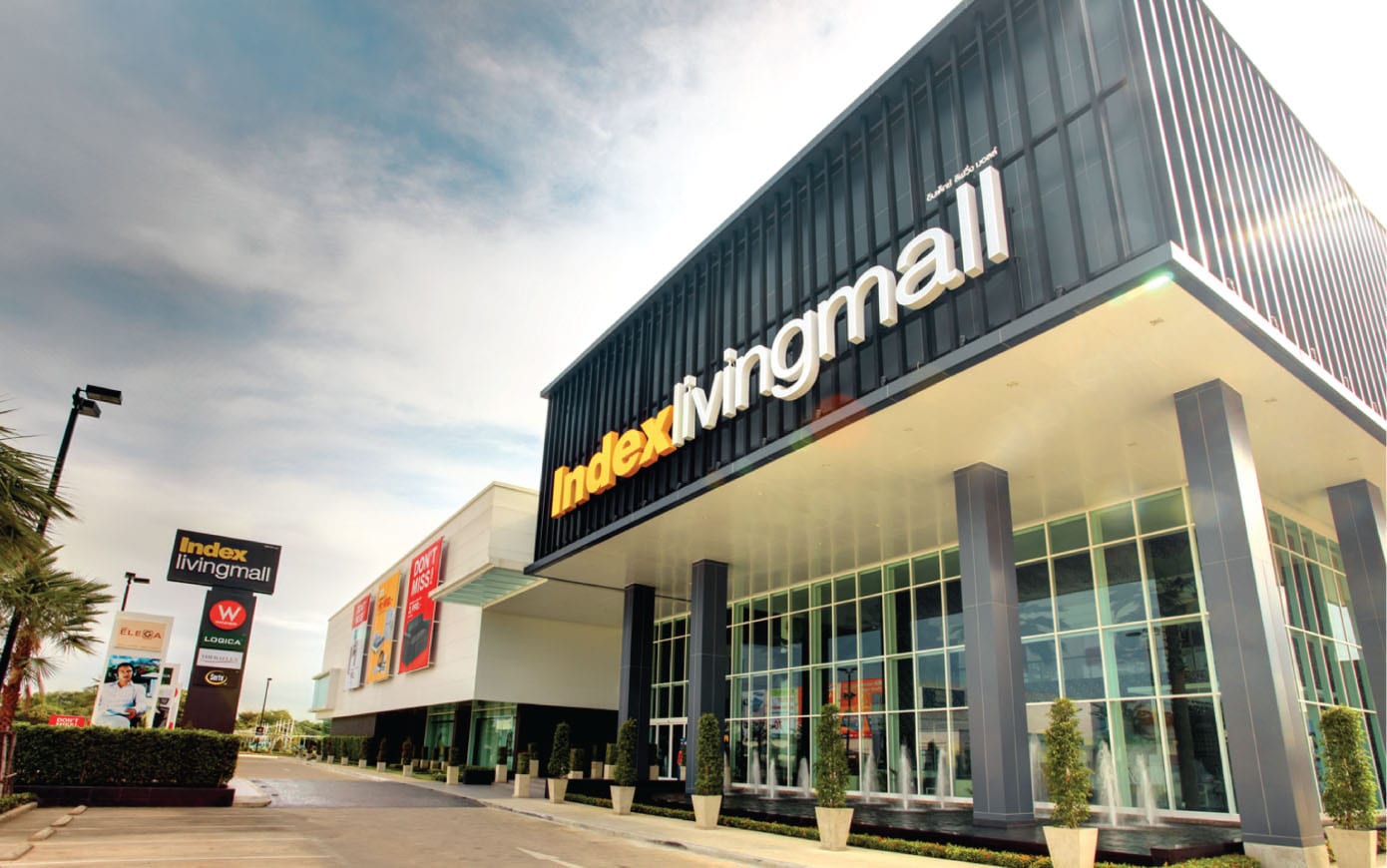
    Index Living operates 28 locations in Thailand out of 114 stores throughout the Southeast Asia region. It is the largest network of home goods retail stores in Thailand. It will carry a curated collection of PureCare’s bed linens, mattress protectors and pillows from this summer through to autumn this year.

    Ralph Rosen, PureCare’s VP of business development, said: “Both of our companies are committed to offering the very best quality and value to today’s health-conscious consumers and allergy sufferers.

    Our international product and sales team worked closely with their merchandising team of professionals to come up with a specific selection of products that augmented and enhanced Index Living Mall’s current retail offering.”

    President and COO of PureCare Jeff Bergman said that by partnering with PureCare, Index Living Mall has embraced what it envisions as a growing global movement of health and wellness in the ‘top of bed’ category.

    Index Mall’s VP product development Pichapim Patamasatayasonthi added: “This year Index Living Mall aims to become the total “sleep solution center” for our customers. We offer ‘PureCare’ one of the leading innovative brands in the world from the USA now to the Thailand market.”

    PureCare has previously expanded into Canada, Russia, Australia, New Zealand, the UAE, Central America and the Caribbean.