Author: Mei Ling Tan

  • Avon expands on digital world

    Avon expands on digital world

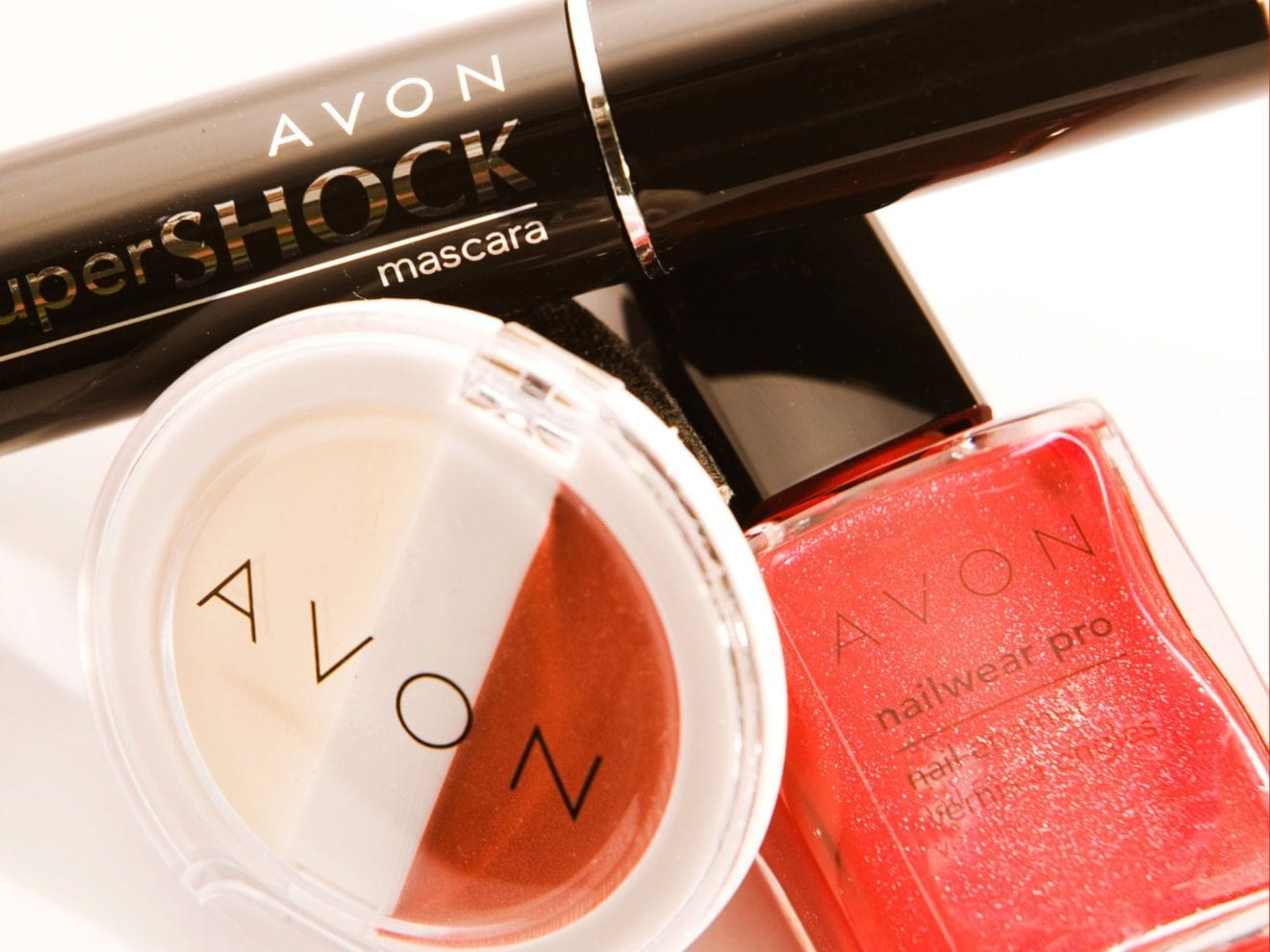
    Beauty & home goods direct seller Avon has announced advancements in its digital sales tools.

    Avon’s digitised mobile-enabled shoppable brochure has now gone live in 12 countries, attracting 500,000 users in the first 48 hours of trading. The company has launched a new global sales centre to support 6 million of its registered beauty entrepreneurs, and set up a new team to integrate insight-led digitisation across Avon’s business model.

    After refinement, the program will be expanded into other markets, including in Asia.

    Sales representatives for the firm will use the tools to create personalised digital shopping carts that are directly shareable to targeted buyers’ mobile phones. Real-time consumer analytics will be used to refine product offerings according to customer needs and preferences, as well as to tweak the training and incentives for representatives.

    According to CEO Jan Zijderveld, “Digitisation is at the heart of our strategy as we build a new, modern and relevant Avon that is both high-touch and high-tech.

    “We are working intensely to build the right tools to support our 6 million-strong network of beauty entrepreneurs to help them provide a personal service to their customers that is underpinned by strong digital capability. This pilot is off to a promising start with huge potential as we implement more broadly.”

  • Walmart India gets half of biz via out-of-store sale channels

    Walmart India gets half of biz via out-of-store sale channels

    US retail major Walmart is now getting nearly half of its business through non-store or out-of-store sales channels, which include B2B e-commerce, associates’ driven sales and call centres, a company official has said.

    According to a report: While, the rest half of its business still comes through in-store walk-ins, where its members visit its stores and purchase.

    Besides, Walmart India is also going to open another fulfilment centre soon at Lucknow after opening its first such facility in Mumbai last year.

    “Almost 50 percent of our business comes through in-store walk-ins where our kirana members can discover new products and in-store demos also allow them to experience new food products made by our supplier partners, mostly small and regional,” Rajneesh Kumar, Chief Corporate Affairs Officer, Walmart India said.

    He further said: “We have been helping these kiranas through our B2B Omnichannel efforts and rest of the business comes through ‘out of store’ sales, which include B2B e-commerce, sales associates driven sales (who take the tablets carrying virtual stores to help take orders from our members) and call centres.”

    Walmart had started B2B e-commerce in July 2014 from its Lucknow and Hyderabad ‘Best Price Store’ and was later extended to other stores.

    It was among one of the first companies in India, which had adopted the omni channel retail system by integrating online and offline formats here.

    “This way not only our members are able to focus on running their stores more efficiently and serving their customers better but also get the convenience of placing orders from their stores, easy payment solutions and doorstep delivery, while growing their business,” Kumar further said.

    Walmart, as per its strategy to strengthen presence in the Indian market and also compete head-on with global rival Amazon, had last month announced a mega deal to pick up 77 percent stake in Flipkart.

    Walmart India, a wholly owned subsidiary of Walmart Inc, operates 21 cash and carry stores here under the brand name of ‘Best Price’ in 9 states across the country.

  • Zilingo hopes to get $50 million more fund

    Zilingo hopes to get $50 million more fund

    Southeast Asian fashion startup Zilingo is set to raise a further US$50 million as it strengthens its operations in Singapore, Indonesia and Thailand and beyond.

    Zilingo was founded in October 2015 by Dhruv Kapoor and Ankiti Bose, who were inspired by the clothing stalls in labyrinthine markets they saw while backpacking across Indonesia and Thailand. Their idea was to connect a fragmented landscape of fashion supply for buyers across Asia.

    Now the company aggregates small fashion retailers in the three Southeast Asian markets on a single platform. With more than 10,000 merchants now on board, the site has evolved into a service attractive to both B2B and B2C customers.

    Users can upload and manage their inventory in any language, using any currency, connecting them through 25 interfaces with logistics, warehousing and payment providers, as well as services like loans, cataloguing and insurance.

    “Nowhere in the world has a horizontal e-commerce company also cracked fashion,” says Bose. “It’s a unique, high-margin category that is highly dependent on fast-moving cycles and has its own nuances. Unlike buying detergent or electronics, fashion is much more about your choice, individuality and trends. It requires a different approach than the rest of e-commerce.”

    Besides selling in Indonesia, Singapore and Thailand, Zilingo ships to four further countries and has supply bases in Bangladesh, Cambodia, China and Vietnam.

    The latest fundraising follows a $54 million round in March.

  • US to import Vietnamese mangoes

    US to import Vietnamese mangoes

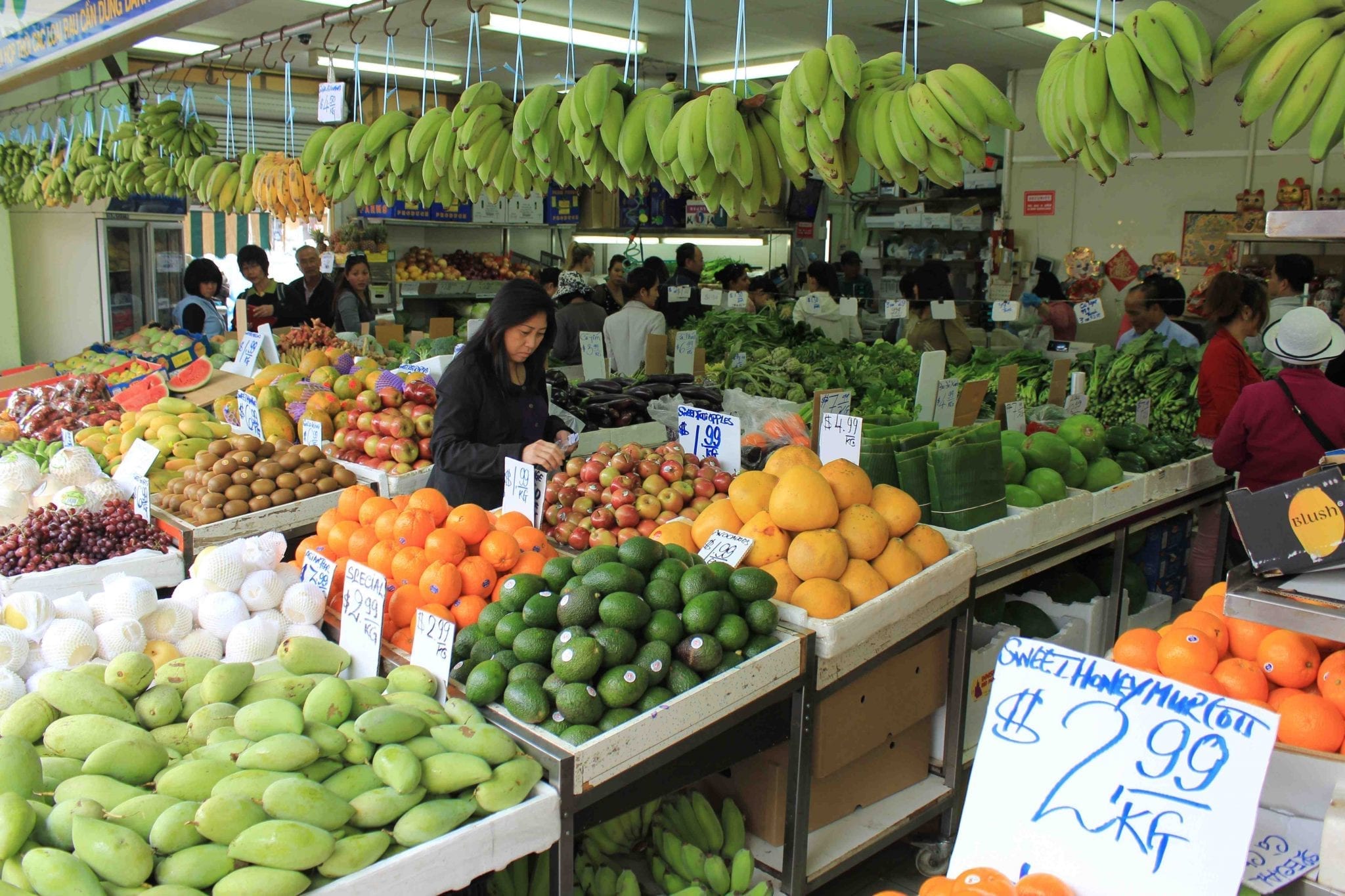
    The United States is completing procedures to approve import of Vietnamese mangoes, U.S. Secretary of Agriculture Stephen Censky said at a meeting in Washington D.C. on Tueday.

    The U.S. will also start importing star apples form Vietnam soon, Censky told Vietnamese Deputy Minister Vuong Dinh Hue, who is on an official visit to the U.S.

    Censky proposed that Vietnam considers importing fruits like blueberry and several citrus varieties from the U.S.

    At the meeting, Hue said that the U.S., as one of Vietnam’s top trade partners, should increase its agriculture cooperation with Vietnam towards supporting low emission production models.

    He also suggested that the U.S. considers importing grapefruit and other fruits from Vietnam.

    Vietnam’s exports to the U.S. last year reached $41.61 billion, an increase of 8.2 percent in over 2016. Fruit exports of $102 million accounted for just 0.2 percent of total export to the U.S., according to Vietnam Customs.

    The U.S. was Vietnam’s third largest trade partner last year, behind Korea in second place and China at the top.

  • BreadTalk sets expansion plan for China, Indonesia

    BreadTalk sets expansion plan for China, Indonesia

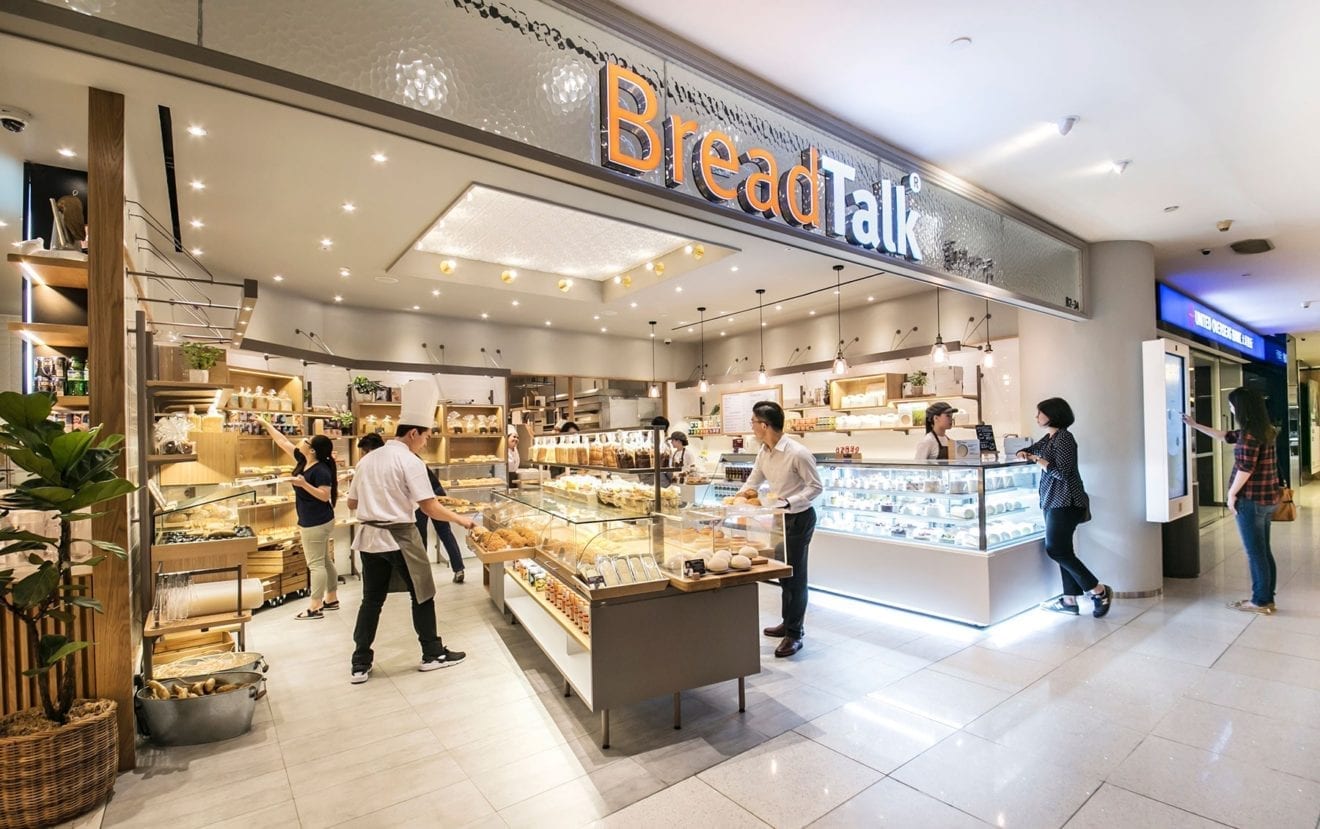
    BreadTalk Group is expanding through new joint ventures in China and Indonesia.

    Using a wholly owned subsidiary, Shanghai BreadTalk Gourmet, the Singapore-listed food chain operator has formed a joint venture with Ge Ying to operate BreadTalk bakeries in Chongqing, China.

    “This strategic partnership combines BreadTalk Group’s wealth of experience in managing and developing franchisee relationships with Ge Ying’s strong understanding of Chinese consumers’ preferences,” BreadTalk Group said in a statement.

    Ge Ying has been managing the BreadTalk brand of bakeries in Tibet for the last six years. “With proven track records, the group is confident of his team’s capabilities to lead the growth plans for Chongqing, China.”

    BreadTalk Group will hold a 30 per cent stake in the joint venture, which will potentially expand across southwestern China.

    Tan Aik Peng, BreadTalk Group’s bakery division CEO said adopting a joint venture approach rather than a franchising agreement was in line with the group’s long-term direction of increasing directly owned outlets in Mainland China.

    “Our strong product development and innovative brand promotion, coupled with Mr Ge Ying and his team’s proven track record in BreadTalk operational management and strong local knowledge will create a win-win situation for us in Chongqing. Looking ahead, it will serve as a good foundation for us to build a strong southwestern China base in Chongqing, enabling us the opportunity to penetrate further into other southwestern markets like Yunnan and Guiyang provinces.

    “We are fully committed to the Chinese bakery market in which we have full confidence to meet the discerning tastes of the Chinese consumers,” concluded Peng.

    Toast Box expands into Indonesia

    Meanwhile, through its BreadTalk International subsidiary, the company has formed another joint venture in Indonesia.

    It has a 70 per cent stake in BTG – Pura Indah Berkat Venture, with partner Pura Indah Berkat, which operates the Toast Box brand and chain of outlets in Indonesia.

    The first Toast Box outlet is scheduled to open this year in central Jakarta. Currently, PIB manages a Toast Box outlet at Soekarno-Hatta International Airport Terminal 3.

    In a statement announcing the venture, Peng described Indonesia as “a strategic and important market for the company” and that the Toast Box format is “highly relevant” to Indonesian consumers.

    “We are confident that with our insights and experience from operating Toast Box in Singapore and other regions, our consumers will be able to enjoy our quality Nanyang coffee, toast products and local delicacies in Indonesia,” said Tan.

  • IKEA India to use electric vehicles for home deliveries

    IKEA India to use electric vehicles for home deliveries

    Swedish furniture maker IKEA is planning to use electric vehicles for home deliveries across the country, said a senior official of the company.

    IKEA initially aims at using electric vehicles, upto 20 percent of its total customer delivery fleet and subsequently increase them up 60 percent over three years.

    Deputy Country Manager of IKEA India, Patrik Antoni said the company will be installing charging pods at its store in Hyderabad to encourage both employees and customers to switch to electric vehicles.

    “To meet the Indian customers’ service expectations home delivery will be an important component of our offer. As a company, we have ambitious plans to adopt electric vehicles across our operations and in our first year in India, around 20 percent of our customer delivery fleet will comprise electric vehicles.

    That number is planned to increase to 40 percent in the second year and 60 percent in the third year of IKEA’s operations,” the Ikea official said.

    “We will be installing charging pods at our IKEA store in Hyderabad to encourage both our employees and customers to switch to electric vehicles.

    The initiative concerns our own vehicles at our stores and offices, but also includes our partners who take care of our home deliveries,” he further said.

    Meanwhile IKEA said it has chosen Gati-KWE, an express distribution services firmas logistic partner for its upcoming store here.

    The store is expected to be open next month here.

    The press release issued by Gati,the partnership will enable Ikea to efficiently manage home deliveries of its products (Do-It-Yourself) sold from its first ever India store to customer homes across Telangana.

    The overall scope of partnership is a combination of contract logistics, last-mile distribution and reverse logistics, it said.

  • Texas Chicken Malaysia to open new stores

    Texas Chicken Malaysia to open new stores

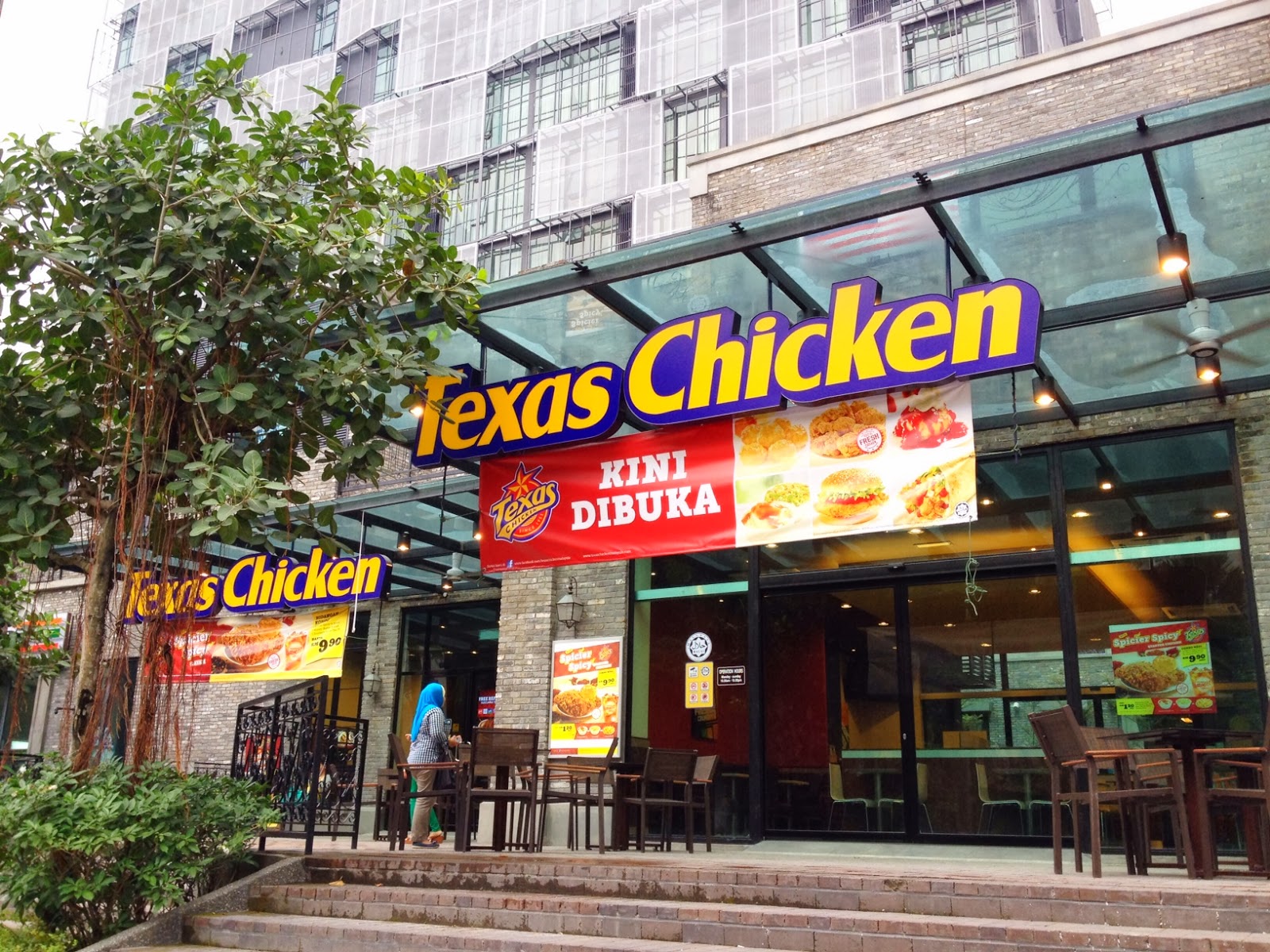
    Fast-food chain Texas Chicken Malaysia has opened its first outlet on the Southern Peninsular with its new store in Johor Bahru’s City Square Shopping Mall.

    The new outlet, Texas Chicken’s 48th restaurant nationwide, is managed by local franchisee Envictus International Holdings Limited (Envictus Group), which plans to open further locations within the region shortly. It already operates outlets in Klang Valley, Selangor, Penang, and Negeri Sembilan.

    According to Envictus chairman Dato’ Jaya Tan, “The Johor Bahru City Square is the kind of location every restaurant dreams of. The new Texas Chicken will be right in the heart of the city, close to corporate offices, local and international colleges, and just minutes from the customs and immigration checkpoint between Malaysia and Singapore”.

    Executive VP of international business for Texas Chicken Tony Moralejo said this was an opportunity that was “identified and cultivated by a veteran franchisee”.

    The new restaurant should seat 111 guests with a retail space of 1123sqft.

  • Emart’s take on Don Quijote opens in COEX

    Emart’s take on Don Quijote opens in COEX

    Emart’s Pierrot Shopping store has opened inside Coex mall, in southern Seoul.

    Aiming to be a “Fun and Crazy” destination, the 2513sqm two-storey store targets consumers in their 20s and 30s with a diverse range of 40,000 products.

    On basement floor, there is a large collection of alcohol and snacks from Korean and foreign brands, along with wigs, costumes and a discreet space for ‘adult toys’.

    On the first floor, customers will find goods as diverse as leather bags from brands such as Prada and Fendi, fresh food, cordless vacuum cleaners, smoking pipes, fake eyelashes and pet food.

    One curious feature in the store is a smoking room which resembles the interior of a subway train. An information desk and electronic kiosks offer tax refunds for foreign customers.

    A Korean version of Japanese Don Quijote chain, Pierrot Shopping store is designed “to be a place where young people can come to play and look around without a clear shopping purpose”.

    “You can come here to find relief from everyday stress, casually pick up things that look intriguing and buy them just because they’re affordable,” said Pierrot Shopping’s brand manager, Yoo Jin-cheol.

    While other large-scale retailers prioritise space and neatly arranged products so that consumers can easily find what they are looking for, at Pierrot Shopping the aisles are narrow and in some places it’s difficult for two people to pass.

    The staff wear uniforms with “I don’t know where that is either” printed on the back.

    Emart explained the intention was to make consumers venture more around the aisles, make unexpected discoveries and have a“fun experience”.

    Emart will open two more branches of Pierrot Shopping this year with smaller footprints than at Coex; at the Doota Mall and in Nonhyeon, in Gangnam District.

  • Costa Coffee China sales grows

    Costa Coffee China sales grows

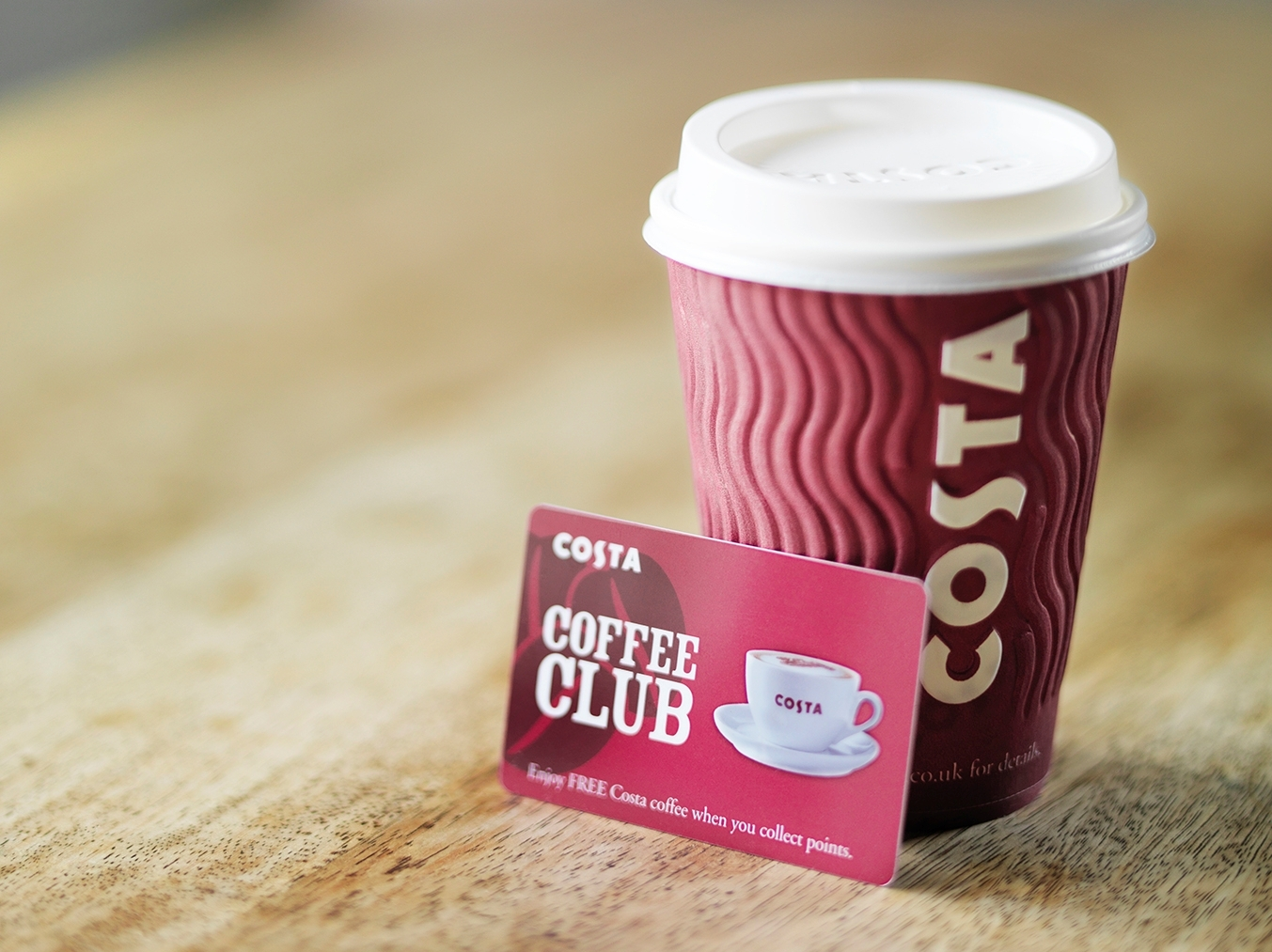
    UK’s Costa Coffee says sales in China have underpinned solid growth in its Asian operations.

    Costa has 459 stores in China, where sales rose 4.9 per cent in the first half year as Chinese continue to boost their coffee consumption.

    The company plans to open a further 100 stores in China before Christmas and is expanding its range to suit local tastes, after items such as Cold Brew and Character Roast performed well.

    Costa is also steadily expanding its network in other Asian markets, including Singapore where it has about 10 outlets, and Cambodia.

    Globally, Costa Coffee achieved a 5.2 per cent rise in first-quarter sales, helped by new store openings and the popularity of its Costa Express machines. However, like-for-like sales in its UK home market fell 2 per cent, reflecting the challenges faced by most retailers on high streets currently.

    Costa’s parent, brewer Whitbread, is considering options to spin the business off in a separate listing, but has reportedly since been courted by private equity firms seeing an opportunity to grow the business internationally.

    TPG, Bain Capital and CVC could pave the way for a sale of the brand realising as much as £3 billion.

    In the UK, Costa Coffee has 2467 stores, a mix of company-run and franchised stores. As it encounters trouble on high street locations, the company is shifting focus to high-traffic locations such as airports and petrol stations.

  • The Shilla officially launches Beauty&You

    The Shilla officially launches Beauty&You

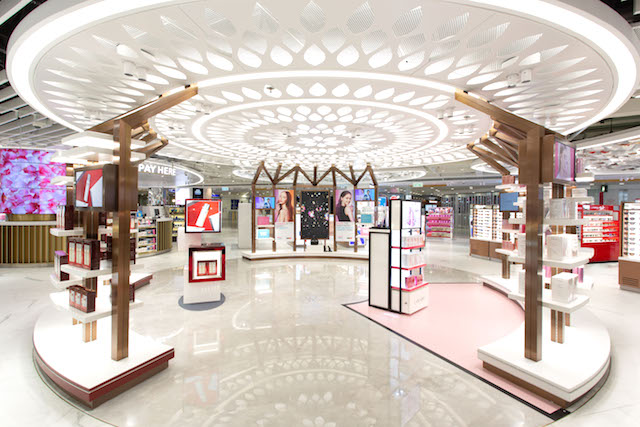
    Korean-headquartered travel retailer The Shilla has officially launched its Beauty&You concept stores in Hong Kong International Airport (HKIA) after a six-month soft launch.

    At the launch, Shilla Travel Retail Hong Kong MD Alice Woo said: “We hope to redefine the airport retail experience and customer journey with a comprehensive brand profile presented in an interactive and engaging environment. Our aim is to deliver the ultimate shopping experience to a diverse audience in one of the most robust travel markets in the world.”

    In line with experiential retail trends, Beauty&You offers curated hospitality with high-end product offerings to attempt seamless retail experiences. In a statement, the company said the store is designed to provide “journeys of discovery” for every customer, with professional beauty and fashion advisors placed in engagement zones with both branded and unbranded counters, offering personalised recommendations.

    The retail space is not only designated as a shopping environment, but also for “retailtainment” where customers may explore their own beauty preferences by experimenting with combinations of multiple brands and experiences – involving digital elements such as virtual makeup apps and VR headsets, as well as instant photo printing and even a ‘lucky claw machine’.

    The store will stock around 200 brands, including premium labels not otherwise available at HKIA. These include David Beckham’s House 99; Korean & Japanese beauty brands The History of Whoo, su:m37o, Three, and ReFa; image-maker Nars; Italian-crafted luxury leather goods and accessory brands Bresciani, Maglia Francesco, Victrix; and accessory brands such as Alexander McQueen and Didier Dubot.

    To mark the official launch and the 20th Anniversary of HKIA, in-store promotions and discounts will be held throughout July.

    View the images of the newly launched villa below :

  • H&M reports 21 pc fall in second quarter net profit

    H&M reports 21 pc fall in second quarter net profit

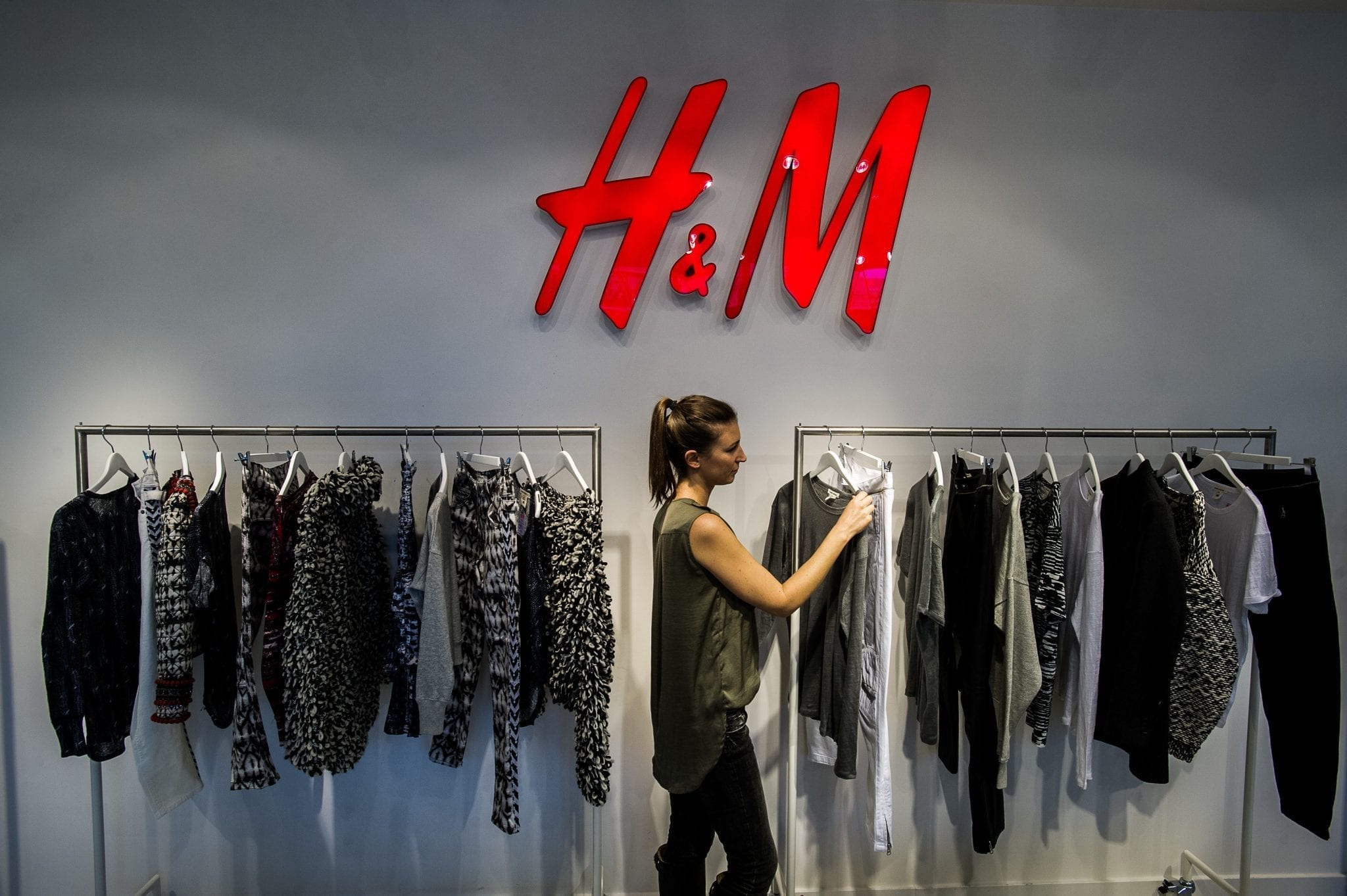
    Hennes & Mauritz AB on Thursday reported a 21 percent fall in second quarter net profit, missing estimates, as the retailer increased clearance sales to shift unsold stock and experienced logistical problems in it shifts to a more efficient supply chain.

    The Swedish fashion retailer said it entered the second quarter carrying too much stock, blaming imbalances in its product ranges, combined with interruptions to its flow of goods in a number of its major sales markets.

    The high inventory level will mean increased markdowns in the third quarter 2018 compared with the same quarter the previous year, it said.

    According to the release, The H&M group is going through a period of transformation to make the company even more customer-driven, efficient and flexible. This includes necessary transitions to new logistics systems that will allow even better availability, speed and transparency. However, sales and profits were temporarily affected by interruptions in connection with such transitions carried out in the second quarter in major markets such as the USA, France, Italy and Belgium.

    According to Karl-Johan Persson, CEO “The rapid transformation of the fashion retail sector continues, and we are in a transitional period that is both exciting and challenging. Challenging because it is complex, extensive and the pace of change is fast. Exciting because we can see positive trends and big potential in connection with our improvement work and investments.”

    Persson further added, “As we signalled previously, it was going to be a tough first half-year. We went into the second quarter carrying too much stock and we still had some imbalances in the H&M assortment – something that we are gradually correcting. As part of our transformation work we are transitioning our logistics systems to make our supply chain even faster, more flexible and more efficient. These transitions are complicated and can result in temporary interruptions, as unfortunately occurred during the second quarter in some of our major sales markets. This negatively impacted sales in the USA, France, Italy and Belgium, as well as online sales in the Nordic region.”

    H&M Home will broaden its product range in the second half of 2018 to include lamps and furniture.

    For 2019 Bosnia-Herzegovina is planned to become a new H&M store market and Mexico a new H&M online market.

    “Yet in a number of markets sales developed positively; in Sweden, Norway, Denmark and Eastern Europe we grew considerably faster than the market. This shows that we are on the right track and that our digital investments and improvement work are starting to have results. Overall, however, total sales for the quarter were not satisfactory, which meant that inventory levels were still too high at the end of the period,” said Persson.

  • Seafolly growing in Chinese market

    Seafolly growing in Chinese market

    Australian swimwear brand Seafolly is expanding into China, with its launch on e-commerce platform Tmall Global next month.

    The move is a noteworthy departure from the Australian retailers and brands that have been expanding into China in recent years, namely those selling milk, supplements and cosmetics.

    But according to Global Industry Analysts, the swimwear and beach casual wear market is on the rise in China, with an average of 9.6 per cent annual market growth from 2013 to 2017, and it is expected to remain strong over the next five years.

    Seafolly global CEO Paul Kotrba sees this growth as an opportunity to sell the brand’s unique beach lifestyle to Chinese consumers.

    “The swimwear industry today is very dynamic and growing at a rapid clip globally, especially so in China where it is forecast to grow close to 10 per cent each year through 2022, thus opening up an opportunity for Seafolly to be the first premium fashion swimwear brand in the market,” he said.

    Kotrba noted that Seafolly is already known to many of the 1.4 million Chinese tourists who have visited Australia in the past 12 months and said there are millions more fashion consumers in China who “love Australian products and brands”.

    Seafolly recently added Alipay as a payment option in certain retail locations in Australia, a sign of the increased demand for Seafolly products amongst Chinese tourists.

    The business has been working towards the Tmall Global launch over the past three months, with teams in Sydney and Shanghai. The private-equity-backed company will be running a series of marketing campaigns to support the brand’s development overseas.

    The brand will join over around 2,000 Australian brands on Alibaba’s e-commerce platforms when it launches on Tmall Global in July.

    “As Australia’s iconic swimwear brand, we are delighted to welcome Seafolly onto Tmall Global and we are excited by the growth and opportunities in the swimwear category,” said Maggie Zhou, managing director of Alibaba Group in Australia and New Zealand.

    Chairman and managing partner of the majority shareholder private equity group, L Catterton Asia, Ravi Thakran, said the move represents a significant step in the journey to create the world’s most iconic swimwear and beach lifestyle brand.

    “[We] look forward to continuing to work alongside the team to expand the brand in existing and new markets around the world,” Thakran said

  • Vietnamese coffee maker gets an energy boost

    Vietnamese coffee maker gets an energy boost

    Vinacafe Bien Hoa (HoSE: VCF) is placed among the top three instant coffee producers in Vietnam, alongside Trung Nguyen and Nestle.

    After reaching its peak in 2014, however, the company’s coffee segment went through a stiff drop in revenue which was recorded at VND1.7 trillion ($74.6 million) last year, a decline of VND300 billion year-on-year and VND550 billion compared to the record high in 2014.

    Its portion of revenue generated by instant coffee has plummeted from 80 percent to 50 percent.

    This trend is not unique, as revenues of Trung Nguyen, its major rival, have stayed flat in the last three years at around VND3.8 trillion ($166.8 million).

    According to several market research firms, the market share of caffeine drinks is now being eaten up by energy-boosting alternatives to coffee, like energy drinks and bottled tea.

    This trend has helped Vinacafe offset sluggish sales of instant coffee. It introduced the coffee-flavored energy drink under Wake-up brand in 2014. The new product quickly gained popularity in a market dominated by Thailand’s Red Bull, PepsiCo’s Sting and local Number 1.

    Revenue of Wake-up 247 has gone up four-fold in three years. Last year, it was recorded at more than VND1.2 trillion ($52.7 million), an in crease of 55.5 percent from 2016. The gross profit of the energy drink was VND557 billion, corresponding to a gross profit margin of 45.5 percent, higher than the figure of coffee by 12 percentage points.

    Vinacafe has targeted VND3.1-3.3 trillion in revenue this year, a 5 percent year-on-year decline. However, it aims at higher post-tax profit of VND450-500 billion, up 21-35 percent from 2017.

    To achieve these targets, the company will focus on rebuilding its instant coffee brands by relaunching some products with new makeovers. For the energy drink, it seeks to expand production and distribution.

    At the general meeting last April, Nguyen Tan Ky, general director of Vinacafe, said the company has changed its distribution model to secure a two-digit growth rate in face of stiff competition.

    Its products are now sold through a nationwide network of its parent company Masan Beverage, a wholly owned subsidiary of consumer goods giant Masan Consumer under Masan Group.

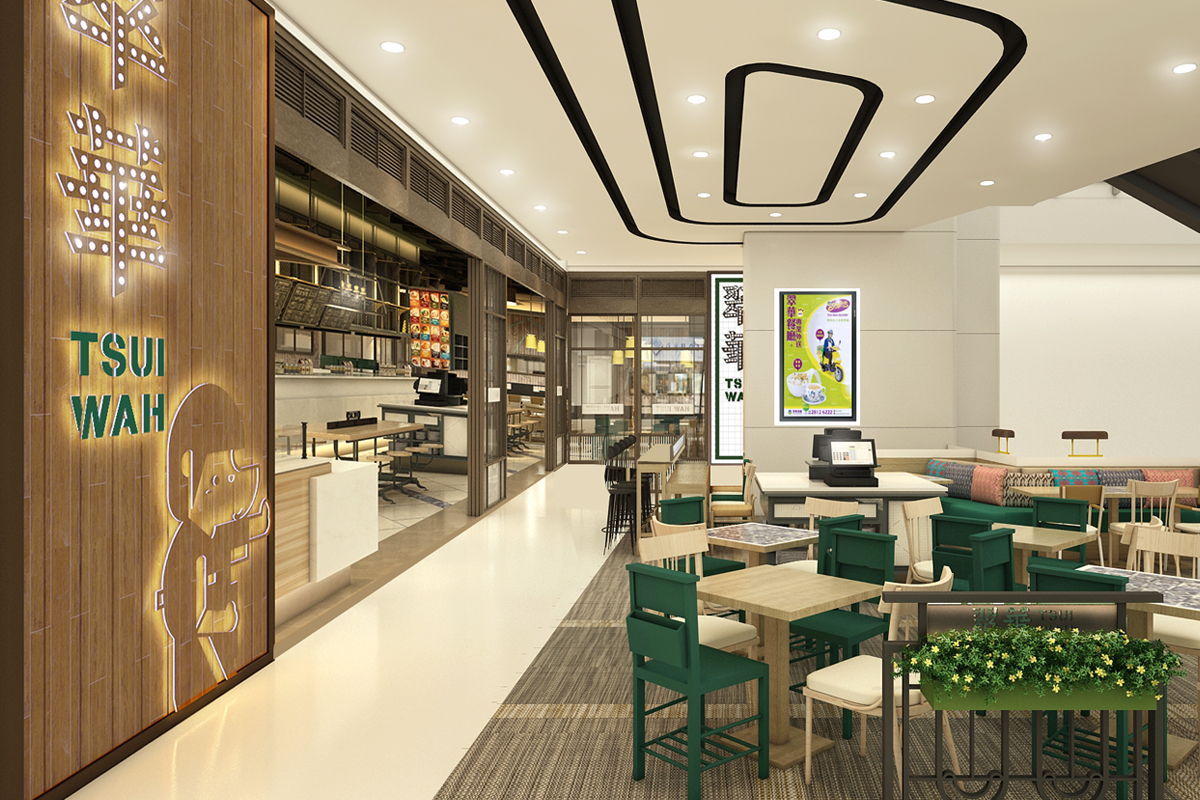
  • Tsui Wah Mainland coming for some help

    Tsui Wah Mainland coming for some help

    New stores in Mainland China helped mitigate a tough consumer market in Hong Kong for listed restaurant-operator Tsui Wah Group.

    The company ended the year with 70 restaurants – a net increase of five in Mainland China, one in Hong Kong and an unchanged three in Macau.

    Total revenue reached HK$1.84 billion (US$234.5 million)for the year to March 31, down by a marginal 0.3 per cent with a 4.3 per cent decline in Hong Kong offset by a 7.8 per cent increase in Mainland China. Profit attributable to shareholders fell 11.4 per cent to $80.77 million.

    Chairman and executive director Lee Yuen Hong said the retail market in Hong Kong experienced “a progressive improvement” during the period, however, selling and distribution expenses as well as property rental and related expenses had increased, which presented challenges to the group’s results.

    “The PRC market benefitted from rising purchasing power amongst the general population, and the revenue from the group’s branches in Mainland China also correspondingly increased.”

    Tsui Wah launched two new self-developed brands last year: Beat Bakery, which uses flour imported from Japan with healthy eating as its core theme, and Nijuuichi Don, featuring Japanese fast-food.

    The group also opened a new restaurant concept, Maomao Eat, which serves authentic Hong Kong-style snacks in the Tai Kwun Centre for Heritage and Arts, in Central. “Maomao Eat also incorporates vegetarian elements in its menu by partnering with Green Monday, a non-profit organisation that promotes a healthy diet and sustainable living,” he said.

    The company opened eight new Tsui Wah branches in Hong Kong and Mainland China, three in Shanghai, and three in the south.

    Tsui Wah also sealed a partnership with Singapore’s Jumbo Group to open and operate a Hong Kong-style Cha Chaan Teng under the Tsui Wah brand. Hong said the restaurant, which opened in mid-June, leverages off Jumbo’s strong presence in Singapore.

    “The group is confident this joint venture will be successful and will enable Tsui Wah and its products to establish an excellent international reputation among the 5.6 million residents of Singapore.”

  • Air Asia introduces two new international routes from Hanoi and Phuket to Penang

    Air Asia introduces two new international routes from Hanoi and Phuket to Penang

    Expanding its wings even further, AirAsia marked another milestone by celebrating its new international inaugural flights from Hanoi in Vietnam and Phuket in Thailand, into its Penang hub at the Penang International Airport (PIA) here today.

    Its three-hour flight from Hanoi touched down at PIA at 12.50pm, carrying passengers up to 80 per cent load, while the Phuket flight will land later tonight at 11.05pm.

    The inaugural flight from Hanoi was received by state Tourism Development, Heritage, Culture and Arts committee chairman Yeoh Soon Hin, AirAsia Malaysia Head of Commercial Spencer Lee and Penang Global Tourism chief executive officer Ooi Chok Yan.

    Lee said AirAsia was pleased to strengthen its Penang hub further with the two new routes. He said the AirAsia Group had flown over 11 million guests in and out of Penang since 2015.

    “In 2017 alone, we had 3.5 million passengers, and for this year until June, we already have two million guests.

    “We are happy to share that we are leading the market in Penang with 68 per cent of direct routes as of this April.

    “We look forward to further boosting tourist arrivals, while at the same time, connecting Penangites and the northern community to more destinations internationally with the AirAsia network,” he said in his speech.

    Yeoh said that the two new direct routes from Hanoi and Phuket would further boost the number of tourists arriving from these two cities.

    “This upward trend in Penang tourism is a good indicator for a robust economy in the immediate foreseeable future,” he added.

    The four-times weekly direct flight from Hanoi and daily direct flights from Phuket are the seventh and eighth new routes launched by the airline into Penang as a group, thus further strengthening the Asean footprint through connectivity aside from the Kuala Lumpur hub.

    The flights heading to Hanoi will take off at 6.15am every Monday, Wednesday, Friday and Sunday. The return flights from Hanoi will take off at 8.50am Vietnam time on the same four days every week.

    The one-hour flight to Phuket will depart at 8.25pm daily while the return flight will take off at 11pm Thailand time.

    In conjunction with the momentous occasion, AirAsia is offering celebratory promotional all-in-fares from RM119 flight to Hanoi and RM79 flight to Phuket, both flights from Penang.

    The special promotion is available for booking from July 2 to July 8 for the travel period between July 2, 2018, to Jan 31 next year.

    Guests can visit airasia.com or use the AirAsia mobile app on the iPhone or Android devices to enjoy the special promotional fares.