Author: Mei Ling Tan

  • China, Millennials and Men are revitalizing luxury retail

    China, Millennials and Men are revitalizing luxury retail

    Attracting Millennials has been key for retailers, but the consumer population, characterized by rapidly shifting expectations in light of digital transformation, has remained elusive to many traditional retailers and buying categories, resulting in piles of literature on how to appeal to this influential group.

    And recently, marketers have all the more reason to focus on Millennials: they are integral in luxury retail’s comeback.

    The 16th edition of the Bain Luxury Study found the luxury market grew by a whopping 5 percent to €1.2 trillion globally last year. Luxury sales grew in a broad array of industries including cars, food and wine, travel, hospitality, clothing, and accessories – and much of the growth is thanks to Millennials.

    Despite the comeback, it’s clearly not your mom’s luxury shopping climate. Jewelry brands are still working to find their stride with younger cohorts and high-end department stores are scooping up Amazon employees to focus on digital growth. Here are some pointers for thriving as a luxury brand in today’s retail environment.

    According to the study, while the boom in luxury sales is primarily led by economic growth in China, demand for personal luxury items is also increasing worldwide. Japan, Europe, and the U.S. are standout markets for luxury retailers, growing at 4 percent, 6 percent and 2 percent, respectively. It is worth noting that tourism had a part in luxury’s rebound: “Globally, the share of personal luxury goods purchased by Chinese nationals reached 32 percent in 2017.”

    The study focused largely on Millennials as a key demographic, but also on the “millennialization” of luxury shoppers, referring to a shifting consumer mindset. In addition to Millennials, Gen Z and men are contributing to the sector’s recovery, and brands are taking notice, adapting to changing customer profiles.

    Menswear has become a focus area for high-end fashion brands. Conglomerates like LVMH (including the brands Louis Vuitton, Bulgari, and Dior, among others) and Kering (including the likes of Gucci, Yves Saint Laurent, and Girard-Perregaux) have focused marketing efforts on mens fashion. Louis Vuitton, for example, is exploring high-end streetwear to tap the male Millennial zeitgeist, and Saks Fifth Avenue says their menswear has gone “from just category addressing to…designers looking at how they’re going to wardrobe a man’s lifestyle,” according to Saks Fashion Director Roopal Patel.

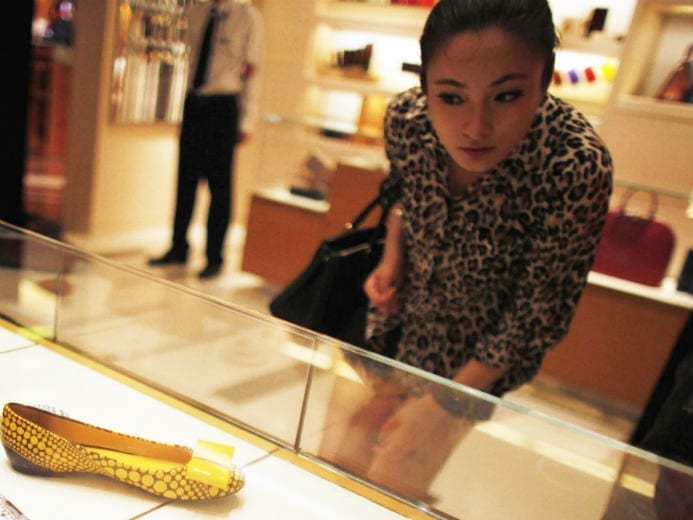
    Moreover, to appeal to younger cohorts, many luxury brands have expanded their product lines to include footwear, hoodies, purses, t-shirts and other more affordable items. Understanding the key demographic purchasing trends will allow retailers to tap into new segments and capitalize on timely opportunities.

    According to Valérie Moatti and Céline Abecassis-Moedas of ESCP Europe Business School, the luxury retail sector has been uniquely reluctant to embrace digital technology. But 2017 saw some luxury brands, including Chanel, successfully embrace a social media presence.

    Although Chanel was one of the last luxury brands to sell online, they now have a Paris-based Instagram team churning out 3-4 posts per day. The success of their Instagram presence earned them 9.6 million new followers last year, making them the platform’s most followed luxury brand. Over half of Instagram’s 1 billion users are under 35, making it a prime platform for reaching the luxury-purchasing cohorts, Millennials and Gen Z.

    “Instagram is well-suited to fashion brands to whom the visual and ‘community’ dimensions are essential,” Moatti and Abecassis-Moedas write. “This generation has a different relationship to brands, placing emphasis on use rather than possession and proving more sensitive to the power of the image.”

    Aligning with meaningful influencers can be effective, as well. Yves Saint Laurent struck social media gold last year by partnering with influencers to promote their fragrance, “Y.” Their strategy focused less on their own social accounts and more on product placements with edgy and notable personalities. The campaign earned them a 69 percent boost in followers and over $16 million in earned media value.

    Of course, any one campaign is not enough to build a relationship with customers. Research by Deloitte shows that Millennials are listening to multiple channels at once, making an omni-channel approach to communication and branding all-the-more essential.

    In-person shopping still has an appeal, particularly with younger cohorts and luxury shoppers. Deloitte’s research shows 43 percent of American Millennials still prefer to buy luxury items in person. They cite the abilities to touch, feel, compare, and try products as key benefits.

    The brands that are making physical retail work for them are using an experiential approach. Ibrahim Al-Haidos, founder of luxury handbag brand Fursan, built a storefront with an environment he describes as being dedicated to opulence and consummate beauty. “We want people to feel special when they enter our store,” Al-Haidos said. “The environment we have created is one of high luxury. It’s important that people begin to feel luxurious from the moment they enter our store.”

    The notion of inviting customers into aspirational lifestyle is common among successful luxury retailers. Many are looking less like traditional storefronts and more like lifestyle touchpoints, sometimes reminiscent of an open house or a ‘permanent pop-up.’ Inviting customers to participate in a lifestyle defined by a brand’s ethos allows them to actually contribute to a brand’s narrative, blurring the line, and strengthening the relationship, between retailer and consumer.

    Partnerships with other brands and influencers that reflect a retailer’s particular ethos can also be effective. Take Ferrari, for example. Their brand aligns closely with Formula 1 racing, surrounded by those passionate about high-performing cars.

    Or look at Max Mara’s partnership with street artist Shantell Martin. The pair collaborated on limited edition sunglasses, using sunglass frame-shaped cut-outs from a custom piece of art by Martin to create a one-of-a-kind product for each purchaser. Reflecting Martin’s whimsical and uplifting stream-of-consciousness style that focuses on the interplay of audience and creator, the limited edition pieces invited their purchasers to effectively participate in the art.

    “I’m always looking for great non-traditional canvases to spread my message out into the world to a new demographic and in a new way,” says Martin. “This collaboration was a great example of that done well.”

    The partnership shows the brand’s acute awareness of what their customers like outside of Max Mara, enabling them to capitalize on the sentiment of Martin’s art and alluding to a broader narrative in which they are a key fixture.

    The luxury retail sector does not look like it did in the days of Elizabeth Taylor.

    But new channels are opening and new markets emerging to support high-end retail.

    Creative approaches to social media, an innovative brick-and-mortar presence, and meaningful lifestyle partnerships will put your luxury brand in the coveted crosshairs of young spenders.

    Millennials may be a tricky market in their ad-proof armor, but the luxury brands who can strike the right chord will find promising returns.

  • Jokowi Opens Indonesia’s First Wind Power Plant

    Jokowi Opens Indonesia’s First Wind Power Plant

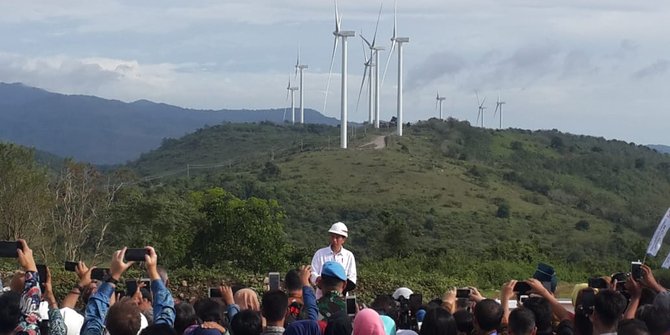
    As President Joko “Jokowi” Widodo inaugurated Indonesia’s first wind power plant in Sidenreng Rappang, South Sulawesi, on Monday (02/07), the government is getting closer to its ambitious target of obtaining more than a fifth of the country’s energy from renewable sources.

    The plant, also known as PLTB Sidrap, consists of 30 wind turbines which can produce up to 75 megawatts and electrify 80,000 households. The turbines in 40 percent consist of locally produced components.

    “This puts Indonesia among the few Asian countries that posses wind power plants, like Japan, China and Korea,” Jokowi said in a statement.

    Sidrap started its development in 2015 with $150 million borne by a consortium comprising of UPC Renewables Asia I, UPC Renewables Asia III, Sunedison and Binatek Energi Terbarukan.

    A similar project in Bantul, Yogyakarta, also developed  by UPC Renewables, was shelved in 2017 due to land clearance problems.

    Jokowi seeks to connect 99 percent of Indonesians to the country’s grid by 2019, when his first presidential term ends. Currently, the electrification rate is 96 percent.

    Indonesia aims to have 23 percent of its total power coming from renewable resources by 2025, also to fulfill its climate change mitigation commitment, in accordance with the Paris Agreement.

    Today, only 14 percent of the country’s energy is clean. More than half of it still comes from coal-powered plants.

  • Vietnam H1 seafood exports up 12.3 pct

    Vietnam H1 seafood exports up 12.3 pct

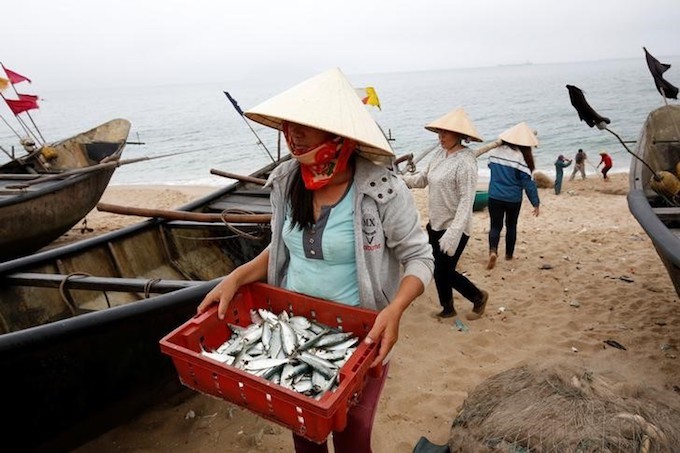
    Seafood export value rose 12.3 percent year-on-year in the first half of 2018 to reach $4 billion, according to the Vietnam Association of Seafood Exporters and Producers (VASEP).

    Shrimp led the export earnings with $1.6 billion, followed by catfish and tuna. Catfish export value experienced the most significant increase by reaching $1 billion, a 21 percent increase over the same period last year.

    Except for the European Union (EU), catfish exports to other markets saw positive growth, especially China and the United States. VASEP expects catfish exports increase dramatically throughout the year.

    The U.S. remained the biggest importer of Vietnamese seafood at $620 million in the first six months, followed by Japan and China. Mexico was the fastest growing market with $50 million, an increase of nearly 77 percent over the same period last year.

    Previously, the EU “yellow card”, a warning to Vietnam seafood about export bans if it failed to tackle illegal fishing, had disrupted tuna and other seafood exports in the first 3-4 months of the year, causing total exports to the European market to slow down. However, exports to this market are forecast to rebound in the second half of the year.

    Vietnam ranks among the top ten seafood producers in the world, according to the FAO, the U.N. food and agriculture organisation.

    Vietnam exported $8.32 billion worth of seafood last year, an 18 percent growth over 2016, said the VASEP.

  • Thailand’s Mistine launches in Korea

    Thailand’s Mistine launches in Korea

    Better Way Thailand, trading as cosmetics brand Mistine, is aiming to establish itself as an Asian brand by 2020.

    From this coming August, Mistine products will be exported for retail in Korea’s Incheon airport and in downtown Seoul, in the hope of attracting the destination’s annual 10 million Chinese visitors.

    Mistine already has a strong online presence in the Chinese mainland, where it is also available over the counter at Watsons health and beauty stores. It will launch its own flagship store in Beijing next year.

    These moves will constitute part of an effort to increase export volumes from 10 per cent to 20 per cent of its stock in the face of lagging demand at home.

    The company’s president Danai Derojanawong said Better Way needs to rely more on technology to make its logistics more efficient for customer satisfaction. “Direct sales may be disrupted by the rise of online shopping,” he said, “but we still believe they will not disappear from Thai society, because direct sales is a social business.”

    Currently 60 per cent of Mistine products are sold via direct sales, which Danai expects will drop to 30 per cent over the next five years.

    Danai said there is huge potential in the Chinese market. “We’ve only penetrated four cities, including Shanghai, Guangzhou and Shenzhen. We plan to expand our business into two new cities next year, Chengdu and Beijing. With those plans, we aim to enter the top five for regional colour beauty brands in Asia by 2020.”

    Mistine’s sales in China totalled THB3 billion (US$90.47 million) last year, and are expected to reach THB5 billion (US$150.78 million) this year.

  • Is plus-size fashion is the new black?

    Is plus-size fashion is the new black?

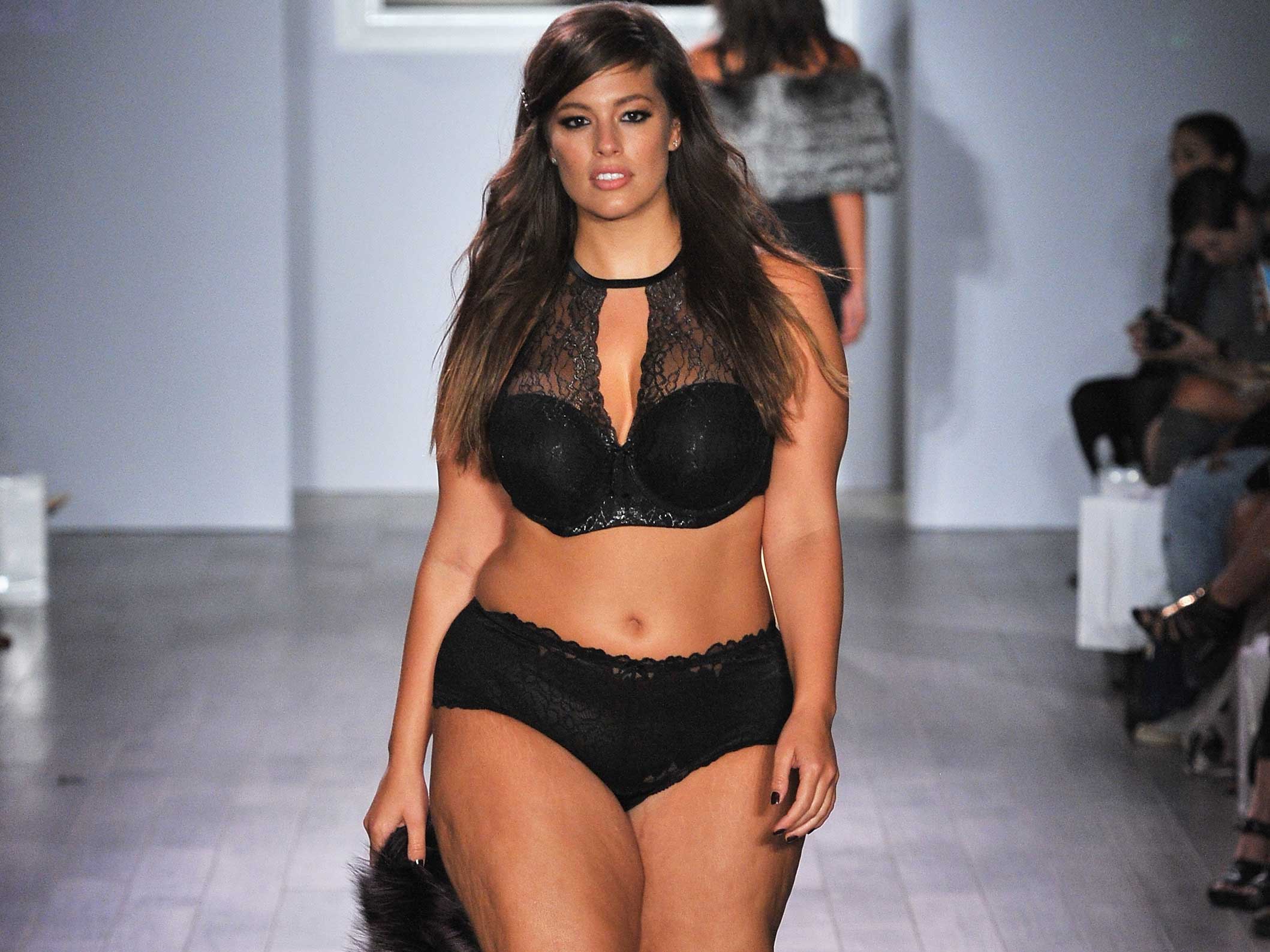
    The so-called “plus-size” market (typically size 14 and up) has been an under-served opportunity for as long as I’ve been in retail. Historically there were some good reasons for this.

    Traditionally, the main thing retailers optimized was physical space and inventory.

    Accordingly, the breadth and depth of the merchandise carried in a store would, more or less, follow a statistical distribution of sizes, adjusted by color ranges carried and constrained by inventory budgets and the literal store-by-store physical limitations of tables and racks. From a short-term financial perspective this made sense.

    Unfortunately it’s also true that many parts of the fashion industry exhibited both overt and unconscious bias against images of women that did not conform to their unrealistic–and often unhealthy–“ideals” of feminine beauty. As a result it’s clear that the industry has been painfully slow to represent an appropriate spectrum of customers in advertising, design and product offering.

    At long last this appears to be changing, primarily owing to a few key factors:

    The long tail of e-commerce. The inherent economics of a direct-to-consumer business model allows different capital dynamics to be at play. E-commerce warehousing has important advantages over physical store distribution (much lower real estate cost, greater ability to flex space, economies of scale in centralizing inventory), making it considerably more economically feasible to carry a wider range of products.

    Indisputable demographic changes. It has been true for some time that Americans are getting larger and, by all indications, this isn’t likely to change. While it would have been wise for retailers to have taken this market more seriously years ago, perhaps the most recent data makes it painfully obvious how significant the incremental growth opportunity is.

    Growing cultural awareness and acceptance. Numerous sociological factors, among them the overall ‘body positive movement’, heightened (and well deserved) criticism of the fashion and advertising industries’ obsession with rail thin models and the growing social media popularity of certain key celebrities and influencers have all contributed to subtle but important shifts in perspectives.

    Demonstrated “mainstream” success. Special size catalogs and stores (think Lane Bryant and Avenue) have been around for a long time, and collectively they represent a large market segment. Yet somehow they were seen as niche or unusual situations operating outside of the mainstream. In recent years, however, brands like Aerie have launched winning “real women” marketing campaigns. Major traditional retailers, from Kohl’s to Charlotte Russe to JC Penney and beyond, are seeing success as they invest in the plus-size opportunity. Newer online-only brands like Eloquii are realizing strong growth.

    As is well documented in this excellent report from Coresight Research, the simple truth is that the plus-size sector is already large and growing faster than the overall market. Despite this momentum, however, many opportunities to eliminate areas of customer dissatisfaction and amplify the overall experience remain. Retailers that wish to take full advantage of this growth area would be wise to keep a few things in mind:

    Saying you are customer-centric and being customer-centric are two different things. Most retailers say they are customer-centric and strive to be innovative. And yet the vast majority have thus far failed to seize the plus-size opportunity. It’s well past time to stop paying lip service and get into action.

    Treat different customers differently. It has always been a good idea to move toward greater personalization. No customer wants to be average, but more importantly in the anytime, anywhere, anyway world of today, no customer has to settle for being treated that way. The future of most retail will be determined by those retailers that have the greatest level of customer insight and are able act on it in relevant and remarkable ways.

    Fix it in the mix; silos belong on farms. One of the reasons so many retailers missed the plus-size opportunity is due to their relentless focus on silo-ed performance analysis.

    Apparel buyers consistently under represented plus-size dresses in their assortments (as just one example) because they don’t get any credit for the handbags, cosmetics, kids apparel or whatever else that customer might buy when they are in the store (or on the website). If you are not thinking cross-shopping, market basket size and lifetime value you are going to keep making some dumb decisions.

    Here comes Amazon. Amazon already has a stable of plus-size private brands. They will have more. They currently lack the fashion credibility and physical store presence to fully prosecute this opportunity. That is almost certain to change in the not too distant future.

    There is really no such thing as plus-sized. Representation is vitally important. The industry can, and absolutely should, do a better job of depicting a spectrum of body types in media–and in other aspects of how they do business. In a different light, when it comes to how sizing is presented to the consumer, does it ultimately help anybody to make this increasingly arbitrary distinction, particularly when the average (American) woman wears between a size 16 and 18? Ultimately it’s all just sizes. And different fits. And colors. And patterns. And styles. And on and on.

    The retailer’s job is to understand the rich tapestry of differences, to curate their unique point of view and to deliver an intensely rich, relevant and differentiated experience at scale for all the customer segments they choose to serve.

    With growth so hard to come by for most retailers these days, it is worth asking why so many have ignored this opportunity for so long?

  • Stripe enlists Alibaba for ‘smart store’

    Stripe enlists Alibaba for ‘smart store’

    Japanese clothing chain Stripe is partnering with online retail giant Alibaba to open a “smart store”.

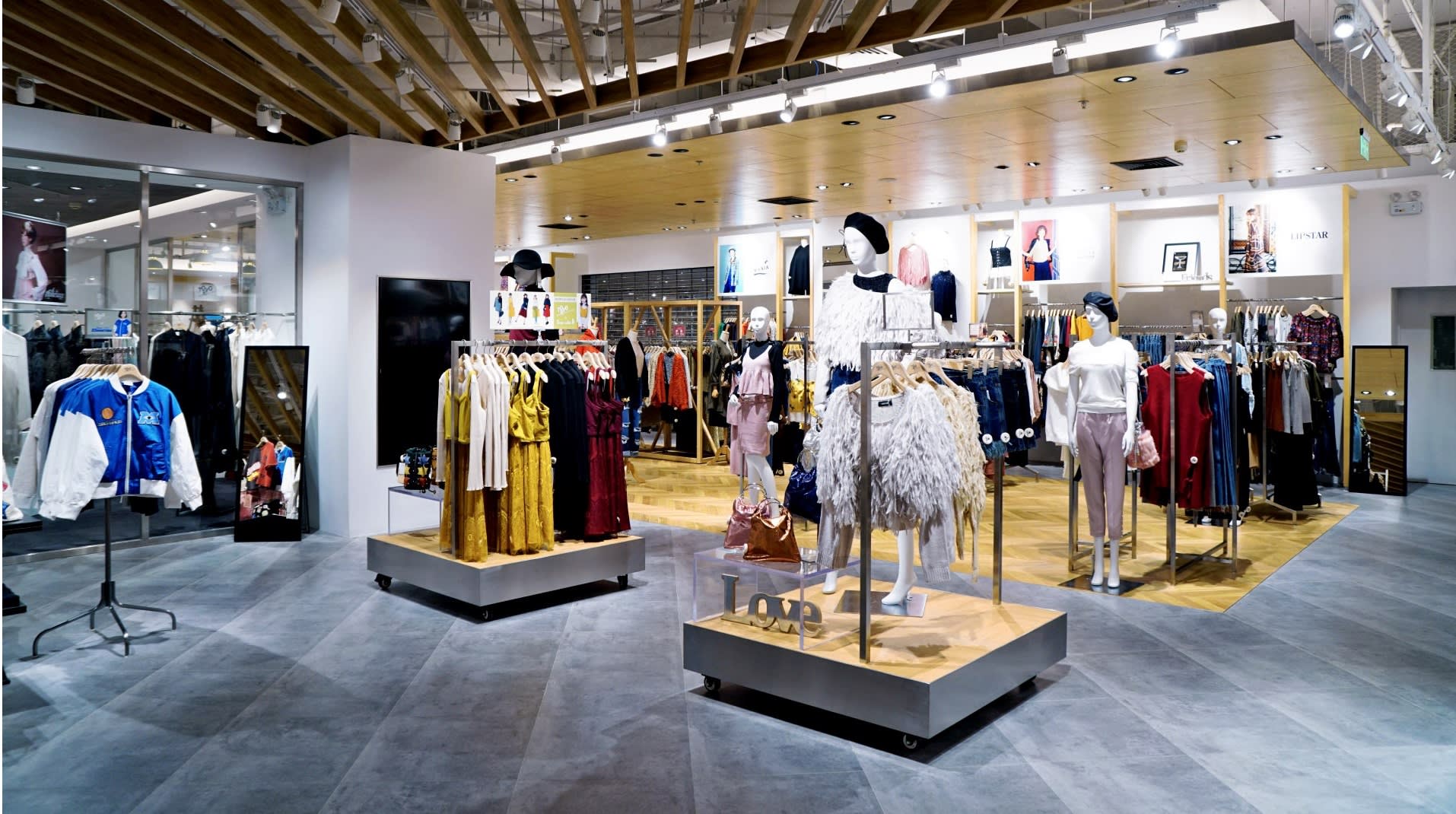
    The 60sqm physical store, stocked with Stripe’s Earth Music & Ecology branded garments, will feature enhanced technologies to use pooled customer data collected from online stores to equip staffers with information about shop visitors. The data, which could potentially include a store visitor’s online purchasing history, could help device-wielding workers make product recommendations and assist a customer in finding garments they are more likely to prefer. Purchases will be made via digital payment services.

    Data collected from the store could influence Stripe’s future product lineup, including information from “smart hangers” that can detect when an item is purchased or just shown interest in. Smart mirrors allow customers to see garments in alternative colours while facial recognition systems will be parsing for gender and age.

    Alibaba’s Tmall digital storefront, combined with its mobile payment platform Alipay, serves 550 million customers annually. The provision of the technology will allow Alibaba a unique opportunity to gather data from the physical retail realm.

    Stripe International, which runs 1400 stores worldwide, is predicting total sales this year of around RMB100 million (US$15 million) from the 20 stores it operates in China.

  • L’Oreal China and Alibaba team up on green packaging

    L’Oreal China and Alibaba team up on green packaging

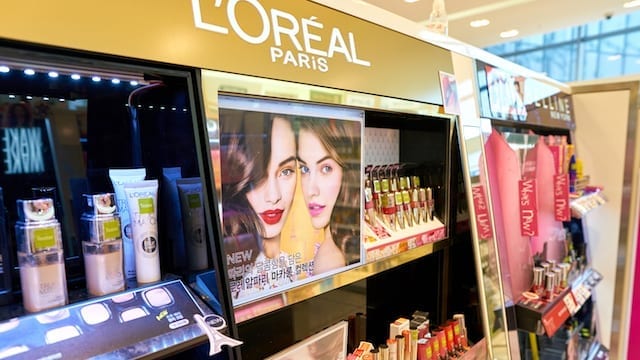
    L’Oréal China and Alibaba Group signed an agreement committing to using environmentally packaging in order to reduce waste in China.

    The agreement, which will be rolled out over the next five months, includes a pledge from L’Oréal to switch to FSC-certified sustainable paper, zipper paper, zipper paper cartons, or paper adhesives to decrease the use of plastic materials for its brand portfolio, according to the joint announcement.

    For Chinese multinational retailer Alibaba, the move highlights their strategy called new retail. As entrepreneur and author Ashley Galina Dudarenok explained, Alibaba seeks to redefine commerce by enabling seamless engagement between the online and offline world. Alibaba’s consumer-facing marketplace Tmall formed a partnership last month with the Marine Stewardship Council. Tmall’s goal is to have 20% of their sales carry the MSC label by 2020.

    The new partnership with L’Oréal China provides customers with high quality products and helps create “green, healthy, and sustainable social values,” said Jet Jing, the head of Tmall. “The upgrade of consumption is both an upgrade in quality of life as well as consumer awareness.”

    In May, Alibaba’s smart logistics arm Cainiao formed an alliance with 13 L’Oréal brands where participants commit to sustainable measures such as the use of biodegradable packaging materials. That same month, L’Oréal and sustainability consulting firm Quantis co-founded the Sustainable Packaging Initiative for Cosmetics (SPICE), aiming to reduce the environmental footprint of cosmetics products.

    Also in May, Cainiao announced plans to replace traditional paper stickers on 40 billion parcels by 2020 through the use of e-shipping labels, a measure that could save more than 3 million trees.

    Last year, as L’Oréal China celebrated its 20th anniversary, the company said they had made progress in several areas of sustainable development. “Substantial efforts have been made to reduce packaging weight,” the company reported. That meant a reduction in plastic used, changes in the composition of plastics used, the use of refillable glass containers as well as the elimination of paper instruction leaflets.

  • The Marvel Experience Thailand opens in Bangkok

    The Marvel Experience Thailand opens in Bangkok

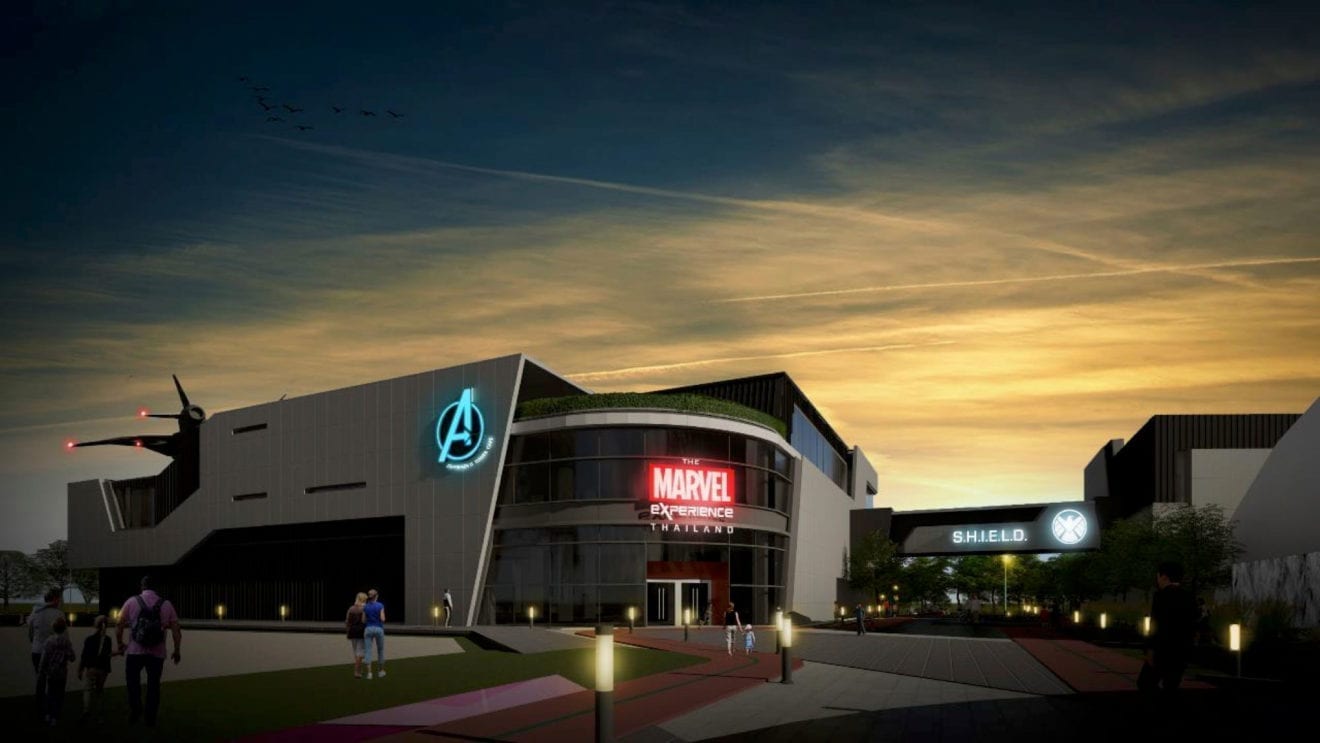
    The Marvel Experience Thailand opens in Bangkok.  South East Asia’s first Marvel Experience-branded attraction has launched at Bangkok’s Mega Bangna mall.

    The Marvel Experience Thailand stretches over two hectares. It’s sited at the Mega Bangna (Bang Phli) mall, halfway between Suvarnabhumi International Airport and the centre of Bangkok.

    “From our success with the launch of The Marvel Experience (TMX) in the United States of America and elsewhere, a number of countries have reached out and invited us to bring TMX to them,” said Rick Licht, CEO of Hero Ventures. “As Thailand is a major fan base for Marvel, we believe that Thailand is the perfect country to which we should bring this adventure.”

    The new attraction has two major zones – a reception building and the Attraction Zone. As visitors enter they will find themselves at the ticket office. F&B options The Avengers Café and the Super Hero Snack Bar are on hand. The Marvel Adventure Zone offers play for smaller children. Guests can also browse the Marvel Experience Super Store, with a wide range of Marvel licensed products. The Marvel Experience Thailand merchandise is exclusive to the venue.

    Guests then enter the Holding Zone Beta, a prepping area before guests move into the main Attraction Zone. Once inside the Attraction Zone, guests are invited to become S.H.I.E.L.D agents. They then join Spiderman, Captain America, Iron Man, Thor, Hulk, Black Widow, Black Panther and other Marvel heroes in a two-hour campaign. The immersive battle offers a compelling combination of hyper reality, interactive and multimedia technology games. It also includes AR and VR simulations.

    The Marvel Experience also offers a 4D motion ride and a 360-degree 4D stereoscopic projection dome. Guests also have the opportunity for meet and greets with Marvel heroes.

    TMX is collaborating with their local partner Hero Experience to manage the attraction. Surakiat Thienthong, co-CEO of Hero Experience, says he hopes the new attraction will become a key tourist focus in Bangkok, helping to boost overall numbers of tourists for Thailand.

    “We plan to communicate with both Thai people and international tourists,” says Thienthong. “For Thailand, our strategy is to integrate marketing communication across all media channels: TV, radio, online, out-of-home media, including marketing activities every month.”

    He adds that, for the international market they will “promote through media and key influencers in each country as well as find the right travel agent partners to broaden our target groups.”

    The addition of branded retailtainment is in line with current trends in retail.

    It seems the world can never get enough of Marvel. Earlier this year Blooloop reported on the opening of a £1million Marvel Super Heroes attraction at Madame Tussauds Blackpool.  Meanwhile the Marvel Summer of Super Heroes is in full swing at Disneyland Paris.

    View gallery below for more pictures of the venue (7 images) :

  • Lulu opens new hypermarket concept in Abu Dhabi

    Lulu opens new hypermarket concept in Abu Dhabi

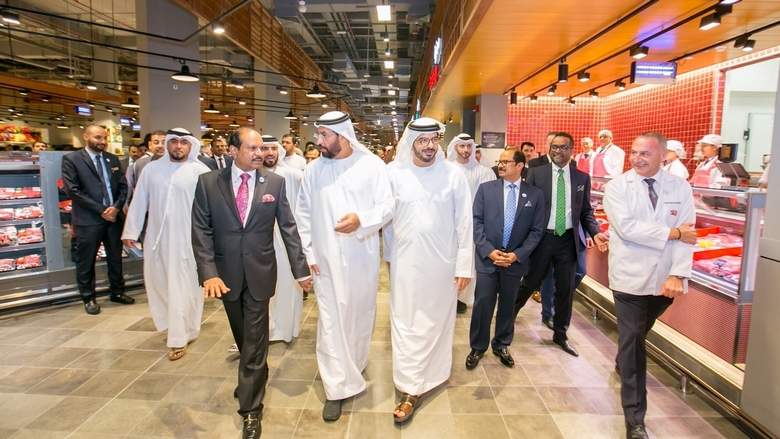
    LuLu Group launched a new hypermarket concept and revamped store design at The Mall in World Trade Center Abu Dhabi on Monday.

    LuLu’s 148th store was inaugurated by Aldar Properties chief executive officer Talal Al Dhiyebi along with LuLu Group chairman and managing director Yusuff Ali M.A., executive director Ashraf Ali M.A. and CEO Saifee Rupawala.

    Situated within Abu Dhabi’s central business district, the store has more than 100,000 square feet area.

    Yusuff Ali said the newly launched hypermarket significantly adds to the portfolio of LuLu Hypermarket chains. “LuLu has been the shopping partner of different nationalities and we will continue to preserve this identity with our new store. This new hypermarket introduces a newly improved design and space, which will further strengthen the world-class shopping experience.”

    Talal Al Dhiyebi welcomed the opening of LuLu Hypermarket. “Aldar has an enviable portfolio of retail assets including malls and retail community centres throughout Abu Dhabi and Al Ain. We constantly review our retail mix to ensure we provide residents and visitors alike with the right balance of brands. This hypermarket, along with the nine other new brands that have opened at The Mall so far this year, expands the existing mix of retailers and will drive further footfall while responding to local resident demand.”

    10 new hypermarkets, China expansion plans

    Yusuff Ali said the group saw tremendous growth opportunities in Abu Dhabi where 10 new hypermarkets are in the construction stage.

    “It will be operational within the next 18 to 24 months. This includes Al Falaha, Reem, Khalifa City, Sadiyat, Beda Zayed etc.”

    Two more hypermarkets will be opened in the coming weeks  – one in Umm Al Quwain and Saudi Arabia  – that will make total number of outlets to 150.

    LuLu also plans to enter the retail scenario in China where it has sourcing and logistics facility since 2000. A memorandum of understanding on co-operation on various areas of mutual interest was signed recently between Lin Yi, Party Secretary of Communist Party of China, Yiwu, in Zhejiang province and Yusuff Ali.  As per the MoU, LuLu will increase its yearly exports from China which stands currently at $220 million to $300 million. 

    Apart from this, LuLu will also look into the possibility of investment to set up Hypermarkets in Yiwu and other major cities at an investment of $200 million. 

  • DHL boosts offerings for e-commerce

    DHL boosts offerings for e-commerce

    Charles Brewer, chief executive officer of DHL eCommerce, said that Thailand has huge potential for growth in the logistic and e-commerce sector.

    Brewer, who said the company also aimed to have up to 2,500 service points by the end of next year, said that e-commerce accounted for 2.4 per cent of the total retail market in Thailand, and this segment was expected to grow 22 per cent a year until 2020.

    “The country therefore has the potential for e-commerce to grow by more than three to four times. Thailand’s e-commerce market will reach 4 billion euros in 2020,” Brewer said.

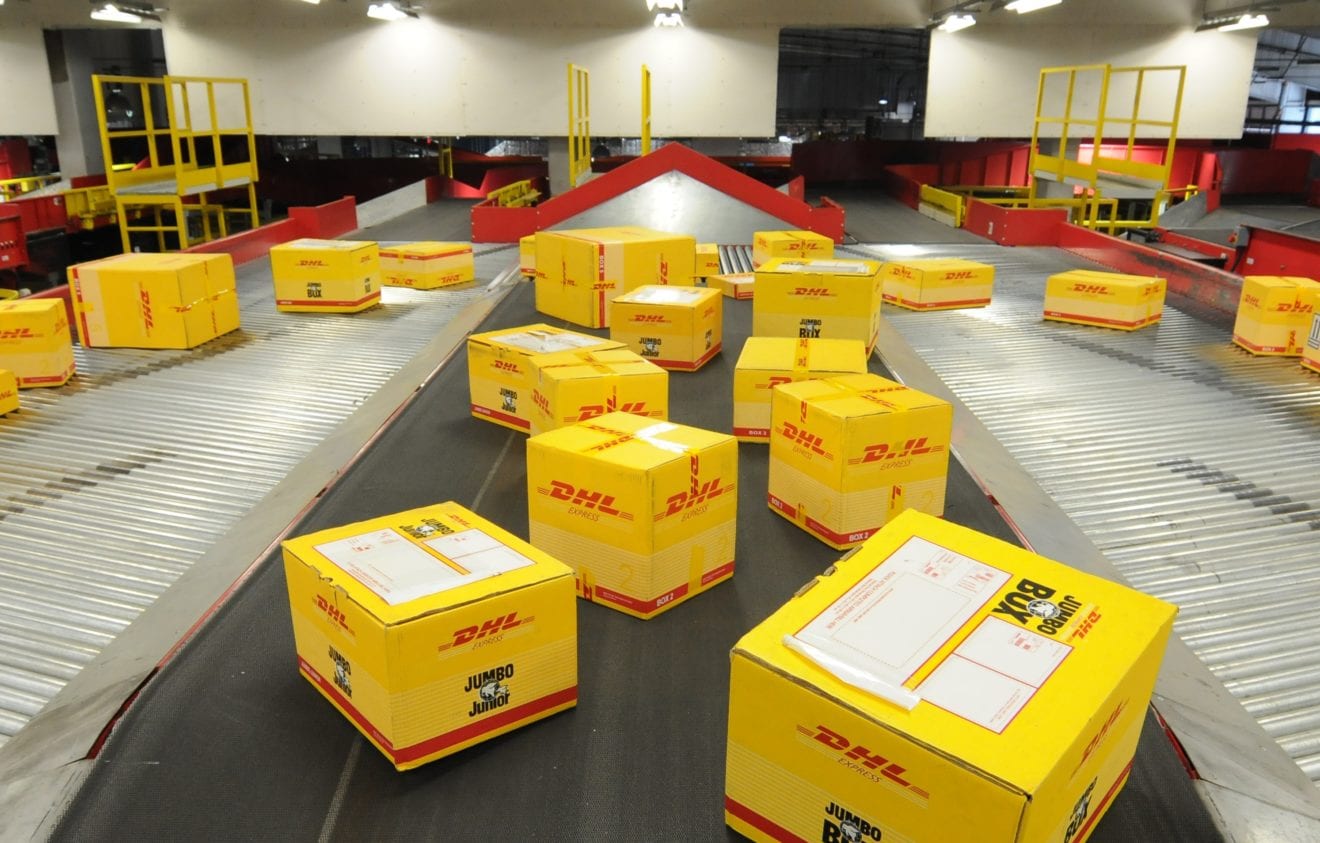
    The company’s same-day service, DHL Parcel Metro, will ship parcels of up to 20 kilograms from retailers to their customers.

    The service allows customers to enjoy a late cut-off of up to 12 pm for same-day delivery within Bangkok, Pathumthani, Nonthaburi and Samut Prakan provinces. The service fee charge starts at Bt100.

    “Thailand is a fantastic country to do business in and not only e-commerce,” Brewer said. “Thailand is now the second country in which we provide same-say deliveries to the market. The firm announced same-day deliveries in Ho Chi Minh City and Hanoi in Vietnam last month and expects to provide this service in Kuala Lumpur in the next step.”

    He said that the same-day delivery service in global market in 2016 accounts for less than 1 per cent of the total and that this is expected to jump to 22 per cent by 2025. McKinsey reports that demand for same-day delivery is expected to increase by over 43 per cent a year worldwide and that retailers that offer this service see significant advantages in e-commerce.

    Brewer said that the firm would later provide new services that use drones, artificial intelligence, robotics and PostBot.

    Kiattichai Pitpreecha, managing director for Southeast Asia at DHL |e-Commerce, said the firm will have around 1,000 e-commerce shops by the end of the year.

  • Starbucks to increase number of cashless stores in Korea

    Starbucks to increase number of cashless stores in Korea

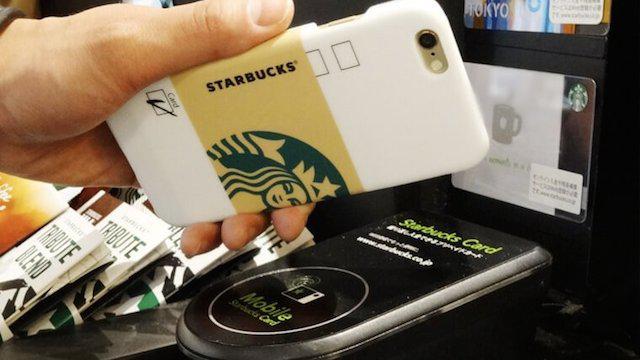
    Starbucks Coffee Korea Co. said Monday it will increase the number of cashless stores to over 100 across South Korea this month amid rising use of credit cards and mobile payment systems in the tech-savvy country.

    Earlier in April, the coffee giant began a test run of three cashless stores in major office districts in and around Seoul.

    The proportion of cash transactions at these stores has since dropped from 3 percent to 0.2 percent, according to the joint venture between Starbucks Coffee International Inc. and South Korean retail giant Shinsegae.

    The company will turn 100 more outlets into cashless stores from July 16 in addition to the three under the trial system.

    Starbucks said the decision is part of its broader digital innovation drive as cash payment has been constantly declining at stores in South Korea, from 31 percent of the total in 2010 to 15 percent in 2013 and 7 percent last year.

    “South Korea has a high utilization rate of credit cards and mobile payments. That coupled with the country’s well-established digital infrastructure enabled our latest expansion decision,” Starbucks Korea CEO Lee Seock-koo said in a statement.

    The total daily average amount of electronic financial transactions came to a record 581.53 billion won (US$521.6 million) in the first quarter of this year, up 13.2 percent from a quarter earlier, according to government data.

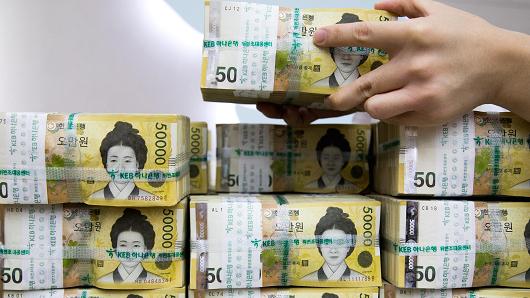
  • Weakening won poses new risks to Korean economy

    Weakening won poses new risks to Korean economy

    The weakening of the won in recent weeks carries both benefits and risks for the Korean economy that is being held back by a simultaneous downturn in investment, consumption and exports.

    Policymakers therefore face a thorny task to take proper steps in response to the weakening won that is set to have contradictory effects on the economy.

    The value of the Korean currency against the dollar fell to an eight-month low of 1,124.2 won per dollar in the Seoul foreign exchange market on June 28 before rising somewhat to 1,114.5 won the following day. Over the previous 14 trading days, the won lost its value against the greenback by 5.1 percent.

    Under usual conditions, the depreciation of the won can be seen as bringing more positive than negative effects to Korea’s export-dependent economy by enhancing the price competitiveness of the country’s exporters.

    What is concerning, analysts note, is the steep pace with which the won has been weakening.

    A comparison by Bloomberg of changes in the value of 20 major currencies against the dollar from May 31 to June 26 showed the won depreciated at the third-fastest pace of 3.32 percent.

    The Argentine peso and South African rand were the only two currencies that lost more value than the won. The Turkish lira and Brazilian real depreciated 1.91 percent and 2.05 percent, respectively, against the greenback.

    While the currency volatilities that hit most emerging economies earlier this year have lessened, the won is now in tune with the trend of depreciation against the dollar after remaining relatively strong partly due to reduced geopolitical risks on the Korean Peninsula.

    According to data from the Bank of Korea, day-to-day changes in the won-dollar exchange rate widened from an average 0.34 percent in May to an average 0.44 percent during the period of June 1-27.

    Analysts note a set of factors will likely precipitate the weakening of the won down the road, calling for measures to prevent a possible massive outflow of capital from the country.

    “The won could weaken to 1,150 won per dollar within the year, if the trade tensions between the US and China continue to intensify,” said Ha Kun-hyung, an economist at Shinhan Investment Corp.

    China’s move to devalue the yuan against the dollar to counter President Donald Trump’s trade pressure has served to push down the value of the won against the greenback in recent weeks. Experts note the local currency market is increasingly synchronized with the yuan’s movement as Korea depends on the Chinese market for nearly a quarter of its goods shipments abroad.

    Concerns are growing that the escalating trade friction between the world’s two-biggest economies will weigh on the country’s exports.

    According to government data released Sunday, Korea’s outbound shipments dropped 0.9 percent from a year earlier in June, marking the second monthly decrease this year following a 1.5 percent dip in April. A recent study by the Korea Institute for Industrial Economics and Trade forecast that the rate of on-year growth in the country’s exports would slide from 15.6 percent last year to 6 percent this year.

    The prospect of a slowdown in exports coupled with deteriorating profits of Korea’s major companies has prompted foreign investors to sell off Korean shares.

    Foreign investors have net-sold 3.8 trillion won ($3.4 billion) worth of Korean shares so far this year — nearly 1.6 trillion won in June alone.

    “One of the fundamental reasons for the capital outflow is the weakening of confidence in local companies’ long-term profitability,” said Lee Jae-man, an analyst at Hana Financial Investment.

    According to FnGuide, a financial information provider, the latest estimate of the combined operating profits of 132 major listed firms in the second quarter of the year reached 46.2 trillion won, down 8 percent from the 50.2 trillion won forecast at the start of the year.

    A widening gap between interest rates in Korea and the US may also add to accelerating the capital outflow.

    Policymakers seem ready to let the won continue to weaken.

    “At some point, measures may need to be taken to stabilize the market,” said a Finance Ministry official, asking not to be named. But he added it would not be worrisome that the value of the won might fall further below the current level.

    Pressured by the US and the International Monetary Fund, Seoul announced last month it would begin disclosing records on currency market interventions next year.

    It may well expect measures to push up the value of the won will not be subject to punitive action from the US, which has focused on curbing moves by trading partners to devalue their currencies to help bolster exports.

    What concerns policymakers is the possibility that the weakening won will be coupled with rising international oil prices to raise inflation. Korea’s consumer price hikes, which remained at 1 percent in January, reached 1.6 percent in April and 1.5 percent in May.

    The upward trend in prices may lead the BOK to increase its base rate, which has been held at 1.5 percent since November.

    The move may also be needed to narrow the rate gap with the US but would run the risk of further dampening domestic consumption and investment.

    According to recent data from Statistics Korea, the country’s retail sales and facility investment decreased 1 percent and 3.2 percent on-month in May, respectively, marking the second and third monthly decline in a row.

  • New VR amusement park for Korea

    New VR amusement park for Korea

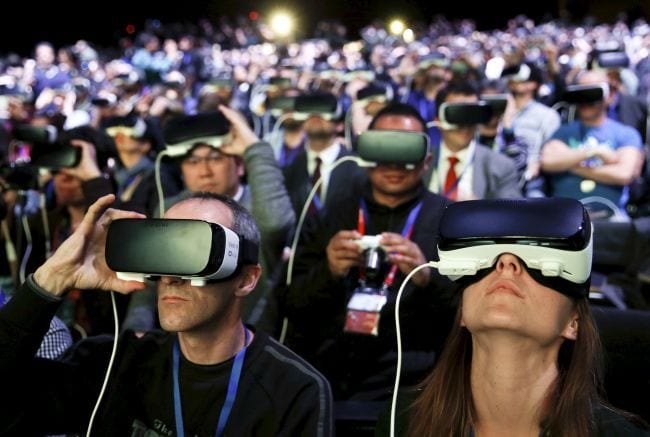
    As virtual reality becomes recognized as a viable film technology internationally, the Korean film industry is not hesitating to join the trend: film tech labs and visual effects houses are producing VR content more aggressively than ever, while major exhibitors are developing new technologies to screen this material.

    Until quite recently, VR content was rarely available in cinemas as most VR productions have been designed for theme parks and experiential games. But now South Korea is catching up the global trend – a movement in which VR animation such as Eugene Chung’s “Arden’s Wake” draw wide attention and leading film festivals launch competition sections specifically for VR films.

    South Korea has showcased quite a few notable VR film projects: in 2017, Gina Kim’s VR documentary “Bloodless” competed in the Venice film festival’s VR competition and won the best VR Story Award. Based on a true event in 1992, the film is about the murder of a Korean sex worker by an American soldier.

    More recently, VR romance drama “Stay With Me” opened in the immersive 4DX format at the CJ-CGV cinema chain. Directed by Bryan Ku, “Stay” revolves around the relationship between a boy who dreams of becoming a musician but is too afraid to go on stage, and a girl who aspires to become an actress.

    “When you think about VR, most of the time it would be either adventure, action or horror films,” Ku said at a press event for “Stay.” “I believe the greatest quality of VR lies in its capacity to let the audiences relate to the film emotionally, and romance drama is the genre that corresponds the most to this quality,” he continued.

    The world’s first film production that was both shot in VR and screened in 4DX format, “Stay” was specifically designed for 4DX screening from the beginning and was shot in 360 degrees, for which CGV’s 4DX effect team joined the project from the development stage.

    “4DX effects for VR should be different from those for other movies,” says Yoo Young-gun of CGV. “Visual elements are not enough to accomplish what VR is up to, which is to expand to a form of storytelling with its immersive characteristics maximized. With 4DX technology, the audiences can touch, smell and feel the films, meaning that virtual reality in its literal sense can be achieved.”

    CJ CGV is aiming to globally introduce 4DX VR by applying VR technology to its 500 4DX theaters across the world.

    “We are planning a VR add-on package, which allows exhibitors to show VR films, and are offering it to the 500 4DX theaters across the globe,” says Yoo.

    On the other hand, Lotte Cinema, South Korea’s second-largest exhibition chain, arranged a special program dedicated to VR content earlier this year. The program’s selection included Patrick Kwon’s “Nine Days,” South Korea’s first VR movie designed for theatrical release.

    “For this event we collaborated with Samsung and could use its HMDs and smartphones, but if we start regular VR screenings, it will be a lot costlier,” says Lotte’s Kang Seung-hyuk. “We will need to determine whether there’s enough content in VR that can cover these costs.”

    Since VR is still at an early stage and barely has a stable market, most VR productions rely on support funds. The Ministry of Culture, Sport and Tourism and institutes such as Korea Creative Content Agency and National IT Industry Promotion Industry are funding VR projects. Also, the Korean Academy of Film Arts launched a special course for VR production.

    At the same time, companies in the private sector are also making investments. Leading visual-effects house Dexter Studios is running a digital human virtual reality research lab and is working on a string of VR films that are set for theatrical releases at CGV within this year. The studio’s lineup includes sci-fi animation “From the Earth” and live-action horror picture “Trapped.”

  • VivoCity mall extension start operating

    VivoCity mall extension start operating

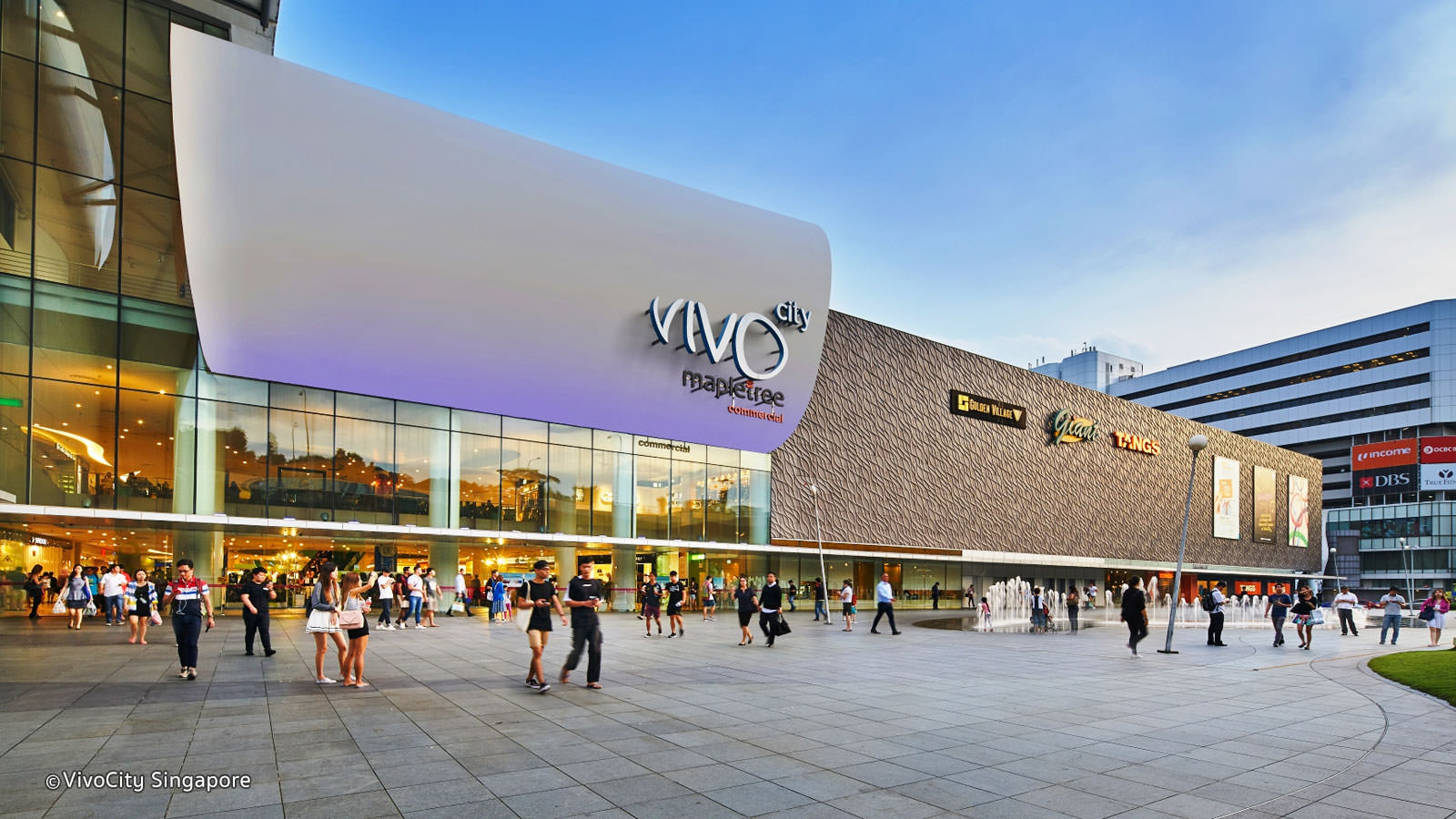
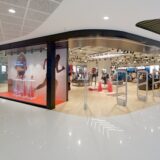
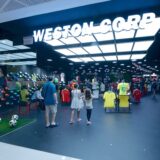
    Singapore’s VivoCity mall has opened a new 3000sqm basement extension housing 10 fashion, athleisure and lifestyle brands.

    Mapletree Commercial Property Management VP for marketing communications Gwen Au said the new extension will allow shoppers to discover new retail concepts and expanded fashion and lifestyle collections.

    A new escalator lobby has been constructed leading through the extension to improve access to and from the Harbourfront MRT station.

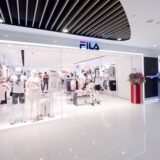
    One of the new tenants in VivoCity B1 is Fila, which is launching three concepts under the one roof – Fila, Fila Kids, and Fila Fusion – offering buyers a range of performance, sport couture, and lifestyle collections. Adidas will also present multiple store formats in the extension, unveiling its stadium concept store (featuring performance wear) next to a new Adidas Originals flagship (offering street style fashion trends).

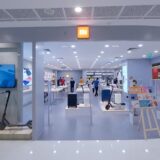
    Other brands opening in the extension include New Era, Nike, L.E. Underground, Weston Corp and Xiaomi.

    Images of the retail stores open can be viewed below :


  • Dell becomes public company five years after buyout

    Dell becomes public company five years after buyout

    Dell, the onetime leader in personal computers and tech industry stalwart, said Monday it will become publicly traded five years after a contentious private equity buyout.

    The company announced a stock swap deal with its software subsidiary VMware that will result in a reorganized tech giant that returns to the stock market, with founder Michael Dell retaining control as chairman and chief executive.

    The move comes after a 2013 private equity buyout led by Michael Dell aiming to revive the company that fell behind when consumers turned to mobile devices instead of PCs.

    “I am proud to lead this great company into its next chapter as we continue to evolve and grow to the benefit of our customers, partners, investors and team members,” Michael Dell said in a statement.

    “Unprecedented data growth is fueling the digital era of IT, and we are uniquely positioned with our portfolio of technologies and services.”

    The new Dell is far from the maker of personal computers that helped ignite the personal computer market in the 1990s.

    It acquired the data storage group EMC in 2016 for a whopping US$67 billion (RM271 billion) and is a major player in software, security and cloud computing in addition to its PC business.

    Michael Dell, who currently owns 72% of Dell Technologies common shares, struck a deal with the private equity firm Silver Lake to take the company private in 2013 in an effort to reorganize without pressure from public shareholders.

    The move came amid fierce opposition from some shareholders led by billionaire investor Carl Icahn, who called the plan a “giveaway.”

    Dell will trade on the New York Stock Exchange after completion of the deal, expected later this year, the company said.