Author: Mei Ling Tan

  • Galaxy Note9 invitation hints at revamped stylus

    Galaxy Note9 invitation hints at revamped stylus

    Samsung Electronics is scheduled to unveil its Galaxy Note9 phablet on Aug. 9 in New York, according to an invitation the company sent to media on Thursday.

    The unpacking event for the next flagship smartphone will take place at 11 a.m. local time on Aug. 9, or midnight on Aug. 10 in Korea, at the Barclays Center in Brooklyn, New York. The showcase will also be livestreamed on the Samsung website.

    Unlike previous years, Samsung opted not to include a catchphrase for the new model on the invitation – the Note8 missive came with the slogan “Do bigger things” – instead showing a magnified image of the button on the Note series’ signature S Pen stylus in gold on a blue background.

    The teaser video released with the invitation confirms that the button is on the S Pen, indicating that the new stylus will have enhanced features.

    Some early reports speculate that Samsung has added Bluetooth to the stylus, while other rumors guess that the pen will include a microphone to allow users to make phone calls. The button could be used for capturing images or video on the phone.

    According to a series of leaks, the Note9 has a 6.4-inch super AMOLED display – even bigger than the Note8’s 6.3 inches and S9+’s 6.2 inches. Aside from the increased size, there are few rumors suggesting any other dramatic changes to the phone itself, implying that the revamped S Pen could be the most revolutionary feature in the new device.

    The event for the Note9 comes about two weeks earlier than the Note8, which was first showcased on Aug. 23 last year and began shipping Sept. 21.

  • New phase of Sands Cotai Central opens with Apple anchor

    New phase of Sands Cotai Central opens with Apple anchor

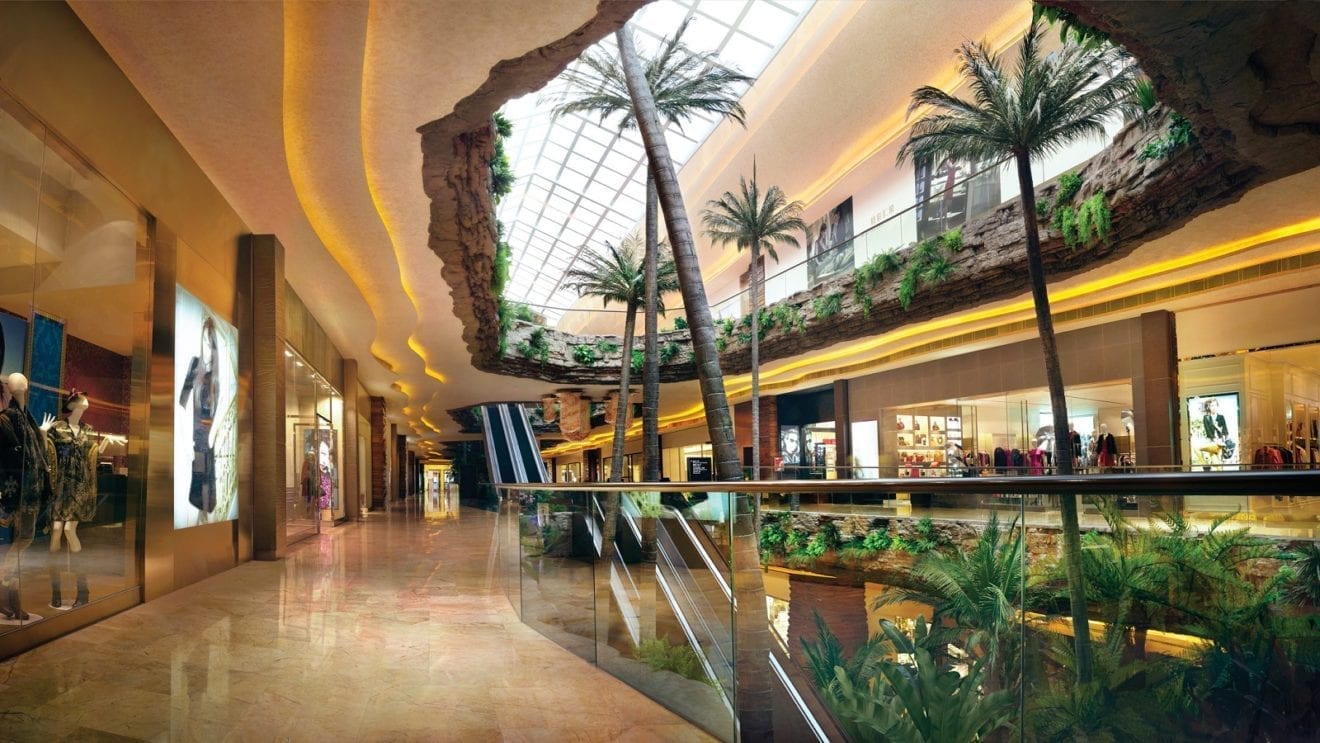
    Sands Cotai Central has opened phase four of its retail offer, adding almost 100,000sqft of retail space and 25 retailers.

    At the heart of the expansion is an Apple store, which opens today.

    The new space is home to several brands new to Macao: Calvin Klein Performance and Razzle. Other stores to open are MLB, Esprit, Guess, Watson’s, Noble Mart, Levi’s, Florsheim, Timberland, The North Face, Boy London, Zaxy and Bauhaus.

    Later this year, several restaurants will be added to the line-up, including Chiado, a modern yet authentic Portuguese concept developed in partnership with celebrity chef Henrique Sa Pessoa, and Crystal Jade La Mian Xiao Long Bao, which brings a contemporary twist to classic Beijing, Szechuan and Shanghai cuisine.

    “The addition of these new stores, especially the introduction of an iconic Apple Store, continues to ensure we provide our customers with more new-to-market brands, more choice and more amazing experiences,” said David Sylvester, executive VP of global retail at Las Vegas Sands Corp.

    Sands Cotai Central, which celebrated its sixth anniversary in April, has been the focal point of a wide range of products, offerings and experiences on the Cotai Strip, with access to four hotels since it opened in 2012.

    Earlier this year Sands China revealed plans to transform Sands Cotai Central into The Londoner Macao, which will feature new attractions including some of London’s most-recognisable landmarks.

  • Chevron Renewal of Indonesia’s Rokan Block Not Assured

    Chevron Renewal of Indonesia’s Rokan Block Not Assured

    United States energy giant Chevron must compete if it wants to continue operating Indonesia’s Rokan block, the country’s biggest source of crude oil, after its contract expires in 2021, Energy and Mineral Resources Minister Ignasius Jonan said on Wednesday (27/06).

    Chevron asked the Indonesian government earlier this year to extend its operating contract for Rokan beyond 2021 and since then has been in discussions with government officials on the issue.

    “I just talked to Chevron’s new chief executive and told him that it is up to him. If they propose to continue to operate the Rokan block the economics have to be justifiable,” Jonan said in the sidelines of the World Gas Conference in Washington.

    “And they may face some competition as well, from foreign operators and from Pertamina,” he said, referring to Indonesia’s state-owned energy company.

    Michael Wirth, who has been with Chevron since 1982, became chief executive in February.

    A Chevron spokesman did not immediately respond to a request for comment.

    Indonesia has earned a reputation for favoring Pertamina to take over expiring oil and gas contracts in the past, stoking concern among foreign energy investors about the security of their projects.

    Jonan, who said he is eager to earn the trust of investors to boost development of Indonesia’s natural resources, said the days of playing favorites were “in the past.”

    “The only maxim we stick to is the economics. There is no favoritism about the origin of the company, there is no political play. The answer is no and no. It is the economics. That applies to everyone, foreign companies, local companies, and government companies,” he said.

    Jonan said Indonesia was also in discussions with Chevron about another project it is operating, Indonesia Deepwater Development, a natural gas production effort in East Kalimantan, after Chevron cut $6 billion in spending plans there.

    “We both agreed to go and find the best way to work on this block for both sides,” he said, adding tat the negotiations now “will go down to the technical level.”

    Jonan said he had not yet used his authority to adjust fiscal terms for oil and gas blocks to encourage investment, but was ready to do so in any cases where investment returns were projected to be below 15 percent.

    Jonan said he is “seriously considering offering fiscal adjustments to a number of smaller blocks” in Indonesia, but he did not name the blocks or the companies involved.

    Gold, Copper, Coal

    Jonan also said he met this week with Freeport McMoRan chief executive Richard Adkerson to discuss the company’s Grasberg gold and copper mine in Papua. The Phoenix-based company has been in tricky negotiations with Indonesia to secure long-term operating rights at the mine after the government introduced rules last year forcing it to divest its controlling interest.

    Jonan said the two agreed that Freeport needs freedom to operate the mine in the way it sees fit in the near term, but that the government insists on having a voice.

    “We agreed that, operations-wise, Freeport has to be in charge at the moment. Honestly, we don’t have the expertise,” he said. “But if you talk about control, it is a very delicate word in terms of management. I would like to say we both control.”

    Jonan added that Indonesia, which produces and exports large amounts of coal, currently viewed the fuel as critical to keeping electricity costs down for its population.

    “We have a serious concern about global warming and are trying to reduce the use of coal as the primary energy for our power plants,” he said. “But we go with the affordability for the public.”

    He said Indonesia would find it difficult to reach its target of generating 23 percent of its power from renewable sources by 2025 – as pledged under the 2015 Paris agreement on climate change – but remained hopeful it could reach somewhere above 20 percent by that time.

  • India’s first ‘Smart Mall’ coming to smart city of Bhopal

    India’s first ‘Smart Mall’ coming to smart city of Bhopal

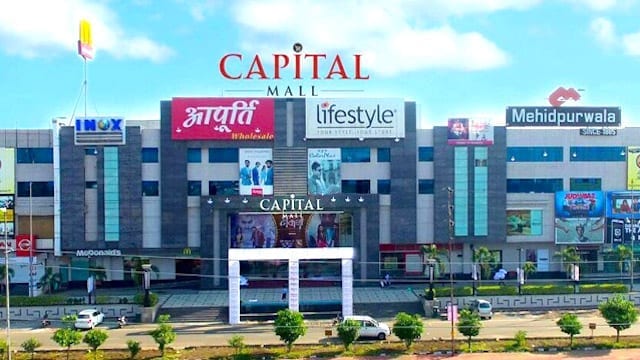
    A ‘smart mall’ is being planned for the city of Bhopal, one of 100 “smart cities” being developed by the government of India.

    Capital Mall is being refitted to offer 100 per cent 4G-internet connectivity to all customers; a cashless parking management system; a 40,000sqft 4D digital experience designed by a British firm; and digital ambient lighting with lumen sensors. Visitors will be able to navigate the mall with the help of a downloadable app, which will also alert customers about discounts and special offers.

    Capital Malls MD Mukesh Kumar said the mall was being designed to match the expectations of today’s “smart customers”, and said the initiative would put Bhopal on the national map despite it being only a tier II city.

    Mall management firm Beyond Squarefeet’s chief mall mechanic Susil Dungarwal said: “While the mall owners are putting in all efforts in converting it into a ‘smart mall’, we are working on creating a smart retail mix and experience for the interior. We have already tied up with various national and international retailers, most of whom will be in Bhopal for the first time. Our focus is to create a unique tenant mix and category mix, which will add to the unique selling point of the mall.”

    The mall covers 500,000sqft of gross leasable area and is situated on Bhopal’s Main Hoshangabad Road in the suburb of Misrod.

  • Hyundai Department Store slashes workdays for sales staff

    Hyundai Department Store slashes workdays for sales staff

    Hyundai Department Store is introducing last-minute measures to comply with the new 52-hour workweek, which goes into effect next week.

    Korea’s third-largest department store chain is reducing the working hours of its sales staff by one hour, the company said on Thursday.

    “It’s a measure that will catch up with today’s social atmosphere that emphasizes work-life balance,” said the company in a statement.

    Fifteen department stores and four discount outlets nationwide will be affected by the measure. Sales workers who used to come to work at 10 a.m. and left at 8 p.m. will go home at 7 p.m. starting July 1.

    The stores’ operating hours, however, will remain 10:30 a.m. to 8 p.m. The one-hour vacuum left by the change will be filled in by the heads of each sales department and other workers taking turns in groups of 10.

    “We also took into account concerns among our business partners that their revenues will be hit hard when the operating hours shrink, as the economic slowdown is already continuing,” said a Hyundai spokesman.

    The company launched a pilot program that let sales employees leave work 30 minutes early in April, and the experiment was a success.

    Hyundai’s department store rivals – Lotte and Shinsegae – were quicker to slash either their working hours or operating hours, as they started to do so late in May. Hyundai is noted for its conservative work system, but it had to yield to the industry-wide trend, according to an insider.

    Shinsegae Department Store announced earlier this week that it would delay its opening time by one hour to 11 a.m. starting on July 2, with the exception of its main store in central Seoul and branches in Gangnam and South Chungcheong. Its closing hours will be the same as before, at 8 p.m. on weekdays and 8:30 p.m. on weekends. Lotte has yet to adjust the operating hours for its department stores.

    Lotte Confectionary, Lotte Chilsung, Lotte Liquor and Lotte Food also announced on Thursday that they hired 200 more manufacturing workers to cope with the new workweek. The additional workers make up more than 10 percent of the entire existing production work force.

    The four affiliates have also vowed to introduce a flexible working hour system based on a three-month basis, given that seasonal demand in the food business fluctuates heavily.

    Lotte, the fifth-largest conglomerate in Korea, has been particularly proactive about the government’s move to improve the country’s working environment.

    Thirty of its subsidiaries have designated hours that employee computers must be shut off to make sure employees cannot work before 9:30 a.m. or after 6:30 p.m.

  • Lotte Duty Free to open its second store in Vietnam

    Lotte Duty Free to open its second store in Vietnam

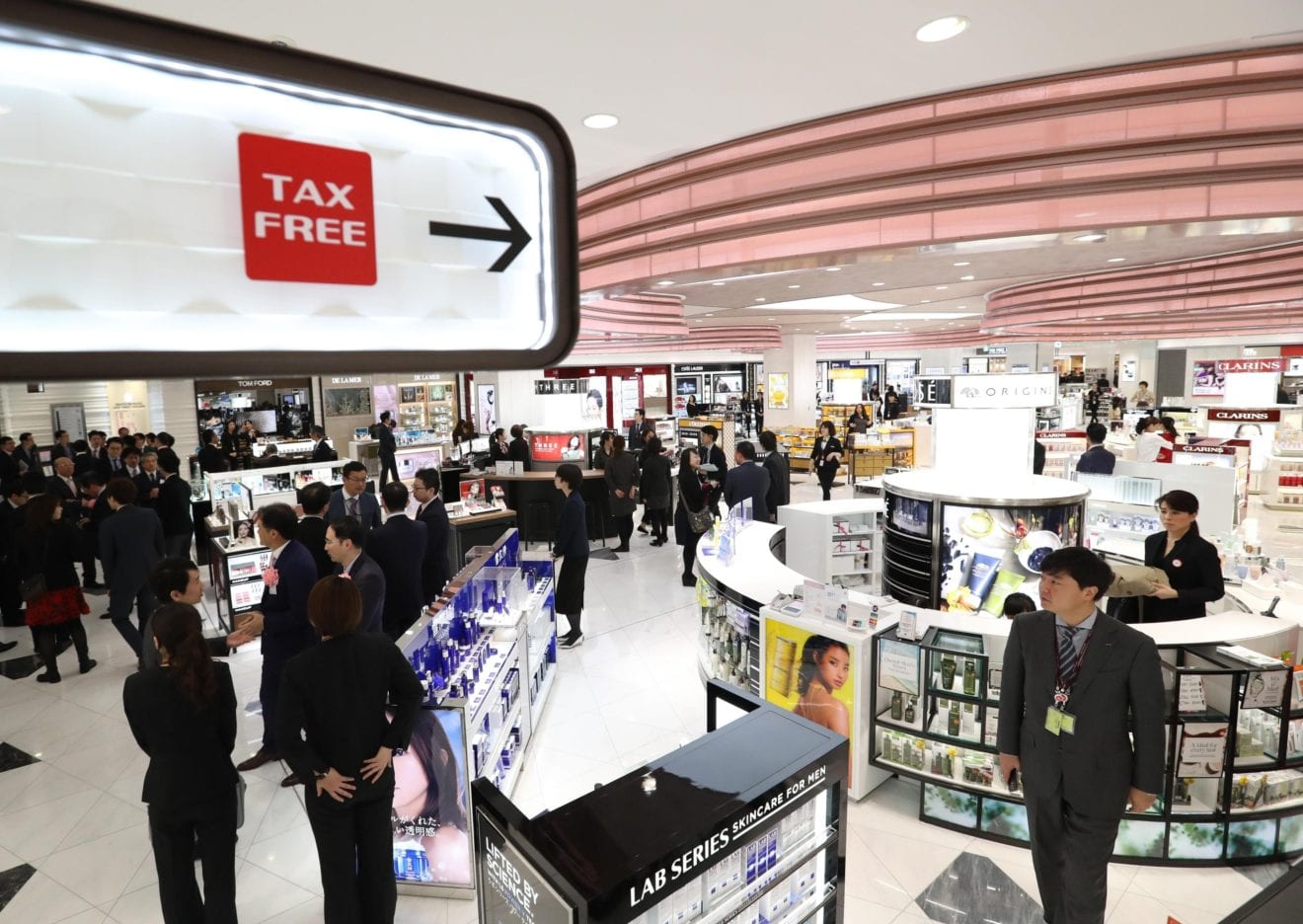
    Lotte Duty Free said Sunday that it has opened its second store in Vietnam at Nha Trang Cam Ranh International Airport as it strives to expand its presence in the Asian market and better serve Chinese and Russian visitors.

    The company, a major player in the duty-free business, said its new store started operating Saturday, as the new passenger terminal at the airport opened for business. It said Lotte has the sole rights to operate the duty-free store at the airport until 2028.

    The airport serves the Nha Trang area in the central part of the Southeast Asian country, with both domestic and international flights being offered to users.

  • Sephora Korea to open door next year

    Sephora Korea to open door next year

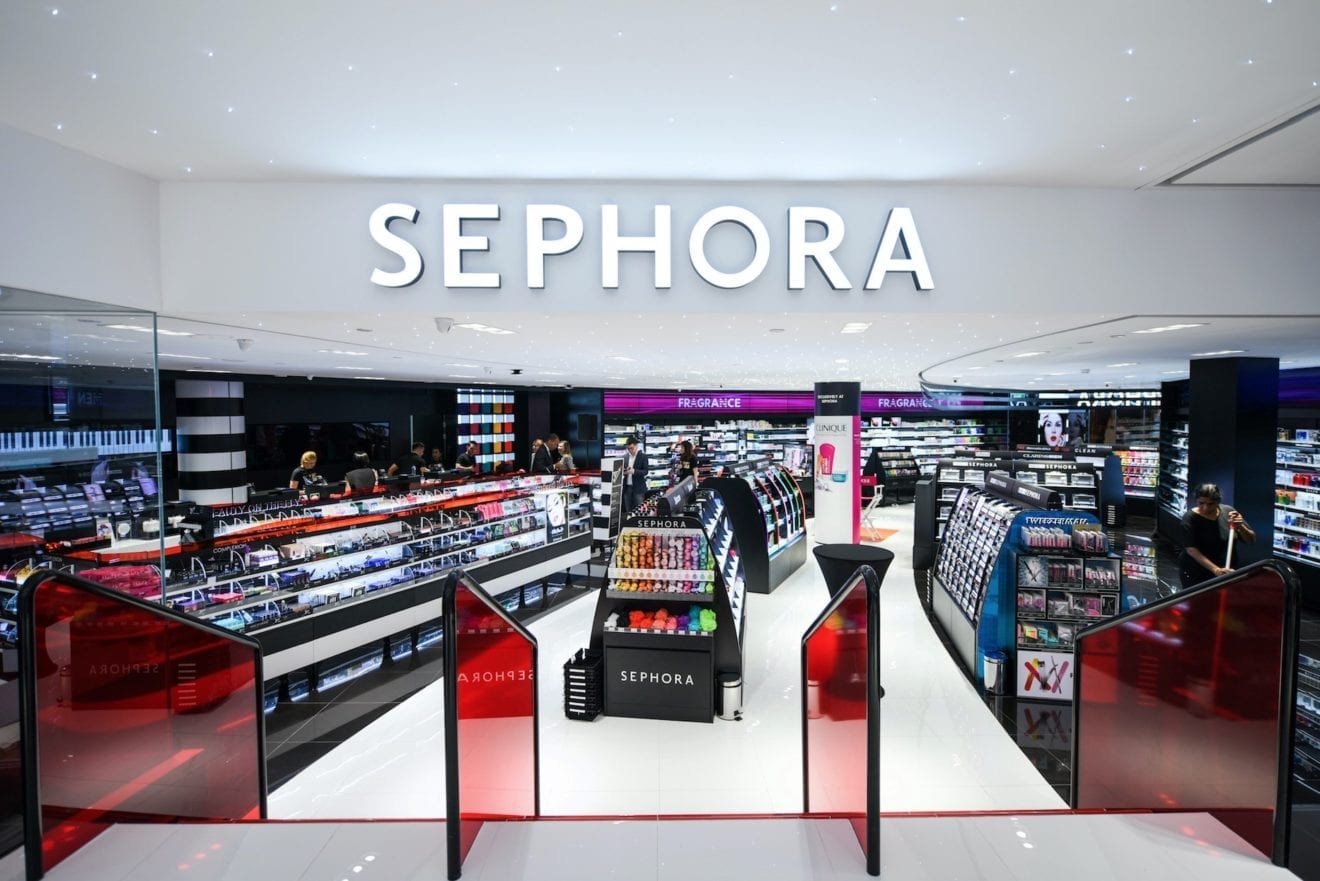
    A situations vacant post has revealed French beauty brand Sephora’s plans to launch in Korea next year.

    The job posting for a human resources manager with Sephora Korea included an announcement that the personal and beauty care store chain will be opening an outlet in Korea in the third quarter of next year.

    While this is the brand’s first venture into the South Korean market, it already operates a network of 2300 stores worldwide since being acquired by luxury conglomerate LVMH in 1997. It has operated in China since 2005, where it has 222 outlets.

    Sephora Korea is likely to face tough competition from the local brands dominating the domestic market.

  • Korean Air brand value plummets following scandal

    Korean Air brand value plummets following scandal

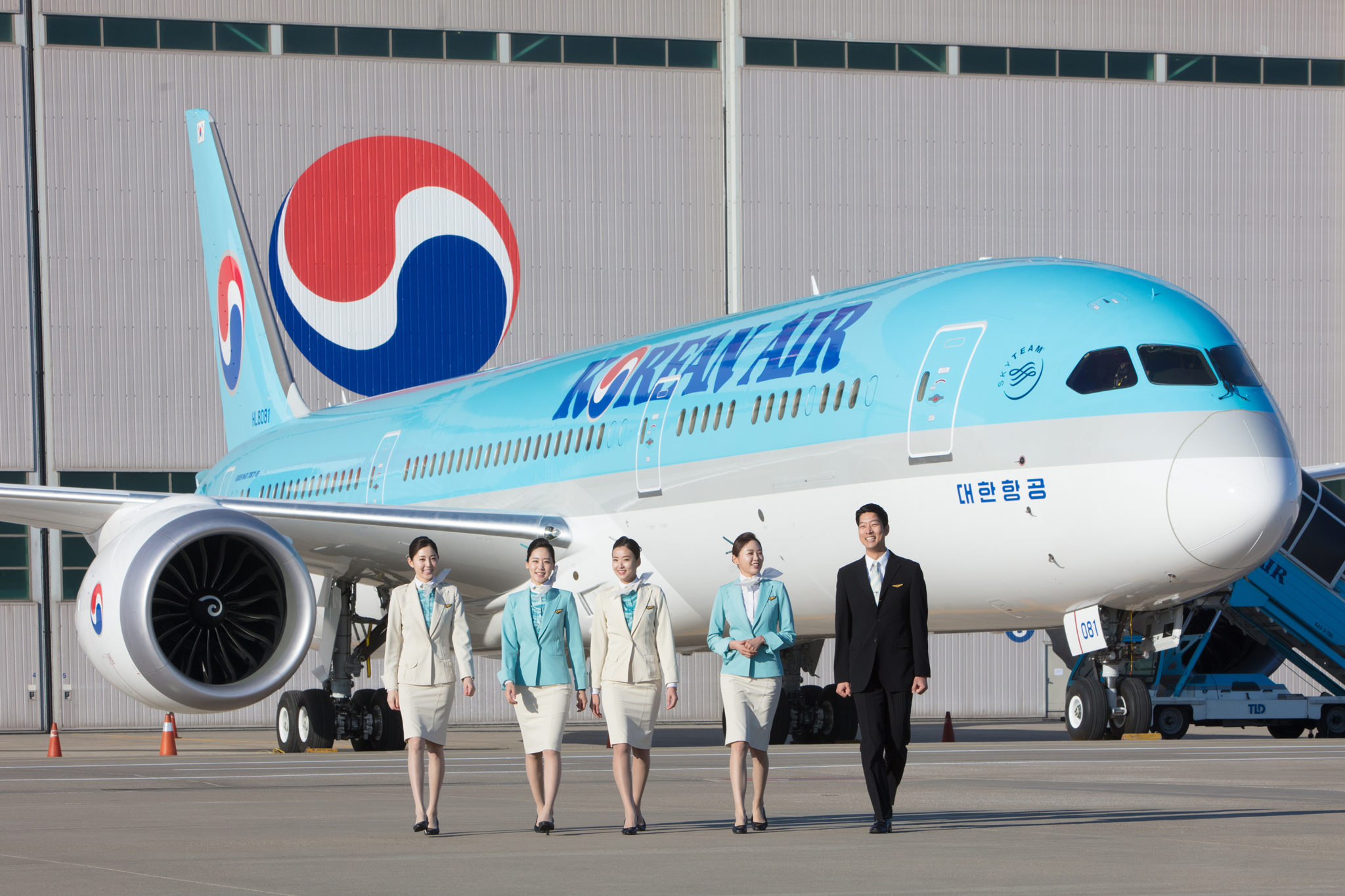
    The brand value of Korean Air fell sharply in the second quarter over a series of allegations involving the family that owns it, an appraisal website showed Sunday.

    The flag carrier’s brand value ranked 36th in the April-June period, down from 11th a quarter earlier, according to Brandstock, a South Korean market research firm that determines the rankings of local brands.

    The decline reflects the intense public criticism directed at Korean Air Chairman Cho Yang-ho’s family over a series of allegations of physical and verbal abuse, as well as smuggling and tax evasion.

    Korean Air’s brand value dropped 39 notches in the quarter following the incident.

    Brandstock said Korean Air’s smaller local rival, Asiana Airlines, saw its brand rank rise to 25th place in the second quarter from 35th place three months earlier.

  • JD Sports expands retail footprint with 36 new stores

    JD Sports expands retail footprint with 36 new stores

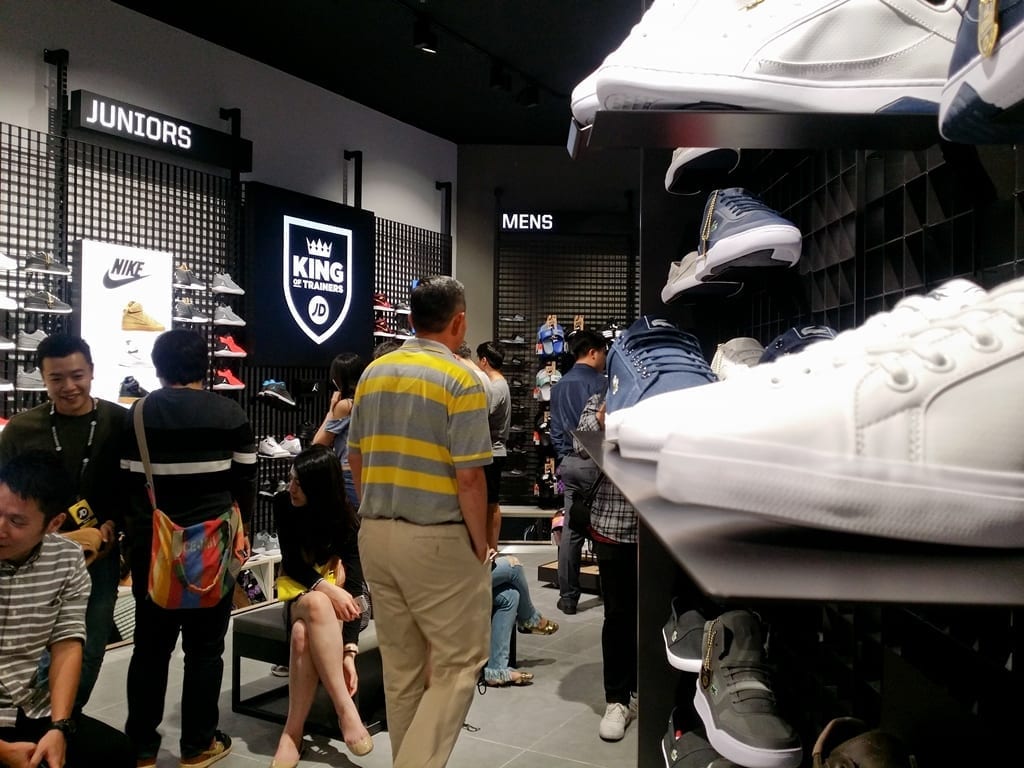
    Ahead of its annual general meeting, JD Sports Fashion Plc said in a statement that the Group announced record results for the year ended February 3, 2018 and its board believes that the company continues to be on track to deliver a result for the full year in line with consensus market expectations. The company also opened doors to 36 new stores starting this fiscal year to June 23, 2018.

    “There has been a further expansion in the JD store estate with a net increase of 36 stores in the period to June 23, 2018. As expected, the emphasis has been on international development with 18 new stores to date across Europe. There has also been an increase of 16 stores in the Asia Pacific region with additional stores in both Malaysia and Australia and the first JD stores in both South Korea and Singapore. The 16 new JD stores in the Asia Pacific region include 12 conversions from other fascias operated by our partners in these territories,” said Peter Cowgill, the Executive Chairman of JD Sports in a statement.

    “Overall, we remain encouraged about the progress that we are making internationally and, following the recent acquisition of the Finish Line business, are excited by the opportunity ahead of us in the United States,” Cowgill added.

  • Most e-commerce transactions still use ‘COD’

    Most e-commerce transactions still use ‘COD’

    THE majority or 80 percent of e-commerce transactions in the Philippines are still cash-on-delivery transactions, according to a report by the Asian Development Bank (ADB) and United Nations Economic and Social Commission for Asia and the Pacific (Unescap).

    This despite the high Internet penetration rate in the Philippines. The report, titled “Embracing the E-commerce Revolution in Asia and the Pacific,” said there are 56.75 million Filipinos who have access to the Internet.

    The report said this can be due to the lack of available e-payment options that force Filipinos to resort to cash on delivery, placing consumers at risk.

    “The lack of well-developed e-payment systems forces e-commerce firms to rely on fragile business models. For instance, COD can create friction between buyers and sellers, because it involves a high degree of uncertainty whether vendors get paid. Another is the safety of customers, who can be threatened if they refuse to pay for unsatisfactory goods,” the report stated.

    This could be one of the reasons e-commerce transactions in the country remain low. In 2015 the report said, only 0.5 percent of retail sales in the Philippines are conducted online in 2015.

    Apart from these reasons, geography concerns, particularly for island economies, prevent the increase in e-commerce transactions.

    The Philippines, being an archipelago, further complicates the delivery and return of goods bought via online or electronic transactions.

    “An underdeveloped delivery system is a major roadblock for developing e-commerce. But improving delivery systems are difficult when geographic factors are involved. For example, Indonesia has more than 17,500 islands. The Philippines has 7,641. So delivering products cost-effectively is challenging,” the report stated.

    The underdeveloped e-commerce system poses a huge disadvantage, especially to small and medium enterprises (SMEs) who stand to benefit the most from such a system.

    In a statement, the ADB said that through e-commerce systems, SMEs can “reach global markets and compete on an international scale” while “creating many jobs in the process.”

    The ADB cited the need to develop viable e-commerce ecosystem which requires a holistic approach and concerted efforts by all stakeholders in e-commerce development, including national governments and international development institutions, trade associations and industry bodies, businesses (e-commerce vendors, payment service providers, and logistics service providers, among others) and consumers.

    It added that policy priorities should be on establishing a legal and regulatory framework for e-commerce, harmonizing international laws and standards, promoting information and communications technology infrastructure development, broadening Internet access and affordability, and supporting financial and e-payment infrastructure.

    “Emerging digital technologies are transforming the e-commerce landscape and offer a new set of modern solutions and opportunities to build more inclusive growth and spur innovation,” ADB Vice President for Knowledge Management and Sustainable Development Bambang Susantono said.

    “It offers a chance to narrow development gaps—whether demographic, economic, geographic or cultural. It also helps narrow the rural-urban divide. However, realizing the full potential of e-commerce calls for coordinated regional and global efforts,” Susantono said.

    Asia and the Pacific is the world’s largest business-to-consumer e-commerce marketplace and continues to grow rapidly, the report said.

    By the end of 2015, the size of e-commerce relative to gross domestic product was 4.5 percent in Asia and the Pacific compared to 3.1 percent and 2.6 percent in North America and Europe.

    The Internet retailing market share of Asia and the Pacific is expected to reach around a half of the global total by 2020.

  • Cashless payments to pave growth for cashlite companies

    Cashless payments to pave growth for cashlite companies

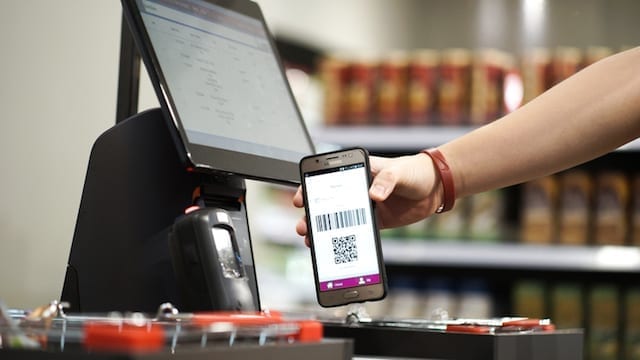
    Mobile and cashless payments are the next stage of growth for cashlite companies looking to tap into a larger consumer database, while reducing the hidden cost of handling physical tender, according to Fave Group Pte Ltd.

    The mobile reward and payment platform currently facilitates over US$100 million (RM403 million) in online transactions via FavePay, boasting close to 15,000 merchants and 600,000 transactions a month across Singapore, Malaysia and Indonesia.

    Fave founder Joel Neoh Eu-Jin said acceptance among previously offline businesses has been strong due to the recognition of cash as being an “inefficient” form of payment both in terms of marketing reach and hidden costs.

    “For a majority of these companies, a problem they face is how to grow their businesses without having the access to data that bigger companies have,” Neoh said yesterday, adding that Fave bridges this gap by connecting mobile payments to marketing.

    “These businesses want to reward customers for coming back, but don’t know how to do it well — and physical promotions such as stamp cards and vouchers tend to get lost,” he added.

    Via a mobile payment platform, he said companies now have access to a database of consumer trends and behaviour, while simultaneously having a marketing platform to reach out to customers.

    “For every dollar saving offered to the consumer, a company can track and reach out to that customer — card and cash payments do not have this advantage.”

    He added that there are a lot of hidden costs in handling cash offline, including security risks, staff costs and money lost upon exchanging hands.

    While over US$30 billion in mobile payments are projected in South-East Asia by 2021, adoption among retail and food and beverage (F&B) players remains low.

    Neoh said 95% of payments in the retail and F&B segments in Malaysia are conducted offline, while less than 5% is done via e-commerce platforms.

    “Retail and F&B are actually the biggest category of payments — if these segments are not on board, it will be very difficult to get people to move into cashless (payments),” he said.

    Government and financial institutions play a big part in facilitating digital payments both via policies and licensing, and Malaysia together with its central bank are pushing towards this end.

    For instance, the Malaysian government is encouraging petrol dealers in the country to adopt digital payments as 70% to 80% of transactions are still in cash, according to Neoh.

    “As a consumer, when you are paying RM50 at the pump and the petrol station takes a RM200 deposit, it deters you from going cashless,” he said.

    “These are small things, but it has a large impact on the consumer — when we remove all these friction points, we will see better cashless adoption.”

    Fave completed its acquisition of Groupon Malaysia — part of the larger US-based reward and online marketplace Groupon — earlier in 2017 and is striving to provide a holistic blend between promotions and payments, which was absent in the previous Groupon model.

    “Groupon Malaysia was a good model, but it cannot stand alone (as a reward platform exclusively) because businesses do not offer promotions all year long, but instead three to four times a year,” Neoh said, adding that deals need to be complemented by a reliable payment platform.

    “If a customer can pay via a specific platform and get a better deal and discount at the same time, then you drive more volume in both payment and promotions — they work in tandem.”

    He said Fave is now being equated more with its payment platform Fave- Pay than its previous Groupon links as its volume of payment with cashback currently exceeds promotion volume.

    Neoh said Fave has a few agreements in the pipeline to add to its high profile partnership with AirAsia Group Bhd’s loyalty programme, which will be announced over the next months.

    The company is further looking to enter two to three new Asean countries next year — namely the Philippines, Thailand and Vietnam.

    By year-end, Fave is aiming to double its 600,000 transactions and grow its merchant base by 50% to 100%.

  • Innisfree & Dimensi build Asia airport beauty presence at KLIA

    Innisfree & Dimensi build Asia airport beauty presence at KLIA

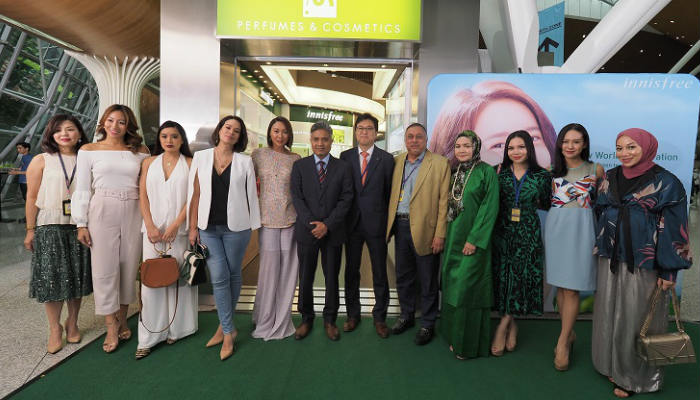
    The opening at the Malaysian gateway, in association with travel retailer Dimensi Eksklusif, consolidates the Amore Pacific-owned beauty firm’s airport influence in Asia, having already established a footprint at Hong Kong International and Singapore Changi.

    Earlier this month, Dimensi revealed that it had secured a one-year contract extension at the airport, as operator Malaysia Airports Holding Berhad concludes plans for an overhaul of its passenger facilities.

    TRENDING BRANDS

    Speaking at the official opening of the store, Amorepacific Global Travel Retail Senior Vice President David Park said: “Innisfree is one of the fastest-growing brands in the Amorepacific Group and Korea’s number one natural beauty brand.

    “Apart from Singapore Changi International Airport and Hong Kong International Airport, KLIA is our latest Innisfree airport store outside of Korea. We look forward to great success of the brand at this wonderful airport.

    Dimensi Managing Director Tan Sri Zainul Azman says the travel retailer is constantly searching for ‘trending brands’ and is delighted to partner with Amorepacific to showcase leading Korean names at KLIA.

    P&C SALES GROWTH

    Meanwhile, Malaysia Airports Senior General Manager for Commercial Services Nazli Aziz predicts an increases in sales of perfumes & cosmetics linked to wider product choice and rising Chinese passenger arrivals.

    “In the first quarter of this year, sales of products under the perfumes and cosmetics category grew by 29% against the figures recorded in the corresponding period of last year,” he stated.

    “Our strategy of collaborating with famous brands like Innisfree is part of an ongoing initiative to enhance the total airport experience of travellers at our airports.”

    Innisfree and several other global brands are expected to provide entertainment for travellers in the coming weeks when the annual Malaysia Airports Shopping Campaign begins in July.

    “We hope all the activities and campaigns which we have undertaken and those we are planning to implement will eventually lead to the infusion of a sense of place among travellers, making KLIA an ideal and joyful place to shop,” added Nazli.

  • Why fast-fashion brands like H&M are losing millennial customers in Malaysia and Singapore

    Why fast-fashion brands like H&M are losing millennial customers in Malaysia and Singapore

    Melissa Chi, 30, remembers when her wardrobe was full of H&M clothing and accessories. After discovering the Swedish brand during an internship in Washington, the Singaporean, who runs an online healthy lifestyle store, quickly became a fan of its smart design, decent quality and affordable prices.

    Today, however, Chi rarely wears fast-fashion items, H&M or otherwise. Since she became a convert to sustainable living two years ago, she has learned just how damaging the fast-fashion industry is for the environment.

    “The whole mentality that we should buy more because it’s cheap just didn’t seem right any more,” she says.

    It was a 180-degree sartorial turn for Chi, one that many other young Singaporeans and Malaysians are going through.

    More than 1,000 shoppers queued outside H&M’s Singapore flagship store when it opened in 2011, excited to become its first customers. The following year, about 1,500 people did the same at its Kuala Lumpur flagship on its first day of business. And when H&M collaborated with luxury brands Balmain and Kenzo, launching the collections in 2015 and 2016 respectively, similar frenzies occurred.

    Fast forward and H&M’s quarterly report ending February 28 indicates Asian millennials’ appetite for the brand’s trendy apparel may be on the wane. Malaysia recorded a 1 per cent drop in sales over the quarter, while the Singapore operation saw sales fall by 10 per cent.

    A similar downward trend is being seen in other parts of Asia, including China. That’s after two decades of strong growth globally during which the company regularly reported double-digit sales increases.

    In the three months to February 28, H&M’s operating profit fell by 62 per cent, causing its shares to hit a 13-year low on Stockholm’s bourse. A US$4.3 billion stockpile of clothing and accessories had accumulated in thousands of warehouses and stores around the world, the company reported.

    What had happened? Business analysts say the company failed to adapt to fierce competition from the boom in online retail and lower prices offered by a growing number of similar fast-fashion outlets. Chi agrees that these have been factors in Singapore and Malaysia.

    “I definitely think the demand [for fast fashion] is cooling off and not just because of the growing awareness that fast fashion is bad,” she says, referring to allegations of abuses against workers and environmental concerns. “It is also because of intense competition from all sorts of brands online, globally.”

    Abby Wee, communications manager for H&M Singapore and Malaysia, said that 2018 is a “transitional year” for the brand, adding that the fashion retail landscape is changing rapidly.

    “While there is a decline in sales in Singapore and Malaysia, we don’t see that as an indication that we are not one of the top fashion destinations for our customers,” she says in an email.

    Wee points to last year’s launch of the online store hm.com, and the positive reviews that it has been getting in both Singapore and Malaysia, as proof that its “omnichannel presence” is expanding.

    However, hm.com is competing in a crowded online market of brands that have had a web presence for years. Singapore government data shows that as early as 2011, 50 per cent of the country’s internet users aged 15 years and older were already shopping online. In 2012, regional e-retailer Zalora set up operations in both Malaysia and Singapore. Other e-retailers, such as Asos and American Apparel, had been targeting Singaporean shoppers by offering free shipping long before hm.com came along.

    Sarah Kok, a 22-year-old broadcast journalism student in Malaysia, says she no longer shops at H&M for several reasons. Since Uniqlo, the Japanese mass-market clothing brand, expanded in Malaysian malls several years ago, Kok now does most of her shopping for daily work outfits there. She says it offers more comfort, better quality and greater diversity than H&M.

    Environmental sustainability and a fair supply chain matter, too. These are Kok’s main reasons for shunning H&M today, she says.

    H&M has been accused of using prison labour in China, employing children in Myanmar, firing Cambodian women who got pregnant, suppressing unions, and causing environmental damage, among other issues.

    “If you can sell things at such a cheap price overseas, that means you’re getting it cheap as well,” Kok says. “So, that equals cheap labour.”

    Uniqlo may not be entirely innocent, either. A report by anti-poverty charity War on Want asserted in 2016 that Chinese factories making clothes for Uniqlo were abusing workers’ rights. Despite the brand’s commitment to “corporate social responsibility” and “making the world a better place”, undercover investigations by Students and Scholars against Corporate Misbehaviour said it found excessive overtime, low pay, dangerous working conditions and oppressive management practices in Uniqlo’s supplier factories in China.

    In an emailed statement, Wong Xinyi, sustainability manager for H&M Southeast Asia, points out that the company has signed a “global framework agreement” with workers’ organisations based in Sweden aimed at improving workers’ rights in the supply chain.

    It is also one of a number of global brands that have initiated the ACT (action, collaboration and transformation) agreement, which aims to ensure fair wages and better working conditions in the supply chain.

    Wee claims that the supplier factories H&M works with the most through long-term partnerships – representing 50 per cent of its product volume – have democratically elected representatives who can speak on behalf of the workers, achieving one of the company’s 2018 goals.

    To address the issue of environmental pollution, Wee points to the brand’s collaboration with the Zero Discharge of Hazardous Chemicals Programme to raise awareness and industry standards, and its partnership with the organisation Changing Markets to implement the “road map towards responsible viscose and modal fibre manufacturing” within its existing sourcing policy.

    H&M has also set 2030 as a target date to have all products made from recycled or otherwise sustainably sourced materials. By 2040, it aims to become “climate-positive” throughout its value chain.

    “Our customers in Malaysia and Singapore trust our brand and they have also responded positively towards our sustainability initiatives,” Wee says. “Therefore, it is clear to us that our customers expect us to operate our business responsibly and we are determined to exceed their expectations in this area.”

    However, whether all this means we are seeing a new dawn for fashion in Southeast Asia, with fast-fashion companies complying with a more sustainable and ethical framework in their production lines, is questionable. So, too, is whether there is really enough demand for more conscionable clothing among Malaysian and Singaporean millennials – known for being materialistic – to encourage companies to follow more sustainable practices.

    Both are highly unlikely, according to Nicholas Harrigan, a senior lecturer in sociology at Sydney’s Macquarie University.

    “Unfortunately, not enough young people in Singapore and Malaysia are conscious enough about ethical fashion for it likely to make much of an impact on sales,” says Harrigan, who previously lectured at Singapore Management University.

    Google “sustainable fashion in Malaysia and Singapore” and a few brands with limited offerings will pop up. Biji-Biji Design, arguably Malaysia’s most prominent eco- and labour-friendly company, sells bags and accessories made using discarded advertising banners, car seat belts and even old kimonos, with some products at prices comparable to H&M. Such companies, however, are few and far between.

    Harrigan believes other factors could be at play, such as the growing influence of blogshops – retailers operating on blogging platforms – on Singaporean youth, which provide more variety and are more convenient than going out shopping.

    Price could be another issue. Harrigan posits that despite H&M’s products being cheaper than brands such as Zara, they are still expensive given the quality.

    Still, sceptics note that the relatively low prices of fast-fashion brands will continue to be attractive to young people.

    Norashahera Hakem, head of fashion at Biji-Biji, remains optimistic. Although it is difficult for a brand like hers to survive in Malaysia, there are signs of a shift in mindset. People are starting to care more about quality and the effect of their unused piles of clothes on the environment, she says. Price is no longer the sole factor, as millennials are looking at the stories behind a product.

    “It is possible to survive with a lot of hard work and determination, as the concept is still quite new in this region,” she says. “People need to realise that quality and sustainability have an extra cost and [be] willing to pay for it.”


  • Japan’s Go! Go! Curry lands in Houston

    Japan’s Go! Go! Curry lands in Houston

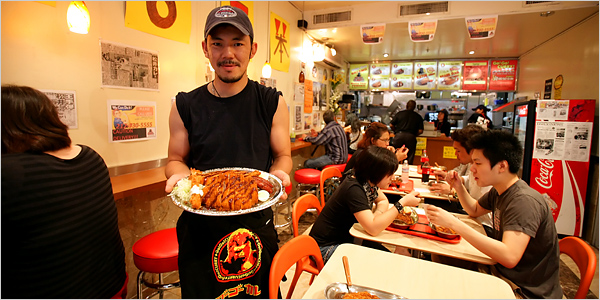
    Japanese franchise Go! Go! Curry plans to open in Houston this August.

    The restaurant’s new Chinatown location will serve traditional Japanese curries under the operation of franchisee Daxin.

    Originally from Japan’s Kanazawa, the franchise first opened in the US more than a decade ago in New York’s Times Square, and has already established seven locations on the East Coast and beyond. It is named after the number 55 jersey worn Kanazawa native Hideki Matsui, who played for the New York Yankees. “Go” is the Japanese number five.

    Daxin founder Shishen Li said that while Asian food is gaining rising popularity in the US, Japanese comfort food is an untapped subgenre.

    “We are thrilled to bring the new curry craze to the Houston community before it becomes a saturated market like the ramen or sushi trends before it.”

    In a nod to its name, the chain plans to open 55 franchises throughout North America by 2022.

  • Tomas Maier to close down

    Tomas Maier to close down

    After more than twenty years of operation, Tomas Maier is no more. The luxury fashion label, founded in 1997 by the German designer of the same name, will cease operations by year-end.

    French luxury conglomerate Kering, which acquired the women’s wear brand in 2013 via a jointly owned company of which it was a major shareholder, confirmed this week it “is ending its partnership with the label, which is ceasing operations.”

    The label has between 20 and 30 employees, and “in the next few months, [Kering] will make every effort to protect their jobs, coordinating with the label’s local employee representatives,” read a press release.

    Furthermore, writing appointments for the resort 2018 and men’s spring 2019 collections have been cancelled and it is understood the next collection probably will not be produced.

    Earlier in the month, Tomas Maier resigned from his role as creative director of Bottega Veneta, which is also part of Kering.

    With a resume that reads Guy Laroche, Sonia Rykiel and Hermès, Maier was pivotal in making Bottega Veneta’s sales go from €50 million to €1 billion in 17 years.

    However, the brand lost momentum in recent years, and Kering changed its creative leadership. Daniel Lee, most recently director of ready-to-wear at Céline, succeeds Maier from 1 July.

    Parent of luxury brands including Gucci, Balenciaga, Saint Laurent and Boucheron, Kering has been selling-off its stake in less profitable fashion brands. It recently disclosed it is in talks to sell its shares in Christopher Kane back to the namesake designer and bid adieu to sports brand Puma earlier in the year.