Author: Mei Ling Tan

  • Korea’s first Internet bank struggling to raise capital

    Korea’s first Internet bank struggling to raise capital

    K-Bank, the country’s first Internet-only bank, is struggling to raise the capital it needs to expand as profits remain elusive amid increasing costs, sources directly involved with the issue said.

    “K-Bank recently asked local private equity funds (PEFs) to participate in an additional rights offer because it wants to raise its capital to 500 billion won ($455 million) by the end of the year. However, investors have concerns about the bank’s future profitability given its weak growth in consumer loans and growing policy threats,” a local PEF source said.

    “It’s highly unlikely the bank can achieve its goal. One reason is it has too many shareholders. This can create additional administrative costs, which I believe is not good for K-Bank as it has to address many challenges as quickly as possible,” said the source.

    After a delay of one month, K-Bank’s shareholders approved in June a plan to raise 150 billion won via a rights offer. The bank was in discussions with new investors and PEFs to raise up to 300 billion won in an additional shares sale.

    Korea Telecom (KT), the country’s dominant fixed-line operator, is the largest shareholder of K-Bank with 18.01 percent, followed by Woori Bank with 12.97 percent, NH Investment with 10.10 percent, Hanwha Life with 8.13 percent, GS Retail with 8 percent, KG Inicis with 6.57 percent, Danal with 6.57 percent and 13 others owning the rest, according to the bank.

    New “digital banks” are widely expected to have an impact on its performance particularly by poaching customers and eroding margins across its retail segments.

    Consumers and industry watchers see evidence of these trends and some say they are happening faster than expected. A key question is services differentiation that haven’t been extensively explored because Internet banks charge lending rates comparable to existing banks, which offer mobile banking services 24 hours a day.

    “My question is how well K-Bank is positioned in terms of product differentiation. Differentiation will make its services much more attractive by contrasting its uniqueness with other competing services and products. K-Bank made an impressive start, however, it has to respond to lots of questions from shareholders and investors if it wants to attract more,” said another PEF source.

    K-Bank reported an 83.8 billion won net loss last year, according to data from the Korea Federation of Banks. The bank, which began operating in April of last year, has extended about 1.95 trillion won in loans as of May this year. But it reported an 8.6 billion won loss by exempting customers from commission fees to win more users.

    The PEF sources have asked the financial regulators to ease rules that bar non-financial companies from owning more than 10 percent of a bank.

    “This regulation limits the growth of internet-only banks. If the rule is eased, then the bank’s largest shareholder KT has no legal issues in participating in a large-scale share sale,” said the second source, adding it will be tough for K-Bank to change the industry dynamics and resolve?the broader industry’s woes.


  • Korea advances in the Asian entertainment market with 3D technology

    Korea advances in the Asian entertainment market with 3D technology

    Korea Creative Content Agency organised the 3D VFX pavilion at the recently concluded Asia TV Forum 2010 held in Singapore from 8-10 December, in hopes of promoting Korean 3D contents technology.

    The 3D VFX was further demonstrated at the 3D conference thus promoting not only the technology but also the so-called Korean Wave.

  • US Supreme Court Widens Reach of Sales Tax for Online Retailers

    US Supreme Court Widens Reach of Sales Tax for Online Retailers

    Local governments in the US are now able to force online retailers to collect sales tax on purchases made in states where they have no physical presence, echoing the Australian government’s move to ‘level the playing field’ through the implementation of GST on low-value imports.

    In a 5-4 ruling on Thursday, the highest court in the US backed a South Dakota law enacted in 2016, which required out-of-state e-commerce companies to collect sales tax if they generated $100,000 or more in sales, or conducted 200 separate transactions in the state.

    The law was challenged by online furniture and homewares business, Wayfair, on the basis of a 1992 ruling, which barred states from forcing businesses with no local physical presence in the state to collect state sales tax.

    This created a legal loophole benefiting online retailers in particular, since they could offer consumers an overall lower price on items than their bricks-and-mortar competitors.

    The reversal of the 1992 ruling is being praised as a win for ‘main street’, that is, traditional bricks-and-mortar retailers, which have struggled to compete with the increased choice and attractive prices offered by e-commerce companies, leading to record closures in recent years.

    Indeed, pureplay online retailers, including Ebay, Etsy, Overstock, Wayfair and Amazon, saw their share prices fall on Thursday, following the decision.

    Small online businesses are expected to suffer most, as they face the increased cost and complexity of collecting various state and local taxes.

    And while the ruling has immediate implications only for online retail sales in the state of South Dakota, other states in the US – 45 of which collect state sales tax – are now expected to introduce similar laws.

  • Vietnam slams brakes on GrabTaxi plan to expand operations

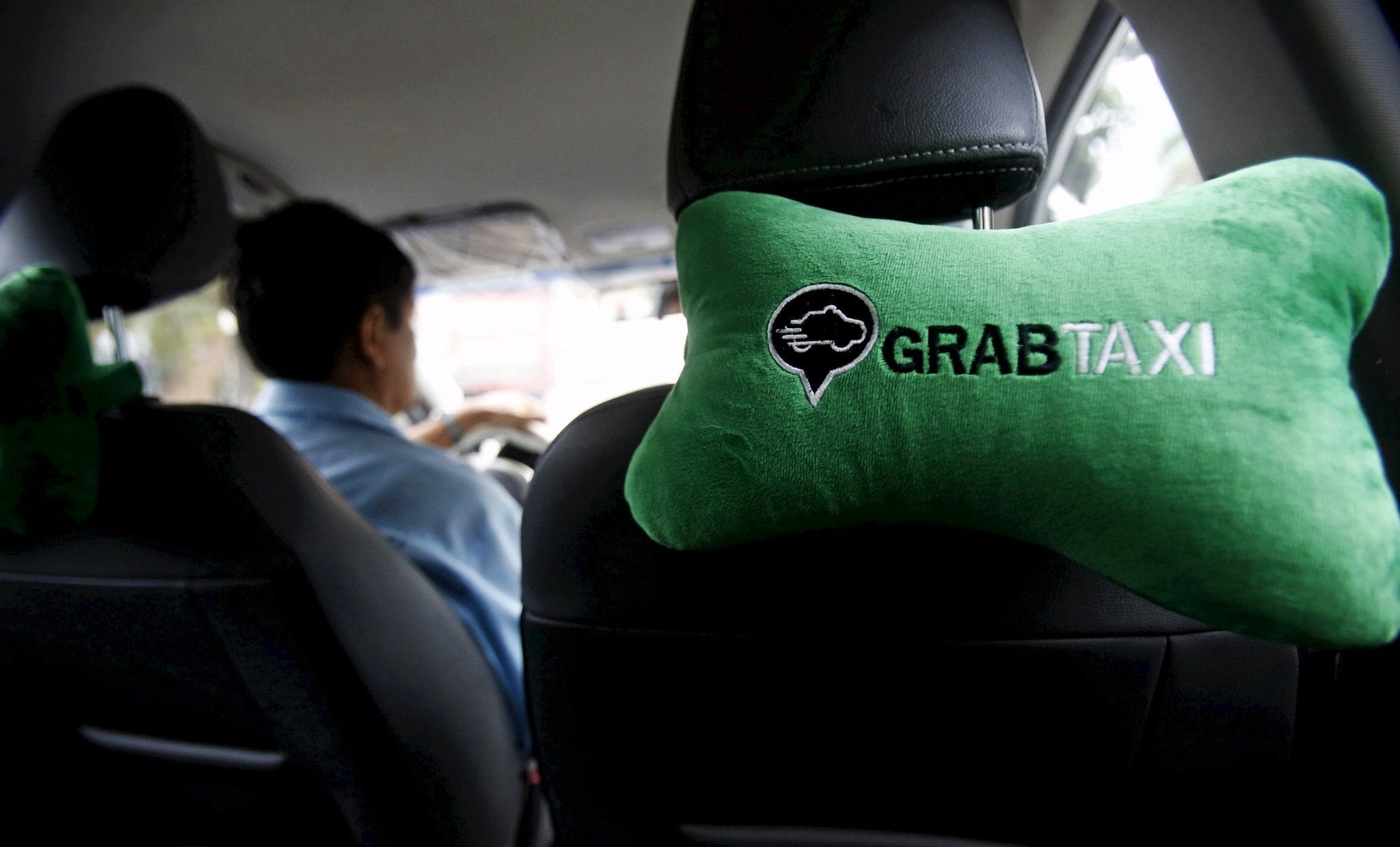
    Vietnam slams brakes on GrabTaxi plan to expand operations

    The Transport Ministry has shot down a GrabTaxi plan to extend its services to provinces like Ninh Thuan, Dong Thap and Gia Lai.

    The ride-hailing firm now is allowed to operate in the five cities and provinces of Hanoi, Ho Chi Minh, Da Nang, Khanh Hoa and Quang Ninh.

    However, the firm said its GrabTaxi service is quite different from the GrabCar, so GrabTaxi should be allowed to operate nationwide.

    Both GrabTaxi and GrabCar operate under the same Grab application, but GrabTaxi offers a run-of-the mill taxi service, while GrabCar is a service which connects customers with private cars for ride-hailing purposes.

    In January, a GrabTaxi representative said: “The firm always abides the law and we do not allow GrabCar to operate outside the Ministry of Transport’s designated cities and provinces.”

    Grab is currently under an investigation by Vietnamese authorities after its acquisition of Uber’s Southeast Asia operations shows signs of breaching local antitrust laws.

    The investigation, which began on May 18, is estimated to take 180 days and can be extended by another 120 days, said the Vietnam Competition Authority (VCA) under the Ministry of Industry and Trade.

    Prior to the statement, a VCA investigation had found that Grab’s market share in Vietnam had exceeded 50 percent since its ride-hailing rival Uber left the Southeast Asian market in April.

    Vietnam’s 2004 Competition Law requires that all mergers and acquisitions (M&As) that result in a company gaining over 30 percent of market share must be reported to competition authorities.

    M&As that result in a company gaining over 50 percent of market share are restricted.

  • Malaysian freelancer now can get jobs at a swipe with DuitDo-it

    Malaysian freelancer now can get jobs at a swipe with DuitDo-it

    Looking to earn extra income for Malaysians has just become easier with the launch of DuitDo-it.

    Working like the dating app Tinder, job seekers can apply for part-time and contract or freelance work with just one swipe.

    DuitDo-it is developed and owned by recruitment agency AP Symphony Search, as part of their CSR efforts to help Malaysians earn more while meeting the needs of employers nationwide who need part-time, contract or freelance staff desperately.

    The agency said in a statement here today that with the big pool of Malaysians like unemployed youths, school leavers, students, retirees and stay-at-home mothers available, companies can now fill their temporary manpower gap easily. This should help reduce the country’s high reliance on foreign labour which is causing a huge outflow of funds, it said.

    DutiDo-it is free for job seekers. It may be downloaded from Google Play. Individuals can also post jobs such as looking after their cats or plants, or doing sewing.

    Symphony said DuitDo-it also meets the workforce trend of freelancing. “More and more people are looking for non-nine-to-five jobs that allow them to have more flexibility and control over their time,” the agency added.

    Work such as website design, accounts preparation and make-up artist can be found on DuitDo-it.

    One of the unique features of DuitDo-it is the use of video resumes to allow for quick hiring.

    Every job seeker will have his own individual rating to help employers make fast hiring decisions. If selected by the employer, the job seeker has three hours to accept, according to the statement.

  • Taschen debuts in Asia, starts with Hong Kong

    Taschen debuts in Asia, starts with Hong Kong

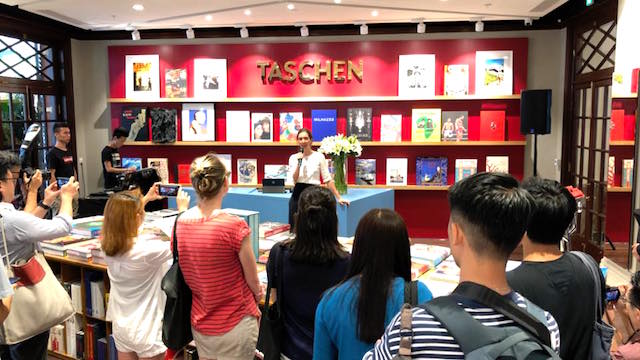
    German publisher Taschen is selling a book about Ferrari for HK$250,000 (US$32,000) in its first-ever Asian bookstore.

    The Ferrari book is just one of the special-edition volumes on offer in the store, and contains a collection of rare images that traces more than 70 years of the Italian car manufacturer’s history.

    While the book alone costs $47,000, buyers who pay full price will receive a copy sealed in an aluminium case bearing the Ferrari horse logo and mounted on a podium designed to evoke the cylinders of a race car engine.

    Opening in Hong Kong’s Tai Kwun Centre for Heritage and Arts, Taschen’s 1700sqft store operates a books-only retail model, which aims to distinguish it from competing stores trading in the region’s troubled print publishing market. Different sizes and editions of the same books, exclusively image-driven volumes, are being sold to be affordable to people of all income levels.

    The firm’s MD Marlene Taschen said that Hong Kong constitutes a tentative first move into the region for the publisher. “We want to make the Hong Kong store a success first before going to the next market in Asia,” she said. Taschen Hong Kong is the firm’s 14th location.

    Hong Kong’s book market has been beset recently by multiple store closures in a high-on-overheads retail environment that now contends with digital products. Prominent book stores Page One and Dymocks are recent departures from the market.

    CLSA’s head of China education and Hong Kong consumer research Mariana Kou said that limited and special print editions would attract book fans in an industry that has been transformed by consumers’ ability to cross-check prices conveniently online.

    “These books can become collectibles,” she said, noting Amazon’s moves to launch physical bookstores. “I am optimistic about the book industry.”

  • It is sneaker time for luxury fashion

    It is sneaker time for luxury fashion

    What do you get when luxury fashion meets sport? $10,000 sneakers.

    High-end brands such as Kering’s Gucci, Prada and Balenciaga are increasingly looking to sneakers for growth, putting them in direct competition with sportswear giants like Nike, Puma PMUG.DE and Adidas, and giving rise to ever-more striking and expensive designs.

    Luxury groups say they are now increasing investments and marketing budgets to face down their new opponents.

    “When I saw sneakers were going to be a thing, I fought it for a bit,” Salvatore Ferragamo’s (SFER.MI) designer Paul Andrew said at a conference. “We’re definitely now investing heavily in that category, getting in very specialized people”.

    Global sales of sneakers – or trainers – rose 10 percent to 3.5 billion euros last year, outperforming a 7 percent rise in handbags, according to consultancy Bain & Co.

    “It’s not really even a trend anymore – it’s become a category,” said Bruce Pas, Men’s Fashion Director at U.S. department store Neiman Marcus.

    Both luxury groups and sports companies are looking to cash in on a booming market. Premium sneakers can start at around $400 but can easily rise as high as $3,000, for a pair of Christian Louboutin’s leather, crystal-embellished sneakers.

    Limited editions can sell for well over $10,000, including the Chanel X Pharrell Hu Race Trail or Nike’s Air Jordan 3 Retro DJ Khaled Grateful.

    Sneakers are a big driver of the luxury shoe business, which accountancy firm EY says is the fashion industry’s fastest-growing area.

    The rise of luxury sneakers is part of the growing influence of casual and streetwear in high-end fashion, where it is now acceptable to team sneakers with a tailored suit.

    Upmarket brands are tapping into street style to refresh their looks and young buyers are driving the shift. “Millennials” – born between the early 1980s and mid-90s – already represent a third of the luxury market, according to Bain.

    Several luxury group executives recently noted the importance of sneakers for their business and the need to step up their game to face the rising competition.

    Emilio Macellari, finance chief of Italian luxury goods company Tod’s – a pioneer in the sector, having launched its first Hogan luxury sneaker in 1986 – said “there is no brand that is not currently considering its (sneaker) offer”.

    Pointing out how times are changing, he said luxury brands were now “under attack” from sportswear companies, on top of the usual competition from their luxury peers.

    But so-called “sneakerisation” could steal market share from more traditional and formal-looking footwear, industry operators say.

    “What has changed is competition, with a clear overlap,” said Claudia D’Arpizio, partner at Bain & Co. “Luxury consumers are buying Nike and Adidas and vice-versa”.

    “If (luxury groups) go the sports way… it is only positive,” said Puma Chief Executive Bjorn Gulden said. “If that is a trend that pulls the sneaker market up, we can only be happy.”

    Analysts also say the intensifying competition is unlikely to erode profit margins because the market is expanding.

    “There is large space for prices moving up,” said Erwan Rambourg from HSBC. “The ‘luxurisation’ of sneakers could possibly impact margins positively”.

  • Tse Sui Luen Jewellery to open 100 new stores in China

    Tse Sui Luen Jewellery to open 100 new stores in China

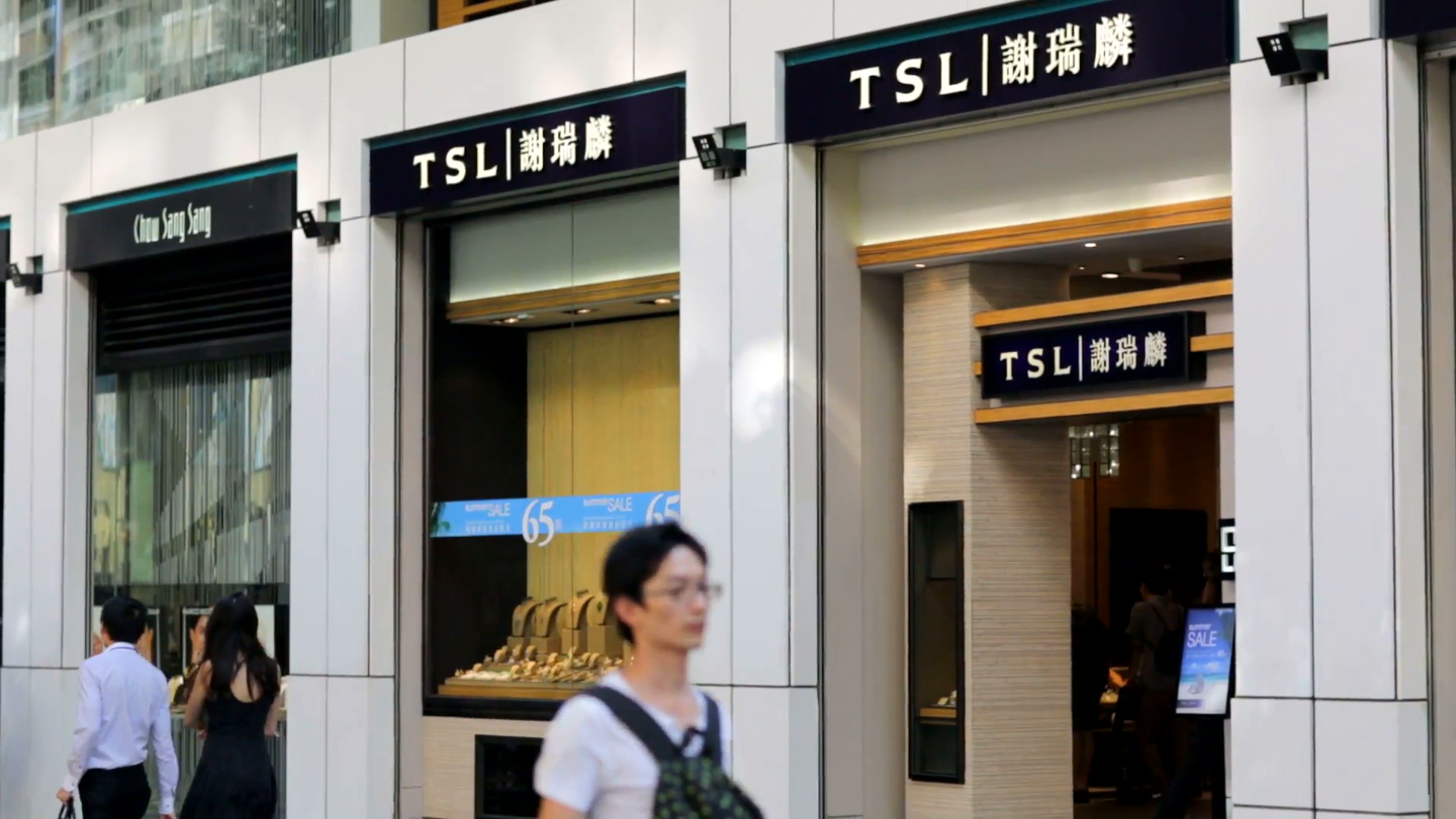
    Hong Kong jewellery retailer Tse Sui Luen (TSL) plans to open 100 stores in China over the next two years after solid growth in its existing store network.

    It currently has 380 stores on the mainland, including 193 self-operated stores and 187 franchised shops. As well as planning new sites, TSL says it is focusing less on department stores there and more on malls in line with consumer shopping patterns.

    Announcing a 21.3 per cent increase in sales group-wide for the last 13 months, and a 113.2 per cent increase in profit attributable to shareholders, TSL said it was also open to expanding its store network in Hong Kong as suitable opportunities presented themselves.

    “Continued expansion of our retail network in all our operating regions is one of our key objectives both now and going forward,” the company said in its results announcement.

    “With a cautious approach to monitoring the rental level and identifying appropriate business partners for our franchising business, we were delighted by the healthy growth in our store network in Hong Kong and Mainland China.”

    Total sales for the 13 months (the group changed its financial year-end date from February 28 to March 31 this year) were HK$14.137 billion. Profit was $49 million.

    In its home market of Hong Kong and Macau, TSL achieved a 19.5 per cent overall increase in same-store sales as tourists from the mainland returned to the territories.

    Thanks to gold product promotions and enrichment of the brand’s product assortments, the average amount per sale increased by 20.3 per cent. TSL opened two new stores in Hong Kong, in New Town Plaza in Sha Tin and Yoho Mall in Yuen Long.

    Mainland China

    TSL says a growing demand for “daily jewellery products” and the continuing emergence of the middle class creates an opportunity to continue to develop its Mainland China business.

    “Our self-operated stores continue to play a significant role as the group’s growth engine accounting for 39.3 per cent of the group’s turnover. However, … due to the shift of consumers away from department stores to shopping malls, we are undergoing a transition in the repositioning of our retail network to focus more on shopping malls and less on department stores.”

    Despite the change, the company managed to maintain its sales at similar levels to last year and same-store sales growth was 10.4 per cent, (including the effect of an extra month in the figures).

    Malaysia

    The company also operates four stores in Malaysia, where sales grew 48 per cent. “We remain positive about this business and will continue to expand further in appropriate locations when opportunities present themselves,” the company said.

  • Aeon Wallet to be launched in August

    Aeon Wallet to be launched in August

    Aeon Credit Service (M) Bhd is targeting to launch its cashless payment service Aeon Wallet in August, which will become another core business segment for the group.

    Aeon Credit, a subsidiary of Aeon Financial Service Co Ltd Japan, is principally engaged in consumer finance operations through provision of easy payment and hire purchase schemes for purchase of consumer durables and motor vehicles, personal financing schemes and issuance of credit cards.

    Aeon Credit will be launching two new products in the current financial year ending Feb 28, 2019 (FY19), in line with the company’s digital initiatives, namely the Aeon Wallet and Aeon Member Plus Card that will provide customers with payment, privileges and benefit to complement the evolving customer lifestyle, attracting customers from all segments to go cashless.

    Chief financial officer (CFO) Lee Kit Seong said the e-wallet will be another payment settlement tool for consumers in the market as it looks to first tap into its 6 million member base in the group and to have 1 million users for the e-wallet in a year.

    “We’re also introducing the Aeon Member Plus Card to consolidate the loyalty programme of the Aeon group of companies in Malaysia. The e-wallet is one of the settlements like Touch ‘n Go, Alipay, and WeChat Pay. Our e-money will ultimately become mobile payment and Aeon Pay (a settlement medium like iPay88),” Lee said.

    “After we expand internally, we will go externally. From e-money, we’re going to put it into a mobile wallet. We want to integrate the Aeon companies (such as Aeon, Aeon Big, Aeon Credit) in Malaysia to have one member (system). Once comfortable, we will go to the region,” added Lee.

    Aeon Credit has doubled its capital expenditure (capex) to RM120 million for FY19, from RM60 million in FY18, to invest in its operations and business expansion. The capex will be utilised for its branch transformation and digital marketing initiatives, the upgrading of its system infrastructure and for the introduction of its e-money business.

    Lee expects the company to maintain its momentum for FY19, with strong domestic demand being the key driver for growth, along with its transformation business model and continuous improvement in asset quality under the new MFRS9 environment.

    Meanwhile, chairman Ng Eng Kiat has maintained that “it is not wrong” in relation to the additional assessments and penalties by the Inland Revenue Board totaling RM96.82 million.

    “It’s an issue not just in relation to having to pay the tax. We’re taking the grounds that we’re not liable for those tax. We’re now appealing to the Special Commissioners of Income Tax,” said Ng, adding that it is also in consultation with tax agents, auditors and solicitors.

    He said although IRB has raised an assessment and failure to pay by a certain time will result in penalties, winding up of the company or action against the board of directors, it has applied to the Court of Appeal against the High Court’s May decision to get a stay. The hearing has been deferred to July.

  • Imports driving Vietnam cattle farmers out of business

    Imports driving Vietnam cattle farmers out of business

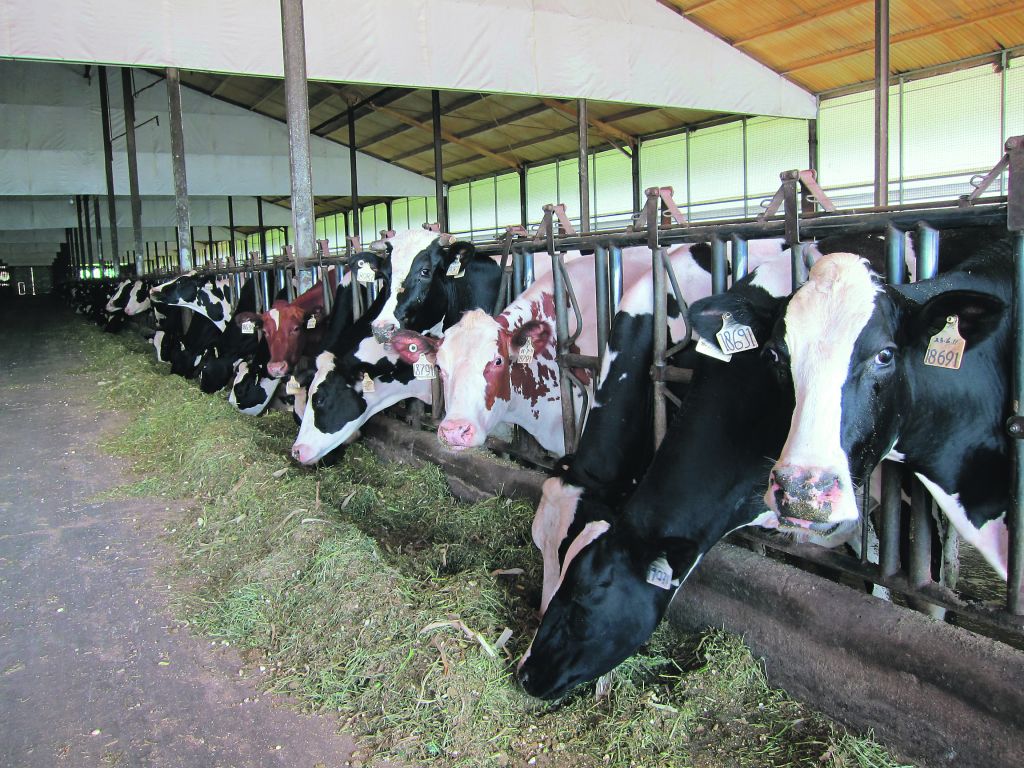
    Vietnamese beef prices have been falling because of a market glut, while imported beef is flexing its competitive muscles, offering higher quality for similar prices.

    In the central province of Ninh Thuan, dealers are buying a head of cattle from farmers for just VND7-8 million ($304.3-347.8), a third of the VND20-21 million price it fetched two years ago.

    Dealers in the southern province of Soc Trang province are also giving farmers a hard time, buying beef at VND40,000 per kilogram, 40 percent of the price in 2016.

    “I have never seen beef prices so low,” livestock farmer Lam Sanh said, adding that he might have to quit and find another way to make a living.

    With prices falling over the last two years, small-scaled cattle farmers have been switching to different vocations, a husbandry official in An Giang province said.

    The number of cows and buffaloes raised in Vietnam has fallen to five million now from nearly seven million in 2006, according to the Vietnam Animal Husbandry Association.

    Vietnamese beef is having a difficult time competing with imported beef, which comes in abundance and is priced reasonably, Tong Xuan Chinh, deputy head of the Animal Husbandry Department said.

    Last year, the country imported more than 262,300 heads of cattle, and nearly 42,000 tons of beef and buffalo meat, valued at more than $410 million, according to the Animal Husbandry Department under the Ministry of Agriculture and Rural Development.

    Dealers are putting pressure on farmers to sell their cows at a low price because beef imported from the U.S. and Australia are abundantly available in supermarkets and sold at the same price as local beef at VND250,000–400,000.

    At this price, imported beef is being favored by consumers concerned about safety issues that have plagued the Vietnamese food market in recent years.

    The Vietnamese government has issued policies to assist local cattle farmers but these have not led to raising the scale of production and ability to provide better quality at lower prices.

    “The competition between local beef and imported beef will continue to be intense,” Chinh said.

  • Esprit HK suffers a huge loss

    Esprit HK suffers a huge loss

    Distressed fashion chain Esprit has warned of a massive HK$2.2 billion (US$280 million) loss based on write-downs, exit costs – and a continuation of falling sales.

    The Hong Kong-listed company filed a profit warning with the Hong Kong Stock Exchange in which it said, based on the first 11 months figures for the year – it expected a loss before interest and taxes of between $2.170 billion and $2.270 billion for the full financial year to June 30. Last year, Esprit lost $102 million.

    A just over half the Esprit loss results from non-cash items and one-off costs due to store closures, the company says it expects to post an operating loss as high as $950 million due to plummeting sales. It reported a “decline of customer traffic” to its brick-and-mortar stores, higher than it projected.

    The one-off costs listed were:

    • A full impairment and write-down of the value of the China business, of HK$ 794 million before taxation.
    • The divestment of its stores in Australia and New Zealand, which will cost between $180 million and $200 million in provision for store closures and impairments.
      • Additional provisions and impairments due to the weaker than expected sales performance of directly managed retail stores for the year, including provisions for store closures and onerous leases, ($175 million to $185 million) and impairment of fixed assets of directly managed retail stores, ($11 million to $16 million).
    • A write-down in the value of inventory of between $80 million and $90 million arising from a change in the way it estimates the value of aged inventory.
    • Impairment of between $30 million and $35 million associated with obsolete SAP applications.

    The company said it would present final results for the year in September.

    Esprit has been struggling to achieve profit for the several years. In late April it warned shareholders its third-quarter performance was “well below expectation” and announced it would not renew the lease on its Causeway Bay flagship store.

    In March, it announced Jose Manuel Martínez Gutierrez would step down as group CEO and executive director of the company on June 1. Anders Kristiansen has since officially taken over the role.

  • Malaysia retailers see higher sales growth in 2018

    Malaysia retailers see higher sales growth in 2018

    The Malaysia Retailers Association (MRA) forecasts retail sales to be 5.3% for 2018, an improvement from the 4.7% growth in its March survey, boosted temporarily by the zero Goods and Sales Tax in June.

    The MRA said for the first quarter of 2018, the Malaysia retail industry recorded a below-than-expected growth rate of 2.6% in retail sales versus the 3.1% in October to December last year and 1.2% growth a year ago.

    “Despite poor performance recorded a year ago (-1.2% in Q12017), the Malaysia retail market remained subdued early this year. Shoppers were still careful in their spending on festive goods during the Chinese New Year period”.

    The MRA said except the supermarket and hypermarket sub-sector, all retail sub-sectors recorded improvement in their retail businesses during the first quarter of 2018.

    It said its members are hopeful that their businesses will recover by the second quarter of 2018. They projected an average growth rate of 6.0%. The change in ruling party after the general election on May 9, 2018 is expected to boost consumers’ confidence level and increase their willingness to spend.

    At the same time, the largest festival in Malaysia, Hari Raya, will be celebrated in June this year.

    “The department store cum supermarket operators are expecting a better performance with a growth of 4.6% for the second quarter of this year.

    “The department store operators are expecting to sustain their businesses with a growth rate of 4.7% for the second three-month period of this year,” it said.

    On the other hand, supermarket and hypermarket operators will not see improvement in their business in the coming months. They expect to remain in the red zone with a -4.4% growth rate for the second quarter of 2018.

    The Retail Group Malaysia adjusted the Q2 retail growth rate from 3.7% (estimated in March 2018) to 6.3%.

    This revision is also higher than the latest projection made by MRA members. This new estimate took into consideration the tax holiday during the last month (June) of second quarter as well as Hari Raya celebration at the middle of June 2018.

    The retail sale growth rate for third quarter has also been revised from 5.2% (estimated in March 2018) to 6.8%. This revision took into consideration the remaining two months of tax break before Sales and Services Tax (SST) is to be re-introduced from 1 September 2018.

    “For the last quarter of this year, the retail growth rate has been revised downwards from 5.0% (estimated in March 2018) to 3.5%.

    “This lower adjustment is needed to reflect higher consumers’ spending during the three-month period with zero-rated GST. Major purchases are expected to have been made from June to August of this year,” it said.

  • Higher oil prices boost profits for Vietnam’s PV Gas

    Higher oil prices boost profits for Vietnam’s PV Gas

    PetroVietnam Gas Corporation, Vietnam’s biggest listed energy firm, posted first half net revenues of VND37.5 trillion ($1.65 billion), equal to 66 percent of its annual target.

    Its pre-tax profit jumped to VND6.6 trillion ($290 million), representing 82 percent of the year’s target.

    The booming results were driven by higher global oil prices which traded around $71 per barrel in the first six months of the year, exceeding the company’s expectations by 42 percent, and increased production of light oil, LPG and condensate.

    Le Nhu Linh, Chairman of the Ho Chi Minh-based company, also known as PV Gas, said the company is undertaking 24 projects this year, including pipelines that transport natural gas directly to consumers.

    “To ensure gas supply, our company is negotiating with international partners to import gas from Indonesia and Malaysia through pipelines,” he said.

    The company is also building infrastructure for liquefied natural gas (LNG) imports and seeking contractors for an LNG storage facility that can hold 1 million tons per annum.

    Furthermore, PV Gas is looking to raise its stakes in two associate companies – PetroVietnam Southern Gas JSC and PetroVietnam Northern Gas JSC – to 51 percent in the second half of the year. It is also working on a plan for PetroVietnam, its parent company, to cut its ownership in PV Gas.

    The company targets VND55.7 trillion ($2.4 billion) in total revenue in 2018 and VND6.4 trillion ($281 million) in post-tax profit, down 3.5 and 33.5 percent respectively from last year. These figures are based on expectations of crude priced at $50 a barrel and lower output this year.

    PV GAS stock closed up 5.75 percent at VND92,000 per share on the southern stock exchange last week.

  • Petronas committed to help Sarawak become major oil industry player

    Petronas committed to help Sarawak become major oil industry player

    Petroliam Nasional Bhd (Petronas) is committed to supporting Sarawak’s aspiration to become a major player in the petroleum industry and has so far invested RM183 billion in the upstream sector in the state alone via production sharing contracts (PSCs).

    According to infographics released to Bernama, the national oil company, since 1976 and up to last year, made cash payments worth RM33 billion to Sarawak.

    In addition, through the state government’s equity in Petronas’ liquefied natural gas (LNG) complex in Bintulu, the state also received RM18 billion in dividends.

    Through the Sarawak Joint Working Committee, Petronas also works closely with the state government to ensure Sarawakians and local companies get priority in career and business opportunities in both upstream and downstream activities in the region.

    Petronas also spent RM411 million on scholarships and aid programmes for over 6,000 Sarawakian students while 5,000 Sarawakian professionals are working in Petronas operations, worldwide.

    The Sarawak government, in March this year, launched state-owned Petroleum Sarawak Bhd (Petros) to boost its own participation in the industry.

    The infographics also explained in detail the Petroleum Development Act 1974 , a Federal law enacted by Parliament, having the legislative competence under the Federal Constitution to promulgate laws relating to petroleum.

    The PDA 1974 gives Petronas exclusive ownership to oil and and resources in Malaysia and makes it the sole regulatory body for upstream oil and gas activities through PSCs.

    The PSC system addresses the need for a greater centralised management of the petroleum industry for the benefit of the nation and the states.

    This has allowed Petronas to create significant value for the nation, hence contributing to the well-being and development of the nation and the respective states.

    “The PDA 1974 serves to protect the interest of all Malaysians, ensuring that the nation will benefit the most from its petroleum resources,” Petronas said in the infographics.

    Under the Act, profit share is split between Petronas, contractors and income tax payment to the government with the states and Federal government getting five per cent royalty each from the Profit Oil, Petronas and the contractors sharing 12.5% each from the 1985-type PSC and 15% for income tax.

    From two other types of PSC, Profit Oil is only 10% with 3% each for both parties and 4% for income tax (under Deepwater/Ultra Water PSC) and for Revenue/Cost PSC, Profit Oil is at 20% of which 6% each is for Petronas and contractors and 8% for income tax.

    The infographics also highlighted the fact that PSCs are risky, highly capital intensive and take a long time to provide returns while exploration took between three and five years with no income and the probability to discover oil rated at only between 20% and 25%.

    The risks is extended to the development period of between four and six years’ spending to monetise the discovery, a period when still no income is made.

    Once production commences, the 10% cash payment to the federal government and the states starts while both Petronas and the contractors pay 38% income tax from the profits made.

    The national oil company also pays annual dividends to the federal government.

    Contrary to general perception, these cash payments are paid, twice a year, irrespective of whether the production from the field is profitable or not.

    According to the infographics, an increase of the royalty payment from 5% to 20% as demanded by producing states will have an adverse impact on the industry.

    Such an increase in cash payment would also reduce the attractiveness of Malaysia as an oil and gas investment destination for many players.

    There are currently over 40 investors in PSCs of which about 80% are foreign companies which view the Malaysian petroleum sector as stable and favourable based on current PSC arrangements.

  • Lacoste Raffles City brings new Le Club style to the store

    Lacoste Raffles City brings new Le Club style to the store

    The new Lacoste Raffles City store is the first of the French retailer’s Southeast Asian outlets to feature its latest concept ‘Le Club’.

    The new style reflects “the synthesis of the brand and its creator Rene Lacoste in one location: the club”, said a Lacoste spokesperson.

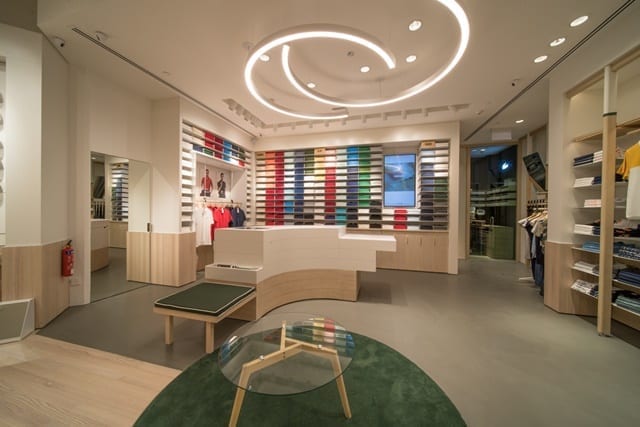
    Just opened on the street level of Raffles City, behind Robinsons department store, the 1873sqft space is reminiscent of a tennis court, with vintage design elements that Lacoste sees as a nod to the brand’s heritage. The fitting rooms are designed to look like locker rooms.

    The store offers Lacoste’s complete range of apparel, leather goods, fragrances and footwear – and, of course, the famous polo ‘colour wall’ shoppers have come to expect from Lacoset stores all over the world.

    The Lacoste Raffles City store will also carry runway collections and special collections including the 85th anniversary range created to celebrate both the heritage and innovation of the brand.

    An embroidery workshop features inside the store to offer customisation options for shoppers wishing to have their initials embroidered on their purchase.

    The Le Club concept is part of the Lacoste’s strategy to create a stronger brand identity and to strengthen the brand’s premium status throughout its global markets.

    View the gallery below (3 images) :