Author: Mei Ling Tan

  • Instagram Shopping Business expanded to stories

    Instagram Shopping Business expanded to stories

    Instagram is bringing its successful shopping feature to Instagram Stories.

    Of the 500 million daily users of Instagram, over 300 million use Instagram Stories everyday, which is a significant consumer base for retailers to push into.

    “Brands have always been early adopters of stories, they create some of the most viewed and engaging content on the platform,” reads Instagram’s press release announcing the feature.

    “From Adidas and Aritzia to Louis Vuitton, people have been able to shop from their favorite brands around the world, and now you can shop these businesses in Instagram Stories.”

    According to Facebook IQ research, “more than one in three self-reported daily active Instagrammers surveyed… said they have become more invested in a brand or product after seeing it on Instagram Stories.”

    The feature will work much like the current Shopping feature in that a shopping bag icon will appear over products that can be purchased.

    Clicking on the icon will give you more information about the product, which includes a link to an e-commerce platform where the product can be purchased.

    The coming Instapocalypse

    The move comes less than three months after the Instagram Shopping feature was initially launched in Australia, which Showpo’s chief marketing officer Mark Baartse sees as an intention to monetize the platform.

    “If you look at the sponsored tags and the shopping in photos, and now in stories, these are organic and they’re given away for free,” he said.

    “What we’re almost certainly going to see [is what] we saw with Facebook several years ago.

    “Organic reach was broad, and then it got narrower and narrower, where now organic reach is effectively zero.

    “Businesses are getting massive reach on Instagram, and influencers are taking often large sums of money which Facebook and Instagram doesn’t see any revenue from.

    “I don’t think they’re going to be happy with that long term, nor are their shareholders.”

    Baartse sees a coming ‘Instapocalypse’, when Instagram will make an algorithmic shift to will limit organic reach for business or sponsored posts.

    “At some point they’re gonna say ‘well, these sponsored posts are doing to have limited organic reach, and as a result, you need to pay to promote those posts.

    “It’s going to be bad news for influencers.”

  • Honor going to ground to boost presence in Philippines

    Honor going to ground to boost presence in Philippines

    Chinese smartphone maker Honor said it plans to open brick-and-mortar stores in the Philippines in a bid to become one of the top three vendors in the nation.

    Honor entered the market last month, initially offering its flagship Honor 10 and other devices through online retailers. The Huawei sub-brand accounts for 10 per cent market share in China after just four years, says its country director for the Philippines, Wang Yang.

    “We believe the Philippine market is perfect for Honor brand because we see the brand as being for the young,” says Yang.

    Physical retail stores will open as early as next month, starting in the capital, with the possibility of opening regional outlets, he says.

    Honor entered the Philippines through Shopee on May 15 with 500 units being sold in an hour during a flash sale.

    Its flagship Honor 10 has AI-enhanced cameras, dual 24 + 16 megapixel lenses on the rear and 24 megapixels on the front. The in-house Kirin 970 processor helps the phone recognise about 500 scenarios in 22 categories.

    The Honor 10 has four gigabytes of RAM, 128 gigabytes of storage and a 3400 mAh battery that can recharge 50 per cent of power in 25 minutes.

    Yang says the handset’s biggest draw would be its iridescent paint job inspired by the Northern Lights. A fingerprint sensor is practically hidden on the phone’s chin, below the 5.84-inch full-HD screen.

  • Domino’s long time CIO left the Company

    Domino’s long time CIO left the Company

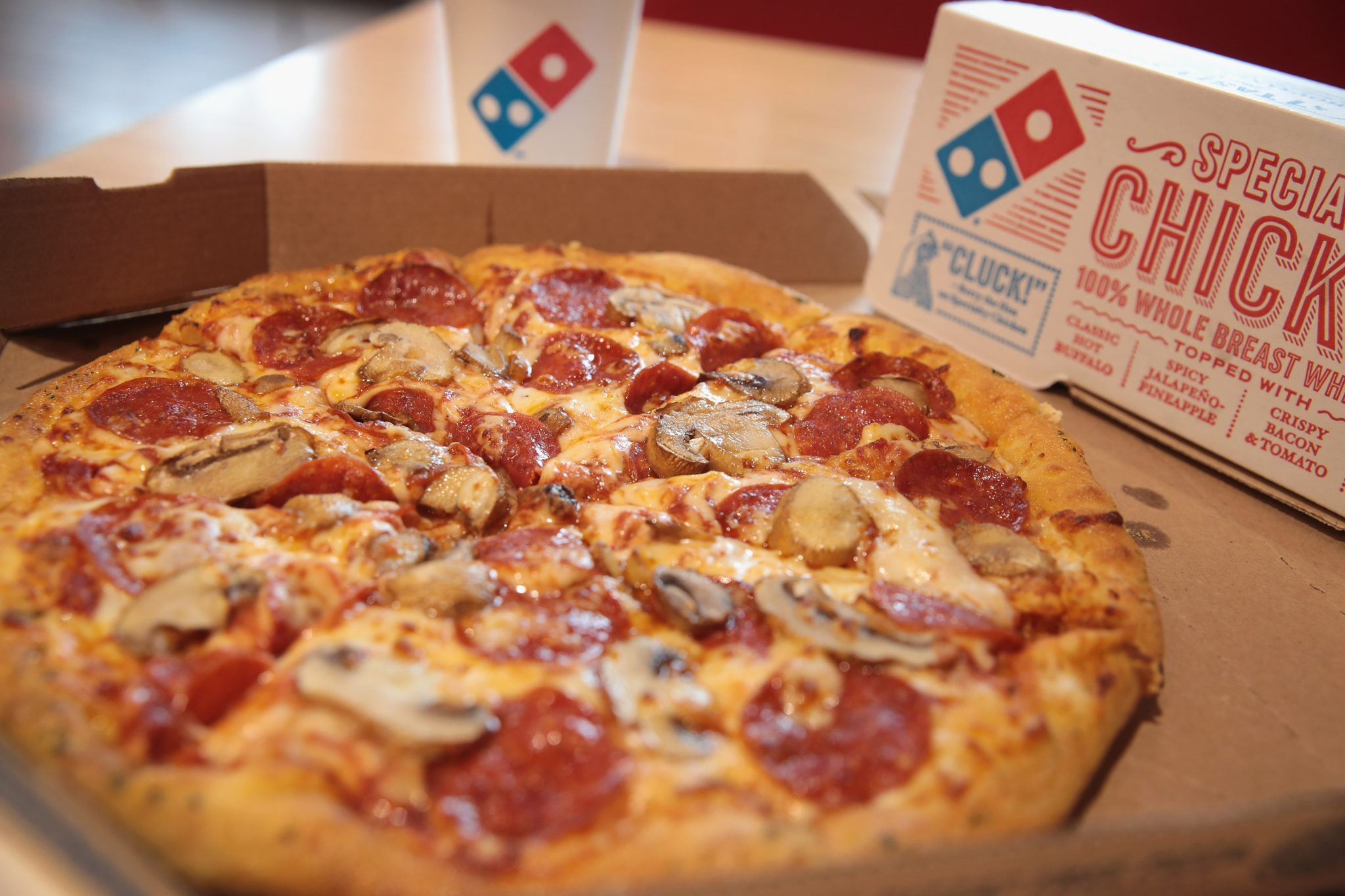
    Domino’s Pizza’s CIO Wayne McMahon has left the business after more than seven years, moving on to become chief digital and technology officer at Hungry Jacks owner Competitive Foods Australia.

    Don Meij, Domino’s CEO, said McMahon had been instrumental in laying the foundations for some of the company’s biggest platforms.

    “Under Wayne’s leadership, Domino’s has grown from strength to strength delivering some of the world’s best information technology solutions,” said Meij.

    “We have been a true disruptor in this space and the focus on technology over the past seven years, under Wayne’s leadership, has been critical in achieving this.”

    McMahon will be replaced by Terry Powell, who previously led the technology division for Suncorp’s insurance business.

    “In the role of Domino’s Group CIO, [Powell] will work with the Company’s Group Chief Digital and Technology Officer, Michael Gillespie as well as the the global teams to ensure appropriate technologies are employed across the Company’s global network to bring efficiencies and new ways to engage the company’s customers,” reads a statement by Dominos.

    In this role at Suncorp, Powell had a strong track record of delivering complex IT programs including simplifying core systems and insurance applications, successful transition to cloud computing, significantly reducing critical incidents, and as Executive General Manager Security improving the company’s security resilience.

  • Former Billabong chief bags top job at Gap

    Former Billabong chief bags top job at Gap

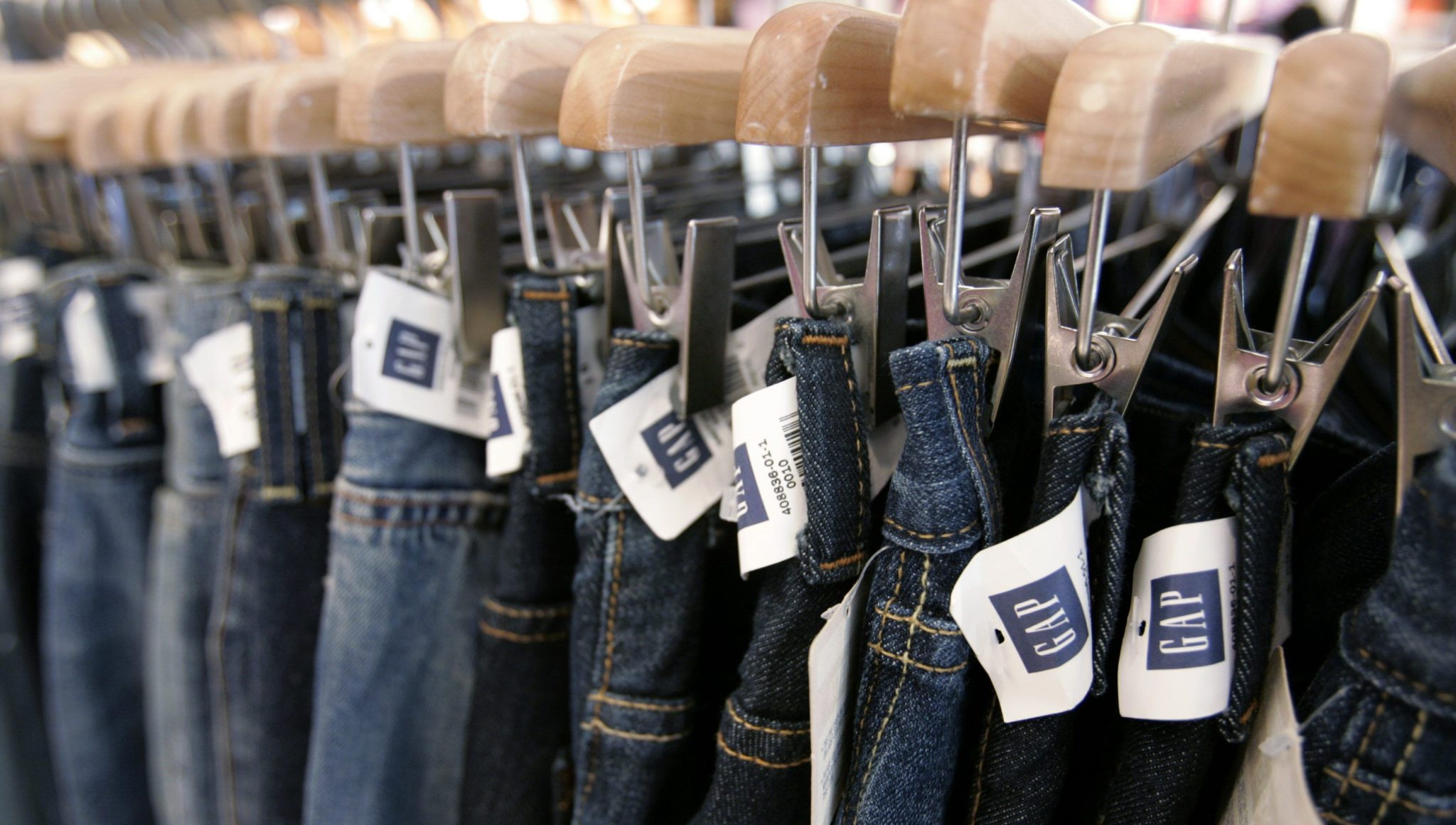
    Former Billabong International chief executive Neil Fiske has landed a new job steering the ship for Gap Inc.’s struggling namesake brand.

    After spending almost five years trying to flip the fortunes of Billabong prior to its acquisition by Boardriders earlier this year Fiske will again be responsible for a disrupted retail business.

    As the president and CEO of Gap brand he will be responsible for charting the future of the beleaguered business, which has struggled to gain traction with younger generation shoppers.

    Gap’s global same-store sales fell four per cent in the first quarter, weighing on parent Gap Inc., which also owns the Banana Republic and Old Navy brands.

    In Australia Gap has also been struggling, having been cut by accessories retailer Oroton Group before its collapse last year due to its irrelevance with local customers.

    Gap Inc. president and CEO Art Peck said he believed Fiske was the right leader to strengthen the brand.

    “Neil brings significant retail and apparel experience to Gap Inc. and a track record of transforming and repositioning brands,” said Peck.

    “He is an experienced leader who deeply understands the mechanics of this business, the value of an omnichannel strategy, and the need to build a progressive and relevant brand.”

    Fiske departed Billabong earlier this year in a leadership reshuffle brought on by Boardriders’ acquisition.

    During his time at the business, Fiske, who bills himself as a turnaround specialist, embarked on a revitalisation strategy for the action sports group that involved tightening merchandise disciplines and closing underperforming stores.

    Fiske said in a statement that Gap has made some progress on its turnaround journey already, and that he was excited about the opportunities ahead of the business.

    “The brand has made some important progress and I look forward to working with the team to drive improved performance, operational excellence, great merchandising, and distinctive and powerful marketing,” he said.

    Prior to Billabong Fiske also held roles leading Eddie Bauer and Bath and Body works.

  • Why workers may be worse off after action against Foodora

    Why workers may be worse off after action against Foodora

    The way “gig workers” are paid and protected might be about to change, as a result of legal proceedings brought by the Fair Work Ombudsman. The Ombudsman alleges that food-delivery platform Foodora underpaid three workers by A$1620.74, plus superannuation, in a four-week period.

    The Ombudsman argues that while Foodora engaged these workers as independent contractors, they were in reality employees. If the action succeeds, it could be positive for the underpaid workers, but it could also drive down working conditions.

    The food-delivery platforms have stated they would be willing to give their workers more benefits, such as training. But not at the cost of workers being classified as employees. If the Ombudsman’s case succeeds, it could cause gig platforms to offer fewer protections in order to ensure workers are classified as contractors.

    This could not only disrupt the food-delivery sector, but have a broader impact on the gig economy, restaurants, customers and workers.

    Employees or contractors?

    The difference between an employer and a contractor is significant. They fall under different laws, receive different protections and have different obligations.

    If a contractor performs poor work they are legally liable for that. But an employer is responsible for the poor work of an employee.

    In many cases this distinction is clear-cut. However, in the gig economy these workers operate in a grey area, one the Fair Work Ombudsman seeks to test.

    Whether workers can be classified as employees or contractors depends on a variety of factors, including the nature of the work. If workers are deemed employees then they receive a greater number of protections, including minimum wage rates.

    In the Australian platform-based economy (including ride sharing and food delivery), the Fair Work Commission has determined workers are independent contractors in two recent cases.

    In one case, Commissioner Nick Wilson stated that “[the driver] did not bring anything especially entrepreneurial to the arrangement” but also that “it is evident that the weight of those indicators leads to the finding that [the driver] was not engaged as an employee, but instead as an independent contractor”.

    The Fair Work Ombudsman’s decision to intervene in the food-delivery sector might be a response to poor working conditions for gig workers. But the decision to go after Foodora specifically could dissuade rather than encourage other platforms to improve working conditions.

    As shown in the table below, the three major food-delivery platforms have varying approaches to engaging workers. For instance, Foodora, in the period under investigation, would engage workers for set periods of time, rather than per delivery. Deliveroo and Foodora also provided uniforms for workers, while UberEATS did not.

    The fact that the case was brought against Foodora suggests that the company has the most direct relationship with workers, and thus its workers are most likely to be classified as employees.

    Our research shows, however, that these work practices are evolving all the time.

    In submissions to the ongoing Senate Select Committee on the Future of Work and Workers, both Deliveroo and UberEATS claimed they would like to provide additional benefits to workers but doing so in the existing regulatory environment might compromise their business models.

    For instance, Deliveroo argued that it “… wishes to be able to provide additional benefits to [workers] without the risk of those benefits changing the relationship from one of self-employed riders to riders employed by Deliveroo”.

    UberEATS similarly argued that “current employment classifications create significant disincentives: they can mean that offering training to these [workers] can compromise the self-employed status of the individual. We believe that companies should be incentivised, not penalised, for helping independent workers”.

    This is why the Fair Work Ombudsman’s decision to target Foodora may be counterproductive. It sends the signal that the better you treat your workers, the more likely they are to be classified as employees, the more expensive your labour costs will be and the more inflexible your operation will become.

    The Foodora case is interesting as it applies existing employment rules to “gigified” work. Currently, some gig workers earn significantly less than the minimum wage. They also miss out on other protections of employment.

    However, unlike high-profile franchising cases such as the underpayment of 7/11 workers, their current classification as contractors means this practice is within the law.

    If the Fair Work Ombudsman is successful and these workers are reclassified as employees, it might provide a disincentive for other platforms to protect workers. The law itself might need to change.

    With this in mind, we all need to pay attention to the recommendations of the Senate Select Committee on the Future of Work, due on June 21.

  • Mon Purse Launches New Retail Strategy

    Mon Purse Launches New Retail Strategy

    Design-your-own handbag business Mon Purse is revamping its bricks-and-mortar presence in the US market.

    After a much-publicised expansion to America through a deal with Bloomingdale’s in November 2016, the Australian e-commerce company has pulled out of the upmarket department store chain, and is gearing up to launch its first standalone store in New York City in a matter of weeks.

    Mon Purse last year opened a store at a mall in New Jersey, which was billed as the company’s first standalone store in the US, according to a press release at the time. But COO Andrew Shub said the store was actually a pop-up. It closed in January.

    Shub refuted the suggestion that Mon Purse has exited the US, although no mention of US stores appeared on the website at the time of this writing.

    The e-commerce company currently lists its concessions in Selfridges in the UK and Myer in Australia, alongside its boutique in Paddington.

    Shub said the company is “evaluating” its strategy in the US, the company’s biggest online market outside Australia, but was not willing to discuss it publicly.

    “It’s not something we want cited for our competitors,” he said, “but we are very much committed to the US market.”

    Shub said Mon Purse is about to open a new store in New York City, which will be listed on the website in the next few weeks.

    He added that the business is committed to its concession model.

    “It’s all part of the strategy as to how one rolls out. I wouldn’t want to create any misconception that we’re not committed to our concession business,” he said.

    The revamp comes two months after Mon Purse founder Lana Hopkins announced her intention to step down as co-CEO and cease running the day-to-day operations of the company. She is still on the board and holds a minority stake in the business.

    Hopkins said she made the difficult decision to step down to pursue other ventures, but according to an April report in the AFR, some shareholders believe she was pushed out. The value of the company has plunged from more than $30 million to $5 million.

    “I cannot share any of those financial details from that point of view,” Shub said.

    “All I can say is that we continue to grow and have very exciting times ahead both from a digital and bricks-and-mortar strategy.”

    Toni Fourie, who was recently named as the new chairman of Mon Purse, is reportedly leading the search for a new CEO.

  • Israeli brand Sabon expands to Singapore

    Israeli brand Sabon expands to Singapore

    Israel-based bath and body brand Sabon has opened its first Southeast Asia flagship boutique, in Singapore.

    Located in Takashimaya in the Ngee Ann City shopping centre, the store carries a full range of products for the body, face and the home.

    Soaps handmade from fresh herbs, fruit peels and rose petals are included in the range.

    The boutique features an experiential ‘Wishing Fountain’ where customers are invited to freshen up, make wishes, and “dive into an experience of sound and sense, texture, and scent”.

    Staying true to the brand’s philosophy, the store’s interior is decorated with natural products and materials such as whole wood and stone.

    Founded in 1997 in Tel Aviv, Sabon now has 180 stores globally.

  • Pizza Hut Exmployee fined for exploiting driver

    Pizza Hut Exmployee fined for exploiting driver

    A Gold Coast Pizza Hut operator has been hit with a $216,000 fine for exploiting an Indian delivery driver and trying to cover it up.

    The Fair Work Ombudsman took action against against Dong Zhao after one of his drivers complained he’d suffered anxiety and anguish from being underpaid, and had to borrow money from his family to support his student wife.

    Zhao, who operates an Upper Coomera Pizza Hut franchise, was fined $36,700 and his company $180,000 after admitting breaking sham contracting laws, designed to stop employers from misrepresenting workers as independent contractors.

  • Mulberry Group looking for a JV Parter in Korea

    Mulberry Group looking for a JV Parter in Korea

    Despite a profit decline for its latest year, UK luxury leathergoods company Mulberry Group plans to form a JV to develop its business in South Korea.

    It says it has signed an agreement with SHK Holdings to form Mulberry (Korea) Co. It will own 60 per cent of the new entity and the two companies will invest £4.6 million (US$6.1 million) to buy assets and to develop the business in South Korea.

    Mulberry last year had plans to launch an equal-share JV with another company as well as plans to launch into Hong Kong.

    Meanwhile, for the financial year to March 31, Mulberry made a profit of £6.9 million, down from £7.5 million the year earlier.

    Revenue rose 1 per cent to £169.7 million, it said. Retail sales grew 3 per cent, with UK sales broadly flat and international sales up 20 per cent. Digital sales grew 14 per cent, making up to 17 per cent of group revenue, the company said.

    For current trading, Mulberry says retail like-for-like sales fell 7 per cent in the 10 weeks to June 2 with international sales up 1 per cent. However, UK sales were down 9 per cent because of lower footfall.

  • Guess Jeans taking Farmers Market bigger

    Guess Jeans taking Farmers Market bigger

    Guess Jeans is expanding its Farmers Market concept to global stores until the end of next month.

    Created by Guess and vintage streetwear collector Sean Wotherspoon, the collection features reworked items from the Guess archives developed in the ’80s and ’90s, with a colour palette derived from the Californian landscape.

    Key pieces include hoodies, denim jackets and tracksuits, with original Guess graphics featuring the classic logo on T-shirts and accessories.

    Launched in central Los Angeles last month, the limited-edition merchandise are available through key retailers and pop-up stores. In Asia, expect pop-up stores in Singapore’s Dover Street Market, Tokyo’s GR8 and Hong Kong’s Juice. Items can also be bought through the Chinese Innersect App.

  • National Airlines of Qatar treats fans to football match

    National Airlines of Qatar treats fans to football match

    As an Official Partner of FIFA, Qatar Airways is keen to bring fellow football fans across the globe with their #OnYourFeet challenge on social media sites. The winners of the challenge will receive two Business Class tickets to any destination on the award-winning airline’s global route network.

    Qatar Airways Group Chief Executive, His Excellency Mr. Akbar Al Baker, said: “The 2018 FIFA World Cup RussiaTM has begun, marking an entire month of excitement as fans from around the world gather in Russia to celebrate their love for football. Whether you are a football enthusiast, dedicated to supporting your national team or even your favourite local team, the World Cup is a global event that unites us all, and we are thrilled to be supporting such a world-class sporting occasion.”

    The award-winning airline recently captured the excitement of the upcoming tournament by launching its new 2018 FIFA World Cup RussiaTM campaign, featuring a re-recording of the classic song ‘Dancing in the Street’ sung by renowned singer and TV star Nicole Scherzinger. The upbeat TV commercial has seen tremendous global success, with more than 20 million views across the airline’s social media platforms, including Facebook, Twitter, Instagram and YouTube.

  • Diebold Nixdorf and Mastercard launch cardless ATMs

    Diebold Nixdorf and Mastercard launch cardless ATMs

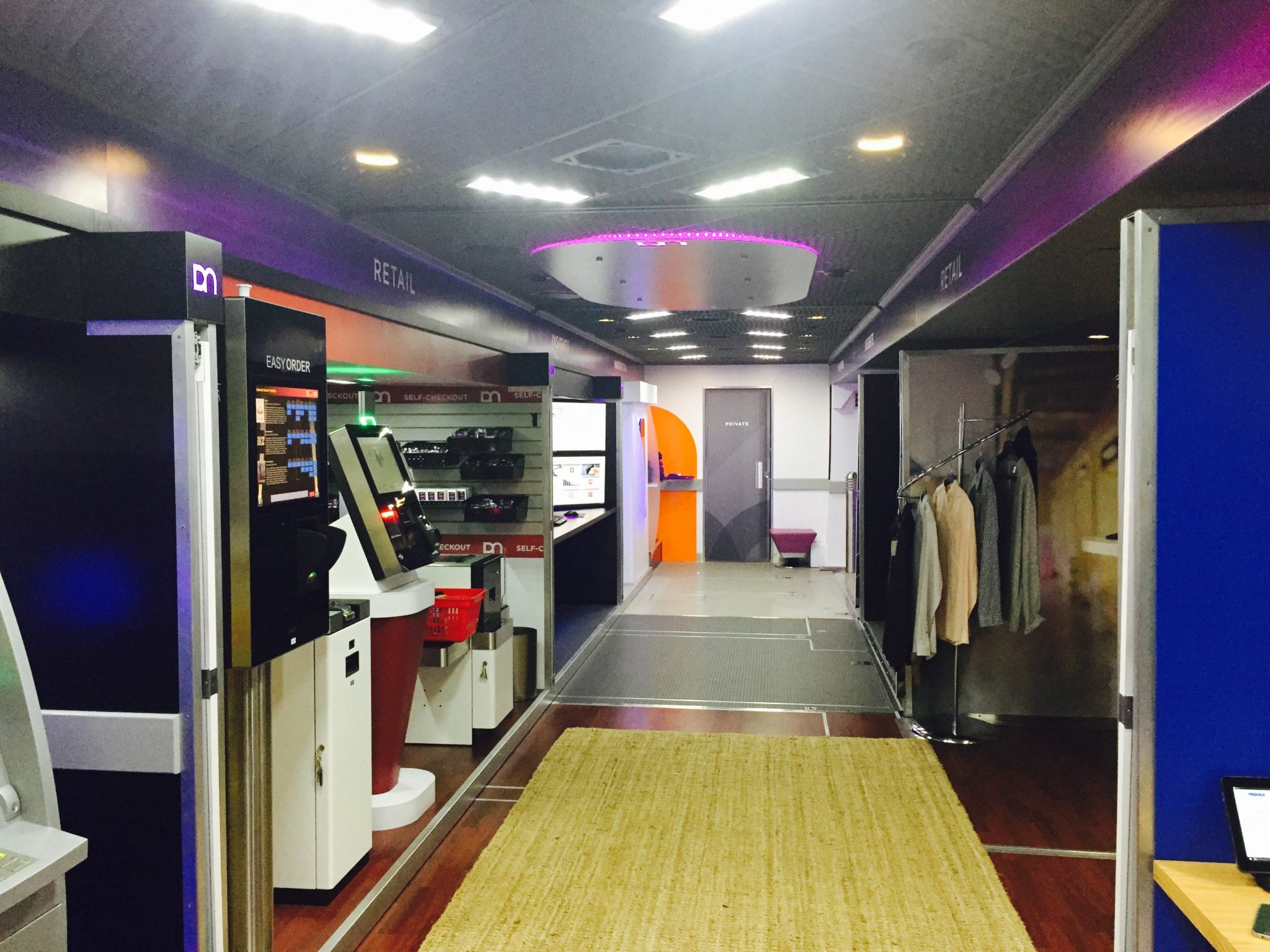
    Diebold Nixdorf is teaming up with Mastercard to trial two services that provide cash banking users on the go – Mastercard Cash Pick-Up and Cardless ATM powered by Mastercard.

    The cash pick-up service allows banks to deliver cash more quickly, securely and easily to any authenticated consumer – banked or unbanked – through enabled ATMs, without the use of a card. This opens the ATM channel to even the under-banked consumers and allows financial institutions and ATM deployers to increase their revenue through new transaction volumes.

    Cardless ATM powered by Mastercard meanwhile allows account holders to withdraw cash from the nearest ATM using the convenience of their mobile banking app.

    Once consumers are at the ATM, they can quickly move through the authentication process to receive their cash. Since the majority of the transaction is handled through the banking app and the cloud, sensitive information is never exposed.

    “As a technology company, we are always considering what the future can bring, and today we have a great opportunity with Diebold Nixdorf to define the next wave of digital products to the ATM channel,” Mastercard SVP of ATM product management Daniel Goodman said.

    “By bringing together the Mastercard network and Diebold Nixdorf’s large global scale, we can help move the ATM industry towards a globally scalable standard for driving digital innovation in the ATM channel.”

    “This partnership with Mastercard is another way we are continuing to securely bridge the digital and physical worlds of cash by innovating the ATM experience for consumers through our Vynamic suite of software solutions,” Diebold Nixdorf SVP for software Alan Kerr said.

    “Many of our customers are looking to retain consumers and drive incremental transactions to their self-service channels, and this partnership with Mastercard delivers on both of these fronts.”

  • Carrefour and Google to partner in online shopping initiative

    Carrefour and Google to partner in online shopping initiative

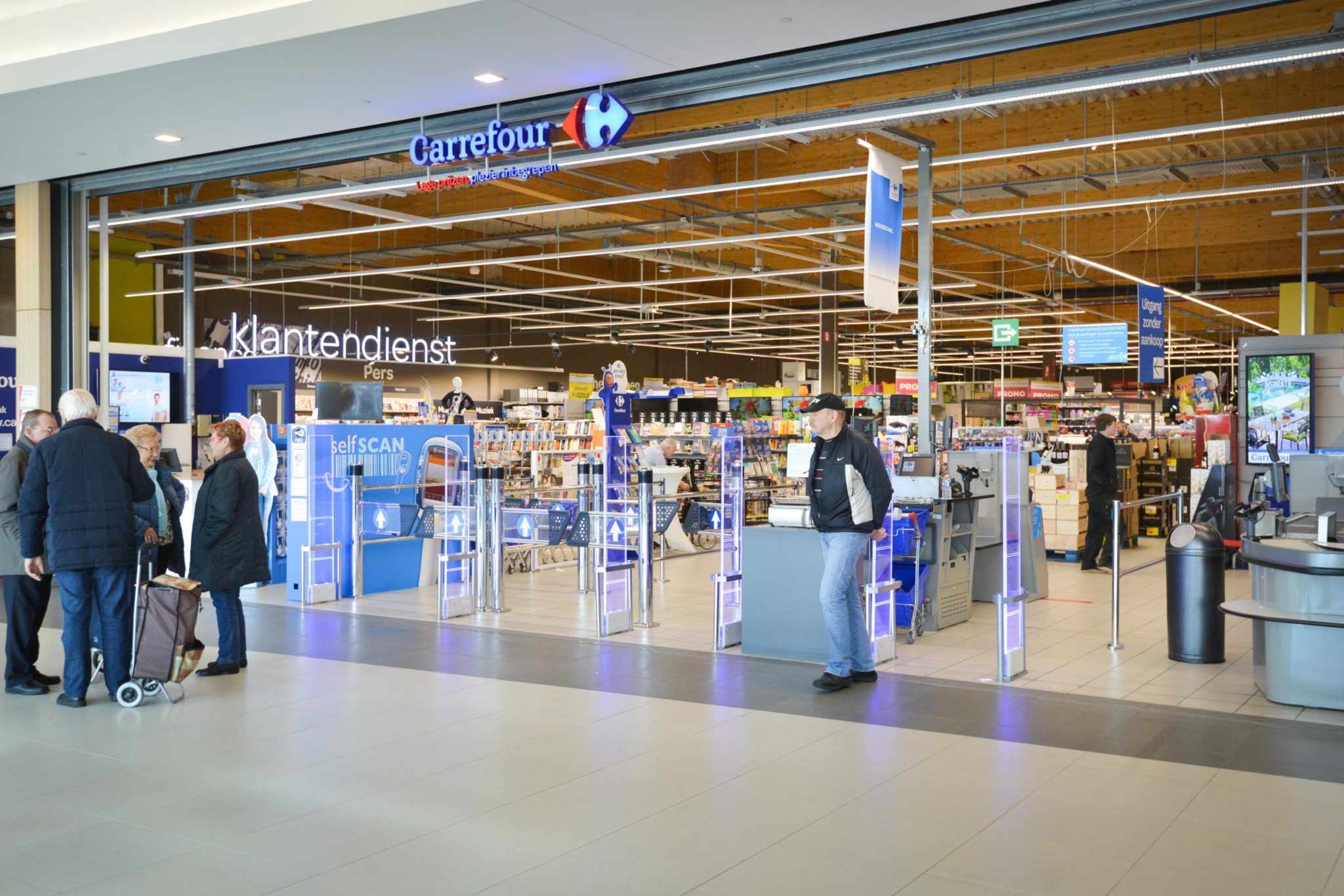
    Carrefour and Google have formed a strategic partnership to develop innovative online shopping solutions.

    The two companies say Google will contribute its technology and skills in AI, cloud computing and new consumer shopping interfaces like the Google Assistant, while Carrefour will bring its product expertise and know-how in logistics and sales.

    The partnership will focus on three initiatives: the availability of Carrefour on a new Google shopping website and Google Assistant in France, the creation of a Carrefour-Google innovation lab and the acceleration of Carrefour Group’s digitalisation.

    “The common objective of this partnership is to bring together the expertise of both companies to offer consumers new and innovative commerce experiences in France, whether that’s in a store, online, on smartphones, or with voice,” the two companies said in a statement.

    New buying experience

    The cooperation will see “a new buying experience from Carrefour across Google platforms” including Google Assistant, Google Home and a new Google Shopping website in France, expanding Carrefour’s footprint in the digital realm.

    “The common goal of both companies is to provide users with simplified and intuitive buying experiences. By early next year, users in France will be able to shop for groceries through a variety of channels including on Google Home, via the Google Assistant on their mobile phone, or on the web through the new Google shopping destination in France. Items can be delivered to their homes or made available for pick up in-store.”

    At the new innovation lab in Paris, Carrefour engineers will work side-by-side with Google Cloud AI experts to co-create new consumer experiences.

    Meanwhile, Carrefour will deploy Google Cloud’s G Suite productivity and collaboration solutions (including Gmail, calendar, drive, Hangouts, Docs) to more than 160,000 Carrefour employees.

    “This alliance makes Carrefour the first partner of Google on grocery e-commerce in Europe, creating a strong bond between the two companies,” said Alexandre Bompard, CEO of Carrefour.

    “It also marks an important step in the new story written by Carrefour since the announcement of the Carrefour 2022 plan. It allows us to accelerate our digital evolution and get a head start in deploying the omni-channel approach we want to offer our customers.”

    Sébastien Missoffe, VP and MD of Google France, said shoppers today are saddled with disconnected experiences through the online shopping journey, which often lead to abandoned shopping carts and low customer satisfaction and loyalty.

    “Customers want assistive, simple and personalised experiences that help them make decisions on what to buy, assist with easily building baskets across surfaces, and provide a seamless checkout. With Alexandre Bompard and his team, we wanted to explore new distribution models and e-commerce technologies to deliver simple, frictionless and deeply relevant experiences for shoppers in France.”

    Carrefour has a network of 12,300 stores across more than 30 countries.

  • Operation Goalkeeper World Cup against Counterfelt Goods

    Operation Goalkeeper World Cup against Counterfelt Goods

    In a sting to thwart criminal attempts to sell 2018 FIFA World Cup fakes, Hong Kong Customs’ Operation Goalkeeper has so far resulted in about $15.3 million worth of suspect merchandise being seized, plus five arrests.

    Aimed at preventing such items crossing the border, Operation Goalkeeper launched at the end of April with a focus on finding infringing items being trafficked through passenger and cargo channels at airport, seaport, land boundary and railway control points on the eve of the matches.

    Launched at the end of April 30, the sting has so far resulted in about 259,000 pieces of suspect items in 21 cases being seized.

    Items include about 180,000 pieces of apparel and accessories, 50,000 pairs of shoes and 29,000 bags. There are also about 57,000 suspected counterfeit jerseys, including 50,000 pieces bearing suspected forged FIFA trademarks.

    The items were seized from 12 seaborne containers, four goods vehicles and a batch of air parcels.

    Under the Trade Descriptions Ordinance, any person who imports or exports any goods to which a forged trademark is applied commits an offence. The maximum penalty is a fine of $500,000 and imprisonment for five years.

    Operation goalkeeper continues.

  • Singapore Sales stays under the Expectations

    Singapore Sales stays under the Expectations

    Falling sales of electronics and apparel muted the overall figure for Singapore retail sales in April.

    The year-on-year headline figure rose by just 0.7 per cent after sales of motor vehicles were excluded from the data. Sales of computers and phones fell by 9.8 per cent, while apparel and footwear sales fell by 3.4 per cent.

    Supermarkets and hypermarkets slipped by 2.3 per cent and department stores by 1.7 per cent.

    Categories which improved were led by petrol service stations, up 8.5 per cent, and medical goods and toiletries, up 7.8 per cent.  Sales of furniture and household goods rose 4.8 per cent.

    Month-on-month retail sales declined 1.7 per cent and Statistics Singapore estimated online shopping accounted for just 4.4 per cent of total retail sales in April.

    Food retailers also had a forgettable month, with total sales falling 1.7 per cent year on year. Within that category, fast-food outlets boosted sales by 5.4 per cent, at the expense of restaurants and cafes, which declined 4.3 per cent.