Author: Mei Ling Tan

  • Cebu Pacific to resume Manila-Busuanga flights in June

    Cebu Pacific to resume Manila-Busuanga flights in June

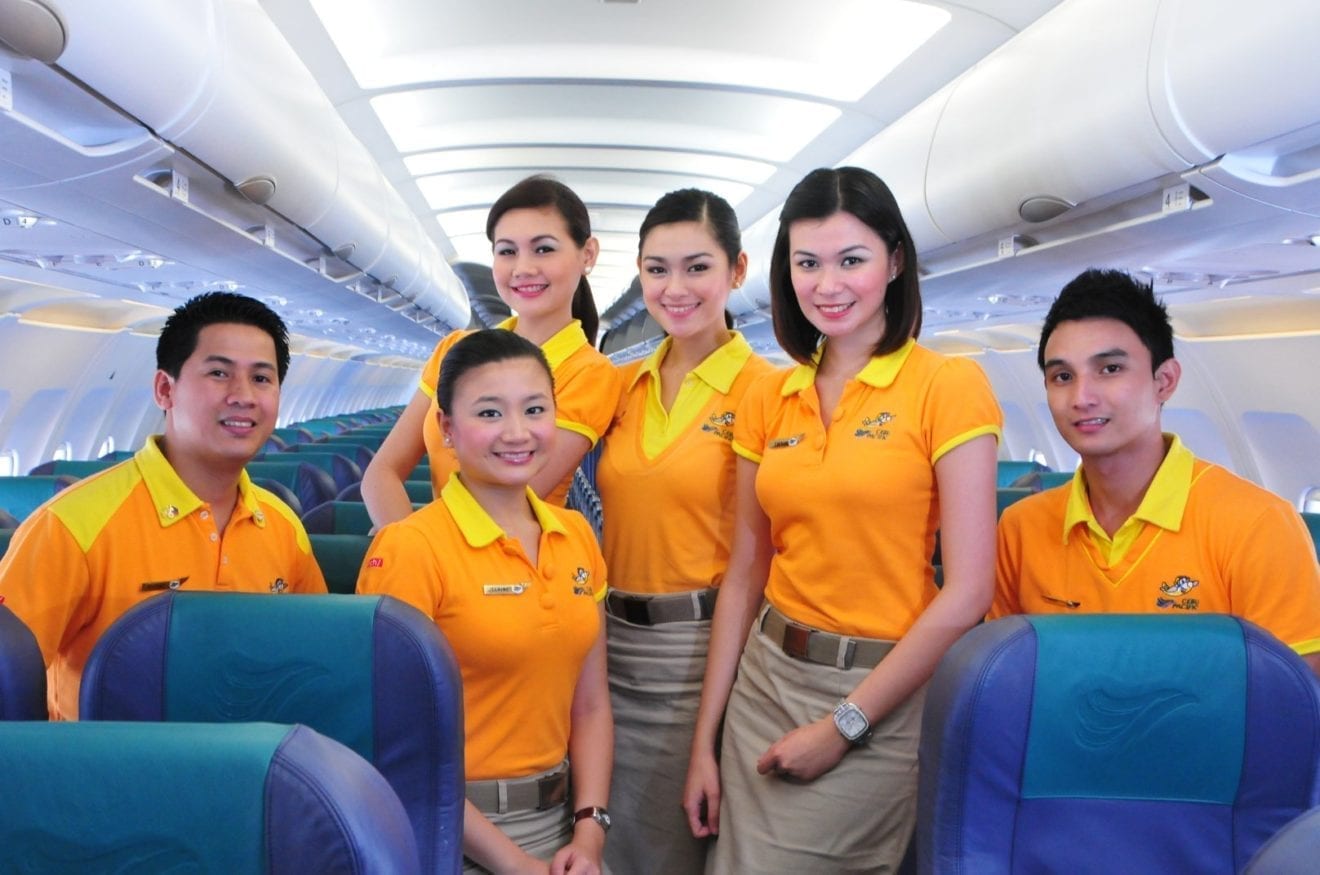
    Cebu Pacific is scheduled to resume flights between Manila and Busuanga, Palawan on Sunday, June 10 – two days after an airport mishap there.

    On Saturday, June 9, flights to and from Busuanga were canceled after a Skyjet plane overshot the runway of the Francisco Reyes Airport late Friday afternoon, June 8.

    In an advisory on Saturday night, Cebu Pacific announced that normal operations will resume on Sunday, and that all of its Cebgo flights will proceed as scheduled.

    It also announced additional Cebgo flights for Sunday to accommodate passengers affected by flight cancelations on Saturday:

    • DG 6049, Manila-Busuanga (Coron), 6:00 am
    • DG 6050, Busuanga (Coron)-Manila, 7:35 am
    • DG 6051, Manila-Busuanga (Coron), 9:30 am
    • DG 6052, Busuanga (Coron)-Manila, 11:05 am
    • DG 6053, Manila-Busuanga (Coron), 1:30 pm
    • DG 6054, Busuanga (Coron)-Manila, 3:05 pm
    • DG 6055, Manila-Busuanga (Coron), 2:50 pm
    • DG 6056, Busuanga (Coron)-Manila, 4:35 pm

    Cebu Pacific said that passengers whose Saturday flights had been canceled “are being notified regarding their new flight schedules.” It added that the passengers have the option to either rebook their flights within 30 days from original departure date, or claim a full refund or travel fund.

  • Cirque du Soleil to create mall-based events with ‘Creactive Centres’

    Cirque du Soleil to create mall-based events with ‘Creactive Centres’

    Circus-cum-theatre company Cirque du Soleil has developed a family entertainment concept suited to shopping malls.

    The first show will open in Toronto in September next year after a deal was struck with property group Ivanhoe Cambridge. Talks are ongoing about additional locations inside Canada and the entertainment company is also scouting for locations internationally.

    Cirque du Soleil is renowned for stunning multi-sensory shows featuring combinations of dance and traditional human circus acts like high-wire walking, trapeze stunts, trampoline acts, juggling and clown performances. Traditionally its shows are held in giant circus tents which travel the world for short-term runs and longer-term contracts in casinos. The image above is from a Russian show.

    The family entertainment centre is the latest example of traditional shopping centre operators looking for a new drawcard to malls suffering from declining foot traffic and shrinking department store chains.

    The Cirque du Soleil ‘Creactive Centres’ will help the company diversify, build its brand recognition and most importantly help landlords fill empty spaces once filled by department stores. It will also sell Cirque-branded merchandise.

    Marie-Josee Lamy, Creactive’s producer, says the centres will take up about 2200sqm of space (24,000sqft).

    “Our fans regularly express their wish to experience Cirque du Soleil from an insider’s perspective. We make that possible by inviting families to jump on stage, offering them another way to explore our creativity beyond our live shows.”

  • More complaints over foreign purchases online and fraud

    More complaints over foreign purchases online and fraud

    As more South Korean consumers opt to make online purchases through overseas websites, complaints related to direct foreign purchases are also rising.

    A 305 per cent rise in complaints last year has been noted by the Korea Consumer Agency’s Cross Border Transaction Consumer Portal, with 1463 cases, up from 361 in 2016. Between January and May, 1306 cases were filed.

    The agency said many complaints regarded lodging, plane tickets and other services as well as consumer goods such as shoes and clothes.

  • Tmall extends online coverage for midyear sales

    Tmall extends online coverage for midyear sales

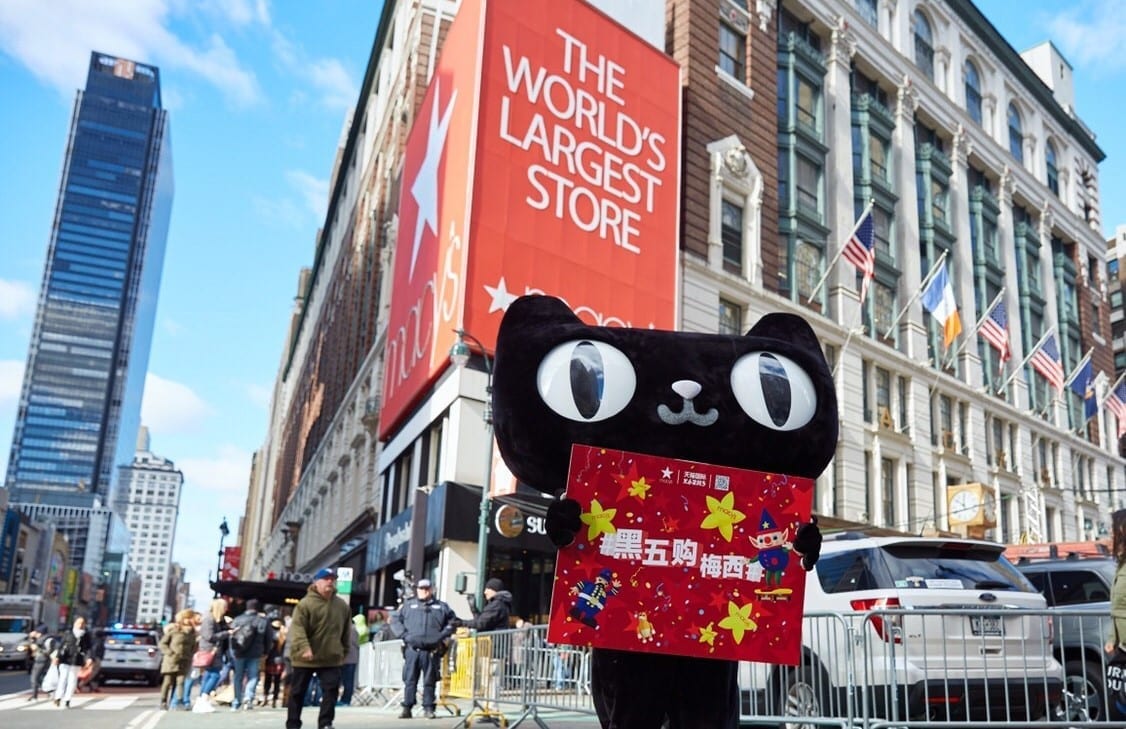
    Alibaba’s Tmall says it has extended its upcoming 618 midyear sales to several markets across the Asia-Pacific.

    This year, consumers in Hong Kong, Singapore, Taiwan and Australia will be able to join customers in Mainland China in accessing “billions of products at deep discounts online and offline” during the event.

    “This year’s 618 midyear sales coincides with the Dragon Boat Festival. It is a good opportunity for overseas Chinese to buy festive products and to build the understanding and connections with Chinese culture,” says Tmall export and import GM Alvin Liu. “For some markets, shipment by sea is now a delivery option, meaning consumers can literally buy a dragon boat on Tmall and have it delivered to their doorstep.”

    Another key element this year is New Retail, combining online and offline elements. “Pop-up stores in overseas markets will allow visitors to scan product QR codes and place orders online,” says Liu.

    Hong Kong, Singapore and Taiwan customers will be offered such promotions as free shipping.

    Tmall is working with more than 70 shopping malls and commercial districts across Mainland China and Asia to open pop-up stores that will offer consumers a seamless online and offline shopping experience.

    In these stores, consumers can sample new technologies such as product recommendations based on facial scans, smart-fitting, smart fashion advisors and scan-to-access product information.

  • Juniper Networks unveils 5G-ready routing platform

    Juniper Networks unveils 5G-ready routing platform

    Juniper Networks has announced plans to launch a 5G and IoT ready routing platform to help operators, cloud providers and enterprise customers manage the growing complexity of next-generation service delivery.

    The MX Series 5G Universal Routing Platform will support extensive feature programmability, as well as hardware accelerated 5G control and user plane separation (CUPS) functionality.

    The 3GPP CUPS standard is designed to allow customers to separate the evolved packet core user plane and control plane to allow operators to scale each independently as needed.

    Juniper’s new Penta Silicon chipset will power the new platform. The company said the new chipset supports both MACsec and an IPsec cryptography engine, and can originate and terminate thousands of IPSec sessions without sacrificing performance.

    According to Juniper Networks chief product officer Manoj Leelanivas, research from the company found that operators consider the cost and complexity of orchestrating a distributed network to be among the top challenges associated with being able to offer 5G and other next-generation network services.

    “Cloud is eating the world, 5G is ramping up, IoT is presenting a host of new challenges and security teams simply can’t keep up with the sheer volume of cyber attacks on today’s network,” Leelanivas said.

    “One thing service providers should not have to worry about among all this is the unknown of what lies ahead. That’s why we’ve continued innovating our flagship MX platform to deliver more speed, flexibility, programmability and security capabilities, giving our customers the peace of mind they need as a variety of demands continue to put pressure on the network.”

    The first router products powered by the new platform are expected to launch during the second half of the year.

  • Asia is the new e-commerce battlefield

    Asia is the new e-commerce battlefield

    Retail news is flush with GAFA (Google, Apple, Facebook, Amazon) and BAT (Baidu, Alibaba, Tencent) stories, as if the US and Chinese internet giants are dominating our digital planet.

    Indeed, at times it feels like they are…but are they really? What is going on in Asia Pacific? How big is each country’s e-commerce market? How fast are they growing? Who is dominating them: GAFA or BAT; or other players we don’t hear so often about? What are the implications for global brands active in these markets? And, along the way, what’s the situation in Hong Kong?

    E-commerce market size and growth in 2017

    It was no surprise that China and Korea lead the world by far in terms of e-commerce’s share of their total retail market, at  20 per cent and 19 per cent respectively. Japan and Korea are second and third behind China in terms of absolute e-commerce market RSV (Retail Sales Value), at US$79 billion and $51 billion respectively. India is fourth already, at $30 billion. But they are all dwarfed by China’s $449 billion e-commerce which is close to six times six times larger than Japan’s. (Notably, China’s total retail market is only 2.2 times larger than Japan’s.)

    Surprisingly, the total of Southeast Asian e-commerce market’s RSV in 2017 (six countries including Singapore, Malaysia, Indonesia, Thailand, Vietnam and the Philippines), was $9.1 billion, barely comparable to Taiwan’s $9.3 billion.

    Meanwhile, the fastest growing e-commerce markets in Asia Pacific over the last three years have been India – at an amazing 50 per cent CAGR from 2014-2017 – and Indonesia at 35 per cent CAGR, (just below China’s 38 per cent over the same period). Other Southeast Asian markets are not far behind:  Malaysia at 33 per cent, Vietnam at 34 per cent and Singapore at 26 per cent. If the trend continues, the Southeast Asian region will soon become one of the most attractive e-commerce arenas globally. No wonder, then, that global giants Amazon and Alibaba are establishing beachheads in these markets.

    The laggard

    Hong-Kong, however, is lagging, its e-commerce market worth just US$1.9 billion in RSV and its share of the total retail market just 4 per cent, comparable to Singapore’s 5 per cent but dwarfed by China, Korea, Taiwan and Australia. So, why is Hong Kong lagging other APAC markets so much? Here are some of the possible reasons:

    • Hong Kong has a very dense physical retail environment. Basically, shopping is easy and convenient in offline stores because there are plenty of them, close to everyone’s home. But the UK also has a very high retail density and its e-commerce penetration is as high as in China.
    • Hong Kong has a strong cash culture. Hongkongers use cash more often than in other markets (rather than credit card or electronic payment). The Octopus card has limited usage beyond MTR and convenience stores, whereas in Mainland China, for example, electronic payment is widely embraced, the country on its way to becoming a cashless society.
    • Less availability of local e-commerce sites. Perhaps the Hong Kong market is too small to justify a dedicated investment and entrepreneurs would rather build a website for China than for Hong Kong.
    • Global players have not invested in Hong Kong until recently (for example, Alibaba extending its 11/11 promotions and introducing Alipay in local restaurants and taxis) because they may have considered the market too small.
    • More importantly, unlike Singapore, Hong Kong may not be considered a gateway to a larger regional market like Singapore is for Southeast Asia. In fact, quite the opposite is true: global e-commerce companies may simply consider Hong Kong as a natural extension of the China market. If that is so, the good news is that Hong Kong may quickly catch up the rest of China, under the influence of BAT.

    The biggest e-commerce players in APAC

    There is no need for me to introduce Alibaba and Tencent/JD.com. China’s internet giants and their respective integrated ecosystems stretching from payment to logistics are battling for leadership in the world’s largest e-commerce market. Although protected from foreign intrusions, the rivalry between the two camps is brutal, each one matching the other’s advances, move after move, like the recent investments they made in the grocery sector.

    Meanwhile, Amazon has become the number one e-retail and marketplace platform in Japan, with more than 20 per cent market share, ahead of historical marketplace pioneers Rakuten and Yahoo! Japan. The rest of the Japanese e-commerce ecosystem is very local, with a few notable pureplays like Zozotown in fashion, and many online extensions of local offline retail incumbents like convenience store chains 7 and FamilyMart, and big box electronics retailer Yodobashi Camera.

    Amazon is also very active in Australia, where it is already number four behind pioneer eBay and Apple and Woolworths. But its recent decision to create an Australian website with a local distribution centre, enabling the introduction of its coveted Prime service, is likely to turn the Australian market upside down.

    Amazon has chosen Singapore as its beachhead entry point into Southeast Asia, where it has recently launched its Prime Now service.

    Ebay was the pioneer in South Korea where the company holds the number one position with more than 23 per cent market share through top player G-Market and the third largest player Auction. But venture capital-backed Coupang and 11Street are the fastest-growing challengers, with distinct value propositions. They might soon change the Korean ranking.

    Ebay is also number one – for now – in Singapore, with a 33 per cent share of the island-state’s e-commerce market through its locally owned leader Qoo10, leveraging the experience that eBay acquired in Korea’s most advanced e-commerce environment.

    Chinese giant Alibaba has put a stake in the ground in Southeast Asia through its acquisition of multi-market platform Lazada, which is present in six markets: Singapore, Malaysia, Indonesia, Thailand, Philippines and Vietnam. Benefiting from its parent’s huge capabilities and investment power, Lazada is growing at a fast speed and has already grabbed regional leadership with a 20 per cent market share in Southeast Asia.

    China’s second giant JD.com is quietly building infrastructure in Indonesia and entering alliances in Thailand and Vietnam while its parent Tencent is investing in technology, e-payment and C2C platforms.

    However, early entrant German capital-backed Zalora, which used to be present in every market in Southeast Asia, exited Thailand and Vietnam, selling its business to local players. In the Philippines, it sold a 49 per cent share of the business to mall operator Ayala, entering an omnichannel partnership which also includes Ayala’s BPI bank.

    Likewise, Japan’s Rakuten, which was an early entrant in Singapore, Indonesia and Malaysia, retreated from these markets in 2016.

    So the stage now seems set for an Asia Pacific face-off between Amazon, eBay and Alibaba.

    What about Hong-Kong?

    Hong-Kong’s e-commerce environment is still dominated by international platforms Amazon, Apple, Yahoo!, G-Market (eBay), Zalora, Asos, Rakuten and flash player Reebonz through their international websites, with very limited local adaptation or local infrastructure investment, which means a relatively basic service level.

    Meanwhile, China’s Alibaba and JD/Tencent have gradually become more available to Hongkongers:

    WeChat payment and AliPay have become increasingly accepted in Hong Kong restaurants and taxis, and Hongkongers can now enjoy Alibaba’s Singles’ Day and other promotions.

    It looks like Hong Kong’s e-commerce destiny is to become part of the huge China market and therefore China’s digital ecosystem – just as Hong Kong will soon be connected to the mainland by powerful road and rail links.

    What does this mean for Hong Kong e-commerce strategies?

    Betting on technologies and capabilities that are compatible with large Chinese platforms will undoubtedly boost Hong Kong’s e-commerce energy. That means local retailers should embrace WeChat, Alipay and other Chinese standard capabilities as Hong Kong standards.

    Likewise, Hong Kong entrepreneurs and investors may focus on building e-commerce websites and capabilities with the ambition to serve China, not just Hong Kong.

    With such strategies in place, Hong-Kong’s e-commerce players may be able to capture an opportunity at the scale of China – 236 times bigger than the Hong Kong market!


  • Cebu Pacific launches Independence Day seat sale for GetGo cardholders

    Cebu Pacific launches Independence Day seat sale for GetGo cardholders

    Cebu Pacific is staging a two-day exclusive seat sale for GetGo Visa cardholders in celebration of the 120th Independence Day.

    Cardholders will be able to book flights to select domestic destinations for as low as P699 and P1,199 to select international destinations such as Hong Kong, Kota Kinabalu, Singapore, Narita, and Melbourne.

    The seat sale runs from June 12 to June 13, for travel from January 1 to March 31, 2019.

    The seat sale is available on Cebu Pacific’s website and can be settled using GetGo credit, debit or prepaid cards by Union Bank of the Philippines.

  • China drives rebound in PON market

    China drives rebound in PON market

    After five consecutive quarters of decline, global sales of passive optical network (PON) gear rebounded in the first quarter of 2018, according to a new report by Dell’Oro Group.

    The rebound is mainly driven by the growth in China, where broadband subscribers pushed optical networking terminal (ONT) shipments to a record level, said the report.

    “China added over 11 million new broadband subscribers in 1Q18, and network operators such as China Mobile purchased large volumes of ONTs to connect those customers to high-speed Internet services,” commented Alam Tamboli, senior analyst at Dell’Oro Group. “Huawei was the primary beneficiary of the surge, capturing the largest ONT market share.”

    Despite the encouraging growth, Tamboli said the research firm expects this rebound is short-lived, however.

    “While 2018 may be off to a great start for the PON market, we expect demand to soften for rest of the year as China Mobile is expected to add subscribers at a significantly lower rate,” Tamboli explained.

    “Huawei and ZTE, the top ranked PON vendors, are working to diversify their customer base in anticipation of reduced demand in China, as operators in China accounted for over four-fifths of each company’s PON revenue in 1Q18.”

  • AirAsia on the offensive over traffic rights

    AirAsia on the offensive over traffic rights

    AirAsia has accused Malaysia’s aviation body, Mavcom, of holding back the country’s aviation and damaging tourism growth.

    The airline made the accusations, Thursday, in a rebuttal of an earlier statement released by Mavcom saying it always adhered to a transparent and objective process when considering traffic right applications.

    AirAsia has accused Malaysian Aviation Commission (Mavcom) of making a grossly misleading statement on the evaluation process when allocating air traffic right to airlines.

    Mavcom had earlier said it that it followed a process that would take into account airlines’ views when it was allocating air traffic rights.

    But in its public statement, AirAsia disputed Mavcom’s claim saying the agency had failed to take into account the airline’s viewpoint made at three meetings since November last year to May this year.

    “Most of our concerns were ignored and have not been addressed,” the airline said in its statement.

    The airline claims that operations on international routes that are linked to unrestricted bilateral air agreements (permitting unlimited operations by airlines in terms of frequencies, seat capacity and aircraft types), should not be blocked by Mavcom.

    “Mavcom’s decision to reject our route applications is therefore completely against the Open Skies policy advocated by Malaysia’s  Ministry of Transport when negotiating for bilateral air agreements with other countries.”

    AirAsia is objecting to Mavcom’s demand that airlines should provide commercially sensitive and confidential information, such as unit revenue/cost (RASK/CASK) figures and fare structures, when requesting for route approvals.

    “Financial evaluation of routes should be left to the airlines, as it is the airlines’ prerogative to decide on the commercial viability of their own operations,” AirAsia said.

    It called on Mavcom to simplify the air traffic rights allocation process claiming it is “ now extremely cumbersome due to the high number of documents and data that need to be provided to support applications for route approvals.”

    AirAsia calls for more transparency from Mavcom as no detailed computation/supporting data is provided when a route is rejected, other than a statement citing “overcapacity” on the route concerned.

    The airline group noted that Mavcom rejected an application to increase Kota Kinabalu-Sandakan flights from 25 to 32 trips per week citing there was overcapacity on the route event though flights were operating at a 90% load factor.

    “We also wish to seek clarification from Mavcom on why MASwings is being allowed to operate 21 trips per week on the route. MASwings is a fully subsidised airline and possesses an undue financial advantage over other commercial airlines, and a review of its 21 times weekly service is required. Inter-Sabah air connectivity has been held back for years and we are keen to boost tourism in the state.”

    Malaysian carriers already lag behind their Asean competitors in terms of total weekly seats deployed for points in Asia.

    According to the Ministry of Tourism Malaysia, Thai carriers have deployed 893,166 weekly seats, while Singapore carriers have deployed 661,863, compared to 590,422 by Malaysian carriers as of December 2017.

    “Mavcom blocking growth in this manner only serves to benefit other regional airlines who are allowed to grow without undue restrictions by their own civil aviation authorities.

    “We have also seen a 3% decline in tourist arrivals to Malaysia to 25.95 million in 2017 from 26.76 million in 2016. Mavcom’s rejection of route applications will only further compound the issue and hamper Malaysia’s tourism and economic growth.”

    AirAsia Malaysia CEO Riad Asmat said, “Mavcom is not an airline, and should leave the business to actual airlines like AirAsia that understand the market. Since 2001, we have grown from two planes to more than 200 aircraft and from 200,000 guests flown in that first year to 89 million guests this year. We operate more than 320 routes – one-third of which are unique – to over 130 destinations across Asia-Pacific, the Middle East and the US.

    “By failing to understand the true business of airlines, and by trying to micro-manage the industry, Mavcom is doing more harm than good to Malaysian aviation, the exact opposite of its mandate. It is holding the industry back with slow approvals and high charges, while other countries invest heavily in increased air traffic connectivity, to the detriment of the Malaysian tourism sector and the economy,” the airline’s CEO concluded.

  • Huawei launches Internet of Vehicles platform

    Huawei launches Internet of Vehicles platform

    Huawei has launched a new Internet of Vehicles (IoV) platform designed to allow the development of intelligent and connected vehicles.

    The OceanConnect IoV Platform is designed to support hundreds of millions of connections and millions of simultaneous connections to support the evolution of intelligent transportation.

    The platform will help automotive manufacturers pursue digital transformation by introducing capabilities including cloud-based data analytics.

    Specifically, the platform analyzes vehicle big data such as vehicle conditions and driving behaviors to enable the intelligent distribution of content as well as service recommendations based on an analysis of driving behaviors and travel scenarios.

    The IoV platform will also be developed in tandem with vehicle-to-everything (V2X) connectivity to enable vehicles to communicate with each other and their environment, helping to pave the way for the development of intelligent and safe transport systems of the future.

    “The Internet of Vehicles (IoV) leads to in-depth convergence of ICT and the automobile industry. The IoV empowers connected vehicles and intelligent services which enables faster digital transformation for the automobile industry,” Huawei president of cloud core network products Ma Haixu said.

    “During this important transition, Huawei is dedicated to building a fully connected, intelligent world that connects people, vehicles, roads, and other things. Huawei is proud to become a preferred strategic partner of global automobile manufacturers.”

    The first vehicle developed on the OceanConnect platform, the DS 7 CROSSBACK, has been launched in China and Europe, the company said.

  • China Mobile Hong Kong plans more 5G trials

    China Mobile Hong Kong plans more 5G trials

    China Mobile Hong Kong has participated in the Hong Kong 5G Industry Forum 2018 organized by the Communications Association of Hong Kong.

    The forum addressed Hong Kong’s 5G mobile development roadmap and the crucial role that mobile operators will play in supporting the HKSAR government’s smart city and 5G development plans.

    At the event, CMHK principal engineer for network planning and implementation Alex Cheng said the company commenced 5G testing in March after being assigned trial permits and since launching its China Mobile 5G Innovation Center Hong Kong Open Lab.

    He said the operator plans to continue rolling out more 5G lab tests and demonstrations from the open lab, and expects to be able to release results from the first round of tests from the second half of the year.

    Cheng also expressed support for the government’s 5G spectrum release plan, which is expected to be announced as early as next year.

    The company is working with business partners on constructing a trial 5G network environment and testing applications over the network. In addition, CMHK intends to collaborate with local universities to promote the development of 5G applications. These activities will cover areas including 5G technical research and IoT application innovations.

  • Vietnam bank loans up 6.16 pct in 5 months

    Vietnam bank loans up 6.16 pct in 5 months

    Bad debts accounted for 2.18 percent of total lending at the end of the first quarter of 2017.

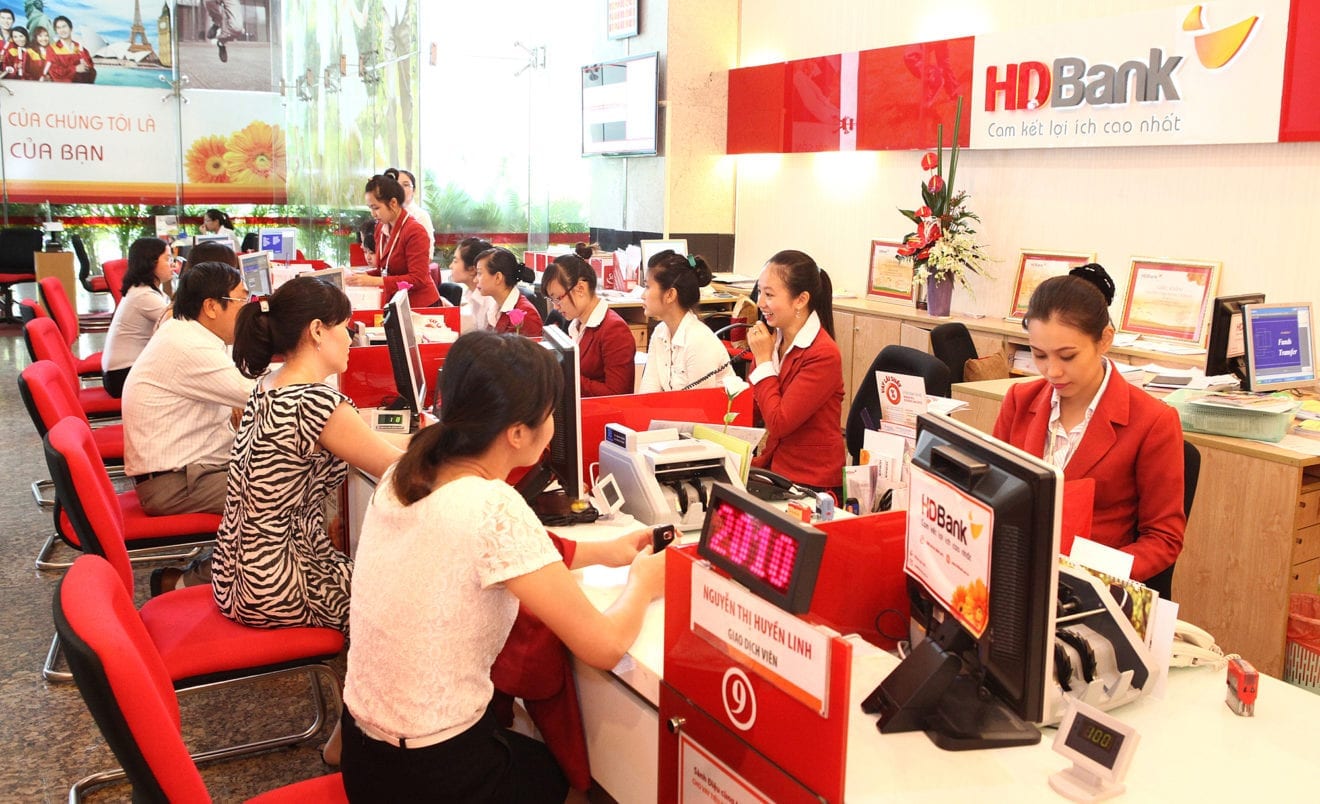
    Vietnamese banks’ total loans at the end of May were 6.16 percent larger than at the end of 2017, the State Bank of Vietnam said on Monday.

    Bad debts accounted for 2.18 percent of total lending at the end of the first quarter, it said in a statement.

    Vietnam aims to keep toxic debts ratio under 3 percent of total loans, while the central bank has said it targets credit growth at 17 percent this year.

  • Vietnam poised to build on IT outsourcing gains

    Vietnam poised to build on IT outsourcing gains

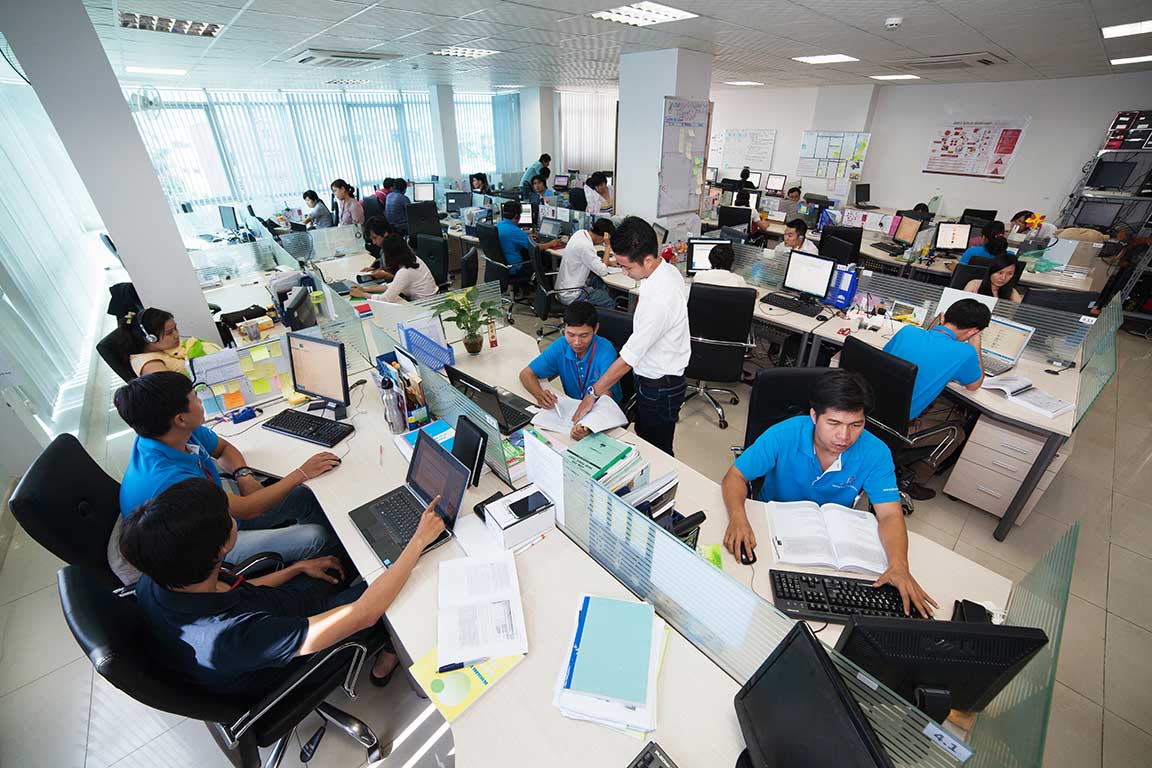
    Apart from skills and adaptability, low staff turnover in the sector makes the country more attractive to tech giants.

    Vietnam continues to be a favored outsourcing destination for multinational companies even as the current leader, India, experiences some hiccups.

    A recent article in the Forbes magazine said in its title that Vietnam was a “small but mighty powerhouse” for IT outsourcing.

    It said giant technology companies like Intel, IBM, Samsung Display, Nokia, and Microsoft continue to invest in Vietnam’s growing tech workforce.

    The author of the article, Anna Frazzetto, Chief Digital Officer and Senior Vice President at Harvey Nash, which has a decade plus of outsourcing experience in Vietnam, said, “technology specialists in Vietnam are comfortable with quickly becoming a natural extension of global clients, ready to challenge norms and bring innovative ideas to the table.”

    Another major factor that makes Vietnam attractive is the tendency of people to stay on in the country, unlike IT professionals in India, Malaysia and other countries who are ready to move to other countries for jobs that pay well.

    While the relative lack of fluency in English is a growth constraining factor, Vietnam’s investment in education, and the extra attention it pays to nurturing knowledge and talent in science and math is a positive aspect that will help Vietnam build on its outsourcing potential, she said.

    These positive factors have meant that business process outsourcing (BPO) is growing fast in Vietnam. In 2017, consulting firm PricewaterhouseCoopers (PwC)’s “Spotlight on Vietnam” report also indicated that BPO was among the country’s most five promising sectors to invest in.

    Also last year, the Vietnam Software and IT Services Association (VINASA) said the country’s BPO industry has grown 20 to 35 percent annually over a decade.

    A Global Services Location Index report in 2017 by A.T Kearney consulting firm said Vietnam has jumped five places to sixth for countries with great financial attractiveness, availability of highly skilled people and good business environment. The five countries above Vietnam were India, China, Malaysia, Indonesia and Brazil.

    Dinh Thi Quynh Van, general director of PwC Vietnam, said in a Voice of Vietnam report earlier this year that Vietnam’s BPO was following a similar growth trajectory to that of India and the Philippines.

    But she said Vietnam’s BPO workforce should stay innovative to meet ever-increasing demand in the market.

  • Mulberry FY profit falls; to form South Korea JV

    Mulberry FY profit falls; to form South Korea JV

    Mulberry Group PLC (MUL.LN) said Wednesday that fiscal 2018 pretax profit declined 8% and that it will form a new majority-owned joint venture to develop its business in South Korea.

    The luxury leather-goods company said it has signed an agreement with SHK Holdings Ltd. to form a new entity called Mulberry (Korea) Co.

    Mulberry said it will own 60% of the new entity and the two companies will invest 4.6 million pounds ($6.1 million) to buy assets and to develop the business in South Korea. Mulberry expects to incur around GBP3 million of costs in the current financial year for the joint venture.

    Meanwhile, for the financial year ended March 31, Mulberry said it made a profit of GBP6.9 million compared with GBP7.5 million the year earlier.

    Revenue rose 1% to GBP169.7 million from GBP168.1 million, it said. Retail sales grew 3%, with U.K sales broadly flat and international sales up 20%. Digital sales grew 14% making up to 17% of group revenue, the company said.

    For current trading, Mulberry said retail like-for-like sales fell 7% in the 10 weeks to June 2 with international sales up 1%. However, U.K. sales were down 9% due to lower footfall in the period, it said.

    London-listed Mulberry maintained the dividend at 5 pence a share.

    “Following another period of cash generation, our balance sheet is strong. Although the U.K. market remains challenging, we will continue to invest in our strategy to develop Mulberry into a global luxury brand to deliver increased shareholder value,” Mulberry Chief Executive Thierry Andretta said.

  • Sotheby’s introduces ‘Instant’ fine wine cellars

    Sotheby’s introduces ‘Instant’ fine wine cellars

    In the US, these cellar ‘starter packs’ range from a simple introductory cellar costing US$5,000 to a collection costing US$25,000, with two further options in-between; while only two options are, currently, available in Hong Kong.

    The number of wines, choice and average bottle price changes from cellar to cellar and includes a consultation with a specialist in order to arrive at a final selection that suits the tastes of the individual.

    The selection of wines available also differs slightly between the US and Hong Kong but covers all the basics of French, Italian, Australian and US fine wine

    All of the cellars, once chosen, can be delivered to select US cities or within the Hong Kong SAR in 24 hours.

    The options available in the US include:

    • Cellar 1 – ‘Introductory’: 50 bottles of wine with an average price of $115; the customer chooses 25 wines, two bottles of each. $5,000
    • Cellar 2 – ‘Intermediate’: 72 bottles of wine with an average price of $150; choose 36 wines, two bottles of each. $10,000
    • Cellar 3 – ‘Enjoyment’: 165 bottles of wine with an average price of $165; choose 55 wines, three bottles of each. $25,000
    • Cellar 4 – ‘Investment’: 90 bottles of wine with an average price of $300; choose 15 wines, six bottles of each. $25,000

    The full list of wines for each cellar will be added to a following page but include:

    • Cellar 1 – 2004 Dom Ruinart; Bernard-Bonin 2015 Meursault Vieilles Vignes; 2009 Branaire-Ducru; 1996 Calon-Ségur; 2005 Langoa Barton; 2009 Montrose; 2014 Denis Bachelet Gevrey Chambertin Vieilles Vignes; 2013 Aldo Conterno Barolo Bussia; 2013 Ulysses
    • Cellar 2 adds – 2008 Louis Roederer; 2010 Climens; 2013 Pavillon Blanc; 2014 Bonneau du Martray Corton Charlemagne; 2011 Comtes Lafon, Volnay; 2006 Forts de Latour; 2013 Ornellaia; 2013 Claude Dugat, Gevrey Chambertin
    • Cellar 3 adds – 2009 Dom Peerignon (Tokujin Yoshioka edition); 2002 Pol Roger Winston Churchill; 2013 Aile d’Argent; 2015 Domaine Leflaive, Puligny Montrachet Clavoillon 1er Cru; 2009 Hosanna; 2001 Léoville Las Cases; 2005 Vieux Château Certan; 2005 Montrose; 2007 Prieuré-Roch, Nuits Saint Georges Clos des Corvees; 2011 Solaia and 2013 Araujo.
    • Cellar 4 – 2012 Angélus; 2009 Pontet Canet; 2014 Geroges Roumier, Chambolle Musigny; 2009 Pavillon Rouge; 2008 La Mission Haut-Brion; 2015 Robert Groffier, Chambolle Musigny Les Hauts-Doix 1er cru.