Author: Mei Ling Tan

  • AirAsia dares Singaporeans to dream with new campaign

    AirAsia dares Singaporeans to dream with new campaign

    AirAsia’s new #DareToDream campaign, which is currently running in Singapore with the tagline “We Dare to Dream, So You Can Too”, aims to inspire by sharing personal stories, to encourage individuals to dream big, push limits and seize the day.

    The campaign was motivated by AirAsia’s own success story, and credits its employees who have propelled AirAsia to where it is today. It runs until August 2018 on YouTube, Facebook and Channels 5 and 8. AirAsia will also seed its #DareToDream message on various other digital platforms through InSkin and S4M, and also run ad images on buses to further reinforce the brand messaging. The Smalls and Carat Singapore were involved in the campaign.

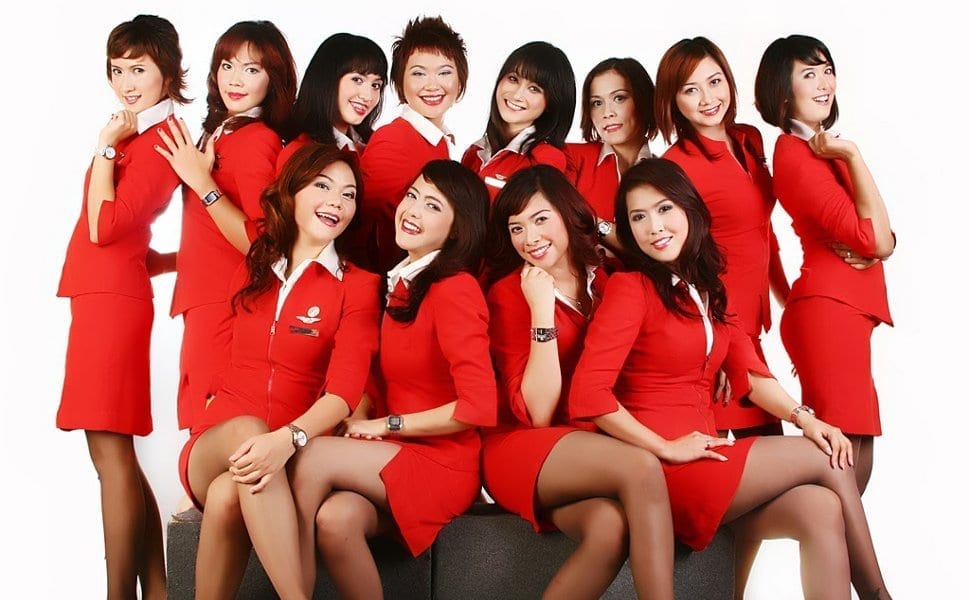
    #DareToDream also shares the achievement of one of the airline’s All-Stars, Captain Suwapich Wongwiriyawanich, who dared to dream and made it come true. She is the first female A330 pilot in AirAsia Thailand.

    “At AirAsia, one of our core values is to dare to dream and we want to inspire our employees and guests to do so too. No dream is too big,” AirAsia Singapore, head of marketing, Sharon Cheong, said.

  • DHL breaks ground on new Americas innovation centre

    DHL breaks ground on new Americas innovation centre

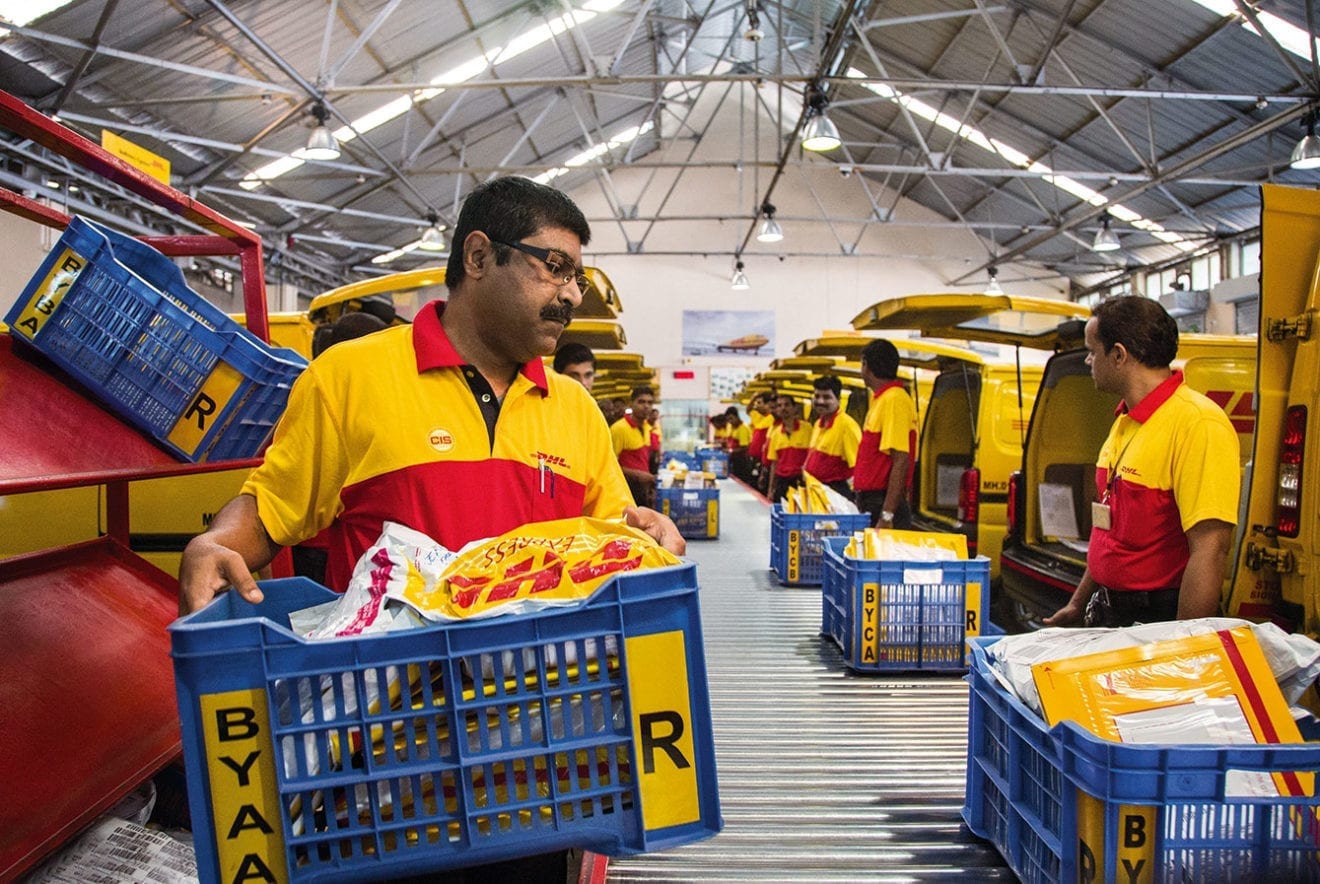
    DHL will extend its network of technological showcase centres to North America in summer next year when it opens its third Innovation Center in Chicago.

    Like the existing DHL Innovation Centers in Troisdorf, Germany, and Singapore, the Americas Innovation Center will house DHL’s logistic innovations and robotics.

    It will offer customers and partners a peek into what the world and its transport infrastructure might look like in 2050, as well as the latest technology trends in robotics and automation, artificial intelligence, self-driving vehicles, the Internet of Things, and virtual reality.

    The 24,000sq ft space can host events for up to 300 guests.

    DHL’s  global head of innovation and commercial development, Matthias Heutger, said: “We aim to support strategic customer engagement that has the potential to create new business and leverage thought leadership to explore the different ways in which technological development can benefit DHL and our customers in the future.

    “Our new Americas Innovation Center – in close proximity to some of the world’s most dynamic technology and innovation hubs – will help us to shape the future of logistics.”

    DHL Supply Chain, the contract logistics specialist within Deutsche Post DHL Group, has used augmented reality technology in warehouses, with smart glasses that provide visual displays of order picking instructions and item locations to boost productivity by 15% in trials.

    In addition, it has deployed drones with surveillance cameras to ramp up security at warehousing sites in Brazil and Mexico.

    It also uses collaborative robots designed to help with repetitive and precise tasks, such as picking and packing, in a number of its North American warehouses.

    DHL Global Forwarding also uses virtual reality and artificial intelligence in countries like the US and Chile for employee training programs and to optimise customer service.

  • Maxis, AirAsia put up RM30 mil for World Cup airing on RTM

    Maxis Bhd (Maxis) was announced as the main sponsor for the live telecast of 41 World Cup 2018 matches through Radio Televisyen Malaysia (RTM).

    Information and Communications Minister, Gobind Singh Deo, said meanwhile, AirAsia Bhd (AirAsia) had agreed to a RM12 million sponsorship in the gold category, sealing the deal for the games’ telecast here, which costs an overall RM30 million.

    He said there were other corporate bodies who had expressed interest to sponsor the telecast.

    “RTM is still in a negotiation process with the interested parties. We encourage those interested to come forward. The RM30million is meant for the 41 World Cup matches, so other sponsorships could be used for promotional activities and even additional telecast for the remaining matches,” he said in a Press conference to launch FIFA World Cup 2018 the free live telecast today.

    He said the government thrived in providing the platform for the people for different fields including patriotism, recreational and entertainment.

    “We can’t deny the fact that football is a very popular sport among the people. Thus, the telecast agenda was given priority so that the message could be channeled effectively.

    “The sponsorship is not only important in making that the World Cup telecast a success, but also a boost to RTM’s reputation,” said Gobind, who is a fan of Brazil football team.

    Out of the 64 matches, RTM will show 41 matches, out of which 28 will be live and 13 delayed.

    RTM allocates a total of 400 hours of telecast through TV1 and TV2 in the 21st FIFA World Cup, which will be held in Russia starting from June 14.

    TV viewers also stand a chance to win flight tickets in a contest by AirAsia held throughout the tournament.

  • Alibaba Digitizes 100 RT-Mart Stores with New Retail Solutions

    Alibaba Digitizes 100 RT-Mart Stores with New Retail Solutions

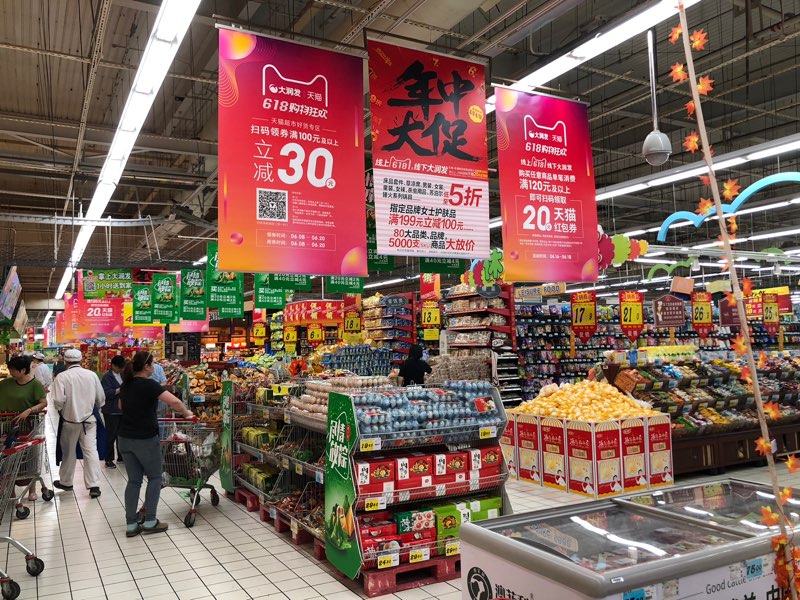
    Alibaba Group Holding Ltd. today announced a New Retail makeover for 100 RT-Mart stores, offering Chinese customers a seamless experience, whether they’re shopping online or offline.

    The hypermarkets, operated by Sun Art Retail Group, include 41 stores in eastern China and others in small cities across the country. The digital makeover underscores Alibaba’s commitment to empowering its partners to move up the value chain.

    The digitized RT-Mart stores will leverage Alibaba’s New Retail infrastructure, offering store operators customer insights, supply chain management, retail technologies, smart logistics and electronic payment.

    Customers will benefit from wider variety of products and better services. They’ll enjoy a frictionless shopping experience, whether buying through the Taobao app, which offers most of what’s on the RT-Mart shelves, or at a brick-and-mortar store.

    The upgraded RT-Mart stores will offer one-hour delivery for customers living within a three-kilometer radius. Delivery is powered by Hema supermarkets’ cutting-edge logistics and resources.

    Hema’s innovative fresh food supermarket and local delivery concept – introduced by Alibaba in 2015 – is the inspiration for the RT-Mart makeover. Hema has also partnered with RT-Mart on its supply chain, helping it source high-quality fresh produce directly from suppliers. This ensures RT-Mart shoppers find a host of Hema’s “Daily Fresh”-labeled products, including fruits and vegetables, meats and dairy products refreshed every morning.

    The new RT-Mart stores also join Tmall’s 6.18 Mid-year Shopping Festival, offering coupons for either online or offline shopping.

    The upgrade of the 100 RT-Mart stores kicked off in March and is fully underway. By year-end, Alibaba intends to introduce its New Retail solution to an additional 300 RT-Mart stores. And there may be more to come.

    “RT-Mart is using the Hema business model to explore this new path of New Retail. If this proves to be successful, we will share our experience with our peers,” said Peter Huang, the chief executive of RT-Mart.

    In its ongoing push into the retail space, Alibaba late in 2017 invested US$2.88 billion to acquire a 36% stake of Sun Art Retail Group, which operates over 400 hypermarkets under the Auchan and RT-Mart banners.

  • Youku Provides “Around-the-clock” Experience for 2018 FIFA World Cup

    Youku Provides “Around-the-clock” Experience for 2018 FIFA World Cup

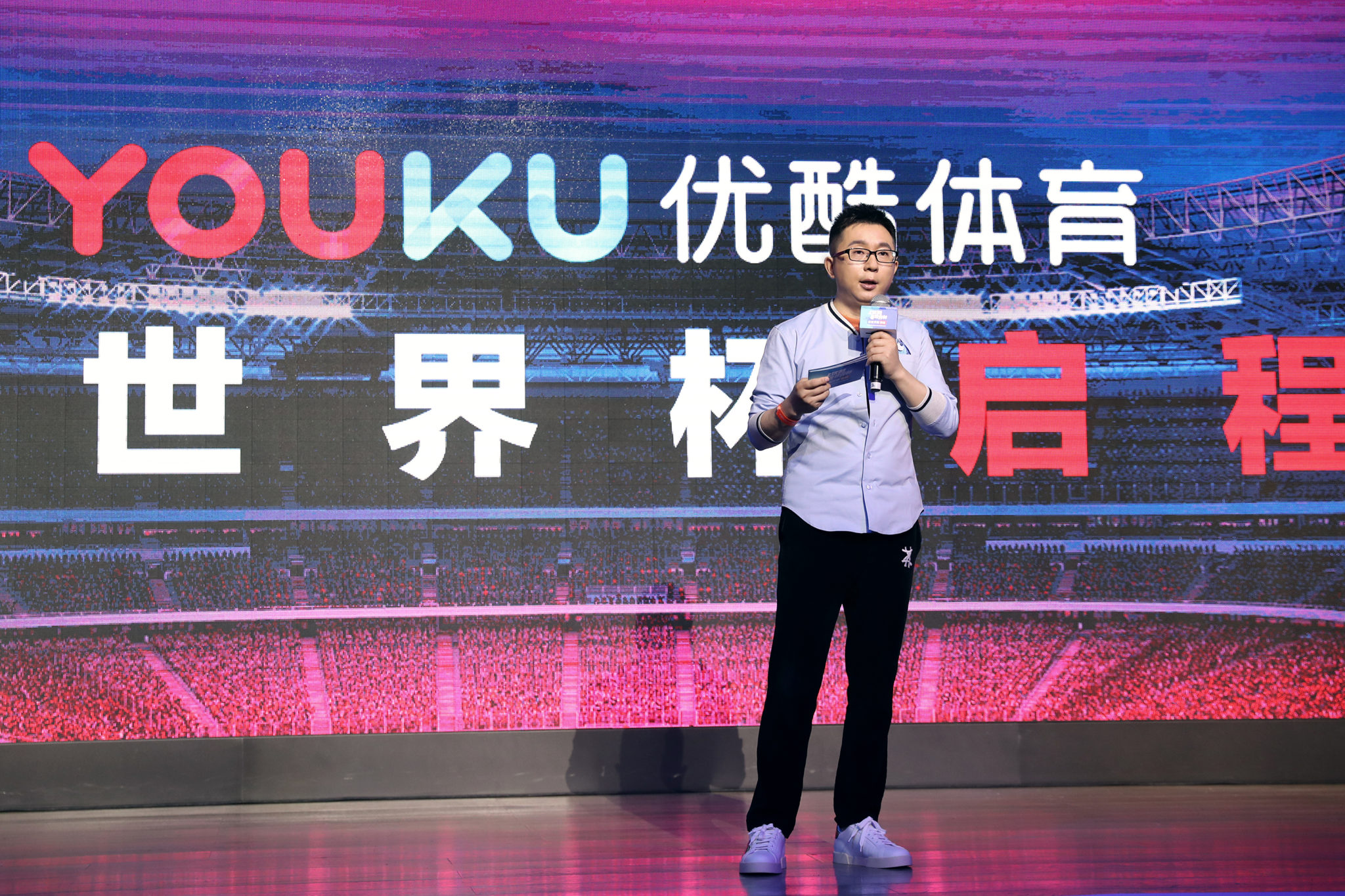
    Youku, the Alibaba Group-owned online video hub, is set to provide China’s most-comprehensive coverage of the FIFA 2018 World Cup with live streaming of all 64 games together with a number of programs produced exclusively to celebrate one the world’s most-watched sporting events. In addition, Youku will join hands with leading brands and business units from the Alibaba ecosystem including Taobao, Alipay, Hema, UC Web, Tudou, Xiami Music and Damai, to provide viewers an “around-the-clock” integrated experience that will bring the enjoyment of the famous sports spectacle to the next level.

    “Given its level of popularity, sports content in China is an effective tool in implementing Alibaba Group’s ‘Double H’ strategy, which aims to promote ‘Health’ and ‘Happiness’,” said Weidong Yang, CEO of AliMusic and President of Alibaba Digital Media & Entertainment Group and Youku. “Not only are we streaming soccer matches, but we’re also leveraging this leading sports event to showcase the power of the Alibaba ecosystem and how Youku can lead the industry and capture opportunities in the China sports market by building relevant content and excitement.”

    Tailored Programs and Contents to Celebrate the Soccer Spectacle

    Youku is partnering with China Central Television (CCTV) to stream all 64 games, along with on-demand videos and post-game highlights*, marking the first time that the Chinese audience will be able to enjoy live broadcasts of the entire World Cup tournament on their mobile phones. As the official new media partner of CCTV in this event, Youku and CCTV will co-produce a talk show called “Qi Tan Shi Yi Ren” 《奇谭十一人》, featuring celebrity guests and soccer fans. “This is World Ball” 《这就是世界波》, a sports program under Youku’s successful “This is” 《这就是》 franchise and hosted by well-known commentators in China, will go live from June 14. Tailoring to the needs of younger audiences, Youku will produce a specialized soccer education program “Play football with Peppa Pig” 《佩奇给你讲足球》. In addition, Youku has acquired distribution rights for more than 20 online World Cup programs to enrich its lineup this summer.

    Apart from Youku, UC Web, Tudou, Xiami Music and Damai, the business units from Alibaba’s Digital Media and Entertainment Group, will work together to create an omni-media matrix covering various types of content, including short videos, music, as well as text and graphics.

    Synergy with the Alibaba Ecosystem

    Following the success of “Street Dance of China”《这就是街舞》and “This is Fighting Robots” 《这就是铁甲》, Youku and a number of leading brands and businesses from the Alibaba ecosystem are joining hands to provide a wide range of promotions and specials that cover ecommerce, restaurant and takeaway food orders, travel and entertainment content consumption.

    On Youku, audiences in China can not only watch the exciting soccer matches, but also enjoy innovative interactions and games. Red envelopes of coupons worth over RMB200 million will be set aside as prizes for an online campaign, where customers collect the cards of soccer stars. Youku, Taobao, Alipay and UC Web are sponsoring the campaign. Red envelops will also appear during the live streaming of every match. They can be redeemed for purchases on Taobao.

    Also, Tmall Genie, the AI-powered smart speaker will continue the prediction game that was traditionally started by Paul the Octopus, but this time, it will compete with a Boston lobster from Hema. All predictions and results will be announced in the “This is World Ball” 《这就是 世界波》program.

    “The extensive offerings from Youku around the 2018 FIFA World Cup reaffirm our commitment to bring the world’s best sports events to Chinese audiences. The widespread support from the Alibaba ecosystem also empowers Youku to deliver a superb experience for users to enjoy the popular month-long tournament in many new and innovative ways,” added Yang.

    *CCTV has exclusive streaming rights in China.

  • MCM Opens First Southeast Asia MCM HAUS at Paragon

    MCM Opens First Southeast Asia MCM HAUS at Paragon

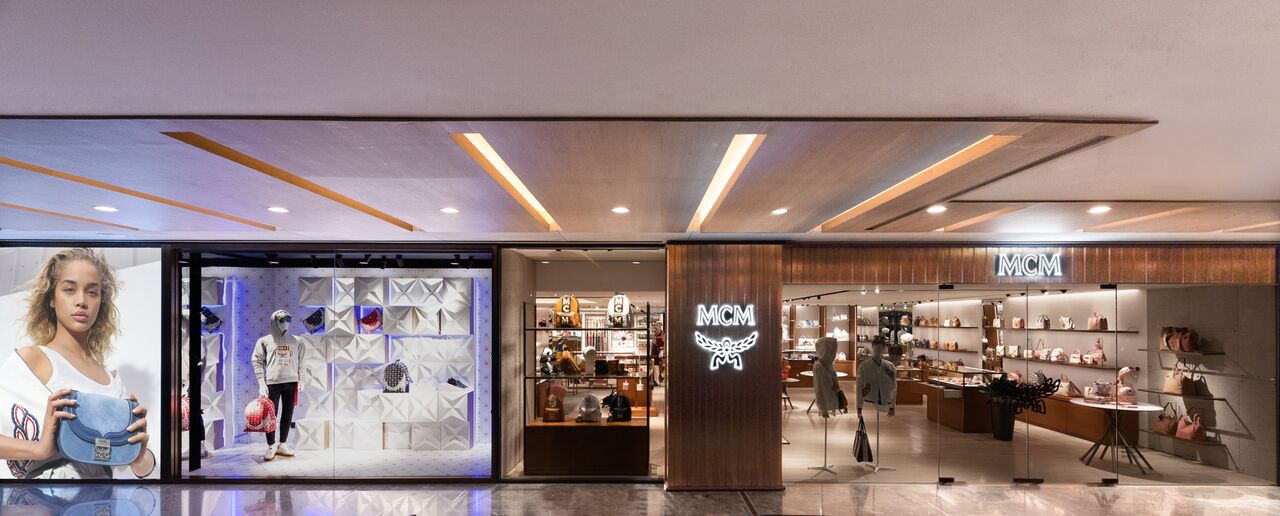
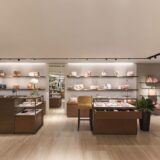
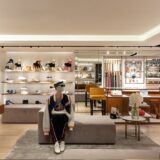
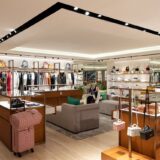
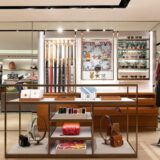
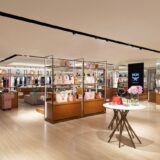
    German luxury brand MCM is pleased to announce the opening of its first Southeast Asia MCM HAUS in Paragon on 12 May 2018. The 2,160 sq. ft. store offers a full range of products including leather goods, ready-to-wear apparel as well as shoes and accessories. Located in the heart of Singapore’s main shopping belt on Orchard Road, the second boutique in Singapore will invite a wider range of shoppers to experience MCM’s bold, irreverent and aspirational world.

    Always on the pulse of the new in art, music, technology and travel, MCM centers on revolutionizing classic design with futuristic materials, translating its DNA into its product offerings and store experience.

    The new MCM HAUS elevates the brand’s existing contemporary luxury design concept and introduces new materials such as honed travertine stone flooring, brushed brass metal fixtures and display tables with genuine marble tops. An effective lighting system harmonizes the color tones and finishes of the store’s interior and range of products. A large seating area provides a warm welcome and comfort to customers, enhancing their shopping experience. Drawing on Singapore’s status as a Garden City, natural plants and exotic flowers spruce up various parts of the store.

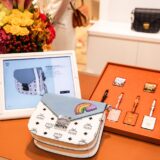
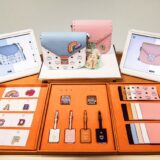
    The brand’s Made-to-Order Patricia service is also available exclusively for the first time in Southeast Asia at MCM HAUS. The service allows customers to design their exclusive piece of the Patricia bag by mix-and-matching patterns and materials on the brand’s new interactive digital application. Revived from the MCM Green Book archives, the Patricia bag takes inspiration from the classic MCM ‘Patty’ bag, and continues to be a timeless iconic purse for women today.

    The Made-to-Order Patricia is available in 2 material options including the brand’s classic Visetos and Park Avenue calf leather, each available in 5 colours.  A range of seasonal details, as well as a variety of sticker options in embroidery and crystal is also available. To add a personal touch, consumers can monogram up to four initials on the tag of their new creation. Every made-to-order Patricia will be marked with its unique MCM certification.

    See the stores interior below (7 images) :

    See Made-To-Order Patricia product below (4 images) :

  • Analysing the Increased Online Shopping Consumption During Ramadan 2018

    Analysing the Increased Online Shopping Consumption During Ramadan 2018

    The month of Ramadan is considered as the most sacred period for millions of Muslims in Malaysia & Indonesia. As such, a huge number of people observing the religious period would shift their daily routine to focus on spirituality & contribute to charitable initiatives. This also shifts the way consumers shop in a very significant manner as well.

    Just a few weeks into Ramadan, online shopping consumption increased greatly during the fasting month. This was evident as iPrice Group, a price aggregator platform for hundreds of online merchants in Indonesia & Malaysia experienced double-digits growth in online sessions. Undertaking this study, there are unique consumer insights that only occurs during the month of Ramadan.

    Online Shopping at the Wee Hours of the Morning

    While many Malaysians & Indonesians are awake in the wee hours of the morning for Sahur (pre-dawn meal), they are more likely to shop online as well. Analysis suggests that online traffic at 5:00am increased by 105% in Malaysia & 345% in Indonesia when compared to the same time prior Ramadan. The increase was much higher in Indonesia as the country has the largest Muslim population in the world. This is a continuous trend as seen in our study last year in both Malaysia & Indonesia.

    In Malaysia, the increase in online traffic was much higher when compared to our research last year, where we only saw a 90% increase in online traffic at 5:00am. Indicating an increased interest in online products this year as compared to 2017.

    Evident in both countries was that online traffic during Ramadan was significantly higher when compared to the previous period. Overall online traffic was 11% higher in Malaysia & 30 percent higher in Indonesia. In addition to this, online traffic in both countries experienced a dip in online traffic at 7:00pm in Malaysia & 6:00pm in Indonesia as many prepare to break-fast (Iftar). Online traffic decreased 9% in Malaysia & 4% decrease in Indonesia at these periods. After Terawih prayers online traffic in both countries would resume, reaching its peak at 10:00pm.

    Search Trends for Fashion Products During Ramadan

    Fashion products are among the most sought-after items during Ramadan as millions of Malaysians & Indonesians prepare for the Hari Raya Aidilfitri celebrations. Using Google Trends, we saw that keywords such as “Baju Raya” & “Baju Raya 2018” was among the most popular keywords associated with “Raya” (which is closely associated with the Aidilfitri celebrations) in Malaysia.

    In the country, local brands have been actively showcasing their 2018 Raya collection & deals through various advertising, social media, & marketing campaigns across the country. The three most searched local fashion eCommerce brands in Malaysia during Ramadan were Naelofar Hijab, Fashion Valet & Muslimah Clothing. Towards the end of May 2018, Naelofar Hijab launched the “Shine On” collection which is their #naelofaraya2018 campaign. At this same period, Naelofar Hijab garnered a high volume of search interest between 23 – 30 May2018 indicating a successful campaign that caught the attention of many Malaysians.

    Close in fourth place was Siti Khadijah which garnered a high volume of search interest from Malaysians as well. Siti Khadijah specialises in prayer outfits specifically for women known as telekung. As such, the high level of interest for the eCommerce was no coincidence because many women are dedicating their time to pray during Ramadan.

    In Indonesia, there was high search volume for “gamis” which is a long dress worn by Muslim women along with keywords such as “hijab” & “baju muslim”. These keywords indicate that many Indonesians were looking for inspiration or sources for clothing suitable for their religion activities during the month of Ramadan. In addition to this, there was a high level of interest for “Baju Koko”, which is a fashionable traditional top for men most popularly worn during the Aidilfitri celebrations.

    Other Unique Search Trends Prior Aidilfitri

    Utilising Google Trends, there is also a high search interest for airline ticket promotions in Malaysia & Indonesia before Ramadan. This is in line with local trends since many will be travelling back to their hometown prior Aidilfitri celebrations. Search interest for airline tickets began during the second half of May 2018 which takes place a month before the Aidilfitri celebrations on 15th of June.

    In Malaysia, the most popular keywords & brands associated with “promotion” were “Airasia”, ”Malindo Air” &”Malaysia Airlines”. In Indonesia, inhabitants located in Sumatera, Kalimantan & Sulawesi were most interested in airline ticket promotions as compared to other states. This indicates that inhabitants in these regions were more likely to travel to the Java Islands or to other parts of the country for Aidilfitri.

    Other than airline tickets, the second most popular keyword used in Malaysia were related to groceries & merchandise deals. During Ramadan, there is a high demand for Raya goods such as biscuits, traditional delicacies, & other food stuff. Since these items are usually available at major supermarkets & stores many Malaysians are on the lookout for promotions by major retailers in order to maximise their spending. The top brands associated with the keyword “promotion” were:

    • Aeon
    • Giant
    • Tesco
    • Aeon Big
    • Econsave
    • Mydin
  • Foot Locker is opening in Singapore

    Foot Locker is opening in Singapore


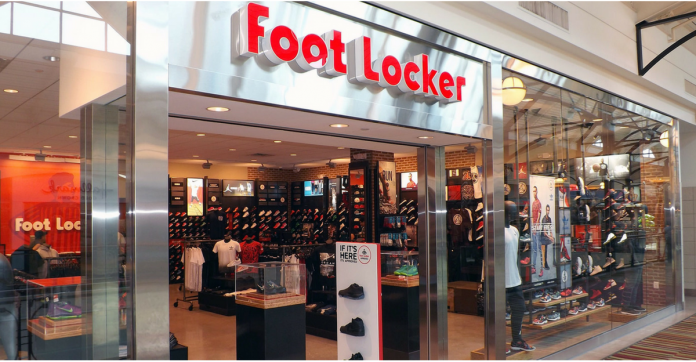
    Freshly renovated, Century Square Mall in Tampines will house the first Foot Locker Singapore store.

    This follows the opening of the first JD Store at Jurong Point, with a second to open at Ion Orchard next month.
    From the US, Foot Locker provides apparel and footwear, including limited-edition shoes from such athletic brands as Adidas and Nike. Its Singapore store is part of the company’s efforts to open 40 more Foot Locker outlets worldwide. However, it is closing about 110 stores this year.

    Century Square mall officially re-opened last week after a nine-month revamp. Its new-tenant line-up also includes home-grown fashion label M)phosis.

  • Manufacturing sector Malaysia posts RM65.5b sales in April 2018

    Manufacturing sector Malaysia posts RM65.5b sales in April 2018

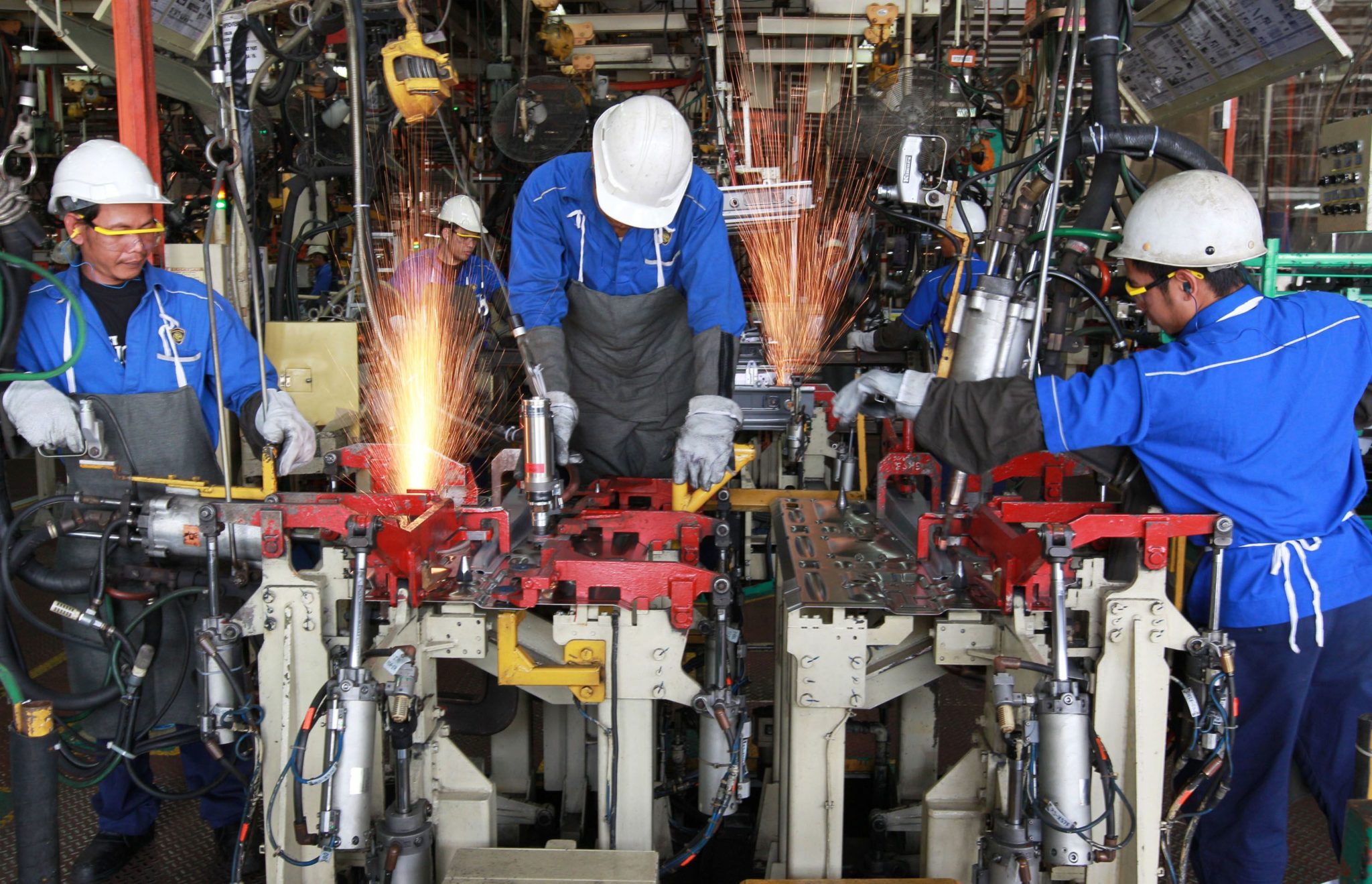
    Malaysia’s April manufacturing sales recorded a growth of 8.2% to RM65.5 billion compared with RM60.5 billion reported a year ago, according to the Statistics Department.

    The significant increase in sales value in April was due to the increase in electrical and electronics products (13.9%), petroleum, chemical, rubber and plastic products (6.3%) and food, beverages and tobacco products (6.4%).

    Total employees engaged in the manufacturing sector in April 2018 was 1.07 million persons, an increase of 2.1% or 22,100 persons against 1.05 million persons in April 2017.

    Salaries & wages paid rose 10.2% (RM353.5 million) to record RM3.83 billion, thus registering an average salaries & wages per employee of RM3,577 in April 2018.

    Sales value per employee gain 6.0% to RM61,226 compared with the same month the previous year.

    MIDF Research is of the view that the continuous uptrend in both wages and employment in the manufacturing sector provides a bright outlook for the economic activities and contribute positively towards domestic consumption in 2018.

  • Chloé opens first global pop-up concept in Singapore

    Chloé opens first global pop-up concept in Singapore

    French luxury fashion house Chloe has opened its first-ever pop-up concept in Singapore.

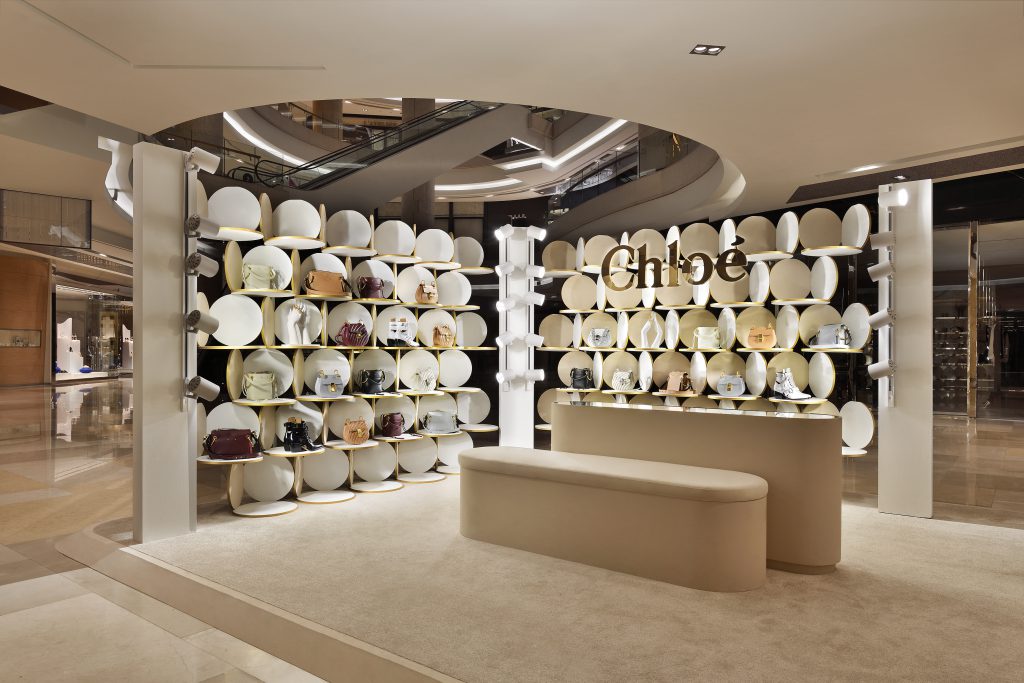
    At Ion Orchard’s atrium, the store curates 20 exclusive Chloe products ranging from the classic Drew Bijou and Roy bags to dainty small leather goods and even sunglasses.

    The space is fashioned in the Chloe girl cool-yet-feminine signature aesthetic: whites, powdery beige rose and natural brass. Pop-up exclusive items are displayed on a wave structure of spheres.

    The pop-up will be open until June 30.

    Check the gallery of some collections displayed (4 images) :

  • SK Telecom invests 10 billion won in content provider Make Us

    SK Telecom invests 10 billion won in content provider Make Us

    SK Telecom invested 10 billion won ($9.2 million) in mobile video content provider Make Us, the company said Monday.

    Local start-up Make Us creates video clips related to various categories including music, food, travel and beauty and distributes them through its own channels on Facebook and YouTube.

    Korea’ largest mobile carrier hopes to use the start-up’s expertise in making creative content while launching its new music streaming platform in the second half of this year.

    One of most well-known content created by Make Us is its music channel Dingo Music, which offers music videos cropped to appear on a vertically-oriented phone screen.

    The two are considering jointly producing music programs to be broadcasted on mobile channels.

    According to the mobile carrier, the start-up’s content is most popular among people under the age of 40. Based on last year’s data, it has a total of 33.6 million subscribers to its pages on Facebook, YouTube and Instagram.

  • Gentle Monster looks beyond sunglasses

    Gentle Monster looks beyond sunglasses

    Among the foreign luxury brands filling the eyewear section at local duty-free shops and department stores, the Korean-based brand Gentle Monster stands out.

    Getting its initial fame among the Korean public as “Jun Ji-hyun sunglasses” after the actress wore a Gentle Monster product in hit TV series “My Love From the Star” in 2014, the brand is solidifying its place in a market heavily dominated by foreign luxury brands.

    The brand’s founding story is not so typical, as its two co-founders weren’t exactly in love with sunglasses. Originally in English education, they looked into what kind of market they could stand the chance to be profitable.

    “The eyewear market has a long history, but it has not been changing in Korea. It was pretty much the same, controlled by a few major giants who have factories and retail shops,” Jay Oh, one of the two founders, said at an event hosted by the French Korean Chamber of Commerce and Industry in central Seoul on 29 May.
    “We thought, if we make something special and unique, people might love us,” he said.

    Oh and Kim Han-kook founded I.I Combined, the owner and operator of Gentle Monster, in 2011. The name stands for the combination of ultimate imagination and interpretation of the world.

    “The brand has a specific customer role model — a gentle monster. We want our customers to look gentle but have great passion and enthusiasm inside,” Oh said. “Our beauty concept is weird beauty.”

    Gentle Monster produces three types of sunglasses, categorized as first-generation, second-generation and third-generation products. Each generation has a different purpose and concept.

    “Third-generation products are hard to wear in real life, but they are attractive on Instagram and to celebrities,” Oh said. “We are developing 50 models every season and 20 of them are in the third generation. We are not really seeing this as profitable but this is fun, a part of our ultimate imagination.”

    “Second generation is a little bit less challenging, fashion leaders can wear this. Most of the sales come from the first-generation products. It is where we see mass customers. But still the third generation is leading the fashion industry,” he said.

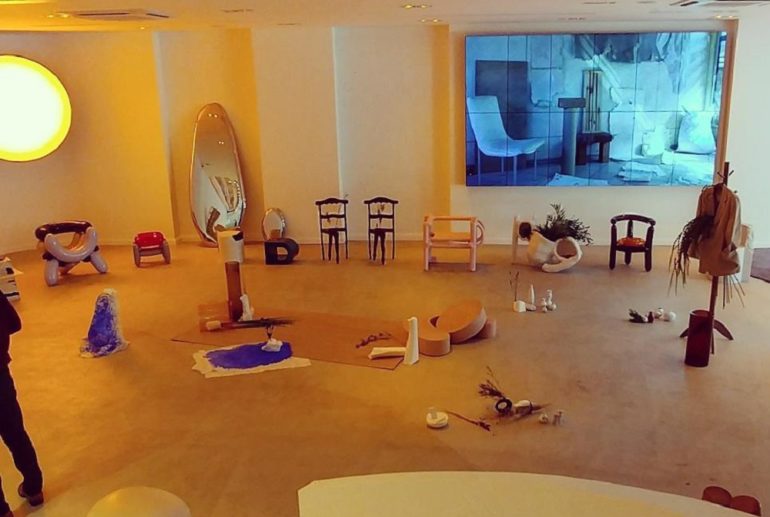
    The brand is represented by its unique, artistic flagship stores, which more resemble art exhibitions than stores.

    Oh stressed that flagship stores are not just about selling products. “We are not really making the space to sell something, but to deliver our spirt,” he said about the six branches across the nation and 10 more around the world. While the concept for the stores changes each year, this year’s concept is about the universe and aliens.

    French luxury goods giant LVMH Moet Hennessy Louis Vuitton has seen the value in the brand’s flagship store strategy. In August, L Catterton Asia, backed by the French giant, invested around 60 billion won (US$53.17 million) in Gentle Monster, becoming the second-biggest shareholder of the firm.

    “Flagships are what Gentle Monster is, it’s a whole ‘starting with experience’ idea. The same product, but the experience and the strategy are different. This is where the future of luxury retail is at. It’s not only about products,” Cho Hyun-ock, president of LVMH Korea, said at the event.

    “The investment is not just to earn money, but to learn from Gentle Monster — the creativity and the innovation,” he added.
  • Collectivize, industrialize, Vietnam farmers urged

    Collectivize, industrialize, Vietnam farmers urged

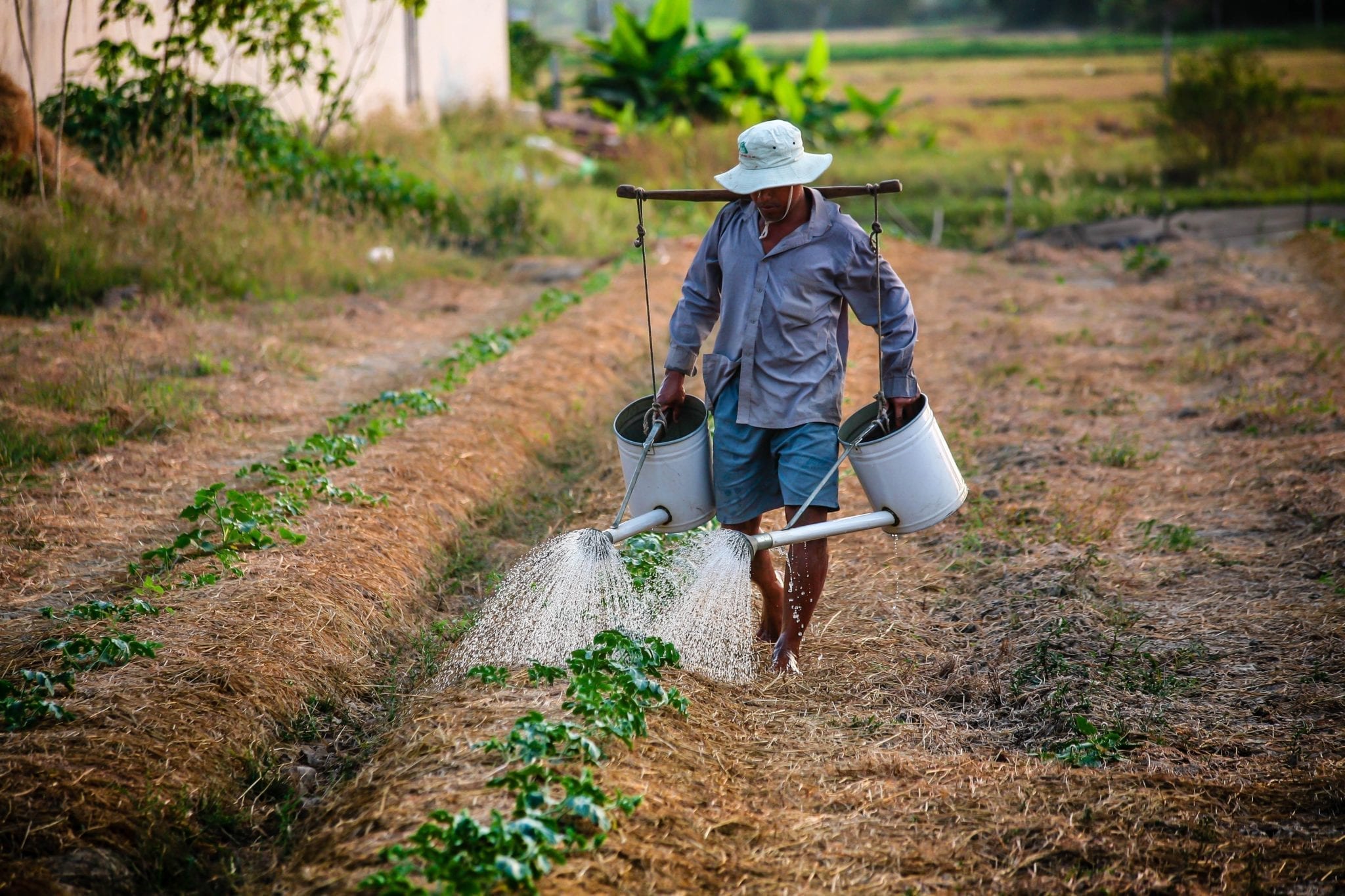
    Instead of working individually, Vietnamese farmers should band together and become “industrial workers,” an expert says.

    Dang Kim Son, former director of research with the Ministry of Agriculture and Rural Development, said at the Vietnam Economic Forum on Tuesday that farmers need to join forces to take Vietnamese agriculture to the next level, applying advanced technology and engaging in large scale production.

    He said farmers need to work together under a co-operative system where their combined produce is sold by one representative organization, which will give them greater control over both input and output, Son said.

    Vietnam also needs to establish a research institute that provides data helping farmers to focus on cultivating the most productive fruits, he added.

    One of the downsides of Vietnamese agriculture is that produce quality is not guaranteed, said Tran Thanh Hai, deputy director of the Import-Export Department under the Ministry of Industry and Trade.

    “When farmers industrialize agriculture, manufacturing costs will be lower and produce quality higher,” Hai said.

    Technology, especially blockchain technology, should be applied in farming, said Vu Truong Ca, CEO of Lina Network.

    He said a standardized supply chain should be applied in growing fruits to yield higher value, Ca added.

    Other experts at the forum reiterated what they’ve been saying for many years now, that Vietnam needs to reduce export of raw produce and focus more on processing produce after harvest.

    With 90 percent of exports being raw material, the country’s produce value will continue to be low, said Nguyen Quoc Toan, acting director of the Department of Processing and Market Development of Agricultural Products.

    “Produce like lychee have short cycles, so we need to improve processing before exporting,” Toan said.

    Vietnam’s agriculture export-import turnover reached $17.5 billion last year, an increase of 16 percent from 2016. Vegetable, fruits and cashew each account for 20 percent of total agriculture produce exports, while coffee makes up 19 percent, according to Vietnam Customs.

  • Malaysian consumers expect economy to improve with zero GST

    Malaysian consumers expect economy to improve with zero GST

    Malaysian consumers are optimistic about the country’s economic outlook after the zero rating of the Goods and Services Tax (GST), with 82% of them opining that the economy will improve in the next 12 months, according to a survey conducted by Nielsen Malaysia.

    More than 1,000 Malaysians between the ages of 18 and 64 from Peninsular Malaysia, Sabah and Sarawak participated in the June survey.

    Nielsen said this latest survey follows similar research conducted in 2015, which found that attitudes toward the introduction of GST were less optimistic as only 58% believed the tax would be good for the economy.

    “While Malaysians were initially tentative toward the introduction of GST three years ago when the tax was first announced, having experienced the effects of the GST over the past three years, they appear to welcome the move to effectively eliminate the tax, perhaps due to the gradual increase in the cost of goods and services that has occurred since its implementation, as reflected in the Consumer Price Index (CPI),” said Nielsen Malaysia managing director Raphael Pereda.

    Some 57% of consumers expect price of goods and services to drop while 33% believe prices will stay at current levels.

    Pereda said the optimism level could mean good news for manufacturers and retailers, with consumer spending intentions likely to rise.

    “Many retailers have been providing consumers with discounts even before the zero-rated GST was officially implemented to encourage consumers not to postpone their festive spending to after June 1, 2018. If these value-for-money promotions continue, we can expect to see an increase in sales volume compared to previous years.”

    The survey showed that two out of three consumers (69%) expect their purchase habits to change following the reduction of GST, with 30% saying that they would spend more money on essential items such as apparel and clothing, perishable foods, non-perishable foods and baby products.

    Malaysians also showed a willingness to increase their spending on non-essential purchases such as holidays or leisure trips (33%), new property (27%) and out-of-home entertainment (26%). A quarter of them said they will be able to channel their money towards paying off debts once the GST is zero-rated.

    Meanwhile, 77% viewed the government’s initiative to fix the price of fuel as being “good for consumers”.

    When asked what they believed the government would do about road tolls in Malaysia, more than 90% believed tolls would either be removed or reduced.

    “It is clear the recent policy announcements made by the government have gained the approval of a vast majority of Malaysians. We are eager to see if this post-election optimism translates into actual consumer spending, which we will be able to determine over time through our retail data,” said Pereda.

  • JD sets to launch JDesigner Boutique, offers designer items

    JD sets to launch JDesigner Boutique, offers designer items

    JD is ramping up its experiential retail services with the introduction of a direct-to-consumer online fashion store, JDesigner Boutique.

    This follows a series of launches from the e-commerce giant including self-driving trucks, car trunk delivery and the introduction of Muji’s online flagship store.

    JDesigner Boutique will stock a range of designers and brands by JD’s own team of retailers. To coincide with the launch, designers Haizhen Wang, Simon Gao and Wanning will provide the boutique with more than 200 sku’s. Wang and Gao will continue their partnership and collaborative effort with JD.com’s JDX platform, the company’s in-house innovation lab.

    The online boutique said it is planning to stock “trending fashion apparel directly from designers and brands to sell to the country’s growing number of fashion-savvy consumers”.

    “Today it’s hard to believe there was ever an image of an unstylish Chinese consumer,” says JD.com VP of corporate affairs John Gartner. “Now the country boasts millions of fashionistas who present their own unique styles—and that’s the market we are serving with this.”

    A pop-up store will open in Beijing’s Sanlitun area next week to support the launch.

    Mintel says China’s online market is expected to reach a value of RMB1.3 trillion (US$16 billion), with 73 per cent of Chinese consumers shopping from local e-commerce sites.