Author: Mei Ling Tan

  • Thai retail developer Central Pattana to rejuvenate Central World

    Thai retail developer Central Pattana to rejuvenate Central World

    Thai shopping centre owner Central Pattana says it is revitalising its premium malls to “pioneer future trends of retail and tackle the digital era”.

    Under a “five-year vision” it calls ‘Co-creating Center for Life” – a name which appears to have lost its actual meaning in translation from Thai – it will invest US$3.1 billion (100 billion baht) on five new and existing centres in Thailand and abroad. They are CentralWorld in downtown Bangkok, Central Phuket, Central i-City near Kuala Lumpur in Malaysia, CentralPlaza Ayutthaya and Central Village.

    Preecha Ekkunagul, president and CEO of CPN said the only way to survive In the era of digital disruption currently happening around the world is to adapt.

    “CPN sees this change as a challenge and opportunity that will allow us to create a new chapter of retail industry again, similar to what we have done over the past 38 years. Our new vision for the next five years is to … make CPN’s shopping centers destinations for all, where everyone can live life. The important pieces of the jigsaw are all our business partners and tenants that will co-create these new things for business success and sustainable growth.”

    The renovation of CentralWorld will be launched in November 2018.

    Central Phuket, which will open in September, mixes leisure lifestyles with world-class attractions: ‘Tribhum’ – the Mystery of Three Worlds in a 3D-walkthrough theme park – and Aquaria, which is claims will be the largest aquarium in Thailand.

    CentralPlaza Ayutthaya is a new lifestyle destination in the world-heritage city, which was once Thailand’s capital and is a popular tourist destination. That will open in December next year.

    Central Pattana describes Central Village as “the first international retail outlet in Thailand”.

    Co-creating life

    Meanwhile, the company has described its vision ‘Co-Create Center of Life’ as a blend of three strategies:

    • Create Destination Concepts: “Develop destinations for all customers by lifestyle and preferences and also categorise products and services based on lifestyles.”
    • Create Digital Platforms: “Offer seamless experience by delivering the real-time personalised offers, enhancing the online experience to conveniently and quickly connect customers’ mobile devices to services in shopping centres and integrating market platforms by teaming with Central JD to add a sales channel that is more seamless.”
    • Create Partnerships with business partners such as I-Berhad “to create the I-City ultra-metropolis,” and co-operating with Ikea to create the first in the world of a new store format at one of its largest malls in Bangkok.

    Central Pattana, part of the huge retail and FMCG conglomerate Central Group, currently has 32 shopping centers in Thailand.
  • Indonesia Tries to Get Companies to Hold More Rupiah to Stem Weakness

    Indonesia Tries to Get Companies to Hold More Rupiah to Stem Weakness

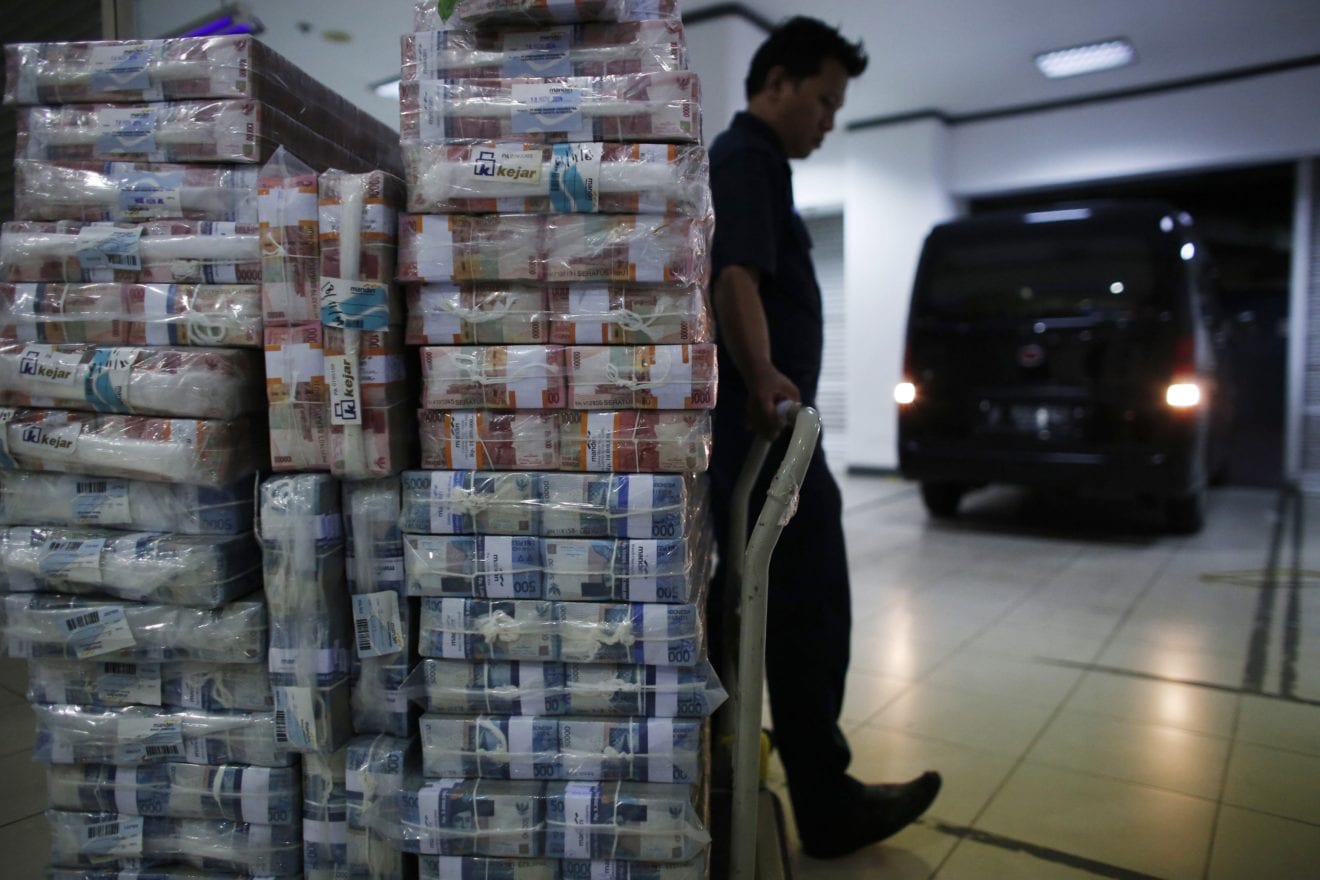
    Over the past couple of decades, Indonesian companies have developed a tried and tested strategy to cope with the periodic plunges in the rupiah: retain dollars to protect their profits.

    But their behavior can add to downward pressure on the currency, exacerbating problems for policymakers in southeast Asia’s biggest economy, especially given its relatively open nature compared to neighbors with more restrictive currency regimes.

    The rupiah has been one of Asia’s worst performing currencies this year and hit its lowest level since late 2015 at one point last week after being caught up in an emerging market selloff.

    Bank Indonesia (BI), the nation’s central bank, has taken various measures to try to boost rupiah use and it is once again prodding firms to sell dollars, but companies surveyed are maintaining US currency holdings and only meeting minimum hedging requirements.

    Many companies say that with a lot of their costs in dollars and their revenue largely in rupiah they can’t risk getting caught by a slide in the local currency. They also point out that hedging can be very expensive.

    Vidjongtius, the president director of Indonesia’s biggest pharmaceutical company, Kalbe Farma, said that every percentage of rupiah depreciation raised its production costs by 0.35 percent.

    Having “cash on hand” dollars has been a strategy for Kalbe for a long time because “hedging with a banking product is relatively more complex and sometimes hard to monitor, plus there is a cost for that,” he said.

    The pharmaceutical industry is particularly exposed to exchange rate risks as its raw materials are mostly imported and it only exports a small part of its production.

    Capital Outflows 

    New BI governor Perry Warjiyo told a media gathering last Wednesday that forcing exporters to keep earnings onshore for longer or making companies convert dollar holdings was not currently an option under Indonesia’s laws.

    That is in contrast to tougher foreign exchange systems in existence in places like Malaysia, which since 2016 has made exporters convert 75 percent of their earnings into ringgit.

    Indonesia is also vulnerable because unlike some countries in the region, it runs a current account deficit. In addition, foreigners own nearly 40 percent of the government’s bonds, so its currency can be hit by outflows from the bond market.

    Warjiyo said there was a misperception among some companies about the cost of hedging and some alarmism over how low the rupiah might go.

    He has pledged to communicate more on hedging and to provide “a rational expectation” of where the rupiah is heading after he cited market talk suggesting it could pass 16,000 per dollar. It currently trades around 13,900.

    Some market participants have began to urge policymakers to reconsider Indonesia’s liberal rules on capital movement.

    In a parliamentary hearing this week, Kartika Wirjoatmodjo, chief executive of Bank Mandiri, one of the largest banks in the country, suggested that after the period of volatility passes, the rules be changed to accommodate some sort of capital management.

    “A softer approach would be to give exporters an incentive. So if they convert [earnings in dollars] to rupiah, maybe the tax on their deposit can be reduced,” he said.

    If BI goes down that kind of road it would be the latest in a series of incremental steps it has taken in recent years to try to pressure companies into embracing the rupiah.

    In 2012, it ordered exporters to receive their payments through local banks, in the hope that some of the money would stay in the country and be converted into rupiah.

    Two years later, the central bank made it mandatory for companies with liabilities in foreign currencies to hedge a quarter of their short-term foreign currency exposure.

    And in 2015, BI moved to enforce rules that mean all domestic transactions should be in rupiah, outlawing, for example, landlords charging rents in dollars.

    But this all clearly isn’t enough to make a big difference.

    And company executives say that hedging doesn’t always make sense.

    Dendy Kurniawan, chief executive of Indonesia AirAsia, which gets about half its revenue in rupiah and half in dollars, said if, for example, the rupiah fell 5 percent and it cost 6 percent to hedge it was pointless to hedge. “It does make more sense if the rupiah falls really deeply,” he said.

    Jahja Setiaatmadja, president director of Indonesia’s Bank Central Asia, said banks typically only took 20 to 25 basis points of profit margin for a simple foreign exchange hedging product, but because it was priced off the rupiah interbank market it could carry a 5.95 percent rate for a one-year contract.

    It’s not only exporters, but also companies with little or no dollar earnings that hold onto the American currency.

    Animal feed company Charoen Pokphand Indonesia, which mainly sells domestically but imports some raw materials, has sought to limit its dollar exposure by buying local corn and limiting its foreign debt, director Ong Mei Sian said.

    The company holds dollar cash in addition to hedging short-term interest payments, though does not fully hedge principal debt and long-term dollar needs, he said.

  • Samsung tip has government investigating KIP

    Samsung tip has government investigating KIP

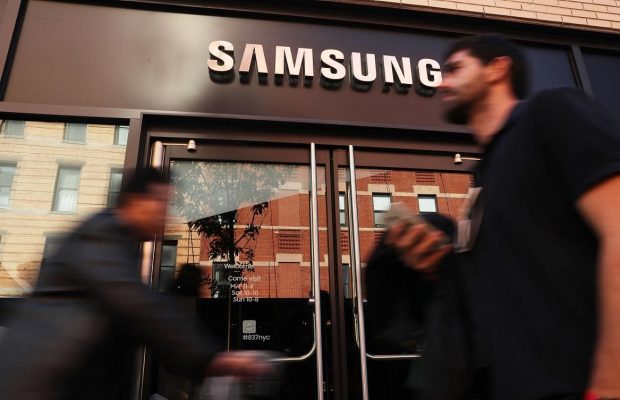
    The Ministry of Trade, Industry and Energy has been investigating a Korean company over technology leakage overseas at the request of Samsung Electronics, sources said on Monday.

    The probe into KIP, a private company belonging to the Korea Advanced Institute of Science and Technology, started in April after Samsung Electronics reported the issue to the government. But the issue is complicated by an ongoing lawsuit between KIP and Samsung in the United States.

    KIP sued Samsung over mobile transistor intellectual property, and critics have suggested that Samsung’s recent allegations are an attempt to cloud the issue.

    Back in late 2016, the company run by a group of researchers at Kaist filed a suit at a federal court in Texas against Samsung for using its patented technology for mobile 3D transistors, known as fin field effect transistors (FinFET), since 2015. The technology is used to increase the processing speed of smartphones and tablet PCs.

    Unlike Samsung, Intel has been paying around 10 billion won ($9.3 million) to use the technology since 2012. KIP demanded that Samsung pay for its use of the technology as well, and a jury is set to hand down the first verdict on the case on June 16.

    Samsung, however, has refused to pay for the technology, claiming it was initially developed as part of a state-supported research project. The electronics giant fought back, claiming that KIP leaked the core technologies overseas.

    The world’s No. 1 chipmaker asked the ministry to look into whether KIP’s intellectual property fits into one of seven categories that either have technological and economic value in markets at home and abroad or have great growth potential that are stipulated in the Act on Prevention of Divulgence and Protection of Industrial Technology.

    The seven designated technologies need state approval before being exported overseas.

    While reviewing documents preparing for a trial, Samsung claims it found evidence of a national core technology being leaked abroad without approval from the Commerce Ministry.

    FinFET was originally a joint project between Wonkwang University, where Lee Jong-ho, now professor at the department of electrical and computer engineering at Seoul National University, was serving as professor, and Kaist in 2001. Lee patented the technology under his name in Korea and handed it over to KIP later. KIP then transferred the patent to its U.S. branch, which was established in 2016.

    “It is hard to conclude whether [the KIP-owned technology] is a core national technology and it is not clear either whether the issue needs to be assessed by a group of experts,” said a ministry official. “We are taking into consideration of various aspects, given the issue could affect the trial.”

  • Innisfree makes Australian debut

    Innisfree makes Australian debut

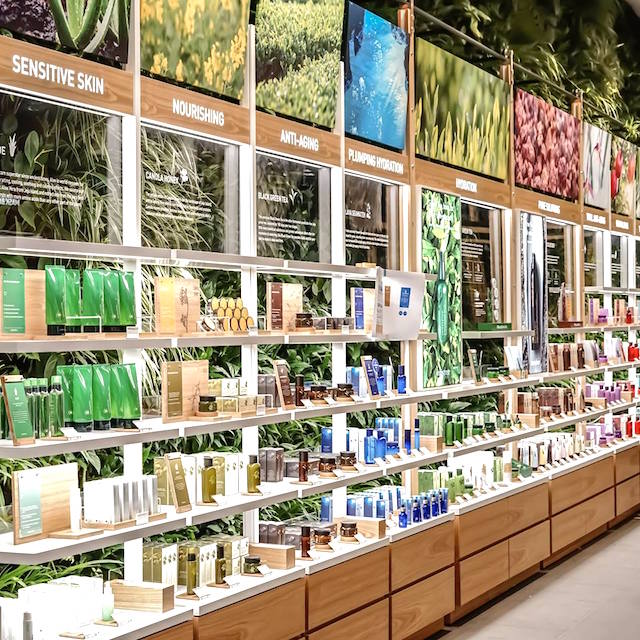
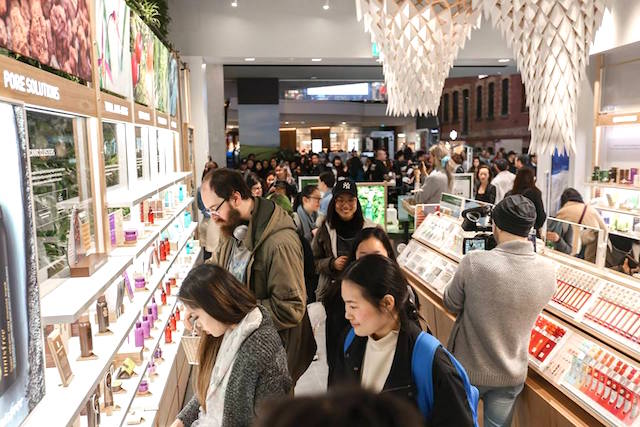
    Innisfree Australia has opened its first outlet, inside Melbourne Central shopping complex.

    This is Amorepacific’s second foray to promote its Korean cosmetics brand in Australia after Laneige launched in March.

    The company also expanded its Etude House brand in the Middle East this month.

    Innisfree, known for its green-tea lines, now has 12 stores in overseas markets including China, Thailand, Vietnam and the US.

  • Vietnam retailers bristle at coercive rules

    Vietnam retailers bristle at coercive rules

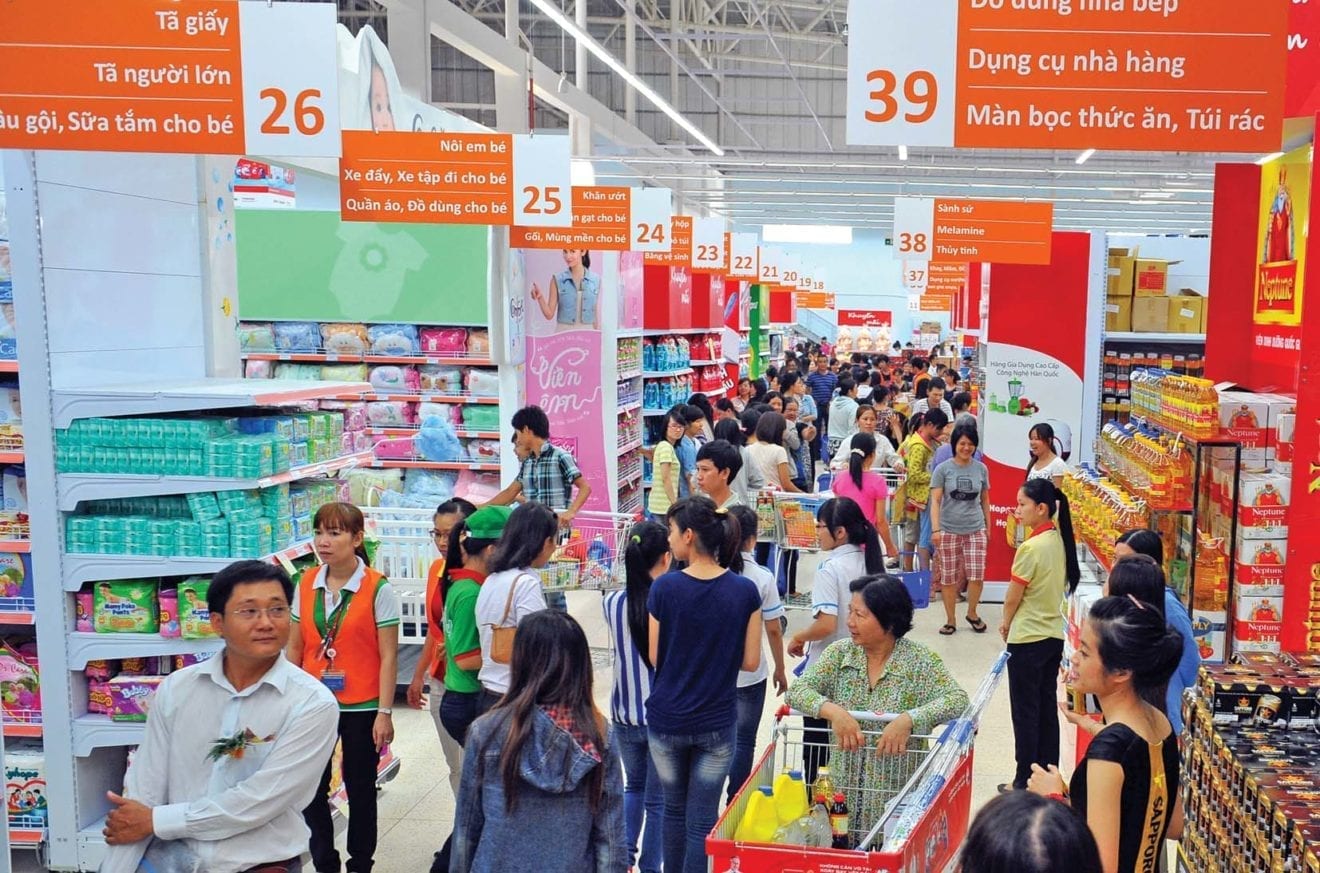
    A draft law requiring all supermarkets in Vietnam to open through holidays and provide online sales and delivery services has angered retailers.

    They say rules cannot set for marketing strategies that are decided by businesses based on their own assessment of market conditions.

    The provision in the Decree of Development and Distribution Management, proposed by the Ministry of Industry and Trade, will apply to retail outlets that have an area of at least 250 square meters (2,690 square feet), and malls with more than 10,000 square meters (over 107,600 square feet).

    The new rules also say supermarkets and malls can only have a maximum of three discount events a year, with 30 days at the most for each event, and 70 percent of all items must be discounted at such events.

    Supermarkets and malls also need to open from 10 a.m. to 10 p.m. every day, including holidays. They must offer delivery service and online shopping to customers, the bill says.

    Whether a supermarket offers delivery service and online sales or not depends on the strategy that a business chooses to employ, said Dinh Thi My Loan, president of the Association of Vietnamese Retailers (AVR).

    The number of discount events and their nature should be for the retailers to decide, she stressed, adding that the regulation should be removed from the bill, she said.

    Experience from other countries in the region shows it is not practical for the government to pack too many goals into a draft law, she said, adding: “The stated goals are too broad and unconvincing.”

    Previously, the Vietnam Chamber of Commerce and Industry (VCCI) also called this provision “coercive” in a letter sent to the Ministry of Industry and Trade.

    The bill intervenes too deeply in the right of businesses to operate the way they want, and does not engage with the larger picture of the distribution system in the country, the letter said.

    VCCI suggested that existing problems and potentials for the national distribution system should be studied in more detail before drafting new rules.

    The Ministry of Industry and Trade has said that it will continue to research and listen to suggestions while completing the draft law.

    As of last year, Vietnam had 800 supermarkets, 150 malls and 9,000 traditional markets, apart from 2.2 million or so convenient stores.

    Vietnam is considered an emerging market for retail expansion and was ranked 6th last year in the Global Retail Development Index by consulting firm A.T. Kearney.

  • Luxury goods market to grow up to 8% in 2018

    Luxury goods market to grow up to 8% in 2018

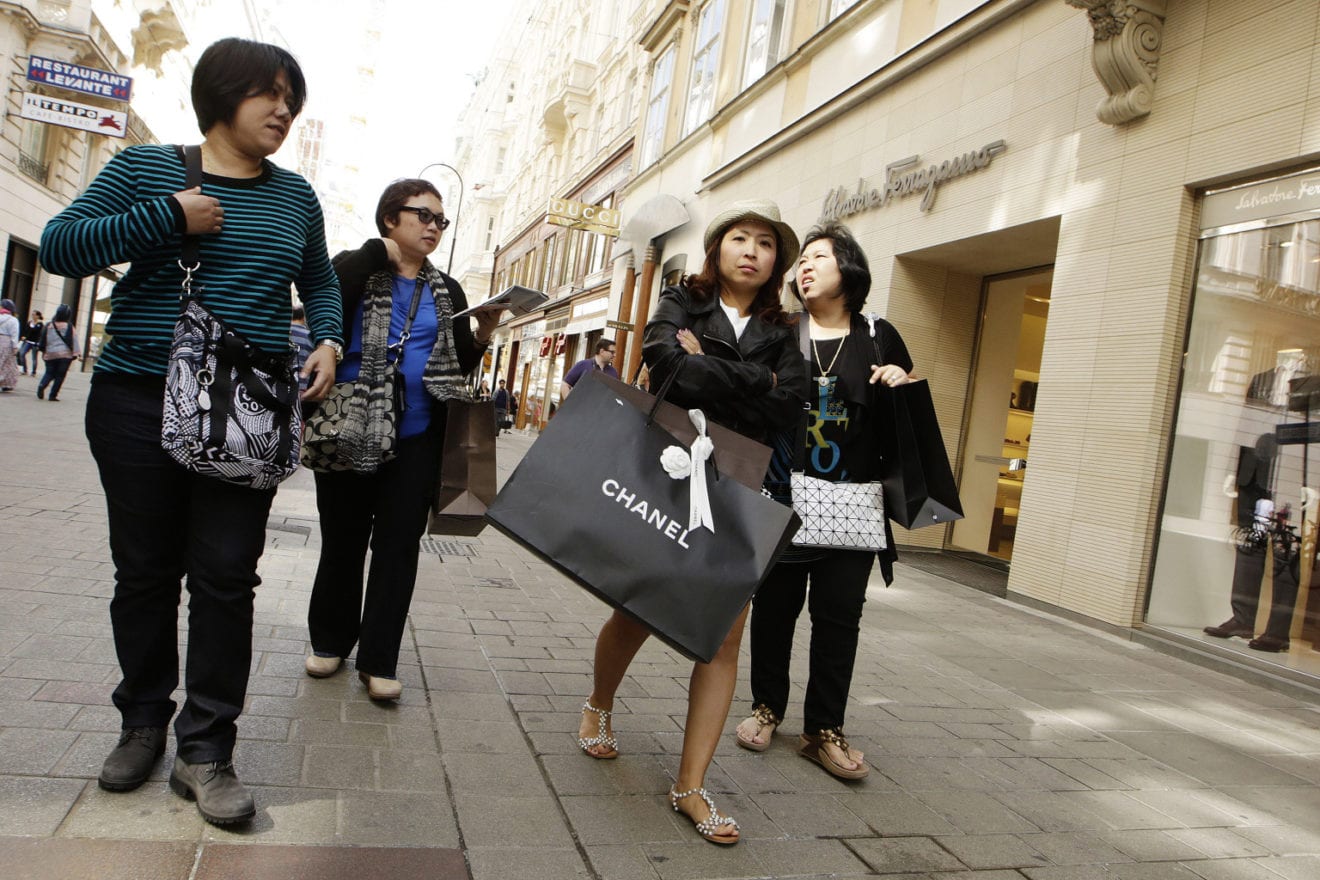
    The personal luxury goods market is set to grow as much as 8% globally in 2018, according to a recent report, pushed on by double-digit sales growth in Asia and the accessories and footwear categories worldwide.

    Data issued by the Altagamma Worldwide Market Monitor and by a Bain & Co. study has forecast personal luxury goods will fetch revenues of 276 billion euros to 281 billion euros this year, a jump of 6-8%, on 2017.

    In October last year, it was first predicted that the market would witness 5% growth for this year.

    Expectations for average growth in earnings before interest, taxes, depreciation and amortisation in 2018 are up to 10% compared to the figure released in October, which was 7%.

    By category, sales of accessories, jewellery and cosmetic goods will lead this year’s positive performance, witnessing 7%, 7% and 6% growth, respectively.

    Shoes sales will also continue to play a major role, kicked on by sneakers, while apparel growth will slow, despite a lift of 4% for the year.

    By region, Asia will the most key, up 12% compared to the 10% increase forecast in October. Chinese tourism will bolster sales abroad, however, preferring travel to the US rather than Europe, where the strengthening of the euro negatively impacts tourists’ flow and spending.

    North America, which in October was forecast to grow by 4% this year, is now seen expanding by 6%, while Europe, last predicted for a 4% uptick in 2018, is set for 3% growth, hurt by currency conditions and sluggish spending in Germany and the UK. Japan, Latin America and Middle East will see personal luxury goods expand 5%, 3% and 2%, respectively.

    Back to China, domestic spend is also set to change, said the report.

    “Starting from July, China will reduce a series of import duties for a range of product categories, including apparel, fashion accessories and some categories related to furniture,” said report authors.

    “In particular, for these goods, duties will be halved, which will impact their pricing in China.”

    Looking further forward, the study predicts that the luxury market could reach 390 billion euros by 2025, registering a 4 to 5% compound annual growth rate.

  • IHOP makes waves with name-change mystery

    IHOP makes waves with name-change mystery

    US-headquartered pancake restaurant Ihop drew a massive social media backlash after announcing it was changing its brand to Ihob – with the b for burgers.

    But the Ihop name change turned out to be a publicity stunt – to try to share the message amongst the ranks of American fast-food fans that the ubiquitous chain was just as good at making burgers as its trademark, calorie-laden pancakes.

    So while the company had to fend off thousands of criticisms from its customers – most of whom failed to read the small print in the announcement that it was a “temporary” change – the subsequent publicity ensured there will be few people across America this morning who don’t know that Ihop – or Ihob – serves burgers as well as pancakes.

    “@IHOb the b stands for blasphemy,” tweeted one dismayed customer. Another said it stood for “international house of betrayal”.

    “The world is spiraling out of control and I can’t understand why IHOP would force us to deal with more unwelcome change,” said another. And yet another: “Why is ihop going thru a mid life crisis.”

    Rival chains climbed on the bandwagon with some good-natured jibes, as well:

    “Not really afraid of the burgers from a place that decided pancakes were too hard,” tweeted Wendy’s.

    And Whataburger tweeted: “As much as we love our pancakes, we’d never change our name to Whatapancake”.

    Guessing game

    Prior to the Ihop name change the company held an online survey, teasing the new Ihob name and inviting people to guess what the b stood for. More than 30,000 people guessed words ranging from bananas to bacon, brunch to breakfast.

    After the furore, Ihop president Darren Rebelez told CNN (yes, he go onto CNN – that’s how successful this PR stunt was!) the company will always be named Ihop, “but we want to convey that we are taking our burgers as seriously as our pancakes”.

    “Burgers are a quintessential, American menu item so it makes perfect sense that Ihop … would go over the top to create a delicious lineup of quality burgers,” added Nevielle Panthaky, the chain’s “culinary chief”.

    Ihop, which turned 60 this year, has nearly 1800 locations across the US, including a flagship in Hollywood, California, which was converted into an Ihob for yesterday’s brand launch party.

    Unsurprisingly, marketing experts were heaping praise on Ihop.

    “Credit to IHOP: They’re garnering more media attention than the moon landing for adding seven hamburgers to their menu,” wrote Kevinwxgg in a tweet, quoted by the Washington Post in a story headlined “IHOP’s name change is what happens when brands exploit the Internet outrage cycle”.

  • Alibaba to sell more Korean stuff

    Alibaba to sell more Korean stuff

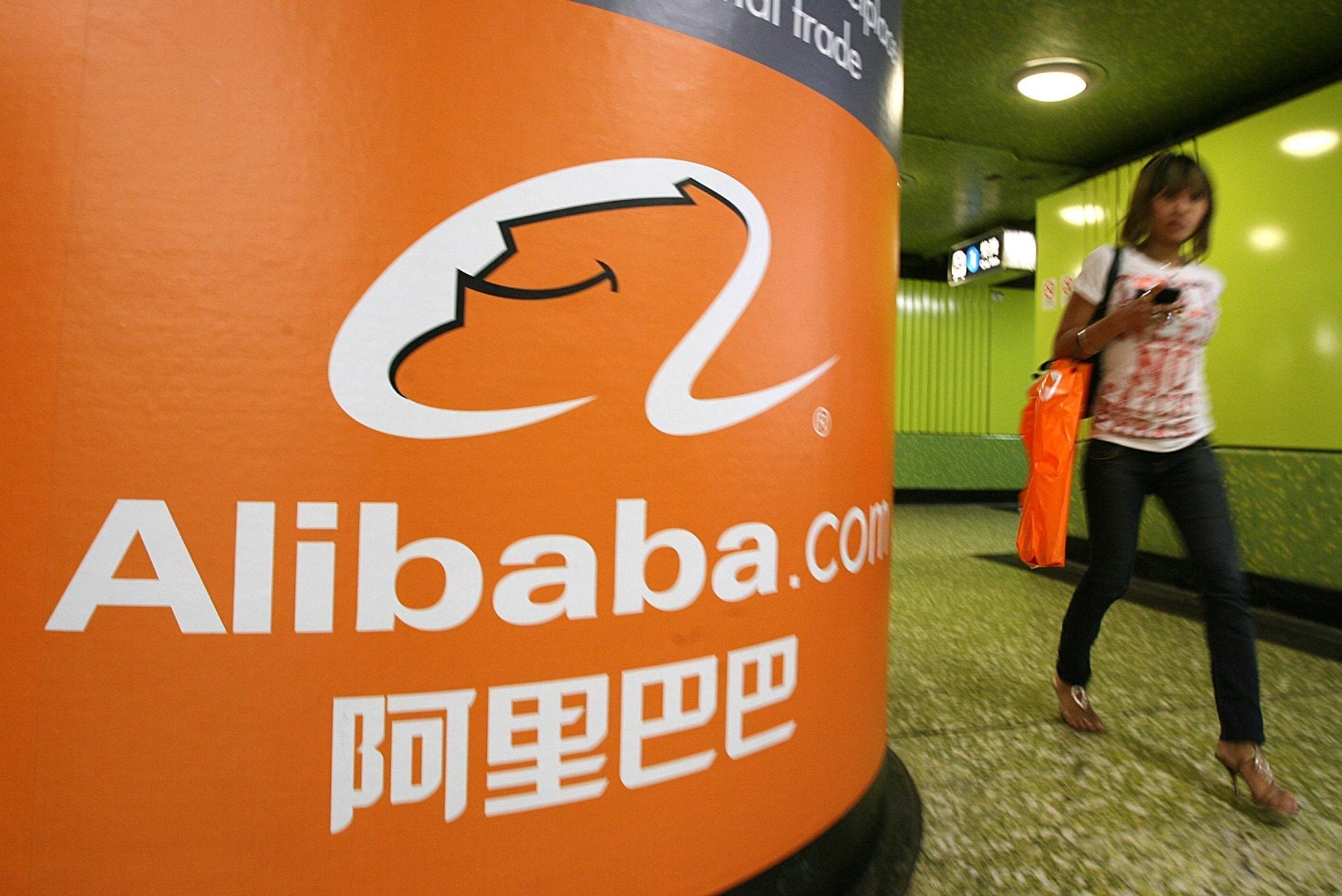
    Chinese e-commerce giant Alibaba Group announced Monday that it will expand partnerships with Korean brands in line with a Chinese government initiative to increase imports over the next few years.

    “During international forums such as Davos or Boao, President Xi Jinping has announced multiple times that China will expand exports – [the government] plans to import $8 trillion in the next five years and the China International Expo will take place in Shanghai this year,” said Angel Zhao, the group’s vice president, at a seminar held by the company on Monday at COEX in Gangnam, southern Seoul.

    “Under such import policy, Alibaba’s platforms like Tmall, Tmall Global, Taobao and others will be a useful tool for our partners to introduce their products to Chinese consumers.”

    Established in 1999, Alibaba Group is an IT giant that runs multiple e-commerce sites like Tmall, Taobao, Alibaba Express and the payment service Alipay. In 2014, it launched a Korean office aimed at expanding partnerships in Korea, but Monday’s event was the largest event it has ever held here, with some of its top executives from the China headquarters attending.

    Korean brands in Tmall Global, a website that mainly sells products from foreign companies, saw an annual sales growth rate of 45 percent between 2015 and 2017. This placed Korea as the No. 4 exporter to the website last year, following Japan, the United States and Australia.

    Alvin Liu, a general manager of Tmall’s import and export business, said he still sees potential for Korea’s beauty products to grow through Chinese e-commerce, which is currently dominated by jiulinghou, meaning consumers born in the 1990s.

    “Over 90 percent of Tmall Global’s users are jiulinghou, and in China there are 174 million people in this generation, which as a country would rank the eight largest in the world by population,” he said.

    “Data analysis [from our platform] indicates that this generation is particularly interested in expressing themselves in front of others and they’re starting to look for beauty products on a global scale – this is a big opportunity for Korea because it has an advanced market in the sector.”

    As an incentive for potential partners, both executives suggested that a partnership with Alibaba will offer opportunities to tap into both online and brick-and-mortar stores in China, including its in-house offline retailers like the grocery store Hema. Alibaba has been investing in a “New Retail” strategy, which is to expand offline services to create synergy with its online business. Earlier this year, Tmall opened its first store exclusively comprised of imported goods in Hangzhou.

    Zhao added that Alibaba could be the gateway to Southeast Asian countries as well through Lazada, a leading e-commerce website in the region which the Chinese company acquired shares of in 2016.

    “A priority for us [in the search for Korean suppliers] is to export products that are unique and trendy,” said Danny Chung, Alibaba Group Korea’s general manager. “From that perspective, diversification of product sectors apart from beauty and fashion is also important.”

  • The Outnet starts selling in Japan

    The Outnet starts selling in Japan

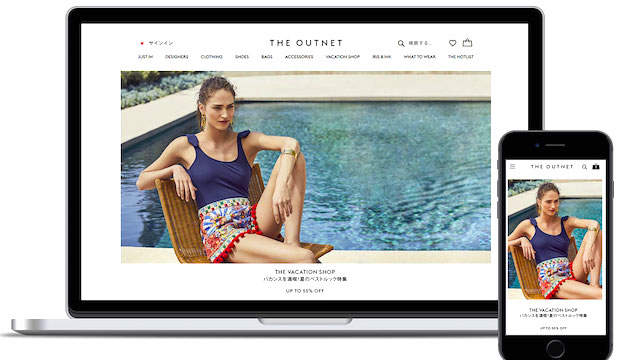
    The Outnet, the discount sister brand to Net-a-Porter, has launched in Japan. It lets customers shop and read fashion content in their own language. They can also pay for purchases in yen or pay in cash upon the delivery of their order.

    Yoox Net-a-Porter (YNAP), the company that owns The Outnet, says it aims to hire more customer-care consultants in the region and add a live-chat option to the Japanese website.

    Items ordered in Japan will be shipped from Italy using both international and domestic shipping services. YNAP says orders will be received within four to six business days by express delivery.

    Launched in 2009, The Outnet is a clearance website featuring items from more than 350 luxury brands and with discounts of up to 75 per cent off.

  • French farmers block access to 13 refineries in palm oil biofuels protest

    French farmers block access to 13 refineries in palm oil biofuels protest

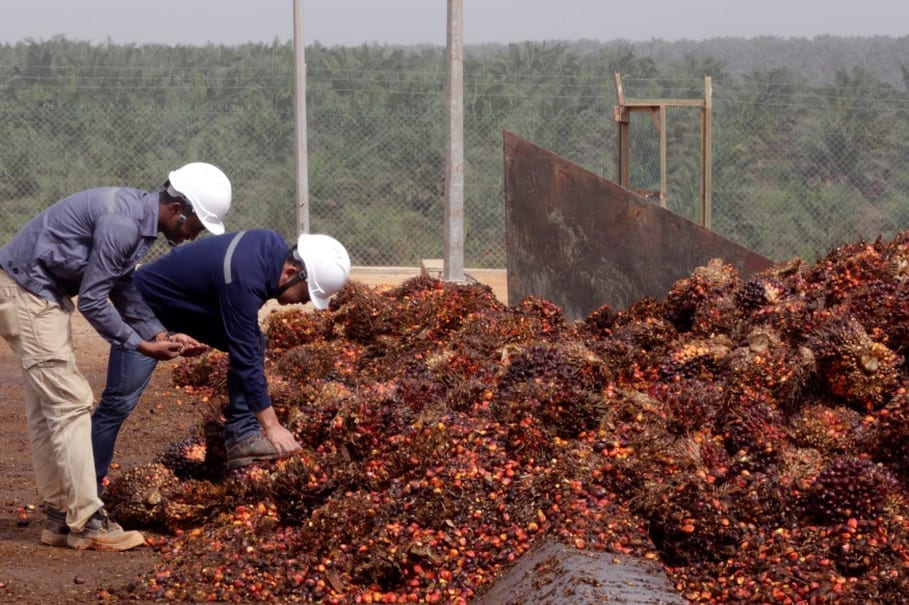
    Dozens of French farmers blocked access to 13 refineries across the country today to protest against plans to import palm oil for use in biofuels, a move they denounce as unfair competition which jeopardises their livelihood.

    Energy giant Total wants to import up to 300,000 tons a year of palm oil, which environmental advocates say has caused massive deforestation chiefly in Southeast Asia.

    French rapeseed and sunflower growers, who say they will lose out due to Total’s imports, accuse foreign palm oil producers of failing to respect the regulatory requirements European producers must follow.

    Farmers parked tractors in front of refinery gates while dumping piles of haystacks, dirt, manure and potatoes.

    “France imports several products that don’t respect the rules applied to French farmers. It concerns South American meat and Spanish wine as well as palm oil,” said Damien Greffon, who leads the FRSEA farmers’ union in the Paris region.

    The protests are a sign of growing anger in France’s farming communities which have so far not mobilised in large numbers against the government of President Emmanuel Macron since his election.

    Public sector workers and railway staff have held regular demonstrations and strikes against the pro-business reforms introduced by the new centrist government since May 2017.

    The farmers’ protests began late Sunday and have been called for three days because “dialogue has broken down” with the government, Greffon said.

    Agriculture Minister Stephane Travert said today that the government would not back down, adding that he would meet soon with unions as well as biofuels producers to discuss supplies and pricing.

  • AirAsia to fly from KK to Bangkok from Aug 16

    AirAsia to fly from KK to Bangkok from Aug 16

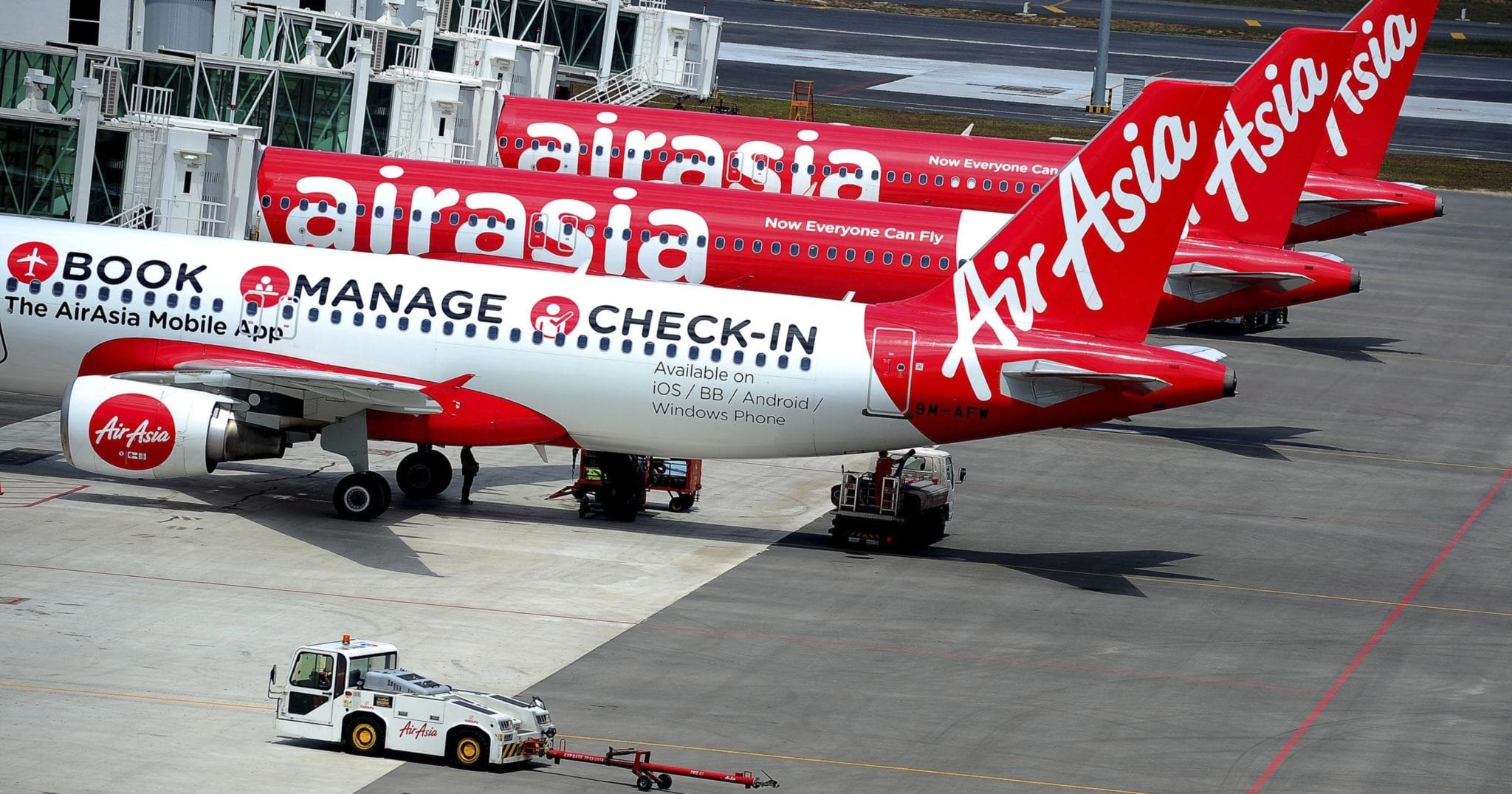
    AirAsia Group Bhd will fly from Kota Kinabalu (KK) to Bangkok, Thailand from Aug 16, 2018, marking the airline’s ninth route connecting Malaysia and Thailand.

    In a statement today, the low-cost airline said the thrice-weekly KK-Bangkok direct flights would be operated by AirAsia Thailand, with promotional all-in-fares starting from RM99 one way for travels between Aug 16, 2018, and Aug 13, 2019.

    Bookings for the promotional flight tickets are available from today until June 17, 2018.

    Currently, the Malaysia-Thailand routes operated by AirAsia includes Kuala Lumpur (KL)-Bangkok (84 times weekly), Penang-Bangkok (14 times weekly), Johor Baru-Bangkok (11 times weekly), KL-Hat Yai (11 times weekly), KL-Hua Hin (four times weekly), KL-Chiang Mai (seven times weekly), KL-Phuket (seven times weekly) and KL-Krabi (21 times weekly)

  • Vietjet Partners with Shinhan Bankto Offer Cashback deals

    Vietjet Partners with Shinhan Bankto Offer Cashback deals

    Get ready to be infected by the travel bug as summer is soon to kick in full swing! For all you globetrotters out there, now’s your chance to make the most of your travel plans as Vietnamese carrier – Vietjet is offering irresistable cashback deals in celebration of the summer.

    Starting 8 June to 5 July 2018, Vietjet is partnering with Shinhan Bank to offer an amazing VND500,000 cashback for the first 400 card holders when a minimum of VND5,000,000 is spent on Vietjet tickets via Shinhan/ANZ credit cards.

    The promotion will be spread across four phases namely, 8 to 14 June; 15 to 21 June; 22 to 28 June and 29 June to 5 July 2018, with cashbacks offered to the first 100 early-bird customers who meet the promotion requirements. The cashback will be credited to the card holders’ payment accounts before 26 July 2018.

    An award-winning and pioneering airline, Vietjet is much loved by travelers for its exciting promotional and entertainment programs, especially during festive seasons. With high-quality services, diverse travel categories and special low-fare tickets, the airline offers its passengers memorable flying experiences on new aircrafts with comfy seats, delicious hot meals served by beautiful and friendly cabin crew, and many other interesting added-on services.

  • Net1 Indonesia Available in 10 Exotic Destinations

    Net1 Indonesia Available in 10 Exotic Destinations

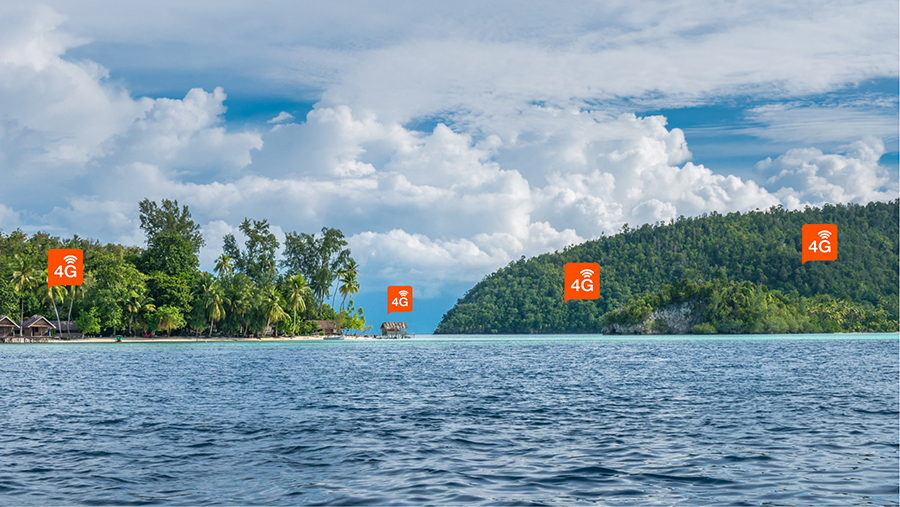
    Net1 Indonesia, a 4G LTE mobile data broadband provider, has announced its availability in 10 exotic tourism destinations in Indonesia. This aims to provide sufficient internet access for those who are traveling back to hometown and spending long holiday. By providing 4G LTE service in tourism destinations, especially those in remote area, Net1 Indonesia hopes to help people to share their holiday story and photos through social media.

    The ten destinations covered by Net1 Indonesia are Samosir Island in North Sumatera, Takengon Fresh Sea Lake in Aceh, Tiu Kelep Waterfall in Lombok – West Nusa Tenggara, Tanjung Kelayang Beach in Belitung, Situ Cileunca in Pangalengan – West Java, Tanjung Bira in Bulukumba – South Sulawesi, Bukittinggi in West Sumatra, Gili Trawangan in Lombok, Karimun Jawa Island in Central Java, and Mandalika in West Nusa Tenggara. Some of these destinations have been included in “10 new Bali,” a program released by the government through the Ministry of Tourism.

    “The existence of Net1 Indonesia in those 10 tourism spots with adequate 4G LTE based internet access is to facilitate the travelers and tourists to stay in touch with family and friends, yet still exist in social media. The connection provision in those spots is also reflecting our commitment to support the government programs to boosting the tourism industry through the brand of Wonderful Indonesia,” said Larry Ridwan, Chief Executive Officer of Net1 Indonesia.

    Further, Larry highlights that the availability of internet connection will leverage the tourism spots in order to be noticed and widely known by international publics. Thus, with adequate internet connection, visitors can help to expose and popularize those new destinations.

    “Travelers, especially millennials, cannot be separated from their smartphone and 4G data connections, they will stay exist during their trip to hometown and the whole long holiday. They usually share photos of food or unique tourist spots through social media. In line with this trend, Net1 Indonesia is triggered to expand its coverage in tourism destinations especially in rural areas,” Larry added.

    Net1 Indonesia’s effort to expand the coverage area in tourism destinations is also reflected by conducting digital activity #MauAda4Gdimana from 7 May to 7 July 2018. This digital activity is pursuing the society to be actively involved in voting a certain locations to get covered by Net1 4G LTE services. Participants who are interested in joining this activity can open microsite, then choose the location in the provided column then simply click VOTE.

    The development of destinations in Indonesia has driven investment growth in the tourism sector. According to data from the Investment Coordinating Board (BKPM) of the Republic of Indonesia, the investment in this sector in 2017 has increased by 31 percent, or valued at US$1.7 billion and is targeted to reach US$2 billion by end of this year. Indonesia’s tourism sector is projected to contribute 15 percent of gross domestic product (GDP), valued at IDR280 trillion for foreign exchange with 20 million of foreign tourist arrivals, 275 million of domestic tourists travel and able to absorb 13 million work force by 2019.

    Tourism is mentioned to be one of sectors with potential investment growth this year beside e-commerce. Indonesia’s tourism is considered to be the most sustainable commodity yet reaching to the lowest level of society. This sectors is rapidly growing compared to other leading commodities, among others are oil & gas, coal, and palm oil. Furthermore, the tourism sector will grow more economic centers throughout the country.

    Based on data from The World Economic Forum, Indonesia’s tourism competitiveness is continuously making positive leap from the ranks 70th in 2013 to 50th in 2015. In 2017, Indonesia’s tourism competitiveness index has climbed 8 places to 42th and is targeted to reach the 30th position by 2018.

    Collaborate with Local Governments

    Blessed with natural resources and regional cultures is a motivation for Indonesia to grow the tourism sector by increasing tourists visits, both from domestic and foreign. The local governments, starting from province to the lower level, districts and cities, are having the same spirit to develop tourism destinations in their regions. They aim to reach the target of 17 million foreign tourists visit this year and will increase to 20 million tourists by 2019.

    The commitment of Net1 Indonesia to support the tourism program, especially in the provision of 4G LTE broadband data access is reflected by the cooperation with a number of local governments ranging from City, District, to Province in Indonesia. So far, Musi Banyuasin Regency (MuBa), West Halmahera Regency, Talaud Islands Regency, Tual City, Siau Tagulandang Islands District Biaro (Sitaro), Sangihe Islands Regency, Bintuni Bay District and Kaimana Regency have signed Memorandum of Understanding with Net1 Indonesia to build 4G LTE-based communications infrastructure, including in tourism destinations.

    The characteristics of 450 MHz low frequency, which able to reach wide coverage than the higher bands, is providing benefits for Net1 Indonesia and the local government when they have to build telecommunication infrastructure such as Base Transceiver Station (BTS) as Net1 Indonesia only need one BTS to cover radius 100 kilometers area. Another advantage of the 4G LTE 450 MHz technology is its ability to support the launch of machine-to-machine (M2M) communication services in rural settings, such as video surveillance, telemetry, and tracking.

  • Malaysia Airlines Q1 revenue up 2%, rising fuel prices a concern

    Malaysia Airlines Q1 revenue up 2%, rising fuel prices a concern

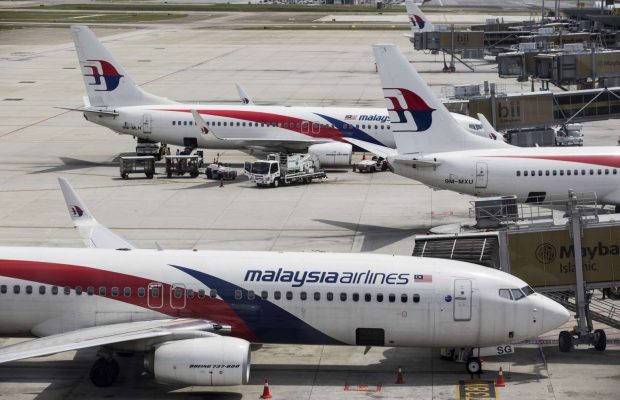
    Malaysia Airlines Berhad (MAB) reported a 2% year-on-year growth in revenue for the first quarter (Q1) ended March 31, 2018 with 6.6% yield improvement despite the significant competition in both international and domestic sectors.

    Despite improvements in the quarter, Malaysia Airlines Group CEO Izham Ismail said the airline is preparing itself for a tough year ahead with competition and exchange rate volatility.

    “Escalating fuel prices remain a particular concern, up almost 100% from early 2016.”

    Its revenue per available seat kilometre (RASK) also grew 3.5%, but load factor declined to 75.4% from 79.4% in the same quarter a year ago on the back of a moderation in domestic load factor due to its focus on higher yield passengers.

    A total of 3.2 million passengers were carried in Q1 2018, 11.1% lower than the 3.6 million achieved in Q1 2017.

    Izham said MAB continues to see better yield and RASK after a challenging 2017, which saw the adverse exchange rate swing.

    “Nevertheless, taken on aggregate, the company has made progress on the execution of the Malaysian Airlines Recovery Plan (MRP). This includes an improved cost base for the airline, bringing it in line with its peer network airlines.”

    Moving forward, he said the group will continue to drive yield by focusing on the premium segment to cushion the airline from rising costs.

    “Overall, we expect to see improvements in our performance in the later part of this year and against this backdrop, we are working hard to deliver sustained profitability in 2019.”

  • The Artist House, Hong Kong’s newest lifestyle hub

    The Artist House, Hong Kong’s newest lifestyle hub

    Retail Mixer goes experiential at the Hong Kong’s newest lifestyle hub. Discover the new The Artist House and why it epitomizes retail experience.

    The premium segment of the beer industry is gaining tremendous interest across Asia with double digit annual growth thanks to urbanization and rise in disposable income, translating into a shift in consumer demand towards premium beers and unique consumer experiences.

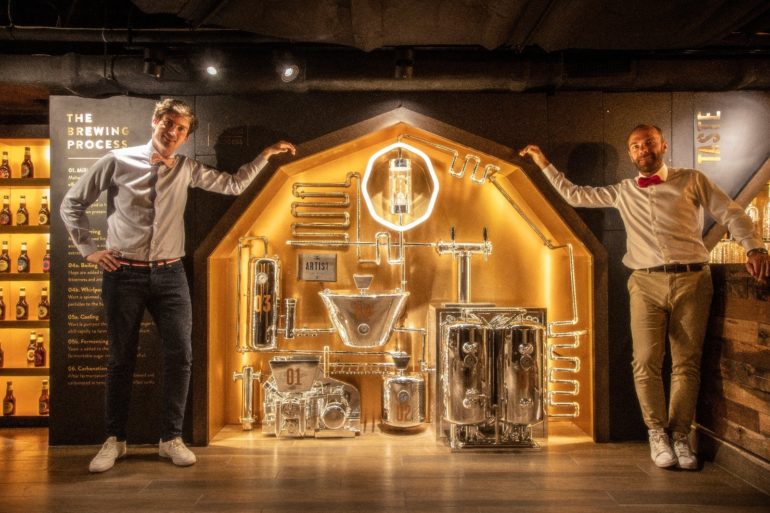
    Catching momentum, in 2015, Olivier Gilson and Benjamin Cox, two cousins with a strong entrepreneurial, operational and financial expertise, launched The Artist, a premium craft beer company.

    The Artist has brought to Hong Kong a unique craft beer brewed in the main barn of a 14th century farm (1343) in the South of Belgium by a Belgian Master Brewer who was one of few brewers in the world to traditionally brew beer in an abbey alongside monks.

    Belgian style beers are recognized worldwide as symbol of quality and authenticity, and The Artist’s mission is to engage beer appreciators in a journey into the brewing tradition.

    Since 2015, The Artist been has been delighting craftsmen and women’s palates with a collection of craft beer including Blonde, IPA, White and Raspberry available in high-end F&B concepts in HK, corporate events, and launching parties, its own .com with customization options, and through a wholesale distribution in selected point of sales.

    In March 2018, Oliver and Benjamin embarked into a new adventure. They created The Artist House, a physical extension of 14th century farm (1343) in the South of Belgium, where the beer is brewed.

    The Artist House finds its home in Fashion Walk, Causeway Bay, Hong Kong. The softly-lit venue has a décor to impress with a stunning combination of light and dark wooden panels consistently echoed throughout the venue.

    The Artist House is an educational journey into brewery tradition built on sensorial experiences. The 3,800 sq.ft retail space is designed to bring the visitors into a craft beer world through a series of experiential touchpoints aimed to engage the 5 senses and create a learning experience and a memory as takeaway.

    The Artist House features a 8 meters bar, a coffee corner and a kitchen for the creation of menu for beer pairing. A built-in hydroponic farm is there to grow herbs, spices and edible flowers for beer infusions and craft beer cocktails.

    A micro-brewery to tailor make infused beer, edible perfume bar to pair unique fragrances with craft beers, a 360VR tour of the brewery in Belgium, the chance to personalize beer and gadgets, make The Artist House a unique retail space, which offer customer to take part into the artistic process of brewing beer.

    The Artist House believes that each individual is an artist. In the process of brewing beer, starting from the artisans who brew the beer, the buyers who curate the beers for a specific markets, the visual merchandiser who places them in a display, the bartender serving them, and finally the consumer, they all take part in this creative journey.

    Oliver and Benjamin strongly believe that “today’s consumers have the desire to live unique experiences rather than simply purchase goods”. As such, their key pillar is to constantly focus on innovation to offer customers unforgettable experiences.