Author: Mei Ling Tan

  • JD.com ready to roll out Thai domain

    JD.com ready to roll out Thai domain

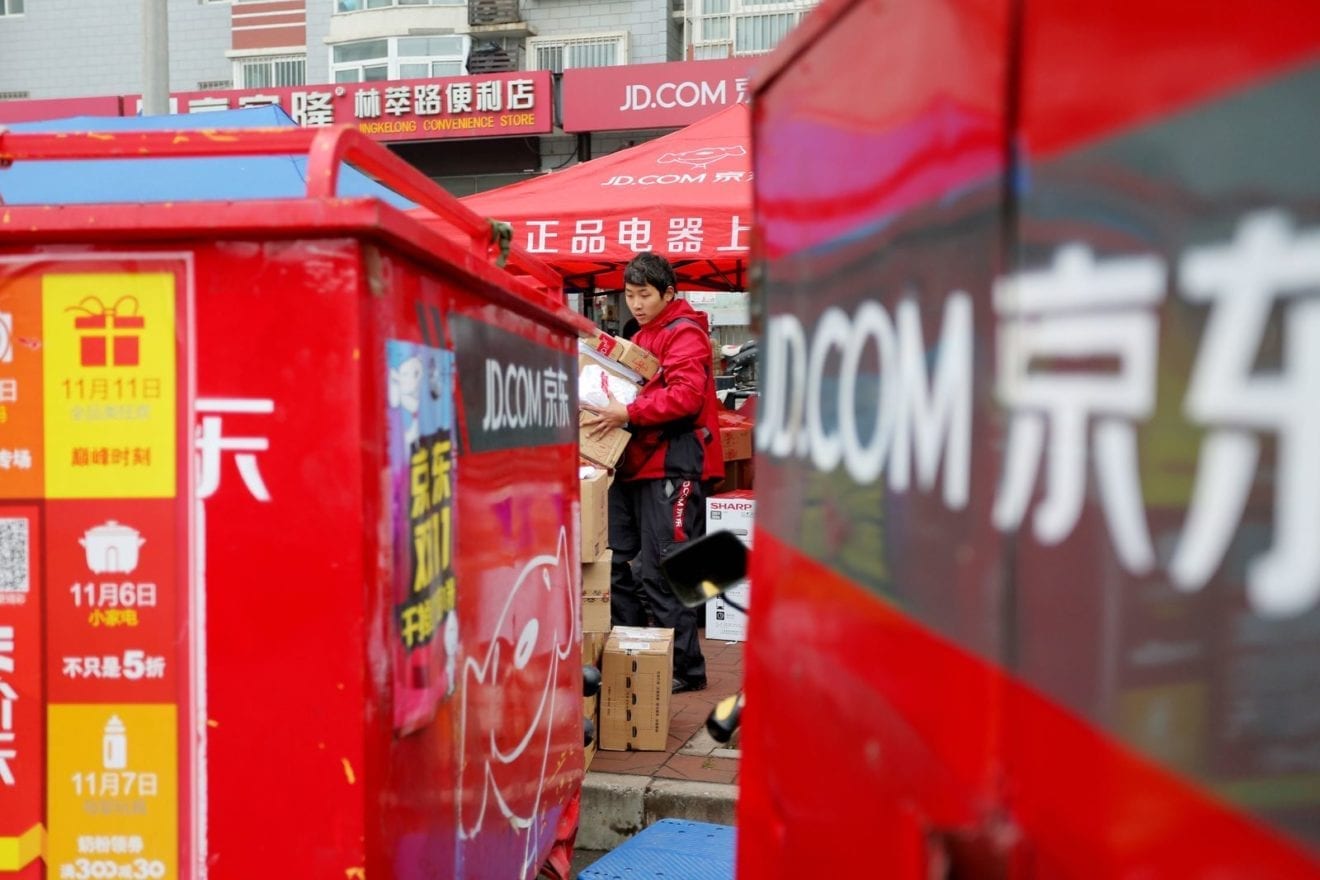
    A JV between JD and Thailand’s Central Group, Central JD Commerce will launch online marketplace www.jd.co.th in August.

    A soft launch is scheduled within the next few weeks.

    “Thailand is our second-biggest market in Southeast Asia following Indonesia, with Vietnam in third place,” says JD corporate VP Gloria Li.

    She says Southeast Asia became part of JD’s overseas expansion strategy two years ago. “We will bring our technology expertise and transfers to local teams, building an innovative retail industry.”
    Li says Thailand is an attractive market because of its preference for high-quality products and the rising number of middle-income consumers.

    A partnership with Central Group will enhance the customer experience for online shopping and logistics, as well as warehouse and delivery capabilities.

    The marketplace will provide goods from qualified merchants, most of whom are brand owners and small- and medium-sized enterprises.

    Li says the JV will export Thai products where the company has a footprint, such as China and Russia.

    “Our big-data analytics technology will provide customers insights into products for which there is high demand, helping them run promotions for targeted customers,” says Li. The return on investment with such marketing campaigns can be measured.

    Globally, JD has 301 million customers, with 82 per cent of its orders made via mobile. It is the largest retailer in China with revenue of US$55.7 billion last year.

  • GreyOrange to showcase end to endsolutions at the India Warehousing Show 2018

    GreyOrange to showcase end to endsolutions at the India Warehousing Show 2018

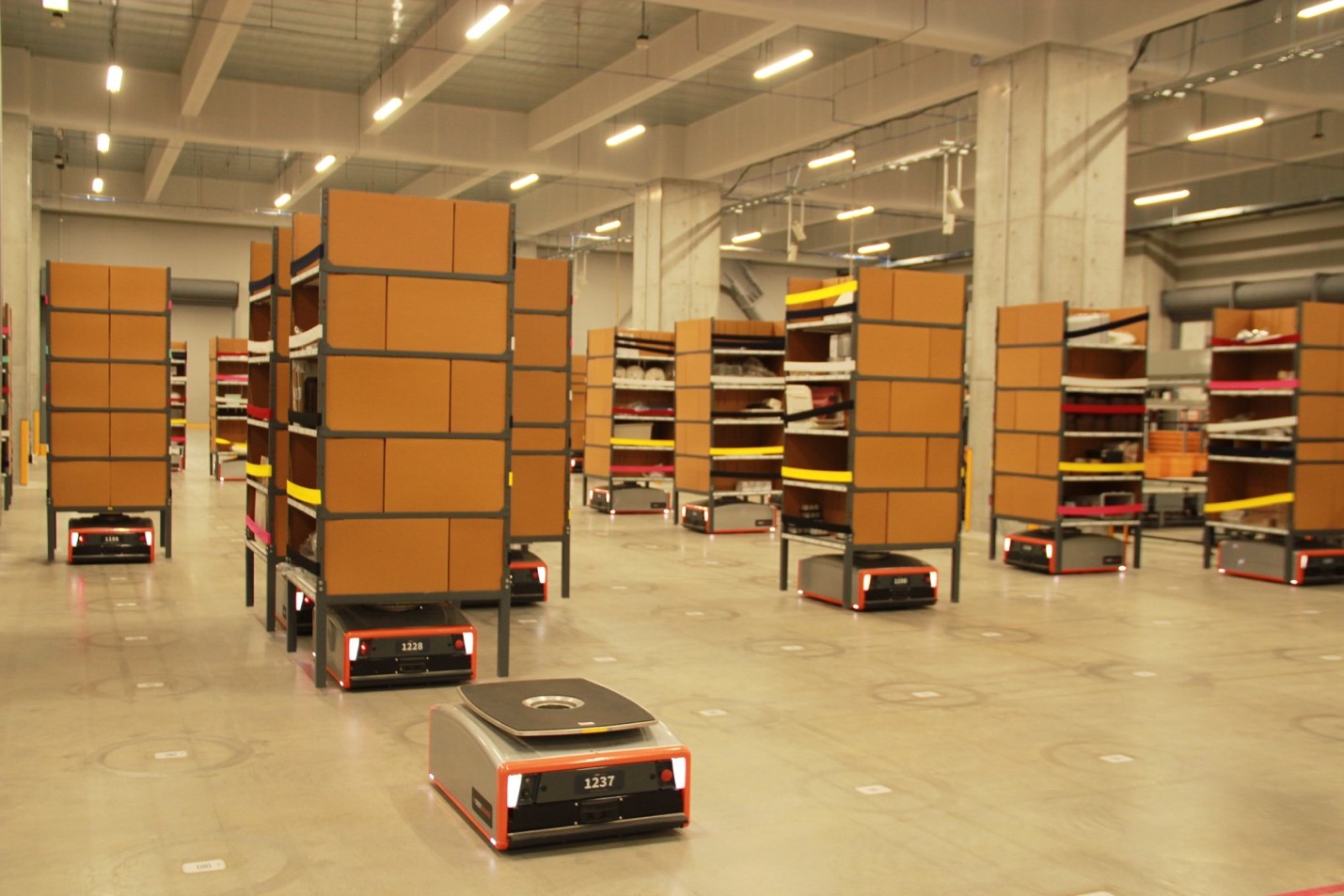
    GreyOrange, a multinational robotics and supply chain automation company, will showcase its portfolio of end-to-end solutions for supply chain automation at the 8th edition of India Warehousing Show on 21-23 June in Pragati Maidan in New Delhi.

    Vivekanand, Country Manager, India & SAARC, GreyOrange, said, ”We are proud to be a partner for the India Warehousing Show, a premier event for the logistics and supply chain industry. GreyOrange solutions have been widely adopted by a variety of users and we are excited to share the many use cases applicable for different industries. We invite visitors to meet with our Solution Experts to get to know how our technology can maximize end-to-end efficiencies in their warehouses.”

    In the global logistics and warehouse automation market for robots, significant growth is expected in the years 2018 to 2022, with a CAGR of more than 11 percent. India too has seen unprecedented growth as innovation in supply chain optimization will be the key differentiator for businesses to stay competitive. Among the solutions GreyOrangeTM will showcase are the Butler robotics system that has been deployed globally, the Sorter and Pick-Put-to-Light (PPTL) systems suited for high volume sortation, and its software platform, GreyMatter.

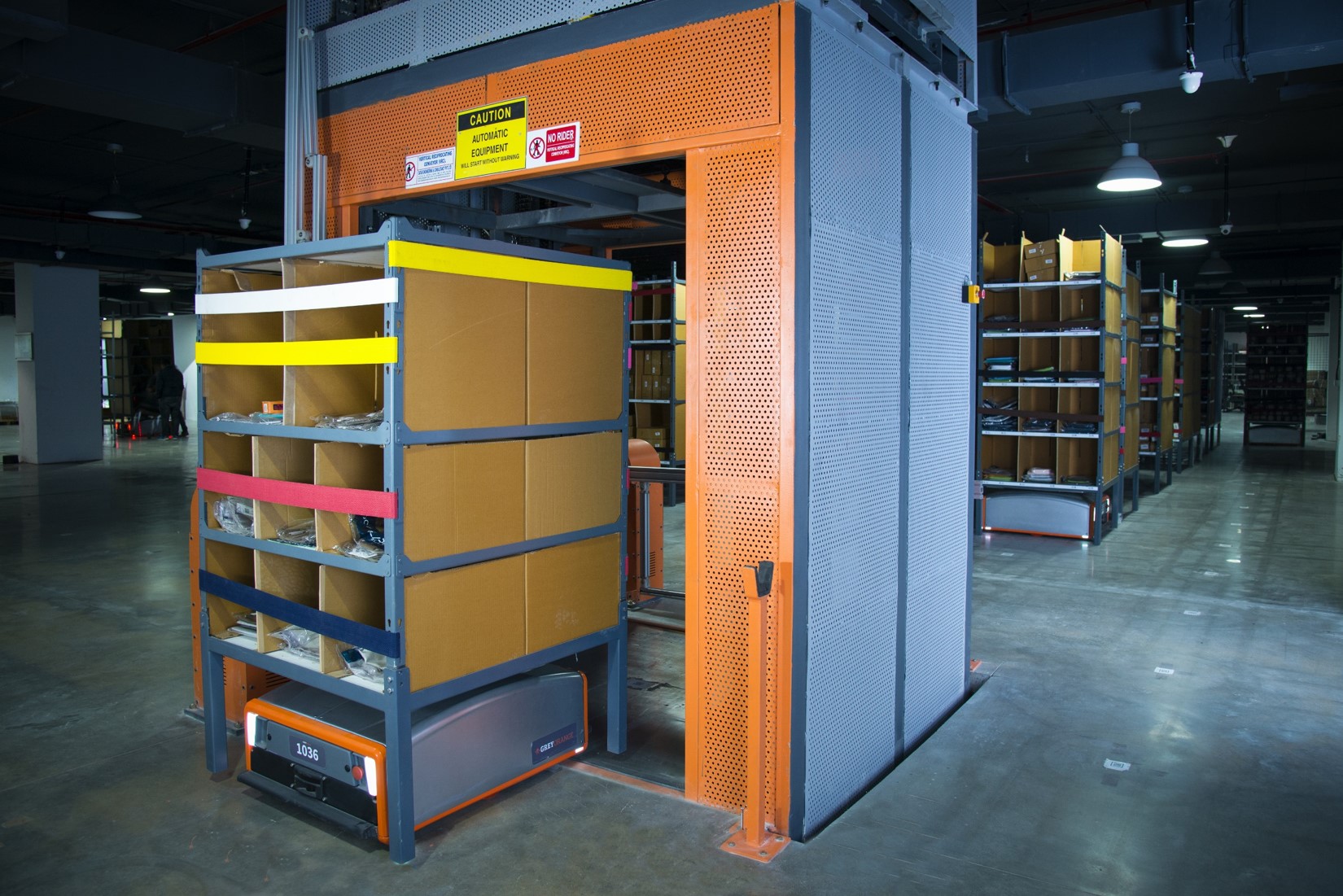
    The ButlerTM goods-to-person system, deployed in Japan, India, Europe and the Americas, is used in distribution centers and omni-channel warehouses. The Butler range can handle a payload of 100 to 1600 kgs (220 to 3500lbs) to move different kinds of loads from finished goods to raw materials, including pallets, drums and sacks. It can use an elevator on its own and will support multi-floor operations, providing even greater flexibility to handle inventory across a facility.

    In a few years, the advanced Linear Sorter from GreyOrange has been installed in over 50 sites serving the fast-growing e-commerce markets from India, Singapore to Indonesia.  It handles high-speed sortation for parcels in all shapes and sizes, including consumer goods, e-commerce and apparel.

    Up to 70 percent of operating costs in a warehouse are incurred during picking and replenishment process, and are often one of the top priorities for warehouse managers to address with advanced technology solutions. The GreyOrangeTM Pick-Put-to-Light system improves operators’ efficiency and accuracy, contributing immensely to increasing productivity.

    GreyMatterTM is the software platform from GreyOrange that integrates multiple automation systems to synchronize material flow, and to gain the highest efficiencies, to manage omni-channel warehouses. It leverages Artificial Intelligence (AI) and Machine Learning (ML) to optimize, in real-time, large and complex operations for e-commerce, Retail, Manufacturing and 3rd Party Logistics (3PL).

  • Courts Malaysia hurts Asia performance

    Courts Malaysia hurts Asia performance

    Regulation changes in Malaysia dragged down both revenue and profits for Southeast Asian electrical, IT and furniture retailer Courts Asia.

    For the year to March 31, Courts Asia had a 3.7 per cent dip in revenue to SG$713.1 million (US$532.5 million). Profits slipped to $8.1 million from $23.7 million.

    Meanwhile, distribution and marketing expenses “remained relatively stable” at $56.5 million, or 7.9 per cent of revenue, the group says.

    Revenue from Malaysia, which contributed to 26.2 per cent of total turnover, slid 15.4 per cent on a year-on-year basis. This was mainly because of lower sales of goods and earned service charge income, says the group.

    Courts Asia executive director/group CEO Terence Donald O’Connor says the company faced headwinds in Malaysia following the introduction of the Consumer Protection (Credit Sale) Regulations 2017. This saw interest rates being capped at 15 per cent a year along with new compliance processes that led to a revenue drop.

    “The fall in revenue, coupled with an increased credit cost and a more prudent credit-sanctioning approach in Malaysia, affected our profitability,” says O’Connor.

    Taskforce

    As a result, Courts Asia has formed a transformation taskforce to look into business processes with the objective of driving productivity in Malaysia.

    Meanwhile, seven underperforming stores have been closed, ending with a footprint of 63 outlets. Other key actions taken in Malaysia include deploying a regional credit taskforce comprising executives with “specialised credit collections and marketing skill sets”.

    “While we agree that consumer sentiment has lifted with the changes sweeping through Malaysia, it will take time for it to filter through to discretionary spending,” says O’Connor. Initiatives such as zero rating GST from 6 per cent from today have been welcomed.

    In Singapore, Courts Asia’s performance remained strong at $25.2 million, the company says. Revenue from Singapore accounted for 69.9 per cent of the group’s top line, and increased 1.5 per cent. This was underscored by improved sales and follows an increased focus on driving an omni-channel approach with the relaunch of its online platform and the re-opening of Courts Megastore at Tampines in November.

    As part of its move toward offering furniture for the modern home, Courts Asia has refreshed its furniture range leading up to the Hari Raya festive season.

    For Indonesia, the group achieved 13.7 per cent growth in revenue in rupiah, thanks mainly to new stores. After “prudently widening its footprint”, Courts Asia now has 32 locations across the Jakarta region, including nine stores and 23 pop-ups.

  • Play-Asia.com Partners with Worldpay to Optimise Payments

    Play-Asia.com Partners with Worldpay to Optimise Payments

    Play-Asia.com, Asia’s leading online gaming and lifestyle brand, has chosen Worldpay, Inc. a global leader in payments, to support the next phase of its business growth as it seeks to reduce fraud and accelerate its expansion plans into new territories.

    Play-Asia.com required a partner that could provide a comprehensive payments solution that would help understand where revenues may be affected by high fraud rates, allowing them to develop effective risk management strategies to minimise potential losses.

    After evaluating several payments providers Play-Asia.com selected Worldpay for its advanced end-to-end solution including online payment gateway, and fraud management services. Worldpay’s Risk Guardian tool is helping Play-Asia.com tailor automated fraud rules for their business model and industry, allowing them to maximise acceptance rates and protect their revenues.

    Supported with detailed insights on transactions, and fraud trends across each market they operate in, PlayAsia.com is equipped with actionable data to optimise their payment traffic and significantly reduce the resources needed to manage fraud. Since working with Worldpay, Play-asia.com has seen a 40 per cent reduction in the time spent processing fraud cases, customer orders and identity verification checks.

    The company can now also serve new customers by offering additional payment methods such as Diners, Discover, and UnionPay in China.

    The partnership with Worldpay has brought together two innovative companies from the gaming and payment industries. Play-Asia.com is renowned as one of the largest online gaming distributors globally, offering gaming products and content, while Worldpay provides in-depth knowledge and state-of-the-art payment technology to help companies reach new customers and improve their online shopping experience.

    Jan Neuhäußer, CEO at Play-Asia.com said, “With over 15 years of serving our customers, we have grown to become a leading online retailer, focused on providing the best shopping experience, genuine high quality products and outstanding gaming choices and experiences.

    “To continue to deliver consistency, quality and global fulfilment through our online marketplace, we required a partner who would support us to develop our offering and strengthen our position. Worldpay’s industry expertise and guidance has enabled us to expand the range of payment options we offer, to alleviate the risk of fraudulent payments, and support our expansion plans into Latin America.”

    Phil Pomford, General Manager for Asia Pacific, Global Enterprise eCommerce at Worldpay said: “Over the next few years we will see the global entertainment market grow from $1.8 trillion to $2.2 trillion, with consumer spending on videogames alone forecast to rise to $498 million by 20211. This is a huge opportunity for Play-Asia.com not just in terms of revenue, but also in providing customers with an optimal online shopping experience. By working with Worldpay to put payments at the forefront of its eCommerce strategy, Play-Asia.com has gained a significant competitive advantage.”

  • AS WATSON unveils new foodservice-focused concept store in China

    AS WATSON unveils new foodservice-focused concept store in China

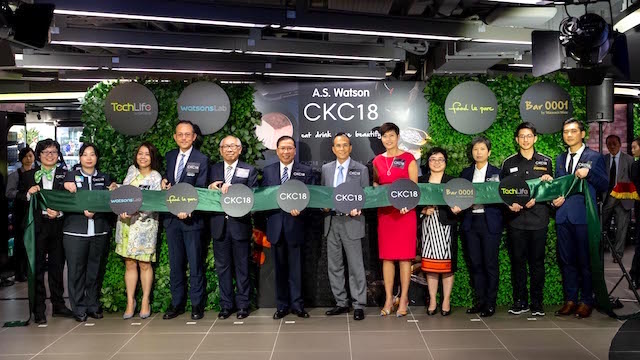
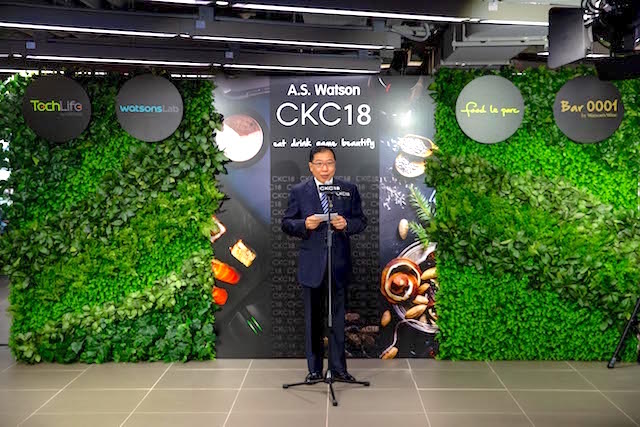
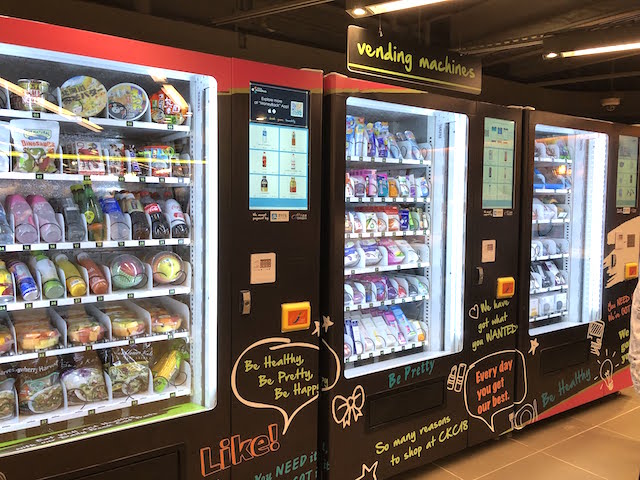
    Located on B2 of the Cheung Kong Center, the store, called CKC18, groups together four AS Watson retail brands in a way which makes each store appear independent, but connected.

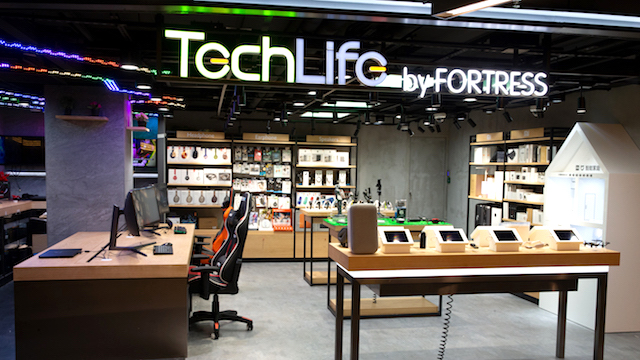
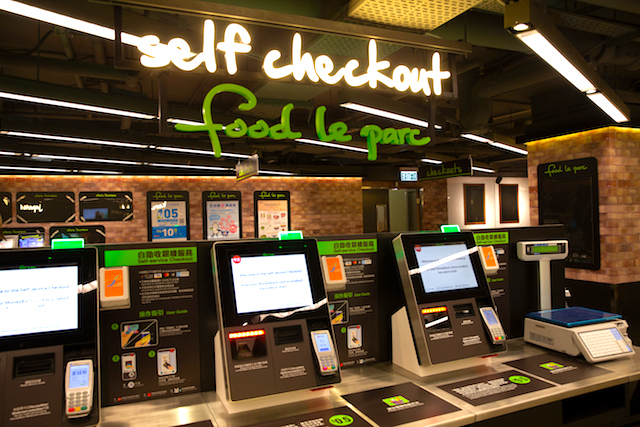
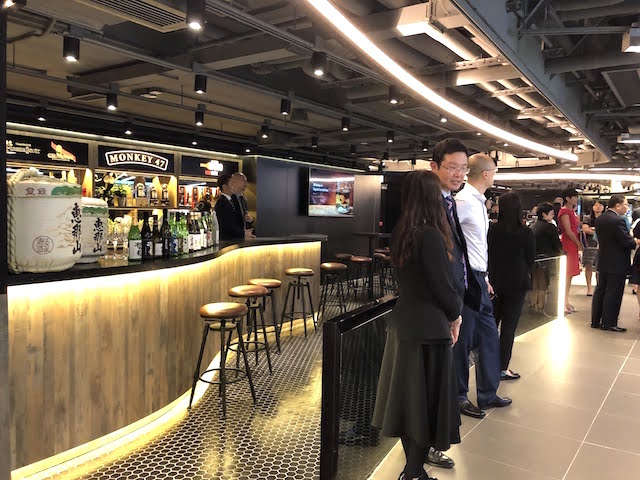
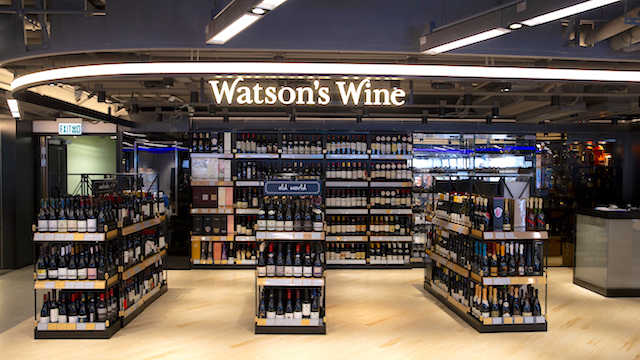
    The 26,000sqft CKC18 is home to international food emporium Food Le Parc, health and beauty outlet WatsonsLab, a TechLife by Fortress and Bar 0001 by Watson’s Wine.

    CK Hutchison Holdings chairman and group MD Victor Li and AS Watson Group MD Dominic Lai led the management team at a grand opening event last week.

    “As one of the landmarks in Hong Kong, Cheung Kong Center is located at the heart of the business district in Central with top notch financial institutions,” said Lai. “The grand opening of CKC18 indicates that Cheung Kong Center will soon become a hotspot for dining, shopping, entertaining and self-pampering.”

    TechLife by Fortress

    The electronics store brings together what AS Watson describes as “the trendiest and most innovative lifestyle gadgets”, eSports products and exclusive products from Xiaomi. There is also a GameZ area that allows customers to try on the international renowned eSports gear.

    Food Le Parc

    Food Le Parc – which translates to food park in English, offers 8500 choices of food from around the world, of which 1600 products are exclusive to CKC18.

    WatsonsLab

    A specialised Watsons boutique, WatsonsLab includes a ‘beauty bar’ that carries leading global cosmetics brands. A ‘Style Me’ app available in-store leverages Augmented Reality technology to offer virtual make-up services, offering more than 100 mix-and-match looks.

    Bar 0001

    Watson’s Wine and its in-shop Bar 0001 offers almost 100 wines, sakes and spirits sourced from around the world by the glass and more than 700 wines to take away.


    New technologies

    Lai says the team which created CKC18 wanted the store to demonstrate AS Watson’s determination to speed up digital transformation.

    The Scan & Go function in the app MoneyBack allows customers of Food Le Parc to simply take the products, scan the barcodes with their phones and pay at self-checkout counters. And at WatsonsLab, the Style Me tablet equipped with AR technology instantly and virtually shows customers how they look like when applying different makeup products.

    “We are glad to introduce the latest retail technologies to optimise shopping experience in a convenient and innovative approach. CKC18 applies technologies intensively. Besides the use of Alipay and other mobile payments, unmanned checkout counters are also available at WatsonsLab.

    Customers can simply checkout by placing their shopping baskets on checkout counters that automatically scan and tally up the total, and electronic payments are supported.

    “In addition, customers can use the TasteToGo function in MoneyBack app to reserve their meals in advance at Food Le Parc, minimising their waiting time during rush hours.”

    The store will also host events such as cooking exhibitions, gaming shows by eSports players, sake tasting and personalised make-up designs.

    AS Watson Group is the world’s largest international health and beauty retailer, currently opening a new retail store somewhere in the world on average every seven hours. That equates to 1300 this year, including more in Hong Kong.

  • JD Sets Foot In Singapore With Its First ‘Undisputed King of Trainers’ Store at Jurong Point

    JD Sets Foot In Singapore With Its First ‘Undisputed King of Trainers’ Store at Jurong Point

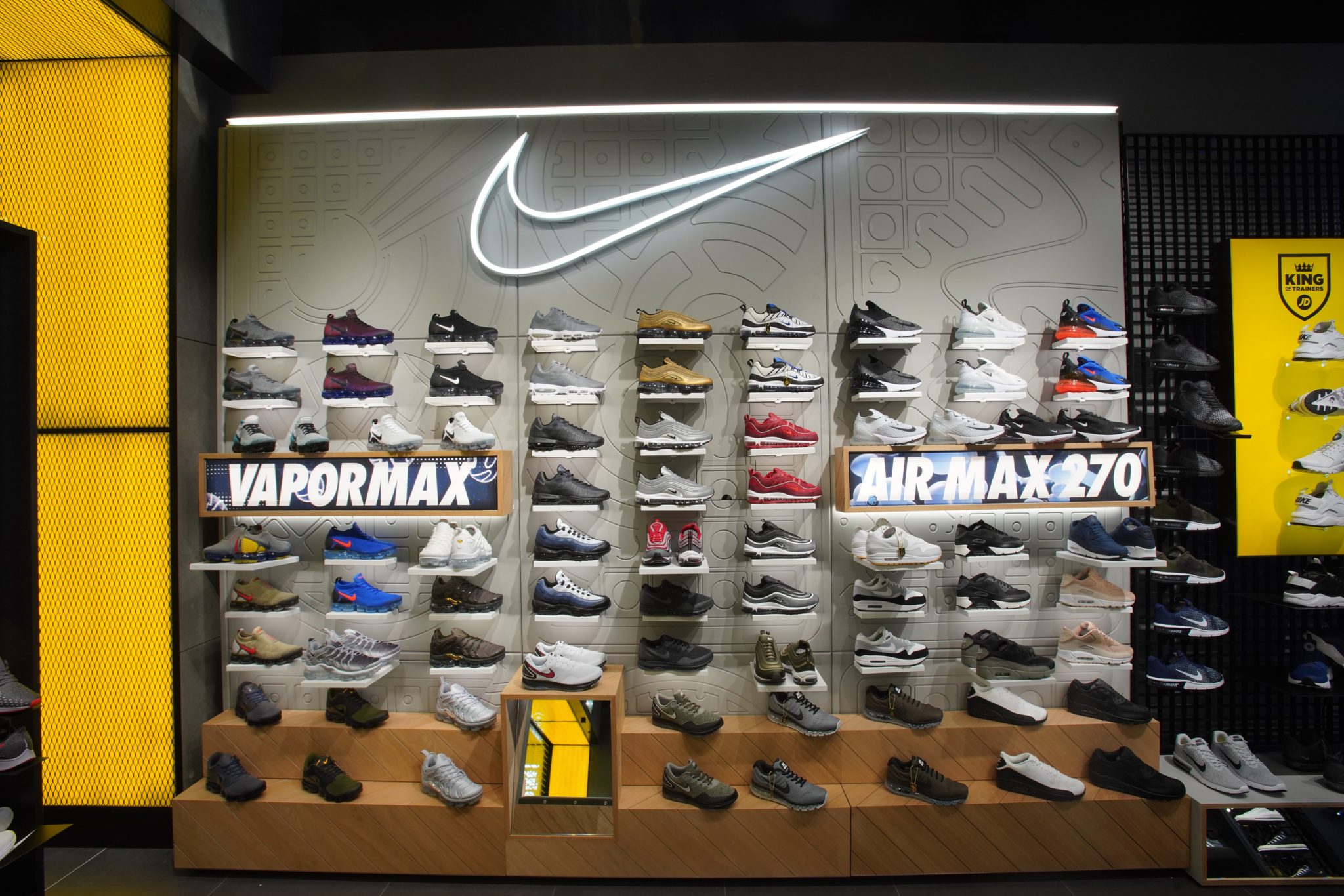
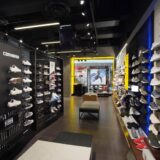
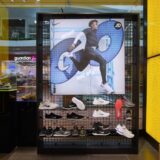
    Hailing from the United Kingdom, JD, the well-known, multi-branded sports footwear and apparel retailer, has finally made its highly-anticipated debut in Singapore with its first store at Jurong Point Shopping Centre on 24 May 2018. Spanning 2,900 sq ft, the ‘Undisputed King of Trainers’ store, as the name implies, carries a wide range of sneakers of over 10 brands, including adidas, Nike, Puma, New Balance, amongst others, as well as a selection of accessories, such as bags, sandals and caps.

    The brightly-lit sneakers haven is set out in a neat and organised manner to allow for easy browsing of the footwear available. The vibe is upbeat and convivial with personable, attentive service that makes the shopping experience a walk in the park.

    “We are happy and excited that JD has opened its first store in Singapore. With the discerning demand and sophisticated preference for trainers by Singaporeans, JD aims to be the ultimate onestop destination for the whole family – from adults to teens to even kids and infants – for buying their favourite pair of trainers, be it for leisure, performance or fashion” said Justin Lim, Chief Executive Officer, JD Sports Singapore.

    What sets JD apart is the availability of the Western European range of trainers that are part of the Global Range collection that might not necessarily be readily available in the South East Asian market. This means that Singapore shoppers will be have a wider range of trainers to choose from, even more than their international counterparts.

    JD also boasts a selection of trainers that is exclusive to the store. Tagged with “ONLY AT JD” metal tags, these trainers come in materials or colourways that shoppers will not be able to purchase anywhere else.

    A 7,200 sq ft JD flagship store, that will retail the full range of trainers, apparel and accessories, is scheduled to open at ION Orchard in July/August 2018.

    See how it looks inside in the gallery below (10 images) :

  • Bag maker Samsonite’s CEO resigns after short-seller report

    Bag maker Samsonite’s CEO resigns after short-seller report

    Samsonite CEO Ramesh Tainwala has resigned with immediate effect “in the best interests of the company” as the fallout from a short-seller report on the company’s reputation and share price continues.

    Tainwala will be replaced immediately by CFO Kyle Gendreau.

    Hong Kong-listed Samsonite’s stock value plummeted more than 20 per cent during two days last week, before trading was suspended, leaving it with a valuation of about US$4.8 billion.

    That followed the release of a report by Blue Orca accusing the world’s largest luggage maker and retailer of questionable accounting practices and questioning its engagement in third-party related transactions with entities owned by Tainwala.

    But in a statement issued overnight, chairman Timothy Parker said the Samsonite CEO was stepping down due to issues with his academic qualifications.

    “While the board notes that since the company’s IPO in 2011, its disclosure of Ramesh’s educational background has been accurate, the board also takes seriously the allegation that has been made about his academic credentials. Ramesh tendered his resignation, citing personal reasons. In considering such resignation, the board thoroughly reviewed the facts related to this allegation and has determined that accepting Ramesh’s resignation is in the best interests of the company and its shareholders.”

    Tainwala has overseen solid growth of Samsonite in recent years, including the acquisition of luxury travel brand Tumi.

    Parker paid tribute to Tainwala’s “dedication and many contributions to the success of Samsonite” over the years. “During his tenure the company has continued to achieve strong revenue and earnings growth.”

    Gendreau takes over

    Kyle Gendreau has served as an executive director of Samsonite since March 2011, previously serving as CFO and an executive director of the consolidated group since January 2009.

    “Having served as a senior executive of Samsonite for many years, Kyle possesses a strong understanding of our industry, significant financial management experience across retail and consumer products, as well as deep institutional knowledge of Samsonite,” said Parker.

    “Samsonite has a proven record of solid growth and value creation since its initial public offering in 2011, and Kyle has played an instrumental part in achieving these results. The board is confident that under Kyle’s leadership, the company remains well-positioned to continue executing on its multi-brand, multi-category and multi-channel global strategy to capitalise on the growth opportunities ahead and to enhance long-term value for shareholders.”

    Gendreau’s appointment can be interpreted as the ultimate endorsement of its position on the Blue Orca report, given his long tenure overseeing Samsonite’s financials.

    “One-sided and misleading”

    In a separate statement overnight, Samsonite formally responded to the damaging report, opening with a warning to shareholders that Blue Orca is “a self-proclaimed activist investment fund that is focused on short selling”.

    “In the short-seller report, Blue Orca cautions investors that it has a “short interest in Samsonite’s stock and therefore stands to realise significant gains in the event that the price of Samsonite stock declines”.” It has declined by 20 per cent since the report’s release.

    The luggage giant’s board said it had thoroughly reviewed the allegations in the report and determined that they are “one-sided and misleading” and that conclusions drawn regarding its financial results are incorrect.

    On the allegations of irregular third-party related transactions, Samsonite’s board said continuing connected transactions are entered into in the ordinary and usual course of business of the group and are either on normal commercial terms or on terms that are no less favorable than available with any other third party.

    “The company has robust internal procedures to ensure that all continuing connected transactions have been identified, and appropriately reviewed and disclosed, in accordance with the Stock Exchange’s listing rules. Those transactions have been subject to annual review and approval by the company’s disinterested directors and independent non-executive directors in compliance with the requirements of the listing rules, and review by the company’s internal audit department. This process, which is performed in connection with the publication of the company’s financial results, helps to ensure that all continuing connected transactions have been identified and properly disclosed. In addition, the company’s external auditors, KPMG, perform annual limited assurance procedures related to continuing connected transactions.”
  • CJ opens store for prepared meals

    CJ opens store for prepared meals

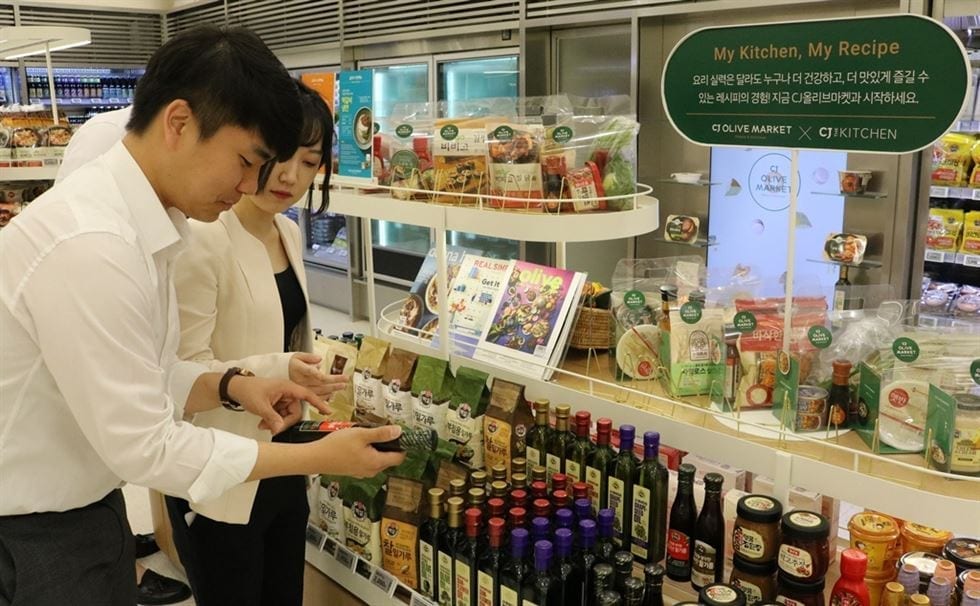
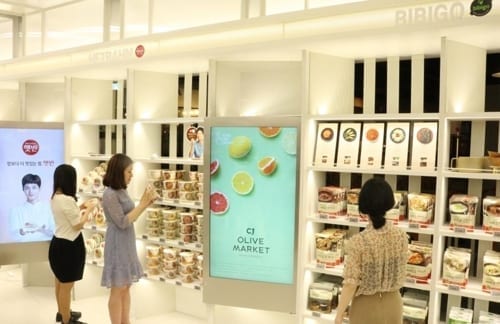
    Korean foods retailer CJ CheilJedang has opened its first “home meal replacement” (HMR) store, called CJ Olive Market, in Seoul.

    The 443sqm store is located at CJ CheilJedang headquarters building, and is divided into two areas – a restaurant where customers can buy food from a vending machine or cooked on-site by chefs – and a grocery store.

    Th team of CJ chefs will come up with new menu items every two months.

    CJ has also developed a smartphone app that allows customers to buy products by scanning codes printed on products or table mats in the store.

    “Our HMR business will evolve into a future-oriented business that suggests integrated menus for home meals,” said Son Eun-kyung, head of CJ CheilJedang’s food marketing division.

    The company also plans to develop a virtual reality store.

    CJ CheilJedang hopes its new HMR range will help it grow sales to US$3.3 billion by 2020.

  • Ant Financial to support Shanghai Pudong Development Bank’s digital transformation

    Ant Financial to support Shanghai Pudong Development Bank’s digital transformation

    Ant Financial Services Group (“Ant Financial”) has signed a strategic cooperation agreement with Shanghai Pudong Development Bank Co., Ltd. (“SPD Bank”) to support the bank’s digital transformation with Ant Financial’s technological capabilities. The agreement is the third of its kind announced this month between Ant Financial and established banks, following partnerships with Huaxia Bank and China Everbright Bank.

    Ant Financial and SPD Bank will partner in online risk management, including fraud prevention, with the former providing technological support to help the latter prevent loan, transaction and marketing fraud. The partnership will also leverage Ant’s financial-grade technologies in AI, supply chain finance, biometric identification and risk management.

    “Ant Financial and SPD Bank share the same vision for the future. With this partnership, we will explore how to improve efficiency in banking operations, as well as how to leverage technology to create greater value for our users,” said Eric Jing, Executive Chairman and CEO of Ant Financial.

    In addition to sharing technological capabilities, the partnership will allow Ant Financial and SPD Bank to strengthen collaboration on a broad range of inclusive finance initiatives, from improving user experience while using online and offline payment services, to providing secure, convenient and efficient financial services for small and micro businesses.

    Last year at the 2017 Ant Fortune Open Platform Conference, Mr. Jing indicated that Ant’s technologies would be opened up to current and potential partners, with the only criterion being whether the partnership is innovative enough to deliver value to users.

    The partnership with SPD Bank is just one example of how Ant Financial’s technologydriven solutions are enabling financial institutions to deliver inclusive services efficiently and at scale. In addition to the bank partnerships announced this month, also in May, Ant Financial’s consumer finance service Huabei announced that it would partner with financial institutions to provide consumer financing solutions, while Alipay added two new third-party money market funds to the Yu’e Bao spare cash management platform.

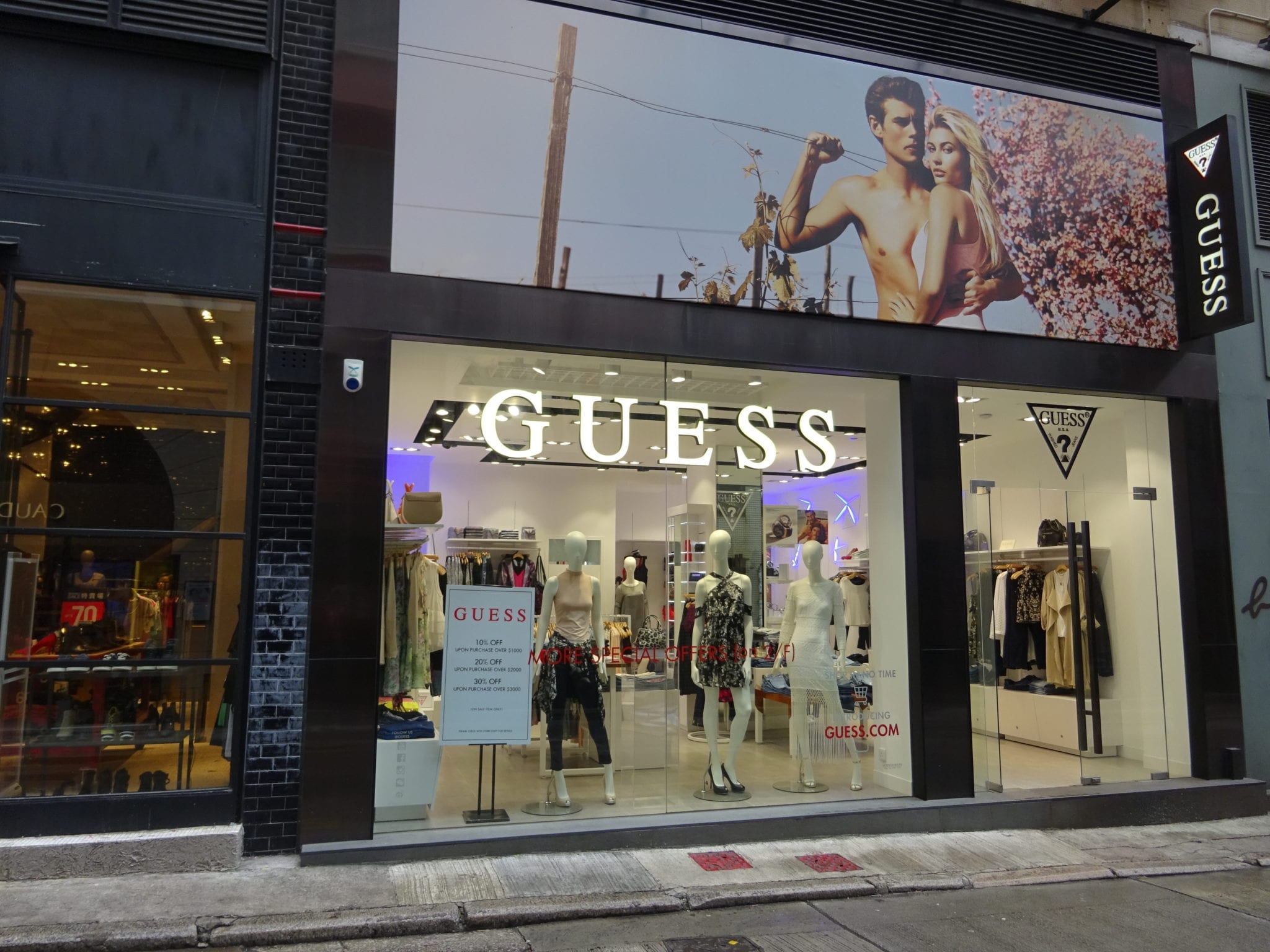
  • Guess narrows losses in first quarter, revenues lift 14% on Asia earning

    Guess narrows losses in first quarter, revenues lift 14% on Asia earning

    Continued momentum in Asia has helped boost revenues for US clothing brand Guess Inc for its first quarter, to May 5.

    As the company continued to take advantage of its infrastructure investments in China and Japan, its operating margin in Asia improved by 430 basis points.

    Asia revenues increased 32.6 per cent in US dollars and 25.1 per cent in constant currency.

    Operating margin for the company’s Asia segment increased 430 basis points to 4.8 per cent in the quarter, compared to 0.5 per cent. This was driven mainly by higher gross margins.

    CEO Victor Herrero says company revenues overall grew 15 per cent in US dollars and 8 per cent in constant currency. “We were also able to expand the company’s operating margin, despite cost pressures related to our transition to our new distribution centre in Europe.”

    At the same time, the company had a GAAP net loss of $21.2 million, a 0.3 per cent improvement on the first quarter a year earlier. An adjusted net loss of $17.8 million was 7.9 per cent better than the same period 12 months ago.

  • Shop Online and Roam the City with Mastercard, HKTaxi and HKTVmall

    Shop Online and Roam the City with Mastercard, HKTaxi and HKTVmall

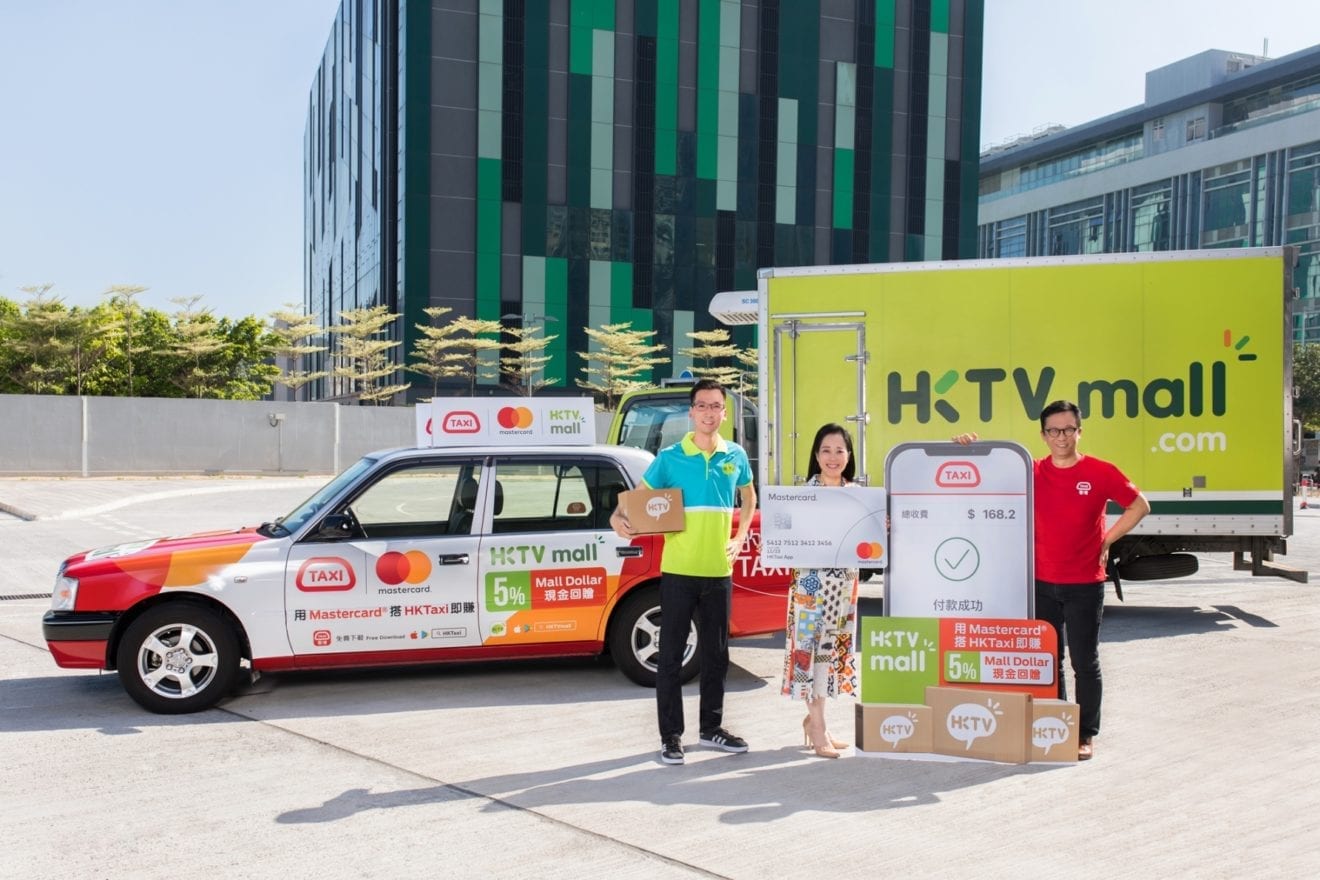
    From worry-free local transportation to hassle-free shopping, Hongkongers’ daily lives are getting more and more convenient! Mastercard has today announced its partnership with local online shopping mall HKTVmall, as well as its strengthened collaboration with the city’s most popular taxi-hailing app HKTaxi, to bring safe, secure and cash-free ways to shop and get around Hong Kong.

    Mastercard is effectively shaping the daily life of Hong Kong people to be more convenient than ever by forming a joint partnership highlighting both HKTVmall’s easy pickup and delivery services and HKTaxi’s 98.4% order fulfilment rate – the highest in the city as tested by the Consumer Council in March 2018.

    As a result of an exclusive privilege for Mastercard cardholders, HKTVmall shoppers can receive rewards to satisfy their daily needs by using their Mastercard to pay for taxi rides via HKTaxi, which recently announced that more than one-fifth of its 50,000 registered taxi drivers now accept Mastercard payments.

    “We at Mastercard aim to take care of all our cardholders’ needs and provide them with the best service every day,” said Helena Chen, managing director, Hong Kong and Macau, Mastercard. “By joining forces with HKTVmall and HKTaxi, we have now fully expanded our services from excellent local transportation to outstanding online shopping services, allowing us to become a truly integral part of Hongkongers’ daily lives.”

    “HKTaxi and Mastercard share the same drive to make Hongkongers’ lives more convenient with technology.

    The collaboration with HKTVmall extends our passion to provide great and beneficial services to every Hong Kong resident,” said Kay Lui, co-founder, HKTaxi. “Our joint partnership is built on convenience, safety and security, utilizing modern technology in responding to the demands of the Hong Kong people. Since the inception of the partnership between HKTaxi and Mastercard in March, the number of taxi rides paid for with Mastercard has been doubling each month and we are very thrilled with the progress. ”

    “We are proud to have partnered with Mastercard and HKTaxi to deliver the best experience in online shopping to everyone in Hong Kong,” said Ricky Wong, chairman, Hong Kong Television Network Limited. “Now, everyone in the city can rest assured that there is an easy way to take care of all their daily needs.”

    From June 1 to August 31, HKTVmall members who hail taxi rides with HKTaxi can receive HKTVmall Mall Dollar valued at 5% of the taxi fare when they pay with Mastercard. Mastercard cardholders who use HKTaxi can also get HK$50 after making three rides every week until July 29.

  • AirAsia Potentially Planning Launch of Esports Team, League, and Center

    AirAsia Potentially Planning Launch of Esports Team, League, and Center

    Malaysian low-cost airline, AirAsia, is looking to take its esports activities to new heights. In an Instagram post, Kamarudin Meranun—chairman of AirAsia and CEO of its parent company, Tune Group—says the company will develop its own team, league, and esports centre.

    With no formal announcement made by the airline yet, it’s not clear whether the company is launching own competition series, or simply become a named sponsor for an existing event.

    AirAsia CEO Tony Fernandes acquired a majority stake in Mobile Legends esports organization Team Saiyan, earlier this year. The squad was subsequently rebranded, but this announcement suggests the airline could even be building its own esports team subsidiary.

    The Esports Observer reached out to AirAsia, who declined to provide more details at this point in time.

    The airline is also a sponsor of Mineski’s Dota 2  team, and runs an esports program for its employees: the AirAsia Allstars Esports Club. Tony Fernandes, who is also a majority shareholder of the Queens Park Rangers soccer club, has also previously hinted at a potential partnership with Singapore-gaming brand Razer

  • Footwear giants shift outsourcing from China to Vietnam

    Footwear giants shift outsourcing from China to Vietnam

    Major brands in the footwear industry are shifting their outsourced work to Vietnam instead of China, but experts doubt this will be a good thing in the long run.

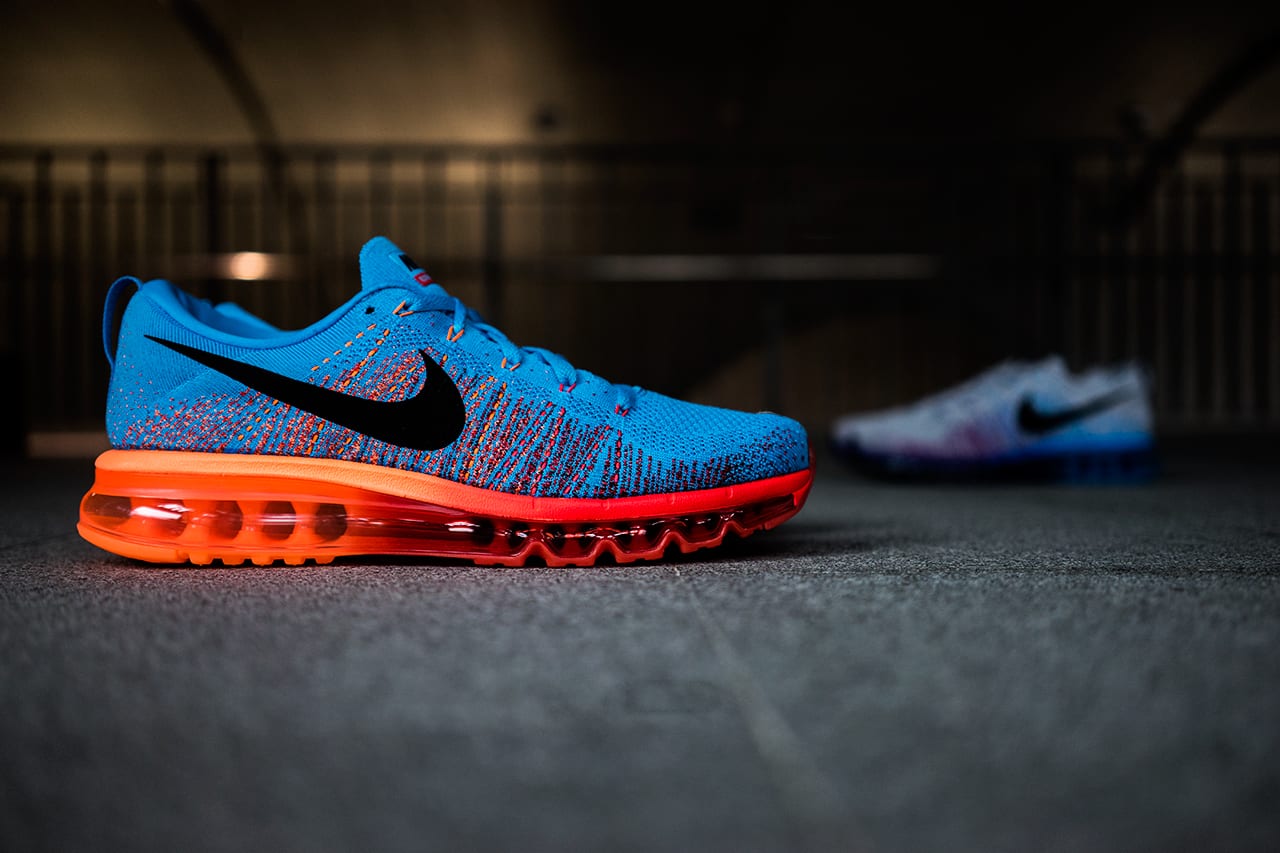
    Sneaker giant Adidas last year had 44 percent of its footwear produced in Vietnam, more than double the 19 percent made by suppliers in China. This figure also marked a 31 percent increase from 2012 for Vietnam and a 30 plus percent decrease for China.

    A similar move can also be seen at Adidas’ rival Nike, which had 46 percent of its footwear made in Vietnam last year, against just 27 percent in China.

    While China remains the top supplier in the fashion industry, Vietnam is now seen by major brands as a solid and critically important supplier in second place, according to survey results released by the United States Fashion Industry Association.

    “We are reporting a change in the sourcing trend, from ‘China Plus Many’ to ‘China Plus Vietnam Plus Many,’” the association said.

    The typical sourcing portfolio today is 30-50 percent from China, 11‑30 percent from Vietnam, and the rest from other countries, it added.

    According to experts in the industry, China manufacturing has become more focused on high value, and with workers’ wages rising, low-cost manufacturing is no longer its priority.

    This explains why Vietnam, Indonesia and Bangladesh are producing more shoes and apparel for export.

    However, while this trend can yield short-term benefits to Vietnam, long-term consequences will be severe, Professor Nguyen Van Nam, former director of the Institute of Trade Research under the Ministry of Industry and Trade said.

    Since advanced technology is not widely applied in Vietnam, the manufacturing sector exploits labor and pollutes the environment, he said.

    “Vietnam needs to push for the newest technologies in manufacturing, otherwise we will be a ‘landfill’ of other countries,” he added.

    Nguyen Duc Thuan, president of the Vietnam Leather Footwear and Handbag Association (LEFASO), highlighted another challenging aspect of the shift at a conference earlier this year.

    As workers in other countries are assisted by machines in the production process, each of them can make 1.2 pair of shoes in an hour, while their Vietnam peers can only manage 0.7, he said.

    “Labor productivity obviously increases when technology and high management skills are used, and this is a challenge that Vietnam needs to meet,” Thuan said.

    Vietnam’s footwear export value has been growing in recent years, from $8.4 billion in 2014 to $14.65 billion in 2017, a 42 percent increase. The country contributed a billion pairs of shoes to the 27 billion pairs produced globally last year.

  • ICSC picks Siam Piwat’s ‘Siam Discovery’ as world’s best designed

    ICSC picks Siam Piwat’s ‘Siam Discovery’ as world’s best designed

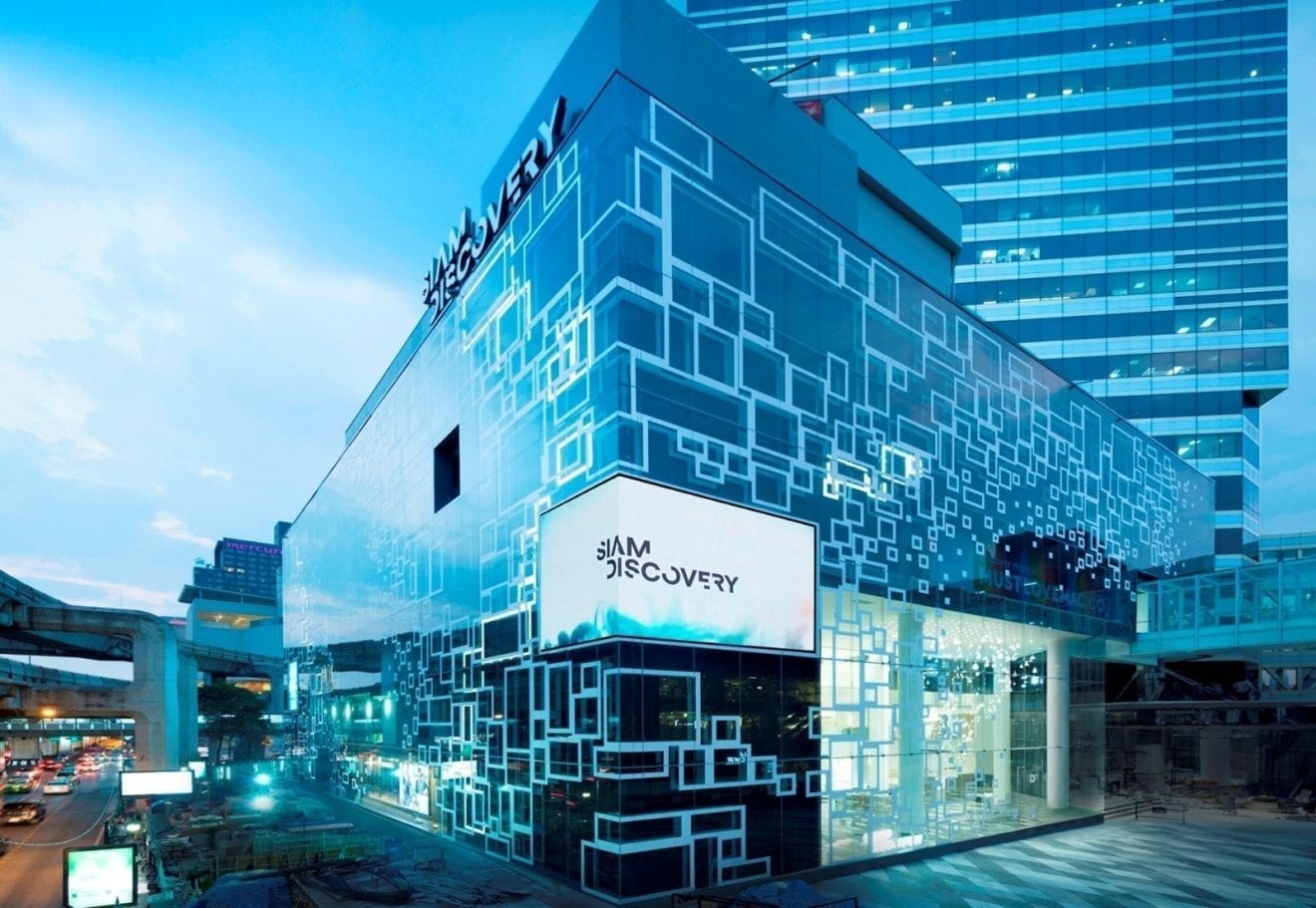
    Bangkok’s Siam Discovery shopping centre has won the top Viva Award from the International Council of Shopping Centers (ICSC) for its “cutting-edge design”.

    Siam Discovery, owned by Siam Piwat, was chosen from hundreds of projects around the world for the honour, awarded during the ICSC’s annual leasing convention in Las Vegas.

    Siam Piwat CEO Chadatip Chutrakul said the award proves “Thai creativity and collaboration can take the country’s flag to the top, even on the world stage”.

    “Siam Piwat’s strategy for growth is to do things in retail and retail development that have never been done before in Thailand or even the world. We are committed to being a thought-leader on the global stage through co-creation with retailers and other partners in our developments.”

    The ICSC’s Viva Awards are presented annually, judged by an independent jury to “recognise the best-of-the-best in the world of retail development”. The judges praised Siam Discovery for being transformative.

    “Siam Discovery is a highly imaginative project that gets away from individual stores and walls and into an immersive open experience. It is the first mall development that makes retail an experience as well as the spaces in between being exciting and stimulating. Siam Discovery brings the latest digital technology offerings to create an interactive and experiential retail environment,” the judges agreed.

    Chutrakul described the centre as “a game-changing, hybrid retail destination where products, services, and activities are brought together in a way that suits the lifestyle of millennials”.

    “Products are grouped without the constraints of a particular brand or school of design, in a way that puts the needs of the customer at the centre. Millennials want to discover their own style while exploring new experiences with other people. Here, they can experiment and discover what they like and what expresses their own identity best,” said Chutrakul.

    Siam Discovery opened its doors to visitors in 1997 and underwent a THB4 billion rebuild before reopening in 2016 in its new, award-winning guise.

    During the past two years, Siam Discovery has won six global awards from prestigious competitions in the world of retailing, including World Retail Awards – Store Design of the Year 2017, for being world’s best designed development.

    View the gallery of Siam Discovery’s interior below :

  • Indonesia Central Bank Raises Key Rate to Aid Rupiah, Flags Chance of More Hikes

    Indonesia Central Bank Raises Key Rate to Aid Rupiah, Flags Chance of More Hikes

    Indonesia’s central bank raised its benchmark interest rate for the second time in two weeks on Wednesday (30/05) and flagged more possible hikes as it escalated a battle to boost the fragile rupiah and contain capital outflows.

    Newly appointed Bank Indonesia Governor Perry Warjiyo pledged more action to promote financial and economic stability to bolster Indonesian assets amid an emerging market sell-off.

    The central bank “will continue to calibrate global and domestic market developments to utilize room for further rate hikes in a measured way,” Perry said after a meeting.

    On May 25, one day after being sworn in for a five-year term, Perry called Wednesday’s off-cycle meeting. On May 17, Bank Indonesia raised its key rate by 25 basis points to shore up the rupiah, then trading at its weakest since October 2015. Perry said the additional meeting was needed as a “pre-emptive, front-loading and ahead of the curve step” in response to expectations of higher US interest rates, which could push US Treasury yields higher.

    Rahul Bajoria, an economist for Barclays in Singapore, said the two hikes in two weeks “very forcefully signals to the market that the new governor is very serious about maintaining financial stability, and the institution is willing to be pre-emptive in managing risks that are emanating largely from external drivers.”

    Currency First

    Stephen Innes, head of Asia-Pacific currency trading at Oanda, said Wednesday’s decision showed “currency first and nothing else really matters.”

    The governor said Bank Indonesia will discuss loosening its “macroprudential” rules at its meeting in late June, and new ones should be released “soon.” He earlier said the central bank is looking at housing mortgages, but he did not give any details.

    In 2016 and 2017, Bank Indonesia cut its benchmark rate by a total of 200 bps in a bid to boost sluggish lending and economic growth.

    Perry said he expects loan growth to reach 12 percent at the end of 2018 compared with a year earlier. During much of 2017 and until April this year, annual loan growth was in single digits. April’s growth rate was 8.9 percent.

    With loan growth low and consumption weak, Indonesia’s annual economic growth has been stuck at about 5 percent.

    On Monday, Finance Minister Sri Mulyani Indrawati said: “We are ready to take any kind of policy to support Indonesia’s economy,” adding that if short-term measures mean slightly lower growth, “then that consequence has to be accepted.”

    The government has a 2018 growth target of 5.4 percent. Bank Indonesia said on Wednesday that it still expects expansion of 5.2 percent, better than last year’s 5.07 percent.

    Sound Key Indicators

    The rupiah, one of the worst performers among Asian currencies this year, barely moved following the rate announcement. It was trading at about 13,985 per dollar at the time it was made.

    Sri Mulyani and other senior officials on Monday sought to shore up confidence in Southeast Asia’s biggest economy at a time Indonesia, like other emerging markets, has seen an outflow of funds as US assets become more attractive due to rising interest rates.

    Key economic indicators are sound, Perry said, noting that the annual inflation rate is seen at 3.6 percent at the end of 2018, while the current-account deficit is expected to below 2.5 percent of gross domestic product, which Bank Indonesia considered “healthy.”

    Harry Su, managing director at financial research firm Samuel International, said the central bank “is now doing more proactive and forward-looking policy, particularly with regard to a possible higher current-account deficit, as well as inflationary pressure stemming from the current higher oil price environment.”

    All but one of 18 analysts in a Reuters poll expected Bank Indonesia to raise the key rate on Wednesday.