Author: Mei Ling Tan

  • Qoo10 to ‘renew focus’ on Singapore e-commerce market

    Qoo10 to ‘renew focus’ on Singapore e-commerce market

    It may be one of the earliest players in Singapore’s e-commerce market, but Qoo10 seems to have lost some of its shine in recent years as more high-profile names such as Lazada, RedMart, Amazon, and Carousell hog the headlines.t

    Still, the e-commerce site has managed to climb to pole position in Singapore based on traffic and gross merchandise volume (GMV). Launched in June 2010, Qoo10 currently has 2.5 million registered users in the country where it is headquartered. There are more than 10 million product listings on the site.

    According to online shopping aggregator iPrice, for the first quarter of 2018, Qoo10 clocked the highest monthly traffic in Singapore at 13.47 million visits, followed by Lazada at 10 million. In the previous quarter, Qoo10 saw 14.41 million monthly visits compared to Lazada’s 10.87 million. The Alibaba-owned e-commerce site, however, led in ranking for both Apple App Store and Android Play Store, while Qoo10 placed third in both appstores.

    Its general manager Sam Too acknowledged that Lazada was narrowing the gap and nipping at its heels. He noted, though, that the Singapore e-commerce market still was nascent and remained largely untapped.

    Too said Qoo10 was “refocusing” on the city-state and tapping the market as a springboard into Southeast Asia, where it was targeting to be the region’s second-largest player in the next three to five years.

    He said the company was planning for its Series C funding round this year and, if successful, would use the money to drive its expansion plans.

    He said Qoo10 had spent the last five years focused on the Japanese market, which was its fastest growing and where the site rose to claim the fourth-largest share. In February, its parent company Giosis sold the local business to eBay for an amount that Too declined to reveal, but he said the deal would see eBay divesting all its shares in Giosis’ businesses outside of Japan.

    While the sale gave the company a cash boost, it also meant Qoo10 would have to look elsewhere to ensure its sustainability, especially since Japan was its largest contributor, accounting for 50 percent of its GMV. Singapore was its second-largest.

    “No, we’re not late,” Too said, when asked if there still were growth opportunities in the Singapore market, where the likes of Lazada–backed by Alibaba’s deep pockets and dominance in China–and Carousell and Carro with their latest funding rounds, already had been ramping up their expansion plans over the past couple of years.

    While noting that Singapore was a challenging landscape, he said Qoo10 had first-mover advantage in the market where it had “groomed” the e-commerce industry a decade ago. “From out point, this industry is still only at its infancy. There is no clear winner at this point,” he said, adding that the market had the potential to grow three-fold by 2025 and another five-times by 2028.

    GETTING THE SMALL TO GO BIG ONLINE

    Specifically, he pointed to two key focus areas for Qoo10: small and midsize businesses (SMBs) as well as consumers aged between 35 and 45, who had only just started to shop online.

    SMBs, for instance, accounted for 99 percent of Singapore’s local enterprises, but many had yet to fully engage the digital world, running websites that had little traffic, Too said.

    “We want to engage these brick-and-mortar business owners and encourage them to try out e-commerce with minimum risks and resources…that’s where the [growth] potential is,” he said.

    Merchants peddling their wares on Qoo10 do not have to pay a monthly subscription. Instead, the e-commerce operator takes a cut of each transaction the merchant successfully closes.

    “So if they don’t see any sale on our platform, they don’t lose anything,” Too said, adding that the company had a salesforce dedicated to engaging and guiding SMBs on how to use its online tools to promote their products.

    It also meant these small retailers would need to learn how to sell and manage the entire cycle of growing their business on a digital platform, including responding to customer queries and reviews.

    In addition, they had to ensure their backend operations could support Qoo10’s three-hour delivery service, he said. The site processed 1.5 million transactions in the first quarter this year.

    To differentiate its offerings from the competitors, he underscored the need for Qoo100 to constantly test new ideas and bring new things to the table, including new apps, news contests, and new services.

    In addition, he said it was looking to bolster its grocery offering, though, by tapping different merchants to sell such products on the site, rather than storing its own inventory.

    “We have mini Redmarts,” Too quipped, noting that a FMCG (fast-moving consumer goods) retail chain processed S$500,000 worth of transactions on average each month, peaking at S$800,000 last November. He revealed that the merchant, three years ago, had started by offering diapers and formula milk on Qoo10 because these items were bulky and cumbersome to store in their physical stores.

    He added that the site now was exploring the use of retail outlets as pickup points, from which online customers could choose to pick up their purchases at these physical points.

    Asked if the business was profitable, he declined to give specifics but said Qoo10 was focusing on its bottomline and confident it was running a sustainable business.

    Apart from Singapore, the company currently operates online marketplaces in four other markets: Indonesia, Malaysia, Hong Kong, and China.

    Its focus for now, though, was on Singapore, Too said, adding that it would look to ramp up its presence in Indonesia and Malaysia in about two years when these markets were “ready”. He noted that some e-commerce markets in the region remained immature and needed more time to stabilise.


  • Chinese retail tycoon’s fraud conviction thrown out

    Chinese retail tycoon’s fraud conviction thrown out

    China’s supreme court has thrown out the fraud conviction of a retail tycoon in an unusual gesture of official leniency toward entrepreneurs amid a string of high-profile detentions and prosecutions that has rattled the Chinese business world.

    The Supreme People’s Court ruling Thursday reversed the conviction of Zhang Wenzhong, former chairman of Wumart Stores, who served 12 years in prison on charges of improperly obtaining technology development subsidies.

    A number of Chinese businesspeople have been prosecuted or detained for questioning about possible offenses including embezzlement and bribery.

    On Wednesday, a lawyer for the imprisoned founder of the insurance company that owns New York City’s Waldorf Hotel said he planned to appeal his 18-year sentence imposed this month on fraud charges.

  • Athleisure brand Bandier to open NoHo store with fitness studio

    Athleisure brand Bandier to open NoHo store with fitness studio

    One of the boldest real estate deals in the Big Apple was recently inked by an athleisure shop that made a name for itself selling $300 leggings in tony Southampton, LI.

    In August, 5-year-old Bandier is opening a massive 27,500-square-foot flagship in NoHo — about the size of a fitness center — that will not only sell its pricey duds from $68 crop tops to $98 sweatshirts and $108 yoga pants — but will also feature a fitness studio, a health-focused cafe and sneaker shop.

    A second flagship will open simultaneously in Los Angeles, bringing the number of Bandier boutiques to seven.

    “We think we have an opportunity,” said co-founder Neil Boyarsky, who owns the business with his wife, Jennifer Bandier, a former music executive like her father, Martin. “You have to roll the dice and take some chances.”

    After raising $10 million last fall led by Hong Kong-based investor Adrian Cheng — whose family owns real estate and retail in China — Bandier is already eyeing other markets, like Chicago and Boston, for flagships.

    As the athleisure trend continues its march, with fashion sneakers and body-hugging spandex gear becoming ubiquitous, Bandier is riding the wave led by 500-pound gorilla Lululemon, whose shares spiked 15 percent on Friday after reporting that comparable sales in its 400 stores rose 20 percent in the most recent quarter.

    Bandier’s growth was fueled in part by its celebrity clientele, including the Kardashian sisters, Liv Tyler, Jennifer Aniston, Emma Stone and Bella Hadid, who have all been spotted either wearing its apparel or taking a fitness class in its studios.

    But celebrities are only part of the story.

    Bandier’s existing stores, including in The Americana in Manhasset, Long Island, and in Dallas, are generating comparable sales growth of more than 20 percent, according to Boyarsky.

    “There will always be some market for this kind of apparel, but whether this growth is sustainable over time remains to be seen,” said retail analyst Craig Johnson, president of Customer Growth Partners.

    There has already been a slight dip in the performance wear sector’s growth from the high teens to about 12 percent — not including sneakers — according to Johnson.

    In the meantime, Bandier is betting that its mix of food, exercise and apparel will draw a steady stream of customers through its doors.

    Its list of customer amenities ranges from moisturizing face masks to showers in its fitness studios to a treadmill in the sneaker department for test runs.

    Bandier recently launched four private-label brands that will occupy up to 20 percent of the sales floor this year.

    “Our revenues have exceeded our expectations by a long shot,” Boyarsky said, declining to disclose Bandier’s sales.

  • Wanda and Tencent join forces for omnichannel retail

    Wanda and Tencent join forces for omnichannel retail

    Dalian Wanda Group and Tencent Holdings Ltd will join forces to set up an internet technology firm, strengthening their position in retail.

    Dalian Wanda, which Is the largest property developer in China, will own 51% of the venture and Tencent 42.48%, with the remaining 6.52% going to Gaopeng, a joint venture between Groupon and Tencent.

    The project combines technology and brick-and-mortar retail and it is hoped that developing an omnichannel offering will help the businesses compete in New Retail, a space in which Alibaba is currently the world leader.

  • Customer engagement must be digitized

    Customer engagement must be digitized

    Merchandizer, wholesalers and other enterprises are encouraged to deal with customers in a more meaningful way given the projected expansion of the retail industry and the emergence of young consumers as potential new markets.

    According to Maria Lourdes Yaptinchay, director of Sector Planning Bureau of the Department of Trade and Industry, the country’s retail sector is expected to become more dynamic and poised for further growth in the years to come.

    Among several factors seen helping drive this development are the increased purchasing power of consumers because of decreasing unemployment rate, strong demand due to the onset of organized retail, and the proliferation of an omnichannel business approach.

    The challenge for retailers now is how to address the demands of the country’s young buyers.  To serve the needs of this market, they should bring more convenience and better experience to their customers, Epson Philippines Marketing Division Director Eduardo Bonoan said.

    “In today’s digital shift, businesses are urged to create more meaningful engagements with their customers,” he noted. “Whether it’s online or in physical establishments, it always boils down to how the experience is conveyed to the customers,” he added.

    To hep them, the technology firm offers a wide array of advanced products that can help retailers innovate and create customer experiences for better business results.

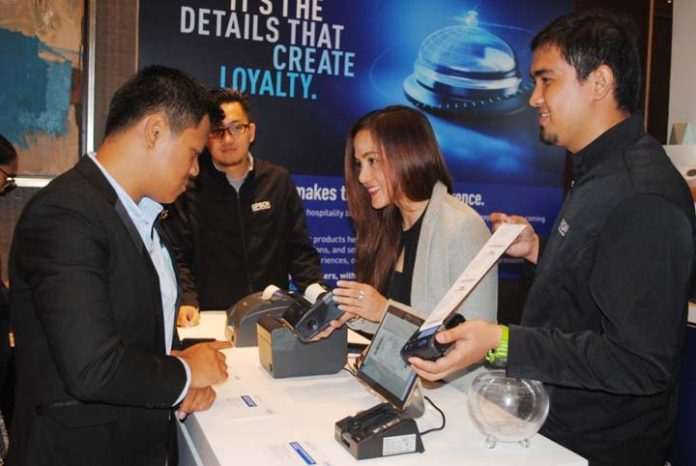
    Among these products displayed during the Fourth Retail Technology and Innovation Summit Asia, held recently in Parañaqu, were Epson’s point-of-sale (POS) receipt printers, label printers and projectors. These solutions are designed to support better customer engagement, increased sales and more efficient cost management. “Epson aspires to help these businesses achieve their goals with [these] latest innovations and solutions.”

    During this event, the attendees were also shown how they can utilize a virtual approach to dealing with their business operations.

    From tablet-enabled receipt printers to advanced all-in-one systems, Epson provides an ideal mobile POS solution using cloud platforms.

    “Epson’s solutions are dedicated to produce desired customer outcomes, delivered through our unique technologies and industry-leading products,” Bonoan said. “More than this, our obsession with details and precision allow us to foster and innovate technologies on par with the performance and reliability that today’s various industry segments need,” he stressed.

    Multinational Epson is dedicated to connecting people, things and information with its original efficient, compact and precision technologies.

    Led by the Japan-based Seiko Epson Corp., the Epson Group comprises more than 76,000 employees in 87 companies worldwide. Its corporate presence in the Philippines began in 1998, and now has an extensive network of 77 authorized service centers with over 200 dealers and more than 800 shops nationwide.

    Organized by Escom Events, the event was graced by stakeholders, decision-makers, thought leaders, and disruptors from the hospitality industry to share their expertise and valuable experiences in utilizing the latest trends and innovations to stay competitive in the ever-changing digital economy.

  • Huobi Launches Cryptocurrency ETF

    Huobi Launches Cryptocurrency ETF

    Crypto trading venue Huobi Pro has launched what it says is the world’s first cryptocurrency exchange-traded fund (ETF) targeted at retail investors.

    Announced on Friday, the Singapore-based exchange’s new product — called HB10 — allows investors to purchase shares in a basket of cryptocurrencies based on the firm’s recently launched benchmark index, the Huobi 10.

    Investors can subscribe to the cryptocurrency ETF using bitcoin, ether, USDT, or Huobi tokens. The fund has a minimum investment of roughly $100, depending on the current prices of each asset.

    There is some debate about whether HB10 should truly be called a cryptocurrency ETF since it does not trade on a regulated securities exchange as conventional ETFs do and cannot be held in conventional brokerage accounts.

    Nevertheless, Huobi is the latest in a growing list of investment firms that have launched funds that track an index of cryptocurrencies, a group that includes Grayscale Investments, Coinbase, and Bitwise Asset Management.

    What sets HB10 apart is that it can be purchased by retail investors with a very minimal initial investment, while the others are restricted to accredited investors willing to plunk down tens of thousands of dollars — or more. Coinbase, for instance, currently requires an initial contribution of $250,000 for its index product.

    Shares of the fund will initially trade against USDT on Huobi Pro, though the website suggests that the exchange will open up trading pairs against other coins in the future. Investors will also be able to swap shares of the fund for the underlying assets in real time, which should help ensure that the value of the fund remains linked to its net asset value (NAV).

    In the US, numerous fund providers have attempted to list cryptocurrency-based ETFs on regulated securities exchanges, but the Securities and Exchange Commission (SEC) has thus far refused to approve any of these proposals.

    A Huobi spokesperson confirmed to CCN that the product would have the same regional limits as the wider trading platform, meaning that investors in some countries — including the US — will not be able to invest until Huobi Pro launches in those jurisdictions.

  • Play for your makeup at Chanel’s Coco Game Center

    Play for your makeup at Chanel’s Coco Game Center

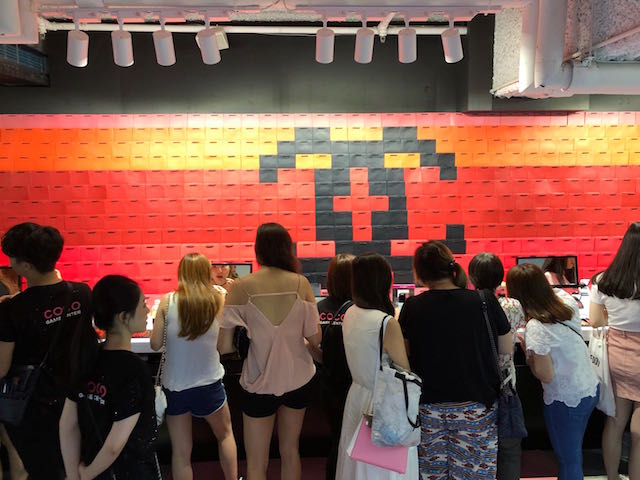
    Retro games such as Pacman and Pong take on a new twist at the Coco Game Center in Pacific House until June 18.

    After last year’s hit Coco Cafe, Chanel Beauty has followed up with another fun beauty concept.

    With previous stops in Seoul, Tokyo, Shanghai and Singapore, the Coco Game Center has arrived in Hong Kong. Inspired by Japanese arcades, the pop-up features games that highlight Chanel Beauty collections.

    The Bubble Game features the Hydra skincare line, while Beauty Ride features the latest range from Rouge Coco. The Beauty Lounge offers six new shades of Rouge Allure Ink.

    Visitors can also find out what happens when they put moisturiser on Mario or lip rouge on Pac-Man.

    Check the gallery of the event below (6 images) :

  • Samsung Electronics shares jump on sale

    Samsung Electronics shares jump on sale

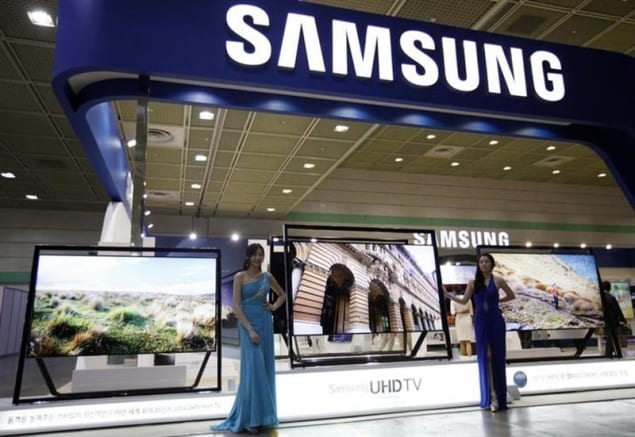
    Samsung Electronics shares shot up 2.42 percent on Thursday over the previous day to close at 50,700 won ($47), largely due to two of the chaebol’s financial affiliates selling their stakes in the tech giant on Wednesday.

    The market sees the sale as a step toward changing Samsung’s complicated governance structure. Samsung Group has been under pressure to reform its governance structure, which relies on webs of cross-shareholding ties among its affiliates.

    Financial Services Commission Chairman Choi Jong-ku repeatedly stressed that it would be best if Samsung Life Insurance, the de facto financial holding company of Samsung Group, sold off its stake in Samsung Electronics.

    Fair Trade Commission Chairman Kim Sang-jo, in a meeting with executives of the top 10 conglomerates in Seoul on May 10, also warned that Samsung could face big consequences if it does not change its governance structure.

    “The worst decision [Samsung Vice Chairman Lee Jae-yong] can make is allowing time to go by without making any decision,” Kim said.

    In response, Samsung Life Insurance on Wednesday sold 23 million Samsung Electronics shares valued around 1.18 trillion won. Samsung Fire & Marine Insurance sold 4 million Samsung Electronics shares valued around 210 billion won on the same day.

    J.P. Morgan and Goldman Sachs were in charge of selling the shares. Although neither company disclosed who purchased the shares, it is believed that foreign institutional investors were the buyers.

    The insurance companies sold their shares in Samsung Electronics because of a regulation that prevents financial affiliates of conglomerates from owning more than 10 percent of a nonfinancial company.

    Samsung Life Insurance had an 8.27 percent stake in Samsung Electronics and Samsung Fire & Marine Insurance owns 1.45 percent stake. The combined stakes of the insurance companies was below the 10 percent threshold, at 9.72 percent.

    The sales reduced Samsung Life’s stake in the electronics company to 7.92 percent while the Samsung Fire & Marine Insurance’s stake dropped to 1.38 percent.

    Samsung Electronics has been retiring its own shares since last year. The company has canceled almost 18 million common shares and 3.23 million preferred shares, which is about half of the shares the company issued. Samsung Electronics plans to cancel an additional 8.99 million shares that it owns, worth around 40 trillion won, by the end of the year. The company announced the cancellation at the beginning of the year as a move to increase shareholder value.

    If the stock cancellations go as planned, the combined stakes that the two insurers have in Samsung Electronics would have been 10.45 percent, which would have violated the maximum 10-percent regulation.

    It’s estimated that the selloff on Wednesday will bring down the stake the insurers have to 9.99 percent when Samsung Electronics’ share cancellations go through.

    “Because of the stakes that the insurers have in Samsung Electronics, it is inevitable that they will have to sell the shares,” said Lee Byung-gun, a DB Financial Investment analyst. The selloff on Wednesday reduces the risk of Samsung running afoul of the law.

  • Vietnam rice exports to China drop

    Vietnam rice exports to China drop

    Vietnam’s rice export sector is showing signs of reducing its dependence on China with other markets picking up the slack, according the Ministry of Agriculture and Rural Development.

    In its monthly report for May, the ministry says that rice exports to China in the first four months of this year dropped to 33.5 percent of the total from 47.5 percent last year. The value of rice imported by China during this period fell 0.9 percent year on year to $370.8 million, it said.

    China still remains Vietnam’s top importer of rice.

    However, while the Chinese market shrinks, other markets in Asia are increasing their intake from Vietnam. Rice imported by Indonesia during the first four months went up 333 times over the same period last year, Iraqi imports increased by over 16 times, that of Malaysia tripled, of Hong Kong increased 41.5 percent and that of Singapore,15.7 percent.

    With the Philippines planning to import over 293,000 tons of Vietnamese rice in the coming months, rice export prices will stay positive, the report said.

    Last year, Vietnam exported almost 5.9 million tons of rice worth $2.66 billion. This number is likely to reach 6.7 million tons this year, according to the United States Department of Agriculture.

  • Lippo Group Indonesia Opens Matahari Department Store’s 155th Outlet

    Lippo Group Indonesia Opens Matahari Department Store’s 155th Outlet

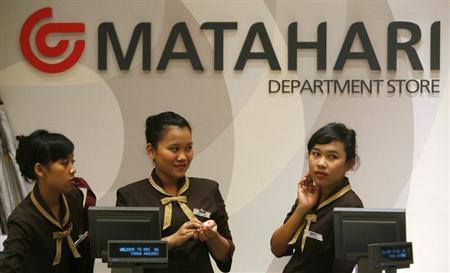
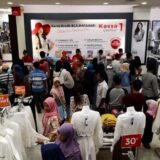
    Residents of Cilegon in Banten Province, Indonesia, responded enthusiastically to the opening of Matahari Department Store’s 155th outlet on Friday (01/06).

    In addition to being strategically located in the central business district, the 5,700-square-meter store inside the 67,000 square-meter Cilegon Center shopping mall also boasts a modern design.

    The first day of trading saw extraordinary sales, as more than 30,000 customers flooded the new outlet, said Irwin Abuthan, director at Matahari Department Store.

    “It was an extraordinary day. The turnout was fantastic. The store and mall will bring great added value and benefit to the city of Cilegon and surrounding areas,” Irwin said.

    Matahari Department Store, Hypermart, Matahari Supermarket, Foodmart, Primo, Boston Health & Beauty and Books & Beyond are all controlled by the Lippo Group, Indonesia’s largest multi-format retail group with more than 600 outlets spread out across Indonesia, from Aceh to Papua.

    This vast retail network is supported by a robust system comprised of formidable logistical networks and distribution channels.

    The Lippo Group owns and operates 70 shopping malls in Indonesia, making it the country’s largest.

    The image of the opening can be viewed below (3 images) :

  • Mothercare creditors approve CVA plans

    Mothercare creditors approve CVA plans

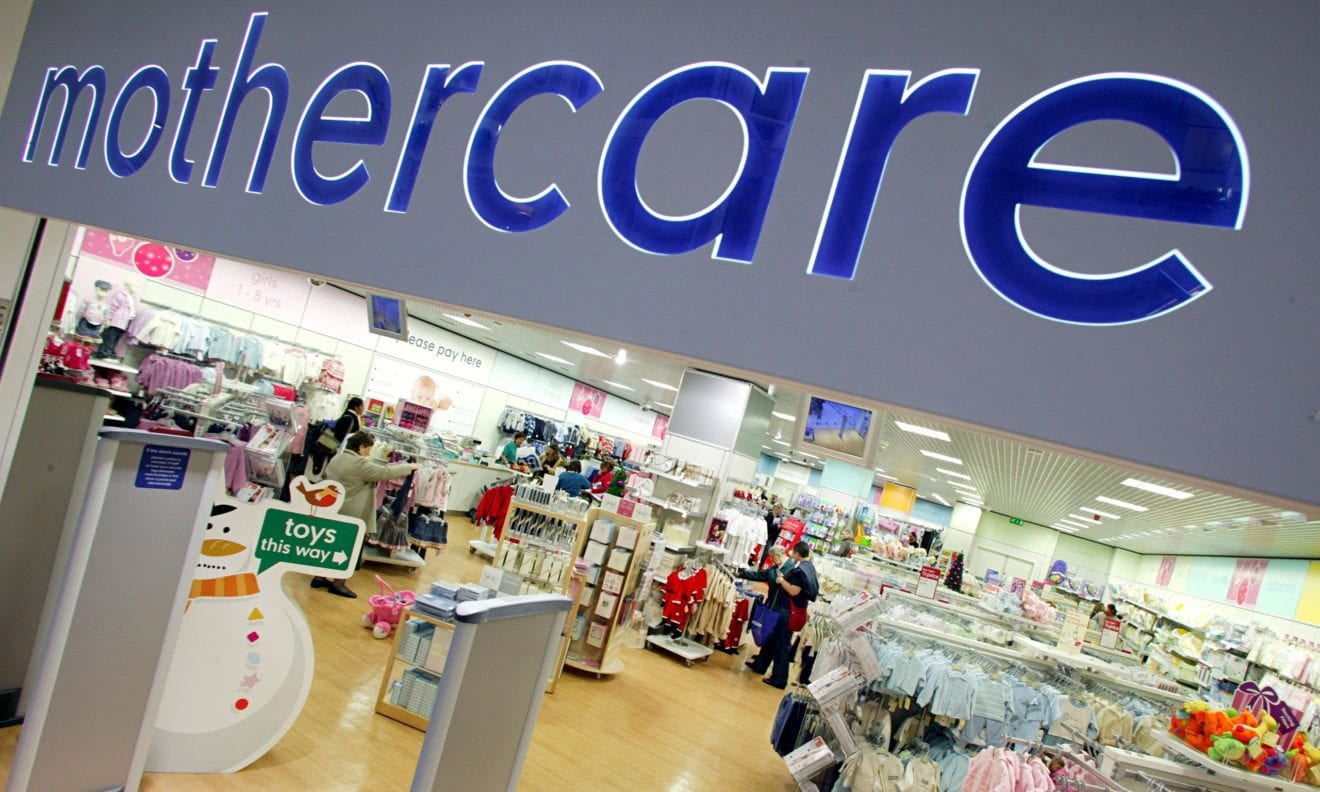
    Creditors have given the green light to the Mothercare CVA plan which will lead to the closure of 49 stores and the axing if hundreds of jobs.

    The company voluntary arrangement was revealed last month after the company posted a  £72.8 million loss last financial year, despite the closure of more than half its stores over the past five years. The company admitted then it was in a “perilous” position.

    More than 75 per cent of creditors approved the plan – necessary for its implementation. As well as the closures, the embattled retailer will seek rent reductions on 21 store sites.

    The Mothercare CVA will not affect day-to-day operations with all stores continuing to trade for the time being.

    Part of the CVA is a £113.5 million refinancing package, including £28 million raised through the sale of new shares, and revised debt facilities.

    “We are very grateful for the support of our many stakeholders across our creditor base in supporting today’s CVA proposals,” said Clive Whiley, a turnaround specialist appointed acting executive chairman less than two months ago to help rescue the business.

    “These measures provide a solid platform from which to reposition the group and begin to focus on growth, both in the UK and internationally.”

  • Vietnam’s Techcombank shares drop 20 pct on debut

    Vietnam’s Techcombank shares drop 20 pct on debut

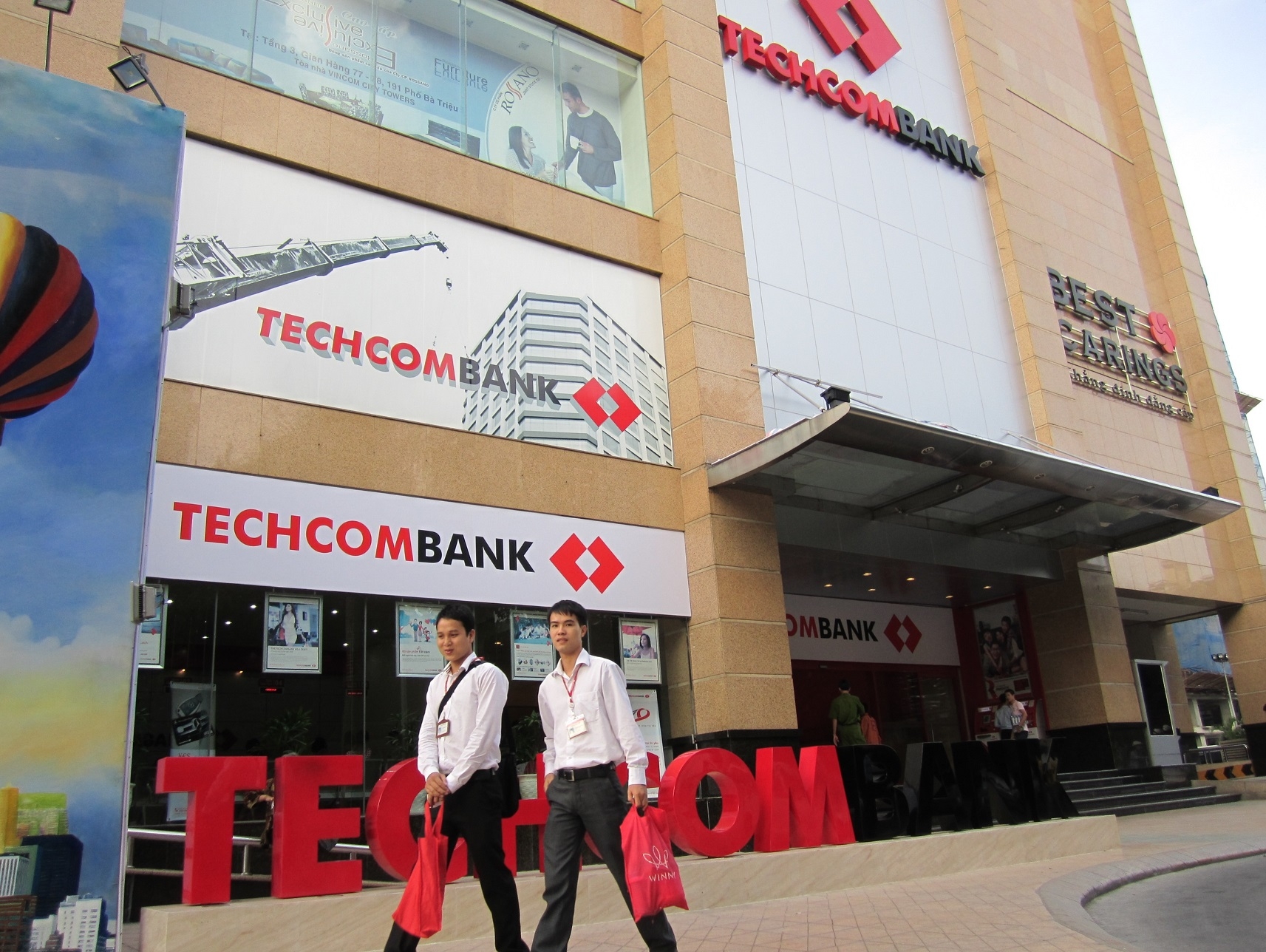
    Vietnam’s Techcombank saw its shares fall as much as 20 percent from their reference price on Monday, hitting the lowest trading limit allowed on a stock’s maiden day of trading.

    Techcombank, formally known as Vietnam Technological and Commercial Joint Stock Bank, raised $922 million in April in one of Vietnam’s biggest offerings, aiming to expand aggressively into retail banking to capitalise on booming demand for an array of financial services.

    The shares are allowed to move 20 percent higher or lower than the reference price on the first day of listing, according to exchange trading rules. In morning trade, Techcombank hit a low of 102,400 dong ($4.49), falling from its 128,000 dong reference price.

    Vietnam’s benchmark VN Index dropped 10 percent in April after touching a record high, prompting fund managers and strategists to warn valuations may have peaked. The index lost a further 7.5 percent in May.

    “We obviously can’t select what’s happening at the market when we come to listing,” Chief Financial Officer Trinh Bang said last week.

    The 25-year-old bank is seeing strong growth in services such as credit cards, auto loans and bancassurance. Its cornerstone investors included Singaporean sovereign wealth fund GIC Pte Ltd, Fidelity Management & Research and domestic fund Dragon Capital.

    Techcombank’s appeal stems from a boom in financial services while the economy expands at record rates.

    Vietnam reported annual credit expansion of about 18 percent for the past two years, with banks posting strong profit growth. A manufacturing boom spurred the export-dependent economy to grow 7.4 percent in January-March – the fastest first-quarter pace in a decade – after growing 6.8 percent in all of 2017.

    ($1 = 22,790 dong)

  • Auto sales pick up but GM, Renault struggle

    Auto sales pick up but GM, Renault struggle

    The outlook for Korea’s top automobile manufacturers has started to look up as overseas sales increase.

    It wasn’t all rosy, however, as GM Korea, which has been struggling to stay afloat since the beginning of the year, saw sales continue to fall.

    Hyundai Motor, Korea’s top automaker, said Friday its May sales rose 5.7 percent from a year earlier on recovering demand for its vehicles.

    Hyundai Motor sold 387,017 vehicles in May, up from 366,256 units a year earlier, helped by increased overseas sales, the company said in a statement.

    “The monthly results were helped by increased shipments of the Kona SUV to overseas markets, recovering sales in China and robust sales in emerging economies, such as Brazil and Russia,” the statement said.

    Domestic sales climbed 2.1 percent to 61,896 units last month from 60,607 a year ago, and overseas sales were up 6.4 percent to 325,121 from 305,649 during the same period, it said.

    In the January-May period, sales gained 2.4 percent to 1.83 million units from 1.79 million units a year earlier, the statement said.

    Kia Motors said its car sales rose 9 percent in May from a year earlier on recovering demand for its vehicles.

    Kia Motors sold 247,176 vehicles last month, up from 226,826 units a year earlier, the company said in a statement.

    The monthly sales were buoyed by increased domestic and overseas sales of new and upgraded models, such as the Stonic subcompact SUV, the Stinger sports car, the Rio subcompact and the Sportage SUV, it said.

    Domestic sales climbed 8.1 percent on-year to 47,046 units in May from 43,522. Overseas sales were up 9.2 percent to 200,130 from 183,304 over the same period, the statement said.

    In the January-May period, Kia’s sales grew 3.9 percent to 1.13 million autos from 1.09 million units in the year-ago period, it said.

    Renault Samsung Motors saw its May sales fall 22 percent from a year earlier due to weaker demand for its vehicles.

    Renault Samsung sold 16,101 vehicles last month, down from 20,517 units a year earlier, the company said in a statement.

    Domestic sales dropped 20 percent on-year to 7,342 units last month from 9,222 units. Exports also declined 23 percent to 8,759 from 11,295 during the same period, the statement said.

    In the January-May period, overall sales fell 4.6 percent on-year to 104,097 autos from 109,080, it said. The company’s current lineup includes the SM3 compact, the all-electric SM3 Z.E. sedan, the QM3 subcompact SUV and the SM5, SM6 and SM7 sedans.

    Renault SA owns an 80 percent stake in Renault Samsung.

    SsangYong Motor sales rose 4.6 percent last month from a year earlier, helped by increased exports.

    SsangYong Motor sold 12,920 vehicles in May, up from 12,349 units a year earlier, the company said in a statement.

    Domestic sales fell 5.2 percent to 9,709 units last month from 10,238 a year earlier. But exports jumped 53 percent to 3,229 units from 2,111 during the same period, it said.

    In the January-May period, the maker of the Rexton and Tivoli sport utility vehicles sold a combined 54,514 vehicles, down 5.4 percent from 57,648 a year earlier, the company said.

    Indian carmaker Mahindra & Mahindra Ltd. owns a 72.85 percent stake in SsangYong Motor.

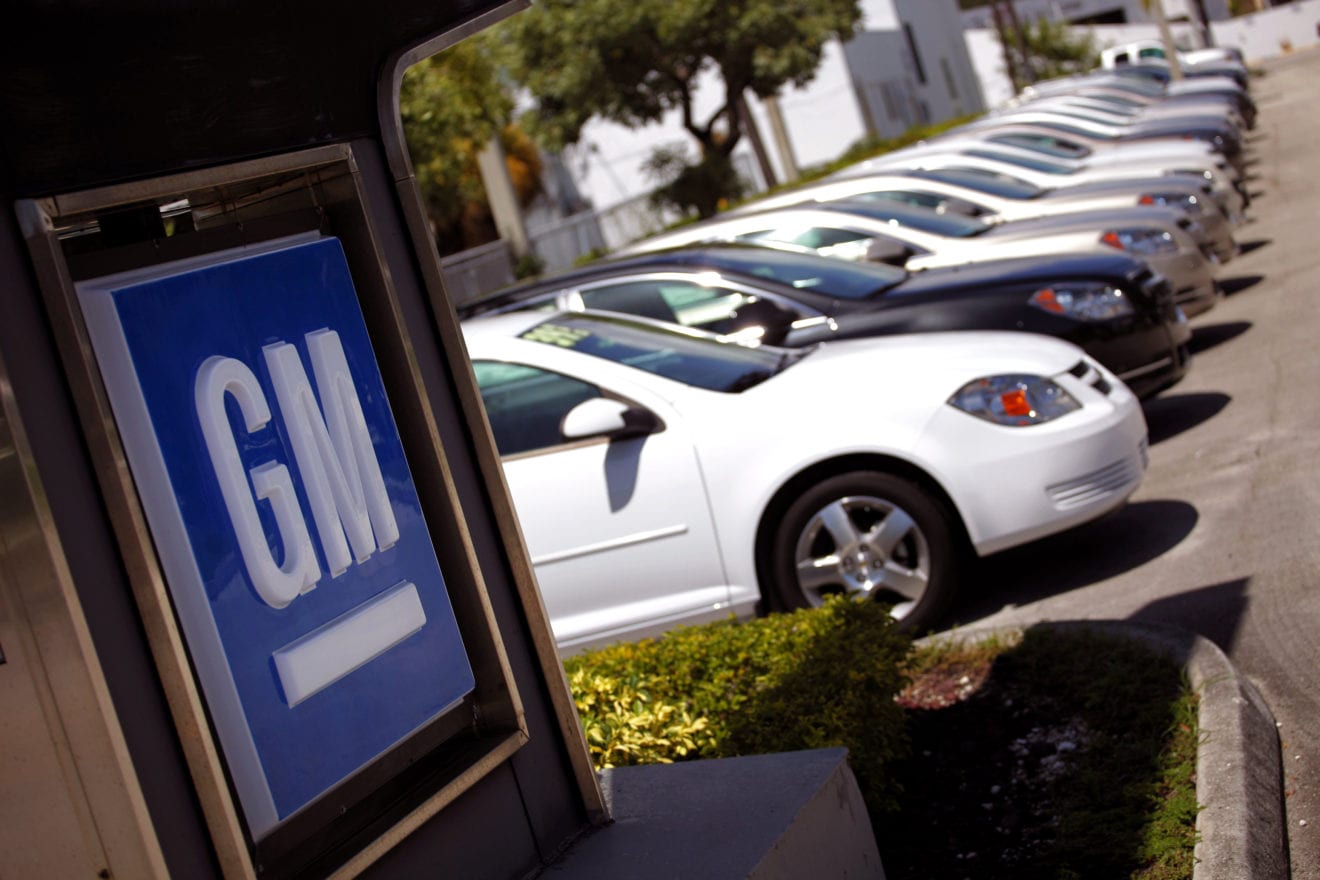
    GM Korea saw sales fall 5.1 percent from a year earlier due to weaker domestic demand.

    GM Korea sold 40,879 vehicles last month, down from 43,085 units a year earlier, mainly because of a sharp decline in domestic sales, the company said in a statement.

    Domestic sales plunged 35 percent to 7,670 units last month from 11,854 a year ago. Exports rose 6.3 percent to 33,209 units from 31,231 during the same period, it said.

    The sales slump was mainly affected by weaker local demand for the Cruze subcompact and midsize Malibu sedans, the statement said.

  • Vietnam a really cool market for air-conditioner makers

    Vietnam a really cool market for air-conditioner makers

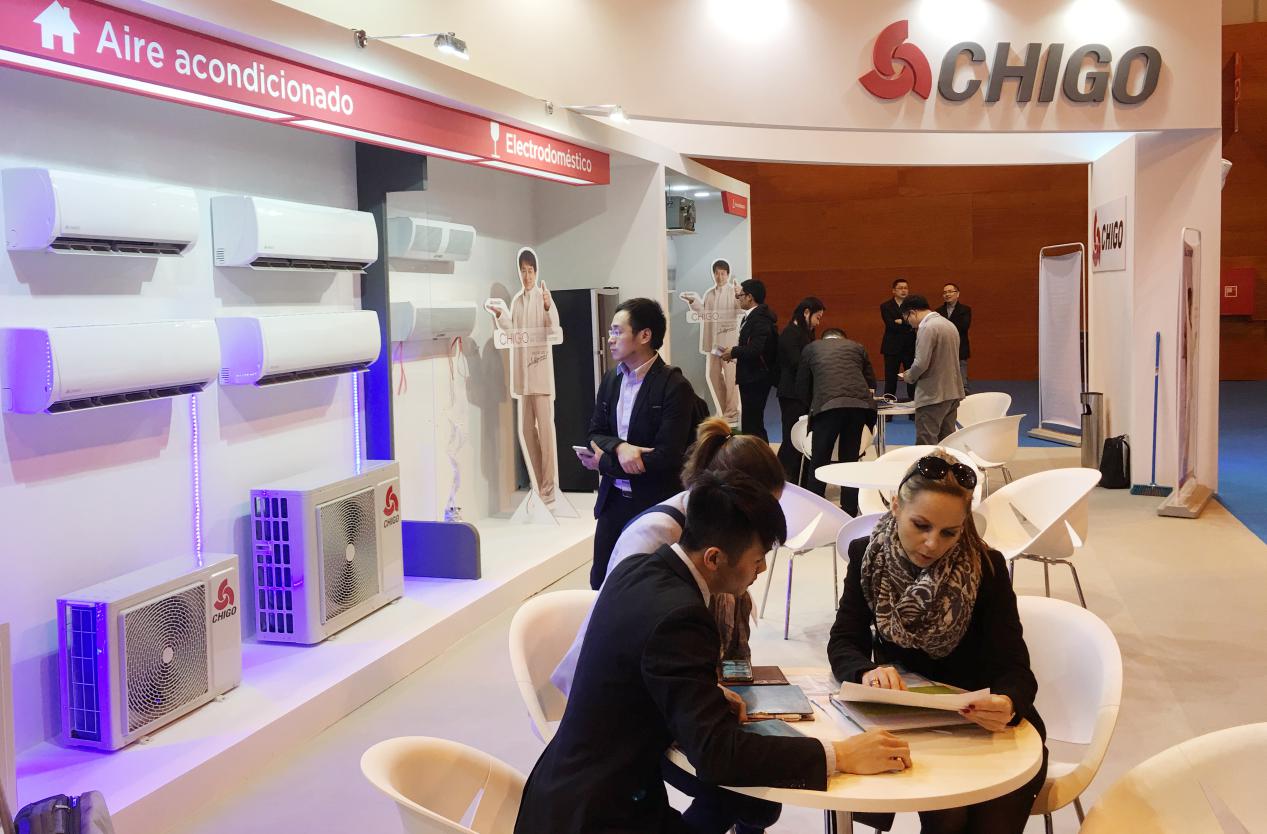
    Most major air-conditioner makers are making themselves at home in Vietnam as demand surges alongside economic growth and improving living conditions.

    Vietnam’s market for the cooling systems was ranked Asia’s eighth largest in 2011, excluding Japan and China, with about 660,000 units sold.

    But the country surpassed Thailand in 2015 and sales soared to 1.98 million units in 2016, lifting it to third place behind India and Indonesia.

    Citing the Japan Refrigeration and Air Conditioning Industry Association, the report said global market grew 2.5 percent between 2011 and 2016, but surged 34.3 percent in Asia during that period, with Vietnamese sales tripling to 150 billion yen, or $1.35 billion.

    Vietnam’s local media reports said Daikin’s revenue surged 17 times in the past 10 years to more than VND10 trillion ($438.6 million) in 2017.

    The brand also set a record of earning more than 2 trillion yen ($18.3 billion) in five consecutive years between 2013 and 2018.

    In May, it opened its first factory in Vietnam in Hung Yen Province, not far from Hanoi, aiming to produce one million air conditioners per year by 2020.

    Rising wealth has fueled growth of the air conditioner market in Vietnam, Nikkei said.Vietnam’s gross domestic product (GDP) grew by 6.8 percent last year, the highest since 2007 before the economy broke another record in the first quarter of 2018 when it expanded by 7.38 percent, marking the highest growth rate in a decade.

    Vietnam’s per-capita GDP totaled about $2,300 in 2017, but topped $4,000 in Ho Chi Minh City and reached the upper $3,000 range in Hanoi, the country’s two biggest cities.

    Japan’s Daikin and Panasonic each control about 25 percent of Vietnam’s air conditioner market, followed by LG, Samsung Electronics of South Korea and Sweden’s Electrolux.

    In March, LG Electronics announced it would invest $1.5 billion to expand production of air-conditioners. Meanwhile, Panasonic is increasing output at its Malaysian factory to expand supply to Vietnam.

    With a population of more than 90 million, Vietnam is seen as a promising air conditioner market, with just 17 percent of Vietnamese households owning an air conditioner as of last year, according to British research firm Euromonitor International.

  • WHO wants Vietnam to raise tobacco taxes

    WHO wants Vietnam to raise tobacco taxes

    Vietnam should raise its tobacco tax in order to deter and reduce people smoking, the World Health Organisation has advised.

    WHO head Kidong Park said at a recent meeting held by the Health Ministry in Hanoi that Vietnam was among the top 15 countries in the world with the lowest tobacco prices.

    He said Vietnam’s current tobacco tax only accounts for 35 percent of a cigarette pack’s retail price, which is lower than the world’s average of 56 percent. In comparison, corresponding tax rates in Thailand, Brunei and Malaysia are 75, 81 and 57 percent respectively.

    Park said that in order to reach the government’s target of reducing the number of smokers among Vietnamese males from 47 to 39 percent by 2020, the country would need to raise its tobacco taxes by a fixed tax rate of at least VND2,000 per packet. VND5,000 per packet would be better, he added.

    The Finance Ministry had previously proposed two tobacco taxing options for inclusion in the Tax Administration Law – to apply an additional fixed tax rate for each cigarette pack, or incrementally increase the special consumption tax on tobacco each year until it reaches 85 percent in 2021.

    Under the first option, a 20-cigarette pack would cost an additional VND1,000, and each cigar, VND1,500.

    The Ministry of Health is currently leaning towards the first option, but has suggested an increase of VND2000 or VND5000 per pack, saying VND1,000 is too low.

    At a workshop on Tobacco Taxation organized by Oxfam early last month, Deputy Director of the Tobacco Control Fund, Phan Thi Hai, said higher tax rates would not only increase government revenue, but also “prevent adolescents and poor people from purchasing more cigarettes.”

    Vietnam has one of the world’s highest populations of smokers. It is estimated that 15.6 million Vietnamese smokers spend VND31 trillion ($1.36 billion) on cigarettes every year, which promotes trade in contraband tobacco.

    Smoking is a major cause of lung cancer and cardiovascular diseases that costs Vietnam VND23 trillion (more than $1 billion) in treatment and labor loss every year, according to the health ministry.