Author: Mei Ling Tan

  • MINISO looks to expand in Vietnam market

    MINISO looks to expand in Vietnam market

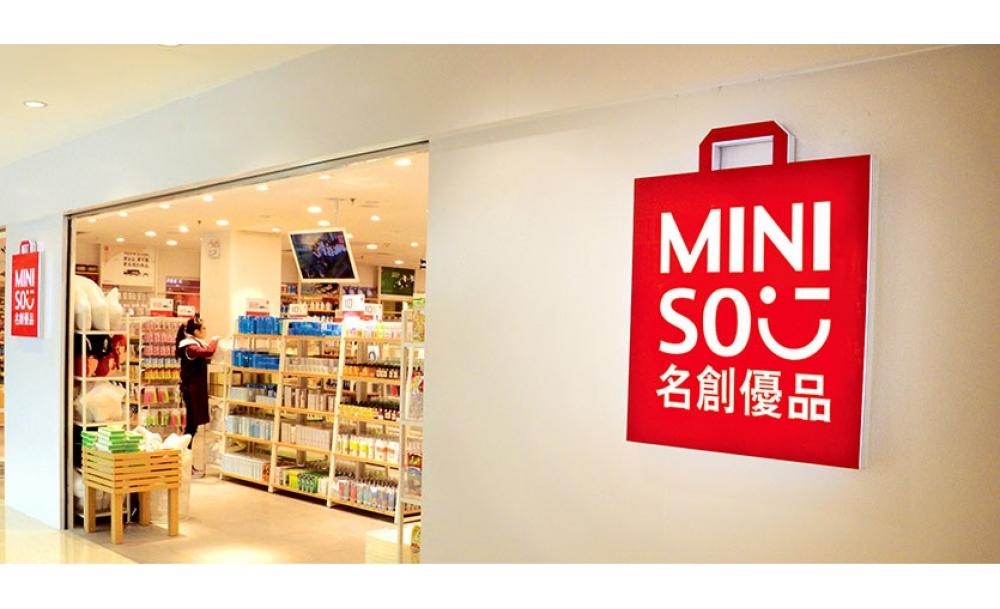
    Miniso Vietnam plans to open 50 more stores by the end of this year and reach 400 by 2022.

    The discount retail chain plans to enhance its distribution system in Vietnam with a 10,000 sqm warehouse in Ho Chi Minh City which will open within a few months. That will provide strong support for stores and a planned online operation.

    Miniso Vietnam also has boosted its brand-name awareness among young consumers by having local singer Son Tung M-TP as its first brand ambassador.

    The company entered Vietnam in September 2016 and has already opened 40 stores there – 17 in Ho Chi Minh, 19 stores in Hanoi, and four elsewhere. It is rapidly rolling out stores to cash in on Vietnam’s current 10.9 per cent annual retail sales growth, which makes the country one of the fastest-growing retail markets in the world.

    The company says it recognises Vietnamese shoppers are moving from high-street shops to shopping centres and so it is adjusting its expansion strategy to include more malls.

    It has reached an agreement with Vincom to open stores in the mall operator’s future developments in major commercial and shopping centres.

    Products are priced between VND43,000 (US$2) and VND500,000, predominantly targeting consumers aged 18 to 35.

    The brand has been accused of misleading consumers by describing itself as a Japanese brand when it is a Chinese company, owned by Chinese and selling products made in China with no apparent Japanese connection.

    But that has not stopped it from opening more than 2600 stores worldwide, covering more than 62 countries and regions. Last year, its sales topped US$1.8 billion.

    The company plans to open 10,000 stores throughout the world by 2022.
  • Waldorf Astoria Hotels & Resorts to open in Bangkok

    Waldorf Astoria Hotels & Resorts to open in Bangkok

    Luxury is more and more looking at SEA, and Thailand, among others is one of the most promising markets. Besides, sectors such as fashion, jewellery , accessories, in the era in which studies reveal that millennials are more interested in experience rather than possession, hospitality wins their pockets.

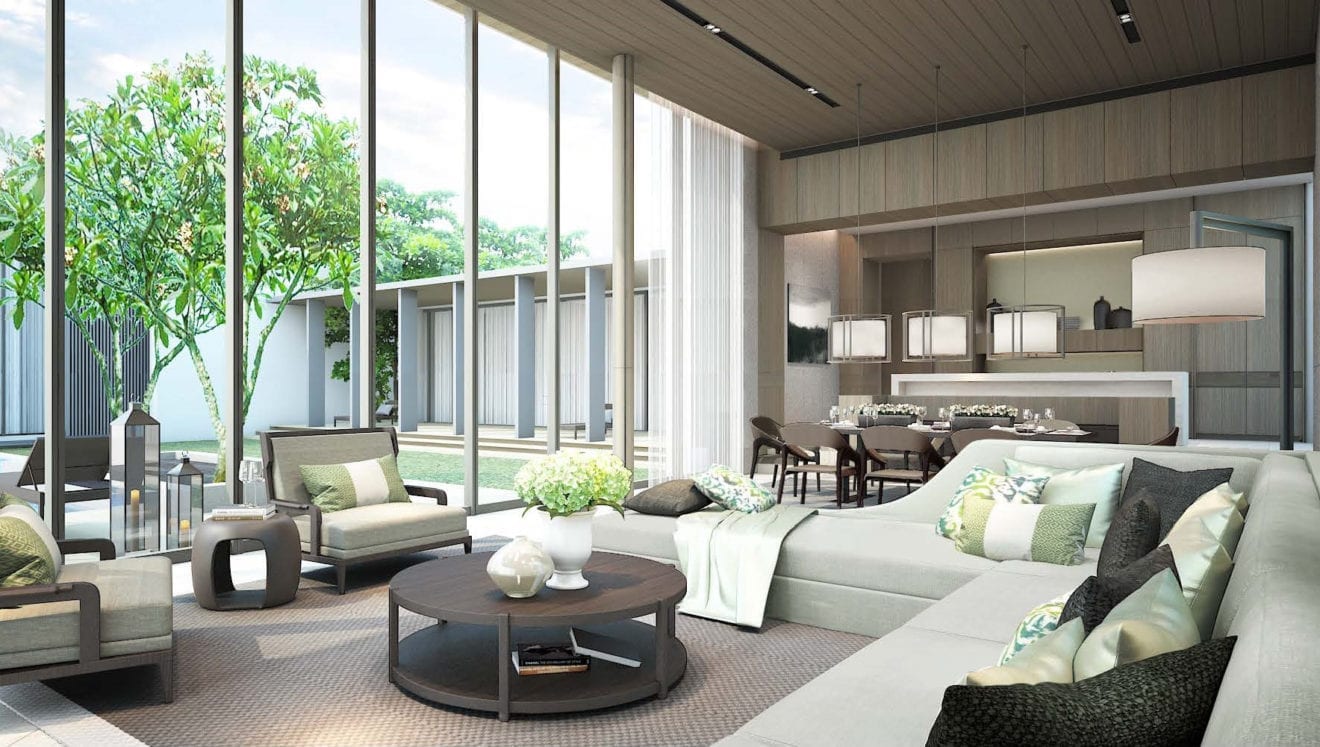
    Hilton’s luxury brand, Waldorf Astoria Hotels & Resorts, will welcome its first guests in South East Asia in the third quarter of 2018 with the opening of Waldorf Astoria Bangkok.

    One of the region’s most anticipated hotel openings this year, the grand debut will introduce the brand’s iconic experience to discerning travelers in the vibrant Thai capital, in the heart of the bustling Ratchaprasong intersection.

    With a global portfolio of 30 hotels and resorts, Waldorf Astoria is known for its relentless commitment to personal service and culinary expertise in landmark locations around the world.

    Waldorf Astoria consistently offers a strong sense of arrival and impressive public spaces worthy of hosting history. Numerous historical figures – from Grace Kelly, Marilyn Monroe and Frank Sinatra, to world leaders – have been associated with the brand.

    “Waldorf Astoria Bangkok will mark the brand’s first foray into South East Asia and herald the introduction of Unforgettable Experiences in Bangkok and beyond,” said Daniel Welk, Vice President of Operations, Luxury and Lifestyle, Hilton, Asia Pacific. “The hotel’s timeless environment and exclusively crafted guest experiences, combined with the brand’s unparalleled True Waldorf Service, will set a new benchmark for luxury in Asia.”

    In tribute to the owners of the property, Magnolia Finest Corporation Limited, the building has been designed to give the effect of springing from the ground like a Magnolia flower. Towering above the city, the dazzling sculptural appearance of the property cuts a dramatic profile in the skyline of Bangkok.

    The hotel will boast 171 luxuriously appointed and spacious guest rooms and suites, which reflect the artistry and craftsmanship of award-winning architect André Fu and his design studio AFSO.

    Globally recognized for high-profile, high-end hotels, art spaces and fashion collaborations, the studio has been involved in curating the holistic hotel experience that brings together the building’s contemporary architecture with Thai artisanal tradition.

    The hotel’s crown jewel, meanwhile, will span the top three floors from levels 55 to 57, comprising three distinctively curated dining outlets by world-renowned design and concept firm AvroKO, headquartered in New York.

    In line with Waldorf Astoria’s culinary heritage, Waldorf Astoria Bangkok is primed to be a dining destination in itself; it will feature three unique restaurant concepts, a lounge and two bars. Acclaimed chef Rungthiwa Chummongkhon, or Chef Fae, will bring her experience of working at Michelin-starred restaurants in Europe to head the restaurant Front Room, which will present an elegant new blend of “new Nordic” and Thai flavors in a relaxed setting.

  • Watches, jewellery boosts Hong Kong retail sales growth

    Watches, jewellery boosts Hong Kong retail sales growth

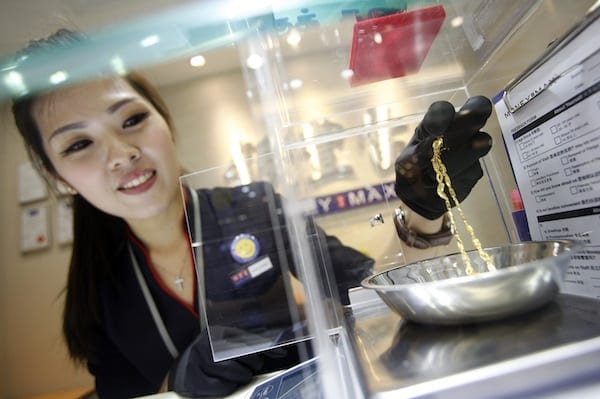
    Booming trade in watches, jewellery and gifts are flattering the overall performance of Hong Kong retail sales this year.

    For the first four months combined, retail sales are up 13.9 per cent year on year.

    But while the consistent double-digit increases in sales over the first four months of this year serve as an encouragement for the broader retail market – not to mention nervous landlords – high-price goods are dominating the numbers.

    Due to their sheer value, fluctuations in sales volume of the “jewellery, watches and clocks and valuable gifts” category, (as defined by the Census and Statistics Department), always has the greatest impact on the overall figure. Thus it is difficult to get a sense of the more mainstream, locally driven retail sales market.

    April’s 12.3 per cent rise in total Hong Kong retail sales followed an 11.5 per cent rise in March and a 15.7 per cent gain in combined January-February, traditionally combined to allow for true year-on-year comparisons due to the timing of Lunar New Year.

    In January-February, jewellery, watches and valuable gifts sales rose 21 per cent, in March by 23.1 per cent and in April by 24.6 per cent. So that category is growing by a faster rate each month so far this year.

    Arguably, apparel sales may well be a better bellwether of the broader market, despite being influenced by the climate. In January-February, apparel sales rose 19.5 per cent, in March by 11.2 per cent and in April by 6.3 per cent – figures which paint a very different trend to watches and jewellery.

    Medicines and cosmetics, usually one of the other categories with strong influence over the total figures, grew by 17.4 per cent in January-February, by 16.5 per cent in March and by 17.9 per cent in April: very stable growth.

    Clearly, Hong Kong’s overall retail sales growth is being driven by the rising number of mainland visitors, after a significant lull in that market for the three years or so until mid last year.

    A government spokesman says the sustained double-digit increases this year have been underpinned by strong local consumer spending as well as buoyant inbound tourism. There is every indications those tourist numbers will hold up in coming months.

    Other categories with a strong performance in April included electronics up 17.1 per cent, department stores up 12.6 per cent, footwear and accessories up 9.4 per cent, and optical shops by 8 per cent.

    But it was a far less spectacular month for supermarkets, where sales rose just 1.1 per cent, furniture stores – up 1.4 per cent – and books and stationery retailers who pretty much stood still at 0.3 per cent.

    So while the luxury sector is booming again, the golden era has not yet returned for many retail categories.

  • OnTheList lands in Hong Kong

    OnTheList lands in Hong Kong

    OnTheList is a pioneer concept of Members-Only Flash Sales in Hong Kong, wherpremium and luxury brands offer past-seasons items at exclusive prices for a limited number of days.

    After delighting its customers in Central since March 2017, this June, OnTheList is popping up right in the heart of Tsim Sha Tsui.

    OnTheList strives to offer members an authentic premium flash sale experience in just 2-5 days from 8am-8pm, just like a treasure hunt,  a wide range brands and amazing fashion finds will be available in both locations in HK.

    Members will have the option to shop on either side of the harbour and many shoppers in Tsim Sha Tsui will be able to experience a new style of shopping at OnTheList.

    First brand to kick-off the Spanish Desigual.

  • Kate Spade committed suicide

    Kate Spade committed suicide

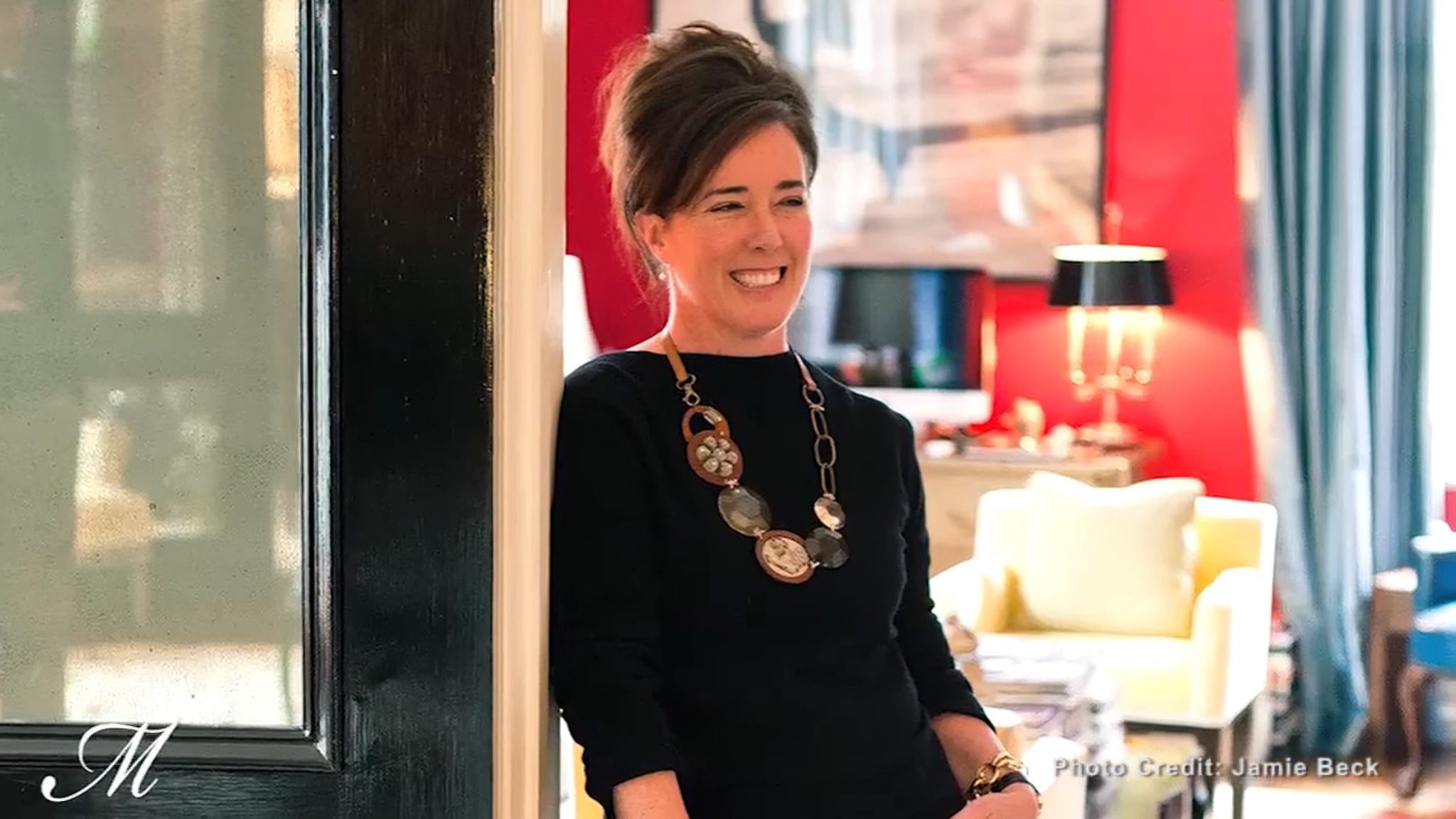
    Kate Brosnahan Spade, who created an iconic, accessible handbag line that bridged Main Street and high-end fashion, hanged herself in an apparent suicide Tuesday at her Manhattan apartment, according to New York Police Department sources.

    Police responded at 10:10 a.m. after Spade was found by her housekeeper, NYPD Chief of Detectives Dermot Shea said. A suicide note was found at the scene, he said. Spade addressed her daughter in the note, according to two NYPD sources. Spade’s husband also is referenced in the note, according to one of the sources.
    The designer, 55, started Kate Spade New York in 1993 and opened her first shop in the city three years later, the company’s website states.
    Best known for its colorful handbags, Kate Spade New York has more than 140 retail shops and outlet stores across the United States and more than 175 stores internationally, the site states.
    Over time, she distanced herself from her business.
    In 1999, she and her husband, Andy Spade, sold 56% of the brand to Neiman Marcus for $33.6 million. Liz Claiborne acquired the company in 2007, and Spade left her namesake brand. The luxury fashion company Coach announced plans in May 2017 to buy Kate Spade for $2.4 billion.
    Kate Spade New York issued a statement confirming the “incredibly sad news” of their eponymous founder’s death.
    “Although Kate has not been affiliated with the brand for more than a decade, she and her husband and creative partner, Andy, were the founders of our beloved brand,” the statement said. “Kate will be dearly missed. Our thoughts are with Andy and the entire Spade family at this time.”
    “We honor all the beauty she brought into this world,” the company said in a tweet.
  • Etude House and Nature Republic debut in Saudi Arabia

    Etude House and Nature Republic debut in Saudi Arabia

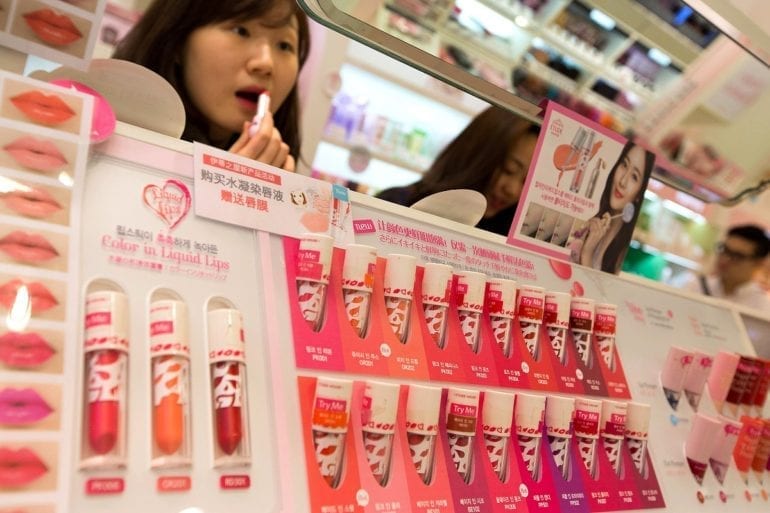
    Two Korean cosmetics brands Nature Republic and Etude House have opened their first outlets in Saudi Arabia.

    Nature Republic has signed an agreement with local retailer Fawaz Alhokair to open the first store in the capital city of Riyadh, the first of up to five outlets in the country. Saudi Arabia is the brand’s 19th market.

    Etude House has also made it to Riyadh with the first store at the Granada Center after a successful launch in UAE and Kuwait earlier this year.

    The Middle East’s cosmetics market is expected to reach US$36 billion by 2020 while Saudi Arabia’s cosmetics market has grown 15 per cent annually in recent years and is the largest beauty market in the region.

  • Trend of ‘ugly’ summer collection

    Trend of ‘ugly’ summer collection

    From mop shoes to bejewelled crocs, ‘ugly fashion’ is 2018’s most pervasive trend.

    In fact, it has popularised items that are so deeply uncool, wearing them proves, ironically, just how cool you are.

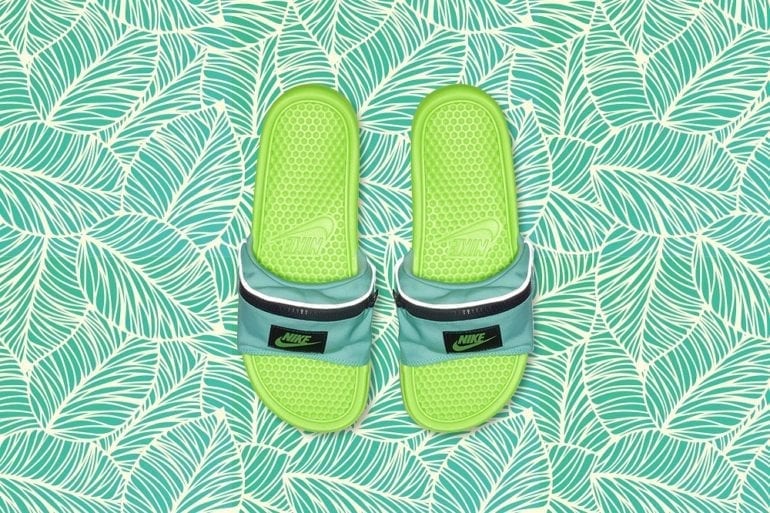
    The latest addition to the trend: Nike’s ‘fanny-pack’ – or as we call them in the UK, ‘bum bag’ – Benassi slides. They are sandal slides with a handy zip pouch for you to keep your… well, we’re still trying to figure that part out.

    The shoe might not be available yet, nor do we know how much this reworked Nike classic is going to cost, but having a bumbag on your foot has sent the Twitterverse into a frenzy.

    The latest addition to the trend: Nike’s ‘fanny-pack’ – or as they are called in the UK, ‘bum bag’ – Benassi slides. They are sandal slides with a handy zip pouch for you to keep your some of your belonging, not sure what yet.

    The shoe might not be available yet, nor do we know how much this reworked Nike classic is going to cost, but having a bumbag on your foot has sent the Twitterverse into a frenzy.

    But mostly, people have just been wondering what to do with this extra pocket space. The truth about ‘ugly fashion’ is that it definitely creates quite a buzz online, and cascades of UGC.

    But they are not the only shoes in the ugly fashion universe. In fact, sported by the likes of Gigi Hadid and Kendall Jenner, ‘ugly’ footwear companies like crocs have enjoyed a higher market value thanks to the effect of the trend.

    Basically, ugly fashion is here to stay.

  • SK-II experiential concept store features AI and face authentication

    SK-II experiential concept store features AI and face authentication

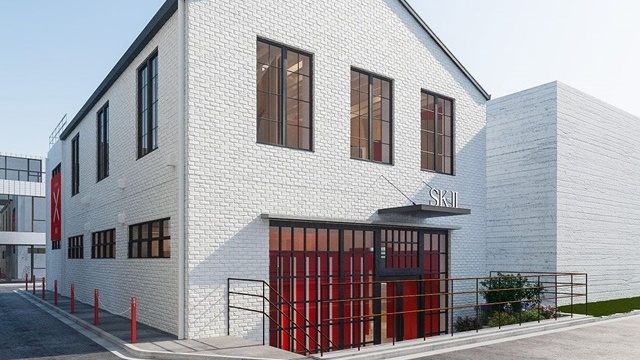
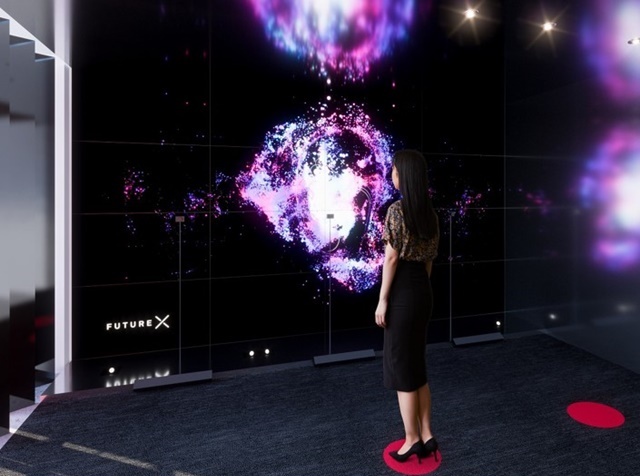
    An experiential concept store opened by beauty brand SK-II in Tokyo incorporates face authentication technology and AI.

    The Future X Smart Store by SK-II will trade in the trendy Harajuku district until June 28. (Scroll down for a video of the store from BuzzFeed).

    According to SK-II, customers can look into and touch digital screens which recognise them and help recommend beauty treatments based on their specific skin tones and types.

    “We aim to offer comprehensive skincare experiences that connect customers and SK-II in a bi-directional manner at the time of customer’s choosing,” said an SK-II executive in a Japanese press release.

    SK-II believes the technology and AI can create “a unique dialogue” between store and customer.

    At the pop-up’s entrance, customers are welcomed by digital art that changes according to the facial expressions and body movements of the customer.

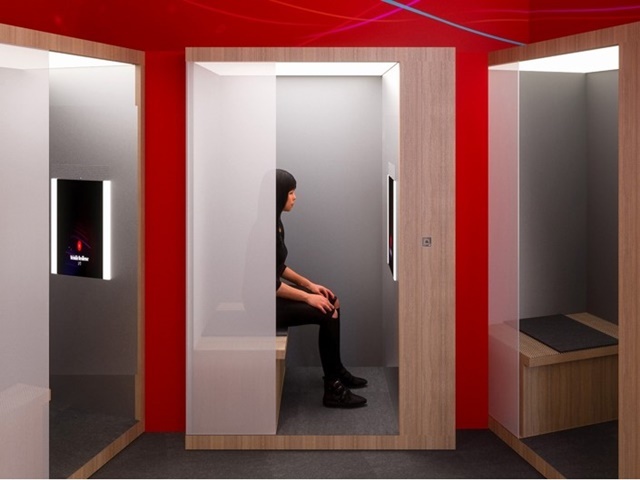
    They can then move into a cubicle where they sit before a mirror which analyses their skin condition in an instant. But unlike ordinary skin analysis machines, the machine does not touch the skin directly – it simple scans the skin and uses AI to calculate treatments.

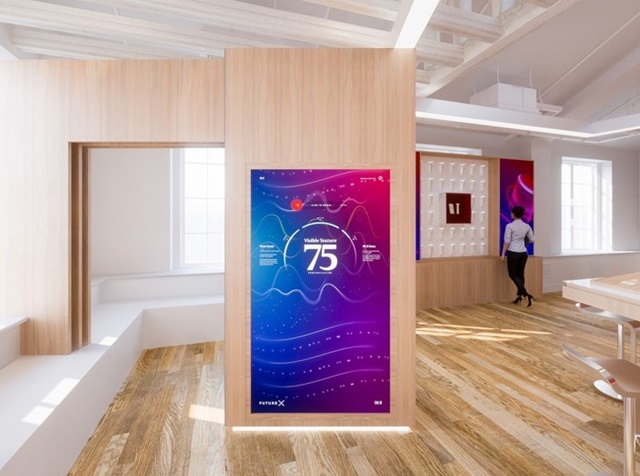
    On the store’s second floor, a Smart Beauty Wall with a digital touch screen automatically recognises the customer from the earlier scanning process below. It displays the results of the skin analysis and provides skin care advice.


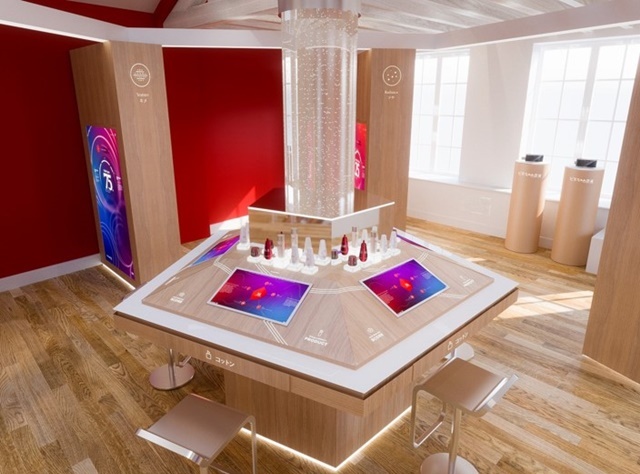
    And a Smart Beauty Counter in the centre of the floor reacts to the customer, automatically displaying suggested products according to the analysis result. Customers can then try as many products as they wish while watching product information on screen.

  • Rossignol Group Partners With IDG Capital to Seize Growth In China

    Rossignol Group Partners With IDG Capital to Seize Growth In China

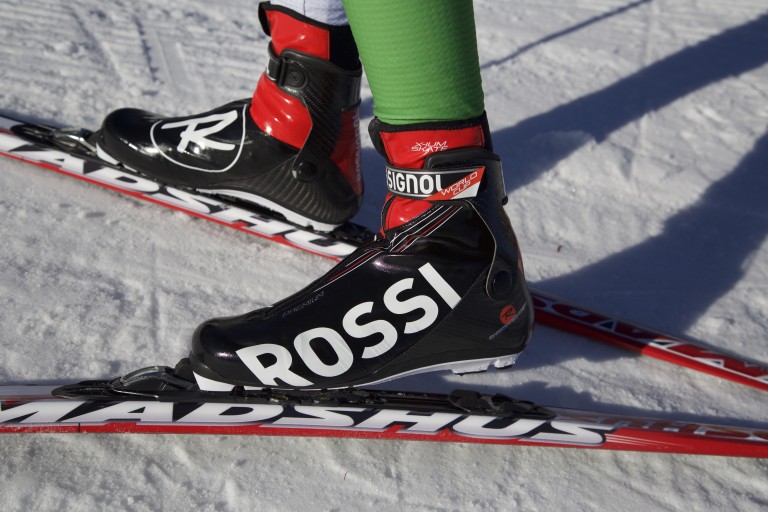
    Skiing brand Rossignol Group has signed an agreement with IDG Capital, a US-based, China-focused investment firm, to launch the brand through Chinese retailers.

    China’s sports tourism market has had double-digit growth since 2011, and growth forecasts over the next five years are in the order of 30 per cent, according to a PWC study. Introduced in 1995 in China, skiing is the spearhead of this exponential development, particularly since the announcement of the 2022 Olympic Winter Games in Beijing.

    The winter sports market in China should reach RMB100 billion (€13.7 billion by 2025). The equipment alone would represent RMB16 billion for the same period.

    Through a capital increase leading to a 20 per cent ownership in the company, IDG Capital will use its expertise to support the development of the French group in the Chinese market. Founded in 1992, IDG Capital was the first foreign investment firm to enter the Chinese market. It has contributed to the growth of more than 700 major companies in China, including Baidu, Tencent and Xiaomi, as well as to the development of international companies such as Moncler, Farfetch, Olympique Lyonnais FC or InFront.

  • Shinsegae bets strong to replace Lotte’s Incheon duty free

    Shinsegae bets strong to replace Lotte’s Incheon duty free

    Shinsegae is going all out to acquire licenses to operate duty free shops at Incheon International Airport after its rival Lotte’s bid fell through.

    The bid is understood by many as Shinsegae‘s aim to expand its presence in the still lucrative and growing duty free industry.

    According to industry officials, the Incheon International Airport Corp. (IIAC) has narrowed the candidates for the licenses to Shinsegae DF and Hotel Shilla. The two filed their intent to operate duty free outlets at the DF1 bloc for cosmetics and perfumes and DF5 bloc for clothing in the airport’s Terminal 1.

    Lotte and Doosan also vied for the operating licenses, but failed to make it to the final list. The Korea Customs Service will review the bids and select the operators for each of the blocs next month.

    Lotte Duty Free previously ran those blocs, but in February it gave up its licenses citing high rent, standing at around 800 billion won (US$743.5 million) a year.

    Lotte’s move was interpreted as an attempt to lower its rent for the blocs by renegotiating the deal, as it continued to accumulate losses due largely to the high rent it agreed to pay in its previous deal. The 800 billion won rent for the blocs is nearly four times higher than the minimum guarantee the IIAC wants this time for those blocs, which is 200 billion won.

    According to sources, Lotte made the highest bid at 280 billion won for DF1 and 69 billion won for DF5 in the four-way battle.

    Following were Shinsegae with 276 billion won for DF1 and 61 billion won for DF5, Shilla with 220 billion won for DF1 and 50 billion won for DF5. Doosan’s Doota Duty Free bid 192.5 billion won for DF1 and 53 billion won for DF5.

    Despite Lotte placing the highest bid, it lost points in other criteria, such as management ability and its withdrawal from the previous duty free license deal driving the airport authority to lose faith in Lotte, industry officials said.

    As Lotte failed to make the final list, the final selection next month will bring a fundamental change to the domestic duty free industry.

    As of last year, Lotte was Korea’s largest duty free operator by sales with a 41.9 percent market share. It was followed by Shilla with a 26.8 percent share and Shinsegae with a 12.7 percent share.

    The combined sales of DF1 and DF5 blocs in 2017 stood at 900 billion won, which was approximately 6.4 percent of Korea’s total duty free sales last year.
    This means Lotte’s market share will drop to 36 percent. If Shilla wins the licenses for both blocs, its market share will go over 30 percent, or if Shinsegae wins it will reach a 20 percent market share.

    Shinsegae’s surge

    Depending on the customs service’s selection, Shinsegae will operate up to four outlets at the airport. It currently has the DF7 bloc in the first terminal and DF3 bloc in the second terminal.

    Though the duty free business does not have many chances to expand because of regulatory issues and five-year licenses, Shinsegae has expanded its presence rapidly in the domestic market, encroaching on the market shares of Lotte and Shilla.

    Shinsegae’s market share stood at 2.8 percent in 2014 but quickly rose to 12.7 percent last year, increasing by 10 percentage points during the period.

    Its surge was largely attributable to the solid numbers from its Myeong-dong branch, which brought in 1.35 trillion won in sales last year. The branch opened in May 2016 but quickly hit its stride thanks to luxury brands such as Dior, Cartier and Fendi.

    The branch is also expected to house Rolex and Chanel in the near future, casting a rosy outlook for its sales. Shinsegae’s strategy to focus on Japanese and Southeast Asian customers also served its growth well.

    While other duty free outlets were hit hard by the decline of inbound Chinese customers last year due to the diplomatic friction between Korea and China over a U.S. Terminal High Altitude Area Defense (THAAD) battery, Shinsegae managed to post high numbers thanks to their relatively low reliance on Chinese customers.

    “Shinsegae’s intent to make the airport a world famous tourist attraction seemed to earn points in IIAC’s review,” a Shinsegae official said. “Also, the company’s portfolio in Myeong-dong contributed to its shortlisting.

  • Starbucks Chairman Howard Schultz To Step Down

    Starbucks Chairman Howard Schultz To Step Down

    Starbucks chairman Howard Schultz shocked many of his 350,000 associates across the world by announcing his resignation with just three weeks notice.

    Political commentators have been quick to link his sudden departure to a bid for the Democratic presidential nomination for the 2020 election, rumours about which have been swirling for months.

    Schultz’s last day at the small Seattle company he bought in 1987 and built into one of the world’s largest cafe chains will be on June 26 when he will be designated chairman emeritus. Myron E Ullman, formerly chairman and CEO of JCPenney, will take over as chairman with Mellody Hobson, president and director of Ariel Investments, becoming vice chairman.

    In a long letter to staff and customers, Schultz said it seems like yesterday that he first walked into the Pike Place store, “stepped across the threshold, and was swept into a world of coffee and community”.

    “That moment began the journey of a lifetime. Not just for me, but for so many of us. Who could have imagined how far we would travel together, from 11 stores in 1987 to more than 28,000 stores in 77 countries. But these numbers are not the true measures of our success. Starbucks changed the way millions of people drink coffee, this is true, but we also changed people’s lives in communities around the world for the better.”

    Perhaps a clue to his future political intentions was an invitation in the letter to follow his website which appears to be brand new. On the site he signs off from Starbucks in another letter, closing with the comment: “I still have the same curiosity that’s fuelled me all these years, and a relentless passion to enhance the lives of others. I encourage and welcome your thoughts about what comes next…”

    During recent years, Schultz has been more outspoken about his political views, publicly endorsing Hillary Clinton and condemning several actions of US President Donald Trump.

    It’s not goodbye

    In his letter to Starbucks staff and customers, Schultz said the move will be an emotional transition.

    “But I’m looking forward to spending time with my family this summer. I’m also writing a book about Starbucks’ social impact work and our efforts to redefine the role and responsibility of a public company in an ever-changing society. It’s a journey that has prompted me to consider the many ways that each of us, as citizens, can give back to our communities. I’ll be thinking about a range of options for myself, from philanthropy to public service, but I’m a long way from knowing what the future holds.”

    He was also clear in his desire to remain part of the company he built so strong. “I’ll never say goodbye to you. Just thank you.”

  • VN urged to focus on local branding

    VN urged to focus on local branding

    Speaking at a seminar on connecting businesses in ASEAN member countries organised by the High Quality Vietnamese Goods Business Association on the sidelines of the Thaifex expo in Bangkok last week, Pascal Billaud, CEO of Thailand’s Central Food Retail Group and Asian GI ambassador to the UN, said Thailand has educated people about the impacts and benefits of GI.

    They are regularly updated on GI, ways to protect GI products and preserving and sustaining local eco-systems so that GI products can continue to be produced in that particular area or region, he said.

    He said GI is very important to farmers and they need to register their produce for GI protection with relevant agencies.

    Origin-linked registration also substantially increases the price of the final product, he said.

    A kilogramme of Cambodia’s Kampot black pepper fetches 15 USD against 6 USD for Thai pepper and only $5.04 for Vietnamese pepper, he said.

    This means Vietnam has not done well in exploiting GI and other benefits, he said.

    According to experts, GI provides consumers with information about the origin of a product and its unique characteristics such as taste, colour, texture, and quality, and so they are willing to pay higher prices.

    Thirty leading Vietnamese food and beverage companies, who are members of the High Quality Vietnamese Goods Business Association, showcased organic and other food meeting global standards and GI-protected products at the expo in Bangkok from May 29 to June 2.

    At a business matching event, Huynh Nguyen Khang Duy, import-export director at Pham Nghia Food JSC of Can Tho, said: “This is the first time we showcase our products (clown knife-fish-based products) abroad.”

    Vietnam mainly exports tra and basa and clown-knife fish costs more than them.

    Many customers from Australia, Japan, Thailand and Malaysia were interested in his company’s products, Duy said.

    “We hope to take our boneless clown-knife fish and clown-knife fish paste products to Hong Kong and Japan.

    “We are also working to obtain Halal certification for export to the Middle East.”

    CP (Thailand) wants to distribute his products in the Thai market, he said.

    “I think if we want to take our products to the world or region, we also need to have capable and prestigious partners.”

    Le Thanh Diem, head of Tan Sang Food Powder Company’s sales division, said: “Before the business matching event, I surveyed the prices of products and found that our prices are appropriate.”

    Thai companies sought assurances her company could supply large volumes, she said.

    Norachai Ratanabanchuen, assistant to the deputy general director of CP Foods, said he had held discussions with four Vietnamese firms.

    While Vietnamese goods are of rather good quality, to be able to enter the CP distribution system, products must meet many quality standards, including HACCP and ISO.

    Vietnam and Thailand have many similar products, but Vietnamese suppliers can still compete, he said, citing the example of basa fish, which his company imports from Vietnam.

    If Vietnamese firms continue to maintain good quality, comply with standards, and have reasonable prices, they can compete with their Thai counterparts, he said.

  • These Chinese giants make Facebook and Google look tame

    These Chinese giants make Facebook and Google look tame

    The technology world’s most bruising battle for supremacy is taking place in China. And it could point to Big Tech’s future everywhere else, too.

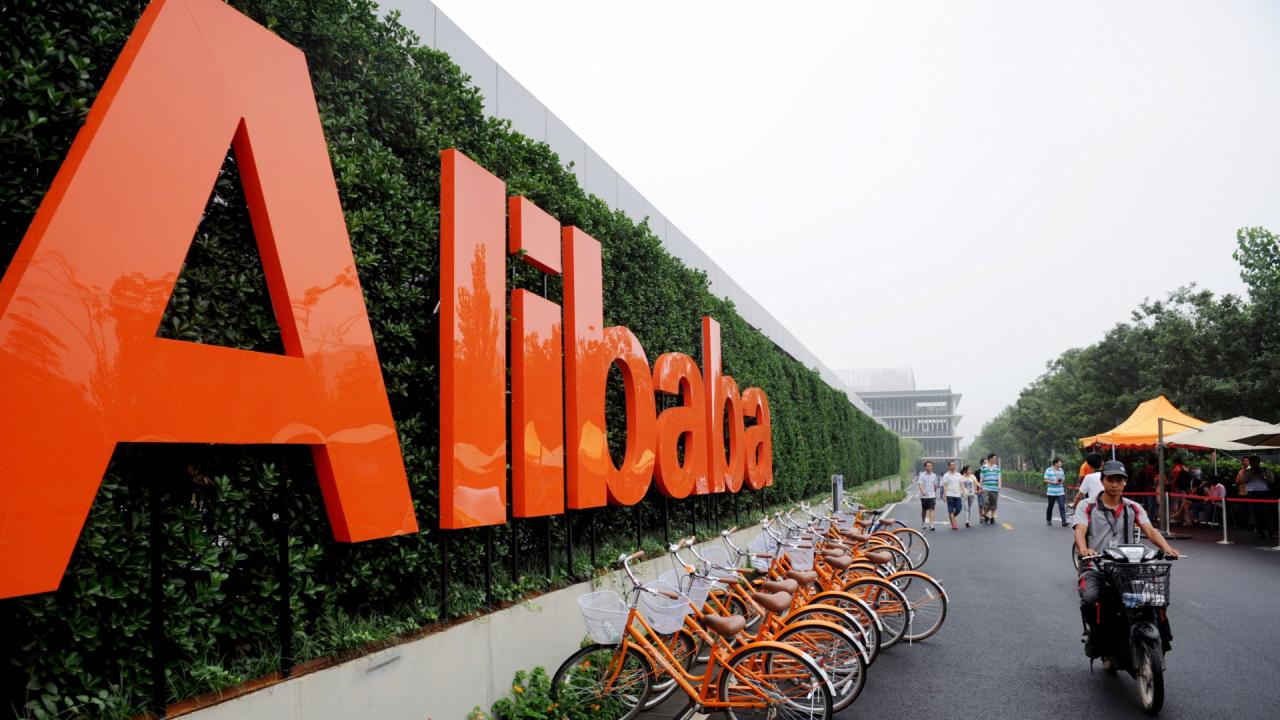
    Tencent Holdings and the Alibaba Group are ratcheting up their no-holds-barred contest to dominate the ways 770 million internet users communicate, shop, get around, entertain themselves and even invest their savings and visit the doctor.

    The two titans long ago branched out from their core businesses — games and social media for Tencent, e-commerce for Alibaba — to duke it out in ever more realms of Chinese life. They have competed in messaging, microblogging and delivering takeaway food. They go head-to-head in video streaming and cloud computing.

    Today, their fiercest fight is over digital money kept on smartphones. Mobile payments have transformed the Chinese economy. Both giants, plus Ant Financial, an Alibaba sister firm, are spending big to gobble up pieces of the action.

    China’s internet powerhouses stand at the forefront of the nation’s galloping high-tech progress — a surge that has been brought into sharp focus by the Trump administration’s efforts to counter it. On one hand, the standoff over the Chinese telecom equipment-maker ZTE has exposed, to many in China, the degree to which the country still lags in core technologies such as microchips.

    But in the internet realm, China still offers a spooky potential vision of the future, one in which online behemoths like Tencent and Alibaba become the gatekeepers to the entire economy, wielding immense power over traditional industries and becoming very, very rich in the process.

    At a conference in December in the Chinese city of Guangzhou, Tencent’s chief executive Pony Ma said he felt the two companies were competing in “too many” areas.

    “Sometimes I think, ‘Ah, we’re competing in this now, too? All right then,’” Ma said, chuckling. “It’s a little frustrating.”

    A duopoly this broad could not be easily replicated in other countries,  for example the United States. Entrenched competitors and the threat of government intervention generally keep the likes of Apple, Amazon, Google and Facebook from expanding pell-mell into adjacent businesses. All of them have sprawled and overlapped mightily, but Amazon, with its forays into groceries, pharmacies, health care and more, might be the furthest along towards creating an inescapable commercial universe.

    Still, with the European Union enacting tough new privacy laws, and some in the United States eager to follow, Google and Facebook could soon be forced to find ways to make money beyond selling users’ personal information to advertisers, said Raj Rajgopal, president of digital business strategy at Virtusa Corp, a consulting firm.

    “As profitability reduces, they’ll say, ‘Now I need to monetise my customer base,’” Rajgopal said. “The innovation we’re seeing in China could be seen in the US in the next three to five years,” he added. “Customers are demanding that.”

    China’s internet titans have a powerful ally found nowhere else, though: the Chinese government. Tencent and Alibaba have avoided anti-monopoly clampdowns by staying in Beijing’s good graces, said Hu Wenyou, a partner at the Beijing law firm Yingke. Their sheer size also makes them easier for authorities to control. They simply have too much to lose.

    “If you can become so big, and so successful in so many areas, this in itself shows that you must have maintained very good, very friendly relations with the government,” Hu said.

    Neither giant is done getting bigger.

    Each has a market capitalisation of close to $US500 billion ($663 billion), making them among the most highly valued technology firms on the planet. Google and Facebook still claim more users, but the Chinese heavyweights arguably do more — and more, and more — for theirs.

    The latest battleground? Brick-and-mortar stores. Alibaba has spent great sums — $US2.9 billion on a supermarket chain, $US2.6 billion on a department store and mall operator — to conquer the real world. Tencent has followed suit with its own retail partnerships and investments.

    Once the companies have locked people into their payment systems, they can become the enablers of commerce and financial services of even more kinds. In a sign of investors’ excitement about the possibilities, Ant Financial is making plans to go public, in a blockbuster stock offering that could give the company a market value larger than Goldman Sachs.

    China has become a model for tech’s world-swallowing tendencies partly out of circumstance.

    With the country’s high-speed churn of well-funded startups, planting flags on new turf is often the only way for large players not to be constantly losing ground.

    Also, both Alibaba and Tencent have struggled to make much money outside their home market. That means their surest way to keep growing is to get more deeply involved in more areas of their Chinese users’ lives.

    Those lives are riper for tech disruption than lives in the West. In China, small stores dominate retail. Hospitals are crowded and doctors overworked. Most people do not have credit cards. These are easier business opportunities for Alibaba and Tencent than they would be for Amazon or Facebook.

    In a report this week, Morgan Stanley predicted that by 2027, the total market in China in which Alibaba could be making money will be worth $US19 trillion — more than Amazon’s potential market worldwide.

  • American ATM provider bullish on Philippine expansion

    American ATM provider bullish on Philippine expansion

    The American company which has deployed more than half of all automated teller machines in the Philippines remains bullish on its expansion in the country despite the increase in cashless transactions made possible by electronic commerce.

    Diebold Nixdorf, the market leader of self-service banking technology in the Philippines that serves more than 40 banks with 11,500 ATMs or 58 percent of the total nationwide,  believes that it is well positioned to support the industry’s expansion.

    It has a team of over 400 associates around the Philippines, while its service call center team supports over 250 field techs through a dedicated helpdesk and an in-house depot repair center in Makati. It established its presence in the country in 2003 to take advantage of the growth potential in the banking sector where 70 percent of households did not have bank accounts.

    Diebold Nixdorf Philippines president and country manager Julius Servando says the Philippines is a growing market for the company. A study by consulting firm RBR predicts that the country will see a rise in ATM deployment by 48 percent to 29,400 terminals by 2022, from the current 19,851 terminals.

    “What sets us apart from other competitors is our ability to service ATMs and use terminals outside the metros because we do have engineers in those areas 7/24,” Servando says.

    Servando says the company is also instrumental in bringing the government aid closer to the country’s less unfortunate families who benefit from the conditional cash transfer program of the Social Welfare Department.

    Diebold Nixdorf is also one of the first companies to bring in financial solution to Tacloban City after the devastating typhoon Yolanda hit the Visayas in November 2013.

    “We were the first to set up an ATM terminal in the province when the Philippine government needed the support of a financial solutions provider like us. They believed in us and we delivered,” says. Servando says that in the retail sector, the Philippines is still far from closing the gap with other countries in the Asia Pacific in terms of e-commerce sales. Data show that of $140 billion in total retail sales in 2017, e-commerce sales accounted for only $3.9 billion or 2.1 percent.

    “We have seen mobile penetration contributing to an increase in the e-commerce transaction. We can expect Philippine e-commerce to grow though not as fast as in other markets in Asia. Growth will be measured by the limits of infrastructure on hand and some issues on online security,” Servando says.

    “Given this situation and the innate fear of Filipinos to shop on the net especially cashless buying, we see the potential of physical stores still growing. They will be needing support from solution providers like us. We continue to see growth in 30 years,” he says.

    Diebold Nixdorf will soon introduce the use of QR codes and biometrics in automated transactions as well as for retail.

    A local bank plans to adopt the technology to provide better security for its clients. Deibold is celebrating 15 years in the Philippines with a host of new solutions for both the banking and retail sectors.

    Globally, Diebold Nixdorf has the presence in over 130 countries, supported by 15,000 service members and 1,900 software experts.


  • Aavin India to export dairy products to 15 more countries by year-end

    Aavin India to export dairy products to 15 more countries by year-end

    After successfully making foray into the Singapore markets with the ultra high temperature (UHT) milk in November last year, Aavin is now eyeing exports of dairy products to 15 more countries by the end of the current year.

    The countries which the Aavin dairy products will make a beeline for are: Malaysia, Britain, UAE, Hongkong, Qatar, Bahrain, Kuwait, Saudi Arabia, Sri Lanka, Oman, Africa, Vietnam, China, Cambodia and Mauritius, said Minister for Dairy Development KT Rajenthrabhalaji in the Assembly on Friday while replying to a debate on the demand for grants to his department.

    “I take pride in informing the House that we have appointed dealers,” he said. The policy note of the Dairy Development department stated that the quality of the products and packaging would be ensured to make the products on a par with global standards and an exclusive wing was created to focus on exports of milk and milk products. All these steps were expected to help propagate the brand name of Aavin at the global level.

    UHT milk sale in Singapore was launched in November last year. Since then 84,000 litres of  milk were exported to Singapore.

    Procurement and sale

    Referring to procurement and sale of milk in the State, the Minister noted that procurement rose to 30.67 lakh litres per day (LLPD) in May this year, registering 15 per cent growth when compared to the figure of the corresponding month last year (26.62 LLPD).

    The sale of milk registered 22.08 LLPD in May this year while it stood at 21.02 LLPD in the corresponding month last year.

    Revenue through sale

    Aavin’s revenue through sale of dairy products too has registered a growth. It stood at `5,281 crore in 2016-17 but rose to `5,478 crore in 2017-18.

    New dairy products unit

    Rajenthrabhalaji informed that a new dairy products manufacturing unit, at a cost of `10 crore, will be established in Virudhunagar. It will be equipped with machineries to extract butter, produce ghee, packaging and preparing rasagulla, palkova and cold storage.

    CCTV checking

    With a view to ensuring quality and check wrongdoings, closed circuit television cameras (CCTV) will be installed at 341 bulk milk cooling units and 34 chilling centres at a cost of `60 lakh.

    App for milk producers and veterinarians

    The Minister also announced creation of an Android app for helping the milk producers and the veterinarians to feed them with information on rearing milch animals, services provided to the farmers, cattle health maintenance and veterinary medical services. A sum of `20 lakh will be spent for the purpose of creating the app.