Author: Mei Ling Tan

  • Titan Industries Revealed Limited Franchise Opportunity

    Titan Industries Revealed Limited Franchise Opportunity

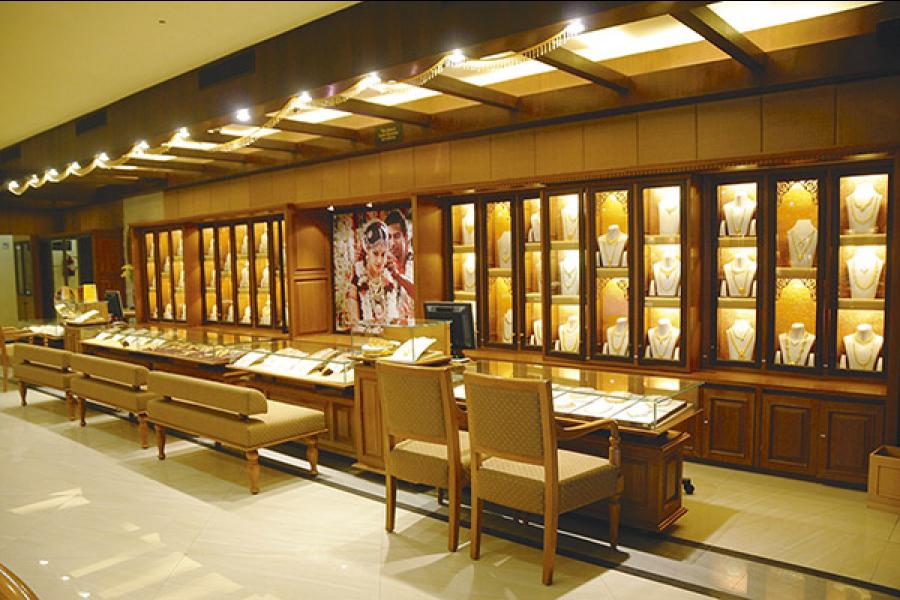
    After watches, India’s Titan is planning to take its jewellery retail business to international markets by end of its next financial year.

    Firstly, the Bengaluru-headquartered company is looking at franchising forays into the Asian market, says Titan Company MD Bhaskar Bhat.

    “The watches business has a minuscule presence in the international markets,” he says. “The big change will come when our jewellery becomes international.”

    Given that jewellery is a low-margin business unlike watches, the company will not make large investments to enter these geographies, but instead opt for a low-cost franchise model. “These stores will be launched on a partnership basis,” says Bhat.

    Jewellery accounts for around 75 per cent of Titan, which also sells watches, eyewear, fragrance and even sarees. It will be the company’s second bid to enter the global markets in the jewellery segment. By focusing on Asia, the company wants to test the model before taking it to other geographies.

  • Most SE Asian stocks gain; Singapore, Indonesia up nearly 1 percent

    Most SE Asian stocks gain; Singapore, Indonesia up nearly 1 percent

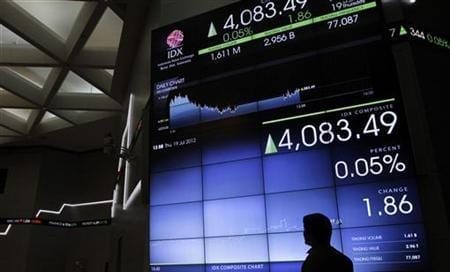
    Most Southeast Asian stock markets rose on Monday, with Singapore gaining nearly 1 percent as upbeat sentiment following positive U.S. jobs data pushed global equities higher.

    Asia ex-Japan shares rose 1 percent to their highest level since May 17.

    Data on Friday showed that U.S. job growth accelerated in May and unemployment rate dropped to an 18-year low.

    “We are following the bullish sentiment on Friday on U.S. after job data,” said Linus Loo, Head of research at Lim & Tan Securities.

    “Because we (South-east Asia) are export-driven, especially Singapore, we tend to track the U.S.,” he added.

    Singapore shares rose 0.9 percent in early trade. Financials drove gains, as heavyweights DBS Group Holdings and Oversea-Chinese Banking Corp gained 1.2 percent each.

    Indonesian shares rose 0.8 percent led by financials and telecommunication stocks.

    Indonesia’s annual inflation rate in May was 3.41 percent, slightly below the median forecast of 3.28 percent in a Reuters poll, data from the statistics bureau showed on Monday.

    An index of the country’s 45 most liquid stocks rose about 1.3 percent.

    Vietnam stocks rose as much as 0.9 percent, as materials and industrials extended gains from last week. Vietjet Aviation climbed nearly 7 percent while Vietcombank rose as much as 2.5 percent.

    Meanwhile, Philippine shares fell 0.9 percent, dragged lower by industrial on caution ahead of inflation data due on Tuesday.

    Philippine inflation likely accelerated for the fifth straight month in May, a Reuterspoll showed, but analysts were divided over when the central bank will again raise interest rates.

    Aboitiz Equity Ventures slumped 3.8 percent while SM Investments Corp fell 2.7 percent.

    Malaysian and Thai shares were largely unchanged in early trade.

  • Govt said to be looking to replace CEO of Bursa Malaysia

    Malaysia is looking to replace the chief executive officer of the national stock exchange, two sources said today, the latest in a series of top management changes initiated by the newly elected government.

    The sources gave no reason why the government was considering replacing Datuk Seri Tajuddin Atan at Bursa Malaysia. His term is due to end in March next year.

    A government adviser briefed by a minister said that the matter had been “one of the priorities” raised during a weekly Cabinet meeting today, but no conclusion was
    reached.

    “It was discussed … it’s just that they could not come to a decision,” said the source, who requested anonymity.

    Addressing a news conference after the Cabinet meeting, Prime Minister Tun Dr Mahathir Mohamad said the issue had not been tabled. “I did not see it on the table,” he said.

    Two sources have said among the names being considered as potential replacements for Tajuddin include an external candidate based in Hong Kong, and two internal candidates.

    Bursa Malaysia declined to comment. “We do not comment on speculative news,” a spokesman said.

  • Don Don Donki opening second outlet in Singapore on June 14

    Don Don Donki opening second outlet in Singapore on June 14

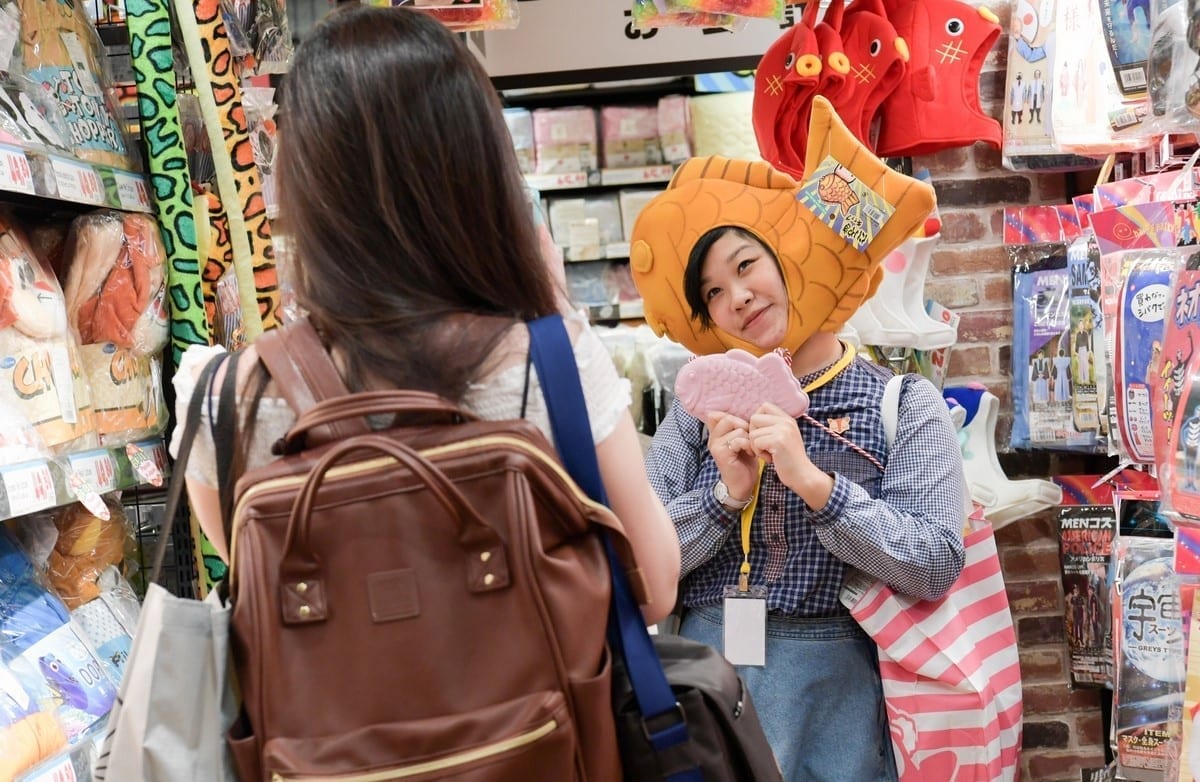
    Japanese discount retailer Don Don Donki will open its second Singapore store next week at Tanjong Pagar’s 100AM mall.

    Don Don Donki’s product range of about 30,000 items was curated for Singapore and spans fresh and processed foods, vegetables, meat, sushi, groceries, beverages, costumes, clothing, cosmetics, novelty goods and household items. A third of the product selection is from Hokkaido.

    The first store opened in the Orchard Central shopping centre last December and the company plans at least 10 stores in Singapore within five years.

    The new store is spread over two levels of the 100AM mall.

    Better known by its nickname Donki, the retailer was founded by Japanese businessman Takao Yasuda in 1978 and is owned by the Don Quijote Group. Its stores in Singapore are run by Pan Pacific International Holdings, its holding company for overseas business.

    While the stores in Japan are called Don Quijote, its Singapore branch name has been changed to avoid confusion with a local Spanish restaurant of the same name. The term “Don Don Donki” was taken from the store’s theme song.

    “The idea to have Don Don Donki in Singapore was suggested by Hokkaido Marche,” said Yasuda, 68, who “semi-retired” a couple of years ago and moved to Singapore. “When I came here, I realised products in Singapore are very expensive, and in Japan I’m known as the king of discounts.

    “What costs one dollar in Japan is sometimes two or three dollars here.”

    So when he was approached by Hokkaido Marche to partner and open its concepts in Singapore, he agreed immediately.

    With 368 stores in Japan, Hawaii and the US, the brand achieved nearly ¥828.8 billion (US$7.3 billion) in sales last fiscal year.

  • World’s first LINE digital theme park to open in Bangkok on Friday

    World’s first LINE digital theme park to open in Bangkok on Friday

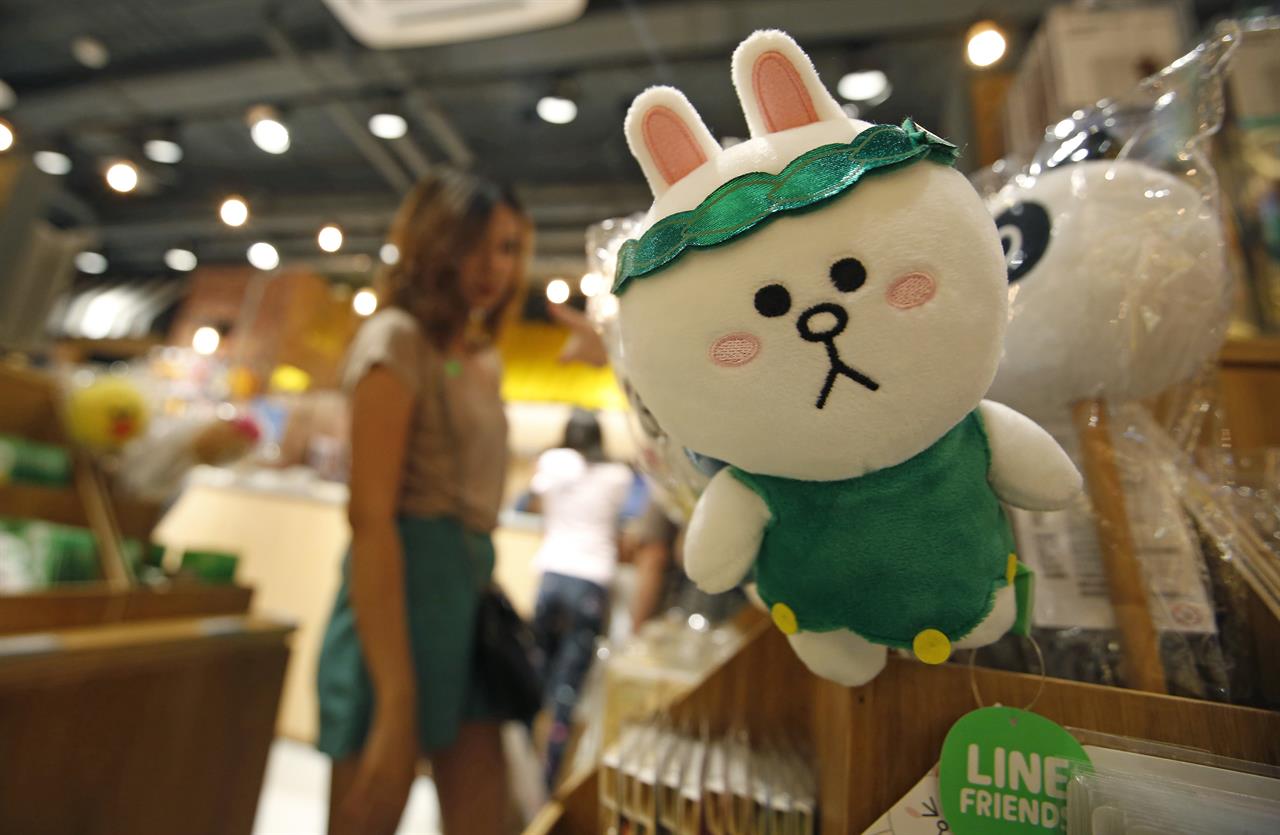
    Line Thailand, a Japanese company that started off as messaging app and has since expanded its services across food delivery to finance, will open its first digital indoor theme park in Bangkok’s Siam Square One on Friday.

    Line Village Bangkok: The Digital Adventure will cover 1300sqm across three floors of the mall. The visitor experience will begin with a mystery: finding a key to get in to Line Village. From there, guests proceed one stage at a time from a space tunnel to a library, then to a kitchen, theatre and rooftop, where the games and Line characters await.

    One of the highlights is for fans to see the world of their favourite chat stickers via a VR headset, and the attraction also includes a merchandise store and a themed restaurant.

    While several Asian cities already have Line stores, Bangkok will be the first to have a permanent indoor park.

  • Thailand, not Vietnam, is exporting ‘pho’ to the US

    Thailand, not Vietnam, is exporting ‘pho’ to the US

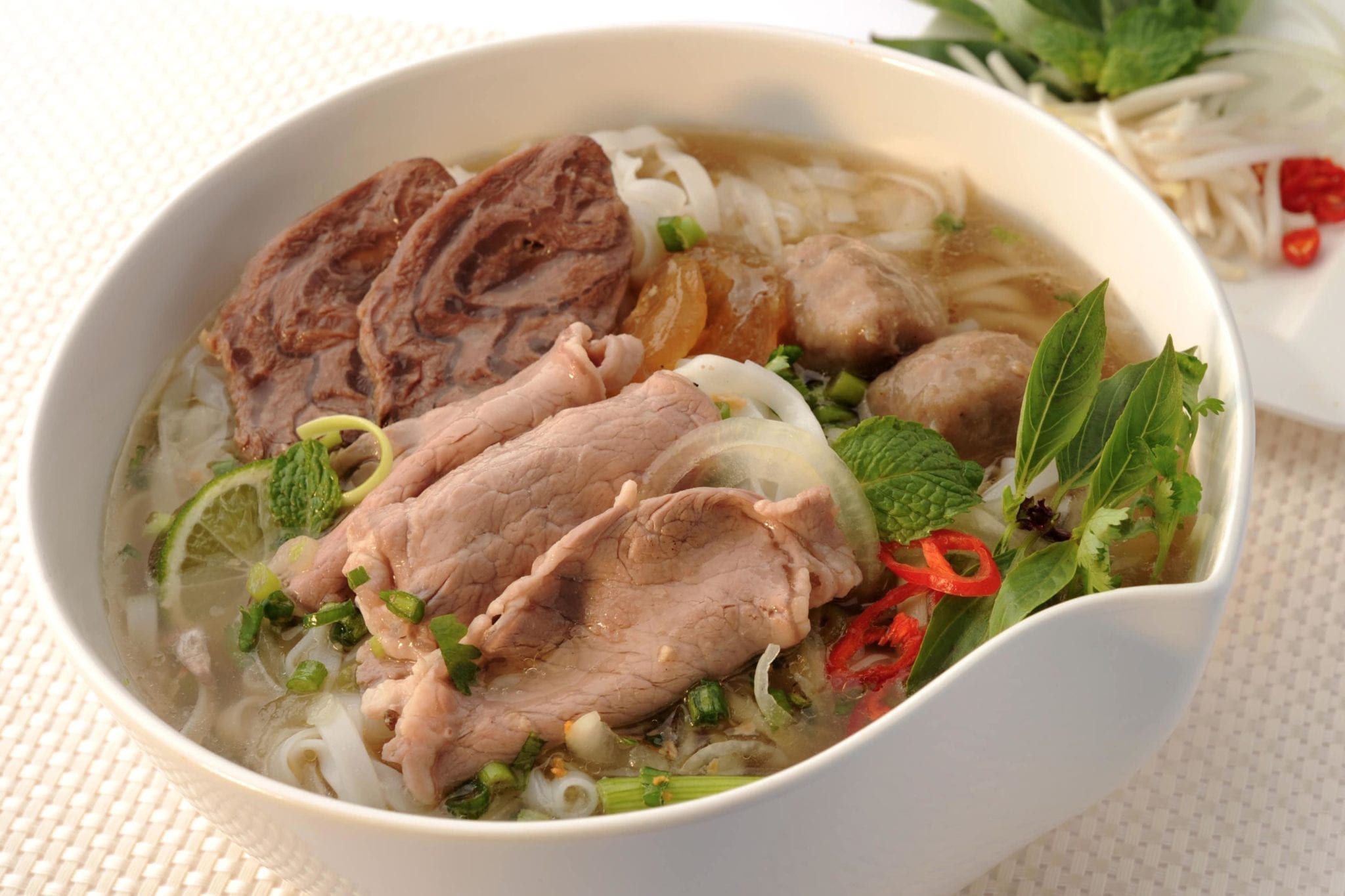
    Pho, the fragrant flat rice noodles soup served with beef or chicken, has given Vietnamese cuisine an iconic status. But the company making money by exporting an instant version of the soup to the US is based in Thailand.

    A representative of Charoen Pokphan Foods Plc (CPF) said at a recent meeting with Vietnamese businesses that the company’s Authentic Asian Chicken Pho Noodle Soup is enjoying great sales in the US.

    The number of restaurants that serve Vietnamese pho in the U.S. reached 8,900 in 2014 and is increasing, the CPF representative said, citing a study by the Institute for Immigration Research.

    Vietnamese businesses at the meeting were surprised that CPF’s factory in Thailand is able to produce 200,000 ready-to-eat pho products a day, using a workforce of just 10 workers.

    CPF said its factory in Thailand was powered by artificial intelligence, and the manufacturing process was completely automatic. Some production lines only require two workers operating via computers, the company said.

    This manufacturing process results in a “beautiful and easy-to-use package,” said Vu Kim Hanh, president of the Business Association of Vietnam High Quality Goods.

    With a shelf life of 18 months, CPF’s pho, which requires just two minutes in a microwave, is very convenient for customers, Hanh added.

    “Vietnam still needs to make many changes to catch up with its immediate Southeast Asian competitors in the agricultural products and foodstuffs industries,” she said.

    Currently, the number of businesses in Viet Nam’s fresh packed food market is still low, despite some new products from Saigon Food, which produces 100,000 packages each day.

    CJ Cau Tre offers cooked Vietnamese Hue noodle soup and spaghetti, and the Minh Hung group plans to use high pressure processing to produce fresh fruit juice.

  • Vietnam cars geared for East European roads

    Vietnam cars geared for East European roads

    VinFast, the auto making subsidiary of real estate conglomerate Vingroup, will make cars suited to the domestic market first and target East Europe next.

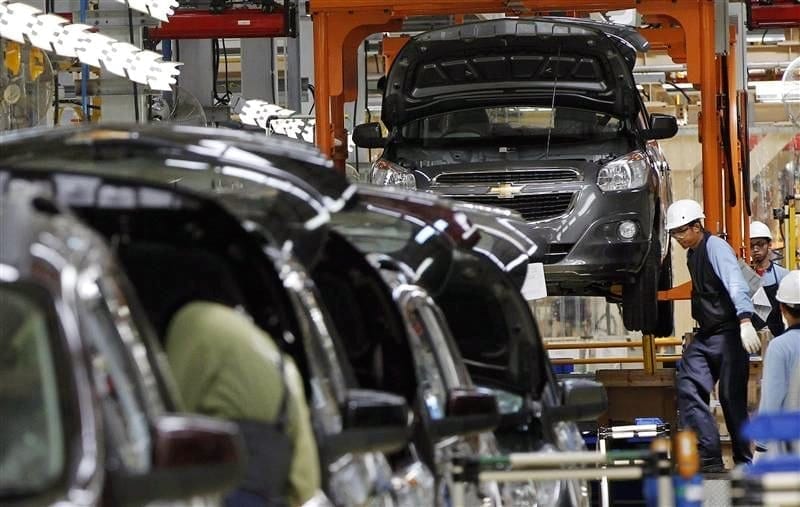
    Built in automated facility that deploys more than a thousand robots, the cars will be of top quality, priced competitively and backed with attractive offers and good after sales service, group chairman Pham Nhat Vuong said at a recent shareholders meeting.

    Therefore, despite the presence of a number of big players in the domestic market, there was a good chance for cars produced by VinFast to succeed, he said.

    He noted that Hyundai, the South Korean carmaker, was able to gain 10 percent of the US market share in a very short period, and VinFast was well placed to emulate such a feat.

    Vuong stressed that the VinFast production line has a high degree of automation.

    “Its body shop has a fully automated spot welding system with more than 1,200 robots in service.

    Parts like crankshaft and transmission are also automatically manufactured, ensuring the car’s quality, and making engine run smoothly,” Vuong explained.

    While promoting the cars in both domestic and foreign markets, the focus will be on “down-to-earth” consumers looking for value for their money, the chairman said.

    VinFast will have a very good chance to compete well with carmakers in Eastern Europe as Vingroup understands this market very well, Vuong said. The group chairman is a former long-term resident of the former Soviet Union.

    Vuong said automobile production will be the company’s spearhead in the coming time, but did not rule out the possibility of other products once the brand was well established.

    “Given our supporting ecosystem and great capabilities, it [heavy industry] will be a new horizon for Vingroup,” said the chairman, who’s one among a handful of Vietnamese billionaires.

    Last September, Vingroup broke ground on its subsidiary VinFast’s new car manufacturing complex in the northern port city of Hai Phong. The complex would start manufacturing electric scooters in 12 months, sedans and SUVs in 24 months and electric cars in 3 years. By 2025, VinFast is expected to be producing 500,000 cars a year, making it a leading automobile manufacturer in Southeast Asia.

    The company will be working with German partners in product development and management of the new manufacturing complex. Its cars will be designed by Italian design houses, while main components such as engines will be bought in from the U.S. and European companies.

    However, VinFast will still cooperate with Vietnamese companies to manufacture most car accessories. The company’s products will have a localization rate of 60 percent, making them qualify for tax incentives when exported to other countries in the region.

    The new complex, which would also include a research and development (R&D) center, is expected to attract European experts, and will be cooperating with many large R&D centers in Europe. The company will be using technology transfer contracts to help improve its expertise in product development.

    Its cars will use eco-friendly technologies to meet Euro 5.0 and Euro 6.0 emission standards. VinFast will also be using green energy in its factories and plans to invest in a facility to treat used batteries.

    Vietnam will emerge as the second fastest-growing production hub for cars in Southeast Asia after the Philippines between 2017 and 2021, according to BMI Research, a part of Fitch Group.
  • AirAsia: Neither we nor CEO has received any notice from India’s CBI

    AirAsia: Neither we nor CEO has received any notice from India’s CBI

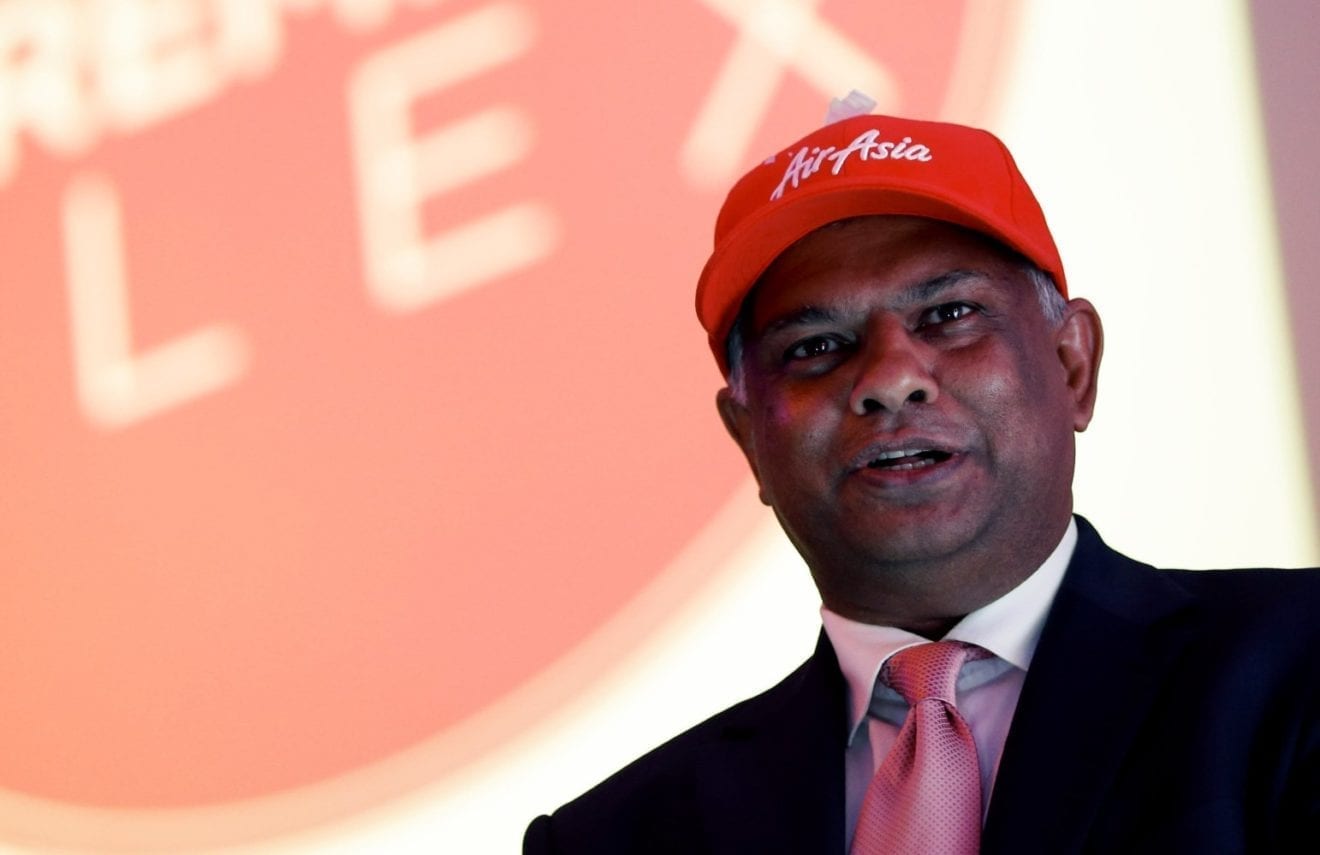
    Airasia Group Bhd and its CEO Tan Sri Tony Fernandes have not received any notices from the India’s Central Bureau of Investigation (CBI) contrary to reports which stated that Fernandes has been summoned for questioning on June 6.

    “We wish to state categorically that neither AirAsia Group nor Tan Sri Tony Fernandes, in his personal capacity, has received any such notice as of today,” the group said in a statement.

    If and when any such notice is received through formal and official channels, then in accordance with the sovereign laws of Malaysia we will abide by the due process of the letter of the law,” it added.

    AirAsia said both the group and Tony will fully cooperate with the respective authorities in India in the investigations.

    The group was referring to news reports quoting sources in which it was reported that AirAsia’s Indian unit allegedly broke rules while obtaining rights for international flights out of the country.

    CBI reportedly named Fernandes, the airline and others in a complaint, alleging they lobbied government officials “to secure mandatory approvals, some of them through non-transparent means”.

    Reuters quoted a CBI source on Friday as saying that Tony had been called for questioning in the case on June 6, adding that others would also be called as part of the investigation.

    In 2014 the low-cost carrier launched its domestic flight operations in India with local joint venture partner Tata Sons.

    At market close, Airasia’s share price rose 4.19% to close at RM3.23 with some 10.5million shares done.

  • Old Chang Kee Is Now Open in London’s Covent Garden

    Old Chang Kee Is Now Open in London’s Covent Garden

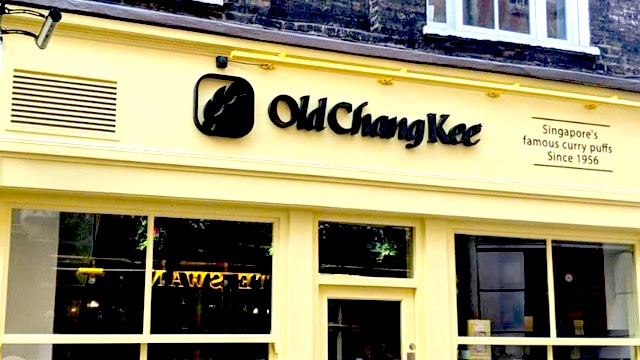
    Singaporean food brand Old Chang Kee has opened its first British outpost – in London’s Covent Garden.

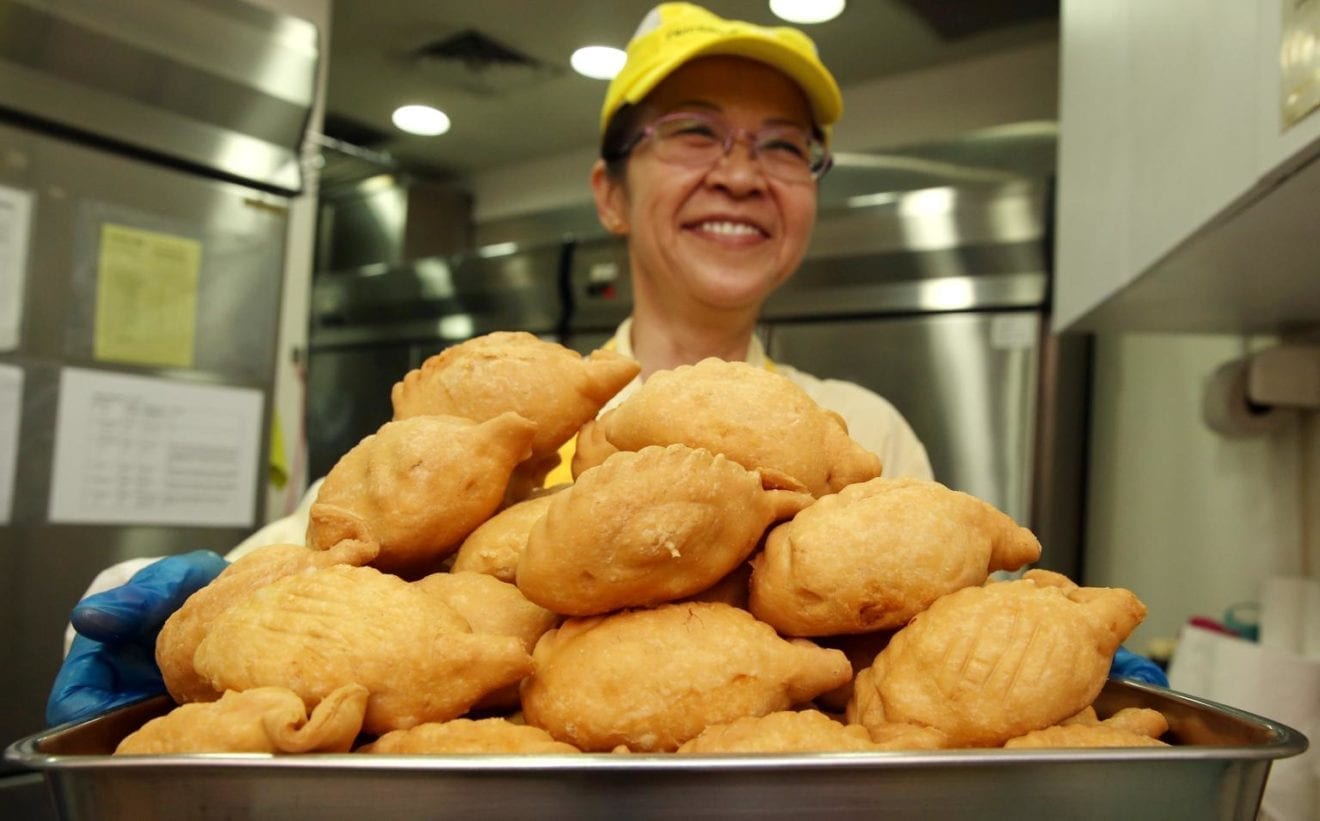
    Old Chang Kee has more than 100 outlets across Singapore, Malaysia, Indonesia and Australia. It made its first curry puff in 1956 and now sells more than 1.5 million of them a month worldwide. When Old Chang Kee ran a pop-up in Kentish Town in northwest London last year, its curry puffs sold out in four hours.

    The brand’s entrance to Britain is a JV between the chain and Sandra Leong, a Singaporean who has been living in London for seven years.

    Menu highlights include the signature curry puff, curry potato puff, and creamy chicken and mushroom puff. Seasonal favourites include the Singapore chilli-crab puff and black-pepper tuna puff. There is also Singapore chicken curry, a mixed-vegetable curry and nasi lemak as well as laksa.

    “The curry puff is Singapore’s version of the Cornish pasty,” says Leong, who is director of Old Chang Kee UK.

    In conjunction with the official opening of Old Chang Kee in London, the brand has launched a six-day Curry’O promotion in Singapore from today.

  • Vietnam’s top taxi firm sees investment follow divestment

    Vietnam’s top taxi firm sees investment follow divestment

    Soon after a Singaporean fund divested its entire stock in Vietnam’s top taxi firm Vinasun, a domestic securities firm stepped in to fill the gap.

    The Ho Chi Minh Securities Corporation (HSC), a professional securities brokerage and equities firm in Vietnam, has announced that it bought 7.2 million shares of Vinasun on May 25, the same day that Singapore sovereign wealth fund GIC exited.

    It is estimated that HSC has spent about VND104 billion ($4.5 million) to acquire 10.6 percent of Vinasun’s equity, making it the third largest shareholder of the taxi firm, behind TAEL Partners fund, which owns 18.3 percent, and Vinasun CEO Dang Phuoc Thanh, who owns over 35 percent.

    On May 25, GIC had negotiated the sale of 5.4 million shares, or around 8 percent of its stake in Vinasun, for around VND80 billion ($3.5 million), less than half the price it paid four years ago.

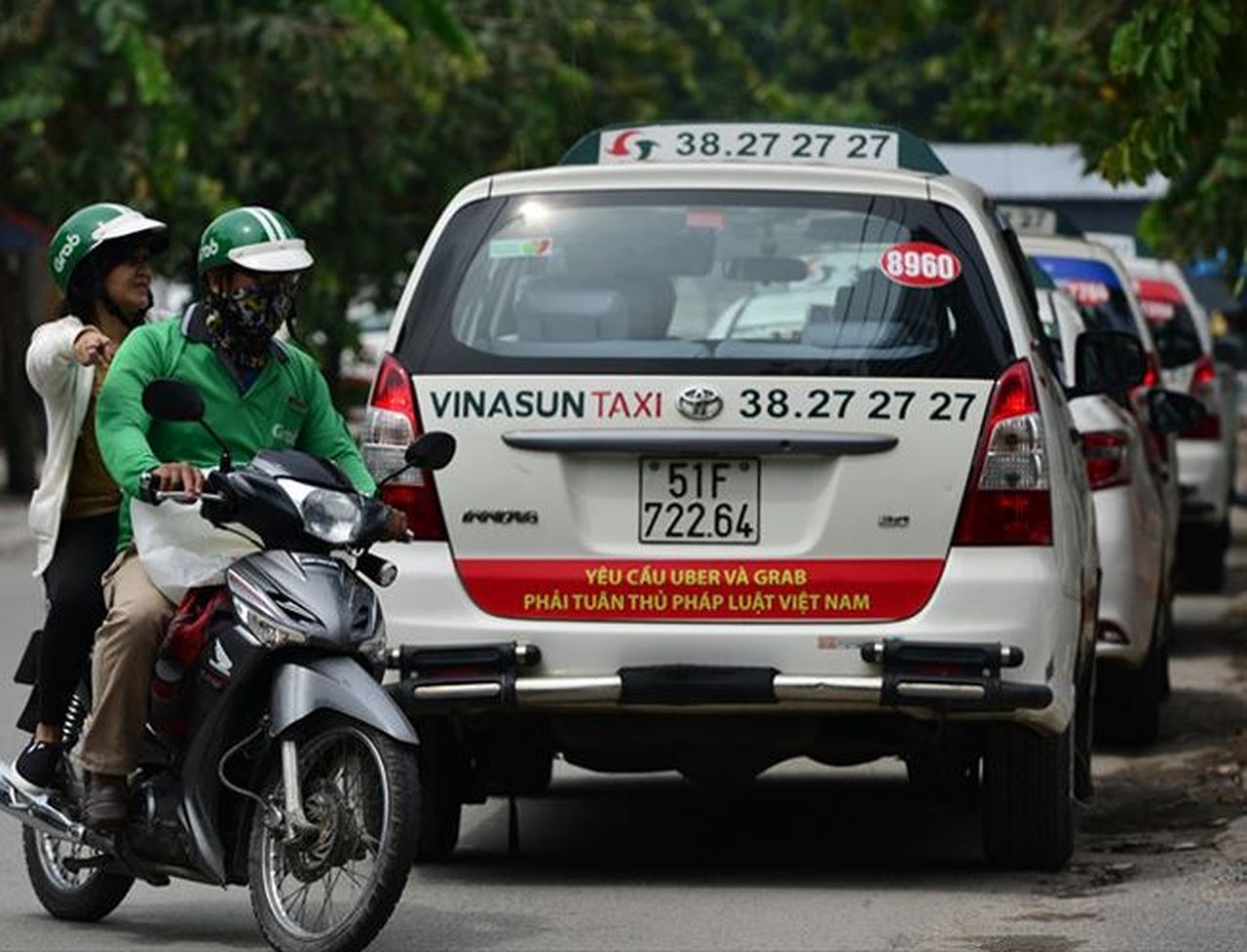
    The divestment followed lackluster performance by the taxi company, which had seen its share value plunge. The company has blamed its woes on “unfair competition” from foreign ride-hailing service companies.

    Ride-hailing services Grab and Uber arrived in Vietnam in 2014, launching both car and motorbike taxi services. The two services have been running on a trial basis since early 2016, cutting deep into the earnings of traditional taxi drivers.

    Many taxi firms have accused Grab and Uber of unfair competition, saying their businesses have suffered and thousands of drivers have had to quit. Currently, Vietnam is investigating Grab’s acquisition of Uber, saying there are signs of antitrust law infringement in the deal.

    Vinasun has targeted revenues of VND2.16 trillion ($94.9 million) and after-tax profits of VND95 billion ($4.18 million) this year, 50 percent less than in 2017 and the lowest target in nine years.

    By the end of 2017, Vinasun had whittled down its staff to just 7,117, a decrease of 10,000 people from the beginning of the year. In the first three months this year, it lost another 120 employees.

  • China’s import tariffs cut and how it affects Hong Kong retail

    China’s import tariffs cut and how it affects Hong Kong retail

    China will cut import tariffs on nearly 1500 consumer products from July 1 – a move likely to have a modest impact Hong Kong retail sales.

    According to Reuters, China’s import tariffs for apparel, footwear and headgear, kitchen supplies and fitness products will be more than halved to 7.1 per cent from 15.9 percent.

    Cosmetics, such as skin and hair products, and some undefined “medical and health products”, will also benefit from a tariff cut to 2.9 per cent from 8.4 per cent.

    Some tariffs on luxury goods have been trimmed as well, although the effect of that on retail prices appears to be marginal. Other goods which Chinese consumers would not source from Hong Kong, including household appliances and packaged foods, will also become cheaper.

    Pascal Martin, partner at OC&C Strategy Consultants, says that by definition, whenever price differences between Hong Kong and China shrink, Hong Kong retail faces a negative impact.

    “However, given the relatively small scale of the drop relative to the goods retail price (a 7 per cent average drop in duty on imported wholesale price may only enable a 2-3 per cent drop in retail price), Hong Kong retailers may not find it that difficult to reduce their operating costs to maintain their comparative price attractiveness versus China – for now. Therefore, we believe the impact will be more psychological than tangible.”

    Encouraging domestic consumption

    Martin says the reduction of import tariffs is an indication of the Chinese government’s effort to attract and retain more domestic consumption.

    “It may displace some sales from domestic brands to international brands, and secondly it may shift sales from cross-border purchases (online or during travel, such as in Hong Kong) to domestic purchases of international brands. Some global players have launched global price harmonisation already, even before the tariff change, so the trend should point to more domestic consumption.

    “However, lower prices may also grow the total pie by making these brands somewhat more accessible to a broader population of shoppers.”

    Martin describes the reduction of import tariffs as “helpful” but cautions that the total price from landing goods in China to their retail price includes both VAT and consumption taxes.

    “Based on OC&C consumer research, consumers start hesitating to buy international brands in China when the difference between these brands’ China price and their home market price is more than 15 per cent of the home price. This means that the impact of the cut in import tariffs will be highest for brands that were just above this 15 per cent price difference threshold and they will likely see their China price get into the “non-hesitation” zone below 15 per cent.

    “The impact of a lower tariff will vary by categories. For some categories like high-end watches where the import tariff is 50 per cent of additional tax and tariffs, the impact will be high. On the other hand, for jewellery, 7-15 per cent out of 50-60 per cent tax and tariffs is not a lot.”

  • Alibaba Hosts Taobao Maker Festival in September

    Alibaba Hosts Taobao Maker Festival in September

    China’s millennial generation is the driving force behind the shift from “Made in China” to “Created in China.” To celebrate this new generation of makers, and the consumers who are increasingly looking for unique, niche brands and products to express themselves, Alibaba Group (NYSE: BABA) will host its Taobao Maker Festival from September 13-16, 2018 at the iconic West Lake in Hangzhou. Founded in 2016, this year’s event will be the biggest yet, bringing together hundreds of Taobao creators to showcase their innovations.

    The four-day event will draw inspiration from the city’s rich heritage and folklore and transform the picturesque West Lake into an exciting offline bazaar, featuring innovative products, cutting-edge technologies, indie designer fashion shows, live concerts, and more. Centered around the intersection of tradition and innovation, the festival will spotlight unique millennial merchants such as Chinese costume brand Kongxuansi, which sells clothes inspired by the embroidered uniforms of Ming dynasty imperial guards. The venue will also feature a 300-square-meter “futuristic shopping area” powered by AR, where thousands of visitors can discover brands, visualize in-home decor, and enjoy animated virtual companions as they shop using headsets.

    Taobao is the world’s largest mobile shopping destination and more than half of its 610 million mobile active users are in their 20s and 30s. According to KPMG, millennials will become the biggest spenders in China in the next five years. Now in its third year, the Taobao Maker Festival has not only become an annual gathering for entrepreneurs to demonstrate their creativity, but also a window for the world to better understand China’s aspirational young consumers.

  • Adyen First To Launch Real Time Mastercard Account Updater Service Globally

    Adyen First To Launch Real Time Mastercard Account Updater Service Globally

    Adyen, the payments platform of choice for many of the world’s leading companies, today announced its direct API integration with the Mastercard® Account Updater service. Qualified merchants processing with Adyen globally can now increase revenue from card-on-file payments by automatically updating Mastercard accounts in real time.

    The direct API connection helps to prevent card declines due to account changes caused by expiration dates or new replacement card numbers, among other reasons. Microsoft and Twitter are among Adyen’s merchants using the Mastercard Account Updater service.

    “The subscription economy is experiencing massive growth, with 100% increase year-over-year for the last five years. Beyond digital services, Adyen is seeing a strong uptake in physical products like cosmetics, fashion and bicycles now offered as a subscription service. Payments are a critical touchpoint for ensuring uninterrupted service for customers and sustained revenue for merchants,” said Roelant Prins, chief commercial officer at Adyen. “Adyen, together with Mastercard’s Account Updater, is focused on making the highest number of payments succeed by automatically updating card data at the point of transaction, preventing involuntary card declines due to expired or replaced cards.”

    “Today’s consumers have their card information stored at multiple online stores and in the event the card gets replaced, it is an inconvenience to remember and update the card details at all the stores,” said Johan Gerber, executive vice president of security and decision products at Mastercard. “As the first payments platform to use our Account Updater API, Adyen is giving merchants a powerful tool to provide a better, seamless consumer shopping experience by automatically updating the details.”

    Adyen’s use of the Mastercard Account Updater API can be activated instantly with no merchant integration required. Adyen also provides merchants extensive live performance data including authorization rate impact by issuing bank and decline code.

  • Captain D’s Seafood Restaurant to have more stores by franchising

    Captain D’s Seafood Restaurant to have more stores by franchising

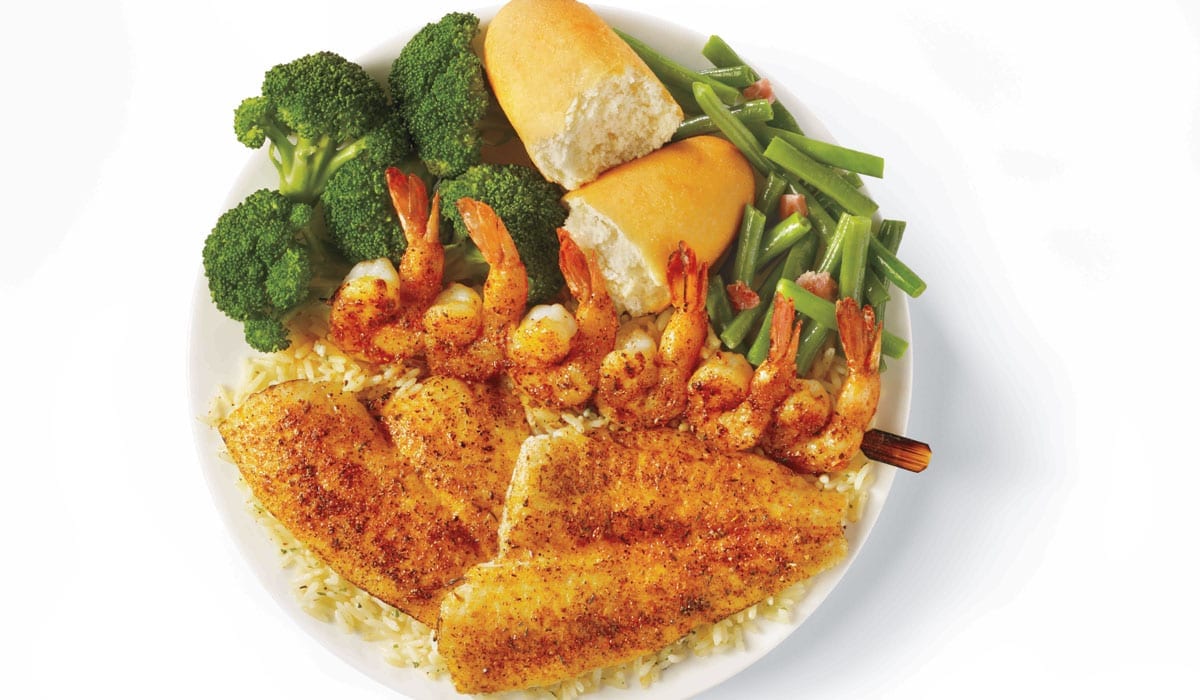
    World Franchise Associates has announced the signing of an agreement to exclusively represent Captain D’s Seafood Restaurant for development opportunities worldwide. World Franchise Associates assists franchisors to enter new international markets and expertly assists investors to acquire master franchises for the best franchised and most recognized business brands in the world.

    Captain D’s is the industry-leading fast-casual seafood franchise in the United States with over 550 restaurants. The brand was ranked No. 1 seafood franchise in The QSR 50, the annual ranking by QSR Magazine. The brand also received noteworthy recognition in the franchise industry by setting brand AUV records in 2012, 2013, 2014, and 2015; and 2016 marked the 6th consecutive year of sales growth.

    The brand relaunched four years ago with an expanded menu to include healthy, grilled options and re-imaged decor to attract a new generation of diners seeking seafood as a fast-casual meal alternative. With meals offered at attractive price points – The changes spurred increased customer counts, higher average tickets and more customer frequency.

    Paul Cairnie Chief Executive Officer, World Franchise Associates said, “We are excited about helping to introduce Captain D’s, the number one QSR seafood franchise in the United States, to international audiences worldwide. While other QSR chains have struggled to maintain and grow AUV, Captain D’s is growing — and the growth is sustainable.  Seafood franchises today have an opportunity, as the QSR seafood space has few competitors, so Captain D’s has plenty of room to grow.”

  • Cainiao-led Joint Venture to Build New Logistics Hub at HK International Airport

    Cainiao-led Joint Venture to Build New Logistics Hub at HK International Airport

    Cainiao Network (“Cainiao”), the logistics arm of Alibaba Group, announced today that it will lead a joint venture to invest approximately US$1.5 billion (approximately HK$12 billion) to build a world-class digital logistics center at Hong Kong International Airport, the world’s busiest cargo airport.

    Cainiao will lead the project through its controlling joint venture with China National Aviation Corporation (Group) Limited and YTO Express. The companies hold a 51%, 35% and 14% stake in the joint venture respectively. With advanced environmental protection standards and state-of-the-art technologies, such as automated warehousing and temperature-control solutions, the center will be put into operation in 2023 with an estimated gross floor area of 380,000 square meters. It will include air cargo processing center, sorting center and order fulfilment center, among other functions. The center will handle tens of millions of parcels every year to meet the surging cross-border e-commerce needs of global SMEs, bringing an incremental cargo volume of approximately 1.7 million tonnes per annum to the Hong Kong International Airport when the center operates in full capacity, and reinforcing the city’s position as a key gateway in the global logistics chain.

    The move forms part of Cainiao’s broader effort to expand and strengthen its global logistics network. Just last week, Cainiao unveiled plans to open five hubs in five cities around the world – Dubai, Hangzhou, Kuala Lumpur, Liège (Belgium) and Moscow. The new Hong Kong hub will mark another enhancement to this network. It is also part of Alibaba’s commitment to invest more than 100 billion yuan in an efficient smart logistics network that drives 24-hour delivery in China and 72-hour delivery to the rest of the world.

    “The Hong Kong hub will be yet another milestone on our way to achieving our goal of 72-hour global delivery, and will further empower SMEs locally and globally to more readily tap the benefits of more inclusive globalization through cross-border e-commerce,” said Wan Lin, President of Cainiao Network. “The Hong Kong International Airport has been the world’s busiest cargo airport for many years. As an important gateway for global goods to enter the mainland China market and vice versa, Hong Kong is of strategic importance to Cainiao and we have a strong commitment to help the city address the surging needs of the future.”

    Cainiao already has three Global Fulfillment Centers in Hong Kong which are operated by its partners. As well, Cainiao opened an airfreight route between Hong Kong and Belgium last month. This is its second such international airfreight route specially for e-commerce parcels following the opening of its HangzhouMoscow route earlier this year.