Author: Mei Ling Tan

  • Garmin Philippines reports positive growth

    Garmin Philippines reports positive growth

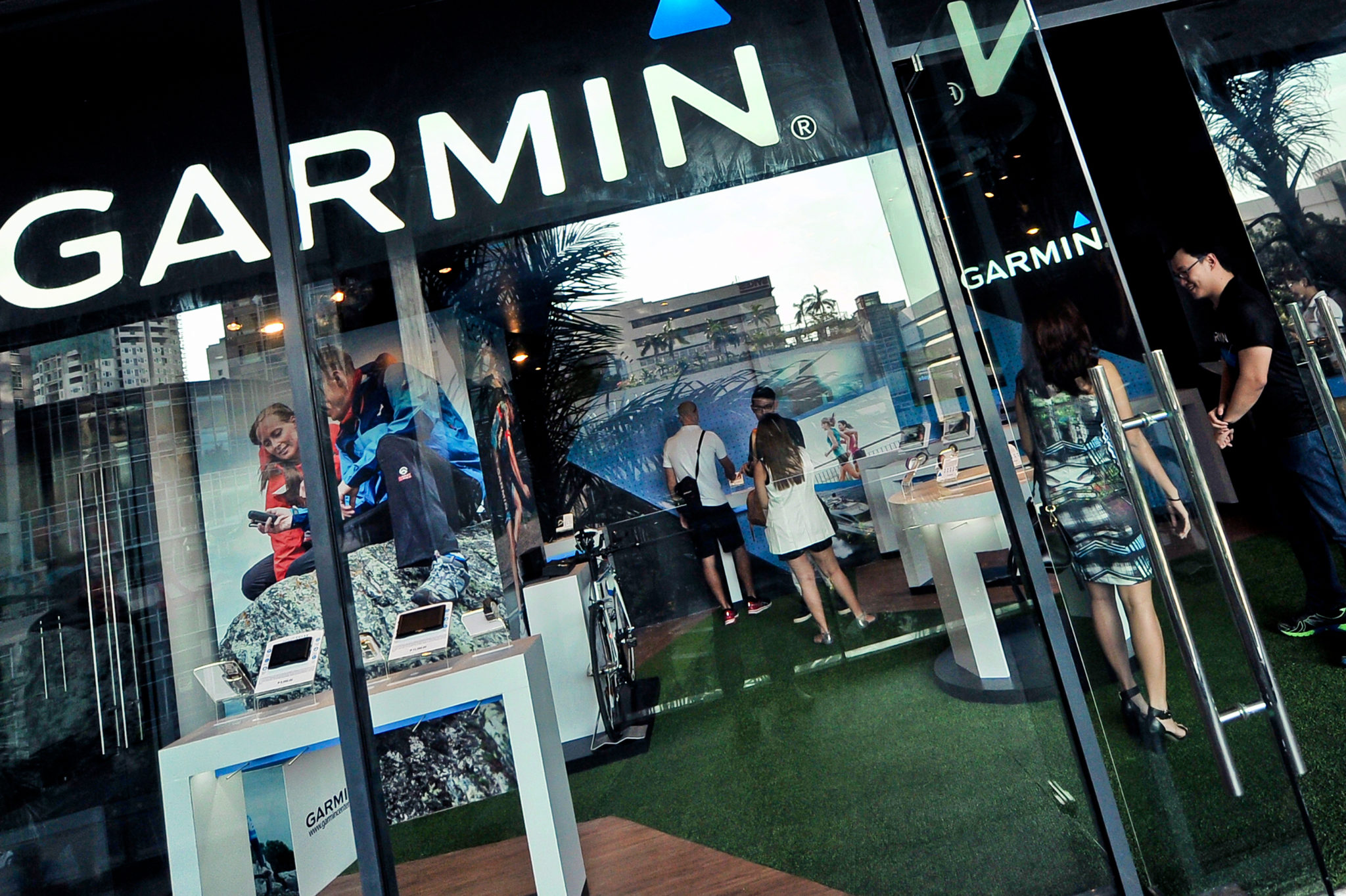
    Active lifestyle smartwatch Garmin Philippines will introduce its expanded line to the Philippine market and open another location this year in Vertis North Mall Quezon City and its first-ever branch in Mindanao at the SM Lanang Premier (Davao).

    Garmin Philippines (Navco Inc.) president Ryan Tan says the expanded range is made for any kind of lifestyle, whether for everyday or for adventures.

    “Before, Garmins were primarily used by hardcore runners, triathletes and adventurers. In IronMan events almost 80 per cent of athletes use Garmin. Now Garmin has evolved into a lifestyle watch brand.”

    He says it looks like a normal everyday analog watch but with smart wellness features. The Vivomove HR, for example, is a hybrid smartwatch with a discreet touchscreen. It features a crystal touchscreen with a discreet display. Precision hands show the time and dynamically move away when the user swipes through their messages, heart rate and more. It counts the user’s steps and calories while monitoring wellness, including all-day stress tracking plus the relaxation-based breathing timer.

    The US brand has also introduced multisport watches such as Forerunner® 645 and the DescentTM Mk1. Up to 500 songs are built in to the Forerunner® 645 Music, which also offers smart notifications plus the ability to send prewritten responses to text messages, automatic uploads to the Garmin connect app and the ability for others to track your runs with the LiveTrack feature.

    Meanwhile, the Garmin DescentTM Mk1 is a do-it-all dive computer, the first of its kind to pack surface GPS navigation with full-color onscreen mapping and location reference. On top of that, it features an algorithm that alerts you when you’re beyond your dive limits.

    Meanwhile, Garmin is launching the Garmin PH Community on Facebook for Garmin users and fans in the Philippines.

    Garmin opened its first concept store in Glorietta 5 in 2014, followed by outlets in Uptown Mall BGC, SM North Edsa, The Podium, SM Megamall, SM Mall of Asia, SM Aura Premier and Alabang Town Center.

  • Nature Republic site priciest property in Korea

    Nature Republic site priciest property in Korea

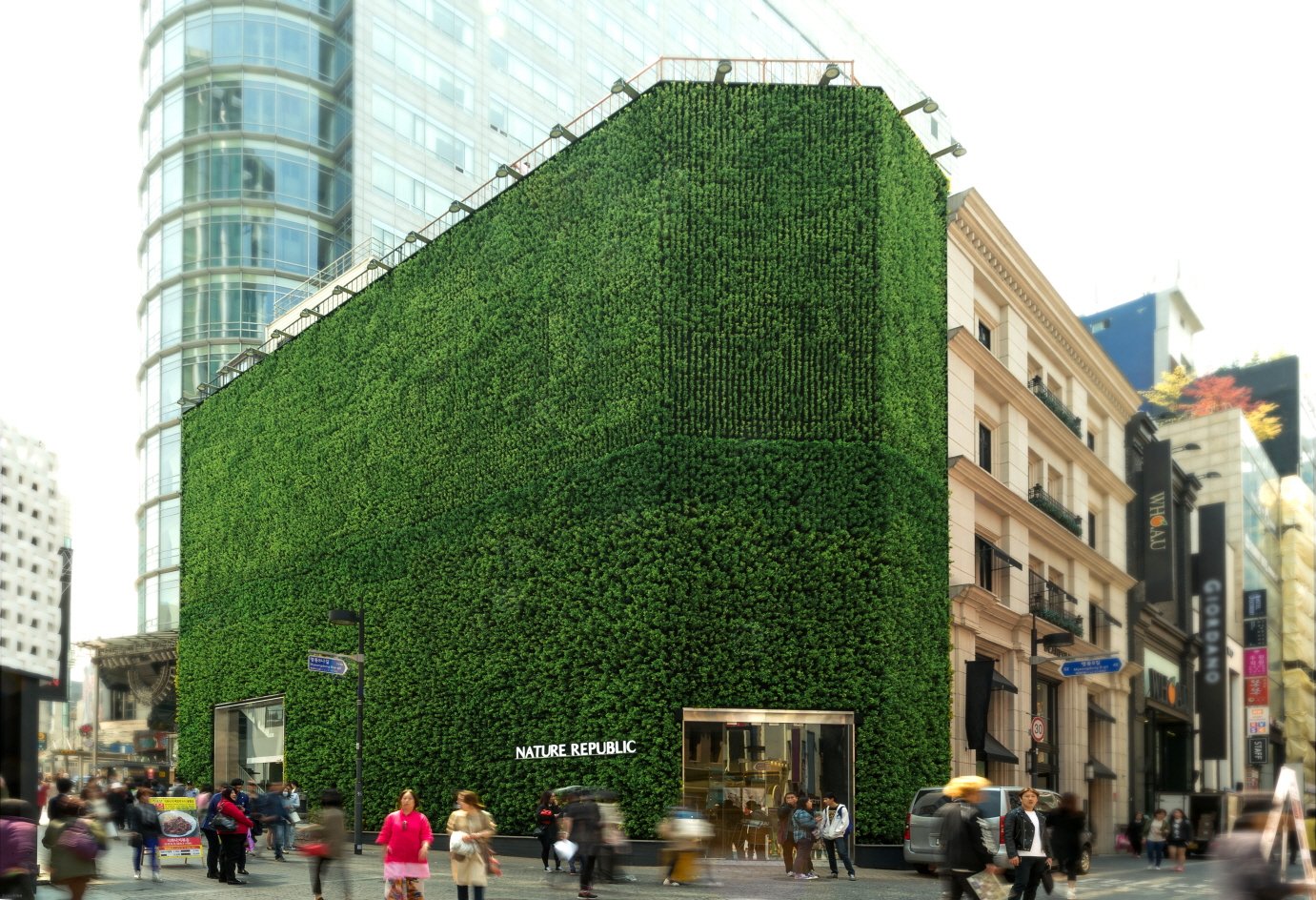
    The Nature Republic flagship store in Myeongdong, Seoul, has been named the most expensive commercial property in South Korea for the 15th consecutive year.

    According to data released by the Ministry of Land, Infrastructure and Transport (MOLIT), the official government appraisal of the land currently housing the cosmetics retailer’s stroe increased by 6.16 per cent from last year to 91.3 million won (US$85,439) per square metre.

    Other properties within Myeongdong rounded out the list of the 10 most expensive properties per square metre in the nation.

    Properties currently occupied by jewellery shops Lloyd and Clue were the second and third most expensive, coming in at 90.25 million won and 90.12 million won, respectively.

    The site of Woori Bank’s Myeongdong Branch dropped to fourth place at 88.6 million won per square metre after holding the second highest position for many years.

    The average price of land per square metre rose 6.28 per cent with Mapo-gu showing the highest increase at 11.89 per cent.

    Seocho-gu followed with 8.76 per cent, while Yongsan-gu and Seongdong-gu were tied at 8.14 per cent each.

    Gangnam-gu, with a 7.85 per cent increase, rounded out the list of districts in Seoul that saw the greatest rise in land prices.

    According to MOLIT, the least expensive land can be found in Uljin-gun, North Gyeongsang Province, boasting an appraisal price of 142 won (US13 cents) per square metre.

    In addition, the greatest price leap came from Guneop-ri, Hwachon-myeon in Hongcheon-gun of Gangwon Province, having seen a 700-fold increase from 286 won per square metre last year to 200,000 won this year.

    The jump in price is attributed to a newly built rest service area along the Seoul-Yangyang highway.

  • H&M and Gap to Probe Violence, Sex Abuse in Asian Factories

    H&M and Gap to Probe Violence, Sex Abuse in Asian Factories

    Fashion giants H&M and Gap vowed on Tuesday (05/06) to investigate reports that Asian garment workers who supply their high-street stores routinely face sex abuse, harassment and violence.

    Based on interviews with some 550 workers in 53 H&M and Gap supplier factories in Bangladesh, Cambodia, India, Indonesia and Sri Lanka, rights groups said women were at “daily risk” of violence and faced retaliation if they reported the attacks.

    The coalition has investigated the factories for several years as efforts mount to push Western brands into improving safety along their supply chains and render them slave-free.

    Clothes stitched by low-paid Asian workers – part of a complex global supply chain – end up on high-priced Western high streets, with some 4,750 H&M stores located in 69 countries and about 3,700 Gap shops operating in about 90 nations.

    Sweden’s H&M — the world’s No. 2 clothes group after Zara owner Inditex — said it would review the findings of the recent report by the civil society groups and unions.

    “We will go through every section of the report and follow up on [a] factory level with our local teams based in each production country,” a company spokesman said in a statement.

    “All forms of abuse or harassment are against everything that H&M group stands for.”

    US retailer Gap said it was “deeply concerned about the troubling allegations raised by this report.”

    “Our global team is currently conducting our due diligence to investigate and address these issues,” a spokeswoman said.

    The charities said they had found widespread sex harassment, verbal and physical abuse – such as slapping – and threats of retaliation when women refused sexual advances from bosses.

    Forced Labor

    A separate report published last month by the coalition of rights groups found similar abuse of women at supplier factories in Asia for US-based Walmart, the world’s largest retailer.

    Walmart said last month that it was reviewing the “concerning” accounts cited in the report.

    The Ethical Trading Initiative (ETI), a group of trade unions, firms and charities of which both Gap and H&M are members, said it expected the retailers to work with the suppliers to ensure that women have swift access to remedy.

    “These allegations are deeply concerning,” said Debbie Coulter of the ETI. “Gender-based violence is unacceptable under any circumstances, and brands need to make sure that women working in their supply chain are protected.”

    Campaigners told the Thomson Reuters Foundation last month that the level of pressure and harassment faced by the workers in the three separate reports was approaching forced labour.

    “Any time you have retaliation against workers, and coercion and control … you are coming close to the line of forced labour,” Jennifer Rosenbaum of Global Labor Justice, a network of worker and migrant organizations, said last month.

    The reports have been published amid meetings hosted by the United Nations’ International Labor Organization to work on the first global convention against workplace harassment after the #MeToo campaign thrust the issue into the spotlight.

  • Life at Starbucks after Howard Schultz

    Life at Starbucks after Howard Schultz

    Howard Schultz, Starbucks’s public face, wrote an emotional letter to employees on Monday to announce his plans to leave the Seattle company on June 26 after some 40 years, saying, “I would like to humbly remind you not to lose sight of what matters most: your fellow partners and our customers.”

    Schultz, who will leave his position as Starbucks’s executive chairman, continued, “Success is not an entitlement; it must be earned every day through hard work and teamwork.”

    A good reminder that was. Starbucks, under Schultz, has been a success story.

    The company has expanded from 11 stores in 1987 to 28,000-plus, in 77 countries, becoming the world’s No. 1 coffeehouse chain thanks to its “Third Place” pitch as a community spot for people between home and work. The company’s stock has jumped 21,000% since its 1992 IPO, and Starbucks was ahead of curve in offering employee benefits including comprehensive health care and free college tuition.

    It also has become a poster child for corporate activism and social consciousness. And with mobile phones fast changing consumer behavior, Starbucks was also ahead in building a mobile payment and rewards system that’s given it coveted customer insights.

    Starbucks’s share in the $58 billion global specialty coffee shop market rose to about 46% last year, from 41% in 2014, according to Euromonitor. Its share in the nearly $25 billion U.S. market surged to more than two-thirds, from 61%, during the same period, Euromonitor data shows.

    However, as much as Starbucks, or Schultz, can take pride in those accomplishments, the reality is that what once set Starbucks apart has been widely replicated and, in some cases, outdone. Just look at the crop of gourmet coffee shops like Think Coffee, Gregorys Coffee, Blue Bottle Coffee and Stumptown Coffee Roasters, which have suddenly mushroomed in cities like New York and beat Starbucks at its own game.

    Starbucks is also facing growing competition on the low end, led by McDonald’s, and increasingly has to respond to the trend of consumers’ brewing more high-end coffee at home or buying more ready-to-drink coffee on the go. A recent Mintel study, for instance, showed ready-to-drink coffee has posted five straight years of double-digit sales growth, outpacing the specialty coffee shop sales growth tracked by Euromonitor.

    Meanwhile, as Starbucks has grown, it has faced the mounting challenge of training its employees and maintaining the same level of customer service and experience. For instance, even though the company recently shut its more than 8,000 company-owned U.S. stores to train nearly 175,000 employees on unconscious bias after a Philadelphia manager called the cops on two black men, the response from both employees and customers has been mixed. (Just look at Starbucks’s painstaking responses to each Facebook post applauding or faulting it for the move.)

    With its recent move to officially declare its Use of Third Place policy to welcome anyone, paying customer or not, to its stores, the chain also needs to figure out who and how it wants to please without alienating its loyal customers.

    The warning signs started coming even before the Philadelphia incident. A Market Force Information study of U.S. coffee, bakery and donut shops in February found Starbucks’s composite loyalty index, which measures things such as customers’ satisfaction and their likelihood to recommend a restaurant, actually declined to 49% this year, from 58% in 2017. This ranked Starbucks below rivals including Krispy Kreme and Panera Bread.

    In yet another cautionary sign, in KPMG’s 2018 U.S. Customer Experience study, which was released Tuesday and covers 250 brands of various sectors, Starbucks actually came in a less-than-impressive 80th place. Among those categorized as restaurants in the study, it fell behind chains like Chick-fil-A, In-N-Out Burger and Krispy Kreme.

    Starbucks, which has also been hurt by declining U.S. mall traffic, has seen the Americas region’s comparable sales, or sales at company-owned locations open for more than 13 months, slow each year to 3% in fiscal 2017 from 7% in fiscal 2013. Even in Asia, where Starbucks has identified China as a big growth driver, comparable sales have slowed over that time.

    That’s not even counting the fact that growth elsewhere likely won’t come fast enough to move the needle and eclipse the U.S.-dominated Americas region, which represented 70% of fiscal 2017 sales versus Asia’s 14%.

    “Never embrace the status quo,” Schultz, whose upcoming departure from Starbucks has sparked speculation of a possible presidential run, wrote in his letter. “Have the curiosity to look around corners and the courage to push for reinvention. … Change is inevitable, and the world has become a more fragile place since we first opened our doors.”

    Starbucks needs to take those words to heart. After all, the world has not only become a more fragile place; it’s also become a more fickle place.
  • Indonesia Gov’t to Foot Rising Fuel and Electricity Subsidy Bills

    Indonesia Gov’t to Foot Rising Fuel and Electricity Subsidy Bills

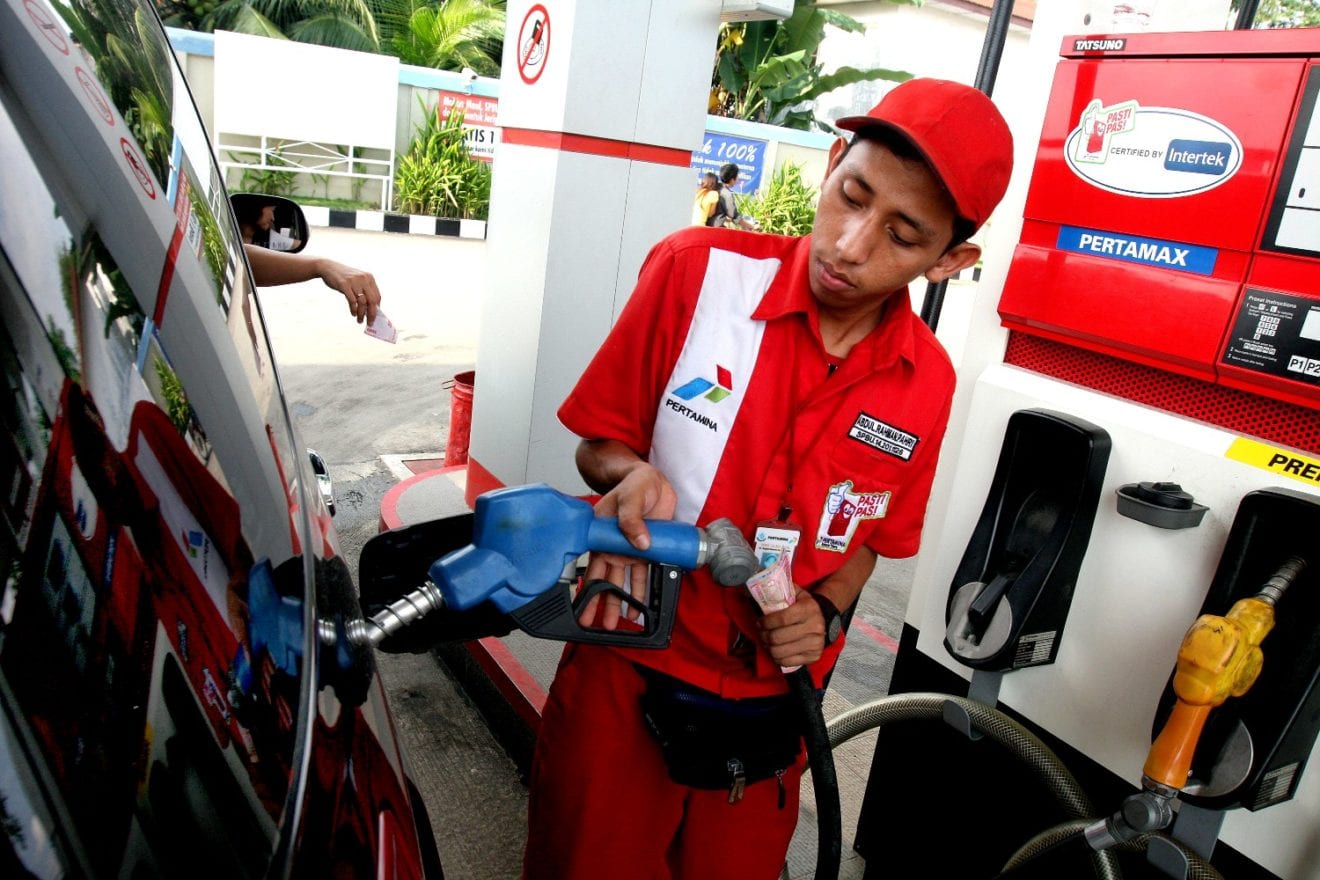
    The government has reiterated its commitment to keep fuel and electricity prices steady this year, amid rising global oil prices and the recent strengthening of the US dollar.

    State Enterprises Minister Rini Soemarno said the government will continue to subsidize diesel fuel at the current rate, which is four times higher than planned in the state budget. The government will also increase its subsidies for electricity.

    “Diesel was subsidized Rp 500 [a liter] by the government. Now it is Rp 1,500 and it will be Rp 2,000. It is covered from the current state budget,” the minister said over the weekend.

    According to her deputy, Harry Fajar Sampurno, the government’s diesel fuel quota is 16.23 million kiloliters for this year, which means the subsidies will cost Rp 32 trillion ($2.3 billion).

    The government will discuss the increase with House of Representatives Commission VII, which oversees the energy sector.

    It was previously planned to keep fuel and electricity prices stable until the end of 2019, but pressure is mounting to increase them, as crude oil prices are now nearly 50 percent higher than the government’s initial forecast of $48 a barrel.

    President Joko “Jokowi” Widodo, who is preparing to run for a second term next year, went as far as to support consumer purchasing power by raising energy subsidies to $588 million to keep fuel and electricity cheap until the end of 2019.

    Household consumption, which accounts for half of Indonesia’s economy, has been subdued over the past few years as Jokowi opted to divert money previously used for energy subsidies toward infrastructure development.

    The government spent Rp 98 trillion on energy subsidies last year, compared with Rp 342 trillion in 2014. State spending on infrastructure has meanwhile increased by more than 80 percent to Rp 376 trillion in the same period.

    Last month, oil prices spiked after the United States announced plans to impose new sanctions on Iran, a major exporter. The announcement resulted in oil prices hitting their highest levels since November 2014, with Brent crude futures at $77.90 and US West Texas Intermediate at $71.80 a barrel.

    Meanwhile, the rupiah traded at an average rate of 13,713 versus the dollar, compared with the initial forecast of 13,400, according to central bank data. Bank Indonesia governor Perry Warjiyo said the central bank expects a rupiah exchange rate of between 13,800 and 14,100 to the dollar for the remainder of this year and next year.

    Although higher oil prices and the weaker exchange rate will likely boost state revenue from oil and gas, they will also increase energy subsidies, especially for electricity and liquefied petroleum gas.

    The decision to maintain fuel and electricity prices is also intended to avoid undue pressure on the 2018 state budget, while at the same time limiting the budget deficit to 2.19 percent of gross domestic product.

    The government aims to keep the budget deficit at Rp 325.9 trillion, or 2.19 percent of GDP for the full year, compared with last year’s Rp 336.4 trillion, which amounted to 2.48 percent of GDP.

  • FamilyMart Uny and Don Quijote agree to capital tie-up

    FamilyMart Uny and Don Quijote agree to capital tie-up

    Convenience store group FamilyMart Uny Holdings has stepped up co-operation with Japan’s largest discounter, Don Quijote Holdings, to open a joint store.

    Like other Japanese convenience stores, which are open 24 hours and sell everything from underwear to freshly brewed coffee, FamilyMart has struggled with falling customer numbers in the past two years amid competition from discount drugstores and problems with labour shortages.

    It merged with Uny in 2016, and last year sold a 40 per cent stake in its general merchandise unit to Don Quijote. The company is hoping the joint convenience store, which has opened in Tachikawa, Tokyo, will help rekindle consumer interest. Two other stores are also opening this month.

    Don Quijote, also open around the clock, is known for stocking its stores floor-to-ceiling with an eclectic mix of products such as leopard-print rugs to designer goods. Popularly known as Donki, it has delivered 28 years of unbroken sales growth.

  • Fendi names global head of retail, wholesale

    Fendi names global head of retail, wholesale

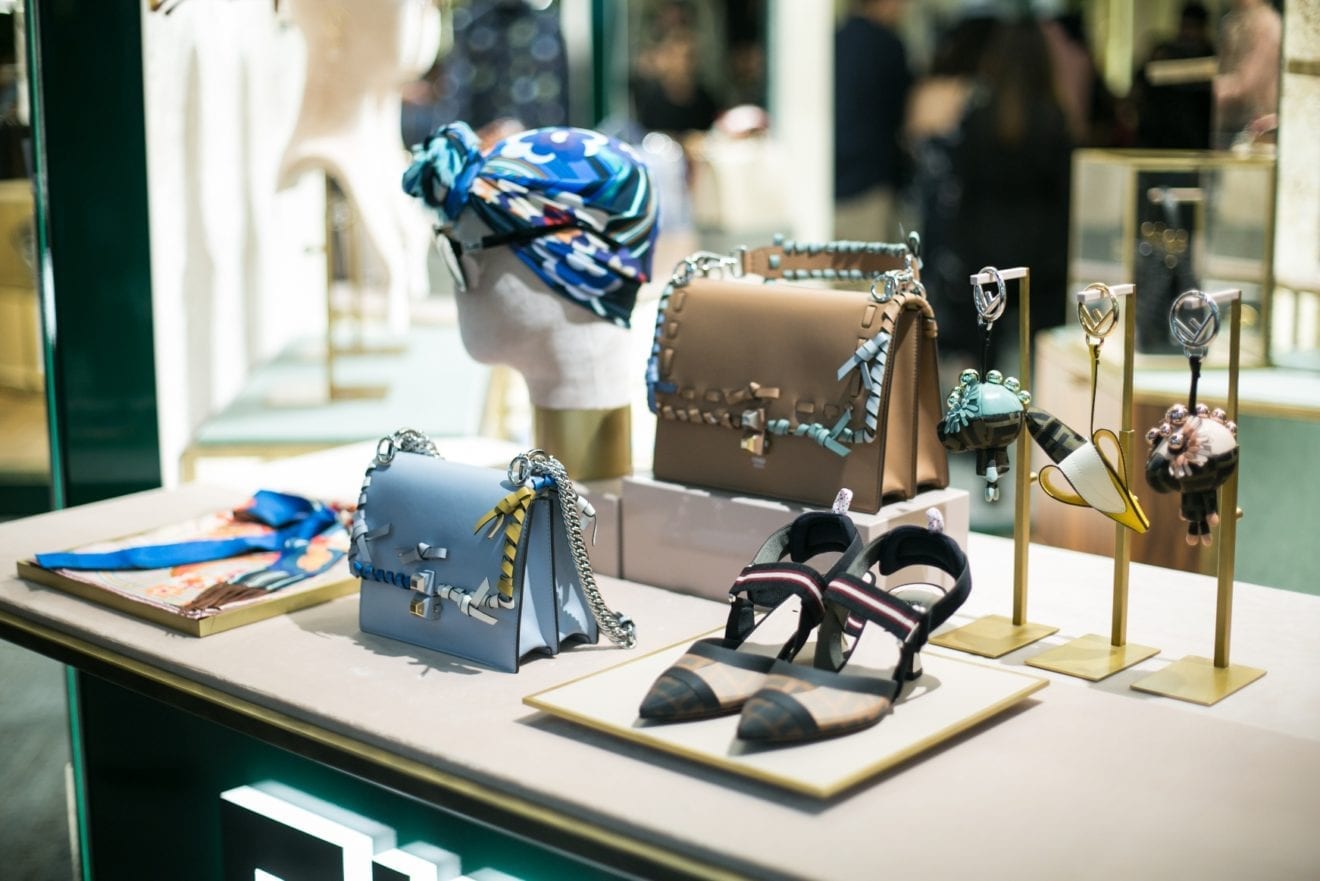
    LVMH Group announced  that Giuseppe Oliveri is leaving his role as general manager of Dior China to take over global retail and wholesale at Fendi.

    Effective 1 July 2018, Oliveri will return to his homeland Italy, commencing as Fendi’s managing director of retail and wholesale.

    Oliveri began his career in banking, before moving into retail with Italian group Benetton, followed by a stint at Stefanel in Hong Kong. From there, he became general manager of Versace’s Asia-Pacific region, before heading over to lead Dior’s Chinese operations in 2015.

    The news comes on the heels of several management reshuffles across the LVMH Group fold.

    Oliveri’s predecessor, Charles Delapalme, recently left to take over Dior’s commercial activities, a role in which he succeeds Serge Brunschwig, who is now CEO at Fendi, following Pietro Beccari’s appointment at the head of Dior.

    LVMH, whose 70 brands range from Dom Perignon champagne to fashion houses like Fendi and Givenchy, said sales rose 11 percent between October and December on a like-for-like basis, which strips out currency swings.

    At the time of reporting in January, the French company said demand from Asian shoppers boosted makers of high-end handbags, clothing and watches during 2017, thanks in particular to thriving Chinese demand.

    While individual brand results were not disclosed, the firm said operating income for the whole of 2017 stood at 8.29 billion euros ($10.36 billion), up 18 percent from a year earlier.

    In Hong Kong, Fendi has more than 200 employees with seven stores in Landmark, Times Square, Pacific Place, Canton Road, Harbour City, DFS Sun Plaza and Elements, according to the French Chamber Hong Kong.

    In the Asia Pacific region, Fendi also has locations in Macau, Taiwan, Korea, Singapore, Malaysia, Thailand and Australia. The brand employs over 2500 employees worldwide.

  • Seven-Eleven to use Toyota fuel cell trucks for deliveries next year

    Seven-Eleven to use Toyota fuel cell trucks for deliveries next year

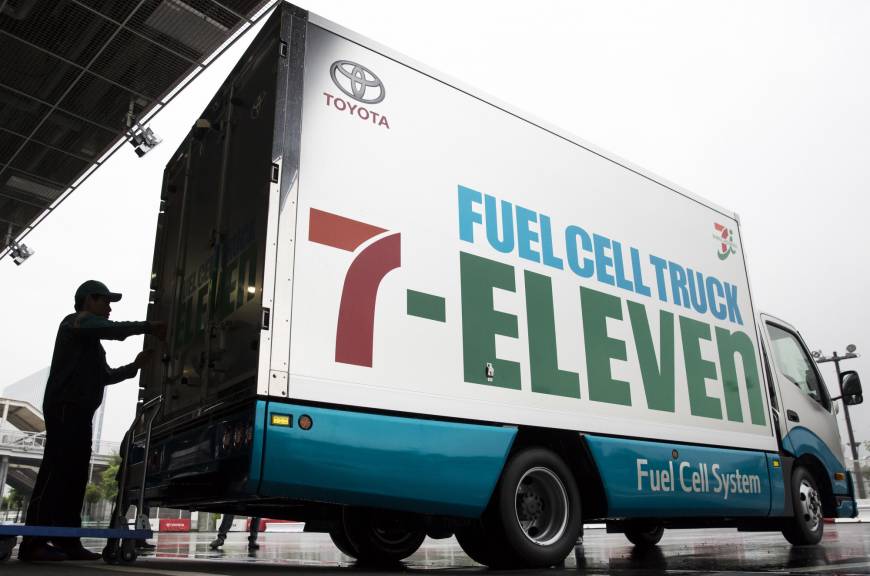
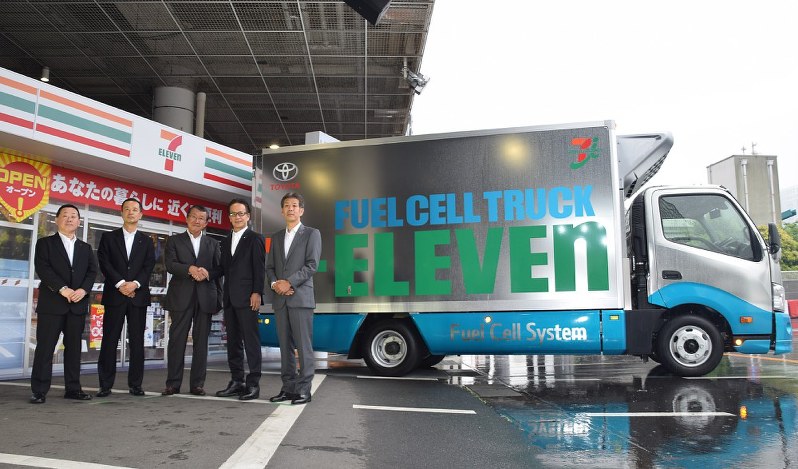
    7-Eleven Japan and Toyota Motor Corporation have agreed on a joint project to reduce CO2 emissions.

    The idea is to conserve energy and reduce carbon dioxide emissions in the store’s distribution and business activities.

    Toyota has been investigating the use of newly developed fuel-cell trucks and fuel-cell generators, and the project will be implemented in stages starting next year. It aims to introduce technologies and systems developed by Toyota for 7-Eleven store activities. Stationary fuel-cell generators (FC generators) and rechargeable batteries will be introduced at stores, managed centrally by building energy-management systems (BEMS), raising the proportion of renewable energy and electric power derived from hydrogen used. A newly developed small-fuel-cell truck will join the distribution process, aiming to achieve zero emissions of substances of concern, including CO2.

    The Seven & I Group is addressing five key issues: Regarding non-wasteful use of products, ingredients and energy, the group seeks to expand renewable energy use in line with the objectives of the Sustainable Development Goals (SDGs) adopted by the UN in 2015. Specifically, the group plans to increase renewable energy use in stores to 20 per cent and reduce CO2 emissions by 27 per cent. 7-Eleven is taking measures to reduce CO2 emissions throughout its entire supply chain to meet its goals, focusing on renewable energy.

    In December, 7-Eleven opened the environmentally, user-friendly 7-Eleven Chiyoda Nibancho store as a flagship of these initiatives. The second such store, the 7-Eleven Sagamihara Hashimotodai Itchome, opened last month with renewable energy accounting for 46 per cent of its electric power use.

    Toyota technologies and systems that use hydrogen will be introduced in stores and distribution sites, with next-generation stores further using renewable energy. Two small-fuel-cell trucks are intended to be introduced in Tokyo next year.

  • DHL Express partners blu for parcel pickup service

    DHL Express partners blu for parcel pickup service

    DHL Express and Singapore-based retail logistics company blu have partnered to offer all DHL Express customers the option to directly collect their shipments from DHL Service Points, which include blu’s island wide network of over 55 bluPort Parcel Terminals in Singapore.

    Provided at no additional cost, this service is now officially available island wide, and aims to offer greater flexibility and convenience to recipients of home-bound parcels.

    Under this partnership, DHL customers have the flexibility to direct their residential-bound parcels to a bluPort Terminal or any other DHL Service Point for collection at their convenience. Recipients will receive an email or SMS with a link to the DHL Express On Demand Delivery platform when their parcels are picked up in the origin country. They can manage their delivery options on this platform and request for their parcels to be directed to a bluPort Terminal.

    When shoppers select the option to collect parcels from DHL Service Points, the parcels bound for bluPorts are handed over to blu. blu is responsible for managing same-day delivery into the respective bluPorts. Following this, SMS notifications are sent to the parcel recipients to inform them of their personalized bluCode as well as collection expiry time. Shoppers will have 48 hours to collect their parcels from the bluPorts, with an automatic extension of 24 hours thereafter, if the parcel remains uncollected.

    “The rise of e-commerce has established new shopping habits and expectations, as with the speed and convenience of parcel delivery. Singapore is no exception – especially as the country pushes to grow e-commerce receipts significantly by 2020. Through this partnership with blu, we hope to give our customers the freedom to choose where and when they receive their parcels. We will continue to enhance such options by expanding our network with trusted partners like blu, and innovating our service and offerings.” said Lyndon Morgan, Vice President of Operations, DHL Express Singapore.

    “Our partnership with DHL Express further reaffirms the shift towards a seamless shopping experience for today’s shoppers, many of whom are time strapped and simply cannot afford the luxury of time to wait for a parcel to arrive,” said Mr Prashant Dadlani, founder of blu. “We look forward to growing blu’s network of bluPorts further together with DHL Express as a trusted partner.”

    blu’s network of bluPorts has been in operation since October 2016, offering the first same day self-collection option in Singapore. blu’s partnership with DHL Express aims to eliminate the frustration and unpredictability of waiting times for the arrival of many more parcels, putting the consumers in greater control of their inbound parcels.

  • Cebu Pacific adding flights to Cebu’s new ‘resort-airport’ terminal

    Cebu Pacific adding flights to Cebu’s new ‘resort-airport’ terminal

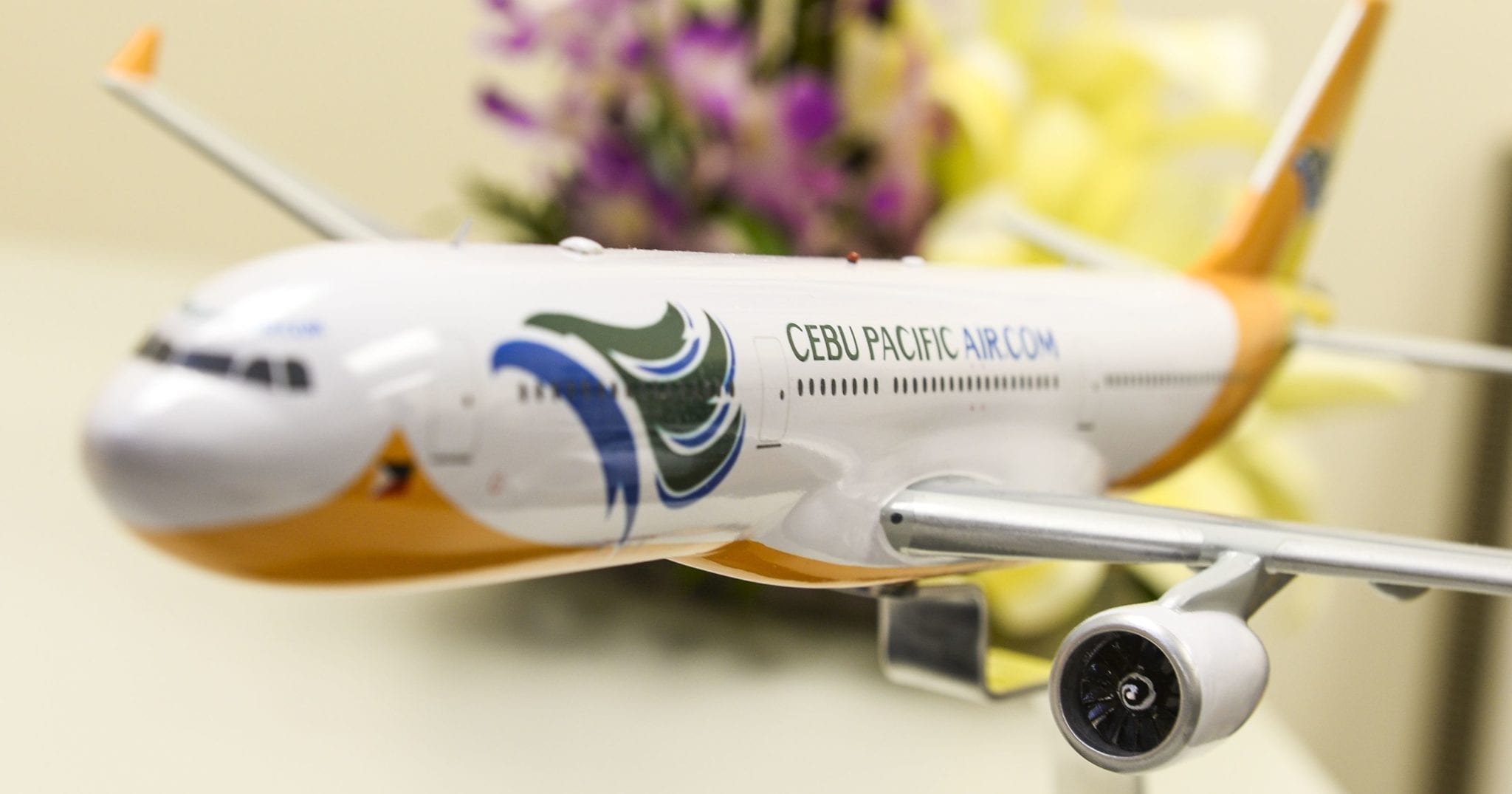
    Cebu Pacific will increase flights to Cebu by 20 percent next year, the airline’s chief Lance Gokongwei said Thursday as the Queen City of the South inaugurated its new “resort-airport” terminal.

    The new 65,500-square meter Mactan-Cebu International Airport Terminal 2 is expected to cater to 12.5 million passengers annually, airport officials said in a statement.

    “Cebu Pacific will be adding aircraft here so we can serve the growing tourism industry, probably 20 percent at the minimum next year,” Gokongwei told ABS-CBN News.

    The country’s largest carrier will also come up with special packages “to celebrate” the opening of the new airport and to entice passengers to choose Cebu as the point of entry to the Philippines, Gokongwei said.

    Cebu Pacific will also “add more routes to North Asia to serve the big market in China, Korea, and Japan,” he said.

    Gokongwei said the budget carrier also intends to reach 22 million passengers by the end of 2018, 3 million seats higher than the 19.4 million seats Cebu Pacific sold last year.

    Cebu Pacific is also eyeing more flights to Panglao in Bohol and San Vicente in Palawan in 2019, Gokongwei said.

  • Off-White Is Opening a New Store In Manila, Phillippines

    Off-White Is Opening a New Store In Manila, Phillippines

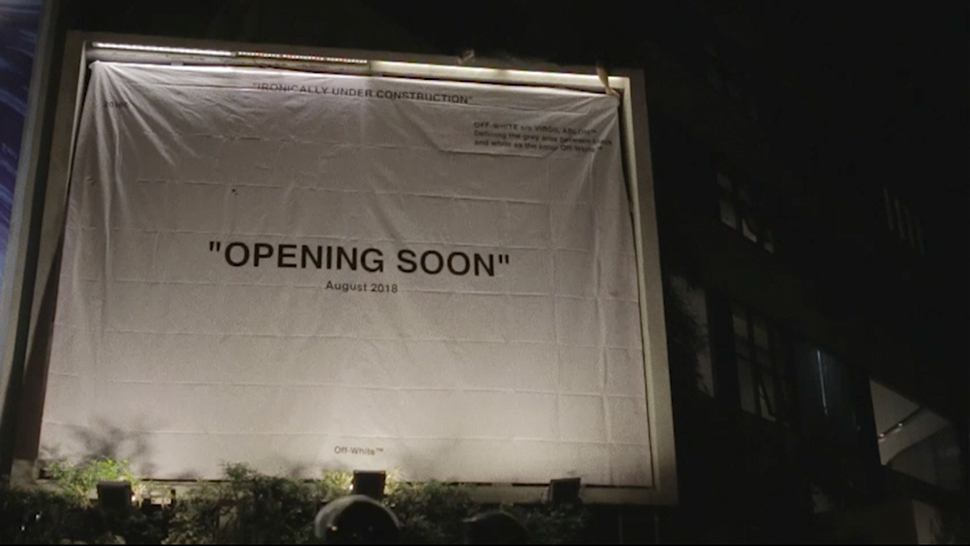
    After the opening of designer Virgil Abloh’s store in Vancouver, Off-White has finally announced its next location will be Manila in the Philippines.

    It will be the first Off-White retail store to open in Asia for four years.

    An official announcement via Instagram shows August 1 as the date for the probable opening. The store will be in Hidalgo Drive, Makati City.

  • Malaysia’s Astro group CEO Rohana to step down on Jan 31, 2019

    Malaysia’s Astro group CEO Rohana to step down on Jan 31, 2019

    Astro Malaysia Holdings Bhd group CEO Datuk Rohana Rozhan will step down from her role Jan 31, 2019 and will be succeeded by group chief content and consumer officer Henry Tan.

    In a filing with Bursa Malaysia today, Astro said Rohana, 55, will resign to pursue other goals. She will remain on the board of directors as a non-executive director following her resignation.

    “Rohana has been an inspirational leader to all at Astro, having led the team in setting many firsts and milestones for the media industry in Malaysia. We respect her decision to step down as group CEO and wish her all the very best and a bright future ahead,” said Astro chairman Tun Zaki Azmi.

    Rohana who has been with the group since 1995, is the principal architect of the company’s growth strategies which includes growing its presence in Southeast Asia.

    Under her tenure, Astro saw its customer base grow from two million to 5.5 million, while revenue grew RM1.79 billion to RM5.53 billion for the financial year ended Jan 31, 2018.

    “The business that we built at Astro over the years is attributable to one thing: the passionate, committed and talented individuals that make up Team Astro. It is my honour to have been part of this amazing team, moving as one, to achieve far more than I ever dreamt possible in a fast-evolving and dynamic industry. As Team Astro, our passion has always been to better serve our customers, which has been our privilege and our continued responsibility,” said Rohana.

    Her successor, Tan, has been with the group for more than 10 years.

    Yesterday, the group reported a 10.77% drop in net profit for the first quarter ended April 30, 2018 to RM174.72 million from RM192.35 million a year ago due to higher net finance cost. Revenue for the quarter fell 1.1% to RM1.31 billion from RM1.32 billion due to a decrease in subscription revenue.

    At 11.09 am, Astro’s share price fell 4.92% to RM1.74 with some 5.29 million shares done. Trading of Astro’s securities was temporarily halted between 9.39 am and 10.39 am.

  • Vietnam considers blanket ban on import of cryptocurrency mining rigs

    Vietnam considers blanket ban on import of cryptocurrency mining rigs

    Vietnam’s Finance Ministry wants a complete ban on the import of cryptocurrency mining rigs, saying many of them are being used to launch new virtual currencies and forms of payment.

    Such operations are very difficult to regulate, the ministry says.

    The proposal for a blanket ban was made on Monday, with the ministry saying that the rigs were being used to try and create new currencies and forms of payment that were difficult to regulate.

    It referred to the fraud that happened in Saigon in April, when 32,000 people lost VND1.5 trillion after investing in a company mining iFan and Pincoin coins.

    Prime Minister Nguyen Xuan Phuc had earlier called for strict management of all activities involving cryptocurrencies after many companies began trying to attract people into investing in new cryptocurrency ventures – Initial Coin Offerings (ICOs).

    As of April 2018, Vietnam had imported more than 6,300 crypto currency mining rigs, with 4,300 machines going to Hanoi and 2,009 to Saigon.

    In 2017, more than 9,300 cryptocurrency mining rigs were imported. Of these, 2,300 went to Hanoi, around 7,000 to Saigon, and the rest to Da Nang, the ministry said.

    Cryptocurrency is illegal in Vietnam.

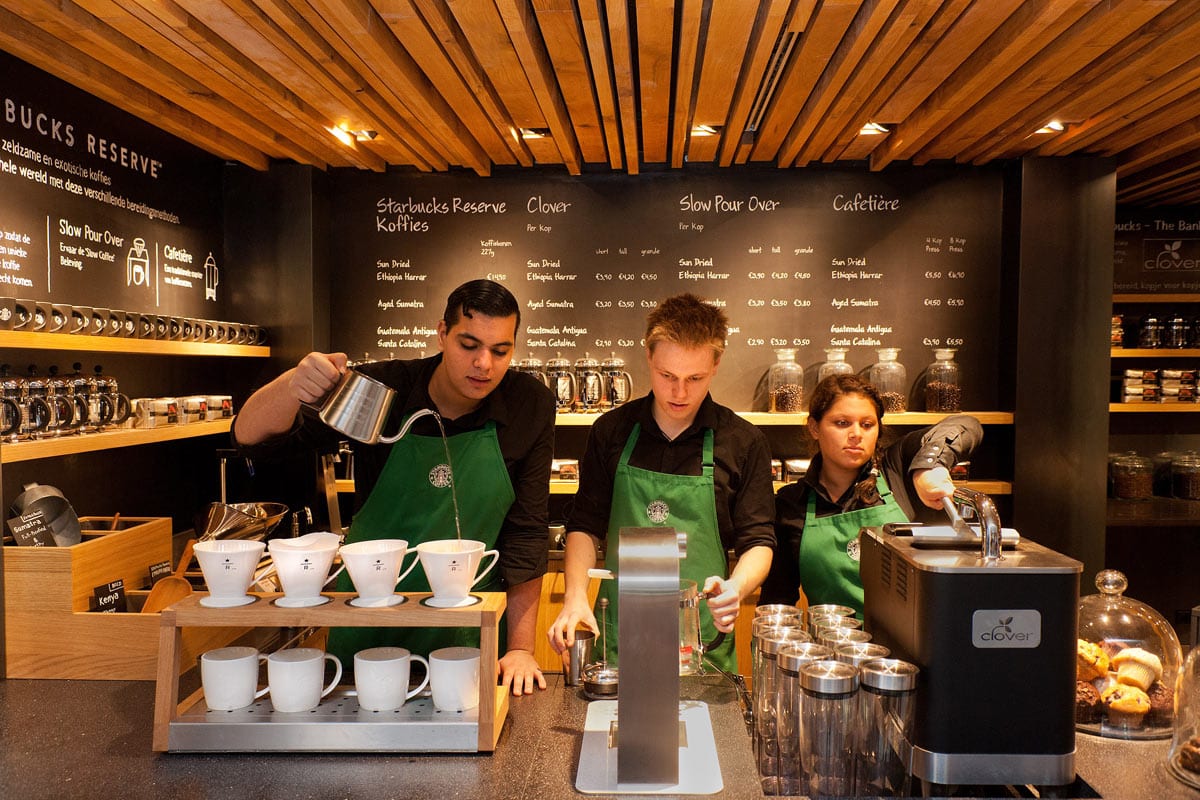
  • Starbucks Launches New Auto-payment System

    Starbucks Launches New Auto-payment System

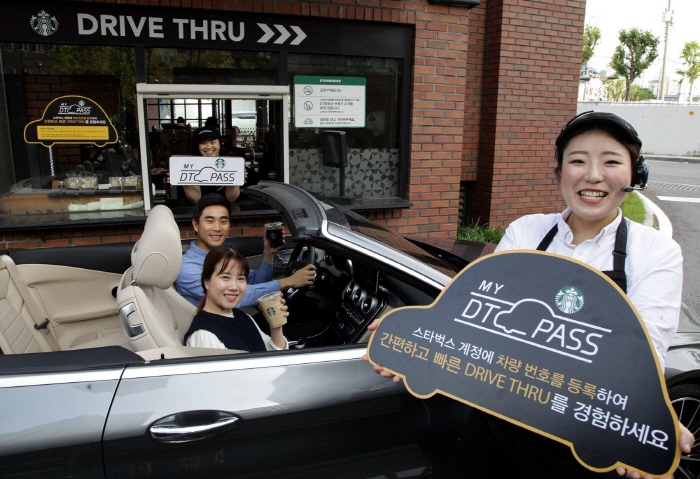
    Starbucks Korea has launched automatic payment drive-through locations, using DT Pass technology.

    To use the service, customers need to have a Starbucks online account with a rechargeable membership card, and register their car licence plate. A DT Pass device at the drive-through entrance will identify the customers via their registered car licence plate and deduct the payment automatically.

    The company says the time for a barista to receive the order information and for customers to make a payment is reduced by 13 to 15 seconds, which accounts for 10 per cent of the time spent at a drive-through.

    Starbucks Korea launched the service after a survey of account members. It is available at 11 branches in Seoul and will expand to 140 branches nationwide by August.

    Korea was also the first country to adopt Siren Order four years ago, which let customers order in advance so everything would be ready when they arrived.

  • Malaysia exports in April up 14% to RM84.2b from a year ago

    Malaysia exports in April up 14% to RM84.2b from a year ago

    Exports grew 14% to RM84.2 billion in April 2018 from a year ago, driven by electrical and electronic (E&E) products, refined petroleum, crude petroleum, timber and timber-based products, palm oil and palm oil-based products, while liquefied natural gas (LNG) and natural rubber recorded decreases in export volume and average unit value.

    This is the second highest monthly export value recorded for the year after March’s exports of RM84.5 billion.

    Imports expanded by 9.1% from a year ago to RM71.2 billion, supported mainly by capital goods, as intermediate goods and consumption goods imports fell.

    Malaysia’s total trade grew 11.7% from a year ago to RM155.4 billion in April, bringing the total trade balance to a surplus of RM13.1 billion (50.9%), according to the Statistics Department.

    FXTM global head of currency strategy & market research Jameel Ahmad said the annualised 14% growth in exports for April will certainly help provide positive momentum for the country’s second quarter gross domestic product (GDP), which is expected to continue growing above 5%.

    He noted that this will take away some concerns in the manufacturing sector which experienced the biggest decline in new orders since late 2016 and reduce risks, which could weigh down GDP prospects.

    Re-exports were valued at RM20.1 billion (+84.3%) in April and accounted for 23.9% of total exports. Domestic exports increased RM1.2 billion (1.8%) to RM64.1 billion.

    On a month-on-month (m-o-m) basis, Malaysia’s total trade in April saw an increase of RM1.2 billion or 0.8% from March, while the trade surplus stood 11% or RM1.6 billion, lower.

    Meanwhile, on a m-o-m basis, April exports decreased 0.3% or RM224.7 million from RM84.5 billion in March, mainly attributable to decreases in mineral fuels (1.3%) followed by animal and vegetable oils and fats (0.7%) and inedible crude materials (0.5%). However, in seasonally adjusted terms, exports registered an increase of 9.5%.

    Imports rose RM1.4 billion or 2.0% from RM69.8 billion contributed by consumption goods although on a seasonally adjusted terms, imports increased RM6 billion (8.8%) to RM74 billion.