Author: Mei Ling Tan

  • Chinese cross-border online market is yet to be dug out

    Chinese cross-border online market is yet to be dug out

    Cross-border e-commerce is the new fashion trend in China, powered by a rising middle class and robust economic growth. With an estimated 125 million Chinese consumers purchasing $105 billion of overseas products through this channel in 2017, according to a new research report by Azoya Consulting and Frost & Sullivan.

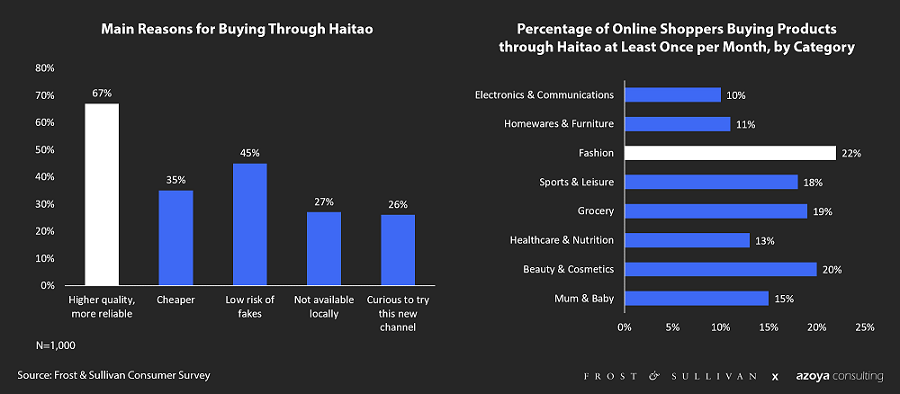
    In China cross-border e-commerce is often referred to as Haitao, which is overtaking the traditional method of buying through daigou agents (personal buyers) or friends/family based overseas as consumers seek a more legitimate, formal avenue for purchasing overseas products.; the research shows that the average Haitao shopper is spending RMB5,300 a year (US$848 a year) on products bought through this channel, with 60% intend to spend more. Fashion, beauty & cosmetics and grocery being the most popular categories.
    In China cross-border e-commerce is often referred to as Haitao, which is overtaking the traditional method of buying through daigou agents (personal buyers) or friends/family based overseas as consumers seek a more legitimate, formal avenue for purchasing overseas products; the research shows that the average Haitao shopper is spending RMB5,300 a year (US$848 a year) on products bought through this channel, with 60% intend to spend more. Fashion, beauty & cosmetics and grocery being the most popular categories.

    However, the research finds out while over 80% of western retailers see China as a lucrative opportunity, only 20% feel confident in their capability to succeed in China’s e-commerce market. Retailers cite regulations, intense competition, investment and not profitable as their main challenges, while retailers from different countries have distinctive strategy on enhancing their capabilities in China.

    Increased competition is making it difficult to succeed in the e-commerce marketplaces such as Tmall and Kaola were once seen as the major platforms where e-commerce sales and customer traffic come from, but now as the marketplaces are getting crowded and acquiring traffic is becoming more and more expensive, retailers find it increasingly difficult to differentiate themselves from one another, either satisfied with their sales performance in marketplaces.

    The research reveals that selling through marketplace holds the lowest satisfaction among other sales channels – only 21% of retailers are satisfied with their sales on marketplaces. Other concerns with selling through marketplaces include lack of direct customer access; high commissions up to 15% eating into margins; upfront costs to establish stores; and intense competition particularly around price.

    As a result, retailers are looking beyond marketplaces as their only approach to consider. “In fact, for retailers aim to establish long-term sales in China and build a brand that Chinese consumers trust, which commands a healthy profit margin and repeat buyers, retailers need to approach customers through multiple touchpoints. The key channel should be within retailers’ control, accompanied by supplementary platforms,” said Don Zhao, Co-Founder of Azoya International. “More and more retailers are establishing standalone websites as the core of their strategies, as these sites directly connect retailers with Chinese consumers who desire foreign brands, while empowering retailers with flexibility and control over their business.”

    Picky Chinese consumers are forcing brands to tailor their offerings to local tastes, while retailers react differently from countries Chinese consumers prefer to shop on cross-border e-commerce foreign platforms due to higher product quality and less risk of buying fake, while they tend to be picky when it comes to platform choices.

    The research finds out that China payment and website performance are the top influencers when selecting to buy from certain platform, the others were cited as Chinese customer support and nearby inventory.

    There’s also a trend that Chinese consumers are also looking for unique niche brands in pursuit of differentiating themselves from their peers and create a unique image. For cross-border transactions, shoppers are increasingly interested in seeking niche products suiting their personal needs; they also values the authenticity of a brand and the story it offers. Brand heritage and storytelling are important for brands to build a relationship with their customers now.

    Localisation is the key. Correspondently, retailers focus on enhancing their capabilities differently varies from countries. In mature countries where Chinese cross-border shoppers are familiar with, such as Australia and the USA, retailers focus on establishing warehouse or distribution centre in China to enhance shipment experience, tailoring their products to local consumer demands, and also Chinese language content such as blog articles to meet the tastes of Chinese consumers; while in the ‘late comers’ countries such as the UK, Germany, France and other European countries, retailers tend to focus on basic capabilities as introducing Chinese language website or entry level solution of social media strategy.

    The research draws a conclusion that retailers are advised to enter the Chinese market to take step by step approach that first research the market to understand the potential of certain brand or products in China, including category and product popularity; a second step involves deciding an entry model that’s most appropriate for their current stage offering the retailers enough control over the business while leave the flexibility of expanding to other channels; and finally, look for a local partner who will be able to guide the retailers through complex market, while adapt in time to the rapidly changing market when implementing.
  • Vietnam tax on sweetened drinks hurts the business

    Vietnam tax on sweetened drinks hurts the business

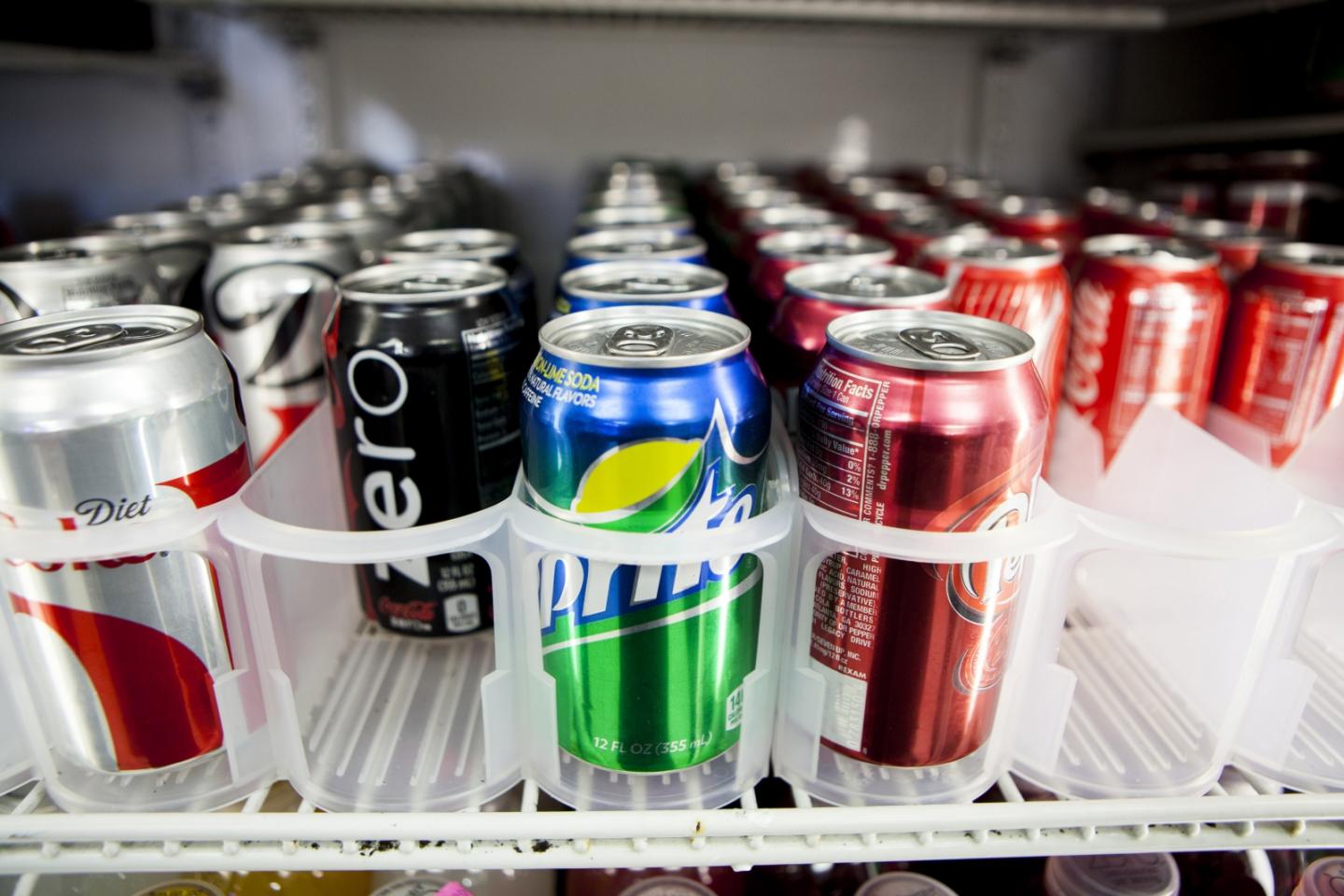
    A Finance Ministry proposal to slap a 10 percent special consumption tax on sweetened drinks would hurt small and medium businesses, critics say.

    Business representatives and some experts say the beverage industry is already taxed heavily, and the latest addition could prove to the last straw.

    The tax proposal, first announced last year and expected to take effect in 2019, aims to promote healthier habits by discouraging the consumption of sweetened drinks. The Ministry has cited reports from the World Health Organization, saying overconsumption of sweetened drinks lead to obesity and that a fourth of Vietnam’s population are already obese or overweight adults.

    “The tax will help regulate the consumption of sweetened beverages, and it’s also an international norm,” the proposal says.

    However, the Vietnam Association of Liquor, Beer and Beverage (VBA) has protested the move, saying the tax could hurt small and medium businesses by promoting circulation of fake products.

    “The tax proposal would lead to higher production costs, allowing fake and low-quality products to thrive,” it said in a statement.

    Many industry insiders also say they are already paying no less than 10 different types of taxes.

    “If this tax proposal passes, we won’t be able to survive,” a Thursday report by the Tuoi Tre newspaper quoted an unnamed vice director of a beverage firm in the southeast province of Binh Duong as saying.

    Nguyen Van Viet, president of VBA, suggested an incremental imposition of the tax in order to reduce the burden on businesses.

    The industry stand has been backed by several ministries, who rejected the Finance Ministry’s rationale that sweetened drinks contain an unhealthy amount of sugar, warranting a special consumption tax.

    The Ministry of Industry and Trade said in a statement that imposing a special consumption tax on sweetened drinks because they contain sugar was not a convincing enough reason.

    It said the Finance Ministry needs to give clearer explanations for its proposal.

    The Trade Ministry statement echoed the argument made last October by the Vietnam Chamber of Commerce and Industry (VCCI) that a special tax should only be imposed after adequate studies have been made on the drinks’ impacts on consumer health and if the tax could help reduce the risks significantly.

    The Ministry of Planning and Investment is also against the proposal, which it says could adversely affect the beverage industry and its large workforce.

    In Vietnam, special consumption taxes are levied on items and services considered unhealthy or luxurious, like tobacco, liquor and cars.

    Many Southeast Asian countries have already imposed taxes on sugary drinks, according to the Finance Ministry. The current rate is 20-25 percent in Thailand, 5-10 percent in Laos and 10 percent in Cambodia.

    Myanmar, the Philippines and Indonesia are considering a similar tax.

  • Petronas buys 25% stake in LNG project in Canada

    Petronas buys 25% stake in LNG project in Canada

    Petroliam Nasional Bhd (Petronas) is acquiring a 25% stake in a liquefied natural gas (LNG) project in Kitimat, Canada after it scrapped plans for the Pacific NorthWest LNG project in the country last July due to challenging market conditions as a result of prolonged depressed prices.

    Petronas said in a statement that its wholly owned entity the North Montney LNG Ltd Partnership had entered into a purchase and sales agreement for the deal. The purchase sum was not disclosed.

    Other shareholders of the project are Royal Dutch Shell plc’s subsidiary Shell Canada Energy (40%), PetroChina Canada Ltd (15%), Mitsubishi Corp’s subsidiary Diamond LNG Canada Ltd (15%) and Kogas Canada LNG Ltd (5%).

    The transaction is subject to international regulatory approvals and the completion of other associated agreement. It is slated for completion in the next few months.

    “Petronas is pleased to be part of the LNG Canada project. As one of the world’s largest LNG producers, Petronas looks forward to adding value to this venture through our long-term expertise and experience across the LNG value chain. We are committed to deliver LNG and natural gas, the cleanest fossil fuel in the world, to the growing global energy market,” said Petronas president and group CEO Tan Sri Wan Zulkiflee Wan Ariffin.

    “Petronas is in Canada for the long-term and we are exploring a number of business opportunities that will allow us to increase our production and accelerate the monetisation of our world-class resources in the North Montney. LNG is just one of those opportunities,” he added.

    The proposed project includes the design, construction and operation of a gas liquefaction plant and facilities for the storage and export of LNG, including marine facilities.

    The plant will initially consist of two world-scale LNG processing units referred to as “trains”, with an option to expand the project in the future to four trains.

    Canada is Petronas’ second largest resource holder after Malaysia, with vast unconventional gas and oil resources in the North Montney.

    Petronas and its North Montney joint venture partners are one of the largest natural gas resource owners in Canada with over 52 trillion cubic feet of reserves and contingent resources.

  • Asia safes Michael Kors performance

    Asia safes Michael Kors performance

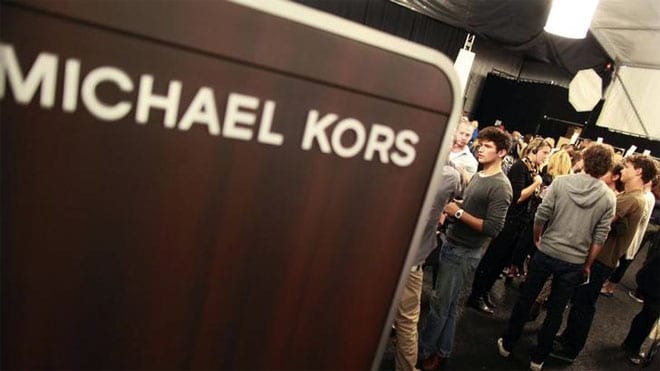
    Asia proved the strongest growth market for premium apparel and accessories retailer Michael Kors last year, offsetting ongoing weakness in its largest market, the Americas.

    Asian sales increased 17.5 per cent to US$137.7 million in the fourth quarter and were up 33.7 per cent to $469 million for the year.

    Michael Kors sales and profit numbers released overnight included a better than expected fourth quarter, but flat forecasts for the year ahead disappointed analysts.

    Net income for the three months ended March 31 was $44.5 million, a significant improvement over a $26.8 million loss during the same period last year.

    Fourth-quarter comparable Michael Kors sales were up 2.3 per cent on strength in accessories, footwear and men’s categories, but fell 1.7 per cent on a currency-corrected basis.

    Michael Kors has been investing heavily in transitioning its business model following the acquisition of Jimmy Choo last year, with chairman and CEO John D Idol saying a solid foundation had been created.

    “We created a global luxury group with the acquisition of Jimmy Choo and completed the first year of our Runway 2020 strategic plan for the Michael Kors brand, ending the year significantly ahead of our expectations,” he said.

    “Looking to fiscal 2019, we have a number of initiatives planned to drive growth in both of our luxury brands.

    The company expects building momentum to deliver first quarter revenue of around $1.13 billion, with a $140-$145 million contribution from Jimmy Choo’s 182 stores.

    Neil Saunders said the addition of Jimmy Choo had masked weakness in Michael Kors sales figures for last year.

    “While the headline growth number from Michael Kors looks strong … it is flattered by the addition of Jimmy Choo sales; when these are stripped out, the growth plummets to a lacklustre 0.6 per cent,” Saunders said.

    “This anemic underlying growth rate comes off the back of a dire performance last year when revenues plunged by 11.2 per cent. Taking account of all these things, the fashion brand is ending its fiscal year with soft growth.”

    Store renovations, expansion into new luxury concepts, a renewed focus on e-commerce and the launch of a new loyalty program have emerged as key pillars of the company’s 2020 strategic plan.

    In comparison, Americas sales declined by 2.5 per cent to $342.8 million in the fourth quarter and by two per cent to $1.67 billion for the year.

    “Perhaps the most damning figure is the Americas retail sales number,” Saunders said.

    “A particularly worrying outcome given the 18 per cent decline posted in the prior year. In our view, this number clearly indicates that Michael Kors is not back to full strength and still has a lot of work to do on its proposition.”

    Encouragingly, retail growth and the addition of Jimmy Choo bolstered margins, resulting in a 14.5 per cent increase in gross profit.

    Jimmy Choo sales were $107.9 million worldwide in the fourth quarter and $222.6 million for the full year, with Europe and the Middle East driving turnover.

    There were 1011 stores in Michael Kors business as at March 31, including 829 Michael Kors stores.

  • Are Macau’s glory days back?

    Are Macau’s glory days back?

    Macau’s gaming sector rebounded in 2017 with total visitor arrivals growing 5.1% year-on-year. With increasing visitors, gaming and retail sales has rebounded dramatically however distribution of these gains has not been equal.

    During the fourth quarter of 2017, Macao has experienced record sales with an increase by 12.6% compared to the previous year. This impressive recovery takes place just two years after the 2015 crisis during which sales dropped by 80%.

    Operators, retailers and the government seem to have found the good recipe to attract people and make them stay in Macao.

    Macao’s hotels have become attractions by themselves. They propose a wide range of accommodations and a large variety of facilities such as swimming pools, restaurants, fitness centers, shopping centers… “40% of visitors choose their place to stay in Macao based on retail and dining options” said Olivier Tong, Head of Retail at JLL.

    On top of that, the average 5-stars hotel price in Macao is 45% cheaper than Hong-Kong.

    These two strategies definitely improve customers’ experience in Macao and clearly have the same objective: make visitors stay longer in Macao. And it seems to work because Macao has recorded an increase of 22.2% of overnighters compared with 2015.

    Casino operators are diversifying their business by offering more shopping options to their clients. The highest revenue growth rates have been recorded in casinos with the highest retail surface.

    The government is also aware of its past as a destination for one-day trippers. This is why it encourages developing nightlife and non-gaming activities. Every year, the Government is involved in the organization of important events such as the Light Festival or the Macao International Parade.

    It also would impose non-gaming commitments to casinos to enable them to renew their gambling license. For instance, non-gaming revenue must reach 9% of total revenue to meet the government’s commitment. This new rule would offer great opportunities for many brands to make business in casinos like the recent Prada pop-up at Galaxy Macau.

    Thanks to all that, Macau is experimenting a strong economic recovery with a VIP-gaming, which is “much healthier” according to Olivier Tong, representing 56% of overall gaming. But operators, retailers and government still need to make this recovery sustainable.

    Contributor: Quentin Mauriac

    Quentin Mauriac is a EDHEC Business School Grande Ecole Program student. He is currently an intern for Financial Planning & Analysis at Bluebell Group. Prior to Bluebell, he was an intern at Credit Mutel – CIC bank as Investment Advisor Assistant, and Internal Controller at Cdiscount, a leading e-commerce retailer in France. During his studies at EDHEC, he also had the opportunity to manage a 36-members team as President of EDHEC Jobs Management, a provider of marketing and business services to large companies such as LVMH, Danone, P&G, etc. Following his internship at Bluebell, Quentin will pursue his international experience in Germany where he will complete his Master degree and take the CFA certificated examination.

  • Alibaba shows off automated wine store in Hong Kong

    Alibaba shows off automated wine store in Hong Kong

    Alibaba’s Tmall, China’s leading B2C online marketplace, wants to give wine selection and consumption a 21st century upgrade.

    At Vinexpo Hong Kong this week, Tmall unveiled a host of new technologies for the industry, including an automatic wine store, initiatives far from the grape-stomping and oak barrels of old.

    Tmall showcased a “Future Bar,” which included facial-scanning for entry, a robot waiter, RFID technology to enhance browsing, touch-screen displays for product research and a “Smart Wine Cooler.” The technologies are part of a larger trend in “New Retail,” an initiative in China led by Alibaba to merge the best of online and offline commerce for the benefit of both consumers and merchants.

    Mike Hu, a senior director at Tmall, said the goal of New Retail is to make shopping more personal, more engaging and more convenient – even in traditionally stodgy industries such as wine.

    “China really is at the forefront of consumer engagement right now,” Hu said. “Shopping here is mobile, it’s fun, it’s interactive, and the wall between e-commerce and brick-and-mortar stores is coming down. This kind of comprehensive shopping experience is what Chinese consumers have come to expect, so wine sellers need to adapt if they want to be successful here.”

    Upon arriving at Alibaba’s booth, attendees were greeted by the Tmall Robot Waiter, who asked, “Hey, don’t you want to have a drink?” – in multiple languages. The advanced human-computer interaction offered a glimpse of the future for wine merchants and their customers, Hu said.

    Facial scanning

    Facial scanning, meanwhile, offered entry to the booth and pointed a still-growing but soon-to-be important part of the consumer experience in China: facial-recognition payments, Hu noted. Already, Alibaba’s supermarket chain, Hema, has implemented the technology in one of its Shanghai stores. It is being tested in a cashierless store at Alibaba’s Hangzhou headquarters as well.

    The RFID technology was embedded in the foil wrapping that covers the cork so that when they were picked up from a shelf, their product information was displayed on a nearby screen. So, too, were recommendations for food pairings.

    Touchscreens at the booth allowed visitors to research a wine’s home chateau and place orders through the brand’s Tmall flagship store. This kind of setup would save much-needed stock and shelf space for retailers, Hu said, while providing greater selection for consumers visiting the shop and offering delivery direct to their homes.

    Users of Tmall’s Smart Wine Cooler scanned a QR code to open the cooler door, after which they could choose their favorite bottle and then simply close the door again to pay automatically. Or, as Tmall put it, “close the door, the deal is done.”

    Ecommerce marketplaces, such as Tmall, are playing an important role in China’s wine market, said Guillaume Deglise, CEO of Vinexpo. Not least because the brick-and-mortar retail business is not on par with other markets.

    “It’s very difficult to find very good shops in China, especially in tier-two and tier-three cities,” Deglise said. “So, e-commerce is changing this.”

    Also, younger consumers in China are more used to online shopping than their peers in the US and Europe, he said, “so the distribution will be different in China than the rest of the world.”

    Asia, overall, is driving global growth in the wine market, according to a new report from Vinexpo. And China is leading that trend. The country was the world’s third-largest importer in 2017 by value, at $16.41 billion, behind only the US and UK By 2021, however, China will overtake the UK in the number-two spot with $22.97 billion – a near 40 per cent jump.

    Deglise points to the middle class for these increases, especially those in urban centers, such as Beijing and Shanghai. An uptake among women is also playing a role, as is a general trend toward wellness in China that has people reaching for vino instead of the country’s traditional “baijiu” hard liquor.

    Then, there’s travel to markets where wine is already popular, such as the US, Europe and Australia, which gives Chinese consumers the chance to try new varieties.

    “When they come back home they tend to drink more wine than before,” Deglise said.

    This means that wine-producing countries will benefit, he added. Vinexpo expects almost all producing countries to increase their exports to China over the next five years, making China the only market to prompt such demand.

    “All producing markets are depending on China,” Deglise said. “It’s a huge market with tremendous potential.”

    Alibaba signed two memoranda of understanding at Vinexpo on Wednesday, with governmental organisation Wine Australia and French wine critics Bettane & Desseauve. Tmall will work to market Australian wines on the platform and support Wine Australia’s marketing efforts around major events such as the 11.11 Global Shopping Festival. For Bettane & Desseauve, Tmall will use their reviews to complement its wine listings while also hosting their annual top wine lists as they are released. They will also partner on offline wine events in China.

  • Canada Goose announces long-term growth strategy in China

    Canada Goose announces long-term growth strategy in China

    Canada Goose announced its expansion plans for Greater China, including establishing a regional head office in Shanghai and appointing Scott Cameron as President, Greater China.

    To meet growing consumer demand, Canada Goose will also launch its direct-to-consumer business including opening two retail stores — in Beijing and Hong Kong — with operating partner ImagineX Group, and e-commerce operations via Alibaba Group‘s Tmall, China’s largest consumer platform for brands and retailers, in fall 2018.

    “As the world’s largest luxury market, the opportunity for Canada Goose in China is massive. We have already seen exceptional demand from Chinese consumers — locally and internationally — for years, and we are excited to bring our authentic and immersive retail and e-commerce experience directly to our fans there,” said Dani Reiss, President & Chief Executive Officer. “We are making significant investments and putting the right people and partners in place now, to drive long-term brand affinity and a sustainable business for years to come.”

    Establishing a Foundation for Success, Expands Operational Footprint

    To grow national market development efforts, Canada Goose has appointed Scott Cameron to President, Greater China and will open a regional head office in Shanghai, which will be home to a cross-functional business unit, with local expertise and capabilities in marketing and commercial operations.

    Scott previously served as EVP, eCommerce, Stores and Strategy where he was responsible for all operational elements of the Canada Goose direct-to-consumer business, and led the Strategy team. Under his leadership, the company successfully established and grew its direct-to-consumer channels globally, including the launch of the company’s first six retail stores and opening e-commerce in 9 new markets. Scott joined Canada Goose from McKinsey & Co., where he was a principal focused on luxury and apparel retail brands.

    Bringing the Canadian Arctic to Asia, Launches DTC Channel

    With strategic wholesale distribution partners in the market, Canada Goose has seen positive local demand for its authentic heritage, premium craftsmanship, and timeless, function-first designs for a number of years. To build on that and enable consumers to experience the brand’s full assortment, Canada Goose will open a flagship store in Beijing in the prestigious Taikoo Li Sanlitun North Mall. The company will also open a store in ifc mall, a world-class business and leisure destination in Hong Kong. Both stores will open in fall 2018.

    With premier locations, curated store assortments and high touch personal service, the stores will serve as gathering places for fans to explore the company’s rich heritage and discover the latest collections through the brand’s unique and unfiltered lens. Canada Goose has selected ImagineX, a retail brand management and distribution company that is part of The Lane Crawford Joyce Group — Asia’s pre-eminent luxury lifestyle group specializing in fashion retail, brand management and distribution, to support the operational buildout of its retail presence. ImagineX will be responsible for staffing world-class retail brand ambassadors and managing day-to-day retail operations.

    Building on the successes and learnings of its cross-border e-commerce pilot project in China, Canada Goose will transition its online Chinese distribution to a flagship store in the luxury pavilion of Alibaba Group’s Tmall platform, in fall 2018.

    The Company intends to provide additional details regarding these initiatives and investments when it releases fourth quarter and fiscal year results.

  • Lotte unifies all fashion labels under single business

    Lotte unifies all fashion labels under single business

    Lotte, the South Korean retail giant, has announced the unification of all its fashion businesses under the group’s apparel affiliate to secure competitiveness in the local fashion industry.

    This new approach to pursue the efficiencies derived from centralised management received a nod of approval from the company’s investors, confirmed the retailer. Lotte Shopping Co., the operator of the conglomerate’s department store chain, said shareholders of its fashion business unit NCF Co. approved the company’s decision to change the corporate name to Lotte GFR (Lotte Global Fashion Retail) on Thursday.

    “We will be able to create synergy by combining the capabilities of a retailer and a fashion company,” Seol Poong-jin, head of Lotte GFR, said.

    As a result of this move, NCF, the department store’s global fashion business unit has been transferred to the new company. Founded in 2003, NCF was acquired by Lotte for 19 billion won (18 million dollars) in 2010.

    The new company explained that it now expects to generate 1 trillion won (924 million dollars) in revenue by 2022 through the development of new labels, imports of renowned overseas brands and active mergers and acquisitions.

    The two units’ combined sales currently stand at around 200 billion won (185 million dollars), with some 300 stores under operation at Lotte’s outlets.

  • Revlon appoints first-ever female CEO

    Revlon appoints first-ever female CEO

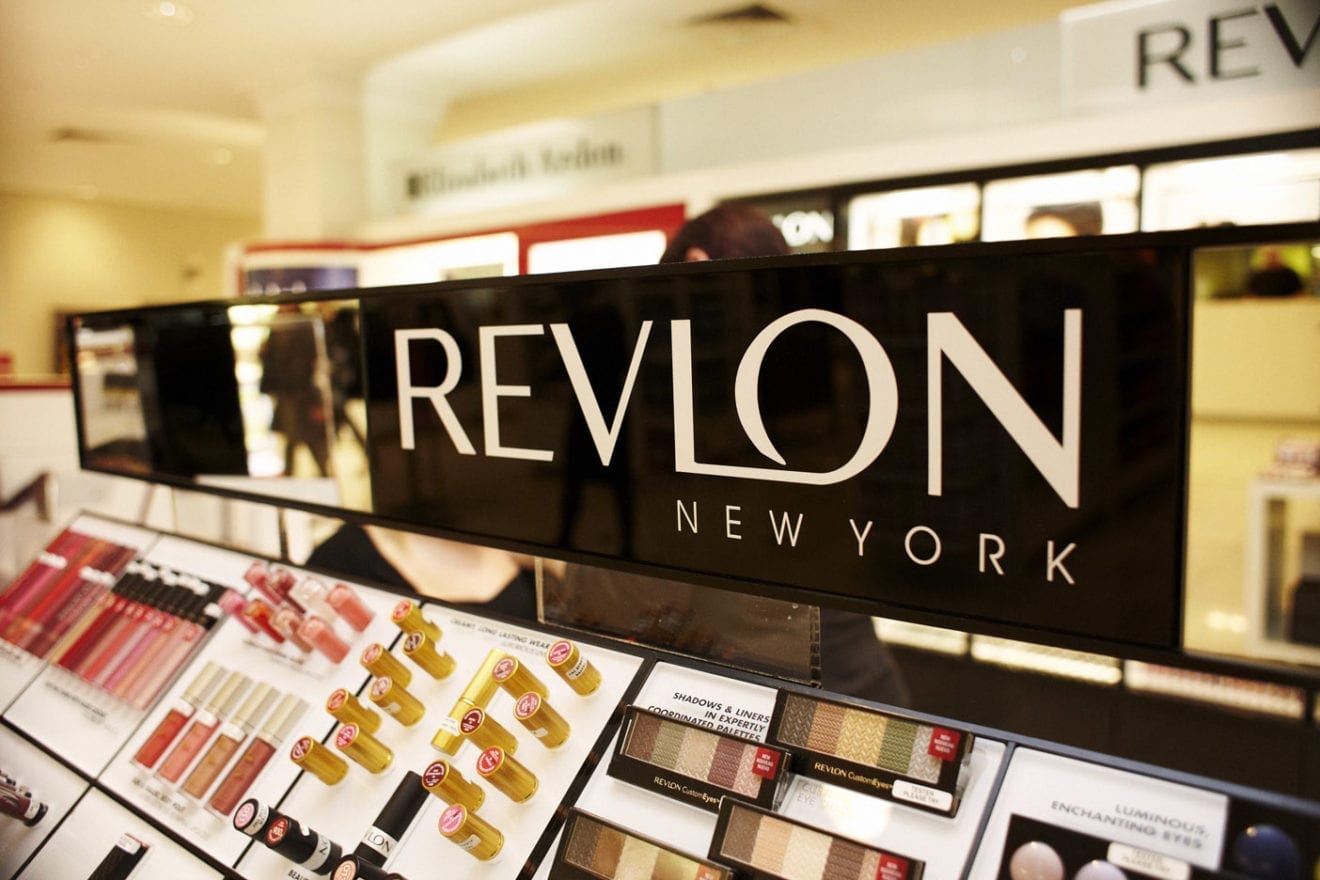
    Revlon Inc. has appointed Debbie Perelman as its new chief executive officer, in move that sees the U.S. cosmetics company welcome in its first female CEO.

    Perelman, who was also named president, is the daughter of Revlon board chairman Ronald Perelman and has spent more than 20 years at the company.

    She replaces Paul Meister, who has been overseeing daily operations at Revlon. Meister will stay on as executive vice-chairman of the board.

    Previously chief operating officer of Revlon, a role that commenced in January, Perelman has worked in a varying capacity for Revlon, across finance, distribution, sales and marketing, and as a board member, for the last two decades

    The 44-year-old has also served as a board member and executive vice president of strategic and new business development at Revlon’s majority owner, MacAndrews & Forbes.

    In her new role, Perelman will continue to oversee the company’s digital transformation, after successfully forming a data and analytics group developed to facilitate and boost Revlon’s e-commerce business.

    She has been pivotal in the training of several hundred Revlon employees globally, as well as making key hires for content creation, search-engine optimization and search-engine marketing, plus shifting content creation in-house, and fostering a culture of innovation.

    “Revlon is a brand of firsts — the first to match lips and fingertips, the first to be inclusive, the first to develop colour stay technology and the first brand to embody women empowerment in the beauty industry,” Ronald Perelman, chairman of the board and Perelman’s father, said in a statement.

    “Debbie’s global perspective, financial acumen and holistic approach to brands, consumers and technology will help Revlon reclaim its leadership position. I have always trusted Debbie to bring fresh vision, innovation and success to companies, and I have no doubt she will do the same for Revlon. Debbie’s extensive experience at both MacAndrews & Forbes and Revlon, as well as her track record for innovation and breaking paradigms to compete in today’s digital and consumer-first environment, make her the ideal leader for Revlon. She is thoughtful, team-oriented and decisive, and I can think of no better way to express MacAndrews & Forbes’ support of Revlon and belief in its future than by appointing Debbie to lead the company.”

    Founded in 1932 in New York, Revlon Inc. today operates brands Revlon, Elizabeth Arden, Almay and Sinful Colors.

  • Mumuso Thailand opens door to franchisee

    Mumuso Thailand opens door to franchisee

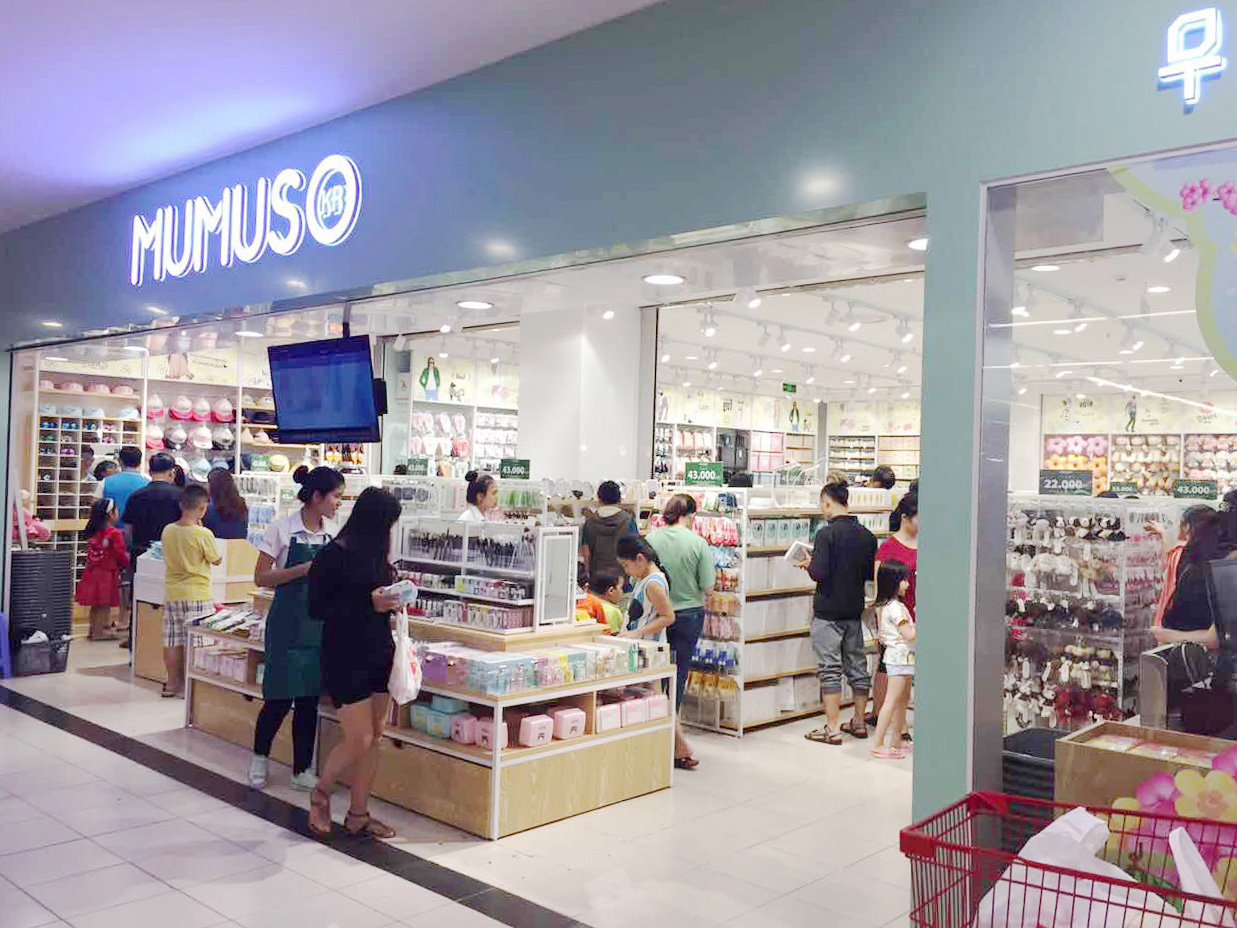
    International lifestyle retailer Mumuso Thailand plans to open up to 20 franchised stores by the end of next year, and up to 150 in the next five years.

    From Shanghai, the company promotes lifestyle products with a Korean flare. The brand moved into Thailand in August with a Mumuso lifestyle shop opening in The Mall Nakhon Ratchasima. It now has seven outlets, the latest being its first franchised outlet for Thailand.

    Mumuso (Thailand) strategic director Pakom Supawarapong says the company sees a growth opportunity in Thailand, including specialty stores.

    “It’s not all about e-commerce these days as the trend for specialty stores is something we all need to be aware of,” says Pakorn. “We expect our annual sales to reach THB2 billion [US$62.5 million] in the next five years. We target to achieve THB200 million in annual sales this year.”

    Mumuso (Thailand) president Amnuay Supawarapong says the brand has more than 600 branches in 150 cities. In Thailand, it has stores in Ayutthaya, Bang Saen in Chon Buri, Phitsanulok, Samut Sakhon, Siam Square One, Supanburi and The Mall Nakhon Ratchasima. The Phitsanulok shop, which opened this month, is the company’s first franchised outlet in Thailand.

    About 3000 different items of merchandise at Mumuso lifestyle shops cover children’s products, apparel, kitchen items, bags, stationery, skincare and cosmetic goods. Pakorn says the company has set aside THB150 million for this year, focusing on promotional activities at its stores.

  • De Beers Sees The Light, Launches Lab-Grown Diamond Line

    De Beers Sees The Light, Launches Lab-Grown Diamond Line

    After years of disavowing the authenticity of man-made diamonds grown in a laboratory, De Beers has suddenly seen the light and responded to consumer demand by offering a lab-grown diamond alternative under the Lightbox Jewelry name.

    That is what the company would have you believe in its announcement yesterday that advancements in technology have now made it possible for De Beers to offer a more affordable alternative to mined diamonds.

    “Lightbox will transform the lab-grown diamond sector by offering consumers a lab-grown product they have told us they want but aren’t getting: affordable fashion jewelry that may not be forever, but is perfect for right now,” Bruce Cleaver, CEO of De Beers Group said in a statement. “Our extensive research tells us this is how consumer regard lab-grown diamonds – as a fun, pretty product that shouldn’t cost that much – so we see an opportunity that’s been missed by lab-grown diamond producers.”

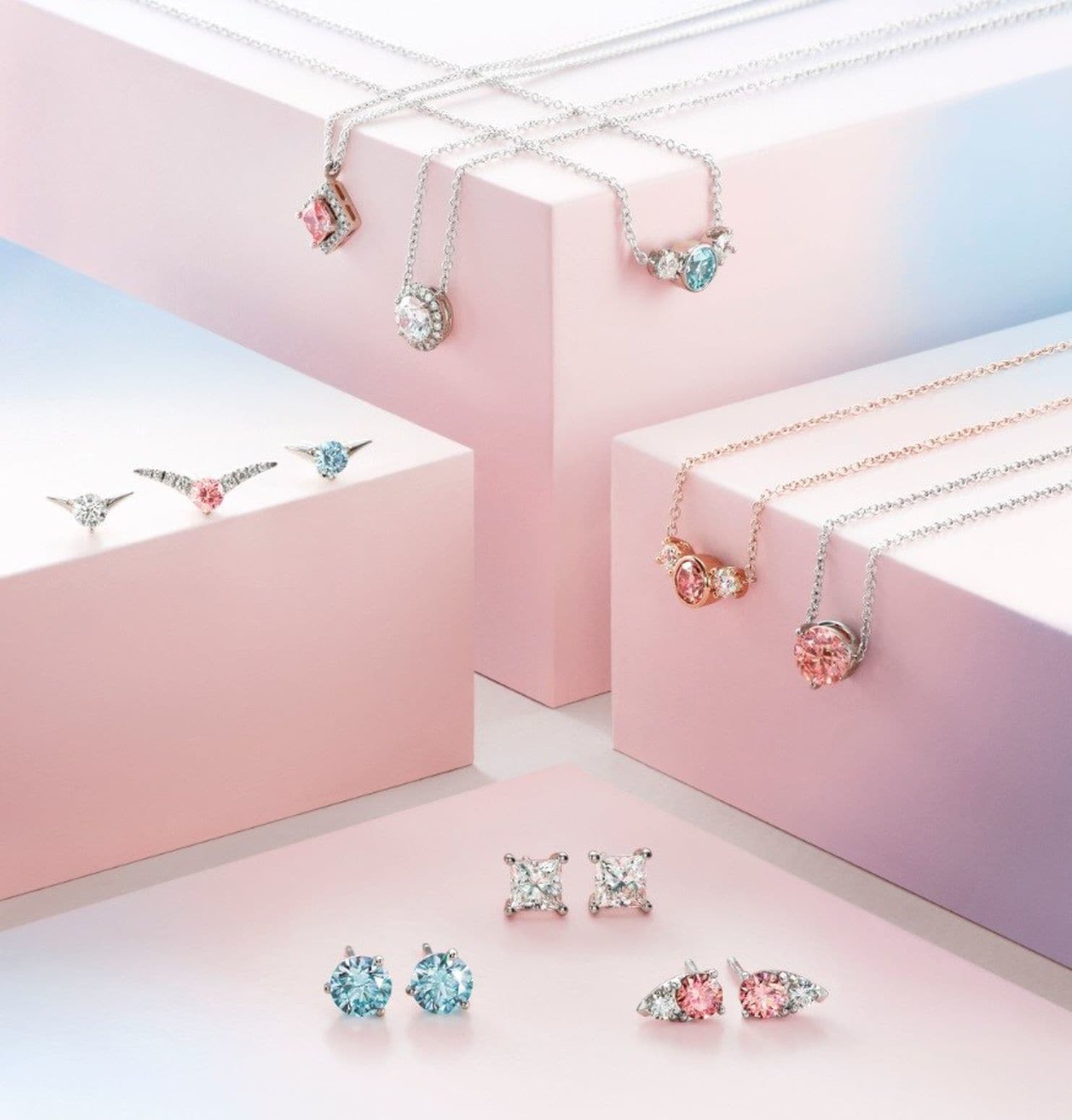
    Adding to the fun element in the Lightbox Jewelry line will be an emphasis on colored pink and blue stones to compliment the traditional clear-white diamonds. Prices will start at $200 for a quarter-carat stone to $800 for one-carat. These prices, however, don’t include the cost of the jewelry setting, which will initially include earrings and necklace designs, not rings.

    Lightbox Jewelry will be available starting in September on the Lightbox website, with retail partnerships “to be announced in due course,” the company said.

    To jump start its entry into the lab-grown market, De Beers will invest $94 million over the next four years in a new Element Six production facility near Portland, Oregon, which will join Element Six’s existing U.K.-based operation. Element Six has been the production of arm of De Beers Group producing lab-grown industrial diamonds for over 50 years.

    Disrupt yourself

    In opening its doors to lab-grown diamonds, De Beers is giving credibility to a product that it has for years claimed is not the real thing. “De Beer’s focus is on natural diamonds,” Simon Lawson, its head of research and development, said to Bloomberg in 2015. “We would not do anything that would cannibalize the industry.”

    This is a classic “disrupt yourself before you are disrupted” move. While the jewelry-quality lab-grown diamond industry is small today, estimated by Morgan Stanley to represent less than 1% of the global market for rough diamonds, with sales between $75 to $200 million, it predicts lab-grown diamonds could account for 15% of the gem-quality melee diamond market by 2020, (defined as less than a half carat in rough form that can be ready for jewelry mounting by using industrial drill bits, saws and sanding equipment), and 7.5% of the larger diamond market.

    In its mined-diamond business, De Beers has a lot to lose as laboratory-diamond sales grow. The Economist reports that De Beers accounts for about one-third of global mined-diamond sales, down from 45% in 2007.

    Among the many factors disrupting De Beers mined-diamond business, which declined from $6.1 billion in 2016 to $5.8 billion in 2017, are millennials’ concern about the environmental and human toll associated with extracting diamonds out of the ground. Laboratory-grown diamonds answer this objection.

    “Millennials are even more concerned with the human factor impacted by mining industry than their environmental concerns, which are great as well,” Marty Hurwitz, CEO of MVI Marketing, told me. His company recently conducted a study that found nearly 70% of millennials would consider a lab-grown stone for an engagement ring.

    Disrupt the disrupters

    By embracing lab-grown diamonds and calling it their own, De Beers is disrupting the industry’s stance against the numerous startup disruptors eating away at their market dominance. These brands include Ada Diamonds, ALTR, Diamond Nexus, Diamond Foundry, New Dawn Diamonds and Pure Grown among others, though no market-share leader has emerged as yet.

    The diamond industry has been arguing for years that laboratory-produced diamonds are not “real.” In a new study from the Diamond Producers Association conducted by Harris Poll, it reports, “A clear majority of American consumers recognize that diamonds created in a factory (also known as ‘synthetic’ or ‘laboratory-grown’) are not ‘real’ diamonds.”

    Pushing back on the lab-grown industry’s narrative that the stones it produces are chemically and structurally the same as a mined diamond, DPA CEO Jean-Marc Lieberherr said, “At a time when everything ‘artificial’ aims to compete with, and replace, ‘natural’ and ‘real’, these results show consumers care about inherent value, authenticity and symbolism that a diamond carries.”

    While the De Beer’s Lightbox Jewelry announcement doesn’t address the “real” versus “fake” controversy, it does distinguish between its mined-diamond offering as “forever,” as in “A Diamond Is Forever,” to its Lightbox alternative as for “right now.”

    It also is notable that it calls Lightbox “fashion jewelry,” positioning it as the lesser, more affordable alternative to “fine jewelry” quality defined by a natural, mined-diamond selection.

    The official industry distinction between fine and fashion jewelry is that fashion doesn’t have precious gemstones or precious metals (other than plating) while fine jewelry is made with precious metals and precious gemstones. In other words, lab-grown diamonds are not “precious” whereas mined diamonds are.

    This suggests the direction that De Beers will take as it moves Lightbox Jewelry into the market: “If you want fashion jewelry, Lightbox is your choice. If you want precious fine jewelry, then Forevermark and De Beers Jewellers is for you.”

    Go big or go home

    Rather than fight the rising tide against laboratory-grown diamonds which has found a consumer market ready, willing and able to embrace it, De Beers is getting in early to take a leadership position in an emerging category with no clear-cut leader.

    Now it will have one, with De Beers’ mighty marketing muscle moving in to define the category and establish its positioning against the lab-grown upstarts, as well as elevating its mined-diamond precious jewelry offering.

    De Beers single-handedly made diamonds what they are today. Next De Beers is going to make laboratory-diamonds what they will be tomorrow: a fun fashion pretender to the real, rare, precious, natural, “forever” diamond.

    And as it did with diamonds throughout its 130-year history, De Beers is going to use its power to establish prices for both the mined and laboratory-diamond markets. Its Lightbox Jewelry prices are way below current levels in the industry today, and given advances in technology and production processes, the costs to produce man-made stones will only fall.

    Likewise, by establishing a low-price alternative to the real thing, De Beers will be able to drive up the prices for its natural stones. It’s a very smart and bold move that would make Cecil Rhodes proud.

  • Smartphone Sales Will Drop for Second Straight Year, IDC Predicts

    Smartphone Sales Will Drop for Second Straight Year, IDC Predicts

    Global smartphone sales are expected to fall for the second year running this year, before  returning to growth next year, according to analysis by the International Data Corporation (IDC).

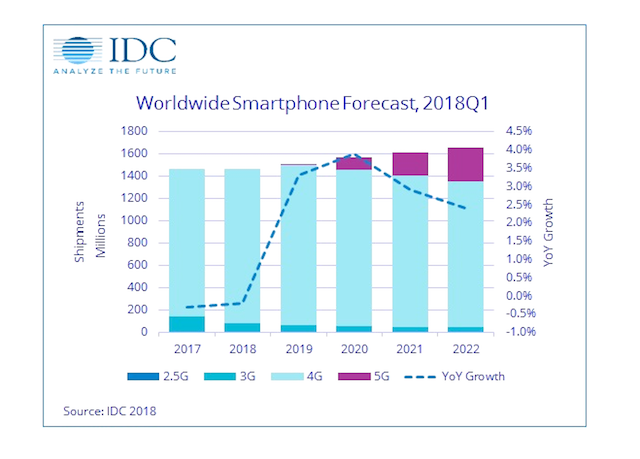
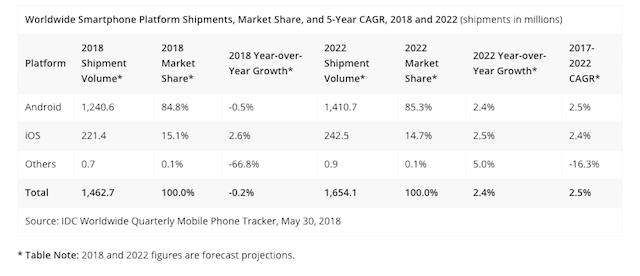
    In the research house’s Worldwide Quarterly Mobile Phone Tracker, smartphone shipments are forecast to drop 0.2 per cent this year to 1.462 billion units, after a 0.3 per cent decline last year. Looking further out, IDC expects the market is to grow roughly 3 per cent annually from next year onwards, with worldwide shipments reaching 1.654 billion in 2022 and a five-year compound annual growth rate (CAGR) of 2.5 per cent.

    The biggest driver of last year’s decline was China, where smartphone sales declined 4.9 per cent year-on-year. And the IDC expects sales in China to decline a further 7.1 per cent this year before flattening out next year.

    The biggest growth market in Asia Pacific continues to be India, with volumes expected to grow 14 per cent and 16 per cent this year and next.

    “Chinese OEMs will continue their strategy of selling large volumes of low-end devices by shifting their focus from China to India,” says IDC. “So far, most have been able to get around the recently introduced Indian import tariffs by doing final device assembly at local India manufacturing plants. As for components, almost everything is still being sourced from China.”

    “With 2017 now behind us a lot of interesting market dynamics are unfolding,” says Ryan Reith, program VP with IDC’s Worldwide Quarterly Mobile Device Trackers. “Even though it declined 5 per cent last year, China remains the focal point for many given that it consumes roughly 30 per cent of the world’s smartphones.

    “But plenty of pockets of growth can be found beyond China. India is now grabbing headlines and the market itself is going through some rapid transformation. Local Indian manufacturing continues to ramp up, despite still having a heavy dependence on China for components. The boom in India is likely to continue in the years to come, but the move toward building up local production has certainly caught the eye of many in the industry.”

    Outside of Asia Pacific, the biggest regions for growth will be the Middle East, Africa, and Latin America. All three regions have relatively low penetration rates and plenty of upsides, says IDC. Economic challenges have been the main inhibitor over the past two years, but IDC expects consumer spending to rise throughout the forecast and smartphones to be a big benefactor.

    5G opportunity

    The other catalyst to watch will be the introduction of 5G smartphones. IDC predicts the first commercially ready 5G smartphones will appear in the second half of next year with a ramp up across most regions happening in 2020. IDC projects 5G smartphone volumes to account for roughly 7 per cent of all global smartphone sales in 2020 or 212 million in total. The share of 5G devices should grow to 18 per cent of total volumes by 2022.

    “Although overall smartphone shipments will decline slightly this year, the average selling price (ASP) of a smartphone will reach US$345, up 10.3 per cent from the $313 of last year,” said Anthony Scarsella, research manager with IDC’s Worldwide Quarterly Mobile Phone Tracker.

    “This year will continue to focus on the ultra-high-end segment of the market as we expect a surge of premium flagship devices to launch in developed markets. Devices featuring large Amoled bezel-less displays, advanced camera functions, and an overall increase in speed and performance will be the driving factor in the increase of ASPs. Moving forward, we can expect this trend to continue as the ASP for a smartphone will continue to grow throughout the forecast period. In 2022, the final year of our forecast period, the average selling price for a smartphone will be $362, resulting in a five-year CAGR of 2.9 per cent.”

    Android vs Apple

    Android’s share of t sales is expected to remain relatively stable at 85 per cent of total global smartphone sales. Volumes are expected to grow at a five-year CAGR of 2.5 per cent, with shipments totaling 1.41 billion by 2022.

    “There is no question that Android is the OS of choice for the mass market and nothing leads us to believe this will change,” says IDC. “Given the large number of Chinese OEMs dependent on Google’s OS, as well as components from other US companies like Qualcomm, it will be interesting to see how things develop with all the discussion about a US-China trade war. Android OEMs continue to drive down the cost of new technology features at a rapid pace. IDC estimates that 98 per cent of Android phones will ship with screens larger than five inches by 2022, with 36 per cent being six inches or larger. While some of these will remain premium flagship models, the aggregate ASP of Android phones with a six-inch screen or greater by 2022 is projected to be $414.

    Meanwhile, iPhone volumes are expected to grow 2.6 per cent this year to 221 million. IDC is forecasting iPhones to grow at a five-year CAGR of 2.4 per cent, reaching volumes of 242 million by 2022. With rumors of some upcoming larger screen iOS smartphones, IDC has changed its screen size forecast for Apple by introducing volumes greater than six inches. Products are likely to begin shipping in the fourth quarter of 2018, with volumes ramping up and accounting for 36 per cent of all iPhones shipped by 2022.

  • Jack Ma at the Global Smart Logistics Summit 2018

    Jack Ma at the Global Smart Logistics Summit 2018

    Cainiao’s 2018 Global Smart Logistics Summit was held 31 May 2018 in Hangzhou.

    Alibaba Group will invest over 100 billion yuan to build the technical backbone for a smart logistics network aimed at improving delivery reach and efficiency, as well as sharply driving down logistics costs, said Jack Ma, Executive Chairman of Alibaba Group at the 2018 Global Smart Logistics Summit.

    The network mainly aims to push 24-hour delivery across China and push logistics costs down to less than 5% of China’s gross domestic product from around 15% at present, and thereby increasing profit margins for the manufacturing industry and logistics sector. It also aims to push 72-hour delivery to the rest of the world.

    Over the past five years since its establishment, Cainiao Network, Alibaba’s logistics affiliate, has witnessed an increasingly intelligent logistics industry as a result of the joint efforts of Cainiao and its partners. Through technology innovation and open collaboration, Cainiao has currently reduced cross-border shipping time from an average of 70 days to less than 10 days for some countries.

    The number of B2C parcels that go through customs clearance is now one million every day. Within China, Cainiao’s same-day and next-day delivery now covers 1,500 counties and districts.

    “This network is not only national, but global. This is what we will work closely with our partners to achieve and bring benefits to all,” said Ma. “As the industry will increasingly become tech-driven, Cainiao aims to be the ‘brain’ of the logistics industry. Since the first day of its birth, Cainiao’s mission is not to deliver goods, but to help delivery firms to deliver goods by building a network that links all logistics elements and connects every deliver person, every warehouse, every hub, every city, and every house.”

    Today, about 100 million parcels are processed through Cainiao’s logistics platform every day. What has made it possible is Cainiao’s efforts in driving industry digitalization. For example, the electronic bills and labels have helped digitize and standardize the industry infrastructure.

    China’s logistics landscape has undergone massive change in recent years, reaching unprecedented scale. Ma noted the industry started from zero ecommerce parcels and is now delivering 130 million parcels per day, while there are about five million people working at courier and food-delivery companies in the country, and seven delivery companies have gone public.

    With that pace of change, it’s not unreasonable that the peak handling during the company’s 11.11 megasale will become the daily average a decade later.

    “We want to build this network to help the industry to meet the future needs,” said Ma. “Today, the industry can process 100 million packages a day. In the future, we will need to process 1 billion packages a day. The logistics industry need to get prepared for that with a robust infrastructure.”

  • How AI affect online grocery shopping experience

    How AI affect online grocery shopping experience

    AI will soon revolutionise the online grocery shopping experience, according to research released today ahead of next month’s Consumer Goods Forum Global Summit in Singapore.

    The research, compiled by IGD, is based on a survey of 223 senior industry members across 42 different markets and a series of in-depth interviews. It predicts digital transformation will reshape online food and grocery retailing. In China, already the world’s largest online shopping market, online grocery sales will grow by 286 per cent within four years and account for 11.1 per cent of the nation’s total grocery spending.

    The online store of the future will contain five key features:

    Personal micro stores

    “Personal micro stores” will offer individualised and online-exclusive products as well as personalised promotions, recommendations, advertising and loyalty schemes. More than two-thirds of respondents (69 per cent) believe some retailers will apply personalised pricing and promotions in future. An additional 77 per cent think almost all digital communication to consumers by retailers will be personal.

    “AI will help to unlock personalisation,” explains Simon Mayhew, online retail insight manager at IGD. “The store’s layout will be dynamic and able to predict the customer’s reason for shopping. So, if you need a meal for tonight, your homepage will display only the relevant solutions. When generally browsing, you will only see the products and pack sizes likely to meet your needs. Many products will only be buyable online where there is no constraint on shelf space, and in high-value categories, there will be customisable products, so you can create your own ideal shampoo or cereal.”

    Smart personal assistants

    Tomorrow’s online grocery stores will act as a smart personal assistant, connecting with various devices, preventing shoppers from running out of products and supporting their lifestyle goals. Nearly two thirds (60 per cent) of the experts surveyed predict that smart devices automatically re-ordering products will become a firmly established way of shopping for many people. The shopping experience will also be more inspirational, through personalised planners and sophisticated digital assistants like chatbots. Seventy-one per cent of respondents expect some retailers to provide a service to offer personalised dietary guidance.

    “Smarter devices will make shopping simpler and more inspiring,” says Mayhew. “The online store will help stop you running out of products. Shoppers will subscribe to have their favourite products delivered regularly and AI will predict when you may run out and make or suggest a reorder. Household devices, such as washing machines, will connect to your store and reorder when necessary. This will lock in customer loyalty.

    “The online store will offer more than just groceries, it will also help around the house. With populations urbanising and tending to live in smaller properties, businesses will offer services that prevent the need for space-hungry appliances, such as home cleaning and laundry.”

    Faster and more efficient

    Tomorrow’s online grocery store will be more efficient for shoppers, making it easier and quicker to order products. Login and payment will be available through facial, voice or touch recognition technology. Shoppers will incur less waste, with a greater choice of pack sizes and meal planners to help manage quantities and advise on using leftovers. A better fulfilment service will be on offer with more deliveries, on time and in full and products delivered at the right quality and freshness.

    “For retailers and manufacturers, the online store of the future provides both opportunities and challenges,” says Mayhew. “Data from the online store will guide product development. Retailers will see gaps in their ranges through unfulfilled search requests and have a better understanding of product quality through ratings, reviews and feedback to chatbots.

    “Fulfilment will benefit from robotics and supply chain forecasting will be more accurate. This will mean online pickers have fresher products to select, helping overcome one of the biggest barriers to shopping online. Unattended deliveries to homes, cars, and even ‘straight to the fridge’, will grow in popularity.

    “Improvements in service will reduce the number of returns and make deliveries quicker. We will see greater collaboration in the supply chain, including manufacturers pooling resources to sell directly to consumers. However, there will also be new challenges and potential inefficiencies. Shoppers will expect faster deliveries, and this means smaller, more frequent orders.”

    Frictionless experience

    Tomorrow’s online grocery store will deliver a frictionless combined offline and online shopping experience for consumers. People will switch seamlessly from shopping online and instore with data cross-referenced between the two. This will help bring more personalisation to the physical store and help shoppers find their favourite products quickly and discover new ones. This is an opportunity that many companies need to work on with over half (53 per cent) of survey respondents saying they haven’t or have only just started to integrate their online and offline teams.

    “Before visiting a physical store, you will be able to look online to check in-store, real-time availability, access product information, get product usage ideas and read reviews”, says Mayhew. “When you arrive at the physical store you will then benefit from personalised offers and recommendations. An online app will help you find products and pay for your shopping without cash.”

    Invisible stores

    Tomorrow’s stores will – at times – be invisible, with shoppers buying products from shoppable digital content such as videos, photos and social media. In the future, people can be shopping at any time. There will be no limits to when you can be shopping. China has been leading the merging of media, entertainment and shopping, and Europe and North America will follow.

    “You won’t even need to visit your online store to buy products,” says Mayhew. “Alongside voice ordering, the majority of digital content you see will be shoppable. You could be watching a video or see a still image and just click on it to buy the product.”

    Danger in downplaying

    IGD’s team says there are three primary reasons why no grocery retailer or supplier can afford to downplay online retail:

    • Across most of the world, online is already a fast-growing channel.
    • Online and offline are merging, with an online store vital to complement physical stores.
    • The digital world evolves faster than the physical one and online stores will become increasingly compelling.

    The research house says tomorrow’s shoppers will expect more choice, convenience, inspiration, personalisation and transparency and online stores will play an increasing part in meeting these needs.

    “Grocery retail is seeing an unprecedented amount of change, driven by changing shopper expectations and the ability to meet these using transformative technologies,” says Joanne Denney-Finch, IGD’s CEO. “This offers great opportunities for companies of all sizes. The winners will put the needs of their shoppers first, be prepared to act decisively, maintain the highest everyday standards and exhibit tremendous agility.”

    The report, free to download from IGD, will be presented in detail at the Consumer Goods Forum Global Summit from June 12-15.

    Peter Freedman, the forum’s MD, says the IGD research report sets out a clear, consumer-centric vision of tomorrow’s online shopping experience.

    “It gives us all something to aim towards and it ties nicely to the theme of this year’s Global Summit – Consumer Centricity in a Data-Driven World.

    “And it highlights the importance of the CGF’s positive change agenda – such as using new technologies to deliver accurate product information on the digital shelf, designing out product and packaging waste, and retailer-manufacturer collaboration for growth.”

  • Cebu Pacific offers cross-bookings to Maldives, Berlin and Athens

    Cebu Pacific offers cross-bookings to Maldives, Berlin and Athens

    Cebu Pacific and 7 other allied low-cost carriers relaunched their website on Wednesday, with the Filipino airline offering a seat sale to Athens, Berlin and Male in the Maldives.

    The Value Alliance website offers cross-sales among its members including Cebu Pacific, Cebgo, Jeju Air, Nok Air, NokScoot, Vanilla Air, Tigerair Australia, Scoot and Tigerair Singapore, the airline group said in a joint statement with the Philippines’ largest airline.

    Passengers who book through the website get re-accommodation in case of flight cancellations. Those affected by flight disruptions can also book hotels through the website for up to a certain amount, according to a joint statement by Cebu Pacific and the airline group.

    “This will not only give our customers access to the best deals, but will also allow them to enjoy ease of booking paired with seamless connectivity,” said Value Alliance chairman and Cebu Pacific chief executive adviser Mike Szucs.

    A special seat sale for Athens, Berlin and Male for as low as P7,472 will run from Wednesday until Thursday, according to the statement.

    A check on the Cebu Pacific website showed that flights to the three destinations could be booked without leaving the portal. For flights to Athens and Male, passengers need to fly to Singapore where they will take a connecting flight on Scoot.

    Value Alliance is the fourth largest airline alliance in the world according to the joint statement, with a combined fleet of 180 aircraft and 50 million annual passengers.