Author: Mei Ling Tan

  • GDFS opens Shanghai ‘Experience Store’; plans 30 shops by year-end

    GDFS opens Shanghai ‘Experience Store’; plans 30 shops by year-end

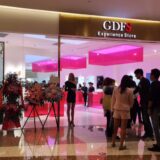
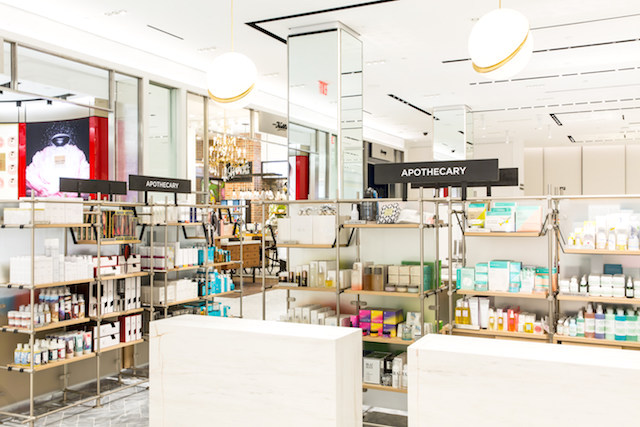
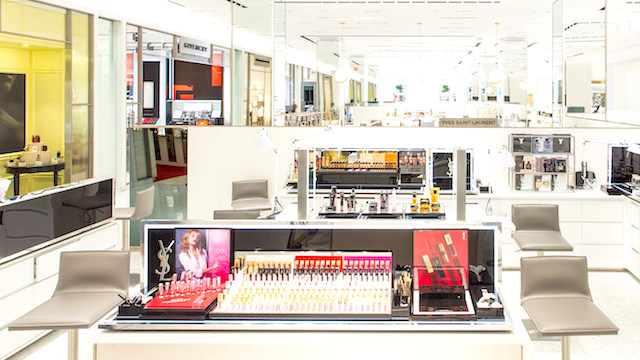
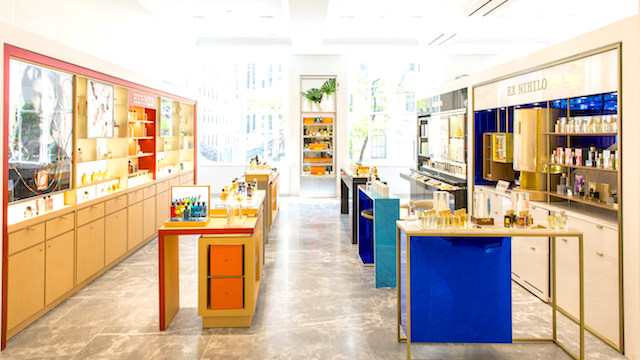
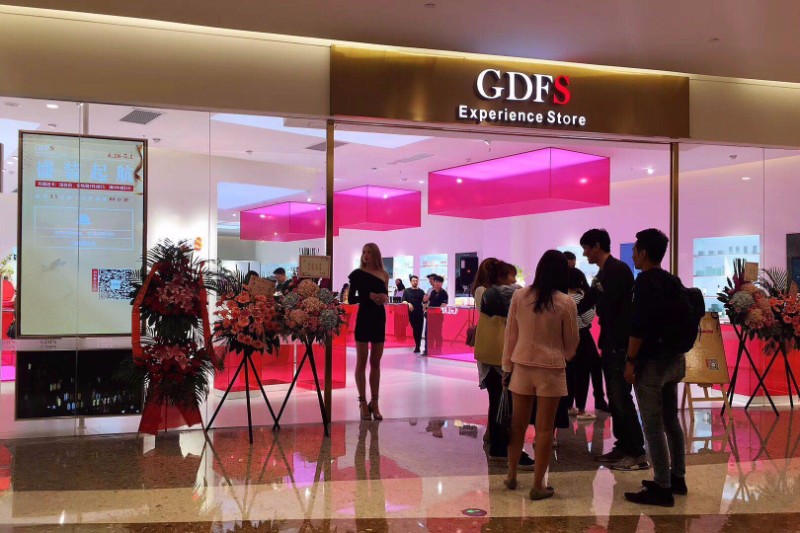
    GDFS, which describes itself as travel retail’s first membership-based global vertical e-commerce company, has opened its tenth GDFS Experience Store, in Shanghai.

    It aims to have 30 stores by year end, following openings last year in Ningbo, Zhejiang Province, and Hangzhou, Zhejiang Province.

    GDFS will also open a store this month in Inner Mongolia, with others set to be unveiled in Urumqi and Hangzhou (the retailer’s third location there) in coming weeks.

    The experience stores allow Chinese consumers to test products before ordering them online for home delivery, says GDFS VP Diana Xi.

    President Barry Chen says the average transaction now is US$200-300 across the network, with 60 per cent of members buying once a month. “For each store we are generating sales on average of RMB3-5 million a month (US$47,000-78,000).”

    Chen says the company’s final goal is to build a big database that will include information on shoppers’ habits and what they like to buy.” Because the retailer has a membership-based program, it already has extensive information on its consumers.

    Consumers pay an annual membership fee of US$118 to benefit from shopping opportunities through the GDFS website,= and the physical and online offers of its overseas partners. For its e-commerce site, GDFS ships goods from its warehouse in Hong Kong direct to Mainland Chinese purchasers.

    The pictures from the opening event and the store can be viewed below :


  • Indonesia Drops in IMD World Competitiveness Ranking

    Indonesia Drops in IMD World Competitiveness Ranking

    Indonesia’s competitiveness has dropped this year due to external pressures arising from trade, fluctuating exchange rates, and insufficient efforts to eradicate corruption, Switzerland-based International Institute for Management and Development, or IMD, revealed on Thursday (24/05).

    Indonesia now ranks 43rd among 63 countries assessed for the World Competitiveness Yearbook ranking, down one place from the previous year.

    Other countries showing signs of declining performance include Taiwan, Thailand, New Zealand and the Philippines, which fell seven places.

    Singapore remained on the third position, Malaysia on 22nd, while Thailand dropped to the 30th position, three ranking points lower than last year.

    Beside the problems with currency fluctuations, trade and corruption, IMD’s report also mentions other challenges faced by Indonesia, including low contribution of its industries in the global value chain, gaps in infrastructure funding, and stagnant economic growth.

    On the bright side, IMD noted several several improvements: expanded access to higher education, increased health care spending, business expenditure on R&D, value-added knowledge-and-technology intensive industries, lower youth unemployment, and a number of patents in force.

    IMD, one of the world’s top business schools, surveyed 6,371 respondents from 63 countries, based on 258 indicators and statistical data from local and international sources, as well as information from executives and experts.

    The report used four key indicators to determine weaknesses and strengths of a country: its economic performance, infrastructure development, business efficiency and government efficiency.

  • Thailand’s biggest Starbucks opens at CentralWorld Bangkok

    Thailand’s biggest Starbucks opens at CentralWorld Bangkok

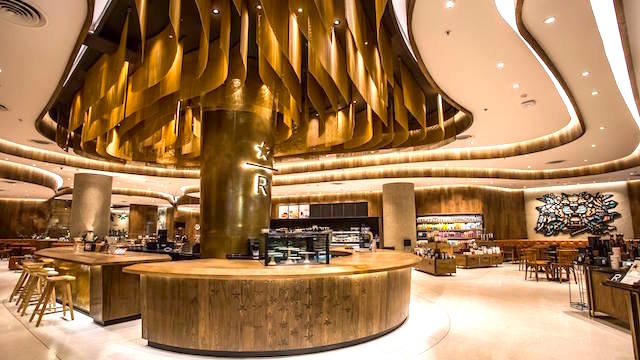
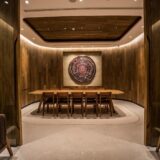
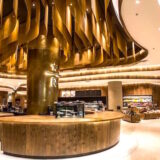
    After months-long renovation, Starbucks on the 1st floor of CentralWorld is now back in operation and, this time, becomes Thailand’s biggest store with the area spanning over 600 square meters.

    Decked out with curvy, bright-colored wood and artsy details, the newest Starbucks cafe also offers a new nitrogen-infused drinking experience. While Nitro Cold Brew coffee has been around for a while, Starbucks sets off a new line of frothy drinks on tap (dubbed Draft) composing of Cold Brew Coffee, Nitro Cold Brew coffee, Nitro milk and Nitro peach tea, from which you can choose to create your choice of eight concoctions. For example, Nitro Green Tea Latte is the creamy foam of matcha with Nitro milk, while Nitro Flat White is composed of intense shot of espresso with Nitro Milk.

    Draft drink starts from B130 for short glass or you can go for a flight of four selections for B600.

  • Hyundai, Kia jump ahead in the U.S. hybrid market

    Hyundai, Kia jump ahead in the U.S. hybrid market

    Sales of hybrid vehicles made by Hyundai Motor and its affiliate Kia Motors in the United States rose 7 percent in the first four months of this year from a year earlier, industry data showed Sunday.

    The two Korean carmakers sold a combined 15,930 hybrid models in the January-April period, including 7,927 units of Kia’s Niro crossover and 4,836 units of Hyundai’s Ioniq, according to numbers released by hybridcars.com, a U.S. website.

    The robust sales of Hyundai Motor and Kia Motors came as total sales of hybrid vehicles in the U.S. fell 11.6 percent on-year to 100,456 units.

    Hyundai and Kia trailed Japanese auto giant Toyota and Ford in hybrid sales, which took the first and second places in terms of sales with 56,791 units and 19,583 units, respectively.

    The brisk sales of Hyundai Motor and Kia Motors boosted their combined market share in hybrid vehicles to 15.9 percent in the January-April period, compared with 7.5 percent for the whole of 2011.

  • CapitaLand shapes Funan into Singapore’s first O&O shopping mall

    CapitaLand shapes Funan into Singapore’s first O&O shopping mall

    Funan has unveiled its digital blueprint as Singapore’s first O&O shopping mall integrating data and logistics aimed at empowering omnichannel retail strategies and transforming the customer experience.

    It encompasses customer analytics such as transaction and demographics data, robotic automation including Singapore’s first use of automated guided vehicles (AGVs) and robotic arms in a retail setting.

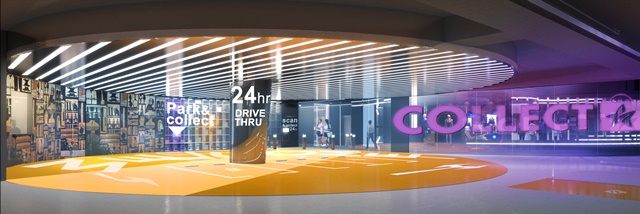
    Owned by CapitaLand Mall Trust and managed by CapitaLand Retail, Funan will also offer a 24-hour click-and-collect drive-through.

    “As smartphones change the way people shop and socialise, the design and operations of retail space must be reimagined to meet changing consumer expectations for an integrated O&O experience,” says CapitaLand Retail CEO Wilson Tan. “With the benefit of being a new development, Funan has wired its hardware and software differently to plug straight into the phygital (physical + digital) world of today’s consumers.

    “We have positioned Funan as the vanguard of innovation, with a combination of community, passion and discovery in its design. Our objectives are to empower our retailers’ omnichannel strategy, deepen consumer insights and enhance customer satisfaction through a seamless O&O journey.”

    Unified view

    CapitaLand Mall Trust Management CEO Tony Tan says the rise of omnichannel retailing spells new opportunities for the group to help its retailers do more business by increasing their consumer touchpoints while maintaining a unified view of their customers.

    “As a native O&O mall with omnichannel retail infrastructure enabled by the latest technology, Funan is well-positioned to attract quality tenants that are able to adapt and excel in this fast-changing retail landscape.”

    He says some of the digital innovations and infrastructure will be introduced into other malls in the group’s portfolio.

    For a typical Funan customer, the journey begins through bookings via the CapitaStar members’ app by CapitaLand, such as accessing the open studios in the Tree of Life experiential section, signing up for craft workshops with friends, booking tickets to a theatrical performance and reserving meeting rooms in the coworking space. The app also lets drivers reserve parking lots, find their car later and pay or redeem their parking fees.

    Shoppers can make purchases using StarPay, the in-app e-payment feature, while working professionals use the latest facial-recognition technology for cardless access to their offices.

    Hands-free shopping will soon become a reality at Funan through its automated concierge service at participating retailers. An AGV will pick up shoppers’ purchases and deposit the bags at a click-and-collect box at Basement 2. Shoppers can collect their purchases via a QR code or use the 24-hour drive-through collection service, fitted with a robotic arm that can retrieve their merchandise.

    As part of Funan’s omnichannel retail infrastructure, retailers can use the click-and-collect lounge and warehousing to fulfil their online orders from CapitaLand’s official store on Lazada.SG.

  • Indonesia Considers Stopping Palm Oil Exports to the EU

    Indonesia Considers Stopping Palm Oil Exports to the EU

    Indonesia is preparing for a worst-case scenario should the European Parliament’s draft of a ban on the use of palm oil in biofuels get approved by the European Commission and European Council.

    In January, members of the European Parliament voted in favor to phase out the use of biofuels made from palm oil by 2021 to fulfill the EU’s Renewable Energy Directive, which aims to reach a renewable energy target of 27 percent by 2030, including in transport fuels.

    A decision on whether the ban will be legally imposed in all EU country members will be made in 2019. If approved, Indonesia and Malaysia, who together produce nearly 90 percent of the world’s palm oil, will suffer a hard blow.

    “There’s an [ongoing] study about stopping exports to the European Union altogether. When it’s done, Indonesia can see that palm oil trade with them is risky. The study is to eradicate that risk once and for all,” Mahendra Siregar, executive director of the Council of Palm Oil Producing Countries, said in a discussion hosted by the Jakarta Foreign Correspondents Club (JFCC) on Friday (25/05).

    The council has commissioned several research institutions and universities to help produce its research, which is expected to be completed by the end of the year at the latest.

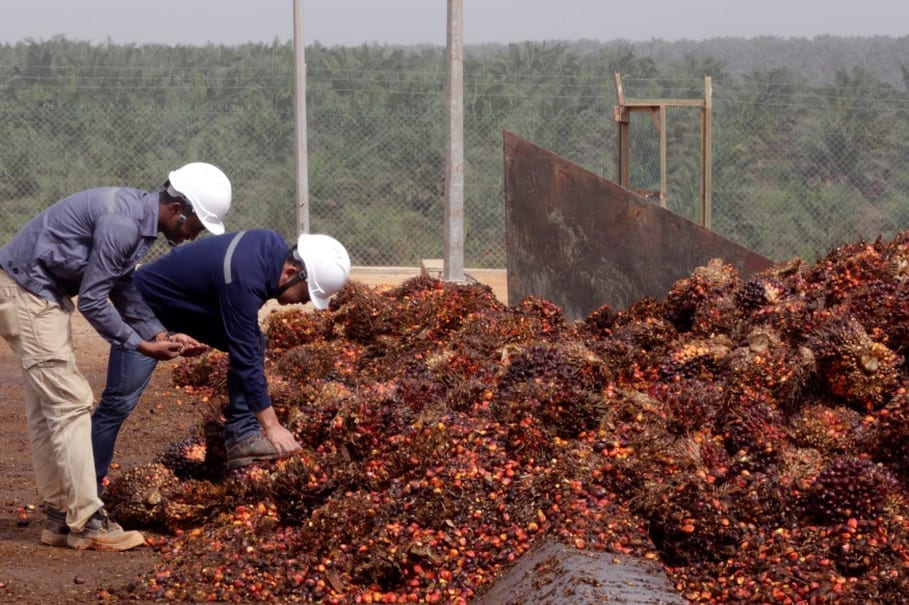
    Palm oil is a key source of revenue for Indonesia — the world’s biggest palm oil producer — accounting for about 14 percent of the country’s total exports.

    The EU is the second largest export market for Indonesian palm oil, importing around 5 million tons of the key Nutella ingredient each year. According to Ministry of Trade data, the EU has always been in the top two destinations for palm oil, along with India, since the 1990s.

    Purbaya Yudhi Sadewa, deputy minister of coordinating maritime sovereignty at the Coordinating Ministry of Maritime Affairs, said the EU must address trade barriers that discriminate against palm oil for the matter to be solved quickly.

    “Our goal is not to force the European Union to use palm oil, but we demand fair treatment for palm oil with other vegetable oils,” Purbaya said, adding that the EU now seems to solely target palm oil.

    “If the European Union has shown that they are not discriminatory towards palm oil, then we will gladly comply to their policy,” he said.

    The EU has insisted that it has no intention of building trade barriers against Indonesian palm oil and will address all drivers of deforestation, including soy, cocoa and coffee, but it has so far only proposed to ban palm oil imports.

    “The way I see it there is a [business] competition as they [EU country members] produce rapeseed oil which is expensive, while our palm oil is cheaper,” Trade Minister Enggartiasto Lukita said last month.

    According to a study by the Malaysia Palm Oil Council, oil palms occupy 9.2 million hectares of agricultural land and produces 31.8 percent of global oils, while soybean and rapeseed crops require 10 times this amount of land to produce similar yields.

    “This is an unhealthy competition … If it [palm oil] is disturbed, then we will also disturb the EU,” Enggartiasto said, adding that the ministry plans to ban fisheries from the EU if the draft is approved.

    Deforestation

    Vincent Guerend, EU Ambassador to Indonesia and Brunei Darussalam, however, said the union is considering to progressively replace food-based biofuels by more advanced ones, such as electricity, to prevent land-use changes affecting peatlands and tree cover.

    “The EU was the one to promote biofuel as renewable over 10 years ago. But because EU is such a big market, it has some very strong pull effects—negative effects to be exact,” Vincent said.

    According to Vincent, food prices are rising due to increasing land use for palm plantation that reduces available land for food crops. The expansion also contributes to deforestation, threatening species including elephants and orangutans.

    Data from the Central Statistics Agency (BPS) shows that land used for palm plantation rose from only 4 million hectares in 2000 to 11.9 million hectares in 2017. That figure is predicted to increase to 13 million hectares by 2020.

    A research study by the European Commission also shows that greenhouse gas emissions from biodiesel are more than three times higher than those from conventional diesel engines, when indirect effects are considered.

    New Markets

    Indonesia shipped out the highest value of palm oil ever in 2017, contributing to the year’s $12 billion trade surplus.

    According to BPS, palm oil exports and its derivative products reached $23 billion, up 26 percent from $18 billion in the previous year. The increase was in line with higher sales in non-traditional markets, according to a report by the Indonesian Palm Oil Association (Gapki) released in January.

    The export volume of palm oil to Africa countries jumped nearly 50 percent to 2.3 million tons in 2017 from 1.5 million, while exports to Middle Eastern countries also increased by 7 percent to 2.1 million tons from 1.9 million, the report showed.

    China — facing a threat of declining edible oil supply in trade wars with the United States — has also promised to increase palm oil imports from Indonesia by up to 500,000 tons per year. China bought 3.73 million tons of Indonesian CPO last year, from 3.23 million tons in 2016.

    “When we talk about the importance and significance of the EU on palm oil, this is the reality, which means the worst scenario can lead to a situation that palm oil can live without the EU. The question is of course whether the EU can live without palm oil,” Mahendra said.

  • Alibaba backs virtual showroom startup Ordre

    Alibaba backs virtual showroom startup Ordre

    Alibaba Group has bought a minority stake in Ordre, a European online luxury wholesale platform.

    Ordre, launched in 2015, allows fashion designers to show off their collections via 360-degree photography and virtual reality to interested wholesale buyers. The technologies make it more convenient for buyers, who aren’t always able to travel due to time and distance constraints, to build inventory each season. The reduced travel translates into lower carbon emissions at a time when sustainability is increasingly important to the industry, said Ordre.

    Dianne Von Furstenberg, Vivienne Westwood and Jason Wu are among the world’s leading designers who have established digital showrooms on Ordre. They also work with fashion brands such as Joseph.

    For Alibaba, the investment is a further push into the luxury sector, which is among its top strategic priorities, given the rising spending power and increasingly sophisticated tastes of Chinese consumers. The Hangzhou, China-based company plans to leverage Ordre’s technologies for consumers, however, delivering a more-enhanced shopping experience on platforms such as B2C marketplace Tmall.

    “Matching Ordre’s technology with Alibaba’s unique data insights and capabilities – of which our recently launched Luxury Pavillion is a great illustration—we can provide our consumers with a personalised and differentiated experience, helping brands develop a deeper engagement with them,” said Jessica Liu, president of Tmall Fashion and Luxury.

    The Luxury Pavillion, which lives within Tmall, was launched last August to deliver to China’s high-end consumers the same kind of brand exclusivity and tailored shopping experience online that they would expect at a brick-and-mortar store. About 50 brands, including l, offer products ranging from apparel and cosmetics to watches and luxury cars.

    The pavillion is driven by Alibaba’s New Retail technologies, which blend online and offline commerce to deliver a better buying experience for consumers. Simon Lock, founder and CEO of Ordre, said the company’s digital assets, including 360-degree images, 360 video and VR fashion shows and designer interviews, are in line with this strategy and could serve Tmall shoppers and brands.

    “Our 360-view allows consumers to understand every aspect and every view of a garment,” he said. “When you’re purchasing online, as much detail as can be provided is going to make your purchasing decision much more confident,” which can help drive down the product return rates.
    The companies are currently discussing a number of potential initiatives that would expand on these technologies. One of which would create new direct-to-consumer channels for Ordre’s partner brands by leveraging content to communicate their brand story and provide more information about products. For example, Ordre’s VR technology was able to recreate Stella McCartney’s Coachella-inspired 2018 fall show and the theatrical experience of Thom Browne’s latest showcase in Paris, so that buyers could watch fashion shows from the front row.

    Other potential collaborations include “fit avatars,” which allow buyers to see collections on models in 360-view and technology that allows buyers to remotely feel fabrics on a touch pad.

    Lock said he was also interested in Alibaba’s “See Now, Buy Now” technology, as well as the company’s artificial intelligence and cloud-computing capabilities.

    “We can work together to create the ultimate global fashion cloud,” he said.
  • HHI, Naver to build cheap robots

    HHI, Naver to build cheap robots

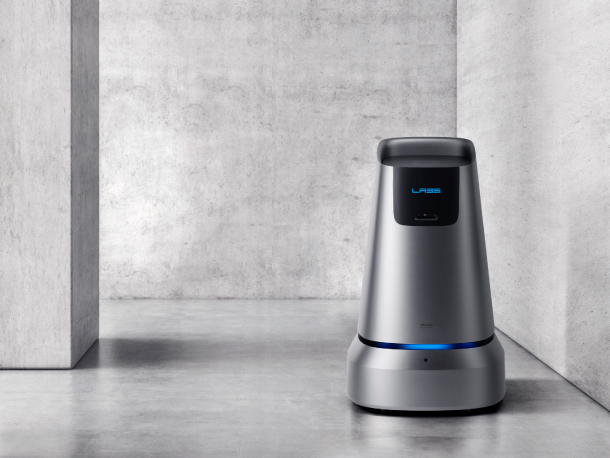
    Industrial robot company Hyundai Heavy Industries Holdings (HHI Holdings) inked a partnership with tech giant Naver on Monday to develop customer service robots that will sell for a fraction of the price of existing models.

    HHI Holdings, the holding company of Korean shipbuilder Hyundai Heavy Industries, will handle the production, sales and quality control of the service robots while Naver’s research and development arm Naver Labs will lead technology and software development.

    The two companies plan on commercializing two types of service robots within the year.

    One is a high-precision indoor mapping robot dubbed M1, and the other is a service robot called Around that can control its own movements around shops using a 3-D map created by M1.

    The two robots were initially developed by Naver Labs, but the industrial robot maker will help commercialize the products by producing them at its factory in Daegu.

    According to Naver, it was able to minimize the number of expensive sensors used for Around as the precise map data captured by M1 gives the self-driving robot a better sense of direction without including numerous sensors and cameras.

    “By cutting the use of sensors, we pulled down the manufacturing cost of our autonomous robot to about one-tenth that of competing robots in the market,” a Naver spokesperson said. “To commercialize the robots, one of our priorities was making them more affordable.”
    The spokesperson said that competing models cost over 100 million won ($93,132), largely due to their high-tech sensors and cameras.

    The robots will be deployed in a variety of commercial locations, like airports, shopping malls, gas stations, hotels and factories to guide customers and provide product information.

    In the future, the two companies will also work together on new robot concepts and take advantage of both companies’ affiliates and customer networks, HHI Holdings said in a statement.

    Service robots are becoming more common in Korea nowadays. Incheon International Airport started testing guiding robots and cleaning robots made by LG Electronics from last year, and it is preparing to officially launch them later this year. In January, local coffee shop chain Dal.komm Coffee released a coffee-making robot called b;eat.

  • Indonesia, Peru to Enter a Free Trade Agreement

    Indonesia, Peru to Enter a Free Trade Agreement

    Indonesia and Peru agreed to step up economic cooperation during a meeting between their foreign ministers in Lima, Peru, on Wednesday (23/05).

    The cooperation is going to start with a trade in goods agreement (TIGA) to intensify trade engagement.

    “Indonesia proposed that the establishment of a comprehensive economic partnership agreement [CEPA] should be carried out step-by-step, beginning with the TIGA,” the Ministry of Foreign Affairs said in a statement.

    Peru is Indonesia’s fourth-largest trade partner in South America. Data from the Ministry of Trade showed an increase of around 5 percent between 2016 and 2017, with total trade valued at nearly $230 million last year.

    According to the statement, Foreign Minister Retno Marsudi said during the meeting with her Peruvian counterpart, Néstor Popolizio, that Peru is an important market for Indonesia, but the economic cooperation still needs to meet its potential.

    Retno also stressed the importance of increasing business interaction between the two countries and diversification of products in bilateral trade.

    At the meeting, Retno invited Peruvian businesses to participate in Trade Expo Indonesia (TEI) in October. Indonesia is also set to take part in Peru’s Expoalimentaria and Mistura Food Festival later this year.

    The ministers also discussed efforts to increase cooperation in other fields, including agriculture and fisheries.

    Indonesia’s economic diplomacy seeks to boost bilateral trade with the country’s non-traditional markets, especially in Africa and South America.

    In December, a CEPA with Chile made it the first South American country to have a free trade agreement with Indonesia.

  • Saks Fifth Avenue Unveils New Beauty Floor In New York Flagship

    Saks Fifth Avenue Unveils New Beauty Floor In New York Flagship

    A new beauty hall has opened inside the Saks Fifth Avenue flagship in New York, 40 per cent larger than the space it replaces.

    Perhaps the most surprising feature is that it moves from the ground floor – the typical bastion of beauty halls in department stores all over the world – up one level.

    Taking up 32,000sqft it is home to more than 120 cosmetics, skincare, fragrance and wellness brands, 58 of them new to the venue.

    There are 15 new spa rooms offering services such as facials, massages, manicures, brow services – and even a florist.

    Saks Fifth Avenue says moving the beauty department to the second floor, represents an evolution in the way customers shop and experience beauty.

    “As part of Saks’ overall growth strategy, we continue to look for ways to innovate, create and disrupt,” says Marc Metrick, president, Saks Fifth Avenue. “The bold decision to move beauty to the second floor … enabled us to create the epitome of an experiential beauty floor. We continue to apply the principles of what we call The New Luxury to everything we do. What we’ve done with beauty gives the customer a warmer environment, differentiated from what they can get anywhere else and creates a reason to come to Saks and experience our brand.”

    Tracy Margolies, chief merchant at Saks Fifth Avenue, says the retailer curated the floor to represent the best innovations in beauty and wellness in a truly specialised space. “By offering beauty and wellness workshops and panels, Saks is taking a holistic approach to make our clients feel great both inside and out.”

    Grand Renovation

    The relocation and expansion of the beauty hall represents the latest chapter in what the company is calling the Saks Fifth Avenue flagship’s “Grand Renovation”.

    The space was opened up to create broad sightlines across the floor and modernise traditional finishes that complement the brand’s heritage. Custom agglomerate white stone flooring was imported from Italy and the building’s original windows facing Fifth Avenue, 49th Street, and 50th Street, were restored, allowing natural light to flood into the floor as well as offering north- and south-facing views of the city.

    Highlights of the new beauty hall include:

    • FaceGym, an original non-invasive facial workout, exclusive to Saks and the first shop in the US.
    FaceGym at Saks Fifth Avenue New York, Beauty on 2 (Courtesy of Justin Bridges for Saks Fifth Avenue) (PRNewsfoto/Saks Fifth Avenue)
    • Dedicated spa rooms for Chanel, Cle de Peau Beaute, Dior, Kiehl’s Since 1851, La Mer, La Prairie, Martine de Richeville, Skinney MedSpa and Sisley Paris.
    • Brow and lash styling by Blink Brow Bar London.
    • CoolSculpting and laser hair removal by Skinney MedSpa and manicures and meditation by Sundays.
    • Martine de Richeville’s slimming, deep-tissue massage, Remodelage, – a Saks exclusive and the brand’s first space in the US.
    • Hand-tied floral arrangements by EB Florals, revolving around the composition of the fragrances and their seasonal availability.
    EB Florals at Saks Fifth Avenue New York, Beauty on 2 (Courtesy of Justin Bridges for Saks Fifth Avenue) (PRNewsfoto/Saks Fifth Avenue)

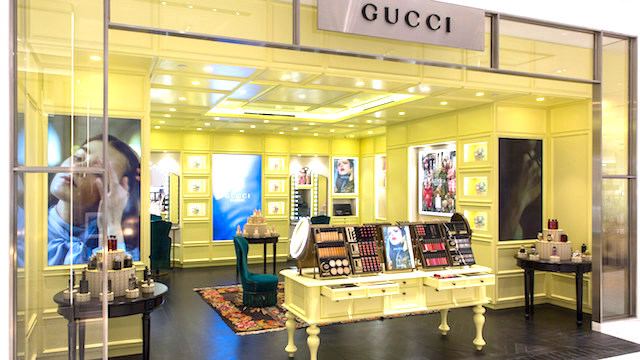
    There are anchor shops from Aesop, Chanel, Christian Louboutin Beaute, Dior, Giorgio Armani, Givenchy, Gucci, Kiehl’s Since 1851, La Mer, La Prairie, Sisley Paris, and Tom Ford.

    Gucci at Saks Fifth Avenue New York, Beauty on 2 (Courtesy of Justin Bridges for Saks Fifth Avenue) (PRNewsfoto/Saks Fifth Avenue)

    Saks New York will host beauty and wellness events in a 850sqft flexible event space, which will also host master classes, public appearances, small private gatherings and visual installations.

  • Samsung’s IoT home comes with Jedi curtains

    Samsung’s IoT home comes with Jedi curtains

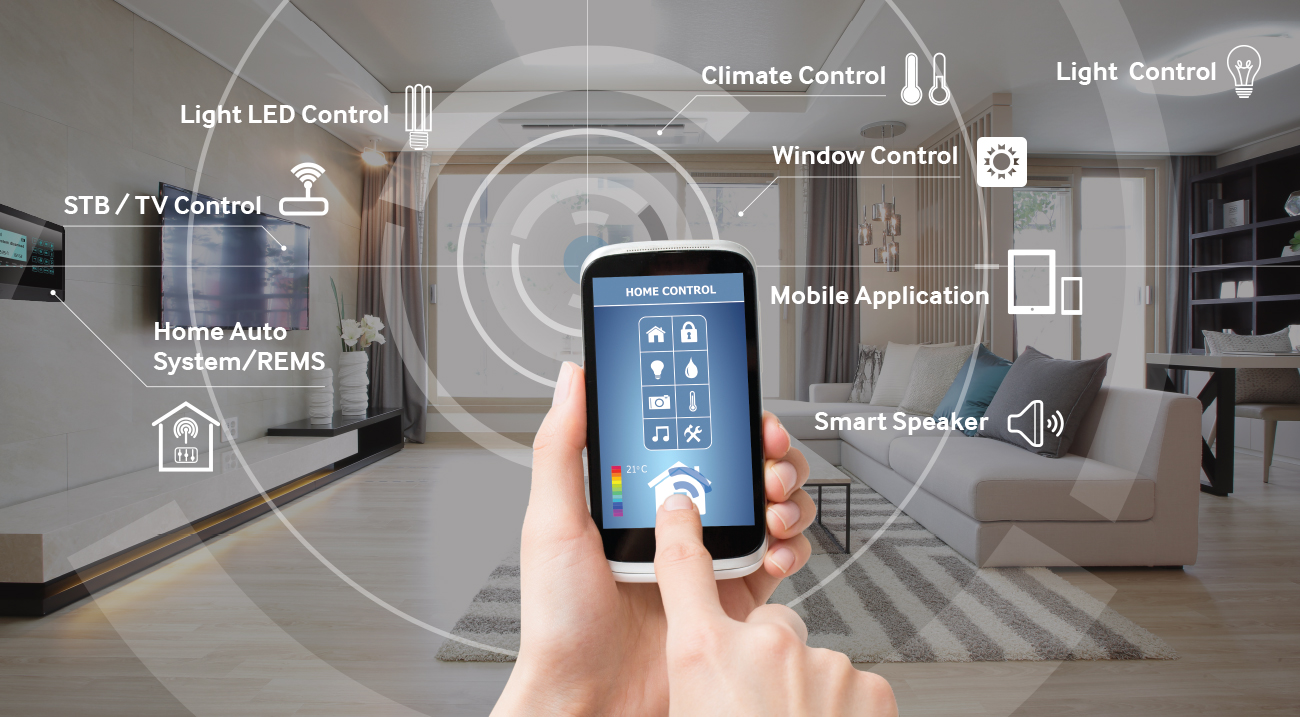
    Samsung C&T, the construction arm under the electronics giant, plans to make homes that are so smart they can recognize residents’ needs even before they call out for help.

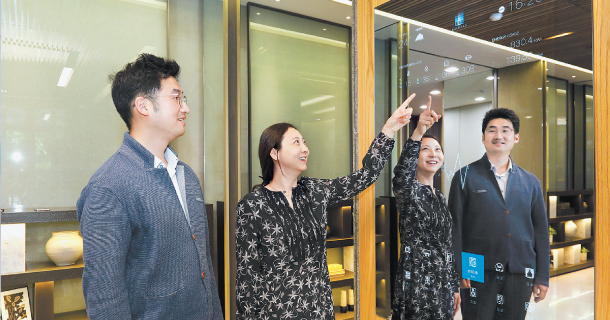
    When this guests stepped into the 54-pyeong (1,921 square-feet) model house of Samsung C&T’s Raemian apartment brand in Munjeong-dong, southern Seoul, on Monday, the house welcomed the guest with a cool “air shower” to blow away fine dust.

    “There is a sensor in the ceiling of the entrance that can detect the fine dust level,” a spokesperson from Samsung C&T said. “If people coming in from outside increases the fine dust level in the house, the air shower [air blown from the ceiling] will be activated.”

    The air shower was just the beginning of the high-tech features that the “Raemian IoT Homelab,” the model house to be opened to the public from June, had to show off.

    The demonstration went from strength to strength as an employee entered the next room and waved his hand to automatically open the curtains. This “Star Wars” style magic trick was actually achieved as the internet-connected curtains communicated with the smart watches the demonstrators were wearing. The movement picked up by the gyro sensor in the watch triggered the curtains.

    Lazy home owners – or those who don’t like to wear watches – need not fear, as the smart curtains and other features in the house can also be controlled by voice command and a smartphone app.

    According to Baek Jong-taek, a senior vice president at Samsung C&T, most of the concepts will become reality by the end of this year and could be included in actual homes from next year. As the company is scheduled to begin presales of nine apartment complexes next year, they are the main targets for the latest Internet of Things (IoT) systems.

    “Whether all apartment units will be equipped with the system will depend on discussions with stakeholders such as apartment owners,” said Kim Myung-suk, vice president of the product design group at Samsung C&T. “The IoT system could be offered as a premium option only for residents that want extra smart home features.”

    To make the home – which includes 19 different IoT services and products – work, the company partnered with 12 other companies including speaker maker Harman International, electronic curtain provider Somfy, massage chair maker Bodyfriend, air quality management company Haatz and SK C&C, SK’s IT service unit with expertise in artificial intelligence.

    The constructor said it welcomes many more partners who would like to open up part of their software to make a richer smart home environment including Samsung rival LG Electronics.

    Monday’s event came as a surprise not only because top-notch IoT tech was introduced, but also because there have been rumors that Samsung plans to ditch its Raemian brand due to the low profitability of the reconstruction business. Last time it won a reconstruction order to build a Raemian apartment complex was in September 2015.

    Kim, however, made clear that Samsung has never said it would “not participate in reconstruction project bids” and added that the company “has been reviewing quality business opportunities.”

    Industry insiders said the event may be a sign that Samsung is back in the game with the upgraded Raemian brand.

  • Forevermark diamonds opens Shanghai flagship

    Forevermark diamonds opens Shanghai flagship

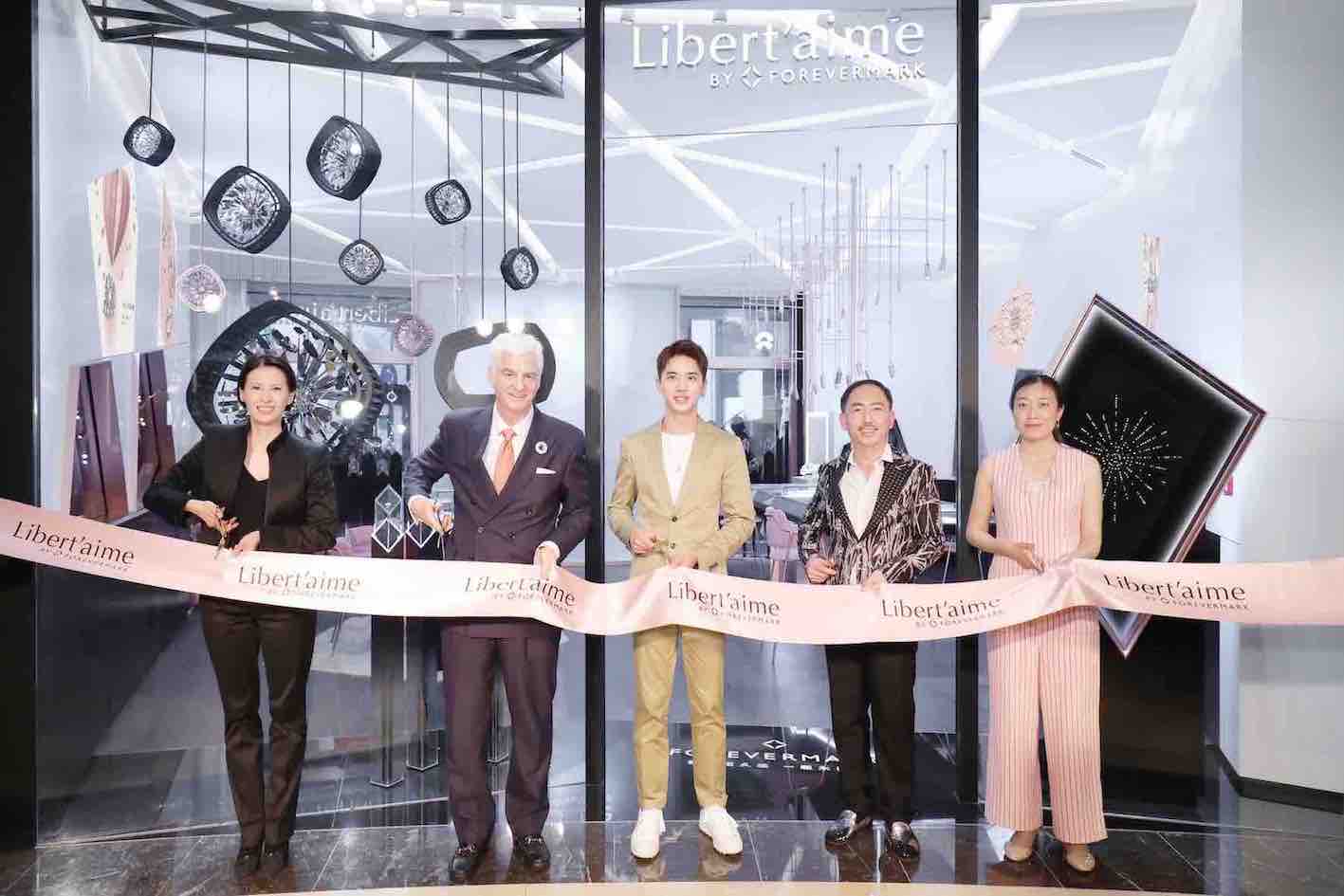
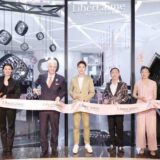
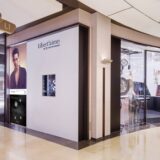
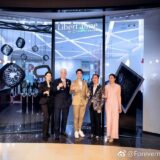
    Forevermark, a luxury retail brand of jeweller De Beers Group, has unveiled a flagship store concept, Libert’aime by Forevermark, in Shanghai.

    At HKRI Taikoo Hui, the store marks the 1000th Forevermark location in China. The Libert’aime concept focuses on 420 million millennials in China through an omnichannel model, offering an assortment of diamond jewellery.

    The omnichannel experience combines the Libert’aime concept market with online platforms and a WeChat store. Digital experiences in the store include a 3D diamond wall, a magic mirror, a Diamond Bar (daily offerings) and a Spectacular Diamonds area (fancy-cut and multi-diamond pieces).

    “Forevermark will continue to focus on its classic bridal and non-bridal collections with our valued Forevermark retail partners, while Libert’aime by Forevermark will concentrate on providing a complementary offer to excite millennials,” says Forevermark CEO Stephen Lussier.

    The concept store also features Le Light collection designed by Chinese actor/musician Timmy Xu Weizhou.

    Established in 1888, De Beers Group specialises in diamond exploration, mining and marketing. It has mines in Botswana, Canada, Namibia and South Africa, and employs more than 20,000 people across the diamond pipeline.

    The pictures from the opening ceremony and the gallery can be viewed below :

  • Indonesia Improves in Getting Private Money for Infrastructure

    Indonesia Improves in Getting Private Money for Infrastructure

    President Joko “Jokowi” Widodo must have felt relieved and proud when the presidential airplane touched down at Kertajati International Airport in Majalengka, West Java, to inaugurate its service last week.

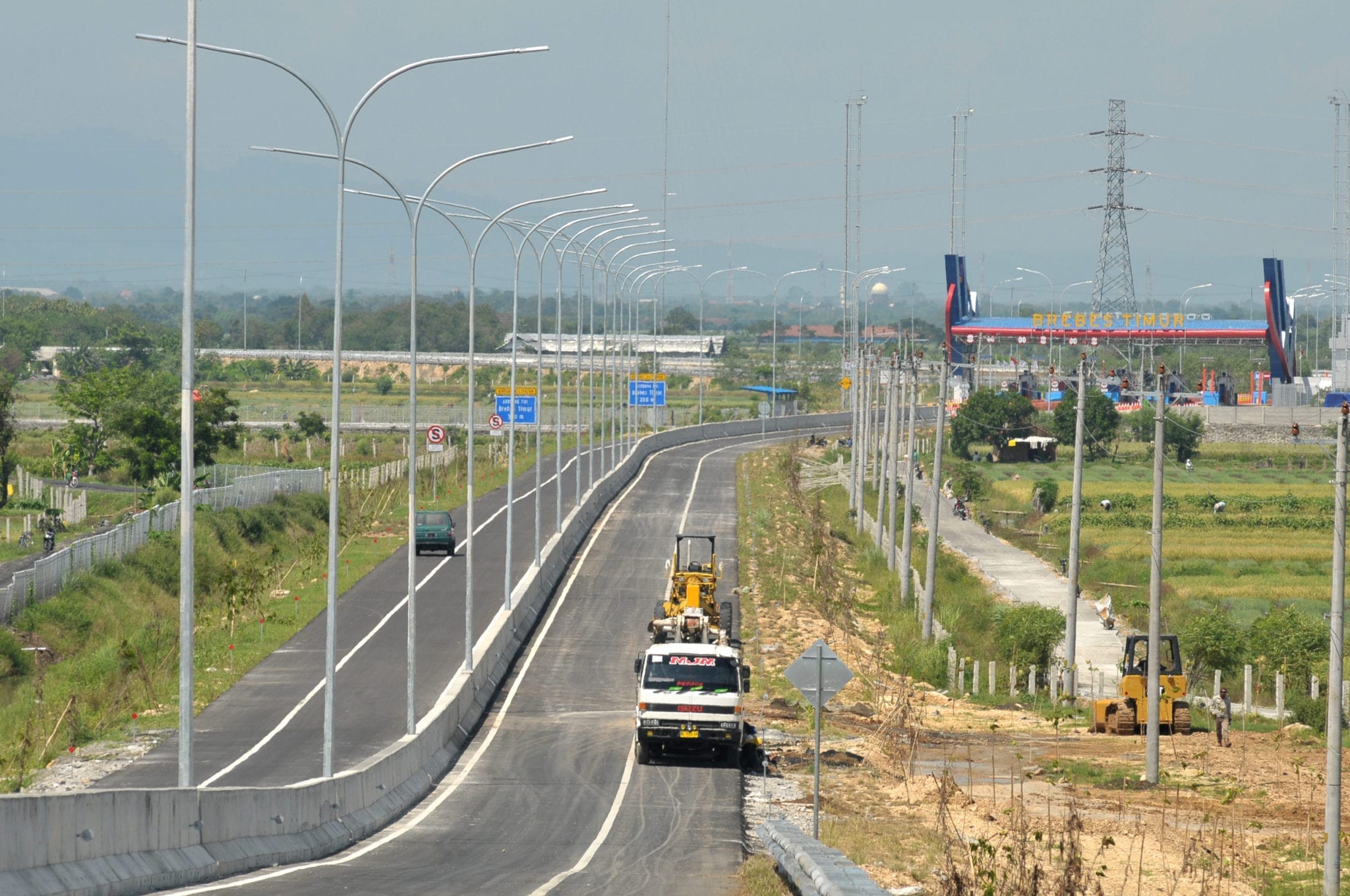
    The president can now showcase the airport as a successful and punctual public-private partnership (PPP) for infrastructure development.

    Initiated by the provincial government of West Java in 2009, the $800 million airport project was initially marred by land-clearing and financing problems. In 2015, Jokowi decided to step in with a state fund for the airport’s runway, taxiway and air navigation system.

    The move allowed Bandarudara Internasional Jawa Barat (BIJB), a state-owned enterprise, to concentrate on developing the terminals.

    Since then the project has become more attractive to investors, who saw a much lower risk. A syndicate of local Islamic banks injected $68 million into the airport last year. And soon BIJB will sell multimillion-dollar asset-backed mutual funds to investors.

    “The Kertajati airport is an example of successful cooperation between the central government, provincial government and the private sector. We will replicate this business model in other regions to accelerate development,” Jokowi said at the airport’s taxiway on Thursday (24/05).

    Second Best

    Indonesia was second after China in terms of attracting private funds to infrastructure projects last year, according to the World Bank’s Private Participation in Infrastructure (PPI) report released in April.

    It showed Indonesia attracted $15.4 billion to 11 projects. Of that amount, about $6 billion alone was used to build the Jakarta-Bandung high-speed railway, which is in 60 percent funded by a consortium of Indonesian state-owned companies and in 40 percent by Chinese enterprise China Railway Construction Corp.

    Among 304 projects considered in the report, 58 percent of the world’s PPI was in China, Indonesia, Mexico, Brazil and Pakistan, amounting to $93.3 billion, a 37 percent increase from 2016.

    Indonesia’s infrastructure push started under President Jokowi, who in 2015 said that more than $400 billion will be spent to accomplish 247 national strategic projects by 2019. Since 2014, when he took office, 30 of the projects, worth Rp 94.8 trillion ($6.7 billion) have been completed.

    Stronger Mechanism

    Since its implementation in the 1990s, private participation has been limited to the sectors of transportation and energy infrastructure. Having realized that the state budget simply cannot bear the costs of its infrastructure projects, the government has broadened the scope of public-private partnerships. Health care, telecommunications and water treatment projects have also been included.

    A 2015 presidential regulation, which expanded these financing possibilities, also set up a guarantee mechanism to fix the rate of return for investors in such projects. It also established Sarana Multi Infrastruktur (SMI) to help channel private funds into ready-to-built projects, and Penjaminan Infrastruktur Indonesia to provide guarantees for investors.

    “Over the past few years, the Indonesian government has considerably strengthened the legal and institutional frameworks for PPPs,” ADB country director for Indonesia, Winfried Wicklein, said last week.

    “By improving the quality of project preparation, ensuring competitive, fair and transparent procurement processes, and complying with obligations under existing long-term PPP contracts, Indonesia can deepen private sector interest in its PPP program,”  he said.

    There are 12 ongoing PPP infrastructure projects, including the Jakarta-Cikampek II Elevated Toll Road.

    The National Development Planning Agency (Bappenas) said that in 2018 there will be at least 15 new public-private projects, including the $1 billion, 71-kilometer Yogyakarta-Bawen Toll Road.

    Of these 15, only the $34-billion West Semarang Water Supply has been tendered, the rest are still being prepared.

    Benefits, Costs

    The most common form of public-private partnership is called “build, operate, transfer.” With this model, a public facility is built and operated by a private enterprise for a longer time, after which its ownership returns to the government.

    With this scheme, the government can refrain from taking in more loans or save the money for social programs.

    “However, when a toll road is built under a PPP scheme, it means the private operator would charge higher prices [to obtain profit]. When this happens, people may have to bear the higher price, which also means lower social benefits of the projects,” said Ahmad Mikail, an economist at Samuel Sekuritas Indonesia.

    The government should take this into consideration.

    “Whether a PPP has gone effectively is when people are satisfied with the facility built under the scheme,” Ferdinand Pecson, head of PPP Center of the Philippines, said earlier this month.

  • Cheers convenience store set expansion plan in Vietnam

    Cheers convenience store set expansion plan in Vietnam

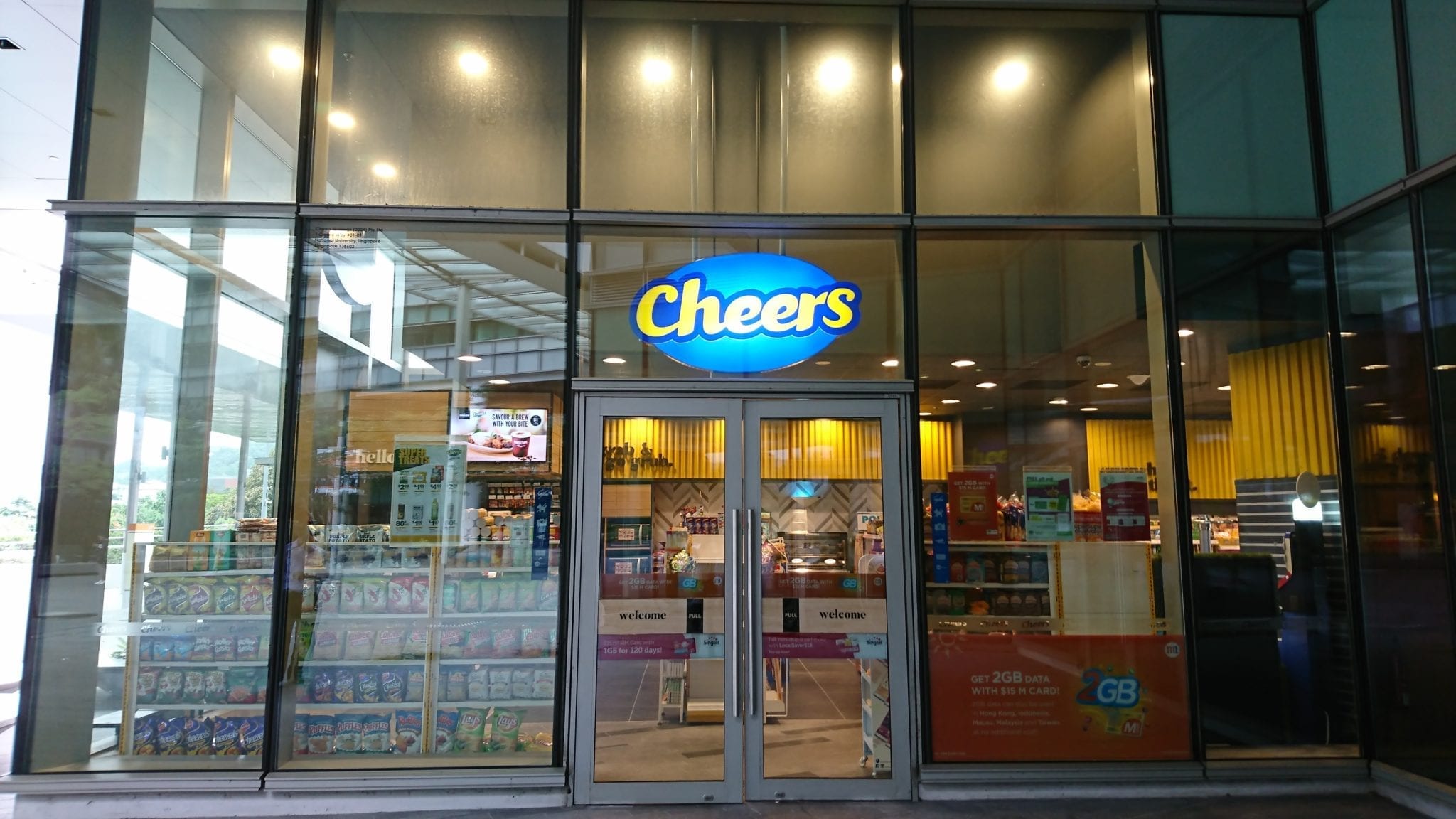
    Singapore-Vietnam convenience store joint venture Cheers has opened its third store, on Dinh Tien Hoang Street in downtown Ho Chi Minh City.

    Operated by Vietnam’s supermarket operator Saigon Co-op and Singapore’s NTUC FairPrice grocery network, Cheers is open 24 hours, selling fast-moving consumer goods, mostly imported, along with payment services for utilities. The stores offer dine-in areas with free wifi.

    Nguyen Anh Duc, deputy general director of Saigon Co-op, said Cheers’ links with his company’s other businesses,including Co-opmart, Co-op Food and Co-opXtra, allows customers to earn and spend loyalty points across the network.

    The first Cheers store opened on Hoa Hao Street, in District 10, last December. The partnership plans to have 50 stores trading in Vietnam by the end of this year.

    Saigon Co-op also partnered with NTUC FairPrice in its Co-opXtra hypermarket stores.

  • Western Digital NAS device suffers from a potential Privacy issue

    Western Digital NAS device suffers from a potential Privacy issue

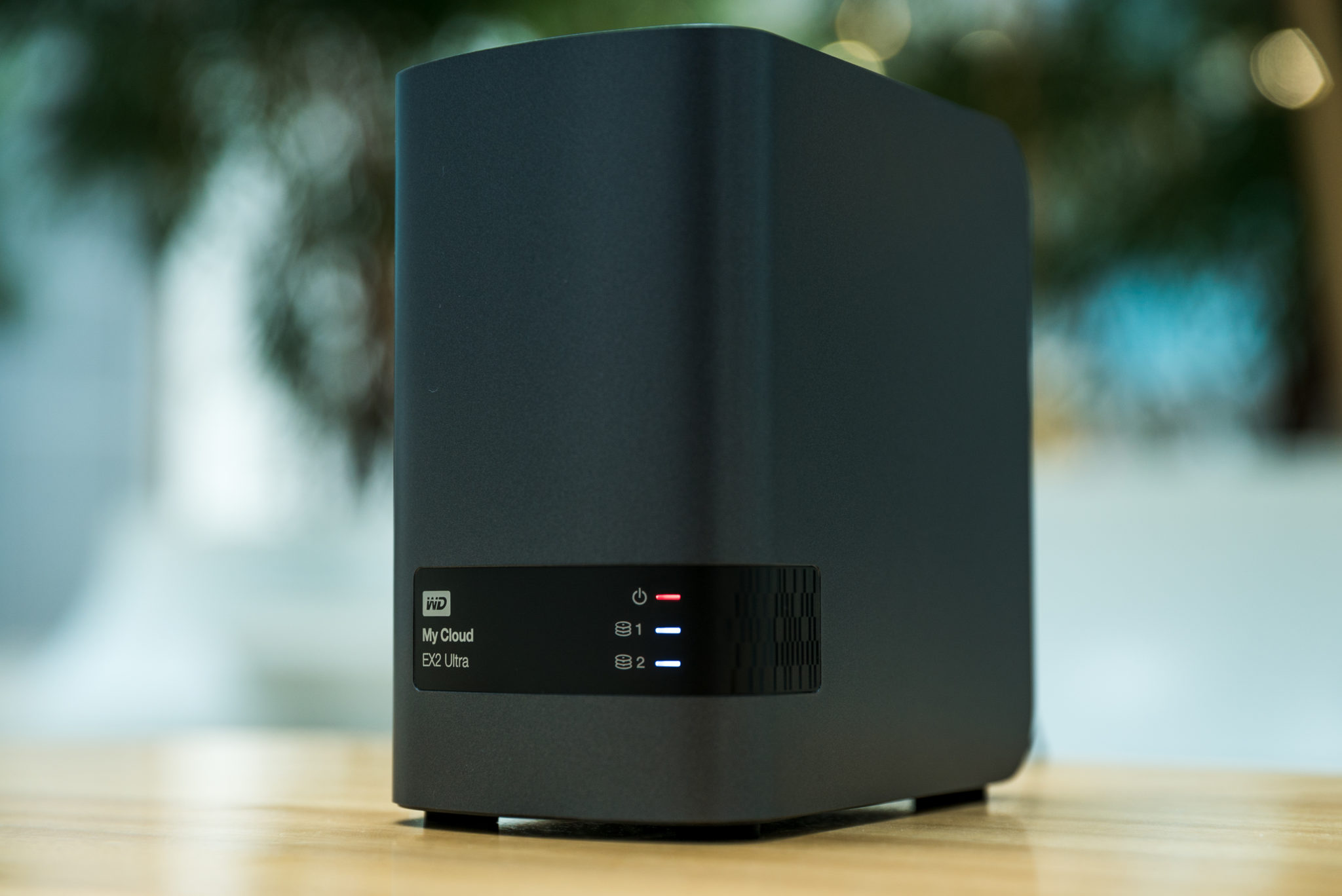
    The default configuration of Western Digital My Cloud EX2 network drives allows any unauthorised user on the local network to extract files by sending HTTP requests, according to security researchers. Western Digital’s My Cloud devices are storage/backup device that lets users backup and store important documents, photos and media files.
    In a security advisory, researchers at Trustwave said that when the device is switched on, the UPnP-media server automatically starts, which by default allows any user who can send HTTP requests to the device to extract any files. Thus, it is possible to bypass any permissions or restrictions set by the owner or administrator of the device.
    “It is possible to access files on the storage even when Public shares are disabled.  Specifically, anyone can issue HTTP requests to TMSContentDirectory/Control
    on port 9000 passing various actions. The Browse action returns XML with URLs to  individual files on the device,” said researchers.
    Researchers said that they had informed Western Digital about the problem in January of this year, but the manufacturer said that it will not release a patch. As a measure to prevent exploitation of the vulnerability, users are advised to disable DLNA if important data is stored on the device. Western Digital recommended that users follow this knowledge base article to turn off DLNA “if they do not wish to use the product feature.”
    Jason Garbis, vice president at Cyxtera, told that like all network-attached devices, organisations need to engage with their information security teams prior to deploying this drive onto their network.
    “Organisations of all sizes need to take a more proactive approach to network security and apply a zero-trust philosophy to their network. Once again, this vulnerability demonstrates that network access to a system – even without login credentials – is a privilege that must be managed. Today’s networks are far too open, which is a root cause of the many successful attacks and breaches affecting the IT industry,” he said.
    “With proper configuration, this device can be safely used. It should have the DLNA (UPnP) feature disabled, and ideally should have network access restricted to only authorised users. Deployed in its default configuration, this device exposes businesses to unnecessary risk of data breach, either to malicious insiders or external attackers.”
    Earlier this year, another security researcher found a plethora of vulnerabilities, such as pre auth remote root code execution, as well as a hardcoded backdoor admin account which cannot be changed. The backdoor also allows for pre auth remote root code execution on the affected device. The backdoor allowed anyone log in as user mydlinkBRionyg with the password abc12345cba. Western Digital has since issued a fix for this problem. It can be found here.