Author: Mei Ling Tan

  • Vietnamese carriers far from world’s cheapest, high fuel costs to blame

    Vietnamese carriers far from world’s cheapest, high fuel costs to blame

    None of Vietnam’s carriers made it to the top 50 list of cheapest airlines by average ticket price per kilometer, according to a 2018 report on global flight price by Melbourne-based transport search engine Rome2Rio.

    The report analyzed about 1.5 million price points for economy-class airfares from Europe, Americas and Asia Pacific as displayed by Rome2Rio during this year’s first two months.

    At the top of the list were Australia’s Tigerair Australia, Malaysia’s AirAsia X and Indonesia’s Indonesia AirAsia at $0.06, $0.07 and $0.08 per kilometer, respectively.

    Meanwhile, Vietnamese carriers are falling behind, with Vietjet Air, Jetstar Pacific and Vietnam Airlines priced at $0.14, $0.15 and $0.30 per kilometer, respectively.

    The report also shows that Vietnam is ranked 15th in the list of cheapest average airfare per kilometer ranked by country.

    Vietnamese carriers’ higher-than-average airfares were due to high fuel costs, said an airline representative.

    “Vietnam’s fuel costs are 20 to 30 percent higher than other countries’,” the representative said. This representative also noted that fuel costs represent the highest percentage in an airline’s total operational costs, at 30 to 40 percent.

    Despite Vietnam’s status as a crude oil exporter, the country still heavily depends on importing refined oil from other countries.

    “Vietnam will not be free of imports of refined fuels, although combined diesel and gasoline imports will halve from about 200,000 barrels per day in 2016,” said Suresh Sivanandam, analyst at energy consultancy Wood Mackenzie.

  • Q1 sales growth quarter for 7-Eleven Malaysia

    Q1 sales growth quarter for 7-Eleven Malaysia

    In a first quarter marked by expansion and sales growth, 7-Eleven Malaysia saw its net profit soar 11.6 per cent from the same period a year ago.

    Total sales growth for the quarter was 2.5 per cent, while the gross profit margin continued to improve, says the company.

    Driven by store openings, higher customer counts and improved consumer promotions, the group’s revenue for the quarter grew by 2.5 per cent to RM535.7 million (US$134.4 million).

    Gross profit of RM171 million improved by 7 per cent, and this was mainly attributed to the increase in revenue and improvement in gross margin by 1.3 points.

    Profit after tax was RM8.9 million, up 11.6 per cent.

    One2Pay mobile wallet launched in January, with payments and top-ups enabled in all stores, while continued store expansion took the total network to 2235 outlets.

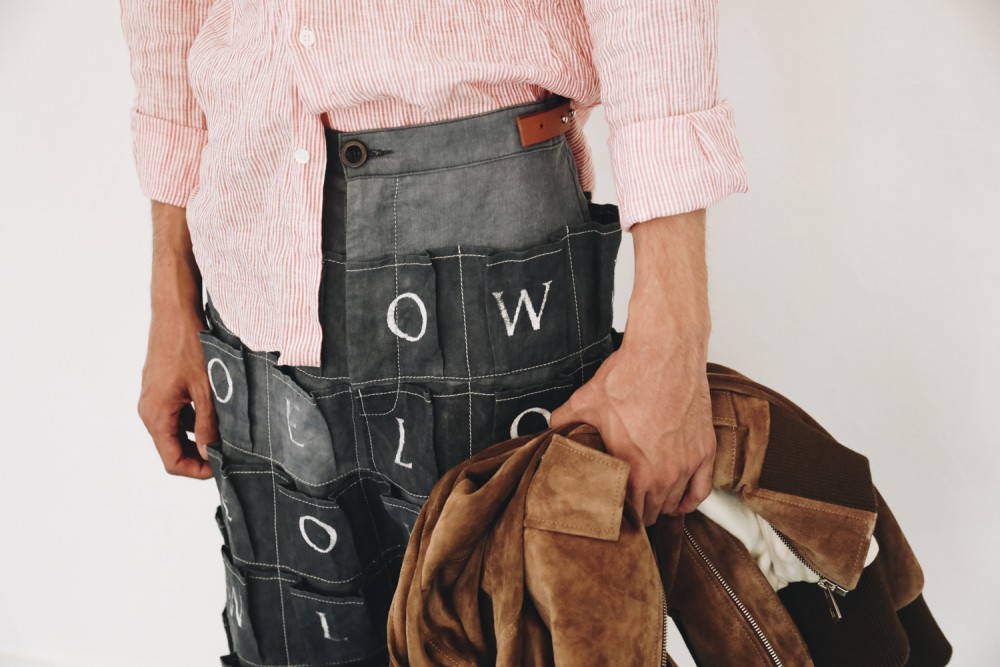
  • HBX first-ever street X luxury fashion pop-up with Loewe

    HBX first-ever street X luxury fashion pop-up with Loewe

    After Virgil Abloh was named Creative Director for Louis Vuitton Menswear, the blend between luxury and streetwear emerged as a confirmed upcoming trend.

    We had seen earlier luxury brands launching athleisure and sneakers to delight younger generations, and HBX forseeing this was planning its first-ever street X luxury collaboation recently unveiled in its pop-up in HK.

    After launching a series of successful pop-ups in Hong Kong, HBX took a step
    further to unveil the first collaboration with luxury brand LOEWE, launching Paula’s Ibiza II collection for SS2018.

    Consists of Men ́s & Women ́s Ready-to-Wear and accessories, the Paula’s Ibiza collection fuses bohemian coastal dressing with the legendary Ibiza boutique Paula’s iconic prints and designs, chosen by LOEWE’s creative director Jonathan Anderson.

    The collection’s playful colours and whimsical icons are re-imagined to a series of vivid, retro beach-inspired installations, drawing attention to the pop-up store. The youthful installation is complemented by digital and printed displays of LOEWE Paula ́s Ibiza Publication shot in New Orleans, a refreshing photography series by Gray Sorrenti, the daughter of Mario Sorrenti.

    A launch event was held to celebrate the first street-meets-luxury HBX pop-up with cocktails, DJ performances and more.

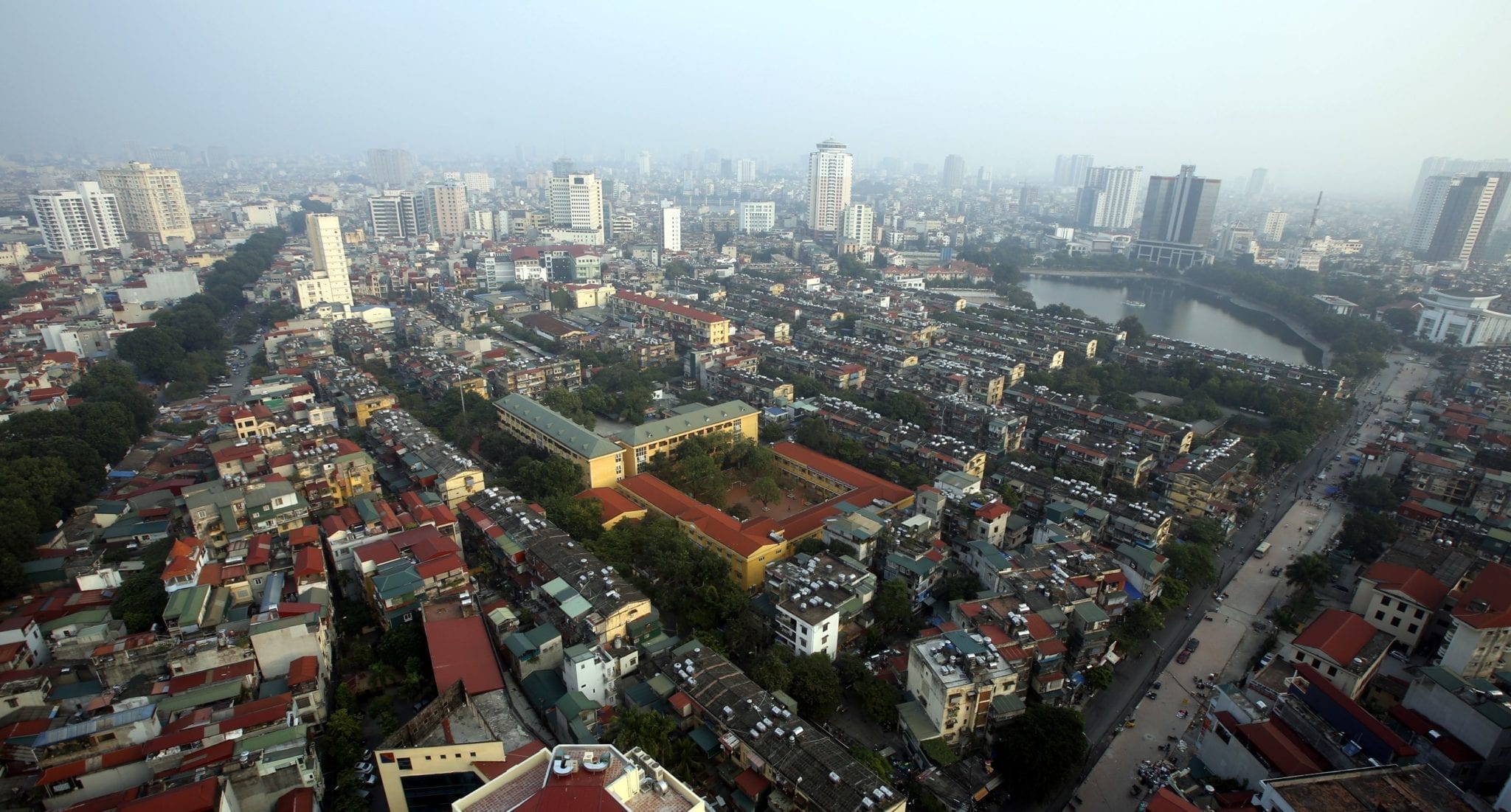
  • Cheap real estate in Vietnam draws scores of Chinese buyers

    Cheap real estate in Vietnam draws scores of Chinese buyers

    Vietnam has become an up and coming property investment destination among Chinese and Hong Kong buyers with real estate prices lower than in other Southeast Asian countries.

    Demand for properties in Vietnam among Chinese buyers surged 300 percent year-on-year in the first quarter of 2018, Chief Executive Carrie Law of Juwai, one of the biggest international property portal in China said.

    “Many investors from mainland China are hoping to see these cities [Ho Chi Minh City, Hanoi] replicate the same growth as Beijing and Shanghai,” said Stephen Wyatt, the country head of JLL Vietnam.

    Buyers from mainland China, Taiwan and Hong Kong last year accounted for 25 per cent of the Southeast Asian nation’s total transactions by foreign buyers, up from 21 per cent in 2016, according to data from real estate company CBRE Vietnam.

    Analysts say relatively low prices in Vietnam, one of world’s fastest growing economies, and the desire for Chinese buyers to diversify their portfolios given their limited assets overseas, make markets like Ho Chi Minh City, Hanoi particularly attractive.

    A high end property in central Ho Chi Minh City costs $3,000 to $6,000 per square meter. However, its equivalent in Bangkok costs around $7,000 to $9,000 per square meter, and still less than 10 percent of the value of Hong Kong properties.

    Vietnam’s relaxed restrictions on foreign property ownership are also believed to have facilitated the surge in Chinese and Hong Kong buyers, but to a lesser extent because bureaucracy remains a strong barrier.

    The 2015 Housing Law allows foreign investment funds, foreigners with valid visas, international firms with operations in Vietnam and overseas Vietnamese to buy residential properties with leaseholds of 50 years.

    And developers are allowed to sell only 30 percent of the units in each building to foreigners, meaning eligible apartments need to be advertised.

    However, analysts warned about the possibility of a real estate bubble in Vietnam, which is similar to the historic one in 2008.

    Eight out of 10 signs of a real estate bubble have been identified in the Vietnamese market, said Tran Kim Chung, deputy director of the Central Institute for Economic Management (CIEM) at a conference last week.

    Local residents and real estate agents said the price doubled last year’s, and has climbed a further 30-50 percent so far this year.

  • Singapore’s e-commerce veteran ezbuy raises US$17.6M in pre-Series C funding round

    Singapore’s e-commerce veteran ezbuy raises US$17.6M in pre-Series C funding round

    Singapore’s global shopping platform EZbuy.sg has raised US$17.6 million in pre-series C funding co-led by several regional venture capitalist firms.

    Founded in 2010, EZbuy says it will use the funding to offer quicker and more reliable modes of localised services while further enhancing its product offerings. The capital investment will also be allocated for its expansion plans in the region as well as countries outside of Southeast Asia.

    EZbuy co-founder/CEO He Jian says the company’s core mission has always been to provide customers with convenient access to shop for their favourite products from all over the world.

    “The investment will enable us to continue strengthening our core verticals and pave the way to achieve this objective faster,” he says.

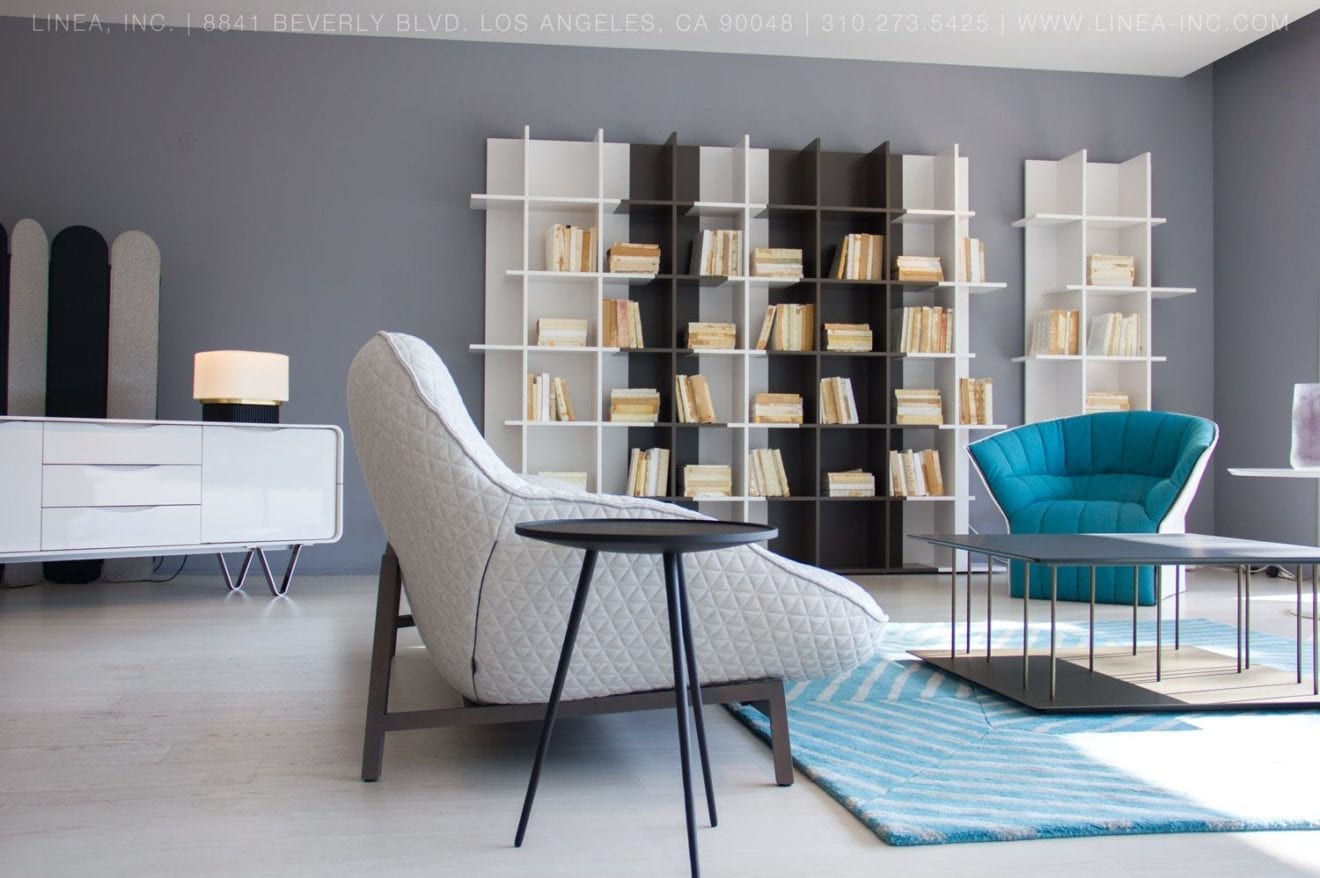
  • Made-in-Vietnam woodwork conquering international premium markets

    Made-in-Vietnam woodwork conquering international premium markets

    With high quality and reasonable price, made-in-Vietnam woodwork has made its presence felt in luxury interior design projects worldwide.

    Last year, a team of 70 workers from Vietnam of design and construction company AA Corp were sent to the Caribbean to construct the interior of the luxury Park Hyatt St. Kitts resort. The $16 million project included components on interior design, millwork and loose furniture.

    Dubai based airline Emirates, the largest in the Middle East, also used Vietnamese-made woodwork for the interior of their first class cabins.

    “The U.S., Japan, Dubai, Singapore, Myanmar and Laos all have premium constructions with signature material from Vietnam,” said Nguyen Quoc Khanh, chairman of the Handicraft and Wood Industry Association of Ho Chi Minh City (HAWA).

    Premium hotel and resort corporations in the world such as Starwood, Accor, IHG, Marriott, Hilton and Fairmont all want to select Vietnamese businesses to design and construct the interior of their buildings, Khanh said, adding that these companies like made-in-Vietnam wood products because of their high quality and reasonable prices.

    With world class craftsmanship, Vietnamese wood businesses can now offer complete five-star woodwork instead of just selling individual products, said Nguyen Chanh Phuong, CEO of Danh Moc Limited Company, which designs kitchens.

    Approaching the high-end segment of the market is what local businesses have been aiming for for years, Phuong said, adding that with improved customer service and advertising, Vietnam can penetrate even further into the premium market.

    Vietnamese wood companies also need to thrive to achieve better product value instead of running after revenue goals and export targets, said Tran Viet Tien, CEO of Lavanto Home Décor, which manufactures a variety of home products.

    Businesses also need to invest more in automation, human resources and design to reach new heights, Tien said.

    Vietnam is currently world’s top five exporter of wood, behind China, Germany, Italy and Poland. Last year, Vietnam exported $8 billion worth of wood and forest products and the country aims to reach a $9 billion target this year.

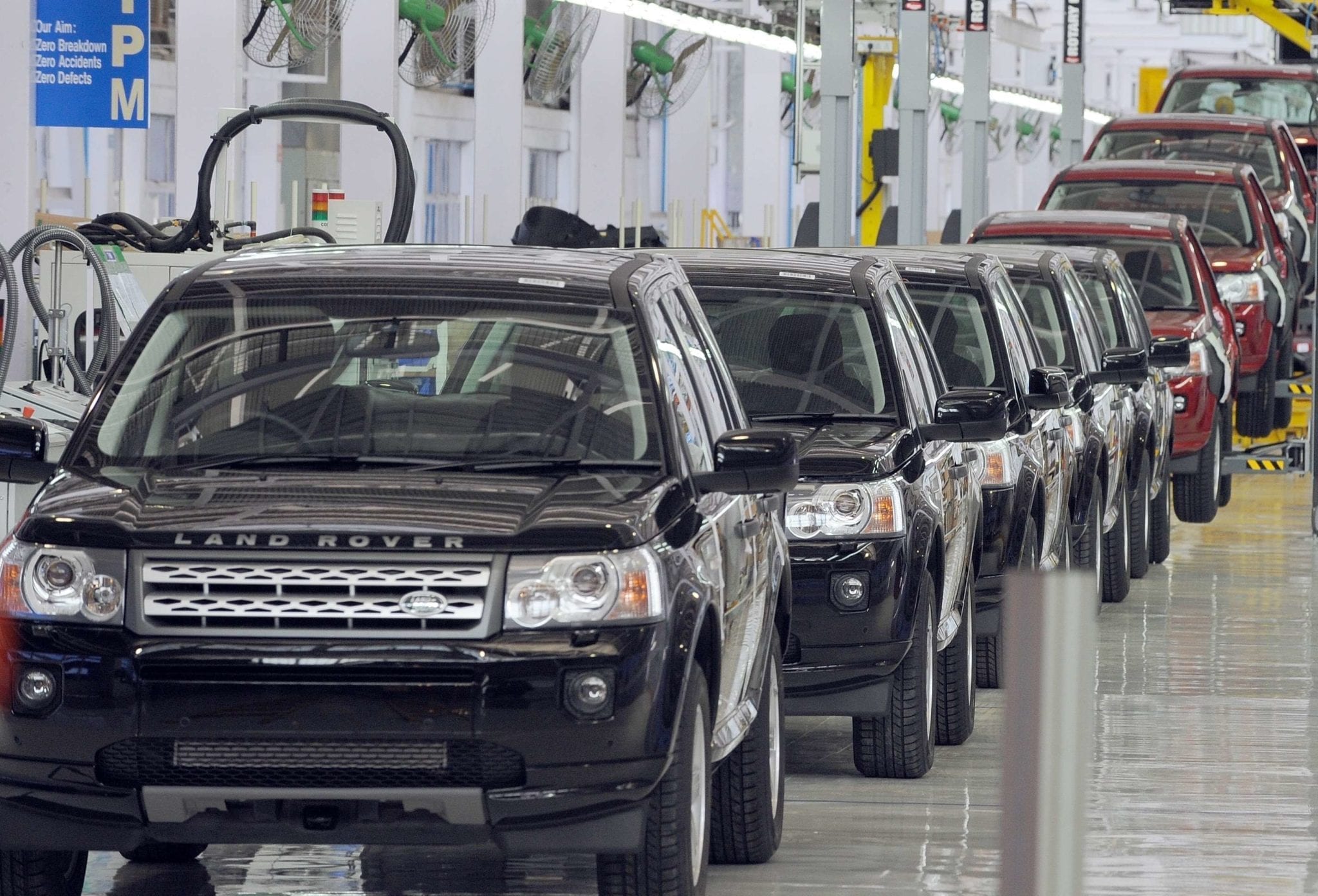
  • New US tariffs a headache for foreign automakers

    New US tariffs a headache for foreign automakers

    US President Donald Trump’s threat to impose steep tariffs on auto imports will hit foreign automakers that export a large number of vehicles to the US market, but many also manufacture cars domestically.

    Most of these brands, such as Mercedes and BMW as well as Nissan, Honda and Volkswagen, have at least one auto plant on US soil, where they employ tens of thousands of workers.

    These automakers have invested billions of dollars in their US facilities. Toyota and Mazda announced at the start of the year plans to build a US$1.6 billion joint facility in Alabama that will be capable of producing 300,000 vehicles a year.

    Volvo Cars, which plans to open a plant in South Carolina by the end of the year, has warned that new import duties would affect its investment plans.

    US auto market

    In 2017, about 17.2 million vehicles were sold in the United States, according to AutoData, which compiles figures from manufacturers and dealers.

    Nearly 8.7 million of these were imports, according to the Center for Automotive Research, mostly from Mexico and Canada — partners in the North American Free Trade Agreement — as well as from Japan, Germany and South Korea.

    Since the start of this year, the share of domestically-manufactured autos sold in the US has fallen to 50.1%, down from 51.1% over the same period in 2017, according to Edmunds.com.

    At least 82% of Volkswagens sold in the US were imports, according to Edmunds, as well as 55% of Toyotas, 57% of Hyundais, 70% of Mercedes-Benz and 68% for BMW.

    On the other hand, more than half the cars sold in the US by the “Big Three” in Detroit were made locally: 80% for Ford, 60% for General Motors and 55% for Fiat Chrysler.

    Honda is the sole foreign automaker manufacturing a large majority of its locally-sold cars in the United States.

    Major exporter

    The US auto industry is the largest US manufacturing sector which employs about eight million workers, directly or indirectly through related industries.

    It also is one of the largest export sectors, according to the American Automotive Policy Council, an industry body representing the major US manufacturers, General Motors, Ford and Fiat Chrysler, and foreign automakers.

    Auto exports virtually doubled between 2009 and 2015 to US$137.7 billion from US$74.1 billion, according to AAPC, supporting 771,000 US jobs.

    BMW and Daimler, maker of the Mercedes-Benz, notably send US-built cars to the European Union and China.

    BMW, which says its Spartanburg, South Carolina plant is the world’s largest, exported 70% of the 371,284 autos manufactured at the site last year, or about 272,346, representing about US$10 billion in total exports.

    Domestic manufacturing

    Toyota, which employs more than 36,000 people, has 10 factories at locations in Alabama, California, Mississippi and Texas. It produces 1.2 million cars and sells 2.4 million, according to 2017 figures, with the difference made up by imports.

    Honda, which employs 4,000, has factories in Alabama, George, Indiana and Ohio and produces 1.2 million, selling 1.6 million.

    German giant Volkswagen, which has a Tennessee factory with the capacity to produce 150,000 units annually, did not disclose production figures but sold 339,679 autos. It employs 2,444 workers.

    Daimler maintains auto plants in Alabama, Indiana, and South Carolina and has 4,900 local workers. In 2017, it produced more than 286,000 cars and sold 337,246.

    BMW, which employs nearly 9,0000 workers, produced 371,284 automobiles in 2017 in the US, and sold 305,685.

    Nissan maintains two factories in Mississippi in Tennessee and produced 930,000 autos, selling US$1.6 million. It employed 14,400 workers.

    Auto imports

    Volkswagen luxury brands Audi and Porsche have no US factories and as a result import all the vehicles sold in the US market. In 2017, Audi sold 226,511 units while Porsche brought 55,420 to market.
  • Flont and Adrian Cheng to launch Asia’s jewellery rental service

    Flont and Adrian Cheng to launch Asia’s jewellery rental service

    Chow Tai Fook has partnered with Flont and Adrian Cheng’s venture capital firm C Ventures to launch a jewellery rental service in Asia.

    Flont, which touts itself as the pioneer of the ‘Jewellery as a Service’ concept, describes the deal as a “massive expansion” of its jewellery-sharing platform creating an “unparalleled luxury network” across Asia, including 2500 Chow Tai Fook stores and Cheng’s growing network of K11 art malls.

    Flont, headquartered in New York, enables consumers to discover and wear high-end jewellery they may not be able to afford to buy. Its sharing model targets millennials and Gen Zers, and has been likened to the Uber or Airbnb concepts merged with e-commerce. Consumers can borrow, experience and even buy fine jewellery, with insurance and shipping included, through rental or membership subscription services.

    Cheng, who is executive director of Chow Tai Fook, orchestrated the partnership through C Ventures, which he co-founded with Clive Ng. Besides the retail and mall networks, Flont gains a gateway to more than 9 million VIP members of the Chow Tai Fook and K11 organisations.

    Flont will open a standalone lounge in Hong Kong’s in Victoria Dockside, where customers can view new pieces added to the catalogue, return rented pieces or exchange them for new ones.

    “In our first year, Flont surpassed 10,000 members in the US, by forging meaningful partnerships with brands and businesses in the fashion, beauty, travel and retail industries,” said Cormac Kinney, founder and CEO.

    He describes C Ventures and Chow Tai Fook as the best-possible partners in the region. “Their consumer relationships, retail network, logistics and luxury heritage, will enable Flont to grow rapidly, and provide exceptional service.”

    Cheng says Flont’s jewellery-as-a-service offer has “amazing potential in China and the rest of Asia, where luxury rental is still at its infancy”.

    Through Chow Tai Fook, Flont will gain rapid access to consumers in China, Hong Kong, Macau, Singapore and Taiwan.

  • Aeon Malaysia share price jumps 6.52% on higher Q1 earnings

    Aeon Malaysia share price jumps 6.52% on higher Q1 earnings

    Aeon Co (M) Bhd rose as much as 6.52% in early trade to RM2.45 after reporting a 6.63% jump in net profit for the first quarter ended March 31, 2018.

    At 11.23am, the stock was trading at RM2.42 with 941,700 shares done.

    Aeon’s net profit for the first quarter stood at RM27.94 million compared with RM26.20 million recorded a year ago.

    Revenue for the period grew to RM1.11 billion from RM1.07 billion on the back of higher revenue from its retail and property management service businesses.

  • Air Asia X named cheapest airline in the world

    Air Asia X named cheapest airline in the world

    ASIA dominates the world’s cheapest airlines list, but the other results may surprise you.You’d think it would be difficult to find out which operator is the cheapest since airlines don’t all share the same routes on the same days. But Rome2Rio’s expert team of data scientists analyzed economy-class airfares sold on the site over  a two-month period to get the definitive answer.

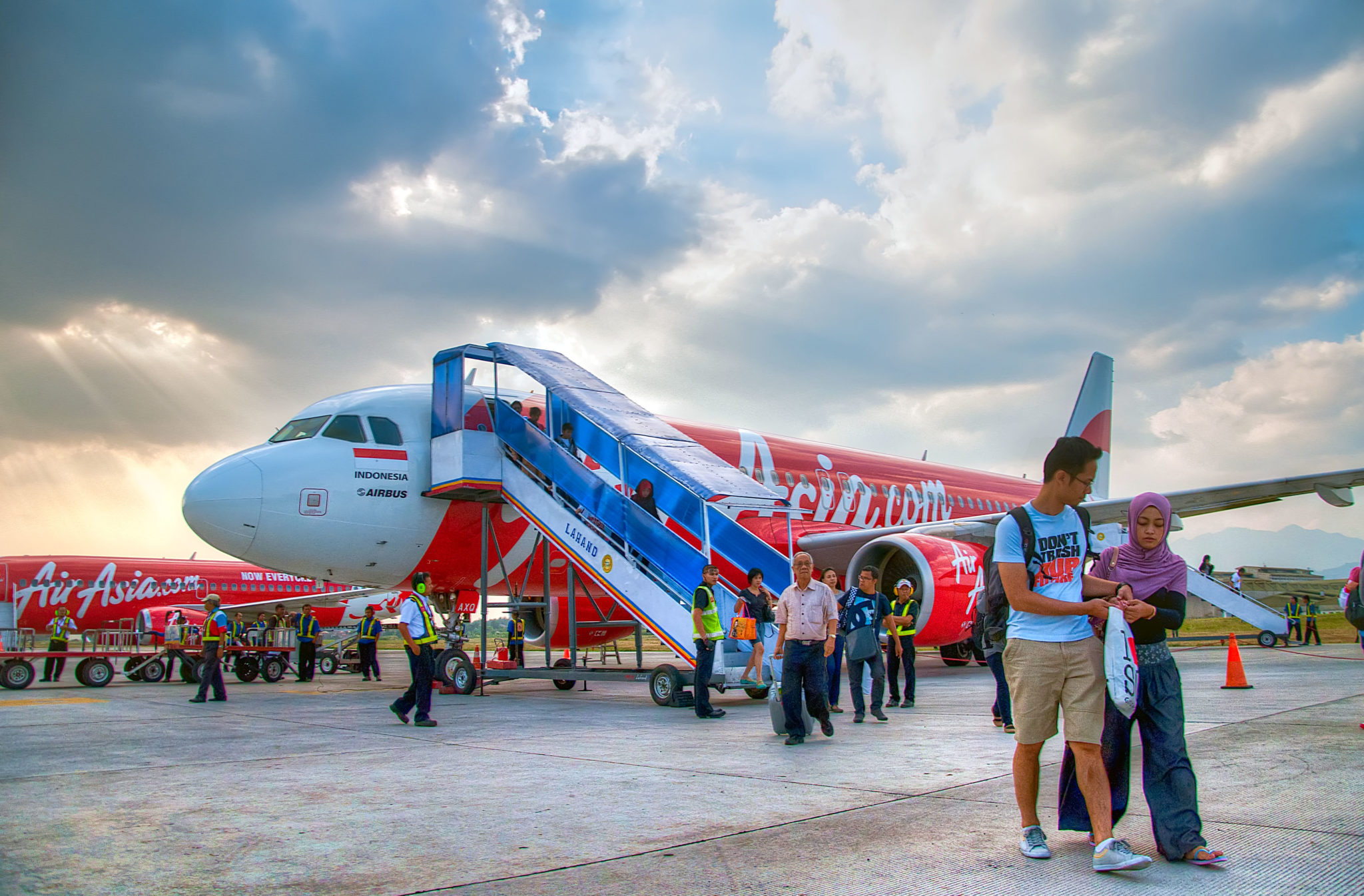
    AirAsia X was declared the cheapest airline in the world for economy class tickets based on price per kilometre in US dollars. According to the survey, the carrier’s international flights cost US$0.07 per kilometre – cheaper than driving.

    Trailing closely behind AirAsia X is Air India Express, Indonesia AirAsia, Primera Air (Iceland), and IndiGo. Further down the list at number 18 is AirAsia Philippines, meaning AirAsia brands dominate the top 20.

    This, however, may not come as a surprise to those who have flown with any of the AirAsia brands before. The airline is constantly offering travel promotions, including the latest Free Seats deal where flyers only have to pay airport taxes.

    The surprising results

    However, there were a few unexpected results in the top 25 cheapest airlines, including higher-end airlines such as Etihad, Qatar Air, and Emirates.

    “Although Qantas ranks highly for value, we are often seeing travelers from the UK to Asia and Australia booking with carriers such as Etihad, Royal Brunei Airlines, China Southern and Emirates,” Rome2Rio chief operating officer Kirsteene Phelan told.

    Rome2Rio found Etihad’s economy tickets to be the fifth cheapest in the world at US$0.10 per kilometre. Etihad Airways’ first class service couldn’t look more different though. The airline boasts the world’s only three-room suites on board a commercial airline.

    Travelers flying from Abu Dhabi to New York, London, Melbourne, Sydney, and Paris can enjoy a living room, bedroom, en-suite shower and a personal Savoy-trained butler for the cool price of US$17,000.

    The report revealed “minor shifts” in pricing and ranking for airlines since the last gathered information in 2016.

    “In general, the low end of both the international and domestic rankings have shifted up in cost per km,” the report stated. “With reports of flight prices headed upwards, largely due to increased fuel costs, this may, unfortunately, be a trend that continues.”

    As aviation proceeds to push boundaries in the sky, flyers can only anticipate how airlines will keep costs down and improve economy comfort.

  • DB Schenker Scores a Hat-trick for Rail Logistics in Asia Pacific

    DB Schenker Scores a Hat-trick for Rail Logistics in Asia Pacific

    DB Schenker has been crowned for the third year in a row, as the Best Logistics Service Provider – Rail, at the Asian Freight, Logistics & Supply Chain (AFLAS) Awards ceremony held in Shanghai on 15th May 2018.

    The award, organized by freight and logistics publication Asia Cargo News, is conferred based on votes cast by more than 10,000 of its readers and subscribers. It recognizes expertise, innovation, technology application, service standards leadership and bespoke solutions for shippers. “Thousands of shippers and industry experts have voted, making the results a true reflection of industry expertise.” said Asia Cargo News publisher Darren Barton.

    Having pioneered Rail Freight services a decade ago with its first Asia – Europe rail link from China to Germany in 2008, DB Schenker has continually developed an extensive portfolio of market-leading rail solutions in Asia Pacific, offering Full-Container-Load (FCL), Less-than-Container-Load (LCL), Blocktrains, multi-customer, reefer services and so on, to customers in the Automotive, Electronics, Industrial/Chemicals, Consumer Goods, and other sectors.

    Apart from the highly-established China-Euro rail services, Rail solutions are also offered in Australia (Pan-Australia Rail solutions network linking Sydney to Melbourne, Adelaide, Brisbane, Darwin and Perth), Indonesia (Trans-Java Rail solutions in Indonesia linking Jakarta with Surabaya and Semarang), and recently also developed rail solutions in Vietnam and India as well.

    This hat-trick of awards for Rail, is complemented with past AFLAS Awards won for Best Logistics Service Provider in Sea Freight, Air Freight, and Best Road Haulier.

    “We are indeed thankful and humbled by the recognition from the industry and customers past and present. This inspires us continuously to strive and offer our customers an unmatched suite of award-winning solutions for their supply chains. Additionally, DB Schenker’s heritage and pedigree in Rail is testimony to our unique proposition in inter-modal supply chain solutions for businesses in Asia”, said Mr Peter Hult, Executive Vice-President for Contract Logistics/Supply Chain Management in Asia Pacific.


  • BOLLORÉ LOGISTICS Participates in the Breakbulk Europe Conference & Exhibition 2018

    BOLLORÉ LOGISTICS Participates in the Breakbulk Europe Conference & Exhibition 2018

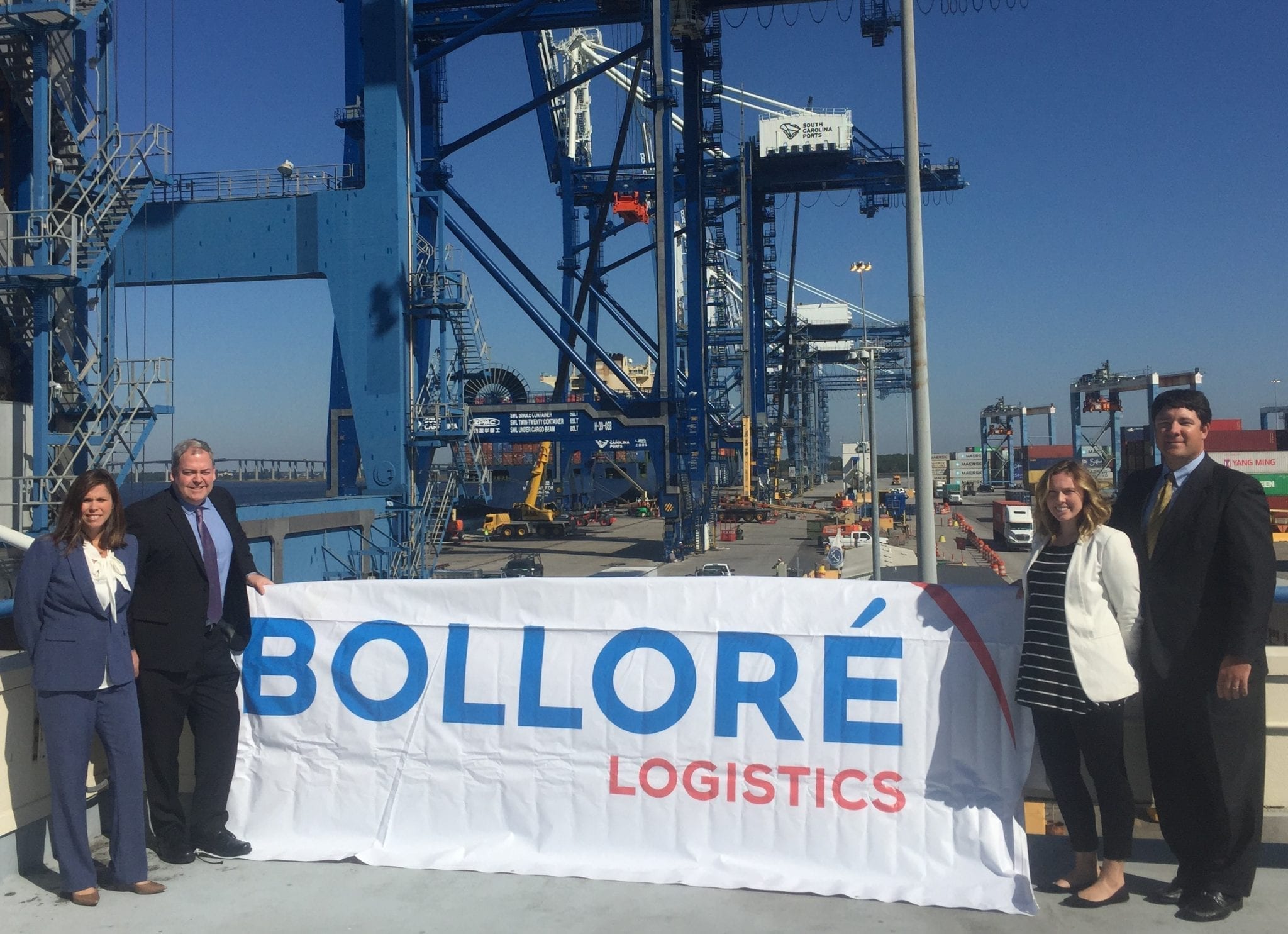
    Bolloré Transport & Logistics, one of the 10 world’s leading transport and logistics groups, will be present as an exhibitor at the next Breakbulk Conference, from 29-31 May in Bremen, Germany.

    This major event in Europe gathers companies involved in the shipping of heavy-lift, project cargo and traditional breakbulk cargoes. On this occasion, Bolloré Transport & Logistics is showcasing its tailormade solutions through its different brands: Bolloré Logistics, for industrial projects logistics, and Bolloré Ports for cargo handling and shipping services.

    BOLLORÉ LOGISTICS, an expert in Industrial Projects Logistics

    It is the 10th participation to the Breakbulk Europe Conference for Bolloré Logistics. This event will be the opportunity to share the latest news on our global project activities.

    Within the Project organization Bolloré Logistics continues to establish greater synergies, both commercially and operationally, between its regional project divisions in Europe, Asia, The Americas and Africa. In Europe the Industrial Projects teams are striving to mirror the organization of their key project customers and markets by increasing their footprint and expertise throughout the continent. The result of this can be seen today in terms of the dedicated industrial project branches implemented in the majority of key countries.

    “2017 saw more investment in specialized personnel, for example within our Engineering and Solutions department and we continue to invest in people with strong industry expertise and Project Logistics skills who can add value to our European Project organization.” said Philippe LEJEUNE, Industrial Projects Europe Director.

    “We strongly believe, as showcased in our recent advertising campaign that People are the key to our success, and this is especially so in the Industrial Project field. “added Philippe LEJEUNE.

    Bolloré Logistics proposes tailor-made solutions in sectors such as oil and gas, petrochemical and chemical, mining, construction and equipment and in various other industries.

    Its unique operational solutions meet stringent specifications requested by the major global players and the success of each project is supported, among other things, by this network of experts in Europe as well as all over the Bolloré Logistics network in the world.


  • Henderson to buy Japanese retailer FamilyMart’s Hong Kong stores for US$38 million

    Henderson to buy Japanese retailer FamilyMart’s Hong Kong stores for US$38 million

    Property developer Henderson Land plans to acquire the Hong Kong unit of FamilyMart UNY, Japan’s second-largest convenience store chain, for HK$300 million (US$38 million) through its investment subsidiary, it announced on Thursday.

    UNY (HK) owns and operates three outlets in the city – described as hybrids of merchandise stores and supermarkets – under the brand names Apita, UNY and Piago, respectively in Taikoo Shing, Lok Fu and Kowloon Bay, as well as a discount store named Watashi to Seikatsu in North Point, which is due to close when the lease runs out in September.

    The acquisition is expected to strengthen the company’s position in the local retail market, expand its store coverage to Hong Kong Island and enhance its reach to the city’s middle-class households, according to a statement from Henderson Investment, a subsidiary of Henderson Land Development. Henderson Land is the property flagship of real estate tycoon Lee Shau-kee, Hong Kong’s second richest man according to Forbes magazine.

    The companies expect to complete the transaction by May 31, after which Henderson will be granted the use of certain trademarks of UNY for 10 years.

    UNY’s Hong Kong stores have been rooted in the local retail scene for around 30 years with a focus on offering Japanese food and fresh produce. UNY HK reported a net income of HK$31 million in the fiscal year ending November 2017, down 22.5 per cent from the same period a year ago.

    Henderson Investment’s presence in Hong Kong’s retail landscape includes its operation of local department chain, Citistore, which the company acquired for HK$934.5 million from its parent company in 2014. Citistore currently has six department stores, in Tsuen Wan, Yuen Long, Ma On Shan, Tuen Mun, Tseung Kwan O and Tai Kok Tsui.

    Listed in Hong Kong, Henderson Investment halted its trading in the local bourse on Thursday morning with its shares at 68 HK cents, and expected to resume trading on Friday.

  • Del Monte seeks to raise up to $333m via IPO

    Del Monte seeks to raise up to $333m via IPO

    Del Monte Philippines Inc, the wholly-owned Philippine subsidiary of global branded food and beverage firm Del Monte Pacific Limited, has received approval from the Securities and Exchange Commission (SEC) to raise up to P17.55 billion (about $333 million) via an initial public offering (IPO).

    This would mark the second IPO in the Philippines so far this year following the approval by the SEC of the IPO application of construction and property developer DM Wenceslao early this month. The Philippine Stock Exchange (PSE) is still optimistic of having eight IPOs in the entire year.

    In a statement released on Thursday, the SEC said it has approved Del Monte’s IPO, which involves 587.437 million secondary shares to be sold at P29.88 ($0.57) per share. This represents 21 per cent of the firm’s outstanding capital stock.

    “The company will not directly receive any net proceeds from the offer… no amount of the proceeds will be used to reimburse any officer, director, employee for services rendered, assets previously transferred, money loaned or advanced, or otherwise,” the country’s corporate regulator said.

    Del Monte Pacific earlier said it intends to use the proceeds from the offer to partially prepay or repay certain loan facilities.

    “The balance of proceeds, if any, will be used for general corporate purposes. The prepayment of such loans will allow the Del Monte Pacific Limited Group to deleverage and strengthen its balance sheet,” Del Monte Pacific said.

    According to the SEC document, about 70 per cent of the offer shares is earmarked to be sold to domestic investors, while the remaining 30 per cent will be sold to foreign institutional and retail investors.

    Del Monte Philippines is engaged in the production and sale of food and beverage products – such as fruit juices and juice drinks, packaged pineapple and mixed fruit, various tomato, spaghetti sauces and culinary mixes – in the Philippines under the Del Monte brand and exports these products under the S&W brand.

    It also operates one of the world’s largest fully-integrated pineapple operations and has been growing and processing pineapple for over 90 years.

    The PSE expressed confidence that at least eight IPOs will be conducted this year even as only two firms have filed IPO applications with the SEC so far – Del Monte and DM Wenceslao.

    The PSE posted a net income of Php825 million ($16 million) for the full-year 2017, an increase of 18 per cent from the Php702 million it generated in 2016, according to the unaudited consolidated financial statement posted on its website.

  • Singapore’s Economy Grows By 4.4 Pct In Q118

    Singapore’s Economy Grows By 4.4 Pct In Q118

    Singapore’s economy grew by 4.4 per cent on a year-on-year basis in the first quarter (Q118), higher than the 3.6 per cent recorded in the previous quarter.

    On a quarter-on-quarter seasonally-adjusted annualised basis, the economy expanded by 1.7 per cent, moderating from the 2.1 per cent growth in the preceding quarter.

    In releasing the latest economic figures, the Ministry of Trade and Industry (MTI)  expects the republic’s Gross Domestic Product (GDP) growth for 2018 to come in at “2.5 to 3.5 per cent”.

    This is after taking into account the strong performance of the Singapore economy in the first quarter and the slightly improved external demand outlook for the country.

    The manufacturing sector grew by 9.8 per cent year-on-year, extending the 4.8 per cent growth in the previous quarter.

    The sector’s growth was primarily driven by the electronics, precision engineering and chemicals clusters, which expanded 19.2 per cent, 14.0 per cent and 10.0 per cent respectively.

    The construction sector contracted by 5.0 per cent year-on-year – the same pace of decline as in the previous quarter.

    Construction output was weighed down by continued weakness in both the public and private sector construction activities, said the Ministry.

    The wholesale & retail trade sector expanded by 3.0 per cent year-on-year, unchanged from the growth recorded in the previous quarter.

    Growth was driven by the wholesale trade segment, which was in turn supported by an increase in the wholesale sales volume of petroleum products.

    On the other hand, the retail trade segment contracted, weighed down by a fall in the volume of motor vehicle sales.

    Growth in the transportation & storage sector came in at 2.8 per cent year-on-year,moderating from the 5.3 per cent in the previous quarter.

    According to the MTI, the water and air transport segments were the main drivers of the sector’s growth, given the healthy expansions in container throughput and air passengers handled respectively.

    The accommodation & food services sector grew by 2.0 per cent year-on-year, slowing from the 2.9 per cent growth in in the preceding quarter.

    Growth was driven by the accommodation segment, which expanded on the back of higher gross lettings at gazetted hotels in line with the rise in visitor arrivals.

    On the other hand, the food services segment contracted, weighed down by a fall in sales volume at restaurants, food caterers and other eating places.

    The MTI said the information & communications sector expanded by 5.7 per cent year-on-year, easing from the 6.0 per cent growth in the previous quarter.

    The sector’s growth was supported by the IT & information services and telecommunications segments.

    Growth in the finance & insurance sector accelerated to 9.1 per cent year-on-year, from 6.3 per cent in the previous quarter.

    The sector’s strong performance was due to robust growth in the fund management, financial intermediation and insurance segments.

    The business services sector grew by 2.8 per cent year-on-year, faster than the 0.4 per cent growth in the preceding quarter.

    Growth was supported by the professional services and “others” segments, even as the contraction in the real estate segment eased.

    The “other services industries” expanded by 1.9 per cent year-on-year, slower than the 2.7 per cent growth in the preceding quarter.

    The sector’s growth was primarily supported by the arts, entertainment & recreation and education, health & social services segments.

    On economic outlook for 2018, the MTI said the pace of growth in the Singapore economy is expected to remain firm in 2018, with growth supported primarily by outward-oriented sectors.

    In particular, the manufacturing sector is likely to continue to expand on the back of sustained growth in the electronics and precision engineering clusters, albeit at a more moderate pace as compared to 2017.

    Likewise, outward-oriented services sectors such as finance & insurance, transportation & storage and wholesale trade are projected to continue to benefit from healthy external demand.