Author: Mei Ling Tan

  • Givenchy opens WeChat store in China

    Givenchy opens WeChat store in China

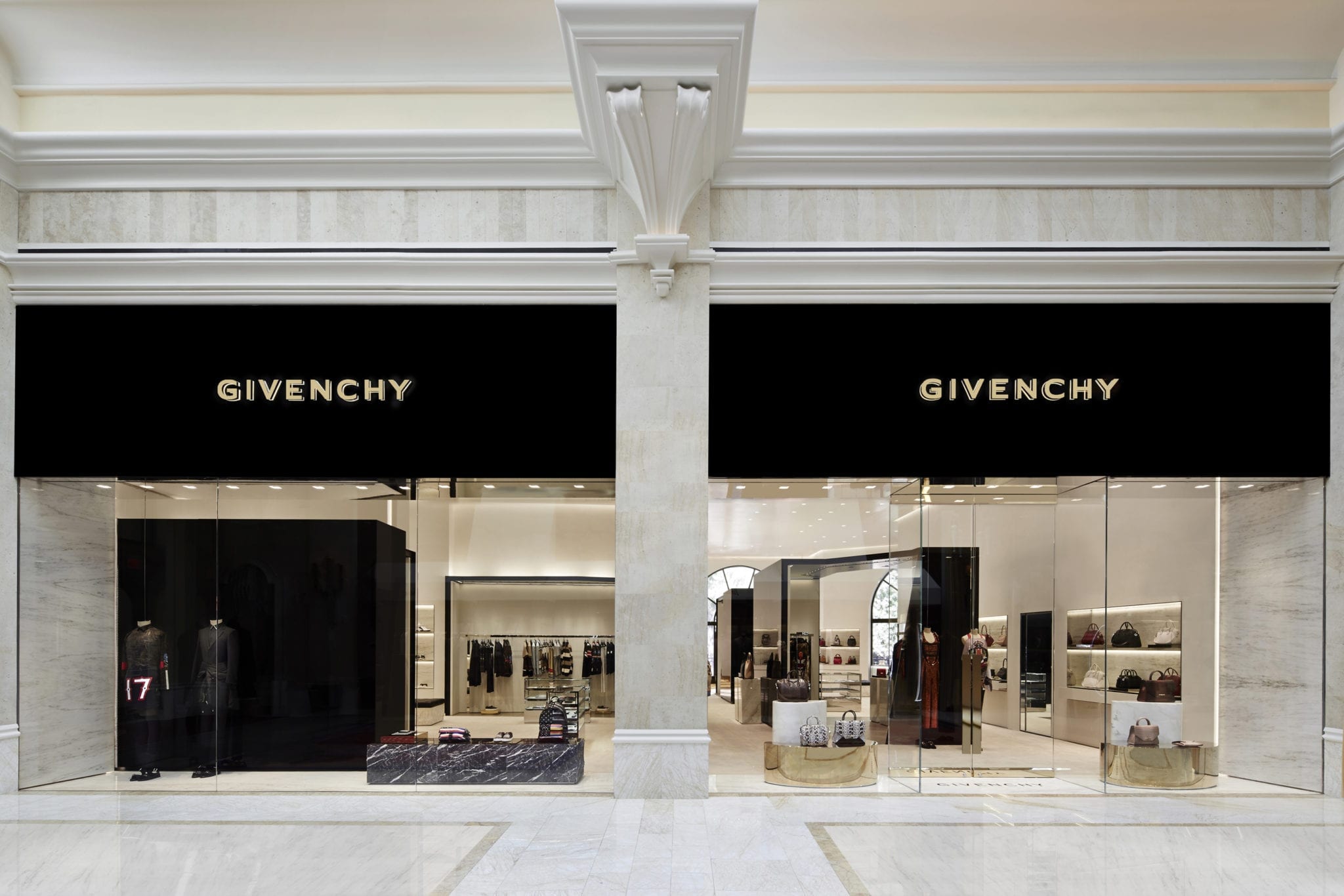
    France’s Givenchy is revamping its retail reach in Asia, with the rollout of a WeChat store in China.

    Bowing 15 May 2018, the new WeChat boutique store is an extension of Givenchy’s premium offline service, and aims to offer a convenient yet immersive shopping experience for wealthy Chinese consumers, according to a statement from the Paris brand.

    Via WeChat, Chinese users can now browse through an exclusive, limited-edition collection, with pieces from ready-to-wear apparel and leather goods to accessories, allowing shoppers to place orders directly on the app.

    The WeChat store was designed by the newly appointed Creative Director, Clare Waight Keller, who was also named the couturier behind the bridal gown worn by the newly crowned Duchess of Sussex, Meghan Markle, commemorating her marriage to Prince Harry.

    The LVMH Group-owned maison becomes the latest in a slew of stellar brands to open a WeChat store for Chinese customers, following the digital footprint of rivals Christian Dior and Gucci.

    Prior to WeChat, Givenchy targeted offline shoppers in Chian through collaborations with the country’s top-tier fashion KOLs – gogoboi and Mr.Bags.

    WeChat’s monthly users figure hit 1 billion per month in March this year and the app has become a marketing must-have for international luxury brands looking to build a connection with Chinese consumers.

    LVMH group has been witnessing solid sales growth in Asia. Demand from Asian shoppers has boosted makers of high-end handbags, clothing and watches the past year, thanks in particular to thriving Chinese demand.

    In 2017, shopping, food, and travel increased exponentially, up 22.2 percent to 333.9 billion RMB (approximately $52.22 billion).

  • Victoria’s Secret store model need refreshment: Analyst

    Victoria’s Secret store model need refreshment: Analyst

    L Brands needs to revise the Victoria’s Secret store model, according to retail analyst Neil Saunders.

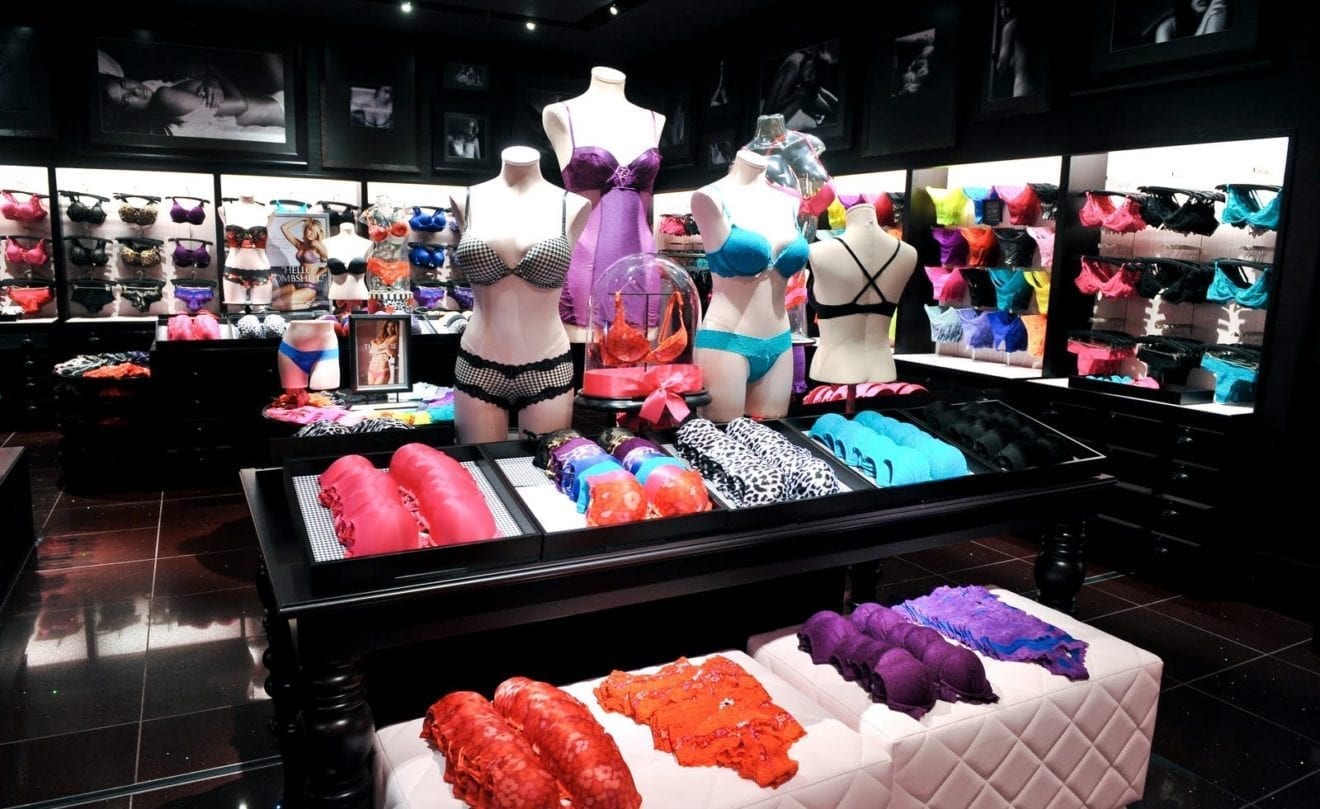
    “The dark store environment, the conspicuous sexuality of the offer, and the brash marketing are increasingly out of step with what modern consumers want. As much as we appreciate that the heritage of Victoria’s Secret is hard to change, we think more action is needed if the brand is to recover,” said New York-based Saunders, MD of GlobalData Retail.

    He was commenting after the release of L Brands’ first quarter figures which showed an 8 per cent increase in net sales to $2.626 billion. Comparable sales were up 3 per cent – but the company reported a 49 per cent decline in bottom line profit, from $94.1 million last year to $47. 5 million.

    After a long run of declines, sales at Victoria’s Secret rose by 1 per cent, but it failed to impress Saunders, who believes the brand has structural issues to address.

    “As good as it is that the brand is back in positive territory, it earns no applause – mainly because the increase came off the back of a 14 per cent comparable decline in the prior year. Moreover, comparable sales in physical stores fell by 5 per cent, following a 12 per cent decline last year.

    “To be fair to Victoria’s Secret, the work done to reset the business has likely helped to stem the tide of decline. A rebalancing of the bra offer, for example, which now includes more options that have benefits around fit and comfort as well as the traditional fashion bras, has helped to create interest.

    “Equally, there has been some growth – in terms of both sales and customer numbers – from categories like sleep and loungewear. These adjacent products are helping to lift interest in Victoria’s Secret and give the brand more firepower in terms of what it has to offer shoppers.”

    Saunders says he has issues with the tone and image of the brand, especially the dark design of stores.

    “We do not feel that Victoria’s Secret has made anywhere near enough effort to remedy the problems.”

    Rival brands like Aerie are more subtle in their store design and marketing approach and that is resonating with consumers, delivering strong growth, he says.

    “A further threat comes from the rise of specialists like Adore Me and Third Love. The latter in particular has gained a lot of ground by focusing on comfort. It is also a model that works well online because its focus on fitting means returns are low which, in turn, supports good margins. These niche players may only have a small market share compared to Victoria’s Secret, but their innovative approaches mean they are nibbling away at its market share.”

    Bath & Body Works “vibrant and fun”

    Although it is a sister brand, Bath & Body Works is almost entirely different from its sibling, says Saunders.

    “Its proposition is welcoming, vibrant and fun. This helps to drive loyalty and repeat custom. With beauty sales still growing, BBW does operate in a more robust part of the market but it is still outperforming and growing its share on both a total and comparable basis.

    “Two things underpin its success. First, its strong range development which means assortments are constantly changing. This encourages regular visits to online and stores.

    Second, good marketing and promotions which help to drive volumes through the business. In our view, both of these things stem from the fact that the BBW team is much more attuned to the market and consumers than is the case at Victoria’s Secret.”

    Saunders says he believes Victoria’s Secret will continue to struggle in the year ahead.

    “With more investment needed in the brand and some cost pressures, we think the outlook remains soft for the L Brands group.”

  • ITU Telecom World Awards launches 2018 edition

    ITU Telecom World Awards launches 2018 edition

    The International Telecommunication Union (ITU) – the United Nations specialized agency for information and communication technologies (ICT) – is now accepting entries for the ITU Telecom World Awards 2018, recognizing the most outstanding and innovative initiatives around the globe using ICTs for social good.

    Entries can be submitted online today through 3 August 2018. A distinguished jury of experts will select a shortlist of entrants who will pitch their solutions onsite at ITU Telecom World 2018. The winners will then be announced by ITU Secretary-General Houlin Zhao at a high-profile ceremony during ITU Telecom World 2018, taking place 10-13 September in Durban, South Africa.

    First launched in 2015, the ITU Telecom World Awards initiative recognizes the innovative application of ICTs for social good created by entrepreneurs; small- and medium-sized enterprises (SMEs), and large industry players alike. It also facilitates knowledge sharing of best practices, while providing a platform from which to network, mobilize investment, explore partnership potential and create new business opportunities.

    The ITU Telecom Awards 2018 welcomes entrants in the following categories:

    1. Global Corporate Awards for the most promising innovative solutions with social impact within large companies in two categories: sustainable development and smart emerging technologies.
    2. Global SME Award for the most promising solutions from SMEs making innovative use of ICTs for social impact, in a number of different categories.
    3. Host Country SME Award for the best and most innovative SME or solution from the Host Country.
    4. Government Award for the National Pavilion at ITU Telecom Word 2018 with the most promising innovative SMEs present at the event, entering the Global SME Award.

    All ITU Telecom World 2018 sponsors and exhibitors, either participating within a National Pavilion or Thematic Pavilion, as an Independent Stand, or with an SME Workstation, are eligible to enter the awards.

    “Previous ITU Telecom World Awards winners have represented the innovative application of ICTs in the areas of e-health, e-education, digital finance, and smart emerging technologies. Winners earn global recognition, helping them to expand and scale up their businesses, while improving livelihoods through their innovative use of technology,” said ITU Secretary-General Houlin Zhao. “ITU is proud to have developed this platform for promoting innovative examples of ‘tech for good’ and I look forward to exploring the next wealth of winners this September in Durban.”

    ITU Telecom World is a global platform for accelerating ICT innovations, and is organized annually by ITU. It aims to deliver economic development and social good faster through its exhibition for digital solutions, forum for sharing knowledge, and networking hub connecting nations, organizations and individuals.

    “The network and connections you can build at ITU Telecom World are invaluable – from a business perspective, an investor perspective, and a networking perspective,” said Matthias Brodner of South Africa’s Simplus Innovation, winner of the 2017 Global SME Award for best business model.

    ITU Telecom World 2018 takes place 10-13 September at the Durban International Convention Centre in Durban, South Africa. Under the theme Innovation for a smarter world, it will combine an international tech exhibition, a forum for sharing knowledge, a networking hub for corporates, governments and SMEs, in addition to the influential ITU Telecom World Awards. It provides a unique international platform that brings together developed and emerging markets, public and private sector leaders, and industry representatives from across the entire ICT ecosystem.

    For more information on ITU Telecom World 2018 and the ITU Telecom World Awards, visit www.telecomworld.itu.int

    Discover what’s been said on social media via the hashtag #ITUworld

  • TK Maxx owner TJX Companies reports strong sales growth

    TK Maxx owner TJX Companies reports strong sales growth

    Off-price retailer TJX has posted an increase in sales for the first quarter with earnings that exceeded its expectations.

    Net income for the quarter ended 5 May was $716 million, while adjusted diluted earnings per share was $.96, a 17 per cent increase over the prior year.

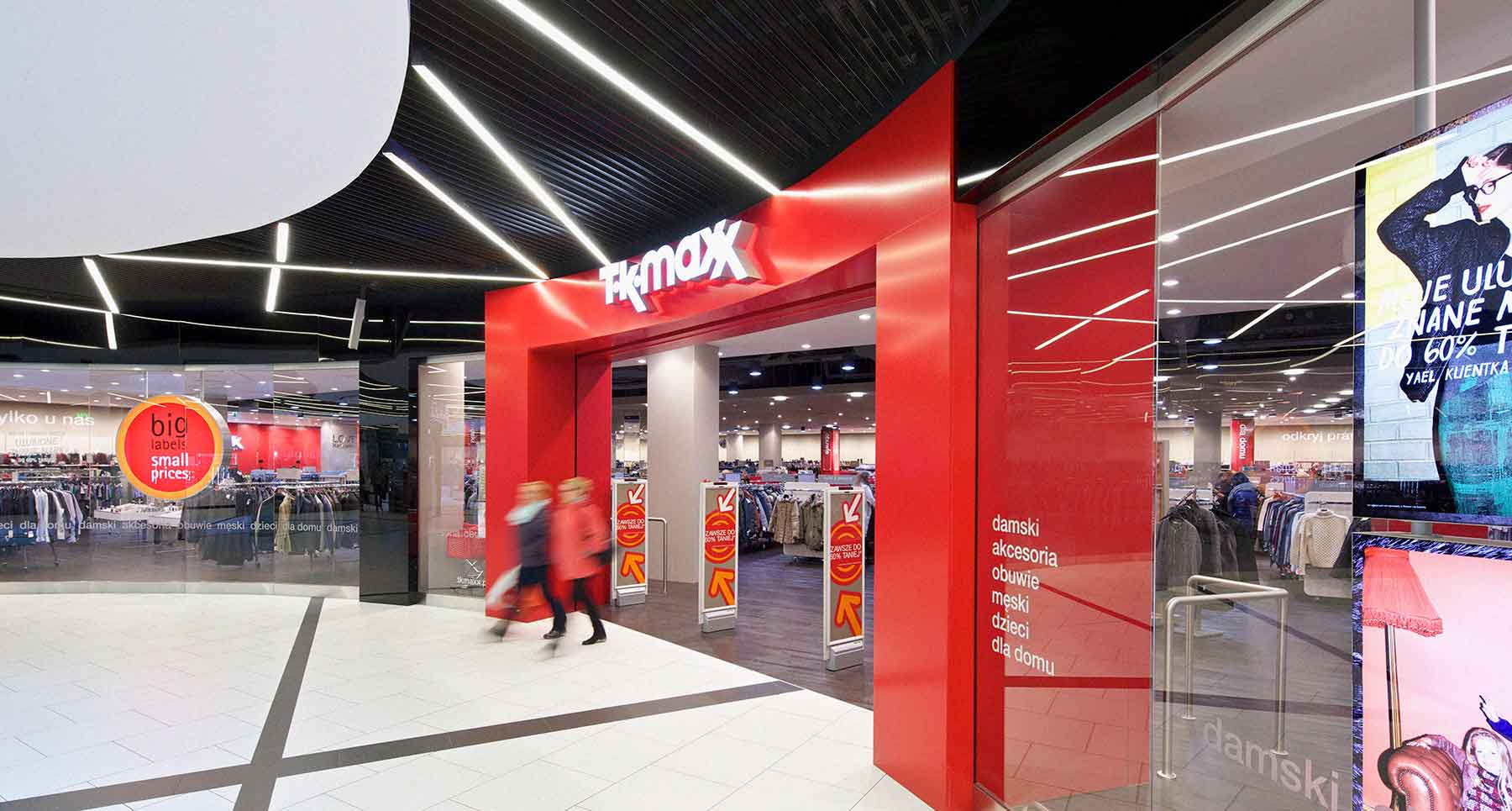
    The TK Maxx owner posted a 12 per cent increase in net sales for the first quarter ending May 5 to $8.7 billion, while consolidated comparable sales increased by three per cent.

    “We are very pleased with our first quarter results as both our consolidated comp store sales growth of three per cent and earnings per share exceeded our expectations,” said Ernie Herrman, CEO and President of The TJX Companies.

    Marmaxx, the company’s largest division, delivered a strong four per cent comparable store sales.

    “Customer traffic was once again the primary driver of our comparable store sales increases at each of our four large divisions,” Herrman said. “Based on our strong first quarter performance, we are updating our outlook for full-year earnings per share. We believe that the consistency of our customer traffic increases demonstrates the strength and resiliency of our business and our ability to succeed through many types of economic and retail environments.”

    Herrman said their second quarter is off to a strong start and added they are seeing a lot of opportunities to capitalize on the fashions and brands available to them in the marketplace.

    “We are convinced that we will continue to gain market share and grow successfully around the world,” he said.

    For the second quarter of FY2019, the company announced it expects diluted earnings per share to be in the range of $1.02 to $1.04. Excluding an expected benefit of approximately $.15 per share due to items related to the 2017 Tax Cuts and Jobs Act (primarily the lower US corporate income tax rate), the company expects adjusted earnings per share to be in the range of $.87 to $.89, compared to $.85 last year.

    The company added it now expects diluted earnings per share to be in the range of $4.75 to $4.83, which represents an 18 per cent to 20 per cent increase over the prior year’s $4.04.
    The company also said it is increasing the high-end of its FY2019 adjusted EPS guidance by $.02 to reflect its strong first quarter results.

    During the first quarter period, the company has increased its store count by 71 stores to a total of 4,141 stores. The company increased square footage by five per cent over the same period last year.

  • GM Korea to offer more Chevys on local market

    GM Korea to offer more Chevys on local market

    GM Korea, the Korean unit of General Motors, will bring in more Chevrolet models produced outside the country if local demand rises, a company executive said Wednesday.

    “Chevrolet is a global brand. We have a very diverse portfolio. We will make sure that customers in Korea will have access to Chevy models brought from around the world,” GM Korea President and Chief Executive Kaher Kazem said in a showcase for the face-lifted Spark.

    The upgraded Spark will go on sale next month in Korea after it is produced at the Changwon plant, 400 kilometers (248 miles) south of Seoul, for local and international markets.

    To select the right Chevrolet models for the Korean market, GM Korea conducted a consumer survey from May 8 to 20. The six models posted on the Chevrolet webpage were the Equinox, Traverse, Tahoe and Suburban sport utility vehicles and the Corvette sports car and Colorado pickup.

    The company didn’t provide the survey results as the poll was for its own reference.

    The Equinox SUV will be displayed at the Busan motor show next month and is expected to hit dealerships within this year, the CEO said, adding that the introduction of Chevy cars fully depends on domestic demand.

    As the demand for SUVs has been on the rise in global markets, carmakers have beefed up their lineups with SUV models in recent years.

    The New Spark is the first model of 15 new and upgraded vehicles GM vowed to launch in the Korean market in the next five years as part of its commitment to bolster its operations in Asia’s fourth-largest economy.

    “We start today with the Chevrolet Spark to open a new chapter together in Korea. The Spark is an extremely important vehicle not only for domestic customers but also for international customers,” Kazem said.

    The Spark comes with eight air bags and other safety features, such as forward collision alert, side blind spot alert, lane departure warning and low-speed collision mitigation braking systems.

    The Spark is available in 48 markets and is the best-selling mini car in the United States, with sales of 176,627 units in the six years through 2017, the company said.

    The 1.0-liter gasoline model with a manual transmission sells at the starting price of 9.8 million won ($9,100), and prices go up to 13 million won depending on options. The price for the Spark with an automatic transmission is higher than the manual model by 1.8 million won, it said.

    GM and the state-run Korea Development Bank (KDB), the two biggest shareholders in GM Korea, recently signed the binding agreement that will permit a combined 7.7 trillion-won lifeline – 6.9 trillion won from GM and 810 billion won from the KDB – to keep the loss-making Korean unit afloat.

    Under the deal, the Detroit carmaker is banned from selling any of its stake in GM Korea before 2023 and is required to keep its holding in the unit above 35 percent until 2028.

    In February, GM announced its plan to shut down one of its four car assembly plants in Korea by May and asked the KDB to extend a financial helping hand to GM Korea. The Korean unit has continued to post net losses worth an accumulated 3.134 trillion won over the past four years through 2017 due to lower demand for its models.

  • Idea Cellular-Vodafone merger to take off by Q3

    Idea Cellular-Vodafone merger to take off by Q3

    After much delay, Axiata Group Bhd is positive that the merger between its Indian associate company Idea Cellular Ltd and Vodafone India will materialise by the beginning of the third quarter of this year, as just two more approvals are required.

    Speaking to reporters after the group’s AGM yesterday, Axiata president and group CEO Tan Sri Jamaludin Ibrahim said that a foreign direct investment approval and a nod from the department of telecommunication are required before India’s second and third largest telco player can merge to become a single entity.

    The huge Indian telco market has seen quite a shake up since the entry of Mukesh Ambani controlled Reliance Jio, resulting in mergers as well as exits by telco players.

    While the merged entity is expected to face challenges in the first year of operations in the hyper-competitive Indian market, Jamaludin is optimistic that Idea could see a turnaround in two to three years time, negating a need to exit the market.

    Axiata, which currently holds a 16.3% interest in Idea, will see its stake diluted to around 8% after the merger.

    Axiata fell into the red in the first quarter ended March 31, after registering a net loss of RM147.41 million against a net profit of RM239.02 million a year ago due to the share of losses reported by Idea.

    Excluding Idea and foreign exchange impacts, Axiata is cautiously optimistic on its financial performance for this year.

    Meanwhile, as for its infrastructure and services company edotco Group Sdn Bhd, Axiata is looking at two or three major acquisitions in Asean and South Asia, in a bid to become the fifth largest independent tower company in the world by 2021 from the eighth.

    On May 16, Axiata announced that edotco Pakistan Private Limited (edotco PK) has successfully obtained approval from the State Bank of Pakistan (SBP), allowing local lenders to fund the acquisition of 13,000 tower assets currently under Deodar Private Limited (Deodar).

    On funding to support its goal of becoming the fifth largest in the world, Axiata is currently engaging with bankers and financial advisers to weigh several funding options, including an initial public offering (IPO) exercise.

    Axiata will also be focusing on its digital-centric five year plan known as Triple Core Growth Engine plan – with key focus on digital telco, digital business and infrastructure, which started last year and is expected to go on until 2021.

    The group is also looking at keeping four of its 30 digital business and selling the rest as part of the plan.

    On the abolishment of the Goods and Services Tax (GST) and reinstatement of the Sales and Services Tax, Jamaludin said that more details are required on the new ruling before the impact of it can be determined.

    “We have to find out what is the higher ruling. The question is who will bear the cost. In the case of GST, Malaysian Communications and Multimedia Commission decided that they will bear half we will bear half,” he added.

  • Qoo10 commits to tighten counterfeit security

    Qoo10 commits to tighten counterfeit security

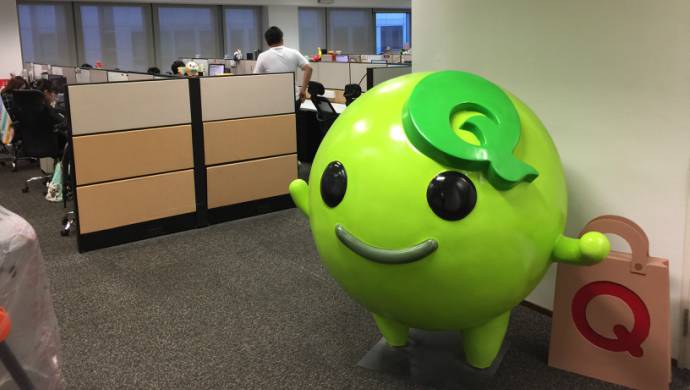
    Singapore e-commerce platform Qoo10 has stepped up its measures against counterfeit items.

    As well as internal systemic protocols to check and deter the sale of counterfeit items, it has a red-flag system for its security team.

    “Where a listing is flagged for potentially infringing intellectual property (IP) rights or selling counterfeit products, our dedicated compliance team steps in to investigate and take any necessary action,” says Qoo10 Singapore country manager HyunWook Cho.

    Secondly, the website’s compliance team also actively responds and reacts to claims by customers, sellers and businesses or brands. Customers who suspect they may have bought a counterfeit item from a Qoo10 seller may alert the compliance team, which will then investigate and issue a refund.

    Anyone who suspects a listed product is counterfeit may also report the issue.

    The compliance team also works with businesses and brands under its Brand Protection Program to take down infringing listings. Errant sellers with repeat offences may also be restricted from selling their items on Qoo10.

  • Budget airlines fly high with huge first quarter

    Budget airlines fly high with huge first quarter

    Budget airlines flew high in the first quarter, with combined operating profits soaring to more than double the figure inked in the same quarter last year.

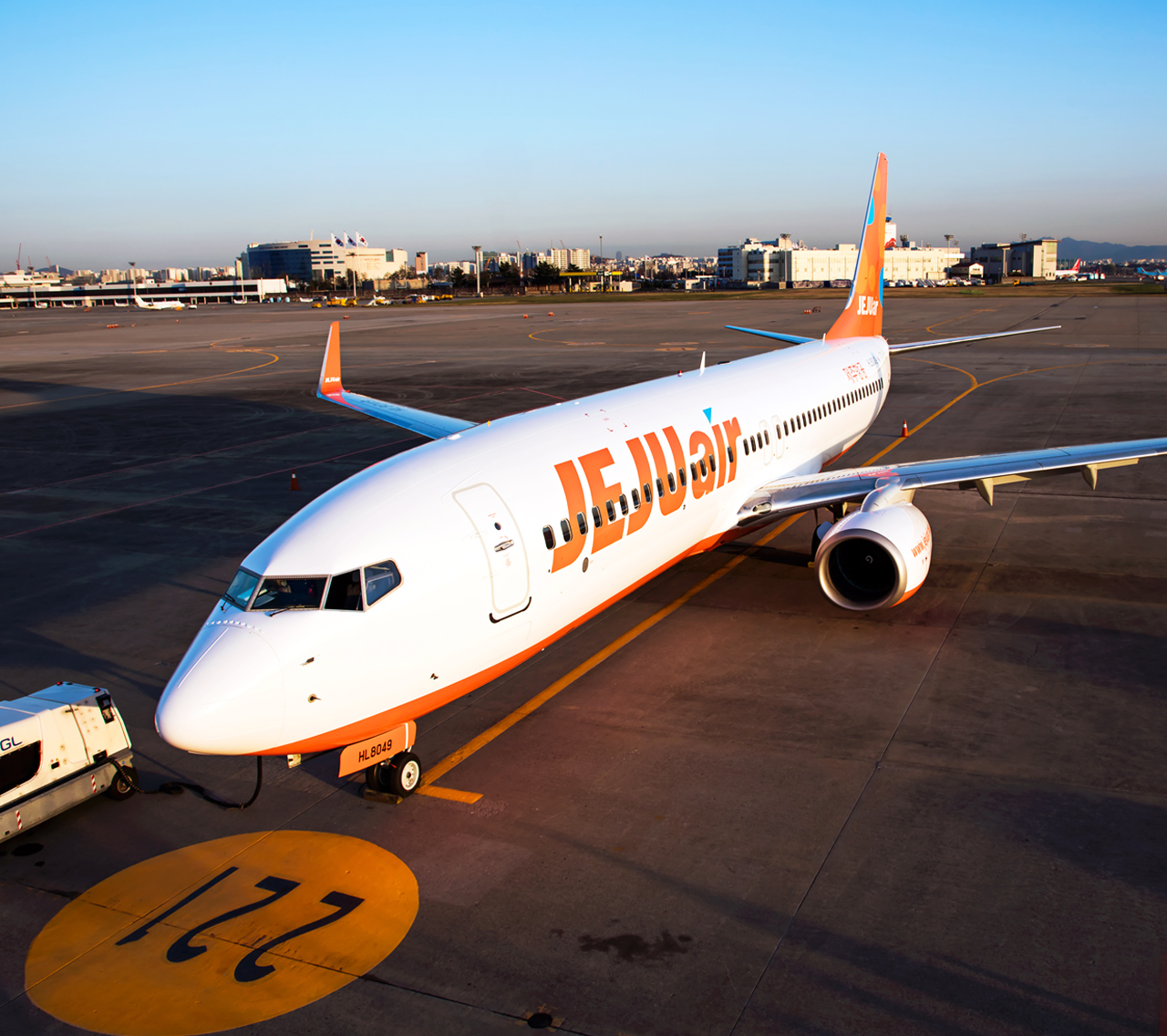
    Combined operating profits from Korea’s six low-cost carriers (LCC) – Jeju Air, Jin Air, T’way Air, Eastar Jet, Air Busan and Air Seoul – jumped by roughly 131 percent year-on-year to 186.1 billion won ($171.96 million) in the first quarter according to tentative performance reports from each company on Wednesday. Revenue grew by 34.2 percent to 1.18 trillion won.

    LCCs typically release a tentative earnings report before releasing their fixed figure as they do not vary much.

    The largest growth booster was the rapidly increasing demand for both international and domestic travel.

    According to data from the Ministry of Land, Infrastructure and Transport released last month, the number of passengers that traveled through Korean airports reached 9.58 million in March, increasing by 12.6 percent year-on-year. While March is not traditionally a high-season for international travel, the number of overseas travelers increased by 17 percent to 7.1 million in the same month, showing traveling is becoming a year-round event.

    The budget airlines’ efforts to diversify flight services to Japan and Southeast Asian destinations also paid off. After tension with China over the deployment of the U.S.-led terminal high-altitude area defense antimissile system stopped Chinese tourists from visiting Korea, LCCs specializing in short-haul overseas travel quickly sought out alternative destinations.

    Korea’s largest LCC Jeju Air said its focus on Japan and Southeast Asian destinations, favored by Korean travelers, was a big driver for growth. Jin Air also credited its growth to flight service diversification.

    Airlines are still in the process of expanding their travel routes. Eastar Jet will introduce a service to Da Nang, Vietnam, in June and Sapporo, Japan, in July. By the second half of the year, it will also start services to Kyushu and Nagoya in Japan.

    T’way Air diversified its routes by creating flight services that depart from various regional airports in Korea including Daegu, Busan and Jeju.

    “Airlines posted positive first quarter earnings despite soaring oil prices largely thanks to strong demand for overseas travel,” said Choi Go-woon, an analyst from Korea Investment & Securities. “Budget airlines, which had struggled in business in traditional low seasons, will see continuous performance growth now that people enjoy traveling abroad, especially to Japan and Southeast Asia, regardless of the season.”

    During the same period, the combined operating profits of full service carriers Korean Air and Asiana Airlines grew 14.2 percent to 241.1 billion won. Asiana’s operating profit soared 144 percent to 64.3 billion won in the last quarter, the highest quarterly profit in three years, however Korean Air posted negative 4.3 percent growth and posted 176.8 billion won in operating profit.

    Korea’s largest airline said one-time incentive payouts to employees, of about 53.4 billion won, and losses from unfavorable currency rates ate up its operating profit. Though the owner family scandal has tainted the airline’s brand image, it wasn’t until April that the “water rage” scandal involving Korean Air heiress Cho Hyun-min broke. Any effect from resultant boycotts will show in second quarter reports.

    Revenue growth of the two full service carriers was limited to 8.3 percent. The total earnings of 4.62 trillion won, however, remains an unbeatable sum for the six budget airlines combined.

    Full service carriers are trying to survive through a fierce battle in the aviation market by bolstering their long-haul flight services. According to a spokesperson from Asiana Airlines, it will make 60 percent of its services long-haul flights by 2022.

  • Takashimaya is more losing money than profit

    Takashimaya is more losing money than profit

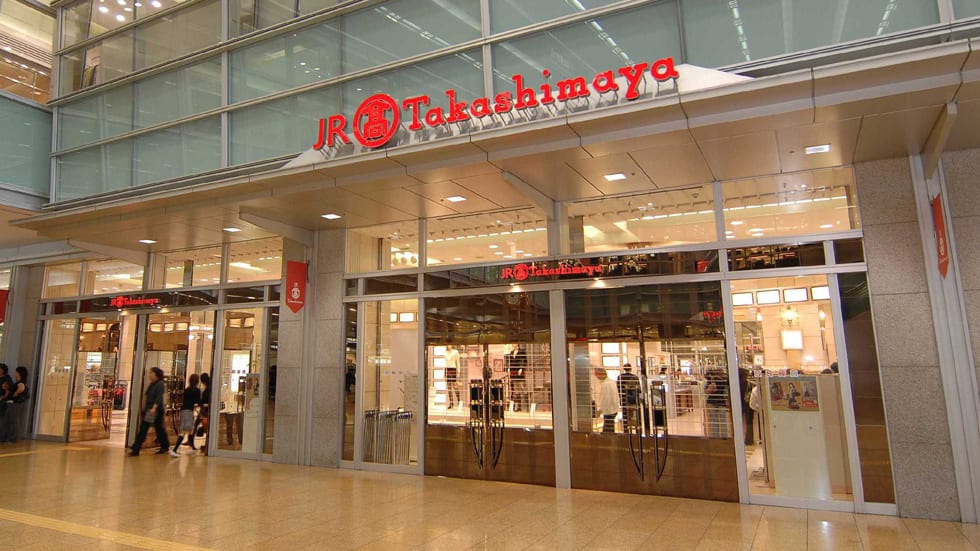
    Just one of Japanese department store chain Takashimaya’s three overseas stores is currently trading at a profit.

    But the company says it believes it can make them all profitable by 2023, including a fourth store set to open in Bangkok late this year.

    The successful store is on Singapore’s Orchard Road, which opened in 1993 and is reportedly earning more than 3 billion yen (US$27.2 million) annually.

    The chain’s Shanghai store, which opened in 2012, has been hampered by delays in the completion of neighbouring projects which would have drawn higher visitor numbers, along with administration costs running over budget. According to a report published by Nikkei, the store is expected to post its seventh consecutive loss in the 12 months to February next year, but should make money in 2020.

    The Ho Chi Minh City store in Vietnam, which opened in 2016, has “struggled from the start” according to Nikkei, its offer apparently too expensive for middle-class Vietnamese consumers. The company plans to boost sales by “broadening offerings of everyday items for families” which it hopes will lead it into profit in the 2022 year.

    The planned Siam Takashimaya store will be one of the anchors of Siam Piwat’s IconSiam, currently under construction and scheduled to open late this year – possibly in October.

    Takashimaya anticipates the Bangkok store to be profitable in its first year, thanks to rent concessions.

    The company’s president, Shigeru Kimoto, said it plans to continue Southeast Asian expansion, despite the challenges to date because it sees potential in the region.

    “In the long term, we seek to capitalise on Asia’s growth,” he said.

  • Air France launches more flights to Incheon

    Air France launches more flights to Incheon

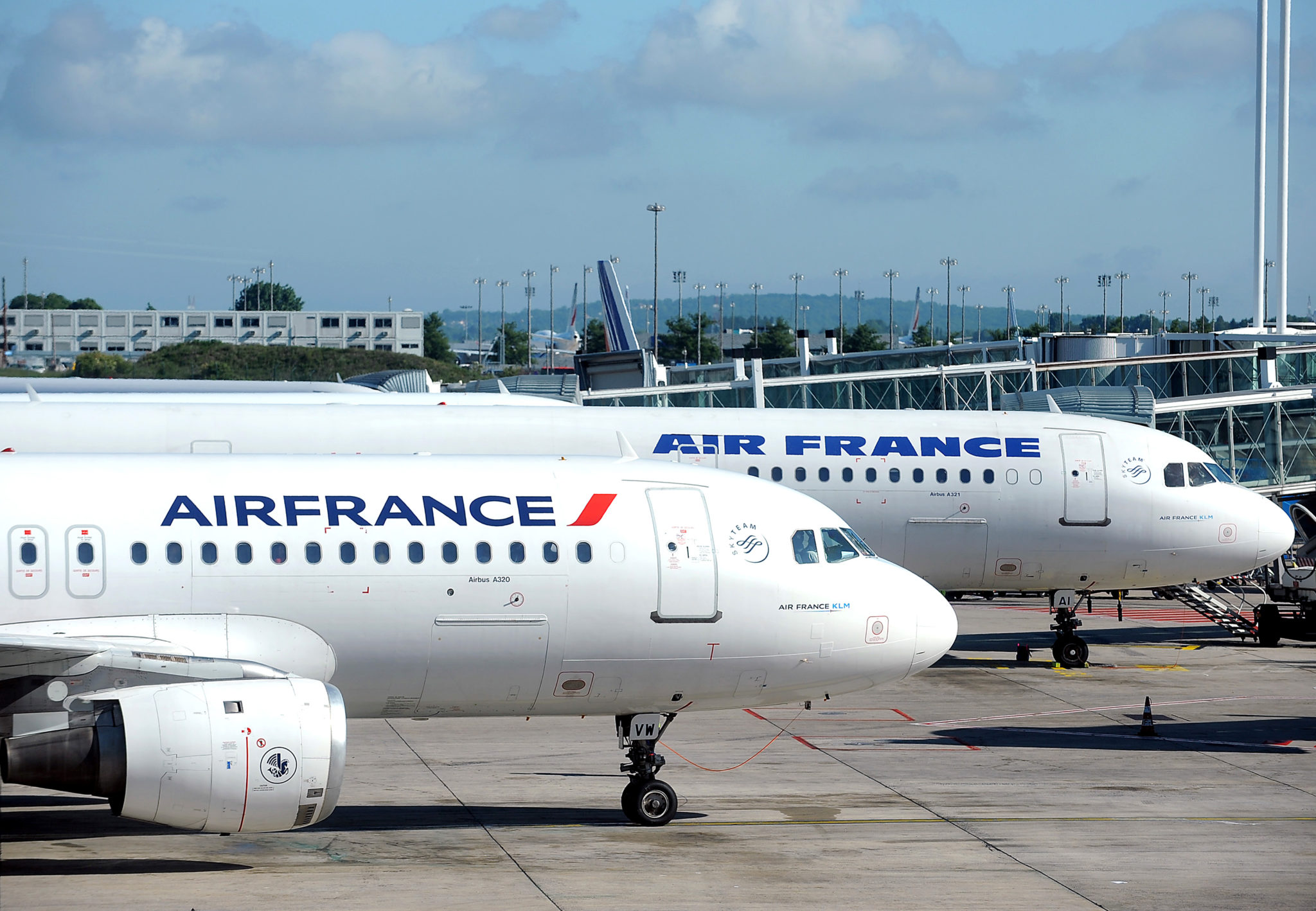
    France’s flagship carrier Air France increased the number of direct flights between Incheon and Paris earlier this month to meet growing demand from Koreans interested in visiting France’s capital.

    This year, Air France is celebrating the 35th anniversary of its first flight from Europe to Seoul in 1983.

    From the beginning of this month until Oct. 27, an additional flight will leave for Paris from Incheon International Airport on Monday, Wednesday and Saturday. Additional flights returning from Paris are available on Tuesday, Friday and Sunday.

    Currently, two flights traveling either from Incheon to Paris and from Paris to Incheon depart every day. The 1:20 p.m. flight is shared with Korean Air.

    The additional three flights a week increases Air France’s flights between the cities from 14 a week to 17, and will increase weekly available seats by 28 percent.

    “In 2015 and 2016, the number of Asian passengers flying to Europe stabilized and even decreased a bit because the situation in Europe wasn’t so good in terms of politics and security,” said Antoine Pussiau, senior vice president of Air France’s Asia Pacific division. “But now we are seeing Asian passengers coming back to Europe, not only to France but other major countries like Italy, the Netherlands and Great Britain.”

    According to the European Travel Commission’s tourism report released in February, travelers to Europe in 2017 rose a record 8 percent last year to 671 million, much better than the 2 percent increase seen in 2016.

    The report noted that stronger growth last year was due to improved economic growth in source countries as well as easing security concerns in Belgium, France and Turkey.

    The Paris Region Tourist Board estimated that last year, the number of international visitors to hotels in Paris surged 13.7 percent year-on-year. Chinese and Japanese clients increased by double digits, though it didn’t have a figure for Koreans.

    According to one study, Koreans’ favorite travel destination is Paris.

    According to a study released in April by the Korean office of U.K.-based travel website Skyscanner, Koreans searched for European destinations 141 percent more last year than in 2016.

    Paris was the top-ranked European tourist destination, followed by Rome, London, Prague, Barcelona, Frankfurt, Madrid, Zurich and Milan.

    While the Korean government tracks the number of Korean leaving the country, it does not note their travel destination.

    Although Paris is still on top, it has been facing stiff competition from other European cities such as Warsaw, Lisbon and Barcelona.

    Warsaw, Poland, saw the sharpest increase in searches from Koreans. Interest surged by 257 percent, while searches for Budapest increased by 236 percent and Lisbon and Barcelona jumped by 193 percent and 174 percent.

    Air France said it has one distinctive advantage against the competition, though — Charles de Gaulle Airport, which serves as the airline’s principle hub.

    Only the best

    Charles de Gaulle Airport is Europe’s second-largest hub.

    The airport received over 63 million passengers last year. Roughly 24 percent transferred to other flights, with some traveling as far as South America.

    “When you arrive in Charles de Gaulle Airport, you can connect to everywhere,” said Pussiau. “We fly to 134 countries from North and South America to Africa. Some of the competition only flies to one point or another, like only arriving in Barcelona and nowhere else.”

    Air France and the airport have been working together for over two decades to attract more passengers to transfer flights. In order for the airport to be considered a “hub,” more than 20 percent of all passengers arriving at the airport must be transferring to other flights.

    As a result, Air France and the airport have been focusing on increasing convenience for customers.

    This includes a separate passageway for people transferring to another Schengen area, which refers to the 26 countries in Europe that do not required border checks.

    But what Air France boasts about most is the service at its premium first- and business-class lounges.

    The airline has a single first-class lounge near the entrance to Charles de Gaulle and seven business lounges spread across the airport.

    The first-class lounge provides one-stop services, from ticketing to luggage loading. It will even send a driver to deliver passengers to the front door of their flight in a luxury vehicle.

    Air France has revamped its business lounge, also referred to as the Salon Lounge, in recent years.

    “Our business lounge contributes to Air France’s excellence strategy,” said Laurence Garnier-Plat, Air France’s business and first-class lounge product manager. “For some years, Air France has continued to develop and upscale the lounges.”

    Among the seven lounges, the one at Hall L is the largest as it covers an area of 3,200 square meters (34,444 square feet). Air France opened up a newly-furbished 2,180 square meter area in January, and it plans to reopen the remaining area in July this year.

    One of the lounge’s distinctive features is its open kitchen, which allows the customers to see their dish being cooked by chefs.

    The lounge has an “instant relaxation” area with more comfortable sofas that allow the customers waiting for a long period to take naps or work in quiet. It also offers a 15-miniute free facial treatment in partnership with cosmetics company Clarins.

    The lounge in Hall M, which opened in June 2012, was designed by famous French designer Noe Duchaufour-Lawrance. The lounge’s wooden interior provides a soothing atmosphere.

    Garnier-Plat, the lounge’s product manager, said that the experience that customers get before boarding the plane is just as important as the flight itself.

    “[We] are very focused on customer experience and attention to detail,” said Garnier-Plat.

    She said one of the key experiences of the lounge is offering customers a firsthand take on the French way of life through food and drink.

    “Everything that’s to relax, that’s the way of [French] life,” the lounge product manager said.

    Even for non-business passengers, Air France is providing special events. On May 5, which is celebrated as Children’s Day in Korea, Air France provided gifts to children flying back to Incheon. One Japanese girl didn’t understand why she received a gift. She muttered to herself, “why?” in Japanese as she opened the package with delight.
  • China no longer ‘easy’ on Vietnamese agricultural produce

    China no longer ‘easy’ on Vietnamese agricultural produce

    Vietnam should expand its agricultural exports to other markets instead of being dependant on China where standards on export items are being tightened, a meeting heard on Tuesday.

    China is now following international practices, tracing food origins and performing quality checks on imported agricultural produce, including those from Vietnam, said Tran Tuan Anh, Minister of Industry and Trade at the National Assembly meeting.

    The northern neighbor used to allow 100 Vietnamese businesses to export rice, but now only 27 of them are permitted, Anh said.

    For years, China’s fluctuating agricultural demand has also been hurting Vietnamese farmers. Many Chinese dealers have cancelled their deals with Vietnamese farmers, resulting in an oversupply of seasonal produce that are often exported to China through informal channels like watermelon and chili.

    Last year, volunteers in Hanoi had to start “rescue campaigns” to sell nearly 300 tons of watermelons which were being left to rot as there was a lack of demand.

    “If we keep focusing on the Chinese market and don’t look for alternatives, the consequences will be grave,” the minister said, adding that Vietnam should have new policies to remove export barriers.

    China is by far the biggest importer of Vietnam’s agricultural produce, accounting for 77 percent of total export turnover in the first four months of this year, whereas the U.S. only made up about 2.8 percent and Japan 2.7 percent.

    Large population, proximity and established trade relations explain China’s dominance. The country is also known to offer Vietnamese farmers attractive incentives.

    Vietnam exported about $36.37 billion worth of agriculture and fisheries products last year, according to the Ministry of Agriculture and Rural Development.

  • China’s Xiaomi expands into France and Italy

    China’s Xiaomi expands into France and Italy

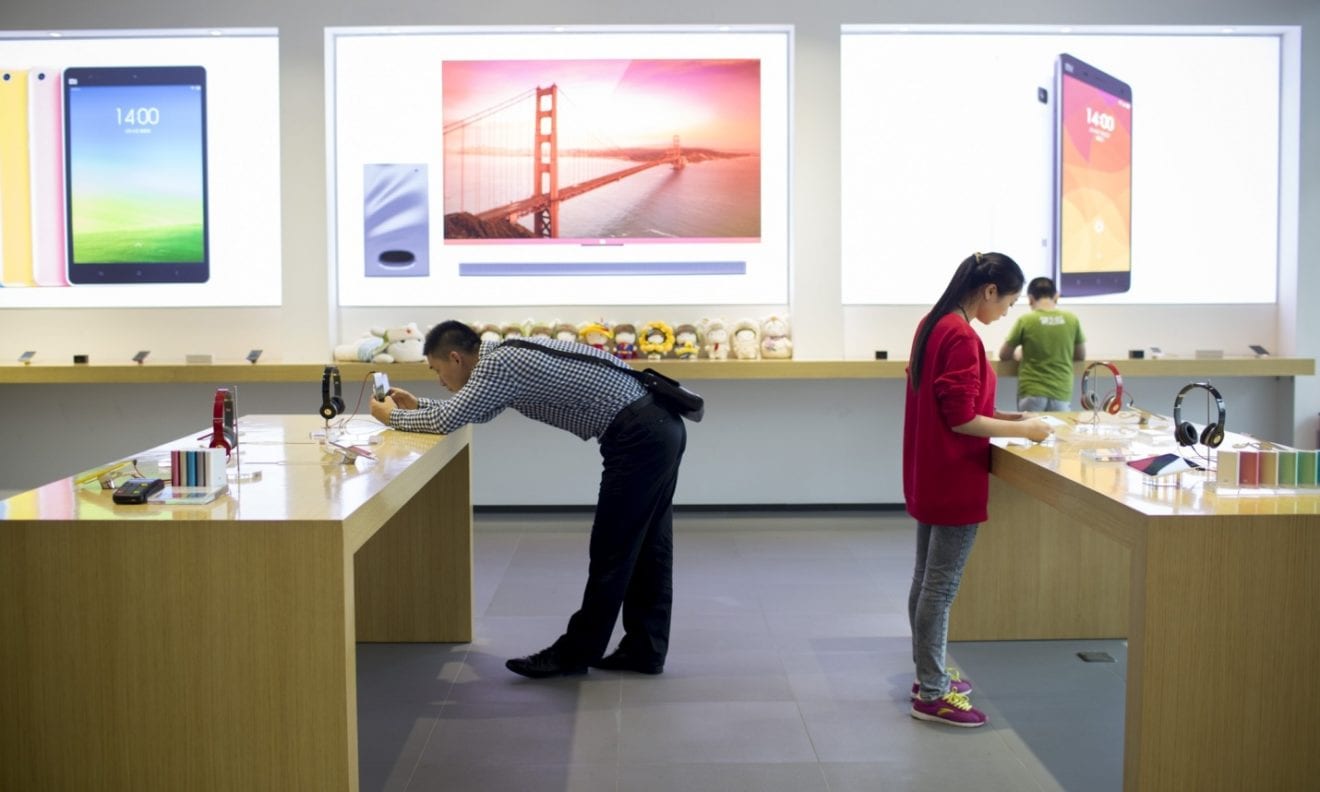
    Chinese smartphone maker Xiaomi Corp, which is planning to raise US$10 billion in a Hong Kong public listing, says it has launched sales in France and will enter the Italian market tomorrow.

    In France, Xiaomi is selling through its first Mi Store in Paris, via its own e-commerce platform Mi.com, and on other online and offline platforms including Amazon and Cdiscount. To date, the Beijing company has established a presence in 74 markets and has agreements with telecoms carriers in France, including Bouygues, Free, Orange and SFR.

    Smartphone shipments in western Europe fell 13.9 per cent in the first quarter, according to market research firm Canalys. Shipments to France dropped 23.2 per cent.

    However, Xiaomi shipments rose by more than 999 per cent, while Samsung and Apple saw 15.4 and 5.4 per cent declines respectively.

  • Malaysia’s April headline inflation up 1.4%

    Malaysia’s April headline inflation up 1.4%

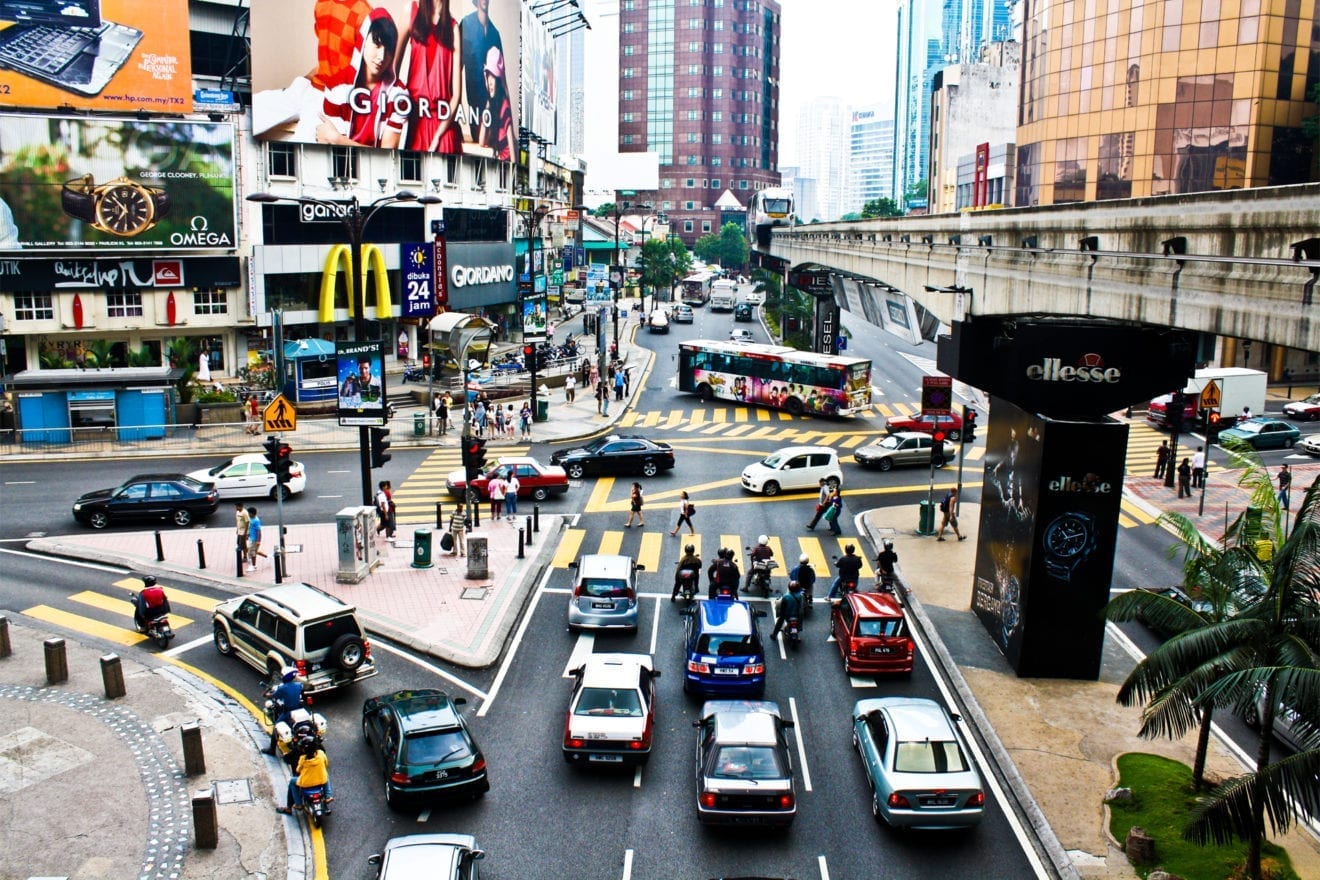
    Headline inflation rate rose by 1.4% year-on-year (y-o-y) in April 2018, slightly higher than 1.3% year-on-year registered in the preceding month as transport inflation rebounded from a negative territory logged for two months to positive at 0.4% y-o-y, said MIDF Research.

    Amid unfavourable base effects, MIDF Research foresees headline inflation rate to average at 2.6% this year, supported by inflation rate for 1Q18 which registered at 1.8% compared to 4.2% in the same period last year.

    “We expect inflationary pressure mainly from fuel-related items to calm, consistent with gradual rise in global commodity prices on top of pass-through effect from a strengthening ringgit, re-subsidisation of domestic fuel price and withdrawal of GST.”

    As inflationary pressure remains steady, it anticipates Bank Negara Malaysia to maintain its current monetary policy with no more hikes in overnight policy rate for the rest of 2018 barring any pleasant upward surprises in domestic economic growth.

    It noted that food inflation continues to dip but moving forward, there is a potential for food inflation to rise in the upcoming months due to rising demand for Ramadan and Hari Raya celebrations.

    It expects 2018’s fuel-related inflation to moderate amid of unfavourable base effects, re-subsidisation of domestic fuel price and high likelihood of a downward adjustment of global commodity prices in 2H18 from the current temporary factors which pushed the prices up.

    MIDF also foresees inflation rate across all states will moderate below 3% in 2018 amid of unfavourable base effects and zero rated GST.

    “Looking forward, we foresee inflation level will gradually increase buoyed by moderating global growth, steady rise in commodities prices and tight labour market conditions.”

    The Consumer Price Index (CPI) increased 1.4% in April 2018 as compared to the same month last year, after indices for food & non-alcoholic beverages (+2.6%), restaurants and hotels (+2.2%), health (+2.1%), housing, water, electricity, gas & other fuels (+2.0%), furnishings, household equipment & routine household maintenance (+1.8%) and education (+1.1%), all recorded increases, according to the Department of Statistics.

    Chief Statistician Malaysia Datuk Seri Dr Mohd Uzir Mahidin said the overall index was also affected by the increase in the transport group by 0.4% in April 2018 as compared to the 1.5% decrease recorded in March 2018. Meanwhile, the CPI for the period January-April 2018 increased 1.7% as compared to the same month last year.

    The Statistics Department also reported that three states surpassed the national CPI rate of 1.4% recorded in April 2018 as compared to April 2017, which are Kuala Lumpur (+1.9%), Selangor & Putrajaya (+1.6%) and Penang (+1.5%).

    FXTM global head of currency strategy & market research Jameel Ahmad said while the inflation reading continues to suggest that the economy is encountering a period of lower inflation, it sees risks that this outlook could change over the coming months.

    “There has been a drastic change in investor appetite towards the US dollar, which has crumpled emerging market currencies across the globe. This has also impacted the ringgit, which currently appears to be at risk to falling back towards 4 against the dollar and is likely to do so, if traders continue to stock up on the US dollar.”

    As a result of the ringgit weakening, he said import price pressures are likely to increase over the next two to three months and this will consequently result in higher inflation potential.

  • SportSG partners Decathlon to house their Singapore Lab

    SportSG partners Decathlon to house their Singapore Lab

    In a collaboration with national sports agency Sport Singapore (SportSG), sporting goods retailer Decathlon Singapore is preparing to open its biggest store yet.

    In Stadium Boulevard in Kallang, the Decathlon Singapore Lab will pioneer the use of technology like virtual simulations and augmented reality in Asian retail. The brand’s fourth outlet will cover about 5000sqm when it opens in January.

    A memorandum of understanding has been signed by Decathlon Asia chief executive Yves Claude and his SportSG counterpart Lim Teck Yin.

    “Traditional retail is in trouble … customer expectations are changing very quickly,” says Claude. “They will not come just for the store’s layout.”

    For example, customers trying out shoes at Decathlon Singapore Lab will be able to have foot scans.

    “We want to do something different here, and that’s why we need the space. The experience will not be perfect immediately, but that’s why we are calling it a lab,” says Claude.

    The store has a 15-year lease from SportSG, which owns the land, and as part of the agreement to promote participation in sport the store will also feature events and clinics for customers in its free-to-play areas, as well as an Active Health Lab. These SportSG labs provide free health screenings.

    Decathlon will also continue to provide equipment and apparel to the 10 ActiveSG academies and centres throughout SIngapore. ActiveSG has more than 1.4 million members.

    The French company launched into Singapore with a store at Bedok in January 2016. It now has outlets at City Square Mall and the Fairprice Hub in Joo Koon, with the three stores attracting foot traffic of two million annually.

    Worldwide, the company has more than 1300 stores in more than 40 countries, up from around 1000 in 30 countries two years ago.

  • Lower palm prices pull Malaysia Boustead Plantations’ Q1 profit down 82.2%

    Lower palm prices pull Malaysia Boustead Plantations’ Q1 profit down 82.2%

    Boustead Plantations Bhd saw its net profit slump 82.2% to RM5.26 million for the first quarter ended March 31, 2018 compared with RM29.56 million in the previous corresponding period, dragged by lower prices of palm products.

    Revenue also fell 18.2% to RM154.6 million from RM189.02 million.

    Boustead Plantations has proposed to declare an interim dividend of 2.5 sen per share for the quarter under review.

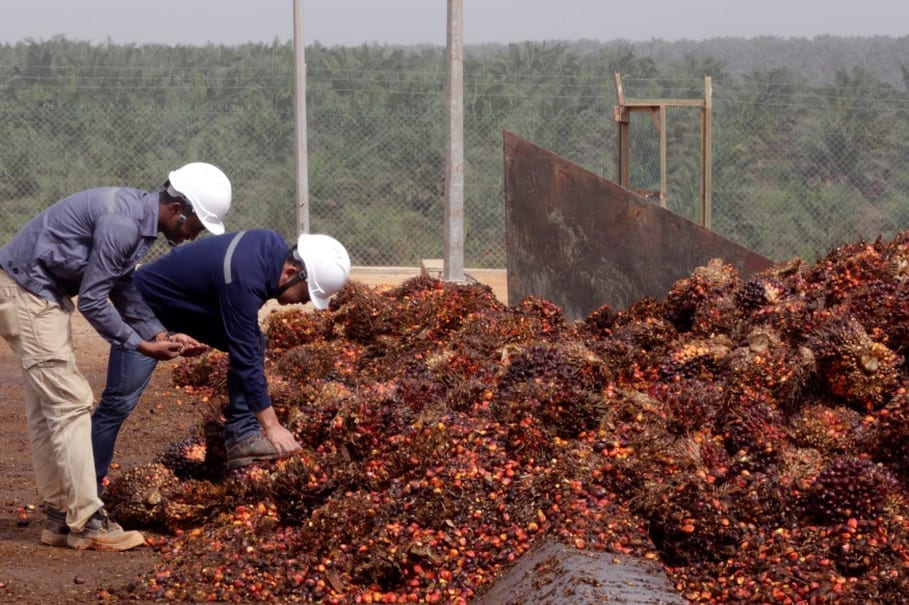
    The group said in a filing with the stock exchange that the average crude palm oil (CPO) selling price was at RM2,491 per metric tonne (MT), 21% lower compared with RM3,166 per MT in the same quarter last year, while average palm kernel oil price declined 32% to RM2,188 per MT.

    Fresh fruit bunches (FFB) production for the quarter increased 8% to 226,323 MT, largely due to improved yields post El-Nino. Average oil extraction rate was slightly lower 20.5%.

    Boustead Plantations vice chairman Tan Sri Lodin Wok Kamaruddin said the year ahead is expected to see an increasing supply of alternative vegetable oils, putting pressure on demand for CPO and leading to increased palm oil inventories.

    “However, the CPO market could benefit from the likelihood of higher tariffs by China on US soybean as well as the European Union’s removal of anti-dumping duty on Indonesian biodiesel.”

    At the midday break, Boustead Plantations shares fell 1 sen or 0.7% to RM1.35 on some 992,600 shares done.