Author: Mei Ling Tan

  • SGX holds carnival at VivoCity this weekend for new investors

    SGX holds carnival at VivoCity this weekend for new investors

    The  Singapore Exchange (SGX) on Thursday said it will be holding its retail education event this weekend (May 26-27) at VivoCity’s Outdoor Plaza Atrium, as part of its ongoing efforts to educate new investors and encourage them to start investing.

    Targeted at NIBIs (not invested but interested) aged between 18 and 35 years old, the SGX “My First Stock Carnival” will take on a hands-on and interactive approach to educate investors on how to embark on their financial literacy journey, the Singapore bourse said.

    CGS-CIMB, iFAST Singapore, Lim & Tan, Maybank Kim Eng, PhillipCapital and RHB Securities will be setting up booths at the carnival to help participants open accounts, or answer any questions they may have about investing.

    An SGX “My First Stock Guidebook” will also be distributed along with a goodie bag at the carnival, and attendees will have the opportunity to interact with industry specialists and retail brokers, as well as familiarise themselves with SGX’s investing resources.

    Chan Kum Kong, SGX’s head of research and products, equities and fixed income, noted that there has been a trend of young investors becoming more active in investing.

    Added Mr Chan: “Our data shows that the traded value per month per investor aged 25 years old and younger saw an increase of 32 per cent in the first quarter of 2018 over the same quarter in 2016; the number of trades per month for the same group also saw an increase of 17 per cent over the same time period.”

    The carnival, which marks its fifth edition this weekend, will also be complemented by a week of investment workshops.

    The “My First Stock Carnival Investment Week” to be held at the SGX Auditorium, will feature speakers from SGX Academy and broking firms in a series of panel discussions held on May 28, May 30 and June 1.

  • Walmart India, Flipkart top executives meet CCI

    Walmart India, Flipkart top executives meet CCI

    Top executives of Walmart India and Flipkart on Wednesday met fair trade regulator CCI to explain their activities in the country, days after submitting an application seeking approval for their $16-billion mega merger deal.

    While there was no official word on the meeting, sources said it was a “courtesy call” by the executives of the two companies during which they also apprised the regulatory authority of Walmart’s global sourcing from India, including from the farmers, and its work towards kirana stores and supplier development programmes.

    Those present in the meeting included Walmart India president and CEO Krish Iyer and the company’s senior vice president and chief corporate affairs officer Rajneesh Kumar, besides Flipkart CEO Kalyan Krishnamurthy and its group legal head R Baweja, sources said.

    In their meeting with CCI member Sudhir Mittal, the officials of the two companies briefly explained about their individual businesses, development programmes and other activities.

    The meeting comes days after Walmart approached the Competition Commission of India (CCI) for approval of its proposed acquisition of a majority stake in e-commerce major Flipkart. In their application filed last week, the two companies have said the acquisition, proposed through Walmart International Holdings, deal doesn’t raise any competition concerns.

    Mergers and acquisitions beyond a certain threshold require the approval of the CCI.

    In their plea, Walmart has told the regulator that Flipkart is a Singapore-based investment holding firm, which along with its direct and indirect subsidiaries, both in India and elsewhere, is primarily engaged in the business of wholesale cash and carry of goods and providing marketplace based e-commerce platforms to facilitate trade between customers and sellers in India.

    According to the notice submitted to the CCI by Wal-Mart International Holdings, the proposed transaction will be effected pursuant to the share purchase agreement and the share issuance and acquisition agreement entered into on May 9 by and among Walmart’s subsidiary and Flipkart.

    Retailers have joined hands to approach CCI against $16 billion Walmart-Flipkart deal as they apprehend that it would lead to massive job loss and be a “nightmare for retail trade” of the country.

    Earlier this week, traders body CAIT also said it will approach the CCI to file objections on the proposed Walmart-Flipkart deal, claiming that the agreement would lead to an uneven playing field and massive job losses.

    On the other hand, an online sellers industry body has already moved the CCI against Flipkart India Pvt Ltd, a wholesale company, for allegedly abusing its dominant position on Flipkart’s online marketplace.

    Walmart seeks to acquire 77 percent stake in the homegrown e-commerce firm with a buyout of $16 billion.

    Opposing the deal, the Confederation of All India Traders (CAIT) has also written to Commerce Minister Suresh Prabhu, seeking to know the steps being taken by the government to scrutinise the deal.

    CAIT alleged that the deal involves important issues related to FDI policy, cyber security, apprehension of using e-commerce for entering retail trade by circumventing the law etc.

  • Aeon adopts wait-and-see approach over GST

    Aeon adopts wait-and-see approach over GST

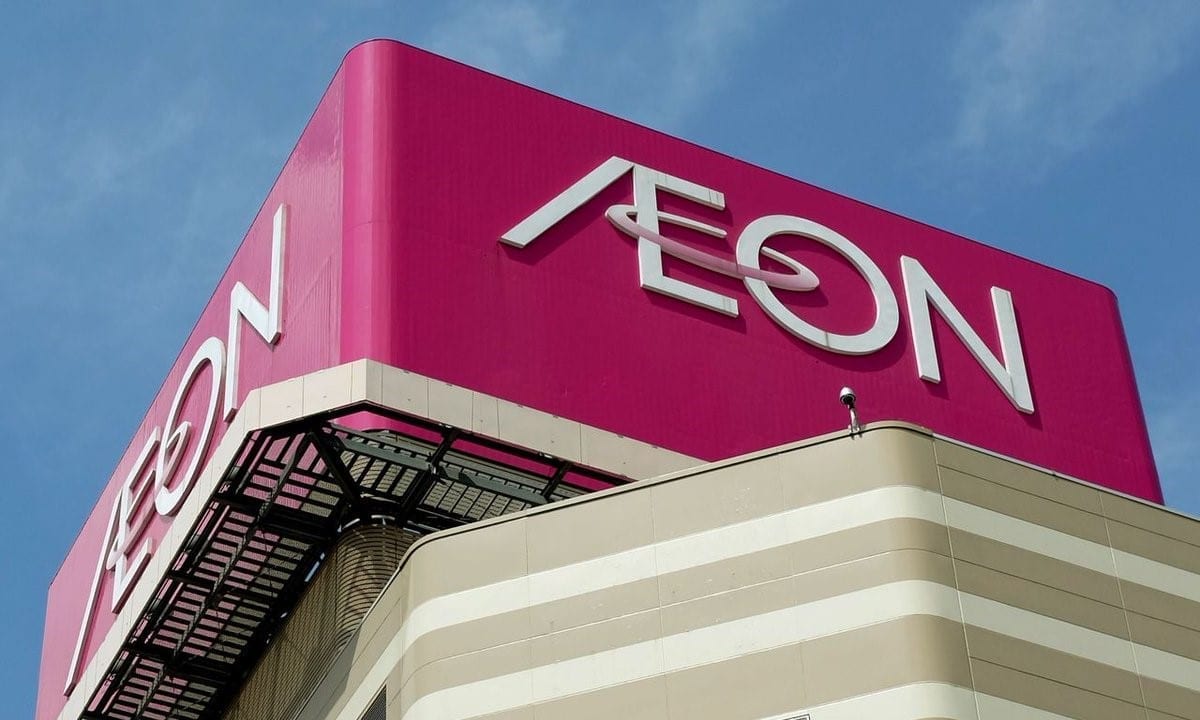
    Japanese retailer AEON Co (M) Bhd is adopting a wait-and-see approach when it comes to the upcoming abolishment of the Goods and Services Tax (GST) on June 1.

    Executive director Poh Ying Loo said Aeon was still seeking greater clarity from the Pakatan Harapan government.

    “The GST question was something that was also posed by shareholders earlier and our stand right now is that it is too early to decide right now,” Poh said at a press briefing after the group’s 33rd annual general meeting here today.

    “We understand that other policies and tax regime such as the Sales and Services Tax (SST) will be reintroduced. We can’t really comment on whether of not our pricing would be cheaper until those things are made more clear,” he added.

    The group has allocated between RM300 million and RM500 million in capital expenditures (capex) this year.

    According to Poh, this was slightly lower than last year’s capex of some RM500 million.

    “The capex is inclusive of our newest mall in Kuching, Sarawak which we have already opened in April this year,” said Poh.

    With three levels of retail floors and four levels of car park, the Kuching mall is AEON’s debut presence in East Malaysia.

    The remaining capex will be for the expansion of Taman Maluri Shopping Centre and the refurbishment of Tebrau City, Bandar Utama and Bandar Sunway.

    As of the end of 2017, AEON has 26 malls across the country.

    A big part of AEON’s drive this year is to further strengthen its omni-channel strategy that will leverage onto its physical stores for offline experiences, logistics and convenience.

    “We had partnered with online concierge and delivery service Honestbee in January, and the response has been encouraging. We expect this business will grow with time,” said managing director Shinobu Washizawa.

    The firm is also set to roll out a “groceries drive-thru” service in Bukit Indah, Johor whereby customers can order groceries online from Aeon and pick them up themselves through a drive-thru window, starting next month.

    Aeon posted a net profit of RM105 million on the back of RM4 billion revenue for the year ended 31 December 2017.

  • Ralph Lauren shines bright in Asia, only

    Ralph Lauren has reported another decline in net sales, but the overall results confirm the company is headed in the right direction, albeit slowly.

    The company says its fourth-quarter sales decreased by 2.3 per cent to US$1.5 billion on a reported basis and were down 7 per cent in constant currency, driven by initiatives to increase quality of sales, reduce promotional activity, and elevate our distribution, as well as brand exits and lower consumer demand.

    But that is an improvement on the full-year Ralph Lauren sales figures of a 7 per cent decline to $6.2 billion on a reported basis and 8 per cent in constant currency.

    Fourth-quarter sales in Asia rose by 17 per cent to $257 million on a reported basis and by 11 per cent in constant currency, driven by strength in both retail and wholesale channels. Same-store sales were up 4 per cent.

    That’s significantly better than the full-year figure of 6 per cent on both a reported and constant currency basis to $934 million.

    Ralph Lauren’s big problem is the North American market, where sales continue to fall – in the last quarter, by 13.9 per cent, a greater rate than the 11.4 per cent of the same period a year ago.

    Some of this decline was deliberately engineered as Ralph Lauren reduced sales through wholesale channels that it believes damage its brand.

    “We applaud this corrective effort, though we think there is still much further to go.

    Stores like Macy’s still stock and sell Ralph Lauren product, and merchandising and general retail standards fall short of what the brand should be aiming for. While we do not think it is necessary for Ralph Lauren to withdraw from a retailer like Macy’s, we do think that it should work more closely with the buying and store teams there to create an elevated in-store experience. Until it does, the inconsistency between what Ralph Lauren wants its brand to be and the reality on the ground will remain.”

    Ralph Lauren is now more operationally stable. The partnership between Ralph Lauren himself and Patrice Louvet appears to be working well, and there is a sense that the company is serious about resolving its various issues. We are also encouraged by the appointment of Angela Ahrendts (former CEO of Burberry and current head of Apple’s retail business) and Mike George to the board.

    George’s expertise in e-commerce will be valuable as this is an area where Ralph Lauren seriously underperforms. and Ahrendts’ experience in luxury and her ability to create coherent retail brands and propositions will be extremely beneficial to Ralph Lauren.

    Overall, while we believe Ralph Lauren is a long way from full health, it is most certainly recovering nicely.

  • Positive performance for Parkson Retail China

    Positive performance for Parkson Retail China

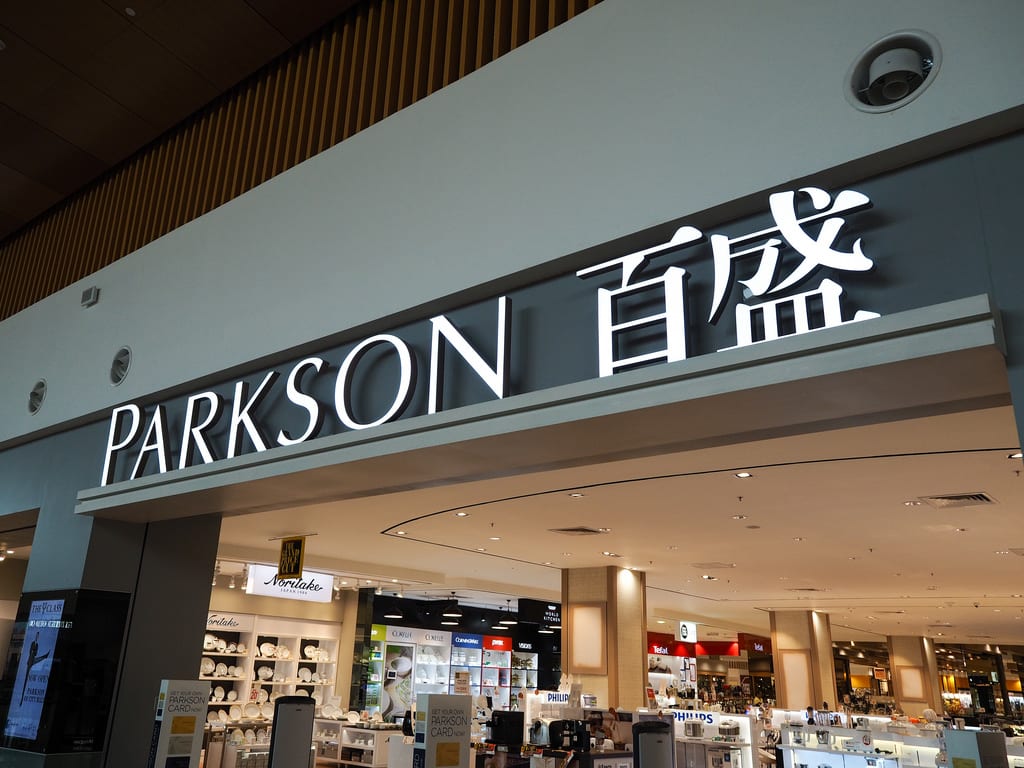
    Parkson Retail China has been able to parlay a string of modest first-quarter increases into an 181.7 per cent boost in operating profit.

    Same-store sales for the quarter, to the end of March, grew by 1.7 per cent; total operating revenues rose 2.9 per cent to RMB1.2 billion (US$187.7 million) while merchandise gross margin increased by 0.2 points to 15.7 per cent.

    Its operating profit jumped to RMB87.9 million, despite a 1.9 per cent drop in gross sales proceeds to RMB4.3 billion. The group attributes the decline mainly to the closure of six
    underperforming stores last year as part of its continuing effort to optimise.

    However, the 1.7 per cent rebound in same-store sales was encouraging following the 2.2 per cent drop in the same period 12 months earlier.

    Strong direct sales in the cosmetics and accessories category saw total operating revenues jump by 2.9 per cent to RMB1.2 billion.

    At the end of March, the group ran and managed a diverse range of retail formats including 44 department stores, a shopping mall, two Parkson Newcore Citymalls, supermarkets, fashion and F&B outlets in more than 30 major cities across China.

  • Bic Camera Inc.’s profits come from Chinese tourists

    Bic Camera Inc.’s profits come from Chinese tourists

    Japanese retail tycoon Ryuji Arai can thank a growing flock of Chinese spenders for his swelling fortune.

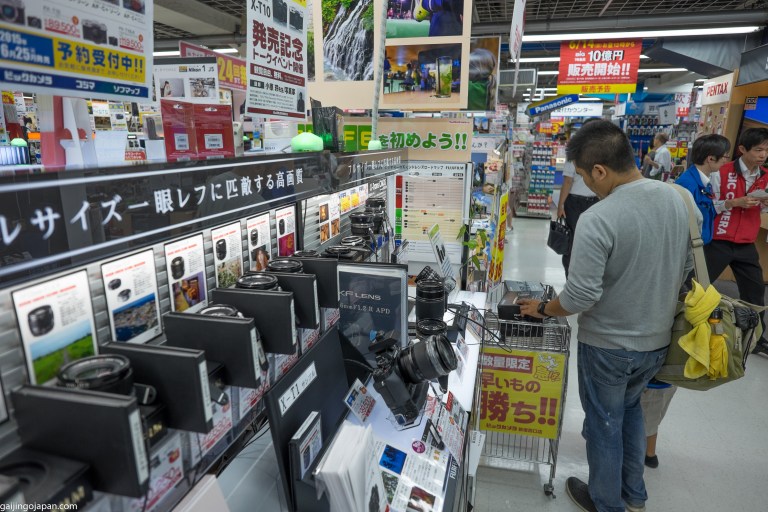
    Bic Camera Inc., the Tokyo-based consumer electronics retailer that sells everything from cosmetics to liquor at discounted prices, has become a sought-after destination for tourists shopping in Japan. Profit has jumped to a record, sending its shares up by more than 50 percent over the past year.

    The surge has given 71-year-old Arai a $1.8 billion fortune. Arai, who founded the retailer four decades ago and steered the company to its initial public offering in 2006, is now chairman at the company. He owns a 43 percent stake in the shares through a set of trusts and his asset management company La Holdings.

    Bic Camera has won tourists over with bargain prices offered in its stores along with duty-free desks, and by giving overseas shoppers the option to make online reservations for products they wish to purchase. The company is also trying to woo Chinese shoppers by accepting payment methods such as Alipay, Wechat and even Bitcoin — which is helping boost sales, said Bloomberg Intelligence Consumer Analyst Thomas Jastrzab.

    “Bic Camera’s early adoption of new payment options could give it an edge over more cautious rivals,” said Jastrzab.

    Not much is known about the reclusive businessman. Bic Camera declined to make him available for comment for this story. He started his first company in his early twenties and later spun out the camera sales division into its own company, according to local media reports. He then went on to form Bic Camera in his early thirties with the opening of a store in Tokyo’s Ikebukuro shopping district.

    Arai is an anti-nuclear advocate, and Bic Camera displayed huge banners in 1995 to protest France’s plan at the time to resume nuclear tests in the South Pacific.

    In 2009, Arai stepped down as chairman of Bic Camera after the company became embroiled in a scandal over false earnings reports. After the shares lost almost half their value in January that year, they rallied when the company was allowed to retain its listing on the Tokyo Stock Exchange and it restated earnings for the fiscal years 2006 to 2008. The company was fined $1.3 million. He retook the role of chairman, without any directors role, several years later. Since then, Bic Camera shares have climbed eight-fold.

    After relinquishing the chairman role, Arai remained the largest shareholder of Bic Camera.

    Bic Camera has teamed up with Haneda Airport’s terminal operator, Japan Airport Terminal Co., to launch stores in airport terminals as well as Tokyo’s Odaiba shopping and entertainment district, according to Masanari Matsumoto, a spokesman for the company. Those stores are stocked with goods popular with inbound tourists to let them quickly find what they want, Matsumoto said. Inbound tourists shoppers to the electronics retailer have more than tripled in three years, according to the company.

    In recent years, the company has also ramped up sales through its own website and stores on e-commerce sites such as Rakuten and Amazon.com. Online sales accounted for about 10 percent of overall revenue in the six-month period ended Feb. 28, according to company filings.

    Bic Camera’s net income jumps more than five-fold over past four years.

    The company’s net income climbed fivefold to a record 13.5 billion yen ($122.6 million) in the financial year ended Aug. 31, according to figures from the company. Bic Camera predicts profit will increase to 16.4 billion yen this fiscal year.

    That strategy has helped Bic Camera become Japan’s third-biggest electronics and appliance retailer while offsetting the impact of a declining population at home. Bic Camera will benefit more than other big-box electronics retailers such as its competitors Yamada Denki Co. and Edion Corp. from the recovery in demand for digital consumer electronics, according to a Nomura Holdings Inc. research note last month.

    Online sales, with an increase in the weighting of sales on the company’s own website, will drive growth over the longer term, according to Nomura. While customers using Bitcoin have yet to account for a significant portion of sales, the option could help attract more foreign customers, especially during the 2020 Tokyo Olympics.

    ‘‘Quickly adding additional payment options is a good way to achieve differentiation,’’ said Bloomberg Intelligence’s Jastrzab. ‘‘It also helps to boost brand equity by creating a buzz with potential customers.’’

  • Zara Stratford flagship store pioneers new approach to integrating stores and online

    Zara Stratford flagship store pioneers new approach to integrating stores and online

    A new Zara flagship unveiled in London this week gives an insight into its new global direction.

    High in technology, compact in footprint, Zara believes the new Westfield Stratford store concept will “transform the customer shopping experience at its heart”, integrating online and in-store shopping.

    It is the Spanish fast-fashion retailer’s first store in the world to introduce a fourth section after women’s, men’s and kid’s: online. A separate area has been designed to house two automated order collection points.

    The system’s optical barcode reader scans QR or Pin codes that customers receive when they place orders online. Behind the pick-up point, a robotic arm collects trays and organises the packages optimally according to their size, delivering orders for customers to collect in seconds. The system can handle 2400 orders simultaneously, enabling shoppers to collect purchases made through Zara’s e-commerce platforms. Online orders are available in store on the same day if made before 2pm, or the next day if made in the afternoon.

    Gallery of New Zara Stratford flagship can be viewed below :

    Zara says the customer service features go beyond integrating online and offline shopping. The new store aims to create a “seamless, convenient and enjoyable shopping experience”. Interactive mirrors equipped with RFID readers can detect the garment a customer is holding, enabling customers to see what a complete outfit will look like in the mirror.

    Zara staff will use iPads to advise customers and accept payments on the shop floor. Customers can pay using their mobile phones via the Zara app or the Inditex Group app, InWallet.

    And to complement the regular cashier desks, there is a self-checkout area with a system that automatically identifies garments being purchased. Customers can simply confirm their items on a screen at the self-checkout before paying with their cards or mobile phones.

    The 4500sqm store has been under renovation since January and was temporarily replaced with the brand’s first pop-up store for the purchase and collection of online orders only, some of the features of which are replicated in the Zara flagship.

    Inditex chairman and CEO Pablo Isla described the reopening of the Zara flagship as an important moment for the company.

    “We are in a unique position as we enjoy a global sales platform that fully integrates stores and online. In recent years we have invested in the most advanced technology and optimised our stores for this aim. Our business model combines stores and digital seamlessly, and we are ready for the opportunities that this brings with current and new customers,” he said.

    From a design perspective, the store has a two-storey facade without shop windows on the first floor, providing a transparent view of the store’s interior architectural features and collections.

    The refurbishment of the Zara flagship follows the brand’s introduction of an augmented reality experience at 120 flagship stores worldwide for a fortnight earlier this year.

  • Vietnam’s The Gioi Di Dong closed stores

    Vietnam’s The Gioi Di Dong closed stores

    Despite revenue growth, Vietnam retailer Mobile World has shuttered six The Gioi Di Dong stores.

    It closed the outlets last month following one earlier closure with a plan to maintain 1065 stores nationwide. The company says it has decided not to expand its store network to focus on revenue growth, but with the closing spree revenue for The Gioi Di Dong last month dropped 5 per cent from a year earlier to US$126.85 million.

    Now The Gioi Di Dong looks set to open only 500 locations by the end of this year instead of the previous goal of 1000 stores, according to chairman Nguyen Duc Tai.

    Mobile World is also struggling with its grocery business, Bach Hoa Xanh, which has added only 3 per cent to the company’s profit.

    In the first quarter of this year, revenue reached $1.31 billion, up 43 per cent year on year, to produce profit of $45.94 million, up 44 per cent.

  • China-owned Paris brand Sandro debuts Mr Porter capsule collection

    China-owned Paris brand Sandro debuts Mr Porter capsule collection

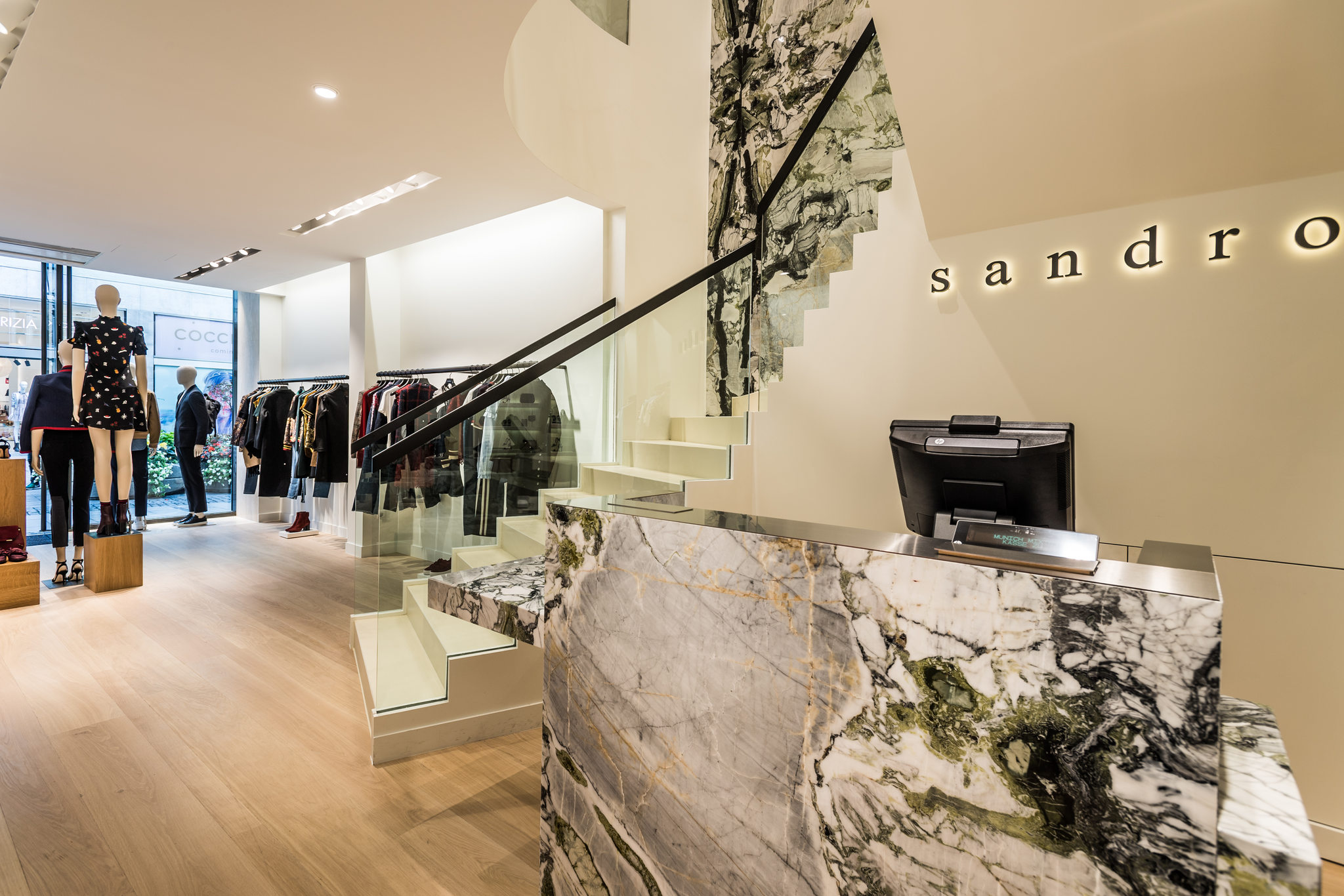
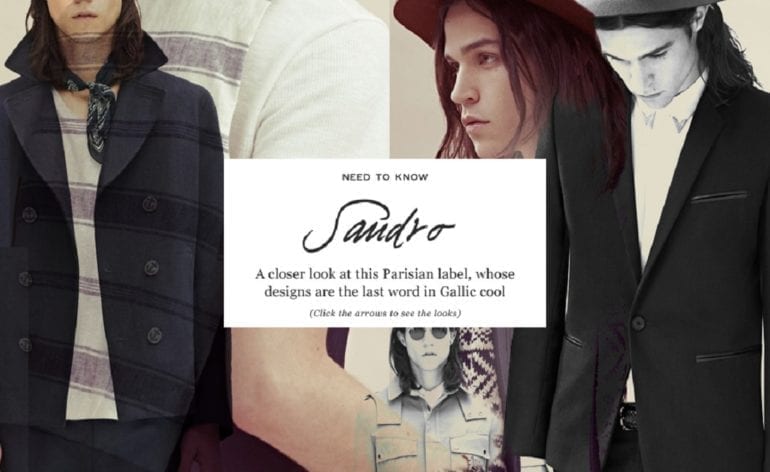
    Celebrating its tenth birthday, Sandro Homme has collaborated with Mr Porter for a men’s capsule collection.

    In partnership with the UK e-commerce platform, the Paris brand, launched in 2008 by Ilan Chétrite (son of Sandro founder Evelyne Chétrite), proposes a minimalist, French style collection made up of 16 pieces.

    Starting from 95 euros, key items include a pair of mule-style moccasins, a terracotta-tone bomber jacket and camel chinos.

    In creating a ‘nonchalant Parisian’ offering for men, Chétrite took inspiration from a continental summer: “Somewhere in Europe, along a rocky coastal landscape, I pictured the ambiance of a late afternoon after a day at the beach.”

    The line serves as a special release for Sandro, which is already distributed in more than 210 points-of-sale across the globe.

    For Mr Porter, the menswear component of luxury platform Net-A-Porter, the line is one of several recent brand collaborations to hit its online site. Most recent tie-ups include knitwear brand The Elder Statesman and luxury powerhouse Prada.

    Founded in 1984, Sandro is part of the French fashion group SMCP Group, which includes mid-luxe labels Sandro, Maje and Claude Pierlot.

    In April 2016, Shandong Ruyi bought a controlling stake in SMCP for 1.3 billion euros in one of the largest overseas acquisition deals in China’s fashion industry.

    After the acquisition, SMCP stepped up its global expansion plans, especially in China’s e-commerce sector.

    For the most recent quarter, SMCP posted a 12 percent rise in first quarter revenue to €252 million euros (£219.94 million). At the time of reporting in April, the group said it was boosted by demand from Chinese consumers.

  • Asia Pacific drives Tiffany & Co global growth

    Asia Pacific drives Tiffany & Co global growth

    Tiffany & Co Asia-Pacific sales soared 28 per cent in the first three months of this year helping the New York-headquartered jewellery retailer achieve a 53 per cent lift in profit.

    The company’s worldwide net sales increased 15 per cent to $1 billion, with comp sales up 10 per cent. Net earnings increased from $93 million to $142 million.

    Asia-Pacific sales reached $329 million – one third of Tiffany’s global sales – driven by China “and most other markets,” and higher wholesale sales in Korea. Management attributed the growth to higher spending by both local customers and foreign tourists. On a constant exchange-rate basis, total sales and comparable sales increased 23 per cent.

    In Japan, total net sales rose 17 per cent to $151 million and comparable sales rose 14 per cent.

    Neil Saunders, MD of GlobalData Retail, says the results showed that despite being up against some soft prior year figures, the group has “pulled itself out of its previous funk” and its various initiatives are delivering solid results.

    “Among the steps taken, the renewal of the offer is the most critical. Here, Tiffany’s focus on producing more innovative and contemporary collections has paid dividends in both stimulating consumer interest and driving sales. Collections like Tiffany HardWear have been well received and has enabled a brand that was seen as old to reconnect with younger demographics.”

    Saunders says the pace of product innovation was especially encouraging. “New ranges like Paper Flowers show that the company is full of ideas and that it will continue to launch new collections throughout the year. This approach means that the company is once again treating jewellery as an item of fashion and is putting itself at the forefront of trends and modern design. In our view, this is the breath of fresh air that will clear away Tiffany’s traditionally fusty image.

    “It is also encouraging that, while cohesive, new collections are accessible to many consumers. The luxury Paper Flowers range, for example, features items that span the price spectrum from $2500 to $75,000. Meanwhile, the more everyday HardWear range spans $150 to $13,500. Certainly, products are not cheap, but neither should they be as Tiffany is an unashamedly luxury brand that wants to create an aspirational feel.”

    He says strong marketing has helped to amplify the changes made to products. “In our view, campaigns like Believe in Dreams are wonderfully playful and go right to the heart of the issue: that Tiffany might be seen as old-fashioned, but actually, it has something of relevance to the modern shopper. Featuring Elle Fanning in a Tiffany Blue colored hoodie sets the tone perfectly and really helps connect the brand with younger consumers with whom it has traditionally had little resonance.”

    GlobalData’ research shows that Tiffany is gaining ground in both awareness and appeal to millennial shoppers and this is one of the key factors helping performance.

    “Notably, this shift in attitude and message has not harmed the appeal or affection older customers have for the brand. Indeed, many are very engaged with the new styles and marketing. Tiffany, it seems, finally realises that most consumers of all ages no longer want old-world luxury; they want modern, fresh thinking that excites and inspires them.”

    But he cautions Tiffany still has work to do on its store environments. “Although steps are being taken to address this, many stores still do not reflect the brand image of the new Tiffany. However, we appreciate that this change will take time to deliver and are now confident that Tiffany will address the issues. Away from stores, we applaud the website which is easy, engaging and interesting to shop; this is no doubt helping Tiffany’s e-commerce numbers.

    “Overall, we believe that Tiffany has done a great job in turning around its brand. The company feels more energetic and younger than it has for a long time, and that can only be a good thing.”

  • Adrian Cheng plans China rollout for Flont, Moda Operandi, and Bandier

    Adrian Cheng plans China rollout for Flont, Moda Operandi, and Bandier

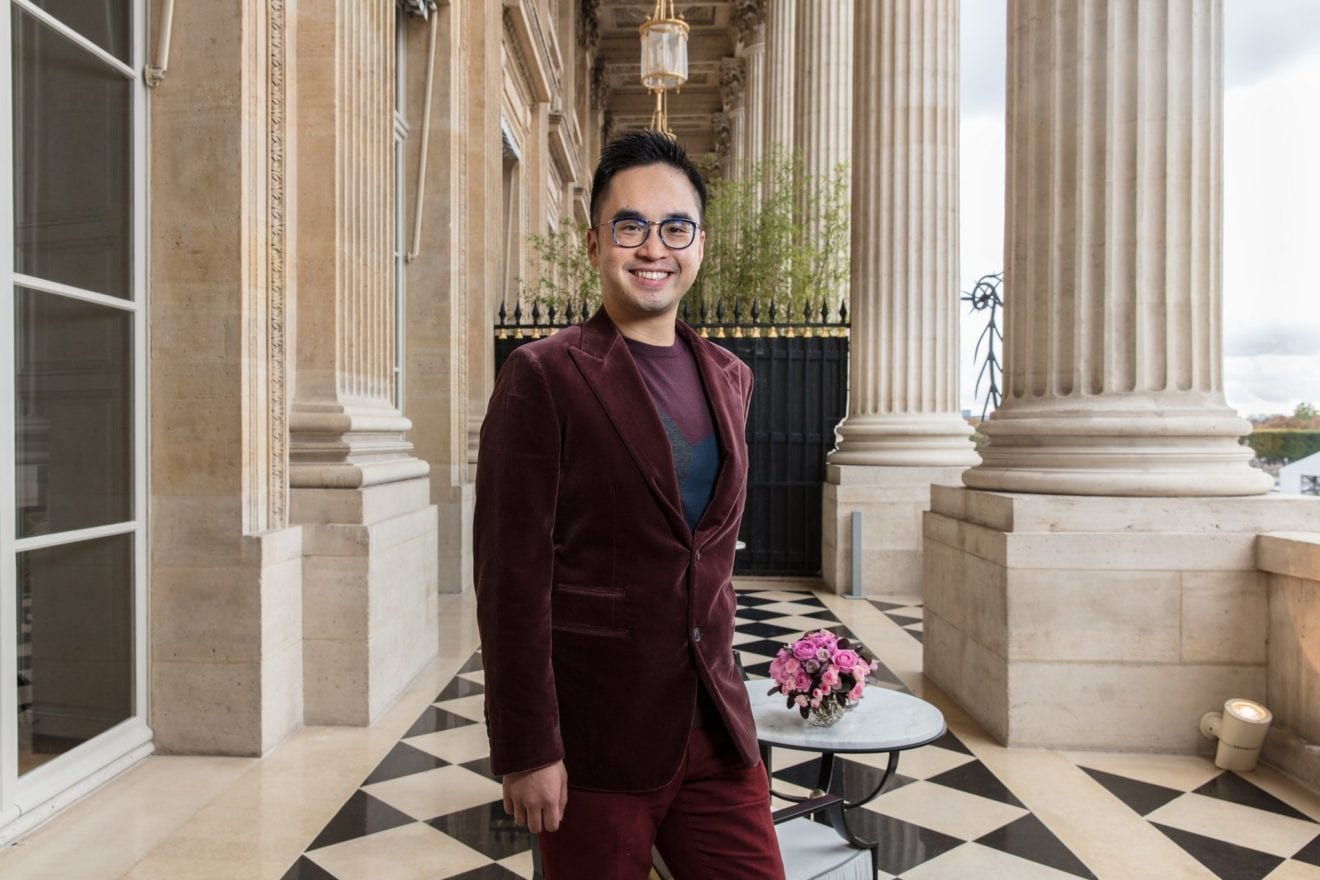
    Cheng, who has bought stakes in publications, luxury retailers and fashion tech companies over the last decade, is bankrolling fine jewellery rental service Flont’s expansion into dozens of malls owned by Chow Tai Fook, his family’s conglomerate.

    He is also funding luxury e-commerce play Moda Operandi’s planned showroom and a store for upscale athleisure retailer Bandier.

    Flont, Moda and Bandier will all open locations in Hong Kong by the end of 2019, in Cheng’s planned 3 million-square-foot Victoria Dockside mall development.

    The venture capitalist has stakes in the three companies through his C Ventures fund, a six-month-old investment vehicle for millennial-centric brands. Cheng said he wants to serve as the bridge between Western retailers and Chinese consumers. He’s also bought stakes in technology companies that help US and European players expand into the Asia-Pacific market, and is eyeing US media firms that would appeal to Asian audiences.

    “The reason we have access to all these deals is because we’re not just going to give them the money. We get the Asia rights and we help them strategically expand,” Cheng said. “There are a lot of hurdles [for Western businesses] going into China, because it’s a new rule of game, a new ecosystem and a new way of thinking.”

    Despite a slump in 2016, Chinese luxury consumption grew by 15 percent last year to a market size of $24 billion, in part due to the country’s aggressively growing middle class, according to a December Bain report.

    “Luxury consumers are willing to pay premiums in China [because of] the sheer size of the market,” said Ricardo Rubí, partner at retail consultancy Simon-Kucher, adding that there is still very low market share penetration for luxury brands in China as compared with other countries.

    Flont’s expansion in Asia is funded by a $12 million joint-venture led by Cheng through C Ventures and Chow Tai Fook. The rental service will open a members’ lounge in Hong Kong in September, and a second location in Shanghai. At least 50 Flont service counters will follow in Chow Tai Fook malls by the end of 2019.

    Moda Operandi, which raised $165 million in a December funding round led by Cheng and private equity firm Apax Partners, will be opening a brick-and-mortar location in Hong Kong in the third quarter of 2019. According to chief executive Deborah Nicodemus, Asian customers make up 8 percent of Moda’s total sales. She expects the number to exceed 20 percent in “very short order,” she said. Following the Hong Kong opening, Moda is looking to expand to Shanghai and Seoul as part of its five-year international plan.

    Bandier, in which Cheng invested in October, will also have a presence in China, as will Beautycon, the beauty festival company and online hub that Cheng bought a stake in around the same time.

    Bandier chief executive Neil Boyarsky told BoF that the location in Hong Kong will be the start of the brand’s potential rollout in China.

    “There’re other properties that we’re exploring in several cities. Definitely Shanghai would be the next one,” he said. “Being in China was part of our long-term framework, but that was accelerated based on the partnership we’ve developed with C Ventures.”

    Plans for Beautycon are less definitive, as the company is still in negotiations to debut in China, according to Cheng.

    While most of his holdings cater directly to consumers, Cheng is also interested in technology companies that provide omnichannel solutions, which allow retailers to sell to customers both online and in physical stores. One of his latest investments is an e-commerce platform, D1M, according to sources familiar with the matter. The sources said LVMH is among D1M’s customers.

    About 600 million people in China participated in its $500 billion sharing economy in 2016, as reported by the Chinese government. Chinese millennial consumers are especially receptive to rental platforms like Flont, Cheng said, because their habits are primed for change in the coming decade, as more of their disposable income will go toward family and parenting. “Millennials will grow older and need to support their parents, and the idea of ownership will change,” he said.

    The 39-year-old entrepreneur, who created C Ventures to address the demands of millennials and Gen Z consumers, said he’s investing in companies that recognise younger shoppers’ preference for unique items and personalised content over broader trends. This set of criteria is why Cheng invested in e-commerce companies like Moda Operandi and Galore magazine.

    Cheng added he is now seeking to buy stakes in media companies, and said he was recently in Los Angeles exploring entertainment companies.

    Already, C Ventures backs Dazed Media, the British company that publishes Dazed magazine and AnOther, as well as Skybound Digital, an entertainment platform that caters to fandoms.

    Having a stake in such publications will help build the fund’s online-offline “ecosystem,” he said. For instance, an online magazine like Dazed could host a pop-up shop or themed party that feature products supplied by Moda or Bandier.

    “We’re trying to connect all the dots,” he said, pointing to additional investments in the pipeline. “We have big ones coming up.”

  • Tokyo’s Brand Off launched in Siam Square Bangkok

    Tokyo’s Brand Off launched in Siam Square Bangkok

    Second-hand branded designer products retailer Brand Off Tokyo is about to open its first flagship store for Thailand.

    It will be run by Money Cafe Company, which owns Money Pinkoo Pawn Shop.

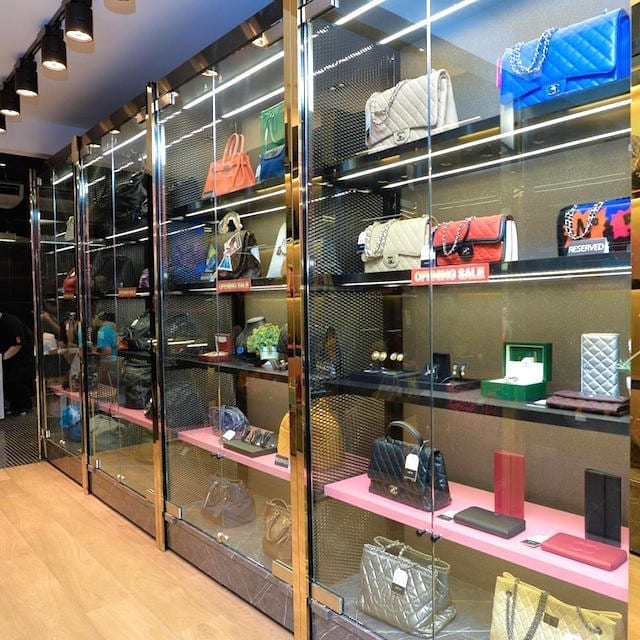
    Brand Off Tokyo has more than 60 branches (50 in Japan, eight in Hong Kong and four in Taiwan), with its Thailand outlet offering more than 300 designer bags, watches and jewellery items that are all 100 per cent guaranteed authentic. The 200sqm store is in Siam Square Soi 3.

    To expand its family business, Money Cafe looked into buying and selling used designer and branded goods, so it contacted Brand Off Tokyo, says CEO Shusak Tanglertsamphan.

    Gallery of the store can be viewed below :

    “We feel that using second-hand products and resources is a social responsibility that leads to waste reduction. Sharing high-value products and product satisfaction at lower costs is not only good for our customers, but also for our society and environment.” says Tanglertsamphan.

    Brand Off Tokyo is one of three original second-hand trading stores in Japan but the only one to have expanded overseas. It has product specialists on staff and is a member of the Association Against Counterfeit Product Distribution (AACD).

  • K11 gets HK$200 million renovation

    K11 gets HK$200 million renovation

    In celebration of its 10th anniversary this year, K11 announced a HK$200 million major renovation project for Hong Kong K11 Art Mall, targeting 2019 year-end for completion in phases.

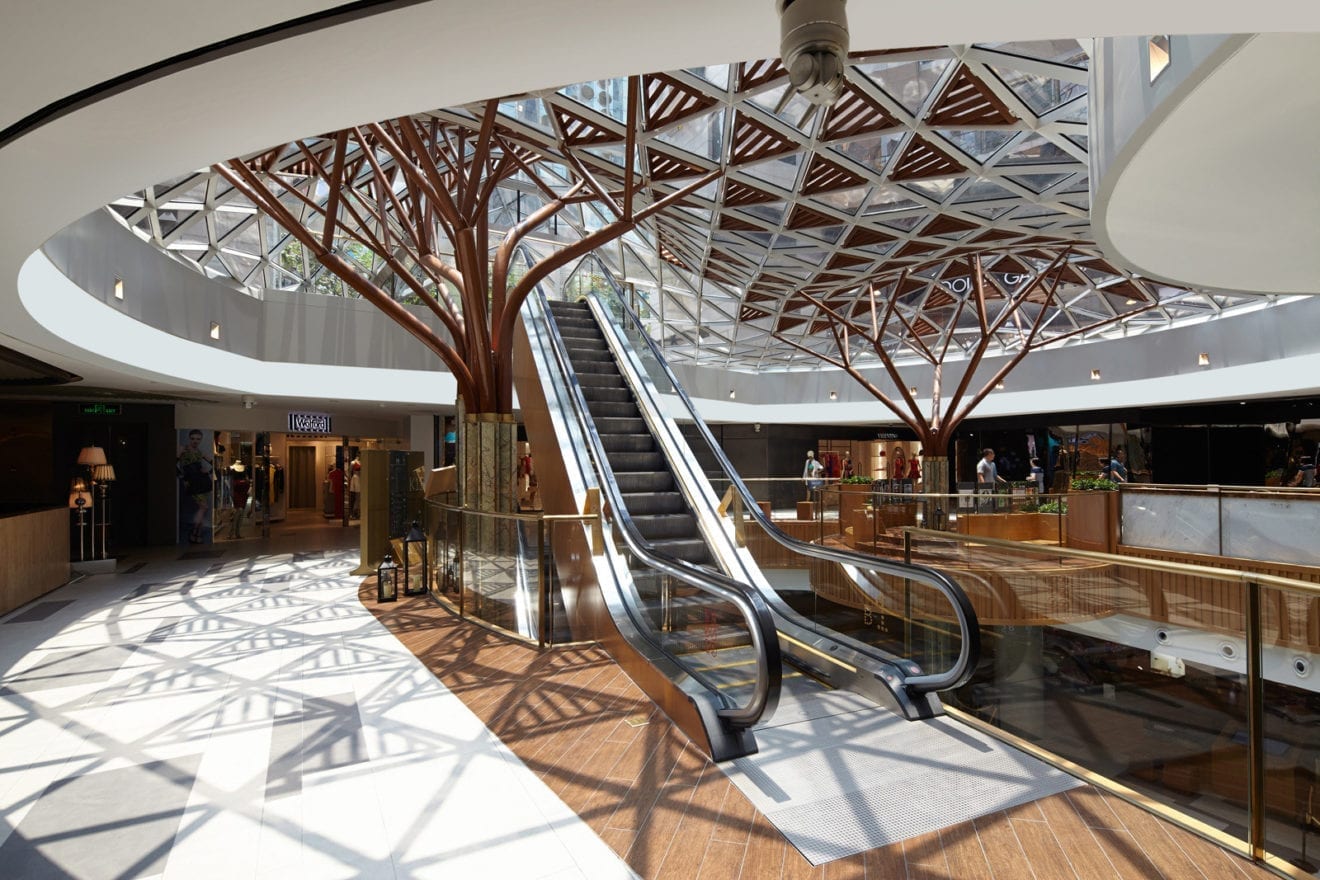
    The 340,000 square foot mall will redesign its interior zoning, using wood, plants and stone as primary materials to evoke the feel of its “Art – People – Nature” brand proposition. The tenant mix will also be updated along with a re-zoning of the interior space.

    For instance, “Timepiece Avenue” on the ground floor will introduce more international fashion jewellery, accessories and apparel brands and K11 will also work with local designer Chi Kuen Victor Chu to incorporate additional art elements into the ground floor and first floor, highlighted by a collection of metallic installations entitled “ONE OF”. The third floor concierge area will be transformed into an open café area with electrical outlets to make it more convenient for customers who need to use their computers or charge devices. As part of the renovation, a new K11 exit will be added to the MTR Tsim Sha Tsui Station, making a visit to K11 Art Mall even more convenient.

    Since its opening in 2008, turnover and footfall have increased by 150% and 100% respectively, and the renovation aims for an additional 30% in both footfall and sales by 2020. In the past six years alone, some 20 million visitors attended various exhibitions and talks.

    The mall also launched what it calls “K11 Natural Corporate packages”, a new business offering that can host customised events and workshop solutions for business functions, private events and workshops, with activities and catering provided by K11 tenants.

    Rebecca Woo, Director, Operation (Hong Kong), K11, said, “In 2017, we curated a disruptive business innovation for millennial entrepreneurs by launching K11 Natural, a first-of-its-kind themed retail and F&B space for millennial entrepreneurs looking to establish their first physical store or brand new concept store. The project won extensive recognition by receiving 10 awards locally and internationally within its first year after launch.”

    To further promote and celebrate its 10th birthday, K11 has a slew of programmes planned for the rest of 2018 – highlighted by WONDER POP, a pop-art exhibition, a fashion x body art exhibition featuring tattoo artists, public art jams and more topped off with K11’s birthday exhibition.

  • BreadTalk Group to bring new tea cafes to Singapore and Thailand

    BreadTalk Group to bring new tea cafes to Singapore and Thailand

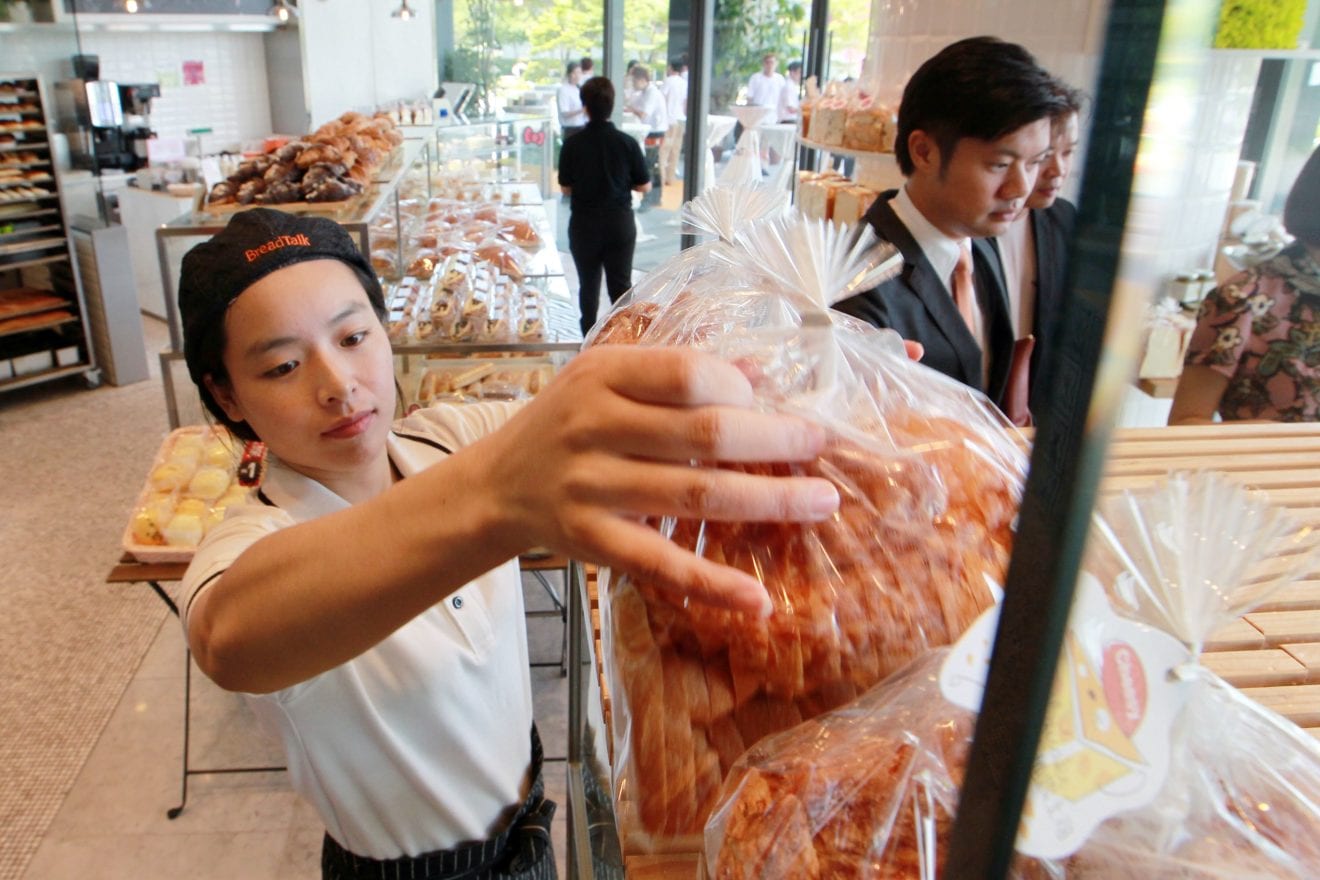
    BreadTalk Group has partnered with Shenzhen Pindao Food & Beverage Management to introduce tea beverages to Singapore and Thailand.

    BreadTalk’s wholly owned subsidiary Together Inc and Shenzhen Pindao have formed a JV, BTG-Pindao Venture. Together Inc will hold a 90 per cent stake of the JV, with Pindao holding the balance. Under the S$3 million (US$2.2) agreement, BTG-Pindao will run and manage tea beverage brands Nayuki and Tai Gai in Singapore and Thailand, with a first right of refusal for Malaysia, Indonesia and the Philippines.

    The first Tai Gai store outside China is slated to be launched late this year. While it offers a novel way of appreciating tea, Nayuki brings a new cafe concept of premium tea creations complemented by European-inspired artisanal breads. Tai Gai first opened in China in July 2015, followed four months later by Nayuki.

    “It took us just three years to build both Nayuki and Tai Gai to more than 100 stores in China, despite a landscape where international beverage chains were capturing the hearts of many young consumers,” says Pindao CEO Zhao Lin.

    Founded as a bakery brand in Singapore in 2000, BreadTalk has become an award-winning F&B group with bakery, restaurant and food-atrium footprints. With nearly 1000 retail stores across 17 territories, its brand portfolio comprises Bread Society, BreadTalk, Din Tai Fung, Food Republic, So, The Icing Room, Thye Moh Chan and Toast Box.

  • Carrefour opens ‘smart store’ in Shanghai

    Carrefour opens ‘smart store’ in Shanghai

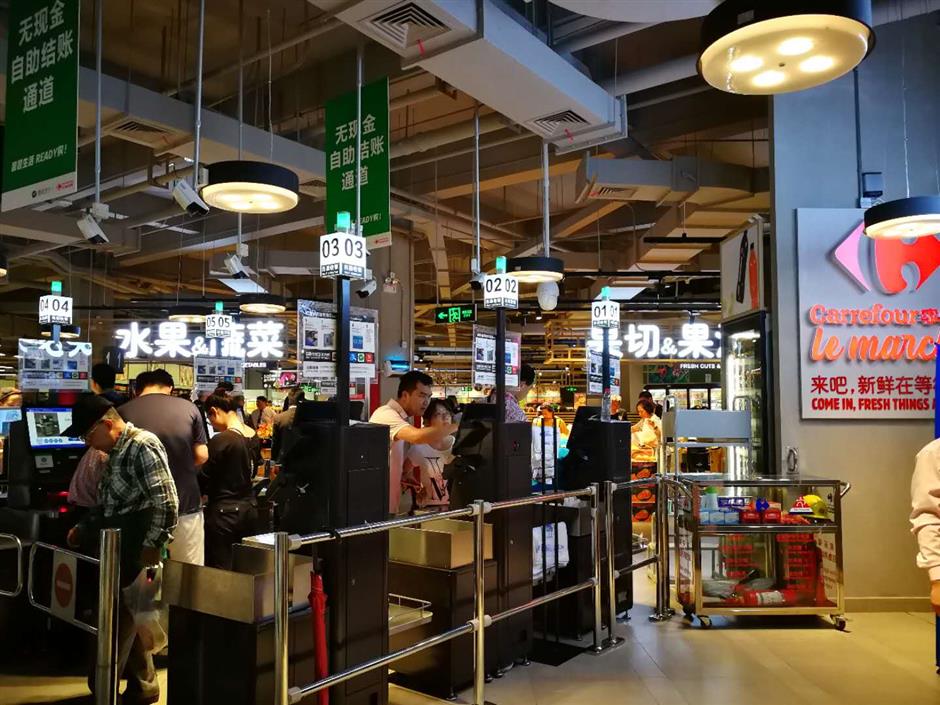
    Carrefour China has opened its first-ever ‘smart supermarket’ in Shanghai in partnership with Tencent, four months after the parent company of the WeChat app bought a stake in the French retailer.

    Covering 4000sqm over two levels in Changning district, the new Le Marche store is connected to the Beixinjing metro station. It offers more than 25,000 product types, mostly food, and customers can pay with their WeChat accounts by scanning a QR code and using facial-recognition technology.

    A feature of the supermarket is on-screen entertainment, including reality TV show Produce 101, owned by Tencent’s video arm.