Author: Mei Ling Tan

  • The AI moment: preparing for the revolution

    The AI moment: preparing for the revolution

    Artificial intelligence, AI, is the next big technology to have entered mainstream consciousness. From eerie androids such as Sophia to the silent efficiency of automated delivery systems in modern Amazon warehouses, the growth of autonomous driving and the popularity of smart speaker systems such as Alexa or Google Home – AI is everywhere. And it’s coming for our jobs, white collar and blue, threatening massive social and economic upheaval.

    But what is AI really? Why has it suddenly become so popular? Why is everyone so excited about its tremendous potential? Will it really replace humans – and should we welcome it with open arms, or fear for its impact?

    Far from being an omnipotent, autonomous robot, AI is at heart simply a machine programmed to make sense of data on a scale humans can’t deal with. It is the king of the algorithm, a machine learning from its own experiences, objective-oriented and highly intelligent, producing logical conclusions based on input. As part of the digital technology connecting people, things and machines on a big data platform, it has the potential to enable solutions saving time, energy and lives, opening up opportunities as yet undreamt of. And it is still in its infancy in its real world deployment.

    The use of AI is growing dramatically right now in response to extraordinary increases in the amount of data produced daily, as powerful computing has become available at lower costs. Humans alone simply cannot process the complexity and ongoing volume of data from people, devices, sensors and machines.  In parallel, there is a growing awareness of the tremendous potential of AI technologies to solve problems across all industry sectors and the entire spectrum of human life.

    AI can unlock scale and opportunity to deal with the grand challenges facing the world today, from ageing populations to sustainable urban living, access to food, healthcare, water and education, reducing poverty and increasing gender equality. Physical AI will be able to free humans from mundane, routine tasks, allowing them to concentrate on more important, higher-end work, releasing creative potential.

    In emerging markets and smart cities alike, AI can help overcome natural limitations to growth such as geographic size or lack of natural resources, creating new markets and new value, rather than merely improving on existing models.

    Improvements on current models will, however, be where the power of AI is first felt, in its promise of enormous cost savings, increased productivity, lower production cycles and improved back end or internal processes. Within the telco industry itself, AI will accelerate the evolution of network operator infrastructure into intelligent networks able to offer smarter, faster and more scalable services. Using the engine of big data, AI will enable multiple, diverse and often sector-specific demands to be met through highly-tailored network slices managed in real time.

    In the financial services sector, for example, AI can reduce the hundreds of thousands of hours needed to carry out regulatory compliance to a matter of seconds; or the time, effort and investment necessary for a mortgage to a few minutes. New financial services may include mass market personalised services, opening an enormous market of lower earners, or microfinancing for the unbanked. In call centres across a range of industries, AI can work either alongside humans analysing complex data sets in parallel to the human customer-facing contact, or take calls as a co-worker as far as possible before passing on to human expertise.

    In all cases, AI is a tool to augment human abilities rather than replace them. And it is only as good as the person inputting information and parameters into its system.

    This is one of the principal challenges: ensuring that AI is provided with initial information in a way that does not reflect and perpetuate inherent bias, unconscious or not. It is critical to be aware of, and work to avoid, replication of existing divides and inequalities: on gender, race, geography, the urban/rural split, access to education, investment in infrastructure, the availability of talent, the provision of adequate cyber security. Without action, AI will prolong or deepen these divides. There is a very real danger that the powerful impact of algorithms actuated by AI will remain limited to the developed world due to a lack of infrastructure, advanced networks, open data or data scientists.

    Providing open public data and open APIs to allow private companies and individual developers to create solutions for public and commercial services is key to democratising AI – and fast-tracking its deployment. Accessing large data sets in the ecosystem to improve quality of life must be balanced against data protection, privacy and security issues.

    Preparation in general – and education – is critical. The international community, government, businesses and individuals should be as ready as possible for the seismic changes that the widespread adoption and deployment of AI will bring with it.

    The big one, of course, is the transformation of the existing labour market. It is estimated that up to 75% of all jobs will be impacted by AI over the next ten years – and these will not just be routine, low-skilled jobs, but also traditional blue collar sectors such as journalism, law or financial services. Productivity and revenue should rise as costs are cut, but the societal disruption will be enormous.

    AI is often invisible, raising issues of transparency and accountability. It is itself a neutral tool, without morality, but the ethics of its use are complex. Establishing codes of conduct and social norms as the first step to any regulation is urgently necessary at intergovernmental, international level. Regulation – as well as the standardisation necessary for it to function in a multi-vendor ecosystem environment – is further complicated by AI’s inherent structure as an active machine, learning in real time with real data.

    AI is here – and growing fast. There is an increasingly urgent need to bring together key stakeholders from government, industry and academia to debate its impact on a neutral platform such as ITU Telecom World 2018, the leading tech event organised by ITU, the UN lead agency for ICTs. Making AI democratic, fair and equitable is a challenge that cannot be met by any one single stakeholder.

    Experts at ITU Telecom World 2017 last year felt that its first use cases and greatest impact would be economic rather than social: AI will go where the money is, or can be made.  In some sectors, if you are not yet using AI, you are two years behind the curve. But the size of the opportunity is so great, the potential so huge, that it is far from too late.

    The potential negative effects of AI include social and economic disruption, in particular in the job market; the deepening of inequality; the danger of inherent bias; major issues of transparency, security and accountability; the lack of an internationally-agreed ethical code. Now is the time for contingency plans, for preparation and education throughout governments, industries and societies.

    There is downside, after all, to both deploying AI and not deploying it.

    AI will be a key component of discussions at ITU Telecom World 2018 in Durban, South Africa, 10 -13 September, providing the diverse perspectives of international experts from government, industry, SMEs and academia. Find out more at https://telecomworld.itu.int/

  • DFS X Estee Lauder Create The Essential Travel Beauty Experience With The Chic Never Sleeps Campaign

    DFS X Estee Lauder Create The Essential Travel Beauty Experience With The Chic Never Sleeps Campaign

    DFS Group, the world’s leading luxury travel retailer, and Estée Lauder are inviting fans to travel beautifully this May with the launch of the exclusive Chic Never Sleeps campaign.

    Inspired by travelers’ desire to look their best while enjoying the best in life, the Chic Never Sleeps campaign tells the story of two young friends, Natalie and Elise, who share a love of travel and use the Estée Lauder “Beautiful Skin Travel Collection” to stay rehydrated and refreshed. Available exclusively at DFS stores until May 31, the “Beautiful Skin Travel Collection” features Estée Lauder’s beauty essentials created especially for traveling millennials.

    The new collection of Estée Lauder’s best sellers includes Advanced Night Repair Synchronized Recovery Complex II, the Advanced Night Repair Eye Synchronized Complex II and the Revitalizing Supreme + Global Anti-Aging Cell Power Soft Crème, all now available as a DFS travel set.

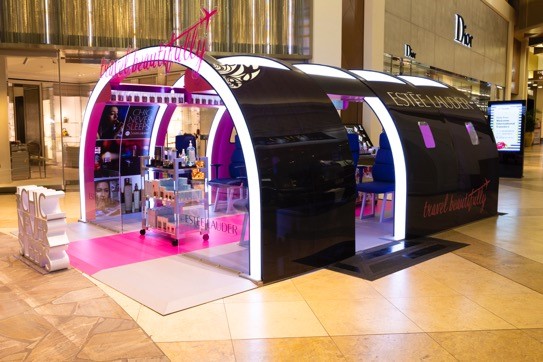
    Customers can share their own Chic Never Sleeps look at exclusive pop-ups when visiting T Galleria by DFS, Hong Kong, Canton Road, T Galleria by DFS, Macau, City of Dreams and T Galleria by DFS, Hawaii. Designed to mirror a luxury in-flight experience, the Chic Never Sleeps pop-ups feature a suite of beauty essential services to supercharge your skincare and makeup looks when you fly. Shoppers can also immerse themselves in the campaign with a 360-degree localized photo booth so they can share their Chic Never Sleeps look on social media from each destination.

    For added digital fun in store, at T Galleria by DFS, Hawaii, T Galleria by DFS, Hong Kong, Canton Road, T Galleria Beauty by DFS Hong Kong, Causeway Bay, T Galleria by DFS, Singapore, and DFS, Los Angeles International Airport, fans can virtually try-on their favorite Pure Color Love lipstick or discover the best shade for that destination using Estée Lauder’s augmented reality program, YouCam Makeup X Estée Lauder.

    Discover the Chic Never Sleeps campaign and the DFS exclusive “Beautiful Skin Travel Collection” at the following DFS stores until May 31:

    T Galleria by DFS Hong Kong, Tsim Sha Tsui East

    T Galleria Beauty by DFS Hong Kong, Causeway Bay

    T Galleria by DFS, Hong Kong, Canton Road

    T Galleria by DFS, Macau, City of Dreams

    T Galleria by DFS, Macau, Shoppes at Four Seasons

    T Galleria Beauty by DFS, Macau, Galaxy Macau

    T Galleria Beauty by DFS, Macau, MGM Cotai

    T Galleria Beauty by DFS, Macau, MGM Macau

    T Galleria by DFS, Macau, Studio City

    T Galleria by DFS, Singapore

    T Fondaco dei Tedeschi by DFS

    T Galleria by DFS, Saipan

    DFS, San Francisco International Airport

    DFS, Los Angeles International Airport

    T Galleria by DFS, Hawaii

  • LF Beauty’s Creative Days envisions the future of beauty in China

    LF Beauty’s Creative Days envisions the future of beauty in China

    LF Beauty, a one-stop shop partner and supplier of product solutions for fragrance, skincare, color cosmetics, interactive POS displays and beauty instruments for world-class brands, retailers and direct marketers, today launched its Creative Days concept event at LiFung Plaza in Shanghai. The event followed a successful first launch in 2016.

    As the largest and fastest-growing beauty market in the world, China is one of LF Beauty’s key markets. According to Euromonitor, the Chinese beauty and personal care market was forecasted to grow by 30% between 2016 and 2021 to a total value of 434 billion RMB, equivalent to 69 billion USD. Premium beauty and personal market was expected to grow even faster at an astonishing rate of 53%. The China consumer today, especially millennials, wants personalized products and innovative formulations. Millennials in China are placing increased importance on skincare and skin protection from external factors such as UV light and pollution.

    At this year’s Creative Days, LF Beauty showcased a wide array of innovative skin care, color cosmetics and fragrance products and solutions, as well as interactive point-of-sale (POS) displays to close to 30 top international and local beauty brands, demonstrating how LF Beauty can create extra value to them and co-create innovative products and solutions that meet the rapidly evolving needs of digital-savvy Chinese consumers.

    Mario Salvatori, Executive Vice President of LF Beauty, said, “Today’s consumer is always looking for something new and fresh to update their image. This makes it a very exciting time for LF Beauty. The future of beauty is about collecting consumer insights both online and offline, providing personalized shopping experiences, developing innovative technology and promoting sustainable beauty. LF Beauty, which brings in-depth experience working with numerous well-known international beauty brands, is well-positioned to help beauty brands in China to meet the ever-changing needs of the Chinese consumers.”

    A key focus of the event was how LF Beauty could provide relevant data insights to help beauty brands spot trends in different age groups and markets, ultimately enabling those brands to achieve better sales performance through more informed product development and purchase decisions, as well as reduced inventory. Beauty brands who attended the event could see first-hand how leading brands are using the latest interactive point-of-sale (POS) displays to obtain customer intelligence.

    In response to the emphasis on skin protection, LF Beauty showcased anti-blue light products, targeted at millennials who are frequently on digital devices, and anti-pollution skin care products.

    William Mark, Senior Vice President of LF Beauty, said, “We have developed formulas and some are ready to go to address the anti-blue lights and anti-pollution skin maintenance needs, I am really excited about this market needs and trend in China and LF Beauty is uniquely positioned to supply end-to-end solutions in this front.”
    “We really see LF Beauty as a convener to bring brands, retailers and players in the industry together and co-create innovative products and solutions as well as provide consumer insights to help brands making more informed decisions– and that is what the future of beauty is going to look like,” said Mario.

  • Touché signs agreement with OCBC to offer world’s first fingerprint biometric-based payment

    Touché signs agreement with OCBC to offer world’s first fingerprint biometric-based payment

    Singapore-based technology company Touché today announced an agreement with OCBC Bank to bring the world’s first fingerprint biometric-based payment and loyalty management solution to OCBC’s Singapore credit card merchant customers.

    Developed in Singapore, Touché includes both an elegant and innovative device and a robust software solution that delivers highly secure, convenient and personalised point of sale transaction services at the touch of two fingers.

    Touché will offer the solution to all of OCBC’s cards acceptance merchants with physical stores.

    Touché delivers a number of advantages that redefine point of payment and customer interaction. For merchants, Touché eliminates the need for multiple payment devices. Its devices are set up to accept traditional card payments as well as fingerprint-based payments. Touché brings operational efficiencies since transactions are completed quickly, and recorded electronically. Receipts are emailed – making the reconciliation process more efficient and eliminating paper entirely.

    Touché also makes management of loyalty programmes easy for both customers and merchants. Points and discounts are instantly applied for qualifying customers at the point of interaction. For merchants, moving existing loyalty programme members to the Touché biometrics-based platform is painless. As is building a new, tiered loyalty programme that offers membership based benefits.

    Uniquely, Touché also provides for personalised customer experiences. Merchants can recognise their customers at any point of interaction and accord them recommendations and offers that are relevant to them. Touché’s data analytics component enables merchants to create bespoke, personalised, offers for customers based on their own preferences and buying patterns.

    For the merchants’ customers, Touché brings convenience and efficiency and ease of use. A one-time registration process takes under two minutes wherein people can add their existing credit cards, loyalty/membership cards and link them to their fingerprints. Once registered, payments are completed in under four seconds at one touch, without the need for signature, pin number, card or mobile phone. Neither do people need to carry their loyalty cards, discount vouchers, coupons (etc) to access their benefits.

    “Touché provides a highly convenient and secure transaction point for people without the need for multiple cards,” said Sahba Saint-Claire, Chief Executive Officer and co-founder, Touché. “But Touché is more than payments and biometrics. We are a solution that enables merchants to provide their customers with personalised experiences to deepen their relationships. Touché is a key point of differentiation for banks and merchants, helping them grow their business by delighting customers and offering the next level in people engagement.”

    “We are delighted to collaborate with Touché to be the first in Singapore to offer a fingerprint biometric payment solution to our cards acceptance merchant customers. This service enables an easy and secured platform that will improve the user experience for their customers. It will make digital e-payments simpler and more accessible than using cash, and will help to drive Singapore’s push towards becoming an e-payments society,” said Mr Desmond Tan, Head of Group Lifestyle Financing, OCBC Bank.

  • Vietjet offers 1 million tickets for summer celebrations in Vietnam

    Vietjet offers 1 million tickets for summer celebrations in Vietnam

    Continuing the biggest promotion of the year “Free up your summer with Vietjet”, Vietjet offers a three-day series from today to May 25, 2018 with 1,000,000 tickets priced only from HKD0 during the golden hours of 13:00 to 15:00 (GMT+8) on its website. The promotional tickets are applied on all Vietjet domestic routes in Vietnam with the flight period from August 20 to December 31, 2018.

    The tickets are available on all channels during the golden hours of the “12pm, It’s time to Vietjet!” promotion program on the website www.vietjetair.com, or www.facebook.com/VietjetHongKong; payment can be easily made with debit and credit cards of Visa/ MasterCard/ AMEX/ JCB/ KCP.

    Aiming to be a “Consumer Airline”, Vietjet is continually opening new routes, adding more aircraft, investing in modern technology and offering more added-on products and services to serve all demands of customers. Vietjet is a pioneering airline that is loved by many for its exciting promotional and entertainment programs, especially during the festive season. With high-quality services, diverse ticket classes and special low-fare tickets, Vietjet offers its passengers flying experience on new aircraft with comfy seats, delicious hot meals, beautiful and friendly cabin crew, and other interesting added-on services.

  • Gambero Rosso’s TopItalian Wines Roadshow 2018 Celebrates Italy’s Finest Wines

    Gambero Rosso’s TopItalian Wines Roadshow 2018 Celebrates Italy’s Finest Wines

    The annual Gambero Rosso’s Top Italian Wines Roadshow welcomed about 1,000 wine lovers at CHIJMES Hall today in a celebration of Italy’s wine craftsmanship. The one-day roadshow will be opened by the Ambassador of Italy to Singapore, H.E. Raffaele Langella; Mr Marco Sabellico, Senior Editor-in-Chief of Vini d’Italia; and Mr Lorenzo Ruggeri, Editor of Gambero Rosso Top Italian Restaurants in the World.

    Steeped in a wine-producing history that dates back many millenia, Italy has mastered the art of winemaking and secured an international reputation for producing a wide array of quality wines highly regarded by wine connoisseurs. At Gambero Rosso’s Top Italian Wines Roadshow’s stopover in Singapore today, columns of tasting tables offered an exquisite selection of around 300 wines from over 70 Italian wine producers to an assembly of appreciative wine lovers. Masterclasses hosted by Mr Marco Sabellico, who is also Gambero Rosso’s wine expert, led trade visitors and wine lovers on insightful expeditions to discover the characteristics of signature wines from a total of 68 wineries in Italy.

    With a growing reputation as the wine hub of Asia, Singapore presents itself as the ideal gateway for Italian wine producers and distributors to access the region. Italian wine is estimated to flourish at a total volume CAGR of 3% to reach 2.6 billion litres in 2021 (Euromonitor, 2017), supplying fine-quality wine which is in high demand due to Asia’s roaring economies and rising affluence. GlobalData (2017) expects the Asia-Pacific wine market to flourish at a CAGR of 9.4%, the quickest in the world, and register a volume CAGR of 4.5% to more than 4 million litres by 2021.

    From March to November 2018, Gambero Rosso will bring the annual celebration of Italy’s wine craftsmanship on a tour around the globe, with visits to São Paolo, Brazil, and Houston, USA, last month. After Singapore, the Top Italian Wines Roadshow’s next stops in Asia will be at Bangkok, Thailand on 24 May, and Hong Kong, China on 31 May.

    Established in 2007, Gambero Rosso’s Top Italian Wines Roadshow has firmly become a strategic platform for penetrating emerging markets and grasping new business opportunities. Italian wine offerings are so rich and have a wide selection. To address this, the selections at Gambero Rosso represent a guaranteed way for promoting knowledgeable, attentive and curious developments of Italian territories. The basic framework employed comprises an extremely rigid selective criteria of quality used for decades by the Vini d’Italia guide. Now in its 31st edition, the guide is the result of a year of work by an expert team of 53 tasters who tasted 45,000 wines and interviewed wine producers at wineries across Italy, including Ticino in Switzerland for the first time this year. In this edition, 22,000 wines from 2,485 wineries were awarded scores ranging from 0 to 3 Glasses, with 436 wines receiving the highest, prestigious rating ofTre Bicchieri.

  • Sephora Named Retailer Of The Year

    Sephora Named Retailer Of The Year

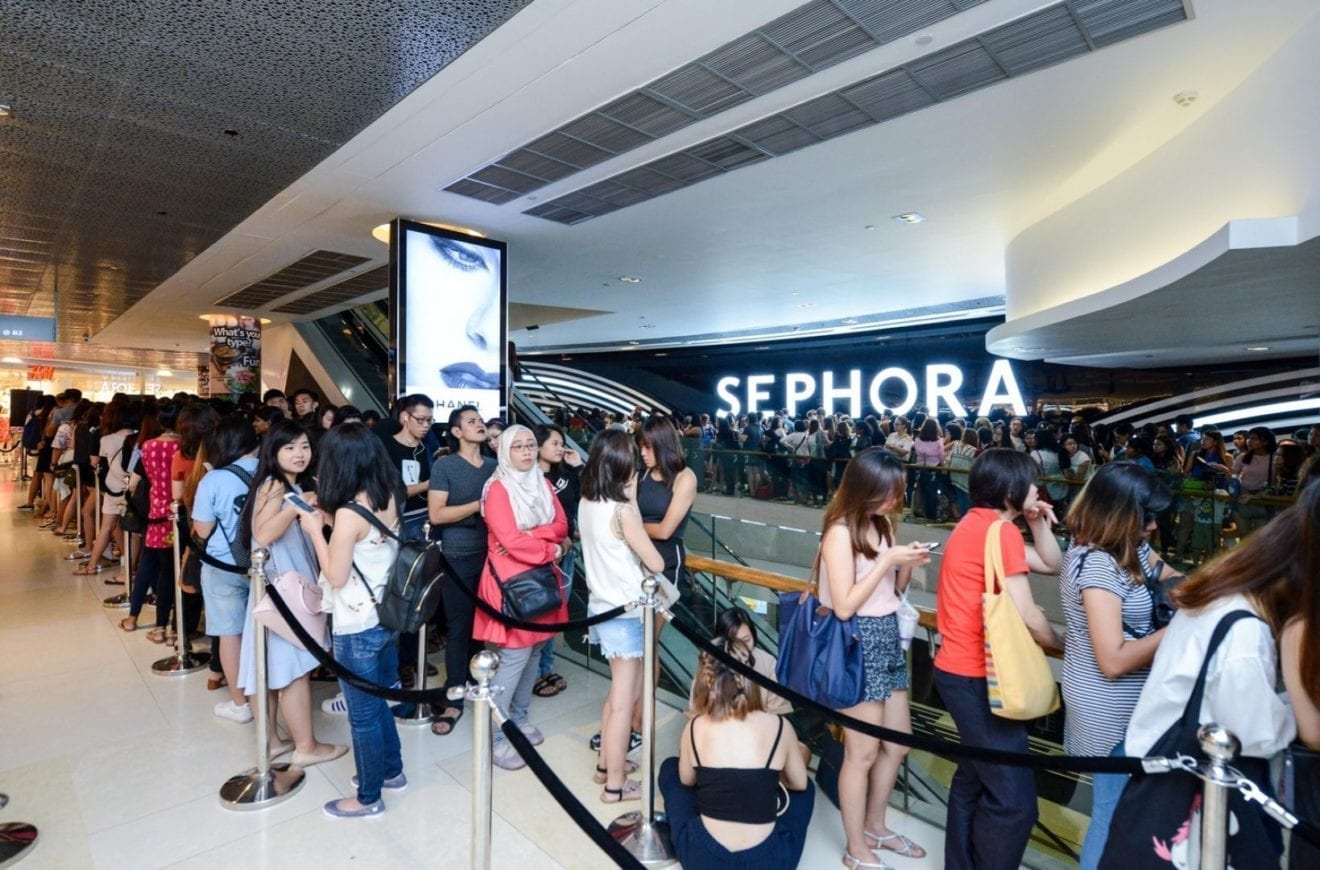
    At the 2018 World Retail Congress, Sephora was named Retailer of the Year.  The award reflects Sephora’s exceptional growth over the last decade, which has been driven by rapid expansion globally. This type of sustained performance is a testament to the superior differentiated experience Sephora offers its clients and the innovation it has brought to the prestige beauty industry.

    “Sephora has seen wonderful global growth over the last ten years and now operates in 34 countries with more than 2,500 stores, “ says Chris de Lapuente, Sephora Worldwide CEO. “We are very proud to be named ‘Retailer of the Year’, which confirms that the Sephora concept enjoys appreciation on a global scale. As a brand we win best when we win together and this award recognizes and touches all the tens of thousands in the Sephora family who have made us successful all over the world.”

    This is the premier category in the World Retail Awards. It recognizes a retailer that the Grand Jury believes to be a truly world-class operator, with outstanding results across a number of important areas. With retail becoming ever more complex and demanding, the Retailer of the Year award demonstrates that Sephora is not only delivering exceptional financial performance and sales growth, but also reflects the changes that are taking place across the industry and around the world.

    To be an outstanding retailer today, the business reflects how it has adapted to the realities of the digital world by transforming its approach to retail and the way that it is preparing for the future. If it has international operations, the judges saw that it is also executing this to the highest standards. Above all, this is a retailer setting new standards for the whole industry to admire.

  • Axiata Malaysia slips into the red in first quarter

    Axiata Malaysia slips into the red in first quarter

    Axiata Group Bhd fell into the red in the first quarter ended March 31 registering a net loss of RM147.41 million against a net profit of RM239.02 million in the same quarter a year ago, due to the share of losses reported by its associate company Idea Cellular Ltd, which operates in a backdrop of devastating price wars and a hyper-competitive Indian market.

    Axiata recorded a non-cash dilution loss of RM357.6 million from non-participation of preferential new shares issued in Idea. Axiata holds a 16.3% stake in Idea.

    The share of results from associates and joint ventures were also lower as the losses widened to RM86.1 million from RM30.5 million as the India associate continues to face intense market aggression.

    Excluding the impact of Idea, Axiata’s net profit would have been up by 34.6% or RM386.9 million.

    Axiata’s revenue fell 2.3% to RM5.75 billion from RM5.88 billion in the previous year’s corresponding quarter, mainly due to unfavourable foreign exchange translation impact arising from a stronger ringgit.

    “While we remain in line with expectation, our investment in Idea continues to be challenging. The current state of the industry in India has led to foreign operators either exiting the market or consolidating. Delays in the proposed merger between Idea and Vodafone India will bring further impact to Axiata. We also expect regulatory matters in Sri Lanka, Malaysia and Bangladesh as well as currency fluctuations as challenges for the year,” said Axiata president and group CEO Tan Sri Jamaludin Ibrahim in a statement.

    He, however, said the group is set to gain from edotco’s growth and expansion. It will also continue to invest in key digital businesses such as digital financial services and enterprise solution/Internet of Things.

    At market close, Axiata’s shares fell 1.17% to RM5.07 with some 1.26 million shares done.

  • Multiple Vietnamese banks report bad investments

    Multiple Vietnamese banks report bad investments

    Multiple banks in Vietnam have made bad investment decisions in recent years, according to a new report by the State Audit Office of Vietnam (SAV).

    Nine major financial organizations and banks were audited by the SAV in terms of management and use of state capital and property in 2016.

    The Joint Stock Commercial Bank for Foreign Trade of Vietnam (Vietcombank) reported a loss of $5.34 million by the end of 2016 in their $9.62-million investment into their remittance company. The bank lost another $563,000 in a $5.9-million investment in its Vietcombank Fund Management company, the report said.

    The report also pointed out that the Joint Stock Commercial Bank for Investment and Development of Vietnam (BIDV) had invested a total of VND3.1 trillion ($137.8 million) in three subsidiaries and another 12 long-term loans worth VND280 billion. However, the state-owned bank had not earned any dividends from these investments.

    Another loss-making investment was made by the Co-operative Bank of Vietnam (Co-opBank) as a fixed-term deposit of VND585 billion ($25 million) in a stock company. The bank is having difficulties retrieving the money, the report said.

    Three other banks, which were bought by the State Bank of Vietnam for a zero-dollar price tag, were also reported to have poor credit management and accumulated a lot of bad debt. GPBank, OceanBank and CB Bank had a total of VND35 trillion ($1.5 billion) in bad debt, according to the report.

  • AirAsia X net profit up fourfold in first quarter

    AirAsia X net profit up fourfold in first quarter

    Low-cost, long-haul carrier AirAsia X Bhd saw a more than fourfold jump in net profit in the first quarter ended March 31, 2018 to RM41.5 million from RM10.34 million in the same quarter a year ago.

    Revenue for the period under review rose 7.2% to RM1.27 billion from RM1.18 billion on the back of a 13% increase in passenger volume.

    Despite a slight reduction in the average fare of 3% compared with the same quarter last year, the airline maintained its load factor at 84% in addition to delivering an additional 231,855-seat capacity, representing a year-on-year increase of 14%.

    “The company recognises the challenges posed by the recent hike in fuel prices, and best mitigative efforts are being put forth through the boost in ancillary and capacity numbers. The company is confident of presenting the results from these measure during the third and fourth quarters of the financial year,” AirAsia X said on its prospects.

    It noted that based on the current forward booking trend, forward loads are trending better than in the previous year.

    “Barring any unforeseen circumstances, including but not limited to terrorist attacks, natural disasters, epidemics, economic downturn, fuel price hike and fluctuation in foreign currencies against the ringgit, the company expects its prospects to remain positive,” it added.

    On Bursa Malaysia yesterday, AirAsia gained 1.33% to 38 sen on volume of 10.76 million shares.

  • Indonesia Central Bank Steps Up FX Swap Auctions to Support Liquidity

    Indonesia Central Bank Steps Up FX Swap Auctions to Support Liquidity

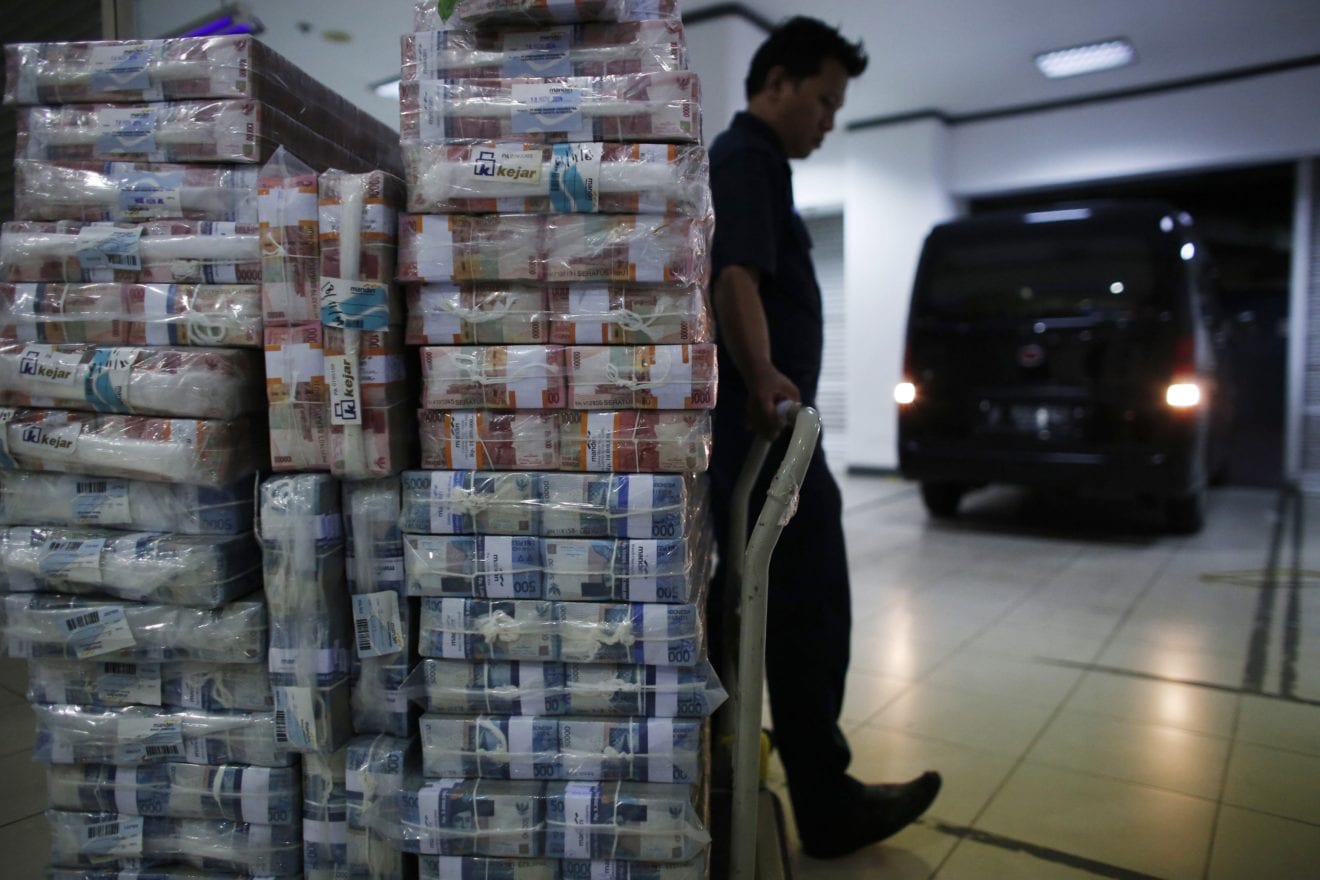
    Bank Indonesia will conduct three foreign-exchange swap auctions this week to ensure there is enough rupiah liquidity in the market following its benchmark interest rate hike, a senior official at the central bank said on Monday.

    Bank Indonesia raised its key rate, the seven-day reverse repo rate, by 25 basis points to 4.50 percent on Thursday last week to bolster the rupiah and stem capital outflows.

    The three Bank Indonesia swap auctions this week are more than the two conducted last week and the one conducted each week in April. Analysts say the increase in frequency could be a pre-emptive move to provide rupiah liquidity to banks before customers start taking cash for spending related to Ramadan and the Idul Fitri celebration.

    The overnight contract for the Jakarta Interbank Offered Rate (Jibor) rose to 4.22528 percent on average the following day, from 4.02500 percent.

    “Even though the seven-day reverse repo rate was hiked 25 basis points, we must maintain enough rupiah liquidity in the money market,” said Nanang Hendarsah, head of monetary management at Bank Indonesia. “With more FX swaps, there will be more rupiah liquidity.”

    Andry Asmoro, an economist at Bank Mandiri, said this measure is likely a part of the central bank’s policy mix where the central bank “wants to tighten to guard against volatility in the market, but on the other hand it also wants domestic liquidity to be stable.”

    Bank Indonesia’s currency intervention has caused rupiah liquidity to tighten. While its sovereign bond buying operations could sterilize this effect, Andry said the central bank has been less active with these operations.

    Late last month, Bank Indonesia Governor Agus Martowardojo announced that the central bank would increase the auction frequency to twice a week from once a week, amid increasing open market intervention to shore up the rupiah.

    The rupiah has been under pressure in past weeks as United States Treasury yields rose and the dollar rallied. The currency continued to fall despite Bank Indonesia’s rate hike and on Monday it softened further to trade at 14,195 to the dollar, its weakest since October 2015.

    Under the auctions, the central bank swaps rupiah funds with commercial banks’ foreign-currency holdings for a period, which allows the banking system access to extra liquidity.

    Nanang said Bank Indonesia will review whether to conduct two or three FX swap auctions each week, depending on market conditions.

    So far this month, Bank Indonesia has sold swap contracts worth nearly $2.7 billion, mostly with one-month and three-month tenors.

    Prior to this, the central bank had not sold any FX swap contracts this year, either because there were no bids in the auctions or because it had refused all bids, according to its website.

  • US says trade war with China ‘on hold’

    US says trade war with China ‘on hold’

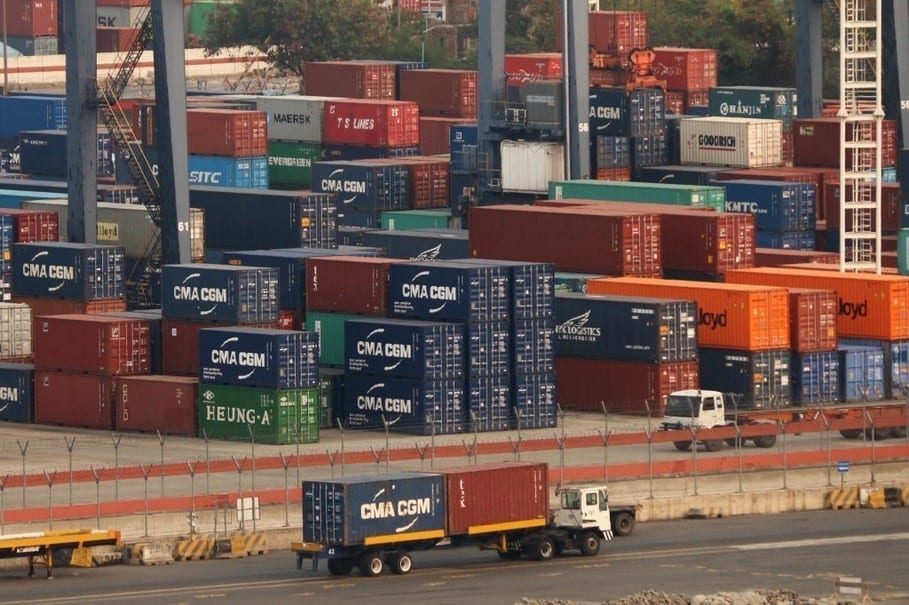
    The US trade war with China is “on hold” after the world’s largest economies agreed to drop their tariff threats while they work on a wider trade agreement, US Treasury Secretary Steven Mnuchin said today.

    Mnuchin and US President Donald Trump’s top economic adviser, Larry Kudlow, said the agreement reached by Chinese and American negotiators on Saturday set up a framework for addressing trade imbalances in the future.

    “We are putting the trade war on hold. Right now, we have agreed to put the tariffs on hold while we try to execute the framework,” Mnuchin said in a television interview.

    On Saturday, Beijing and Washington said they would keep talking about measures under which China would import more energy and agricultural commodities from the US to close the US$335 billion (RM1.33 trillion) annual US goods and services trade deficit with China.

    During an initial round of talks earlier this month in Beijing, Washington demanded that China reduce its trade surplus by US$200 billion. No dollar figure was cited in the countries’ joint statement on Saturday.

    Commerce Secretary Wilbur Ross planned to go to China, Mnuchin and Kudlow said.

    “He’s going to be looking into a number of areas where we’re going to have greatly significant increases,” including energy, liquefied natural gas, agriculture and manufacturing, Kudlow said in an interview with ABC’s “This Week.”

    Mnuchin said the US expects to see a big increase of between 35% and 40% in agricultural exports to China and a doubling of energy purchases over the next three to five years. “We have specific targets. I am not going to publicly disclose what they are. They go industry by industry.”

  • Lippo, Itochu Explore Expanding Cooperation in Asia

    Lippo, Itochu Explore Expanding Cooperation in Asia

    James Riady, the chief executive officer of Lippo Group, one of Indonesia’s largest property conglomerates, met with Itochu chairman and chief executive Masahiro Okafuji in Tokyo on Monday to discuss ways to boost the companies’ cooperation in the regional healthcare sector.

    Lippo and Itochu are strategic joint venture partners in Lippo’s Healthcare operations outside Indonesia, covering 106 medical clinics serving 1.4 million Singaporeans, a hospital in China and 12 elderly medical facilities in Japan.

    The two business leaders discussed how to intensify their joint healthcare exposure across Asia and Indonesia, according to a statement from Lippo Group.

    Itochu is one of Japan’s largest and most profitable “sogo shosha” general trading groups with global operations and over $43 billion annual revenue in 2017 fiscal year.

    Lippo is Indonesia’s leading integrated services groups with operations in nine countries, including in Singapore, Hong Kong, China and the United States.

    Lippo’s 115,000 staff and employees serve over sixty million customers in various asset categories, including department stores, hypermarkets, malls, housing developments, hospitals, broadband and internet, technology and digital services, media, hotels, banking and financial services and township developments.

  • Siam Piwat adds top brands under ‘One Siam’ banner

    Siam Piwat adds top brands under ‘One Siam’ banner

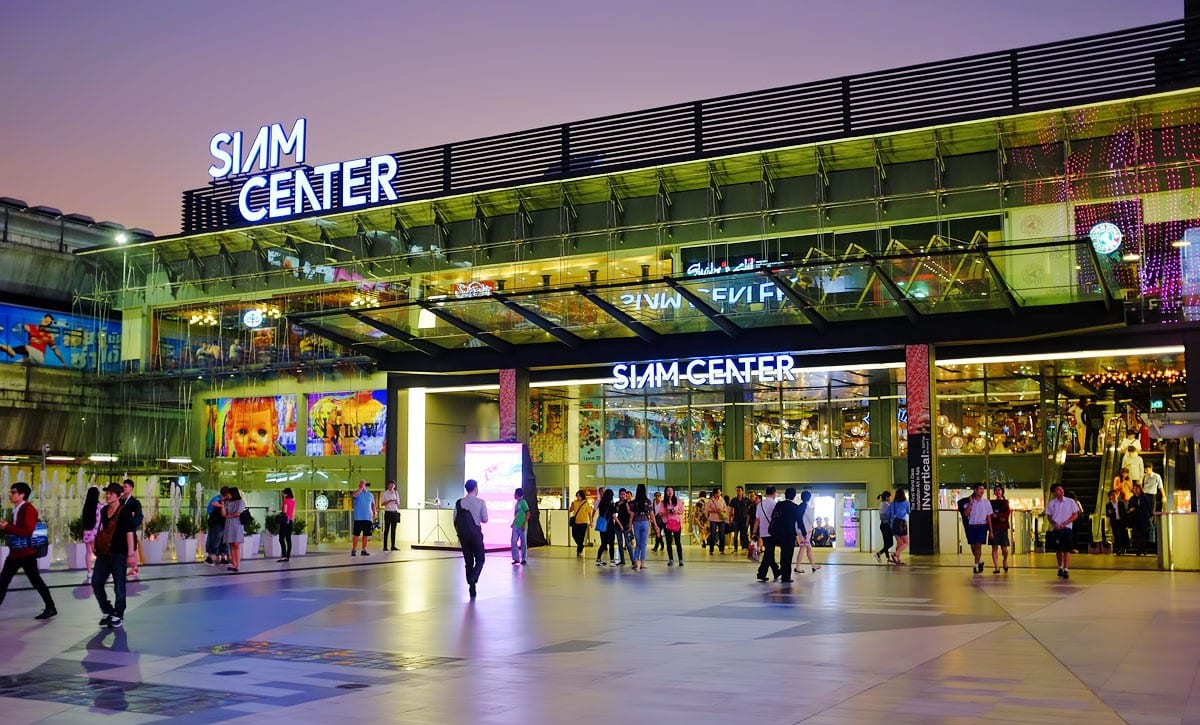
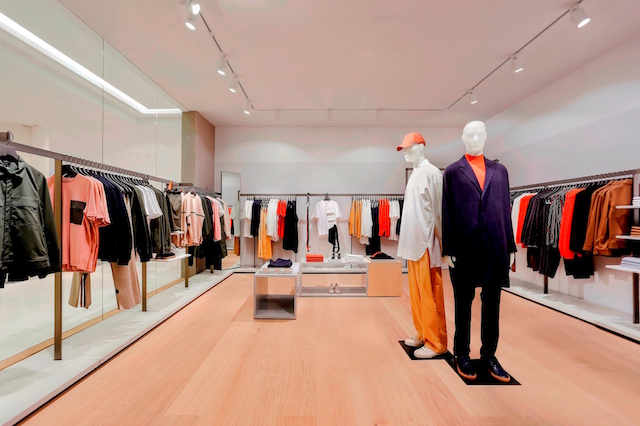
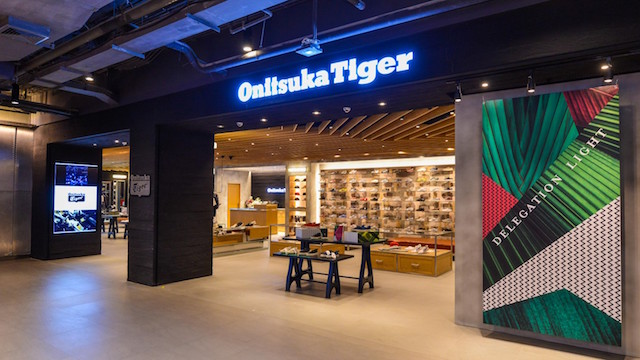
    Four global brands have opened stores in the One Siam precinct in downtown Bangkok, two of them the retailers’ largest concept stores in Southeast Asia.

    Siam Piwat, parent of Siam Paragon, Siam Center, and Siam Discovery, is combining the properties under the One Siam banner to entice shoppers and encourage cross-patronage.

    The new stores are:

    • Spanish brand Cos, a subsidiary of H&M, has opened its first store in Thailand, taking 546sqm on the first floor of Siam Paragon.

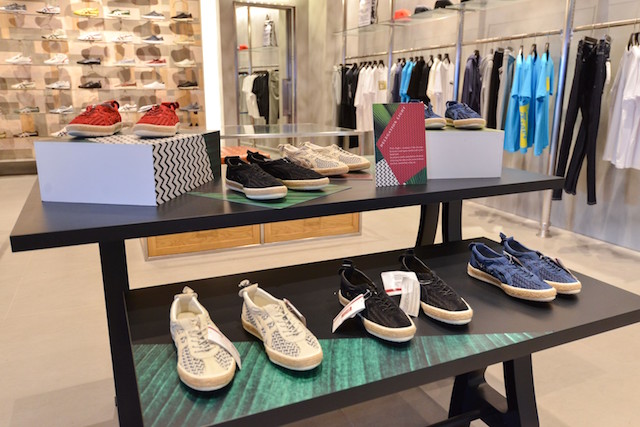
    • Onitsuka Tiger, a subsidiary of Asics, has opened its largest store in Southeast Asia, taking up 300sqm of the ground floor of Siam Center.


    • Thai bag, shoes and accessory brand Lyn has opened its first concept store in Thailand on the ground floor of Siam Center.

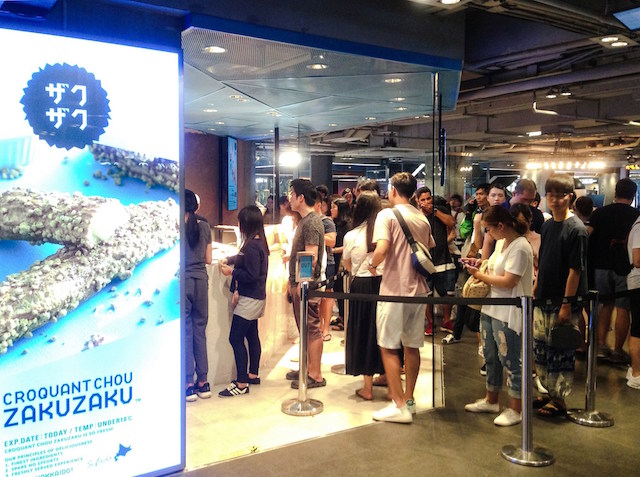
    • Tokyo dessert brand Croquant Chou Zakuzaku has opened its first Thai branch, on the mezzanine floor of Siam Center.

    Cos MD Marie Honda, describing Thailand as “a vibrant country,” has high expectations for the brand in its newest international market. “We hope our customers will enjoy this new location, which brings to life our commitment to functional design and quality.”

    Croquant Chou Zakuzaku is the latest brand from Bake Cheese Tart Thailand company, serving what it describes as a “wearable choux” concept. “Each choux is unique in an unconventional way and like a fashion item to enjoy any time,” the company said of the concept. The shop also sells soft-serve ice cream made from Hokkaido milk.

    The new Lyn concept store is decorated with black glass and gold metal, designed to portray its “affordable luxury” market positioning and an identity of “trendy, sexy, elegant and sophisticated”.

    Mayuree Chaipromprasith, senior executive VP to Siam Piwat says the One Siam malls are drawing steady enquiry from international brands seeking retail space because of the group’s focus on innovative lifestyle.

    “We focus on offering new concepts to develop new projects, retail businesses and a variety of cutting-edge lifestyle concepts which never existed before in Thailand, or even for their first time in the world,” she said.

    Meanwhile, the Ecotopia zone on the fourth floor of Siam Discovery has introduced some new brands for a health-conscious clients: Bija – skincare products based on rice; Greenhouse & Thlos – organic products that support communities; ZweetHerb – sugar substitute derived from natural stevia; Hyper Design Lab – home decor products designed from natural and wasted materials.

  • Most Southeast Asia stocks end lower; Indonesia posts 11-month closing low

    Most Southeast Asia stocks end lower; Indonesia posts 11-month closing low

    Most Southeast Asian stock markets reversed early gains to end lower on Monday with Indonesia marking its lowest close in more than 11 months while Vietnam shed 2.5 percent.

    Jakarta’s main index closed at its lowest since June 2017, with banking stocks bearing the brunt.

    Bank Rakyat Indonesia ended 6.1 percent lower, while Bank Negara Indonesia lost 3.6 percent.

    Bank Indonesia said it would conduct three foreign exchange swap auctions this week to ensure there is enough currency liquidity in the market after it hiked its benchmark interest rate last week to support the rupiah and plug capital outflows.

    “As the U.S. continuously raises interest rates, it’s impacting a lot of emerging markets, such as Indonesia. Hence, the central bank has to raise interest rates to stamp out capital outflows,” said Joel Ng, analyst at KGI Securities.

    The index of the country’s most liquid stocks shed 1.3 percent.

    Vietnam ended 2.5 percent lower, with real estate and financials leading the fall. Vingroup Joint Stock was the biggest drag on the index, closing 7 percent lower.

    “Foreign selling recently has hit Vietnam harder. We went up a lot in the first quarter, so the impact of profit-taking is greater now,” said Fiachra Mac Cana, head of research at Ho Chi Minh Securities.

    Singapore nudged up 0.54 percent to end at a one-week high, while Thai stocks gained for a third straight session.

    Petroleum explorer PTT Exploration and Production closed 3.4 percent higher, while Kasikornbank gained 2.4 percent.

    Thailand saw its fastest economic growth in five years in the first quarter, boosted by strong exports and tourism, plus a slight firming in private consumption.