Author: Mei Ling Tan

  • Jollibee re-enters Guam with new Restaurants

    Jollibee re-enters Guam with new Restaurants

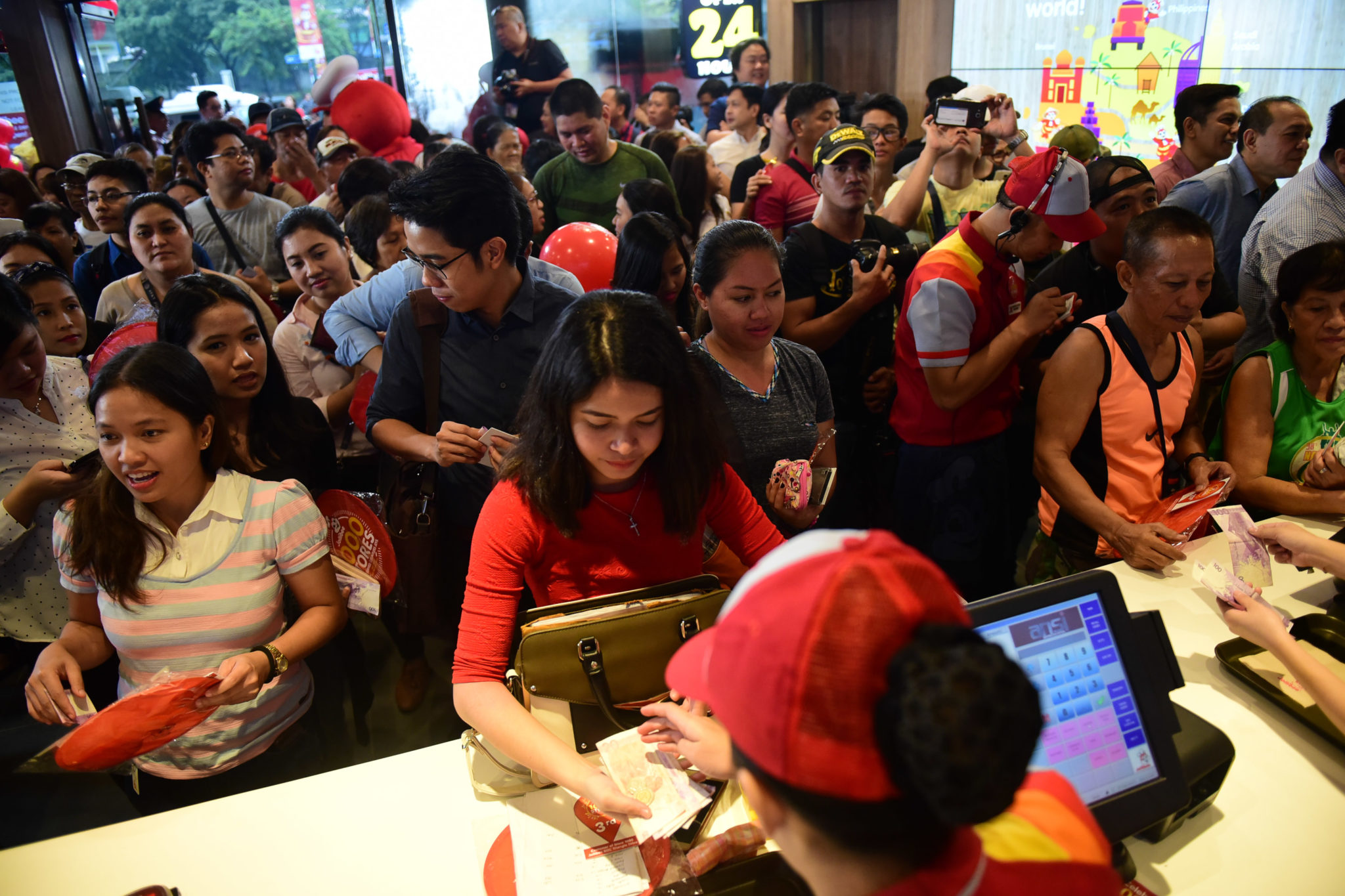
    Jollibee, the largest and most popular fast food chain in the Philippines, is re-entering the Guam market with the ongoing $2 million construction of a restaurant within the Micronesia Mall compound in Dededo. The restaurant is expected to open by early 2019.

    The restaurant is being built within the parking area of Micronesia Mall, by the corner of Marine Corps Drive and Army Corps Drive. Construction began in March.

    Construction cost is $2 million and the permit fee is $12,820, based on copies of the Department of Public Works building permit posted on a barrier wall at the construction site.

    Construction of a Guam branch of Jollibee, the most popular fast food chain in the Philippines, is ongoing within the vicinity of Micronesia Mall in Dededo.
    Haidee Eugenio/PDN

    Isagani Baluyut, owner of Isagani Baluyut Construction, on Monday said his company has a one-year contract to build the Jollibee restaurant. Baluyut said he is not privy to the restaurant’s actual opening date but his company’s construction contract ends in April 2019.

    Jollibee started as an ice cream parlor

    Jollibee, known for its Chickenjoy, hamburgers and sweet-tasting spaghetti and its iconic red bumble bee mascot, used to have restaurants on Guam and Saipan but declining sales forced the branches to close.

    An international Jollibee franchise applicant is required to have a minimum net worth of $5 million, according to Jollibee’s corporate website.

    Jollibee started in 1975 as an ice cream parlor that evolved into a burger chain, and has become the largest fast food chain in the Philippines. It has also embarked on an aggressive international expansion plan in the United States, Vietnam, Hong Kong, Saudi Arabia, Qatar and Brunei.

  • Young Consumers, Bridal, and Self-Purchasing Expected to Drive 2018 Platinum Jewellery Market

    Young Consumers, Bridal, and Self-Purchasing Expected to Drive 2018 Platinum Jewellery Market

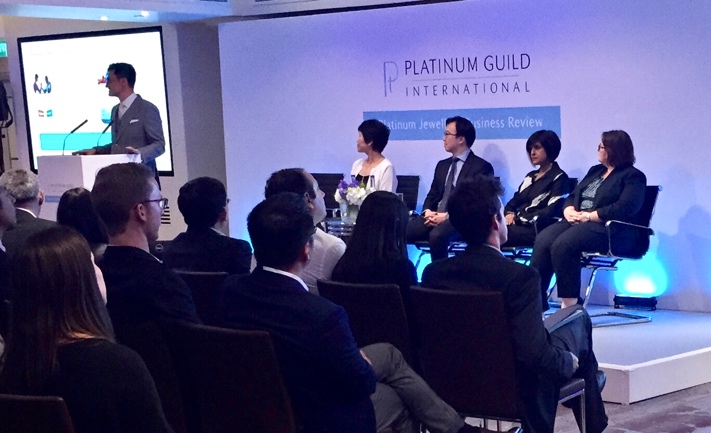
    Platinum Guild International (PGI) yesterday published the findings of its 2017 Platinum Jewellery Business Review revealing that three key trends – young consumers, bridal and self-purchasing – are emerging to contribute to platinum demand growth in 2018. Compiled by independent platinum market experts and industry analysts, the survey reports strong consumer retail sales growth in the U.S., Japan and India for 2017, even outperforming gold in some areas.

    “We saw above-market growth for platinum jewellery in three out of four key markets in 2017. This trend is tied to a robust global economy and historically low platinum prices, which together with an increasing preference for platinum among younger consumers, indicates growth potential in the platinum jewellery sector in 2018,” says CEO Huw Daniel of Platinum Guild International.

    Young Consumers

    India has become the engine of platinum jewellery growth globally. Despite continued challenges from new legislations, the industry has seen retail sales reported in platinum ounces up 21% year-on-year for the Platinum Guild International program and fabrication ounce demand growing at 34% year-on-year compared to 14% year-on-year demand growth for gold jewellery (according to World Gold Council). A strong preference for platinum among young consumers is one of the strongest contributors to the growth of platinum jewellery demand in India. For young India, PGI has created a distinct positioning for platinum versus gold, tapping into modern couples’ desire for jewellery that better represents the bonds of love in a modern relationship between equals. Through the Platinum Days of Love Campaign, platinum has become the metal of choice among today’s young Indian consumers shaping the country’s culture and fashion.

    Bridal Market

    Bridal markets around the world have become strongholds for platinum jewellery across China, Japan, the U.S. and newly emerging in India.

    In China, despite continuing market challenges at the total market level, PGI has seen strong growth in platinum acquisition in the core bridal category. According to a consumer study covering 55 cities in Tier 1 to 3, platinum bridal acquisition volume has increased by 22% compared to 2014. Platinum has become the dominant precious metal for wedding rings. However, with the industry facing continuous structural transitions and declines in marketing investment, China’s demand for platinum jewellery is likely to have another year of decline in 2018. China annual brand tracking survey shows that consumers strongly associating love with platinum and far ahead of other metals. Bridal jewellery is a gateway purchase leading to subsequent platinum jewellery purchases for anniversaries, birthdays and milestone occasions, which provide opportunities for growth to be further explored in 2018. China’s strongest growth is fueled by the rising consumer affluence of Tier 2,3 and 4 cities where a new generation of middle class consumers is acquiring taste for Platinum Pair Rings exchanged during wedding ceremonies.

    In India, the market is led by love-gifting with local organised retailers finding footholds for platinum within the gold-dominated wedding category. The introduction of a new branded segment, Platinum Evara, a modern platinum jewellery collection gifted to the bride and groom before the wedding day has carved out a distinctive niche for platinum and created a new jewellery segment for the industry.

    In the mature platinum jewellery market of Japan, platinum holds an astonishing 92% share of the engagement ring market and 82% share of wedding rings.

    Strong results for platinum in bridal are also mirrored in the West. In the U.S., the economic recovery and a bullish consumer sentiment has benefited the total jewellery industry, leading to the 5th consecutive year of growth for platinum jewellery consumption at 11%. The growth mainly comes from strong sales in bridal jewellery including engagement rings and wedding bands. In 2018, additional growth is expected to derive from initiatives promoting the use of platinum crowns that hold diamonds more securely, regardless of the choice of metal for the rest of the ring, along with increasing demand from the self-purchase category, which is likely to generate 8-11% of total growth in the U.S.

    Self-purchasing

    Although the majority of the platinum jewellery sold is bridal, PGI USA has also introduced a new platinum collection of platinum-only, chain-based necklaces as part of the Platinum Born collection, to target women buying jewellery for themselves, in order to continue to optimise local market growth opportunity.

    With the highest per capita consumption of platinum jewellery globally, in Japan platinum accounts for over 50% of total jewellery sales value. Growth is driven by a strong self-purchasing market led by females that have a strong affinity for platinum. Women generally control household finances and are increasingly staying in work after marriage and child birth. The resulting higher disposable incomes combined with historically lower metal prices, have led Japanese retailers to continue substituting white gold stocks for platinum, leading to an overall increase of 2% in retail ounce consumption. Retail demand growth is forecasted to continue at 1-2% in 2018 driven by moderate growth in self-purchasing category, especially for heavier products such as Kihei chains and religious objects.

  • DHL conferred Best Logistics Service Provider – Express at the 2018 Asian Freight, Logistics and Supply Chain Awards

    DHL conferred Best Logistics Service Provider – Express at the 2018 Asian Freight, Logistics and Supply Chain Awards

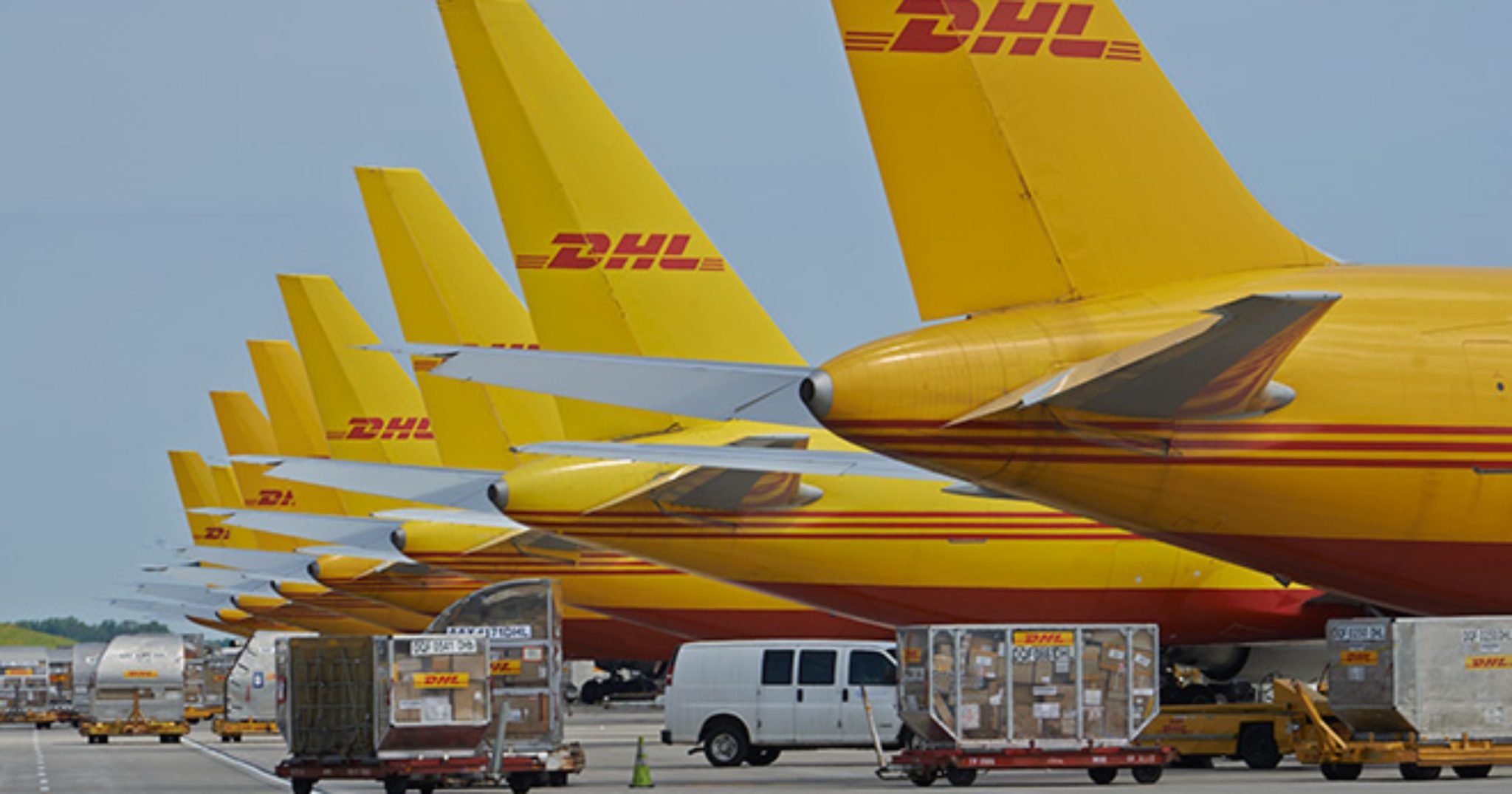
    DHL affirmed its position as the world’s leading logistics company when it was conferred Best Logistics Service Provider — Express for the 29th time at last night’s 30th Asian Freight, Logistics and Supply Chain Awards (AFLAS). The award was presented to DHL at a ceremony held yesterday in Shanghai, China.

    The awards come as DHL continues to invest significantly in the Asia Pacific region, in order to constantly improve its offerings in integrated logistics and boost customer satisfaction. The AFLAS are the only Asian logistics awards to be decided by customer votes alone, giving them a well-earned reputation as an authority on customer sentiment in the logistics industry.

    “We are humbled to be named the Best Logistics Service Provider — Express for the 29th time. We believe our customers see the real value we bring to them as we continue to invest in our people and infrastructure to deliver quality service such as the expansion of our Delhi Gateway and Central Asia Hub. These awards clearly demonstrate the trust our customers have in us — we have worked hard to earn their trust, and will continue to outperform the competition to exceed customers’ expectations,” said Ken Lee, CEO, DHL Express Asia Pacific.

    Wu Dong Ming, CEO of DHL Express China, said, “Winning this award is testament to the strength of our extensive international network and we are honored by the win. As we continue building on our achievements, we remain focused on our customers. We are constantly enhancing our infrastructure and air connectivity to deliver the best quality and customer experience every day.”

    The AFLAS Awards is organized by Asia Cargo News to honor companies in the logistics industry that exemplify excellence in leadership, as well as consistency in service quality, innovation, customer relationship management and reliability. Over 15,000 readers and e-news subscribers of Asia Cargo News were asked to nominate who they viewed as the best service providers.

  • Net1 Indonesia Holds Digital Activity #MauAda4Gdimana?

    Net1 Indonesia Holds Digital Activity #MauAda4Gdimana?

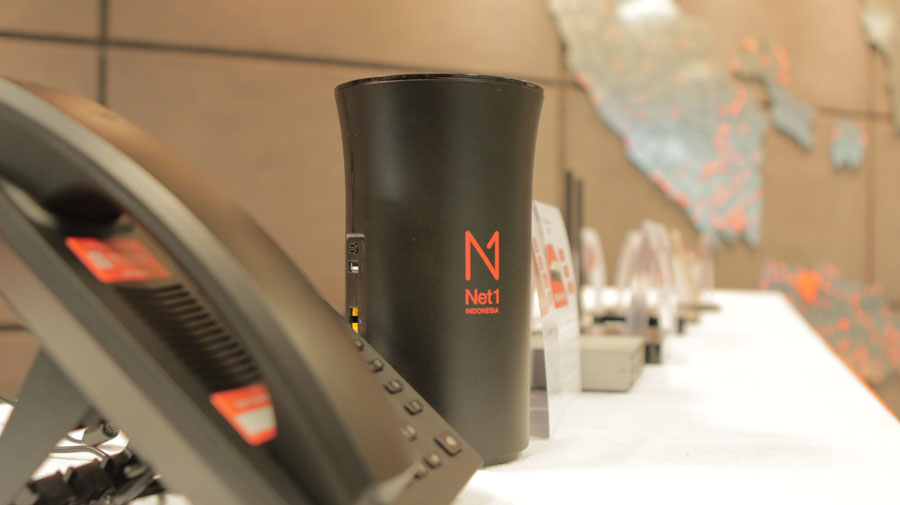
    Net1 Indonesia, provider of 4G LTE broadband data services, holds an exciting digital activity named #MauAda4Gdimana meaning “where should 4G access exist?”, from May 7 – July 7, 2018. Basically, this is a competition to invite people playing an active role to determine certain locations in Indonesia where data broadband should be easily accessed. People from all around the country can select a number of locations in Indonesia to obtain LTE 4G network that will be realized by Net1 Indonesia.

    So far, many areas in Indonesia cannot access internet yet. Adequate 4G data access can be something priceless for people in remote area to support their activities. According to a data from the Ministry of Communication and Information Technology, Republic of Indonesia, by end of 2017 there have been 55.000 eNodeB or Long Term Evolution radio network elements (LTE) to support 4G signal coverage in Indonesia. Net1 Indonesia is committed to increase these figures. One of its effort to mapping the location is by holding #MauAda4Gdimana digital activity.

    Meanwhile, katadata.co.id mentioned that 73.53% of provinces in Indonesia or 25 provinces have been exposed with 4G network. However, only 55.05% among the villages/sub-lower districts in Indonesia (45,811 villages/sub-lower districts) can be reached by 4G signal service. Based on the data and as a data broadband service provider, Net1 Indonesia is eager to provide internet connection, especially in rural areas and remote areas in Indonesia.

    “Digital activity #MauAda4Gdimana is an initiative from Net1 Indonesia to invite the community to have an active role and participate in our big mission, which is spreading the data broadband services to regions where 4G does not exist yet, especially for society in underserved, rural and remote area. Thus, we are committed to present 4G LTE service in the most voted area,” said Larry Ridwan, CEO of Net1 Indonesia.

    Competition #MauAda4Gdimana is open to all Indonesian citizens ages 18 years old above. As a further requirement, participants who are interested in entering this competition must have an active Facebook account and Like the Fanpage Facebook of Net1 Indonesia, following Instagram @net1_id and Twitter @net1id.

    Competition Mechanism

    Participants interested to join #MauAda4Gdimana competition can open microsite www.mau4g.net1.co.id to select #MauAda4Gdimana. Then, participants can choose a location that is championed as a 4G network receiver from Net1 by selecting VOTE in the options provided.

    Before joining the campaign of #MauAda4Gdimana, participants need to register by filling some information in the provided form, then participants can login with mobile phone number. To get support for a voted location in order to win the 4G LTE access from Net1 Indonesia, participants can invite their Facebook friends and promote it through their Facebook account using hashtag #MauAda4Gdimana. Most voted location will be prioritized to obtain 4G LTE network from Net1 Indonesia.

    Net1 Indonesia will select the win voters and appreciate with 9 units of Net1 Argo mobile Wi-Fi device, 99 credits worth IDR100,000 and 999 credits worth IDR50,000. Winners will be announced on July 14, 2018 through www.mau4g.net1.co.id and all Net1 Indonesia social media accounts at the end of the competition period. #MauAda4Gdimana competition is free of charge for the participants.

    Net1 Cooperation with Local Government

    Net1 Indonesia has also cooperated with a number of local governments in district and province level throughout Indonesia. The local governments cooperate with Net1 Indonesia to provide data broadband access for societies in sub urban and remote areas in their domain. Among others, Musi Banyuasin Regency, West Halmahera Regency, Talaud Islands Regency, Tual City, Siau Tagulandang Biaro (Sitaro) Islands Regency, Sangihe Islands Regency, Teluk Bintuni Regency and Kaimana Regency, are mentioned to sign a Memorandum of Understanding (MoU) to working together building 4G based communications infrastructure with Net1 Indonesia.

    The cooperation with a number of local governments that have been started since 2017 is a first step for Net1 Indonesia to be able to meet the needs of data access for 260 million Indonesian population who lives in more than 140.000 islands.

  • Philippines AirAsia targets 70-aircraft fleet by 2028

    Philippines AirAsia targets 70-aircraft fleet by 2028

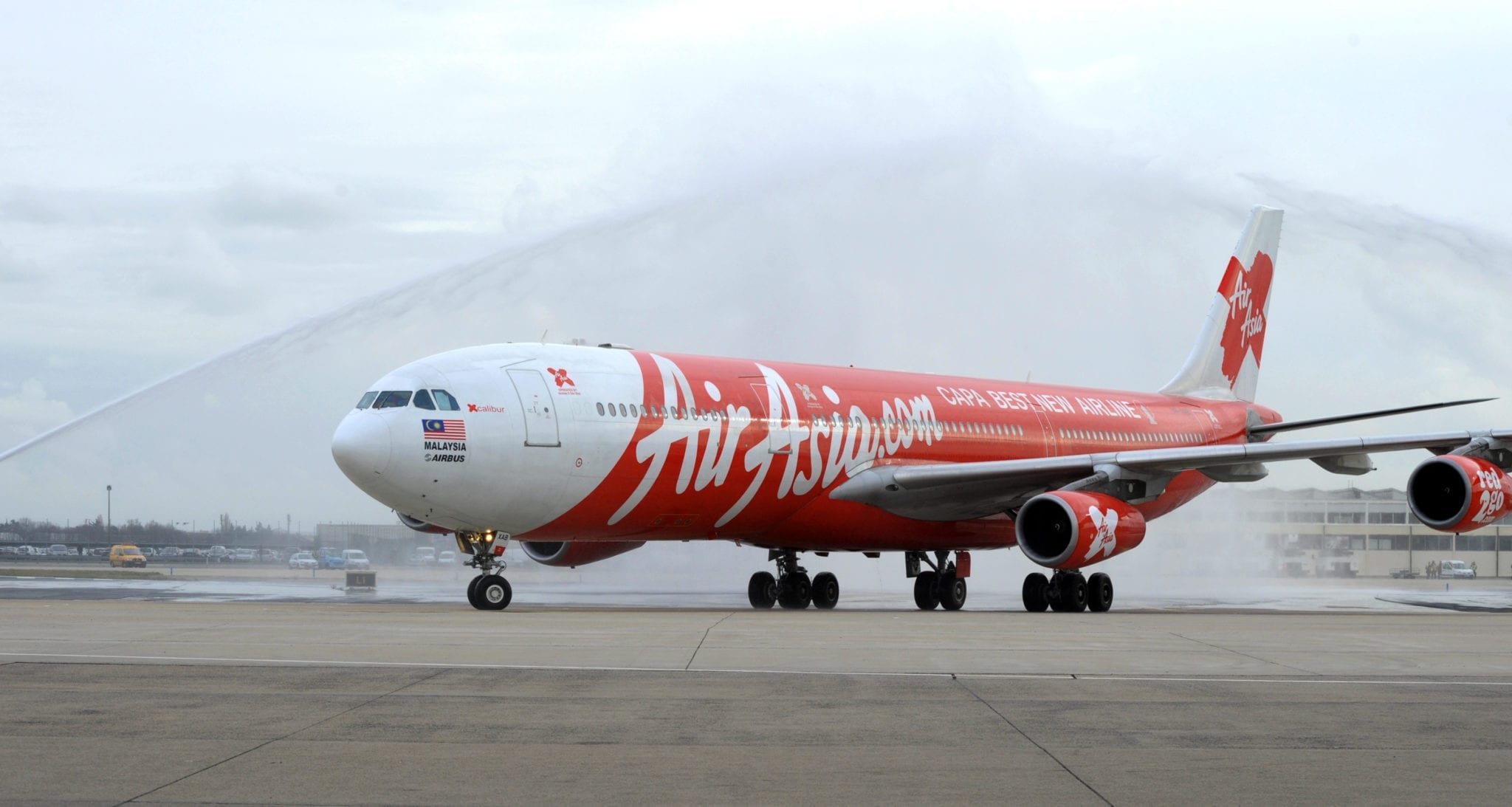
    Chief executive Dexter Comendador tells FlightGlobal that PAA will operate 22 Airbus A320s by end of 2018, and add five new aircraft annually between 2019 and 2028. Flight Fleets Analyzer shows that PAA now operates 20 A320s.

    Should the plan proceed as planned, the airline will have a fleet of around 70 jets by 2028.

    The chief executive however notes that the airports in the Philippines, such as those in Manila, Cebu and Kalibo are slot-constrained, and that PAA is hence looking at building up Clark for its growth.

    “I chose to go to Clark because I have room for my 50 new planes. Definitely in Manila, I cannot place my 50 planes. Manila is too full,” says Comendador.

    “Moving forward, Clark will be established as the LCC hub of the Philippines. With the development of Clark, we hope to do something like what Thai AirAsia executive chairman, Tassapon Bijleveld did with Bangkok Don Mueang airport.”

    He adds: “The challenge is for the infrastructure to be able to cope with the order of planes that will be coming in. Cebu Pacific ordered planes, so did Philippine Airlines, which will be delivered within the next 5 years. That will be a lot of planes coming into the Philippines.”

    He also does not rule out PAA taking some of the 100 A321neos that AirAsia Group has on order. This is especially since the airline may need to upgauge its flights due to slot constraints at the airports.

  • Fragrances are not Instagrammable

    Fragrances are not Instagrammable

    Digital media has upended the beauty business, lowering barriers to entry for new brands built not on department store distribution and traditional marketing tactics, but on e-commerce and digital influence.

    In recent years, a slew of new digital-first beauty businesses — armed with venture funding and offering artisanal or “clean” formulations and niche identities that consumers find more authentic — have mounted a challenge to the ubiquitous luxury-brand beauty products made by licensing giants Estée Lauder, L’Oréal and Coty. (Of course, some of these smaller entrants have been snapped up for undisclosed sums by these very giants: Estée Lauder has acquired Le Labo, Frederic Malle and By Killian, while L’Oréal has bought Atelier Cologne.)

    And yet, in recent years, the fragrance business hasn’t seen the same kind of digitally driven, explosive growth as colour cosmetics and skincare. In 2017, the US prestige fragrance market grew 4 percent, trailing makeup (6 percent) and skincare (9 percent), according to NPD Group.

    According to Tribe Dynamics, a marketing technology firm that quantifies the dollar-value of digital content, or earned media value (EMV), fragrance only represented two percent of the total EMV generated in the beauty business in 2017, even after growing by 20 percent year on year. Fragrance also has far fewer digital ambassadors, who posted sponsored social media content far fewer times than digital ambassadors in other beauty categories.

    The biggest challenge is the very nature of the product itself: no matter how powerful the brand, how beautiful the bottle and how compelling the marketing campaign, a fragrance is selling scent — and we can’t smell the internet. But more and more fragrance brands are finding savvy ways to connect with digital consumers and shift product online.

    For a player like Diptyque, a niche fragrance brand with major ambitions, creating digital content and staging Instagram-friendly experiences is a new focus. “In the past, we were more used to communicating who we are with words, and now we are working much more with visuals and images and videos,” explains Fabienne Mauny, global brand chief executive of Diptyque and Byredo, which are both owned by Manzanita Capital, a private equity firm founded in 2001 by William S Fisher.

    The first thing one sees upon entering Diptyque’s new Mercer Street pop-up shop in Manhattan is a wall lined with rows and rows of the French brand’s oval illustrated perfume bottles — 364 to be exact. It is dense and impressive, much like the store itself, which manages to tell 50 years of Diptyque’s fragrance history, despite its relatively small scale. We follow from the brand’s first release, L’Eau, in 1968 — brought to life by news clips capturing the tumult of the era — to 2018’s launches, Tempo and Fleur de Peau, introduced by videos playing inside two closet-sized spaces.

    Everything inside the installation-heavy store, from a postcard-covered wall to a jungle-themed photobooth, connects to the history of the brand and its founders — their inspirations, travels and artistic endeavours — and is practically begging to be Instagrammed. And the artists who illustrated each of the two new fragrance bottles gets just as much attention as the perfumer.

    It’s not just about social media-friendly visuals, however. The traditionally seductive and heteronormative fragrance marketing message so prevalent in the fragrance business doesn’t play as well online, where a newly awakened activism is reshaping culture. “Typically, what we used to see in the glossies was always a semi-naked woman, probably with a man, and there would be some sort of expensive accessories around them,” says Saisangeeth Daswani, head of advisory in fashion and beauty at the trend research firm Stylus.

    But when the old-school beauty giant L’Oréal launched Proenza Schouler’s first fragrance, Arizona, in February, the campaign’s main theme was not overtly sexual, but about a physical escape to a stunning landscape. “Arizona is about her and how she feels,” says Laura Azaria, vice president of marketing for fine fragrances at L’Oréal USA. “It was definitely part of the positioning: she is very empowered. It’s not this classic, ‘I’m going to seduce.’”

    And to effectively deliver their message, many fragrance brands are adopting the digital marketing tactics that work elsewhere in the beauty business: gifting product to influencers, commissioning content from them, staging social media-ready events and press trips, playing with Snapchat augmented reality lenses. “Technology enables us to tell a much more interesting and multi-faceted story,” explains Coty’s chief marketing officer Simona Cattaneo. “It’s an ongoing conversation, we communicate every day.” Coty launched Gucci’s In Bloom — the first fragrance under Alessandro Michele — and Tiffany’s first fragrance, in 2017. “This is something that has completely changed our way of working.”

    “Fragrance is obviously a little bit trickier because it’s not very tangible,” says Chriselle Lim, an influencer with 1 million followers on Instagram and founder of the creative agency CINC Studios, which has worked with L’Oréal and Coty to promote their fragrances. Instead of “flat lay” images of a fragrance bottle, she prefers video. “You can do amazing storytelling that you can’t do with just photos,” she says, citing a video about the connection between scent and memory that she produced for a scent from Maison Margiela’s series Replica. Recently for Proenza Schouler’s Arizona, she published a soft-focus video of herself holding the bottle on an overcast day in Central Park. “A whole new world is just a dream away…” she wrote in the caption.

    For Diptyque, the SoHo pop up is an experiment with an interactive and social media-driven retail experience. The brand even launched an Instagram contest, through which a winner who posts the best drawing of a “scent memory” will receive a custom perfume inspired by the illustration.

    “We wanted it to be an immersion within our universe,” says Julien Gommichon, president of Diptyque and Byredo Americas. Still primarily known in the United States for candles and home goods, Diptyque is focusing on fragrance to keep up its recent revenue growth trajectory — more than 20 percent each year for the past six years. “There are still so many people who don’t know who we are,” says Mauny. “The potential is huge.”
  • Asia helps boost Richemont sales

    Asia helps boost Richemont sales

    Double-digit growth in Mainland China, Hong Kong, Korea and Macau have helped boost sales for Swiss luxury goods group Richemont.

    Results for the year to the end of March show Richmont sales grew by 3 per cent at actual rates and by 8 per cent at constant rates to €10.9 billion (US$12.8 billion).

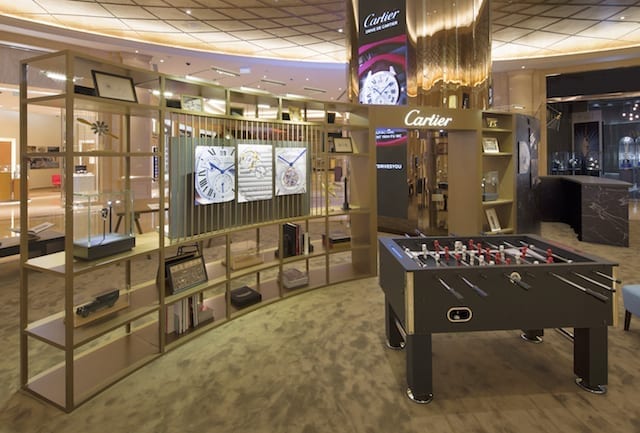
    Richemont’s brands include A. Lange & Sohne, Baume & Mercier, Cartier, Chloe, Dunhill, IWC Schaffhausen, Lancel, Jaeger-LeCoultre, Montblanc, Officine Panerai, Piaget, Purdey, Roger Dubuis and Vacheron Constantin.

    Excluding the impact of exceptional inventory buy-backs, sales grew by 7 per cent at constant rates, with a strong retail performance reflecting solid jewellery and watch sales.

    An improved macroeconomic environment, steady progress on Richemont’s transformation agenda and a mixed currency environment marked the year, says the company.

    Sales were driven by high single-digit growth in retail and double-digit growth in Asia Pacific, with particular strength in the main markets of China, Hong Kong, Korea and Macau.

    Strong overall retail performance reflected solid jewellery and watch sales, says chairman Johann Rupert.

    Asia Pacific sales were strong, with the region accounting for 40 per cent of group sales.

    Japan had a 6 per cent rise in sales, thanks to more tourism purchases.

    Also beneficial were softer comparative figures and the full-year contribution from the reopened Cartier and the new Piaget and Van Cleef & Arpels flagship stores, all in Ginza.

  • Despite growth, Vietnam’s beer market remains established giants’ playing field

    Despite growth, Vietnam’s beer market remains established giants’ playing field

    Many big companies have failed to tap into Vietnam’s competitive beer market despite steady growth, industry experts said.

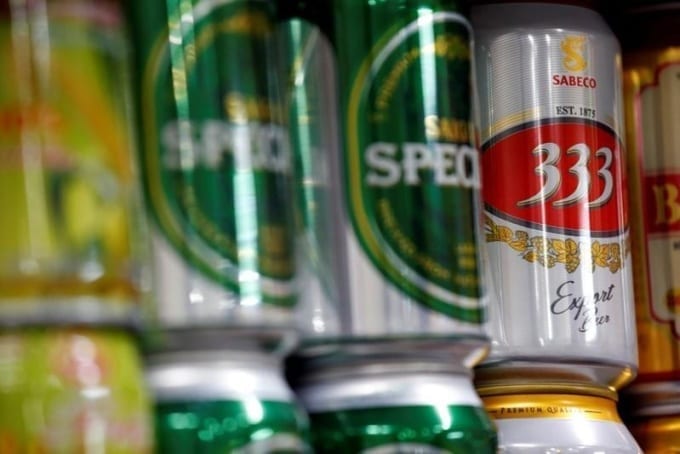
    Nguyen Van Viet, chairman of Vietnam Beer, Alcohol, and Beverage Association (VBA), said that only big brands such as Heineken and Sabeco are doing well, while others are struggling.

    Take Sapporo for example, the company has maintained low levels of profit despite growing sales because of high operational and advertising costs, Viet said.

    Other big players have been even less successful. Masan Food, whose products are staples in Vietnamese families, has yet to dominate supermarket shelves with its White Lion premium lager beer four years after its launch.

    Another example would be, local dairy giant Vinamilk and British brewing company SABMiller (now belonging to Anheuser-Busch InBev). The two companies joined forces in 2006 to open a brewing venture. Their product has, however, failed to compete against other established brands and remains largely unknown. Vinamilk withdrew from the venture after just two years.

    However, the market is still considered a promising ones. Vietnam’s beer industry has seen a stable 5 percent annual growth even though world’s average consumption hasn’t budged in the past decade.

    According to Euromonitor’s Southeast Asia beer consumption report, Vietnam will be a noteworthy market in upcoming years given the current momentum.

    The international market research company also called Vietnam as “the next battlefield for brewers.”

    Vietnam consumed more than 4 billion liters of beer in 2017, according to VBA’s report.

    The industry aims to produce 4.1 billion liters of beer in 2020 and 5.5 billion liters in 2035

  • What’s behind Style Nanda’s success?

    What’s behind Style Nanda’s success?

    When Style Nanda announced last month that French beauty giant L’Oreal will be snapping up a majority stake, it sent shockwaves across the industry.

    Sure, the company was doing fabulously well and had created quite a stir with its success, but then it was soon forgotten — although not by investors — before being lurched back into the spotlight with the latest news.

    Style Nanda was established in 2005 amid a boom of boutique-sized internet fashion businesses. Out of the throng of budget fashion shopping websites — most of whom sold products they bought wholesale from Dongdaemun fashion market — Style Nanda stood out. Below are the three reasons why.

    1. My way or the highway 

    Style Nanda founder Kim So-hee had a nickname in Korea: Bold Lady. She earned it due to her preference for bold colors and styles. Kim is also famous for her brutal honesty, which became evident when she refused to remove the tags off her Dongdaemun goods to hide their origin. She said she didn’t mind because she was confident about her merchandising choice. She also didn’t want to lie to her customers.

    A spokesperson for cafe24, which first provided a sales platform for Style Nanda, put it this way: “Style Nanda successfully formed its own unique style appealing to younger customers. That’s Style Nanda’s core competitiveness.”

    2. Bravo Hallyu 

    Style Nanda also benefited from the popularity of K-pop and Korean dramas when celebrities began to don Style Nanda items on air.

    “It was a trickle-down effect, and Style Nanda definitely benefited from it,” Seo Yong-ku, a professor of business management at Seoul’s Sookmyung University said.

    Whenever anyone famous appeared wearing Style Nanda items, it was cheap, instant promotion. Later on, Style Nanda paid celebrities on popular dramas to promote stuff to an even wider audience.

    3. She stayed hungry, stayed stupid 

    Style Nanda never settled, and the present was never enough.

    After successfully launching the company’s cosmetics brand 3CE, it launched Speak Undervoice, a new brand selling limited products personally selected by the founder.

    Style Nanda was also constantly trying out new marketing styles. For instance, it recently used a so-called “product truck” to promote its 3CE brand. Employees handed out free makeup products to university students from a vehicle resembling an ice-cream truck — the first for a cosmetics firm.

    Despite these recipes of success, some industry watchers believe Style Nanda should spend more money on research and development. They say more experts should get onboard to grow the brands, especially those like 3CE — currently designed by Style Nanda and produced by ODM companies like Korea Kolmar and Cosmax.


  • Marni names new CEO

    Marni names new CEO

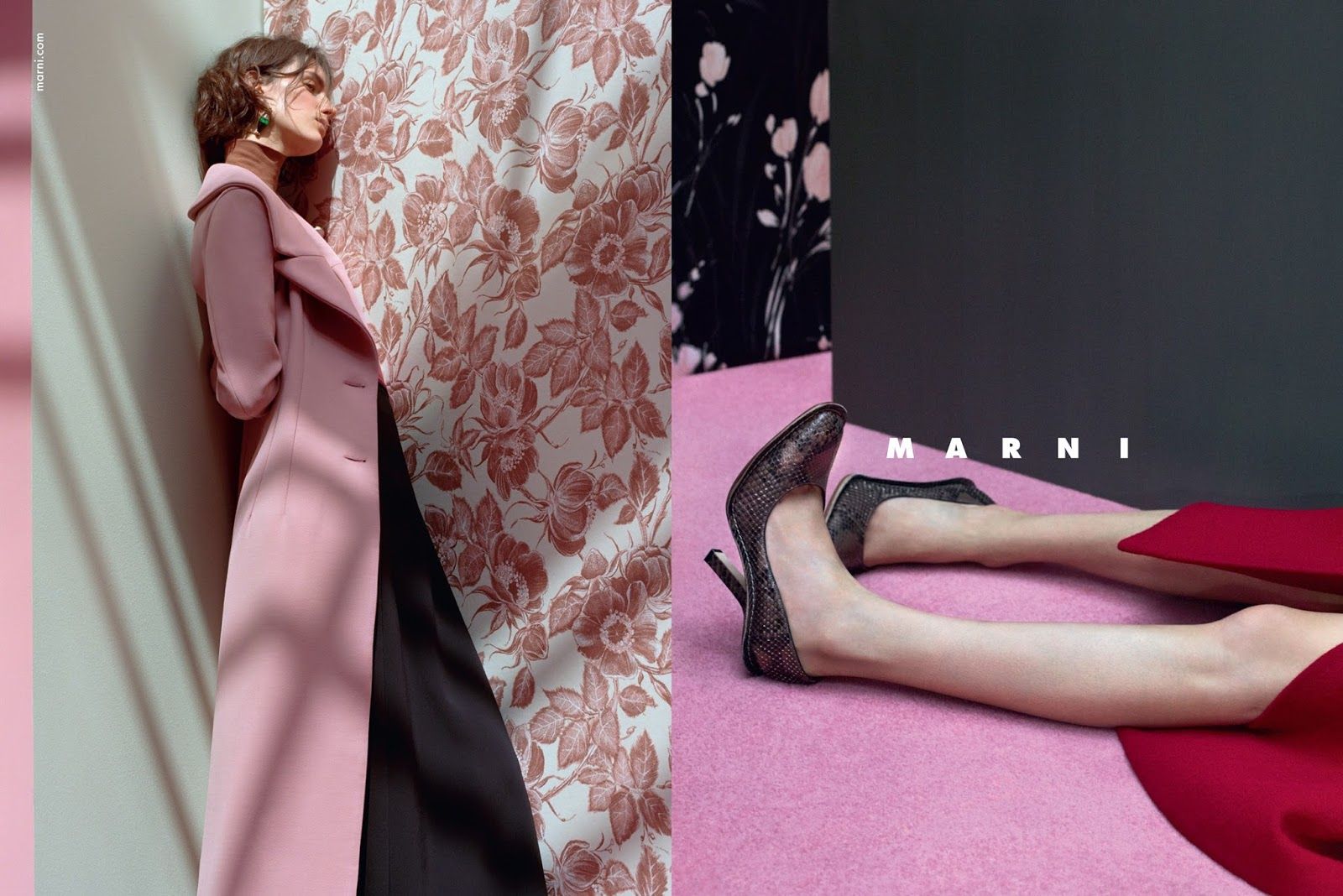
    Italian fashion major Marni has announced the appointment of Stefano Biondo to chief executive officer, effective 15 May 2018.

    The OTB Group-owned luxury label poached Biondo from eyewear company Safilo, where he served as chief brand officer.

    He succeeds Ubaldo Minelli, who was promoted to CEO of OTB in January. Biondo will report directly to Minelli.

    In speaking with WWD, Minelli expressed his confidence in Biondo’s helming of the Marni brand, which has been under management reconstruction globally.

    “Marni has a precise and recognisable identity with incredible potential for growth,” said Minelli.

    “In recent years, we have built a solid foundation for the brand’s future and it is now on the launchpad for true development and success.”

    One of the biggest turning points for the label was in 2016, when Marni appointed a new creative director, Francesco Risso, to replace Marni founder, Consuelo Castiglioni.

    In 2017, Marni’s turnover exceeded 180 million euros, experiencing double-digit growth worldwide, especially in Asia.

    It also highlighted a growth in accessories, specifically handbags, which soared on some 90% in certain markets. Millennial sales were also up, said OTB.

    Marni is present in 54 countries with a wholesale channel of 470 stores and 70 mono-brand stores, with 22 boutiques operated with local partners. Most recently, Marni opened a flagship store in Florence, with several planned for China.

    In 2017, the OTB group quadrupled its Earnings Before Interest and Tax (EBIT) to €21.5 million, despite suffering a 2.4 percent decline in group revenues

    OTB controls Marni, Diesel, Maison Margiela, Viktor & Rolf, Paula Cademartori, Staff International and Brave Kid.

  • US slaps heavy duties on Chinese steel shipped from Vietnam

    US slaps heavy duties on Chinese steel shipped from Vietnam

    The U.S. Commerce Department on Monday slapped steep import duties on steel products from Vietnam that originated in China after a final finding they evaded U.S. anti-dumping and anti-subsidy orders.

    The decision marked a victory for U.S. steelmakers, who won anti-dumping and anti-subsidy duties against Chinese steel in 2015 and 2016 only to see shipments flood in from elsewhere. The industry has argued that Chinese products are being diverted to other countries to circumvent the duties.

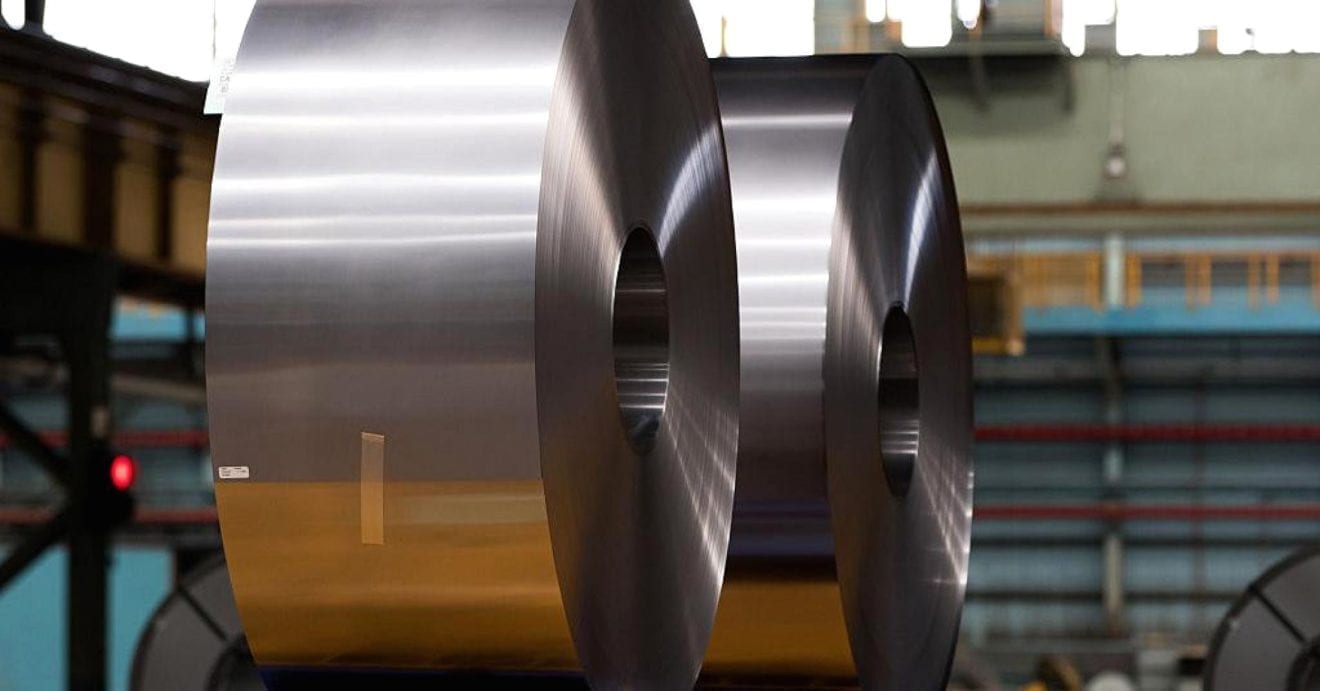
    U.S. customs authorities will collect anti-dumping duties of 199.76 percent and countervailing duties of 256.44 percent on imports of cold-rolled steel produced in Vietnam using Chinese-origin substrate, the Commerce Department said in a statement.

    Corrosion-resistant steel from Vietnam faces anti-dumping duties of 199.43 percent and anti-subsidy duties of 39.05 percent, it said.

    The department has said it would apply the same Chinese anti-dumping and anti-subsidy rates on corrosion-resistant and cold-rolled steel from Vietnam that starts out as Chinese-made hot-rolled steel.

    The duties will come in addition to a 25 percent tariff on most steel imported into the United States that resulted from the Trump administration’s “Section 232” national security investigation into steel and aluminum imports.

    Although the steel subject to the latest anti-dumping and anti-subsidy duties was processed in Vietnam to be made corrosion resistant or cold-rolled for use in autos or appliances, the Commerce Department agreed with the claims of American producers that as much as 90 percent of the product’s value originated from China.

    The global steel industry is struggling with a glut of excess production capacity, much of it located in China, that has pushed down prices.

    The decision followed a European Union finding in November that steel shipments from Vietnam into the EU also circumvented tariffs.

    The Commerce Department said that after anti-dumping duties were imposed on Chinese steel products in 2015, shipments of cold-rolled steel from Vietnam into the United States shot up to $215 million annually from $9 million, while corrosion-resistant steel imports rose to $80 million from $2 million.

    The case stems from a petition filed by U.S. producers ArcelorMittal USA, Nucor Corp, AK Steel Holdings Corp and United States Steel Corp alleging that Chinese producers began diverting their steel shipments to Vietnam “immediately” after the duties were imposed.

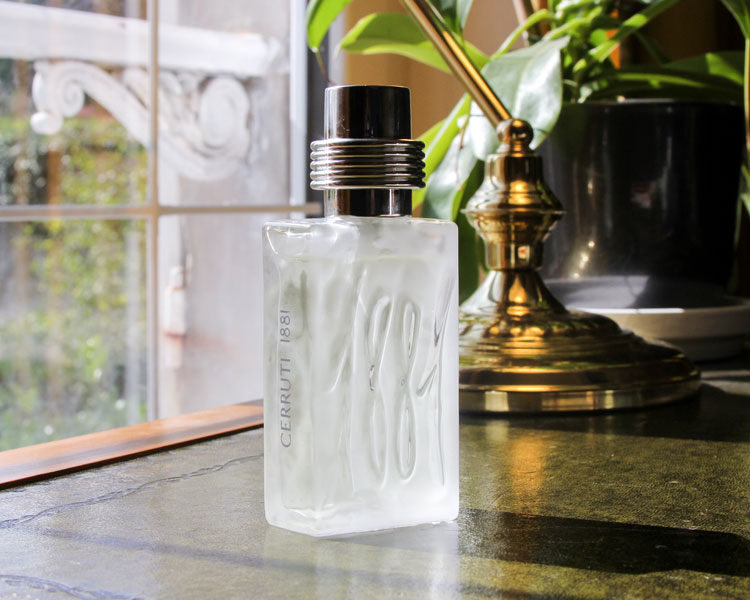
  • Designer Parfums acquires Cerruti 1881 fragrance licence

    Designer Parfums acquires Cerruti 1881 fragrance licence

    UK Designer Parfums has acquired the fragrance licence of the Cerruti 1881 brand, chairman/CEO Dilesh Mehta has announced.

    Nino Cerruti founded the brand in Paris in 1967, which is known for its quality products in the world of fashion, accessories and fragrance.

    Cerruti 1881 executive VP Laurent Grosgogeat says scents have been a major category for the brand in the past 40 years. When the Cerruti brothers founded the house in Biella, Italy, in 1881, they were known for making quality wools and textiles.

    Twenty-year-old Nino Cerruti took up the baton in the 1950s and in 1967 founded Cerruti 1881 with its focus on men’s ready to wear. Today, the brand has nearly 100 directly run stores globally and is stocked by leading retailers.

    It launched its first fragrance in 1978, and since April 2011 has been part of Hong Kong-based Trinity Limited, which specialises in high-end men’s pret a porter. Jason Basmajian was appointed chief creative officer in October 2015.

    Designer Parfums offers a range of premium fragrances and beauty products either wholly owned or run under licence. Covering more than 80 countries, its portfolio includes such brands as Aigner Parfums, Ghost, Jean Patou and Jean-Louis Scherrer.

  • Angie Lau X Isabella Wren

    Angie Lau X Isabella Wren

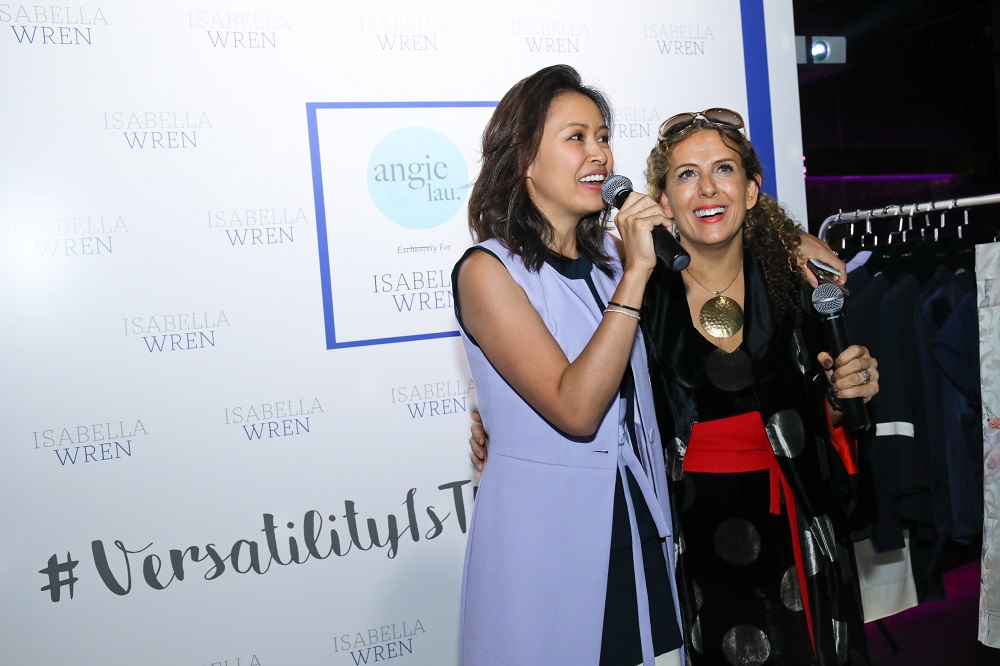
    More than 200 of Hong Kong’s most fashion forward women (and their supporting men) crowded into CÉ LA VI, in the heart of Hong Kong, to celebrate the launch of Isabella Wren’s first capsule collection ever.

    Collaborating with Angie Lau, former TV anchor and style star, Isabella Wren launched the exclusive luxury line Angie Lau x Isabella Wren for Spring/Summer 2018.

    Angie has made an impressive career in television fraternity with being an anchor with an experience of over 16 years. She is an award-winning anchor who has hosted several top personalities, business leaders and influential figures like Li and Fung Chairman, William Fung, Chairman of the Franklin Templeton Mark Mobius, Chief Secretary of Hong Kong’s Bloomberg Anson Change among much more.

    A launch party that offered fashion-seeking crowd its pop-up fix; complete with a measurement station, pieces from the exclusive Angie Lau x Isabella Wren Capsule collection, and of course goodie bags complete with a $100 USD gift certificate to use on www.isabellawren.com for a tailored, made-to-measure, bespoke pieces from Angie’s collection.

    As Angie remarked to the crowd, “This was inspired by all the women I know, at every stage of their lives: mother, mid-career, fresh graduate, jet-setter, traveler.This collection is all about versatility and colour. It’s powerful!”.

    Sarah Chessis, CEO of Isabella Wren, couldn’t agree more, “It’s why I didn’t think twice about working with Angie. Isabella Wren is all those things to women and more! We use innovation to make it easy for our clients to always look good, because it fits perfectly.”

    Fashion sustainability was also top of mind for the socially-minded guests in the crowd.With unique innovation, Isabella Wren whips up each piece only as it is ordered.

    That means there is no waste, no excess inventory, and no guilt.This was welcomed wholeheartedly by Hong Kong’s fashion industry leaders who also came out to support the collection: Clover Group, Under Armour, HKTDC, Lane Crawford, Li & Fung, just to name a few.Some of Hong Kong’s top stylists along with media friends were also on hand to check out the collection which all go together that highlighted the philosophy behind the line: #VersatilityIsTheNewBlack.

    In exquisite Italian wool, jackets lined in silk, beautiful silk jacquard prints — the pieces are as comfortable as they are glamorous. In short: all the things a well-dressed woman wants for Spring/Summer for any and every occasion. It’s luxury redefined: bespoke, stylish, versatile, and sustainable.

  • Vietnam starts antitrust investigation into Uber-Grab deal

    Vietnam starts antitrust investigation into Uber-Grab deal

    Vietnamese authorities have launched an investigation into Grab’s acquisition of Uber’s Southeast Asia operations, which has shown signs of breaching local antitrust laws.

    The investigation is estimated to take 180 days, starting Friday and can be extended by another 120 days, Vietnam Competition Authority under the Ministry of Industry and Trade said in a statement.

    Earlier the same week, the competition authority’s investigation found that Grab’s market share in Vietnam has gone up to above 50 percent since its ride-hailing rival Uber left the Southeast Asian market last month.

    Vietnam’s Competition Law from 2004 requires that all mergers and acquisitions (M&As) that result in a company gaining over 30 percent of market share must be reported to competition authorities. M&As that result in a company gaining over 50 percent of market share are restricted and can only be completed with permission from authorities.

    Previously, Grab claimed that its combined market share with Uber in Vietnam is less than 30 percent, so it doesn’t have to “inform to the competition authority before proceeding and completing this transaction in the country.”

    However, the ride-hailing app company was unable to submit evidence to prove that it did not violate the law.

    In late March, Grab announced its acquisition of Uber in Southeast Asia, which saw Uber taking a 27.5 percent stake in Singapore-based Grab, and Uber CEO Dara Khosrowshahi joining Grab’s board.

    Grab was last valued in July last year at an estimated $6 billion.

  • Department stores boosts retail in Macau

    Department stores boosts retail in Macau


    Department stores have led the way in retail in Macau, with 89 per cent reporting better sales (up 11 points) for March.

    They were followed by cosmetics and sanitary articles (67 per cent), down 33 points. About 15 per cent of retailers saw their sales decline, up eight points from February.

    Retailers interviewed were cautious about their business performance last month, most expecting a drop.

    Most eating establishments in Macau had a buoyant March, with a small slice reporting a decline in income, according to the latest DSEC Catering and Retail Business Survey.

    Of the restaurants and similar establishments surveyed by the Statistics and Census Service, 59 per cent reported an increase in receipts in March while 19 per cent had a year-on-year decline.

    The data was taken from the value of receipts based on a sample of 167 restaurants (53 per cent of the industry’s receipts) and 135 retailers (70  per cent of receipts).

    Of the restaurants surveyed, a record 82 per cent of Chinese outlets led the charge, while the share of Japanese and Korean restaurants with higher receipts surged 53 points to 73 per cent.

    There was a 16-point drop in restaurants with depressed sales to 19 per cent, while 13 per cent of Japanese and Korean restaurants fell by 33 points.

    Restaurants interviewed said they expected business to weaken last month, with 17 per cent anticipating a 6 per cent drop in year-on-year growth in receipts.

    Among surveyed retail outlets, 80 per cent of leather goods retailers expected their turnover to grow, up 20 points from March. On the other hand, 21 per cent of retailers surveyed expect their turnover to decline.