Author: Mei Ling Tan

  • Mothercare to close 50 stores in survival bid

    Mothercare to close 50 stores in survival bid

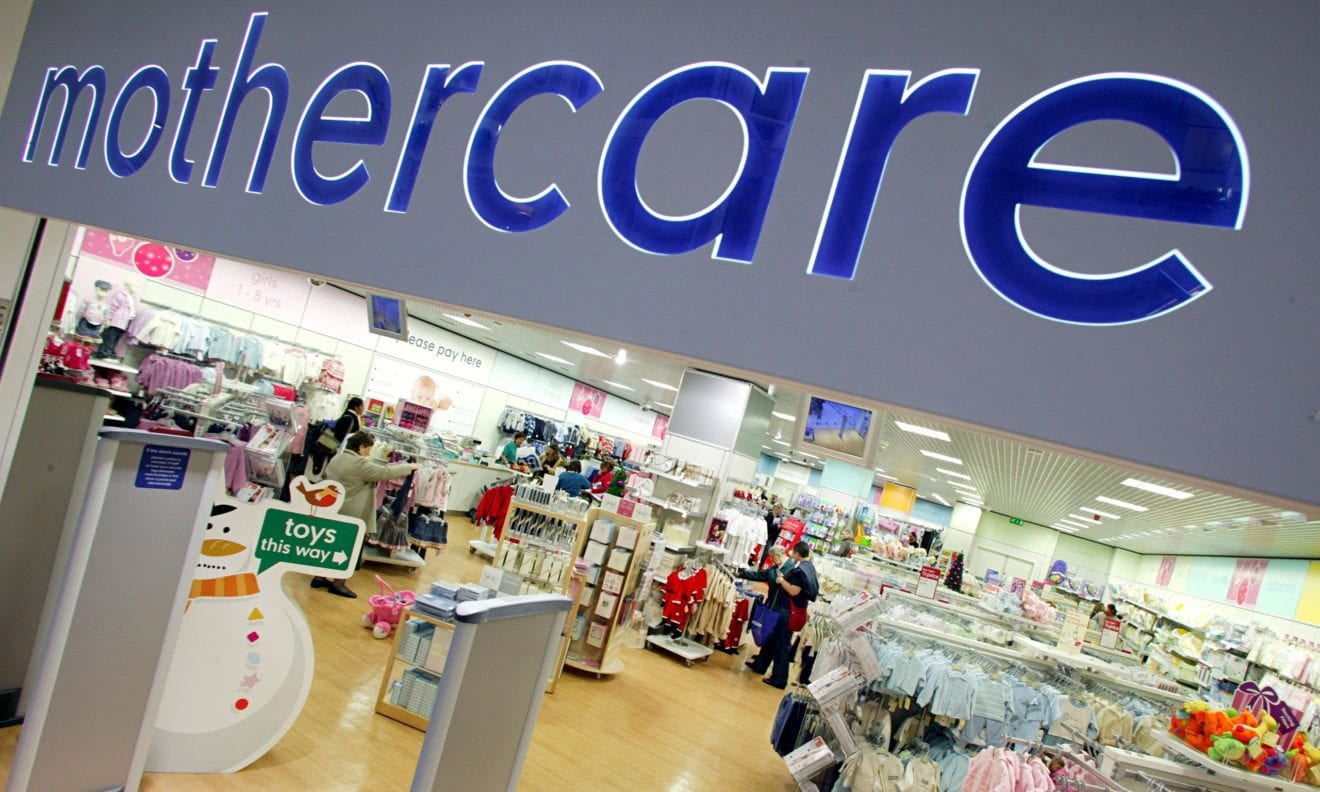
    Embattled UK baby goods retailer Mothercare is to close 50 stores and seek rent reductions on a further 21 as part of a plan to stay viable.

    The company has produced a Company Voluntary Arrangement (CVA) which also proposes axing hundreds of jobs.

    After posting a £72.8 million loss in its last financial year, and having already closed more than half of its stores in the last five years, the company has admitted it is in a “perilous” position.

    GlobalData said while the CVA gives hope for the chain’s survival, its problems run deeper than store leases.

    ‘‘Even if this CVA is approved the company’s future is not assured given greater issues in its business than an overambitious store estate: namely its inability to entice younger parents to its stores, something that value retailer, Primark, has been extremely successful at.

    ‘‘Mothercare is a household name in the babycare and baby equipment market, however over the past few years it has struggled to keep pace, losing market share to the grocers and the rising dominance of online players, with Amazon primarily, threatening its position,” said Mills.

    ‘‘While Mothercare was slow to move online, its website now drives almost half of its sales, though, as it has acknowledged, it requires further investment, and this rather than stores, is where it plans to spend the bulk of the cash it hopes to raise.”

    Mills said the stores which will remain trading if the CVA is accepted by creditors and landlords, need “a lot of attention”.

    “Effort is needed to make them more engaging, creating a sense of community through classes and events among its shoppers to ensure loyalty and repeat purchases.”

    If the CVA is approved – which is likely – mothercare would have just 73 stores trading by 2023.
  • Burberry makes a move to boost its handbag business

    Burberry makes a move to boost its handbag business

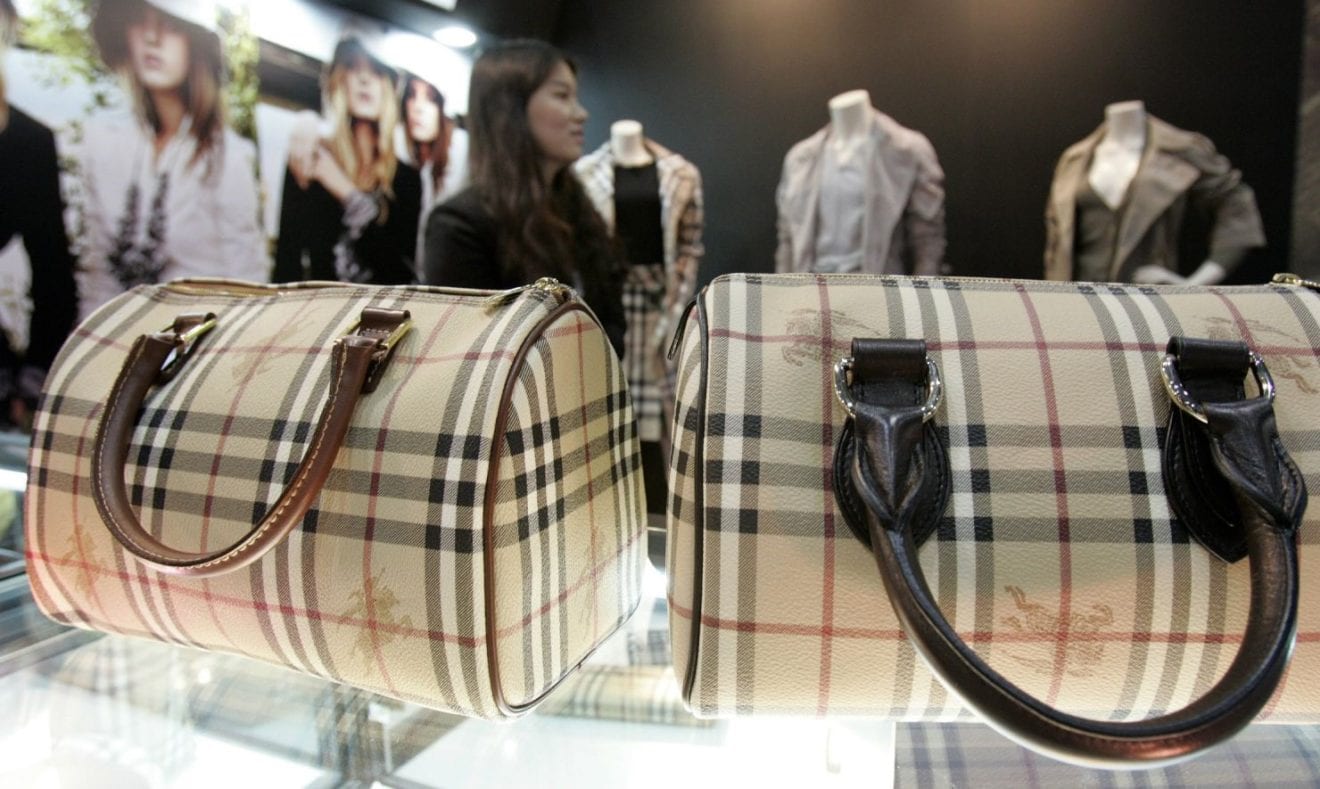
    Burberry, which is seen as punching below its weight in handbags and leather accessories compared to its peers, said it will be taking a team of around 100 leather goods specialists in-house as part of the deal agreed with CF&P, one of its longstanding suppliers.

    It did not say how much it would pay for the deal.

    Luxury goods firms tend to make the largest chunk of revenues from high-margin leather accessories, and many seek where possible to cut out the middle-man, giving them more control over costs and turnaround times.

    CF&P, which is based in Scandicci just outside Florence, focuses on developing propotypes and works with other brands. A small part of its business will remain independent following the deal with Burberry.

    The acquisition comes as Burberry Chief Executive Marco Gobbetti pushes to transform the brand known for its camel, red and black check designs into more of a top-end luxury player, in part by shaking up the product range.

    “The challenge for Burberry in launching its new medium-term strategy to climb back up the luxury pyramid has been the fact that it is inherently weak in a core product area: leather goods,” analysts at Jefferies said in a note, adding that the Italian deal was a welcome move.

    Burberry, which reports preliminary results on Wednesday, has also brought in a new designer, former Givenchy star Riccardo Tisci, and overhauled several layers of management.

    The brand does not break out how much of its manufacturing process is internal, though it is known to produce some of its trademark items, like its trench coats, in Britain.

    Rivals are also making similar moves to tighten control over suppliers. Italy’s Gucci, owned by the Kering luxury conglomerate, earlier this year inaugurated a vast leather goods facility in Tuscany, with some 800 employees.

    The Gucci ArtLab will be focused on prototyping as well as research into new materials and techniques.

    Some other brands like LVMH’s Louis Vuitton or Hermès have long had full control of their leather goods manufacturing, but are also looking to cut lead times as they look to meet thriving demand.

  • Ex-Ford exec Nair named president of Canadian racing firm

    Ex-Ford exec Nair named president of Canadian racing firm

    Raj Nair, the Ford Motor Co. executive ousted earlier this year over unspecified “inappropriate behavior,” has been named president and COO of Multimatic Inc., the Canadian supplier, on Friday. The appointment was effective May 7.

    Multimatic works extensively with Ford, building the GT supercar — which was created while Nair was Ford’s head of product development — near Toronto.

    “Raj brings an extensive amount of experience in the auto industry both in product development and manufacturing,” Michael Guttilla, the company’s head of sales and marketing, said in an interview. “He is a real good fit for extending what Multimatic’s purpose is.”

    Nair will split time between Canada and the company’s offices in Southfield, Mich., among its other global locations, Guttilla said. He’ll be responsible for each of the company’s business units, including manufacturing and engineering.

    Nair, 53, abruptly left Ford in February after an internal investigation found that “certain behavior by Nair was inconsistent with the company’s code of conduct,” the automaker said.

    Ford has not divulged the nature of the complaint, which a spokesman said was submitted anonymously through a 24-hour company hotline. Ford said it had not previously received any such allegations against Nair.

    “The situation was thoroughly vetted,” Guttilla said. “Multimatic has the highest standards for all of our employees. We expect everybody to live up to and honor those high ethical standards. We have no concern that it will be an issue.”

    Before being named head of North America in May 2017, Nair was Ford’s head of product development and chief technical officer. In addition to the GT in 2016, he oversaw the launch of the the aluminum-bodied F-150, the 50th-anniversary Mustang and a plethora of other prominent vehicles. Nair took delivery of his own GT less than two weeks before leaving Ford.

    Nair started at Ford in 1987 as a body and assembly operations launch engineer and held various positions on more than 11 vehicle programs in 13 assembly plants, according to Ford’s media website. He also worked on assignments in Europe, South America and Asia Pacific.

  • Tencent Beats Forecasts as Revenue Surges 48% in First Quarter

    Tencent Beats Forecasts as Revenue Surges 48% in First Quarter

    WeChat parent Tencent Holdings has achieved a 48 per cent increase in revenue during the first quarter of this year.

    Revenue from Smartphone games, payment-related services, digital-content subscriptions and sales, and social advertising were key contributors overall growth in the three months to March 31.

    Operating profit grew by 59 per cent and operating margin was 42 per cent, up three percentage points year-on-year, while profit attributable to shareholders increased by 61 per cent.

    Tencent says the number of monthly active users (MAU) on smart devices was up by 2.4 per cent year-on-year to 694.1 million and smart-device MAU for users aged 21 years or below also increased year-on-year as it enriched chat features and entertainment-driven content appealing to young consumers.

    Tencent’s online advertising business achieved 55 per cent revenue growth.

    “For media advertising, revenues grew by 31 per cent year on year. Within that, video ad revenues increased 64 per cent due to more pre-roll ads benefiting from the growth in video views, and our enhanced capability to develop creative ad formats within original productions.”

    Other businesses grew revenues by 111 per cent, driven by its payment-solutions business and related financial services, as well as cloud services.

    “The growth in our payment solution business was mainly contributed by the rapidly increasing offline commercial transaction volumes and consumer cash withdrawal fees.”

    Digital content viewers grow

    Total fee-based value-added services subscriptions grew by 24 per cent to 147 million, primarily driven by video- and music-streaming services.

    “We strengthened user engagement of our video platform, where the number of daily active users and per-user time spent on mobile grew rapidly. Mobile daily video views increased by more than 60 per cent, driven by the premium-quality content from our self-commissioned and licensed productions. Total video revenues were up 75 per cent year on year.”

    Tencent said its investment in self-commissioned content enhanced Tencent Video’s user engagement, helping increase conversion-to-subscription rates and subscriber-retention rates. Video subscription revenues grew by 85 per cent year on year.

  • Bolloré Logistics Awarded by IATA as CEIV Pharma in China

    Bolloré Logistics Awarded by IATA as CEIV Pharma in China

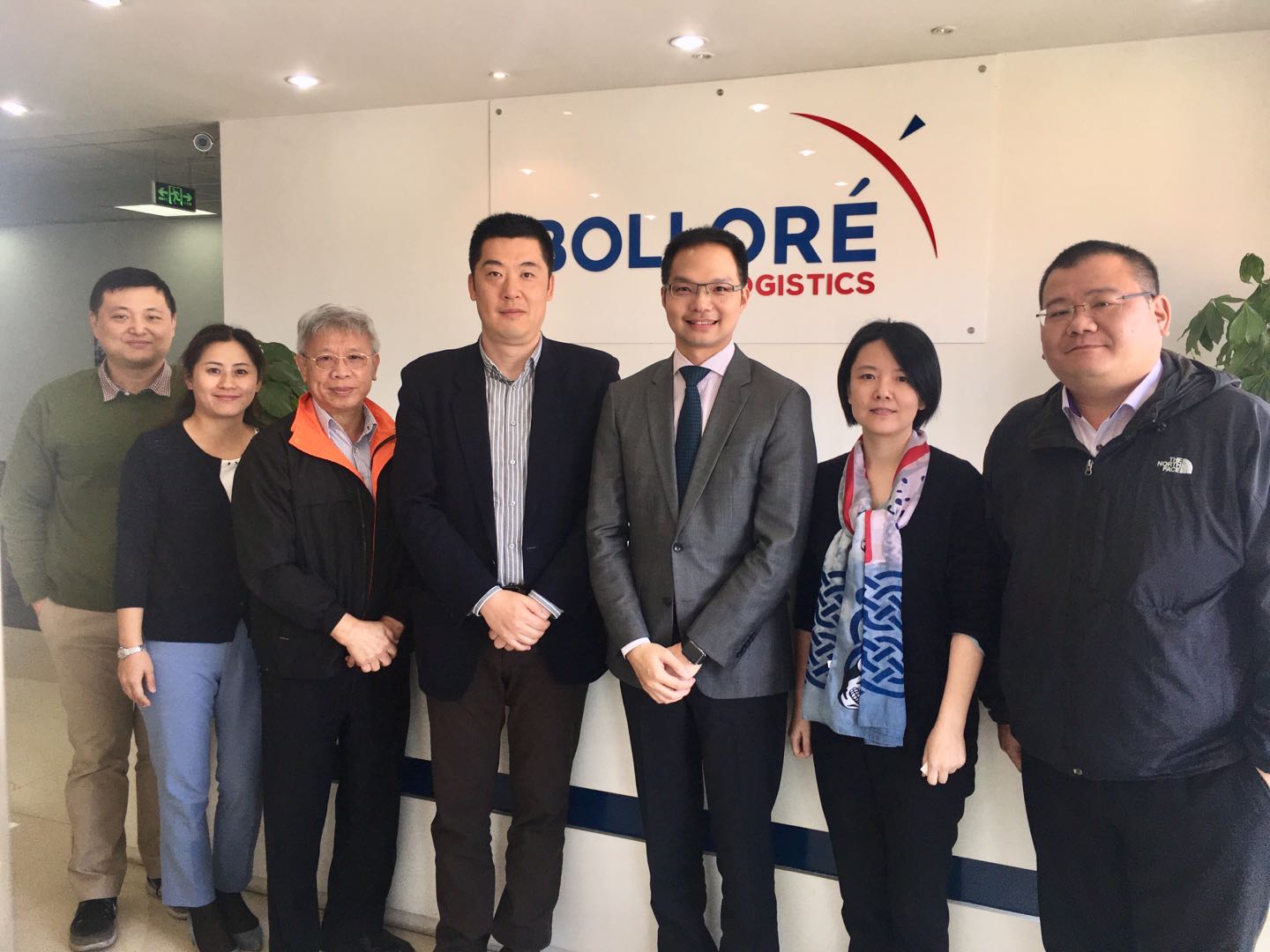
    Bolloré Logistics China was successfully awarded by the International Air Transport Association (IATA) as Center of Excellence for Independent Validators in Pharmaceutical Logistics (CEIV Pharma) at its platform located in the Pudong International Airport Logistics Park, in Shanghai, and became one of the first transport and logistics companies in China to receive this certification.

    Being certified CEIV Pharma by IATA, Bolloré Logistics China fully conforms to all applicable pharmaceutical standards expected from pharmaceutical manufacturers in terms of facilities, equipment, operations and staff and being capable to provide seamless cool chain transportation all along the supply chain.

    “This certification demonstrates our commitment on full compliance in handling pharmaceutical products and other temperature-sensitive commodities. Meanwhile, it will greatly reinforce our capability to further develop our core competency in transportation and logistics service for the healthcare industry,” said Jessie ZHOU, General Manager of Operations at Bolloré Logistics Shanghai.

    The CEIV certification will allow Bolloré Logistics China to have a strategic advantage in the China healthcare logistics market with a stronger, more competitive and enhanced air cargo service.

    This is new success shows Bolloré Logistics’ commitment to achieve the highest international quality standard in the global pharmaceutical supply chain for its customers, by continually improving its processes and infrastructures to be compliant with IATA CEIV Pharma standards. With Singapore, Australia, South Korea and now China certified, the aim of Bolloré Logistics is to deploy this action throughout its global network with on-going certifications on other sites in the Asia-Pacific region such as China Hong Kong and Japan.

    In Europe, Bolloré Logistics has already received the IATA CEIV Pharma certification for its Paris Roissy CDG platform (France) as well as its sites in Brussels (Belgium), Frankfurt (Germany) and Lisbon (Portugal).

    With its modern and innovative facilities, the excellence of its quality management system, the expertise of its teams and its multiple certifications, Bolloré Logistics is a major global player in the supply chain of pharmaceutical products.

  • ZARA Reopens Its Renovated Flagship Store at Vivocity

    ZARA Reopens Its Renovated Flagship Store at Vivocity

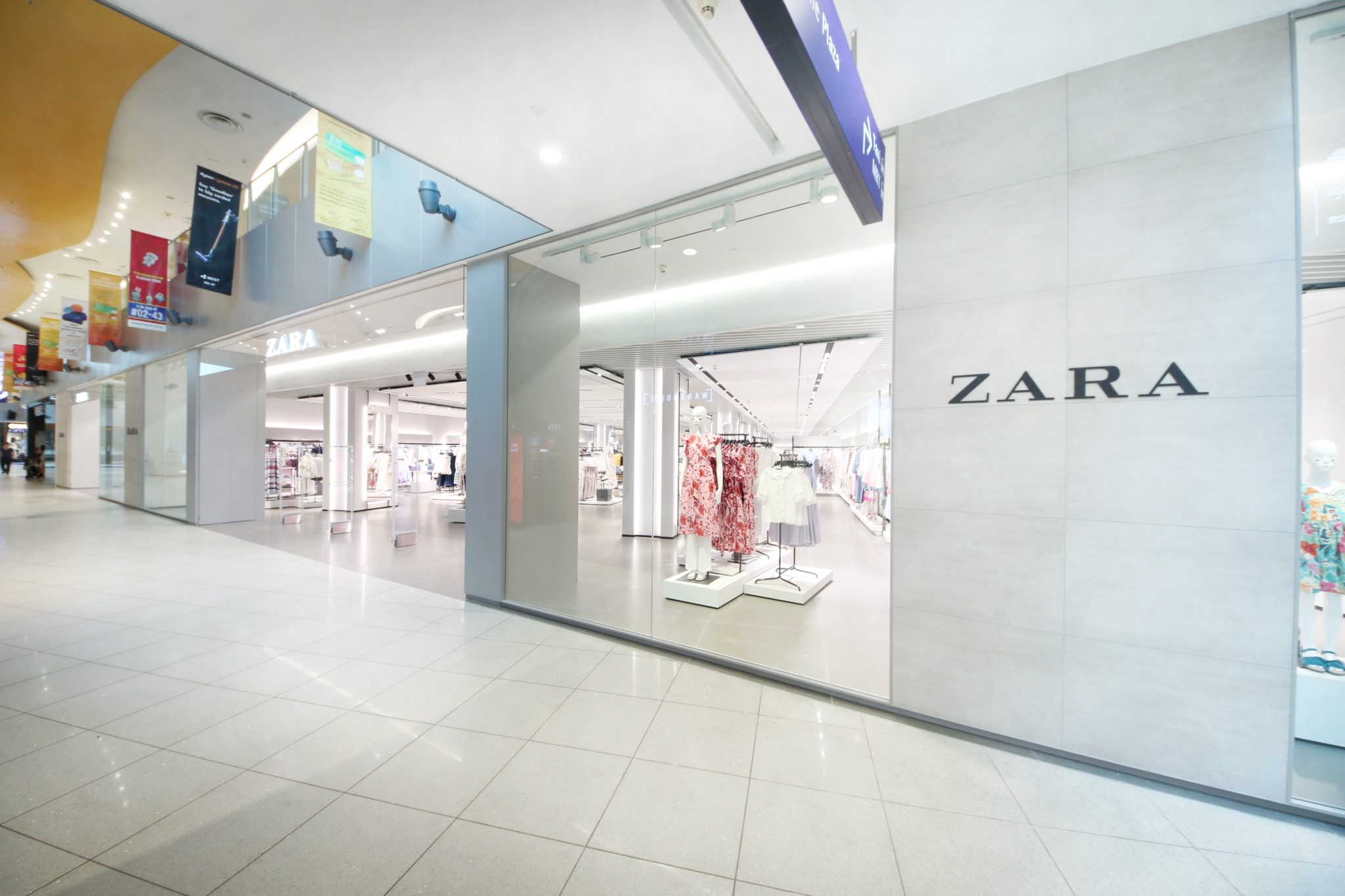
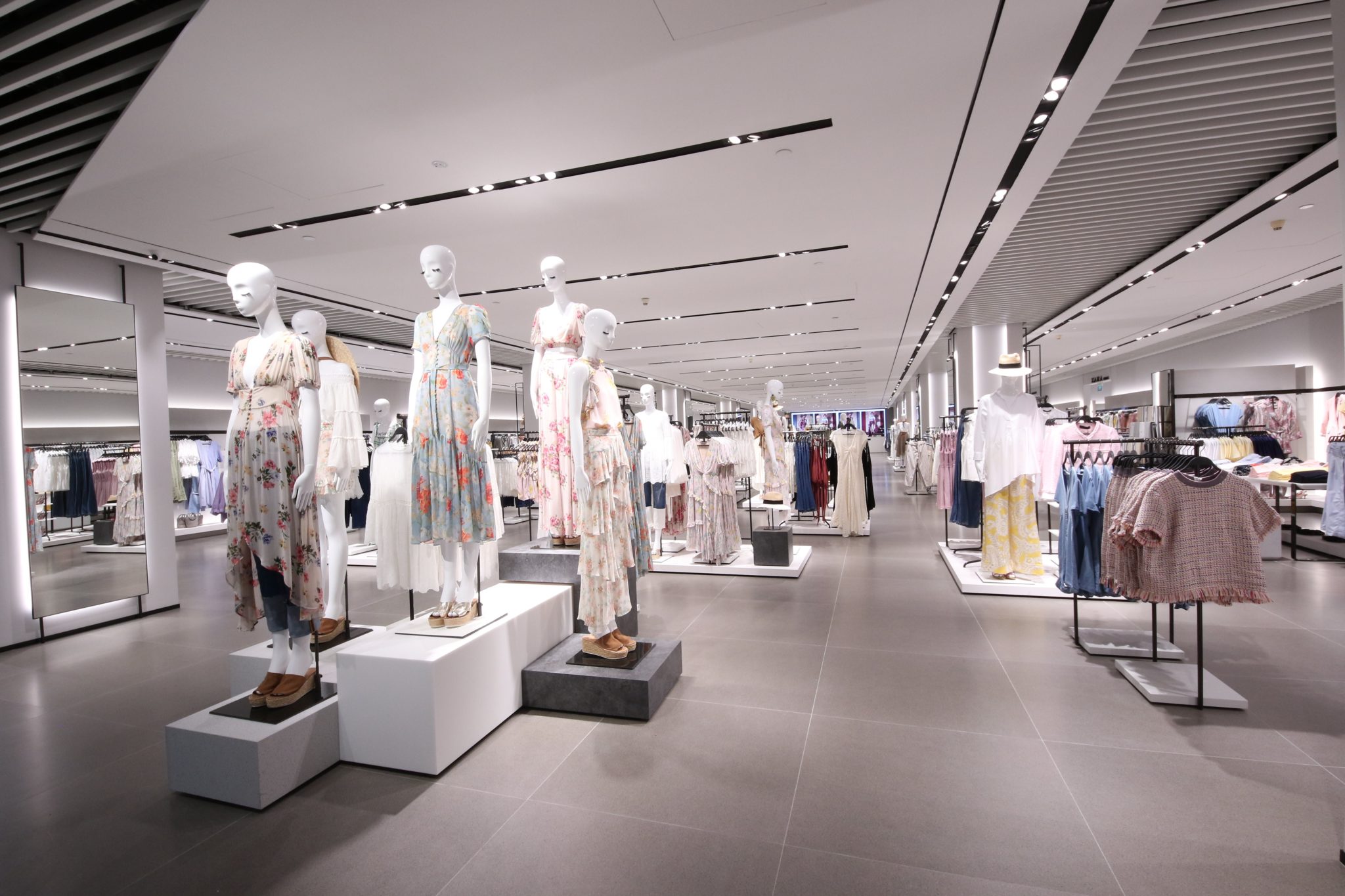
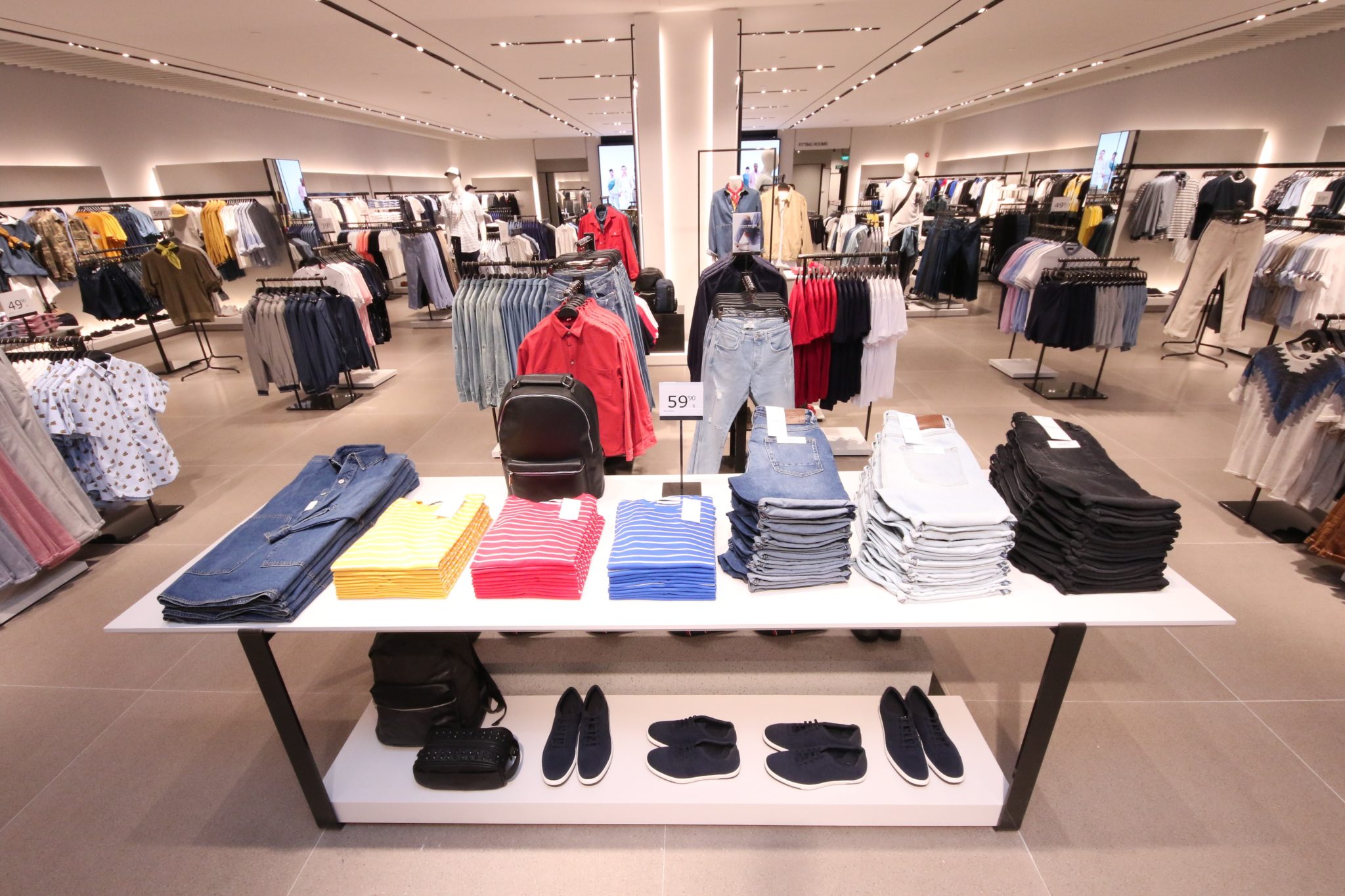
    Zara has reopened its flagship store in VivoCity, Singapore. This newly refurbished establishment showcases the brand’s latest global concept with its 2,700 square meters sales area – approximately doubling the area it had before the refurbishment. It will be distributed in two stores, with the latest collections of Woman, Basic, TRF, and Kids housed under one roof, and a separate store dedicated to Man.

    The store, which features a new interior design, stands out for its façade without windows, providing a transparent view of the store’s architectural features, collections and instore mannequins. Designed to provide continuous and comfortable light, the back-lit ceiling provides soft ambient lighting which contributes to a sensory shopping experience. The space invites the customer to enjoy as never before the experience of feeling, touching, observing and interacting with the merchandise.

    This store also incorporates the green-building criteria stipulated by Zara’s parent group Inditex. As an eco-efficient store, it consumes 20% less energy and 40% less water compared to a conventional store. To ensure the store continues to meet these energy reduction targets, its energy use is regulated by a central control center at Zara’s headquarters in Arteixo, northwest Spain.

    As part of Zara’s commitment to improve the quality of service and shopping experience for customers, the new store introduces the Group’s latest technological developments. This includes Radio Frequency Identification Technology (RFID) which helps to track the location of garments quickly and precisely to make the products most in demand by customers rapidly available on the shop floor, ensuring customers’ shopping needs are fulfilled.

  • Korea’s minimum wage divides Moon’s top economists

    Korea’s minimum wage divides Moon’s top economists

    Two of the Moon Jae-in administration’s top economic officials are at odds over the minimum wage increase’s impact on hiring, raising concerns among experts about the government’s future policy direction.

    “I think the minimum wage increase must have had an impact on hiring and salary,” said Kim Dong-yeon, the country’s minister of strategy and finance, in a committee meeting at the National Assembly on Wednesday. This was an about-face from his stance a month ago, when he said it was difficult to attribute stagnant new hiring to the minimum wage hike.

    “[The past few months] has not been enough time for research institutes to find any meaningful evidence on the impact of the minimum wage increase, but based on my experience and intuition, [I think] it has had an impact,” Kim said.

    Kim earlier argued that it was the ongoing restructuring of Korea’s automotive and shipbuilding sectors that slowed down employment growth.

    Kim’s remark on Wednesday came after a report released on the same day that showed a decrease in the number of new jobs created.

    According to data from Statistics Korea, the number of people who got new jobs in the wholesale, retail, accommodations and food category of the service sector, which is highly sensitive to changes in the minimum wage, fell by 88,000 compared to a year before, which is a drop of about 1.5 percent. New hires in the category have been on the decline since December last year, a month before the minimum wage increase went into effect. Total number of jobs lost in the category since then is about 447,000.

    “Kim is an applied economics expert and is well aware of the relations between the rise in minimum wage and the fall in employment, which is why he finally acknowledged its impact,” said Pyo Hak-gil, an economics professor at Seoul National University.

    But the Blue House’s top economic official doesn’t agree with the finance minister.

    “There was no fall in employment due to the minimum wage increase,” said economist Jang Ha-sung, President Moon’s chief of staff for policy, in a high-level meeting in Seoul on Tuesday. “There has been some controversy about the fall in employment, but based on the analysis by several research institutes using the statistics from March, there was no notable fall in hiring, excluding some food and beverage businesses.”

    Jang added that policy support for companies that could suffer from the new minimum wage was received well, and requests for government funding far exceeded initial projections.

    The differences in opinion between Kim and Jang, the country’s top two economic policymakers, have market watchers worried about the government’s future economic policy direction.

    “The perspectives and diagnosis of current economic conditions diverge within the government, which raises questions about its ability to come up with proper solutions,” said Yun Chang-hyun, a professor of economics at the University of Seoul.

    “The unemployment issue is not entirely the fault of the current administration, but it is true that some of its policies intended to expand jobs had the opposite effect,” said Nam Sung-il, professor of economics at Sogang University. “The government has to approach this issue with a more forward-looking perspective.”

  • Fast Retailing’s Gu to enter South Korea

    Fast Retailing’s Gu to enter South Korea

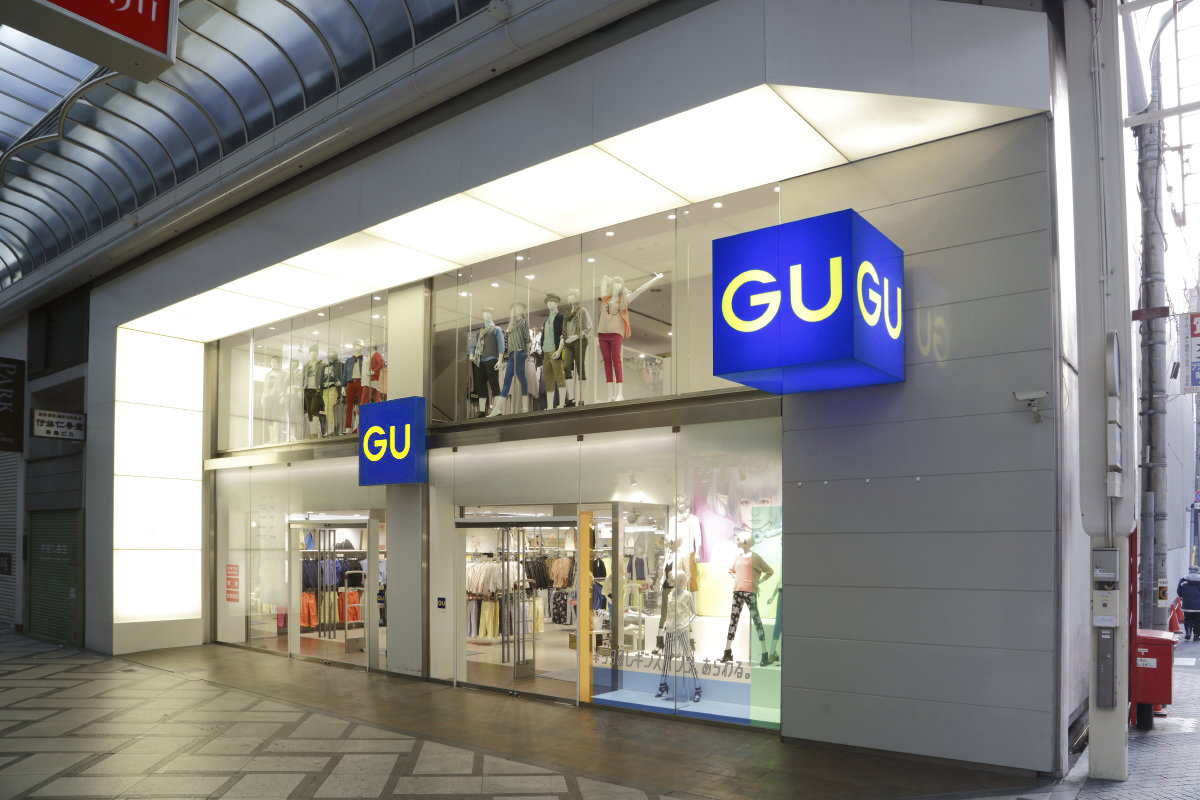
    Fast Retailing Group brand Gu plans to launch in South Korea this year with a store in Lotte World Mall in Jamsil, Seoul.

    With the brand message “Your freedom”, the Japanese clothing store will have a sales floor area of 1400sqm and offer items for women, men and children.

    “Launching in such a fashion-conscious country as Korea is a big step,” says Gu CEO Yunoki Osam.”

  • Walmart sales boosted by new website

    Walmart sales boosted by new website

    A new website has delivered a rebound in e-commerce sales for the world’s largest retailer Walmart, but falling margins have crimped first quarter earnings, with operating income down four per cent on a constant currency basis.

    Delivering its figures for the 13-weeks ended 28 April in the US overnight, Walmart said price cuts and higher shipping costs weighed on gross margin, down 23 basis points.

    Despite that sales, up 2.7 per cent on a constant currency basis to US$120 billion, and earnings came in above market expectations – helped along by a rebound in e-commerce sales, up 33 per cent.

    Comparable sales (excluding fuel) increased by 2.1 per cent, compared to 1.4 per cent in the prior corresponding period.

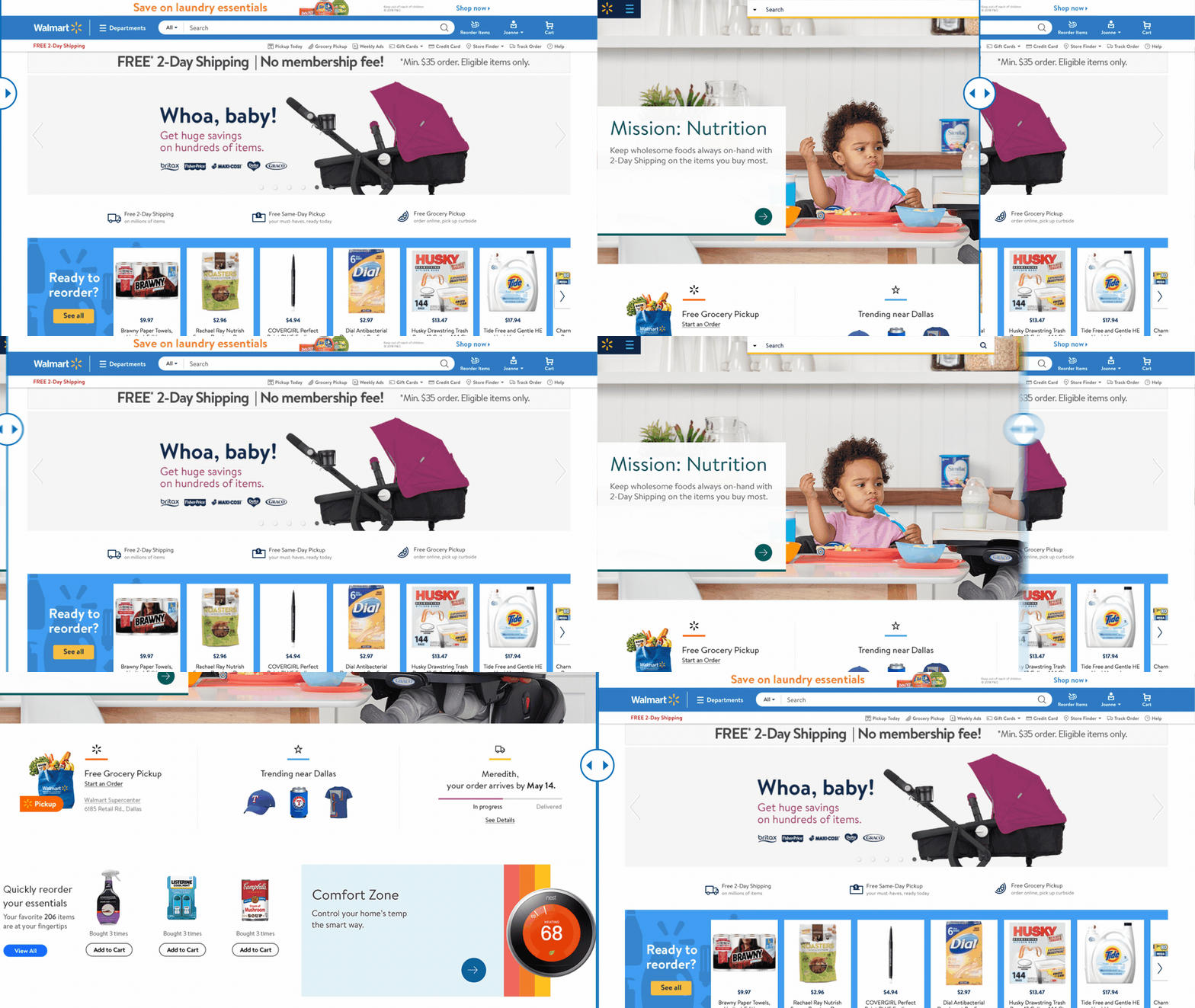
    Walmart launched a new website during the quarter after online sales experienced a slowdown over the holidays, with growth down to 23 per cent compared to 50 per cent in Q317.

    Walmart president and chief executive Doug McMillion said it was a solid first quarter with momentum building across the business.

    “We’re transforming to better serve customers, we are changing from within to be faster and more digital, while shaping our portfolio of businesses for the future,” he said.

    Walmart made a number of large corporate moves in the first quarter, including a US$16 billion deal for a 77 per cent stake of Indian marketplace Flipkart and a circa £10 billion on the merger of its UK supermarket business Asda with Sainsbury’s.

    Walmart also revealed on Thursday that it had sold its banking operations in Canada and Chile in line with its focus on retail.

    Neil Saunders said the first quarter figures were impressive in that, for a company of its size, Walmart has shown an ability to make dramatic changes to its business model in a relatively short time frame.

    “Today’s results are proof not only that Walmart is making gains in its day-to-day business, but that it is now a company firmly in the midst of a dramatic transition. As much as the structural changes are disruptive and, in some cases, profit-eroding, we believe they are necessary in order for Walmart to thrive in a new era of retail,” Saunders said.

    “Too many legacy retailers fail to make the bold moves needed to maintain their relevance. Walmart is not one of them. It has both the will and financial muscle to ensure it remains a retail leader for many years to come. Indeed, we think it is one of the few companies that can truly take on Amazon in a serious and meaningful way.”

  • Balinese jeweller John Hardy plans US store rollout

    Balinese jeweller John Hardy plans US store rollout

    Indonesian jewellery brand John Hardy has inaugurated a new Miami flagship store, signalling the Made in Bali-brand’s retail strategy shift toward the US.

    The New York-headquartered brand has opened a boutique inside Florida’s Aventura Mall, much like its SoHo flagship store in New York, thus taking its store count in America to four.

    Stocking the brand’s unique jewellery collections for women, the Miami store will also feature a work area dedicated to the brand’s ‘Artisan in Residence Program’.

    In an interview with WWD, John Hardy CEO, Robert Hanson – who joined took the brand’s helm around the time private equity firm L Catterton took a stake in luxury jewellery brand — said the company has an “expansion” strategy in place, with a focus on the US.

    “We’ve identified domestically all A and A+ locations we would like to be in, maybe over the next two years 12 to 15 in A+ locations. We could expand beyond to 25 locations including the U.S. and Canada over time,” said Hanson, adding that company is in negotiations for two more locations for early 2019, with a possible third outlet store opening due in October on the West Coast.

    John Hardy already has stores in Houston and Los Angeles and two US outlets; one at Woodbury Commons in New York and the other at Desert Hills Premium in Riverside County, California.

    Outside Indonesia, the firm has three stores in Hong Kong at Gateway, Sogo and Landmark.

    In the last four years, John Hardy revenues have grown 25%, made up of U.S. wholesale (60%), Caribbean sales (10%), direct-to-consumer sales (20%) and international sales (10%).

    Canadian jeweller John Hardy founded the brand in 1975 in Bali. The company has its corporate headquarters in New York, as well as design studios in Bali and Thailand.

  • Sumitomo to increase its stake in Simple Mart

    Sumitomo to increase its stake in Simple Mart

    Japan’s Sumitomo Corporation will buy a 22 per cent stake of Simple Mart, the second-largest supermarket company in Taiwan.

    The trading company will pay around ¥4.5 billion yen (US$41.1 million) for the stake in a transaction set for August, the two sides have agreed.

    Sumitomo has a partnership with Simple Mart’s parent, Taipei-based insurance and retail group Mercuries & Associates, in drugstore businesses in Taiwan. The Japanese investment will help Simple Mart double its store count by 2023.

    Founded in 2006, Simple Mart has more than 600 stores across Taiwan.

    Sumitomo will analyse data from Simple Mart’s online sales and rewards program to identify shopper favourites and improve store systems.

  • Korean’s overseas card spending hits record high in first quarter

    Korean’s overseas card spending hits record high in first quarter

    Overseas card spending by Koreans hit a fresh record high in the first quarter on rising outbound tourists, central bank data showed Thursday.

    In the January-March period, a record $5.07 billion worth of purchases were made abroad, up 11.4 percent from three months earlier, according to the data by the Bank of Korea. From a year earlier, the Q1 tally marked a 26 percent increase.

  • Nissan’s 54-year old CFO retires

    Nissan’s 54-year old CFO retires

    Joe Peter, who spent most of his career at General Motors, has retired as CFO of Nissan Motor Co. in Yokohama, Japan.

    Peter, 54, was recruited from GM’s senior finance ranks to Nissan during the 2009 financial crisis as Nissan struggled to stem losses and conserve cash amid crashing world markets.

    His replacement as CFO, effective immediately, is Hiroshi Karube, 62. Karube was previously senior vice president, global controller, accounting and global asset management.

    Efforts to reach Peter were unsuccessful.

    Peter was responsible for Nissan’s worldwide financial planning, control, accounting, treasury, tax, investor relations and merger and acquisition support. He also was a member of Nissan’s executive committee and chairman of the board of directors of the sales finance companies in Japan, United States and Mexico.

    A Detroit native and son of an assembly line worker, Peter rose at GM to the position of CFO of the automaker’s international operations in Shanghai before being recruited to Nissan.

    Karube went to work at Nissan in 1980 and has held several key roles in finance, including global responsibility for accounting and asset management.

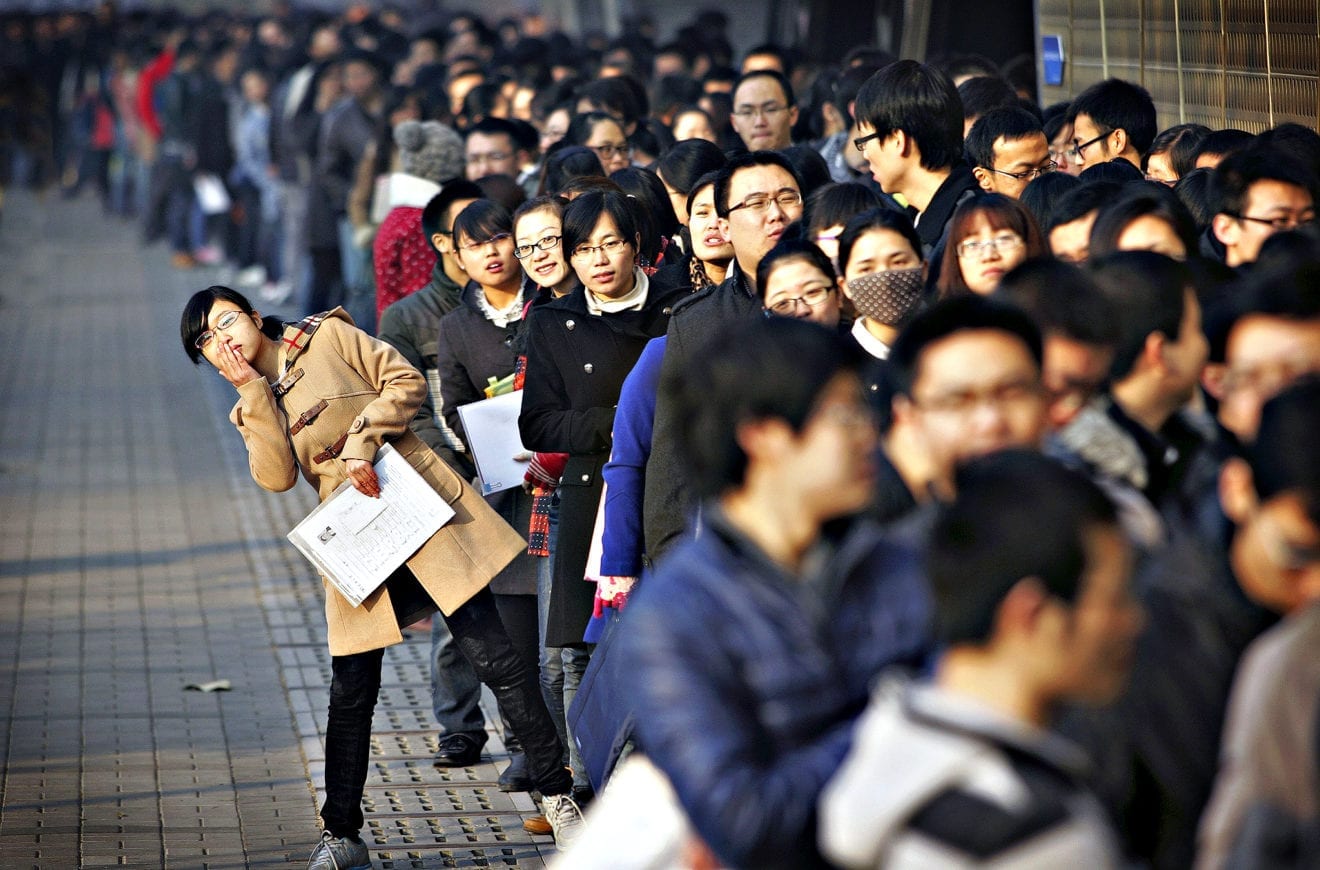
  • Korean-German Chamber of Commerce to hold job fairs

    Korean-German Chamber of Commerce to hold job fairs

    The Korean-German Chamber of Commerce and Industry is holding job fairs at Korean universities over the next couple of weeks.

    According to the German commerce of chamber, leading German companies will be participating in the job fairs including Audi Volkswagen Korea; pharmaceutical company Bayer Korea; a high-tech company that leads in industrial automation, ISRA Vision Korea; defense contractor TAURUS Systems Korea and Carl Zeiss Korea.

    The first visits that the companies will be making will be on May 23 at Konkuk University and May 24 at Hanyang University. The company will be meeting students at Chung-Ang University on May 29.

  • Golden first quarter for Shakey’s Pizza

    Golden first quarter for Shakey’s Pizza

    Pizza parlour chain Shakey’s Pizza Asia Ventures grew its first-quarter net profit by 6.4 per cent to PHP184 million (US$3.5 million), even as higher input costs tempered the impact of double-digit growth.

    Shakey’s grew its first-quarter systemwide sales by 10 per cent to PHP2.2 billion. This was mainly attributed to a 2 per cent growth in same-store sales and a continued store network expansion strategy.

    Meanwhile, the company says earnings growth has been curbed by cost pressures relative to the previous year.

    “We continue to face a competitive environment, but this has been mitigated by the success of our marketing initiatives and the efforts we have made to improve the overall Shakey’s brand experience,” says president/chief executive Vicente Gregorio.

    For the three months to the end of March, the company grew total revenues by 6 per cent to PHP1.8 billion.

    During the quarter, Shakey’s added four outlets to take its nationwide store count to 212. It intends to open another 16 branches and is on track to taking its total Philippine store network to 228 by year end.

    Gregorio says the company is taking the brand to more locations beyond Metro Manila.