Author: Mei Ling Tan

  • Amorepacific Q1 net profit plunges 21%

    Amorepacific Q1 net profit plunges 21%

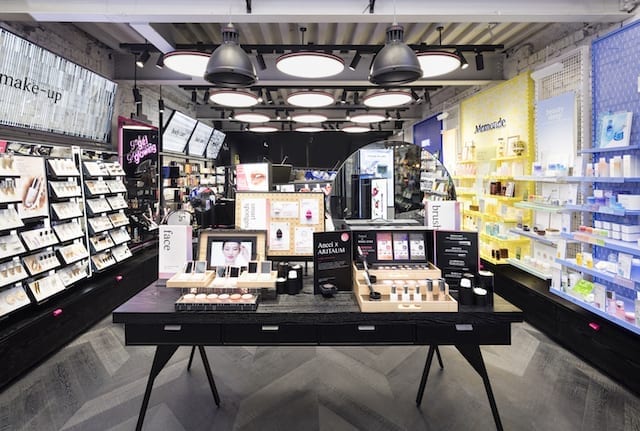
    Amorepacific Corp., South Korea’s leading cosmetics maker, said on its first-quarter net profit declined 20.9 percent from the previous year, due mainly to a sharp drop in the number of Chinese tourists.

    Net income came to 176.7 billion won (US$163 million) in the January-March period, compared with 223.5 billion won tallied for the previous year, the company said in a regulatory filing.

    Operating profit fell 25.5 percent to 235.9 billion won, and sales declined 8.8 percent to 1.43 trillion won during the cited period, it said.

    The company attributed the weak performance to the decrease in inbound tourists from China, which followed the Beijing government’s ban on sales of Korea-bound package tours amid a diplomatic row over the deployment of a U.S. missile system here.

    China has been gradually lifting its travel ban by region, but the effect has yet to be felt by the South Korean retail and tourism industries, according to market sources.

    The combined net income of Amorepacific Group, which includes smaller brands like Innisfree and Etude, reached 216 billion won in the first quarter, also down 18.9 percent from a year ago.

    Total operating profit was down 26.5 percent to 278.1 billion won, and sales decreased 10.3 percent to 1.66 trillion won during the cited period, it said.

    Amorepacific Corp is steadily pursuing the global market with five global champion brands in order to improve its earnings and become a truly global company.

    Laneige entered the Australian market by being launched in Sephora last March and Mamonde entered the US market in the US ‘ULTA’, and Innisfree and Etude opened their first stores in Japan and the Middle East respectively. The company is also concentrating its efforts on developing new global markets.

    Hera also plans to enter the ASEAN market (Singapore) for the first time in May.
  • Etam Sells China Ready-to-Wear Operations to Hong Kong Investor

    Etam Sells China Ready-to-Wear Operations to Hong Kong Investor

    The majority of the crippled Etam China retail business has been transferred to a Hong Kong investor.

    While the terms of the sale agreement have not been disclosed, French media refer to the Chinese business as being “ceded” and financial incentives may have been included to help offload the business.

    The deal includes the local businesses of brands Etam Weekend, ES and E & Joy, as well as a license agreement for the use of trademarks using the name Etam. However, the French textile company will retain its lingerie business, which is trading well, internationally, including in China.

    Etam China’s sales slumped 28.7 per cent in the second quarter of last year, to €48.4 million. Globally, Etam’s turnover for the first half of last year was €600 million, down 5.3 per cent. Since then, the company has delisted from the Paris stock exchange, so the current status of the business is unclear.

    Zhou is the founder and CEO of Jaoboo Fashion Group and is described as “a distribution expert in China,” according to French newspaper Le Figaro. He takes control “with immediate effect”.

    In a statement, Etam Group said the transaction reflects its strategy to focus on its core business internationally, the development of its lingerie brand.

    “Thanks to Mr Zhou’s experience, Etam’s ready-to-wear brands will continue to grow and win new customers throughout China,” said Laurent Milchior, CEO of Etam Group.

    Zhou added: “The Etam RTW brands are well known to consumers across China and I am excited to have reached an agreement with Etam Group to take the brands and business forward. With Etam’s strong customer base, its brand heritage and our expertise in China, I am confident we have a bright future ahead of us.”

    The transfer follows the an “exceptional” action plan implemented in July last year to put Etam China back on track, including closing outlets, reorganising logistics to a single warehouse, cutting costs and accelerating the sale of off-season products.

    Etam China closed 154 shops in the first six months of last year, leaving it with 2442 points of sale.

  • Vietnam’s GDP growth to slow after record performance in Q1

    Vietnam’s GDP growth to slow after record performance in Q1

    Vietnam’s decade high growth in the first quarter is forecast to slow during the rest of the year, a parliamentary meeting heard on Monday.

    The country’s gross domestic product (GDP) grew 7.38 percent in the first three months thanks to strong performance in three key economic sectors, agriculture, industry-construction and processing-manufacturing, said deputy prime minister Truong Hoa Binh at the opening meeting of the 14th National Assembly, the highest legislative body in Vietnam.

    However, the deputy PM pointed out that GDP growth is unlikely to maintain its momentum for the rest of the year and slow down instead due to lack of any breakthrough factors compared to last year.

    In 2017, Vietnam’s economy expanded rapidly due to strong exports driven by South Korea’s electronics giant Samsung and Taiwanese steel firm Formosa.

    The deputy PM expects this year’s main driver of growth to be processing-manufacturing, the most likely sector to see any breakthroughs.

    Growth this year will be undermined by lower mining output, especially crude oil extraction which is forecast to be down by 2 million tons compared to 2017.

    The reduced tax on some items imported from ASEAN countries is also believed to obstruct growth, deputy PM Binh said.

    Vu Hong Thanh, chairman of the Economic Committee of the National Assembly, said high growth achieved in the first quarter has created a big challenge for the rest of the year if Vietnam is to aim for ever higher growth.

    Thanh is also concerned about increasing healthcare, education and food prices, which are forecast to contribute 2-2.5 percentage points to this year’s inflation hike.

    Protectionism and trade tensions between China and the U.S. have also affected Vietnam’s trade activities, Thanh said.

    The committee asked the government to pay greater attention to growth quality, restructure the economy and to continue to closely monitor the situation, keeping adjustments to fuel, service and food prices in mind.

    Vietnam’s annual trade now exceeds 185 percent of GDP, making it the second most trade dependent economy in Southeast Asia, behind Singapore, according to the Asian Development Outlook 2018 report released last month.

    The Ministry of Planning and Investment has forecast country’s economic growth this year to be at 6.7 or 6.8 percent.

  • LG Group chairman dies at 73

    LG Group chairman dies at 73

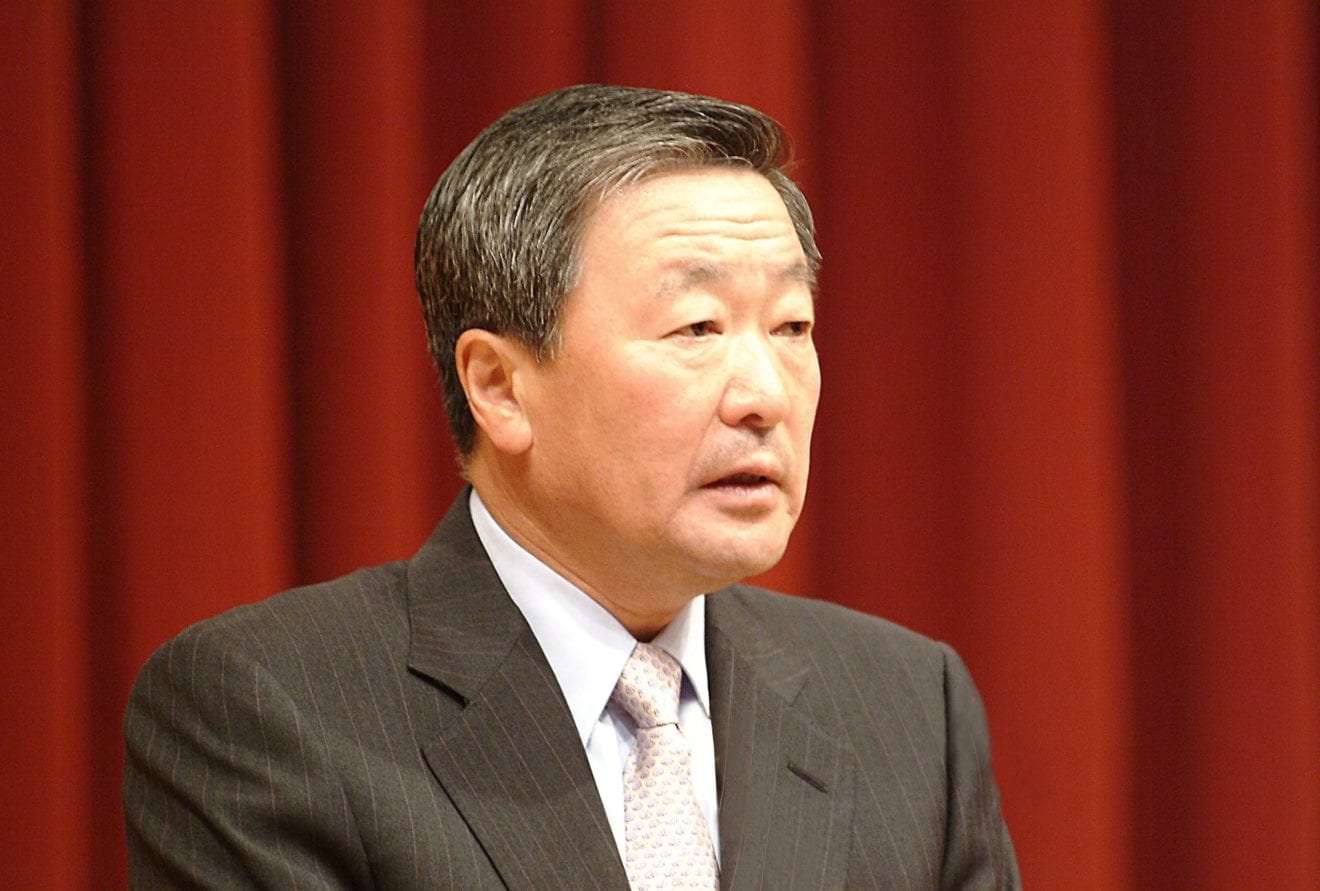
    Koo, 73, had been ill for a year, LG Group said in a statement.

    Koo had been fighting a brain disease and had undergone surgery, said a group official who declined to be identified.

    “Becoming the third chairman of LG at the age of 50 in 1995, Koo established three key businesses – electronics, chemicals and telecommunications – led a global company LG, and contributed to driving (South Korea’s) industrial competitiveness and national economic development,” LG said.

    LG Group also established a holding company in order to streamline ownership structure and to begin the process of succession.

    The country’s powerful family-run conglomerates are implementing generational succession amid growing calls from the government and public to improve transparency and corporate governance.

    LG Corp (003550.KS), a holding company of the conglomerate, had said on Thursday its longtime chairman was unwell and it planned to nominate his son to its board of directors in preparation for a leadership succession.

    Heir apparent Koo Kwang-mo is from the fourth generation of LG Group’s controlling family. He owns 6 percent of LG Corp and currently heads LG Electronics’ information display unit.

    He joined the finance division of LG Electronics in 2006 and has been involved in several businesses such as appliances, home entertainment and group strategy, LG said.

    The late chairman adopted Koo in 2004 from his younger brother Koo Bon-neung after his only son died in a car accident.

    The change at the helm is not expected to be disruptive to the group’s business, one analyst said.

    “Although Koo passed away at a relatively early age, his son has already been in a senior position and I don’t think there will be a big change in governance structure or strategic decisions,” said Park Ju-gun, head of corporate analysis firm CEO Score.

    Under Koo’s leadership, the conglomerate changed its corporate brand to LG from Lucky Goldstar and sold LG’s semiconductor business to Hyundai, now SK Hynix Inc (000660.KS), under government-led restructuring in the wake of the Asia financial crisis in the late 1990s.

    Major affiliates are LG Electronics Inc (066570.KS), display maker LG Display (034220.KS) and electric car battery maker LG Chem (051910.KS).

    South Korean prosecutors said this month they raided LG Group’s head office as part of a probe into alleged tax evasion by family members controlling the conglomerate.

    The company said Koo’s funeral would be held privately with family members. Visitors including Samsung Group heir Jay Y. Lee have paid their condolences at his altar.

  • Indonesian ride-hailing app revs up to join Vietnam’s transport market

    Indonesian ride-hailing app revs up to join Vietnam’s transport market

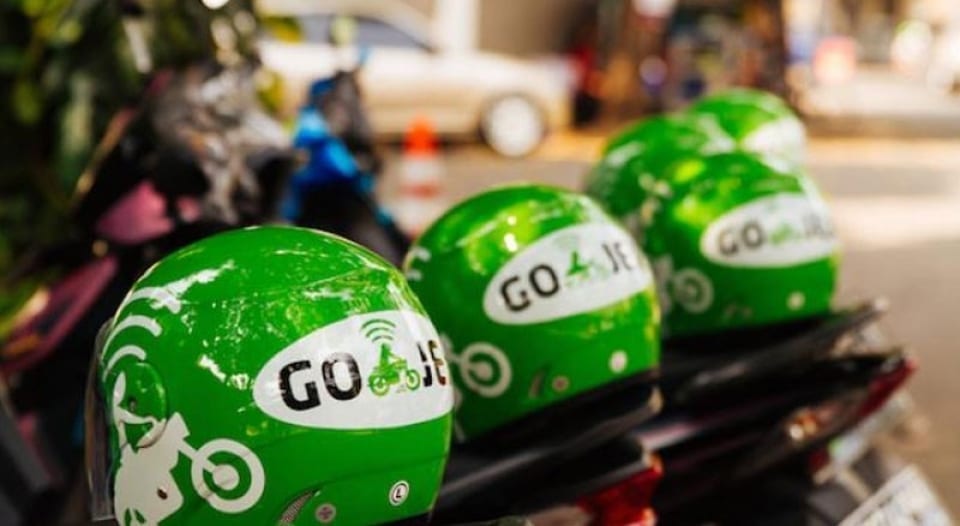
    Indonesian ride-hailing app Go-Jek will officially launch in Vietnam this July, bringing more competition to the market currently dominated by Grab after it had acquired Uber’s Southeast Asia operations in March.

    Founded in 2010, the Indonesian transport startup has since raised over $1.5 billion from investors such as Google or China’s Tencent Holdings, as reported by Reuters.

    Starting out as a phone-based motorbike ride-hailing app, Go-Jek is now a digital platform which offers transportation, logistics and delivery services.

    To attract Vietnamese drivers, Go-Jek won’t initially charge drivers 20 percent commission fee and is offering free installation of its geographical positioning system.

    “This looks like an attractive offer, as I currently have to pay a commission fee of 28 percent for Grab,” Tuan, a Vietnamese Grab driver said.

    Singapore-based blockchain-powered ride-hailing app MVL is also reported to be entering Vietnam’s market in July.

    MVL would not require its driver to pay any commission, but instead generate a profit through selling data generated from its daily operations to insurance and market survey companies, said its CEO Kay Woo during a conference in HCMC earlier this month.

    Ever since Uber left the Vietnamese market last month, Grab has raised suspicions about creating a monopoly in Vietnam, now that one of its biggest rivals is gone.

    An investigation conducted by Vietnamese authorities has said that the deal between Grab and Uber showed signs of breaching Vietnam’s antitrust laws, as reported by local media on Wednesday.

    Preliminary investigation results showed that Grab’s share in Vietnam exceeds 50 percent of Vietnamese market after acquiring Uber, which is a potential sign of violating Vietnam’s regulation on economic concentration.

    Vietnam’s Competition and Consumer Protection Department is considering opening an official investigation into the deal.

  • Metro Holdings buys 35% of JV that’s acquiring Shanghai mixed-use building

    Metro Holdings buys 35% of JV that’s acquiring Shanghai mixed-use building

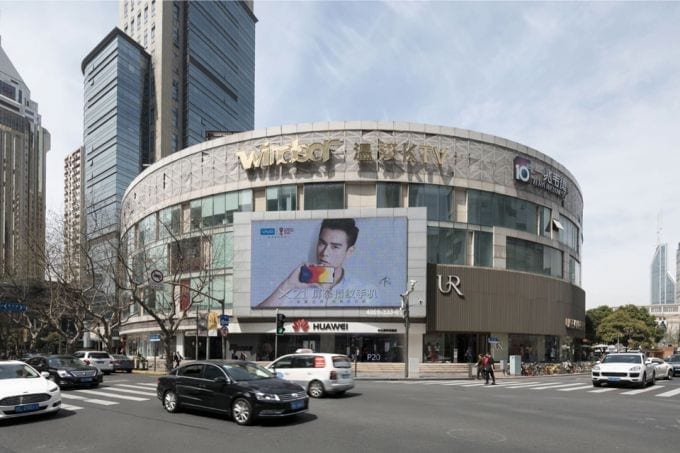
    Metro Holdings, together with other JV partners, is acquiring a 90 per cent stake in Shanghai Plaza for RMB2.9 billion (US$613 million).

    The mixed-used commercial building, with a gross floor area of 40,693sqm spans seven floors in Huai Hai Zhong Road, Huang Pu district, one of the most densely populated urban districts in China. It is also near the shopping district of Xintiandi, People’s Square and the Lujiazui CBD.

    Under the JV agreement signed by the investor, Shanghai Xing Chu Business Consulting, a wholly owned subsidiary of Metro China Holdings, will contribute $56 million for a 35 per cent stake in Shanghai Yi Zhou Property Management, which will be used to acquire and run Shanghai Plaza.

  • AirAsia boss Tony Fernandes wants to help Malaysian football

    AirAsia boss Tony Fernandes wants to help Malaysian football

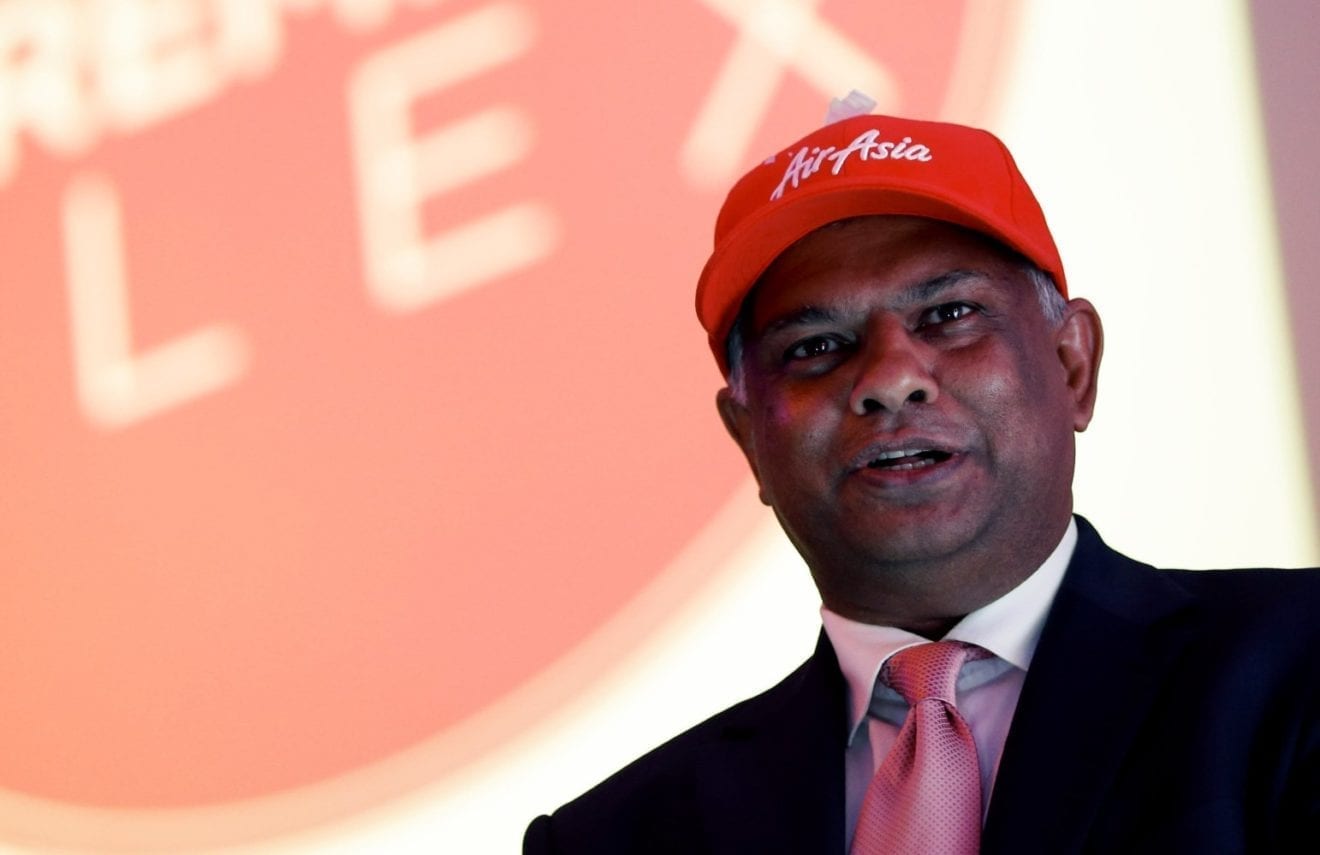
    Malaysian businessman and AirAsia’s  chief executive officer Tan Sri Tony Fernandes has expressed interest to work with the Football Association of Malaysia (FAM) after visiting the national body for a meeting on Monday.

    “At the meeting, Tony, through his company AirAsia, expressed his interest to collaborate with FAM in the future for various aspects such as referees, national teams, and youth development programmes,” said FAM secretary-general Datuk Hamidin Amin through a statement.

    “FAM certainly welcomes the support and involvement of a businessman such as Tony in our efforts to jointly rebuild football in Malaysia.”

    The airline company owner has his fingers firmly dipped in sports, also being the major stakeholder of English Championship club Queens Park Rangers.

    Tony’s AirAsia Group also owns PJ Rangers FC, who play in the Malaysian third-tier FAM league.

    The lifelong West Ham United fan is set to have a professional relationship with a soon to be new regime in FAM that are bound for elections in July.

    Hamidin is most likely succeed Tunku Sultan Ismail as president despite surprise contention from politician Tan Sri Annuar Musa and Malaysian National Sports Institute chairman Datuk Seri Abdul Azim.

    Tony’s business sense and passion for the game will certainly work in FAM’s favour if they come up with a successful blueprint in the said areas.

    The business tycoon has previously backed the national ‘Harimau Muda’ team by emblazoning a logo of them across the AirAsia plane.

    Also present at the Monday meeting were national Under-23 coach Datuk Ong Kim Swee and PJ Rangers deputy president Simon Lim.

  • Manila’s Jollibee introduced a purple yam pie today

    Manila’s Jollibee introduced a purple yam pie today

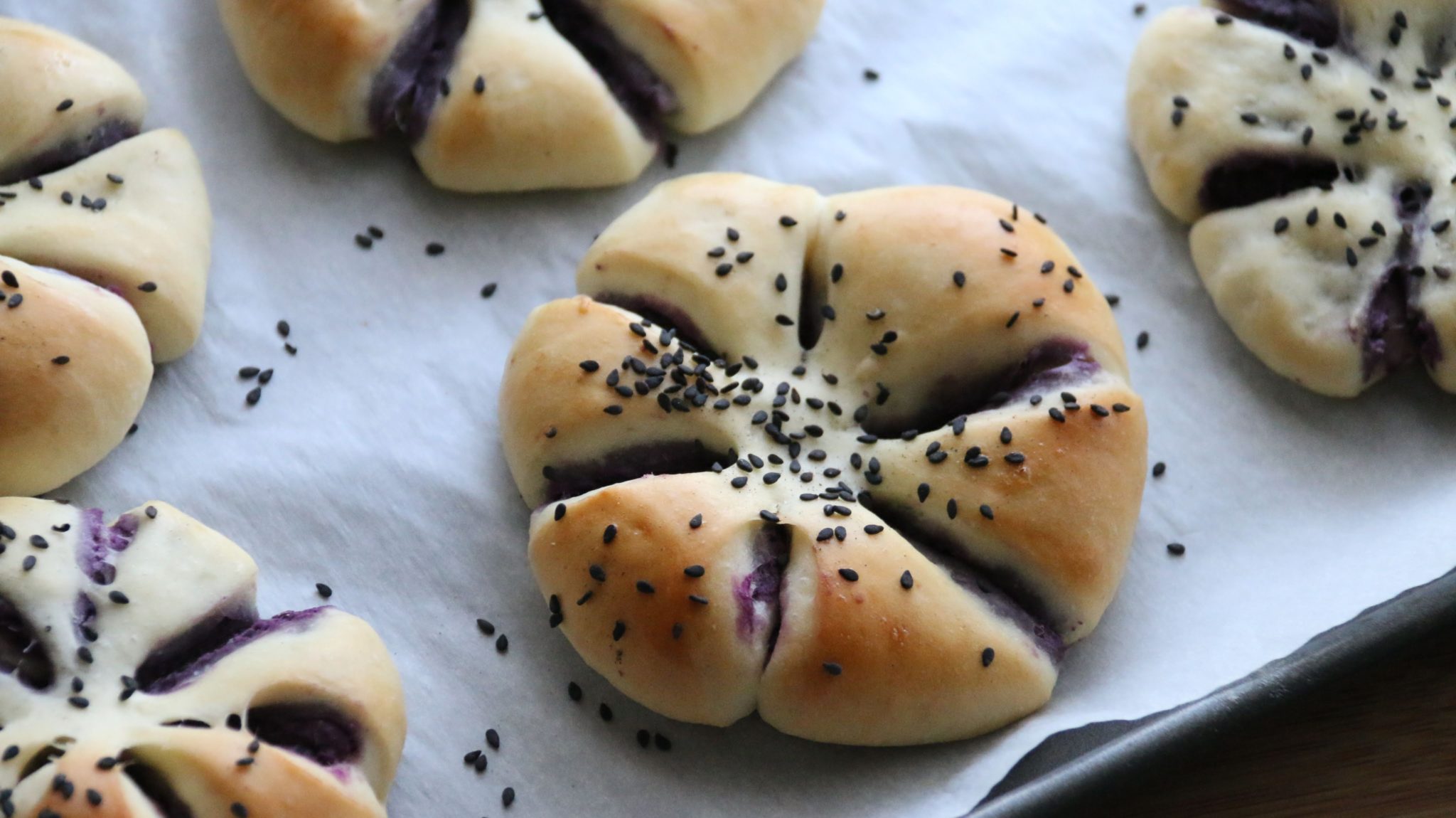
    Manila’s favorite colorful root vegetable, the ube, or purple yam, has found a new home today: stuffed deep inside a flaky, crusty, warm pastry and served up hot, fresh, and cheap at everyone’s favorite Filipino fast food joint, Jollibee.

    The ube pie was introduced this morning and can be experienced for P29 for a single pie, or P82 for three.

    The chain has been teasing the new menu item in viral posts on their page for the last few days, revealing the purple color and texture — which Pinoys immediately guessed to be ube — but not the product itself. The most popular guess for the colorful new addition was ice cream or a sundae. However, most people just tagged their friends and said that they needed to go and try it.

    Ube has long been used in Filipino desserts, and is popular in Thailand as well, where it’s served sweet or savory and known as man muang. Recently, though, the colorful, antioxidant-packed yam has been gaining traction all over the world, being called “the new matcha” due to both it’s fast-growing popularity and supposed health benefits.

    Though Jollibee also has outlets in Singapore, Vietnam, Hong Kong, and the US, it appears the viral new purple pie is a treat reserved only for customers in the Philippines.

    Jollibee has not announced if the new pie is a limited-time item or permanent edition to the menu.

  • AirAsia X named world’s cheapest airline for international flights

    AirAsia X named world’s cheapest airline for international flights

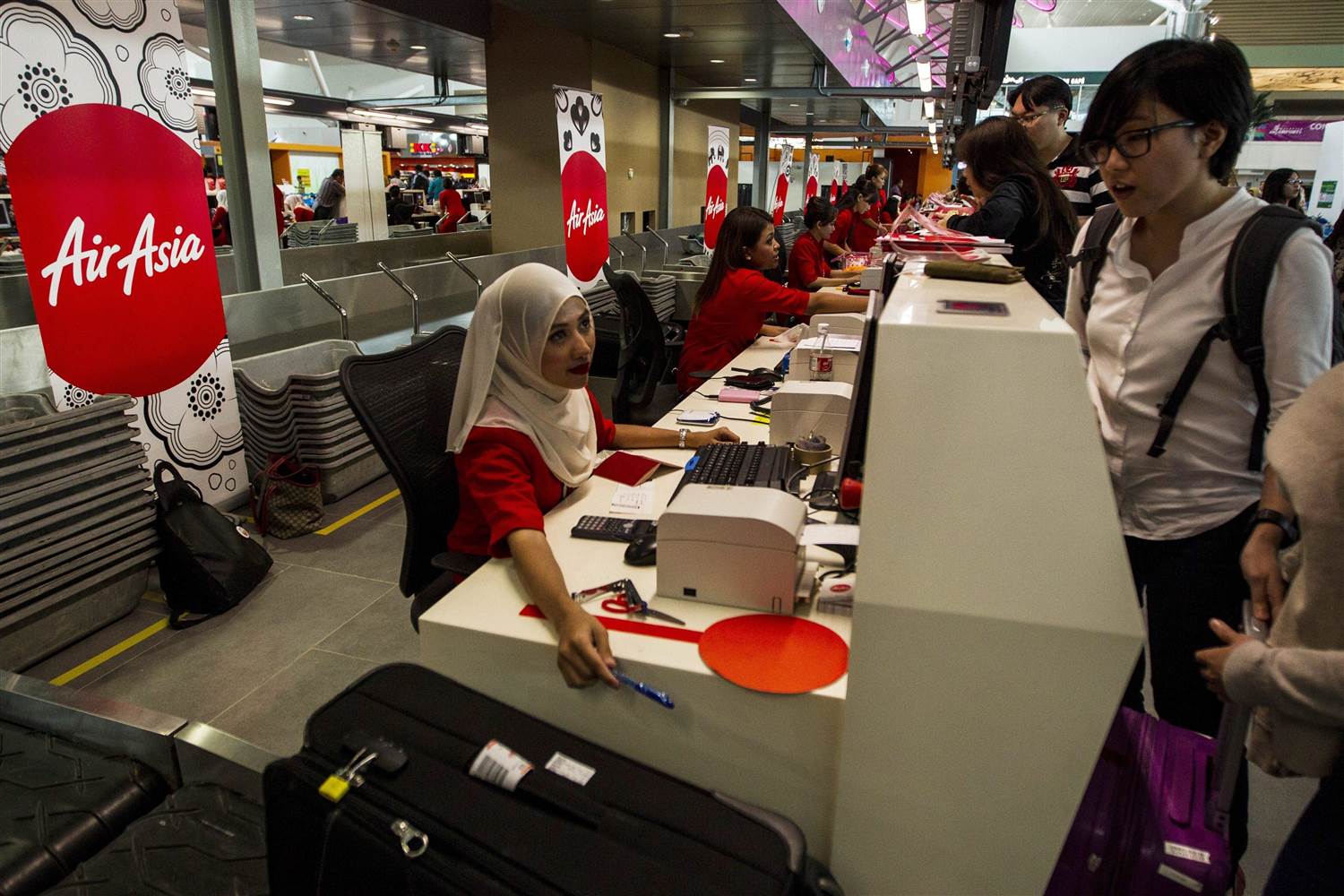
    AirAsia X has been named the world’s cheapest airline for international flights.

    According to the 2018 Global Flight Price Ranking released by travel planning website Rome2Rio, the low cost carrier’s international flights cost 0.07 US cents per kilometer, making it the cheapest in the world.

    For international flights, the top three rankings were dominated by Asian airlines, namely AirAsia X, Air India Express and Indonesia AirAsia.

    Kirsteene Phelan, told that the AirAsia Group dominated the rankings with three of its airlines in the top 20.

    “Although Qantas (eighth) ranks highly for value, we are often seeing travelers from the UK to Asia and Australia booking with carriers such as Etihad (sixth), Royal Brunei Airlines ( 19th ), China Southern ( 20th ) and Emirates ( 25th ),” said Phelan, “This suggests that while overall value may be high for one airline over another, specific route pricing can vary greatly and travelers need to be vigilant for deals to ensure the best price to their destination.”

    As for domestic flights, Tigerair Australia was named the cheapest with 0.06 US cents/km followed by Jetstar with 0.08 US cents/km and Indonesia AirAsia with 0.09 US cents/km.

    The ranking was compiled based on the airline price comparison on economy-class airfares displayed on the website in January and February.

    “Airlines sometimes offer highly non-competitive fares for shopping queries, so for this analysis we included only fares that fell within two times the cheapest price available for each shopping query,” stated Rome2Rio, stressing that they only focused on economy-class for this study.

  • Rare bottles of whisky fetch record US$1m each at HK auction

    Rare bottles of whisky fetch record US$1m each at HK auction

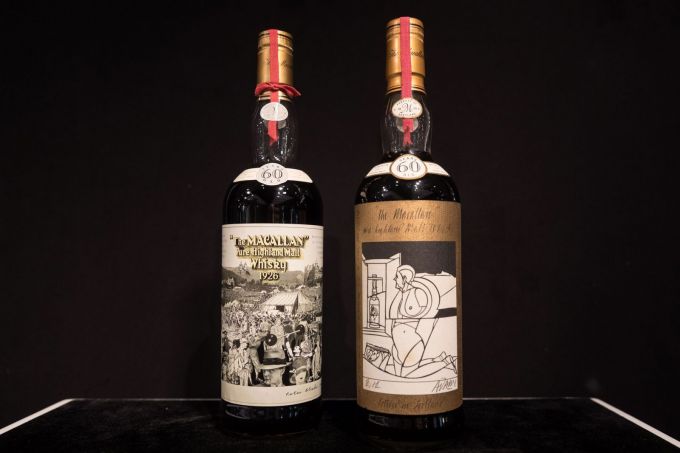
    Two bottles of rare 60-year-old Macallan whisky fetched a total of more than US$2 million under the hammer on Friday in Hong Kong, Bonhams said, with both sales shattering the previous world auction record for the spirit.

    One bottle, bearing a label designed by British pop artist Peter Blake – who helped create the sleeve of The Beatles’ album “Sgt. Pepper’s Lonely Hearts Club Band” – was sold for HK$7.96 million (S$1.36 million).

    The other bottle, whose label was designed by Italian artist Valerio Adami, went for HK$8.63 million, a new world record for whisky sold at auction.

    Both 750-milliliter vintage bottles were distilled in 1926 and matured in a sherry hogshead cask until being bottled in 1986. Only twelve of each Macallan were ever produced.

    “These two bottles are not meant for sale. They were given to some of the Macallan’s most loyal business partners or clients,” said Daniel Lam, head of wine and whisky at Bonhams in Hong Kong.

    In 2014, a bottle of malt whisky – Macallan ‘M’ Decanter 6-litre Imperiale – set the last record of HK$4.9 million at a Sotheby’s auction in Hong Kong.

    The value of Macallans 18 years and older has doubled in value over the past year, Mr Lam said in an interview.

    While new whisky tends to be more industrialised, in the ’80s and before that it was handcrafted, Mr Lam said, adding that well-kept whisky can last forever.

    In April, two other 60-year-old Macallans from 1926 were sold at a Dubai airport retailer for US$600,000 each, breaking the record for the most expensive whisky sold in retail.

    There is growing interest in whisky in Southeast Asian countries such as Vietnam, Thailand and Indonesia, as well as in China, Bonhams said, especially among a younger generation of collectors.

    “Whisky is more like a young generation drink now, compared to cognac or even red or white wines,” Christopher Pong, wine and whisky specialist at Bonhams said.

    Wealthy Asian buyers have shown frenzied interest and deep pockets at art auctions in recent years, with sales of paintings, diamonds and ancient ceramics shattering world records.

  • China’s Q2 GDP growth seen easing to around 6.7 percent

    China’s Q2 GDP growth seen easing to around 6.7 percent

    China’s economy will likely expand around 6.7 per cent in the second quarter this year, the State Information Center (SIC) said in an article in the state-owned China Securities Journal on Saturday.

    The forecast was slightly slower than the 6.8 per cent expansion posted in the first quarter. The SIC is an official think tank affiliated with the National Development and Reform Commission, the country’s top economic planning agency.

    April activity data released earlier this week suggested that the world’s second-largest economy is starting to lose some momentum, as analysts have long predicted, as the government continues a crackdown on riskier types of financing.

    While still expanding at a good clip, retail sales and fixed asset investment grew more modestly than expected while property sales fell for the first time in six months in the face of continued government curbs on speculation and rising mortgage rates.

    The lone bright spot was a rebound in industrial output, though the outlook for exporters is being clouded by trade frictions with the United States.

    The official think tank expects dollar-denominated exports to grow around 8 per cent in the second quarter versus a year earlier and imports to rise about 10 per cent.

    It forecast consumer inflation of around 2 per cent and expected producer price inflation would pick-up to about 3.8 per cent in the second quarter from a year earlier.

    The think tank suggested the government “maintain flexibility in macro economic policy and actively deal with trade frictions between the United States and China … to ensure a steady and healthy development of the country’s broader economy.”

    In the same article, the SIC said it expects China’s industrial output to grow about 6.6 per cent in April-June from a year earlier, with fixed-asset investment growth of around 7.2 per cent and retail sales seen rising about 10 per cent.

    China’s statistics bureau said this week that steady economic growth in April made a good foundation for achieving the full-year growth target.

  • Apple AirPort Base Stations begin to get out-of-stock

    Apple AirPort Base Stations begin to get out-of-stock

    AirPort base stations are beginning to sell out or disappear entirely from Apple’s online and retail stores in select countries, a few weeks after Apple announced it has discontinued the lineup of routers.

    The first casualty is the AirPort Extreme, now listed as “sold out” on Apple’s online store in the United States, and unavailable for pickup at Apple’s retail stores across the country. The base station remains available in limited quantities in select other countries, including Australia, Canada, Japan, and Singapore.

    AirPort Express and AirPort Time Capsule models remain in stock on Apple’s online store in the United States, and select other countries, but they will eventually sell out too as inventory continues to dwindle.

    In addition, the entire AirPort lineup is no longer listed on Apple’s online store in several European countries, such as France, Germany, Italy, Spain, and the United Kingdom. It’s possible that some of Apple’s retail stores still have inventory remaining in those countries.

    Apple said that its AirPort products would only remain available while supplies last, so this was to be expected eventually.

    Prior to being discontinued, Apple hadn’t refreshed its lineup of AirPort base stations in five to six years. The high-end AirPort Extreme and AirPort Time Capsule were last updated at WWDC 2013, while the smaller AirPort Express was last updated in June 2012 and still uses the old 802.11n Wi-Fi standard.

    The end of the road for AirPort products comes roughly a year and a half after it isreported that Apple ceased development of the base stationsto “sharpen” its focus on other major products.

    While the AirPort lineup has been discontinued, Apple will be providing service and parts for the current-generation base stations for up to five more years. Apple also shared a new support document offering tips on choosing a router to use with its devices, and now sells the Linksys Velop mesh system.

  • Huawei Nova 3e (Huawei P20 Lite) coming on May 25 in Malaysia

    Huawei Nova 3e (Huawei P20 Lite) coming on May 25 in Malaysia

    After getting its official debut in China under the Nova 3e moniker, the Huawei P20 Lite is making a stop in Malaysia under the same name. The official date is May 25 with a starting price of RM1,399 ($352).

    Despite the change in the name, this is very much the same smartphone. The selfie camera sensor is the 24MP one from the Indian P20 lite version, rather than the 16MP from the international one, but more importantly, the 3e comes with a whopping 128GB of internal storage. That’s pretty impressive for a mid-ranger priced at less than $400. The rest is a standard P20 lite affair.

    Huawei is sweetening the deal with a free tripod/selfie stick until stock lasts, which will otherwise set you back MYR68 ($17). Those who get the phone by May 31 will also receive MYR79 ($20) discount.

  • IMF applauds Korea’s currency transparency

    IMF applauds Korea’s currency transparency

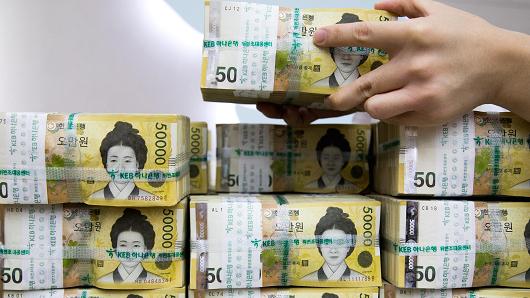
    The International Monetary Fund on Thursday welcomed Korea’s decision to regularly reveal its currency market intervention records.

    Korea’s Finance Ministry said it would disclose the records starting in March 2019 to help remove unnecessary misunderstandings about the country’s currency market operations.

    “I welcome the Korean government’s decision to publish data on foreign exchange intervention,” Christine Lagarde, managing director of the IMF, said in a statement. “It delivers a strong message about commitment to a flexible exchange rate regime. This will enhance Korea’s inflation targeting regime by strengthening the credibility of the announced monetary policy objective and the anchoring of inflation expectations. A credible commitment to a flexible exchange rate also facilitates external and internal adjustment.”

    The disclosures of the net amount of U.S. dollars used for selling and buying by Korea’s currency authorities will be made within three months after a reporting period. Quarterly releases will begin following the third quarter of 2019.

    Seoul said earlier that the country is considering the detailed disclosure of its interventions in the foreign exchange market as part of a broader move to boost transparency and clear itself of suspicion of exercising undue influence on exchange rates.

    Korea’s financial authorities have persistently claimed they do not interfere in the foreign exchange market but engage in “smoothing operations” against extreme one-sided movements.

    In April, the United States kept Korea on its “monitoring list” but did not designate the country as a currency manipulator.

    Washington has vowed to aggressively keep tabs on and combat unfair currency practices, saying it cannot and will not bear the burden of an international trading system that, it claims, unfairly disadvantages American exports and gives an edge to its trading partners.

  • Coffee Concepts will open 20 Starbucks branches in Myanmar

    Coffee Concepts will open 20 Starbucks branches in Myanmar

    Hong Kong’s Coffee Concepts has won the rights to open Starbucks stores in Myanmar.

    The first Starbucks Myanmar store will open in Yangon, operated by a subsidiary Coffee Concepts (Myanmar), having received overseas investment approval.

    Coffee Concepts is a division of the Maxim’s Group, in turn a partly owned unit of Dairy Farm International. The company operates Starbucks in Hong Kong, Singapore, Vietnam and Cambodia.

    Starbucks will be something of a late-comer to the Myanmar coffee with rivals Singapore-US joint venture The Coffee Bean & Tea Leaf and Australia’s Gloria Jeans already operating in Yangon. The latter is a joint venture with local company Seezar Soesan.