Author: Mei Ling Tan

  • Singapore Airlines to launch world’s new longest flight soon

    Singapore Airlines to launch world’s new longest flight soon

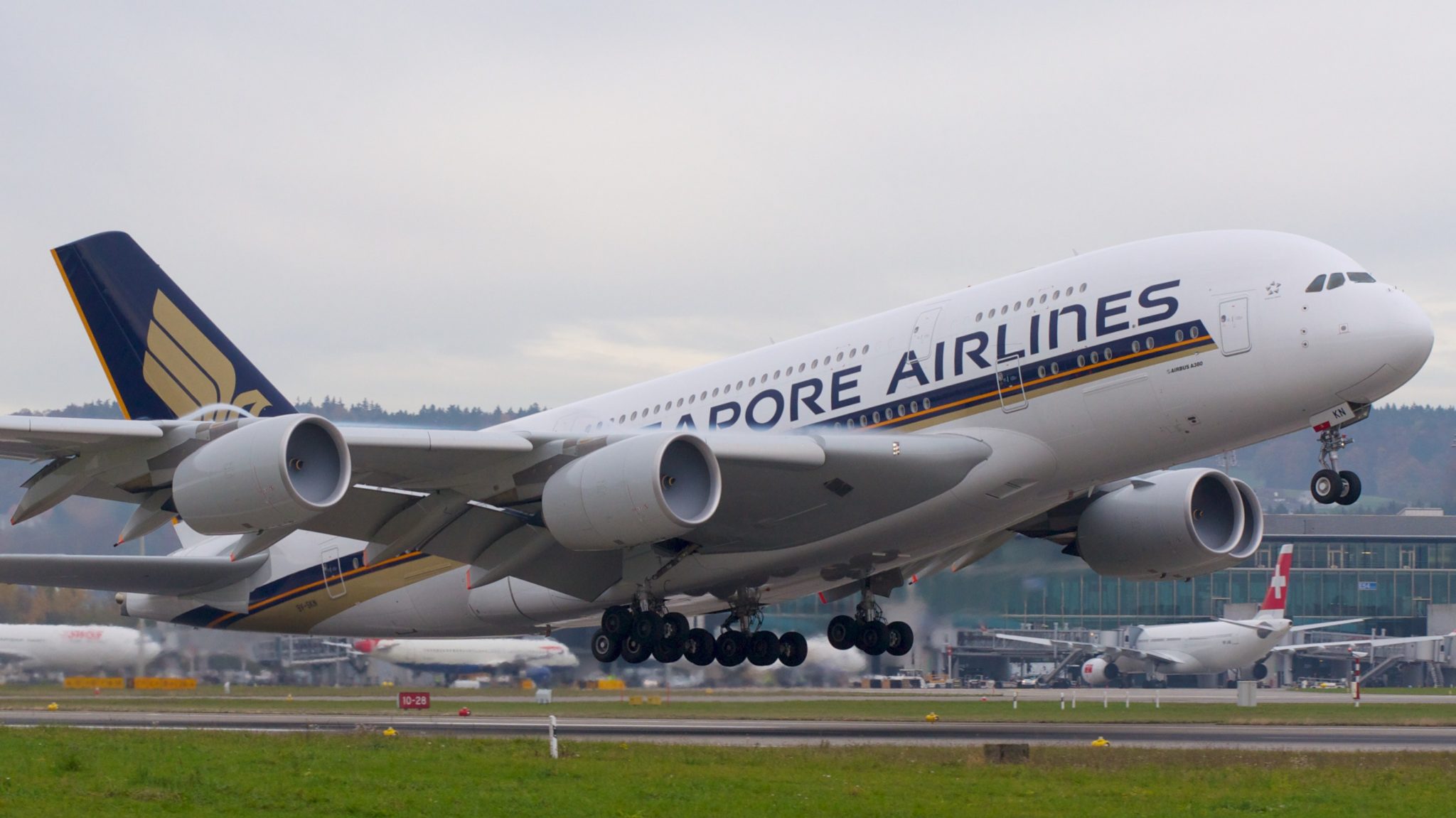
    A new direct route between the United States and Asia will soon be the world’s longest non-stop flight. Singapore Airlines will launch a 19-hour flight from Singapore to New York by the end of the year, trumping the current record of 18 hours from Auckland to Doha on Qatar Airways.

    This will mean some seriously sore bottoms by the end of the flight — or the chance to watch 10 two hour films back-to-back if you’re a glass half full kind of passenger.

    The airline’s flights from Singapore to New York currently make a stop in Frankfurt or London.

    Seven new Airbus A350-900ULR planes have been ordered (the ULR in the aircraft model stands for “ultra long-range”).

    They are able to go the full 15,300 kilometre distance, and will guzzle an additional 24,000 litres of fuel because of the extra fuel weight they have to carry.

    Singapore Airlines says the journey will be comfortable on board, though, with special lighting designed to help ease jet lag.

    And there’s reported to be an air management system, which will renew the air every two minutes while helping regulate cabin temperature.

    The new Singapore Airlines flight will be two hours longer than the 17-hour direct flight between Perth and London launched by Qantas in March.
  • KLM Royal Dutch Airlines moves to Terminal 3 in Jakarta

    KLM Royal Dutch Airlines moves to Terminal 3 in Jakarta

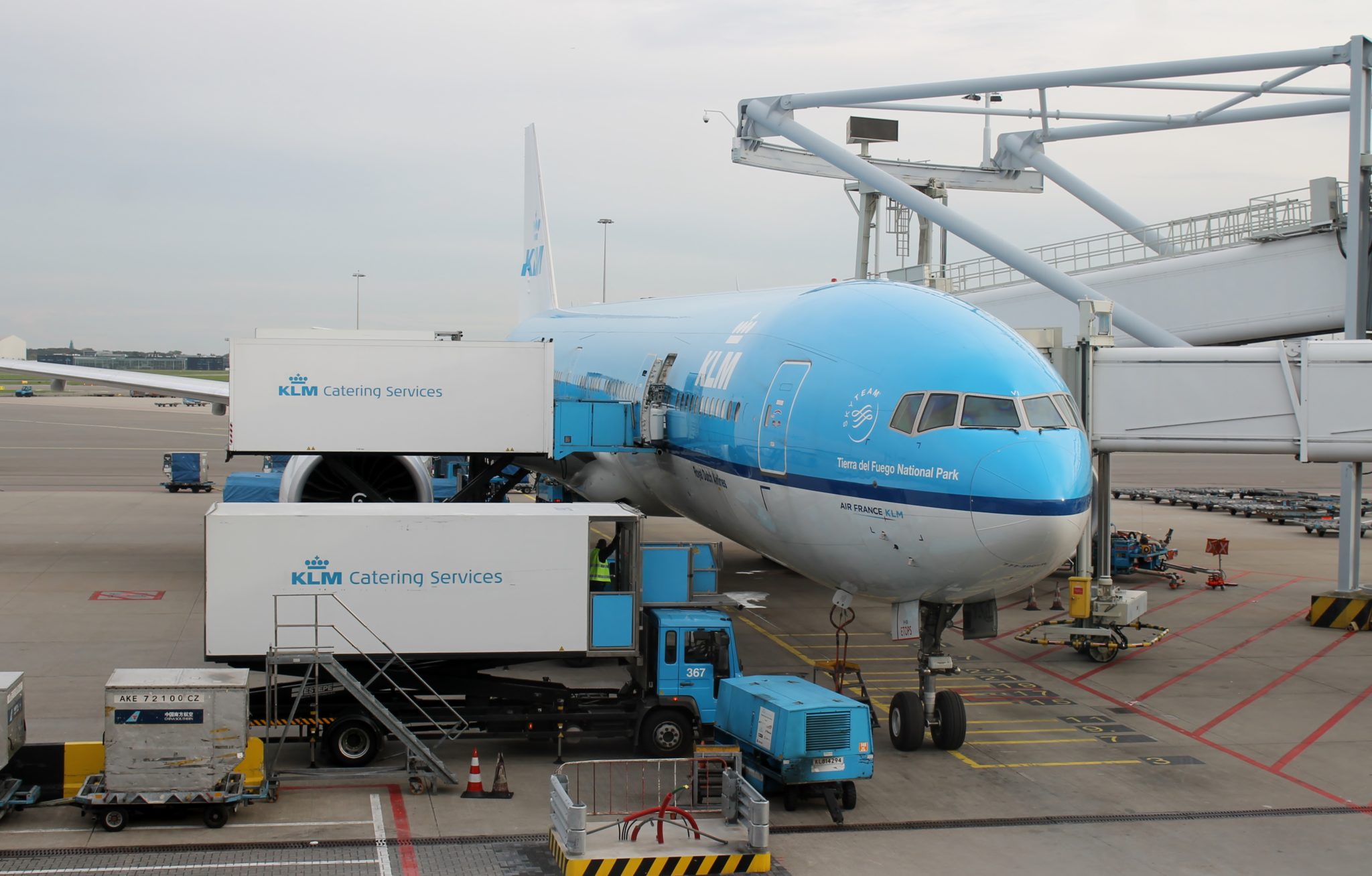
    KLM’s Country Manager for Indonesia, Wouter Alders said that the move to terminal 3 will enhance the experience for KLM customers travelling on its daily flight from Jakarta to Amsterdam and Kuala Lumpur.  He said, “KLM has been looking forward to relocate to terminal 3 to respond to customer demands for a more efficient and personal travel experience. We are confident this vast new terminal will offer a better experience and additionally provide KLM passengers with easier flight connections within Indonesia.”  

    KLM passengers travelling from 15th May can check in at Terminal 3 at counter C1-7 and enjoy the new facilities with a more convenient check in, auto-gate immigration and security clearance with body-scanners. Additionally the terminal offers free WiFi, digital banners and e-kiosks way finding system. Business class passengers and Flying Blue members will enjoy the brand new Garuda Executive Lounge located in Terminal 3.

    About KLM Royal Dutch Airlines in Indonesia

    KLM’s first flights between Amsterdam and Indonesia started on 1 October, 1924 when KLM initiated its first intercontinental flight from Amsterdam to Jakarta. In September 1929 KLM started regular, scheduled services between Amsterdam and Indonesia. Until the outbreak of the Second World War, this was the world’s longest distance scheduled service.

    KLM offers daily direct flights between Jakarta and Amsterdam Schiphol Airport with a stop in Kuala Lumpur and daily flights between Denpasar and Amsterdam-Schiphol Airport with a stop in Singapore.

    KLM Jakarta — Amsterdam
    (Summer schedule — 25 March, 2018 – 28 October, 2018)

    • KL810 departs Jakarta at 18:45 and arrives in Amsterdam at 06:00 the next day
    • KL809 departs Amsterdam at 20:50 and arrives in Jakarta at 17:25 the next day.

    KLM Jakarta — Kuala Lumpur
    (Summer schedule — 25 March, 2018  – 28 October, 2018)

    • KL810 departs Jakarta at 18:45 and arrives in Kuala Lumpur at 21:55 the next day
    • KL809 departs Kuala Lumpur at 16:20 and arrives in Jakarta at 17:25 the next day.

    KLM Denpasar — Amsterdam
    (Summer schedule — 25 March, 2018 – 28 October, 2018)

    • KL836 departs Denpasar at 20:40 and arrives in Amsterdam at 07:35 the next day
    • KL835 departs Amsterdam at 20:55 and arrives in Denpasar at 19:25 the next day.

    KLM Denpasar — Singapore
    (Summer schedule — 25 March, 2018 – 28 October, 2018)

    • KL836 departs Denpasar at 20:40 and arrives in Singapore at 23:15 the next day
    • KL835 departs Singapore at 16:50 and arrives in Denpasar at 19:25 the next day.

    The daily flights are operated by Boeing B777-300ER aircraft with 34 seats in Business Class and 374 seats in Economy Class.KLM Royal Dutch Airlines moves to Terminal 3 in Jakarta

  • Aw Lab Malaysia launches Kuala Lumpur flagship Store

    Aw Lab Malaysia launches Kuala Lumpur flagship Store

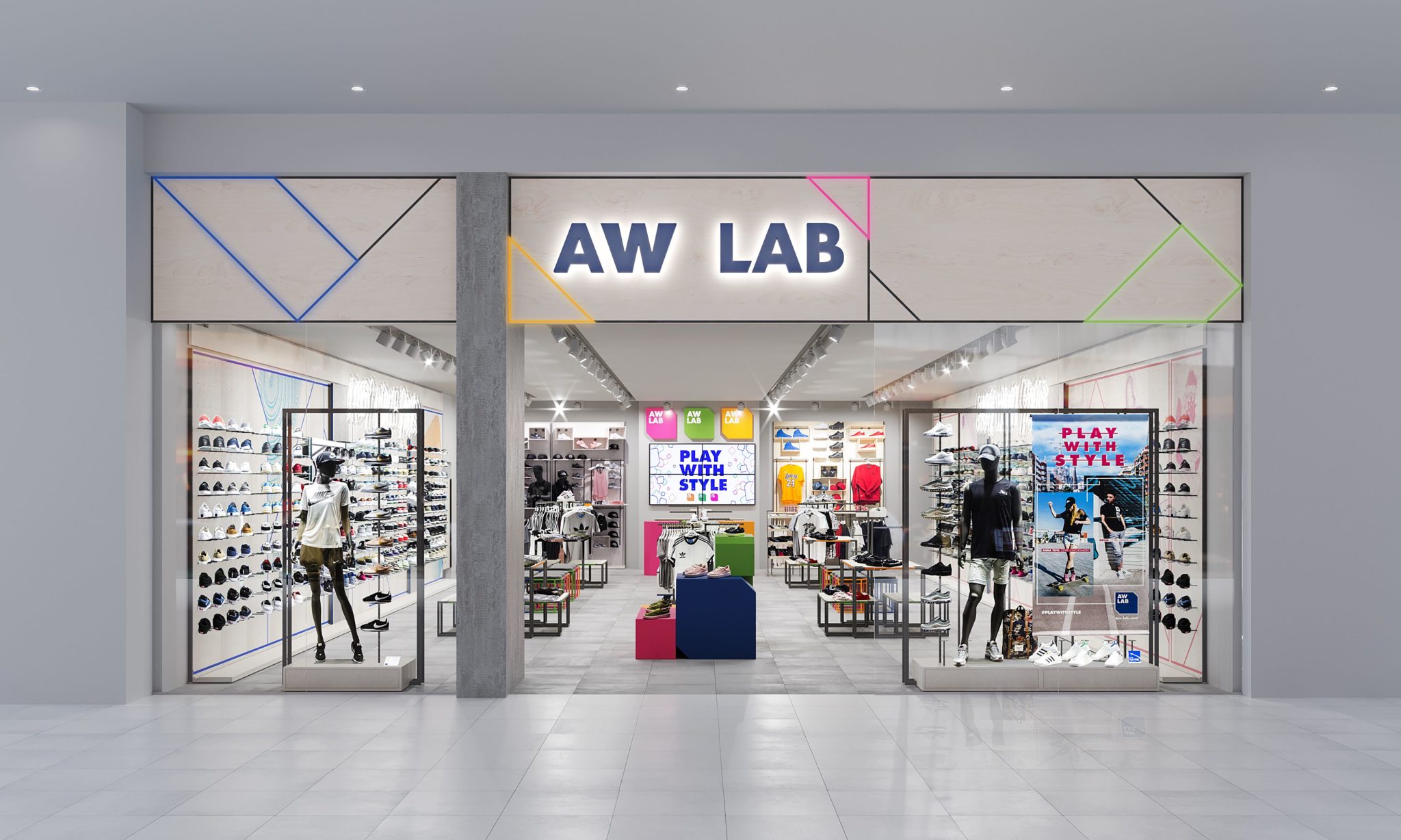
    Sneaker specialist Aw Lab Malaysia has launched a flagship store in Suria KLCC shopping mall, Kuala Lumpur.

    It carries exclusive collections from such brands as Adidas, Nike, Puma and Reebok, and introduces two new labels to the Malaysian streetwear market, Down Up and Two of a Kind.

    Malaysian celebrities Alicia Amin, Caprice, Elizabeth Tan and Juliana Evans attended the store opening.

    Giuseppe Nisi, head of Asia for the Italian company, which is part of the Bata group, says Aw Lab plans to open its second Malaysian store within the year.

    The store takes up two spaces on the third floor of the mall, popular with tourists and local shoppers alike.

  • Costco China planning first store opening

    Costco China planning first store opening

    Costco China plans to open its first store in China next year, even as other international retailers like Lotte and Tesco scale back because of market barriers and disappointing sales.

    The American wholesale giant has signed an agreement with state-owned Shanghai Pudong Kangqiao Group to set up the headquarters of its Chinese business in Kangqiao, in Shanghai’s Pudong district, according to local media reports. Costco is also opening a membership retail club store with Shenzhen-based real-estate firm Galaxy Holding.

    Kuaxiaopin.net says Costco will open its first physical store for China in Shanghai’s Minhang district next year. A second store is planned for Pudong, to open in 2021.

    The retailer has been targeting Chinese consumers since 2014 via Tmall, the online marketplace of e-commerce giant Alibaba where it sells branded products including healthcare and personal care goods.

    Costco currently has 749 warehouses, including 519 in the US and Puerto Rico, 98 in Canada, 38 in Mexico, 28 in the UK, 26 in Japan, 14 in Korea, 13 in Taiwan, nine in Australia, two in Spain, one in Iceland and one in France. The company also has e-commerce sites in Canada, Korea, Mexico, Taiwan, the UK and the US.

  • Second Lotte China sold

    Second Lotte China sold

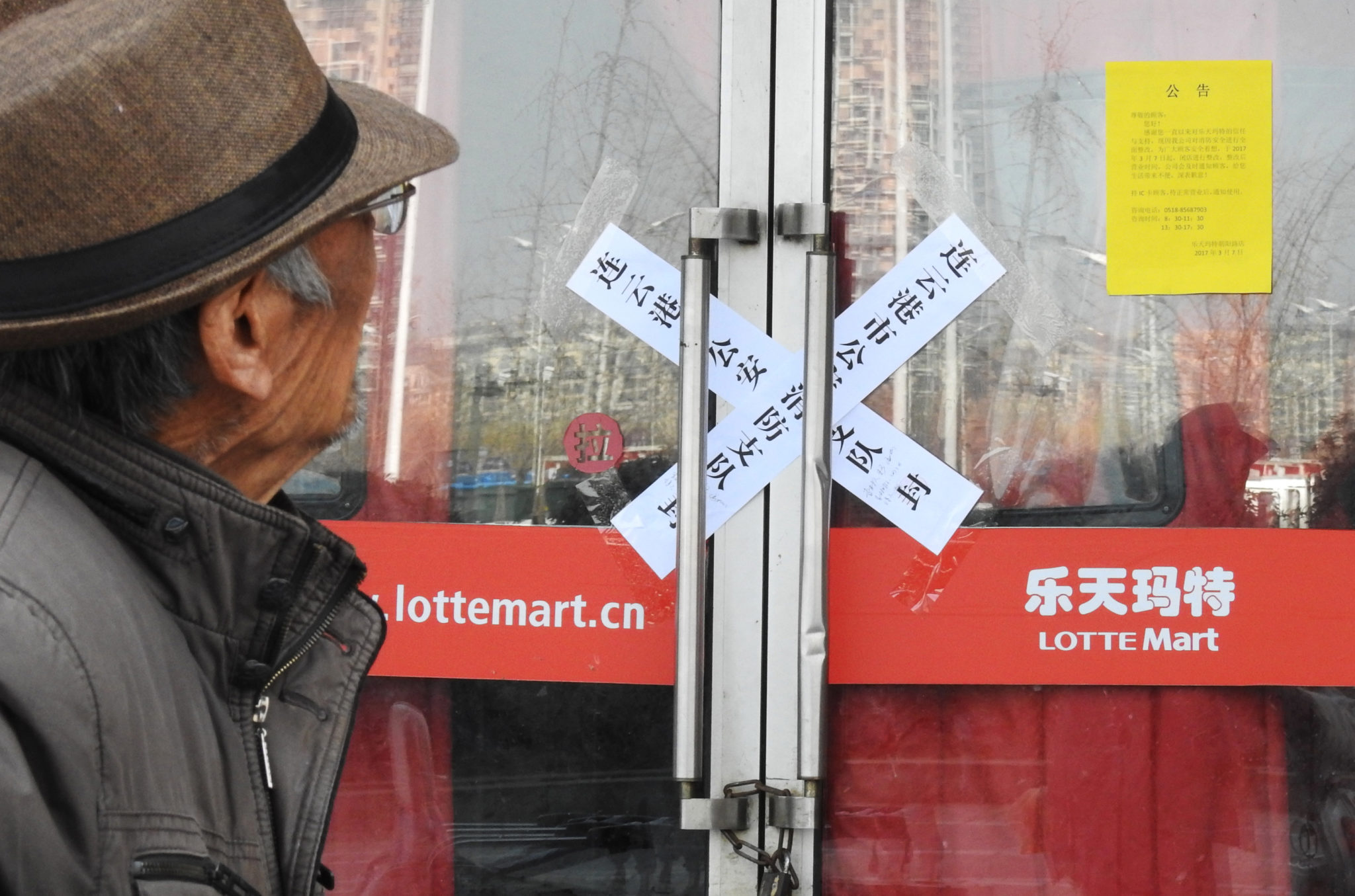
    South Korean retail giant Lotte has sold a second discount store unit in China to a local retailer in a major step toward withdrawing from the world’s second-largest economy.

    Lotte Shopping will sell its affiliate for Lotte Mart in Shanghai and nearby areas to Liqun Group for about 280 billion won (US$262 million), according to the company.

    Out of the 74 Lotte Mart outlets in the region, only four are currently open, with the others either voluntarily or compulsorily shut down. Liqun is known to be interested in taking over some 50 outlets, with the remainder expected to be shuttered.

    The Korean retailer’s move comes about two weeks after the company decided to sell its unit that operated 21 stores in Beijing to another local retailer, Wumei Holdings, for 248.5 billion won.

    The deal with Liqun would leave Lotte with 14 discount stores in China. The Korean firm is in talks with a number of retailers to wrap up the sales of the remaining stores within the first half of this year.

    In September, Lotte Mart announced that it would pull out of China over heavy losses in the wake of a diplomatic row between Seoul and Beijing. Lotte Group bore the brunt of Beijing’s economic retaliation after the company handed over its golf course in South Korea’s southeastern rural county of Seongju for the deployment of a US missile defense system.

    Seoul and Washington said the anti-missile system is only meant to counter North Korea’s evolving nuclear and missile threats. But China has repeatedly pressed South Korea to withdraw the missile system out of concern that the deployment could hurt Beijing’s security interests.

  • Macau Customs raids two stores selling counterfeit products

    Macau Customs raids two stores selling counterfeit products

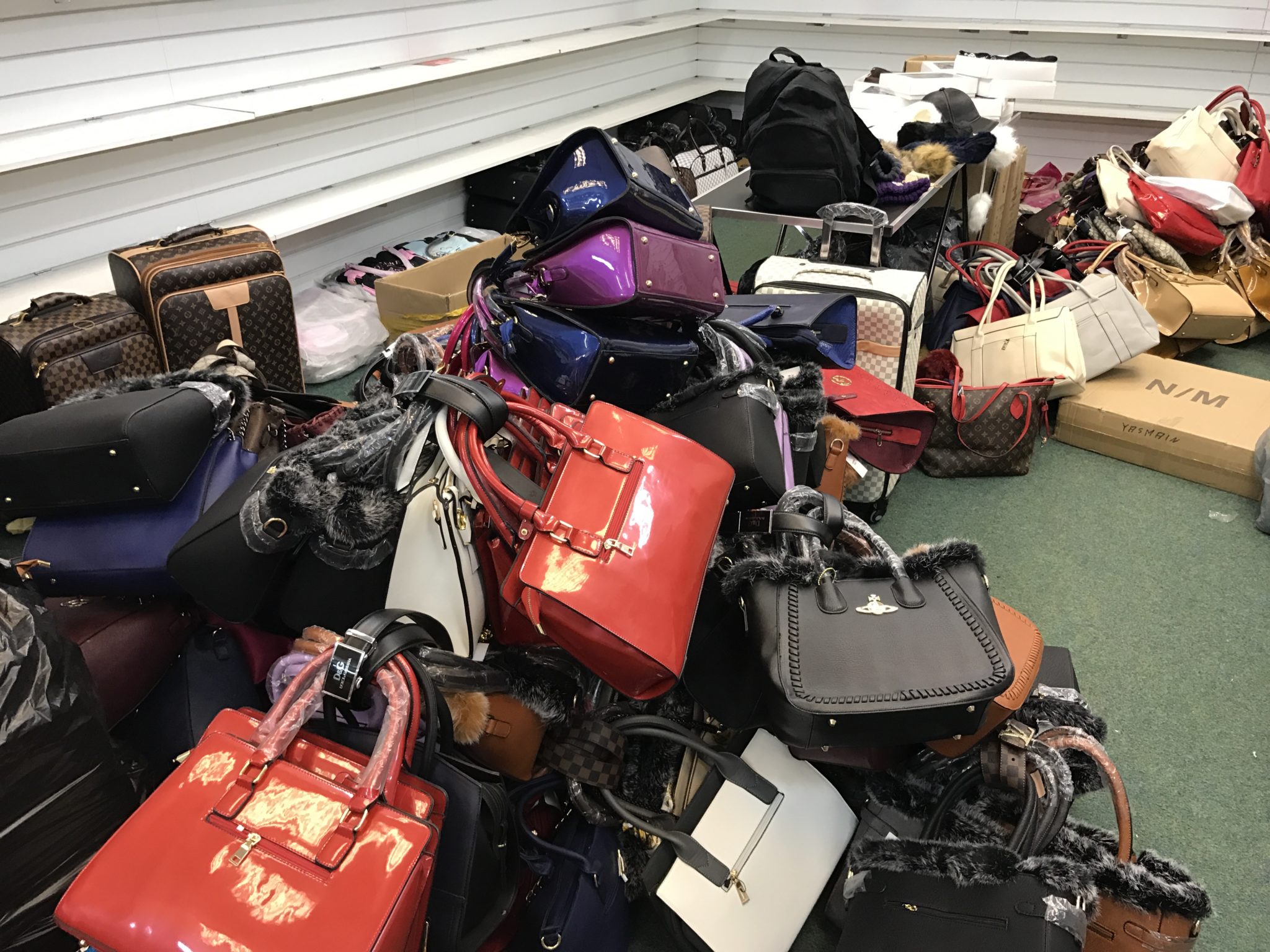
    Macau Customs officers have arrested five local residents after busting a luxury counterfeit-goods retailing business in the territory.

    Nearly 500 fake items of clothing, handbags, belts shoes and watches carrying brand names including Prada, Gucci, Louis Vuitton, Cartier, Chanel and Hermes were seized in raids. Officers suspect the goods had a street value of MOP3.65 million (US$451,445).

    The Customs action followed complaints by the brand owners. Two retail stores located in the NAPE and Central districts of Macau were raided, Customs announced this week.

    The goods were brought in from the mainland and were being sold in shops at retail prices matching those of genuine products on sale in the city.

    People caught selling counterfeit goods in Macau face jail terms of up to six months.

  • Ringer Hut opening in Vietnam

    Ringer Hut opening in Vietnam

    Japanese fast-food brand Ringer Hut will arrive in Vietnam in the next four months.

    Vietnamese instant-noodle manufacturer AceCook has signed a franchise agreement to run the chain in Vietnam.

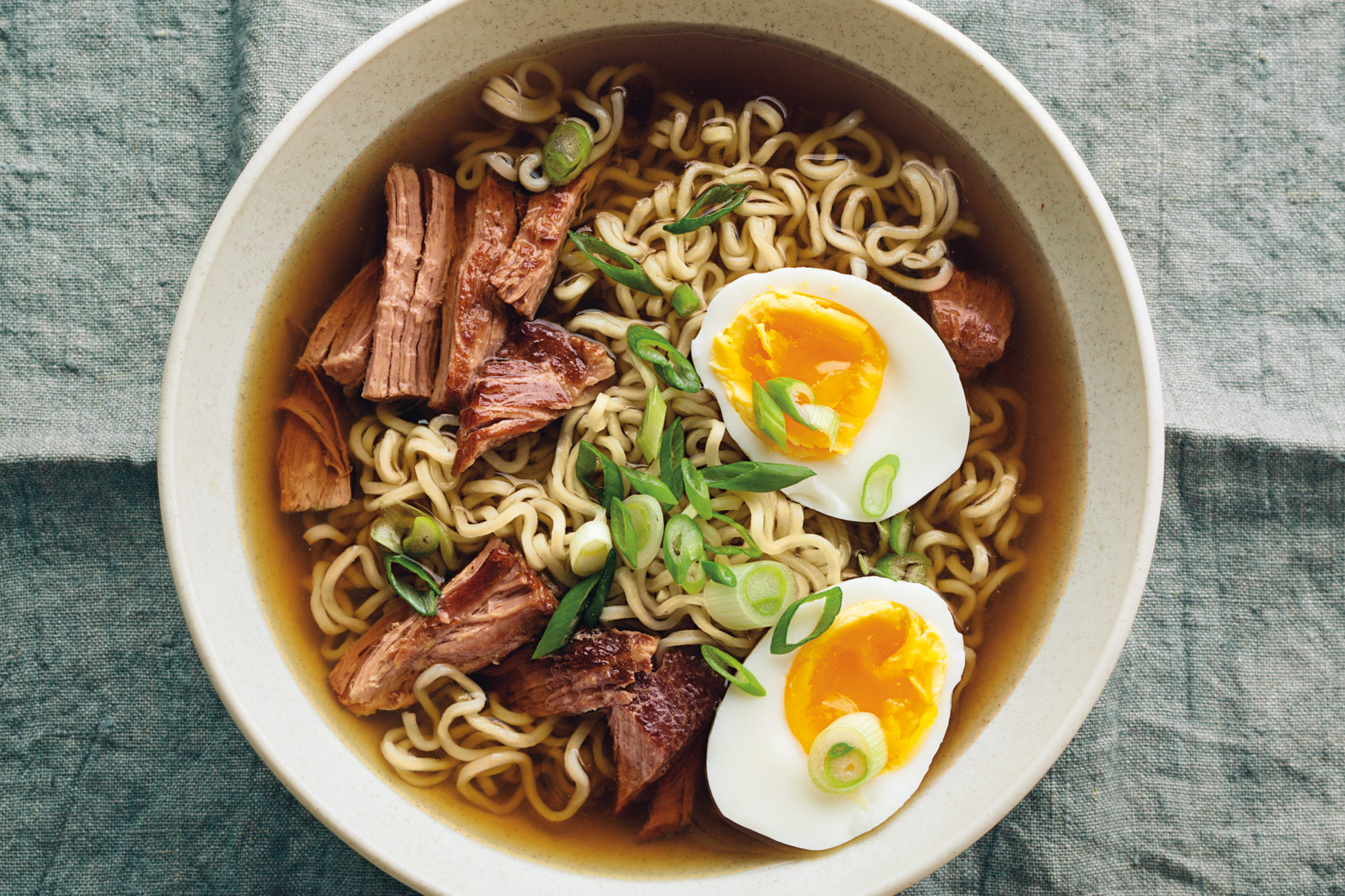
    Ringer Hut Vietnam will serve the original Japanese menu including its Nagasaki Champon and Nagasaki Sara Udon.

    Established in 1962, Ringer Hut has more than 750 restaurants, with Vietnam being its 15th market.

  • Desigual Singapore unveils new store in Singapore

    Desigual Singapore unveils new store in Singapore

    Desigual Singapore reopens its Orchard Road store today, the first to feature the fashion brand’s new design concept with its customer-oriented shopping experience.

    The 300sqm space will also be the first Singapore outlet for the brand’s sports category, along with women’s and men’s shoes and accessories.

    Created in collaboration with architect Lazaro Rosa Violan, the store draws its inspiration from the Mediterranean with bright tones and such elements as coffered walls.

    Desigual’s sports category features garments designed for women who want to embrace physical exercise while still following fashion trends.

    Established in Barcelona in 1984, Desigual has more than 4500 employees and a presence in nearly 100 countries through 13 sales channels, more than 500 branded stores and eight product categories.

  • Department stores lead Singapore retail sales

    Department stores lead Singapore retail sales

    Singapore retail sales rose 2.6 per cent in March, excluding motor vehicles, as the sector’s slow but steady recovery continues.

    Month-on-month, retail sales rose 1.1 per cent.

    The headline figure – which includes motor vehicles – showed a year-on-year decline of 1.5 per cent as car sales in the city state slumped 16 per cent.

    According to Statistics Singapore, retail spending (including vehicles) totalled S$3.8 billion in March, with e-commerce accounting for 4.1 per cent of that.

    Department stores were the big winners of the month, with sales up 9.1 per cent, while food retailers also performed well, up 7.5 per cent. Sales of medical goods and toiletries rose 6.2 per cent and of apparel and footwear, and watches and jewellery, by 5 per cent.

    Sales of phones and computer equipment fell by 8 per cent.

    In the foodservice sector, sales of food and beverage rose 3.6 per cent to an estimated $716 million, led by fast-food outlets, up 16.1 per cent.

  • Helly Hansen sold off to a Canadian Tire Corporation

    Helly Hansen sold off to a Canadian Tire Corporation

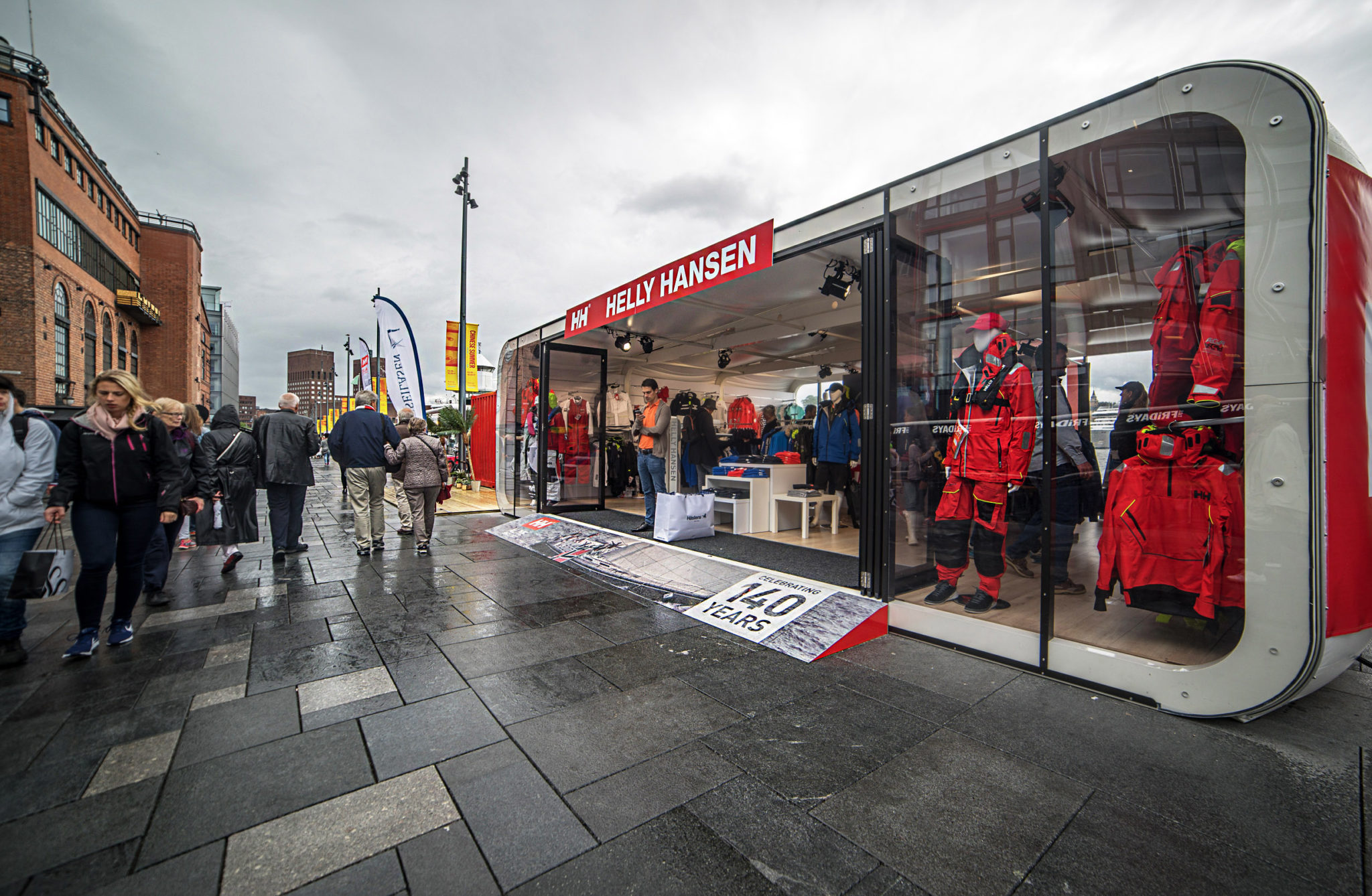
    Canadian Tire Corporation (CTC) is set to buy Norwegian sportswear brand Helly Hansen for US$771 million.

    Helly Hansen, founded in 1877, has been progressively expanding its footprint to cover 40 countries, specialising in clothing for sailing, skiing, mountain sports, wet weather gear and workwear. The business was previously owned by the Ontario Teachers’ Pension Plan.

    Despite its name, CTC is Canada’s largest retail operator with interests in apparel, food, car tyres, sports and homewares. Its brands include Mark’s, SuperCycle and FGL (formerly Forzani). Mark’s is one of Helly Hansen’s largest retail customers.

    “For more than 10 years, Helly Hansen has been an exceptional fit with CTC and this acquisition will strengthen our assortment across all of our banners,” said Stephen Wetmore, president and CEO of CTC.

    “With our capabilities and Helly Hansen’s trusted global brand and management team, we see tremendous opportunity for CTC and Helly Hansen, in Canada and internationally.”

    Helly Hansen’s CEO Paul Stoneham and his management team based in Oslo, will continue to lead the business.

  • Profits up for Circle K Hong Kong

    Profits up for Circle K Hong Kong

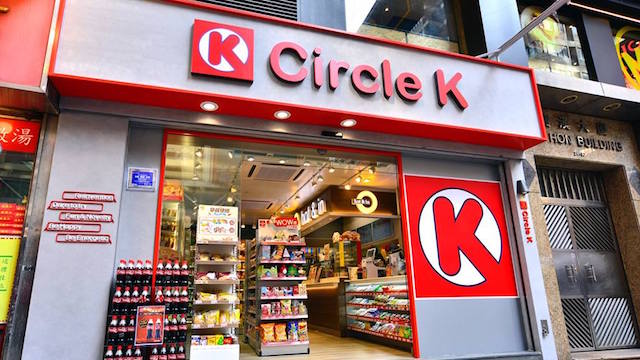
    As the retail sector finally rebounds, the CEO of Circle K Hong Kong owner Convenience Retail Asia (CRA), Richard Yeung, says the company has reinvented itself.

    He says profits have grown over the past year, while strong customer loyalty and marketing initiatives and an O2O business strategy have positioned the group for long-term growth.

    By moving its convenience store and bakery businesses toward an O2O-centric business strategy has led to a highly sustainable business model. “The strategy has been a resounding success in terms of driving customer engagement, foot traffic and sales.”

    Despite a challenging business environment, the group’s convenience store and bakery businesses had achieved satisfactory comparable-store sales growth in Hong Kong.

    Core operating profit and net profit increased by 7.4 and 7.7 per cent respectively, mainly attributable to the effectiveness of the CRM program and strong marketing campaigns by Circle K together with improved performance from Saint Honore cake shops.

    Growth has been driven by the group’s digital initiatives, led by its O2O CRM programs that saw its “OK Stamp It” and “Cake Easy” memberships exceeding 1 million and 300,000 respectively.

    During the year the group obtained the franchise for Japan’s fast-fashion eyewear chain Zoff, opening the brand’s first store in Hong Kong.

    Group turnover grew 4.6 per cent to HK$5 billion.

    Turnover for the Circle K Hong Kong business was HK$4 billion (US$5 billion), representing growth of 5.4 per cent. Turnover for the Saint Honore Cake Shop business across Hong Kong, Macau and southern China was $1 billion, an increase of 1.9 per cent.

    Core operating profit increased 7.4 per cent to $183 million while net profit grew 7.7 per cent to $150 million.

    Satisfactory comparable-store sales growth in the group’s core market of Hong Kong and improvements to the Saint Honore factory business led to a rise in gross margin and other income as a percentage of turnover from 36.6 to 36.9 per cent, despite intense retail market competition and high manufacturing costs, says the group.

  • GrabFood deliveries kicks off in Vietnam

    GrabFood deliveries kicks off in Vietnam

    Grab Vietnam is the first ride-hailing service in Southeast Asia to expand to GrabFood deliveries.

    Starting today in Ho Chi Minh City, the service enables consumers to order food from nearby restaurants that have signed up to the new app. Merchant partners have an online storefront, and there is no minimum order requirement. The app also features promotions and recommendations.

    The roll-out follows in such cities as Hanoi, Danang, Ha Long and Nha Trang.

    “Food delivery is a natural extension of our transport offerings,” says Grab Vietnam country head Jerry Lim. “Each day, millions of people in Southeast Asia rely on ride-hailing services, while food-delivery services save them time.”

    Meanwhile, in Indonesia and Singapore, the company will also add UberEats, which runs until end of this month, to its business.

    GrabFood was launched in Jakarta in 2016, with Bangkok having a beta test last year. It is also currently in beta phase within the Singapore CBD.

  • Vietnam’s April car sales fall 4 pct on-year

    Vietnam’s April car sales fall 4 pct on-year

    Toyota remained the leading brand last month, with sales rising 3 percent from a year earlier to 4,234 units. Vietnam’s car sales fell slightly in April, declining 4 percent from a year earlier to 20,557 units, according to data released by the Vietnam Automotive Manufacturers Association (VAMA).

    Sales in April were 2 percent lower than in March, VAMA said in a statement.

    Toyota remained the leading brand last month, with sales rising 3 percent from a year earlier to 4,234 units.

    Truong Hai (Thaco) group, the local assembler and distributor of brands such as Kia, Mazda, Peugeot and Hyundai and a significant player in the commercial vehicle segment, reported a 0.5 percent rise in group sales to 8,679 units in April.

    Ford’s sales were 47 percent lower at 1,359 units in April while Honda sales rose four-fold to 2,815 units.

    For the first four months of this year, total car sales in the country fell 2 percent from a year earlier to 79,115 units, VAMA said.

  • Data privacy of Jollibee customers at risk

    Data privacy of Jollibee customers at risk

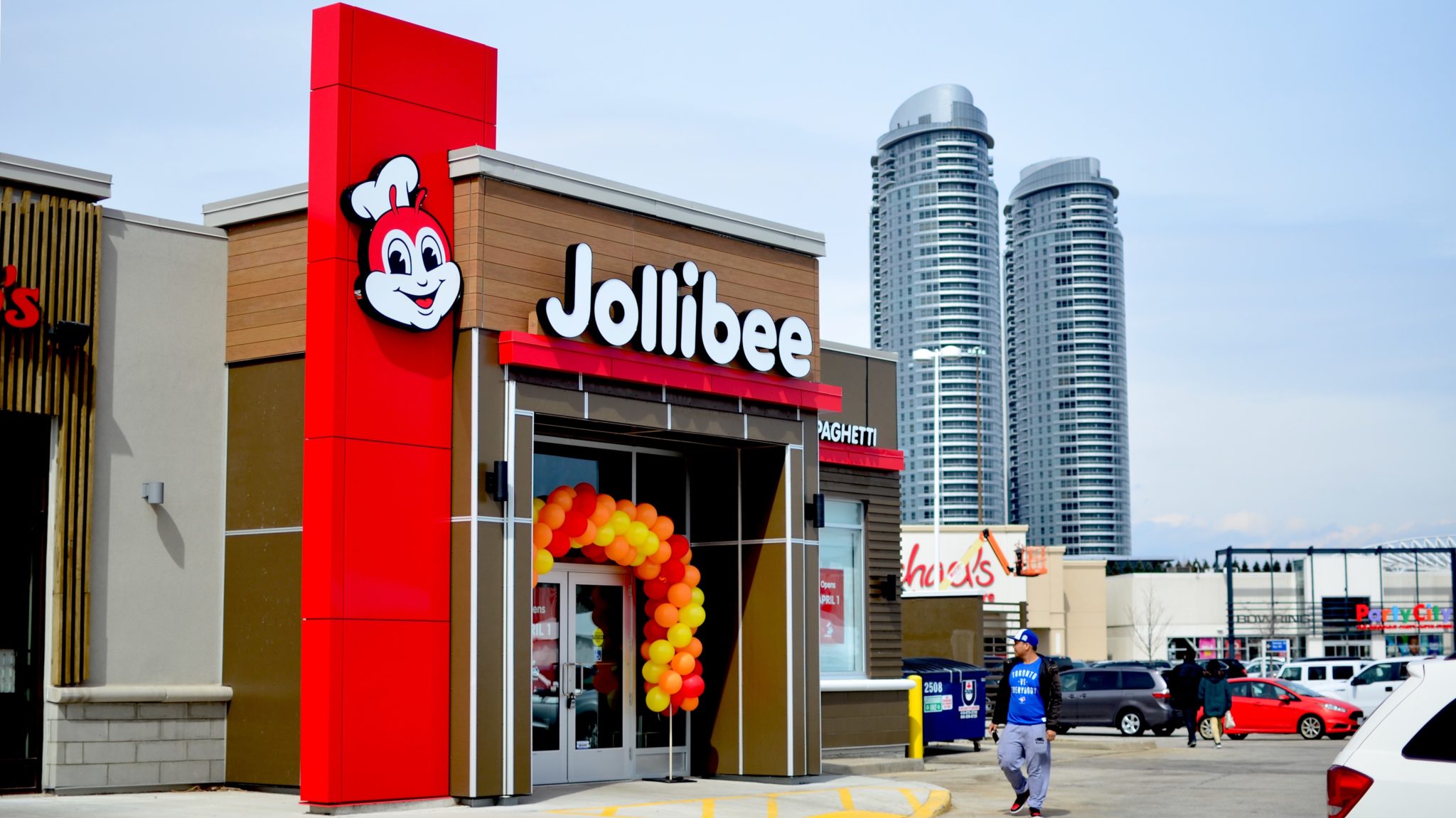
    The National Privacy Commission (NPC) gave popular fast-food chain Jollibee Foods Corp. (JFC) 10 days to come up with a plan to rehabilitate the vulnerabilities in its website, which, if exploited, could expose the data of millions of patrons.

    About 18 million people are at “high risk” of having their data exposed to harm, given that they are currently under Jollibee’s vulnerable online delivery database.

    In response to this, NPC ordered a handful of measures to be implemented by the company, including the suspension of JFC’s online delivery system until the site’s vulnerabilities are addressed.

    According to an NPC media advisory, the commission already sent JFC the official order on Tuesday afternoon, launching the 10-day countdown.

    NPC told the popular fast-food chain to come up with a security plan within 10 days, which would “ensure the integrity and retention of the database and its content.”

    On top of this, NPC also ordered JFC to “employ privacy by design” in reengineering JFC Group’s data infrastructure. Jollibee should also conduct a new privacy assessment, while filing a monthly progress report until the issues in the system are addressed.

    When asked what kinds of personal information were accessed, Francis Euston Acero, who leads NPC’s Complaints and Investigations Division (CID), said that the government hid which data were at risk on purpose.

    Nevertheless, he said it was the same as Wendy’s Philippines, another fast-food chain that faced similar privacy concern. The difference, however, is that Wendy’s had been breached, while JFC only has the potential to be hacked given the vulnerabilities.

    “We withheld that information deliberately because giving that information would give potential attackers avenues in,” he said in a previous phone interview with the Inquirer.

    JFC data protection officer J’Mabelard M. Gustilo first notified NPC about the risk in December last year, when then-unknown people were able to gain access to its delivery website.

    Upon investigation, NPC’s Complaints and Investigation Division (CID) found out that this was a result of a proof-of-concept initiative by a marketing public relations team “who made representations to a domestic cybersecurity firm.”

    CID later invited the cybersecurity firm, who said they noticed a “security gap” within the system.

  • Adidas sees ongoing shift from China to Vietnam

    Adidas sees ongoing shift from China to Vietnam

    Factories in Vietnam produced 44 percent of Adidas footwear volume in 2017, up from 31 percent in 2012.

    The chief executive of Adidas expects a shift in its sourcing of footwear from China to Vietnam to continue although he shrugged off concerns on Wednesday about the possible imposition of U.S. tariffs on Chinese-made shoe.

    Factories in Vietnam produced 44 percent of Adidas footwear volume in 2017, up from 31 percent in 2012, while Chinese suppliers made 19 percent, down from more than 30 percent in 2012, Kasper Rorsted told a annual meeting of shareholders.

    “I’m not going to rule out that this trend is going to continue,” he said, adding: “China is still an important procurement market, irrespective of trade duties.”

    Rorsted noted that there was still a lot of uncertainty over what sectors could face new U.S. tariffs. “We might be hit by import duties but it will also apply to our competitors.”

    German rival Puma, which makes about a third of its products in China, said last month that it is working on contingency plans to move some production from China to other Asian markets if U.S. tariffs are imposed.