Author: Mei Ling Tan

  • Sigma Systems Supports Telkomsel in Building a Digital Indonesia

    Sigma Systems Supports Telkomsel in Building a Digital Indonesia

    With more than 190 million customers, Telkomsel is currently the largest mobile operator in Indonesia. Telkomsel has consistently implemented the latest mobile technology and was the first to commercially launch 4G LTE mobile services in the country. Entering the digital era, Telkomsel continues to expand its digital business to incorporate advertising, lifestyle, mobile financial services, and Internet of Things.

    In support of their digital mandate, Telkomsel has selected Sigma Systems as a partner, establishing Sigma Catalog as the central enterprise catalog to underpin their evolving business.

    “We are pleased to partner with Sigma to deploy a B/OSS platform that enables the rapid creation of personalized, micro-segmented offers to our customers. Sigma’s agile delivery methodology and product-centric approach ultimately supports Telkomsel’s mission of building a Digital Indonesia,” said Montgomery Hong, CIO at Telkomsel.

    Sigma Systems CEO, Tim Spencer, commented: “Telkomsel is at the forefront of digital transformation in the region, and recognizes the critical role a catalog-driven solution plays in accelerating the creation, selling and delivery of innovative and deeply personalized market offerings. Sigma is honored to work with Indonesia’s leading mobile operator as they transition into a truly digital business.”
  • Bank Negara seen to keep interest rate on hold after surprise poll result

    Bank Negara seen to keep interest rate on hold after surprise poll result

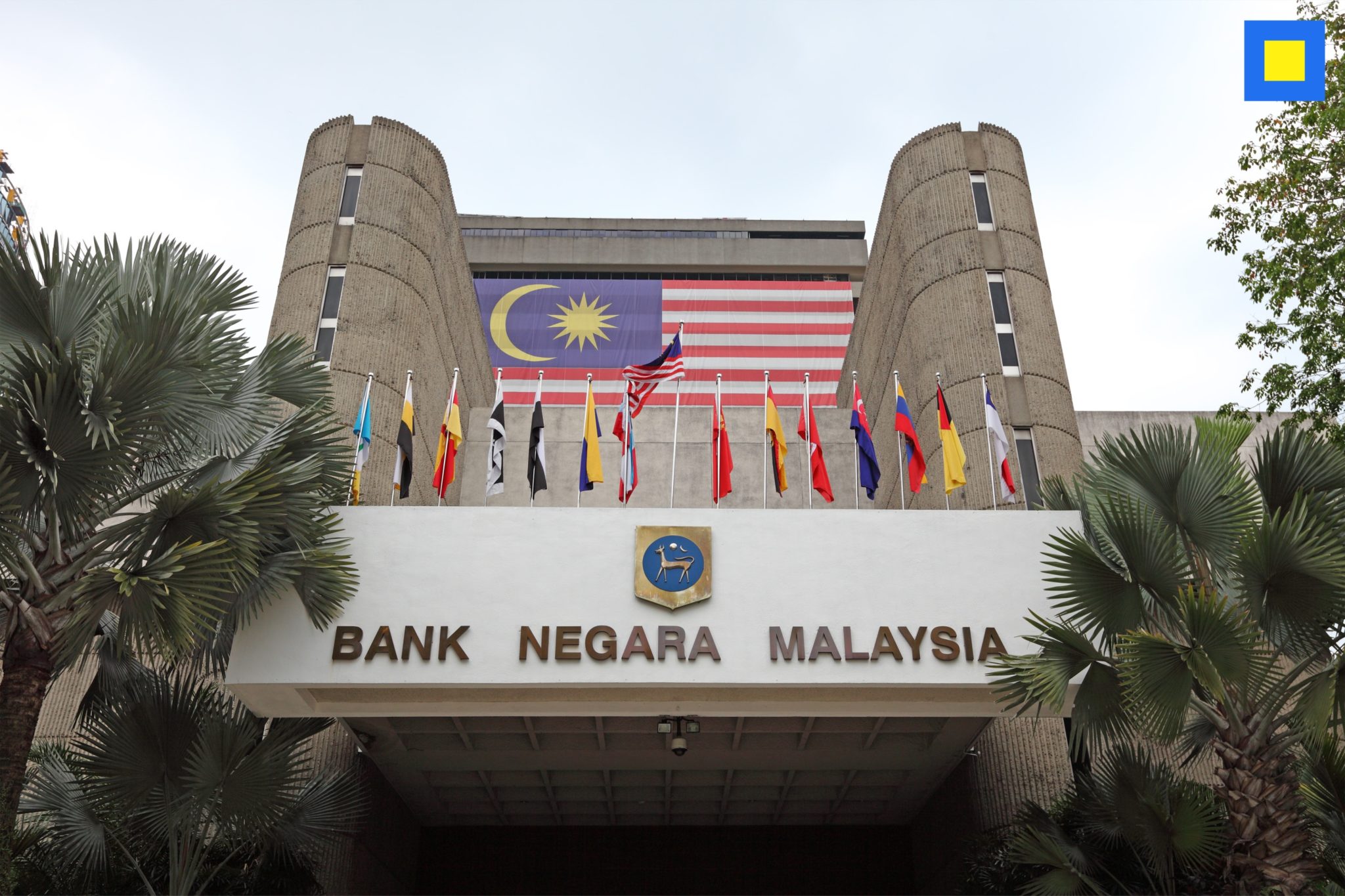
    Malaysia’s central bank is set to keep interest rates unchanged on Thursday, providing policy stability after the shock election victory of Tun Dr Mahathir Mohamad. All 18 economists surveyed by Bloomberg before Wednesday’s poll had forecast Bank Negara Malaysia will hold its benchmark rate at 3.25 percent. Economists at Nomura Holdings Inc. and Maybank Kim Eng Research Ltd. retained their calls after the vote outcome.

    The central bank said on its website it will release its policy statement as scheduled at 3pm.

    “Given this shock result, they’re going to be looking at how this will impact growth and I think there is a lot of downside,” said Euben Paracuelles, an economist at Nomura Holdings Inc. in Singapore.

    “Any follow up rate hike is going to be very unlikely.”

    The central bank moved early with a rate hike in January and can afford to hold off on further tightening in the face of a global sell-off in emerging markets in recent weeks.

    Inflation eased to 1.3 percent in March, the slowest pace since July 2016, with a stronger currency since last year helping to ease price pressures.

    The government had forecast inflation will average 2.5 percent to 3.5 percent this year.

    Rising oil prices and a slide in the currency in recent weeks are clouding the outlook. Added to that is a booming economy, which the central bank has forecast could grow as much as 6 percent this year.

    While Bank Negara probably won’t make direct reference to the election in its statement, the result has a bearing on the economy’s outlook.

    Investors are seeking policy continuity, with a focus on sustaining strong economic growth, curbing the budget deficit and managing market risks.

    Mahathir has pledged to scrap a contentious goods-and-services tax within 100 days in power. Financial markets are closed Thursday and Friday after the government declared public holidays.

    Market Risks

    Malaysia is one of the least affected of emerging markets globally from financial volatility amid a stronger dollar and a pick-up in U.S. interest rates.

    The benchmark stock index climbed to a record in April, helped by foreign inflows, and while the ringgit has taken a knock in recent weeks, it’s still up more than 2 percent against the dollar this year.

    Neighbors like the Philippines and Indonesia have suffered stock outflows and currency slumps that are among the worst in Asia.

    The Philippines is set to raise interest rates later on Thursday, which would the first hike since 2014, while Indonesia’s central bank has also said it’s prepared to move to help restore confidence in the currency.

  • Garuda Indonesia Denies Offering Two Free Tickets

    Garuda Indonesia Denies Offering Two Free Tickets

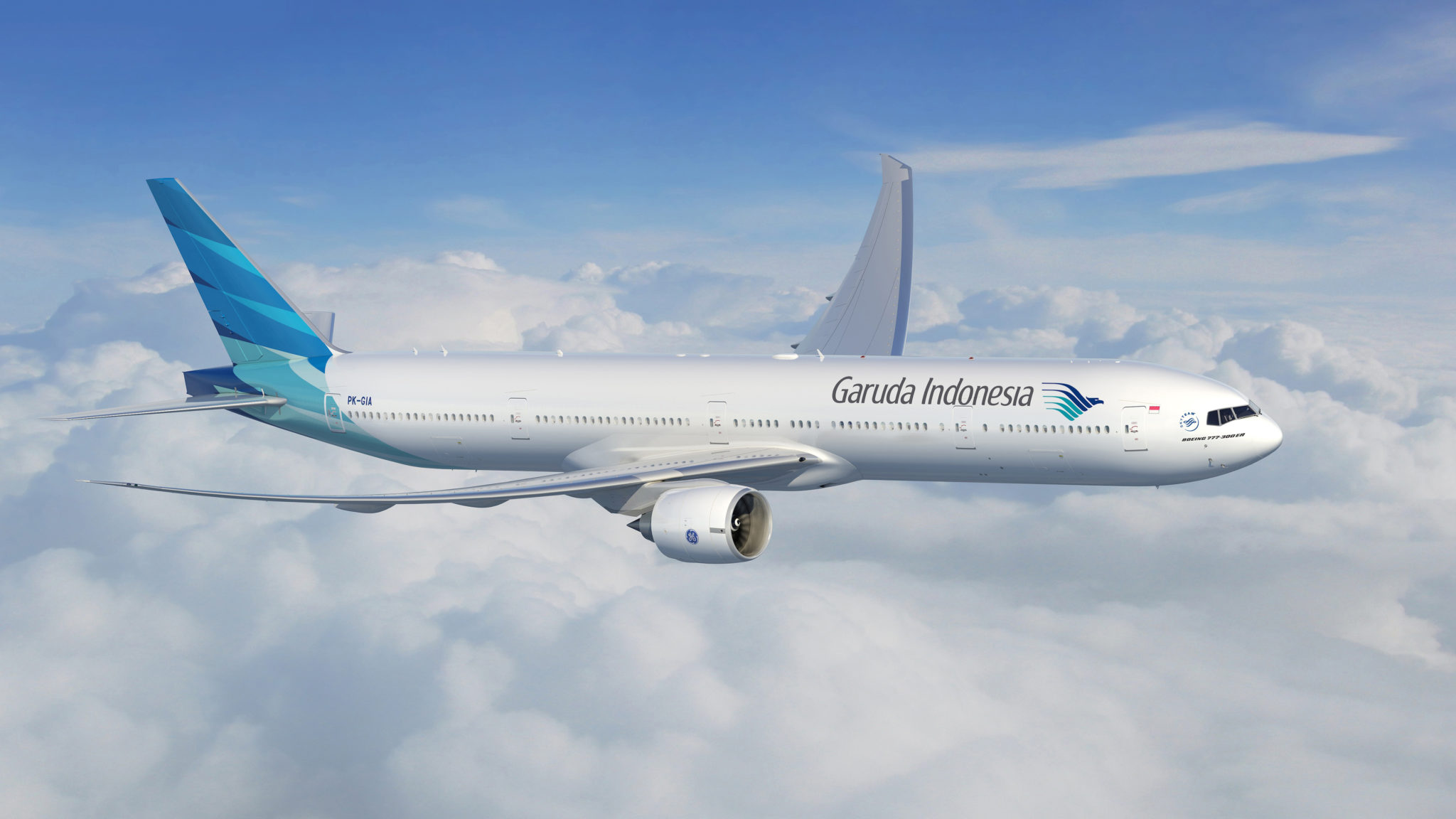
    Many website links recently suggested that Garuda Indonesia offering two free tickets in the celebration of its 69th anniversary. However, the state-owned airline management denied the news.

    “Garuda Indonesia ensures that such promotion info was invalid and is not officially from Garuda Indonesia,” said the company’s secretary Hengki Heriandono in a written statement dated Wednesday, May 9.

    Hengki asserted that Garuda Indonesia has never released such information related to promotion of ticket discounts or free tickets. He reminded all ticket promotion and marketing program were cited in Garuda Indonesia official application and social media.

    Earlier, a website https://www.garuda-indonesa.com/tikets and https://www.xn--garuda-indonesa-llc.com broadcasted in short message stating Garuda Indonesia offers two free tickets to commemorate its anniversary.

    In the website, visitors are required to fill a survey. Instead of getting the two free tickets, visitors are asked to share the link via WhatsApp.

    Hengki calls on the public not to trust false news or hoax and confirm all promotion info through Garuda Indonesia official platform or contact the 24-hour Garuda Call Center.

  • National Payment Gateway could burden banks, consumers

    National Payment Gateway could burden banks, consumers

    The National Payment Gateway (GPN) may burden both consumers and banks as Bank Indonesia (BI) requires all bank customers to have at least one GPN card,  the University of Indonesia’s Institute for Economic and Social Research (LPEM UI) has said.

    LPEM UI researcher Chaikal Nuryakin said on Wednesday that based on BI’s target, following the issuance of Article 43 of BI Regulation No. 19/10/PADG/2017, 100 million GPN cards needed to be issued.

    “The problem is that the GPN cards cannot be used for transactions abroad. Some customers will have it but they leave it dormant while the administration cost will be incurred,” he said during a press conference in Jakarta.

    LPEM UI’s study found that at least 22.5 million cards out of 100 million would be dormant and that it would cost banks Rp 585 billion (US$41.54 million) to issue the 22.5 million cards.

    “It would be better if BI loosened the regulation so that GPN cards were optional. So it is up to customers whether or not they want to have it,” Chaikal said.

    This was because GPN cards could only be used for domestic transactions and could not be embedded with foreign switching companies such as Visa and Mastercard, he added.

  • JakEVO app to simplify Jakarta business permit issuance

    JakEVO app to simplify Jakarta business permit issuance

    The Jakarta administration launched at City Hall on Monday a new smartphone app named JakEVO to simplify the procedures for obtaining business permits (SIUP) and registration certificates (TDP).

    Jakarta One-Stop Integrated Service Agency (PTSP) head Edy Junaedi said with the app, both of the permits can be obtained in less than an hour, without requiring applicants to visit the PTSP office or service points to get their SIUP and TDP.

    “The applicants only need to upload required documents, tag their location and approve of the terms and conditions within the app. In around 30 minutes, they will receive the permits in an email,” Edy said.

    JakEVo can be downloaded for free from the Google Play Store and the App Store.

    The city administration expressed hope that the initiative could help the country achieve a rank of 40 on the Ease of Doing Business index compiled by the World Bank. The country is currently ranked at 72, a jump of 19 places from its previous rank of 91.

    In the World Bank publication “Doing Business 2017: Equal Opportunity for All”, Indonesia jumped 15 places to 91 from 106.

  • Vietnamese government fines illegal Bitcoin trading site

    Vietnamese government fines illegal Bitcoin trading site

    The firm claimed to have a license to trade the cryptocurrency, but was hit by a $1,750 fine. Vietnam’s information ministry has fined a company that claimed to be the first website to be certified to exchange bitcoin in Vietnam for illegal social networking and setting up an illegal site.

    Bitcoin Vietnam, which is based in District 4, Ho Chi Minh City, received a VND40 million ($1,750) penalty from the Vietnam Radio, Television and Electronic Information Department under the Ministry of Information and Communications.

    Nguyen Tran Bao Phuong, the legal representative for Bitcoin Vietnam, said they were looking into the charges.

    The company is in a transition period, so its business registration code had been revoked before the decision was made, she said .

    “Bitcoin Vietnam is a cryptocurrency exchange. We do not yet have a license to offer intermediate services, but we are not operating illegally. The company is closely following any new regulations about Bitcoin, and is willing to comply with any new law,” Phuong said.

    The company opened in 2013 and is certified to buy and sell Bitcoin, according the company’s website.

    However, in a recent interview, a representative admitted that the company’s license is only for “financial advisory” purposes.

    Over the last four years, the company has launched a number of websites such as bitcoin.vn and vbtc.vn.

    The State Bank of Vietnam does not recognise virtual currencies as a legal form of payment, and distribution or use of digital currencies is not protected by law.

  • Truly Viet restaurant opening in Melbourne

    Truly Viet restaurant opening in Melbourne

    Vietnamese restaurant chain Truly Viet has arrived in Australia under a franchise model.

    The chain, owned by Vietnamese RedSun and operated by a joint venture between RedSun and an Australian partner, has opened its first outlet in Melbourne.

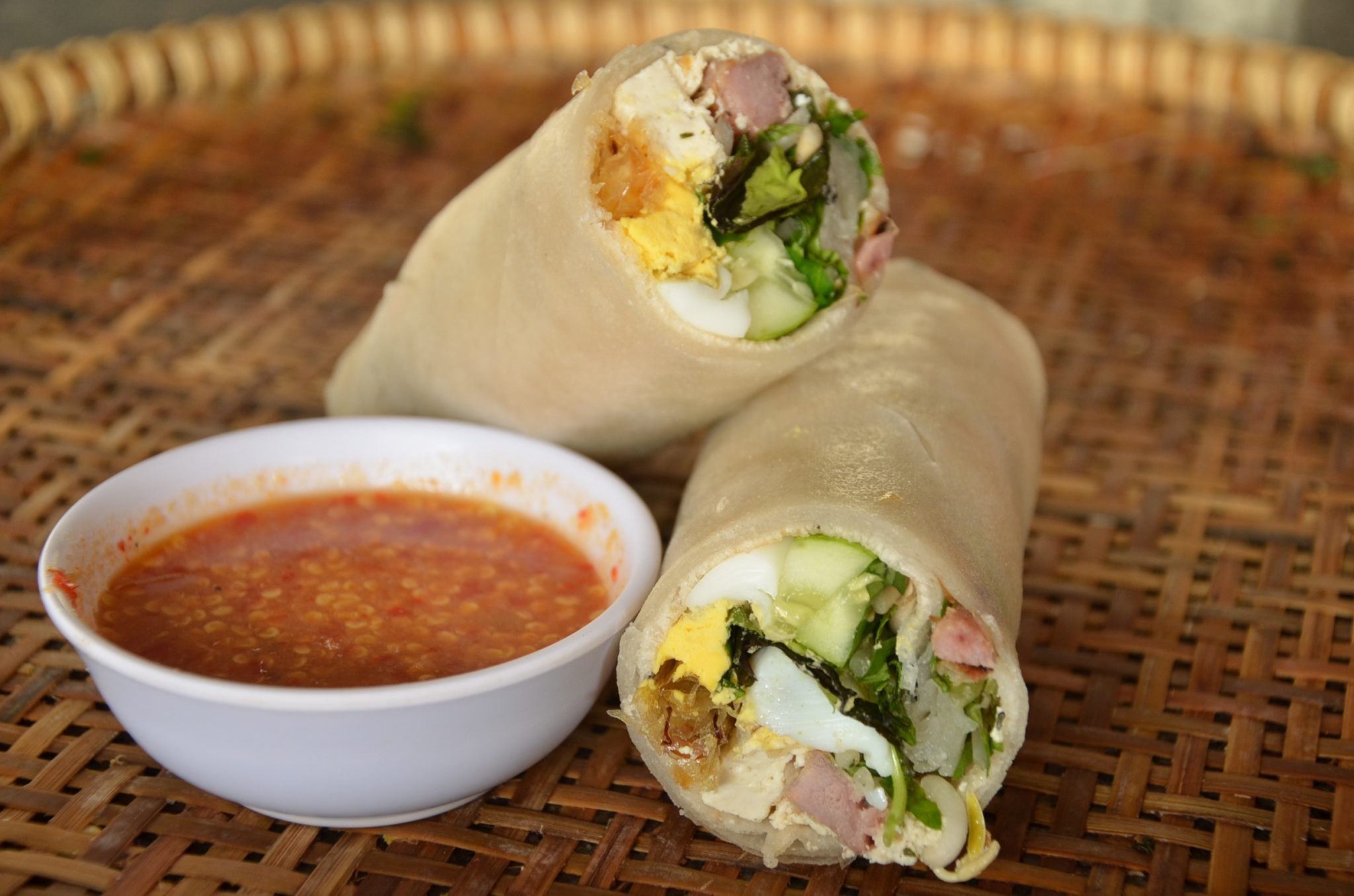
    The menu features four popular traditional Vietnamese dishes – fresh spring roll, Pho, Banh Mi (Vietnamese sandwiches), and vermicelli with grilled pork and fresh herbs – which have been tweaked to suit local palates.

    RedSun deputy director Le Vu Minh reveals the chain plans to open 450 outlets internationally by 2021.

    Apart from Truly Viet, RedSun has already negotiated with partners in Laos to franchise King BBQ restaurants there.

    Founded in 2008, RedSun now operates several restaurant brands: King BBQ, King BBQ Buffet, Thai Express, Seoul Garden, Khao Lao, Hotpot Story, Sushi Kei and Capricciosa. It has 140 restaurants throughout Vietnam.

    Before RedSun, Wrap & Roll’s parent company Red Wok successfully franchised four Wrap & Roll restaurants in Singapore, and two in China.

    It plans to open six more restaurants in Shanghai in the next two years.

  • Smart toys market tipped for massive growth

    Smart toys market tipped for massive growth

    Smart toys will represent a US$18 billion hardware and software market by 2023, up from an estimated $6 billion this year.

    According to a new report from Juniper Research, this increase will primarily be driven by the growing popularity of smartphone-connected toys and related in-app purchases, which are projected to grow by 69 per cent annually over the next five years.

    The new report, Smart Toys: Hardware, Technology & Leading Vendors 2018-2023, found that in-app purchases will become the main driver for growth, with content revenues reaching 25 per cent of the total industry by 2023.

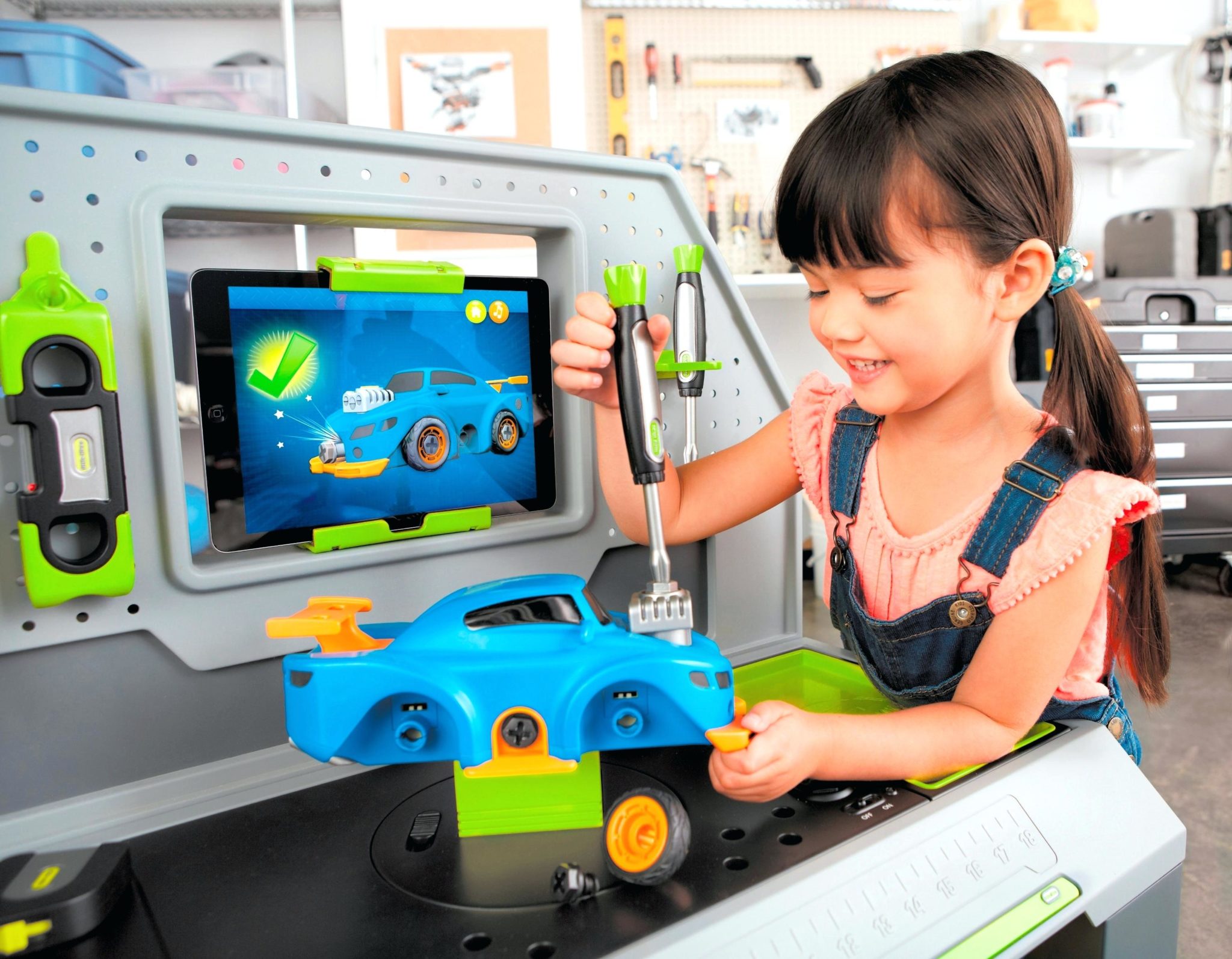
    One example, Merge’s Augmented Reality Cube toy, pictured above, highlights the potential of the smartphone working alongside an established platform for successful content distribution and monetisation.

    Juniper says this growth coincides with the stagnation of the console based ‘Toys to Life’ sector. The report recommended that vendors incorporate smartphones into their proposition to drive new innovative games.

    Privacy and security issues

    Privacy issues continue to hamper overall growth, according to Juniper. It cites the recent prosecution for VTech’s breach of data security as a watershed moment, and a warning to all vendors of the Federal Trade Commission’s increasing focus on data protection violation.

    In addition, the new GDPR (General Data Protection Regulation) rules from Europe will increase the risk of fines for vendors.

    However, Juniper cites the increased focus on security as an opportunity. A ‘safe’ reputation is a unique selling point for a vendor, in an industry blighted with security issues.

    Meanwhile, the research found that as connected toys become more affordable, educational toys will find a place in the school curriculum in developed markets. Osmo, for example, has been a leader in this area, with more than 25,000 schools embracing its learning kits. Juniper forecasts the educational toys market will be worth more than US$1.5 billion by 2023.

  • Alibaba Eats up Daraz

    Alibaba Eats up Daraz

    Alibaba Group has acquired south Asian e-commerce platform Daraz for an undisclosed sum.

    This will make Daraz Group’s platform a wholly owned unit of the Chinese e-commerce provider, which also runs the Taobao and Tmall platforms.

    “Together with Daraz, we can empower entrepreneurs to better serve consumers in the region through our technology and expertise,” says Alibaba CEO Daniel Zhang.

    Founded in 2012, Darez has grown throughout Pakistan, Bangladesh, Sri Lanka, Myanmar and Nepal. It has 30,000 sellers and 500 brands on its platform, with 2 million products available to its 5 million customers. Its product offerings range across consumer electronics, household goods, beauty, fashion, sports equipment and groceries. It also offers multiple payment options, including COD.

    Daraz Co-CEO Jonathan Doerr says its acquisition by Alibaba will help drive further growth in its key markets, home to 460 million people, 60 per of which are 35 years and younger.

    Daraz will continue to run under its brand name after the transaction.

  • Vietnamese labor productivity among lowest in Asia

    Vietnamese labor productivity among lowest in Asia

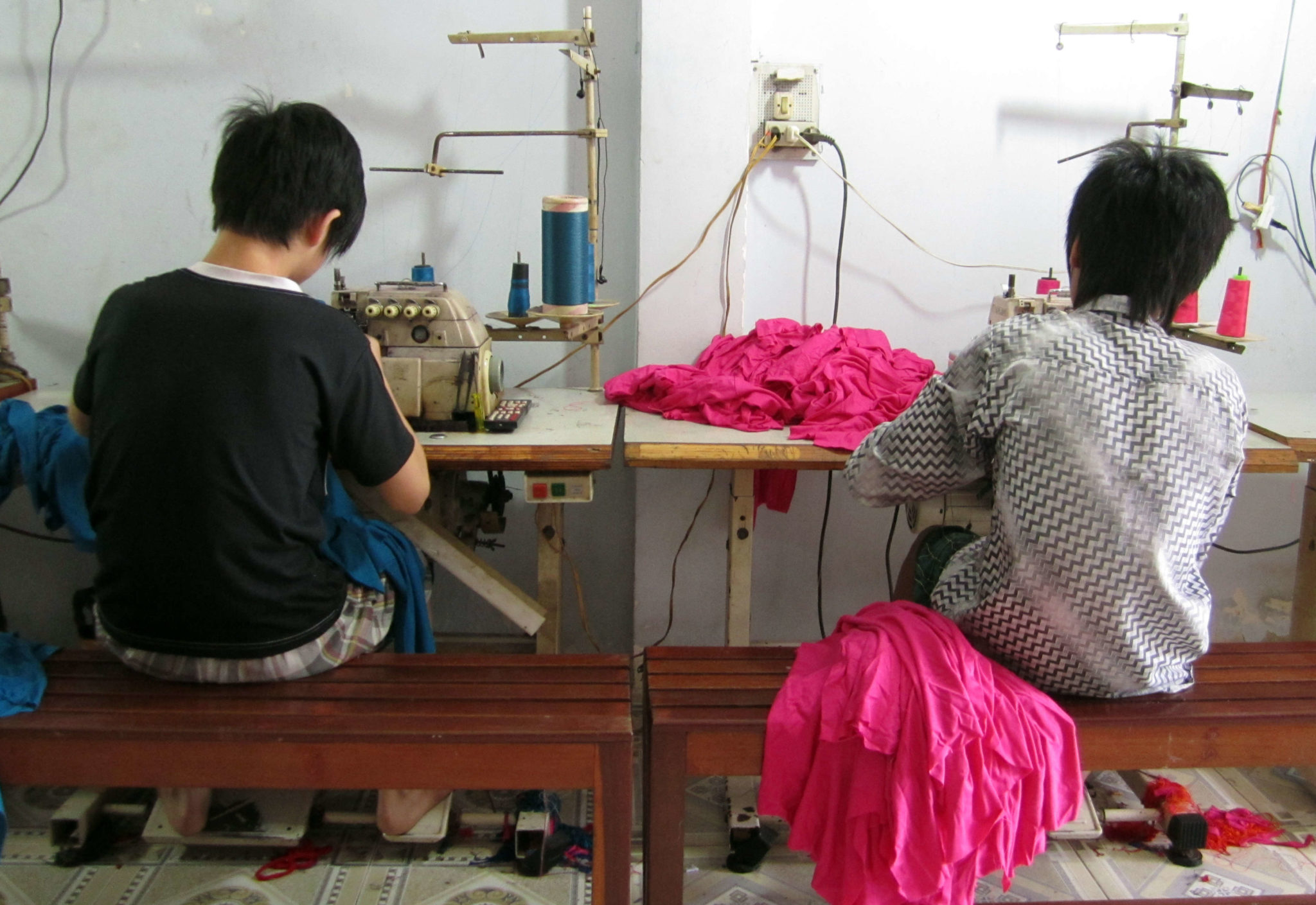
    Productivity is rising, but not as fast as wages, creating the risk of an economic imbalance. Vietnam’s labor productivity last year was among the lowest in Asia despite showing growth, according to a report published on Tuesday.

    Average productivity in Vietnam increased by 36 percent from VND38.64 million per worker in 2006 to VND60.73 million ($1,660 to $2,600) in 2017, according to the Vietnam Annual Economic Report 2018.

    However, the level is still below Japan, South Korea, China, Singapore, Thailand, Malaysia, the Philippines, Indonesia and Cambodia, according to researchers from the Vietnam Institute for Economic and Policy.

    Vietnam’s labor productivity was lower than Cambodia’s in the manufacturing, construction and transportation-storage-communications sectors. The country’s productivity ranked second lowest of the countries reviewed, and was only higher than Cambodia in agriculture, electricity-water-gas and wholesale-retail-repair, the report said.The General Statistics Office says that Vietnam’s labor productivity is only 1/18th of Singapore, 1/16th of Malaysia and 1/3 of Thailand and China.

    In order for Vietnam to surpass neighboring countries such as Cambodia in terms of productivity and economic growth, the country needs stronger reforms, researchers said.

    The link between labor productivity and wage growth was also mentioned in the report. Vietnam’s current minimum wage is set from VND2.76 to 3.98 million ($121-175) per month, depending on each region.

    Vietnam’s wage growth of 6.7 percent exceeded labor productivity growth of 5 percent between 2004 and 2015, and researchers are concerned it could create an imbalance if the pattern persists.

    The study also outlined issues with the country’s young workforce, as 60 percent of young laborers with lower and upper secondary education are working in the informal sector (for example, a family business), which are generally considered areas of low productivity, precarious employment and unstable incomes.

    Nearly a half of young workers have a qualification mismatch, and 33 percent are not qualified for what they do, the report said. Around 70 percent of young workers do not have social insurance, but wages continue to  increase rapidly, it added.

    Vietnam is currently riding on a wave of high growth, and some researchers forecast that GDP growth will reach 6.83 percent this year, exceeding the National Assembly’s target of 6.7 percent. However, there is the possible risk of inflation exceeding 4 percent due to pressure from price adjustments for public services and petroleum, they added.

  • Japan Foods profits still depend on Ramen

    Japan Foods profits still depend on Ramen

    Japan Foods Holding’s fourth-quarter net profit rose 67.8 per cent to S$938,000 (US$699,000) amid better sales from its Menya Musashi ramen restaurants and new brands.

    For the full year to the end of March, net profit grew 24 per cent to $5.8 million while revenue increased 6.5 per cent to $16.2 million for the final quarter. That increase was partly attributable to improved returns from the Menya Musashi brand as Japan Foods converted two restaurants under other brands to Menya Musashi outlets, and opened a new restaurant at the Northpoint City mall in Singapore. One Menya Musashi restaurant was, however, converted to an Ajisen Ramen outlet in Bedok Mall in March 2017.

    Japan Foods also recorded $1.6 million of extra revenue for the fourth quarter from new restaurants under the Curry is Drink and Shitamachi Tendon Akimitsu brands. However, restaurants under the Boteyju, Dutch Baby Cafe, Fruit Paradise, Hanamidori Kazokutei and New ManLee Bak Kut Teh brands saw revenue fall by $0.9 million during the period with closures and lower same-store sales.

    Japan Foods says it is “cautiously optimistic” despite challenging conditions expected in the next 12 months. The group will continue to seek to expand in Southeast Asia and Japan through JVs, acquisitions and sub-franchising.

  • E-Mart rolling out robot concierge

    E-Mart rolling out robot concierge

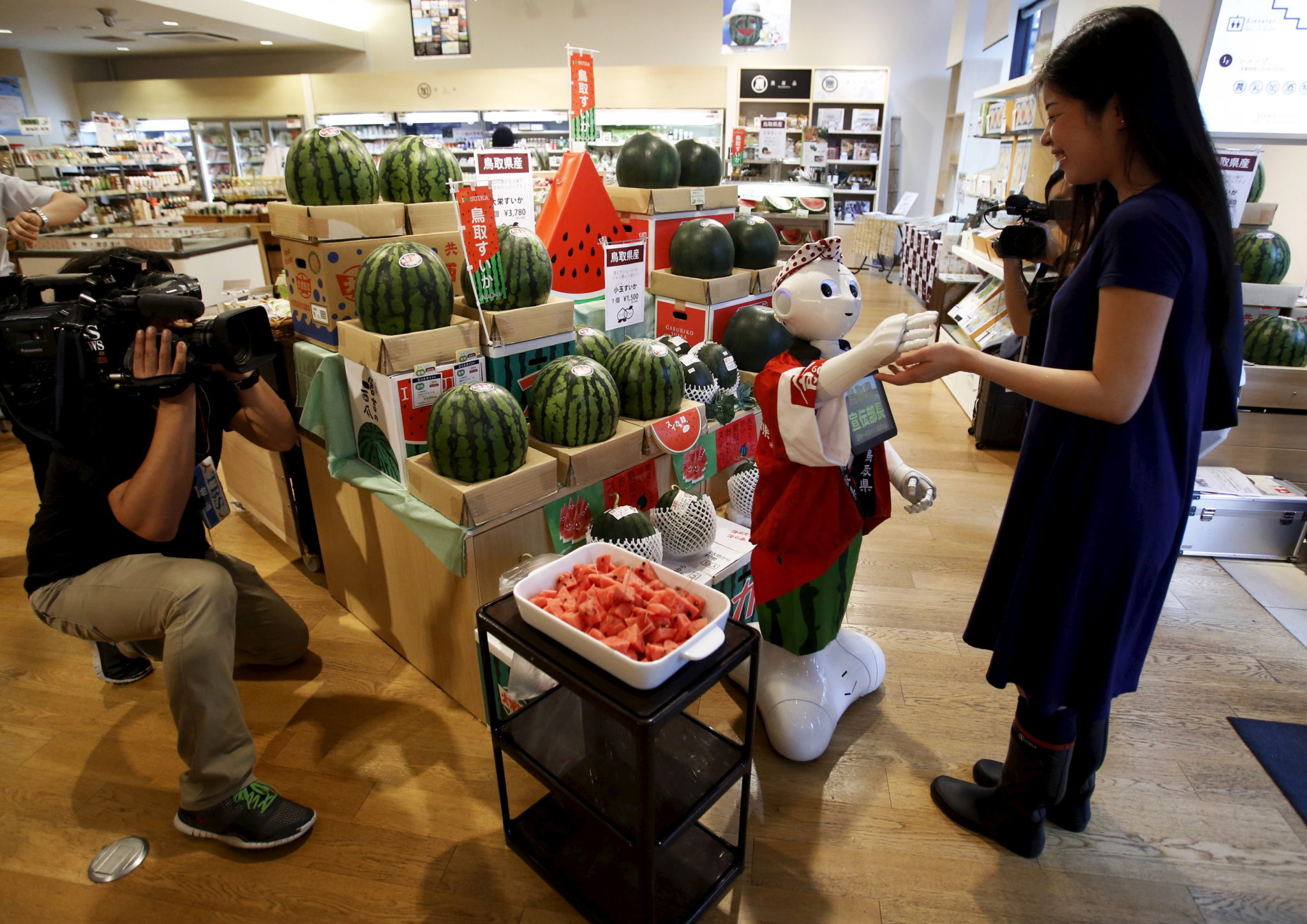
    South Korean discount store chain owner E-Mart Inc says it has started testing a robot to provide an automated concierge service to shoppers.

    Dubbed “Pepper”, the robot concierge will be stationed at an E-Mart outlet in Seoul for about three weeks, the company says.

    Developed by Japan’s Softbank Robotics Corp., the 1.2m-tall robot provides product information, introduces sale items and answers frequently asked questions, E-Mart says.

    This follows E-Mart unveiling an autonomous shopping cart, Eli, for a test run at its warehouse-style supermarket Traders in Hanam, just southeast of Seoul.

    This week, the company signed a memorandum of understanding with Seoul National University to carry out joint research on the implementation of auto-driving robots in the retail sector.

  • Smartphone brand BlackBerry Starts opening stores in China

    Smartphone brand BlackBerry Starts opening stores in China

    BlackBerry Star shops have opened in Shanghai and Nanjing.

    They aim to offer a new retail experience for users of the smartphone brand with in-store displays, training and after-sales support.

    Blackberry Mobile global business unit GM Alain Lejeune, who is also senior VP of TCL Communications, attended the opening of both stores, which attracted the phone’s fans from the community.

    He says fan interaction plays a key role in BlackBerry Mobile’s strategy in the Chinese market, along with product experience and delivery.

    More BlackBerry Star shops are scheduled to open across China.

  • China Telecom signs interconnect deal with HGC

    China Telecom signs interconnect deal with HGC

    China Telecom and Hong Kong based fixed line operator HGC Global Communications (HGC) have signed an agreement to build a network interconnection system via the Hong Kong-Zhuhai-Macau Bridge.

    Once completed later this year, the HZM Bridge will be the longest cross-ocean bridge in the world, spanning 55km and directly connecting mainland China to Hong Kong and Macau.

    The two operators plan to deploy a fiber connection along the HZM Bridge to meet anticipated growth in cross-border network traffic and demand for low-latency connectivity across the Greater Bay Area region.

    China, Hong Kong and Macau are involved in the Guangdong-Hong Kong-Macau Bay Area initiative to enhance economic activity in the area and improve the level of co-operation within the region. The project aims to help put the telecoms infrastructure in place to support this increased activity.

    “China Telecom is pleased to establish an interconnection with HGC at the HZM Bridge,” China Telecom managing director of global business Deng Xiaofeng said.

    “With both parties’ diverse network connection routes and our history of close cooperation, the new fiber connection will provide customers of both parties with stable and reliable service, meeting the ever-increasing demand in the Greater Bay Area and neighboring countries and regions.”

    China Telecom has established cross-border links with ten operators in Hong Kong and Macau across five ports since 1998, helping boost total traffic capacity in the region to 17Tbps.

  • DFPC opening two stores

    DFPC opening two stores

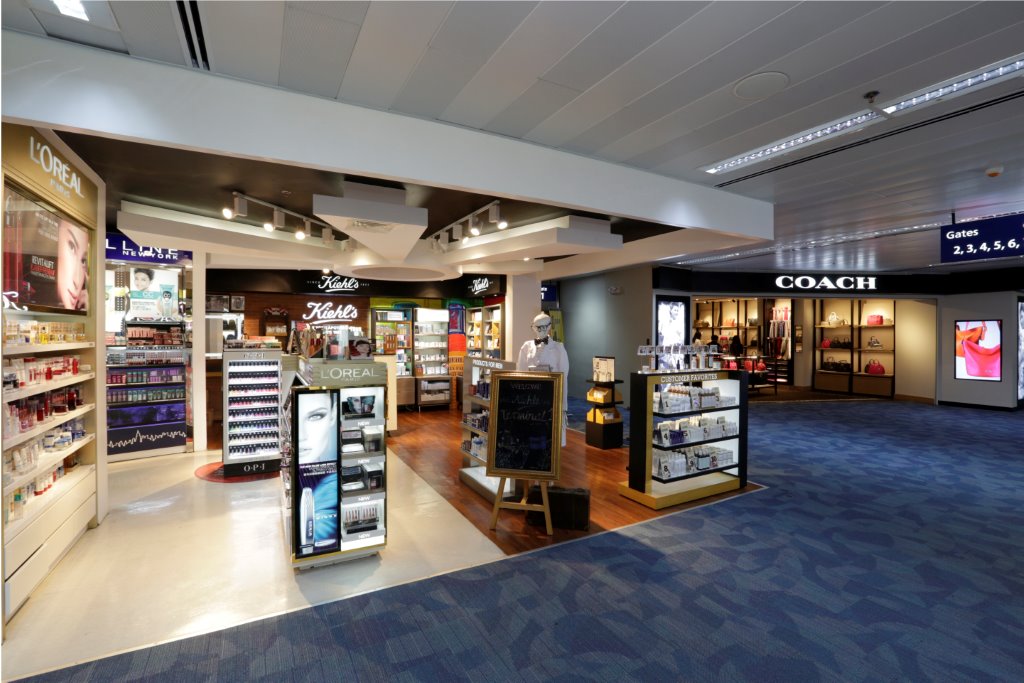
    uty Free Philippines Corporation (DFPC) plans to open a luxury store at the SM Mall of Asia complex in Pasay City next month, plus an outlet at Ninoy Aquino International Airport in Manila.

    DFP Luxe Store at SM and Landslide Store at the airport’s Terminal 3 will be the government corporation’s largest shopping outlets.

    DFPC COO Vico Angala says the 4200sqm Luxe Store “will set a standard for the affluent market, especially in Southeast Asian countries”.

    The multilevel outlet will include boutiques and shops offering high-end imported goods and a retail mix including labels such as Bally, Coach, Ferragamo and Michael Kors.

    Meanwhile, in the airport’s arrival lobby, the Landslide Store will offer chocolates, perfumes, liquor, tobacco and grocery items.