Author: Mei Ling Tan

  • Grab refuses to release details of Uber buy-out

    Grab refuses to release details of Uber buy-out

    The deal has left tax payments unresolved and questions remaining about a potential market monopoly. Tax authorities in Ho Chi Minh City have once again sent a request to Grab in Vietnam asking the company to provide details concerning its recent acquisition of rival Uber’s Southeast Asia business.

    The reason for the request is due to the fact that Grab is legally obliged to pay tax on the transfer of capital and business market share following the deal.

    Vietnam’s tax law states that all income generated by foreign companies operating in the country should be subject to tax, regardless of where they are based.

    Organizations and individuals that receive capital from foreign organizations are required to declare and pay tax on behalf of those foreign organization, tax authorities cited the law as saying.

    With details of the Uber- Grab deal remaining undisclosed, authorities are still unsure how to calculate how much the latter owes in tax.

    Uber also allegedly still owes Vietnam’s government $2.3 million in taxes required, but claims that according to Vietnam’s agreement on double taxation avoidance with the Netherlands, that figure is inflated.

    Grab has previously said that the $2.3 million is down to Uber, and has refused to pay the firm’s outstanding debt.

    Grab’s decision violates Vietnamese law and international practices, said lawyer Doan Van Hau, chairman of the Vietnam Lawyers’ Commercial Arbitration Center.

    Quoting Vietnamese law, Hau said that Grab was responsible for paying all of Uber’s back taxes.

    Ho Chi Minh’s tax department previously asked five local commercial banks to help it collect the outstanding sum from Uber, but failed to do so as the company did not have a bank account in Vietnam.

    Uber has since filed two lawsuits against Ho Chi Minh’s tax department.

    Grab is also under investigation by Vietnam’s Ministry of Industry and Trade for violating the Competition Law in its acquisition of Uber.

    Malaysia, the Philippines and Singapore are all requesting details of the acquisition.

  • Geox China pop up Store Opens in Beijing

    Geox China pop up Store Opens in Beijing

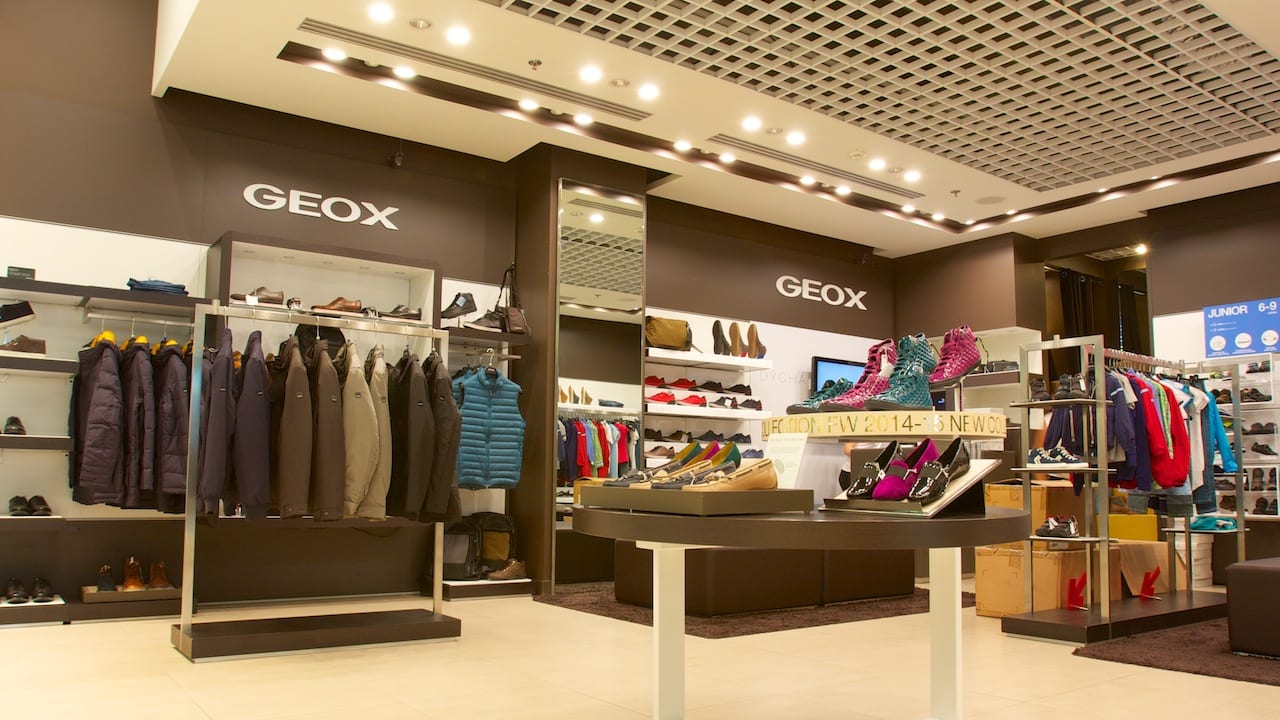
    Geox China has launched a pop-up store in Beijing’s APM Plaza, with Chinese actress Jing Tian being named as the face for its latest campaign.

    Geox founder Italian Mario Moretti Polegato says the fresh, lively and elegant image of the advertising campaign for China is perfect for the brand.

    As well as the latest spring/summer collections, the pop-up offers patented items from the Venetian company. Its collaboration with Italian footwear designer Ernesto Esposito continues with a women’s collection.

    Geox group produces classic and casual footwear and clothing for men, women and children. It derives 70 per cent of its turnover from more than 110 countries. At the end of December, the company had 10,000 multi-brand stores and 1095 dedicated stores internationally.

  • Samsung Electronics to expand production in Vietnam

    Samsung Electronics to expand production in Vietnam

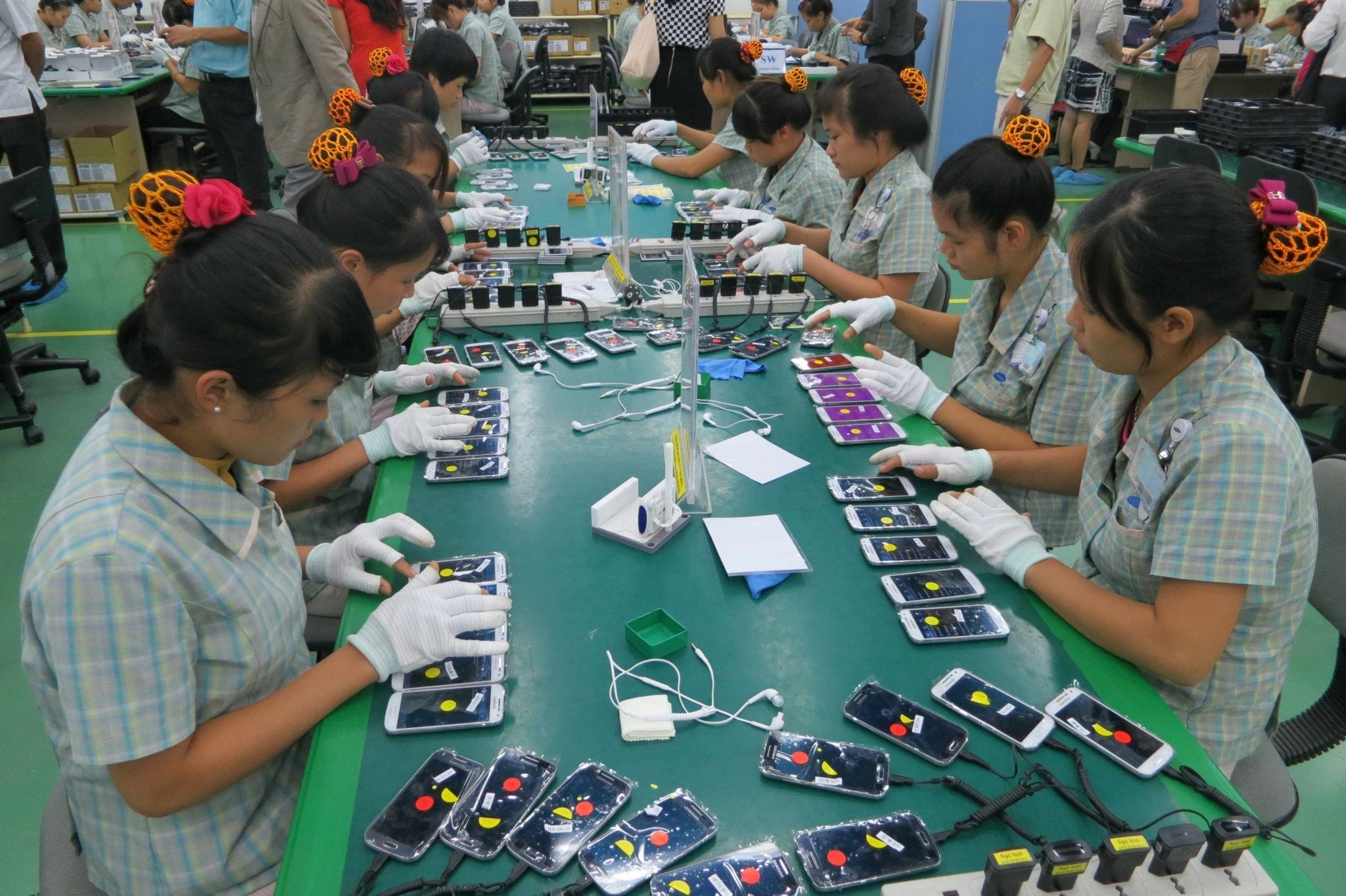
    Samsung is the largest foreign investor in Vietnam and accounts for around a quarter of the country’s total export revenue. Samsung Electronics Co. is determined to further expand production in Vietnam, co-CEO Koh Dong-jin told Vietnamese Prime Minister Nguyen Xuan Phuc on Friday.

    Samsung will recruit more Vietnamese employees and develop electronics in smart cities in Bac Ninh province and other places, according to a statement posted on the government’s website.

    Samsung is the largest foreign investor in Vietnam and accounts for around a quarter of the country’s total export revenue.

    Phuc told Koh that Vietnam is always willing to create the most favorable conditions for Samsung to develop in the country, the statement said.

    Samsung has invested $17.3 billion in eight factories and one research and development center in Vietnam, turning the country into its largest smart phone production base, the government said.

    Exports from Samsung Electronics’ factories in Vietnam totaled $54 billion last year, it said.

  • Dairy Queen seeks growth througout Asia

    Dairy Queen seeks growth througout Asia

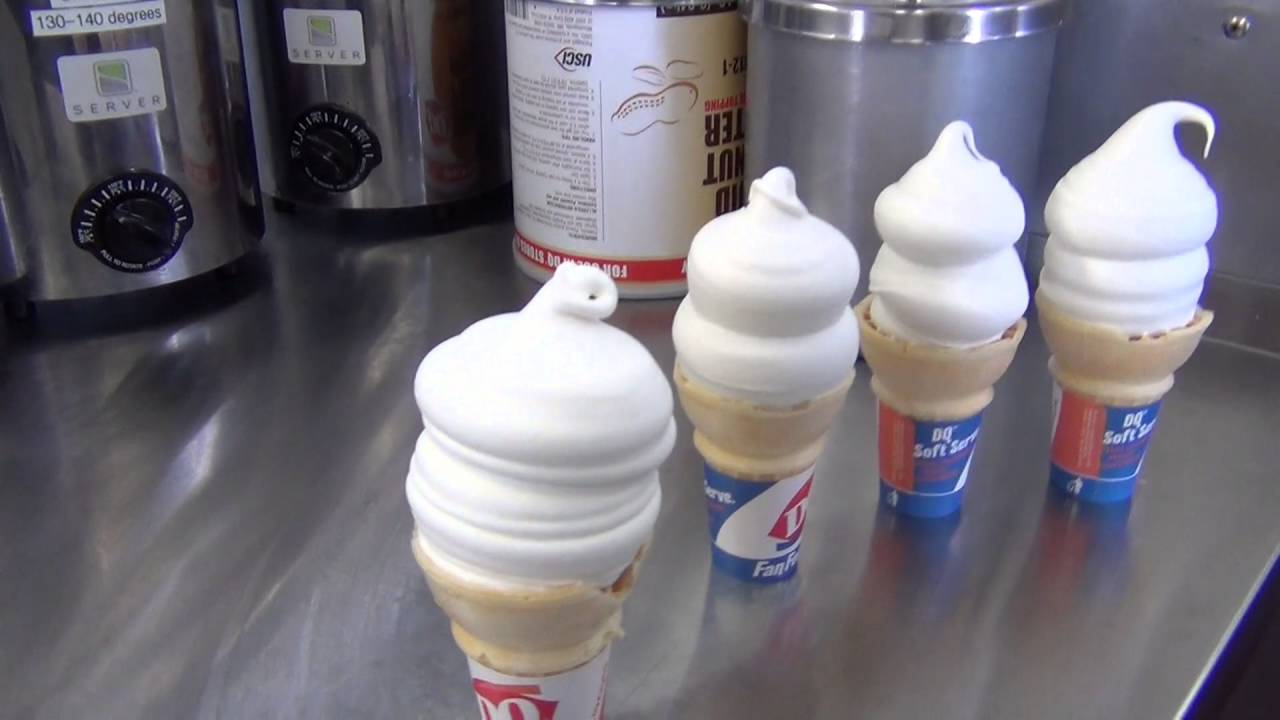
    Ice cream/fast-food restaurant Dairy Queen seeks to expand in Asia, first focussing on South Korea.

    CEO Troy Bader says the Berkshire Hathaway subsidiary has more than 450 locations in Thailand and more than 800 in China.

    “Asia, and really Southeast Asia, have been wonderful markets for us,” he says. And despite worsening trade relations between the US and China, it is not likely the company’s plans to expand into Asia will be affected, reports DevDiscourse.

    Dairy Queen opened its first store in Seoul at the end of last year and has just launched its third outlet.

  • Vietnamese startups pour $129 million into financial tech scene

    Vietnamese startups pour $129 million into financial tech scene

    Widespread smartphone usage, increased consumer spending and a low unemployment rate have spurred investment. Vietnamese startups have invested $129 million into financial technologies, with investors saying the country has high potential for tech development, a conference in Hanoi heard last week.

    Vietnam is one of the best markets for financial technologies given its widespread smartphone usage, increased consumer spending and low unemployment rate, Varun Mittal, Ernst & Young’s ASEAN FinTech head, said at the conference.

    FinTech (financial technologies) are technological innovations created to support or enable banking and financial services such as AI-powered trading.

    “Foreign investors are interested in and even willing to buy FinTech from Vietnam due to the country’s markets being attractive for FinTech development,” Mittal said.

    The company said there are almost 80 FinTech firms currently operating in Vietnam, with about 47 percent specializing in payment services. This is partly due to the fact that most Vietnamese people still conduct transactions in cash.

    Mittal also said that several banks want to collaborate with FinTech firms to develop digital banking software instead of developing the software themselves, citing lower costs.

    Korea-based financial group Keb Hana’s chairman Kim Jung Tai said that the group is working with a Vietnamese bank on the development of FinTech during a meeting with Vietnam’s Deputy PM Vuong Dinh Hue in Hanoi back in January.

    However, obstacles still remain. Vietnam’s financial services country leader for Ernst & Young, Nguyen Thuy Duong, said the Southeast Asian nation does not yet have an official policy regarding cooperation between banks and FinTech firms. The fact that many FinTech companies are just fledgling startups with limited capital, workforces and experience doesn’t help either.

    Duong added that the State Bank of Vietnam is working on developing a legal framework to experiment with FinTech before applying it on a larger scale.

  • AirAsia India to connect Surat from Bengaluru starting this June

    AirAsia India to connect Surat from Bengaluru starting this June

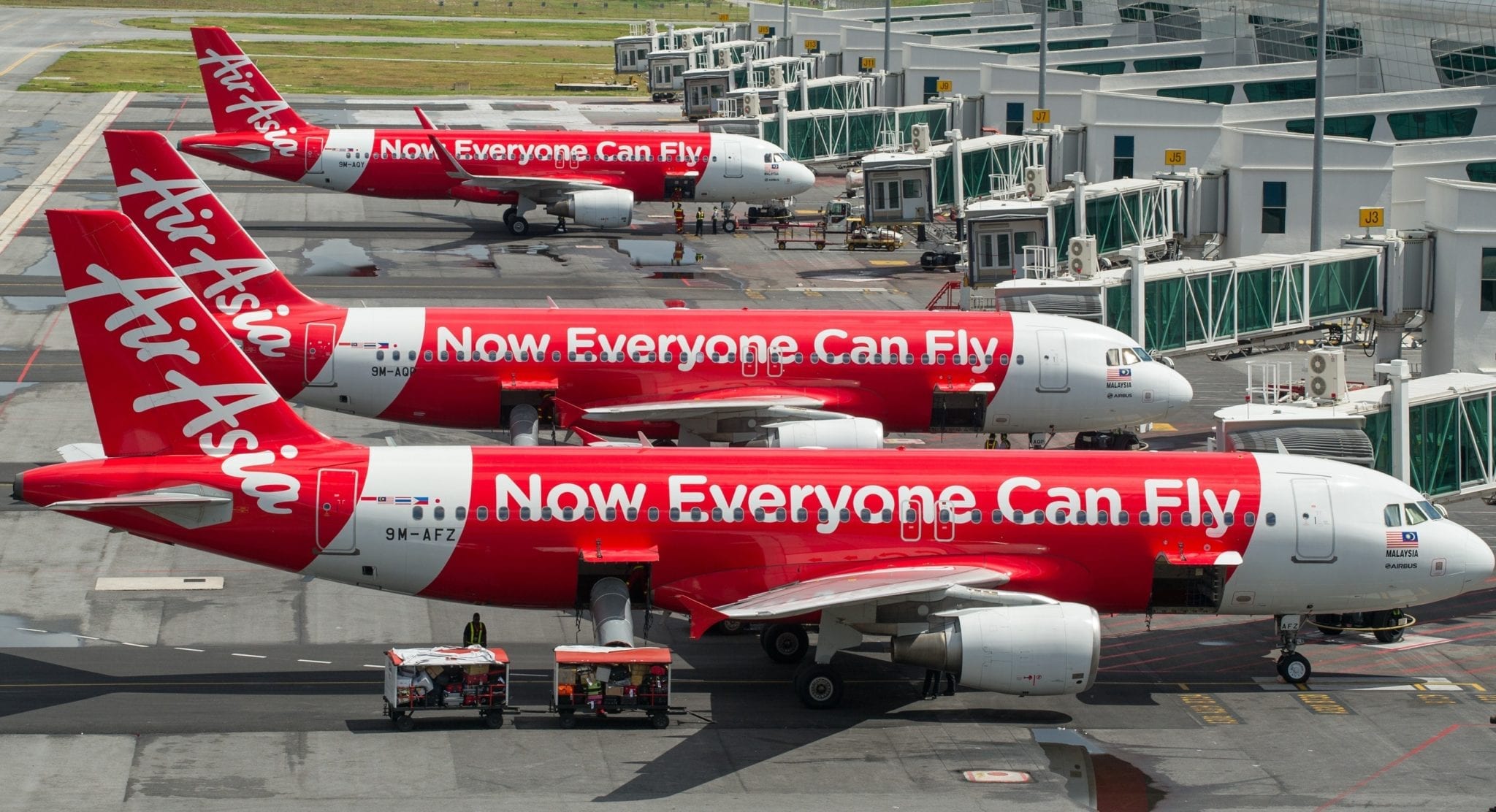
    Budget carrier AirAsia India today announced expansion of its route network with the launch of a flight to Surat from Bengaluru, starting next month, taking the total number of destination operated by the carrier to 20.

    The Tata-AirAsia-invested airline, which completes four years of its operations in June, will fly daily to Surat from Bengaluru with an Airbus A20 plane, a release said today.

    AirAsia India currently flies to 19 destinations, with its hubs in Bengaluru, New Delhi and Kolkata covering Kochi, Goa, Jaipur, Chandigarh, Pune, Guwahati, Imphal, Visakhapatnam, Hyderabad, Srinagar, Bagdogra, Ranchi, Indore, Nagpur, Bhubaneshwar and Chennai.

    AirAsia India is the first airline to connect Bengaluru with the textiles city with flights from June 1, for which bookings have already commenced, the release said.

    Surat is a business hub, with a dominant presence of diamond and textile industries, and a large number of merchants travelling out of Surat for various business engagements and this provides an opportunity for AirAsia India to open up the market for the air travellers, the airline added.
  • Virtutel to use PCCW Global’s nTwine platform

    Virtutel to use PCCW Global’s nTwine platform

    Australia-based wholesale and enterprise communications services provider Virtutel has contracted PCCW Global to bring hosted unified voice services to Australia and New Zealand using PCCW Global’s nTwine platform.

    Virtutel will use the platform to support its expansion plans in the Australian and new Zealand markets.

    The nTwine multi-tenant unified communications as a service (UCaaS) platform includes the provision of a white label hosted platform as well as automated orchestration operation and management.

    It uses PCCW Global’s fiber network spanning 3,000 cities in 150 countries as well as network partnerships with more than 200 global operators to provide international voice and VoIPX services.

    Gartner projects that the global market for cloud based telephony and messaging will grow at a 14.4% CAGR through to 2022, reaching $22 billion.

    “The PCCW Global team has been extremely committed to our partnership and the nTwine uCaaS solution is a perfect fit for our business growth in the coming years,” Virtutel managing director David Allen said.

    “Thanks in large part to the transformative power of cloud computing, in most markets the idea of what makes an office is rapidly changing. We expect that the technologically savvy and forward-thinking business leaders in Australia and New Zealand will appreciate the advantages the nTwine service provides.”

  • Sa Sa holiday sales numbers look positive

    Sa Sa holiday sales numbers look positive

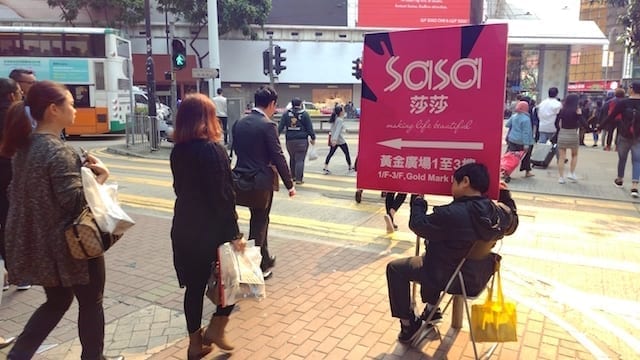
    Sa Sa holiday sales were strong enough to fuel optimism for the beauty products retailer’s full-year performance. Its unaudited sales for the Labour Day holiday show retail sales in Hong Kong and Macau increasing by 34.4 per cent year on year. Sales attributable to mainland customers grew by 41.5 per cent, driven mainly by 23.4 per cent growth in transaction volume and a 14.6 per cent increase in average sales per transaction.

    On a same-store basis, sales rose 31.7 per cent, with sales to local and mainland customers up 12.5 and 38.9 per cent respectively. The overall sales performance was in line with expectations.

    Apart from external factors, Sa Sa says it is starting to bear fruit from the relocation and consolidation of its warehouses.  Continuing efforts to improve product offerings and the balancing of sales growth against gross profit margin have led to increased sales while containing gross profit margin within an acceptable level.

    Benefitting from the retail market recovery, the group says it will continue to optimise product offerings and enhance the customer experience.

  • Amazon looks to UK grocery acquisition

    Amazon looks to UK grocery acquisition

    Amazon’s aim to conquer retail’s largest category, grocery, through the acquisition of bricks-and-mortar supermarkets has been further illuminated by its reported attempt to initiate takeover talks with the upmarket chain, Waitrose, in the UK.

    A recent report in The Sunday Times has suggested that one of Amazon’s most senior executives in Britain, vice president of special projects Ajay Kavan, had several “enormously informal” conversations with a director of the John Lewis Partnership, Waitrose’s parent company, about a possible deal last November. However, a request for a formal meeting was apparently shut down by the board.

    Citing an unnamed source, The Sunday Times reported that Amazon’s interest in the 350-store supermarket chain was known to the partnership’s executive team, including Waitrose’s boss Rob Collins, group finance director Patrick Lewis and head of John Lewis department stores Paula Nickolds, but chairman of the board Sir Charlie Mayfield denied the report.

    “These times are ripe for speculation, but there has been no approach to the partnership by Amazon regarding Waitrose, and nor would I expect there to be,” Mayfield told.

    Analysts have speculated that Amazon could buy a British grocery chain since it launched its online grocery delivery service, Amazon Fresh, in the market two years ago. Morrisons, Sainsbury’s and Waitrose reportedly were all considered potential targets.

    The recent £14 billion merger between Sainsbury’s and Asda has been cast as a move in part to ward off Amazon’s broader move into grocery, which many see as ramping up since the company’s US$13.7 billion acquisition of Whole Foods last summer.

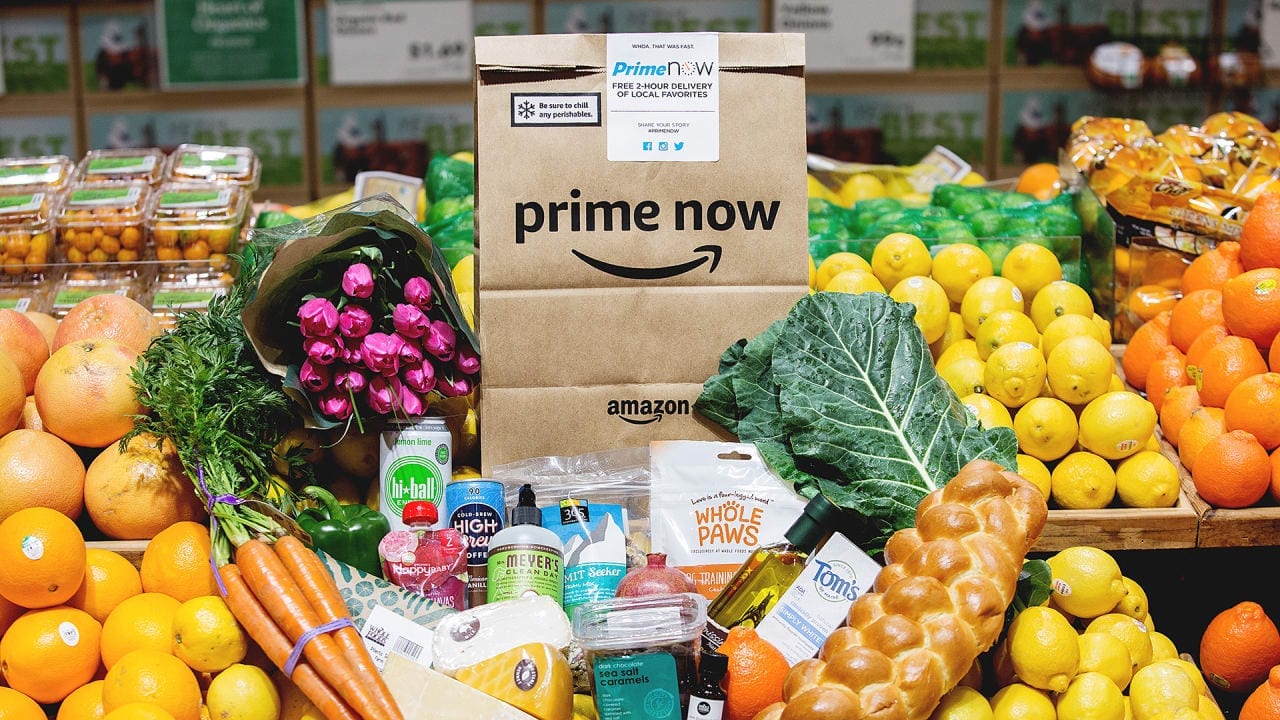
    Since taking over Whole Foods’ 470 stores in the US, Canada and UK, Amazon has cut prices on staples and rolled out free two-hour delivery for online grocery orders in several cities across the US.

  • Xiaomi files documents for IPO in Hong Kong

    Xiaomi files documents for IPO in Hong Kong

    Chinese smartphone giant Xiaomi has filed documents for an IPO on the Hong Kong stock exchange that could see the company raise at least $10 billion in the biggest public offer since 2014.

    The IPO is expected to value the company at between $80 billion and $100 billion, according to data and analysis company GlobalData. This would make it the largest IPO since Alibaba’s $25 billion public listing in 2014.

    GlobalData consumer technology analyst Avi Greengart said the listing would give Xiaomi the infusion of capital it will need to pursue an expansion to the West.

    “Xiaomi has long planned to enter the US. For now it is targeting Europe, starting with Spain, and we will be closely monitoring how the brand and its business model translates well outside of China,” Greengart said.

    “Xiaomi has said it plans to enter the US market ‘next year’ for the past three years. The US is famously unfriendly to Chinese brands right now. The bigger challenge is that carriers are the gatekeepers, the market is skewed heavily towards premium smartphones, and US consumers have expectations around brand and software that Xiaomi may have difficulty meeting.”

    The vendor’s “fascinating” business model involves selling phones in high volumes at low margins, and started with online-only operations, Greengart said.

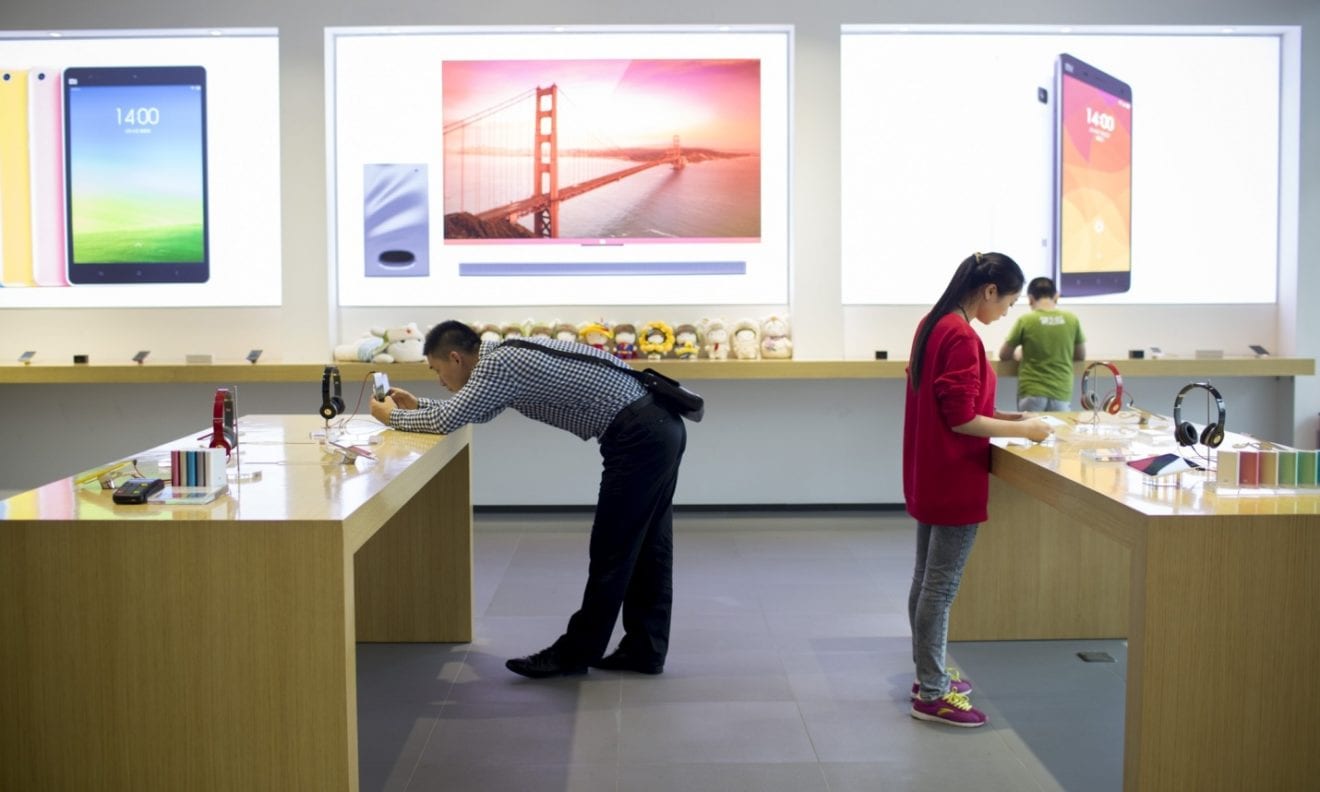
    “However competitors such as Huawei eventually countered with online-only brands of their own, and Xiaomi was unprepared. The company was able to successfully regroup and move into retail outlets as well as online. Xiaomi’s also thinks of itself as an incubator and IoT ecosystem vendor, investing in dozens of start-ups selling everything from air cleaners to fitness bands to Segways.”

    Xiaomi’s IPO documents [PDF] show that the company recorded a 67.5% increase in revenue in 2017 to 114.62 billion yuan (HK$141.36 billion). But the company swung to a net loss of 43.89 billion yuan from a profit of 491.6 billion yuan in 2016.

    The company already has a presence outside of China, having rapidly grown to the top smartphone brand in India, IDC estimates. The research firm also puts Xiaomi at the number four spot globally in terms of smartphone market share, behind Samsung, Apple and Huawei.

  • Ooredoo Myanmar enters eSports tie-up with HOG

    Ooredoo Myanmar enters eSports tie-up with HOG

    Ooredoo Myanmar has entered a partnership with Myanmar’s first eSports center Halls of Gamers (HOG) to provide high-speed connectivity for competitors.

    Under the agreement, Ooredoo will provide high-bandwidth fiber broadband services to HOG at a special rate to support HOG’s eSports tournaments.

    The operator will also set up a booth at the HOG eSports Center to provide product sales and technical support.

    HOG opened in 2017 in Yangon as the first LAN gaming center in Myanmar to promote the local eSports industry with activities including tournaments, festivals and contests. The center has the space and facilities available to host international eSports tournaments.

    “We are very glad to our partnership with HOG eSports Center to support together with HOG for the development of eSports among the youths in Myanmar to reach to international level,” Ooredoo Myanmar CEO Vikram Sinha said.

    “We believe that with our reliable speed though Ooredoo B2B dedicated fiber internet access, all eSport gamers can enjoy the internet to gain their achievement.”

  • Domino’s Franchising model’s uncertain

    Domino’s Franchising model’s uncertain

    The franchising model has been around a long time in Australia, but a raft of inquiries and negativity surrounding the sector is fuelling uncertainty over its viability moving into the future. The franchising sector has been on the receiving end of a lot of negative political and media attention over the past two years.

    The industry response has largely been to pop in earplugs and cover its eyes with blindfolds and just wait till all the problems go away.

    The Franchising Council of Australia continues to roll out media releases of self-congratulations for the industry, announcing award winners for franchising excellence and forums to showcase investment opportunities.

    The Council has protested the timing, intent and conclusions of inquiries into the sector claiming it is in robust health, despite the falls from grace of some of the most celebrated franchise systems.

    A little bit like the alcoholic who can’t rehabilitate without first acknowledging they have a problem, the franchise sector is certain to be plagued with serious problems well into the future, unless it recognises the limitations of the franchising business model.

    Franchising has been around for a long time and does undoubtedly have its success stories but it is uncertain that retail franchising systems can survive in their current form.

    At the very least, retail franchising systems are likely to become much less lucrative for franchisors who are unlikely in future to be able to obtain the level of franchise levies, marketing fees and even product supply charges that they have received in the past.

    Franchisors are also facing the prospect of higher operating costs associated with a tightening of regulations and legislative provisions to ensure the appropriate governance and accountability of their systems and enhance operational support for their franchisees.

    The franchise business model arguably works for service businesses, which in many cases have low ingoing costs and often provide a customer referral facility, which provides a clear and direct value for the fees.

    Retail franchises are an entirely different matter as they involve high entry costs for the franchise rights, store fit out costs, rent and occupancy charges for tenancies, inventory carrying costs and hefty wages bills resulting from extended hours trading in most locations.

    Franchisees have much longer hours to spend managing a retail business than investors in other types of franchises and, at the end of the day, many are effectively working for nothing after coughing up their various dues to franchisors.

    Pressure across all sectors

    The scandals and increased level of disputation involving retail franchise systems should not be surprising, given that the entire retail industry is under pressure with major local chains closing stores and others failing financially and international retailers such as The Gap and Esprit abandoning the Australian market.

    The seasonality and vagaries of fashion has meant there have been few apparel franchise systems.

    General merchandise chains like Beacon Lighting and The Good Guys bought back their franchises while the struggling Godfreys cleaning appliance chain has waxed and waned on its franchising program.

    Yum Restaurants Australia, which built its business around a pure franchise model has also been buying back KFC franchises, a move that led to a dispute with another franchise company, Jack Cowin’s Competitive foods, which triggered a parliamentary inquiry that led to the adoption of ‘good faith’ clauses in franchising legislation.

    Faced with a debilitating level of disputes with franchisees and the reputational brand damage of breaches of employment laws and underpayment of wages, Caltex, the fuel giant has also decided to exit franchising and to buyout its current franchisees.

    Among other casualties, the Angus & Robertson chain was one of many retail franchise chains to collapse, along with other systems such as the Allied Brands portfolio, Eagle Boys Pizza, Pie Face, Kleins and Kleenmaid.

    Most of the successful retail franchises in Australia have been food chains but food franchise systems are starting to struggle as evidenced by the problems at Domino’s Pizza, Pizza Hut, Retail Food Group and Craveable Brands.

    The wages scandals at 7-Eleven and Domino’s Pizza have forced both companies to change their profit sharing ratios to ensure their franchises are viable, after franchisees pleaded that their shortcuts on employee wages and entitlements had been their only hope of economic survival.

    Most food franchise systems in Australia are declining in numbers of outlets and have been for several years.

    The brands that are still growing are generally those that are expanding into overseas markets, usually under master license agreements, and advantaged by lower operating costs, especially in labour costs.

    While both the Queensland-based franchise systems, Domino’s Pizza and Retail Food Group, are facing challenges in the domestic market, including franchisee disputes, both are continuing to enjoy relative success with their overseas businesses.

    Interestingly, Domino’s Pizza and Retail Food Group are both listed on the Australian Stock Exchange with the pizza chain regarded as one of the best performers in terms of growth and shareholder investment returns.

    Craveable Brands, the owner of the Red Rooster, Oporto and Chicken Treat brands attempted to float on the Australian Stock Exchange last year in a transaction that would have valued the business at up to $400 million.

    Institutional investors had little appetite for the deal pitched by Archer Capital for the Sydney-based fast food company that was formerly known as Quick Service Restaurants.

    The float idea was abandoned in July 2017 and there has been no trade buyer interest in an acquisition of Craveable Brands because of doubts about the franchise systems and scepticism about bullish prospectus forecasts.

    Archer Capital had planned to expand overseas in New Zealand, China, the United States and the United Kingdom but the global push has not reached expectations and the store numbers for both the Red Rooster and Chicken Treat chains have fallen in the past six years.

    Those doubts that have been given further credence by a submission from a group of Craveable Brands franchisees to the current Senate Inquiry into the Franchising Code of Conduct.

    ‘Crisis point’

    Michael Sherlock, the former Brumby’s Bakeries CEO, argues the franchising sector is at a crisis point because of a lack of leadership by the Franchising Council of Australia which he claims has been “taken over” by lawyers and consultants.

    Sherlock believes the Franchise Council of Australia has failed to properly address issues in the industry and that its board should be overhauled with only current franchisors and franchisees as directors.

    The board currently does not include any franchisees.

    Sherlock argues directors on the board should have a minimum of five years trading experience with a proven ethical performance and a minimum of 30 franchise outlets.

    Under Sherlock’s proposal, current chairman and former Federal Minister for Small Business, Bruce Billson would be forced to step down along with former chairman and legal advisor, Stephen Giles.

    Sherlock sold Brumby’s to Retail Food Group in 2007 when the chain had 321 outlets.

    The chain currently has around 240 stores and its decline and the relationship between the franchisor and franchisees was one of the reasons the Australian Senate established an inquiry into the effectiveness of the Franchising Code of Conduct.

    Sherlock has been surprised at the Franchising Council of Australia’s denial of any problems in the franchising sector despite the scandals and disputes of the past two years.

    He argues franchisors should be more transparent with fees and charges, including supplier rebates and the application of marketing levies.

    Sherlock also believes franchise deeds should be registered in a similar manner to commercial leases.

    Submissions to the Joint Committee on Corporations and Financial Services inquiry into the Franchising Code of Conduct closed last week and a report to the Federal Parliament is expected in June.
  • Nokia buys SpaceTime to bloster IoT offerings

    Nokia buys SpaceTime to bloster IoT offerings

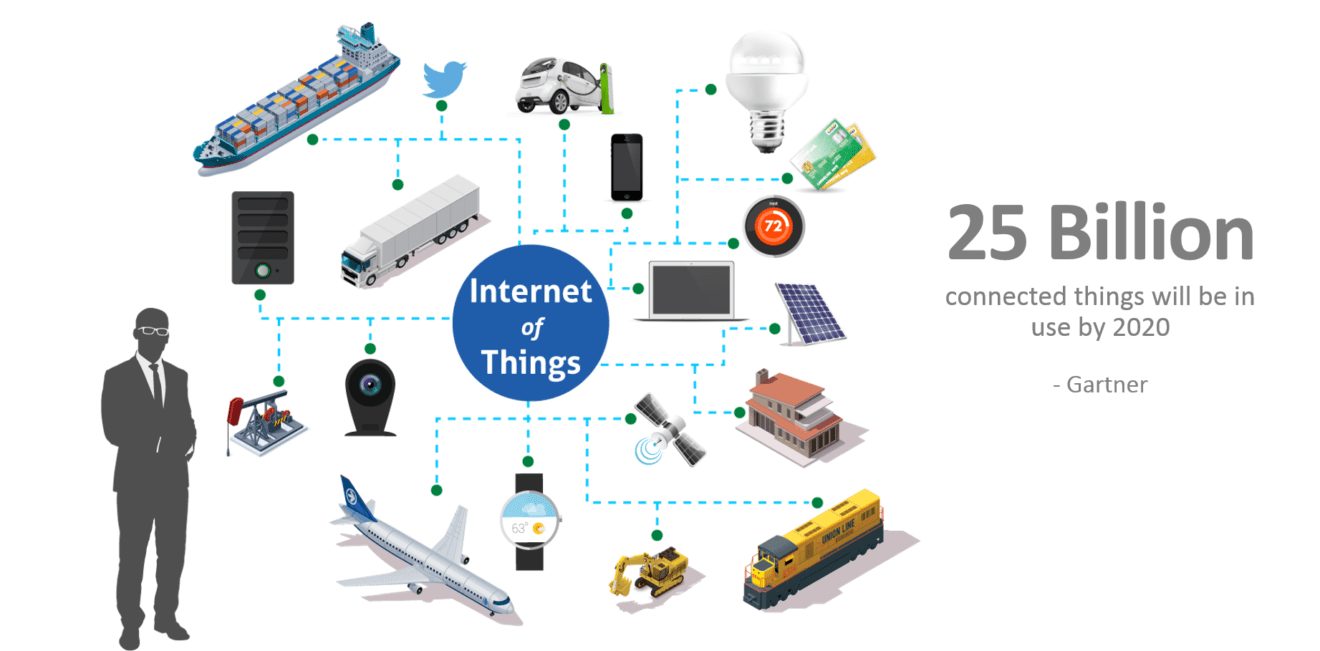
    Nokia has acquired US-based software supplier SpaceTime Insight in its latest push to expand its Internet of Things (IoT) portfolio and IoT analytics capabilities beyond the telecoms sector.

    The company did not reveal the financial terms of the deal.

    Based in San Mateo, California, SpaceTime Insight provides machine learning-powered analytics and IoT applications for asset-intensive industries like transportation, energy and utilities. Its clients include Entergy, FedEx, NextEra Energy, Singapore Power and Union Pacific Railroad.

    Nokia said SpaceTime Insight’s machine learning models and other advanced analytics predict asset health with a high degree of accuracy and optimize related operations, helping customers reduce cost and risk, increase operational efficiencies, reduce service outages and more.

    SpaceTime Insight and its CEO Rob Schilling will join the IoT product unit within the Nokia Software business group. The company has offices in US, Canada, UK, India and Japan.

    The acquisition will strengthen Nokia’s IoT software portfolio and IoT analytics capabilities as well as speed up the development of Nokia’s IoT offerings to deliver IoT solutions and services to new and existing customers.

    It will also broaden the company’s ability to deliver new, advanced applications for key vertical markets, including energy, logistics, transportation and utilities, Nokia added.

    Commenting on the acquisition, Bhaskar Gorti, president of Nokia Software, said “the addition of SpaceTime to Nokia Software is a strong step forward in our strategy, and will help us deliver a new class of intelligent solutions to meet the demands of an increasingly interconnected world.”

  • Nestle to pay billions to obtain Starbucks rights

    Nestle to pay billions to obtain Starbucks rights

    Nestle is to pay Starbucks US$7.1 billion for the global rights to sell and distribute Starbucks products outside cafes. The Starbucks rights deal includes Seattle’s Best Coffee, Starbucks Reserve, Teavana, Starbucks VIA and Torrefazione Italia packaged coffee and tea in all global at-home and away-from-home channels. And the Starbucks brand portfolio will be represented on Nestlé’s single-serve capsule systems, such as the Nespresso machines.

    The Seattle-headquartered cafe giant says the alliance with Nestle will allow it to accelerate and grow the global reach of Starbucks brands in the consumer packaged goods market and in foodservice channels.

    Starbucks will lead in sourcing, roasting and global brand management for the alliance, while the two companies will work closely together on innovation and go-to-market strategies.

    “With a shared commitment to ethical and sustainable sourcing of coffee, this alliance will transform, expand and elevate both the at-home and away-from-home coffee and related categories around the world,” Starbucks said in a statement.

    Neil Saunders, MD of GlobalData Retail, said the scale of the deal underlines the brand strength of Starbucks and of Nestle’s desire to use it to power its own growth.

    “For Starbucks the deal will help to drive brand recognition outside of its core North American and European markets as Nestle ramps up expansion using its distribution capacity. Arguably, it also allows Starbucks to concentrate more fully on developing its retail business, including the higher end concepts like Reserve Roastery that it is currently rolling out.

    “For Nestle, Starbucks gives it a powerful brand it can add to a coffee armoury that is looking a little tarnished. The group has always struggled with market share in North America and this deal essentially buys immediate scale. It also provides numerous opportunities for expansion elsewhere in the world by leveraging the Starbucks brand.”

    Kevin Johnson, president and CEO of Starbucks, said the alliance will take the Starbucks experience into the homes of millions more consumers around the world through the reach and reputation of Nestle.

    “This historic deal is part of our ongoing efforts to focus and evolve our business to meet changing consumer needs, and we are proud to work alongside a company that is committed to our shared values.”

    Nestle CEO Mark Schneider said the deal marked a “significant step” for the Swiss headquartered company’s coffee business.

    “With Starbucks, Nescafe and Nespresso we bring together three iconic brands in the world of coffee. We are delighted to have Starbucks as our partner. Both companies have true passion for outstanding coffee and are proud to be recognised as global leaders for their responsible and sustainable coffee sourcing. This is a great day for coffee lovers around the world.”

    Saunders observed the deal is yet another example of how large consumer goods companies are struggling to develop and grow their traditional brands.

    “Arguably, Nestle’s preferred vehicles for driving growth in coffee would be its own Nescafe and Nespresso brands. However, these have failed to gain traction in North America and have reached maturity elsewhere. There is a case to be made that Nestle has failed to innovate and develop either brand to the extent it should.”

    Saunders cautioned there may be a downside for Nestle in the deal:

    “There is a risk for Nestle is that while Starbucks is one of the best known and most powerful brands in coffee, others like McDonald’s are looking to cash in on the category by selling their own brand products through supermarkets. A host of innovative small companies, like Bulletproof Coffee and Four Sigmatic, are also making advances into the sector by emphasising the health and wellness benefits of the beverage.

    “Arguably, Nestle has gone with the obvious and easy choice – and paid a lot of money for it. It could, and probably should, also examine at how it could also acquire and develop some more innovative startups,” Saunders concluded.

  • Telstra expands availability on key APAC routes

    Telstra expands availability on key APAC routes

    Australia’s Telstra has expanded its Always On guaranteed connectivity service for enterprises to provide more bandwidth options on the Hong Kong to Singapore and Hong Kong to Japan subsea cable routes.

    The service uses Telstra’s extensive cable network in the Asia-Pacific region to reroute traffic to another path in the event of a cable cut or damage due to a natural disaster.

    The enhancement of the service will reduce latency and add more resiliency to two of Asia’s busiest subsea cable routes.

    According to Telstra director for international Paul Abfalter, Telstra’s subsea cable network is the largest and most diverse in APAC, accounting for up to 30% of active intra-regional capacity.

    “We now have average speeds of 28.8m/s between the Singapore (SGX) and Hong Kong (HKEX) Exchanges, 177.8m/s between the Australian (ASX) and Chicago (CME) Exchanges, 178.2m/s between Equinix/CERMAK (EQCH) in Chicago and the ASX, and 41.9m/s and 13.9m/s respectively between Singapore to Taiwan and Hong Kong to Taiwan,” he said.

    “We were first in the region to develop ‘resilience as a service’ across the busy Hong Kong, Singapore and Japan triangle so customer services are restored within hours for their subscribed bandwidth, using one primary path and two protection paths over different cable systems along the same route.”

    The Always On service guarantee was initially targeted at customers with capacity requirements of between 10GB and 1TB, but with the expansion the company has introduced lower bandwidth options starting at 1GB, Abfalter added.