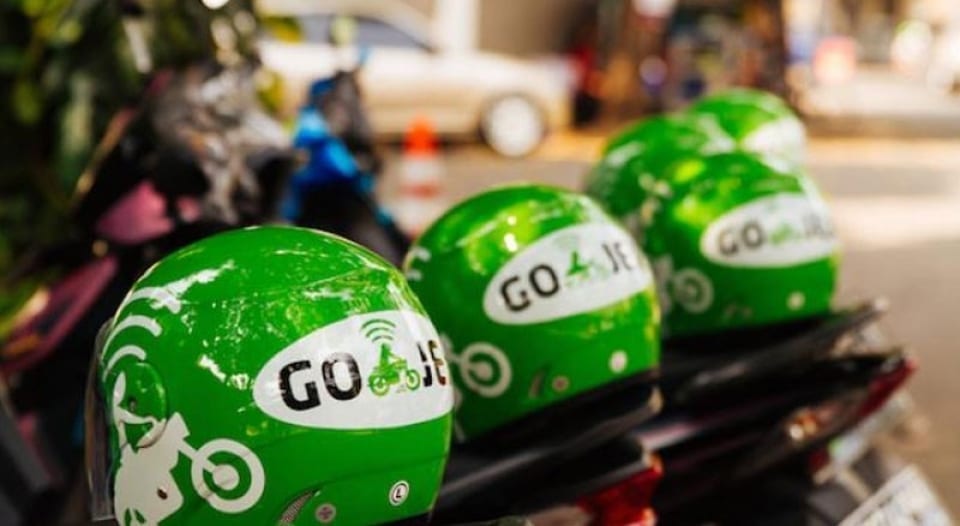
Indonesian start-up Go-Jek is considering an initial public offering, president Andre Soelistyo said on Monday (05/03), but details on timing and float size haven’t been decided yet.
Andre met with Indonesia Stock Exchange chief executive on Monday to discuss the potential share sale, including a regulatory requirement to be profitable within two years of listing.
“We discussed what technology companies need [to do an IPO] and how [the exchange] can provide access,” he said.
Andre also raised the possibility of a dual-listing after Indonesia, but said a decision on where hasn’t been made.
Go-Jek is yet to appoint an underwriter for the plan, Andre said, in a sign that details around IPO size, company valuation and how much of the firm will be listed are some way off.
Go-Jek delivers everything from meals and groceries to cleaners, masseuses and hairdressers across Indonesia’s capital city Jakarta, all at the touch of a smartphone app — helping it become a crucial workaround in a city with some of the worst traffic in the world.
Bankers have listed Go-Jek’s potential IPO as a key float to track in Asia’s ride-hailing and mobile payments market, which has caught the attention of global investors.
Go-Jek raised a higher than targeted $1.5 billion in a fundraising round from several investors including Google, Temasek Holdings and Chinese technology giants Tencent Holdings and JD.com, sources said last month.
The latest round of investments valued Go-Jek at about $5 billion, the sources said.
Rivals Grab and Uber are backed by Japan’s SoftBank Group.
Go-Jek plans to expand its business beyond Indonesian borders by setting up operations in the Philippines in early 2018, with other Southeast Asian countries to follow later that year, it’s chief technology officer said in December.
On top of that, Go-Jek has said it will roll out new services soon, including installing charging stations in retail outlets that users can access through their app. The company also plans to launch a laundry pick-up and delivery service to their already extensive services.
Tmall will this year work with top beauty brands such as Estee Lauder and Lancome to help them surpass RMB 1 billion (US$157.9 million) in annual sales on the platform.
The increased focus on the beauty sector will also see Tmall deliver an updated suite of New Retail solutions so that all merchants can better serve Chinese consumers, the Alibaba Group-owned B2C shopping site says.
Tmall plans to partner closely with about 10 beauty brands in particular, also including SK-II and Olay, to help them break that sales threshold. New Retail initiatives include a new “try-before-you-buy” feature, where users pay a 10 per cent deposit to test a product with the promise of a simpler and faster refund process.
“Our partnership with brands will cover every corner from online to offline,” Tmall president Jet Jing said. “We will be consistently involved in daily operations ranging from product innovation, brand building, channel management, supply chain to customer operations.”
Tmall Supermarket would also expand its one-hour delivery service to more customers, as faster service is also a part of New Retail, Jing said. However, the biggest changes won’t come until the 11.11 Global Shopping Festival, which is typically when Alibaba rolls out its New Retail initiatives.
The initiatives were announced during the Tmall Beauty Awards in Shanghai, where more than 1000 beauty professionals, from both international and home-grown brands, gathered for the annual event. This year, Estee Lauder, SK-II, Giorgio Armani Beauty and Givenchy each took away a “Super Brands Award,” for their outstanding performance in brand influence, marketing creativity and consumer engagement. Newcomer Givenchy on March 1 broke the single-day sales record, selling more than 58,000 lipsticks and generating over RMB 16 million – all in the first 12 hours of the day.
Since launching in 2015, the awards largely have spotlighted New Retail-driven innovations. Featured technology at this year’s awards included the “Cloud Shelf” and the latest iteration of the augmented reality-powered “Magic Mirror,” which allows users to virtually try on new hairstyles, lipstick, eyeshadow and blush. Tmall said it would partner with with French cosmetics company L’Oreal to install Magic Mirrors in 50 of the beauty giant’s physical stores in China.
Tmall hosts more than 3000 beauty brands on its platform, according to a report released by Tmall and Chinese research firm CBNData last year. Some of the newest entrants include LVMH-owned Givenchy, L’Oreal’s Giorgio Armani Beauty and Estee Lauder’s Darphin.
“After two years of very successful acceleration in China, we felt this is the right timing to join Tmall to push artistry and premium-ness of the brand,” said Andrea Yann, GM of the China market at Giorgio Armani Beauty. “Our plan is really to understand from [Alibaba’s] database what are the main beauty concerns of Chinese women to solve their beauty issues, be very personalised still being [seen as] very artistry and premium.”
Andrea Yann, GM of the China market at Giorgio Armani Beauty, speaks on stage.
Younger more focused on beauty
According to a report released by Tmall and market research consultancy Kantar, what they want is a more elaborate skincare regimen. Thirty-five per cent of respondents said they have added more steps to their beauty routines, and therefore are spending more on skincare products and cosmetics. Tmall attributed 53 per cent of the sales of beauty products on Tmall to consumers making more purchases per person.
Beauty consumers in China – the world’s largest and fastest-growing beauty market at $22 billion – are also becoming younger than ever, the report noted. In 2017, users born after 1990 made up over 40 per cent of shoppers on Tmall Global, the site’s cross-border e-commerce channel, overtaking those born in the 1980s as the main consumption force on Tmall Global, the site’s cross-border e-commerce channel.
Consumers born after 1990 like to try new products from new brands and less familiar origin countries, the report said.
Embracing the new
“In China, there’s more willingness to try new products at a faster rate than what you would see in different markets,” said Danielle Bailey, head of Asia Pacific research at digital agency L2.
“It’s not that [Chinese beauty consumers] are less loyal, but their desire to explore is much higher,” she said. “This makes it more challenging for brands to sell to the market, but also creates new opportunities.”
Tmall’s latest report also showed momentum for homegrown brands, particularly for skincare, where they accounted for 56 per cent of sales last year – up from 54 per cent in 2016. However, foreign brands still dominate the cosmetics category with 56 per cent of total makeup sales.
Chinese brands are trying to boost their profiles by launching new prestige product lines or creating new products within an existing line, said Bailey. “It will be interesting to see if local brands can successfully transition to that space. It’s still a bit unclear because Western brands tend to be associated with better quality,” she added.
From a product development standpoint, the pace of innovation in Asia has forced brands in the West to shrink development timelines to stay relevant, said Bailey. Where Western companies may take two years to release a product,” he said, “in Korea, some brands are launching new product every three months.”
Time-to-market is indeed very important for beauty brands, said Ye Guohui, GM of Tmall’s new retail division.
“Conducting market research alone can be very time-consuming, taking up to over a year,” he said. “But brands in China can leverage Alibaba’s data capacities to really shorten that timeline, and accelerate product development.”
Tech-savvy Koreans in their 20s and 30s are increasingly turning to blockchain to bypass the privacy and financial restrictions they regularly encounter online.
International blockchain pioneers now frequent the country to give presentations at conferences in Seoul.
“Every time I come to Korea, I can sense there are more developers leaping into the world of blockchain,” remarked Loi Luu, CEO of Singaporean-based cryptocurrency exchange Kyber Network, who hosted one such seminar in Gangnam district on Jan. 20.
“Sharing security information through collective intelligence and rewarding these activities with coins in a blockchain ecosystem is more efficient in facing digital security threats,” said Patrick Kim, co-founder of the Uppsala Foundation. Kim, who previously worked for a British security tech company, launched the start-up in Singapore to develop a security solution for cryptocurrency assets.
Besides attending conferences, programmers interested in blockchain also try to form lasting connections with each other by participating in common-interest groups and researching the new technology together. Yonsei University engineering students got in the game early in February, when they formed YBL, or Yonsei Blockchain Lab.
“Research [on blockchain] among university students is active in the United States and China, but we are just beginning now,” explained the group’s founder Lee Hyun-jae, a 23-year-old sophomore majoring in electrical engineering. “We plan to debate the future of blockchain by meeting up with world-famous founders of blockchain companies who visit Seoul.”
Blockchain enthusiasts argue that blockchain-based cryptocurrencies are the way to overcome the limits of the digital economy. These young advocates bemoan how the openness that characterized the early Internet age is now gone, replaced by closed markets of information and technology monopolization by tech giants like Google, Facebook and Amazon.
“Google and Naver have become so big that they monopolize each country’s market,” said CEO Charles Pyo of Chain Partners, a blockchain company builder that nurtures new start-ups. Pyo is skeptical of the current digital economy where institutional middlemen like banks and portals pocket large service charges.
“There is a saying that even smart people become fools once they enter Google,” said Uppsala co-founder Park Hae-min. “A blockchain system where individuals are rewarded with cryptocurrency or crypto assets for their skills will last longer than the current digital economy.”
They are counting on blockchain to succeed shareholder capitalism as the leading model of investment.
“The current model does not reward consumers who used a business’ products and services in their early days,” explained Kim Seo-joon, who founded the blockchain investment fund Hashed last year. “The lives of Uber taxi drivers remain the same even if the value of Uber reaches trillions of won. Also, not a single CD is given to fans who cheered a K-pop singer in his or her obscurity, with most of the profits going to entertainment agencies.”
He continued, “A fair model is one which gives early adopters the opportunity to become shareholders and rewards them for demonstrating confidence in new products.”
Initial Coin Offerings, or ICOs, are the new form of fund procurement that aims to achieve just this.
New cryptocurrency ventures use ICOs to raise capital by issuing their own coins instead of issuing stocks or obtaining seed money.
ICOs are regarded as a refreshing method of crowdsourcing where companies can get financed by anyone in the world, as opposed to conventional forms of fund procurement which requires conducting protracted negotiations and giving up large shares to venture capitalists.
To the frustration of Korean blockchain supporters, ICOs have been technically banned in Korea since September 2017, when the country’s Financial Services Commission prohibited all forms of blockchain funding “regardless of their technical terminology.” While the practice is not outlawed in the United States, some states heavily regulate the process by requiring ICO issuers to register with the Securities and Exchange Commission.
To date, hundreds of millions of dollars have been procured through ICOs worldwide, showing great potential. Protocol Labs, an American blockchain company, put their self-developed cryptocurrency Filecoin up for sale and amassed $257 million last year, the most funds procured by a company via an IOC in 2017. Protocol Labs is pushing for a decentralized storage network project that allows users to trade leftover storage on their personal computers for legal tender or cryptocurrency.
“Young people who don’t want to rely on the good will of data-monopolizing IT giants and the impartiality of the government as the middleman sympathize with blockchain,” explained Choi Bae-geun, an economics professor at Konkuk University.
As ICOs gain more publicity, scams are on the rise as well. Tech-savvy swindlers only have to make websites to lure investors to fund their fictional projects, promising them that the coins and tokens they issue will jump in value a couple of months later.
Given the high risks and potential of ICOs, industry experts are pushing for their legalization. Don Tapscott, the best-selling Canadian author of “Blockchain Revolution” and “Wikinomics,” visited Seoul for a blockchain conference at the start of the year.
“ICOs are a great way to procure funds for start-ups,” Tapscott told the audience in Korea. “Though some ICOs may be scams and fail, companies that receive investments from venture capitalists can also fail.”
Some critics are still concerned about ICOs given the volatility of cryptocurrencies. “If the value of funds amassed through ICOs fluctuate wildly,” assessed Kim Young-sik, an economics professor at Seoul National University, “it may not be a sustainable way of raising funds.”
Indonesia has increased its ranking on the United States Chamber of Commerce’s 2018 International Intellectual Property Index this year, which shows that the government’s efforts to protect copyrights are starting to bear fruit.
The sixth edition of the annual report titled “Create,” published last month, shows the state of intellectual property rights in the world’s 50 biggest economies.
The index uses 40 indicators in eight categories to evaluate which policies and efforts have been effective in protecting intellectual property rights.
Indonesia scored 12.14 compared with last year’s 9.64, putting it in 43th place – just above India (44), but below Thailand (41), Vietnam (40), Brunei (35) and Singapore (9).
Topping the list are the United States, Britain, Sweden, France and Germany.
Patrick Kilbride, vice president of international intellectual property for the Global Innovation Policy Center at the US Chamber of Commerce, said music and film are two of the sectors that have improved the most in Indonesia.
“Indonesia does well [in the creative industry]. I think copyright helps to preserve [intellectual property]. It’s a vehicle for cultural experience,” he said.
The report also notes that Indonesia has improved measures to control copyright infringements through an online system. The government and the creative and advertising industry established the Infringing Website List to address such cases in the creative industry.
The report lauds the government’s framework for intellectual property rights, which was established across ministries. It notes that over the past decade, the country has had an inter-ministerial group tasked with the enforcement of these rights.
Through a 2006 presidential decree, the government also created a national intellectual property task force, which is responsible for designing policies and measures to enforce intellectual property rights.
The task force, which consists of cabinet-level officials from the ministries of industry, trade, finance, foreign affairs, justice and home affairs, reports directly to the president.
Biotech, Software
However, Kilbride said the biotechnology and software sectors are still vulnerable in the country.
“Foreign companies operating in that space [biotech and software] may be less inclined to bring their products to Indonesia and must be less inclined to invest in domestic innovation,” Kilbride said.
The report further highlights certain weaknesses Indonesia still has to address, such as limited participation in international intellectual property treaties, copyright piracy and a 2016 law that has proven to be a barrier to foreign companies entering the country, as it requires them to transfer all patented technologies and processes.
Kilbride said 80 percent of research and development in Indonesia is currently state-funded, but that it should be the exact opposite. Private companies are deterred from investing or expanding in the country if there are no clear regulations on intellectual property rights.
“The private sector doesn’t have enough confidence in the domestic system to take risks. Intellectual property is to enable risk-taking. If you are in a sector with a high cost of entry, maybe it takes a long time to take a product to market, from research to development and testing. It costs a lot of money. You won’t want to spend a lot of money without rock-solid rights,” Kilbride said.
He said Indonesia will do well in the coming years as it has a large population, dynamic economy, young workforce and abundant natural resources. However, innovation is key.
“With strong intellectual property protections, the industry would be willing to invest in Indonesia; to invest in R&D. [This will] put Indonesia on the cutting edge of global technology and help it to overcome the middle-income trap,” Kilbride said.
The world’s leading e-commerce player, Amazon, is planning to enter the Vietnamese market, announced the Việt Nam E-commerce Association (VECOM).
Amazon will also support Vietnamese enterprises in exporting online through the platform, VECOM chairman Nguyễn Thanh Hưng said.
Accordingly, Amazon will kick off a co-operation programme to support Vietnamese small- and medium-sized enterprises to sell and export goods through its ecosystem at the Việt Nam Online Business Forum 2018, which will be held on March 14.
According to an evaluation of VECOM and prestigious research companies in the world, the growth of Vietnamese e-commerce is at a high rate. VECOM estimates the growth rate of 22 per cent per year.
The Vietnamese e-commerce scale is predicted to reach US$10 billion in the next five years, making Việt Nam a lucrative market to many e-commerce enterprises in the world.
Before Amazon, Lazada entered Việt Nam and dominated some one third of the country’s online shopping market. Later, Alibaba paid $1 billion to buy stakes at Lazada to enter the Southeast Asian market, including Vietnam.
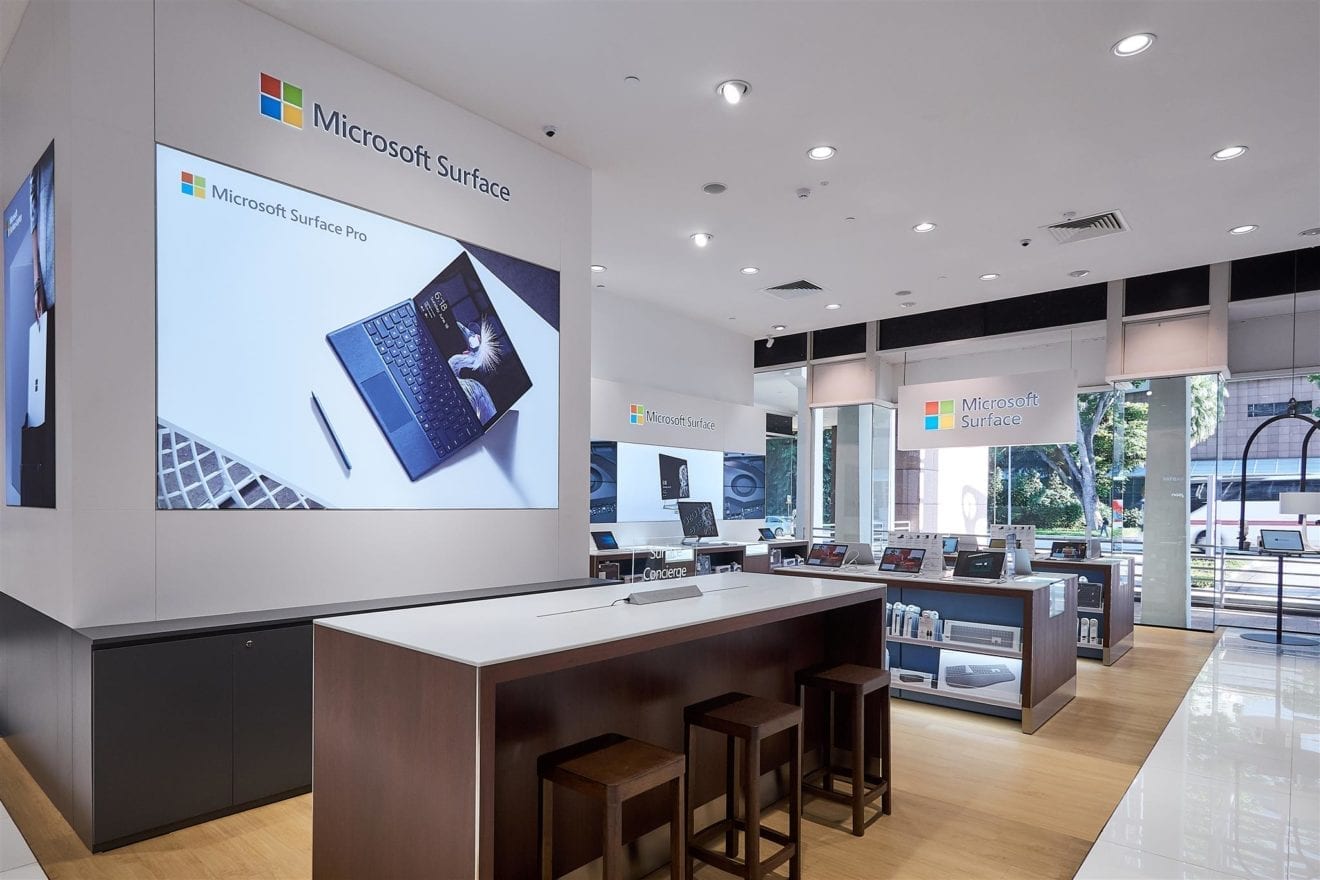
Microsoft Singapore has opened a Surface Store at the Harvey Norman Millenia Walk Flagship Superstore, featuring the full range of the technology.
New devices include Surface Book 2, Surface Laptop and Surface Studio, which will join Surface Pro already available.
The line-up will be available for commercial customers via Authorised Device Resellers including AsiaPac Distribution, JK Technology and UIC Asian Computer Services.
“The new Surface Store is a commitment to deliver a one-stop experience for customers to experience the ultimate Windows devices,” says Microsoft Singapore Windows and devices business group lead Veronica Chiu.
Shipping with Windows 10S, Surface Laptop starts up and runs faster with InstantOn and an OS optimised for sustained performance.
A feature of the store is its Surface Concierge service which offers customer support regardless or where or when they bought their Surface device. Microsoft plans to add extra concierge services over time.
Vietnamese fruit is making its presence felt in the Japanese market, with the country registering a turnover of US$170 million in 2017 through the export of fruits and vegetables, a year-on-year increase of 70 per cent.
This was revealed by Tạ Đức Minh, Vietnamese trade counsellor to Japan, during Japan’s largest international food and beverage exhibition, Foodex Japan 2018, which opened on Tuesday in Chiba city.
Up to 20 Vietnamese enterprises from various cities and provinces, such as HCM City, Hà Nội, Nghệ An, Bắc Giang, Ninh Bình, Đồng Tháp, Bến Tre, Cần Thơ, Kiên Giang, Lâm Đồng and Cà Mau, which are active in the field of agro-fisheries and food export, took part in the event.
The event offers Vietnamese businesses opportunities to promote their exports in the Japanese and other Asian markets. Besides this, it is an opportunity for Việt Nam’s firms to develop new export items, sign valuable export contracts, and promote a wide range of Vietnamese food and agricultural products.
At the expo, Vietnamese firms displayed products such as fruits and vegetables, seafood, cod-liver oil, organic pepper, seedless lemons, rice products, Phú Quốc sauce, various biscuits and juices.
Earlier, Vietnamese products were exported to Japan in the form of semi-finished products; however, recently, Vietnamese enterprises have focused on investment and technology cooperation with Japanese enterprises, helping Vietnamese products meet the quality standards of the Japanese market, Minh added.
The four-day exhibition attracts 3,350 firms from 80 countries and territories worldwide, and is expected to welcome some 85,000 visitors.
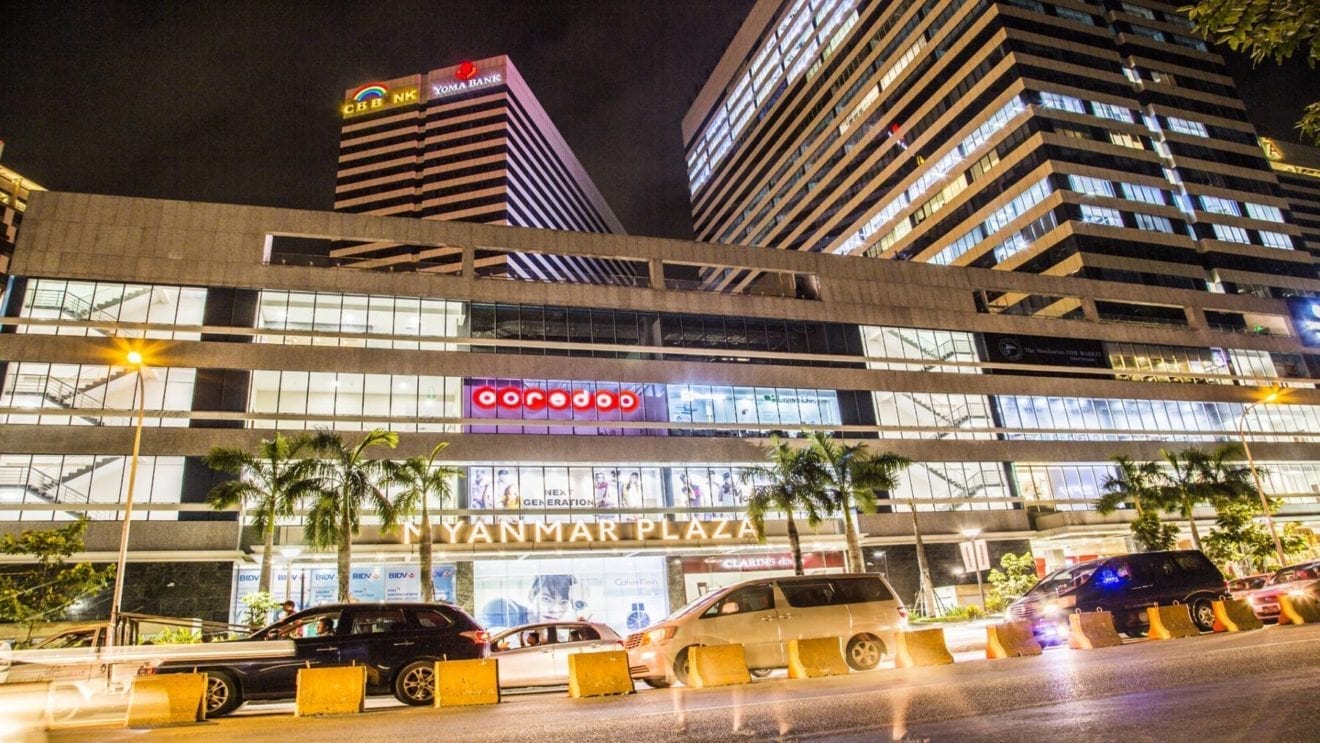
Prime Yangon retail space remains almost fully occupied despite a record addition of new stock on the market last year.
As a result, city retail rents are likely to rise by 4 to 5 per cent in the near-term, reflecting high demand.
“Rents should continue moving upwards in the medium term,” said Joan Mae Lee, analyst for Colliers International’s research and advisory team, in a statement.
According to a research report from the real estate specialist, more than 79,400sqm of new space opened in the fast-growing economy’s largest city last year – more than double the amount of 2016.
However the occupancy rate held at 95 per cent which would undoubtedly make it one of the highest rates in Southeast Asia.
The report said the figure reflected business confidence in the country, where the economy is expected to grow by about 7.5 per cent in the year to March 31.
Yangon’s retail supply was boosted last year primarily by the opening of Junction City and St John City Mall which combined provided a fresh 67,000sqm of lettable area in the city.
Lee urged developers to focus on tenant diversity in new or revamped projects.
“Landlords should aim to lure other prospective tenants, such as aesthetic clinics, wellness centres, showrooms, auxiliary service providers and inclusion of institutional occupiers to boost foot traffic,” she said.
Indonesia has revoked 186 regulations in the energy and mineral resources sectors that were considered troubling, as the country seeks to improve the investment climate, while improving the ease of doing business, a minister said.
“This is important, as was instructed by the president; we have to be business- and investment-friendly to increase employment and boost economic growth,” Energy and Mineral Resources Minister, Ignasius Jonan said at a press conference in Jakarta on Monday (05/03).
He explained that 90 general regulations and another 96 related to permits, certification requirements and government recommendation prerequisites for certain projects in the energy and mineral resources sectors have been revoked.
Indonesia seeks to lure $50 billion in investment in the energy and mineral sectors this year alone.
The regulation regulations were applied by different directorate generals in the ministry, including oil and gas, minerals and coal, and new and renewable energy.
The Directorate General of Minerals and Coal saw the revocation of 32 general and 64 permit-related regulations.
Ministry officials will start to inform the relevant stakeholders about the newly scrapped regulations in the coming weeks, Ignasius said.
“We hope the cuts will have a quick impact, so that the business world will experience a better, less bureaucratic service,” he added.
Bangkok’s Nara Thai restaurant has opened a branch in the Philippines.
It has been brought in by the Roku restaurant group following Roku Sushi and Ramen, which opened in Katipunan six years ago, and Sushi Nori, which specialises in sushi and maki, and already has five branches around Metro Manila.
Founded in 2003 by a group of female entrepreneurs, Nara Thai is named for one of its founders, Narawadee Srikarnchana. Apart from Thailand, it has branches in Hong Kong, Myanmar, Taipei and Mumbai.
“Nara is a celebration of families,” says Roku Group CEO Sheila Romero, who runs the restaurant with her daughter Milka. “Sharing memories is my thrust in business.”
Celebrities and representatives from Nara Thai Cuisine in Bangkok attended the restaurant’s official launch, with the ribbon being cut by the Thai ambassador to the Philippines Thanatip Upatising.
On the restaurant row of SM Megamall’s Mega Fashion Hall, Nara Thai has interiors bathed in silver and purple.
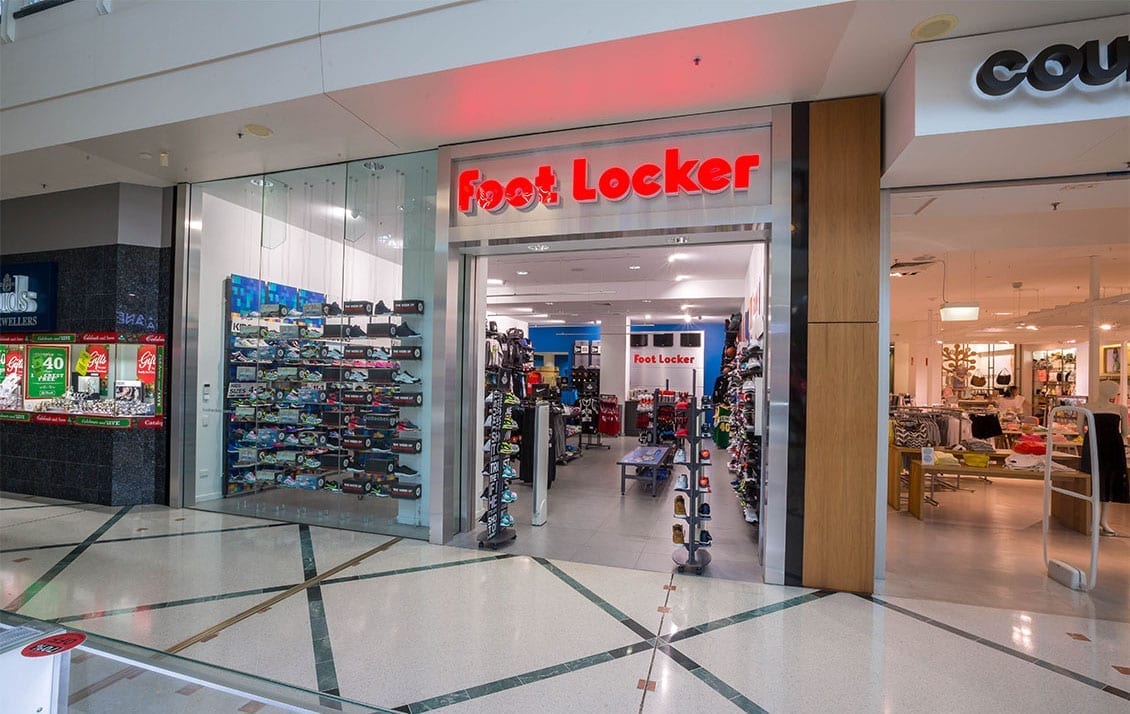
Foot Locker has revealed plans to close about 110 stores this calendar year after reporting a loss of US$49 million for the last quarter.
The closures follow the cull of 147 stores globally last year – however it will continue to open new stores where there is market potential, with about 40 likely this year.
“We continue to prune the fleet of under-productive stores and open a few select, high-profile stores,” Foot Locker CFO Lauren Peters said in an earnings call with investors.
Most of the stores to be closed are located in “deteriorating” shopping malls, typically in regional US, where shoppers are increasingly going online to buy essentials.
Where an American consumer may once have gone to a Foot Locker store to buy Nike or Adidas shoes, they can now go online to the manufacturer’s site or to a portal like Amazon where they can shop multiple categories without leaving the sofa.
Globally, Foot Locker has 3310 stores after opening in 94 new locations last calendar year.
“The disruption that has characterised the retail industry recently is not going away,” CEO Richard Johnson added. “Consumers want experiences, they want cool products, and they want it all – fast.”
The Ministry of Agriculture and Rural Development expects Việt Nam to export 6.5 million tonnes of rice in 2018, Deputy Minister of Agriculture and Rural Development Hà Công Tuấn said at the ministry’s monthly meeting on Friday in Hà Nội.
To get high export value, high-quality rice will still account for a large proportion of the total export volume, while normal rice makes up less than 20 per cent, Tuấn said.
He also said the export prices of Vietnamese rice had increased as their quality had improved.
The export price of Vietnamese rice rose from US$435 per tonne in 2016 to $450 per tonne in 2017 and $475 per tonne during the January-February period.
This was achieved by restructuring efficiently the production of rice to improve its quality and value.
At the same time, in the past two years, more local private enterprises have joined the global export market. Businesses have also invested more into the processing of rice but the percentage of processed rice is still low.
Việt Nam is doing well to improve its rice quality, he said, suggesting the country focus on improving the brand name of its rice.
According to the Ministry of Agriculture and Rural Development, Việt Nam shipped 861,000 tonnes of rice abroad in the first two months of this year, earning $419 million, up 17 per cent in volume and 34 per cent in value, compared with the same period last year.
The Philippines was the biggest importer of Vietnamese rice, accounting for 26.9 per cent of the market share. It was followed by China with 23.5 per cent.
Last year, Việt Nam earned $2.6 billion by exporting 5.8 million tonnes of rice.
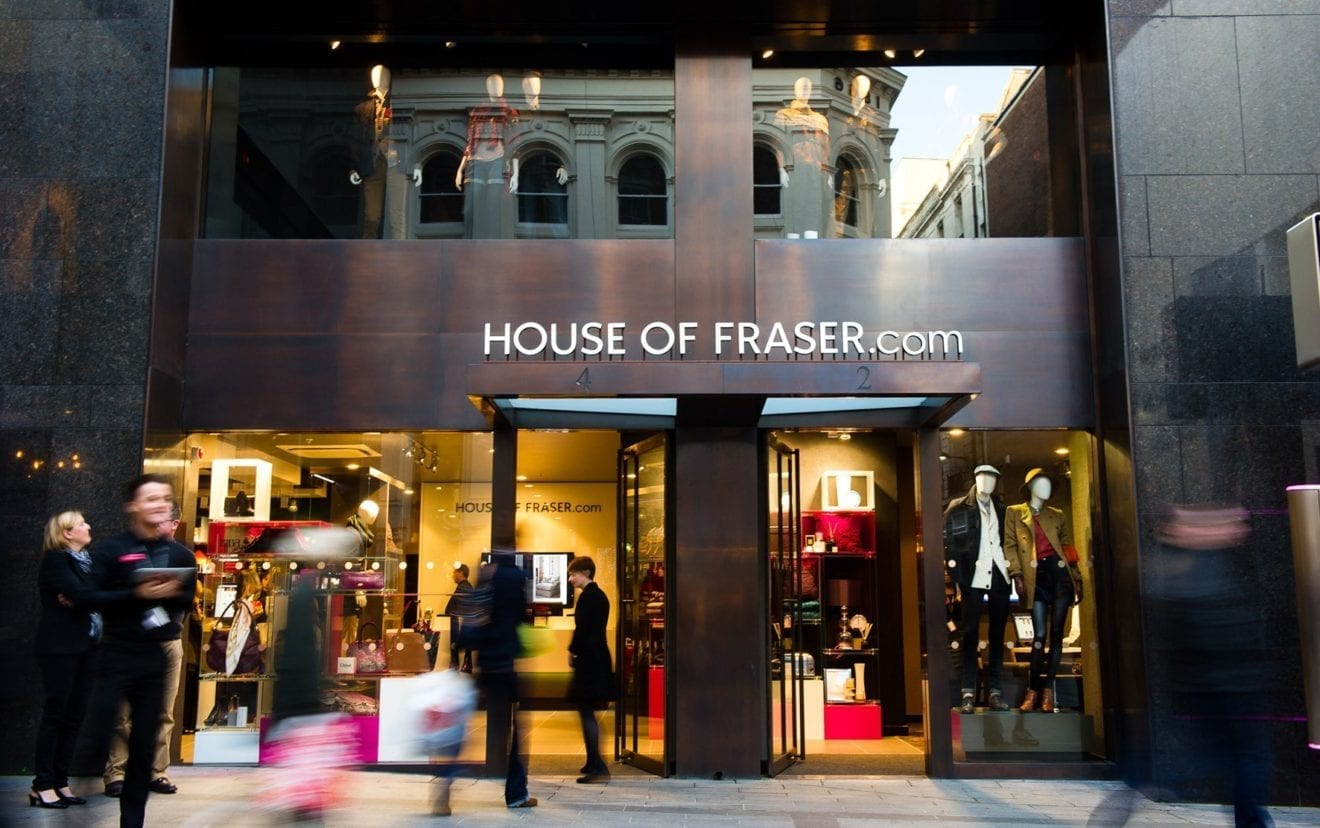
The Chinese firm which has a majority ownership in House of Fraser has confirmed plans to offload most of its stake.
A Chinese stock-exchange filing indicates that Nanjing Xinjiekou Department Store (or Nanjing Cenbest) is poised to sell off most of its holdings to tourism development company Wuji Wenhua.
Nanjing Cenbest has an 89 per cent stake in House of Fraser, and is looking to sell off 51 per cent of it. This would mean retaining a 38 per cent stake in the retailer.
Meanwhile, Nanjing Cenbest has confirmed it is in “advanced discussions” with Wuji Wenhua about it investing in the British department store chain.
Nanjing Cenbest – a subsidiary of Sanpower Group, which acquired House of Fraser in 2014 – also hailed the potential collaboration as a strategy that could “further internationalise” the retailer. “We are very proud of our continued stake in the 169-year-old House of Fraser brand.”
House of Fraser had a slump in Christmas sales, its credit rating has been downgraded, and it has drafted in Rothschild to help refinance its debt package.
Nanjing Cenbest is a department store retailer in China, where it runs both the Xinjiekou fascia and Chinese House of Fraser stores.
Bloomberg data shows Sanpower Group has a 27.32 per cent stake in Nanjing Cenbest. When the firm acquired its 89 per cent ownership of House of Fraser in 2014, it had planned to open 50 outlets in China.
So far it has opened only two. The remaining 11 per cent stake in the retailer is owned by Sports Direct founder Mike Ashley.
The department stores have struggled amid the rise of online shopping and a surge in sourcing costs driven by the pound’s 7 per cent fall against the US dollar and 14 per cent decline against the euro since the Brexit vote.
House of Fraser reported a 2.9 per cent drop in sales over the holiday shopping season and has entered negotiations with landlords to reduce rents on some of its 59 UK stores. In the year ended January last year the company reported net income of £26.8 million (US$37.2 million).
Sanpower Group, which owns a 27.32 per cent stake in Nanjing Xinjiekou, acquired House of Fraser in 2014 in a deal that valued the chain at £450 million.
Korea’s financial regulator said Tuesday the government will support “normal transactions” of cryptocurrencies, about three weeks after it banned their trading through anonymous bank accounts.
The remarks by Choe Heung-sik, governor of the Financial Supervisory Service, were seen as being in stark contrast to the government’s previous stance that it could consider shutting down local virtual currency exchanges.
Korea launched a real-name trading system for cryptocurrency transactions Jan. 30 to prevent virtual coins from being used for money laundering and other crimes.
The system was also the government’s latest measures to curb speculative investment in virtual coins.
Choe recently held a meeting with representatives from cryptocurrency exchanges during which he said the government “will support [cryptocurrency trading] if normal transactions are made.”
Currently, local banks have been reportedly reluctant to open virtual accounts for cryptocurrency trading amid the government’s crackdown.
Choe said the government will “encourage” banks to make transactions with cryptocurrency exchanges.
Despite a boom in cryptocurrency transactions, the exchanges go largely unregulated in Korea as they are not recognized as financial products, with the country having no rules for protecting virtual currency investors.
Singapore-based online hotel booking platform RedDoorz announced on Tuesday (06/03) that it has secured $11 million in funding from several global investment capital firms as part of efforts to strengthen and expand its business in Southeast Asia.
The company, established in 2015, received funding from several sources, including United States-based Susquehanna International Group, the International Finance Corporation (the World Bank’s investment arm), the Asia Investment Fund, Singapore’s InnoVen Capital and Jungle Ventures, which has been involved in previous funding.
New investors also include Hong Kong-based DeepSky Capital and Hendale Capital, and Singapore’s Feng He Group, among other participants.
“With a solid team, right investors and good market targets, we are confident that we will be able to grow greatly in the region,” Reddoorz founder and chief executive Amit Saberwal said in a statement.
He said Indonesia has great potential as the country with the largest number of internet users in the region, along with a growing online and e-commerce market, citing a joint study by Google and Singapore’s Temasek Holdings, released in May 2016.
The study projected that regional online travel accommodation market will increase to nearly $90 billion by 2025, compared with $5.6 billion in 2015. Indonesia is expected to account for about a third of that projected growth.
The company said it will use the fresh capital to acquire 100 new properties fully operates by RedDoorz, and 1,000 properties managed by the company’s partners across Southeast Asia, within the next 18 months.
RedDoorz currently has 500 properties in the region and it has served more than 700,000 customers since its establishment.
In Indonesia alone, the company offers about 3,000 rooms in 16 cities for rent on its platform. The company currently employs 160 staff in the archipelago.
RedDoorz recently launched a 65-room fully leased and operated property, located between East Coast Road and East Coast Park in Singapore.