Author: Mei Ling Tan

  • Honestbee’s Shared Cart is the next big step in food delivery ordering

    Honestbee’s Shared Cart is the next big step in food delivery ordering

    Honestbee, Asia’s leading online delivery service for food and grocery concierge, is creating a real buzz by introducing a new feature called Shared Cart to its food delivery service.

    Shared Cart is fast, free and easy to use.

    How it works:

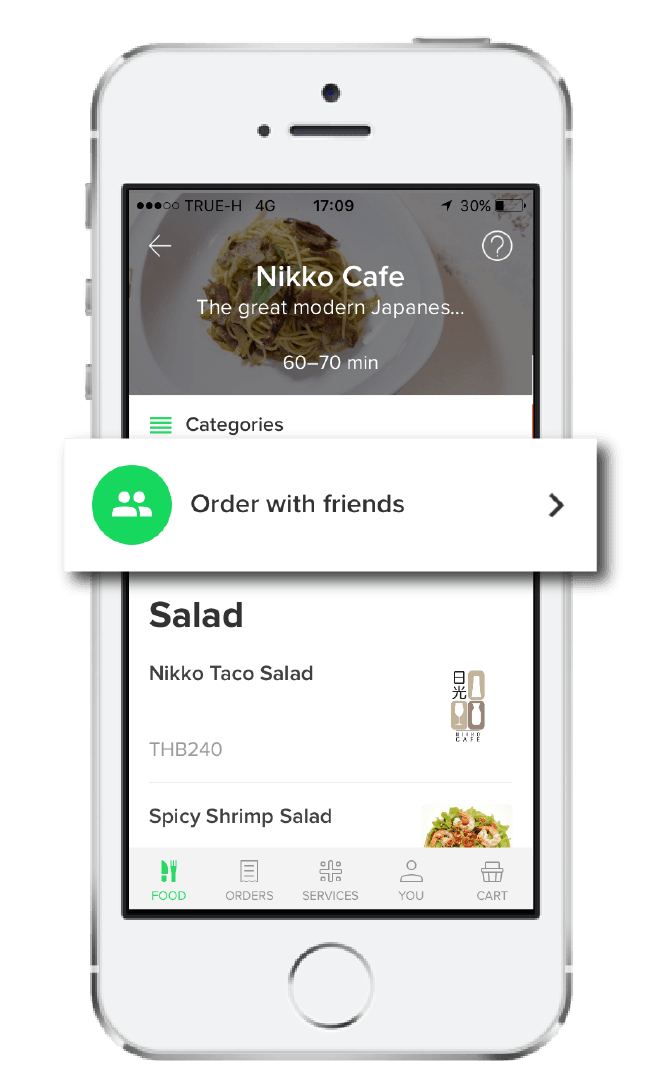
    1. An honestbee food user selects a restaurant then clicks on the ‘Order with Friends’ button. Now the “Shared Cart” is created!
    2. They get a link they can share via any messaging app they like.
    3. Anyone who has the link can add food orders to the shared cart for the next 30 minutes.
    4. Combined into one single payment and delivery

    Users of the Shared Cart will add their own food choices to a shared order using the honestbee app on their own desktop or mobile device. The menu items for these users in the same group are sent to a restaurant as one combined order and the food is delivered in one single quick delivery. Plus, as it’s a combined order, customer will only need to pay one delivery fee since it’s considered as one order. Saving you time and money!

    The Shared Cart will save time, energy and delivery costs in office or group of friends.

    Here are the advantages from using honestbee’s Shared Cart:

    • No more headaches trying to coordinate complicated group orders or being resented for writing down the wrong order;
    • No more missing out on ordering;
    • No more multitudes of sticky notes;
    • No more tracking down busy execs who are always “in a meeting”;
    • No more interruptions of productive meetings

    The honestbee food delivery Shared Cart also promises food-delivery-freedom for Bangkok’s millennials.  Couples can order separately on their way back from work in time for their meetup. Friends can chill-out, and order food without having to stop what they are doing and debate what to order. Shared Cart fits with today’s busy, modern and mobile lifestyles. On top of that, the service is free in delivery.

  • Malaysia unfazed by US import tariffs on steel, aluminium

    Malaysia unfazed by US import tariffs on steel, aluminium

    While Malaysia may not see much of an impact from the United States’ move to go ahead with steel and aluminium import tariffs, the move is likely to trigger a surge in steel prices.

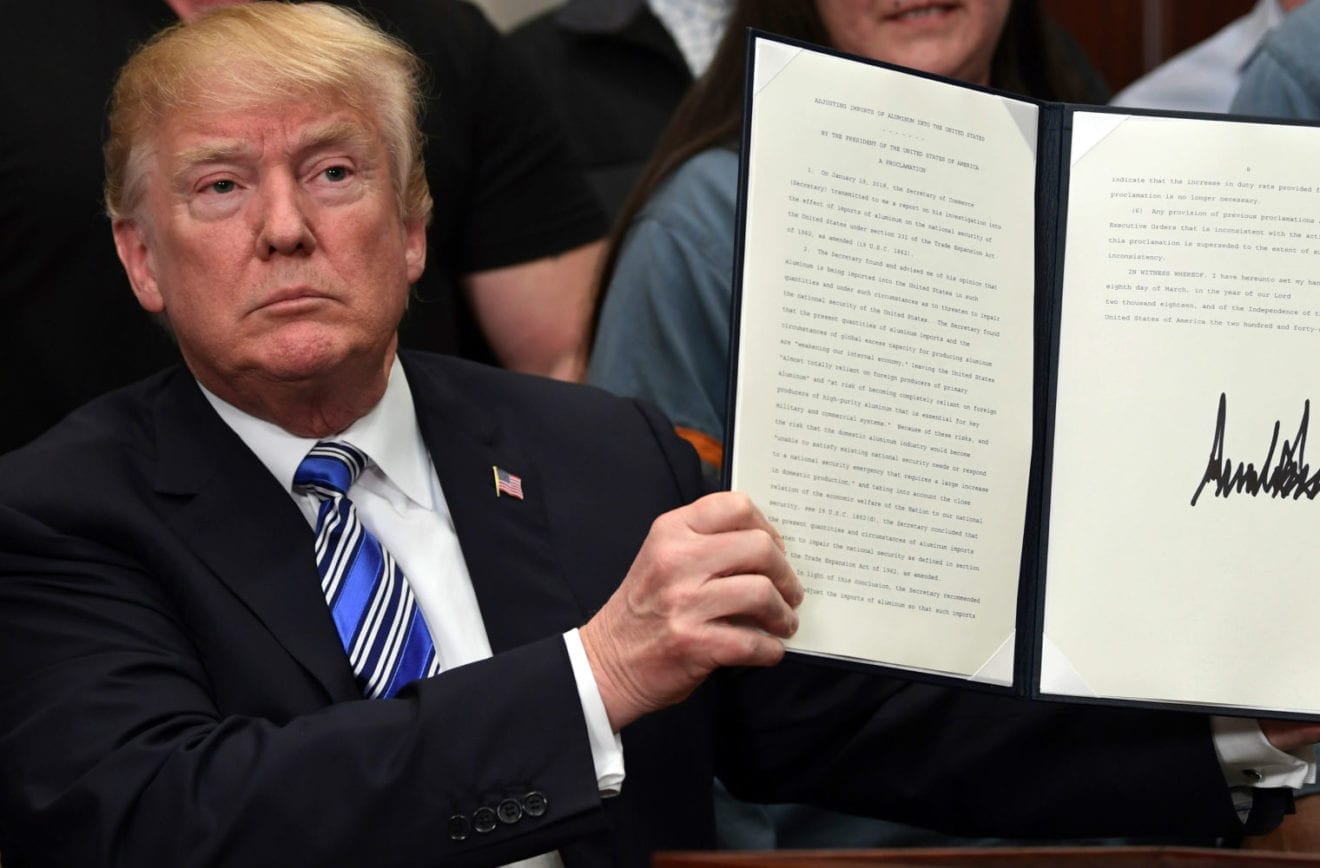
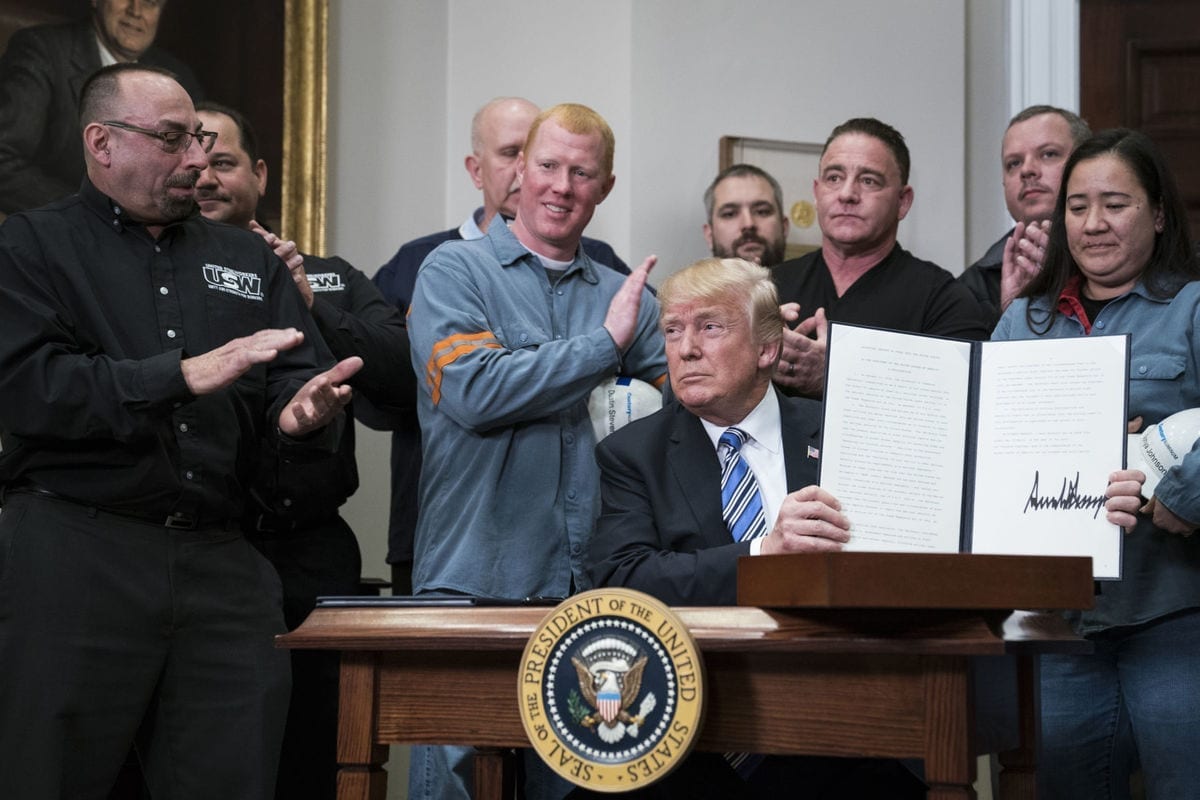
    US President Donald Trump signed off on the implementation of 25% tariff on steel imports and 10% for aluminium last week, fanning an outburst from industry players and critics from across the world and within the US alike.

    Maintaining his earlier stance, Malaysian Iron and Steel Industry Federation (Misif) president Datuk Soh Thian Lai said that the impact on Malaysia will be minimal given the relatively small volume of steel exports.

    Malaysian steel exports, which stood at about 96,000 tonnes, accounted for only 0.2-0.3% of the total US steel imports for 2017 of between 34 million and 37 million tonnes.

    Soh said Malaysia will still be able to find an alternate market to the US to export this 96,000 tonnes.

    “Most probably steel prices in US will increase fast enough in the near term and importers will still be able to import even with the 25% duty,” he added.

    In line with that, scrap prices are likely to see a rise, given that consumption of the material will become more domestic centric, hence limiting exports.

    “Scrap prices will increase because now the US could use more scrap internally instead of exporting. The US in actual fact is a net exporter of scrap, and with this trade act imposed, this could raise steel prices not only in the US but also countries importing scrap from them especially Malaysia and Asean countries,” he explained.

    Majority of Malaysia’s scrap, which could not be quantified, he said, is imported, with the US being one of the major importers.

    On the next course of action, Soh said Misif has written of its grouses to the US embassy and the Ministry of International Trade and Industry (Miti).

    “We will follow up with US Embassy and Miti on this. Since the US has allowed an exemption on Canada and Mexico. We will ask the government to bring this up to the US, for Malaysia to be exempted,” he added.

    Echoing Soh’s sentiment on surging steel prices, Barnabas Gan, economist at OCBC Bank, said while trade barriers will spike steel and aluminium prices, it could also result in job casualties for the steel and aluminium-consuming industries of the US.

    “Eventually, we note that the trade tariffs without exemptions will likely do more harm than good, both to the US economy as well as impeding global growth and trade activities. Even in the absence of trade retaliation, the tariffs would threaten many jobs in the US pertaining to aerospace, automobile, manufacturing and construction industries, while benefiting steel and aluminum makers,” he noted.

    Consumers would then face higher inflationary pressures, and thus adversely affect consumer spending and overall disposable income levels. Moreover, the bleaker outlook for the said industries could worsen investor confidence, and thus dissuade investment spending into the US,” he added.

    Meanwhile, Ambank Research said that the move could potentially reduce US steel imports by 13.3 million tonnes and Malaysia on its end could see a reduction of between 48,000 and 49,000 tonnes. Similar to Gan, the research house said the tariffs could have a knock-on effect on steel-consuming industries.

    In line with this development, AmBank noted that the US dollar is expected to weaken, working to strengthen the ringgit and heighten fears of possible trade war.

    The share price of Tatt Giap Group Bhd which exports steel products to the US, fell 3.33% to close at 14.5 sen on Friday, along with Mycron Steel Bhd, which fell 1.15% to 43 sen.

    Steel counters which saw gains at market close on Friday were Ann Joo Resources Bhd Resources, up 0.29% to RM3.47; Malaysia Steel Works (KL) Bhd, 1.05% to 96.5 sen; CSC Steel Holdings Bhd, 2.88% to RM1.43; and Atta Global Group Bhd, 0.55% to 92 sen.

    Leon Fuat Bhd was unchanged at 79.5 sen.

  • New Look to close 60 stores, with 980 jobs at risk

    New Look to close 60 stores, with 980 jobs at risk

    UK Fashion retailer new Look is to shutter 60 stores – but at least one analyst fears that may not be enough to arrest its sliding performance.

    The closures are a core feature of a company voluntary agreement (CVA) proposal to its creditors that will also see rents reduced and the loss of almost 1000 jobs. It has 593 stores in the UK.

    Stores slated for closure include its flagships in Oxford Street and some standalone menswear stores, suggesting  that strategy failed.

    “While the closure of stores will lead to market share loss in the short term, it is a long awaited and necessary move,” commented Charlotte Peace, a retail analyst with GlobalData.

    “New Look is now in danger of slipping out of the top 15 UK clothing retailers this year. The retailer’s plan to close just circa 10 per cent of its UK store estate is not enough and New Look must continue to rationalise its remaining oversized store network given it is a huge encumbrance for the retailer.”

    Peace said New Look is suffering from “a loss of brand appeal and growing irrelevance among its core UK shopper base”.

    “A leaner store estate will improve space productivity, increase profit per store and provide a more consistent brand image, which is much needed for the retailer’s survival,” she said.

    Deloitte’s Daniel Butters and Neville Kahn have been appointed as nominees to the CVA.

    “Given our challenged trading performance and over-rented UK store estate, we are having to take tough but necessary actions to reduce our fixed cost base and restore long-term profitability,” said New Look executive chairman Alistair McGeorge.

    “We have held constructive discussions with our key landlords and strategic partners and will now seek creditor approval on our CVA proposal.”

    Butters said the retail trading environment in the UK remains extremely challenging, driven by weaker consumer confidence, the implications of Brexit and competition from online channels.

    “New Look is an iconic brand on the high street and the CVA will provide a stable platform upon which management’s turnaround plan can be delivered.”

    In the 39 weeks to December 23, New Look reported an underlying operating loss of £5.1 million and a pre-tax loss of £123.5 million after sales slumped 10.7 per cent in the UK..

    No stores will be closed ahead of the March 21 deadline for creditor approval of the CVA.

  • UNIQLO Singapore Rewards Shoppers with New ‘Scan to Win’ Game

    UNIQLO Singapore Rewards Shoppers with New ‘Scan to Win’ Game

    UNIQLO Singapore announces the launch of Scan to Win, a gamewhich offersnew and existing users of the UNIQLO SGmobile app the opportunity to win UNIQLO couponswith every $20nett spend in-store. It is available at all physical UNIQLO stores in Singapore.

    Each ‘UNIQLO SG’ mobile app userwill be givena unique Member ID barcode, which they are to present at the cashier counter whenever they make a purchase in-store. With every $20 nett spend, they are entitled to 1 chancein winning UNIQLO couponsworth $2, $5 or $10, which are valid for use on their next purchase.

    In celebration of the‘Scan to Win’ launch, UNIQLO Singapore will also be giving away a UNIQLO gift card worth $250in March and April! The winnersof themonthly grand prize will be announced atthe start of April and May 2018 respectively, via the UNIQLO SG app.

    Step-by-Step Guide:

    • Download or update your ‘UNIQLO SG’ app. ‘UNIQLO SG’ is available for download onthe App Store and Google Play.
    • Present your unique Member ID barcode as you makeyourpayment at the cashier counter. The barcode is accessible via the app.
    • Every $20 nett spend entitles you to 1 chance. Spend more to earnahigher number of chances in winning UNIQLO coupons, which are valuedat $2, $5 or $10.
    • The app will notify you of the number of chances which you’ve earnedthe next dayand you can start playing the ‘Scan to Win’ gameto stand to win UNIQLO coupons.
    • UNIQLO couponswhich you’vewon will be stored in theapp for up to 3 months.

  • Longreach to acquire Japanese coffee shop Kohikan

    Longreach to acquire Japanese coffee shop Kohikan

    Asian private equity firm The Longreach Group has agreed to totally acquire Japanese coffee shop chain Kohikan Corporation from UCC Foodservice Systems (UFS) for an undisclosed amount.

    In a statement on its website, Longreach says it has reached an agreement with UFS to buy 100 per cent of its subsidiary Kohikan. The deal is expected to close on May 1.

    Longreach says the investment would be an opportunity with a clear business growth path in the premium coffee business in Japan “with a potential to expand into high-growth Asian markets”.

    Established in 1970, the chain has 277 stores throughout Japan under the brand names Cafe di Espresso Kohikan, Karakuan, Kakura and Kohikan.

    “Longreach will accelerate Kohikan’s growth through enhancing the stores’ format and via expansion,” says the firm. Set up in 2003 by former UBS Securities Japan CEO Mark Chiba and former Morgan Stanley executive Masamichi Yoshizawa, Longreach has experience in restaurant chains and owns Wendy’s First Kitchen.

  • China says trade war with US will bring disaster to global economy

    China says trade war with US will bring disaster to global economy

    Any trade war with the United States will only bring disaster to the world economy, Chinese Commerce Minister Zhong Shan said today, as Beijing stepped up its criticism on proposed metals tariffs by Washington amid fears it could shatter global growth.

    After pressure from allies, the US has opened the way for more exemptions from tariffs of 25% on steel imports and 10% on aluminium that US President Donald Trump set last week.

    On Saturday, the European Union and Japan urged the US to grant them exemptions from metal import tariffs, with Tokyo calling for “calm-headed behaviour”.

    But the target of Trump’s ire is China, whose capacity expansions have helped add to global surpluses of steel. China has repeatedly vowed to defend its “legitimate rights and interests” if targeted by US trade actions.

    Zhong, speaking on the sidelines of China’s annual session of parliament, said China does not want a trade war and will not initiate one.

    “There are no winners in a trade war,” Zhong said. “It will only bring disaster to China and the United States and the world.”

    China can handle any challenges and will resolutely protect its interests, but the two countries will continue to talk, he said.

    “Nobody wants to fight a trade war, and everyone knows fighting one harms others and does not benefit oneself.”

    Trump’s announcement on tariffs underlined concerns about rising US protectionism, which has sparked bouts of turmoil in global financial markets over the past year as investors feared
    a damaging trade spat will shatter a synchronised uptick in world growth.

    China’s metals industry issued the country’s most explicit threat yet in the row, urging on Friday for the government to retaliate by targeting US coal – a sector that is central to Trump’s political base and his election pledge to restore American industries and blue-collar jobs.

    The US is the world’s biggest importer of steel, purchasing 35 million tonnes of raw material in 2017. Of those imports, South Korea, Japan, China and India accounted for 6.6 million tonnes.

    Trade tensions between China and US have risen since Trump took office. China accounts for only a small fraction of US steel imports, but its massive industrial expansion has helped create a global glut of steel that has driven down prices.

    The dispute has fuelled concerns that soybeans, the US’ most valuable export to the world’s second largest economy, might be caught up in the trade actions after Beijing launched a probe into imports of US sorghum, a grain used in animal feed and liquor.

    Zhong said US official trade deficit figures had been overestimated by about 20%, and in any case would be a lot lower if the US relaxed export restrictions on some high-tech goods.

    He also reiterated a previous pledge that China would lower import tariffs on consumer goods including automobiles, as part of an effort to boost domestic consumption.

    Trump believes the tariffs will safeguard American jobs, though many economists say the impact of price increases for users of steel and aluminium, such as the auto and oil industries, will destroy more jobs than curbs on imports create.

    Nonetheless, there is growing bipartisan consensus in Washington, and support within some segments of the US business community, for the US government to counter what are
    seen as Beijing’s predatory industrial policies and market restrictions on foreign firms.

    Trump’s administration has said the United States mistakenly supported China’s membership in the World Trade Organisation in 2001 on terms that have failed to force Beijing to open its economy.

    Diplomatic and US business sources say the US has frozen a formal mechanism for talks on commercial disputes with China because it is not satisfied Beijing has met its promises to ease market restrictions.

  • Dairy Farm International’s plan after hitting bottom line

    Dairy Farm International’s plan after hitting bottom line

    Poor trading by Dairy Farm International’s Southeast Asian grocery business hit the company’s bottom line last year, with underlying profit falling 13 per cent.

    But every other one of the company’s divisions traded strongly throughout the year, according to the results just released.

    Full-year profit was US$403 million, after allowing for $64 million of costs relating to business restructuring. Sales by Dairy Farm’s wholly-owned subsidiaries totalled $11.3 billion, largely unchanged from 2016’s $11.2 billion. But total sales, including 100 per cent of associates and joint ventures, at $21.8 billion were up 7 per cent year on year, reflecting strong growth at both supermarket operator Yonghui and cafe-restaurant operator Maxim’s, which owns the Starbucks business in Hong Kong, Vietnam, Cambodia and now Singapore.

    “After a disappointing year… for our food businesses in Southeast Asia, actions are being taken to improve their long-term performance,” explained chairman Simon Keswick. “All of the group’s other formats and markets are trading well and growth opportunities are being pursued, in Mainland China and elsewhere.”

    In Dairy Farm’s food division, sales were down and profits were “significantly lower” than in 2016, primarily due to poor performances in the supermarket and hypermarket businesses in Malaysia, Singapore and Indonesia.

    “A number of underperforming stores are being closed and prices lowered to clear or write off discontinued and slow moving stock.

    “In Hong Kong, sales were more resilient, although profits were marginally down due to increasing rents and labour costs. Positive sales growth seen in the Philippines reflected the ongoing investments being made to improve the business,” said Keswick.

    Elsewhere in the company there was brighter news.

    The convenience store format (including 7-Eleven in Hong Kong and Singapore) produced increased sales and profit. “In part, this reflected a consumer shift to more convenient retail formats, as well as a positive reception to the service and range enhancements introduced for customers,” said Keswick.

    The convenience stores division reported $2 billion in sales, an increase of 4 per cent over the previous year – but operating profit surged 16 per cent to $85 million.

    In the health and beauty division, (led by Guardian and Mannings), sales and profit were higher, principally due to strong performances in Hong Kong, Macau and Indonesia, together with improvements in Mainland China.

    Keswick said this was led by an increasing focus on the beauty category and the continued development of the division’s house brands.

    The home furnishings division (Ikea in Hong Kong, Taiwan and Indonesia) recorded higher sales and trading profit, but the reported profit declined, mainly due to costs associated with the opening of the fourth Ikea Hong Kong store in October. Sales and profits increased in Taiwan and Indonesia and there was solid growth in the e-commerce business.

    Maxim’s enjoyed good sales growth and profit expansion during the year, in large part due to strong performances from its branded products, particularly mooncakes, and its business in Mainland China. The company also acquired the Starbucks Singapore business last year.

    The group’s 19.99 per cent-owned associate in Mainland China, Yonghui Superstores, opened a net 292 new stores last year, which underpinned a 19 per cent growth in revenue. Ongoing supply chain optimisation and shrinkage improvement resulted in improved margins, which together with better capital use, led to a 45 per cent growth in profit.

    Convenience focus

    Keswick said Dairy Farm International will focus on increasing its convenience store operations in the year ahead through expansion and enhancement of the store network. New smaller-store formats are being piloted in some markets.

    The group will also continue to develop its e-commerce presence, focusing on a number of initiatives in its home furnishings, food, and health and beauty operations introduced last year.

    Dairy Farm International added a net 633 stores last year. At year end, it had 7181 stores in operation in 11 countries and territories, including its interest in 779 Yonghui stores in mainland China and 1210 Maxim’s stores.

    Besides the Starbucks Singapore deal, Maxim’s also acquired the existing businesses and franchises of Genki Sushi in Singapore and Malaysia. It opened its first The Cheesecake Factory in Hong Kong in May, which Keswick said is trading well, and this year will introduce American casual restaurant format Shake Shack in Hong Kong and Macau.

    In the Philippines, Rustan became a wholly-owned subsidiary following the acquisition of the remaining 34 per cent interest from the group’s joint venture partner.
  • RateX expansion plan after latest investment

    RateX expansion plan after latest investment

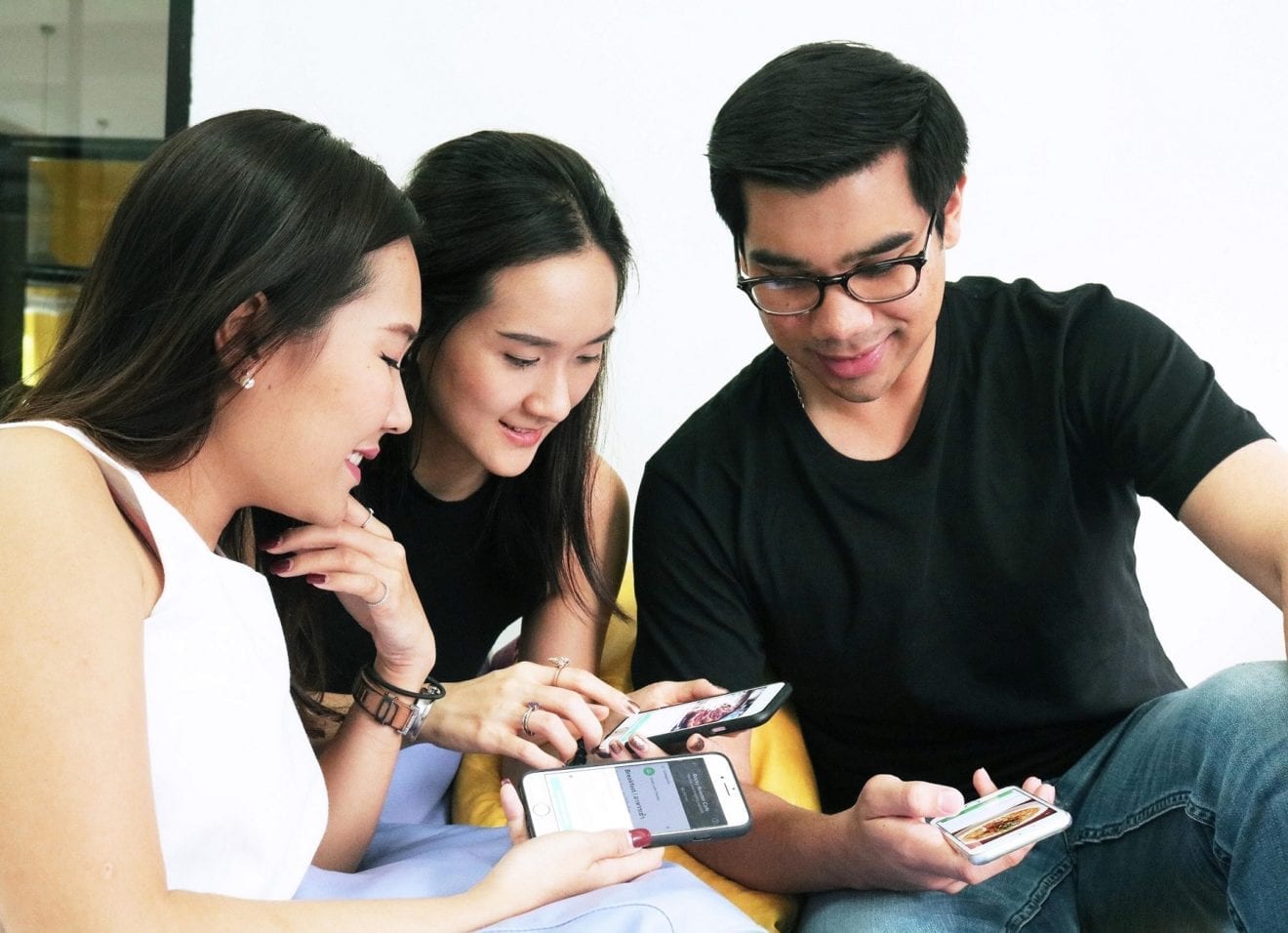
    Singapore-based payments startup RateX has raised S$3 million (US$2.3 million) in a pre-series A funding round.

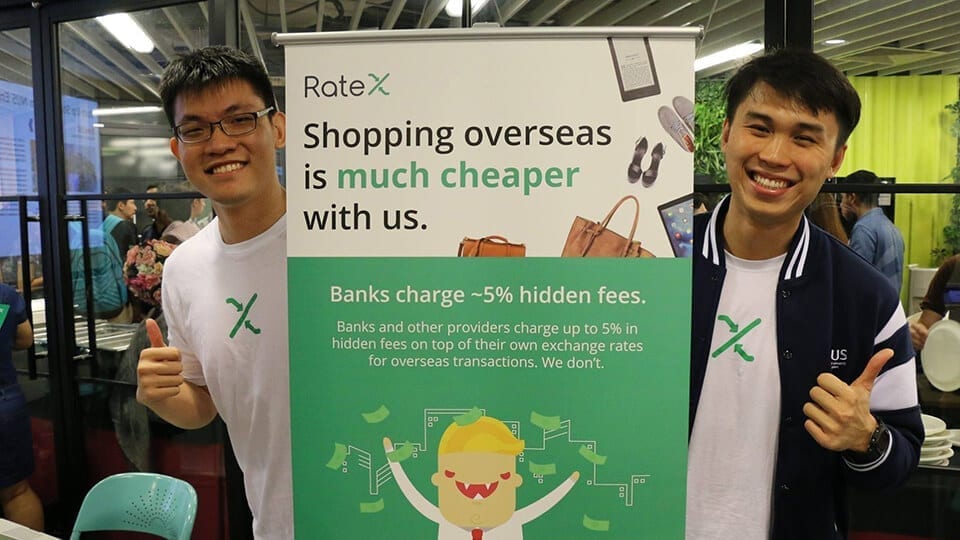
    RateX is a free browser extension that automatically provides shoppers with the lowest exchange rate without transaction fee for overseas purchases through e-commerce platforms. It also allows users to automatically apply coupon codes upon checkout.

    RateX seamlessly integrates with such e-commerce platforms as AirAsia, Amazon, Expedia, Lazada, Singapore Airlines and TaoBao. It also works with payment processors Adyen and Alipay. It works as a browser add-on to Google Chrome and Firefox.

    RateX says its users have saved more than S$264,000 through lowered exchange rates and transaction fees, and $396,000 through discount coupons.

    “At a time when online commerce is booming, we want shoppers to pay less for their overseas purchases,” says RateX CEO/co-founder Jake Goh. “We are doing this by solving e-commerce and financial inefficiencies inherent in cross-border commerce. These include markups around transaction fees and foreign-exchange rates.”

    Research firm Frost & Sullivan says Southeast Asia is the world’s fastest-growing internet market. The gross merchandise value of e-commerce will rise to US$65.5 billion by 2021, up from $14.3 billion in 2016. Meanwhile, about 89 per cent of Singapore shoppers use websites beyond Singapore, with the average online shopper in Singapore spending around US$1066 each year on e-commerce transactions.in

    “Our users can now save up to 20 per cent on their purchases.” says Goh. “We are achieving this while bringing affiliate sales to our merchant partners – a win-win situation for all.”

    RateX is currently available for Singapore users on Firefox and Google Chrome desktop browsers. It has also just launched its mobile app (RateS).

    Its latest funding will be used to drive the launch of RateX’s mobile app in Singapore and Taiwan this month, as well as RateX’s expansion into Taiwan and Indonesia this year.

    Participating investors include Alpha JWC Ventures and Insignia Ventures Partners alongside other angel investors.

  • Brazil feels pain of US steel tariffs

    Brazil feels pain of US steel tariffs

    Brazilian iron and steel shares took a hit Friday, as markets weighed a potential trade war in response to Washington’s decision to impose hefty tariffs on foreign steel and aluminum.

    Brazil is the second biggest steel exporter to the United States after Canada — and the government is deeply worried about US President Donald Trump’s imposition of 25% tariffs on steel and 10% on aluminum.

    Foreign minister Aloysio Nunes and foreign trade minister Marcos Jorge shot back with a statement Thursday warning that Brazil “will resort to all necessary steps … to protect its rights and interests.”

    Nunes said Brazil was “greatly concerned” by the measure which would “bring severe damage to Brazilian exports and have a negative impact on the flow of bilateral trade.”

    On the Sao Paulo stock exchange Friday, Vale was down 1.33% in late-morning trading, Gerdau was down 1.72% and Usiminas 1.8%. Shares had already taken hefty hits the previous day after Trump’s announcement.

    US NAFTA partners Canada and Mexico are being exempted from Trump’s tariffs, but Brazil will be left wide open to the measures. Brazilian steel accounts for nearly 14% of US steel imports by volume, the US commerce department says.

    The US market accounted for 32.9% of all Brazil’s steel exports last year, the Brazilian government says.

    Blowback

    Brazil’s National Confederation of Industry (CNI) has gone further, blasting Washington’s “unjust, illegal” move which it says will cost Brazil some US$3 billion a year in lost steel exports and US$144 million in aluminum trade losses.

    Diego Bonomo from the CNI says the United States will get blowback because Brazil is the main importer of US carbon steel. Also, 80% of Brazilian steel exports to the United States are semi-finished products used by US industry, then sold on.

    Trump’s tariffs, due to take effect in 15 days, “will have two negative effects: first on exports of Brazilian steel to the North American market and secondly on US exports to Brazil,” Bonomo said.

    The fact that Brazil’s exporter rivals Canada and Mexico will not be under the same tariffs will further hurt Brazilian competitiveness, said Jose Augusto Coelho Fernandes, policy director at the CNI.

    “Brazilian industry regards this measure of President Trump with great worry. Firstly, since he excluded the NAFTA countries from the initial impact, it leaves Brazil as the most-affected country,” he said.

    “If Brazil doesn’t manage to get an exemption it will certainly file a formal complaint at the WTO along with the European Union and China,” Risk Brief consultancy said in a note to clients.

  • US stocks rally after strong jobs report; Nasdaq ends at record

    US stocks rally after strong jobs report; Nasdaq ends at record

    Wall Street stocks surged Friday, with the Nasdaq ending at a record following a strong US jobs report and the announcement of a summit between the US and North Korea.

    However, uncertainty surrounding US President Trump’s tariffs plans and fears of a trade war kept a lid on gains in other markets, dealers said.

    The agreement by Trump and North Korean leader Kim to hold talks “boosted risk sentiment … encouraging investors to buy into riskier assets such as shares”, noted Fiona Cincotta, senior market analyst at traders City Index.

    The tech-rich Nasdaq Composite Index jumped 1.8% to 7,560.81, besting the prior record in late January by 55 points.

    The gains were similar for both the Dow and S&P 500, with analysts pointing to Labor Department data that showed employers added 313,000 jobs in February, far above analyst expectations.

    The closely-watched monthly US payrolls report also revealed moderating wage growth compared with the January report, mitigating concerns the Federal Reserve will speed its pace of interest rate hikes.

    The report was “a perfect combination for Wall Street,” said Jack Ablin, chief investment officer of Cresset Wealth Advisors.

    “It gives the Fed some room to not have to be too aggressive,” Ablin said. “That’s good for risk takers. Money will stay cheap.”

    Meanwhile, US officials vowed there would be no let-up on pressure on North Korea ahead of the summit on the nuclear program.

    South Korea, where the main stocks index closed up 1.1% Friday, said the two leaders would hold an unprecedented summit by the end of May, raising hopes they can broker an agreement on Pyongyang’s nuclear program that has fueled tensions on the peninsula.

    Hopes that the two could reach some sort of agreement also led to a plunge in the yen, which is considered a go-to safe currency in times of volatility and uncertainty. The dollar jumped to its highest level in a week against the Japanese unit.

    Lingering trade worries

    Analysts said investors were somewhat placated by Trump’s modified approach to tariffs, which exempted Mexico and Canada making them less severe than initially feared.

    However, some observers warned the issue could still blow up down the road and dealers remain on edge on concerns over a possible trade war, which sparked a global sell-off last week.

    The tariffs decision, coupled with the departure of market-friendly White House aide Gary Cohn, raises worries “that the nationalist and protectionist views within the White House will have a stronger influence on policy going forward,” said Oxford Economics in a note.

    “The steel and aluminium tariffs are symptomatic of this underlying drift. Further, the risks of increased trade tensions with major partners like the European Union, China, Canada and Mexico is real.”

    European bourses were mixed, with London rising 0.3% and Paris winning 0.4% and Frankfurt dipping 0.1%.

  • The new Mexx eyes China, India

    The new Mexx eyes China, India

    Resurrected fashion brand Mexx is considering entering the China and India markets over the next two years.

    Meanwhile, the once Turkish-headquartered label has rolled out a mini-collection including fashion for men, women and children, with a comprehensive footwear collection to follow. Its spring collection next year will be a full brand launch integrating accessories and bags, with a clear Mexx signature and brand DNA, says the company.

    Mexx will relaunch the brand in retail in Canada, France, Austria and the Netherlands in autumn. Those markets will be followed by Belgium, Germany, the Middle East, Russia and Egypt in Spring 2019. Flagship stores are planned for Paris, Antwerp, Amsterdam, Berlin and Munich starting in Spring 2019. “Possible market entries in India and China during the course of 2019/2020 are being discussed,” the company said.

    With the relaunch, Mexx aims to become the leading brand in the upper-low segment, positioned just under Massimo Dutti.

    For fragrances, Mexx will continue with its licence partner Coty.

    E-commerce is one of the highest priorities in the brand’s distribution strategy. As well as developing its own platform, Mexx will team up with platforms such as Amazon and the Otto Group.

    For physical distribution, Mexx is taking a decentralised approach aimed solely at markets where it has been present for more than 25 years. The main channel focus is on controlled distribution through franchise and department store environments, major multi-brand chain stores and a limited number of smaller stand-alone multi-brand stores.

    An important element of the relaunch is a fresh and innovative store concept with its format reduced to a 200sqm lifestyle box.

    “We see immense potential for Mexx to play a highly relevant role in today’s fashion landscape,” says Mexx International CEO Leo Cantagalli.

    Mexx was founded in the 1970s by fashion designer Rattan Chadha and his business partner Adu Advaney who supplied private label clothes to department and wholesale stores in the Netherlands. By 1980, this had resulted in the creation of two well-known Dutch clothing brands – Moustache for men and Emanuelle for women. The two brands merged in 1986 to create Mexx, with the company name coming from M (from Moustache) and E (from Emanuelexx, plus XX (an abbreviation for “Kiss! Kiss!”). The brand achieved revenue of over $1 billion.

    However the company collapsed in 2016 and the global IP of Mexx was acquired by a new Dutch entity Mexx International BV in August last year.

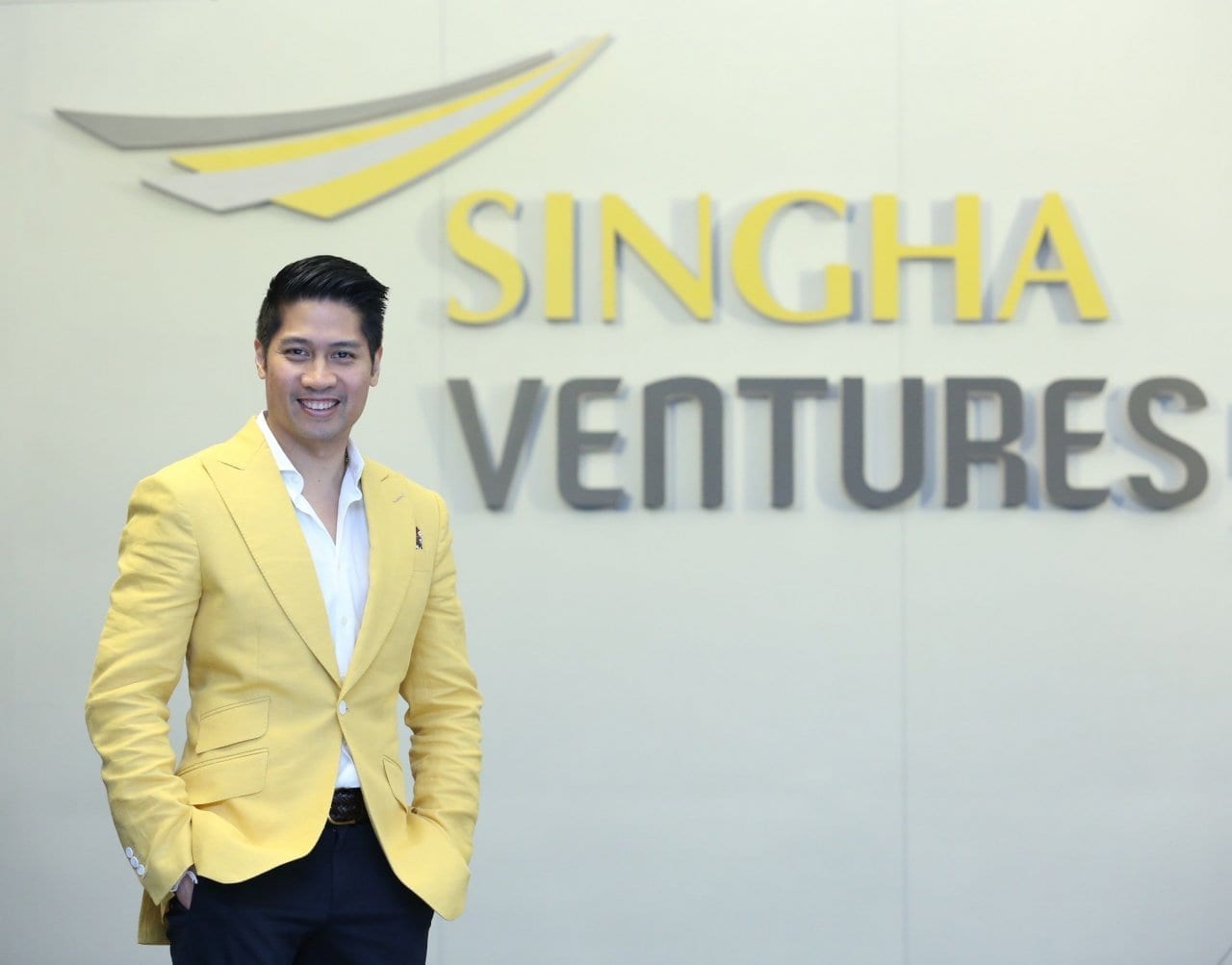
  • Singha puts investment arm on hunt for startups

    Singha puts investment arm on hunt for startups

    The company, announcing the official establishment of the investment arm yesterday, also said that it aimed to make Thailand a hub for startup ventures in Asia.

    The company sees the new investment unit as helping Singha Corporation to achieve greater business diversification.

    With Singha Ventures, the company can channel investment capital directly into promising startups, without the need for approval from the board of directors. This will also save time.

    With US$25 million in registered capital, Singha Ventures was registered in Hong Kong in the middle of last year as a wholly owned subsidiary of Singha Corporation.

    Bhurit Bhirombhakdi, chairman of the executive board at Singha Ventures, said the company will invest in startups, both directly and indirectly, through venture capital funds. The company, however, will not invest more than a 25 per cent stake in individual startups in the initial stage and will allow the startup owners to run their companies. The arrangement is aimed at ensuring the startup owners remain fully motivated.

    Bhurit said that the world’s top-ranking companies, such as Apple, Google, Microsoft, Facebook and Amazon, have grown their businesses from startups. The scene is different from 10 years ago, he said, when big companies came from the so-called real sectors of the economy, such as in the oil industry.

    “With the ventures, we will able to help those startups to develop and grow their businesses over the long term,” he said. “With such a collaboration, the startups will be able to utlise Singha’s resources, such as human resources experts, and those from research and development, and marketing and sales. They will be able to leverage our distribution network.”

    Singha Corporation has distribution partners in more than 50 countries. In Thailand, the company has an extensive distribution network covering more than 400,000 retail outlets.

    “Gaining a return on investment from those startups is not our maximum aim, we (Singha Corporation) would like to leverage know-how and technologies from those startups so that we will be to deal better with the disruption of technologies such as artificial intelligence and robotics,” said Bhurit, adding that such technology disruption would not only impact the ways of doing businesses, but also change the world.

    Vorapat Chavananikul, managing director of Singha Ventures, said the company was interested in investing in promising startups – in Thailand and abroad – in its core business areas. These comprise consumer products (foods, beverages and packaging), retail and logistics, and enterprise solutions, as well as healthcare and renewable energy.

    He said that during the past year, Singha Ventures has invested in two funds. These are Kejora Ventures, Southeast Asia’s biggest technology ecosystem with its headquarters in Jakarta, which has invested in more than 29 startups; and Vertex Ventures from Singapore, a network of experts in technology and venture capital from all over the world. They can create a good return of 2.5 to three times the initial investment so far, Vorapat said.

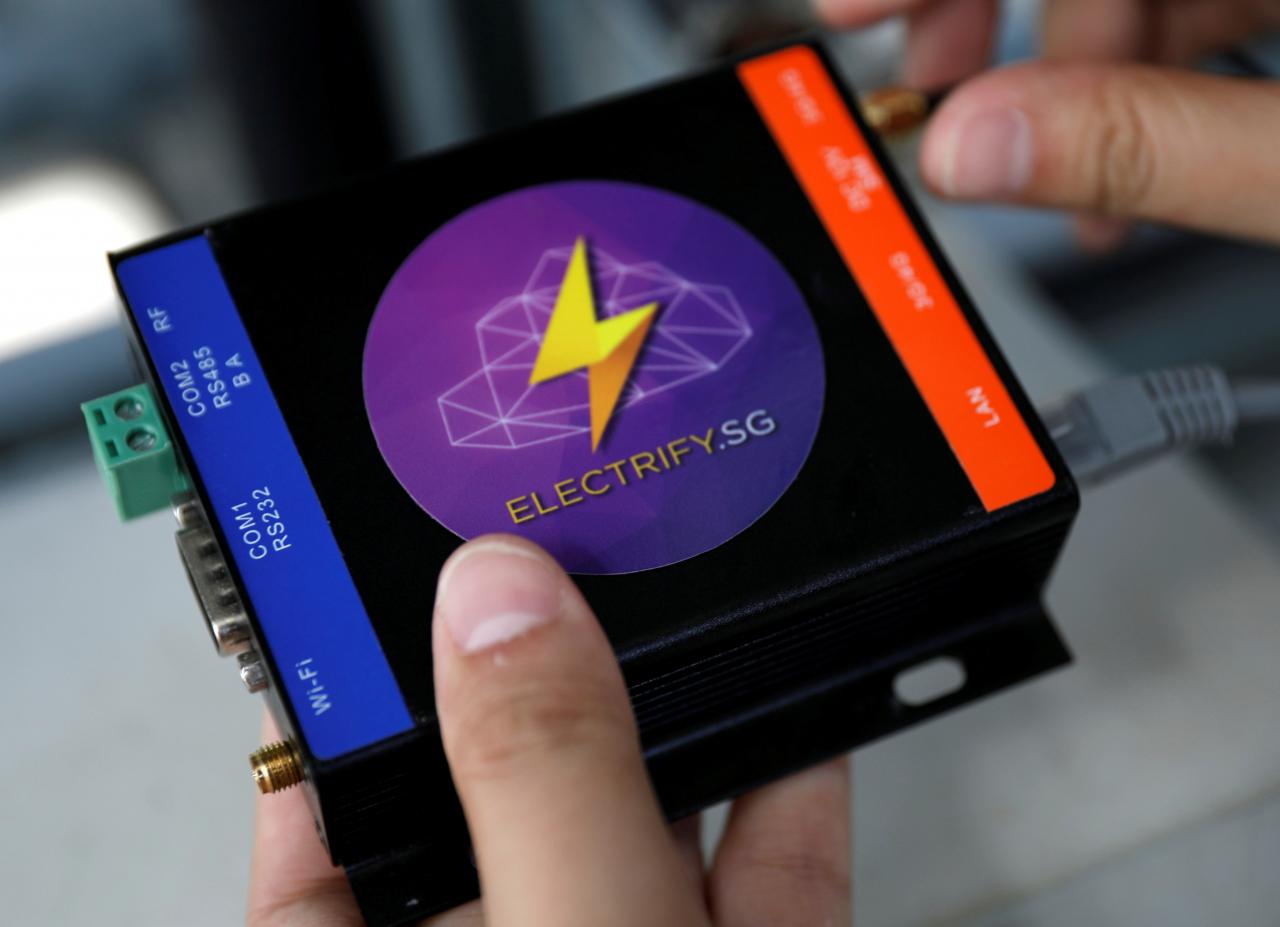
  • Singapore-based Electrify raises US$30 mln in ICO

    Singapore-based Electrify raises US$30 mln in ICO

    Singapore-based startup Electrify has raised US$30 million through an initial coin offering (ICO) as it seeks to expand its retail electricity marketplace business.

    The company, using blockchain technology, built a marketplace of retail electricity information, which can collect and display relevant retail electricity offers, a year ago.

    Consumers can purchase electricity using an electronic wallet through small independent power facilities such as resident rooftop solar panels and wind turbines, via a smart contract. The prices concerned are all transparent.

    The startup recently rolled out a virtual currency called ELEC, aiming to raise US$30 million. It hit the target in under 10 days.

    The amount raised by Electrify’s first ICO ranks third among Singapore ICO projects.

    Electrify was funded by individual and institutional investors, including noted early-stage venture capital firm Global Brain and Ethereum co-founder Wendall Davis.

    It will use the funding to expand in other markets such as Southeast Asia, Japan and Australia.

    Electrify claimed to have completed electricity transactions totaling around US$3.79 million in value. Singapore’s corporations saved electricity worth as much as US$554,000 since the launch of Electrify’s service, according to the firm.

    The Singaporean government is set to begin deregulating its electricity market in two phases, allowing individuals and corporations to purchase energy from any electricity retailer.

    In the first phase, 108,000 consumers and 9,500 businesses are expected to benefit from the move. If authorities are convinced of the effectiveness of the policy measure, the second phase will begin in June.


  • Singapore’s Creative seeks inspiration from Angry Birds maker

    Singapore’s Creative seeks inspiration from Angry Birds maker

    Singapore’s Creative Technology intends to gain broad acceptance for its new audio technology before it tries to sell or license headsets and other equipment, taking a leaf from app developers such as Angry Birds’ maker Rovio that give products for free to gain market share.

    The sharp departure from its usual practice of selling high-end audio products at a premium comes as Creative attempts to assuage investor concerns about its ability to cash in on its latest innovation.

    Called Super X-Fi, the software allows cinema-quality sounds to be delivered through headsets. It has won rave reviews from analysts since it was first showcased at the CES 2018 consumer technology trade show in January.

    Creative’s stock, which has languished for years as the company faded from the scene, surged to a 10-year high earlier this week.

    Sim Wong Hoo, Creative Technology’s founder and CEO

    Speaking to analysts and media on Thursday, Creative founder and CEO Sim Wong Hoo said that by making available a free app for consumers, the company hopes to achieve 50 million downloads over the next two years, giving it clout in negotiations with consumer electronic firms that might want to license the technology.

    Angry Birds, the game that is popular with many smartphone users, managed the feat in half that time, he added.

    The strategy right now is to reach out to everybody, he said. “The viral app (generates) no revenue but it saves us all the marketing dollars. If you charge for the app, you’ll need to spend a lot on marketing,” he said.

    He added that unlike app developers, which sell enhancements to its free software, Creative can also sell hardware such as dongles that have the Super X Fi algorithms running on a separate processor to improve performance.

    Creative plans to launch a free app in the second quarter, and follow it up with a dongle that will retail for around $150 each. A Super X-Fi-powered wireless headphone is planned for the fourth quarter.

    According to Sim, Creative is prepared to adopt a business model for Super X-Fi that involves focusing on further developing the underlying technology and leaving licensees to develop various consumer products.

    Neo Wee Wu, a tech blogger, said Creative’s strategy of trying to capitalize on the technology through licensing makes sense as the company lacks broad consumer appeal.

    “Creative as a brand is not selling very well. It is seen as value for money rather than a name for high tech equipment,” he said.

    Creative most recently posted a net loss of $4.2 million for the second quarter ended December as revenues slipped 6% year-on-year to $20.9 million. In its heydays in the early 2000s, the company had annual revenue above $1 billion.

    The company was hugely successful in the ’90s thanks to its Sound Blaster family of add-on cards, which became an industry standard for devices that turned beeping and pinging PCs into stereo players.

    However, it lost its edge as stereo quality sound became a standard feature in PCs and new technology emerged.

    It was also a pioneer in pocket-sized digital music players, and its Zen players were once second only to Apple’s iPods in the global market.

    –Kevin Lim

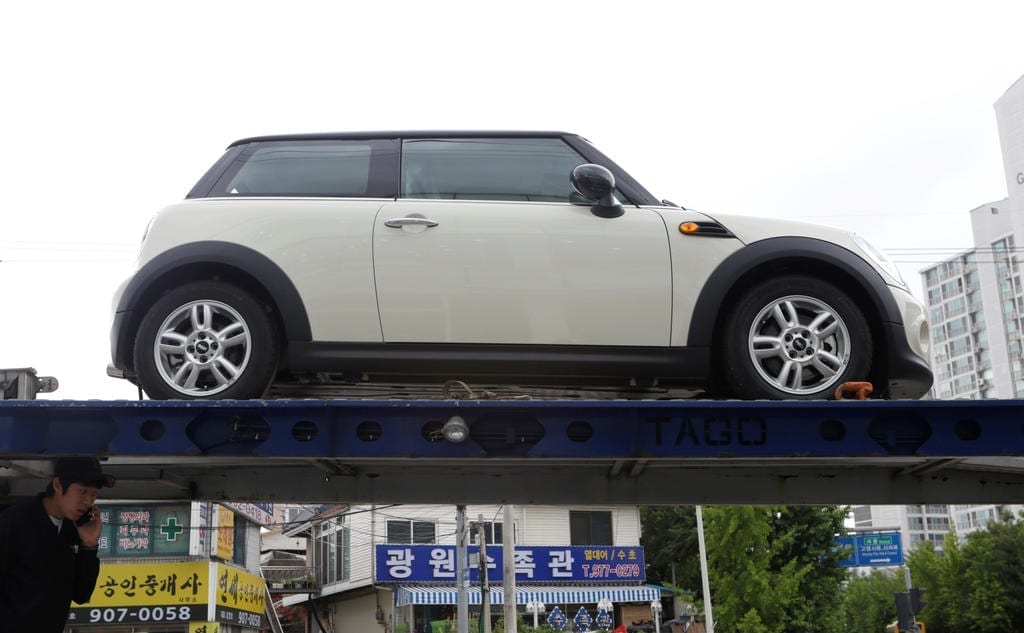
  • German automakers gain ground in South Korea, outselling GM for first time

    German automakers gain ground in South Korea, outselling GM for first time

    Mercedes and BMW both sold more cars in South Korea than General Motors for the first time last month, helped by the growing popularity of German premium brands and as consumers shied away from GM after it announced a major restructuring.

    While home-grown automakers Hyundai Motor and Kia Motors Corp dominate the local market, high-end German vehicles have made inroads in recent years with more diverse offerings for brand-conscious consumers.

    BMW saw the biggest jump with February sales nearly doubling to 6,118 vehicles, industry data showed. That was just a tad behind Mercedes which led the imported car rankings with 6,192 cars, up 12 percent from the same period a year earlier.

    South Korea last year became the sixth biggest market for Mercedes, climbing from eighth place.

    GM’s announcement last month that it plans to shut down of one of its four factories in South Korea and was weighing the fate of the three other plants resulted in domestic retail sales nearly halving in February to 5,804.

    With consumers worried about loss of after-care services and residual value, GM lost its long-held spot as South Korea’s No. 3 automaker, slipping to sixth place.

    The U.S automaker, whose South Korean operations are primarily geared toward exports, is seeking financial aid from Seoul as well as concessions on wages and benefits from its local union to stay operating in the country.

    Talks with the labor union on Wednesday failed to produce concrete results although some 2,500 workers have applied for voluntary redundancy package.

    “We hope to wrap up talks with the labor union and the government swiftly,” a GM Korea spokesman said.

    “A drawn-out restructuring will hurt consumer trust,” he added.