Author: Mei Ling Tan

  • DHL Express launches inaugural passenger-to-freighter A330-300

    DHL Express launches inaugural passenger-to-freighter A330-300

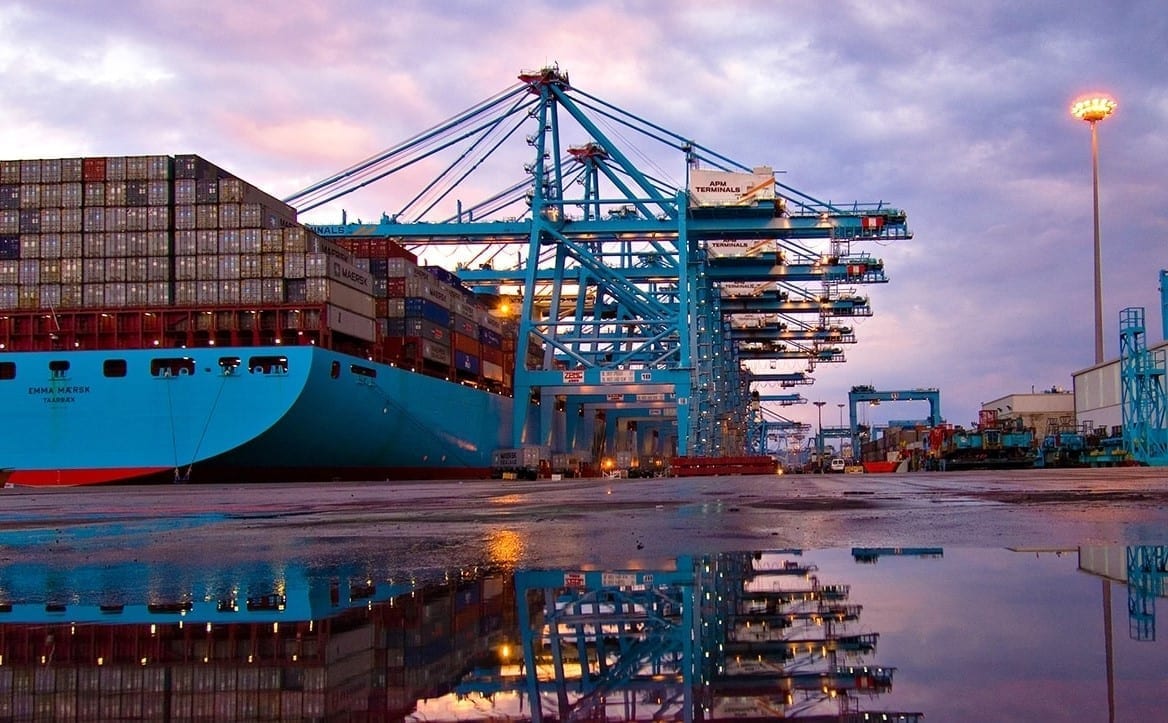
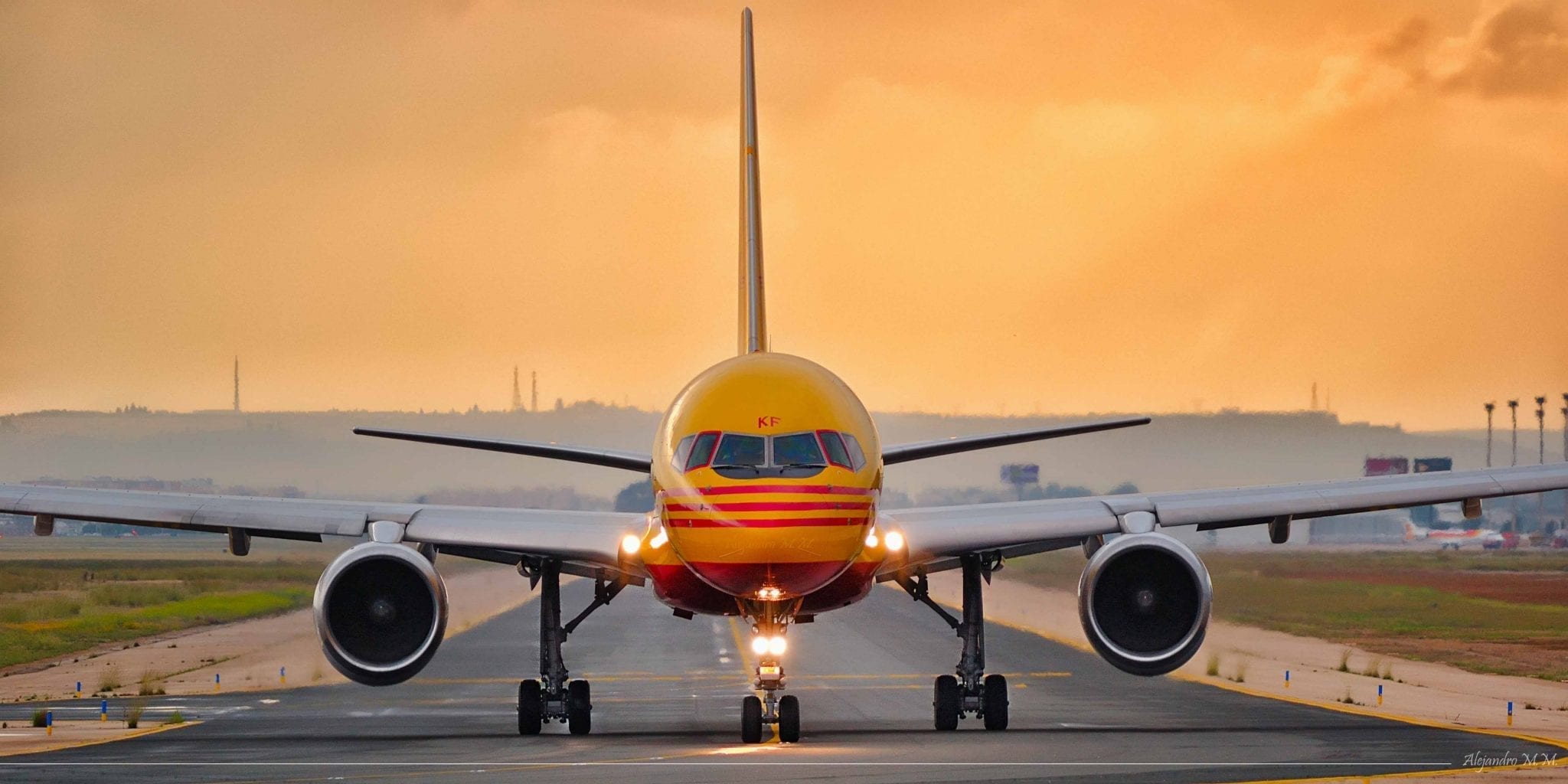
    DHL Express has welcomed its first ever Airbus A330-300 aircraft at its Penang Gateway, making Malaysia the first country in the world to operate the first of its four A330-300s.

    In a statement today, the international express services provider said the A330 will join the DHL Express fleet under a new passenger-to-freighter (P2F) deal with Elbe Flugzeugwerke (EFW), a joint venture between Airbus and Singapore Technologies Aerospace.

    DHL Express Malaysia & Brunei managing director Christopher Ong said Asia Pacific is one of the fastest growing regions driven by e-commerce trade.

    “By welcoming our first A330-300 P2F aircraft, we are ready to service increasing e-commerce volumes from Malaysia, which is expected to show a compound annual growth rate (CAGR) of 17.9% from now to 2022,” he said.

    He added that Malaysia’s trade performance is expected to maintain its growth momentum and hit RM1.8 trillion in 2018.

    “Being the only logistics company in the world to own and operate the A330-300 P2F aircraft, DHL will be able to enhance service standards and match e-commerce merchants’ and buyers’ demands,” he said, adding that the flight will be servicing the Vietnam and Hong Kong markets.

    Ong said the company’s improved capabilities will further support Malaysia’s economy by facilitating its customers’ access to the global markets, while embracing the fourth industrial revolution.

    With 33 per cent more freight capacity per flight, DHL Express said it aims to strengthen their delivery capabilities across its network, while enhancing its capacity to deliver more shipments than ever before.

    The A330-300 P2F will provide additional high-volume, low-density capacity in Malaysia with a gross payload of 61 metric tons.

    It will also import and export goods six times weekly from Penang to Hong Kong. The converted A330-300 P2F features a range of updates including reinforcements to its fuselage, floor structure, door frame shell, newly-installed safety barrier nets and a powered cargo loading system.

    “Our eyes are fully set on investing in the future. We have pioneered passenger-to-freighter conversions since 1997, and our innovation in efficiently expanding our fleet is aimed at further strengthening the DHL Express regional network,” said Ong.

    DHL Express said the Penang Gateway will continue to play a major role in facilitating greater connectivity to the key markets with a total fleet of two aircraft, 30 vans, 25 trucks and nine bikes.

  • Vietnam aims to reduce property speculation in HCMC

    Vietnam aims to reduce property speculation in HCMC

    The People’s Committee of HCM City has proposed to impose a tax on apartments and houses which are sold within one year after purchasing, aiming to reduce speculation and ensure stability in the estate market.

    The People’s Committee has submitted the proposal in its property market development project for the 2016-20 period with an orientation to 2025 and a vision to 2030 to the National Assembly and the Government.

    The project was approved by the city by the end of last year. It provided evaluations on advantages and shortcomings of the market as well as development orientation.

    The city’s property market still lacks transparency, causing speculation, it cited. Individual investors buy houses and land not for the purpose of accommodation or rental but with the intention of quickly reselling them for profit. However, the home buyers did not pay for asset taxes and additional income. Sometimes, the investors held a majority of transactions in the market, making land and house prices increase and reducing supply for people seeking to buy homes to live in.

    HCM City therefore proposed that the Government should review regulations relating to taxes on estate transactions to encourage people to truthfully declare the value and additional income from the transactions. This could help the market develop transparently and healthily.

    In addition, the project also suggested building an annual tax collection mechanism for land and estates increasing in value, which would create new funds for the Government to improve infrastructure.

    It also proposed other solutions such as imposing a high tax rate on a buyer’s second home.

    The city asked the Government to issue the urban and construction bonds, mobilising capital from banks and credit institutions as well as a mechanism to attract investment into infrastructure.

    In the short-term, the Government could allow a pilot implementation of some new financial tools such as housing saving funds or a real estate investment trust (REITS) to diversify capital resources in the estate market.

    The city proposed that the Government replace the calculation of land use payments with a fixed tax rate of 10-15 per cent.

    Read more at https://vietnamnews.vn/economy/424089/hcmc-aims-to-reduce-property-speculation.html#eGfjysbqGIY62cdx.99

  • Hong Kong’s Tsui Wah to open outlets in Singapore

    Hong Kong’s Tsui Wah to open outlets in Singapore

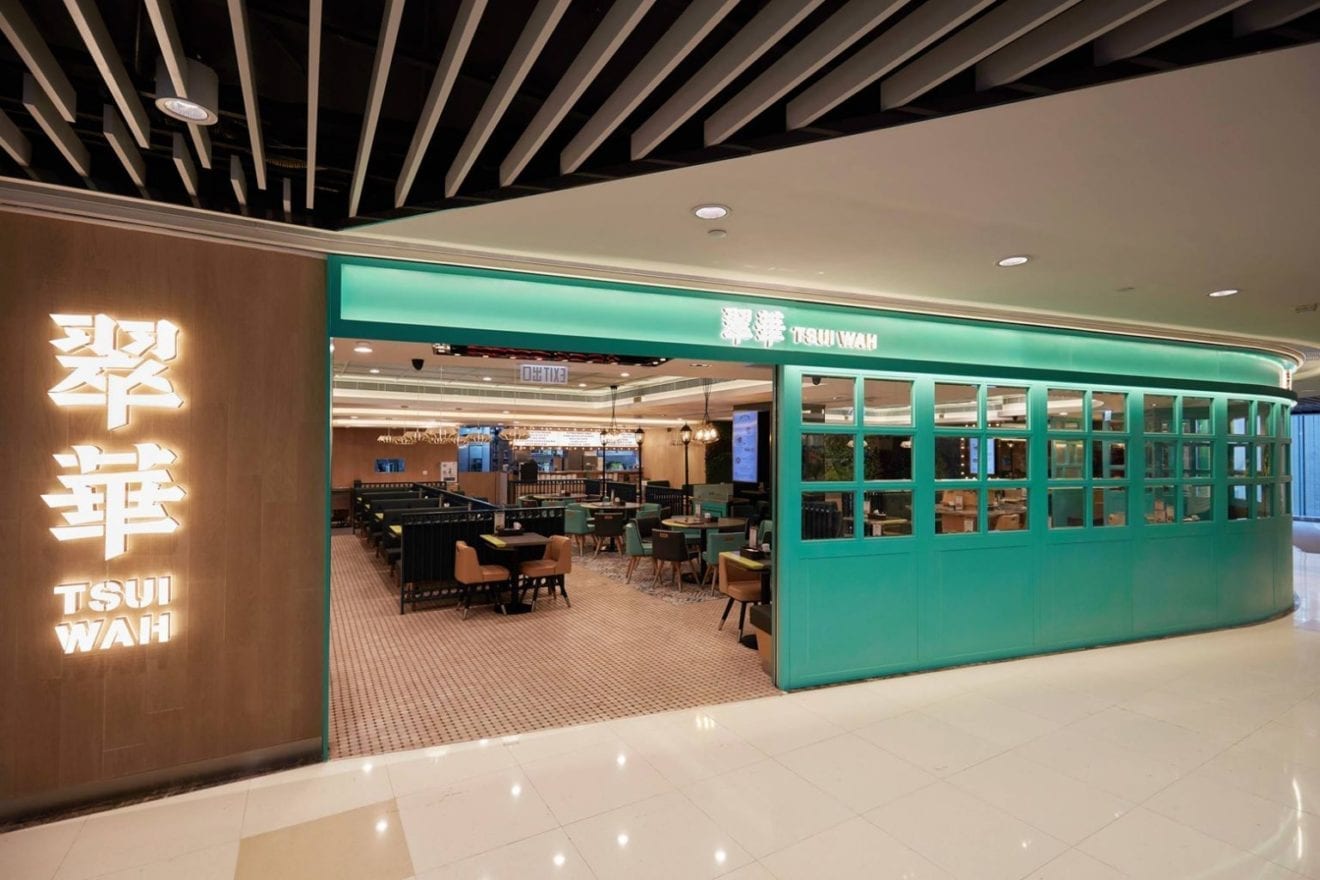
    Singapore listed restaurant business Jumbo Group has signed a JV agreement with Kang Wang Holdings, a wholly owned subsidiary of Tsui Wah Holdings, to take the Hong Kong-style Cha Chaan Teng under the Tsui Wah brand into Singapore.

    It will be a 49:51 JV between a Jumbo subsidiary and Kang Wang. It has also entered into a franchise agreement with Tsui Wah International Patent, which will give the JVC the right to use the Tsui Wah trademarks and trade names in Singapore.

    The Tsui Wah Group has about 70 outlets in Hong Kong, Macau and China, and this will be it first entry into the South-east Asian consumer market.

    Jumbo says it will fund its share of investment of S$244,998 (US$186,400) in the JVC using internal resources. The agreement covers an initial 10 years.

    Founded in the Mongkok neighbourhood in 1967, the brand is known for its fishball noodles, bottled Hong Kong milk tea and crispy bread drizzled with condensed milk. At the end of January, it had 32 outlets in Hong Kong, 35 in China and three in Macau. Despite a dip in revenue, the group managed to grow its first-half profit, according to its interim results.

    “This is part of our strategy to grow our network of restaurants, and to further strengthen our foothold in Singapore,” says Jumbo group chief executive/executive director Ang Kiam Meng.

    The location of the first outlet has yet to be revealed.

  • SOS Carved Into former Indonesian Palm Oil Plantation remind People

    SOS Carved Into former Indonesian Palm Oil Plantation remind People

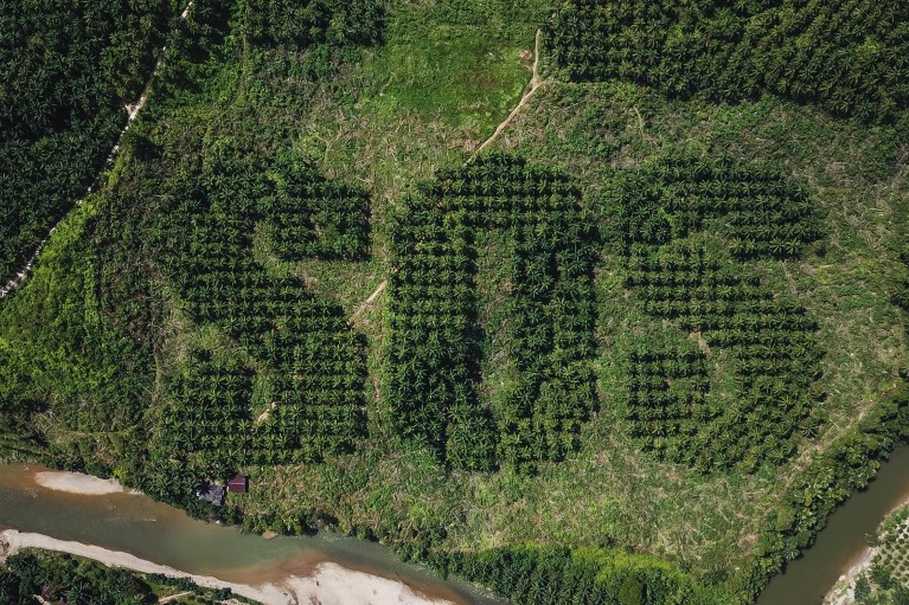
    A Lithuanian artist has carved a giant SOS message into an Indonesian palm oil plantation to draw attention to the damage done by deforestation.

    Ernest Zacharevic curated the “Save Our Souls” project as part of a campaign on the impact palm oil plantations have on tribal communitieglobes and endangered species such as the orangutan.

    “We, as consumers, are so detached from the source of our commodities that we are no longer able to see the consequences of our daily choices,” Zacharevic said.

    “I wanted to communicate the magnitude of the problem.”

    The giant SOS signal, which he completed last month, runs for about half a kilometer inside a plantation in North Sumatra, and can be seen from the air. The land will be replanted with native tree species, he said.

    Environmentalists say land-clearing for agricultural plantations in Indonesia, the world’s biggest palm oil producer, is responsible for forest destruction. Forest cover has dropped by nearly a quarter since 1990, according to World Bank data.

    Zacharevic’s SOS comes amid growing pressure on corporations to adopt sustainable practices. PepsiCo and British cosmetics firm Lush have committed to ending the use of palm oil – which is found in products from soap to cereal – or ensuring their supply is ethical.

    Last month, consumer goods giant Unilever said it had laid bare its palm oil supply chain to boost transparency.

    Indonesia has been a focus of global efforts to rein in greenhouse gas emissions caused by the deforestation of swampy, carbon-rich peatlands to make way for plantations for industries such as palm oil, pulp and paper.

    These forests are often in remote areas long inhabited by indigenous peoples, who might not have documents proving ownership or be able to contest land acquisitions in the resource-rich Southeast Asian nation.

    The forests are also home to dwindling wildlife populations. There are only about 14,600 orangutans remaining in the wild in Sumatra, conservationists estimate.

    The Splash and Burn campaign – a play on the slash and burn method used to clear forests for plantations – is supported by the charity, Sumatran Orangutan Society, and Lush.

    “We are all contributing to the destructive effects of unsustainable palm oil, whether it is by consuming products or supporting policies that affect the trade,” Zacharevic said.

    “This project is an effort to appeal to the consciousness of a wider audience.”

  • Prada not looking good outside China

    Prada not looking good outside China

    Global Prada sales fell 3.8 per cent last year – but rose 4.6 per cent in greater China.

    For all of Asia, the Italian luxury fashion brand’s sales were down 1.2 per cent, but in Japan, which it treats as a separate regional market, sales slumped 14.6 per cent.

    The group’s net income for the 12 months was €248.9 million, or 8.1 per cent on net revenues.

    Prada says it has made further progress on updating Prada and Miu Miu stores to meet the brands’ new aesthetic concepts; Church’s stores are next in line for restyling.

    Meanwhile, the group says its sales plan was supported by bold action on the digital front even as physical retail remained at the centre of its omnichannel strategy. During the year the group strengthened its partnerships with major online sales outlets.

    “Moreover, the direct e-commerce channel is growing: it has been enlarged in scope and the new graphic and functional version of the Prada.com website, unveiled in China in December, will be gradually expanded to all countries this year.

    In various markets the group has been promoting “pop-up” events in shopping malls to launch products and emphasise brand identity.

    As well as the Prada, Miu Miu, Church’s and Car Shoe brands, the group also works in the eyewear and fragrance industries under licensing agreements, and has entered the food industry with the acquisition of Pasticceria Marchesi 1824.

    Prada products are sold in 70 countries through a network that includes 625 directly run stores and a network of luxury department stores, independent retailers and franchise stores.

  • Vietnam records US$33.62bn in export value in Jan-Feb

    Vietnam records US$33.62bn in export value in Jan-Feb

    Vietnam had six groups of export commodities gaining at least US$1 billion in export value in the first two months of 2018.

    This was revealed by the General Department of Customs.

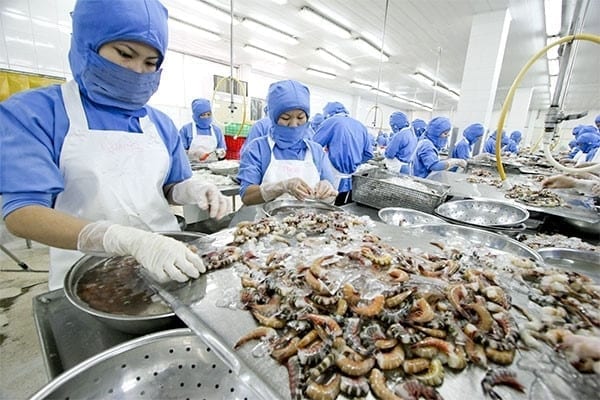
    The result was one more group than that in the first two months of 2017. The new “billion dollar” goods item was seafood, which was the largest export product of the agricultural sector.

    In the first two months of this year, the export value of seafood reached $1.1 billion, up 20.4 per cent over the same period last year. However, its export value in February reduced 37.3 per cent month-on-month to $430 million.

    Five others included the group of telephone and its parts; the group of computer, electronic products and their parts; the group of other machines, equipment, tools and components; the group of footwear; and the group of textile and garmentt.

    The department said all export commodities gaining billion-dollar export value achieved double-digit growth rate in export value.

    During the first two months of this year, the export value of telephone and its parts reached $6.63 billion, a year-on-year increase of 41.7 per cent, the largest export value among all.

    Textiles and apparels gained a surge of 22.3 per cent year-on-year in export value to reach $4.3 billion. This was considered the highest growth rate in export value of the textile and garment industry in recent years.

    Computers, electronic products and their parts had an estimated export value of $4 billion, up 19.2 per cent over the same period last year. The export value was $2.27 billion for footwear products, up 11.9 per cent, and $1.27 billion for wood and wooden products, up 20.1 per cent compared to the same period last year.

    By the end of February, the total national export value was estimated at $33.62 billion, a year-on-year increase of 22.9 per cent. Of this, $19.57 billion came from the six groups of commodities earning a billion dollars in export value, accounting for 58.2 per cent of the total export value.


  • Jack Wills becomes new brand in Zalora Asia

    Jack Wills becomes new brand in Zalora Asia

    British clothing brand Jack Wills has made its Asian online debut on Zalora.

    Its outlet on Zalora will offer more than 200 curated items of womenswear, menswear and accessories,
    “We are excited to have Jack Wills exclusive online across our markets,” says Zalora chief commercial officer Saskia de Jongh. “Through our website, mobile site and app, as well as our logistics network, Jack Wills will expand its reach to more fashion consumers beyond capital cities and store footfall.”

    “This partnership will continue to build on Jack Wills’ ever-growing popularity in this part of the world, supported by our established network of stores in Hong Kong and Singapore,” says Jack Wills wholesale and international director Greg Roberts.

    The Jack Wills’ spring/summer collection, Times of Change, reflects a British heritage-inspired style that showcases simple yet elegant and versatile wardrobe staples with layering essentials, florals and bright colours, says the retailer.

    Established by Peter Williams as a single shop in the seaside town of Salcombe by Peter Williams in 1999, Jack Wills is known for heritage-inspired classics with a contemporary twist. It has become an international brand with 80-plus stores in the UK, US, Hong Kong, Singapore and the Middle East, and ships to 126 countries.

  • Hollister sales hits US$2 billion as A&F rebounds

    Hollister sales hits US$2 billion as A&F rebounds

    Hollister sales helped drive a strong fourth quarter for parent Abercrombie & Fitch in both revenue and profit.

    In the past year, Hollister sales broke the US$2 billion sales threshold for the first time, rising 19 per cent in the final quarter to February 3, to $709.2 million.

    All of the Abercrombie & Fitch brands posted increased sales in the quarter, as did all geographical markets.

    Net sales were $1.193 billion, up 15 per cent for the quarter, which included an extra week. The company said the additional week benefited fourth-quarter net sales by approximately 4 per cent.

    Comparable sales rose 9 per cent and comparable operating income doubled, according to CEO Fran Horowitz.

    “We are pleased by our performance. Our focus on staying close to our customer, executing to our playbook and maintaining our disciplined approach to expense management delivered a strong performance on both the top and bottom line,” she said.

    The company’s main brand, Abercrombie, returned to positive sales for the quarter after a series of declines, in part reflecting the success of a new store format now being rolled out across the US and in selected international markets, including Hong Kong. Global sales rose 9 per cent.

    The company also recorded record digital sales across all brands.

    “We continue to improve the customer experience with ongoing investments in loyalty programs, stores, direct-to-consumer and omnichannel capabilities,” said Horowitz.

    “We have a strong balance sheet, proven cost management discipline and a clear plan for building on the foundations we laid last year. This year, we will continue to focus our attention and our investments on engaging our customers with compelling assortments and new experiences, in clearly defined brand voices, positioning our business for sustainable long-term growth.”

    US sales rose 13 per cent and international sales by 20 per cent,with direct-to-consumer sales accounting for 34 per cent of total company sales, up from 31 per cent in the same period last year.

  • Floodgates could open as Honda imports cars

    Floodgates could open as Honda imports cars

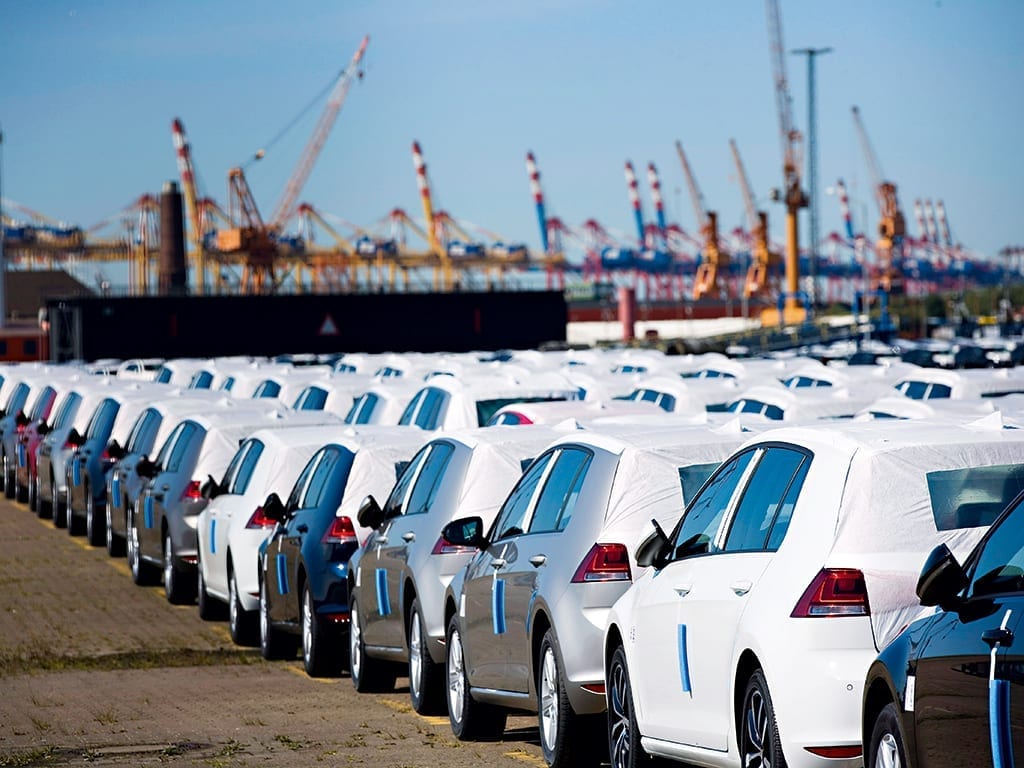
    After stopping car exports to Việt Nam for more than a month, Japanese auto giant Honda Motor suddenly decided to import around 2,000 vehicles from Thailand in early March.

    This is the first batch of automobiles exempt from import tax under the ASEAN Trade in Goods Agreement (ATIGA) to be imported into Việt Nam.

    ASEAN groups Brunei, Cambodia, Indonesia, Laos, Malaysia, Myanmar, the Philippines, Singapore, Thailand and Việt Nam.

    Lý Thanh Bình, head of customs at HCM City’s Hiệp Phước Port, confirmed that Honda cars including Jazz, Accord, CR-V and Civic were unloaded at the port on March 1. The vehicles will be sold in one or two months after they undergo several mandatory tests as part of the customs clearance process.

    In January, Toyota Motor and Honda decided to suspend exports to Việt Nam saying they are unable to meet Việt Nam’s stringent checks of imported vehicles under the new Decree 116.

    The decree on the production, assembly, import and warranty of automobiles was issued just as Việt Nam eliminated tariffs on automobiles imported from ASEAN members.

    It requires all models of imported vehicles to obtain a Vehicle Type Approval certificate from authorities in the exporting countries.

    The new rule also requires emission and safety tests to be done on every batch of automobiles imported. In the past, only the first shipment of a model was tested.

    Many auto giants from Japan and the US have expressed concern, saying it would be difficult to meet the requirements.

    Some also said the new requirements would cause a huge waste of time and money for importers since one emission test could take two months and cost up to US$10,000.

    The decree is aimed at strengthening quality checks and protecting the local industry.

    The fact that Honda resumed exports to Việt Nam proves that car importers can remove the biggest obstacles like the above-said things that they were facing as they want to import the vehicles under the new regulations.

    Honda had Vehicle Type Approval certificates granted by Thailand where the cars were produced.

    Analysts said Honda’s decision to resume exports to Việt Nam should be considered a big factor for the Vietnamese auto market. This was because after Honda, other companies would also be able to receive similar certificates like Honda to bring their cars back to Việt Nam.

    Because of this, car imports from other countries such as Indonesia and Malaysia are also expected to soon come to Việt Nam.

    The return of Honda and other companies including Ford and Toyota in the near future is expected to drag prices significantly lower, thus fulfilling Vietnamese consumers’ dream of buying cars at lower prices.

    According to an official announcement from Honda Vietnam, its compact SUV Honda CR-V is now listed at VNĐ958 million ($42,076) to VNĐ1.068 billion ($46,907), depending on the model and specifications.

    Compared to their earlier prices, when a 30 per cent tax was in place, the 1.5E and 1.5G models are cheaper by VNĐ178 million ($7,818) and VNĐ188 million ($8,257).

    However, market observers said though tariffs on automobiles imported from ASEAN were eliminated over two months ago, car prices have shown no signs of coming down.

    Some have even seen their prices rise.

    They blamed this on not only a shortage of vehicles on the market but also the increasing cost of importing cars under the new rules.

    The shortage is understandable since only Honda of those that do not assemble in the country have gone through the new import rigmarole. Meanwhile, the number of assembled cars has also decreased because of lack of components imported from abroad, meaning supply has been unable to meet demand.

    Trường Hải Auto Joint Stock Company has hiked the prices of many models after making some cuts before Tết (Vietnam Lunar New Year) in mid-February.

    Consequently, the prices of its Mazda cars are up by VNĐ30-50 million. The Nissan Navara saw its prices cut by VNĐ10-20 million before Tết, but is now back to its earlier rates.

    Housing allure remains for overseas Vietnamese

    According to statistics from the World Bank, overseas remittances to the country last year were worth at $13.8 billion, up 20 per cent from 2016.

    This year, they are expected to go up by 5-7 per cent.

    Analysts said overseas remittances would continue to provide a vital impetus to the economy, especially to the property sector.

    The State Bank of Việt Nam said around 71 per cent of remittances went into business, and 21-22 per cent into the real estate sector.

    This means that on average every year, the sector gets an infusion of around $2.5 billion.

    Experts said the remittances are a reliable and steady source of foreign currency, and help keep foreign reserves buoyant.

    An executive at Savills Vietnam’s international residential sales department pointed out that by nature remittances are a “one-way” source of funding and could match or exceed foreign direct investment and foreign portfolio investment.

    Now they play an important role in economic growth. There are millions of Vietnamese living in the US, Europe and Asia, and a growing number of them are finding their way home to work, invest or retire.

    A thriving economy, constantly improving business environment and laws that allow overseas Vietnamese to own houses in Việt Nam are the reasons why they are investing in the housing sector.

    Experts said the housing market now offers favourable conditions for overseas Vietnamese to make profits.

    It has a wide range of products of high quality and reasonable prices, meeting overseas Vietnamese investors’ every demand, whether investment, settling down in the country or working.

    According to Savills Vietnam, safety, security and after-sales services are also factors that overseas Vietnamese and other foreign customers consider when buying a house in addition to location, price, convenience, architecture and design.

    It is undeniable that the attractiveness of the housing market has contributed to increasing remittances to Việt Nam in the last few years.

    According to the State Bank of Việt Nam’s HCM City branch, around 50 per cent of remittances to Việt Nam are to the southern metropolis.

    Around 22 per cent of the remittances to the city of $5.2 billion went into the housing market.

    Experts said to stabilise the flow of remittances into the country and into the real estate sector, the Government should offer incentives like low fees.

    They also stressed the need to make the housing market more transparent and efficiently provide market information to overseas Vietnamese.

    They wanted the Government to have tough measures to prevent the frequent occurrence of price “fever” in the housing market.

    They also called on real estate developers to carefully study overseas Vietnamese and foreigners’ housing needs and improve the quality of their products and services.


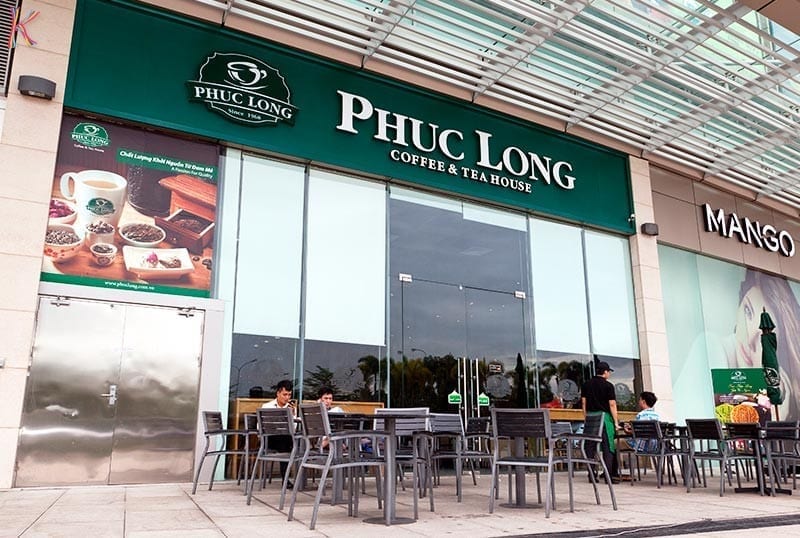
  • Phuc Long Danang to open soon

    Phuc Long Danang to open soon

    Vietnamese coffee and tea chain Phuc Long is expanding into Danang next month.

    The brand will open two stores inside Lotte Mart and on Nguyen Van Linh Street in the city’s Hai Chau district.

    The chain has also enriched its food menu, offering traditional Vietnamese banh mi sandwiches alongside croissants, cookies, waffles and tiramisu.

    Targeting younger customers, Phuc Long is considered a competitor with international chain Starbucks and local rival The Coffee House.

    Established in 1968 in the highlands of Lam Dong, Phuc Long started by selling packaged Vietnamese traditional coffee and tea through retail stores. Phuc Long expanded to Ho Chi Minh City during 1980s with both retail stores and a coffee chain. The brand now has 25 stores across the city.

    Starbucks opened its first store in Danang last month.

  • Indonesia Will Call Trump’s Trade War Bluff

    Indonesia Will Call Trump’s Trade War Bluff

    Indonesia will not back away from a potential trade war with the United States, should US President Donald Trump decide to carry out his plan to increase tariffs on some imported commodities, Vice President Jusuf Kalla said on Thursday (08/03).

    Trump announced last week that his administration plans to impose a 25 percent tariff on imported steel and a 10 percent tariff on imported aluminum, on the grounds that imports endanger American national security by harming domestic production.

    The plan unsettled even the United States’ close allies, fearing a full-blown global trade war that could derail delicate global economic growth.

    “If Trump’s trade war eventually escalates, it can drag agricultural countries in. If the US blocks our palm oil, we will block their soybean exports to Indonesia; we can be self-sufficient,” Kalla said in a speech at the fourth Jakarta Food Security Summit.

    Eleven percent of Indonesia’s total exports, or $17 billion, were destined for the United States last year. This makes it Indonesia’s second-largest export destination.

    Southeast Asia’s largest economy also enjoyed a $9.3 billion trade surplus with the United States last year.

    Indonesia’s palm oil exports to the United States amounted to $939 million last year, which represents around 5 percent of its total exports of the tropical oil, Central Statistics Agency (BPS) data showed.

    According to the US Department of Commerce’s International Trade Administration, the United States exported 2.6 million metric tons of soybean last year, worth $994 million.

    Indirect Blow

    Only 1 percent of Indonesia’s steel exports go to the United States, so Trump’s proposed steel and aluminum import tariffs would not inflict a direct blow to local steel producers, said Hidayat Triseputro, executive director of the Indonesian Iron and Steel Association.

    But he warned of the possibility that Chinese steel exports destined for the US market may flood the Indonesian market.

    Indonesia is a member of a free trade arrangement between the Association of Southeast Asian Nations (Asean) and China that came into effect in 2010. The agreement resulted in Chinese exports to Indonesia spiking to $30.5 billion in 2014 from only $3.4 billion in 2004.

    According to World Steel Association data, China was the world’s largest steel producer in 2017, at 831.7 million metric tons, while Indonesia produced only 4.8 million tons of the alloy.

    “The government should secure the domestic market with strict regulation and take sides with local products … as it can make investors lose interest in the Indonesian market due to the policy being not affirmative to the domestic market,” Hidayat said.

  • MUJOSH Debuts in the United States with Three Store Openings

    MUJOSH Debuts in the United States with Three Store Openings

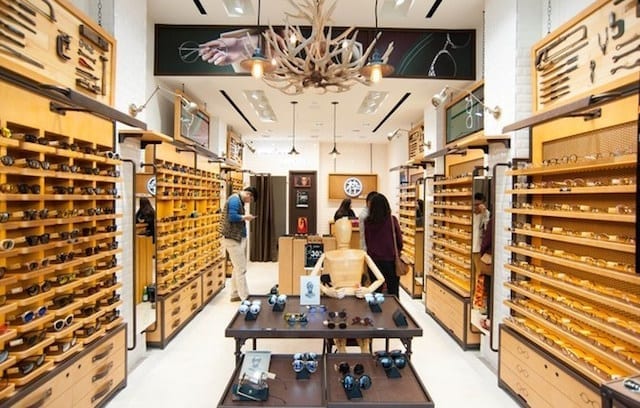
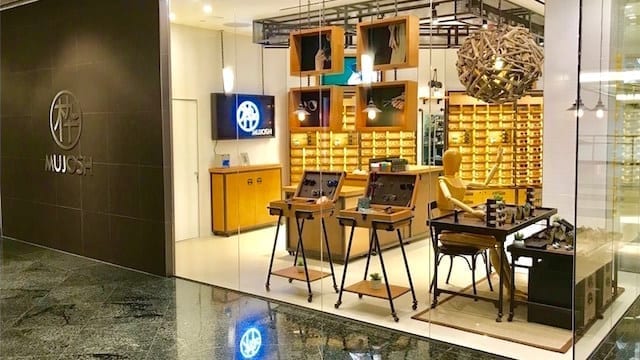
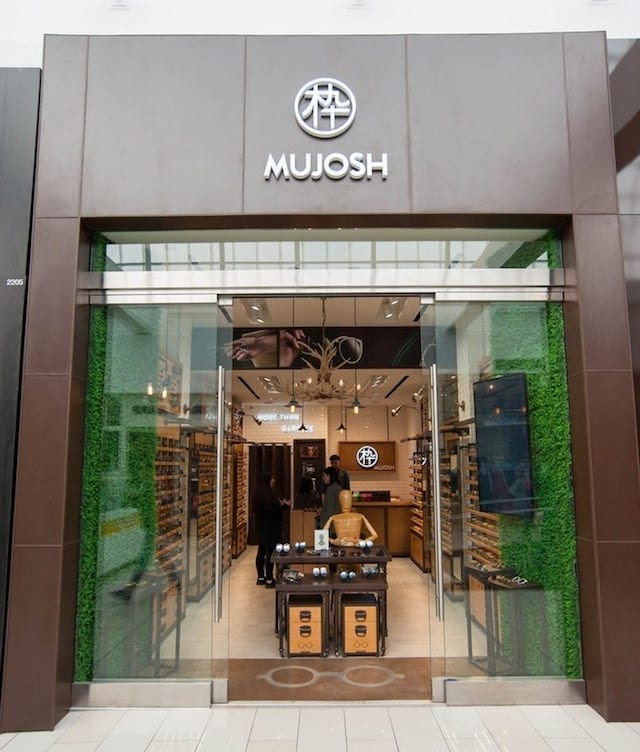
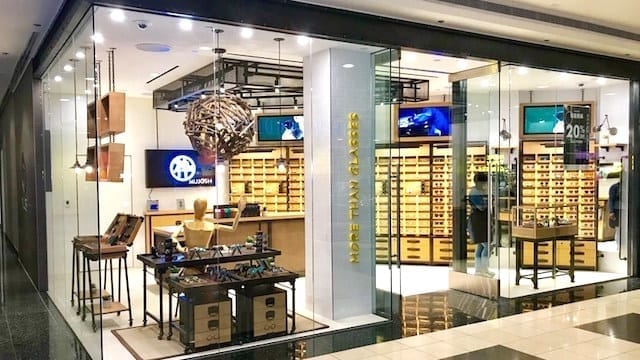
    Hong Kong fashion eyewear brand Mujosh has arrived in the US market with successive grand openings of two stores in San Francisco and one in Los Angeles.

    Located at Stoneridge Mall and Westfield in San Francisco, and at Glendale Galleria in Los Angeles, the stores introduce the eight-year-old brand’s in-house designers from China, Hong Kong and Korea.

    Representing the brand for its US debut is the muse of Sweat the Style Adrianne Ho, who showcases the latest sunglasses collection, Retro.

    Mujosh already has more than 800 specialty stores in high-end shopping malls and department stores covering Mainland China, Hong Kong, Taiwan, Singapore, Thailand, Malaysia, Vietnam, Australia and Canada.

  • Indonesia Snack and Noodle Makers Face Salt Import Muddle

    Indonesia Snack and Noodle Makers Face Salt Import Muddle

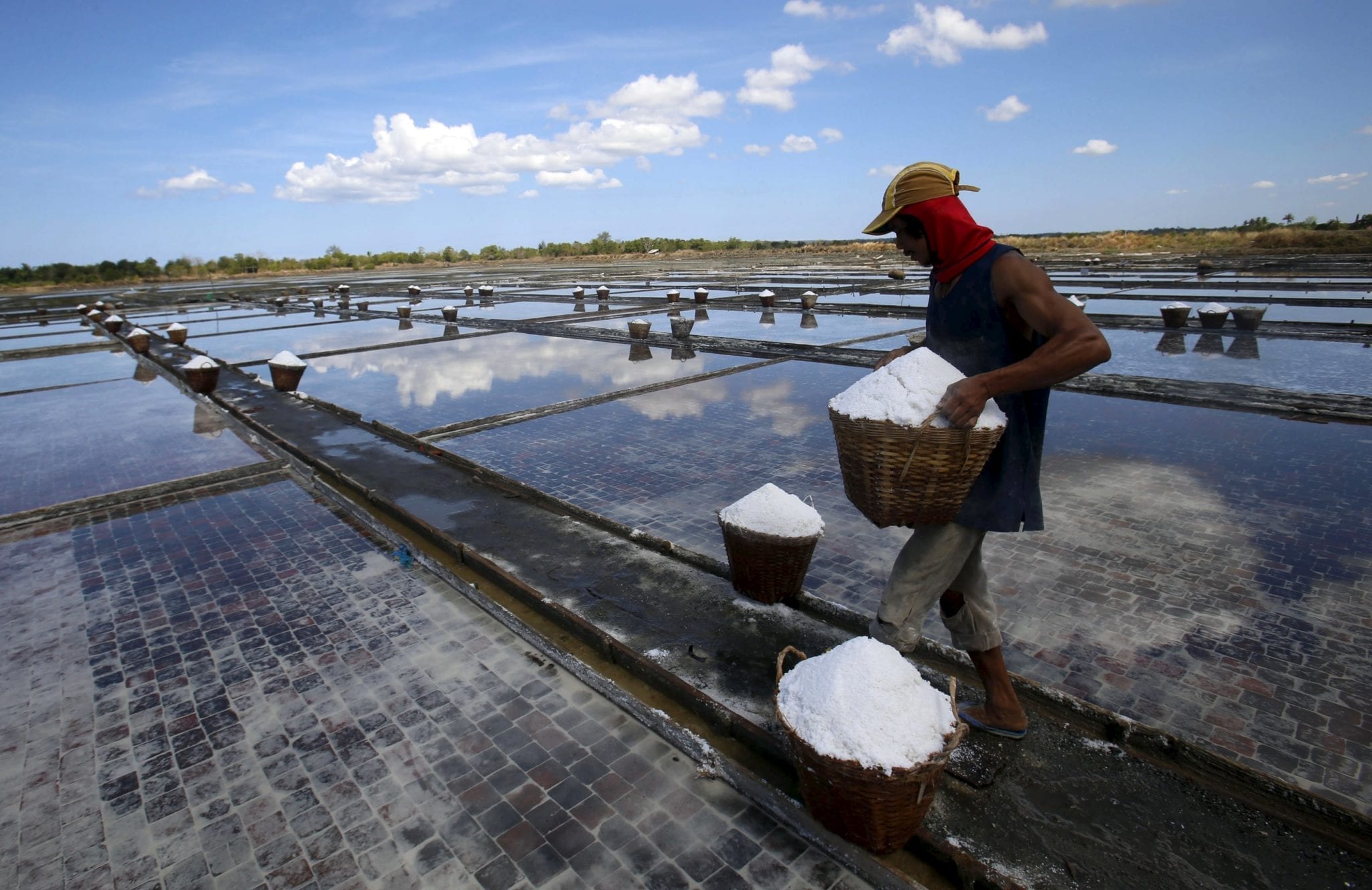
    Several of Indonesia’s noodle, biscuit and snack makers are facing shortages of quality salt as they have been unable to import the ingredient and local supplies are insufficient, an industry association said.

    “We received reports several industries will stop production next week because of shortages of salt,” said Adhi S. Lukman, chairman of the Indonesia Food and Beverage Association (Gapmmi), referring to several instant noodle producers, without naming the specific companies affected by the shortages.

    The government has not approved salt imports for food processors for 2018 despite a quota of 460,000 metric tons of salt imports issued by the Coordinating Ministry for the Economy this year, Adhi said.

    Food companies require salt with a maximum water content of 0.5 percent and sodium chloride above 97 percent, but not all domestic suppliers can meet those levels, Adhi said.

    State salt producer Garam is “very small” and lacks the right quality stock, particularly in the wet season, he said.

    Indonesia’s food and beverage industry is expected consume 550,000 tons of salt in 2018, up 12 percent from the 490,000 tons consumed in 2017, Adhi said. Last year only around 50,000 metric tons of salt was supplied domestically to the food and beverage industries, with the remainder from imports.

    Foreign Trade director general Oke Nurwan said the food and beverages industry needed a recommendation from the Ministry of Fisheries before the 2018 salt imports could take place.

    Brahmantya Satyamurti Poerwadi, director general of sea territory management at the Ministry of Fisheries said a recommendation had been issued to all industries for imports of 1.8 million tons of salt in 2018.

    It was up to the Ministry of Trade to provide specific import allocations to different industries, he said.

    The Ministry of Fisheries estimates Indonesia’s total salt demand will reach 3.9 million tons in 2018, of which around 3.6 million metric tons would be used in manufacturing, including the food and beverages industries.

    Indonesia’s total salt production is expected to be around 1.5 million tons this year, with a carry over stock from 2017 of 349,000 tons.

    Indonesia’s demand for noodles, biscuits and snacks like burgers and doughnuts has climbed steadily in recent years in a creeping westernization of diets, underpinned by the country’s rising middle class.

  • Japan invests big in Vietnamese real estate

    Japan invests big in Vietnamese real estate

    Việt Nam’s real estate sector has witnessed significant participation from Japanese investors through cooperation with Vietnamese businesses recently, promising to bring benefits to the real estate market.

    According to real estate company Savills Việt Nam, over the past years, Asian investors, including Japanese ones, were only involved in commercial real estate like commercial centres, serviced apartments or office buildings. However, at present, these investors are increasing their activity in the residential segment due to the country’s young population and an increasing middle class, presenting an extremely attractive opportunity.

    Presence of big investors

    Shinichi Sakaki, deputy general director of the City Bureau, at Japan’s Ministry of Land, Infrastructure, Transport and Tourism, said the Japanese Government now has policies to support real estate developers promoting investment abroad. In addition, Japan has the experience of developing large-scale satellite towns, so it is trying to ‘export’ that technology abroad.

    One of the projects attracting not only investors but also the governments of Việt Nam and Japan is the cooperation agreement for the development of Nhật Tân – Nội Bài, aiming to build a smart city north of the Red River.

    The project was signed between Việt Nam’s BRG Group Joint Stock Company, Japan’s Sumitomo Corporation Asia and Oceania Group and the People’s Committee of Hà Nội.

    With total investment of nearly US$4.2 billion, this project is considered Japan’s largest foreign investment.

    Prior to that, another large Japanese investor, Mitsubishi Corporation, had co-operated with Vietnamese property developer Bitexco, to develop 240 low-rise housing units and two high-rise condominiums among a total of more than 1,000 low-rise and 17 high-rise condominiums at Hà Nội’s The Manor Central Park project.

    Bitexco and Mitsubishi established a joint venture company, of which Bitexco holds a 55 per cent stake and Mitsubishi holds the remaining 45 per cent.

    Recently, Nidec Group, one of the world’s leading hi-tech corporations and the second largest Japanese corporation on the Tokyo stock exchange (2017), joined forces with escalator firm Alpec to conquer the Vietnamese elevator market.

    With many years of experience in the field of high technology as well as research and development of lifts, Nidec will send foreign experts to support Alpec in quality management, labour safety, as well as the research and development of elevator equipment. The cooperation between the two sides promises to launch modern and environmentally-friendly elevator products, in accordance with the aesthetics and economic conditions of the Vietnamese people.

    Regarding potential cooperation between the two countries, Lê Hoàng Châu, president of the HCM City Real Estate Association (HoREA), said, in 2017, Japan replaced the Republic of Korea as the largest foreign investor in Việt Nam in general, and in the real estate market in particular. Many Japanese enterprises have participated in the implementation of major urban infrastructure projects funded by the Japanese Government, such as Obayashi, Shimizu, Hitachi, Sumimoto Construction, Mitsui and Maeda.

    In addition, there are enterprises that have invested in developing big projects such as Nomura Hải Phòng Industrial Zone, or Idemitsu Kosan Company Limited’s investment in Nghi Sơn Refinery and Petrochemical. Especially, in the past five years, some Japanese investment funds and enterprises have cooperated with real estate companies in Việt Nam in the form of buying shares, contributing to investment or lending for developing real estate projects in accordance with Japanese standards and suitable to consumers’ needs.

    The potential for investment and business cooperation among real estate companies in Japan and Việt Nam is very large, with 1,200 real estate development projects of Vietnamese enterprises in need of cooperation, joint ventures or teaming up with domestic and foreign businesses, especially Japanese ones.

    Potential cooperation

    The cooperation between Việt Nam and Japan will bring benefits to both sides, especially in creating opportunities for Vietnamese consumers to access high quality Japanese housing products, according to Châu.

    Meanwhile, regarding cooperation with Japanese units in the field of building management, Nguyễn Quang Huy, deputy general director of Property and Management Company (PMC), said cooperation with Japanese businesses brought benefits such as giving motivation to develop service standards and customer service strategies in a Japanese style, improving the prestige and company’s brand name, and being able to improve the foundations of implementing management, training or improving the quality of human resources.

    “However, we also face many challenges; the most fundamental difficulty is the different approaches between the two sides. Vietnamese people tend to focus on a short-term approach, expecting to see results quickly. Japanese people, on the other hand, appreciate the importance of long-term planning, so they start with the smallest things,” Huy said.

    “For example, in the field of building management, they teach staff how to cut nails, wash toilets, walk and serve customers. Therefore, Vietnamese businesses intending to cooperate with Japan should also pay attention to differences in the approach and find ways to create a workforce that loves the job, accepting career development on a long-term basis rather than short-term,” he said.

    According to the HoREA chairman, there is enormous opportunity for co-operation between HCM City and Japanese property developers and construction companies since the city now has some 1,200 projects, including infrastructure upgrades and beautifying works,

    Speaking at a meeting with a delegation of executives from 40 Japanese companies, Châu said the projects had been undertaken by local firms who want to tie up with foreign partners.

    Additionally, from 2018, the city was set to implement the National Assembly’s resolution No54 on special mechanisms and policies, which would give it almost complete autonomy in deciding and awarding projects.

    The city had already planned 21 programmes including removing houses along canals and giving itself a facelift.

    He cited the examples of Tokyu investing in Hưng Thịnh Corporation and Becamex’s projects and Hankyu and Nishi Nippon Railways tying up with Nam Long, Misubishi Corporation with Phúc Khang Corporation, and ACA with Sơn Kim Land.

    Concurring, Lê Trần Kiên, deputy director of the city’s Department of Construction, said the city aimed to relocate 20,000 people living along canals and in old apartments by 2020.

    “Some 21,850 houses are located along canals and need to be moved, mostly in Districts 8, 4 and Bình Thạnh,” he said.

    The city was considering ways to attract more foreign investment in public-private partnership projects (PPP), he said, adding that six PPP projects were underway to upgrade the city.

    HCM City is now soliciting Japanese investment in a project to upgrade the Cầu Dừa Canal in District 4.

    Speaking about the potential of co-operating with city-based companies, Keiji Kimura, chairman of J-CODE, said Việt Nam was set for rapid modernisation like Japan achieved 50 years ago.

    So Japanese companies would like to share their experience with HCM City partners in handling problems like traffic jams and pollution, he said.

    They were committed to apply modern technologies to develop HCM City’s infrastructure, he assured.
     

  • Retail brand Cue will roll out WeChat and Alipay payments across Australia

    Retail brand Cue will roll out WeChat and Alipay payments across Australia

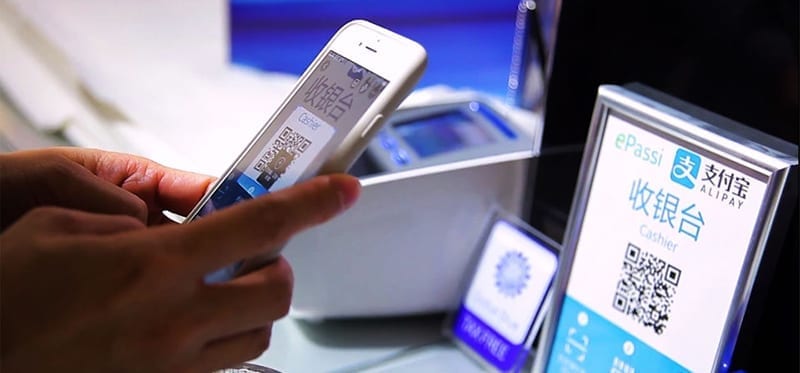
    Fashion brand Cue Clothing Co. has staked a claim as the first Australian retailer to offer WeChat and Alipay payment services in every one of its standalone store sites, nationwide.

    In a statement, Cue said its three fashion brands, including Cue, Veronika Main and Dion Lee, will be using RoyalPay, a software platform that allows customers using WeChat or Alipay to pay in store using their local currency, such as the Chinese Yuan.

    The Cue group operates 126 Cue stores in Australia and New Zealand, as well as 108 Veronika Maine outlets. There are eight standalone Dion Lee stores.

    According to its website, RoyalPay acts as an intermediary between buyer and seller by taking the Yuan payment and settling the transaction with the merchant in Australian dollars.

    WeChat and Alipay are both major players in the Chinese market, with WeChat hosting over 900 million daily active users. Alipay is the third-largest payment platform globally, with 500 million users.

    “We have seen continued growth in Chinese customers shopping with us, particularly over the Chinese New Year period,” Cue chief information officer Shane Lenton said.

    “During this time Australia was the biggest market for cross-border WeChat payments outside of Asia.”

    While Cue Clothing says it is the first retailer to implement the new payment options across its entire network, it appears plenty of other Australian businesses also see value in experimenting with these platforms. More than 10,000 Australian shops and restaurants are using the WeChat Pay system and according to the RoyalPay website, Australian retailers including Priceline, Terry White Chemists and IGA have also already joined the platform to process Yuan transactions.

    WeChat presents potential to access to Chinese market

    According to Dr Gary Mortimer, an associate professor in the business school at Queensland University of Technology, adopting these new payment platforms is just one way Australian businesses, big and small, are attempting to attract the Chinese customer base.

    And it is happening at the same time as Chinese e-commerce giants Alibaba and JD.com are paying more attention to Australia.

    “There are some great opportunities in China for businesses. We’ve seen the growth of daigou businesses getting into the Chinese market,” he says.

    “Certainly with JD.com launching last year in Australia, it indicates there is a healthy appetite for Australian brands in the Chinese market. This looks like Cue is making headways by adopting these types of payment platforms.”

    However, Mortimer says security will be front of mind for any shoppers interested in using the new options. He believes Cue will have to show customers the platforms have been integrated with security in mind.

    “It’ll be vital that as Cue integrates these platforms into these websites that there’s enough security so consumers can feel confident that their platforms are secure,” he said.

    Mortimer says businesses are starting to facilitate digital payments and transactions through wearable technology and even through social media, as well as through the introduction of Apple Pay and other alternatives to cash and credit card payments.

    However, Cue’s existing customer base may not align with the kinds of customer willing to use WeChat or Alipay, meaning the company could be chasing a brand new demographic.

    “I suspect the demographic using these types of payment plans would be younger, Gen Y consumers. I don’t think that’s the core customer of Cue,” he says.

    “This is more about getting their product into the Chinese market using social media rather than facilitating extra sales.”