Author: Mei Ling Tan

  • Dickson Concepts opens up Harvey Nichols to HK online shoppers

    Dickson Concepts opens up Harvey Nichols to HK online shoppers

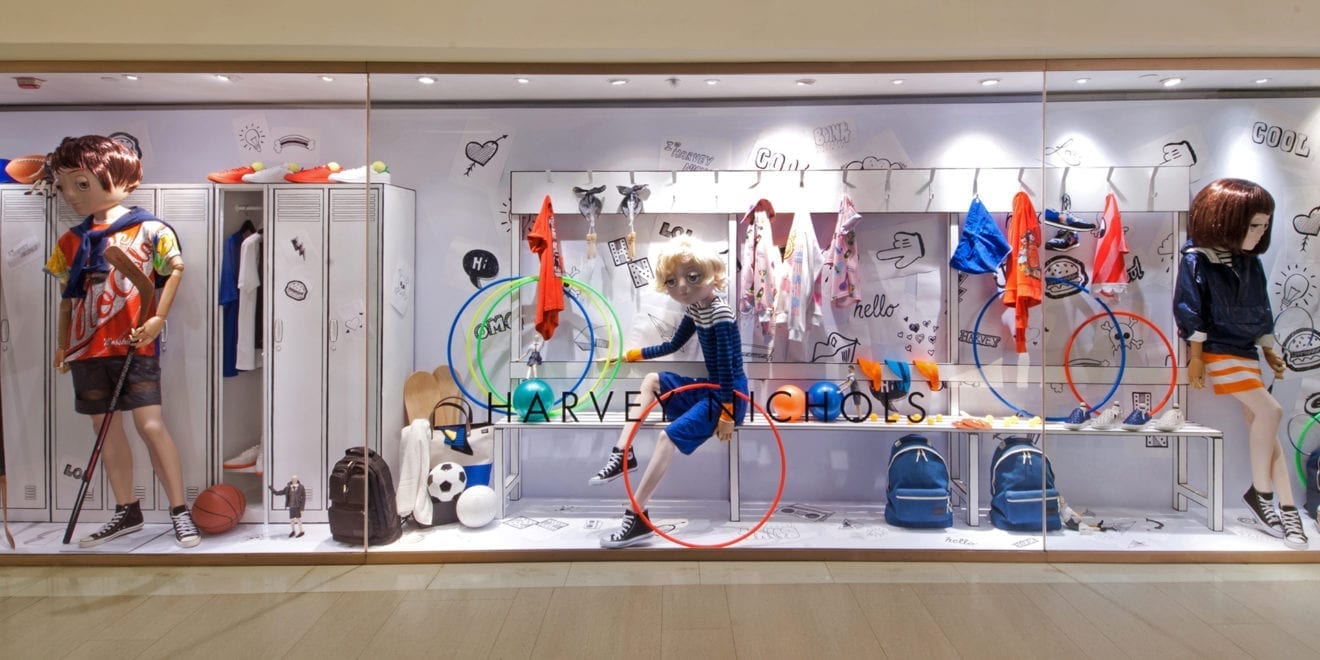
    Dickson Concepts has entered a strategic partnership with UK department store Harvey Nichols to combine physical retail stores and e-commerce.

    “Dickson Concepts will gain complete access to Harvey Nichols’ digital expertise, and allow Harvey Nichols to accelerate its global e-commerce strategy by combining its highly curated fashion edits from two iconic international locations online,” the Hong Kong-listed company said in a statement.

    Dickson Concepts operates Harvey Nichols, Beauty Bazaar and Beauty Avenue stores and controls the UK-incorporated Harvey Nichols Group.

    Leading international brands and emerging designer talent from both Harvey Nichols UK and Harvey Nichols Hong Kong will be available online, with local customers now able to shop the global Harvey Nichols range.

    As part of the partnership, Dickson Concepts will also launch multiple omnichannel initiatives, such as introducing “Endless Aisles” at its stores that will allow in-store customers to enjoy the full offer of Harvey Nichols’ in-store and online offering simultaneously.

    E-commerce styling lounges with stylists offering personalised service will be introduced to assist customers to coordinate their personal looks.

    “Dickson Concepts will also work with Harvey Nichols to introduce augmented reality solutions in-store, which will allow Hong Kong customers to virtually try selected beauty products only available at Harvey Nichols UK, before proceeding to make purchases online. Furthermore, Dickson Concepts will work with Harvey Nichols to allow Hong Kong’s online customers to shop live with Harvey Nichols’ in-store stylists in the UK, via a solution powered by the global retail technology company Hero, with which Harvey Nichols has an exclusive arrangement.”

    Hong Kong online shoppers will be able to connect and interact with associates from Harvey Nichols’ UK stores via instant messaging, photo sharing, and live video streaming, allowing customers to shop the group’s eight stores in the UK in the comfort of their own homes.

    Since launching harveynichols.com in 2011, Harvey Nichols has invested over HK$500 million in its e-commerce business, allowing the company to become the first luxury department store in the UK to integrate a marketplace solution in its e-commerce platform, along with being the first department store in the UK to link its online customers with in-store product experts in real-time, to enable live shopping via instant messaging, photo sharing, and live video streaming.

    Harvey Nichols also recently signed a multi-year, global partnership deal to become the first department store in the world to join the Farfetch platform. Farfetch customers will be able to buy from Harvey Nichols from anywhere in the world.

    Embracing digital

    Dickson Concepts says the partnership with Harvey Nichols demonstrates the former’s commitment to embracing digital technologies and developing its e-commerce business to “define a completely new retail format for Hong Kong,” re-enforcing its belief that e-commerce will become a dominant part of retail internationally.

    “As such, the group is prepared to invest up to HK$200 million on its digital marketing and e-commerce initiatives to grow its e-commerce business, and with its healthy cash balance in excess of HK$1 billion, will also make additional appropriate strategic investments to accelerate its growth in e-commerce.”
  • Vietnam seeks more non-cash payments for public services

    Vietnam seeks more non-cash payments for public services

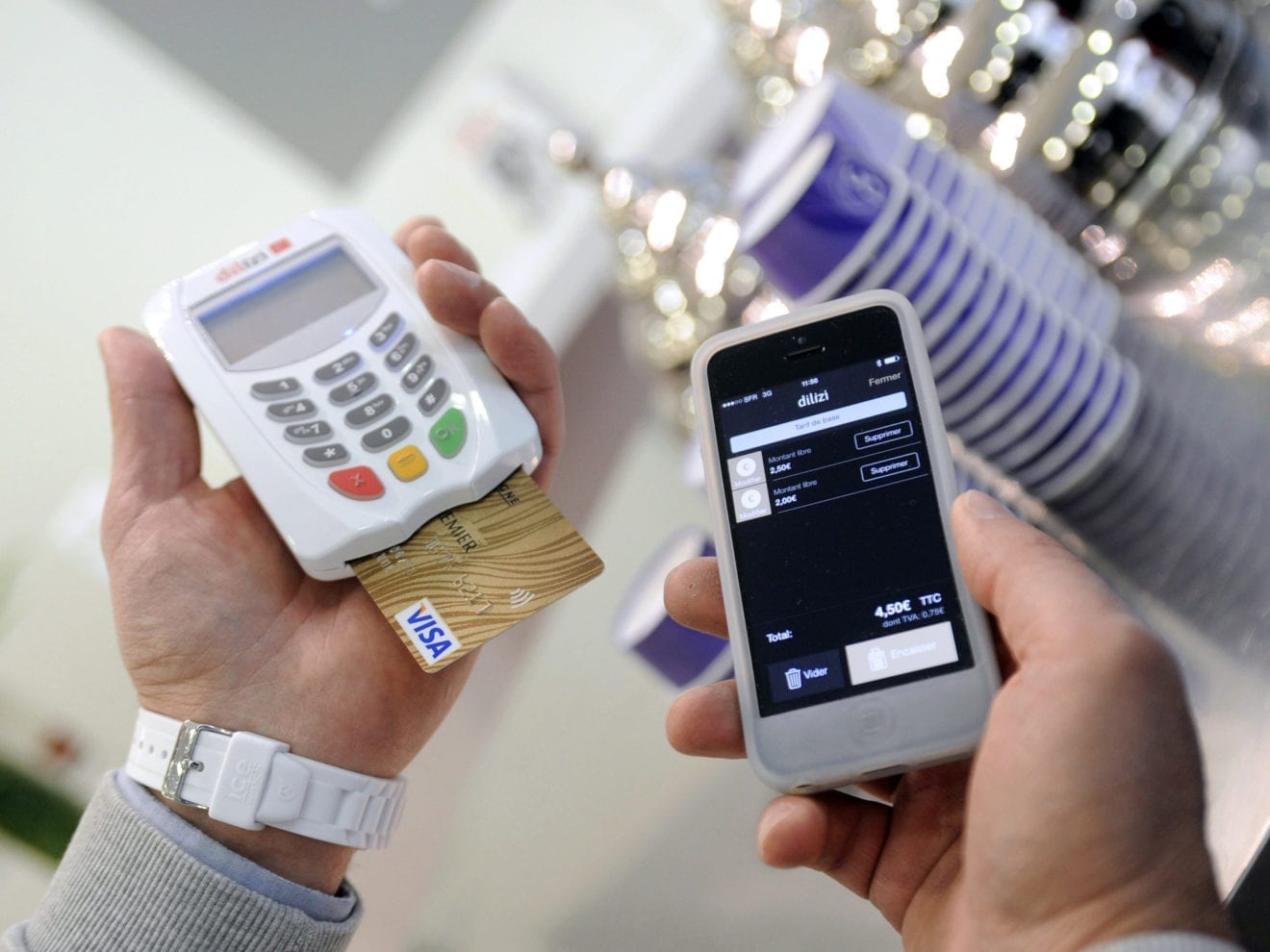
    The Government has set itself a target of collecting 80 percent of tax payments in cities through banks and enabling treasuries in all provinces and cities to have cashless payment systems by 2020.

    This has been announced in the Prime Minister’s Decision No 241/QD-TTg on fostering non-cash payments for public services like water and electricity and transactions related to social welfare.

    Non-cash payments are expected to be accepted by 70 per cent each of electricity and water suppliers, all universities and colleges, and 50 per cent of hospitals in major cities.

    Around 20 per cent of social welfare payments will be made through banks.

    According to a State Bank of Vietnam’s report, non-cash payments have been becoming a trend in recent years.

    The Government plans to develop modern means of bank payments and accept bank cards at treasuries, hospitals, and schools.

    It has instructed banks to offer cards with multiple methods of use so that they can be used to pay directly, through smart phones and others.

    It has encouraged co-operation between banks and other organisations to offer more forms of non-cash payments, especially for making payments related to social welfare.

    But it has made it clear that these forms should be user-friendly so that even people in rural and remote places without bank accounts can use them.


  • Vietnam cement consumption on the rise

    Vietnam cement consumption on the rise

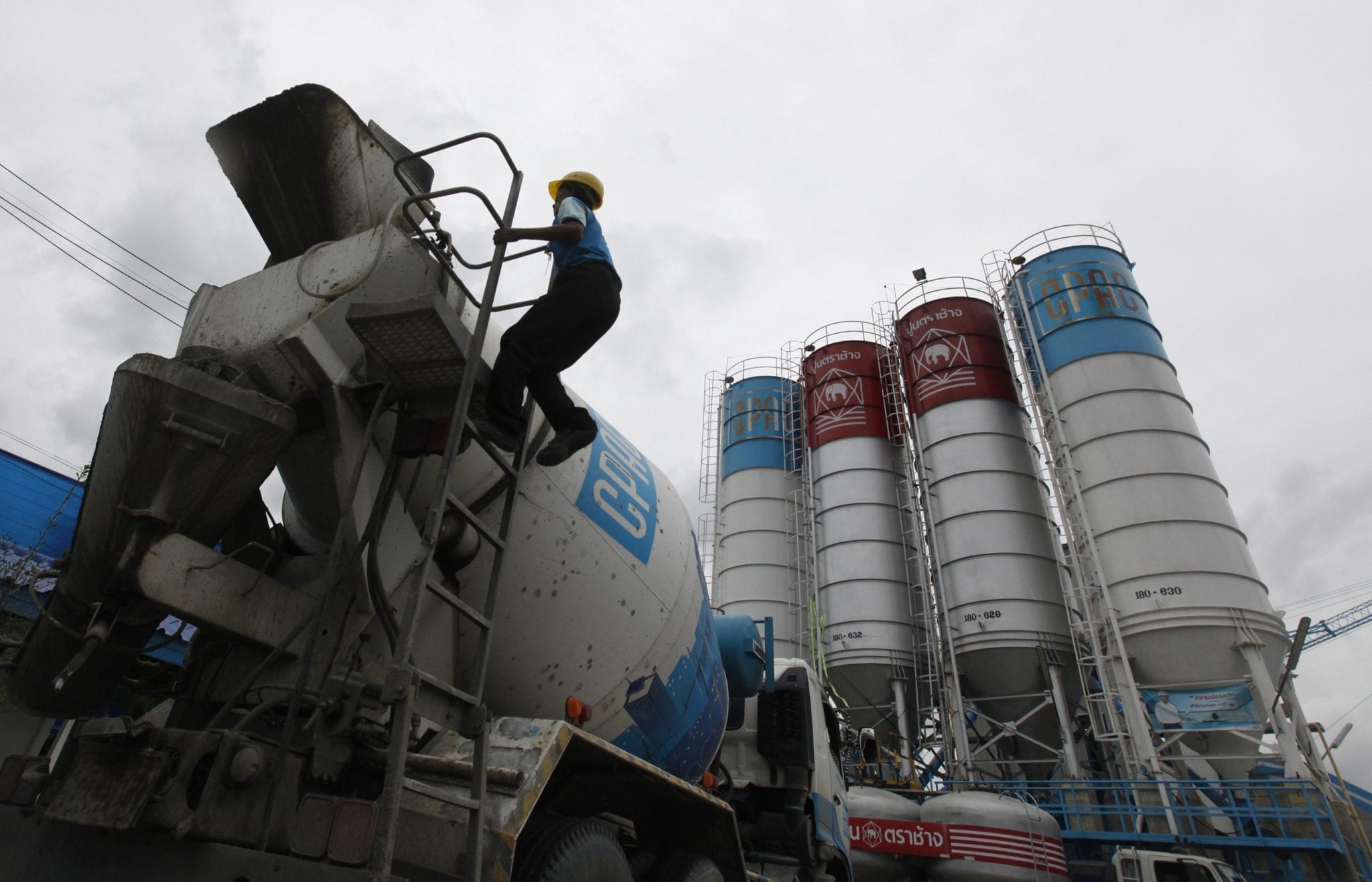
    The country’s cement consumption in the first two months of the year posted a year-on-year increase of 85 per cent to reach 18.55 million tonnes.

    According to statistics of the Department of Building Materials under the Ministry of Construction, cement consumption in the period had surged both in local and export markets. The department attributed this to a halt in cement production in China.

    In February alone, cement consumption reached 7.62 million tonnes, increasing by 38 per cent compared to the same period last year and meeting 23 per cent of the annual target.

    Cement sold in the domestic market rose by 11 per cent over the corresponding period last year to 5.02 million tonnes. The country exported 2.6 million tonnes of cement in February, increasing 30 per cent from last year.

    Cement exports in the first two months of the year reached 5.5 million tonnes, representing a year-on-year increase of 121 per cent.

    Cement prices were stable last month.


  • Charlotte Tilbury Hong Kong Launches Soon

    Charlotte Tilbury Hong Kong Launches Soon

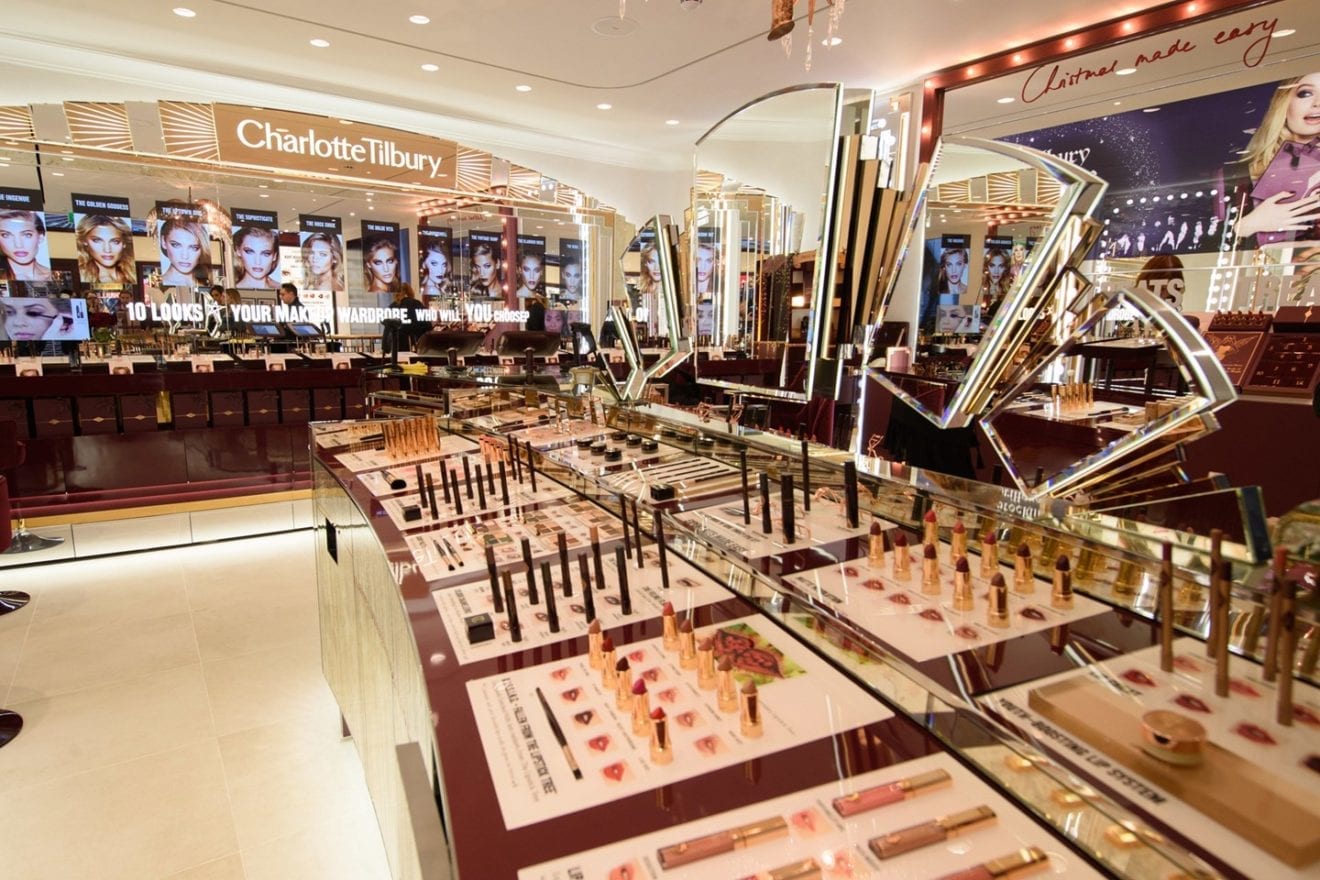
    The first Charlotte Tilbury Hong Kong store – also the first in Asia – will open on April 21.

    The British makeup artist will be opening a store-in-store at Lane Crawford Harbour City on Canton Road with a second store opening the following day at lane Crawford’s IFC mall store. The beauty brand is already available via Lane Crawford’s online store, shipping to 27 countries.

    To coincide with the launch, Tilbury has created a Chinese version of her trademark 10-looks wardrobe featuring model Ting Tang Chen. That’s her in the photo above, featuring the ‘Glowing Goddess’ look.

    “Charlotte’s 10 looks is at the heart of the brand. One woman, 10 looks – like a wardrobe of little black dresses, these colour-curated, off-the-peg, ready-to-wear makeup looks show women how to transform in to an iconic beauty,” explains Tilbury. Whether they choose the The Dolce Vita, the Pretty Innocent or Glowing Goddess, women can match the right eyes, cheeks and lips as put together by Tilbury.

    A brand-new look, The Radiant Beauty, will be exclusive to the region, developed in partnership with Lane Crawford.

    Charlotte Tilbury promises its new beauty counters will “completely revolutionise the way women shop for beauty in Hong Kong”.

    “I wanted to create an interactive, magic place where daughters, sisters, mothers, grandmothers, and friends from all over Asia will love to shop,” the founder said. “There is something here for everyone from my Magic Mirror where you can try on all of my 10 looks in an instant to my magical levitating Magic Cream. It’s make-up made easy, but also fun and engaging.”

    Each counter will incorporate digital technology innovations. The Magic Mirror is morphs a customer’s face into one of the 10 looks in seconds will be a permanent feature at the Harbour City site.

  • Amorepacific Enters Australia

    Amorepacific Enters Australia

    Korean cosmetics giant Amorepacific Group has made its Australian debut this week.

    While the company has yet to open a standalone store there, it has opened a counter for its mid-range brand Laneige inside Sephora stores and started selling the range online. It describes the launch as “its forerunner to the Australian market”.

    After opening a Melbourne head office last year, Amorepacific’s is making plans to launch its luxury flagship brand Amorepacific, and eco-friendly Innisfree label later this year.

    Caroline Dunlop – Amorepacific Australia’s first GM, said working with Sephora in the US had proven a success and it had high expectations in their Australian partnership.

    “Our journey of beauty in Australia will begin with the launch of Laneige and as we progress, we will continue to present many unique brand experiences to local customers.”

    Amorepacific is ramping up its international expansion to compensate for a sharp decline in the number of Chinese tourists into South Korea.

    “I am very excited to meet with Australian customers after a long preparation,” Suh Kyung-bae, chairman of Amorepacific Group, said.

    Australia’s cosmetics market was estimated at about 7 trillion won (US$6.56 billion) in 2016, with an average annual growth rate of 5 per cent, the company said, citing data from market research house Euromonitor.

    In a statement, Amorepacific said it has studied the advanced beauty market in Australia and its customers over several years. “The study revealed that Australian customers are indeed very beauty conscious with a keen interest in global trends and innovation developed particularly to protect against strong UV rays and other environmental factors that can cause skin damage. It was also found that their preference for a natural makeup look with healthy skin has led to a growing interest in Korean beauty trends (K-beauty).”

    The Chinese tourist challenge has affected Amorepacific’s earnings, which last year fell 39.7 per cent.

  • Bank of Indonesia Expects Rupiah to Strengthen

    Bank of Indonesia Expects Rupiah to Strengthen

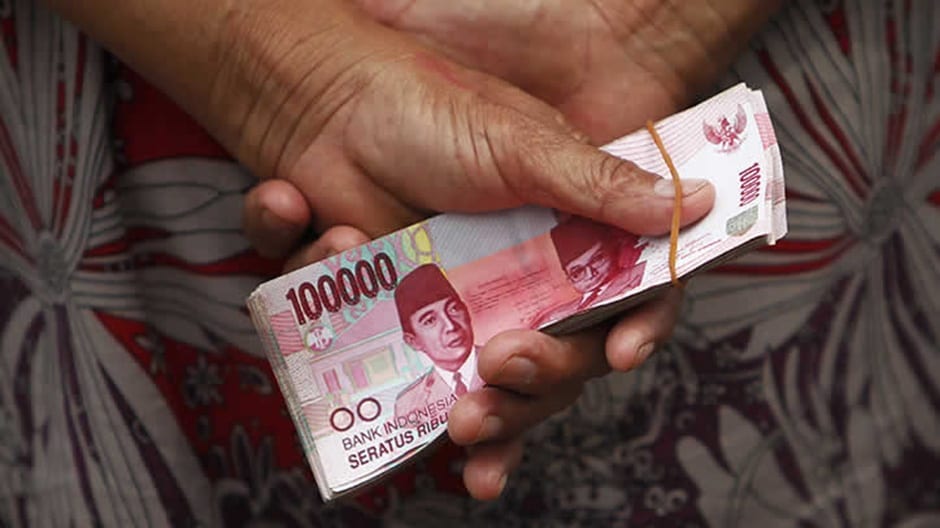
    Bank Indonesia expects the rupiah to continue to strengthen and currency market volatility to subside as market price in expected US Federal Reserve’s interest rate hikes, a senior official said on Wednesday (14/03).

    “The fundamental level of an exchange rate is not a fix level, but I can say that the current level is not [the rupiah’s] fundamental and it should be stronger than now,” said Doddy Zulverdi, who heads the monetary management department at Bank Indonesia (BI) and is also one of the candidates to become a member of BI’s board of governors.

    Doddy reiterated BI’s commitment to intervene in the market to guard the rupiah against volatility. He said the recent weakness has had limited impact on exports, but has likely had a bigger effect on holding back imports.

    The rupiah touched a two year low of 13,800 a dollar earlier this month. It was trading at 13,731 per dollar on 0400 GMT Wednesday.

  • Vietnam wants exclusion from US steel tariffs

    Vietnam wants exclusion from US steel tariffs

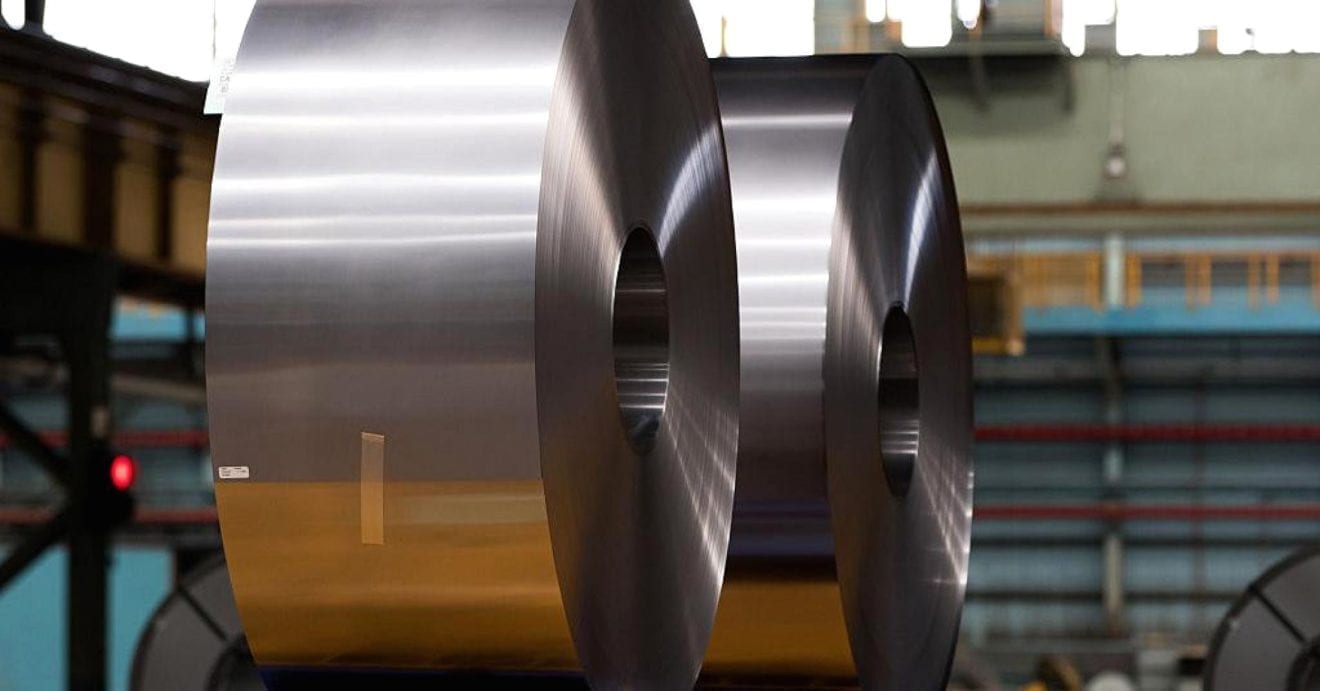
    The Ministry of Industry and Trade (MoIT) has urged the US Government to consider excluding Vietnamese products from its newly announced tariff measures on imported steel and aluminium.

    The ministry stressed that Vietnamese steel and aluminium products sold to the US are intended for use in civil construction, not for infrastructure or security-defence purposes, thus not affecting the US goal of ensuring its national security.

    Moreover, Vietnam’s steel and aluminium products account for just a marginal proportion of US imports of those products, and neither cause nor threaten to cause damage to the US steel and aluminium industries, the MoIT said.

    The ministry will continue to keep close watch on the situation and consider subsequent actions to ensure the legitimate interests of Vietnamese enterprises, while maintaining the growing trend of the comprehensive partnership between Vietnam and the US.

    US President Donald Trump, on March 8, signed proclamations to impose a 25 percent tariff on imported steel and a 10 percent tariff on imported aluminum.

  • PolyU partners with Alibaba to create AI for fashion retailers

    PolyU partners with Alibaba to create AI for fashion retailers

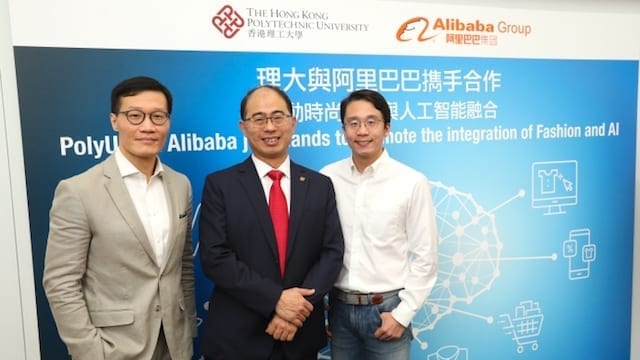
    Students from Hong Kong’s PolyU have partnered with Alibaba Group’s Vision and Beauty Team to develop AI technology for fashion retailers.

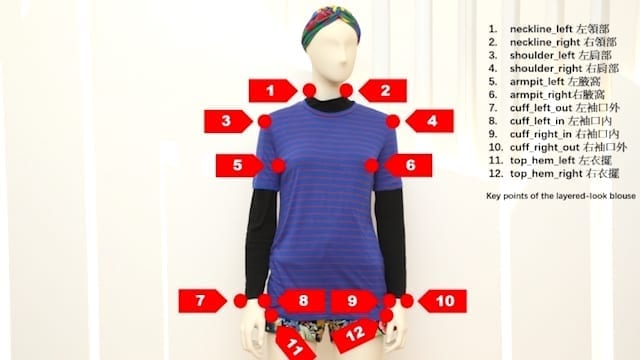
    The students, from the Institute of Textiles and Clothing (ITC) of The Hong Kong Polytechnic University, have created the first-of-its-kind “FashionAI Dataset” for systematic analysis and labelling of fashion images based on “fashion attributes” (fashion characteristics) and “key points” of an apparel.

    PolyU explains that by integrating fashion knowledge and machine learning formulation, the establishment of the dataset will enable machines to better understand fashion, “bringing a new horizon to the fashion retail industry through the application of AI”.

    “Transforming fashion knowledge into determination of fashion related attributes and fashion item categorisation of the fashion image database is a very complicated and challenging task, while it is the most fundamental task in deep learning applications,” explains Calvin Wong, Cheng Yik Hung professor in fashion and associate Head of ITC.

    “ITC is pleased to collaborate with Alibaba to address the needs of fashion retailers and consumers.”

    Menglei Jia, senior staff engineer with Alibaba’s Vision and Beauty team, believes there is huge potential for AI applications in the fashion industry.

    “In order for AI to understand fashion, which could be very subjective, we need to turn fashion knowledge and experience into language that machine can understand. We hope to work with academics and the industry alike to explore the wider applications of AI in scenarios including fashion mix-and-match, assisting design and shopping guide, with the aim to bring new values to the fashion industry.

    “The traditional fashion sector should embrace the new retail practice, and we hope FashionAI can be a bridge that connects AI with fashion.”

    Challenges presented by data on fashion image

    Current fashion image searching technology used on online platforms is based on the whole fashion image to search the exact or other similar images.  However if a customer is interested in some particular fashion attributes of a fashion image and wants to search other fashion items with these attributes, the current searching technology cannot meet the needs of the customer. This greatly limits the potential development and applications for offering more customised shopping experience, PolyU explains.

    From an AI research perspective, this limitation of the current image searching technology is caused by the absence of available fashion image dataset constructed with both fashion professional knowledge and fulfils the requirement of deep learning, ie: the current technology is unable to train a machine to accurately understand and recognise the fashion attributes of each fashion image.

    Addressing the needs of fashion retailers

    Fostering the application of AI in the fashion industry, a PolyU research team led by Professor Wong, worked closely with Alibaba to develop “FashionAI Dataset” to solve two fundamental problems of the deep learning algorithm: “apparel key points detection” and “attribute recognition”.

    Key points (e.g. neckline, cuff, waistline) and fashion attributes (e.g. sleeve length, collar type, skirt style) build the foundation for machine learning in understanding fashion images. The establishment of key points and fashion attribute database enables the computer to effectively and efficiently understand the fashion image which is fundamental for deep learning and recognition algorithms.

    The accuracy of key points detection is determined by several factors such as the dimension and shape of the apparel, distance and angle of shooting, or even how the apparel is displayed or the model is posing in a photo. These factors can lead to poor key points detection and result in an inaccurate analysis of fashion images by the computer. Accurate key points detection can therefore improve the performance of deep learning algorithms.

    Fashion attributes are the basic design elements of an apparel, and their combination determines the product category and styles of a fashion item. With the wide variety of fashion attributes, attribute recognition is a complicated process. A systemic classification of fashion attributes is essential to accurately label fashion attributes, facilitating research on deep learning and algorithm design for fashion image searching, navigating tagging and mix-and-match ideas, etc.

    The Dataset can greatly facilitate understanding fashion images and related algorithm design, and developing machine learning. It would help improve the accuracy of online fashion image searching, enhance effectiveness of cross-selling and up-selling, create innovative buying experience and facilitate customisation of online shopping platforms.

    Global challenge

    PolyU and Alibaba will host two world-first events – the AIFT Conference and FashionAI Global Challenge – with the aim of bringing a new horizon to the fashion retail industry through the application of AI and encouraging knowledge exchange among practitioners.

    The AIFT Conference, to be held from July 3-6 at PolyU, is a first-of-its-kind academic conference to bring together researchers, engineers and practitioners to share their insights on the most updated development and applications of AI and fashion.

    This event will become an annual activity for academic exchange and networking with like-minded individuals who are redefining the world of AI and fashion, and advancing AI research in fashion and textile.

    The FashionAI Challenge invites worldwide AI researchers and developers to solve two imminent issues on the application of AI in fashion with over 400,000 images with high-quality annotations from Alibaba ecommerce platforms. The competition offers a prize pool of RMB 1.34 million. The FashionAI Global Challenge 2018 runs from now until April and is open to the public.

  • Vietnam’s MobiFone, AVG cancel acquisition agreement

    Vietnam’s MobiFone, AVG cancel acquisition agreement

    Vietnam Mobile Telecom Services Corporation (MobiFone) and shareholders of multimedia company Audio Visual Global (AVG) on Monday decided to cancel the share transfer agreement between the two companies.

    The decision was made several days after the Party Central Committee (PCC)’s Secretariat asked the Government to soon release the inspection results of a VNĐ8.89 trillion (US$395 million) acquisition by communications giant Mobifone

    Accordingly, MobiFone and AVG agreed to cancel the transfer of 344.66 million shares and refund each other the amount received under the agreement.

    AVG shareholders will refund the entire amount paid by MobiFone, while MobiFone will return to AVG the number of shares and assets transferred. At the same time, the two sides will try to not let the other party suffer more damages.

    Phạm Nhật Vũ, representative of AVG in the negotiations with MobiFone, agreed not to impose a fine and claim compensation while cancelling the deal.

    In addition to the amount paid to AVG, MobiFone said it had to pay some related expenses, such as hiring consultants. AVG has agreed to share this expense with MobiFone.

    AVG has made a deposit of VNĐ450 billion to proceed the agreement cancelation, MobiFone said in a press release on Tuesday.

    According to the AVG representative, there are many reasons for them to cancel the contract. First, since its acquisition, MobiFone has not operated and developed the AVG brand as planned and missed many opportunities and potential of AVG.

    Second, Vũ said since the contract was in effect, MobiFone had paid 95 per cent of the contract value. The deadline was over but MobiFone had not yet fulfilled its obligations to pay the remaining 5 per cent despite repeated requests by AVG.

    Since the inspection of the contract, the process of operating the AVG brand had caused many problems, damaging the reputation of both the parties. According to MobiFone and AVG, the cancellation of the contract is aimed at salvaging the damage.

    At the meeting, a MobiFone leader said the inspection process had impacted the completion of payment to AVG. He also said due to problems faced by AVG, the market had changed and MobiFone was not able to concentrate on developing AVG.

    In early 2016, Mobifone formally announced the acquisition of AVG to expand its television network, one of the company’s four main business areas. The details of the deal, however, were not disclosed.

    At the beginning of August 2016, the Government promulgated Document No 1344/TTg, asking the Government Inspectorate to investigate the acquisition. The Inspectorate found serious violations in the acquisition.

    Last Thursday, the Party Central Committee’s Office issued official letter No 6106-CV/VPTW on the handling of Mobifone’s acquisition of 95 per cent of AVG shares, which says that this is a serious, complicated and sensitive matter.

    The Secretariat said that the Government and the Inspectorate must be responsible for reviewing and settling cases in an objective and accurate manner under the law to ensure that punishment is given to the right person and lost State assets are revoked.

    Read more at https://vietnamnews.vn/economy/424281/mobifone-avg-cancel-acquisition-agreement.html#7mlG6OWYcGVqGrou.99

  • Audemars Piguet unveils its future vision for luxury retail

    Audemars Piguet unveils its future vision for luxury retail

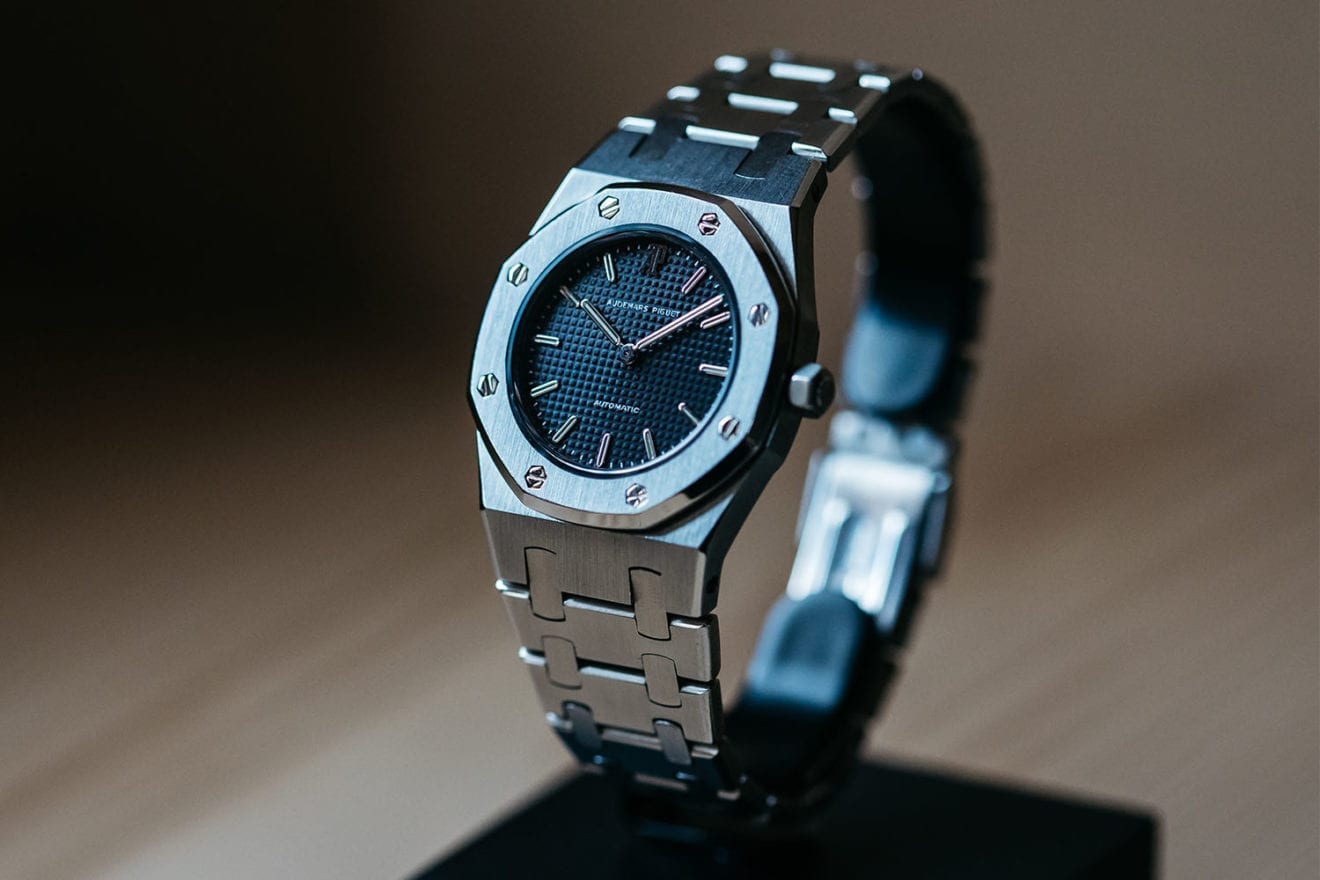
    High-end watch brand Audemars Piguet has opened a concept in Hong Kong which it believes will transform the way it interacts with its clients.

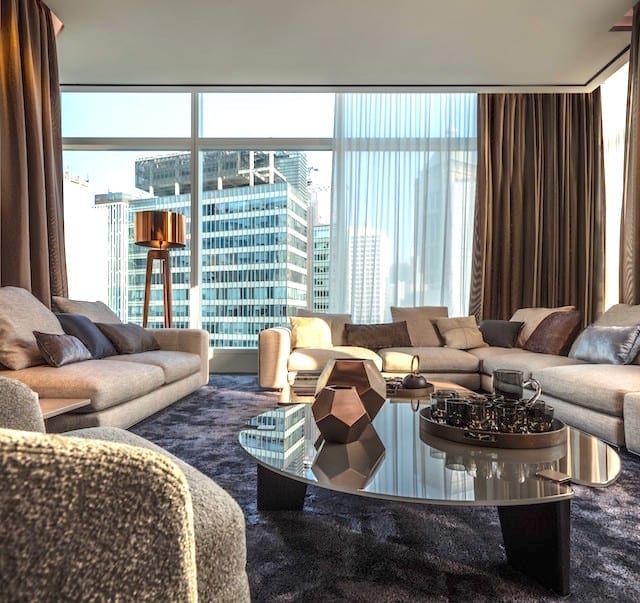
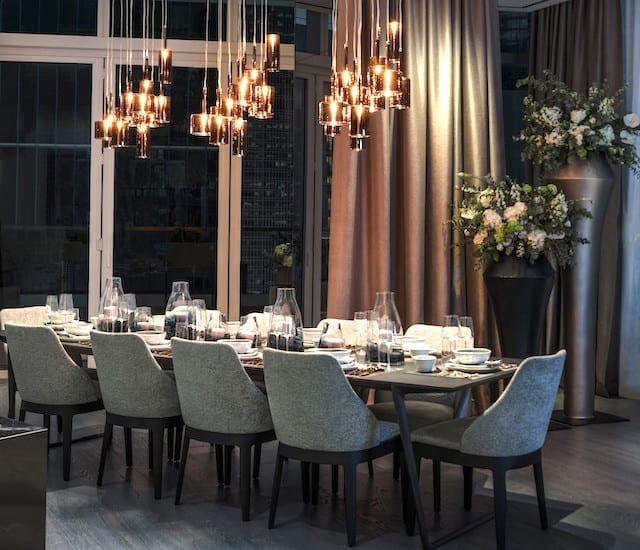
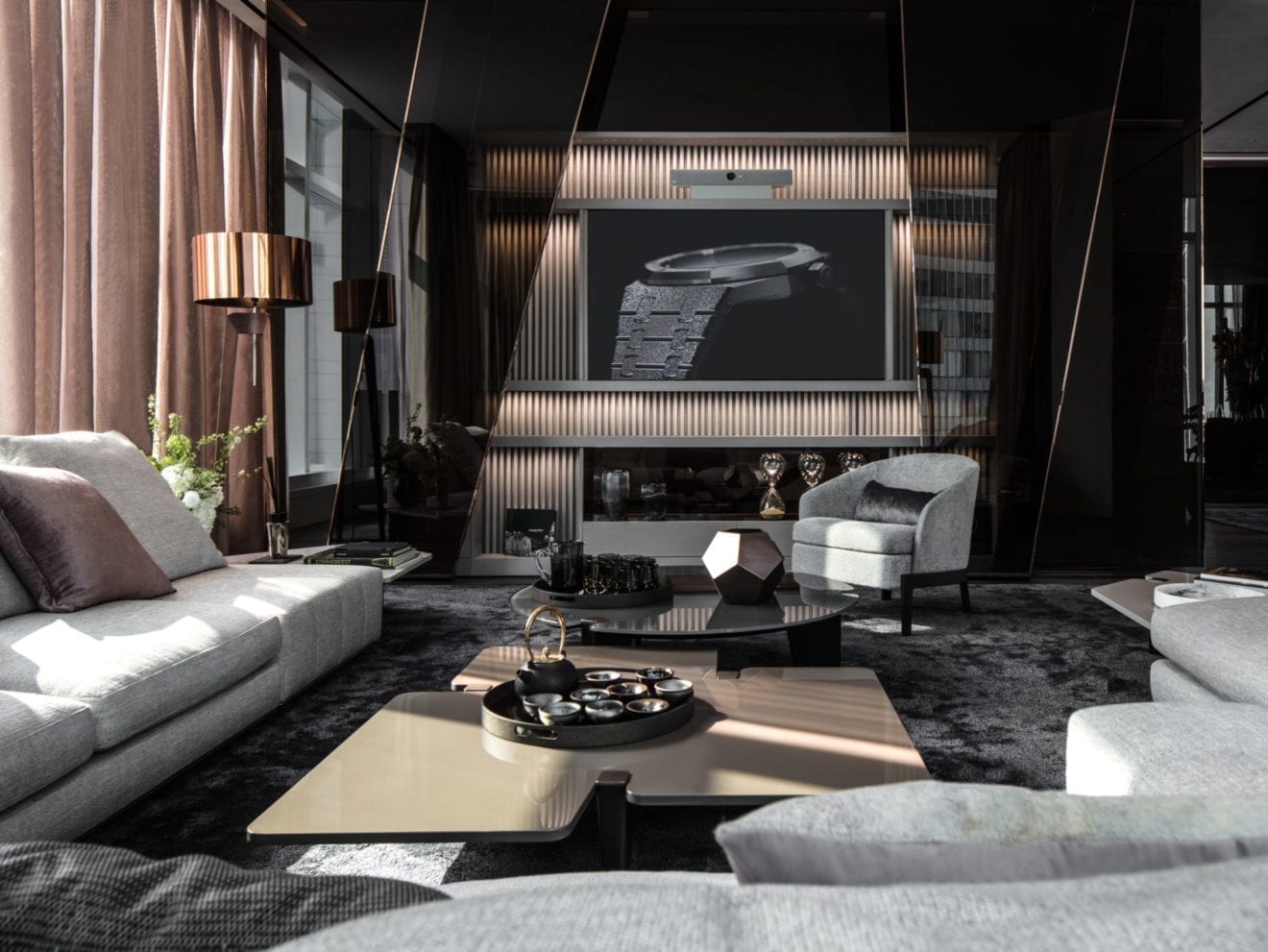
    Fusing hospitality and retail, AP House is designed like a luxurious apartment and located on the 21st floor of the new H Queen’s Tower on Queen’s Road, Central.

    AP House is the brand’s vision for the future of luxury retailing. It grew from the Audemars Piguet team imagining how the 143-year-old brand’s founders Jules Louis Audemars and Edward Auguste Piguet would be dealing with their clients if they were living in the 21st century, travelling the world and sharing their passion for beautiful watches.

    They posed the question: “What more can we do to elevate customers’ experience with Audemars Piguet?”

    The result, a home away from home for the watch brand’s clients. Customers can use the space to invite friends for lunch or host a business meeting.

    “There’s no obligation to buy a watch,” says Audemars Piguet CEO Francois-Henry Bennahmias. “You can take a seat, relax and chill out, if that’s how the mood takes you.”

    “Visitors are welcome to relax, reflect, connect or disconnect, while experiencing the team’s impeccable service,” the company said in a statement. “The lounge will also play host to exclusive events where guests can discover the manufacturer’s creations, its savoir-faire and its place in today’s world.

  • DFS Group Celebrates Mido’s 100th Anniversary with  Exclusive timepiece

    DFS Group Celebrates Mido’s 100th Anniversary with Exclusive timepiece

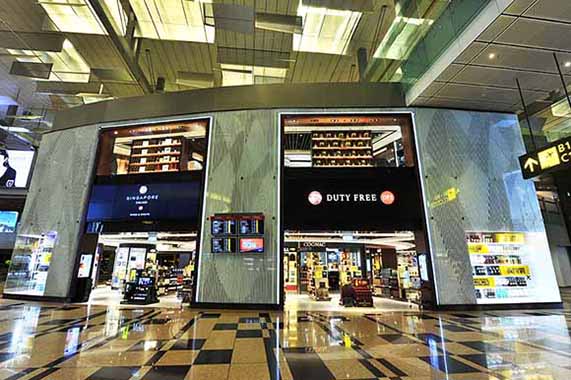
    DFS Group, the world’s leading luxury travel retailer, and premium Swiss watchmaker Mido, have joined together to commemorate Mido’s 100th anniversary with the release of an exclusive watch piece which is available exclusively at select T Galleria by DFS stores and airports across the globe.

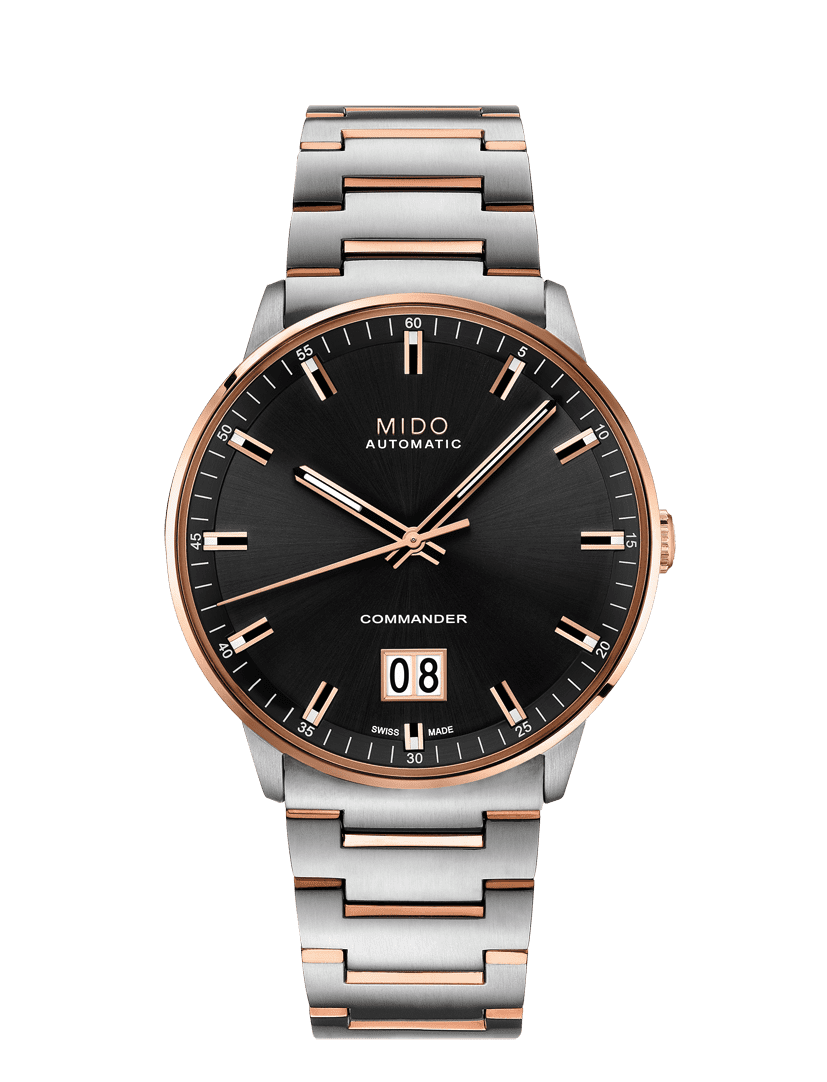
    The newly released Mido Commander Big Date features the namesake date complication situated at six o’clock, in the form of a large polished and sandblasted date aperture offering unrivaled legibility. The timepiece also boasts Mido’s flagship automatic movement, the Caliber 80, which offers a generous power reserve of up to 80 hours. This iconic watch adopts the codes that grant the Commander its legendary status – a black sunray satinfinished dial that is extremely pure, protected by an elegant round two-tone case in satin-finished stainless steel and enhanced by a polished bezel with rose PVD treatment.

    The timeless and versatile DFS exclusive edition of the Mido Commander Big Date is the perfect gift for men looking for a timepiece that is high performing, yet sleekly elegant.

    “DFS is honored to celebrate Mido’s 100th anniversary with this exceptional watch, and to be chosen as their official travel retail partner to commemorate such a special occasion,” said Christophe Chaix, Senior Vice President Fashion, Watches, Jewelry and Accessories, DFS Group. “At DFS, we continually seek to offer our
    traveling customers newness and innovation, and The Commander Big Date is a perfect example of this commitment.”

    “We are delighted to celebrate our 100th anniversary with our esteemed long-term partner DFS through special activities and this model. The Commander Big Date is a very special timepiece that emphasizes the Commander’s legendary status in the world of watches. It symbolizes everything that Mido stands for – timeless
    design, superb quality and technical innovation,” said Mido’s President Franz Linder.

    Throughout March and April, shoppers can discover the Commander Big Date exhibition and interact, via exclusive DFS x Mido photo booths, with “Robi the Robot”, Mido’s ambassador which was first introduced in 1939. The exhibition displays an array of archival pieces showcased alongside current best sellers to narrate Mido’s story over the years.

    These special exhibitions are displayed at T Galleria by DFS, Macau, City of Dreams, T Galleria by DFS, Macau, Shoppes at Four Seasons and T Galleria by DFS Singapore Scottswalk. Additional smaller pop ups will be highlighted in T Galleria by DFS, Hong Kong, Canton Road, T Galleria by DFS, Hong Kong, Tsim Sha Tsui
    East and T Fondaco dei Tedeschi by DFS in Venice.

  • McDonald’s and private taxis in Thailand now accept Alipay

    McDonald’s and private taxis in Thailand now accept Alipay

    Alipay, the world’s largest mobile, online payment and lifestyle platform operated by Ant Financial Services Group, announced today that the payment platform will be available in all McDonald’s restaurants in Thailand by April 2018. This makes Thailand the first destination outside Greater China to accept Alipay at McDonald’s.

    Commenting on the development, Cherry Huang, General Manager, Cross-border Business for South and Southeast Asia, Alipay, said: “Thailand ranks #4 on the list of Top 10 Most Popular Destinations Outside Chinese Mainland for Chinese Tourists; to better facilitate the travel experience of Chinese visitors, our mission is to enable their smart lifestyle through our continuous efforts in expanding the merchant network and providing more value-added services. McDonald’s as one of the most popular fast food brands is an exciting addition to our merchant network in Thailand to bring greater convenience to Chinese visitors.”

    To date, Alipay has established a broad network of merchants in Thailand across shopping, F&B, entertainment, hotel and attractions, including duty-free brand King Power, convenience store 7-ELEVEN, shopping malls and night markets such as Asiatique and JJ Green.

    “Alipay has seen one of the highest penetration rates in Thailand. The average on-location spending of Chinese visitors in Thailand has surpassed USD2,000 per person per trip, which reflects a great business opportunity for local merchants,” added Cherry Huang, “Duty-free shops and convenience stores are the top two locations where Chinese visitors spend. Increasingly, we have also seen taxis becoming the transportation of choice in Thailand among Chinese visitors.”

    Currently, Alipay is available in hundreds of private taxis in Bangkok, which will further expand in 2018.


  • VARTA Storage Launches Its Energy Storage Products in Australia

    VARTA Storage Launches Its Energy Storage Products in Australia

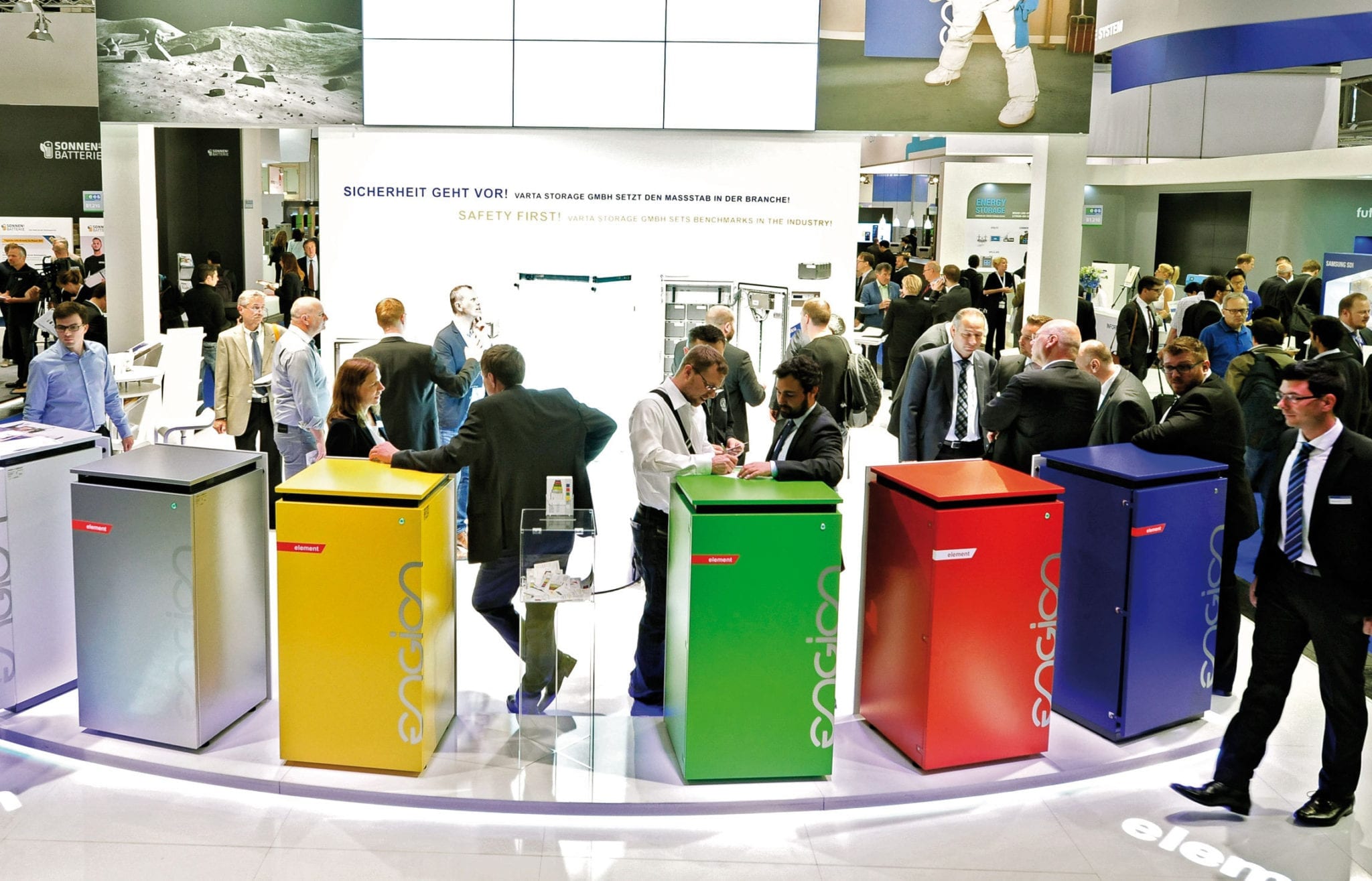
    Varta Storage GmbH enters the Australian market, bringing their quality “Made in Germany” energy storage solutions to the fifth continent. Customers will be able to buy and install VARTA Storage’s lineup of VARTA pulse solutions across the country.

    The VARTA pulse is a starter all-in-one package, which is easy to install and of a compact size. The devices combine a high energy density and is available in two sizes, i.e. with 3.3 kWh and 6.5 kWh. The energy storage solution is extremely reliable, robust, and fulfills all safety regulations. Through Plug & Play, the wall-mounted energy storage is instantly ready-to-use with only 30 minutes needed for installation and can be combined with all renewable energy sources. Hence it can be used to power the heating as well as all electrical household appliances, giving VARTA pulse owners the freedom to use their self-generated energy whenever and wherever they need it.

    “We are happy to be bringing our pulse energy storage solutions to the Australian market, enabling homes to not only generate their own energy, but also store it and then use it whenever they need,” said Gordon Clements, General Manager VARTA Storage. “The VARTA pulse portfolio is versatile, robust, and extremely reliable. Consumers receive an easy-to-install solution when deciding for a VARTA pulse devices.”

    “Australia is a significant growth opportunity for VARTA Storage. VARTA has more than 130 years of experience and expertise in working with energy, starting with developing the first battery in the world and growing the company to become a globally recognised innovator and provider in the space. VARTA is powering a multitude of different devices already, so the energy storage which can power homes and household machines is a natural extension of our portfolio. And we are very much looking forward to bringing our ‘Made in Germany’ quality to Australia,” said Roman Jordan, Head of Sales RES, VARTA Storage GmbH.


  • GreyOrange launched AI-powered Butler PickPal to revolutionise autonomous fulfilment in logistics centers

    GreyOrange launched AI-powered Butler PickPal to revolutionise autonomous fulfilment in logistics centers

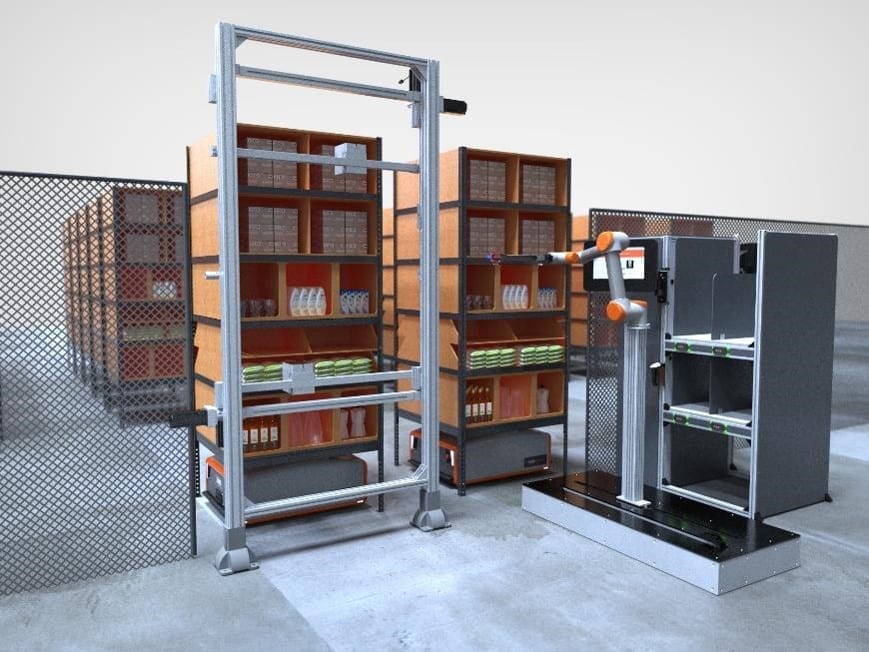
    Robotics and supply chain automation company GreyOrange announced its beta launch of the new-gen Butler PickPal, an autonomous picking solution, at LogiMat 2018 in Stuttgart, Germany. The Butler PickPal is powered by Artificial Intelligence (AI) and Machine Vision to unlock the next level of efficiency in the order picking process. It works seamlessly with the goods-to-person GreyOrange Butler™ robotics system which enables warehouses to manage high-speed operations by automating order picking and fulfilment.

    The Butler PickPal addresses the challenges arising from the global boom in e-commerce as orders need to be fulfilled faster and accurately with more cost-efficiency as competition intensifies. Vertical and horizontal e-commerce industries that operate with a huge number of high-mix SKU inventory, require the shortest order-to-dispatch time and accurate piece-picking.

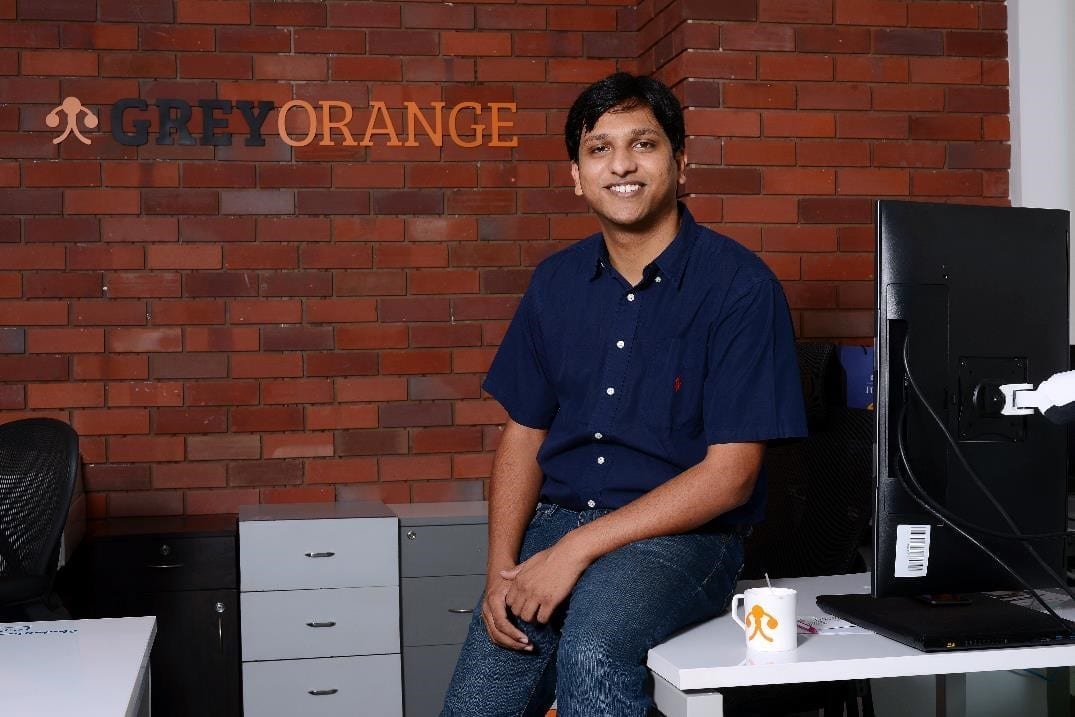
    Akash Gupta, Chief Technology Officer, GreyOrange said, “Working closely with our customers, we see that the order picking process for e-commerce products take up a high percentage of the resources of warehouse staff. As companies face increasing challenges in hiring employees, the adoption of automation is the answer to increase productivity, reduce costs and improve the turnaround time. The Collaborative Robots market is poised for exceptional growth over the next years, growing to 34% of the global robotics spending by 2025. The material handling segment is expected to experience the largest growth in collaborative robot instalments as more companies deploy them into their processes. We are excited to participate in this segment to help unlock the next level of efficiency in last-mile delivery for e-commerce operations.”

    Designed to revolutionise the auto-fulfilment process, the Butler PickPal reduces remarkably the time taken during order fulfilment, by identifying and picking products from shelves quickly and accurately. The PickPal is a collaborative robot, which works alongside a warehouse operator to pick, consolidate and fulfill orders, and together can achieve 500-600 picks per hour; easily doubling the throughput from the same picking station.

    The innovative combination of a scanning system and a 6-axis robotic arm delivers a unique solution that cuts down the time required for processing and picking orders. The Butler PickPal uses sophisticated Machine Vision algorithms to identify the SKU to be picked from the shelves. Using AI-based order processing, it can manage up to 48 orders at the same time.

    The Butler PickPal can handle different packaging types such as boxes, pouches, bottles and vacuum-sealed packages. It can grasp items up to 4kg (8.8 pounds). Using Machine Learning it devises the strategy to pick each item from the densely packed SKU inventory using a versatile gripper. It can identify and handle over 100,000 SKUs of the most popular products commonly found in its e-commerce operations.

    The new Butler PickPal will be deployed in selected sites by mid-year. It is expected to set new standards in operational efficiencies for picking velocity and throughput. The Butler robotics system from GreyOrange has been deployed internationally in distribution centers in Japan, Hong Kong, India, Europe and the Americas, reducing cost per shipment and enhancing productivity at its warehouse operations.

  • Electrolux Form JV to Introduce AEG

    Electrolux Form JV to Introduce AEG

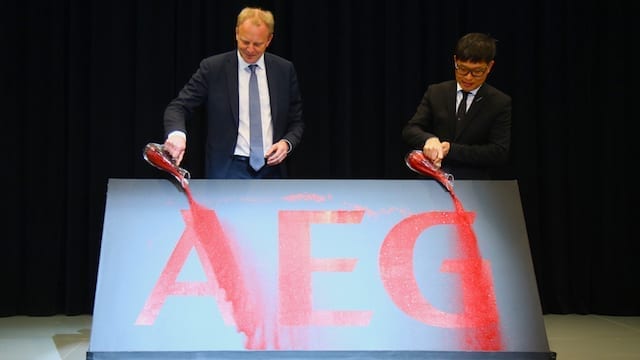
    Home-appliance company Electrolux Group has formed a JV with Chinese smart-technology company Midea Group to introduce the AEG brand to China.

    The brand was officially launched at the Appliance & Electronics World Expo in Shanghai last week.

    Combining Electrolux global brand expertise with Midea’s local market strength, the ambition is to make AEG the most popular premium home-appliance brand in China, drawing on its 130-year heritage of German craftsmanship and innovation.

    “I am confident AEG will be well received here,” says Electrolux CEO Jonas Samuelson.

    The first AEG store in China will open in June, with a flagship store to open in Guangzhou in August to be followed by a second wave of product launches in October.

    Electrolux also markets appliances in China under the Electrolux and Zanussi brands.