Author: Mei Ling Tan

  • It’s Hanbul to open It’s Skin pop-up stores in Japan

    It’s Hanbul to open It’s Skin pop-up stores in Japan

    Korea’s It’s Hanbul Cosmetics plans to expand into Japan by partnering with a local retailer.

    The company has brought its flagship brand It’s Skin to Japan via two pop-up stores inside ‘Niko and…’ stores in Tokyo and Funabashi, and plans to open eight more this year.

    About 500 items from the It’s Skin range will be sold via Niko and… stores including some developed exclusively for the Japanese market.

    Via the pop-ups, It’s Hanbul expects to boost its brand awareness in Japan before expanding into the local market through the partnership with a local lifestyle company.

    It’s Hanbul manages 53 stores in Canada, Hong Kong, Kazakhstan, Mongolia, Thailand, Russia, the US and online in China.

  • Property market expected to be stable in 2018

    Property market expected to be stable in 2018

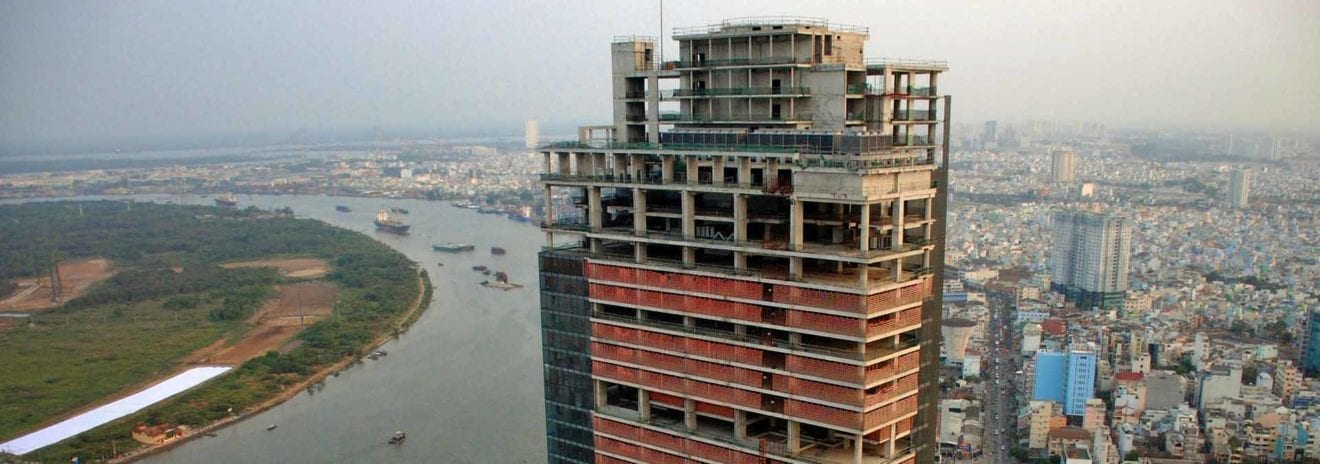
    The country’s real estate market in 2018 will maintain mid-term stability, while merger and acquisition in the sector will continue to see strong development.

    This was revealed in the Top 10 Reputable Property Developers, Building Material Companies and Contractors 2018.

    The surveyed top 10 firms said real estate developers would enjoy opportunities of high economic growth rate, newly-signed Comprehensive and Progressive Agreement for Trans-Pacific Partnership trade agreement to attract more foreign investment and approval for establishment of special administrative economic zones.

    However, the survey also said local property developers would face challenges of macro-economic instability in the region, State divestment making capital dispute more severe and virtual money affecting the market and condotel, officetel and hometel segments with potential risks due to lack of clear management policies.

    The firms said special administrative economic zones would continue to be promising lands to lure large real estate projects.

    The estate, construction and building material sectors will be linked to the Fourth Industrial Revolution.

    The survey revealed that in addition to traditional marketing methods, customers were increasingly getting access to property information through internet.

    More than half the surveyed people said they sought information on websites specialising in real estate and on social networks.

    When the requirements of home buyers become stricter, information in the market will become more transparent. Investors and contractors will pay attention to the sustainability and life span of projects and construction buildings.

    According to experts, the quality of estates in 2017 improved due to the pressure of competition. They said property developers were required to improve their ability while enhancing professionalism and quality in projects.

    Last year, the real estate market saw positive changes in all segments. In Hà Nội and HCM City alone, there were 64,263 successful deals. A range of new products, such as condotel, officetel and hometel were developed, making the real estate market more attractive.

    According to report, prestige was one of the top three reasons for customers in choosing a product in the real estate sector.

    Vingroup and Novaland top the list of the 10 most reputable property developers in 2018.Vingroup has been leading the market with diversified products such as apartment buildings, offices, resorts, shophouses, condotel and officetel.

    Novaland, on the other hand, has been a popular brand in the south, with strong financial abilities and large land funds.

    Coteccons Construction Joint Stock Company and Hòa Bình Corporation occupy the first and second positions in the list of top 10 reputable contractors in 2018.

    Hòa Phát Steel Joint Stock Company and Viglacera Corporation Joint Stock Company top the list of the 10 most reputable building material companies in 2018. Both are large-scale companies in the building material sector with hundreds of construction projects every year throughout the country.

    The award ceremony will be organised on April 18 at the Việt Nam National Convention Centre in Hà Nội.

    Read more at https://vietnamnews.vn/economy/424330/property-market-expected-to-be-stable-in-2018.html#EeieWe0sOIEGm5YD.99

  • Furla Asia sales boosts its global growth

    Furla Asia sales boosts its global growth

    Furla Asia sales soared a stunning 50 per cent last year, powering the brand’s global sales to €499 million (US$618 million).

    Revenue from Asia-Pacific now accounts for 24 per cent of global sales and that share is steadily rising.

    Sales in Japan, a separate reporting division, increased by 15.4 per cent, while sales in its largest region, Europe, Middle East and Africa, were up 12.9 per cent, now representing 46 per cent of global sales.

    In Australia, where Furla purchased back the distribution rights to its brand from Luxury Retail Group (LRG) last year, sales rose 60 per cent. Earlier this year the company revealed plans to double its store presence Down Under from its 15 initial locations on the east coast.

    Globally Furla’s earnings increased by 34.1 per cent last year on sales up 20 per cent.

    “The 500 million euros goal is something to be very proud of and motivation to keep evolving,” said CEO Alberto Camerlengo. “The organic sales growth data is the most relevant, as it confirms that the company is on solid financial ground, thanks to the excellence of the brand and the quality of the product and Italian design we offer our customers. The company’s widespread growth across all markets reflects our efforts in further strengthening our distribution network and investing in research and product innovation.”

    Meanwhile, Furla continues to buy back distributorships around the world, the latest market being Singapore. Camerlengo said the brand will increase its store count in the city state, hoping to attract Chinese tourists as well as local shoppers.

  • Ewein joins Bangkok coffee vending machine venture

    Ewein joins Bangkok coffee vending machine venture

    Ewein Bhd is looking to undertake the “Smart Mobile Coffee Vending Machine Project” in Bangkok, Thailand, as part of its strategy to expand its e-commerce division overseas.

    The project will see the installation of smart mobile coffee vending machines in 30 locations in Bangkok.

    While Ewein did not give details of the project, other examples of smart mobile coffee vending machines use a smartphone to see the environmental data as well as to control the amount of coffee, sugar, and coffee creamer which are mixed into a cup of coffee. The machine and the phone exchange their data via Bluetooth, providing a more personalised service.

    The company said in a filing with the stock exchange that its 89%-owned subsidiary Ewein Ecommerce Sdn Bhd today entered into a memorandum of agreement with Yingyos Charubusapayon and Chai Yangruay to collaborate and jointly establish a joint venture (JV) company in Thailand for the project.

    The JV, in which Ewein Ecommerce will own a 40% stake, will have an authorised and paid-up capital of up to 5 million baht (RM629,000).

    Ewein Ecommerce’s participation in the project will be financed through internally generated funds.

    “The board is optimistic that the Bangkok project will contribute towards profitability of Ewein.”

    On Bursa Malaysia today, Ewein fell half a sen or 1.4% to 35.5 sen on 387,000 shares done.

  • Shift to New Retail ‘imperative’

    Shift to New Retail ‘imperative’

    A shift by brands to a New Retail model is imperative to remain relevant and competitive in China, according to a joint report from AliResearch and Bain & Co.

    The report, the most complete to date, offers a look at the blueprint for how companies and brands can seamlessly meld their online and offline channels, providing a better customer experience and making their own operations more efficient.

    It notes the challenge laid out by Alibaba Group CEO Daniel Zhang in a letter to investors, whereby companies need to tap big data analytics to redefine the core of retail – consumers, merchandise and stores – as well as the ties among them, to upgrade formats and create new retail occasions. And it cites a list of brands, including Mondelez, Friso, Estee Lauder and Bestseller, as “leading the charge to shape tomorrow’s retailing.”
    A fundamental change in thinking by companies and brands needs to happen with respect to the customer, viewing them “in the role of co-producers,” the report said. More than just identifying target consumers and their needs, more-comprehensive and dynamic profiles allow brands to find “ways to stimulate consumer needs, identifying look-alike consumers and turning consumers into brand ambassadors who effectively co-create the brand.”

    At the same time, products morph from mere commodities to becoming part of the consumption process and consumer experience. In the world of New Retail, products and delivery are inspired by consumer data and they’re highly personalized. Moreover, with a fully integrated, omnichannel experience, it’s no longer about simply spending time in an online or offline store. It’s about consumers shopping while enjoying content or spending time on social networks, the report said.

    “The best brands are determining how to integrate products with the overall experience of not only shopping, but learning about a product, using it and recommending it,” the report said.

    In all, the report highlights six steps “winning brands” are taking “to reshape the future and make the most of New Retail.” They are:

    • Identifying new governance principals for a customer-centric model
    • Developing new flexibility and efficiency in R&D and supply chains
    • Reimagining marketing and consumer management
    • Modernising route-to-market and retail formats
    • Transforming the organisation and operating model for digital
    • Investing in new technology development.

    The 24-page report covers each step in detail and offers case studies of the above-mentioned and other brands in their quest to reimagine and redefine their business through New Retail.

    While the report’s focus is on China, it telescopes outward and concludes that the changes Jack Ma predicted when he coined the “New Retail” term in 2016 “are arriving so swiftly and dramatically that each month seems to bring with it a big, new preview of what retailing will look like everywhere, as China sets a pace for the rest of the world.”

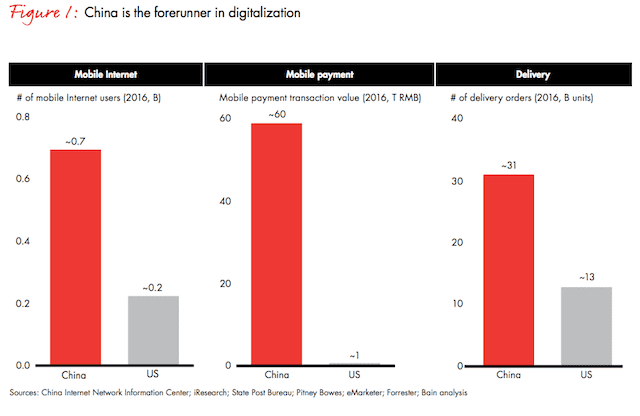
    New Retail in China has already taken hold in numerous sectors, transforming small, disparate shops and businesses into “order-and-delivery stations for e-commerce.” Food-delivery platform Meituan, for example, fulfills more than 18 million orders a day. And China is well ahead of other countries, such as the US, with 60 times more mobile payments.

    “Wherever retailing is headed, China is already there,” the report said. “For brands hoping to sell in China, survival means moving equally fast to capture this future ahead of competitors, both incumbents and digitally savvy upstarts. It will not be enough merely to keep up. Brands will be required to get ahead and help shape the vast changes, even as they completely overhaul the rules of engagement.”

    That means adopting a big-data-based approach to business, along with a new type of customer-centric experience that involves much-higher levels of engagement and personalisation than ever before. Businesses, themselves, need to erase any existing cross-unit barriers, investing in the technology and process redesign to make that happen, as well as changing their mindset.

    The results for brands that get it right are both clear and gratifying. Citing a case study from Mondelez, the report delves into what happened when the cookie company focused on customisation for Tmall’s Super Brand Day 2017. Its goal was to make Oreos more popular among teenagers.

    To do so, Mondelez partnered with third-party vendors and Tmall to create, launch and market a music box that played tunes when an Oreo cookie was placed on a turntable-like device. Taking a bite of the cookie and putting it back on the turntable changed the tune. Consumers could record their own voices on the music box and decorate it, customising it by scanning a QR code. Relying on a flexible supply chain, Mondelez brought the music box to market in just seven days, rather than a more-traditional two to three months.

    “It has been a New Retail success story,” the report said. “The singing biscuits generated 80 times more sales on Mondelez’s site than normal, with 90 per cent of the purchases made by new consumers.”

    Brands need to act now to adapt to a New Retail reality, though the changes they make to their operating models and the introduction of new capabilities won’t necessarily bear fruit right away.

    “New Retail is a work in progress that will require brands to constantly refine and reinvent themselves for new occasions, new formats and the steady flow of new ideas that will define retailing tomorrow,” the report concluded.

    You can read the full AliResearch/Bain report here.

  • Tumi acquisition lead Samsonite to good numbers

    Tumi acquisition lead Samsonite to good numbers

    Samsonite Asia sales lept 16 per cent last year, a rate slower than the Hong Kong-listed company’s global growth, and predominantly driven by the acquisition of Tumi.

    The world’s largest travel luggage company achieved global sales of US$3.49 billion, up 23.3 per cent, with Asia accounting for $1.19 billion of that. Samsonite Asia sales excluding the Tumi effect grew by a much more modest 4.8 per cent, while sales in Japan grew by 32 per cent, or 12 per cent excluding the Tumi business, driven by the Gregory, American Tourister and Samsonite brands.

    In the first half of last year, Samsonite assumed direct control of the wholesale and retail distribution of Tumi products in South Korea, Hong Kong, Macau, China, Indonesia and Thailand.  Net sales in China increased by 11.9 per cent year-on-year, (7.2 per cent excluding Tumi), due to increased sales of the Samsonite and American Tourister brands. Net sales in South Korea increased by 15.7 per cent, but fell 2.5 per cent excluding Tumi, due to fewer shoppers visiting from China and weak consumer sentiment.

    Net sales in Hong Kong increased by 34 per cent year-on-year, driven by the addition of Tumi, but by just 1.5 per cent excluding Tumi.

    Net sales in India increased by 4.6 per cent, despite a temporary disruption during the year due to the Indian government’s introduction of a goods and services tax that took effect in the third quarter of last year.

    Strong direct-to-consumer growth

    Samsonite showed solid progress on its move towards increasing its direct-to-consumer sales, aided by the acquisition of online luggage retailer eBags last May.

    Net sales rose 57.4 per cent overall, by 32.1 per cent excluding Tumi and by 12.2 per cent after 1 further excluding eBags.

    Dollar reported profit attributable to the equity holders increased by US$24.1 million, or 12.1 per cent.

    “We saw very satisfying growth last year, further driven by a strong performance from the Tumi and eBags businesses following their integration into the group,” said chairman Tim Parker.

    “In particular, we made solid strides in improving Tumi’s performance and as a result it was accretive to earnings in its first full year post acquisition. Now that we have strategically expanded into the highly attractive premium segment, and established a firm foothold in e-commerce, we look forward to more aggressively expanding our presence in the direct-to-consumer channel worldwide, especially direct-to-consumer e-commerce, where we see strong growth opportunities.”

    CEO Ramesh Tainwala said that while the company continued to benefit from the buoyant growth in travel and tourism worldwide, its strong performance was also driven by continued investment in brands, especially in the form of increased marketing support, as well as the expansion of direct-to-consumer e-commerce and brick-and-mortar retail operations.

    “Looking ahead, we will continue to implement our multi-brand, multi-category and multi-channel strategy, while leveraging our decentralised management structure and investment in marketing, in order to capitalise on the many exciting opportunities ahead of the group,” he said.

  • Japan bank mulls PetroVietnam plan

    Japan bank mulls PetroVietnam plan

    The Japan Bank for International Cooperation (JBIC) is considering funding the Block B&52/97 project of the Việt Nam Oil and Gas Group (PetrolVietnam) with loans without a government guarantee.

    General Director of PetroVietnam Nguyễn Vũ Trường Sơn recently worked with JBIC representatives on the financial arrangements for the project.

    According to PetroVietnam, the project, worth nearly US$10 billion, is one of the two largest gas projects in Việt Nam. The capital arrangement for the project is one of the main concerns of foreign partners involved in the project.

    The Block B&52/97 project’s oilfield development report was approved by contractors and the State appraisal council, while its environmental impact assessment report was ratified by the Ministry of Natural Resources and Environment. The quantitative risk assessment report was also submitted to the Ministry of Industry and Trade.

    As scheduled, the contract will be awarded in June 2018, and the signing of Engineering Procurement Construction and Installation (EPCI) contracts for the project will be done in July.

    The Block B&52/97 project includes two sub-projects. The first aims to develop the Block B oilfield, with PetroVietnam owning maximum capital in the project (42.896 per cent). Other investors are PetroVietnam Exploration and Production Corporation (26.788 per cent), Mitsui Oil Exploration Company (MOECO) of Japan (22.575 per cent), and Thailand’s PTT Exploration and Production Public Company Limited (PTTEP) (7.741 per cent).

    The second is to build the Block B-Ô Môn gas pipeline having a total length of 430km. PetroVietnam, PetroVietnam Gas Corporation (PV Gas), MOECO and PTTEP have invested in this project.

    The Block B&52/97 project is expected to bring ashore 5.06 billion cu.m of gas per year within 20 years, meeting the gas demand of power plants in the south.

    It is expected to contribute some $18 billion to the State budget.


  • Bankrupt Toys ‘R’ Us is closing all US and UK stores

    Bankrupt Toys ‘R’ Us is closing all US and UK stores

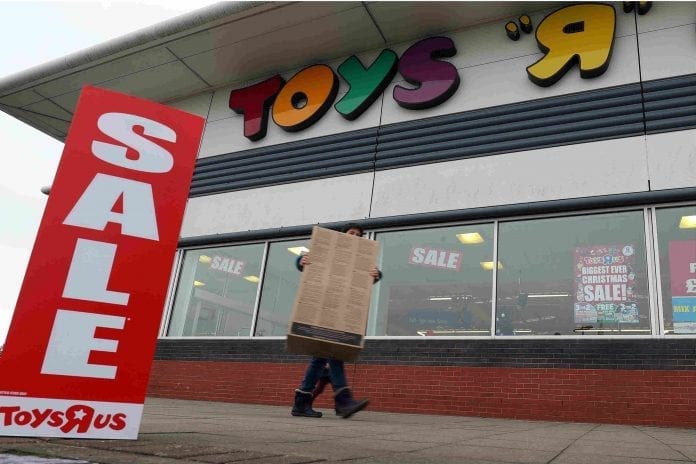
    Toys R Us will sell or close all of its US and UK stores in coming months.

    The decisions, by respective liquidators appointed on both sides of the Atlantic, will leave Canada, Asia and Central Europe up for sale as the last remaining Toys R Us businesses internationally, with operations in France, Spain, Poland and Australia tipped for closure as well.

    Toys R Us has 885 stores in the US and employees about 33,000 people there. It had already begun closing about 20 per cent of its outlets as part of a plan to exit Chapter 11 bankruptcy protection.

    But no buyer could not be found for the remaining business as a going concern.

    Asia appears to be the only region in the world where the Toys R Us business is robust. It is a joint venture with Fung Group, which holds a 15 per cent stake and is reportedly planning a takeover of the business, possibly funded in part by an IPO. But with the brand having failed almost everywhere else in the world, it is unclear how keen investors would be in Hong Kong.

    Neil Saunders, MD of analysts GlobalData Retail, described the liquidation of Toys R Us as “unfortunate but inevitable” given the retailer had lost its way and forgot its core retail competencies.

    “Even during recent store closeouts, Toys R Us failed to create any sense of excitement.”i

    Saunders said management may blame suppliers and competitors for its demise, but the primary responsibility lies with poor decisions.

    “As the competitive dynamics of the toy market intensified, management failed to respond and evolve. As such, the brand lost relevance, customers and ultimately sales.

    “Admittedly, the leveraged buyout which burdened the company with debt reduced the room for maneuver and left Toys R Us vulnerable. Questions should be asked as to the wisdom of this particular financial transaction which weakened the sustainability of the company.”

    The decision to close down Toys R Us was essentially made by its lenders who believed that without a clear reorganisation plan, they could recover more from a liquidation, closing stores and raising money from merchandise sales, according to sources quoted by AP.

    The Toys R Us UK operation was placed in administration at the end of last month.

    Yesterday, administrator Moorfields Advisory confirmed that no prospective buyer had been found for the business and that all 101 stores would close progressively.

  • VF Corporation to acquire Altra footwear

    VF Corporation to acquire Altra footwear

    VF Corporation, parent of Wrangler, Timberland, Vans and the North Face, among others, has bought fast-growing footwear brand Altra.

    Terms of the deal were not disclosed, but Altra, launched in 2011 by Icon Health & Fitness, has already expanded into 1600 points of sale in 55 countries. In the last year it achieved sales of US$50 million.

    Altra’s point of difference is its specialised, innovative design technology for road, trail, and lifestyle footwear which has attracted awards and a strong and dedicated consumer following.

    “The acquisition of the Altra brand is another example of our efforts to reshape and evolve our portfolio of powerful brands to align with our enterprise value creation model,” said Steve Rendle, chairman, president and CEO of VF Corporation. “The active outdoor and performance sector is a large and attractive growth space. The addition of the Altra brand brings to VF a unique and differentiated technical footwear brand and a capability that when applied across VF’s outdoor footwear, direct-to-consumer and international platforms will serve as a catalyst for growth.”

    The deal will be settled next month.

    Scott Watterson, Icon chairman and CEO, said the sale of Altra would allow the company to accelerate the continuing growth of its core NordicTrack and ProForm brands, its Freemotion commercial business, and iFit, its connected fitness subscription program.

    “The global health and wellness industry is exploding, and we’re doubling down on that growth.”

  • Top Chinese brands gaining global recognition for quality

    Top Chinese brands gaining global recognition for quality

    China is fast emerging as brand leader in a wide variety of sectors and many of the leading domestic companies are gaining global recognition for quality, according to a new report from Brand Finance, a London-based brand valuation consultancy.

    In its latest 2018 China 300 league table, the consultancy ranked the Industrial and Commercial Bank of China, also known as ICBC, and China Construction Bank, with brand values of US$59.2 billion and $56.8 billion respectively, as the most valuable brands in the global banking sector.

    Alibaba, Tencent, and Huawei are leading the charge, however, as technology is poised to overtake banking as the ranking’s most valuable sector.

    The fastest-growing Chinese brands come from the auto and spirits sectors with BYD up 211 percent and Wuliangye up 161 percent.

    David Haigh, CEO of Brand Finance, said: “This year has seen strong growth amongst the big Chinese brands.

    “The unique modern history of the Chinese economy has produced huge, national brands on the domestic front. In the coming years, Chinese brands have an opportunity to use this strong domestic foundation as a platform for global expansion.”

    In the past, many Western brands expanded into China, but Haigh said he expects to see many Chinese brands expand to the West in the future.

    While banking remains the most valuable sector, accounting for 24.7 percent of the ranking’s total brand value over the last year, the robust growth of the technology sector suggests it is likely to overtake banking. Tech’s overall share of the value of the 300 brands listed has increased from 20.7 per cent to 24.4 per cent.

    Haigh said Alibaba, which is also the world’s fastest growing big retail brand in percentage terms, shows no sign of slowing as it plans to invest $15.2 billion toward its global logistics chain expansion.

    China Mobile, the fourth most valuable Chinese brand-up 14 percent to $53.2 billion-is the most valuable telecoms brand in Asia. China Mobile boasts the world’s most extensive mobile network and the world’s largest mobile phone customer base.

  • Epiphany Cafe plans to invade Asia

    Epiphany Cafe plans to invade Asia

    A rural New Zealand donut maker is set to expand into Asia, initially targeting the Philippines, Indonesia, Malaysia and Singapore.

    Epiphany Cafe started just two years ago as a single family-owned store in the Waikato city of Hamilton, in the heart of New Zealand’s largest dairy-farming region. Since then it has expanded to five stores in Auckland and Hamilton under a franchise model it is now looking at expanding into other New Zealand towns and cities before heading offshore.

    “We believe there is a need we can fulfil in Asia,” GM for sales and marketing, Suzanne Gaier, said in an interview published on Stuff.co.nz.

    Gaier hopes to have the first Asian stores operating within 12 to 24 months.

    “Our idea is also to bring our core staff members from New Zealand into Asia and inject Kiwiana that way too. The whole idea is to take our Kiwi brand over there and be the Fonterra of sweet treats… as well as provide Kiwi expats with a little slice of home.”

    Epiphany Cafe developed its donut recipe over six months and now boasts 29 flavours regularly rotated.

  • NeNe Chicken Malaysia opens second store at The Starling Mall

    NeNe Chicken Malaysia opens second store at The Starling Mall

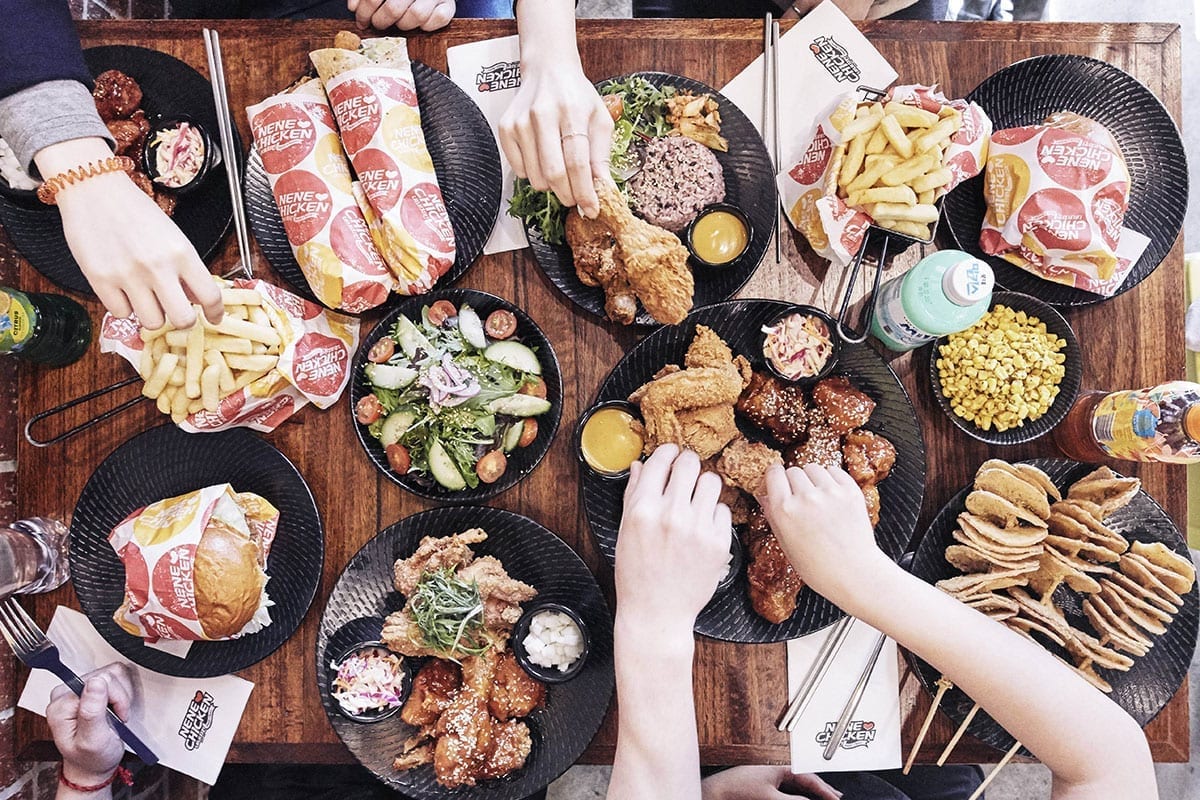
    Fast-food chain NeNe Chicken Malaysia has opened its second outlet, in Petaling Jaya.

    Located at The Starling Mall, the new restaurant can accommodate 120 customers with an outdoor seating area.

    NeNe Chicken Malaysia MD Raymond Wong said the chain would focus on expanding its menu and locations in upcoming years.

    The chain opened its first outlet two months ago at Genting Highlands.

    NeNe Chicken is known for its signature flavours such as Bulgogi, Freaking Hot and Spicy Fried Chicken.

    The chain also aims to open in East Malaysia by the end of this year.

    Established in 1999 in Korea, NeNe Chicken currently has stores in Australia, Hong Kong, and Singapore.

  • Vietnam Prime Minister meets New Zealand’s milk firms

    Vietnam Prime Minister meets New Zealand’s milk firms

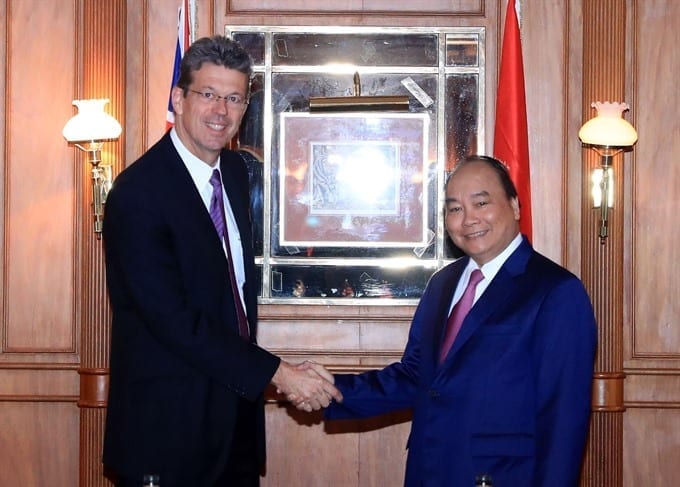
    Prime Minister Nguyễn Xuân Phúc said his Government encouraged foreign firms in milk production and processing to expand production, upgrade technology and apply energy-saving solutions in the country.

    He said this during his meeting with the representatives of some milk companies in New Zealand in Auckland on March 13 as part of his official visit to the country.

    During his reception for Lukas Paravicini, chief executive of Fonterra Cooperative Group Ltd – the leading milk exporter of New Zealand, Phúc said Việt Nam appreciated the cooperation of the firm with its Vietnamese partners. He highlighted the development of Việt Nam’s dairy and nutritional food market, saying the 93-million-strong market was considered one of the most attractive market groups in the world.

    Talking about the vast opportunities brought by the newly signed Comprehensive and Progressive Agreement for Trans-Pacific Partnership, Phúc expressed hope that Fonterra and other enterprises in New Zealand would fully tap those opportunities to increase investment in Việt Nam with the aim of expanding their market to other ASEAN member nations.

    He said the Vietnamese Government would promote investment in developing the dairy sector as well as create favourable conditions for enterprises to foster production in the field, contributing to generating more jobs and improving social welfare.

    On his part, Paravicini affirmed his firm’s interest in the Vietnamese market and said Fonterra had cooperated with many Vietnamese dairy firms.

    He said the group was providing dairy material for Việt Nam’s dairy, beverage and nutritional food companies and was selling high-quality products in the Vietnamese market.

    Fonterra pledged to further boost cooperation with Vietnamese enterprises, broadening its investment for production and business in Việt Nam, Paravicini said.

    The same day, Phúc received Kim Willoughby, director of Deosan Company, and Victor Trương, director of Richmond Company.

    Expressing their pleasure to meet the Vietnamese leader, the representatives of the two companies said they had worked with a number of Vietnamese partners with the intention of assisting Vietnamese firms in producing and processing dairy, contributing to improving the capacity of Vietnamese dairy companies.

    Willoughby spoke highly of the development potential of leading dairy businesses in Việt Nam, such as Vinamilk and TH True Milk. He said Deosan had cooperated with Vietnamese farmers processing milk and planned to invest in the dairy industry in Việt Nam.

    He also said Deosan would support Việt Nam’s dairy farms by providing suitable products and services, such as milking equipment and consumer goods, veterinary services, farm design management and quality management.

    Phúc said he highly valued Deosan’s assistance to Vietnamese dairy companies and affirmed that the Vietnamese Government always supported business and cooperation with local firms.

    Việt Nam is developing its dairy-processing industry in a modern and comprehensive direction, aiming to improve its competitiveness for regional and global integration, Phúc said.


  • Kikki.K to accelerate global growth

    Kikki.K to accelerate global growth

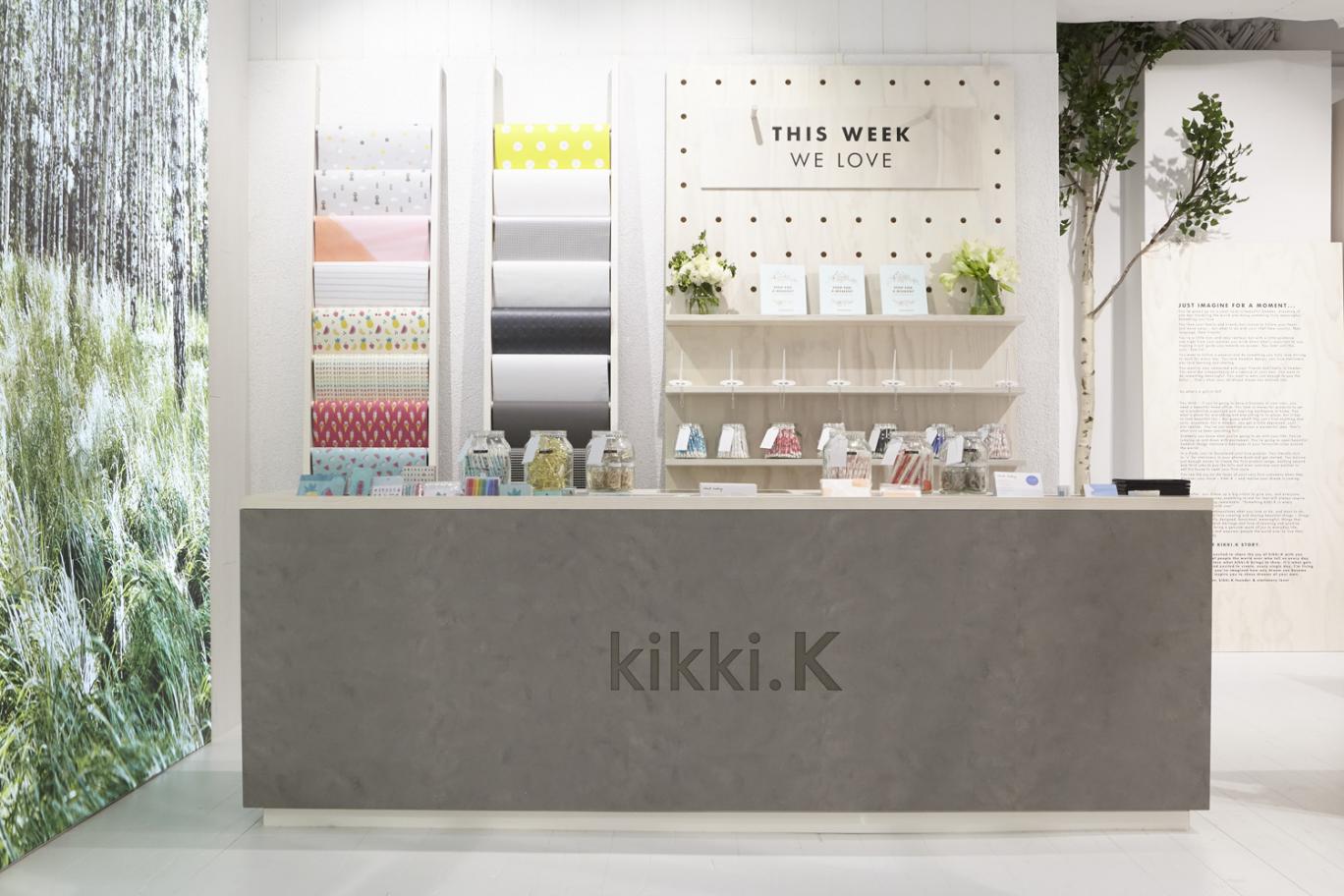
    Australian stationery brand Kikki.K has partnered with product development and design industry leader, Gartner Studios, to accelerate its growth across the USA and Canada.

    The retailer is currently housed at 78 Nordstrom stores in the USA and 81 Indigo stores in Canada, with the deal with Gartner to fuel its ambitions of opening an additional 400 wholesale doors across the globe by the end of 2018 and over 3000 wholesale doors over the coming years.

    Kikki.K’s partnership with Gartner will ‘simplify and systemise the USA and Canadian product offering and distribution’ for both wholesale and direct to consumer e-commerce fulfilment.

    “I’ve dreamt of seeing kikki.K products in the lives of people across the USA & Canada since the very beginning,” said the stationery firm’s founder Kristina Karlsson.

    “We made that dream a reality with our online store and then our launch in Nordstrom and Indigo in 2017. I’m so excited we’ve now partnered with Gartner Studios to help introduce our brand to even more of the USA and Canada.”

  • Indonesia lures US to invest more

    Indonesia lures US to invest more

    The administration is revising regulations on tax incentives for investment and seeks to pass them by the end of this month.

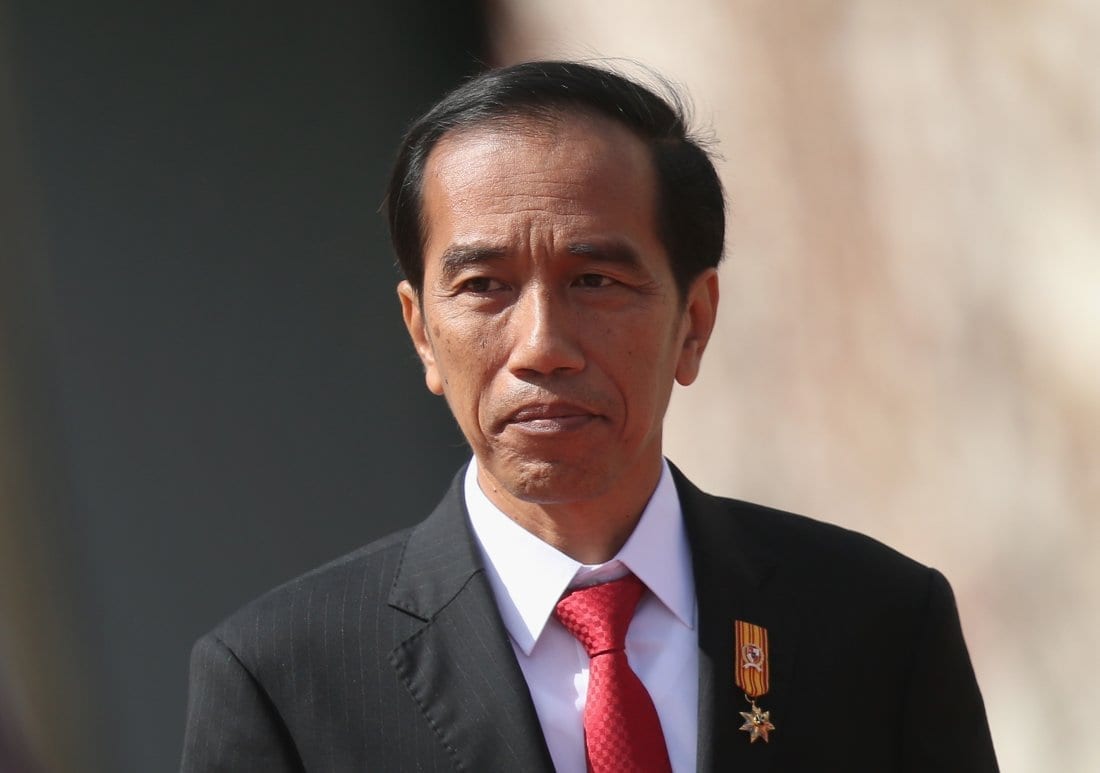
    Speaking to 41 US-based companies grouped under the US-ASEAN Business Council on Tuesday morning, the President underlined the significance of investment into Indonesia from the world’s top economy.

    “American investment into Indonesia has been sizeable and plays an important role in the Indonesian economy,” Jokowi said during a meeting with the council at the Merdeka Palace.

    Realized foreign direct investment (FDI) in Indonesia by US firms surged by 71.5 percent to US$1.99 billion last year, driven by 625 projects. That is significantly higher than the 30 percent growth to $1.16 billion seen in 2016, spread across 540 projects.

    The US stood still as the sixth-largest foreign spender in the archipelago over the 2016-2017
    period.

    Jokowi also noted that the US brought high-quality investment into Indonesia through companies with powerful brands, state-of-the-art technology and a broad international network, including gold and copper miner Freeport-McMoRan, technology giants Google and Facebook and entertainment giant Walt Disney.

    Consequently, he expected US companies to jack up their investment although he was also aware of the many challenges of doing business in Indonesia, from policies regarding digital payment and patents to complicated export-import procedures.

    “Give me two months and I’ll bring you some positive [progress] on economic policy reforms,” Jokowi said.