Author: Mei Ling Tan

  • Ant Financial CTO: New technologies will bring more equal opportunities to all

    Ant Financial CTO: New technologies will bring more equal opportunities to all

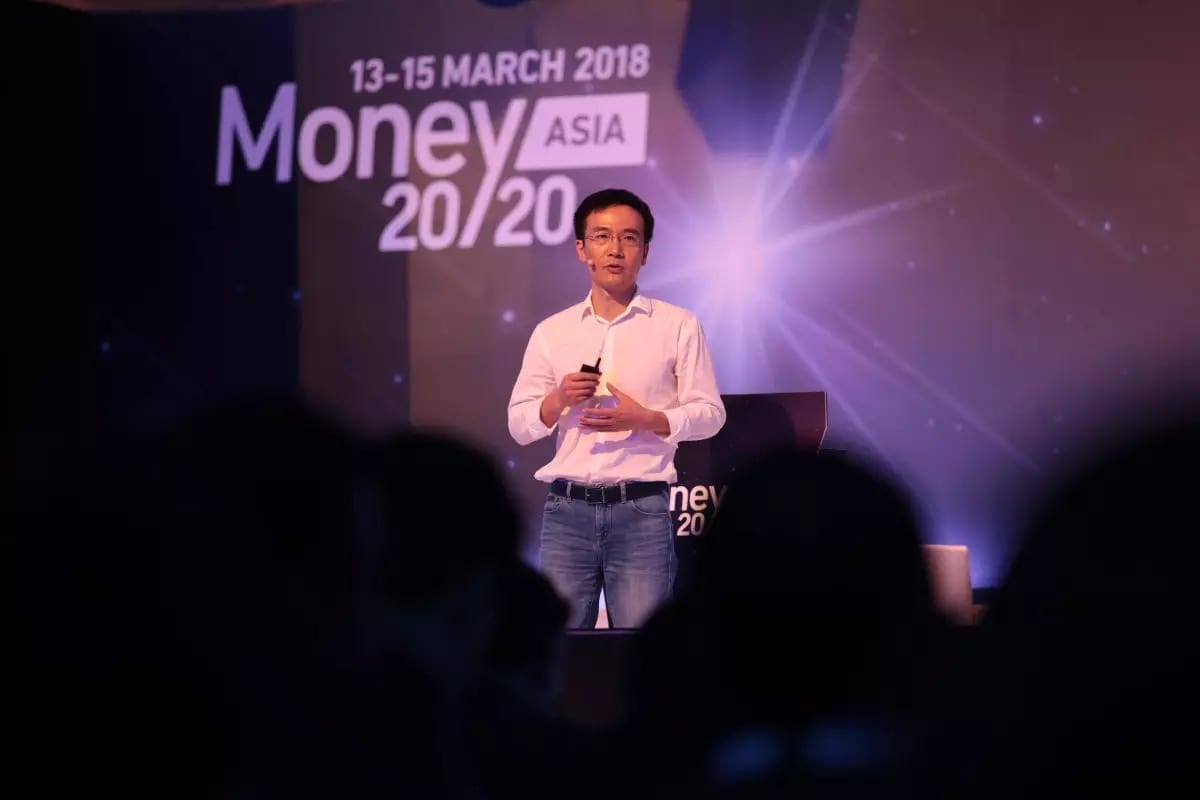
    Ant Financial Services Group (“Ant Financial” or “Ant”) yesterday participated in Money20/20 Asia industry event, where chief technology officer and chief operations officer of global business group, Cheng Li presented the opening keynote speech to an audience of 1800 gathered at the city state.

    Equal opportunities

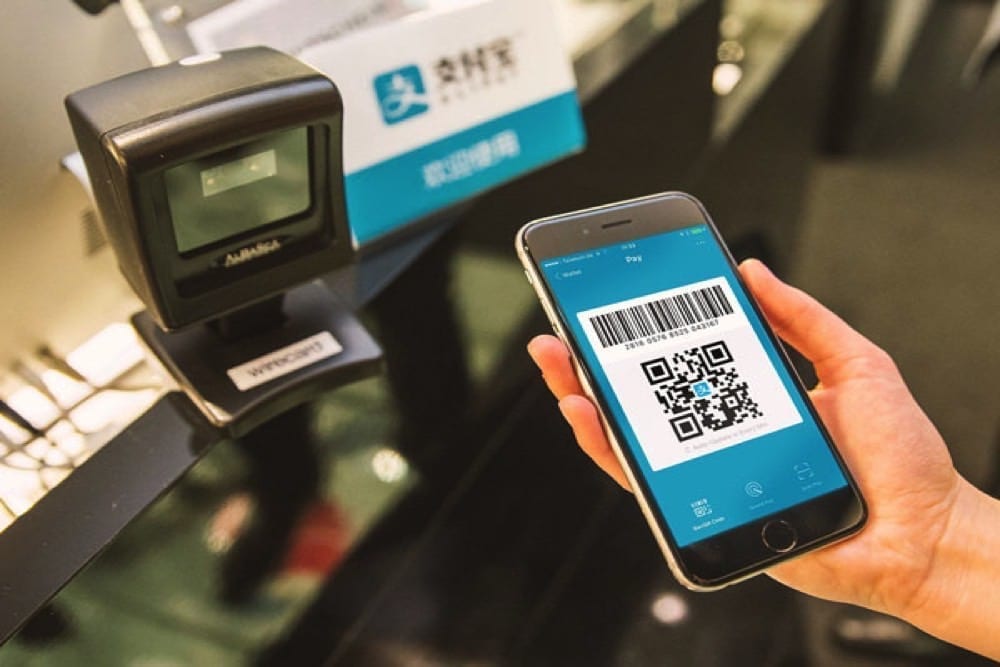
    Citing the examples of a herdsman and a small merchant whose store is located at the foot of Mount Everest 5200m above sea level, Cheng went on to explain how technology is pathing the way for such communities to now enjoy financial services that were previously closed to them. When China started moving into the mobile age a few years ago, Ant Financial began looking at improving offline payment options so that small merchants who could not afford expensive point-of-sales systems can enjoy efficient, cheap and secure payment too. This gave birth to the use of what is now a familiar sight in many of China’s highly-developed cashless cities – scanning QR codes. Using only simple but highly efficient and secure technologies, Ant Financial has enabled even the smallest of merchants to accept payment, anywhere, anytime.

    B.A.S.I.C

    Speaking on the B.A.S.I.C that forms the building blocks of Ant’s technologies, Cheng went on to explain the importance of each: blockchain, artificial intelligence (AI), security, Internet of Things, and computing as Ant rolled out one new product after another, guided by its mission of bringing equal opportunities through technology. From using blockchain as the new trust mechanism to improve the transparency and traceability of ecommerce supply chains or charity funds, to using artificial intelligence to reduce Ant’s payment risk to less than one in one million, or answering millions of customer inquiries a day, Ant is showing how new technology can be applied to their business to solve previously challenging issues.

    Future challenges

    While Cheng remained positive of the future, there are challenges that lie ahead. With increasingly connected intelligent things generating huge IoT data stream, one of Ant’s biggest challenges is making machines understand the ultra-complex financial system well enough to provide financial services in a more efficient and inclusive way.

    Cheng Li will be due to speak again at the Ant Technology Exploration Conference (ATEC). Led by Cheng Li, the ATEC sessions will see domain experts within Ant Financial and key partner companies deepdive into the B.A.S.I.C. model. The Ant Technology Exploration Conference will take place on March 14, 2018, from 1530 hrs – 1830 hrs at Marina Bay Sands Expo and Convention Centre, Level 4, main stage.
  • Alipay rolls out in four more Southeast Asian countries  for Chinese visitors

    Alipay rolls out in four more Southeast Asian countries for Chinese visitors

    Alipay, the world’s largest mobile and online payment and lifestyle platform operated by Ant Financial Services Group, has further grown its cross-border business in Southeast Asia, adding four new countries to its network. This takes the total number of countries where Alipay services are available to Chinese visitors and local merchants in this region to eight. With the expansion, merchants in Cambodia, Myanmar, Laos and the Philippines are now connected to 520 million active users in China via Alipay’s in-app marketing platform.

    Cambodia

    Alipay is now accepted in Phnom Penh, Siem Reap and Sihanoukville across shopping, F&B, entertainment and hospitality sectors. Notable merchants include Sajibumi, which operates the food and beverage concessions at Siem Reap International Airport and Phnom Penh International Airport, Sokimex petrol kiosks, Legend cinemas, etc.

    Alipay will also be rolled out in duty free stores managed by DUFRY at Phnom Penh International Airport,Siem Reap International Airport, and NagaWorld, the largest entertainment complex in Cambodia.

    Myanmar

    Myanmar is the latest country in the region to launch Alipay as a payment option. It is now accepted in popular shopping, F&B and tourist attractions in Yangon, including Sule Shangri-La Yangon, Rangoon Tea House, Yangon Yangon Bar, etc.

    Laos

    Alipay is now available in all department stores in Vientiane Shopping Center in addition to other convenience stores and F&B locations along the Mekong River in Vientiane and Luang Prabang.

    Alipay is also available across  the country in Jiffy Mart and Sokxay Mart convenience stores and at the fast food chain, EFG Group. Chinese shoppers at Haven Duty Free at Vientiane International Airport and at Don Chan Palace Hotel can also pay with Alipay.

    The Philippines

    Resorts World Manila (RWM) started accepting Alipay in February 2018. For the initial roll-out, RWM has Alipay-equipped terminals in Maxims Hotel, Newport Cinemas and Snack Bar, the VIP Concierge, the Gaming Redemption outlet, and its 12 signature restaurants.

    Commenting on the expansion, Cherry Huang, General Manager, Cross-border Business for South and Southeast Asia, Alipay, said: “We have a mission to enable the smart lifestyle for Chinese consumers and bring the same convenience that they enjoy at home to the overseas countries they travel to. We plan to achieve this through our continuous efforts to expand our partner and merchant ecosystem. Cambodia, Myanmar, Laos and the Philippines are exciting new additions to our network, as more and more savvy Chinese visitors opt to experience the rich history and culture of ASEAN. In 2017, all four countries collectively attracted over 2 million Chinese visitors. We look forward to connecting more merchants, even the smallest ones, through our partner ecosystem so that they are able to benefit from the boom in Chinese tourist arrivals.”

    Mobile payment is gaining momentum among Chinese travelers overseas. According to the recent Nielsen report, 65% of Chinese tourists used mobile payment platforms during their overseas travels, more than six times in comparison to non-Chinese tourists (11%). Over 90% of Chinese tourists would consider using mobile payments when traveling overseas if more overseas merchants accepted it. Alipay is committed to better supporting the needs of Chinese visitors by providing a more efficient, convenient payment method via its platform.

    Beyond an improved payment experience, Alipay’s in-app “Discover” function also allows merchants to market to Chinese visitors before, during and after their trips, boosting brand exposure of merchants amongst China’s rapidly growing overseas visitors.

    To date, Alipay operates its cross-border business in eight countries in Southeast Asia: Singapore, Malaysia, Thailand, Vietnam, Cambodia, Myanmar, Laos and the Philippines. It is working with more than 250 financial institutions and payment solution partners in its ecosystem to enable cross-border payments for Chinese traveling globally.


  • GNC plans big expansion in India

    GNC plans big expansion in India

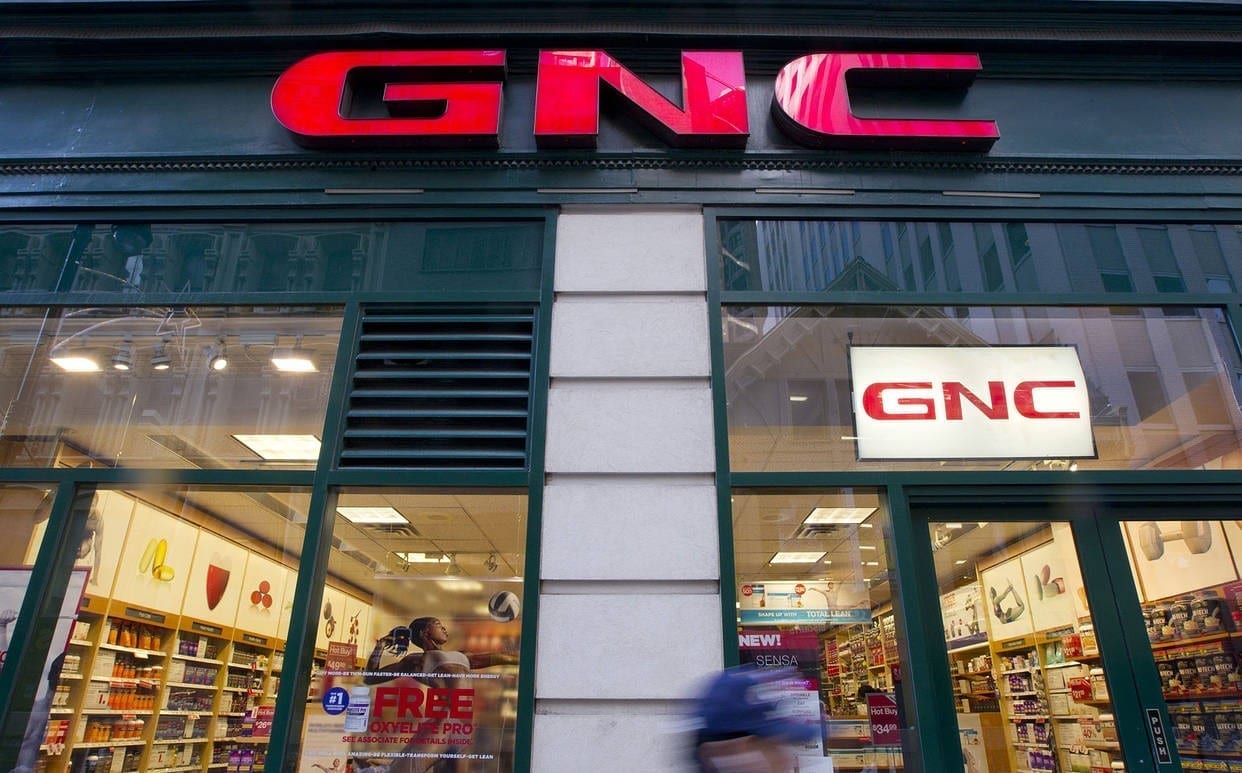
    Health and wellness brand GNC India is planning major expansion by increasing its availability to 4000 stores by 2020.

    The retailer will partner with pharmacy chain Guardian Healthcare Services, its master franchise in the market, to distribute GNC products to 1000 retail outlets this year, and boost its business to multiple channels, encompassing retail, e-commerce and distribution.

    GNC India will also market and sell its full product line through the company’s website and via other e-commerce players.

    “We are very excited about our expansion plans in India, where there is significant opportunity for growth,” says Ken Martindale, GNC’s CEO.

    “Guardian is an established player in India’s health and wellness industry and we believe the strength of our two companies will position us as one of the leaders in this attractive and fast growing market.”

    According to the Associated Chambers of Commerce and Industry in India 2017 report, India’s nutraceutical market is currently estimated to be US$4 billion in 2017 and expected to grow to $10 billion in 2022.

    GNC arrived in India in 2004 and is currently available at 50 of Guardian’s stores.

  • Singapore retail sales and Lunar New Year

    Singapore retail sales and Lunar New Year

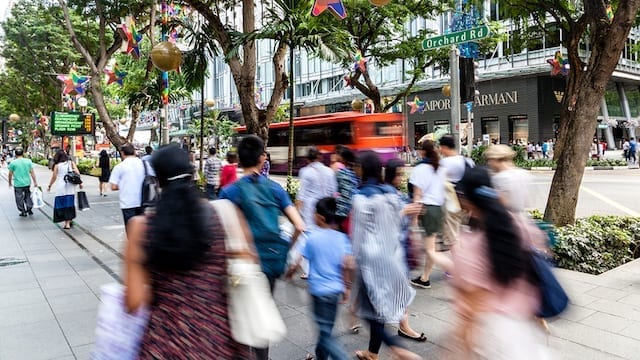
    Singapore retail sales fell in January, however there is little to read from the figures.

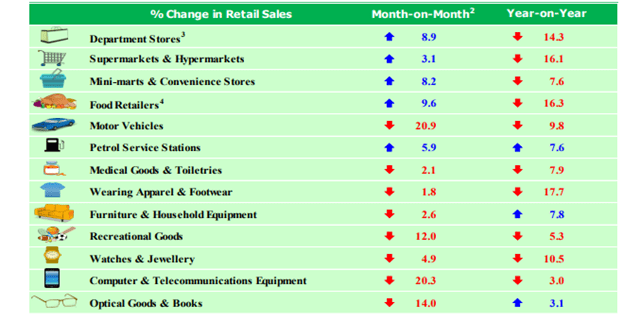
    The decline – of 8.1 per cent (excluding motor vehicles) – is totally attributable to the timing of Lunar New Year which fell in February this year and January last year, making year-on-year comparisons meaningless.

    However, month-on-month sales fell a mere 1.5 per cent which suggests a solid January given the strength of Christmas trade in December.

    Statistics Singapore estimates the total value of retail sales in January at S$3.9 billion, compared with $4.3 billion in January last year. It estimated online retail sales accounted for 4.1 per cent of total sales in the city state.

    The only categories to register a rise in sales year-on-year were furniture and household equipment and optical goods and books, which rose 3.1 per cent and 7.8 per cent, respectively.

    Seasonally adjusted sales of food and beverage services fell 4 per cent in January over December, and 13.2 per cent over January last year, again reflecting the timing of Lunar New Year.

  • Indonesia Eyes Fintech Regulation to Avoid ‘Loan Shark-Like’ Practices

    Indonesia Eyes Fintech Regulation to Avoid ‘Loan Shark-Like’ Practices

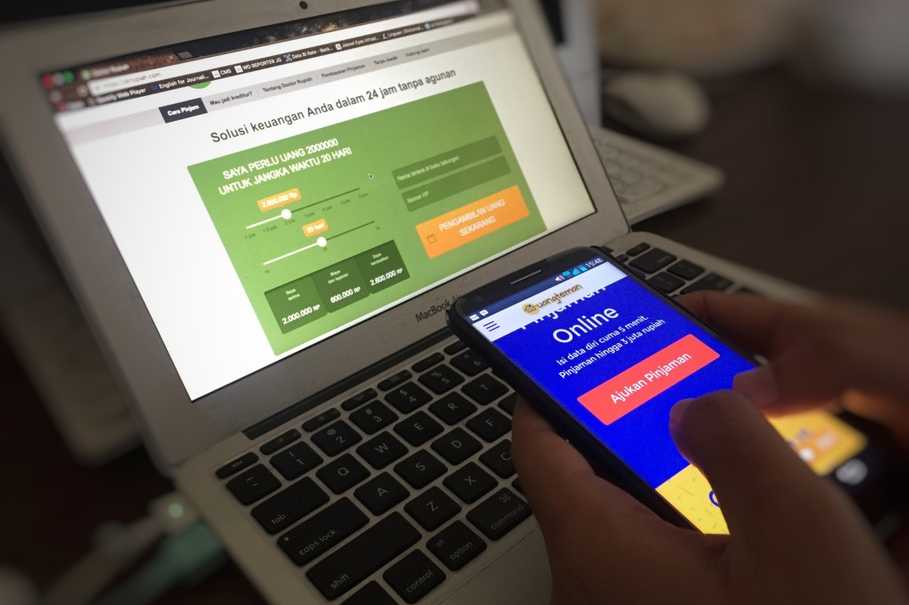
    Indonesia’s financial regulator said it was considering setting a cap on interest rates and the size of loans offered by fintech firms, in a move aimed at minimizing the risk of defaults.

    The emergence of these peer-to-peer (P2P) lending platforms, offering loans ranging from as little as a few hundred dollars to several thousands, has so far been welcomed by Indonesia, Southeast Asia’s biggest economy where tens of millions of people have little or no access to bank credit.

    More than 300,000 people have borrowed from these firms, with total loan distribution reaching 3 trillion rupiah ($218 million) as of January, versus 247 billion in December 2016, according to data from the Financial Services Authority (OJK).

    Meanwhile, annual growth in bank lending has slowed to under 10 percent, from over 20 percent in the commodity boom years. ‎

    “We support P2P lending so the people can have an easier access [to financing]. But when the access has been easier, the P2P companies feel the need to offer a high rate,” Eko Ariantoro, the director of the financial inclusion development directorate at the OJK, told reporters on Tuesday (13/03).

    “We don’t want these developing fintechs to become loan shark-like businesses‎,” he said.

    Ariantoro said the proposed maximum lending rate was still under discussion.

    There are 36 registered fintech firms operating in Indonesia and the OJK said 42 others were in the process to be approved.

    The OJK plans to also issue a new regulation for crowdfunding platforms this year as part of efforts to protect customers’ funds, Eko said.

    “We are trying to regulate the mechanism to acquire and collect funds. There should be a form of responsibility to the fund owner,” he said.

  • BreadTalk to take Taiwan’s Wu Pao Chun bakeries into China

    BreadTalk to take Taiwan’s Wu Pao Chun bakeries into China

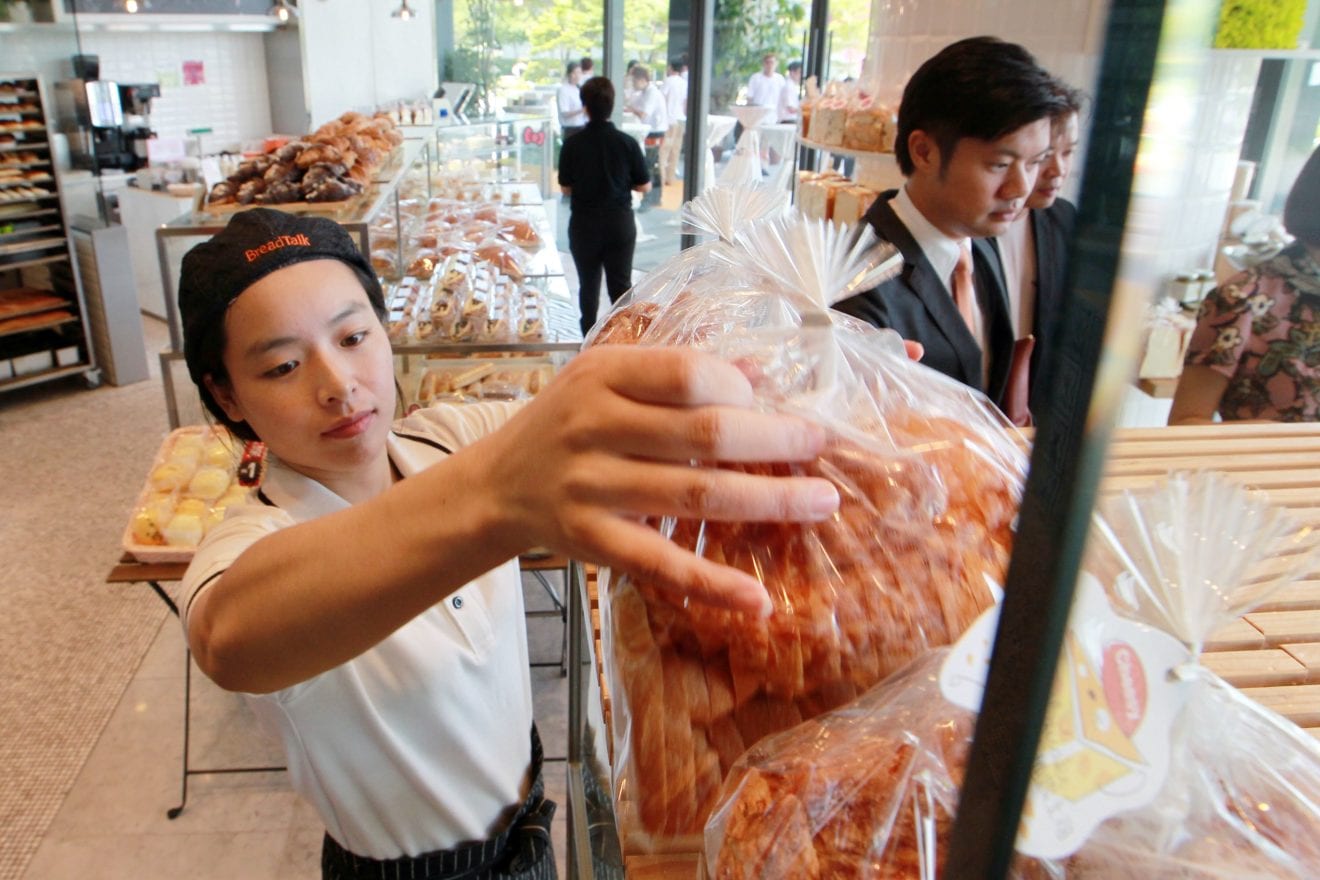
    BreadTalk Singapore says it has formed JVs with a Taiwan company to run bakeries in China.

    BreadTalk subsidiary Shanghai Star Food F&B Management has partnered with Wu Pao Chun Food of Taiwan to run Wu Pao Chun outlets in Beijing, Shanghai, Shenzhen and Guangzhou. Shanghai Star will hold 80 per cent of the Shanghai JV and can own up to 40 per cent of the Beijing, Shenzhen and Guangzhou JVs.

    Both companies expect to form JVs for co-operation in Singapore and Hong Kong later.

    BreadTalk owns 1000 retail stores in Singapore, Mainland China, Hong Kong, Malaysia and Thailand.

  • Offer for OldTown extended to March 20

    Offer for OldTown extended to March 20

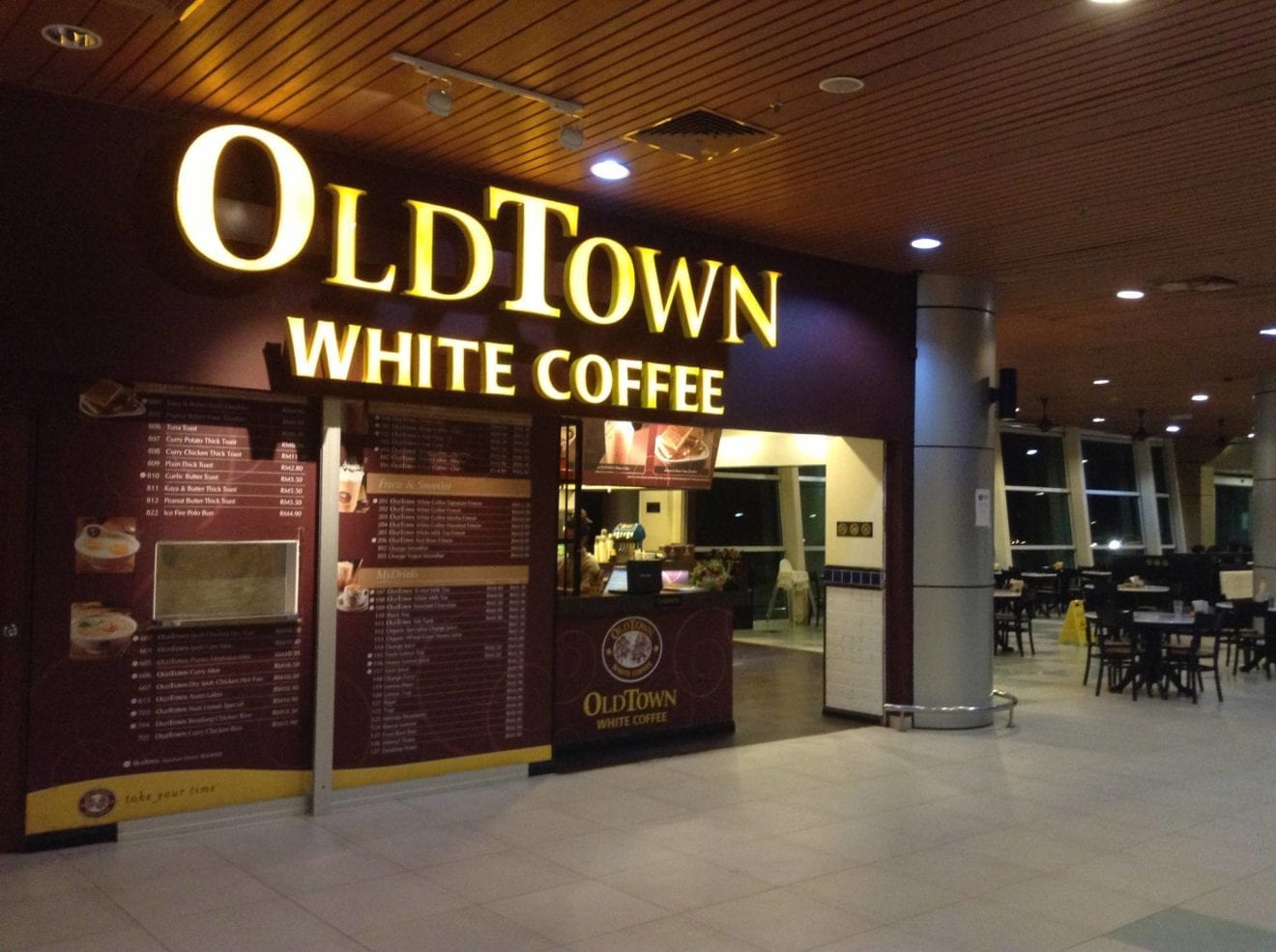
    Jacobs Douwe Egberts Holdings Asia NL BV (JDE) has extended the closing date of its takeover offer for OldTown Bhd to March 20.

    According to a circular issued by CIMB Investment Bank Bhd, the terms and conditions of the offer remain unchanged and the level of acceptances of the offer stood at 83.75% on March 9.

    OldTown received a takeover notice from JDE in December last year at an offer price of RM3.18 per share. The offer was supposed to close today.

    Earlier, JDE said it has secured irrevocable undertakings from shareholders holding 51.45% and is looking to procure the remaining shares with an eye to delist and privatise OldTown.

    JDE has agreed to pay a good faith fee of US$3.48 million (RM13.6 million) or 1% of the total offer price to OldTown.

  • Lazada comes with idea to simplify selling system

    Lazada comes with idea to simplify selling system

    To help Southeast Asian entrepreneurs ride the e-commerce boom, Lazada has rolled out measures to make doing business online easier, faster and more financially rewarding.

    Already in effect, the moves benefit new sellers and about 135,000 merchants already on Lazada’s platform.

    One of the highlights is Seller Rewards, a powerful framework that recognises sellers for outstanding performance. The higher the ratings, the more rewards or benefits the seller enjoys such as:

    ● Higher visibility of products when users search and browse the site
    ● Access to shipping services and price subsidies extended by Lazada
    ● Access to promotional campaigns spearheaded by Lazada
    ● Access to preferred sellers programs; or premium seller program in Malaysia and Seller Prioritas program in Indonesia.

    Customers can rate sellers based on how they apply best practices to deliver a positive customer experience, such as quality checks on products sold, using recommended packing materials to avoid damage, and preventing purchase cancellations through third-party negligence.

    As another plus, sellers will no longer be financially penalised for policy breaches. However,  errant sellers may be delisted by Lazada.

    Instead of three to four days for anyone to start their business on Lazada, the process can now be completed in mere minutes. The simplified sign-up form requires registrants to provide just their email address, telephone number and address. They can start logging up sales 15 minutes after creating an account.

    Lazada group chief operations officer Aimone Ripa di Meana says the seller-friendly initiatives are part of the company’s efforts to empower entrepreneurs to grow their business online. “By incentivising sellers and giving them more leeway to sell efficiently and effectively, we want to ensure Lazada’s marketplace is the best place for sellers to reach out to more consumers.”

    Launched in 2012, Lazada is present in Indonesia, Malaysia, the Philippines, Singapore, Thailand and Vietnam. It helps more than 135,000 local and international sellers as well as 3000 brands serving 560 million consumers. Lazada Group is majority owned by Alibaba Group Holding.

  • Hubert de Givenchy Dies at 91, Fashion Pillar of Romantic Elegance

    Hubert de Givenchy Dies at 91, Fashion Pillar of Romantic Elegance

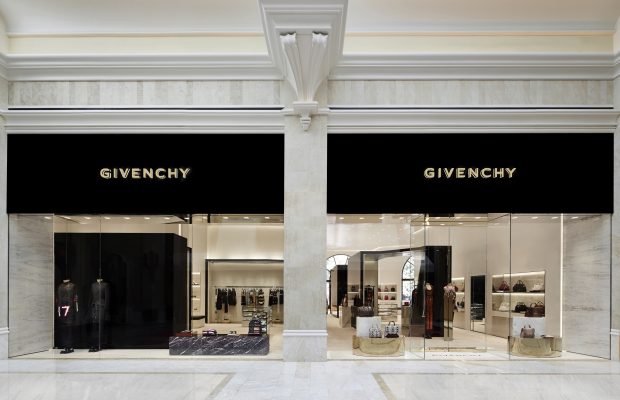
    French couturier Hubert de Givenchy, a pioneer of ready-to-wear, has died at the age of 91.

    Paying homage to its founder, the house of Givenchy says he was “a major personality of the world of French haute couture and a gentleman who symbolised Parisian chic and elegance for more than half a century”.

    Givenchy designed Audrey Hepburn’s little black dress in the movie Breakfast at Tiffany’s.

    “He revolutionised international fashion with the timelessly stylish looks he created for Audrey Hepburn, his great friend and muse for more than 40 years,” the house says. “His work remains as relevant today as it was then.”

    Givenchy was part of the elite cadre of Paris-based designers, including Christian Dior and Yves Saint Laurent, who redefined fashion after World War II. He forged close friendships with his famous clients including Elizabeth Taylor, Jackie Kennedy and Princess Grace of Monaco.

    He was born into an aristocratic family in the provincial city of Beauvais on February 21, 1927, and founded his label in 1952, selling it to luxury conglomerate LVMH in 1988. He retired several years later.

    Clare Waight Keller, who has been at the helm of the brand since last year, said on her official Instagram account she was “deeply saddened by the loss of a great man and artist I have had the honor to meet”.

    LVMH CEO Bernard Arnault says he is “deeply saddened” by Givenchy’s death. “He was among those designers who placed Paris firmly at the heart of world fashion post-1950.”

  • Sellsuki awarded THB1 million in Visa’s Everywhere Initiative

    Sellsuki awarded THB1 million in Visa’s Everywhere Initiative

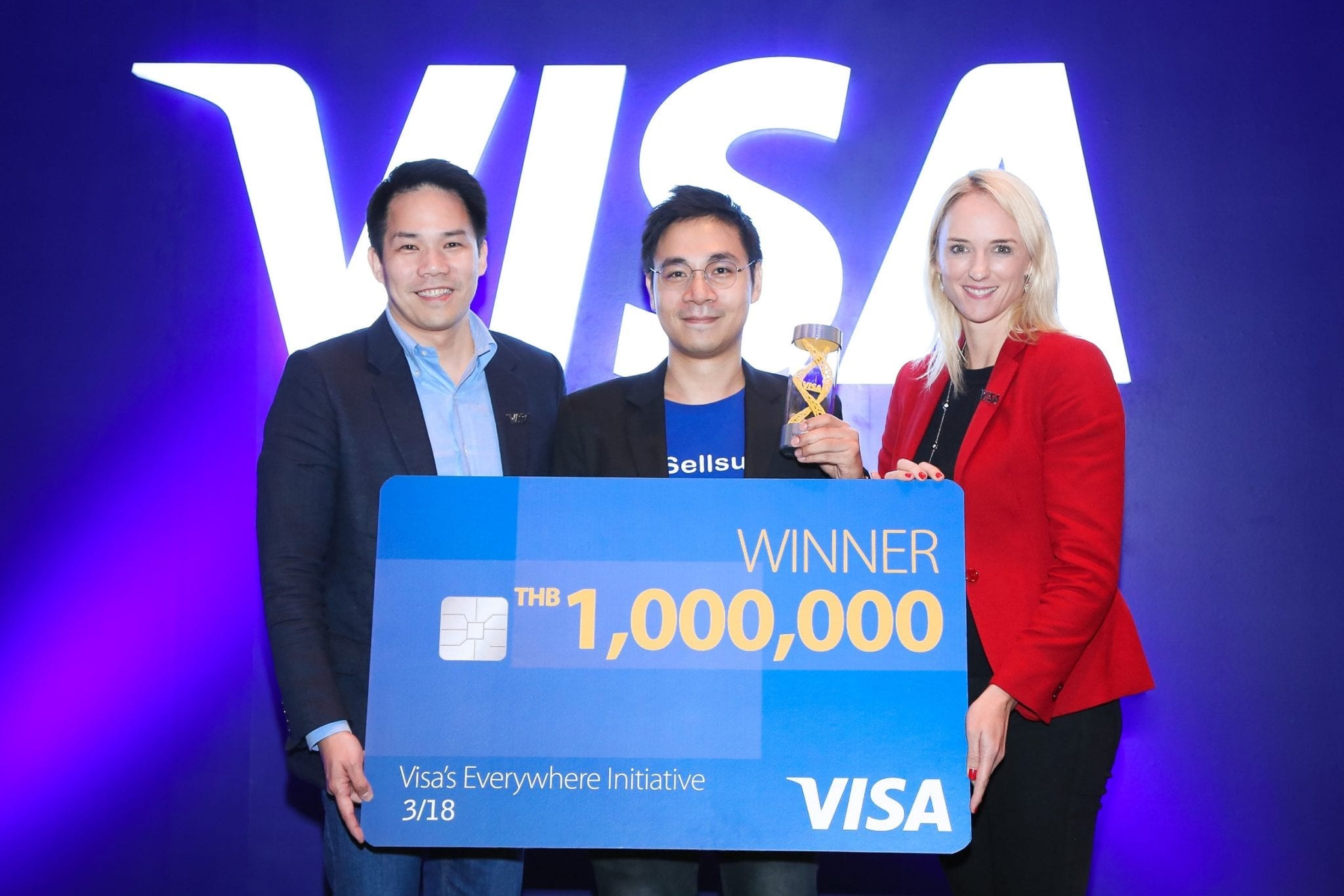
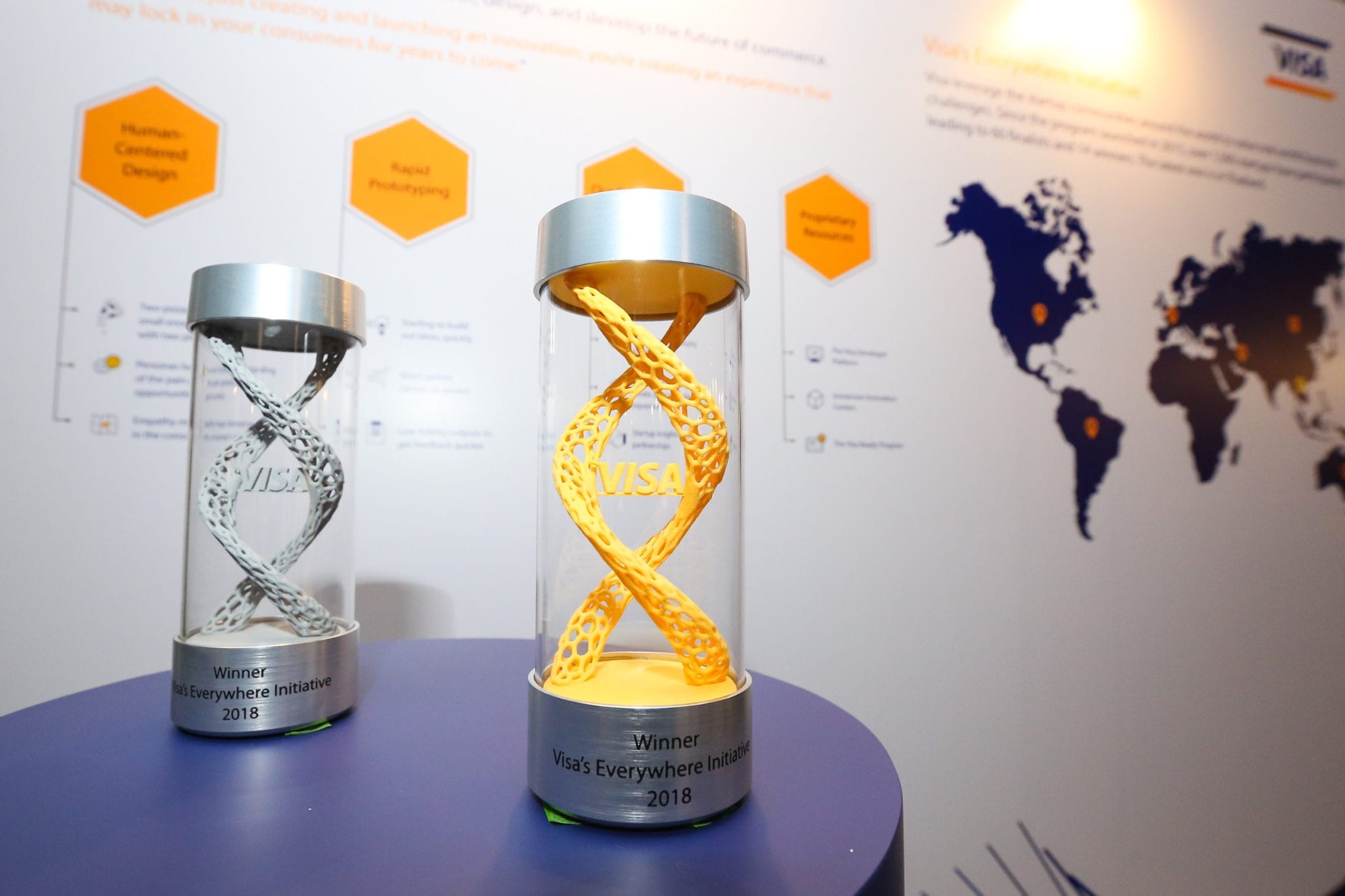
    Visa, the world’s leader in digital payments, announced the winner of its first Visa’s Everywhere Initiative competition in Thailand, awarding Sellsuki the grand prize of THB1 million in funding, in addition to mentorship, exposure to Visa partners and access to facilities and experts at Visa’s Innovation Center in Singapore.

    The winner of the VEI goes to Sellsuki, a social-first omnichannel retail platform that helps merchants to manage their own sales channels with end-to-end integrations on a variety of logistics. In cooperation with Visa, Sellsuki will make use of Visa’s APIs via adopting the use of digital payment services onto their platform, in order to help foster the most well-rounded e-commerce ecosystem.

    Visa’s Everywhere Initiative (VEI) is a global innovation program that challenges start-ups to build the next big thing in payments and accelerate the future of commerce, leveraging Visa’s world-class network. The 2018 global program kicks off with the Thailand competition.

    Of more than 80 submissions, a total of nine finalists were selected for the three opportunity statements:

    How can start-ups innovate to create relevant and rewarding digital payment experiences for international tourists visiting Thailand?

      1. UTU
      2. Angel Life
      3. Instarem

    How can start-ups leverage social media platforms to accelerate commerce & scale access to financial services?

    1. 2C2P
    2. Jumper
    3. Sellsuki

    How can start-ups innovate to make digital payments easy to access and capable of adding value for merchants?

    1. Seekster
    2. Digio
    3. Silo

    Silo won the People’s Choice Award and THB200,000 in prize money.

    Suripong Tantiyanon, Country Manager, Visa Thailand said: “There is a strong momentum in Thailand’s fintech scene evident in the quality of the application we received. At Visa, we believe innovation hinges upon collaboration and co-creation, by bringing different parties together to jointly produce an outcome that brings value to all. Engaging with the start-up community through Visa’s Everywhere Initiative is therefore crucial in growing the payments ecosystem and enabling new ways of innovation. We look forward to working with these companies, helping them to harness Visa expertise and APIs, to scale their solutions to the next level.”

    Visa’s Everywhere Initiative was created in 2015 to harness the creativity and talent within the startup community worldwide. To date, nearly 2,100 startups have participated, and have collectively raised over $2 billion in funding. The program has selected more than 131 finalists and 36 overall winners. More than 40 countries and regions that have hosted Visa’s Everywhere Initiative including the US, China, Australia, New Zealand, Europe, the Middle East, and Latin America.

  • Alibaba CEO invests 20 million dollars in Rent the Runway

    Alibaba CEO invests 20 million dollars in Rent the Runway

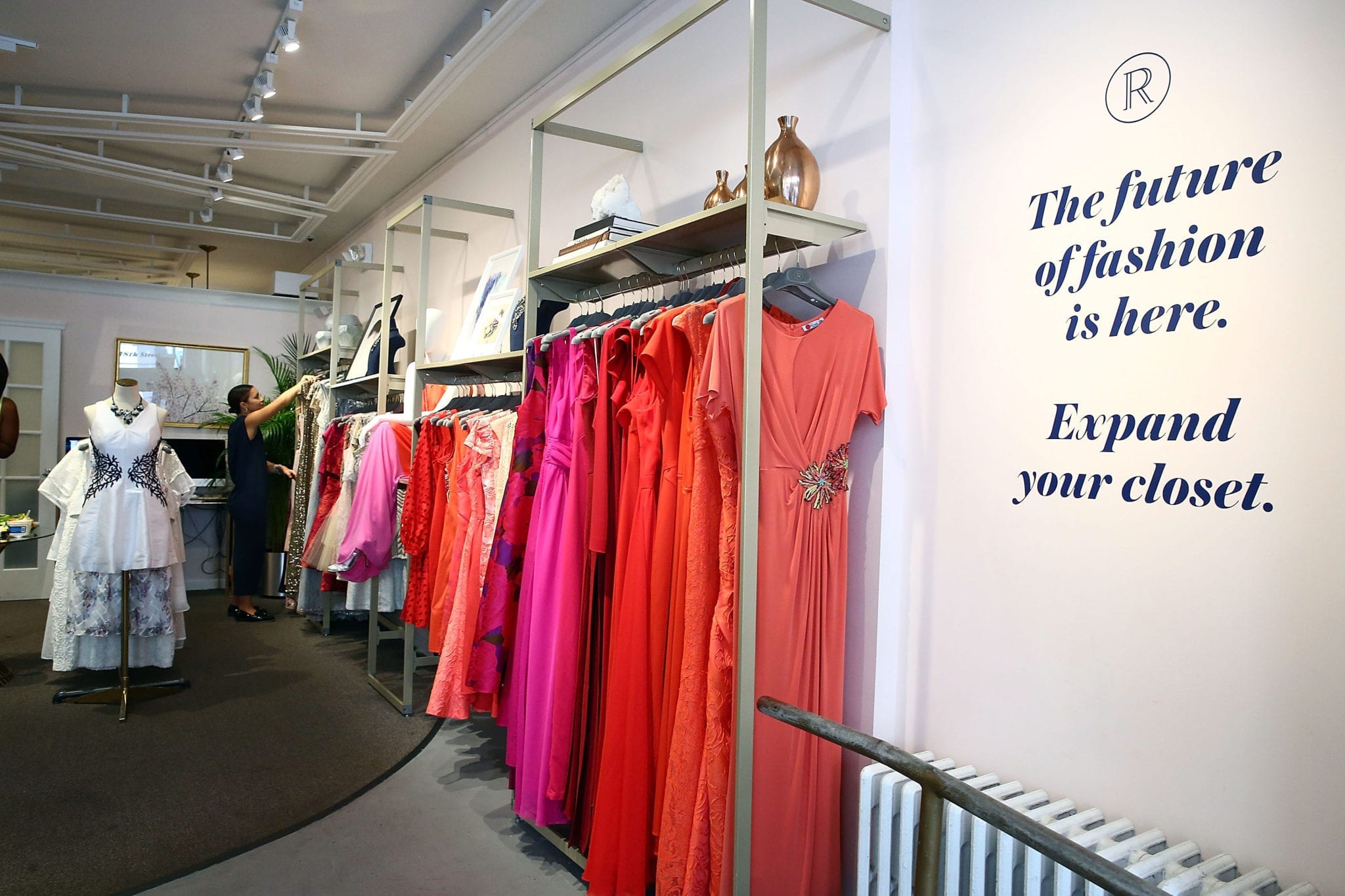
    An Alibaba affiliate has invested US$21 million in online fashion rental service Rent the Runway.

    Rent the Runway CEO Jennifer Hyman says that over time the company has built a great relationship with the team at Blue Pool Capital, an asset-management firm established by Alibaba founders Jack Ma and Joe Tsai.

    The funding values Rent the Runway at nearly $800 million. In December 2016, it closed a $60 million series-E funding round led by Fidelity Management and Research Company.

    “Launched in 2009, Rent the Runway seemed to struggle a few years ago amid the complex logistics as a renter of high- to mid-fashion apparel,”

    As the company evolved, it has also tested the limits of its own revolutionary premise – that people will begin to think of their wardrobes as existing ‘in the cloud’, making them virtually infinite.

    “It is a step beyond the original concept of renting special-occasion dresses and shoes – the Cinderella approach – to renting casual wear and office wear on a routine basis.”

    The stance is a direct challenge to fast fashion, which relies on inexpensive ownership and a closet’s high turnover.

  • January Malaysia manufacturing sales up 11% year-on-year

    January Malaysia manufacturing sales up 11% year-on-year

    Manufacturing sales in Malaysia soared 10.8% to RM67.8 billion in January this year compared with RM61.2 billion in the same month of 2017.

    The Department of Statistics said in a statement today the significant increase in sales value was due to increases in electrical and electronic products (14.3%); petroleum, chemical, rubber and plastic products (10.9%); and non-metallic mineral products, basic metal and fabricated metal products (8.1%).

    These three sub-sectors contributed 80.2% to the sales value of the manufacturing sector in the first month of the year.

    The total number of employees engaged in the manufacturing sector in January 2018 was 1.07 million persons, a 2.5% increase or 26,203 persons from the 1.04 million persons in January 2017.

    Salaries and wages paid rose 13.3% or RM439.7 million to RM3.74 billion, translating into an average salaries and wages per employee of RM3,494 in January 2018.

    Sales value per employee was up by 8% to RM63,292 compared with the same month in the previous year.

  • Facebook launches Hong Kong Marketplace

    Facebook launches Hong Kong Marketplace

    Facebook Marketplace has launched in Hong Kong, allowing users to easily find, buy and sell goods locally.

    Already 550 million people buy and sell in groups on Facebook each month. With Marketplace, it is easier to both sell and buy. Users can view the public profiles of buyers and sellers, their mutual friends, and how long they have been on Facebook.

    FeedMarketplace shows items relevant to users’ interests and available in their community. Similarly, by tapping on the Marketplace icon, users can post products for sale directly or cross-post from a buy-and-sell group.

    Users can search for specific items and filter results by location, category or price. Images can be tapped to show more details, and items can be saved for later perusal.

    Interested buyers can directly contact the seller by message and make an offer. Facebook does not handle payments or deliveries.

    To sell an item, users simply take a photo, describe the item and set their.

    Hong Kong joins 64 countries where Marketplace is available.

  • Fast Retailing to open first Uniqlo shop on Indonesia’s Sumatra Island

    Fast Retailing to open first Uniqlo shop on Indonesia’s Sumatra Island

    Japanese casualwear manufacturer Fast Retailing will open a Uniqlo shop on Sumatra Island, its first outlet outside Indonesia’s most populous main island of Java.

    The shop will open at the Sun Plaza shopping mall in Medan this week, in the northern part of the island. It covers about 2000sqm.

    Fast Retailing Indonesia president Michiaki Tanaka says the Sumatra opening will be followed by another outlet outside Java, in Makassar on Sulawesi Island, in May.

    Two more shops are planned for Jakarta and Yogyakarta before August, taking the number of outlets in the country to 18. Tanaka says brand recognition has been boosted through the store expansions.

    Uniqlo first opened in Indonesia in 2013.

  • New Deal Means a New Majority Owner for Smashburger

    New Deal Means a New Majority Owner for Smashburger

    In $100 million deal, Jollibee Foods Corp. will acquire an additional 45 percent of Smashburger, the Denver-based burger franchise that has more than 360 restaurants. The companies announced the deal Tuesday and it’s one that increases Jollibee’s ownership stake in the chain to 85 percent. The Philippines-based restaurant company first bought a 40 percent stake in Smashburger in October 2015 for $100 million, a deal which then valued the chain at $335 million.

    Tom Ryan, co-founder and CEO of Smashburger, called Jollibee an “invaluable strategic partner.”

    “Our momentum in 2017 around improved guest experience, iconic and record-setting product launches, and innovative marketing provide JFC a tremendously strong brand to enter the North American market,” said Ryan in a statement. “Our entire team couldn’t be more excited to grow the Smashburger brand and share the great tastes of Smashburger with the world.”

    Ryan took over as CEO in December 2016 following the exit of Mike Nolan after just nine months. Nolan had replaced Scott Crane, who stepped down in April 2016.

    Since Ryan’s move to chief executive, Smashburger has focused on developing new menu items, such as its Triple Double Burger, and expanded its marketing efforts. The company in 2017 also launched Smash Pass, a subscription-model consumer frequency program.

    With the expanded Jollibee partnership, Smashburger CFO Bradford Reynolds said growth in Southeast Asia is a focus.

    “This reinforced strategic partnership with JFC will allow Smashburger to continue to focus on growth in both existing and new markets including the opportunity to bring our great tasting burgers, fries and hand-spun shakes to Southeast Asia,” said Reynolds. “We look forward to building upon our successful relationship to further bolster the brand as an international leader in the better burger segment.”

    Smashburger’s footprint extends to 38 states and nine countries. Jollibee Foods operates the largest foodservice network in the Philippines, with 2,875 restaurants in the country as of December 31, 2017. In addition to its 1,062 units of the Jollibee brand, it has Chowking, Greenwich, Red Ribbon, Mang Inasal and is a Burger King franchisee with 93 units. It also operates restaurants in Australia, Bahrain, Brunei, Canada, China, Hong Kong, Indonesia, Korea, Kuwait, Macau, Oman, Qatar, Saudi Arabia, Singapore, the United States and Vietnam.